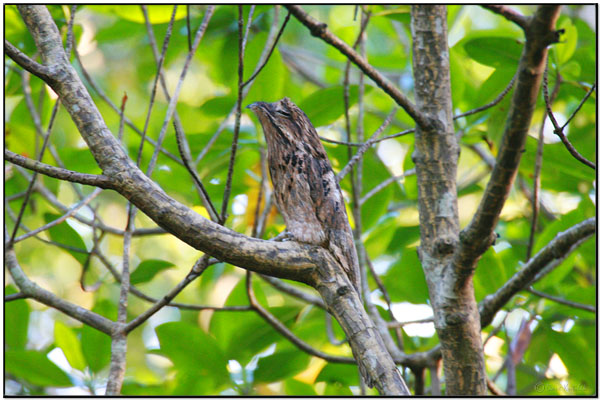
Common Potoo (Nyctibius griseus)

Common Potoo (Nyctibius griseus) by Daves BirdingPix

Common Potoo (Nyctibius griseus) by Daves BirdingPix

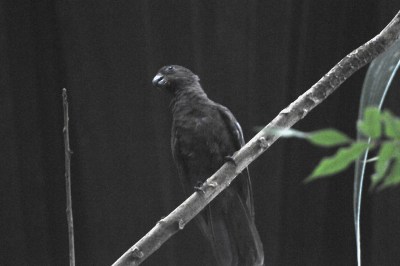
While going through the photos for the Birds of the World pages to get them ready to post, I came across this amazing bird.

The Common Potoo (or Lesser) (Nyctibius griseus) is almost hard to find in this photo. Their camouflage colors of brown, black, and grey plumage makes them look just like tree bark. They sleep during the day sitting up and look like a dead branch. Their mouth is quite large which lets them catch prey (flying insects) when they make “quick, short, silent flights.” The Potoo is active at dawn and dusk. They are related to the nightjars and frogmouths and are sometimes called Poor-me-ones, because of the haunting calls. There are seven species in the Nyctibius genus in tropical Central and South America. They seem to prefer humid forests, but a few occur in drier forests.

They do not build a nest, but find a limb with a depression and lay their single egg there. Both parent help with incubation, which takes 30-35 days.

The Great Potoo is 48-60 cm (19-24 in) long, and the Lesser or Common is 33-38 cm (13-15 in) long.
The following Potoo sounds are from xeno-canto America
Great Potoo – Long Tailed Potoo – Northern Potoo – Andean Potoo – Common or Lesser Potoo – White-winged Potoo
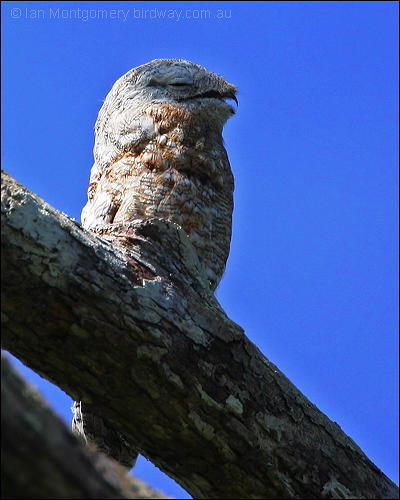
Great Potoo (Nyctibius grandis) by Ian's Birdway

Great Potoo (Nyctibius grandis) by Ian’s Birdway

The potoos are:

The Lord created the Potoo’s with a great plumage that blends in so well. This is for its protection and it serves the bird well. The thing that amazed me about the Potoo is how well it conforms to its surroundings. We are told in Romans 12:2 that we are not to be conformed to the world or to look and act like the unrighteous around us. We are to be transformed or changed by the renewing of our mind.

And be not conformed to this world: but be ye transformed by the renewing of your mind, that ye may prove what is that good, and acceptable, and perfect, will of God. (Romans 12:2 KJV)

Interesting Links:
Potoo by Wikipedia
Common Potoo Nyctibius griseus by Mangoverde World Bird Guide
Lee’s Birds of the World

Updated – More Species Pages

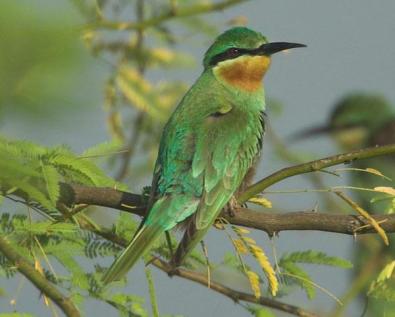
Blue-tailed Bee-eater (Merops philippinus) by Nikhil Devasar

Blue-tailed Bee-eater (Merops philippinus) by Nikhil Devasar

I have updated several more pages for the species:

Jacanidae – Jacanas

Meropidae – Bee-eaters

Tinamidae – Tinamous

On the slides, a “©” copyright symbol indicates a photo from the web and a “by” indicates one of the photographers with links on our sidebar. Please visit their sight to see many more fantastic shots.

As I obtain more photos of the missing species they will be added.

Bird Name Challenges

Seychelles Black Parrot is actually Lesser Vasa Parrot (Coracopsis nigra) by Bob-Nan

Seychelles Black Parrot is actually Lesser Vasa Parrot (Coracopsis nigra) by Bob-Nan

As I have been working, behind the scenes to obtain photos for the Birds of the World pages, it has been a challenge to match the birds up with their new names. Apparently the I.O.C. (International Ornithological Congress) has a goal to standardize the English names of birds. That is a good thing, but it has problems.

Fantastic photographers (see sidebar-Photographers) have given their permission to use their photos, but the titles they use, don’t always coincide with the new names. So the progress has been slow trying to match the two together. It is not their fault, but changes just keep occurring. When all is said and done, when you link to a photo of theirs and the name is not the same as you clicked, not to worry. I have done my best to match them up properly. Many also give the Scientific name which is a great aid. I have had to “Google” many of the old names to try to come up with the correct new one.

An article puts all of the Naming in good perspective. “New Standard Bird Names – do we need them?” by Sumit K. Sen, from the Birds of India website does that. Here is just one his thoughts:

Bird renaming it seems is not a task, but a passion. Year after year birds are renamed by whoever has the ability to get anything printed. Some birds are particularly at risk and go through name changes as fast as their numbers decline. The only relief for them may be extinction – but that may still not be ‘name-change’ relief for us. We may suddenly be told that it was not a yuhina that went extinct – but was an epornis all the time! I am still waiting for someone to propose that the Dodo is entirely inappropriate (especially as there are some suggestions that the etymology of the word ‘dodo’ may have derogatory connotations associated with it) and the bird should certainly be called a ‘Mauritius Flightless Pigeon’ and we will soon learn that ‘as dead as a Mauritius Flightless’ is more appropriate usage over ‘as dead as a dodo’. It is coming, believe me!

Madagascar Bee-eater is the Olive Bee-eater (Merops superciliosus) by Bob-Nan

Madagascar Bee-eater is the Olive Bee-eater (Merops superciliosus) by Bob-Nan

You will find his comments interesting. In the mean time, the birds have been merrily doing what God told them to do, and that is reproduce and fill the earth. Luckily, they do not wear name tags that have to be replaced every so often to keep up with their new names.

Bring out with you every living thing of all flesh that is with you: birds and cattle and every creeping thing that creeps on the earth, so that they may abound on the earth, and be fruitful and multiply on the earth. (Genesis 8:17 NKJV)