Birds of the Bible – Birds of Every Sort

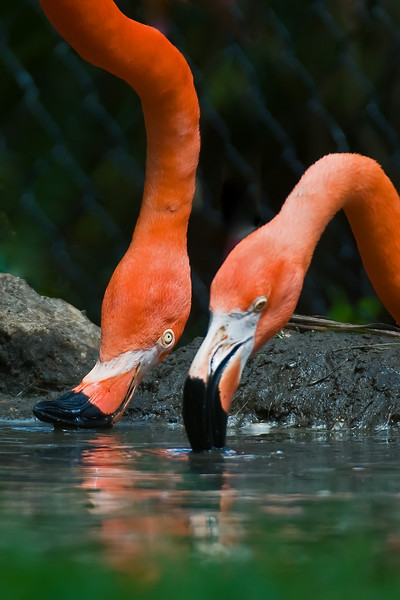
American Flamingo (Phoenicopterus ruber) by Africaddict

American Flamingo (Phoenicopterus ruber) by Africaddict

When I came across this verse about “every kind of bird” and “birds of every sort,” I decided it would be great to show some of the really fantastic birds that I have seen recently in the photos I am sorting for the Birds of the World blog. This will be done, but also the verses themselves are very interesting.

Thus says the Lord GOD: “I myself will take a sprig from the lofty top of the cedar and will set it out. I will break off from the topmost of its young twigs a tender one, and I myself will plant it on a high and lofty mountain. On the mountain height of Israel will I plant it, that it may bear branches and produce fruit and become a noble cedar. And under it will dwell every kind of bird; in the shade of its branches birds of every sort will nest. And all the trees of the field shall know that I am the LORD; I bring low the high tree, and make high the low tree, dry up the green tree, and make the dry tree flourish. I am the LORD; I have spoken, and I will do it. (Ezekiel 17:22-24 ESV)

Tufted Puffin by Dave's BirdingPix

Tufted Puffin by Dave's BirdingPix

Nebuchadnezzar had placed one of the family of David on the throne in Judah. This signified taking the seed of the land and planting it, but it did not succeed. But as these verses tell of a future time when there will be a “tender one” from the topmost twigs, referring to the Messiah, the tender one, and the tribe of Judah, main tribe. The Messiah is often referred to as a branch in prophecy.
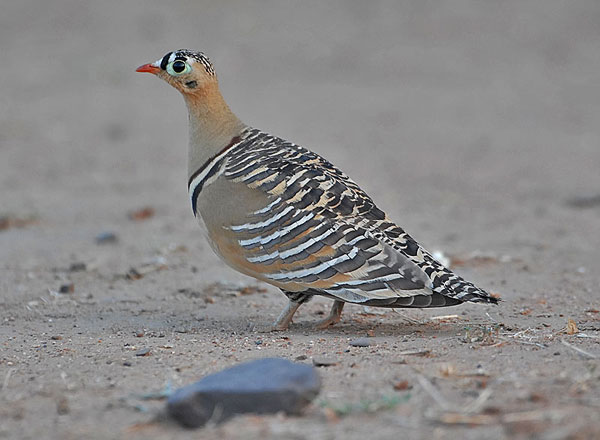
Painted Sandgrouse (Pterocles indicus) by Nikhil

Painted Sandgrouse (Pterocles indicus) by Nikhil

“Nebuchadnezzar and Zedekiah was made on this ground, and the name of Jehovah was brought in to confirm it. It was not the Gentile who broke the covenant. Zedekiah added to his other sins that of rendering impossible the existence of a people and a kingdom that belonged to God. The name of Jehovah was more despised and trampled under foot by him than by the Gentile king. He intrigues with Egypt to escape from the dominion of Nebuchadnezzar, whom God Himself, in judgment, had set up as supreme. This filled up the measure of iniquity, and brought on the final judgment. But it left room for the sovereignty of God, who would bring down the high tree and exalt the low tree, who would dry up the green tree and make the dry tree to flourish. His grace would take the little forgotten branch of the house of David and raise it up in Israel upon the mountain of His power, where He would cause it to become a goodly cedar, bearing fruit, and sheltering all that would seek the protection of its shadow. All the powers of the earth should know the word and the works of Jehovah.” From John Darby’s Synopsis.

Cedar Waxwing (Bombycilla cedrorum) by J Fenton

Cedar Waxwing (Bombycilla cedrorum) by J Fenton

“The twig planted by the Lord will grow there into a glorious cedar, under which all birds will dwell. The Messiah grows into a cedar in the kingdom founded by Him, in which all the inhabitants of the earth will find both food (from the fruits of the tree) and protection (under its shadow). For this figure, compare Daniel 4:8-9. צִפֹּור כָּל־כָּנָף, birds of every kind of plumage (cf. Ezekiel 39:4, Ezekiel 39:17), is derived from Genesis 7:14, where birds of every kind find shelter in Noah’s ark. The allusion is to men from every kind of people and tribe. By this will all the trees of the field learn that God lowers the lofty and lifts up the lowly.” From Keil & Delitzsch Commentary on Old Testament

Salvation is open to all people no matter what background, nationality, or tongue you speak. As the birds of every sort enjoy the shade and provisions of the tree, may you enjoy the Salvation of Lord and all His blessings He provides.

See: Wordless Birds

This is Birds of Every Sort – Part 1 (Non-Passerines)
*

This slideshow requires JavaScript.

*

Saddle Creek Birdwatching – 09/05/09

Saddle Creek Park - Polk County, FL

Saddle Creek Park - Polk County, FL

Today Dan and I headed out to join the group at Saddle Creek, who do a walk each Saturday from Mid-August to October. By the time I figured out that my legs would cooperate and decided to go, the group had already gone down the trail. So we just birded on our own. In just the hour we stayed there, we were able to see or hear at least 26 species, plus the few unknowns.
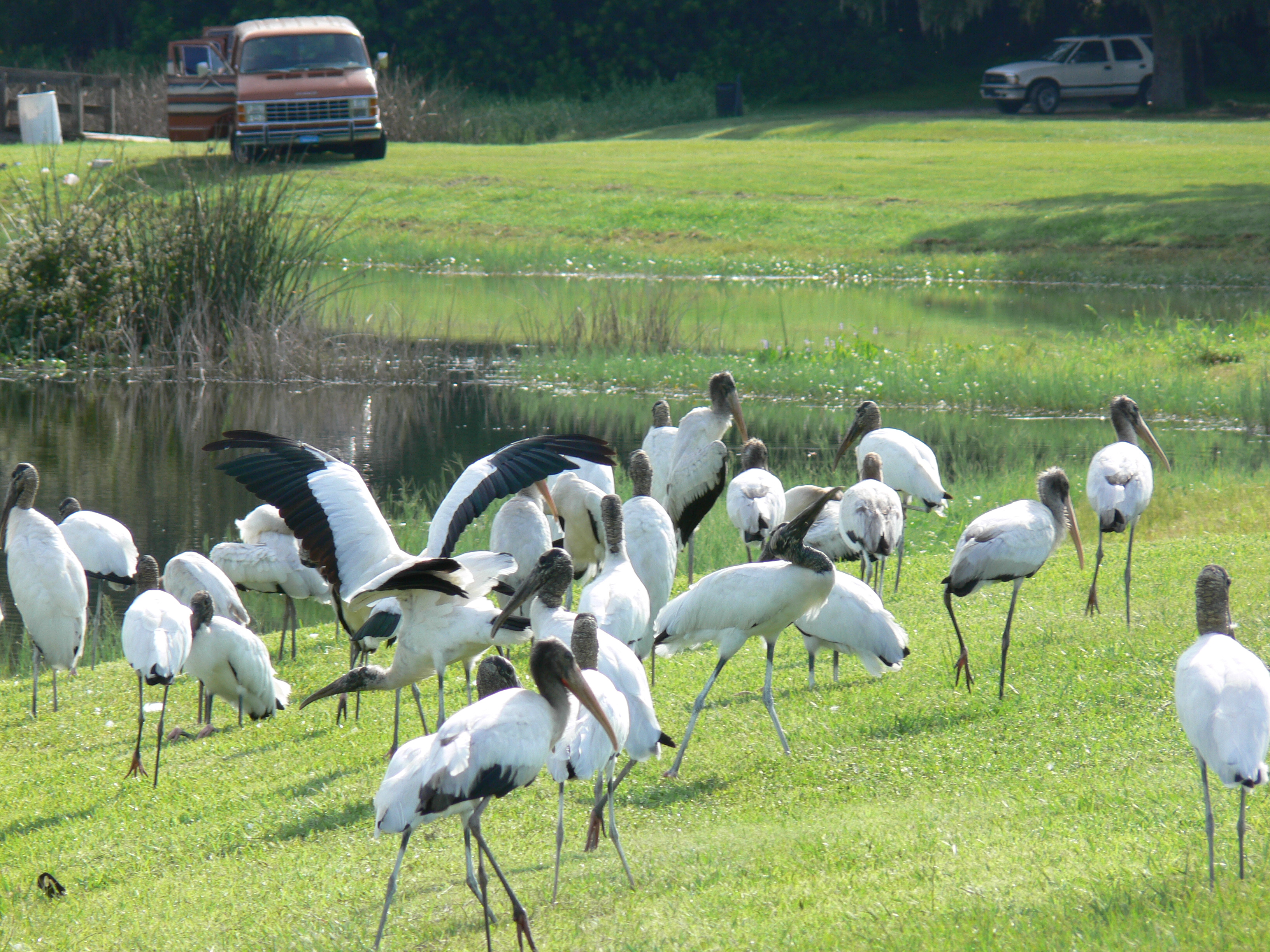
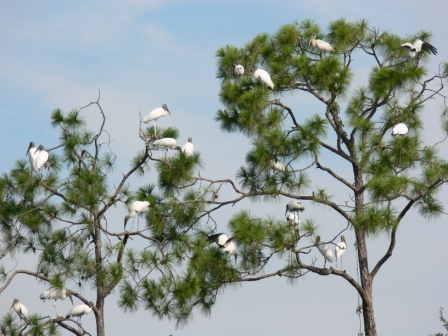
When we first entered the park, we were greeted by over 40 Wood Storks (see photos). They were standing around, flying around and sitting in trees, so an accurate count was difficult. On the way to the trails we spotted, Great Blue Herons, Anhingas, Pied-billed Grebe, Great Egret, Common and Boat-tailed Grackles, Northern Mockingbird, Eurasian-collared Doves and Mourning Doves and a Muscovy Duck.

Wood Storks at entrance

Wood Storks at entrance

Back at the parking area for the trails, we heard wood being banged on and sure enough a Pileated Woodpecker was right in the tree above our heads. Later we also heard a Downy and a Red-bellied Woodpecker. Along the open area by the pond were several female Common Yellowthroats, Great Blue Heron, Little Blue Heron, Tricolored Heron and in the pond were several Common Moorhens being kept company by two large alligators.

Wood Stork Tree

Wood Stork Tree

While we were watching them, 3 Sandhill Cranes flew over and then some Fish Crows flew by. As we walked along the bushes at the edge of the lake we spotted a Blue Jay, Northern Cardinal, Blue-Grey Gnatcatcher, Belted Kingfisher and heard a Carolina Wren.
All in all, it was a nice birding morning. It was 75° when we started with about 85% humidity. Other than the humidity, it was a great day to enjoy God’s Creation.

*

This slideshow requires JavaScript.

*

Birds of the Bible – Hoopoe II

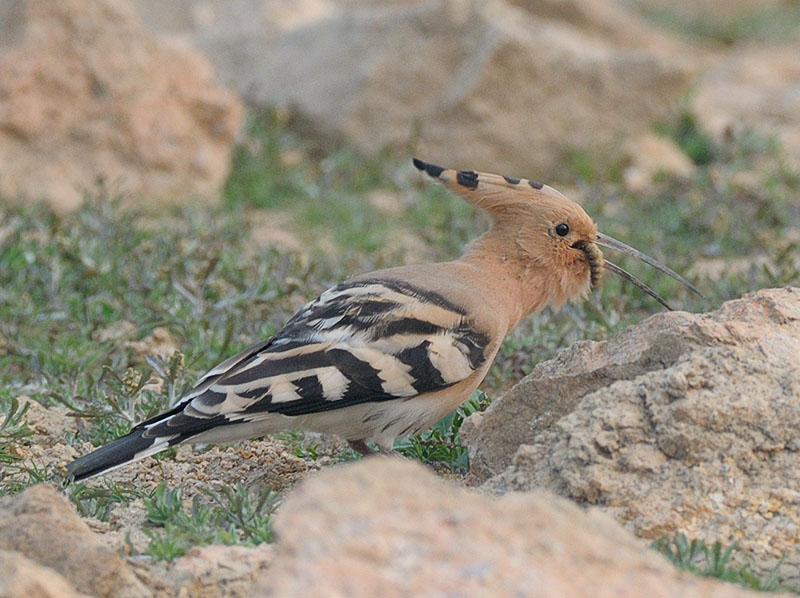
Eurasian Hoopoe (Upupa epops) by Ian

Eurasian Hoopoe (Upupa epops) by Ian

The Hoopoe was introduced in Birds of the Bible – Hoopoe and would like to add more information about the Hoopoe.

The Hoopoes are in the BUCEROTIFORMES Order which includes Hoopoes, Wood Hoopoes, Hornbills and Ground Hornbills. I have revised this information since the 1st article. Wikipedia (now updated) had them with the woodpeckers, but the records I am using from the I.O.C. (2009) places them with the hornbills and in the Upupidae Family

The three Upupidae members are the Eurasian, African, and Madagascar Hoopoes. (Some say these three are basically the same.) The Wood Hoopoes are in the Phoeniculidae Family that consists of the Forest, White-headed, Green, Black-billed, Violet and Grant’s Wood Hoopoes. That family also has the Black, Common and Abyssinian Scimitarbills.

“The Hoopoe is a medium sized bird, 25–32 cm (9.8-12.6 in) long, with a 44–48 cm (17.3-19 in) wingspan weighing 46-89 g (1.6-3.1 oz). The species is highly distinctive, with a long, thin tapering bill that is black with a fawn base. The strengthened musculature of the head allows the bill to be opened when probing inside the soil. The hoopoe has broad and rounded wings capable of strong flight; these are larger in the northern migratory subspecies. The Hoopoe has a characteristic undulating flight, which is like that of a giant butterfly, caused by the wings half closing at the end of each beat or short sequence of beats.” (Wikipedia) It appears that the Lord has created this bird with just what it needs find its food.

Eurasian Hoopoe

Eurasian Hoopoe

“The Hoopes have well developed anti-predators defences in the nest. The uropygial gland of the incubating and brooding female is quickly modified to produce a foul-smelling liquid, and the glands of nestlings do so was well. These secretions are rubbed into the plumage. The secretion, which smells like rotting meat, is thought to help deter predators, as well as deter parasites and possibly act as an antibacterial agent. The secretions stop soon before the young leave the nest. In addition to this secretion nestlings are able to direct streams of faeces at nest intruders from the age of six days, and will also hiss at intruders in a snake like fashion. The young also strike with their bill or with one wing.” This point could well have been why the Hoopoe was placed on the “unclean list” of birds not to eat.

the stork, the heron after its kind, the hoopoe, and the bat. (Lev 11:19 NKJV)
the stork, the heron after its kind, and the hoopoe and the bat. (Deu 14:18 NKJV)

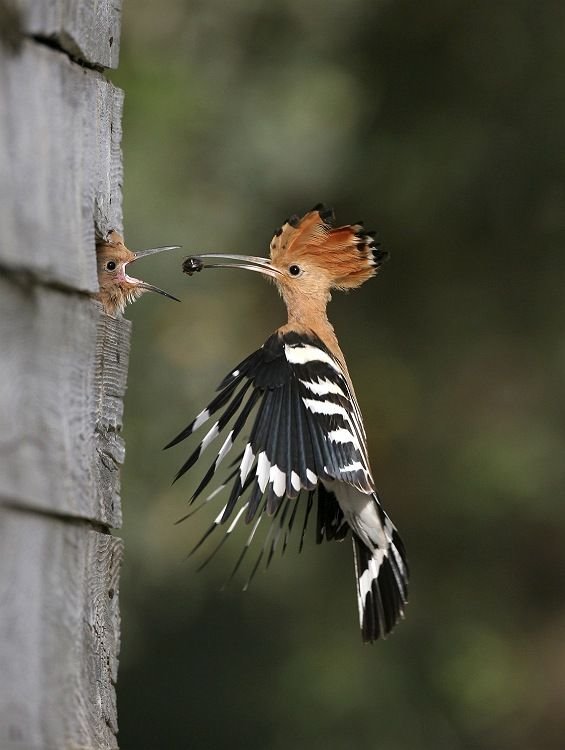
Hoopoe Feeding Young from an email

Hoopoe Feeding Young from an email

The lapwing – דוכיפת duchiphath, the upupa, hoopoe, or hoop, a crested bird, with beautiful plumage, but very unclean. See Bochart, and Scheuchzer. Concerning the genuine meaning of the original, there is little agreement among interpreters.” from Adam Clarke’s Commentary on the Bible.

John Gill’s Exposition of the Whole Bible says, “and the lapwing; the upupa or hoopoe; it has its name in Hebrew, according to Jarchi, from its having a double crest; and so Pliny (o) ascribes to it a double or folded crest, and speaks of it as a filthy bird; and, according to Aristotle (p) and Aelian (q), its nest is chiefly made of human dung, that by the ill smell of it men may be kept from taking its young; and therefore may well be reckoned among impure fowl. Calmet (r) says, there is no such thing as a lapwing to be seen in any part of England; but there are such as we call so, whether the same bird with this I cannot say:”

The LORD was teaching the Israelites to obey by not eating certain animals and birds, but it appears that this was also beneficial for their health and well being.

Casting down imaginations, and every high thing that exalteth itself against the knowledge of God, and bringing into captivity every thought to the obedience of Christ; (2 Corinthians 10:5 KJV)

See also:

Birds of the Bible – Hoopoe I
Hoopoe Photos
Hoopoe Videos
Hoopoe at Wikipedia
Hoopoes Upupidae by Bird Families of the World
Wood hoopoe by Wikipedia

Not What My Hands

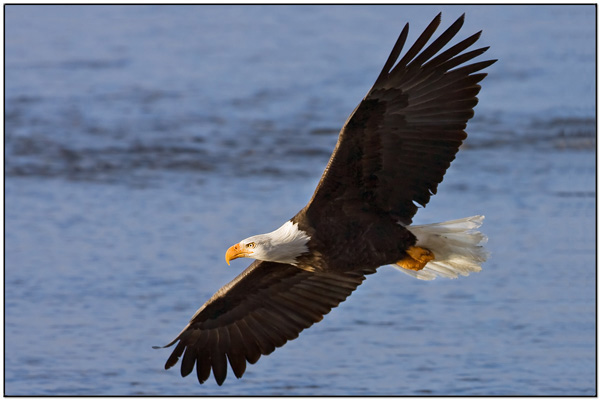
Bald Eagle flying by Dave's BirdingPix

Bald Eagle flying by Dave's BirdingPix

Sunday night at our church (Faith Baptist Church, Winter Haven, FL) our young people were giving reports and testimonies of their summer youth trips. They went to three different places through out the summer and did things from teaching VBS to painting house and cleaning up around them. They also went to a leadership training in Pennsylvania. One of the highlights of the evening was a song that Reagan and Lauren sang. Since it had this line, “And I have come to hide beneath your wings,” I asked Stephen to put it on YouTube. He did, and here is that song. It has a tremendous message to it.

I trust you will enjoy the song and most of all, the words.

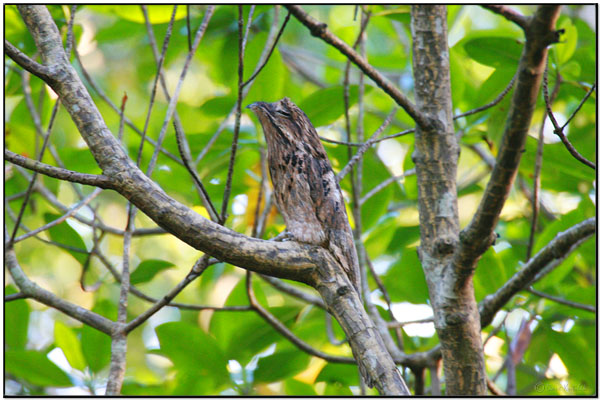
Common Potoo (Nyctibius griseus)

Common Potoo (Nyctibius griseus) by Daves BirdingPix

Common Potoo (Nyctibius griseus) by Daves BirdingPix

While going through the photos for the Birds of the World pages to get them ready to post, I came across this amazing bird.

The Common Potoo (or Lesser) (Nyctibius griseus) is almost hard to find in this photo. Their camouflage colors of brown, black, and grey plumage makes them look just like tree bark. They sleep during the day sitting up and look like a dead branch. Their mouth is quite large which lets them catch prey (flying insects) when they make “quick, short, silent flights.” The Potoo is active at dawn and dusk. They are related to the nightjars and frogmouths and are sometimes called Poor-me-ones, because of the haunting calls. There are seven species in the Nyctibius genus in tropical Central and South America. They seem to prefer humid forests, but a few occur in drier forests.

They do not build a nest, but find a limb with a depression and lay their single egg there. Both parent help with incubation, which takes 30-35 days.

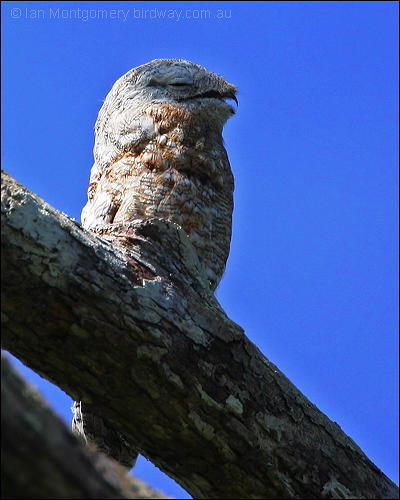
The Great Potoo is 48-60 cm (19-24 in) long, and the Lesser or Common is 33-38 cm (13-15 in) long.
The following Potoo sounds are from xeno-canto America
Great Potoo – Long Tailed Potoo – Northern Potoo – Andean Potoo – Common or Lesser Potoo – White-winged Potoo

Great Potoo (Nyctibius grandis) by Ian's Birdway

Great Potoo (Nyctibius grandis) by Ian’s Birdway

The potoos are:

The Lord created the Potoo’s with a great plumage that blends in so well. This is for its protection and it serves the bird well. The thing that amazed me about the Potoo is how well it conforms to its surroundings. We are told in Romans 12:2 that we are not to be conformed to the world or to look and act like the unrighteous around us. We are to be transformed or changed by the renewing of our mind.

And be not conformed to this world: but be ye transformed by the renewing of your mind, that ye may prove what is that good, and acceptable, and perfect, will of God. (Romans 12:2 KJV)

Interesting Links:
Potoo by Wikipedia
Common Potoo Nyctibius griseus by Mangoverde World Bird Guide

Lee’s Birds of the World

When I Consider! – Woodpecker and Bones

When I Consider!

When I Consider!

“Evidence from Biology”

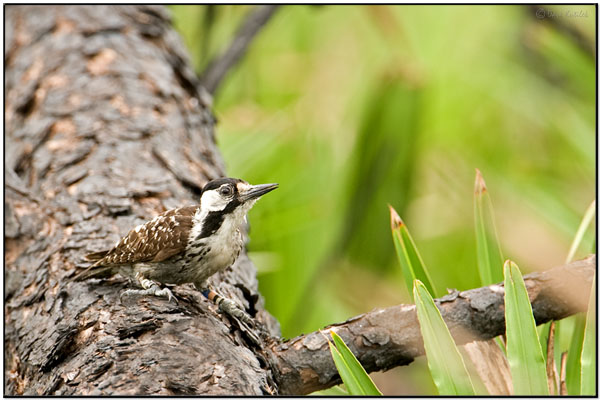
“In His Word, God tells us that He cares for His creatures. One can observe repeated examples of this in nature. Every creature on Earth has been programmed to take care of itself. An example is the female Red-Cockaded Woodpecker, which changes her diet to include more calcium at egg-laying time. Scientist have found that the woodpecker starts gathering, storing, and eating bone fragments a few days before laying her eggs. Bones contain an extremely high concentration of calcium, which is needed for the shells of the woodpecker’s eggs. After her eggs are laid and her body requires less calcium, the woodpecker shows little interest in pieces of bone.

Red-cockaded Woodpecker (Picoides borealis) by Daves BirdingPix

Red-cockaded Woodpecker (Picoides borealis) by Daves BirdingPix

Where did this instinct to eat bones originate? How does the woodpecker know when she can stop eating bone fragments? Would this process have taken place before the Fall, when the world was a perfect paradise? No one knows, but it is apparent that this instinct had to be programmed into the woodpecker for it to survive in the current fallen world. What a leap of faith to believe that the woodpecker’s ability to meet her need for increased calcium just “evolved” by chance!

Letting God Create Your Day, Vol.3, p.22″

Look at the birds of the air, for they neither sow nor reap nor gather into barns; yet your heavenly Father feeds them. Are you not of more value than they? (Matthew 6:26 NKJV)

A Closer Look at the Evidence, Aug 5, by Richard and Tina Kleiss


An excerpt from U.S. Fish & Wildlife Service, “Red-cockaded Woodpecker Picoides borealis

“Red-cockaded woodpeckers rarely come to the ground. They even bathe in water-filled depressions on tree limbs. Recent research notes that female red-cockaded woodpeckers search for bone bits on the forest floor and stuff them in tree crevices. Zoologists say it is the first known instance of a bird hoarding something for its mineral, rather than caloric, content. Calcium-rich bone is not rare, but the birds probably seek it to ensure stronger eggshells. They stash it in a tree so they won’t have to eat on the ground where they are vulnerable to predators.”

Birds in Hymns – Awake, Thou Careless World, Awake

Heaven and earth shall pass away: but my words shall not pass away. (Luke 21:33 KJV)

Words: Jo­hann Rist, Neu­er Him­lische Lied­er son­der­bahr­es Buch (Lün­e­burg: 1651), p. 248 (Wach’ auf, wach’ auf, du sich’re Welt);
trans­lat­ed from Ger­man to Eng­lish by Ca­ther­ine Wink­worth, Cho­rale Book for Eng­land (Lon­don: Long­man, Green, Long­man, Ro­berts and Green, 1863), num­ber 27.
Music: Com­pos­er un­known.
Johann Rist (1607-1667)

Awake, Thou Careless World, Awake
For the Music

Awake, thou careless world, awake!
That final judgment day will surely come;
What Heav’n hath fixed time cannot shake,
Time never more shall sweep away thy doom.
Know, what the Lord Himself hath spoken
Shall come at last and not delay:
Though Heav’n and earth shall pass away,
His steadfast Word can ne’er be broken.

Awake! He comes to judgment, wake!
Sinners, behold His countenance
In beauty terrible, and quake
Condemned beneath His piercing glance.
Lo! He to whom all power is given,
Who sits at God’s right hand on high,
in fire and thunder draweth nigh,
To judge all nations under Heaven.

Bird Caught in a Snare

Bird Caught in a Snare

Awake! thou careless world, awake!
For none can tell how soon our God shall please
That suddenly that day should break?
No human wisdom fathoms depths like these.
O guard thee well from lust and gree;
For as the bird is in the snare,
Or ever of its foe aware,
So comes that day with silent speed.

Yet He in love delayeth long
The final day, and grants us space
To turn away from sin and wrong,
And mourning seek in time His help and grace.
He holdeth back that best of days,
Until the righteous shall approve
Their faith and hope, their constant love;
So gentle us-ward are His ways!

But ye, O faithful souls, shall see
That morning rise in love and joy,
Your Savior comes to set you free,
Your Judge shall all your bonds destroy:
He, the true Joshua, then shall bring
His people with a mighty hand
Into their promised father-land,
Where songs of victory they shall sing.

Rejoice! the fig tree shows her green,
The springing year is in its prime,
The little flowers afresh are seen,
We gather strength in this great time;
The glorious summer draweth near,
When all this body’s earthly load,
In light that morning sheds abroad,
Shall was as sunshine pure and clear.

Arise, and let us night and day
Watch for our Lord, and study o’er His Word,
And in the Spirit ever pray,
That we be ready when His call is heard;
Arise, and let us haste to meet
The Bridegroom standing at the door,
That with the angels evermore
We too may worship at His feet.


Go to more Hymns – CLICK HERE


Updated – More Species Pages

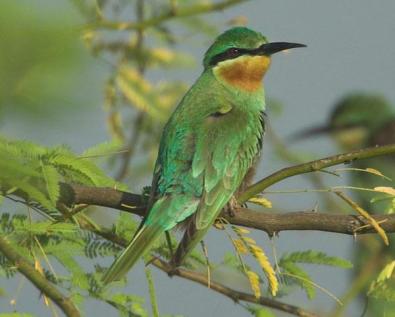
Blue-tailed Bee-eater (Merops philippinus) by Nikhil Devasar

Blue-tailed Bee-eater (Merops philippinus) by Nikhil Devasar

I have updated several more pages for the species:

Jacanidae – Jacanas

Meropidae – Bee-eaters

Tinamidae – Tinamous

On the slides, a “©” copyright symbol indicates a photo from the web and a “by” indicates one of the photographers with links on our sidebar. Please visit their sight to see many more fantastic shots.

As I obtain more photos of the missing species they will be added.

Bird Name Challenges

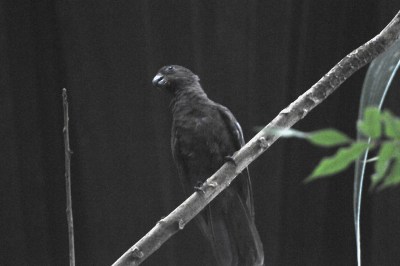
Seychelles Black Parrot is actually Lesser Vasa Parrot (Coracopsis nigra) by Bob-Nan

Seychelles Black Parrot is actually Lesser Vasa Parrot (Coracopsis nigra) by Bob-Nan

As I have been working, behind the scenes to obtain photos for the Birds of the World pages, it has been a challenge to match the birds up with their new names. Apparently the I.O.C. (International Ornithological Congress) has a goal to standardize the English names of birds. That is a good thing, but it has problems.

Fantastic photographers (see sidebar-Photographers) have given their permission to use their photos, but the titles they use, don’t always coincide with the new names. So the progress has been slow trying to match the two together. It is not their fault, but changes just keep occurring. When all is said and done, when you link to a photo of theirs and the name is not the same as you clicked, not to worry. I have done my best to match them up properly. Many also give the Scientific name which is a great aid. I have had to “Google” many of the old names to try to come up with the correct new one.

An article puts all of the Naming in good perspective. “New Standard Bird Names – do we need them?” by Sumit K. Sen, from the Birds of India website does that. Here is just one his thoughts:

Bird renaming it seems is not a task, but a passion. Year after year birds are renamed by whoever has the ability to get anything printed. Some birds are particularly at risk and go through name changes as fast as their numbers decline. The only relief for them may be extinction – but that may still not be ‘name-change’ relief for us. We may suddenly be told that it was not a yuhina that went extinct – but was an epornis all the time! I am still waiting for someone to propose that the Dodo is entirely inappropriate (especially as there are some suggestions that the etymology of the word ‘dodo’ may have derogatory connotations associated with it) and the bird should certainly be called a ‘Mauritius Flightless Pigeon’ and we will soon learn that ‘as dead as a Mauritius Flightless’ is more appropriate usage over ‘as dead as a dodo’. It is coming, believe me!

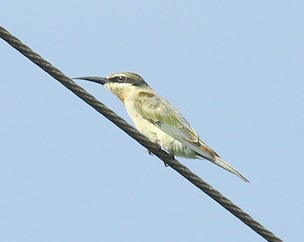
Madagascar Bee-eater is the Olive Bee-eater (Merops superciliosus) by Bob-Nan

Madagascar Bee-eater is the Olive Bee-eater (Merops superciliosus) by Bob-Nan

You will find his comments interesting. In the mean time, the birds have been merrily doing what God told them to do, and that is reproduce and fill the earth. Luckily, they do not wear name tags that have to be replaced every so often to keep up with their new names.

Bring out with you every living thing of all flesh that is with you: birds and cattle and every creeping thing that creeps on the earth, so that they may abound on the earth, and be fruitful and multiply on the earth. (Genesis 8:17 NKJV)

Birds of the Bible – In The Branches

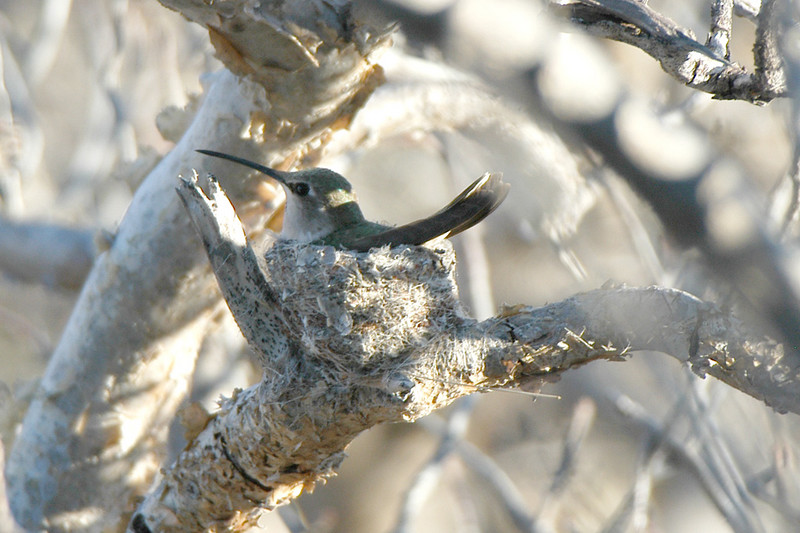
Costa's Hummingbird on Nest (Calypte costae) by Bob-Nan

Costa’s Hummingbird on Nest (Calypte costae) by Bob-Nan

While going through some of the photos of the latest photographers that gave permission to use their photos, I kept seeing so many of the birds in the trees and on branches. With not to much difficulty, I found quite a few verses that tell of the birds in the branches or the trees.

The trees and branches are referred to as:
1.) A home for the birds, a place to sing and where the birds make their nests.

(10-12) He sends the springs into the valleys; They flow among the hills. They give drink to every beast of the field; The wild donkeys quench their thirst. By them the birds of the heavens have their home; They sing among the branches. (17)Where the birds make their nests; The stork has her home in the fir trees.(Psalms 104:10-12,17 NKJV)

Brown Noddy (Anous stolidus) by Bob-Nan2

Brown Noddy (Anous stolidus) by Bob-Nan2

2.) A place where birds of every sort dwell and in its shadow.

On the mountain height of Israel I will plant it; and it will bring forth boughs, and bear fruit, and be a majestic cedar. Under it will dwell birds of every sort; in the shadow of its branches they will dwell. (Ezekiel 17:23 NKJV)

3.) They make their nests in its boughs.

(6) All the birds of the heavens made their nests in its boughs; Under its branches all the beasts of the field brought forth their young; And in its shadow all great nations made their home.
(13) On its ruin will remain all the birds of the heavens, And all the beasts of the field will come to its branches– (Ezekiel 31:6,13 NKJV)

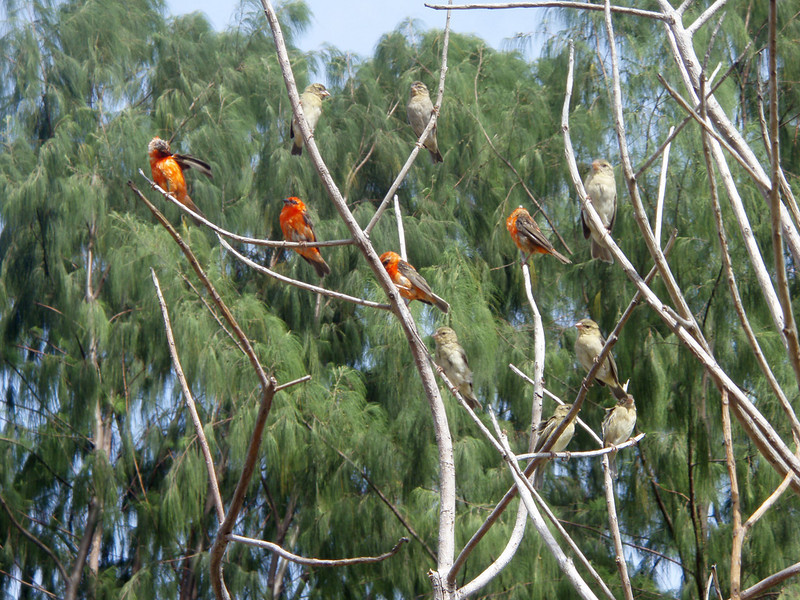
Red Fody (Foudia madagascariensis) by Bob-Nan

Red Fody (Foudia madagascariensis) by Bob-Nan

4.) The birds of the heavens dwelt in its branches then had to leave when it was chopped down.

Its leaves were lovely, Its fruit abundant, And in it was food for all. The beasts of the field found shade under it, The birds of the heavens dwelt in its branches, And all flesh was fed from it. “I saw in the visions of my head while on my bed, and there was a watcher, a holy one, coming down from heaven. He cried aloud and said thus: ‘Chop down the tree and cut off its branches, Strip off its leaves and scatter its fruit. Let the beasts get out from under it, And the birds from its branches. Nevertheless leave the stump and roots in the earth, Bound with a band of iron and bronze, In the tender grass of the field. Let it be wet with the dew of heaven, And let him graze with the beasts On the grass of the earth. (Daniel 4:12-15 NKJV)

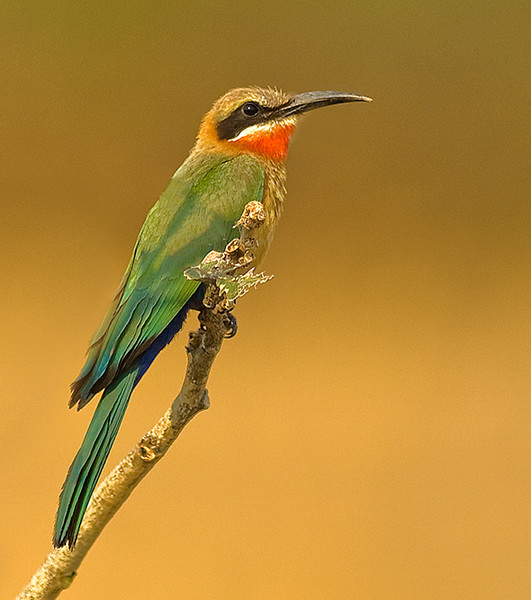
White-fronted Bee-eater (Merops bullockoides) by Africaddict

White-fronted Bee-eater (Merops bullockoides) by Africaddict

5.)  The branches were their home.

whose leaves were lovely and its fruit abundant, in which was food for all, under which the beasts of the field dwelt, and in whose branches the birds of the heaven had their home–(Daniel 4:21 NKJV)

6.) Warnings were given about the nest with young and the mother bird.

If a bird’s nest happens to be before you along the way, in any tree or on the ground, with young ones or eggs, with the mother sitting on the young or on the eggs, you shall not take the mother with the young; you shall surely let the mother go, and take the young for yourself, that it may be well with you and that you may prolong your days. (Deuteronomy 22:6-7 NKJV)

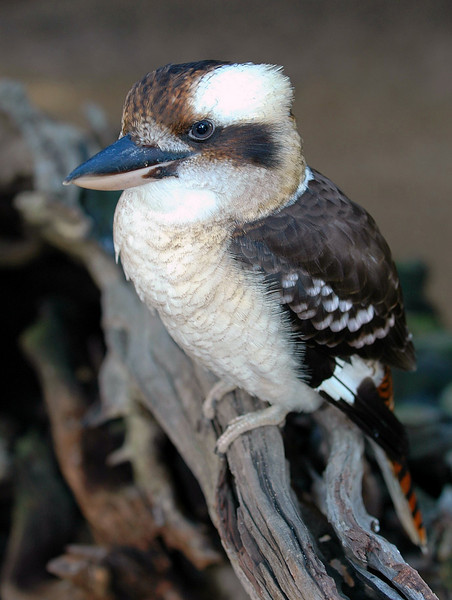
Laughing Kookaburra (Dacelo novaeguineae) by Africaddict

Laughing Kookaburra (Dacelo novaeguineae) by Africaddict

7.) Most have heard of the parable of the mustard seed and again the birds find a place for their nest and shade.

Another parable He put forth to them, saying: “The kingdom of heaven is like a mustard seed, which a man took and sowed in his field, which indeed is the least of all the seeds; but when it is grown it is greater than the herbs and becomes a tree, so that the birds of the air come and nest in its branches.” (Matthew 13:31-32 NKJV)
Then He said, “To what shall we liken the kingdom of God? Or with what parable shall we picture it? It is like a mustard seed which, when it is sown on the ground, is smaller than all the seeds on earth; but when it is sown, it grows up and becomes greater than all herbs, and shoots out large branches, so that the birds of the air may nest under its shade.” (Mark 4:30-32 NKJV)
Then He said, “What is the kingdom of God like? And to what shall I compare it? It is like a mustard seed, which a man took and put in his garden; and it grew and became a large tree, and the birds of the air nested in its branches.” (Luke 13:18-19 NKJV)

8.)  All of the above verses were used as illustrations of some important point. But the verses below are of great promise to those who have accepted the Lord Jesus Christ (the true vine). We know that if we abide in Him by not only taking Him as our Savior, but then living for Him, that He will meet our needs and gives great joy. What a promise!

I am the true vine, and My Father is the vinedresser. Every branch in Me that does not bear fruit He takes away; and every branch that bears fruit He prunes, that it may bear more fruit. You are already clean because of the word which I have spoken to you. Abide in Me, and I in you. As the branch cannot bear fruit of itself, unless it abides in the vine, neither can you, unless you abide in Me. “I am the vine, you are the branches. He who abides in Me, and I in him, bears much fruit; for without Me you can do nothing. If anyone does not abide in Me, he is cast out as a branch and is withered; and they gather them and throw them into the fire, and they are burned. If you abide in Me, and My words abide in you, you will ask what you desire, and it shall be done for you. By this My Father is glorified, that you bear much fruit; so you will be My disciples. “As the Father loved Me, I also have loved you; abide in My love. If you keep My commandments, you will abide in My love, just as I have kept My Father’s commandments and abide in His love. “These things I have spoken to you, that My joy may remain in you, and that your joy may be full. (John 15:1-11 NKJV)

If you have questions about accepting the Lord as Saviour, see:

Wordless Birds or e-mail me at – Lee@Leesbird.com

Two new Photographers added

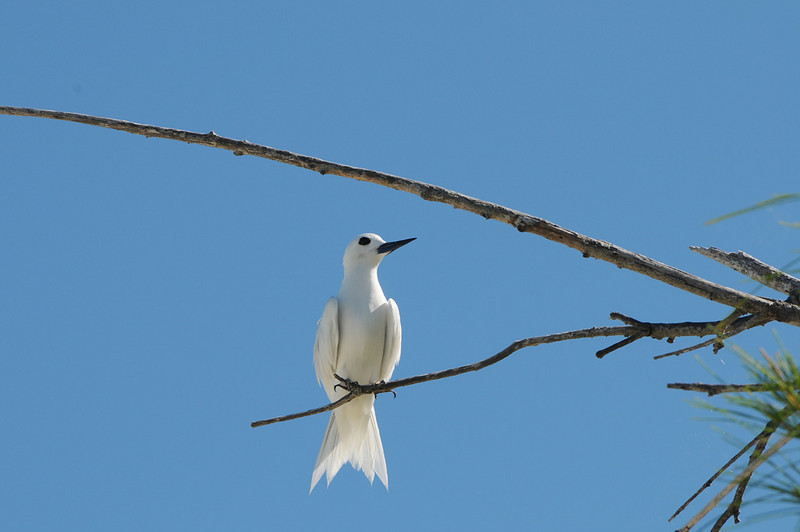
Fairy Tern (Sternula nereis) by Bob & Nan

Fairy Tern (Sternula nereis) by Bob & Nan

Today I received the permission to use the photos from two sets of great photographers.

Bob and Nan have their gallery at: http://bob-nan.smugmug.com/

They have traveled quite extensively, at least by their photo gallery. They have galleries for Serengeti; South Georgia; Brooks Fall – Alaska; Baja, California; Tanzania; Greenland and Canada; Africa; Antarctica, plus other places. There are many photos to check out on their site.

Carmine BeeEater (Merops nubicus or nubicoides) by Marc at Africaddict

Carmine BeeEater (Merops nubicus or nubicoides) by Marc at Africaddict

Also, Marc Mol from Sydney, Australia has given permission to use his photos also. He has the Africaddict Gallery at http://africaddict.smugmug.com/

Marc gets around a lot also with galleries for: Sydney; Florida & Everglades; Zambia; Maldives; Italy; Dunk Island, Australia; Cairns; Africa Overland; South America Overland, plus other places.

Their photos will be a great help with the Birds of the World pages here. Thank you so much, Bob & Nan and Marc.

I trust these fine photographers, plus the one’s who have already given permission, will keep up the great photos. With 10,340 birds out there waiting to have their pictures taken, all the these photographers will be busy.

You make springs gush forth in the valleys; they flow between the hills; they give drink to every beast of the field; the wild donkeys quench their thirst. Beside them the birds of the heavens dwell; they sing among the branches. (Psalms 104:10-12 ESV)

Jacanas – Jacanidae Family

Comb-crested Jacana (Irediparra gallinacea) by Ian's Birdway

Comb-crested Jacana (Irediparra gallinacea) by Ian's Birdway

Jacanas or Jaçana are in the Jacanidae family of the CHARADRIIFORMES order. Their family is unique in that the Lord especially adapted them to feed among lily pads of the shallow freshwater wetlands throughout the tropical zone. They have long toes and claws that help distribute their weight over the lily pads. As they walk around on the pads, they look like they are “walking on water.” “They are found around the world, with two in the New World (Northern and Wattled), two in Africa (Africa and Lesser), the Madagascar in Madagascar, two in Asia (Pheasant-tailed and Bronze Winged) and the Comb-crested in Australasia. They are sometimes known as a “lily-trotter” or “Jesus birds.”

The females are larger that the males and the males take responsibility of the incubation of the eggs. Some of the Jacana females mate with up to 4 males and then leave them to sit on the eggs. She does help in the feeding of the newbies.

Their diets consist mainly of insects, other invertebrates and seeds picked from the floating vegetation or the water’s surface. Most do not migrate except the Pheasant-tailed Jacana which travels from the north of its range into peninsular India and southeast Asia.

I was surprised that the Purple Gallinule was not in the same Order, but they are in the GRUIFORMES order, not the CHARADRIIFORMES order. We watch the Purple Gallinules often here and they also have big feet like the Jacana’s.

Check out A Noisy, Bird-Brained Harem from Creation Moments. It tells how one of the four males tries to get attention for himself.

Of old hast thou laid the foundation of the earth: and the heavens are the work of thy hands. (Psalms 102:25 KJV)

*

This slideshow requires JavaScript.

*