Birds In Christmas Hymns – Thou Didst Leave Thy Throne

Red-eyed Vireo (Vireo olivaceus) ©WikiC in nest

Red-eyed Vireo (Vireo olivaceus) ©WikiC in nest

Who, being in the form of God, thought it not robbery to be equal with God: But made himself of no reputation, and took upon him the form of a servant, and was made in the likeness of men: (Philippians 2:6-7 KJV)

Words by Em­i­ly E. El­li­ott, 1864. This hymn was first used at St. Mark’s Church in Bright­on, Eng­land, where El­li­ott’s fa­ther was rec­tor. In 1870, it was pub­lished in the Church Mis­sion­a­ry Ju­ve­nile In­struct­or, which El­li­ott ed­it­ed.

Music: Margaret, Tim­o­thy R. Mat­thews, 1876

Birds in Christmas Hymns

Birds in Christmas Hymns

Thou Didst Leave Thy Throne

Thou didst leave Thy throne and Thy kingly crown,
When Thou camest to earth for me;
But in Bethlehem’s home was there found no room
For Thy holy nativity.

Refrain

O come to my heart, Lord Jesus,
There is room in my heart for Thee.

Heaven’s arches rang when the angels sang,
Proclaiming Thy royal degree;
But of lowly birth didst Thou come to earth,
And in great humility.

Refrain

O come to my heart, Lord Jesus,
There is room in my heart for Thee.

The foxes found rest, and the birds their nest
In the shade of the forest tree;
But Thy couch was the sod, O Thou Son of God,
In the deserts of Galilee.

Refrain

O come to my heart, Lord Jesus,
There is room in my heart for Thee.

Thou camest, O Lord, with the living Word,
That should set Thy people free;
But with mocking scorn and with crown of thorn,
They bore Thee to Calvary.

Refrain

O come to my heart, Lord Jesus,
There is room in my heart for Thee.

When the heavens shall ring, and the angels sing,
At Thy coming to victory,
Let Thy voice call me home,
Saying Yet there is room,
There is room at My side for thee.

My heart shall rejoice, Lord Jesus,
When Thou comest and callest for me.
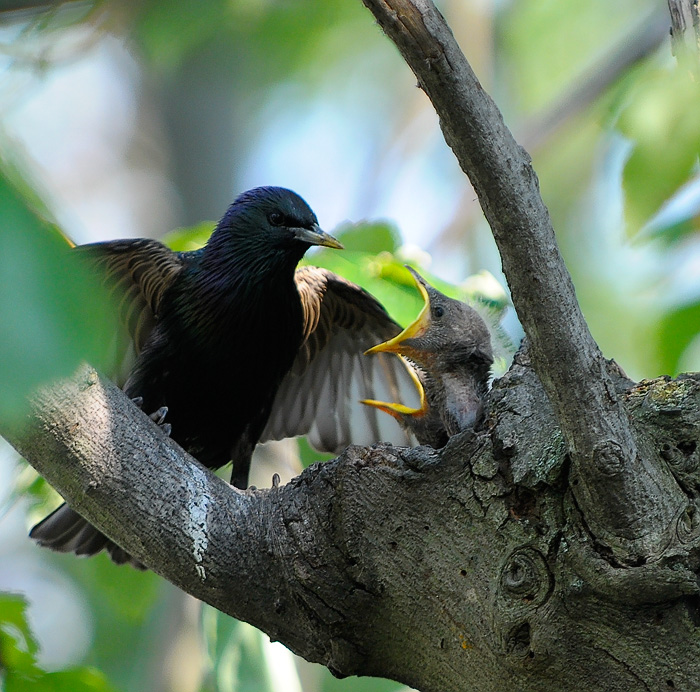
Starling feeding chicks

Protection and feeding at the nest by Anthony

Em­i­ly E. El­li­ott (1836-1897) – Emily’s fa­ther was Ed­ward Bi­shop El­li­ott, Rec­tor of St. Mark’s Church in Bright­on, and her aunt was hymn­ist Char­lotte El­li­ott. For six years, Em­i­ly served as ed­it­or of The Church Mis­sion­a­ry Ju­ve­nile In­struct­or.

Tim­o­thy R. Mat­thews (1826-1910) – Son of the rec­tor of Colm­worth, Matt­hews at­tend­ed the Bed­ford Gram­mar School and Gon­ville and Cai­us Coll­ege, Cam­bridge (MusB 1853). Or­dained the same year, he be­came pri­vate tu­tor to the fam­i­ly of Rev. Lord Wri­oth­es­ley Rus­sell, a can­on of St. George’s Cha­pel, Wind­sor Cast­le, where he stu­died un­der the or­gan­ist, George El­vey, sub­se­quent­ly a life­long friend.

Matthews served as Cur­ate (1853-1859) and Cur­ate-in-Charge (1859-1869) of St. Ma­ry’s Church, Not­ting­ham. Dur­ing this time he found­ed Not­ting­ham’s Work­ing Men’s In­sti­tute. In 1869, he be­came Rec­tor at North Coates, Lin­coln­shire. He re­tired in 1907 to live with his eld­est son at Tet­ney vi­car­age.

Matthews ed­it­ed the North Coates Sup­ple­ment­al Tune Book and The Vil­lage Or­gan­ist. He com­posed Morn­ing and Ev­en­ing Serv­ices, chants and re­sponses, and earned a rep­u­ta­tion for sim­ple but ef­fect­ive hymn tunes, writ­ing over 100. William How­ard re­quest­ed six tunes from him for a child­ren’s hym­nal, and Mat­thews com­plet­ed them with­in a day. Mat­thews al­so com­posed a Christ­mas car­ol and a few songs. His sons Nor­ton and Ar­thur Per­cy were al­so known as hymn tune com­pos­ers.

*

More Birds in Hymns

See ~ Wordless Birds

Most information from The Cyber HymnalThou Didst Leave Thy Throne

*
Birds of the Bible – Eagles and Riches

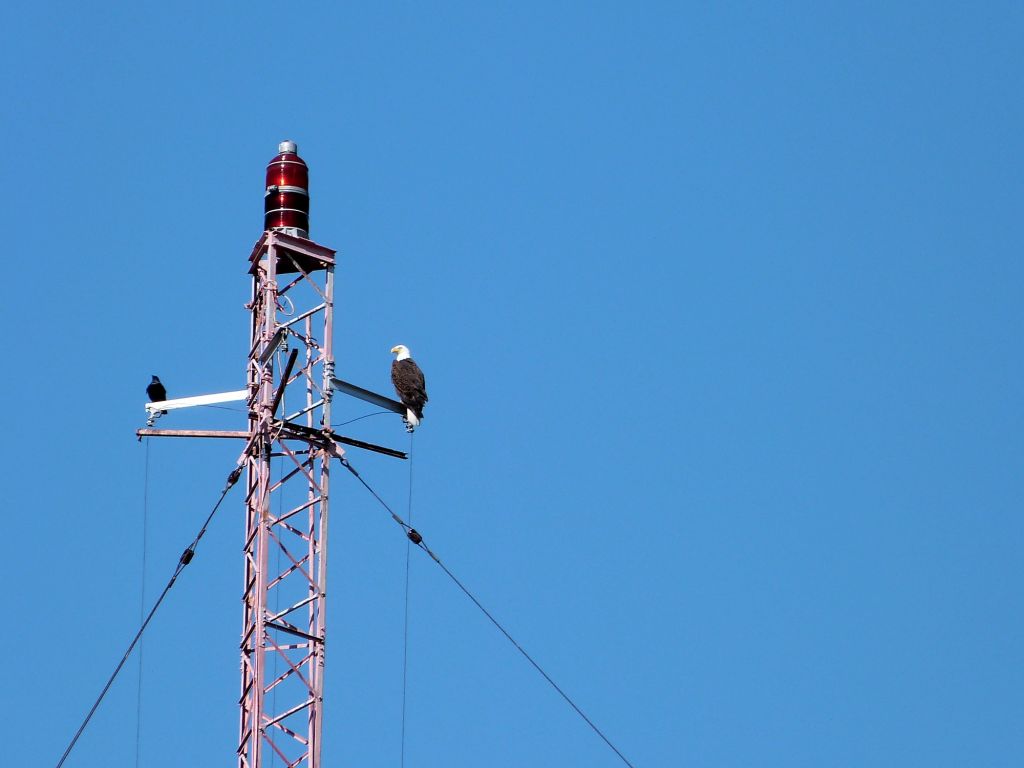
Bald Eagle on tower at S Lake Howard NPk 1 by Lee

Bald Eagle on tower at S Lake Howard NPk 1 by Lee

Labour not to be rich: cease from thine own wisdom. Wilt thou set thine eyes upon that which is not? for riches certainly make themselves wings; they fly away as an eagle toward heaven. (Proverbs 23:4-5 KJV)

While reading in Proverbs today, I came across this interesting verse in Chapter 23. As I have been reading through Proverbs, the terms “wisdom,” “fear” and “knowledge” are mentioned quite often. Verses like “The fear of the LORD is the beginning of knowledge: but fools despise wisdom and instruction. (Proverbs 1:7); For that they hated knowledge, and did not choose the fear of the LORD: (Proverbs 1:29); The fear of the LORD is the beginning of wisdom: and the knowledge of the holy is understanding. (Proverbs 9:10); By humility and the fear of the LORD are riches, and honour, and life.” (Proverbs 22:4 ); Receive my instruction, and not silver; and knowledge rather than choice gold. (Proverbs 8:10); For wisdom is better than rubies; and all the things that may be desired are not to be compared to it. (Proverbs 8:11) and many others.

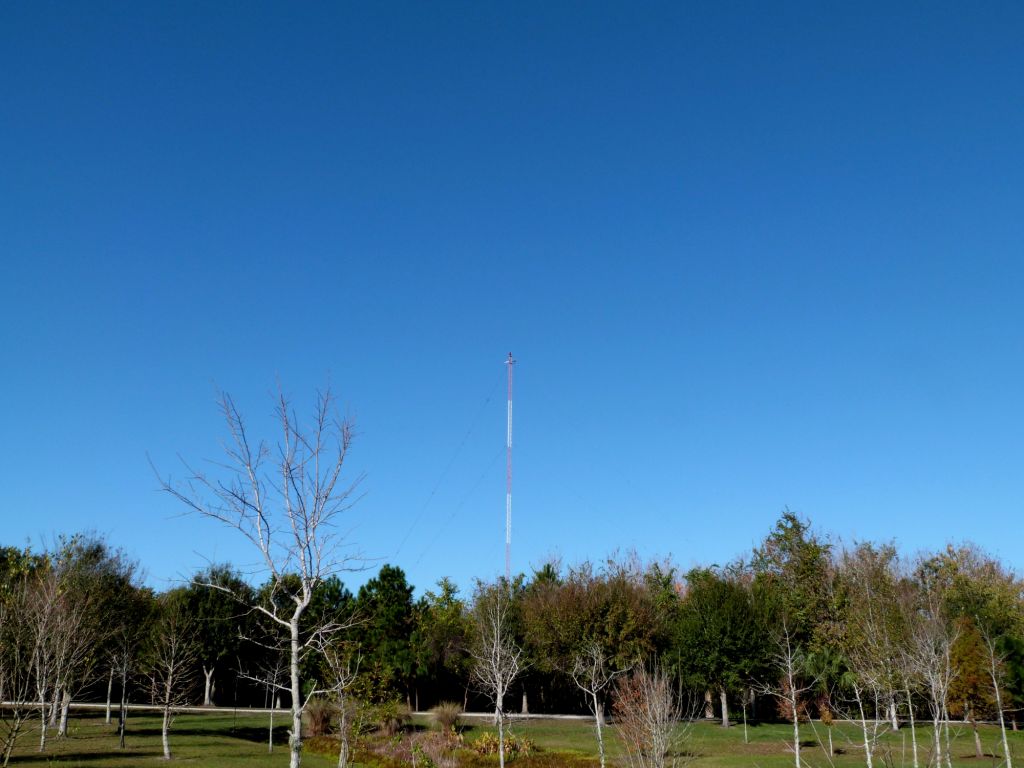
Bald Eagle on tower at S Lake Howard NPk 2 by Lee

Bald Eagle on tower at S Lake Howard NPk 2 by Lee (See him?)

So when I came across this verse and the Eagle was mentioned, I decided to see what I could find out about it and share it here. Plus, we were out birdwatching a little this week as I checked out my new Christmas gift of a camera. Captured the Bald Eagle sitting on the tower at South Lake Howard Nature Park. He was a long way away, but you can tell it is an Eagle. Also, it appears for this verse that is exactly what happens to riches when they are not received properly and with the right attitude. They end up like that Eagle, way out of reach. There is nothing wrong with being rich, if it is obtained in the proper manner. If the Lord chooses to let your wealth increase, Praise the Lord, if not, be content with the blessings He gives you.

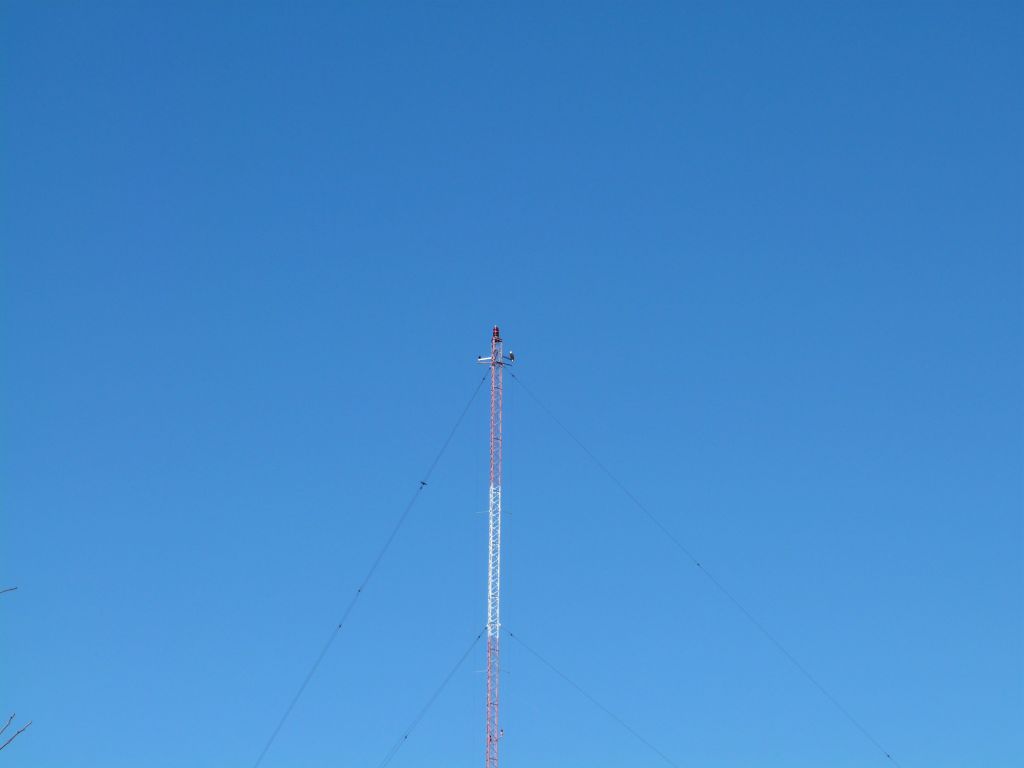
Bald Eagle on tower at S Lake Howard NPk 3 by Lee

Bald Eagle on tower at S Lake Howard NPk 3 by Lee (How about now?)

Here are some of the comments from various commentaries:

Bible Knowledge Commentary – “The 7th saying. These verses warn against overwork for the sake of gaining riches. This speaks not against being industrious but against consuming oneself for money. Wise restraint in this area (as well as in what one eats at a banquet, Pro_23:1-2) is needed, especially in the present day when materialism drives many people to excessive work loads in order to accumulate more money. The reason for this advice is that riches are temporary and unstable (cf. Pro_27:24). The first part of Pro_23:5 is literally, “If you cause your eyes to fly after it” (i.e., wealth). Ironically, flying after wealth results in wealth flying away like an eagle.”

Matthew Poole’s Commentary – “They fly away as an eagle, swiftly, strongly, and irrevocably. We quickly lose the sight and possession of them. Their flying away from us is elegantly opposed to our eyes being set, or, as it is in the Hebrew, flying upon them, in the beginning of the verse.”

Believer’s Bible Commentary – “23:4, 5 The ceaseless struggle to be rich is a form of “wisdom” to be avoided. It means that you are spending your life pursuing false values and putting your trust in what doesn’t last. Riches have a way of sprouting wings and flying away like an eagle.”

John Gill’s Exposition– “for riches certainly make themselves wings; or, “it in making makes itself wings” (x); even that which is not, on which men cause their eyes to fly; no sooner are their eyes upon that, but that flies away from them like a bird with wings; see Hos_9:11. Either men are taken from that, or that from them, and sometimes very swiftly and suddenly;

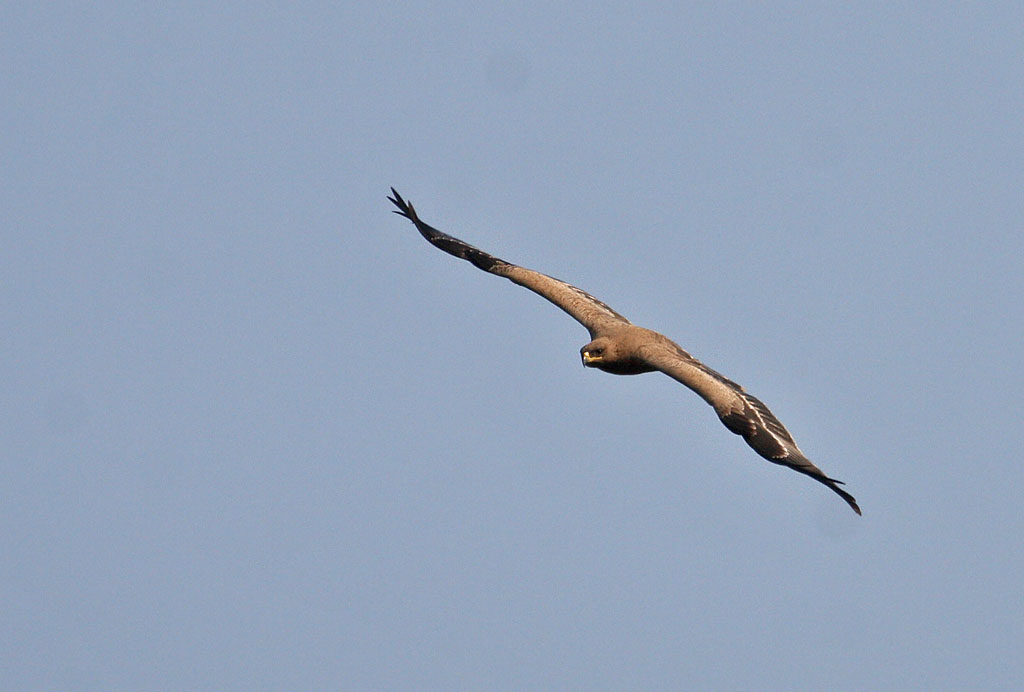
Steppe Eagle (Aquila nipalensis) by Peter Ericsson

Steppe Eagle (Aquila nipalensis) by Peter Ericsson

they fly away as an eagle towards heaven; the eagle flies very swiftly, none more swiftly; it flies towards heaven, out of sight, and out of reach, and out of call; so riches flee away to God, the original giver of them, from whence they came, and who is the sole disposer of them; they own him as the proprietor and distributor of them; and they flee to heaven as it were for fresh orders where they should be, and into whose hands they should come next; they flee away, so as not to be seen any more, and be recovered by those who have formerly enjoyed them.”

Through the Bible with J Vernon McGee – Proverbs 23:4-5 – “You have probably noticed that the United States dollar has an eagle on it. Believe me, that eagle will fly away if you’re not careful with it. I find that the eagles on my dollars take off all the time. We cannot depend on riches.
The whole thought here is this: There is nothing wrong in being rich. There is nothing wrong in working to be rich. However, don’t make that the goal in life. Wealth should not be the very object of our hearts. Some men have a lust, a thirst, a covetousness to make the almighty dollar, and the dollar becomes their god. A child of God is not to do that.
A wealthy man told me, “I do not make money for the sake of money. I make money for what it can do. At first I made money for what it could do for me. Now I make money for what it can do for God.” There is nothing wrong in a man becoming wealthy. The wrong comes when there is the overweening desire of the heart for money. That is covetousness; actually it is modern idolatry.
In the United States we do not find people bowing down to worship idols. However, we do find people busily engaging their whole lives in the worship of the almighty dollar. When I pastored a church in the downtown financial district of Los Angeles, I found that men, even including some Christian men, were far more zealous in coming down early on a Monday morning to watch the stock market open than they were on Sunday morning to attend church service. I met such a man rushing to the stock market display at the brokerage on a Monday morning. He met me, greeted me cordially, and told me what he was going to do. I mentioned to him that we had been missing him at church. He said, “Well, you know, I haven’t been feeling very well.” That is interesting. He didn’t feel well enough to come to church, but he was well enough to worship his god very early on a Monday morning. That’s covetousness, and that is what the proverb is talking about. That is a false god, and that false god is an eagle that will fly away at any moment.”

P.S. I really like my new camera and the 24X zoom. I had no idea that Dan was getting me a camera for Christmas. Thanks, Dan! (He is still the photographer, I still use a point-and-shoot on program mode.) All photos can be clicked on to enlarge them. I kept zooming in so you could see how far away the Eagle really was.

*

Birds in Christmas Hymns – The Day The Christ-Child’s Tender Eyes

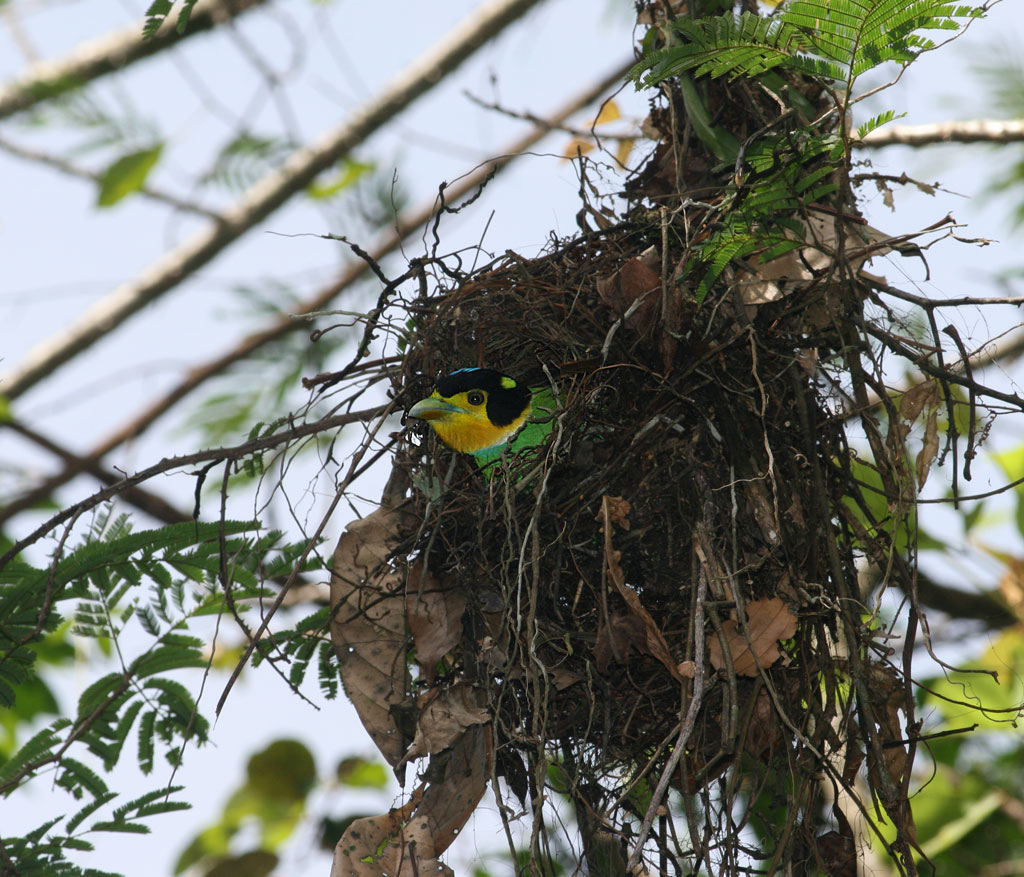
Long-tailed Broadbill (Psarisomus dalhousiae) in nest by Peter Ericsson

Long-tailed Broadbill (Psarisomus dalhousiae) in nest by Peter Ericsson

And when they were come into the house, they saw the young child with Mary his mother, and fell down, and worshipped him: and when they had opened their treasures, they presented unto him gifts; gold, and frankincense, and myrrh. (Matthew 2:11 KJV)

Words by May R. Smith (1842-1927).

Music: St. Pe­ters­burg, at­trib­ut­ed to Dmi­tri S. Bort­ni­an­sky (1751-1825), 1825

Birds in Christmas Hymns

Birds in Christmas Hymns

The Day The Christ-Child’s Tender Eyes

The day the Christ-child’s tender eyes
Unveiled their beauty on the earth,
God lit a new star in the skies
To flash the message of His birth;
And wise men read the glowing sign,
And came to greet the Child divine.

Low kneeling in the stable’s gloom,
Their precious treasures they unrolled;
The place was rich with sweet perfume;
Upon the floor lay gifts of gold.
And thus adoring they did bring
To Christ the earliest offering.

I think no nimbus wreathed the head
Of the young King so rudely throned;
The quilt of hay beneath Him spread
The sleepy kine beside Him owned;
And here and there in the torn thatch
The sky thrust in a starry patch.

Oh, when was new-born monarch shrined
Within such canopy as this?
The birds have cradles feather lined;
And for their new babes princesses
Have sheets of lace without a flaw,
His pillow was a wisp of straw!

He chose this way, it may have been,
That those poor mothers, everywhere,
Whose babies in the world’s great inn
Find scanty cradle-room and fare,
As did the Babe of Bethlehem,
May find somewhat to comfort them.

Mute Swan on Nest at Lake Morton

Mute Swan on Nest at Lake Morton by Dan

May Riley Smith (1842-1927) – Smith at­tend­ed the Tra­cey Fe­male In­sti­tute in Ro­ches­ter, and the Col­le­gi­ate In­sti­tute in Brock­port, New York. She mar­ried Al­bert Smith of Spring­field, Il­li­nois, in 1869; they were liv­ing in New York state in 1910. Her works in­clude:

The Gift of Gen­ti­ans, 1882
The Inn of Rest, 1888
Sometime and Other Po­ems, 1892

Dmi­tri S. Bort­ni­an­sky (1751-1825) – Bortniansky’s mu­sic­al ca­reer be­gan in the church choir. As a young man, he stu­died with Bal­das­sare Ga­lup­pi (il Bur­a­nel­lo) in St. Pe­ters­burg. In 1769, Bort­ni­an­sky fol­lowed Ga­lup­pi to Ita­ly (with the help of a sti­pend from Rus­sian Emp­ress Ca­ther­ine) to work in op­era. His pro­duct­ions in­clud­ed Cre­on­te (1776), Al­cide (1778), and Quin­to Fa­bio (1778). Af­ter re­turn­ing to Rus­sia, he be­came mas­ter of the court choir in St. Pe­ters­burg. In 1796, he was ap­point­ed di­rect­or of the czar’s court cha­pel and a coun­cilor of state. In ad­di­tion to his other du­ties, he com­posed li­tur­gi­cal mu­sic, and wrote op­er­as with French texts: La fête du seign­eur (1786), Le fau­con (1786), and Le fils-ri­val (1787). Af­ter his death, his work spread to Prus­sia, where his mu­sic ap­peared in Alt­preuß­ische Agen­de (Old Prus­sian Agen­da) in 1829. His tune St. Pe­ters­burg/Wells is a tra­di­tion­al clos­ing piece for the Groß­er Zap­fen­streich (cer­e­mon­i­al tat­too) in Ger­man mil­i­tary mu­sic.

*

More Birds in Hymns

See ~ Wordless Birds

Most information from The Cyber Hymnal – The Day The Christ-Child’s Tender Eyes

*

Birds in Christmas Hymns – Christmas Brings Joy To Every Heart

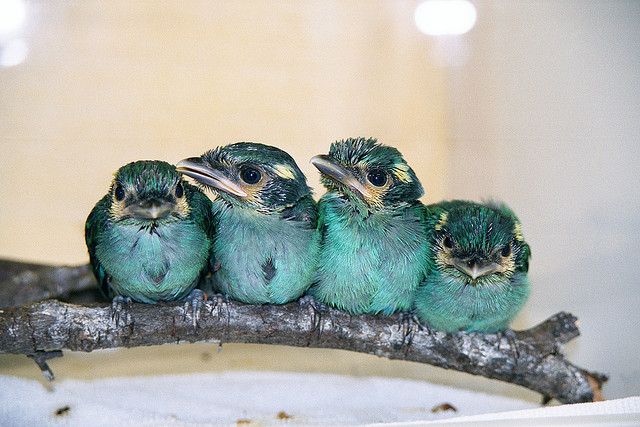
Long-tailed Broadbill (Psarisomus dalhousiae) babies ©©coracii

Long-tailed Broadbill (Psarisomus dalhousiae) babies ©©coracii

Rejoice in the Lord always. Again I will say, rejoice! (Philippians 4:4 NKJV)

Birds in Christmas Hymns

Birds in Christmas Hymns

Words by Bern­hardt S. In­ge­mann (1789-1862), 1840 (Julen har bragt velsignet bud); trans­lat­ed from Dan­ish to Eng­lish by Ce­cil Cow­drey.

Music: Christ­mas Brings Joy, Christ­oph E. Weyse (1774-1842), 1841

Christmas Brings Joy To Every Heart

Christmas brings joy to every heart,
Sets old and young rejoicing,
What angels sang once to all on earth,
Oh, hear the children voicing.
Bright is the tree with lights aglow,
Like birds that perch together,
The child that holdeth Christmas dear
Shall keep these joys forever.

Joy comes to the all the world today,
To halls and cottage hasting,
Come, sparrow and dove, from roof tree tall,
And share our Christmas feasting.
Dance, little child, on mother’s knee,
The lovely day is dawning,
The road to paradise is found
The blessèd Christmas morning.

Once to this earth our Savior came,
An infant poor and lowly,
To open for us those gardens fair
Where dwell His angels holy.
Christmas joy He bringeth us,
The Christ child King of heaven,
“To every little child,” He saith,
“Shall angel wings be given.”

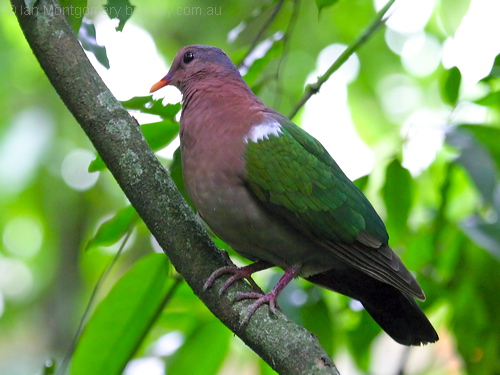
Emerald Dove by Birdway

Most information from The Cyber Hymnal

See ~ Christmas Gospel Presentation

More ~ Birds in Hymns

*

Birds In Christmas Hymns – The Worcester Christmas Carol

White-browed Conebill (Conirostrum ferrugineiventre) ©WikiC

White-browed Conebill (Conirostrum ferrugineiventre) ©WikiC

Glory to God in the highest, and on earth peace, good will toward men. (Luke 2:14 KJV)

Words & Music by Will­iam H. Ha­ver­gal (1793-1870), alt.

Birds in Christmas Hymns

Birds in Christmas Hymns

The Worcester Christmas Carol

How grand and how bright
That wonderful night,
When angels to Bethlehem came!
They burst forth like fires,
They struck their gold lyres,
And mingled their song with the flame.

The shepherds were mazed,
The pretty lambs gazed
At darkness thus turned into light:
No voice was there heard
From man, beast or bird,
So sudden and solemn the sight.

And then, when the sound reechoed around,
The hills and the dales all awoke:
The moon and the stars
Stopped their fiery cars,
And listened while Gabriel spoke:

I bring you, said he,
From the glorious Three,
Good tidings to gladden mankind;
The Savior is born,
But He lies forlorn
In a manger, as soon you will find.

At mention of this,
(The source of all bliss,)
The angels sang loudly and long;
The soared to the sky,
Beyond mortal eye,
But left us the words of their song:

All glory to God,
Who laid by His rod,
To smile on the world through His Son:
And peace be on earth,
For this wonderful birth
Wonderful conquests has won;

And good will to man,
Though his life’s a span,
And his thoughts so evil and wrong;
Then pray, Christians, pray;
But let Christmas day
Have your sweetest and holiest song.

Here are Ha­ver­gal’s orig­in­al lyr­ics for stan­zas where, due to ir­re­gu­lar­i­ties in me­ter, they do not ful­ly fit the mu­sic:

I bring you, said he,
From the glorious Three,
Good tidings to gladden mankind;
The Savior is born,
But He lies all forlorn
In a manger, as soon you will find.

All glory to God,
Who laid by His rod,
To smile on the world through His Son:
And peace be on earth,
For this wonderful birth
Most wonderful conquests has won;

And good will to man,
Though his life’s but a span,
And his thoughts so evil and wrong;
Then pray, Christians, pray;
But let Christmas day
Have your sweetest and holiest song.

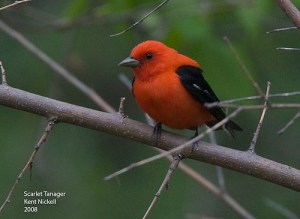
Scarlet Tanager (Piranga olivacea) by Kent Nickell

Scarlet Tanager (Piranga olivacea) by Kent Nickell

Will­iam H. Ha­ver­gal (1793-1870) – The epitaph on Havergal’s white mar­ble tomb reads:

The Rev. William Henry Havergal, M.S.,
Vi­car of Shareshill and Hon. Canon of Worcester Ca­thed­ral.
Died at Leam­ing­ton, 19th Ap­ril 1870, aged 77.
Cur­ate 7, and Rec­tor 13 years, of this par­ish, 1822 to 1843.
A faith­ful min­is­ter in the Lord (Eph. Vi. 21).

Havergal was ed­u­cat­ed at Mer­chant Tay­lors School St. Ed­mund’s Hall, Ox­ford (BA 1815, MA 1819). He was or­dained a dea­con in 1816, and priest in 1817. He held three rec­to­rships: Ast­ley, Wor­ces­ter­shire (1829); St. Ni­cho­las, Wor­ces­ter (1842); and Shares­hill, near Wol­ver­hamp­tom (1860). Hymn­ist Franc­es Ha­ver­gal was his daug­hter.
*

More Birds in Hymns

See ~ Wordless Birds

Most information from The Cyber HymnalThe Worcester Christmas Carol

*

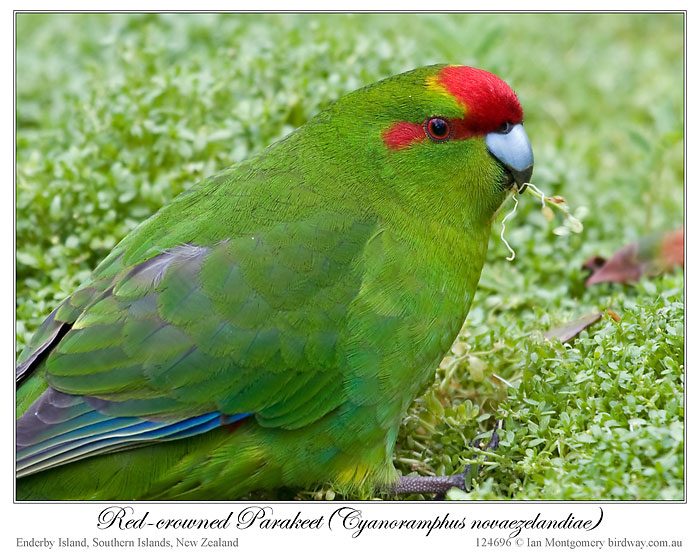
Ian’s Bird of the Week – Red-crowned Parakeet

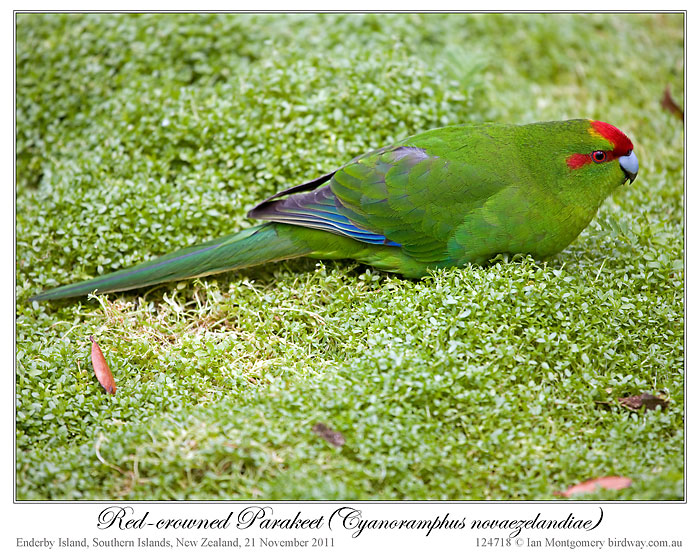
Red-crowned Parakeet (Cyanoramphus novaezelandiae) by Ian 1

Red-crowned Parakeet (Cyanoramphus novaezelandiae) by Ian 1

Ian’s Bird of the Week – Red-crowned Parakeet ~ by Ian Montgomery

Newsletter ~ 12/20/11

Christmas is nearly on us, so a bird in the Christmas colours of red and green seems appropriate. Here is the Red-crowned Parakeet, one of the relatively few non-seabirds encountered on the trip to the Sub-Antarctic Islands.

We found these birds at several locations on Enderby Island, one of the smaller of the Auckland Islands and the first site at which we actually landed after leaving Dunedin. Enderby Island is mainly basalt with rocky cliffs, as in the second photo, and it reminded me very much of St Paul Island in the Bering Sea that I visited three years ago. On both the vegetation is mainly tundra, though unlike the treeless St Paul Enderby has patches of very gnarled dwarf rata forest.
Red-crowned Parakeet (Cyanoramphus novaezelandiae) by Ian 2

Enderby Island by Ian 2

The Parakeets feed mainly on the ground and we found them both on the tundra and in the forest. They are herbivorous, and the bird in the first photo is feeding on the dense understory of the forest – the third photo shows the same bird in close-up eating very fine shoots and leaves.
Red-crowned Parakeet (Cyanoramphus novaezelandiae) by Ian 3

Red-crowned Parakeet (Cyanoramphus novaezelandiae) by Ian 3

The fourth photo shows a different bird feeding on the flower-heads of small herbs growing on the tundra near the beach where we landed.
Red-crowned Parakeet (Cyanoramphus novaezelandiae) by Ian 4

Red-crowned Parakeet (Cyanoramphus novaezelandiae) by Ian 4

I’m used to seeing parrots in more tropical locations, so it was a startling to see these small (25-28cm/10-11in long) elegant parrots in such a cold and rugged environment. They are obvious tough little birds, though their confiding habits, ground-feeding life-style and choice of low nesting sites makes them very vulnerable to introduced predators such as feral cats,rats and, in New Zealand, stoats. The Red-crowned Parakeet used to widespread throughout New Zealand but is now rare or extinct on the two main islands, though it survives well on Stewart and other offshore islands. As you can judge from the photos, the birds are very approachable and took little notice of us.
On the website, there are now nine species of penguins http://www.birdway.com.au/spheniscidae/index.htm and thirteen species of albatrosses http://www.birdway.com.au/diomedeidae/index.htm . The additional species of albatrosses include ones that were treated as sub-species by Christidis and Boles, 2008, but are now recognised as full species by Birdlife International and the IOC.
I wish you a safe and happy Christmas and best wishes
Ian


Ian Montgomery, Birdway Pty Ltd,
454 Forestry Road, Bluewater, Qld 4818
Phone: 0411 602 737 +61-411 602 737
Preferred Email: ian@birdway.com.au
Website: http://birdway.com.au


Lee’s Addition:

Thanks again, Ian, for sharing your great adventures. This parakeet, indeed, looks decked out for the colors of Christmas. Would be pretty to have a flock of them perching on a Christmas Tree. Merry Christmas to you, Ian, and our readers.

Then the angel said to them, “Do not be afraid, for behold, I bring you good tidings of great joy which will be to all people. For there is born to you this day in the city of David a Savior, who is Christ the Lord. (Luke 2:10-11 NKJV)

Check out Ian’s other Parrots and Parakeets at his Parrots & Allies Psittacidae Family page. Our Birds of the World Psittacidae Family page has more Parrot and Parakeet photos.

Ian’s Other Birds of the Week

*

Birds In Christmas Hymns – The Friendly Beasts

Baudet Donkey - Shaky and Brown

Baudet Donkey – Shaky and Brown

So it was, that while they were there, the days were completed for her to be delivered. And she brought forth her firstborn Son, and wrapped Him in swaddling cloths, and laid Him in a manger, because there was no room for them in the inn. (Luke 2:6-7 NKJV)

Words: Un­known au­thor, 12th Cen­tu­ry; trans­lat­ed from French to Engl­ish by an anon­y­mous trans­lat­or.

Music: Or­i­ent­is Par­ti­bus, med­ie­val French mel­o­dy

Birds in Christmas Hymns

Birds in Christmas Hymns

The Friendly Beasts

Jesus, our Brother, strong and good,
Was humbly born in a stable rude,
And the friendly beasts around Him stood,
Jesus, our Brother, strong and good.

“I,” said the donkey, shaggy and brown,
“I carried His mother uphill and down,
I carried His mother to Bethlehem town;
I,” said the donkey, shaggy and brown.

“I,” said the cow, all white and red,
“I gave Him my manger for His bed,
I gave Him hay to pillow His head;
I,” said the cow, all white and red.

“I,” said the sheep with curly horn,
“I gave Him my wool for His blanket warm,
He wore my coat on Christmas morn;
I,” said the sheep with curly horn.

“I,” said the dove, from the rafters high,
“I cooed Him to sleep that He should not cry,
We cooed Him to sleep, my mate and I;
I,” said the dove, from the rafters high.

Thus all the beasts, by some good spell,
In the stable dark were glad to tell
Of the gifts they gave Emmanuel,
The gifts they gave Emmanuel.

Mourning Dove (Zenaida macroura) by Quy Tran

Mourning Dove (Zenaida macroura) by Quy Tran

*

More Birds in Hymns

See ~ Wordless Birds

Most information from The Cyber HymnalThe Friendly Beasts

*

Birds In Christmas Hymns – This Endris Night

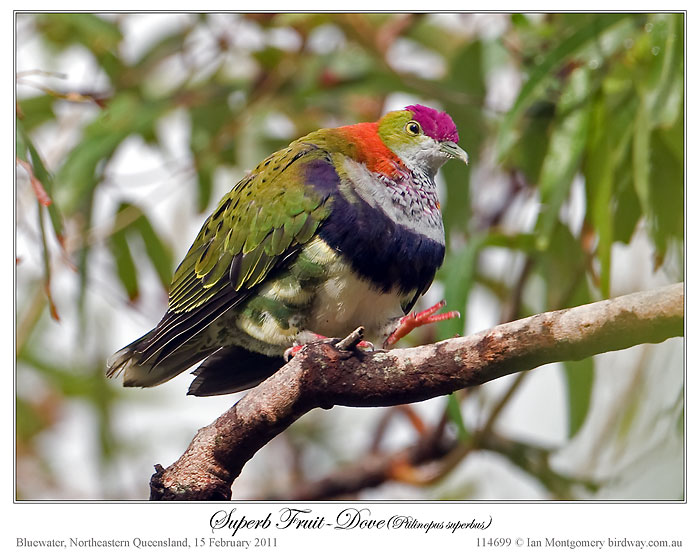
Superb Fruit Dove (Ptilinopus superbus) by Ian

Superb Fruit Dove (Ptilinopus superbus) by Ian

And she brought forth her firstborn son, and wrapped him in swaddling clothes, and laid him in a manger; because there was no room for them in the inn. (Luke 2:7 KJV)

Words & Music: 15th Century –  This Endris Night

Birds in Christmas Hymns

Birds in Christmas Hymns

This Endris Night

This endris night I saw a sight
A star as bright as day;
And ever among a maiden sung,
Lullay, by by, lullay.

This lovely lady sat and sung,
And to her Child did say:
My Son, my Brother, Father, dear,
Why liest Thou thus in hay?

My sweetest bird, thus ’tis required,
Though Thou be King veray;
But nevertheless I will not cease
To sing, By by, lullay.

The Child then spake in His talking,
And to his mother said:
“Yea, I am known as Heaven-King,
In crib though I be laid.

For angels bright down to Me light:
Thou knowest ’tis no nay:
And for that sight thou may’st delight
To sing, By by, lullay.

“Now, sweet Son, since Thou art a king,
Why art Thou laid in stall?
Why dost not order thy bedding
In some great kingès hall?

Methinks ’tis right that king or knight
Should lie in good array:
And then among, it were no wrong
To sing, By by, lullay.

“Mary mother, I am thy Child,
Though I be laid in stall;
For lords and dukes shall worship Me,
And so shall kingès all.

Ye shall well see that kingès three
Shall come on this twelfth day.
For this behest give Me thy breast
And sing, By by, lullay.

“Now tell, sweet Son, I Thee do pray,
Thou art my Love and Dear—
How should I keep Thee to Thy pay,
And make Thee glad of cheer?

For all Thy will I would fulfill—
Thou knowest well, in fay;
And for all this I will Thee kiss,
And sing, By by, lullay.

“My dear mother, when time it be,
Take thou Me up on loft,
And set Me then upon thy knee,
And handle me full soft.

And in thy arm thou hold Me warm,
And keep Me night and day,
And if I weep, and may not sleep,
Thou sing, By by, lullay.

“Now sweet Son, since it is come so,
That all is at Thy will,
I pray Thee grant to me a boon,
If it be right and skill,—

That child or man, who will or can
Be merry on my day,
To bliss Thou bring—and I shall sing,
Lullay, by by, lullay.

___

Some of the archaic terms require explanation:
This endris night: The other night, a few nights ago
Veray: True
Light: Alight
No nay: Undeniable
Methinks: I think
Pay: Satisfaction
Fay: Faith
Boon: Favor
Skill: Reasonable

*

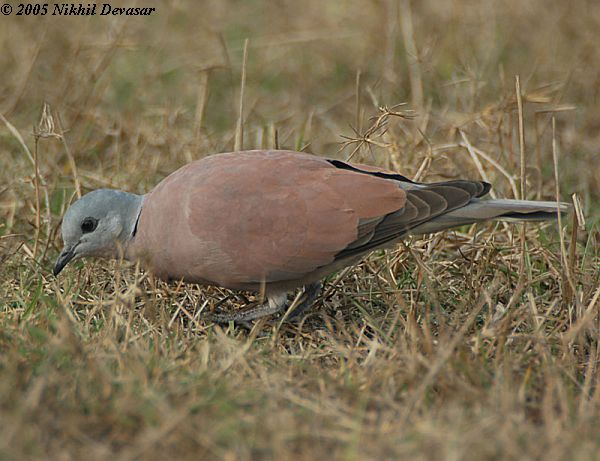
Red Turtle Dove (Streptopelia tranquebarica) by Nikhil Devasar

Red Turtle Dove (Streptopelia tranquebarica) by Nikhil Devasar

More Birds in Hymns

See ~

Christmas Gospel Presentation

Wordless Birds

Most information from The Cyber Hymnal – – This Endris Night

*

Birds in Christmas Hymns – I Wonder As I Wander

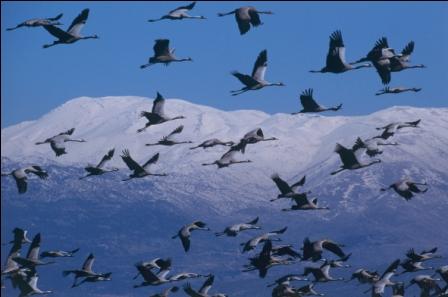
Crane Migration over Israel

Crane Migration over Israel

And she gave birth to her firstborn son and wrapped him in swaddling cloths and laid him in a manger, because there was no place for them in the inn. (Luke 2:7)

John Jacob Niles, 1933  – Collector of the music

Music – I Wonder as I Wander, Appalachian carol by Carl Rütti (1949 – )

Birds in Christmas Hymns

I Wonder As I Wander

I wonder as I wander out under the sky,
How Jesus the Savior did come for to die.
For poor on’ry people like you and like I…
I wonder as I wander out under the sky.

When Mary birthed Jesus ’twas in a cow’s stall,
With wise men and farmers and shepherds and all.
But high from God’s heaven a star’s light did fall,
And the promise of ages it then did recall.

If Jesus had wanted for any wee thing,
A star in the sky, or a bird on the wing,
Or all of God’s angels in heav’n for to sing,
He surely could have it, ’cause he was the King.

Mallards flying off by Ian

Mallards flying off by Ian

John Jacob Niles (Dates B-D) Collected by John Jacob Niles in Murphy, NC in July 1933 from a young traveling evangelist Annie Morgan. According to Niles, he asked her to sing the song repeatedly until he had memorized it. It was published in his 1934 Songs of the Hill-Folk. Written in a minor key, it’s qualities of pensiveness make it one of today’s most popular carols.

*

*

More Birds in Hymns

See ~ Sharing The Gospel

Wordless Birds

Most information from The Hymns and Carols of Christmas – I Wonder As I Wander

*

Birds of the World – Common Iora and Allies

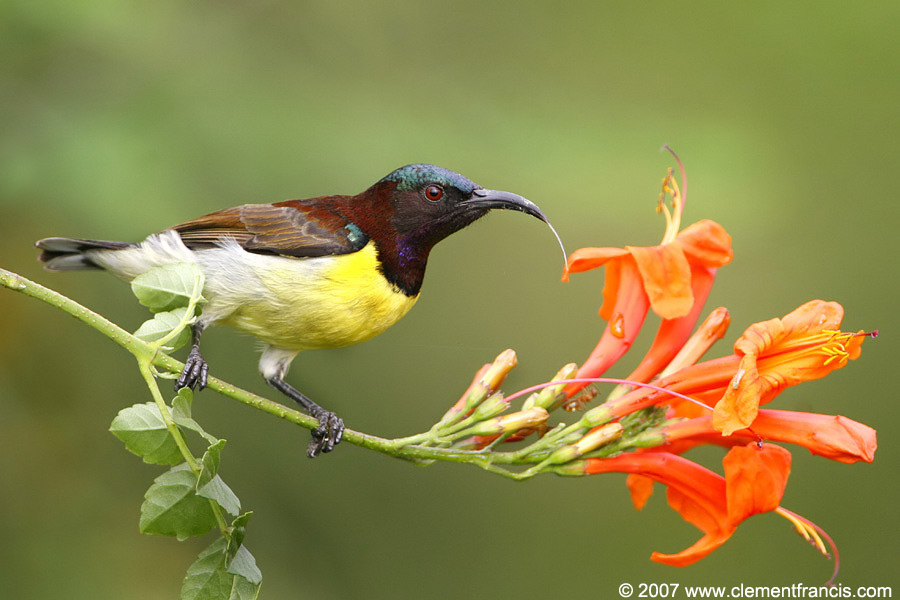
Common Iora (Aegithina tiphia) by Clement Francis

Common Iora (Aegithina tiphia) by Clement Francis

By them the birds of the heavens have their home; They sing among the branches. (Psalms 104:12 NKJV)

While looking through ajmithra’s YouTubes, I came across this video about the Common Iora (Aegithina tiphia) and thought I would share it. I always enjoy how he takes the sounds of birds and turns them into music. The little puffy cheeks are cute.

*

*

A j mithra (ajmithra as he prefers) has written many articles for our blog. Check out his page here and his YouTube videos.

Ioras are in the Aegithinidae – Ioras family of small passerine bird species found in India and southeast Asia. The family has only four species in a single genus, Aegithina. They are one of only three bird families that are entirely endemic to the Indomalayan ecozone. They were formerly grouped with the other two of those families, the Leafbirds and Fairy-Bluebirds, in the family Irenidae. Their Order is the Passeriformes

The Ioras are small to medium small sized passerines, ranging from 11.5–15.5 cm (4.5–6.1 in) in length. Overall the males are larger than the females. These are reminiscent of the bulbuls, but whereas that group tends to be drab in colouration, the ioras are more brightly coloured. The group exhibits sexual dimorphism in its plumage, with the males being brightly plumaged in yellows and greens. Unlike the leafbirds, ioras have thin legs, and their bills are proportionately longer. Calls are strident whistles; songs are musical to human ears.

Ioras eat insects and spiders, which they find by nimbly gleaning the leaves of the slenderest outer twigs.

In the two species whose male courtship displays are known, they are elaborate, culminating in the males’ parachute-style descent looking like “green balls of fluff”. The nests are compact open cups felted to branches with spiderweb. Females lay 2 or 3 eggs, which have pinkish speckles and red and purple lines. They incubate at night; the males, by day. Incubation lasts about 14 days. Both parents are responsible for brooding and feeding the chicks.

The four family members are:

Aegithina
Common Iora (Aegithina tiphia) by Clement Francis

Marshall’s Iora (Aegithina nigrolutea) by Nikhil

Green Iora (Aegithina viridissima) ©WikiC

Great Iora (Aegithina lafresnayei) Flickr

(Some information Wikipedia)

*

See Birds of the World

*

Birds In Christmas Hymns – Hail to the Lord’s Anointed

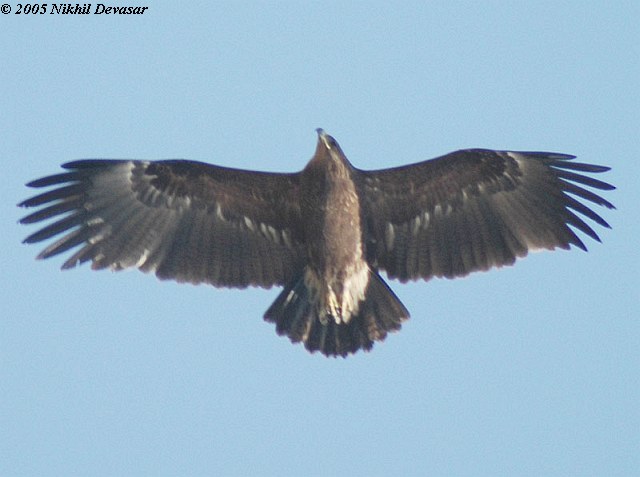
Greater Spotted Eagle (Aquila clanga) by Nikhil

Greater Spotted Eagle (Aquila clanga) by Nikhil

A Psalm for Solomon. Give the king thy judgments, O God, and thy righteousness unto the king’s son. He shall judge thy people with righteousness, and thy poor with judgment. (Psalms 72:1-2 KJV)

Words by James Mont­gom­ery (1771-1854), 1821

[This hymn] is a me­tri­cal ver­sion of the Se­ven­ty-se­cond Psalm. It was writ­ten as a Christ­mas hymn and was first sung on Christ­mas Day, 1821, at a great con­vo­ca­tion of the Mo­ra­vi­ans in their set­tle­ment at Ful­neck. At a Wes­ley­an mis­sion­a­ry meet­ing, held in Li­ver­pool on Ap­ril 14 of the fol­low­ing year, 1822, when Doc­tor Adam Clarke pre­sid­ed, Mont­gom­ery made an ad­dress and closed it by the re­cit­al of this hymn with all of its verses…Doc­tor Clarke lat­er used it in his fa­mous Com­ment­a­ry in con­nect­ion with his dis­cuss­ion of the Se­ven­ty-se­cond Psalm.

Music: Ell­a­combe, Ge­sang­buch der Herz­ogl. Wirt­em­berg­isch­en Ka­thol­isch­en Hof­ka­pel­le (Würt­tem­berg, Ger­ma­ny: 1784); adapt­ed & har­mo­nized by Wil­liam H. Monk in the 1868 ap­pen­dix to Hymns An­cient and Mo­dern, num­ber 366

Birds in Christmas Hymns

Birds in Christmas Hymns

Hail to the Lord’s Anointed

Hail to the Lord’s anointed, great David’s greater Son!
Hail in the time appointed, His reign on earth begun!
He comes to break oppression, to set the captive free;
To take away transgression and rule in equity.

He comes in succor speedy to those who suffer wrong;
To help the poor and needy, and bid the weak be strong;
To give them songs for sighing, their darkness turn to light,
Whose souls, condemned and dying, were precious in His sight.

By such shall He be fearèd while sun and moon endure;
Beloved, obeyed, reverèd; for He shall judge the poor
Through changing generations, with justice, mercy, truth,
While stars maintain their stations, or moons renew their youth.

He shall come down like showers upon the fruitful earth;
Love, joy, and hope, like flowers, spring in His path to birth.
Before Him, on the mountains, shall peace, the herald, go,
And righteousness, in fountains, from hill to valley flow.

Arabia’s desert ranger to Him shall bow the knee;
The Ethiopian stranger His glory come to see;
With offerings of devotion ships from the isles shall meet,
To pour the wealth of oceans in tribute at His feet.

Kings shall fall down before Him, and gold and incense bring;
All nations shall adore Him, His praise all people sing;
For He shall have dominion o’er river, sea and shore,
Far as the eagle’s pinion or dove’s light wing can soar.

For Him shall prayer unceasing and daily vows ascend;
His kingdom still increasing, a kingdom without end:
The mountain dews shall nourish a seed in weakness sown,
Whose fruit shall spread and flourish and shake like Lebanon.

O’er every foe victorious, He on His throne shall rest;
From age to age more glorious, all blessing and all blest.
The tide of time shall never His covenant remove;
His name shall stand forever, His name to us is Love.

*

Eurasian Collard Dove by Reinier Munguia

More Birds in Hymns

Birds in Hymns – Hail to the Lord’s Anointed

See ~ Christmas Gospel Presentation

Most information from The Cyber HymnalHail to the Lord’s Anointed

*

Birds In Christmas Hymns – Carol of the Birds

American Yellow Warbler (Dendroica aestiva) singing by J Fenton

American Yellow Warbler (Dendroica aestiva) singing by J Fenton

And the angel said unto them, Fear not: for, behold, I bring you good tidings of great joy, which shall be to all people. For unto you is born this day in the city of David a Saviour, which is Christ the Lord. (Luke 2:10-11)

Written as – El Cant Dels Ocells – Traditional Catalonian Carol

Translator Unknown

Birds in Christmas Hymns

Carol of the Birds

1. Upon this holy night,

When God’s great star appears,
And floods the earth with brightness
Birds’ voices rise in song
And warbling all night long
Express their glad heart’s lightness
Birds’ voices rise in song
And warbling all night long
Express their glad heart’s lightness

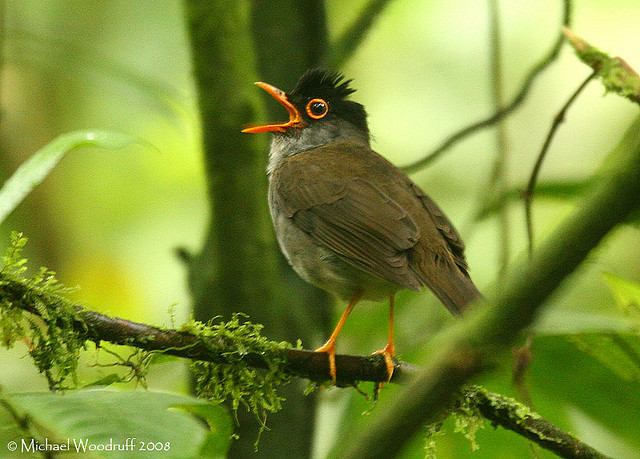
Black-headed Nightingale-Thrush (Catharus mexicanus) by Michael Woodruff

Black-headed Nightingale-Thrush (Catharus mexicanus) by Michael Woodruff

2. The Nightingale is first
To bring his song of cheer,
And tell us of His glad – ness:
Jesus, our Lord, is born
To free us from all sin
And banish ev’ry sadness!
Jesus, our Lord is born
To free us from all sin
And banish ev’ry sadness!

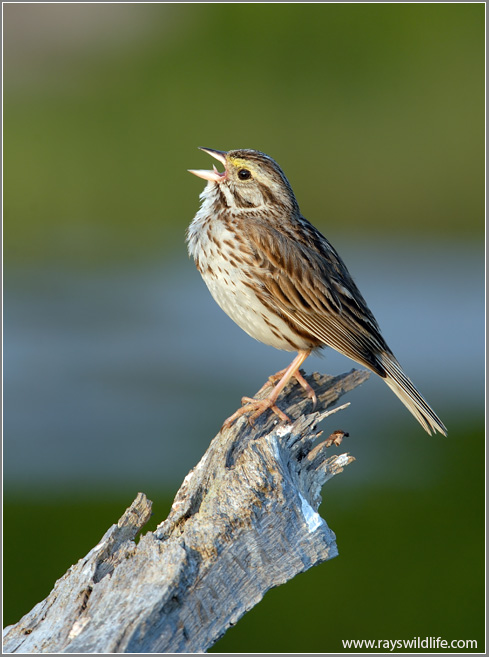
Savannah Sparrow singing by Ray

Savannah Sparrow singing by Ray

3. The answ’ring Sparrow cries:
“God comes to earth this day
Amid the angels flying.”
Trilling in sweetest tones,
The Finch his Lord now owns:
“To Him be all thanksgiving.”
Trilling in sweetest tones,
The Finch his Lord now owns:
“To Him be all thanksgiving.”

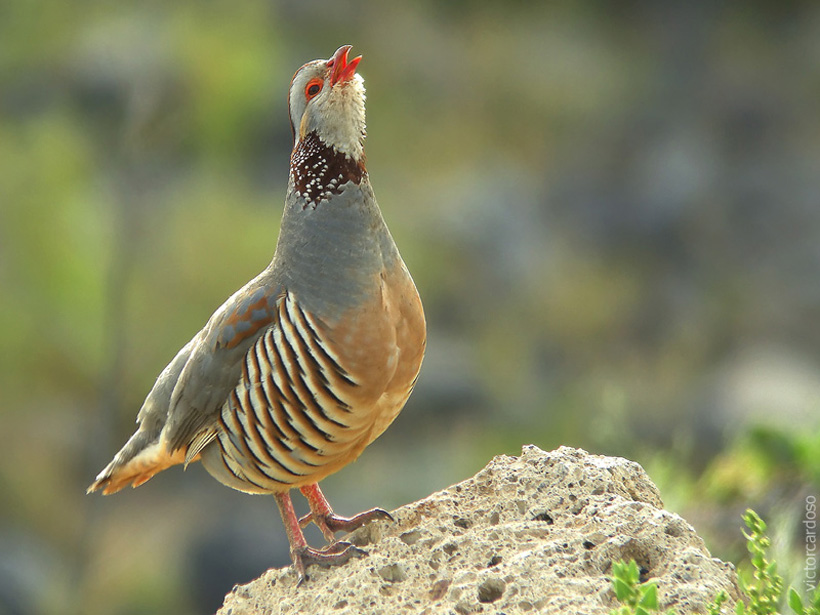
Barbary Partridge (Alectoris barbara koenigi) Pixdaus

Barbary Partridge (Alectoris barbara koenigi) Pixdaus

4. The Partridge adds his note:
“To Bethlehem I’ll fly,
Where in the stall He’s lying.
There, near the manger blest,
I’ll build myself a nest,
And sing my love undying.
There, near the manger blest,
I’ll build myself a nest,
And sing my love undying.

Photo

*

Found another version of the Carol of the Birds and it appears to be Australian Birds.

The Carol of the Birds
(Wheeler/James)

Brolga (Grus rubicunda) by Ian

Brolga (Grus rubicunda) by Ian

Out on the plains the brolgas are dancing
Lifting their feet like warhorses prancing
Up to the sun the woodlarks go winging
Faint in the dawn light echoes their singing
Crana! Orana! Orana to Christmas Day.

Crested Bellbird (Oreoica gutturalis) by Ian

Crested Bellbird (Oreoica gutturalis) by Ian

Down where the tree ferns grow by the river
There where the waters sparkle and quiver
Deep in the gullies bell-birds are chiming
Softly and sweetly their lyric notes rhyming
Orana! Orana! Orana to Christmas Day.

Silver-crowned Friarbird (Philemon argenticeps) by Ian

Silver-crowned Friarbird (Philemon argenticeps) by Ian

Friar birds sip the nectar of flowers
Currawongs chant in wattle tree bowers
In the blue ranges lorikeets calling
Carols of bush birds rising and falling
Orana! Orana! Orana to Christmas Day.
*

More Birds in Hymns

See ~ Share The Gospel

Most information from The Hymns and Carols of Christmas – Name of Hymn with Link to it

*