Birdwatching at Home – December 2009

Brown-headed Cowbird (Molothrus ater)

Brown-headed Cowbird (Molothrus ater)

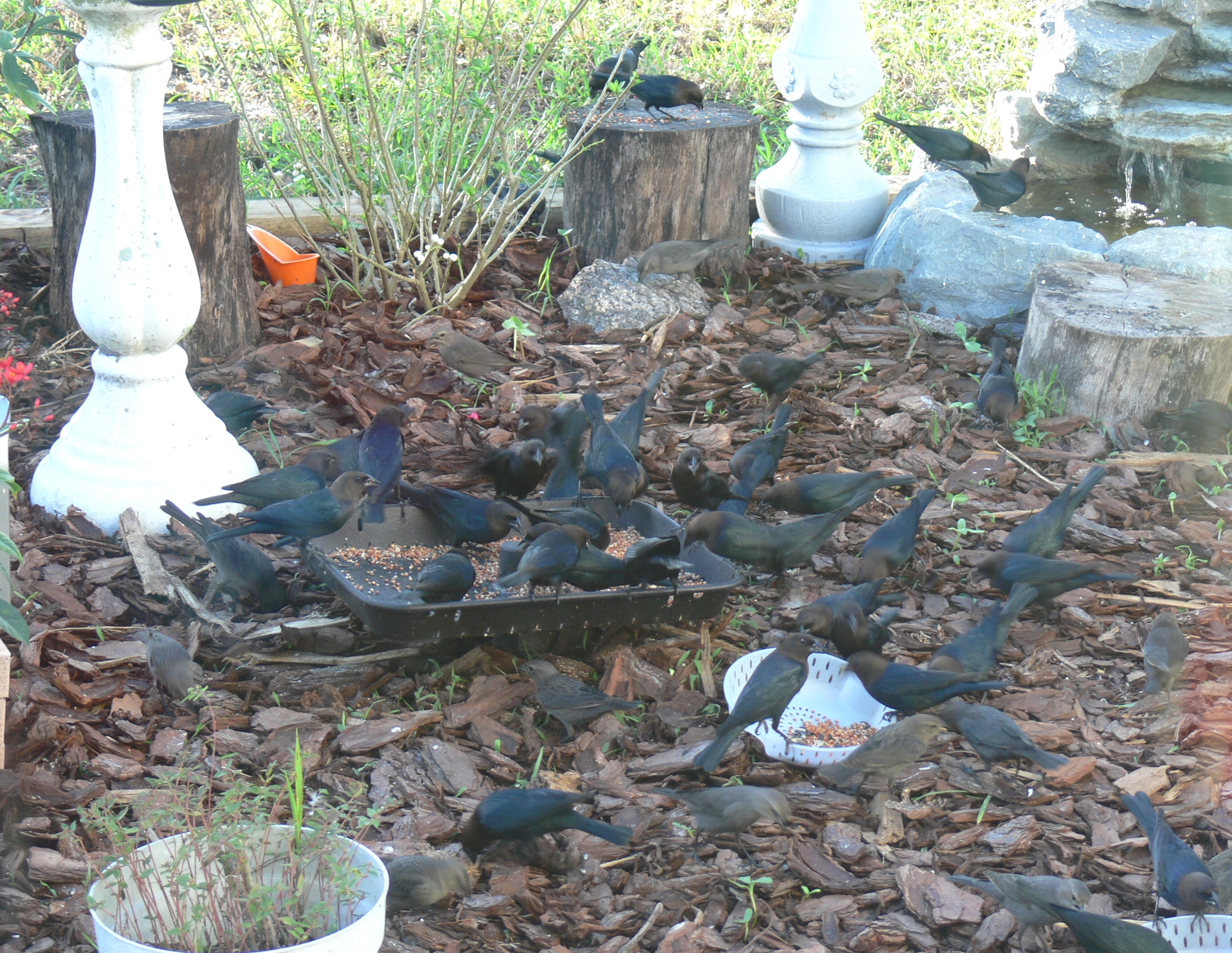
December is that busy time of the year when you don’t get to do as much birdwatching as you would like to do. There are so many other things going on and then we had several days where it rained or was overcast. But, all is not lost. There is always the window to look out. Recently we increased the size of the feeding area in our small backyard and now a few birds are coming. Until this month, about all that showed up were the Mourning Doves, the Boat-tailed Grackles, our local Sandhill Crane and of course the Squirrels. In the last few weeks 11 White Ibises, 4 Palm Warblers, our Northern Mockingbird, one Yellow-headed Blackbird and three Red-winged Blackbirds and two Eurasian Collared-Doves came in to check out the feeders. A Red-shouldered Hawk scattered the birds one morning. Today and yesterday, we have had an invasion (75+) of Brown-headed Cowbirds and one Red-winged Blackbird. The problem we have is that our yard is up against a major road and it spooks the birds, so even getting the birds that most people don’t care for is a delight for us. These birds are the ones who like to empty your feeders in “no time flat”.

Consider the ravens, for they neither sow nor reap, which have neither storehouse nor barn; and God feeds them. Of how much more value are you than the birds? (Luke 12:24 NKJV)
Brown-headed Cowbirds

Brown-headed Cowbirds

What a promise to the birds and to us. God feeds them most time by the plants and bugs in the fields, but he also uses our feeders and water to supply their needs. The same is true for people who are righteous. The Bible says in Psalms 37:25-28, “I have been young, and now am old; Yet I have not seen the righteous forsaken, Nor his descendants begging bread. He is ever merciful, and lends; And his descendants are blessed. Depart from evil, and do good; And dwell forevermore. For the LORD loves justice, And does not forsake His saints; They are preserved forever, But the descendants of the wicked shall be cut off. (NKJV) The Lord helps His own by seeing they have jobs and their needs met. If times get hard and the job is gone, the Lord will lay it on someones heart to help them out. He has promised to meet our “needs” not our “wants.”

Birds in Hymns – The Friendly Beasts

Mourning Dove (Zenaida macroura) by Quy Tran

Mourning Dove (Zenaida macroura) by Quy Tran

So it was, that while they were there, the days were completed for her to be delivered. And she brought forth her firstborn Son, and wrapped Him in swaddling cloths, and laid Him in a manger, because there was no room for them in the inn. (Luke 2:6-7 NKJV)

Words: Un­known au­thor, 12th Cen­tu­ry; trans­lat­ed from French to Engl­ish by an anon­y­mous trans­lat­or.

Music: Or­i­ent­is Par­ti­bus, med­ie­val French mel­o­dy

Jesus, our Brother, strong and good,
Was humbly born in a stable rude,
And the friendly beasts around Him stood,
Jesus, our Brother, strong and good.

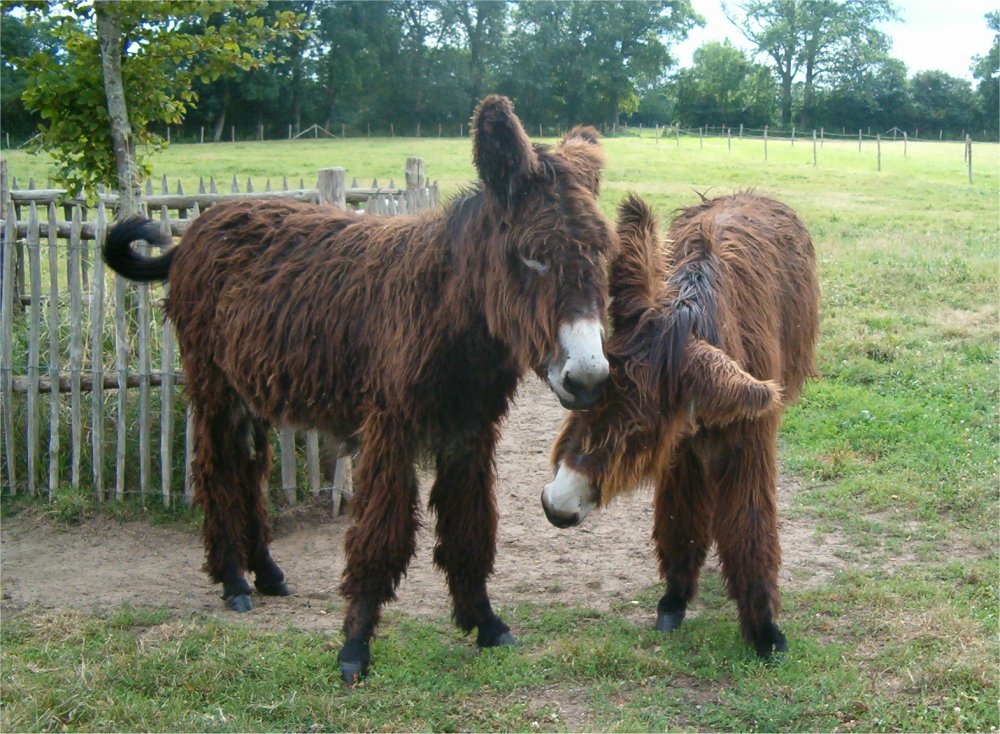
“I,” said the donkey, shaggy and brown,
“I carried His mother uphill and down,
I carried His mother to Bethlehem town;
I,” said the donkey, shaggy and brown.

“I,” said the cow, all white and red,
“I gave Him my manger for His bed,
I gave Him hay to pillow His head;
I,” said the cow, all white and red.

“I,” said the sheep with curly horn,
“I gave Him my wool for His blanket warm,
He wore my coat on Christmas morn;
I,” said the sheep with curly horn.

“I,” said the dove, from the rafters high,
“I cooed Him to sleep that He should not cry,
We cooed Him to sleep, my mate and I;
I,” said the dove, from the rafters high.

Thus all the beasts, by some good spell,
In the stable dark were glad to tell
Of the gifts they gave Emmanuel,
The gifts they gave Emmanuel.

Donkey - Shaky and Brown

Donkey - Shaggy and Brown

Most information from The Cyber Hymnal

See ~ Wordless Birds

More ~ Birds in Hymns

*

Ian’s Bird of the Week – Black-winged Monarch

Black-winged Monarch (Monarcha frater) by Ian

Black-winged Monarch (Monarcha frater) by Ian

From: Ian Montgomery
Newsletter 12/7/2009

Subject: Bird of the Week: Black-winged Monarch

Black-winged Monarch (Monarcha frater) by Ian

Black-winged Monarch (Monarcha frater) by Ian

If you live on the east coast of Australia, you may be familiar with the very similar Black-faced Monarch. The Black-winged Monarch, distinguishable by paler grey upper parts and contrasting black wings, is, however, a Cape York specialty migrating from PNG in the southern summer to breed along the northeast coast of the Peninsula south to about the McIlwraith Ranges north of Coen.

It’s not a well-known species, and until fairly recently hadn’t been photographed. That, I’m sure, has all changed now with a steady stream of digitally armed birders making the pilgrimage to Lockhart River, where these photos were taken, and the nearby Iron Range National Park. Anyway, I was glad of the opportunity last week to improve on the two mediocre shots on the Birdway website taken on my first visit there almost 6 years ago.

Links:
Black-winged Monarch (the original photos)
Black-faced Monarch

Best wishes,
Ian

Ian Montgomery, Birdway Pty Ltd,
454 Forestry Road, Bluewater, Qld 4818
Phone: +61-7 4751 3115
Preferred Email: ian@birdway.com.au
Website: http://birdway.com.au


Lee’s Addition:

When I think of the Monarch, my first thoughts are of a Monarch Butterfly, but the Monarch birds are very interesting. There are 47 Monarchs in Monarchidae Family of the Passeriformes Order. Also included in the family are Paradise and Crested Flycatchers, an Elepaio, Shrikebills, a Silktail, Magpielark, Torrentlark, and the Myiagra genus of Flycatchers. (Total of 93)
Here are some more of Ian’s Photos from the Monarchidae Family:
Broad-billed Flycatcher
Leaden Flycatcher
Shining Flycatcher
Restless Flycatcher
White-eared Monarch
Spectacled Monarch
Magpielark
Frilled Monarch
Pied Monarch

Another parable He put forth to them, saying: “The kingdom of heaven is like a mustard seed, which a man took and sowed in his field, which indeed is the least of all the seeds; but when it is grown it is greater than the herbs and becomes a tree, so that the birds of the air come and nest in its branches. (Matthew 13:31-32 NKJV)

Black-faced Monarch by Nick Talbot

Also see:

Monarch Flycatchers – Wikipedia

Birds in Hymns – Christmas Brings Joy To Every Heart

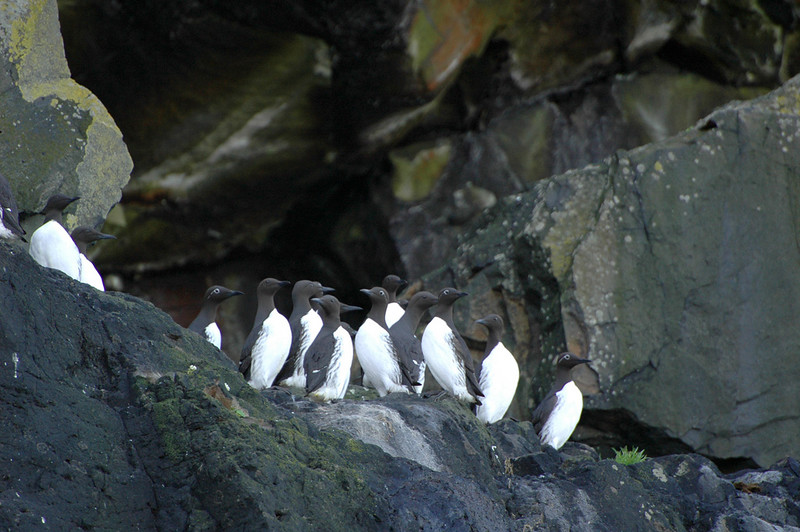
Black Guillemot (Cepphus grylle) by Bob-Nan

Black Guillemot (Cepphus grylle) by Bob-Nan

Rejoice in the Lord always. Again I will say, rejoice! (Philippians 4:4 NKJV)

Words: Bern­hardt S. In­ge­mann, 1840 (Julen har bragt velsignet bud); trans­lat­ed from Dan­ish to Eng­lish by Ce­cil Cow­drey. Music: Christ­mas Brings Joy, Christ­oph E. Weyse, 1841

Christmas brings joy to every heart,
Sets old and young rejoicing,
What angels sang once to all on earth,
Oh, hear the children voicing.
Bright is the tree with lights aglow,
Like birds that perch together,
The child that holdeth Christmas dear
Shall keep these joys forever.

Joy comes to the all the world today,
To halls and cottage hasting,
Come, sparrow and dove, from roof tree tall,
And share our Christmas feasting.
Dance, little child, on mother’s knee,
The lovely day is dawning,
The road to paradise is found
The blessèd Christmas morning.

Once to this earth our Savior came,
An infant poor and lowly,
To open for us those gardens fair
Where dwell His angels holy.
Christmas joy He bringeth us,
The Christ child King of Heaven,
To every little child, He saith,
Shall angel wings be given.”

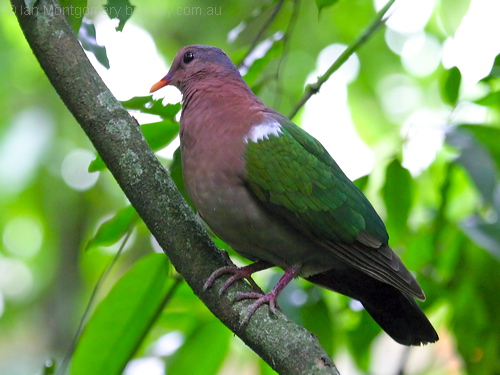
Emerald Dove by Birdway

Most information from The Cyber Hymnal

See ~ Wordless Birds

More ~ Birds in Hymns *

The Snow has been turned on again

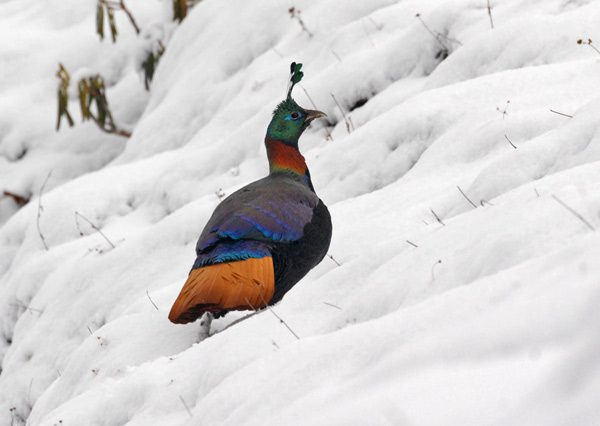
Himalayan Monal (Lophophorus impejanus) by Nikhil Devasar

Himalayan Monal (Lophophorus impejanus) by Nikhil Devasar

Well, WordPress has turned on the snow again this year, so even though it is currently 59 degrees here in Central Florida, IT’S SNOWING.

It’s about the only way we get any down here. They turn it on for about a month, so, if it is a bother, it will be gone soon. For those of us who enjoy looking at it, enjoy it.

Have you entered the treasury of snow, Or have you seen the treasury of hail, (Job 38:22 NKJV)

Chinstrap Penguin (Pygoscelis antarcticus) by Bob-Nan

Chinstrap Penguin (Pygoscelis antarcticus) by Bob-Nan

Come now, and let us reason together,” Says the LORD, “Though your sins are like scarlet, They shall be as white as snow; Though they are red like crimson, They shall be as wool. (Isaiah 1:18 NKJV)

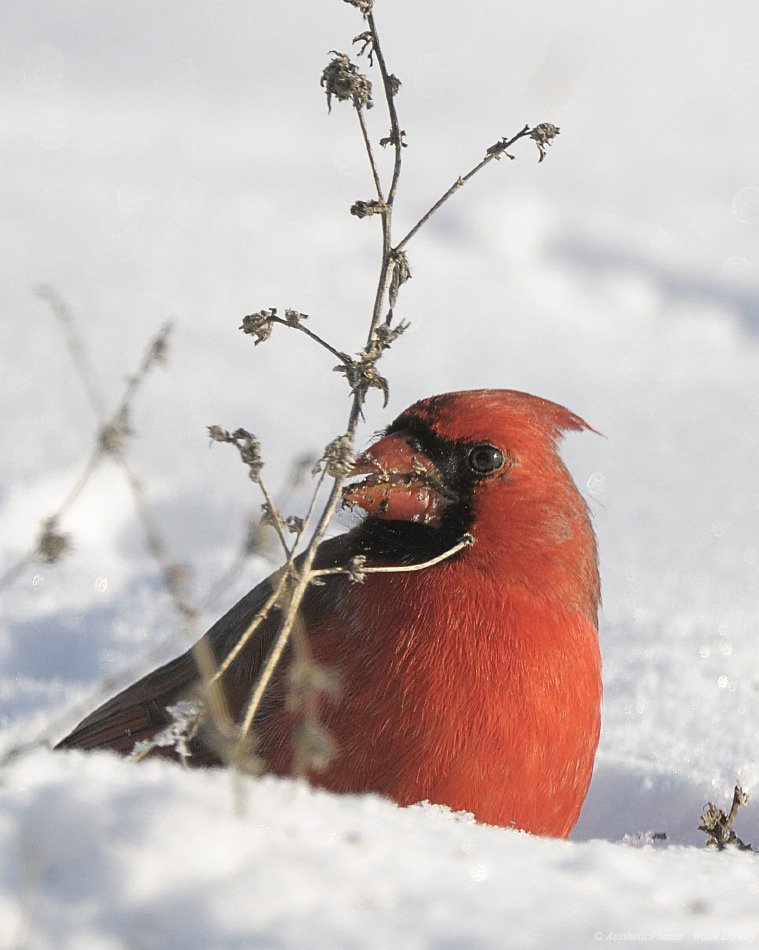
Cardinal by Aestheticphotos

Wordless Birds

April Lorier’s Article about the Ravens

Northern Raven (Corvus corax) by Ray

Who is Worth More – Me or Ravens?
The price of everything – that’s gas, groceries, utilities and other essentials – is going up weekly. Sometimes I feel like asking, “Are You aware of this, God? What are You going to do about this situation?

It was during one of these pessimistic periods that I thought of ravens. [I cant explain it, so don’t ask.] I decided to run a concordance search on these less-than-beautiful birds and was surprised at all the references in both the Old and New Testaments……” To see the whole article – Click Here

To see more of April’s articles here – Click Here

Some of April’s more recent articles on her site worth reading (they are all worth reading)

See more of April’s articles.*

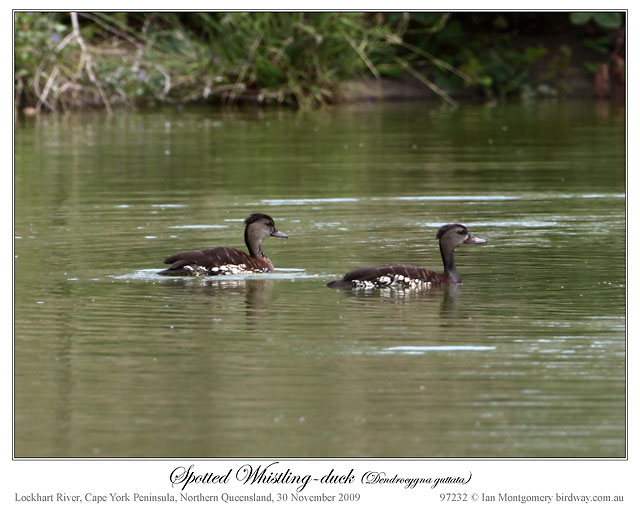
Ian’s Bird of the Week – Spotted Whistling Duck

Spotted Whistling Duck (Dendrocygna guttata) by Ian

Spotted Whistling Duck (Dendrocygna guttata) by Ian

Newsletter – 12/3/2009

Another late bird of the week, I regret, as I’ve just returned from a ten day trip to Cape York, not famous for its internet facilities, or any facilities for that matter. I’m home now and will play catch-up with another bird of (this) week over the next few days.

Australia is rather isolated geographically, so colonisation by a new species of bird is an unusual event. Such an event is most likely to occur on Cape York Peninsula, which is within island-hopping distance of New Guinea. The Spotted Whistling Duck, a common bird in New Guinea, was first recorded at Weipa on the western side of the peninsula in 14 years ago. It now occurs also in the Lockhart River district on the eastern side at about the same latitude as Weipa and this is where we came across a party of 4 last Monday. It will be interesting to see if it gets more widely established in Northern Australia.

Unlike the other two Australian Whistling-Ducks (Plumed and Wandering), the Spotted lacks side plumes and is easily recognisable by conspicuous white spots with black borders on the flanks. Globally, there are eight species of Whistling Ducks, all belonging to the genus Dendrocygna, with tropical and sub-tropical ranges in Australia, Asia, Africa and the Americas. The Plumed is endemic to Australia, while the Wandering also occurs in New Guinea, Indonesia, Borneo and the Philippines.

Website links:
Plumed Whistling-Duck
Wandering Whistling-Duck

Best wishes,
Ian

Ian Montgomery, Birdway Pty Ltd,
454 Forestry Road, Bluewater, Qld 4818
Phone: +61-7 4751 3115
Preferred Email: ian@birdway.com.au
Website: http://birdway.com.au


Lee’s Addition:
Thanks, Ian, those Whistling Ducks are neat. We don’t get to see those here in Florida, of course, but we do get to see lots of Black-bellied and Fulvous Whistling Ducks. The other three Whistlers are the White-faced, West Indian and the Lesser Whistling Ducks.

I will whistle for them and gather them, For I will redeem them; And they shall increase as they once increased. (Zechariah 10:8 NKJV)

The Whistling Ducks are part of the Anatidae Family within the Anseriformes Order.

Here are photos of all eight Whistling Ducks
*

This slideshow requires JavaScript.

*

Birds in Hymns – Hail to the Lord’s Anointed

Give the king Your judgments, O God, And Your righteousness to the king’s Son. He will judge Your people with righteousness, And Your poor with justice. (Psalms 72:1-2)

James Montgomery 1771-1854

James Montgomery 1771-1854

Words: James Mont­gom­ery, 1821.

Music: Ell­a­combe, Ge­sang­buch der Herz­ogl. Wirt­em­berg­isch­en Ka­thol­isch­en Hof­ka­pel­le (Würt­tem­berg, Ger­ma­ny: 1784); adapt­ed & har­mo­nized by Wil­liam H. Monk in the 1868 ap­pen­dix to Hymns An­cient and Mo­dern, num­ber 366
Al­ter­nate tunes:

* British Gren­a­diers, tra­di­tion­al Eng­lish mel­o­dy
* Crüger, from a chor­ale by Jo­hann Crü­ger, adapt­ed by Wil­liam H. Monk (1823-1889)
* Woodbird, tra­di­tion­al Ger­man mel­o­dy
* Zoan, Will­iam H. Hav­er­gal, 1845

William H. Monk (1823-1889)

[This hymn] is a me­tri­cal ver­sion of the Se­ven­ty-se­cond Psalm. It was writ­ten as a Christ­mas hymn and was first sung on Christ­mas Day, 1821, at a great con­vo­ca­tion of the Mo­ra­vi­ans in their set­tle­ment at Ful­neck. At a Wes­ley­an mis­sion­a­ry meet­ing, held in Li­ver­pool on Ap­ril 14 of the fol­low­ing year, 1822, when Doc­tor Adam Clarke pre­sid­ed, Mont­gom­ery made an ad­dress and closed it by the re­cit­al of this hymn with all of its verses…Doc­tor Clarke lat­er used it in his fa­mous Com­ment­a­ry in con­nect­ion with his dis­cuss­ion of the Se­ven­ty-se­cond Psalm. – Price, p. 103

Hail to the Lord’s Anointed

Hail to the Lord’s anointed, great David’s greater Son!
Hail in the time appointed, His reign on earth begun!
He comes to break oppression, to set the captive free;
To take away transgression and rule in equity.

He comes in succor speedy to those who suffer wrong;
To help the poor and needy, and bid the weak be strong;
To give them songs for sighing, their darkness turn to light,
Whose souls, condemned and dying, were precious in His sight.

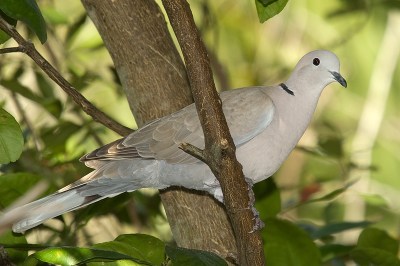
Eurasian Collared Dove (Streptopelia decaocto) by Reinier

Eurasian Collared Dove (Streptopelia decaocto) by Reinier

By such shall He be fearèd while sun and moon endure;
Beloved, obeyed, reverèd; for He shall judge the poor
Through changing generations, with justice, mercy, truth,
While stars maintain their stations, or moons renew their youth.

He shall come down like showers upon the fruitful earth;
Love, joy, and hope, like flowers, spring in His path to birth.
Before Him, on the mountains, shall peace, the herald, go,
And righteousness, in fountains, from hill to valley flow.

Arabia’s desert ranger to Him shall bow the knee;
The Ethiopian stranger His glory come to see;
With offerings of devotion ships from the isles shall meet,
To pour the wealth of oceans in tribute at His feet.

Kings shall fall down before Him, and gold and incense bring;
All nations shall adore Him, His praise all people sing;
For He shall have dominion o’er river, sea and shore,
Far as the eagle’s pinion or dove’s light wing can soar.

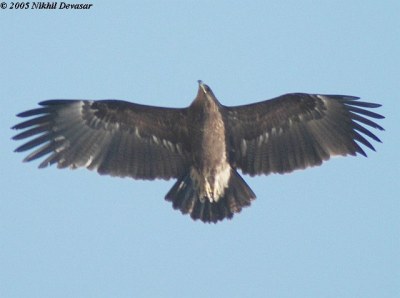
Greater Spotted Eagle (Aquila clanga) by Nikhil

Greater Spotted Eagle (Aquila clanga) by Nikhil

For Him shall prayer unceasing and daily vows ascend;
His kingdom still increasing, a kingdom without end:
The mountain dews shall nourish a seed in weakness sown,
Whose fruit shall spread and flourish and shake like Lebanon.

O’er every foe victorious, He on His throne shall rest;
From age to age more glorious, all blessing and all blest.
The tide of time shall never His covenant remove;
His Name shall stand forever, His Name to us is Love.


What a hymn that is packed full of many of the great truths about Christ.

Most information from The Cyber Hymnal

See ~ Wordless Birds

More ~ Birds in Hymns

*

Interesting Things – Cuckoo Deceit

SmileyCentral.com

Deceit Is Cuckoo

Listen to this from Creation Moment

Bread gained by deceit is sweet to a man, but afterward his mouth will be filled with gravel. Proverbs 20:17

Fan-tailed Cuckoo (Cacomantis flabelliformis) by Ian

Fan-tailed Cuckoo (Cacomantis flabelliformis) by Ian

You may be aware that the common cuckoo does not feed or raise its own young. Instead, it lays its eggs in the nests of other birds. The adoptive parents feed and raise the young cuckoo as their own until the cuckoo gets larger than the foster parents and flies away without so much as a “thank you.”

One common adoptive parent for the young cuckoos is the reed warbler, whose behavior pattern is quite different from the cuckoos. For example, reed warbler parents recognize hungry baby birds by their persistent calling. Cuckoos typically lay but one egg in an adoptive nest. Once this egg hatches, the young cuckoo throws the reed warbler eggs out of the nest. So how does one little baby cuckoo manage to convince the parent reed warbler that it is half a dozen reed warbler babies to be fed? Researchers have finally learned the amazing answer to that question. They say that the baby cuckoo fools its adoptive parents by sounding like as many as eight baby reed warblers. The act is so convincing that it gets all the food it wants.

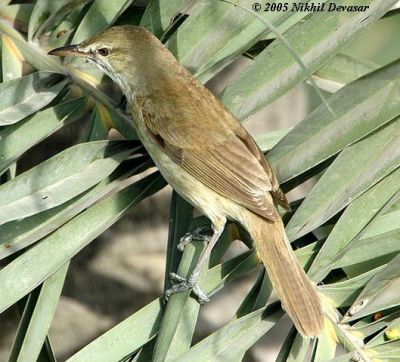
Clamorous Reed Warbler (Acrocephalus stentoreus) by Nikhil

Clamorous Reed Warbler (Acrocephalus stentoreus) by Nikhil

Who teaches the baby cuckoos this trick? Certainly not the mother cuckoo who, incidentally, misses out on all the fulfillment of family life. The cuckoo reminds us that deceit robs us of good experiences in our lives. That ‘s why it is comforting when our perfect God of truth tells us that He never changes.

Prayer: Forgive me, dear Father, for any deceit in my life, and help me to live a life of truth and honesty. InJ esus’ Name. Amen.

References: L.H., Cuckoos beg doggedly to trick hosts, Science News, v.155, p.158, March 6, 1999
Copyright © 2009 Creation Moments, Inc., PO Box 839, Foley, MN 56329, www.creationmoments.com.

To learn more about the Cuckoo – Click Here

Ian’s Bird of the Week – Rufous-banded Honeyeater

Rufous-banded Honeyeater (Conopophila albogularis) by Ian

Rufous-banded Honeyeater (Conopophila albogularis) by Ian

Here’s a small tropical Honeyeater that we encountered frequently in the Top End of the Northern Territory in September: the Rufous-banded. It’s appeal is subtle rather than spectacular, but I think it looks rather smart with its grey head, white-throat, rufous breast band and brown and yellow wings and tail.

Rufous-banded Honeyeater (Conopophila albogularis) by Ian

Rufous-banded Honeyeater (Conopophila albogularis) by Ian

It has a restricted range, being confined to the Top End of the Northern Territory and the northern half of Cape York in Queensland. It is rather similar to its close relative the Rufous-throated Honeyeater, which, in addition to the different throat colour of adult, lacks the rufous band and has a brownish head. The difference in head colour is diagnostic, as juveniles of the Rufous-banded and Rufous-throated lack the rufous band and throat respectively. Rufous would seem to be important in signalling sexual maturity, though the sexes are identical. The ranges of the two species overlap, with the Rufous-throated extending farther south in the tropics to include the Kimberley in Western Australia, the centre of the Northern Territory and Northern Queensland as far south as Townsville.

I’m in Mission Beach for the annual Pied Imperial Pigeon count http://www.birdsaustralianq.org/projects.htm and the BANQ Christmas get-together en route to Cape York to help in a survey in Mungkan Kandju national park between Coen and Arthur River. The survey will take several days and I plan to stay on for a few extra days to chase a few Cape York specialties.

Best wishes,
Ian

Ian Montgomery, Birdway Pty Ltd,
454 Forestry Road, Bluewater, Qld 4818
Phone: +61-7 4751 3115 Mobile +61-411 602 737
Preferred Email: ian@birdway.com.au
Website: http://birdway.com.au


Lee’s Addition:

Pleasant words are as an honeycomb, sweet to the soul, and health to the bones. (Proverbs 16:24 KJV)

The Rufous-banded Honeyeater is in the Passeriformes order and the Meliphagidae – Honeyeaters Family. Ian has great photos for 59 members of the Meliphagidae family.

“The honeyeaters are a large and diverse family of small to medium sized birds most common in Australia and New Guinea, but also found in New Zealand, the Pacific islands as far east as Hawaii, and the islands to the north and west of New Guinea known as Wallacea. Bali, on the other side of the Wallace Line, has a single species.

Honeyeaters and the closely related Australian chats make up the family Meliphagidae. In total there are 182 species in 42 genera, roughly half of them native to Australia, many of the remainder occupying New Guinea. Like their closest relatives, the Maluridae (Australian wrens), Pardalotidae (pardalotes and thornbills), and Petroicidae (Australian robins), they originated as part of the great corvid radiation in Australia-New Guinea (which were joined in a single landmass until quite recent geological times).” From “Honeyeaters” by AvianWeb

Interesting Links about this Family:
HONEYEATERS Meliphagidae by Bird Families of the World
Honeyeaters by AvianWeb.com

Birds of the Bible – Fatted Fowl

Ten fat oxen, and twenty oxen out of the pastures, and an hundred sheep, beside harts, and roebucks, and fallowdeer, and fatted fowl. (1 Kings 4:23 KJV)

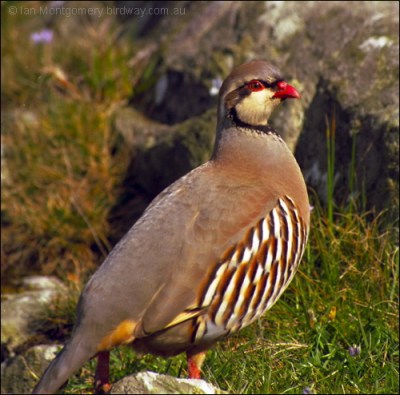
Chukar Partridge (Alectoris chukar) by Ian

While doing a search with my e-Sword Bible program, I came across I Kings 4:23. It is in the midst of the daily provisions needed by Solomon for one day. I had not noticed the “fatted fowl” before and since today is Thanksgiving, it caught my interest. According to what I wrote yesterday about the Thanksgiving Turkey, the Wild Turkey, Ocellated Turkey, and domesticated turkey are from the New World. If Solomon had lived here, I might think that he was eating “turkey” or some fatted goose, duck, or chicken. However, Solomon lived in Israel. So, what was the “fatted fowl”?

According to Strong’s Hebrew and Greek Dictionaries: Fatted = H75 – aw-bas’ – A primitive root; to fodder: – fatted, stalled. Fowl = H1257 – bar-boor’ -By reduplication from H1250; a fowl (as fattened on grain) – fowl. So the fatted fowl was possibly fed grain as was the fatted calf. Here are some of the other translations for the “fatted calf”, fat fowls, geese, poultry, fattened birds, fattened fowl, fatted fowl, and fatted beast of the stalls.

Jamieson, Fausset, and Brown Commentary had this comment. “Solomon’s provision for one day — not for the king’s table only, but for all connected with the court, including, besides the royal establishment, those of his royal consorts, his principal officers, his bodyguards, his foreign visitors, etc. The quantity of fine floor used is estimated at two hundred forty bushels; that of meal or common flour at four hundred eighty. The number of cattle required for consumption, besides poultry and several kinds of game (which were abundant on the mountains) did not exceed in proportion what is needed in other courts of the East.”

Red Junglefowl (Gallus gallus) by NikhilDevasar

Red Junglefowl (Gallus gallus) by NikhilDevasar

John Gill’s commentary said, “and fatted fowl; such as we call capons (a); some Jewish writers (b), because of the likeness of sound in the word here used, take them to be Barbary fowls, or such as were brought from that country: there is a sort of birds called βαρβαροι, which were without a voice, that neither heard men, nor knew their voice (c).

So what was the fatted fowl? It is hard to be exact, but, Scriptures mentions the Quail, Chicken, Hen, and Partridge kinds as being “clean” and thereby they could be eaten. These have also been known to be fattened up. The Barbary fowl according to Wikipedia and others is a Barbary Partridge which looks very much like our Chukar here in North America. The partridge family brings us back to the Turkey, which is in that family. One thing we know for certain. God created the fowls (birds) and we are permitted to eat some of them. (Genesis 1:20 and Genesis 9:2,3).

Being enriched in every thing to all bountifulness, which causeth through us thanksgiving to God. (2 Corinthians 9:11 KJV)

We hope you have a very happy Thanksgiving Day and that you spend time thanking God for all His blessings.

Barbary Partridge video by Josep del Hoyo

Thanksgiving Turkey

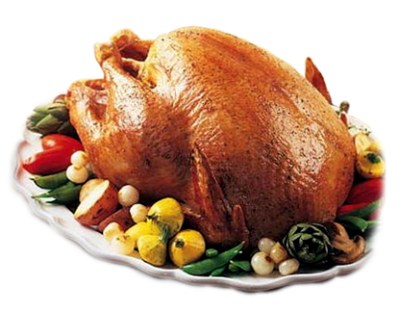
Tomorrow, many of us here in the United States will be eating turkey on Thanksgiving Day. Luckily, many turkeys will survive our holiday and continue to roam around. Here locally in Polk County, Florida, I see a “rafter” of turkeys (name for a group of turkeys – incorrectly called a “gobble” or “flock”) from time to time. Near Bartow I have seen them many times in rafters up to 11 turkeys. Near Circle B Bar Reserve, I have seen other groups up to 8 turkeys.
Wild Turkey (Meleagris gallopavo) by Daves BirdingPix

Wild Turkey (Meleagris gallopavo) by Daves BirdingPix

The domestic turkey is a descendant of the Wild Turkey and features prominently in the menu of the Canadian and U.S. holidays of Thanksgiving and that of Christmas in many countries.

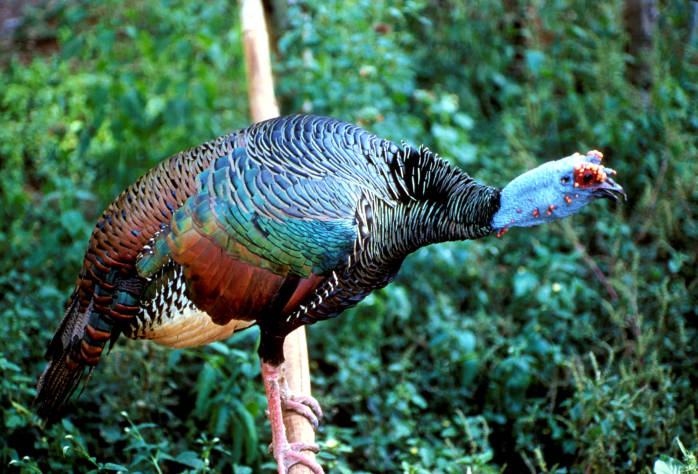
The Turkey is in the Galliformes Order and in the Phasianidae (Pheasants, Fowl & Allies) Family. There are two turkeys – Wild Turkey – Meleagris gallopavo and the Ocellated Turkey – Meleagris ocellata. The Wild is native to North American forrests and the Ocellated is native to the Yucatan Peninsula forrests. They are relatives of the Grouse family. Both Turkeys have a “distinctive fleshy wattle that hangs from the underside of the beak and a fleshy protuberance (flap of skin) that hangs from the top of its beak called a snood.” Turkeys are the heaviest member of the Galliformes order. The females are smaller and duller than the males. The male weighs from 11-24 lbs (5-11 kg) [record=38lbs] and measures 39-49 in (100-125 cm). They also have from 20,000-30,000 feathers.

 Ocellated Turkey (Meleagris ocellata) ©USFWS

Ocellated Turkey (Meleagris ocellata) ©USFWS

Congressional Proclamations from CreationWiki.
“The United States Congress set December 18, 1777, as a day of thanksgiving on which the American people “may express the grateful feelings of their hearts and consecrate themselves to the service of their divine benefactor” and on which they might “join the penitent confession of their manifold sins . . . that it may please God, through the merits of Jesus Christ, mercifully to forgive and blot them out of remembrance.” Congress also recommends that Americans petition God “to prosper the means of religion for the promotion and enlargement of that kingdom which consisteth in righteousness, peace and joy in the Holy Ghost.'”[1]
Congress set November 28, 1782, as a day of thanksgiving on which Americans were “to testify their gratitude to God for his goodness, by a cheerful obedience to his laws, and by promoting, each in his station, and by his influence, the practice of true and undefiled religion, which is the great foundation of public prosperity and national happiness.”

Giving thanks always for all things unto God and the Father in the name of our Lord Jesus Christ; (Ephesians 5:20 KJV)

See:
WhatBird’s Wild Turkey
Wikipedia’s Wild Turkey and Ocellated Turkey
Video of an Ocellated Turkey and a Wild Turkey displaying on Internet Bird Collection