Birds of the Bible – Jerusalem and Bethlehem Area

I thought it would be interesting to find out about what birds Mary and Joseph might have seen on their journey from Nazareth to Bethlehem to register for the census.

And it came to pass in those days that a decree went out from Caesar Augustus that all the world should be registered. This census first took place while Quirinius was governing Syria. So all went to be registered, everyone to his own city. Joseph also went up from Galilee, out of the city of Nazareth, into Judea, to the city of David, which is called Bethlehem, because he was of the house and lineage of David, to be registered with Mary, his betrothed wife, who was with child. (Luke 2:1-5 NKJV)
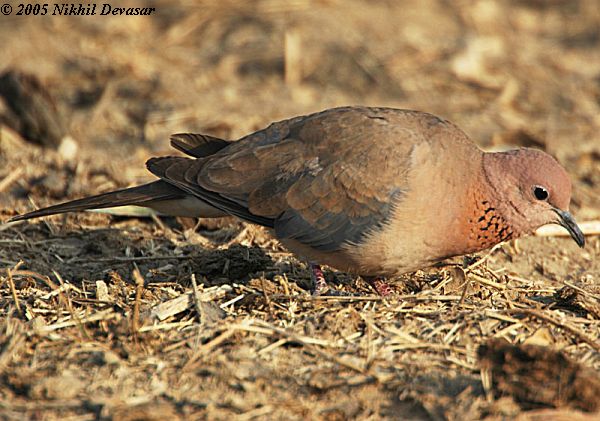
Laughing Dove (Stigmatopelia senegalensis) by Nikhil

Laughing Dove (Stigmatopelia senegalensis) by Nikhil

After several hours searching the internet, I still do not have a clear list of the birds in that area. Here, in America, you can find a bird list of about every park or area around. In Jerusalem, 10 kilometers or 6 miles from Bethlehem, I couldn’t find any lists. In Bethlehem, which is now in the West Bank, no list were found. Birds do not care about the political boundaries.  The quote below from the Jerusalem Bird Observatory was the best clue obtained. The lists for all the birds of Israel (over 500) can be found, but not for this specific area.
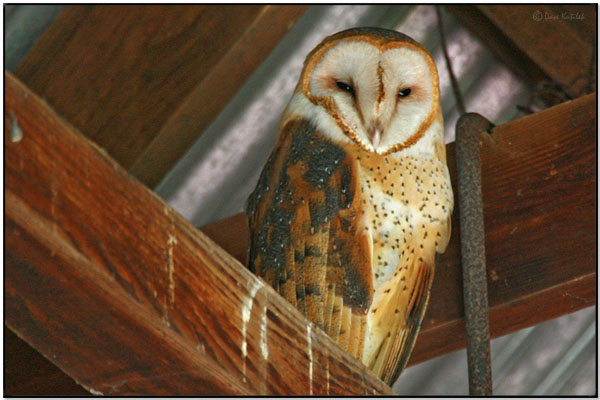
Western Barn Owl (Tyto alba) by Daves BirdingPix

Western Barn Owl (Tyto alba) by Daves BirdingPix

“Moving to central Israel, the Jerusalem region, though more famous for its religious and historical sites, can be interesting for birdwatchers too, with temperate wooded and rocky slopes to the west and the arid Judean Desert to the east. Typical forest birds, many also common in town parks and gardens, include blue jays, Syrian woodpeckers, several types of warblers and doves, song thrushes, assorted shrikes, blackbirds, robins, hoopoes, sunbirds, bulbuls, kestrels, hobbies, chukars and Scops and barn owls. Lovely areas for hiking and birdwatching include the forested mountainous area just south and west of Jerusalem around villages such as Nes Harim, Ora and Sataf, and forested areas further south near the town of Beit Shemesh and the Beit Guvrin archaeological park.

Eurasian Hoopoe (Upupa epops) by Ian

The Jerusalem Bird Observatory (JBO) is located in the landscaped gardens between the Knesset (Israel`s parliament) and the Supreme Court, though you need to bring ID and be patient with security searches. The JBO holds guided birding walks in English every Monday afternoon and does ringing there too. The Israeli capital is also home to prime nesting sites for the endangered lesser kestrel. The Musrara neighbourhood in particular is home to several nests and the Society for the Protection of Nature in Israel (SPNI) occasionally arranges walking tours of the area.” From Fatbirder
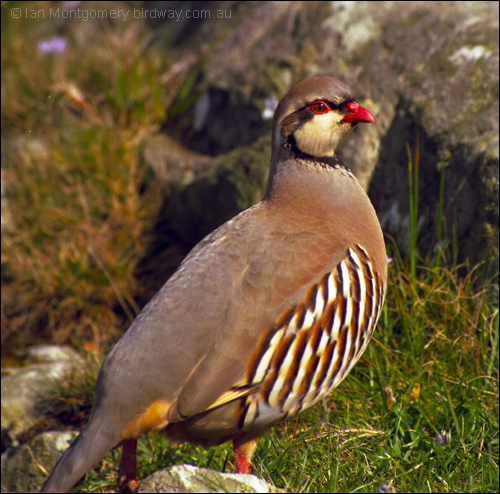
Chukar Partridge (Alectoris chukar) by Ian

In the list above, the birds bolded, are in the bird families mentioned in the Bible. There are 532 birds listed in the Israel Checklist of which 110 are residents and most of the others are winter visitors, having migrated there from elsewhere. Of the residents, there are 4 Doves – Rock Dove (Rock Pigeon) , Eurasian Collared Dove, Laughing Dove, and the Namaqua Dove. The Eurasian Hoopoe and Barn Owls are also residents. The Quail family includes the Chukar and two other residents, the Black Francolin and the Sand Partridge.

It is realized in over 2,000 years, the birds have changed within their “kinds”, but these photos, may give an indication of what Mary and Joseph may have seen on their journey and in the place where the Lord Jesus Christ was born and lain in a manger.

So it was, that while they were there, the days were completed for her to be delivered. And she brought forth her firstborn Son, and wrapped Him in swaddling cloths, and laid Him in a manger, because there was no room for them in the inn. (Luke 2:6-7 NKJV)

May the Lord bless you during the Christmas celebrations of the Birth of Our Savior, the Lord Jesus Christ, the Creator of the world.
The Gospel Message.

Birdwatching at Home – December 2009

Brown-headed Cowbird (Molothrus ater)

Brown-headed Cowbird (Molothrus ater)

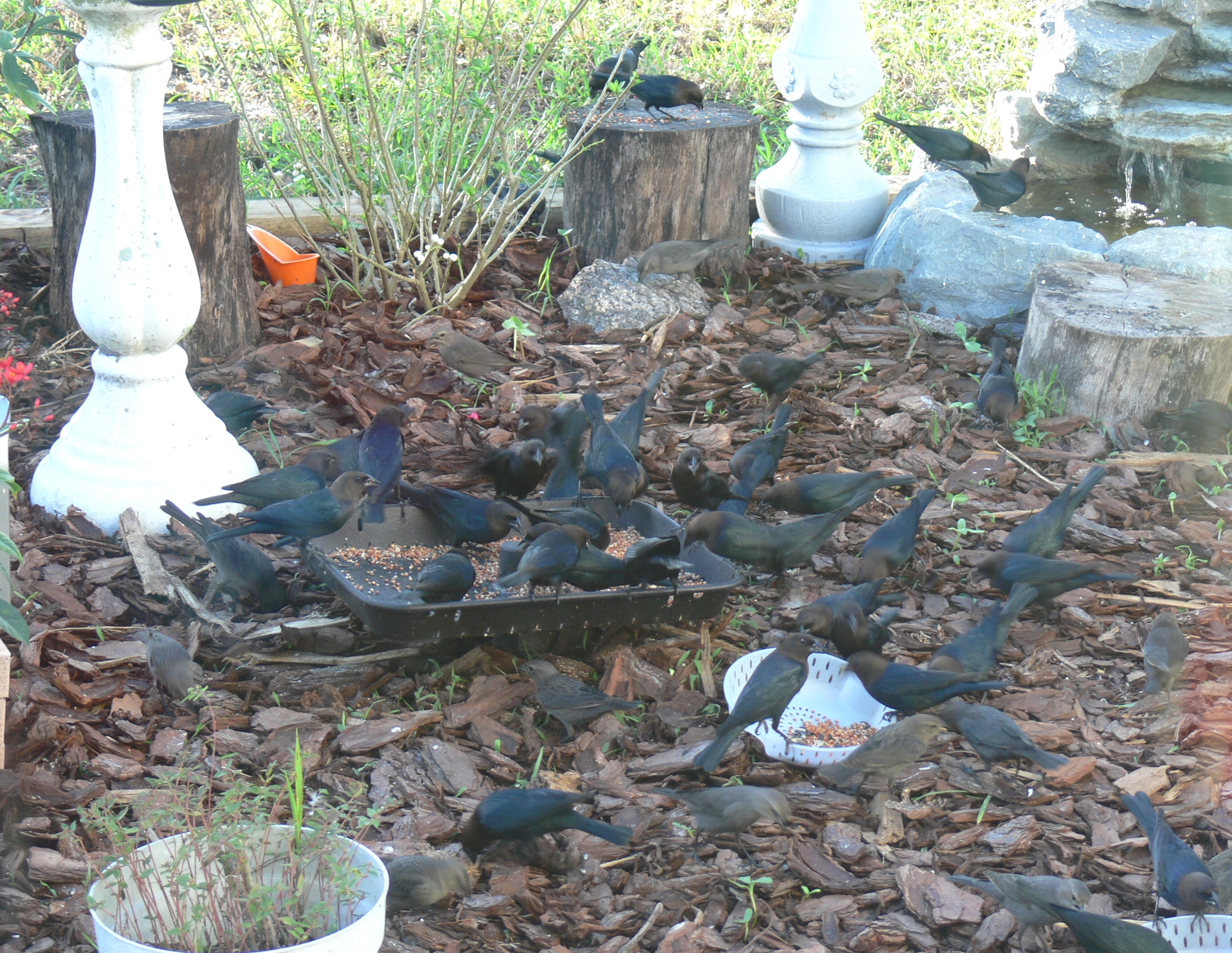
December is that busy time of the year when you don’t get to do as much birdwatching as you would like to do. There are so many other things going on and then we had several days where it rained or was overcast. But, all is not lost. There is always the window to look out. Recently we increased the size of the feeding area in our small backyard and now a few birds are coming. Until this month, about all that showed up were the Mourning Doves, the Boat-tailed Grackles, our local Sandhill Crane and of course the Squirrels. In the last few weeks 11 White Ibises, 4 Palm Warblers, our Northern Mockingbird, one Yellow-headed Blackbird and three Red-winged Blackbirds and two Eurasian Collared-Doves came in to check out the feeders. A Red-shouldered Hawk scattered the birds one morning. Today and yesterday, we have had an invasion (75+) of Brown-headed Cowbirds and one Red-winged Blackbird. The problem we have is that our yard is up against a major road and it spooks the birds, so even getting the birds that most people don’t care for is a delight for us. These birds are the ones who like to empty your feeders in “no time flat”.

Consider the ravens, for they neither sow nor reap, which have neither storehouse nor barn; and God feeds them. Of how much more value are you than the birds? (Luke 12:24 NKJV)

Brown-headed Cowbirds

Brown-headed Cowbirds

What a promise to the birds and to us. God feeds them most time by the plants and bugs in the fields, but he also uses our feeders and water to supply their needs. The same is true for people who are righteous. The Bible says in Psalms 37:25-28, “I have been young, and now am old; Yet I have not seen the righteous forsaken, Nor his descendants begging bread. He is ever merciful, and lends; And his descendants are blessed. Depart from evil, and do good; And dwell forevermore. For the LORD loves justice, And does not forsake His saints; They are preserved forever, But the descendants of the wicked shall be cut off. (NKJV) The Lord helps His own by seeing they have jobs and their needs met. If times get hard and the job is gone, the Lord will lay it on someones heart to help them out. He has promised to meet our “needs” not our “wants.”

Birds in Hymns – The Friendly Beasts

Mourning Dove (Zenaida macroura) by Quy Tran

Mourning Dove (Zenaida macroura) by Quy Tran

So it was, that while they were there, the days were completed for her to be delivered. And she brought forth her firstborn Son, and wrapped Him in swaddling cloths, and laid Him in a manger, because there was no room for them in the inn. (Luke 2:6-7 NKJV)

Words: Un­known au­thor, 12th Cen­tu­ry; trans­lat­ed from French to Engl­ish by an anon­y­mous trans­lat­or.

Music: Or­i­ent­is Par­ti­bus, med­ie­val French mel­o­dy

Jesus, our Brother, strong and good,
Was humbly born in a stable rude,
And the friendly beasts around Him stood,
Jesus, our Brother, strong and good.

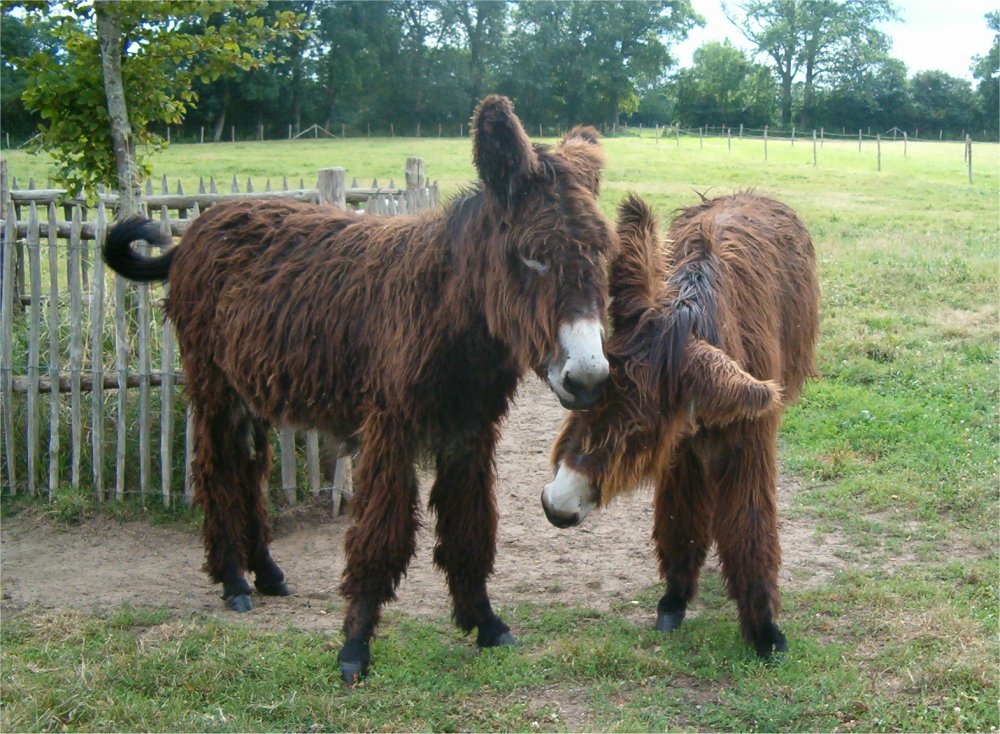
“I,” said the donkey, shaggy and brown,
“I carried His mother uphill and down,
I carried His mother to Bethlehem town;
I,” said the donkey, shaggy and brown.

“I,” said the cow, all white and red,
“I gave Him my manger for His bed,
I gave Him hay to pillow His head;
I,” said the cow, all white and red.

“I,” said the sheep with curly horn,
“I gave Him my wool for His blanket warm,
He wore my coat on Christmas morn;
I,” said the sheep with curly horn.

“I,” said the dove, from the rafters high,
“I cooed Him to sleep that He should not cry,
We cooed Him to sleep, my mate and I;
I,” said the dove, from the rafters high.

Thus all the beasts, by some good spell,
In the stable dark were glad to tell
Of the gifts they gave Emmanuel,
The gifts they gave Emmanuel.

Donkey - Shaky and Brown

Donkey - Shaggy and Brown

Most information from The Cyber Hymnal

See ~ Wordless Birds

More ~ Birds in Hymns

*

Interesting Things – Stinking Poison Bird – Pitohui

Thinking

But the unbelieving Jews stirred up the Gentiles and poisoned their minds against the brethren. (Acts 14:2)

Another interesting article from Creation Moments:

“The hooded pitohui is an evil-smelling, blue jay-sized bird that is native to New Guinea. The bird has been known to science since 1827, but they held a secret that only began to be uncovered in 1989.

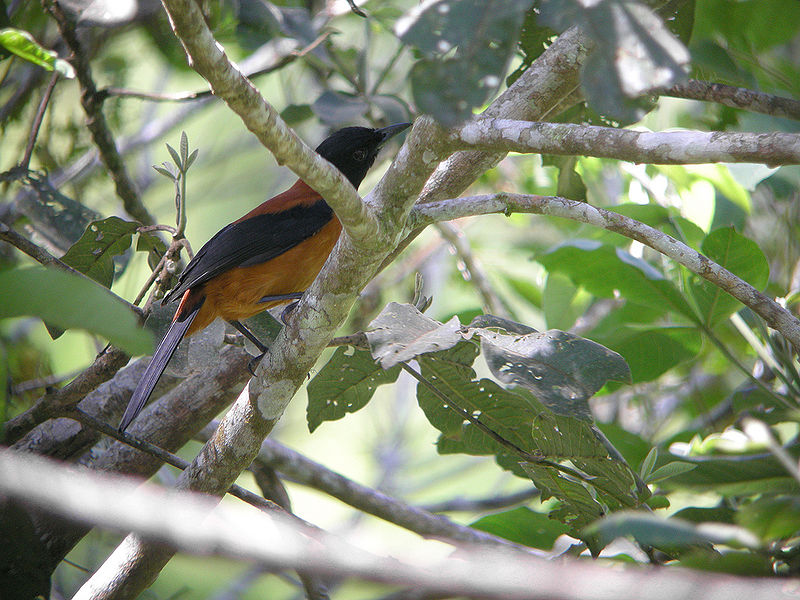
Hooded Pitohui (Pitohui dichrous) ©Wikipedia

Hooded Pitohui (Pitohui dichrous) ©Wikipedia

An American graduate student made the discovery while studying another local bird – the bird of paradise. Unfortunately, hooded pitohuis kept getting caught in his nets. As he released the unwanted pitohuis, they would claw and peck at him. After he released the birds, he licked the wounds they had caused. As a result, his mouth began to burn and finally became numb for several hours. This led the graduate student to send dead hooded pitohuis to the National Institutes of Health for further study. The poison they produce was finally identified as one of the most poisonous substances known. It is hundreds of times more poisonous than strychnine. The amount of poison in one bird can kill 500 mice. Most amazing is that only one other creature produces the same poison, the poison dart frog of Central America.

Those who believe in evolution maintain that the ability to produce the poison must have evolved twice. But it’s not that simple. Not only do both bird and frog, half a world apart, have to evolve this unlikely ability twice, but they both had to evolve immunity to their own poison. Ultimately, evolution is a faith. It is a faith that is poisonous to Christianity because it makes death natural rather than a result of the first Adam’s sin. And without the fact of the first Adam, there is no need for the Second Adam, Jesus Christ.

Prayer: Lord, I thank You for Your victory over sin, death and the devil. Amen.”

References: Natural History, 2/94, pp.4 8.

Copyright © 2009 Creation Moments, Inc., PO Box 839, Foley, MN  56329, www.creationmoments.com.

Hooded Pitohui are in the Pachycephalidae – Whistlers and Allies Family in the Passeriformes Order

See AvianWeb.Com’s – Hooded Pitohui

Hooded Pitohui videos by Keith Blomerley

Birds in Hymns – Speed Away – Fanny Crosby

Go ye therefore, and teach all nations, baptizing them in the name of the Father, and of the Son, and of the Holy Ghost: Teaching them to observe all things whatsoever I have commanded you: and, lo, I am with you alway, even unto the end of the world. Amen. (Matthew 28:19-20 KJV)

Words: Fan­ny Cros­by, 1890. Some hymn­als show the au­thor as Jul­ia Ster­ling, one of Fan­ny’s pseu­do­nyms.

This in­spir­ing song of fare­well to de­part­ing miss­ion­ar­ies was writ­ten in 1890 to Wood­bu­ry’s ap­prop­ri­ate po­pu­lar mel­o­dy by Fan­ny J. Cros­by, at the re­quest of Ira D. San­key. The key-word and re­frain are adapt­ed from the orig­in­al song by Wood­bu­ry (1848), but in sub­stance and lan­guage the three hymn-stan­zas are the new and in­de­pen­dent work of this lat­er writ­er.  Brown, p. 184

Music: Isaac B. Wood­bu­ry, 1848
Isaac B. Woodbury (1819-1858)

“Speed Away, Speed Away, on your Miss­ion of Light” was writ­ten af­ter hear­ing the beau­ti­ful In­di­an mel­o­dy which Mr. Sank­ey ar­ranged for my words. The orig­in­al In­di­an po­em told the sto­ry of a young maid­en who died leav­ing her fa­ther to mourn her un­time­ly loss, and how he was com­fort­ed by a mess­age brought him by a bird she had sent from the Hap­py Hunt­ing Grounds. This mel­o­dy seemed so beau­ti­ful that we thought it ought to have hymn-words and “Speed Away” was the out­come of this feel­ing. I wrote it hop­ing that it might in­spire some­one to go in­to the miss­ion fields across the sea.  Crosby, p. 642

Speed Away

Speed away, speed away, on your mission of light,
To the lands that are lying in darkness and night;
’Tis the Master’s command; go ye forth in His Name,
The wonderful Gospel of Jesus proclaim;
Take your lives in your hand, to the work while ’tis day,
Speed away, speed away, speed away.

Australasian Gannet (Morus serrator) by W Kwong

Australasian Gannet (Morus serrator) by W Kwong

Speed away, speed away with the life giving Word;
To the nations that know not the voice of the Lord;
Take the wings of the morning and fly o’er the wave,
In the strength of your Master the lost ones to save;
He is calling once more, not at moment’s delay,
Speed away, speed away, speed away.

Speed away, speed away with the message of rest,
To the souls by the tempter in bondage oppressed;
For the Savior has purchased their ransom from sin,
And the banquet is ready, O gather them in;
To the rescue make haste, there’s no time for delay,
Speed away, speed away, speed away.

(A bird not really mentioned but only alluded to a bird.)

Most information from The Cyber Hymnal

See ~ Wordless Birds

More ~ Birds in Hymns

*

Birds in Hymns – Praise the Giver of All

Every good gift and every perfect gift is from above, and cometh down from the Father of lights, with whom is no variableness, neither shadow of turning. (James 1:17 KJV)

Words: Fan­ny Cros­by, in Bright Jew­els for the Sun­day School, by Ro­bert Low­ry et al. (New York: Big­low & Main, 1869).

Music: Will­iam F. Sher­win

Praise the Giver of All

Let us mingle our voices in chorus today;
The earth is rejoicing, all nature is gay,
And the stream in the valley goes laughing along;
How happy its beautiful song.

Refrain

Praise the Lord, the Giver of all,
Praise the Lord, the Giver of all;
Let His children with rapture His mercy recall,
The bountiful Giver of all.

Large Grey Babbler (Turdoides malcolmi) by Ian

Large Grey Babbler (Turdoides malcolmi) by Ian

There is joy in the sunbeam that sparkles so bright
And calls the young blossoms to welcome the light;
And the bird in the greenwood is singing with glee,
As cheerful and happy as we.

Refrain

Let us join the glad music and joyfully raise,
In purest devotion, our jubilant praise;
We are grateful to God for this beautiful day:
We’ll sing the bright moments away.

Refrain

Most information from The Cyber Hymnal

See ~ Wordless Birds

More ~ Birds in Hymns

*

Birds in Hymns – Christmas Brings Joy To Every Heart

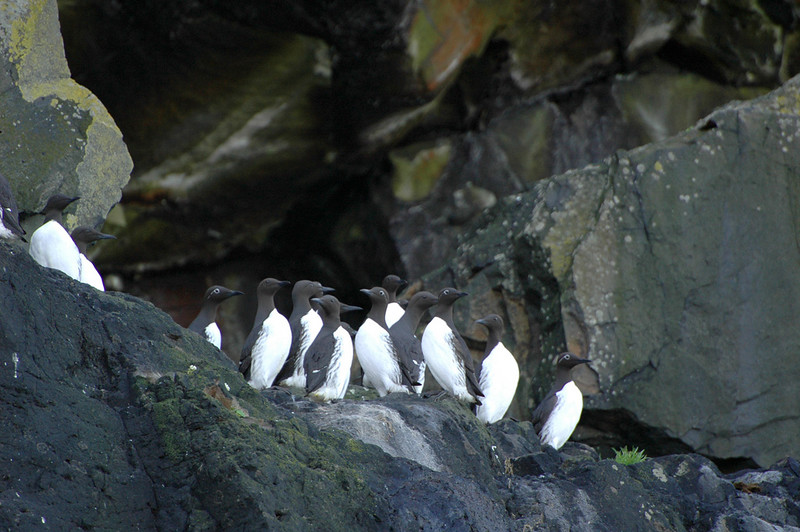
Black Guillemot (Cepphus grylle) by Bob-Nan

Black Guillemot (Cepphus grylle) by Bob-Nan

Rejoice in the Lord always. Again I will say, rejoice! (Philippians 4:4 NKJV)

Words: Bern­hardt S. In­ge­mann, 1840 (Julen har bragt velsignet bud); trans­lat­ed from Dan­ish to Eng­lish by Ce­cil Cow­drey. Music: Christ­mas Brings Joy, Christ­oph E. Weyse, 1841

Christmas brings joy to every heart,
Sets old and young rejoicing,
What angels sang once to all on earth,
Oh, hear the children voicing.
Bright is the tree with lights aglow,
Like birds that perch together,
The child that holdeth Christmas dear
Shall keep these joys forever.

Joy comes to the all the world today,
To halls and cottage hasting,
Come, sparrow and dove, from roof tree tall,
And share our Christmas feasting.
Dance, little child, on mother’s knee,
The lovely day is dawning,
The road to paradise is found
The blessèd Christmas morning.

Once to this earth our Savior came,
An infant poor and lowly,
To open for us those gardens fair
Where dwell His angels holy.
Christmas joy He bringeth us,
The Christ child King of Heaven,
To every little child, He saith,
Shall angel wings be given.”

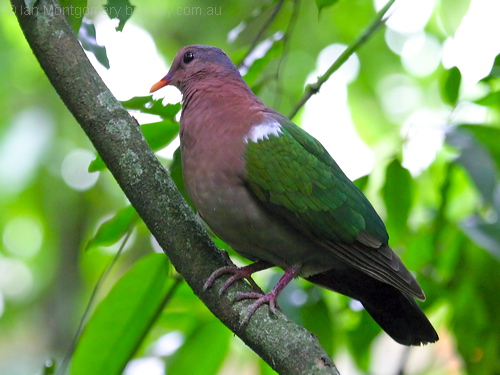
Emerald Dove by Birdway

Most information from The Cyber Hymnal

See ~ Wordless Birds

More ~ Birds in Hymns *

The Snow has been turned on again

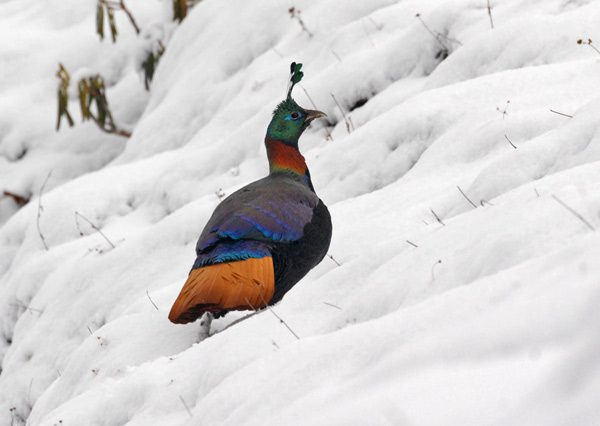
Himalayan Monal (Lophophorus impejanus) by Nikhil Devasar

Himalayan Monal (Lophophorus impejanus) by Nikhil Devasar

Well, WordPress has turned on the snow again this year, so even though it is currently 59 degrees here in Central Florida, IT’S SNOWING.

It’s about the only way we get any down here. They turn it on for about a month, so, if it is a bother, it will be gone soon. For those of us who enjoy looking at it, enjoy it.

Have you entered the treasury of snow, Or have you seen the treasury of hail, (Job 38:22 NKJV)

Chinstrap Penguin (Pygoscelis antarcticus) by Bob-Nan

Chinstrap Penguin (Pygoscelis antarcticus) by Bob-Nan

Come now, and let us reason together,” Says the LORD, “Though your sins are like scarlet, They shall be as white as snow; Though they are red like crimson, They shall be as wool. (Isaiah 1:18 NKJV)

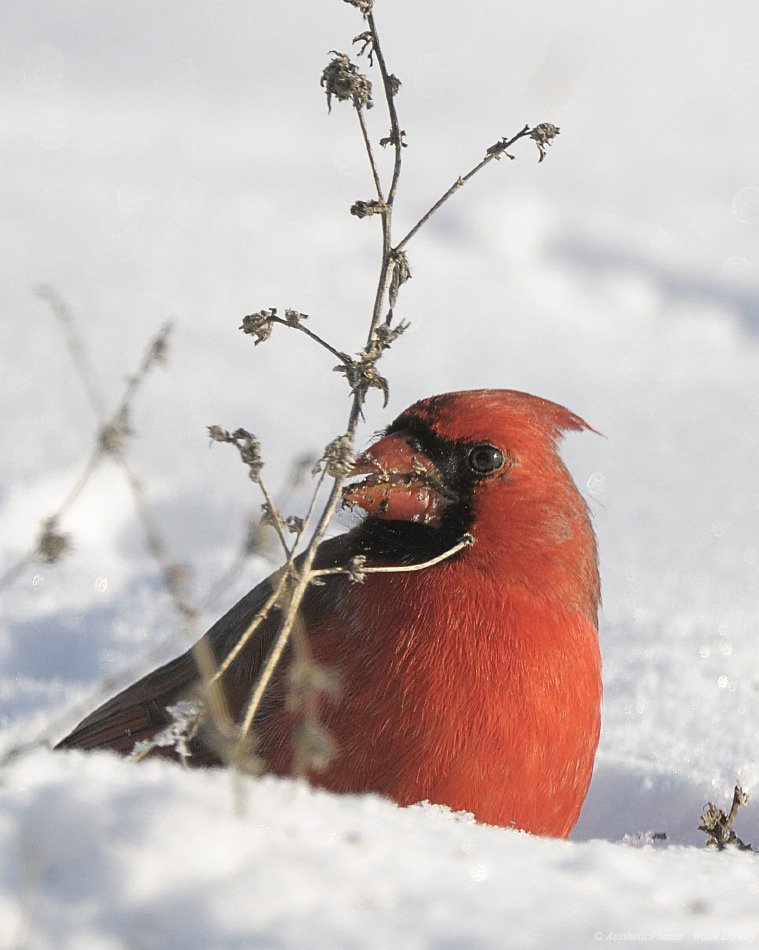
Cardinal by Aestheticphotos

Wordless Birds

April Lorier’s Article about the Ravens

Northern Raven (Corvus corax) by Ray

Who is Worth More – Me or Ravens?
The price of everything – that’s gas, groceries, utilities and other essentials – is going up weekly. Sometimes I feel like asking, “Are You aware of this, God? What are You going to do about this situation?

It was during one of these pessimistic periods that I thought of ravens. [I cant explain it, so don’t ask.] I decided to run a concordance search on these less-than-beautiful birds and was surprised at all the references in both the Old and New Testaments……” To see the whole article – Click Here

To see more of April’s articles here – Click Here

Some of April’s more recent articles on her site worth reading (they are all worth reading)

See more of April’s articles.*

Christmas Attacks

Article from Creation Momments:

“Dear Friend of Creation,

Joy to the world, the Lord is come.
Let earth receive her King!

Cardinal by Aestheticphotos

As the great Christmas hymn reminds us, God so loved the world that He gave. Christmas is truly a time when even non-Christians in non-Christian cultures are reminded about the great joys of giving and receiving special gifts, and about doing good to others.

Yet the ACLU, other secular humanists and multiculturalists continue to wage war on Christmas – to try to ban even the mention of the word. Now even “Holiday Tree” is touted instead of “Christmas Tree.” Give me a break! It’s amazing how the worldly spirit of anti-CHRIST affects even the frequency of His respectful mention in our language. There is an attitude that squirms at the mere mention of God.

Where does this attitude come from? Answer: the sinful heart of mankind. And what is used as intellectual justification (subconsciously in many cases) for such an attitude? Answer: the doctrines of evolutionism.

We see in the whole irrational war on Christmas where the bias toward evolution and against creation comes from. Evolution is not propped up by science at all but by the depraved will of mankind to rid himself of accountability to his Maker.” To read the rest – CLICK HERE

Birds in Hymns – Hail to the Lord’s Anointed

Give the king Your judgments, O God, And Your righteousness to the king’s Son. He will judge Your people with righteousness, And Your poor with justice. (Psalms 72:1-2)

James Montgomery 1771-1854

James Montgomery 1771-1854

Words: James Mont­gom­ery, 1821.

Music: Ell­a­combe, Ge­sang­buch der Herz­ogl. Wirt­em­berg­isch­en Ka­thol­isch­en Hof­ka­pel­le (Würt­tem­berg, Ger­ma­ny: 1784); adapt­ed & har­mo­nized by Wil­liam H. Monk in the 1868 ap­pen­dix to Hymns An­cient and Mo­dern, num­ber 366
Al­ter­nate tunes:

* British Gren­a­diers, tra­di­tion­al Eng­lish mel­o­dy
* Crüger, from a chor­ale by Jo­hann Crü­ger, adapt­ed by Wil­liam H. Monk (1823-1889)
* Woodbird, tra­di­tion­al Ger­man mel­o­dy
* Zoan, Will­iam H. Hav­er­gal, 1845

William H. Monk (1823-1889)

[This hymn] is a me­tri­cal ver­sion of the Se­ven­ty-se­cond Psalm. It was writ­ten as a Christ­mas hymn and was first sung on Christ­mas Day, 1821, at a great con­vo­ca­tion of the Mo­ra­vi­ans in their set­tle­ment at Ful­neck. At a Wes­ley­an mis­sion­a­ry meet­ing, held in Li­ver­pool on Ap­ril 14 of the fol­low­ing year, 1822, when Doc­tor Adam Clarke pre­sid­ed, Mont­gom­ery made an ad­dress and closed it by the re­cit­al of this hymn with all of its verses…Doc­tor Clarke lat­er used it in his fa­mous Com­ment­a­ry in con­nect­ion with his dis­cuss­ion of the Se­ven­ty-se­cond Psalm. – Price, p. 103

Hail to the Lord’s Anointed

Hail to the Lord’s anointed, great David’s greater Son!
Hail in the time appointed, His reign on earth begun!
He comes to break oppression, to set the captive free;
To take away transgression and rule in equity.

He comes in succor speedy to those who suffer wrong;
To help the poor and needy, and bid the weak be strong;
To give them songs for sighing, their darkness turn to light,
Whose souls, condemned and dying, were precious in His sight.

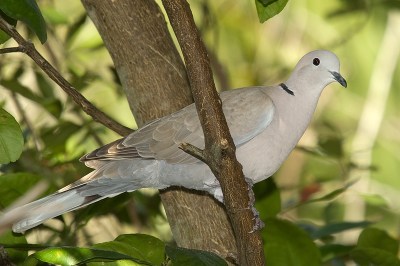
Eurasian Collared Dove (Streptopelia decaocto) by Reinier

Eurasian Collared Dove (Streptopelia decaocto) by Reinier

By such shall He be fearèd while sun and moon endure;
Beloved, obeyed, reverèd; for He shall judge the poor
Through changing generations, with justice, mercy, truth,
While stars maintain their stations, or moons renew their youth.

He shall come down like showers upon the fruitful earth;
Love, joy, and hope, like flowers, spring in His path to birth.
Before Him, on the mountains, shall peace, the herald, go,
And righteousness, in fountains, from hill to valley flow.

Arabia’s desert ranger to Him shall bow the knee;
The Ethiopian stranger His glory come to see;
With offerings of devotion ships from the isles shall meet,
To pour the wealth of oceans in tribute at His feet.

Kings shall fall down before Him, and gold and incense bring;
All nations shall adore Him, His praise all people sing;
For He shall have dominion o’er river, sea and shore,
Far as the eagle’s pinion or dove’s light wing can soar.

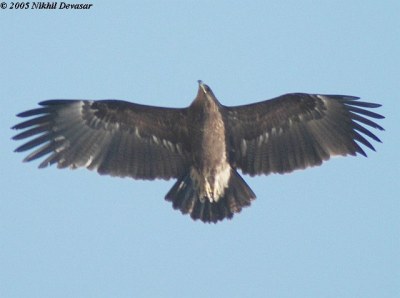
Greater Spotted Eagle (Aquila clanga) by Nikhil

Greater Spotted Eagle (Aquila clanga) by Nikhil

For Him shall prayer unceasing and daily vows ascend;
His kingdom still increasing, a kingdom without end:
The mountain dews shall nourish a seed in weakness sown,
Whose fruit shall spread and flourish and shake like Lebanon.

O’er every foe victorious, He on His throne shall rest;
From age to age more glorious, all blessing and all blest.
The tide of time shall never His covenant remove;
His Name shall stand forever, His Name to us is Love.


What a hymn that is packed full of many of the great truths about Christ.

Most information from The Cyber Hymnal

See ~ Wordless Birds

More ~ Birds in Hymns

*

When I Consider! – Capillary flow, Osmosis and Vacuum pressure

When I Consider!

When I Consider!

Evidence From Botany – January 4

On a hot summer day, one large tree can pump over a thousand gallons—that’s four ton—of water from the ground to it leaves. The water is collected from the soil through the roots. But the real work of pumping four tons of water, often 100 feet in the air, occurs at the top of the tree. The water is suctioned toward the treetop by three remarkably efficient mechanisms—capillary flow, osmosis and vacuum pressure. Osmosis and capillary action act in concert to move the water partway to the top of the tree, but the real driving force is a pressure differential created by the leaves within the vessels of the tree. The pressure differential is a result of water evaporating from the leaves of the tree, creating a suction throughout the vessels. This suction (measured as low as 1/20 of atmospheric pressure) helps to draw water from the roots all the way to the top of the tree. If you were to cut one of these vessels, you could actually hear a hissing sound as air rushed back in.

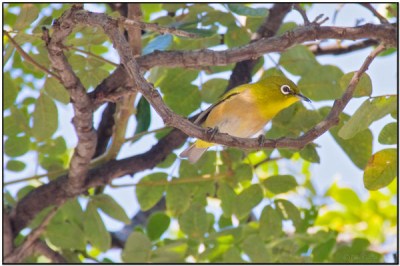
Japanese White-eye (Zosterops japonicus) by Daves BirdingPix

Japanese White-eye (Zosterops japonicus) by Daves BirdingPix up in a tree

The engineering excellence of this silent pumping system which efficiently delivers moisture to the very top of trees, is a not-so-silent witness against the idea that chance evolutionary processes (such as mutations) could have developed it.

Do you not know? Have you not heard? The LORD is the everlasting God, the Creator of the ends of the earth. He will not grow tired or weary, and His understanding no one can fathom. Isaiah 40:28

From A Closer Look at the Evidence, by the Kleiss’

(Typed by Phyllis)