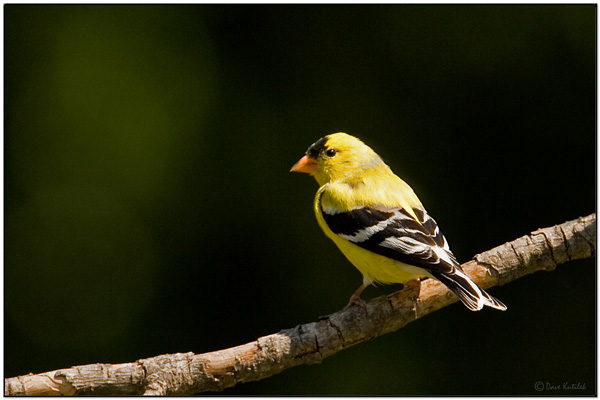
American Goldfinch – The Latecomers…

American Goldfinch (Carduelis tristis) by Daves BirdingPix

American Goldfinch (Carduelis tristis) by Daves BirdingPix

Goldfinch – The Latecomers… ~ by ajmithra

Hello everyone,

This morning I happened to read an article on Goldfinch in http://www.wild.enature.com, and that inspired me to write about these amazing late nesters.. Having just entered into the month of July, I thought it would be apt to just ponder over these awe inspiring July nesters..

By July, most songbirds are in the final stages of raising their young, but not the American Goldfinches.  These appealing, colorful birds are just getting started. Notoriously late nesters, goldfinches have been waiting for the thistles to bloom.

Do we wait for God’s timing in our lives?

  • We may feel bad when everyone is moving ahead of us.

But, God’s plan for our lives is not as same as it is for the others…

  • David was anointed by Samuel when he was just a kid..
  • He did not turn into a King immediately after the anointing..
  • He had to wait for more than thirty years..
  • He did wait without grumbling, always rejoicing in the Lord and you know what?
  • David is still considered the greatest king ever lived..
  • So great that God chose to be born in his family tree..

Wait for God’s plan to bloom, like how these Goldfinches wait for the thistles to bloom..

He hath made every thing beautiful in his time: also he hath set the world in their heart, so that no man can find out the work that God maketh from the beginning to the end (Ecclesiastes 3:11)
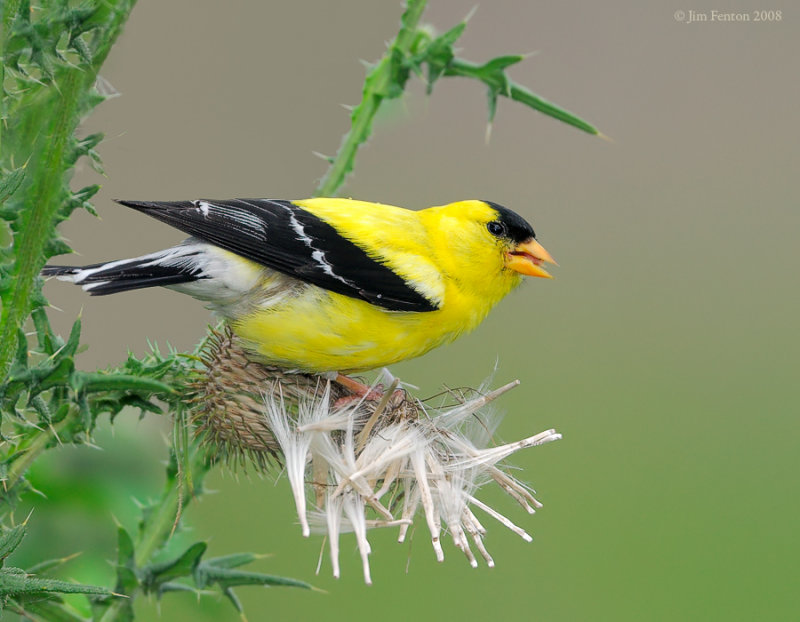
American Goldfinch (Carduelis tristis) on Thistle by Fenton

American Goldfinch (Carduelis tristis) on Thistle by Fenton

When this happens in July, it signals the goldfinches that they can start building their nests which are made primarily of the silver fibers and down of thistle blooms. Generally, the nest is built in the fork of a horizontal tree limb, 4 to 14 feet above the ground. The female builds a durable, neat cup of thistle and cattail fibers, so dense that it will hold water.Medieval writers believed that thistle can heal headaches, plague, canker, sores, vertigo, and jaundice. Do these birds know the thistles’ medicinal value?

  • God expects His bride to build a church that is durable and so dense, so that it can hold The Living Water…
  • God has promised to pour His spirit on all flesh during the last days and we do know that we are in the last days…
  • God pours so much anointing in every service in church, but we still haven’t reached the unreached yet. Why?
  • Is it because of the leak that is found in our spirit?

Are these female birds showing us how to build our nest so as to hold The Living Water?

But we have this treasure in jars of clay, to show that the surpassing power belongs to God and not to us. (2 Corinthians 4:7)

American Goldfinch (Carduelis tristis) by Lee thru window

American Goldfinch (Carduelis tristis) by Lee thru window

In it she lays 4 to 6 pale blue to white eggs and then she incubates them for 12 to 14 days, until they hatch. The attentive male often feeds his mate while she sits on the nest. By the time the eggs hatch, the thistle has gone to seed, which is perfect timing for feeding young goldfinches.

God’s timing is awesome..

See how well the birds know that the nest material will also become food for their chicks, And they don’t have to wander in search of food..

That is God’s timing..

We tend to think that God is late, but we fail to understand that He is always on time.. There are so many instances where God has asked His servants to look out for His timing..

  • Joseph had to wait for God’s time to become a Prime Minister..
  • Moses had to wait for God’s time to become a leader..
  • Sometimes God even asks us to wait for nature’s signal, like how he asks David to wait for the mulberry leaves to quiver before he falls over the enemy camp..
  • Do we wait or wilt under pressure..
  • Do not wait for a man or for an opportunity, just wait for the Lord..

Waiting to the Lord releases super power…You know?

But they that wait upon the LORD shall renew their strength; they shall mount up with wings as eagles; they shall run, and not be weary; and they shall walk, and not faint. (Isaiah 40:31)

The parents nourish this chicks by consuming the thistle seed themselves, and then regurgitating the partially digested, milk like cereal into the mouths of their nestlings. This is as close as birds come to mammals that feed their young milk from mammary glands.

Baby goldfinches are fully feathered and out of the nest 10 to 16 days later. Almost immediately, they join their parents at bird feeders across America. That’s when many people suddenly notice so many goldfinches as the summer progresses. If these birds were normal nesters like the other song birds, they would’ve faced a sever threat on their existence, which is based upon the thistle….

Masterpieces are not made overnight.. It may take weeks, months or even years to make one..

  • Do you want people to take notice of you?
  • Just wait…
  • You are destined to be the Master’s masterpiece, so just wait….

I will praise thee; for I am fearfully and wonderfully made: marvellous are thy works; and that my soul knoweth right well. (Psalm 139:14)

Have a blessed day!

Yours in YESHUA,
a j mithra

Please visit us at:
Crosstree

ajmithra21


Lee’s Addition:

See a j’s other articles – Click Here

The American Goldfinch is in the Finches – Fringillidae Family of the Passeriformes Order.

*
Formed By Him – Coua

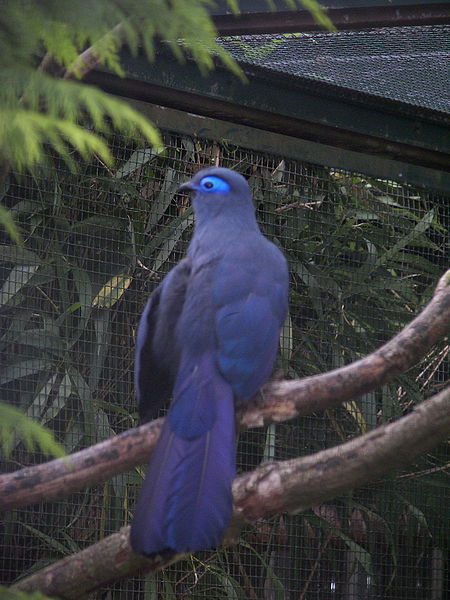
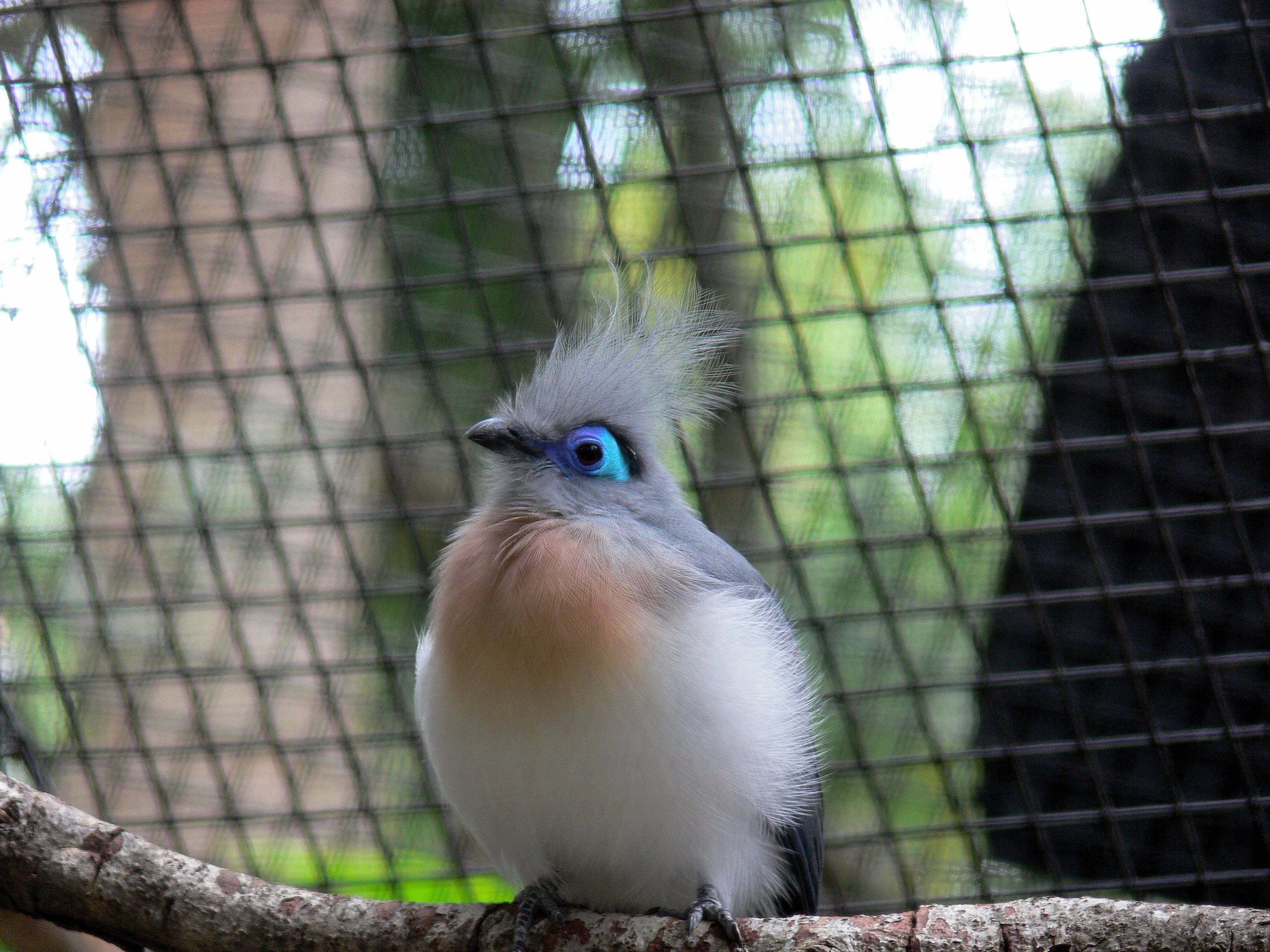
Crested Coua (Coua cristata) by Lee LPZ

Crested Coua (Coua cristata) by Lee LPZ

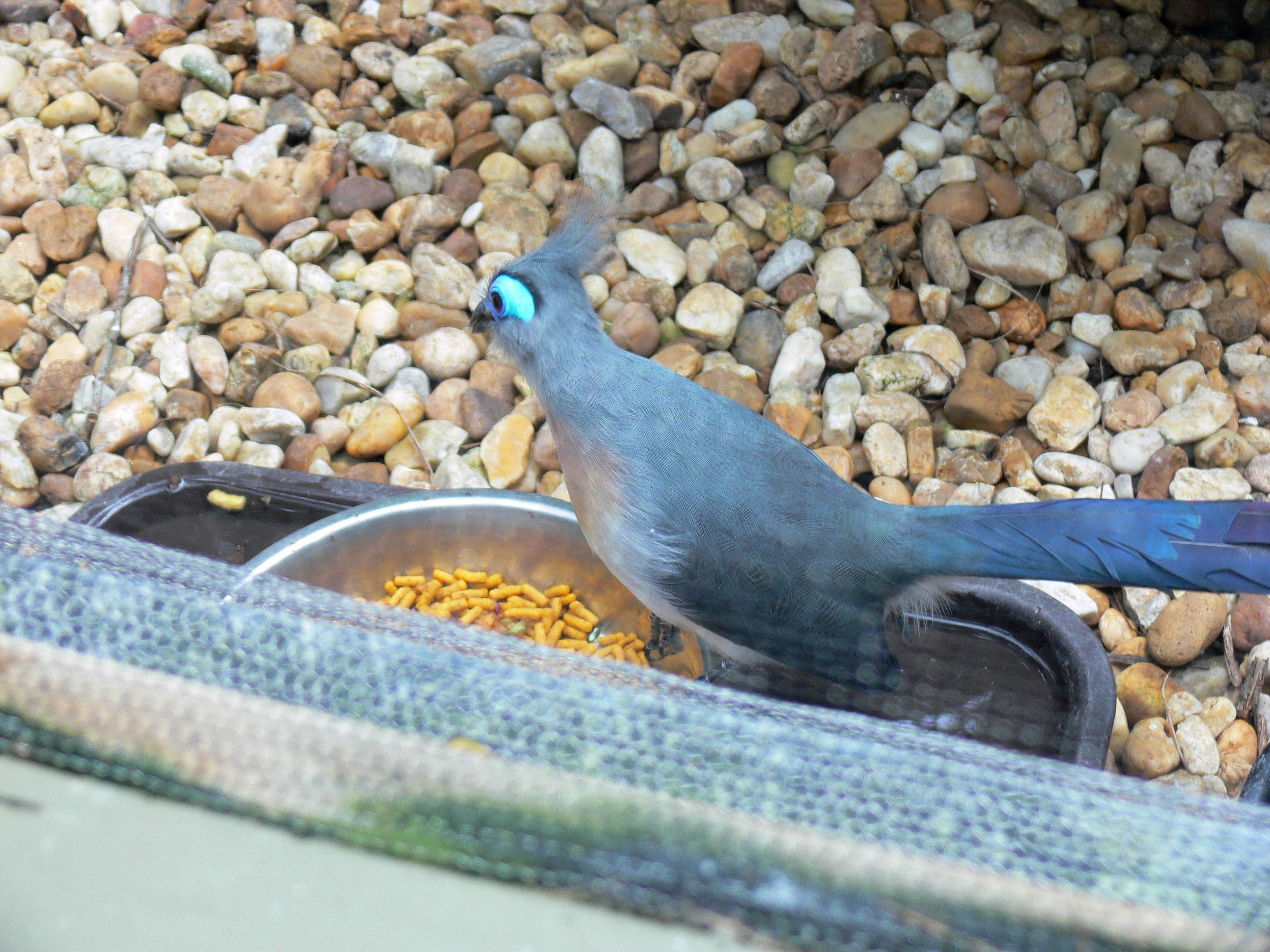
Dan and I stopped by the Lowry Park Zoo on the Fourth of July for a few minutes. We only had a few minutes and with a yearly pass, it made it easy to “duck-in” for a visit. The Aviary is just inside the gate, so we visited there as usual. I have been trying to get a decent photo of the Crested Coua. It is difficult because they are kept behind fine wire that gives me a fit trying to shoot through it. You would not want to know how many great photos of wire that have been deleted. Not only did I get a fair photo, but they were the most active I have seen them. They are beautiful birds and I love the way the Lord created them and especially their eyes. The eyes remind me of:

For the eyes of the Lord are over the righteous, and his ears are open unto their prayers: but the face of the Lord is against them that do evil. (1 Peter 3:12 KJV)

To open their eyes, and to turn them from darkness to light, and from the power of Satan unto God, that they may receive forgiveness of sins, and inheritance among them which are sanctified by faith that is in me. (Acts 26:18 KJV)

The Crested Coua, Coua cristata, is a medium-sized, approximately 17.3 in/44cm long, greenish-grey coua with grey crest, blue bare orbital skin, rufous breast, brown iris, black bill and legs, white belly and long white-tipped purplish-blue tail feathers.

Crested Coua (Coua cristata) Pair by Lee LPZ

Crested Coua (Coua cristata) Pair by Lee LPZ

The Crested Coua is distributed and endemic to forests, savanna and brushland of Madagascar. Widespread and a common species throughout its large habitat range. It is found from sea-level to altitude of 2,950 ft/900 metres. They feature brightly colored bare skin around the eyes. Some resemble Coucals in their habit of clambering through plant tangles while foraging, while the arboreal species move between tree canopies with gliding flight. Four species occur(red) in rainforests while the remaining six are found in the dry forests of western and southern Madagascar.The diet consists mainly of various insects, fruits, berries, seeds, snails and chameleons.

Crested Coua Video by J. del Hoya at IBC

They were created with large feet, with a reversible third toe like all cuckoos. The female usually lays two white eggs in nest made from twigs. Couas build their own nests and lay white eggs. The Crested coua is notable for the highly unusual markings that chicks display on their inner beaks, video of which can be seen on the Zoo’s YouTube channel. Coua Chick Mouth Markings. Cuckoos are know for placing their eggs in other bird species’ nests. It appears that this Coua chick may even imitate the mouth markings of the host chicks. The Lord commanded the birds to multiply and fill the earth. It appears, some even in the cuckoo family, are taking this to the limit.

And God blessed them, saying, “Be fruitful and multiply and fill the waters in the seas, and let birds multiply on the earth. (Genesis 1:22 ESV)

Couas’ calls are short series of evenly spaced notes, which are sometimes answered by other individuals.

Other Coua are the Verreaux’s, Blue, Red-capped, Red-fronted, Coquerel’s, Running, Giant, and Red-breasted Couas. They are members of the Cuculidaes, which is called the Cuckoo Family. The cuckoo family, in addition also includes the roadrunners, koels, malkohas, couas, coucals and anis.

Blue Coua (Coua caerulea) by WikiC

Blue Coua (Coua caerulea) by WikiC

The Blue Coua is a deep blue with a bare blue oval around the eye and beak. It averages a size of 18.9-19.7 inches long and weighs approximately 8.2 ounces. The Blue Coua’s diet consists of insects, varied fruits, and small reptiles. Blue Coua’s can be found in the NorthWest and East areas of Madagascar. Specifically in the sub-tropical to tropical moist lowland, mangroe forest, and moist montane ares. It is a species of cokoo birds. In spanish it is known as the Cua Azul. The bird only lays one egg in a nest hidden in trees and bushes.

Giant Coua (Coua gigas) WikiC

Giant Coua (Coua gigas) WikiC

One of the most important distinguishing features of the Cuculidae family are the feet, which are zygodactyl, meaning that the two inner toes pointed forward and the two outer backward. There are two basic body forms, arboreal species (like the Common Cuckoo) which are slender and have short tarsi, and terrestrial species (like the roadrunners) which are more heavy set and have long tarsi. Almost all species have long tails which are used for steering in terrestrial species and as a rudder during flight in the arboreal species. The wing shape also varies with lifestyle, with the more migratory species like the Black-billed Cuckoo possessing long narrow wings capable of strong direct flight, and the more terrestrial and sedentary cuckoos like the coucals and malkohas having shorter rounded wings and a more laboured gliding flight.

What an amazing Creator that has provided such a diverse and interesting creation that we can enjoy watching and learning about. We will never run out of things to observe and be delighted about enjoying His many feathered wonders.

Crested Coua (Coua cristata) foot away by Lee LPZ

Crested Coua (Coua cristata) foot away by Lee LPZ

The Couas are in the Cuculidae Family of the Cuculiformes Order.

See Also:
Close-up of Coua Eye

Cuckoo

Birds of the Bible – Cuckoo and Cuckoo II

(Information from various internet sites – Wikipedia)

*

Ian’s Bird of the Week – Little Grassbird

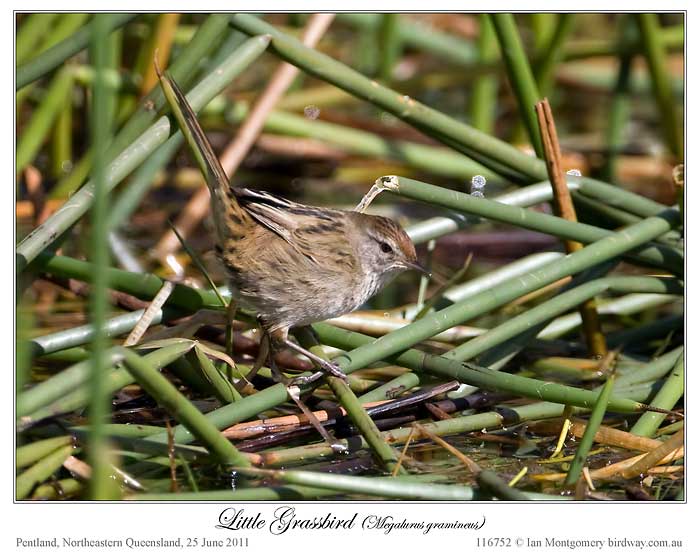
Little Grassbird (Megalurus gramineus) by Ian

Little Grassbird (Megalurus gramineus) by Ian

Ian’s Bird of the Week – Little Grassbird ~ by Ian Montgomery

Newsletter – 7/3/2011

As well as the Baillon’s Crake, Pentland Dam produced another skulker, the Little Grassbird uncommon in North Queensland and usually heard rather seen – it has a distinctive, mournful three-note whistle.

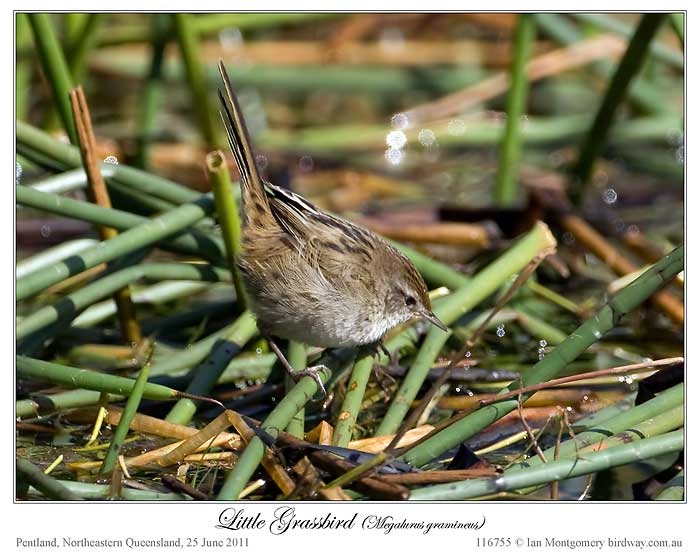
I had prior warning, thank you again Len and Chris, so when a small dark bird – darker than another skulker present in the wetland, the Australian Reed-Warbler – appeared briefly, I got the camera ready in case it reappeared. It did eventually, and I got couple of quick shots before it disappeared for good.
Little Grassbird (Megalurus gramineus) by Ian

Little Grassbird (Megalurus gramineus) by Ian

The Little Grassbird is distributed quite widely in Australia, mainly in the eastern half of the mainland and Tasmania, though it does occur also in southern Western Australia and patchily through the Northern Territory as far as Kununurra across the border in northern Western Australia. Despite the name ‘Grassbird’, it occurs mainly in dense wetlands, though its only close Australian relative, the Tawny Grassbird http://www.birdway.com.au/sylviidae/tawny_grassbird/index.htm , is more flexible in its habitats.

Conventionally, the Grassbirds have been regarded as one of the Old World Warblers, family Sylviidae http://www.birdway.com.au/sylviidae/index.htm , though most bird taxonomists now accept that this family is a rather heterogeneous collection. Christidis & Boles, 2008, split it into a number of separate families and put the Grassbirds in a new one, the Megaluridae that also includes the Australian Songlarks and the Spinifexbird, while the Reed-Warblers also got their own family, the Acrocephalidae http://www.birdway.com.au/sylviidae/australian_reed_warbler/index.htm .
Best wishes
Ian


Ian Montgomery, Birdway Pty Ltd,
454 Forestry Road, Bluewater, Qld 4818
Phone: 0411 602 737 +61-411 602 737
Preferred Email: ian@birdway.com.au
Website: http://birdway.com.au


Lee’s Addition:

Ian just keeps coming up with his neat birds of the week. I am thankful that Ian lets me reproduce his newsletter on the blog. The birds he is exposing us to are fantastic and trust you enjoy them as much as I do. Many of his birds are from there in Australia and most of us will never get to travel to Australia to see those birds. So, continue to read his reports and do visit <a href=”http://birdway.com.au“>his website, Birdway, to see his many magnificent photos. Also look at the Birds of the Week here.

He causeth the grass to grow for the cattle, and herb for the service of man: that he may bring forth food out of the earth; (Psalms 104:14 KJV)

The Little Grassbird is in the Locustellidae Family.

See Ian’s other Birds of the Week

*

Birds of the Bible – Kite

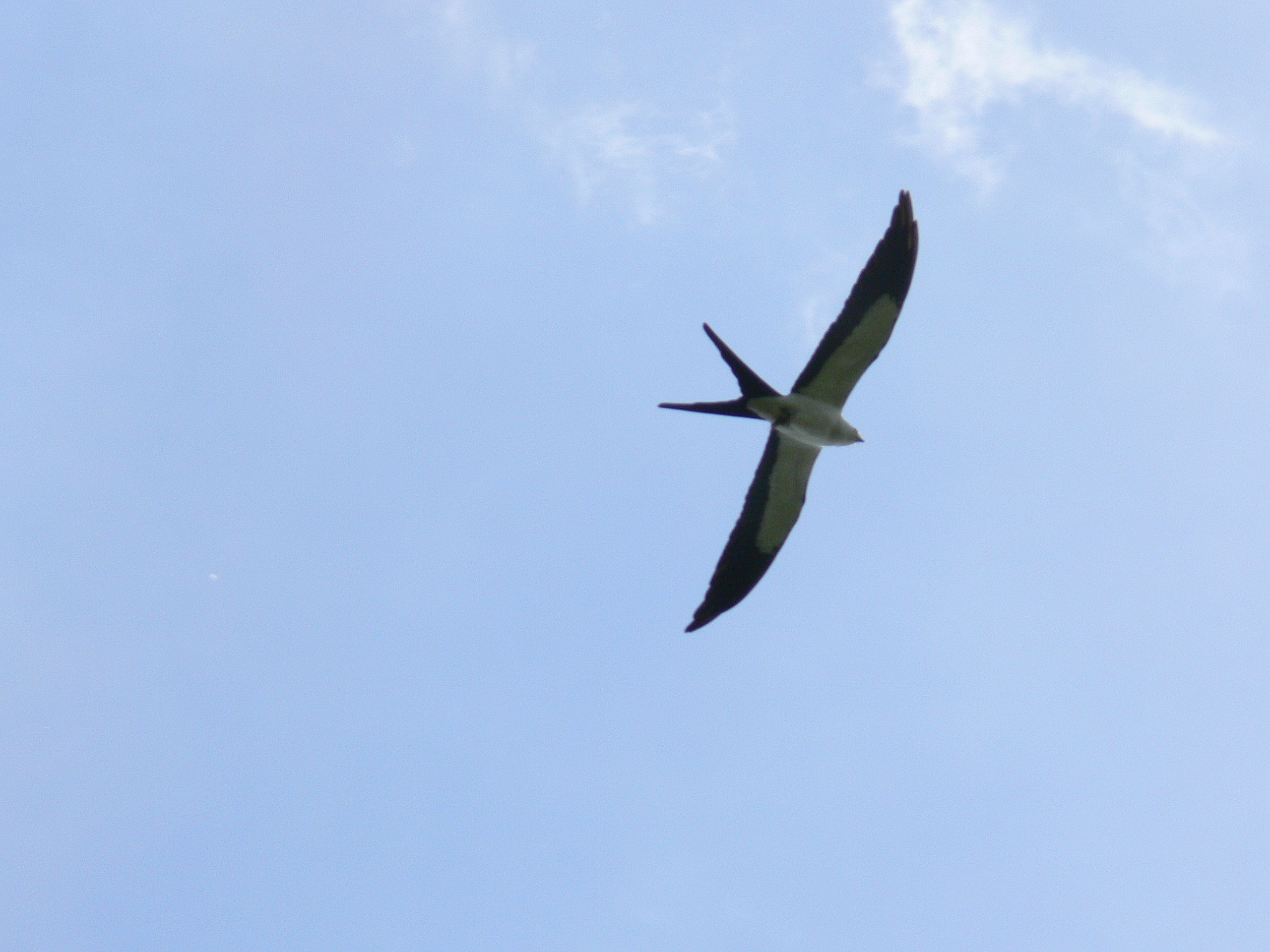
Swallow-tailed Kite - the one bird I got a photo of as it flew overhead

Swallow-tailed Kite – the one bird I got a photo of as it flew overhead

Today while Dan and I were out talking with our neighbor, a Swallow-tailed Kite flew over us several times and we all watched it disappear off in the distance. I have noticed several of them in the area lately. They are a pretty bird and I enjoy watching them fly. That tail forked out makes for a neat appearance.

Previously the Birds of the Bible – Glede and Kite article was written when this blog was first starting up. In fact, it was before we moved the blog here to WordPress and was published in the Blogspot(Blogger) format. I was exploring whether the Bible was calling it the Kite or the Glede.

Red Kite (Milvus milvus) by Ian

Red Kite (Milvus milvus) by Ian

This time, let’s look at what the versions of the Scriptures say about the Kite.

Most of the verses about the Kite are found in Leviticus 11:14 and Deuteronomy 14:13, which are in the list of the unclean birds that the Israelites were not to eat. And most of them call the bird a Kite.

Leviticus 11:14 – Here are the verses from the compare mode of e-Sword.
(ASV) and the kite, and the falcon after its kind,
(BBE) And the kite and the falcon, and birds of that sort;
(Brenton) And the vulture, and the kite, and the like to it;
(Darby) and the falcon, and the kite, after its kind;
(DRB) And the kite, and the vulture, according to their kind.
(ERV) kites, all kinds of falcons,
(ESV) the kite, the falcon of any kind,
(GW) kites, all types of buzzards,
(JPS) and the kite, and the falcon after its kinds;
(KJV) And the vulture, and the kite after his kind;
(KJV-1611) And the Uulture, and the Kite, after his kinde:
(LITV) and the kite, and the falcon, according to its kind;
(MKJV) and the kite, and the falcon, according to its kind;
(NAS77) and the kite and the falcon in its kind,
(NASB) and the kite and the falcon in its kind,
(NKJV) the kite, and the falcon after its kind;
(RV) and the kite, and the falcon after its kind;
(Webster) And the vultur, and the kite after his kind;
(YLT) and the vulture, and the kite after its kind,
Here they are called Red Kites
(ISV) red kite, falcon of any kind,

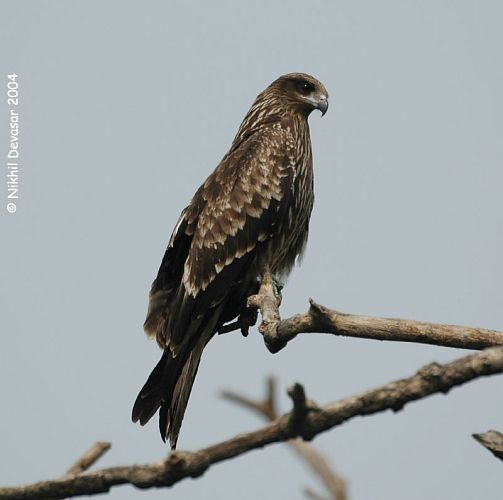
Black Kite (Milvus migrans) by Nikhil Devasar

Black Kite (Milvus migrans) by Nikhil Devasar

Deuteronomy 14:13 has some differences in the use of Kite, Glede, and Red or Black Kite.
Kite:
(ASV) and the glede, and the falcon, and the kite after its kind,
(BBE) The falcon and the kite, and birds of that sort;
(Brenton) and the vulture, and the kite and the like to it,
(Darby) and the falcon, and the kite, and the black kite after its kind;
(DRB) The ringtail, and the vulture, and the kite according to their kind:
(ERV) red kites, falcons, any kind of kite,
(ESV) the kite, the falcon of any kind;
(GW) buzzards, all types of kites,
(ISV) buzzard, any kind of kite,
(JPS) and the glede, and the falcon, and the kite after its kinds;
(KJV) And the glede, and the kite, and the vulture after his kind,
(KJV-1611) And the glede, and the kite, and the vulture after his kinde,
(KJVA) And the glede, and the kite, and the vulture after his kind,
(LITV) and the hawk, and falcons, and the kite by its kinds,
(MKJV) and the hawk, and the falcon, and the vulture after its kind,
(NAS77) and the red kite, the falcon, and the kite in their kinds,
(NASB) and the red kite, the falcon, and the kite in their kinds,
(NKJV) the red kite, the falcon, and the kite after their kinds;
(RV) and the glede, and the falcon, and the kite after its kind;
(Webster) And the glede, and the kite, and the vultur after his kind,
(YLT) and the glede, and the kite, and the vulture after its kind,

Deut 14:12  (CEV) But don’t eat the meat of any of the following birds: eagles, vultures, falcons, kites, ravens, ostriches, owls, sea gulls, hawks, pelicans, ospreys, cormorants, storks, herons, and hoopoes. You must not eat bats.

Did you notice reading down those verses that the Glede is not mentioned at all in the Leviticus 11:14 list? I even checked the verses before and after and it is not mentioned in them either. Hum!

Black-shouldered Kite (Elanus axillaris) by Nikhil

Black-shouldered Kite (Elanus axillaris) by Nikhil

There are a few other verses with “Kite” mentioned in the Bible:

Jeremiah 8:7   The kite in the air hath known her time: the turtle, and the swallow, and the stork have observed the time of their coming: but my people have not known the judgment of the Lord. (DRB-1899 Douay-Rheims)

Zechariah 5:9 And I lifted up my eyes and looked: and behold there came out two women, and wind was in their wings, and they had wings like the wings of a kite: and they lifted up the vessel between the earth and the heaven. (DRB-1899 Douay-Rheims)

Job 28:7 A path–not known it hath a ravenous fowl, Nor scorched it hath an eye of the kite, (YLT 1898 Young’s Literal Translation)

Video of American Swallow-tailed Kite by Keith Blomerley. [Broken Link] It shows a Kite in the air.

There are three versions that use “kite” in Isaiah 34:15

There shall the arrowsnake make her nest, and lay, and hatch, and gather under her shadow: yea, there shall the kites be gathered, every one with her mate. (RV Revised Version)
There shall the arrowsnake make her nest, and lay, and hatch, and brood under her shadow; yea, there shall the kites be gathered, every one with her mate. (JPS Jewish Publication Society Bible)
There shall the dart-snake make her nest, and lay, and hatch, and gather under her shade; yea, there shall the kites be gathered, every one with her mate. (ASV American Standard Version)

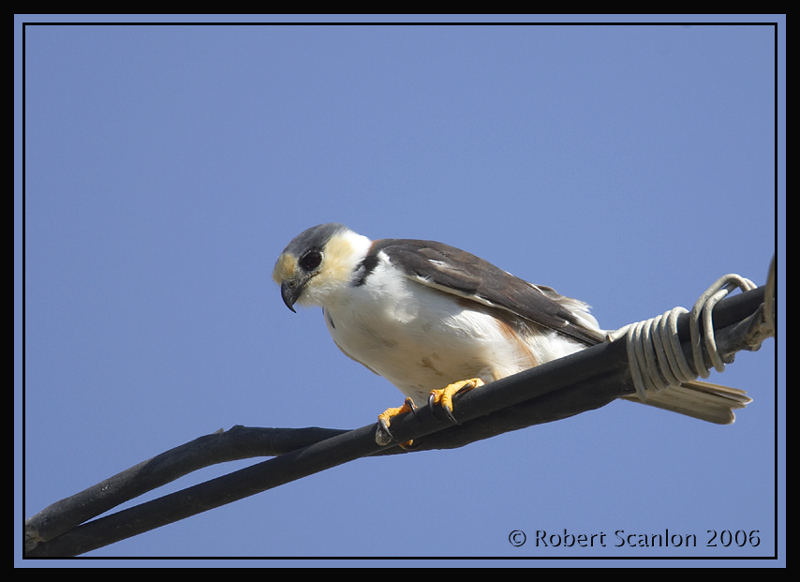
Pearl Kite (Gampsonyx swainsonii) by Robert Scanlon

Pearl Kite (Gampsonyx swainsonii) by Robert Scanlon

So what is a Kite? They are in the Accipitridae Family of the Accipitriformes Order. Being in the Accipitridae family means they are a bird of prey or raptors

Here is some of what Wikipedia has to say: “The Accipitridae, one of the two major families within the order Accipitriformes (the diurnal birds of prey), are a family of small to large birds with strongly hooked bills and variable morphology based on diet. They feed on a range of prey items from insects to medium-sized mammals, with a number feeding on carrion and a few feeding on fruit. The Accipitridae have a cosmopolitan distribution, being found on all the world’s continents (except Antarctica) and a number of oceanic island groups. Some species are migratory. Many well-known birds, such as hawks, eagles, kites, harriers and Old World vultures are included in this group.”

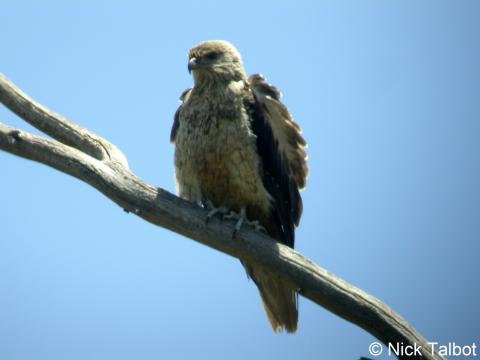
Whistling Kite (Haliastur sphenurus) by Nick Talbot

Whistling Kite (Haliastur sphenurus) by Nick Talbot

“The Black-winged Kite breeds at different times of the year across its range. Although nesting has been noted throughout the year in India, they appear not to breed in April and May. Courtship is noisy and involves chases. The nest is a loose platform of twigs in which 3 or 4 eggs are laid. The female spends more effort in the construction of the nest than the male. The eggs are pale creamy with spots of deep red. Both parents incubate but when the chicks hatch, the male spends more time on foraging for food. Females initially feed the young, sometimes hunting close to the nest but will also receive food from the male. After fledging the young birds continue to be dependent for food on the male parent for about 80 days, initially transferring food at perch and later in the air.

The prey include grasshoppers, crickets and other large insects, lizards and rodents. Injured birds, small snakes and frogs have also been recorded. The slow hunting flight is like a harrier, but it will hover like a Kestrel. It has on rare occasions been known to hunt prey in flight. Favourite perches are used for hunting and for feeding but large prey may sometimes be handled on the ground. In southern Africa, they appear to favour roadside verges for foraging and are sometimes killed by collisions with vehicles.

These birds roost communally with groups of 15 to 35 (larger numbers in Europe) converging at a large leafy tree. They are extremely silent and the calls recorded include a high-pitched squeal or a soft whistle. They call a lot mainly during the breeding season.”

(Top photo from a previous birdwatching adventure)

See others:

Glede and Kite

Birds of the Bible

Wordless Birds

*