Intro to Some Latin Names of Birds

On my last post, Our Loggerhead Shrike Again, I emphasized the Latin name for this bird. “In case you’re curious, the Latin name Lanius is Great Grey Shrike. The ludovicianus means “butcher” and laniare – “to tear to pieces.” They have been referred to at times a “butcher birds” because of what they do to their victims.”

While recently browsing through my many “dusty” bird books, I rediscovered my “Latin for Bird Lovers,” by Roger Lederer Carol Burr.  It actually is quite interesting, even though I have never studied Latin or paid much attention to the scientific names of our beautiful birds we write about. We can all learn some new and interesting facts about these wonderful birds. Dr. Jim, (JJSJ) also agrees and is willing to adds some articles also. Maybe I can encourage some of our other contributors to join in.

As we all know, various birds migrate during parts of the year, and they do not have to carry passports or “flying licenses” to pass through different states or countries. Countries and even states have varying names for birds. Yet, we are all seeing the same avian wonder.

Latin for Bird Lovers by Roger Lederer & Carol Burr

Bird names also change over time, yet the Latin name or scientific name doesn’t (normally). I’ll be using this book, Latin for Bird Lovers by Roger Lederer & Carol Burr as one of the sources for some upcoming articles.

Here are some examples of how bird names have changed over the years. Imagine how hard it is today for the international groups like the I.O.C.’s World Bird List to report on the same bird’s names from various languages if it wasn’t for these Latin names.

Here are some examples of re-named birds (not from Latin) just here in our part of the world:

  • Common Loon — Great Northern Diver
  • Horned Grebe — Hell-diver
  • Double-crested Cormorant — Farallon Cormorant, White-tufted Cormorant, Shag
  • American Bittern — Bog Pumper, Dunk-a-doo, Indian Hen
  • Greater White-fronted Goose — Specklebelly

Northern Pintail (Anas acuta) ©USFWS

  • Northern Pintail — Sprigtail
  • American Wigeon — Baldpate
  • Redhead — American Pochard
  • Ring-necked Duck — Blackhead
  • Scaups — Bluebill
  • White-winged Scoter — Velvet Scoter
  • Common Goldeneye — Cobhead, Whistler
  • Goldeneyes — Garrot
  • Bufflehead — Butterball, Spirit duck
  • Hooded Merganser — Cock Robin
  • Common Merganser — Goosander, American Sheldrake
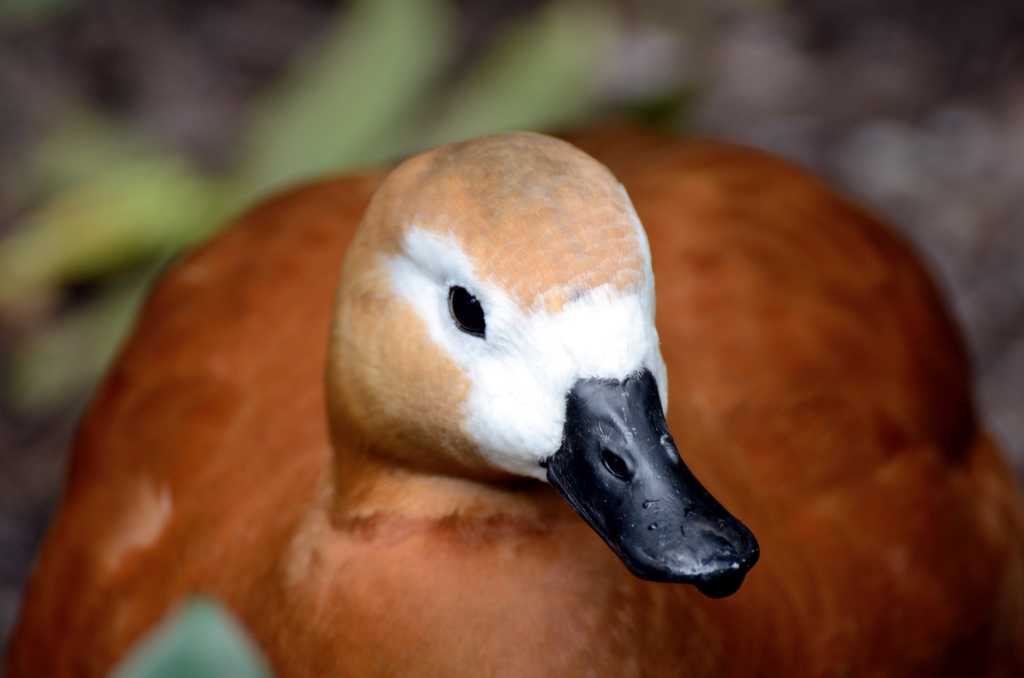
Ruddy Shelduck (Tadorna ferruginea) at Wings of Asia by Dan

Ruddy Shelduck (Tadorna ferruginea) at Wings of Asia by Dan

  • Ruddy Duck — Sleepy Duck
  • Sharp-shinned Hawk — Little Blue Darter
  • Cooper’s Hawk — Big Blue Darter
  • Ferruginous Hawk — Rusty Squirrel Hawk
  • Merlin — Pigeon Hawk
  • Sage Grouse — Sage Cock
  • Sora — Ortolan
  • American Coot — Mudhen
  • Black-bellied Plover — Bullhead
  • Black-necked Stilt — Lawyer
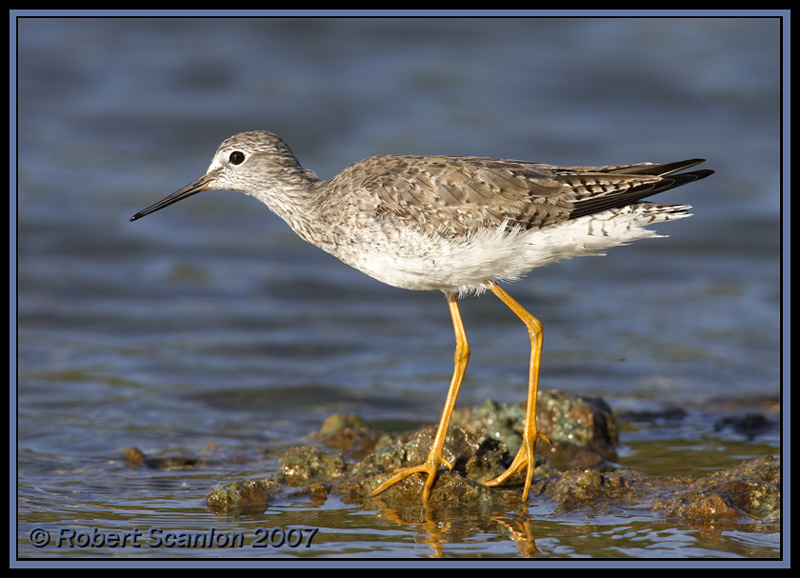
  • Greater Yellowlegs — Tell-tale
Lesser Yellowlegs (Tringa flavipes) by Robert Scanlon

Lesser Yellowlegs (Tringa flavipes) by Robert Scanlon

  • Lesser Yellowlegs — Yellowshanks
  • Marbled Godwit — Marlin
  • Ruddy Turnstone — Calico-back
  • Red Knot — Robin Snipe
  • Least Sandpiper — Oxeye
  • Dunlin — Purre, Black-breast
  • Shortbilled Dowitcher — Brownback
  • Common Nighthawk — Bull-bat
  • Northern Flicker — Golden-winged Woodpecker, Yellowhammer
  • Pileated Woodpecker — Log-cock, Black woodcock
  • Bank Swallow — Sand Martin
  • Black-capped Chickadee — Long-tailed Chickadee, Yukon Chickadee, Western Titmouse
  • Mountain Chickadee — Bailey’s Chickadee
  • Boreal Chickadee — Brown-capped Chickadee
  • American Dipper — Water-ouzel
  • Mountain Bluebird — Arctic Bluebird
  • Townsend’s Solitaire — Townsend’s Ptilogonys
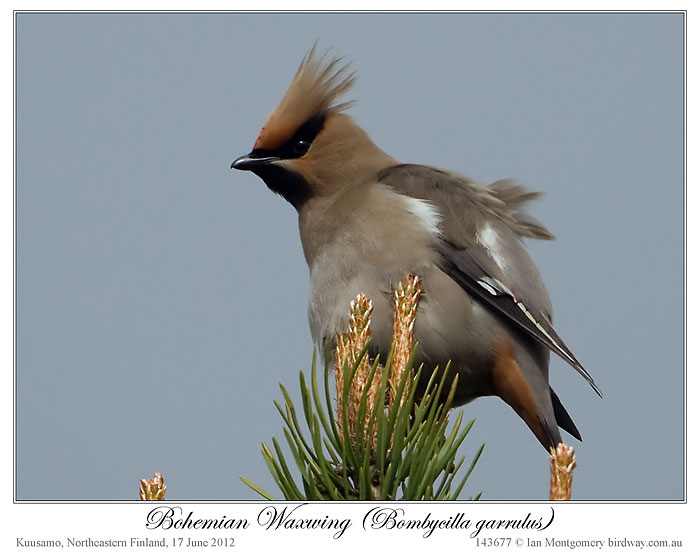
Bohemian Waxwing (Bombycilla garrulus) by Ian 3

Bohemian Waxwing by Ian

  • Bohemian Waxwing — Bohemian Chatterer
  • Cedar Waxwing — Cherry-bird
  • Loggerhead Shrike, Northern Shrike — Butcher-bird
  • Red-eyed Vireo — Greenlet
  • Orange-crowned Warbler — Lutescent Warbler
  • Yellow Warbler — Golden warbler, Mangrove Warbler
  • Spotted Towhee — Chewink, Ground Robin
  • Chipping Sparrow — Hairbird
  • Vesper Sparrow — Bay-winged Bunting
  • Dark-eyed Junco — Snowbird
  • Snow Bunting — Snowflake
  • Lark Bunting — White-shouldered Blackbird
  • Bobolink — Reedbird
  • Red-winged Blackbird — Bicolored blackbird, Red-and-buff-shouldered blackbird, Swamp Blackbird
  • Common Grackle — Bronzed Crow Blackbird
  • Brown-headed Cowbird — Cow Blackbird, Dwarf Cowbird
  • Common Raven — Holarctic Raven
  • Hoary Redpoll — Mealy Redpoll

Stay-tuned as I, and others present some of our amazing Avian Wonders from their Creator. We’ll group them by their Latin naming. Or, by the current Scientific names. One thing is for sure, when Adam named the birds, he did not use Latin to help him. He most likely had the best assistance from their Creator.

“So Adam gave names to all cattle, to the birds of the air, and to every beast of the field…” (Genesis 2:20 NKJV)

Good News

Grey Kingbird at Honeymoon Island SP

Grey Kingbird by Lee at Honeymoon Is SP 7-4-2014

Grey Kingbird by Lee at Honeymoon Is SP 7-4-2014

All the kings of the earth will give thanks to You, O LORD, When they have heard the words of Your mouth. And they will sing of the ways of the LORD, For great is the glory of the LORD. (Psalms 138:4-5 NASB)

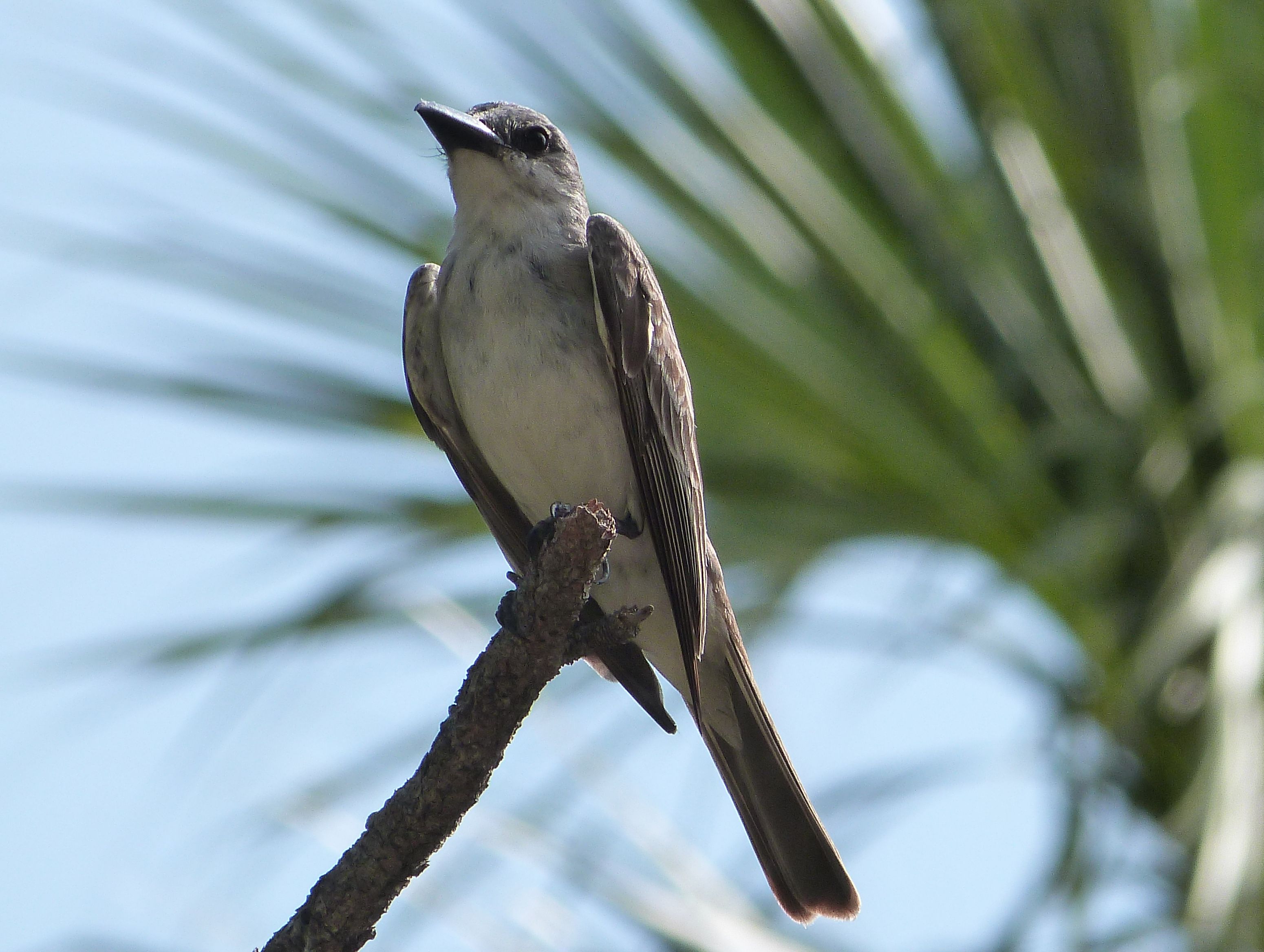
The Grey Kingbird (Tyrannus dominicensis) which we saw at Honeymoon Island SP last week was a Life Bird for me. Most Americans call it Gray, but the I.O.C. List of Birds use the Grey spelling. Either way, grey or gray, it is the same bird. That is one reason they use the Scientific name of Tyrannus dominicensis to ID the bird.

Recently I purchased the Latin for Bird Lovers book, because I have tried to see what these “scientific” mean on my own and thought this would be interesting. The book has over 3,000 bird names. I found it to be something quite useful, for me, at least. So let’s see what our Tyrannus dominicensis actually means.

  • Tyrannus “ti-RAN-nus” – “Tyrant, as in Tyanannus Allugularis, The White-throated Kingbird” [p.205]
  • dominicensis“doe-min-ib-SEN-sis-” – “After the Commonwealth of Dominica in the West Indies, as in Pluvialis dominica, the American Golden Plover, which passes through the West Indies during migrations.” [p.61]

So, we have a Tyrant that is from or passes through Dominica. The Kingbirds do belong to the Tyrannidae – Tyrant Flycatchers FamilyThere are 14 birds in the Tyrannus genus, which is the first part of the scientific name, Tyrannus Dominicensis, the second part of the name has 5 birds with that ending. That includes not only this Grey Kingbird, but also the Caribbean Martin (Progne dominicensis),  Antillean Siskin (Spinus dominicensis)Hispaniolan Oriole (Icterus dominicensis) and the Hispaniolan Spindalis (Spindalis dominicensis).

This was my 250th Life Bird record on eBird.

Grey Kingbird (Tyrannus dominicensis) by Lee at Honeymoon Is SP

Grey Kingbird (Tyrannus dominicensis) by Lee at Honeymoon Is SP

The bird also has found a house, And the swallow a nest for herself, where she may lay her young, Even Your altars, O LORD of hosts, My King and my God. (Psalms 84:3 NASB)

“The Grey or Gray Kingbird, also known as Pitirre (Tyrannus dominicensis) is a passerine bird. It breeds from the extreme southeast of the USA, mainly in Florida, through Central America, from Cuba to Puerto Rico as well as eastward towards all across the Lesser West Indies, south to Venezuela, Trinidad, Tobago the Guiana and Colombia. Northern populations are migratory, wintering on the Caribbean coast of Central America and northern South America.

Grey Kingbird by Dan

Grey Kingbird by Dan at HISP

This tyrant flycatcher is found in tall trees and shrubs, including the edges of savanna and marshes. It makes a flimsy cup nest in a tree. The female incubates the typical clutch of two cream eggs, which are marked with reddish-brown. Grey Kingbirds wait on an exposed perch high in a tree,which is where we found it, occasionally sallying out to feed on insects, their staple diet.

The adult Grey Kingbird is an average-sized kingbird. It measures 9.1 in (23 cm) in length and weighs from 1.3 to 1.8 oz (37 to 52 g). The upper parts are grey, with brownish wings and tail, and the underparts are white with a grey tinge to the chest. The head has a concealed yellow crown stripe, and a dusky mask through the eyes. The dark bill is heavier than that of the related, slightly smaller, Tropical Kingbird. The sexes are similar, but young birds have rufous edges on the wing coverts, rump and tail.

Grey Kingbird (Tyrannus dominicensis) by Lee at Honeymoon Is SP

The call is a loud rolling trill, pipiri pipiri, which is the reason behind many of its local names, like pestigre or pitirre, in the Spanish-speaking Greater Antilles, or “petchary” in some of the English-speaking zones.

(from xeno-canto)

Like other kingbirds, these birds aggressively defend their territory against intruders, including mammals and much larger birds such as caracaras and Red-Tailed Hawks. This phenomenon has led to the widespread adoption of the pitirre as a nationalist symbol (a sort of David vs. Goliath figure) in Puerto Rico.

It is found in increasing numbers in the state of Florida, and is more often found inland though it had been previously restricted to the coast. The species was first described on the island of Hispaniola, then called Santo Domingo, thus the dominicensis name.” (from Wikipedia with editing)

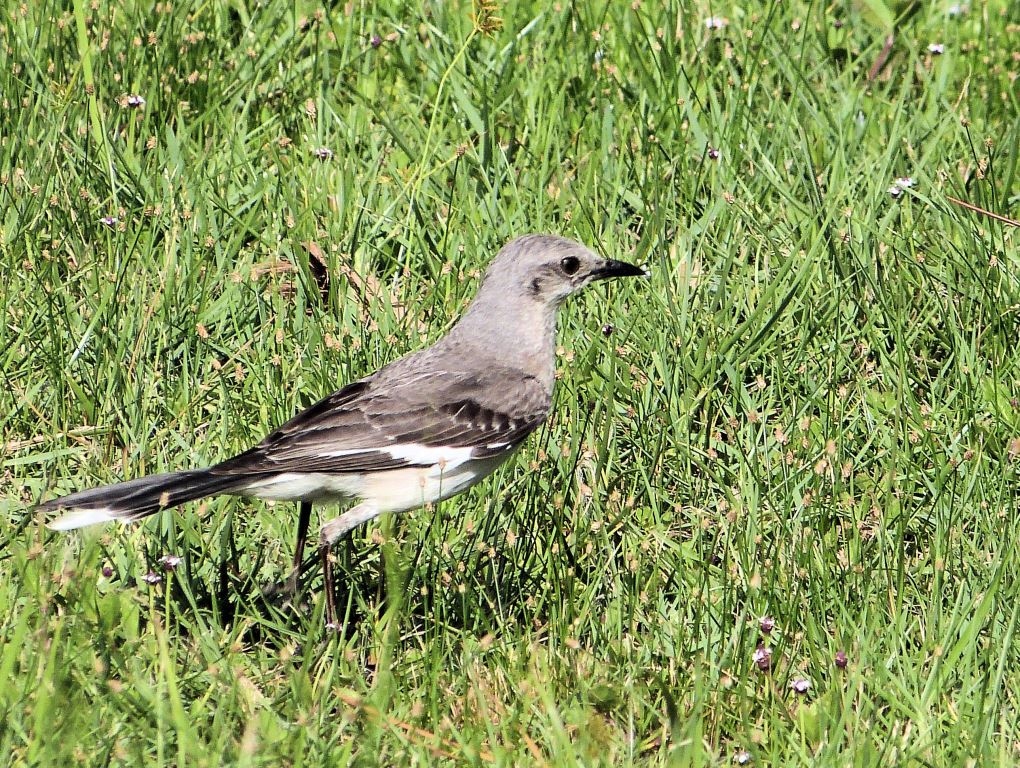
Northern Mockingbird (Mimus polyglottos) by Lee at Honeymoon Is SP

Northern Mockingbird (Mimus polyglottos) by Lee at Honeymoon Is SP

I added this Northern Mockingbird which was also there at the State Park. At first we kept thinking the Kingbird was a Mockingbird. If you compare the photos, you will notice the Mockingbird has a white spot on its wings and also a black spot near its ear. They are very close though. Also, Dan’s photo of the Kingbird came out more brownish. It may be that he caught a younger one. There were several at the park.

Isn’t the Lord great in that He makes us work for the IDs of these birds. As I have said, He should have put name tags on them, but then we wouldn’t learn about His creativity, would we? It is good for us to learn new things. Never get bored with learning.

Make me know Your ways, O LORD; Teach me Your paths. (Psalms 25:4 NASB)

I will instruct thee and teach thee in the way which thou shalt go: I will guide thee with mine eye. (Psalms 32:8 KJV)

*

*

Gideon

*