Birds of the Bible – Birds of the Air

Osprey by Kathleen of Shekinah Photography

Osprey by Kathleen of Shekinah Photography

Kathleen, a Christian photographer, has given permission to use some of her photos on the blog. She also has a blog called the “Birds of the Air.”

Looking into that phrase in e-Sword, the English Standard Version (ESV) shows 21 occurrences of “birds of the air.” Surprisingly most of them have to do with the “birds of the air” showing up to eat the carnage of men as a result of judgment or disease. See Deuteronomy 28:26; I Samuel 17:44, 17:46; Jeremiah 7:33, 15:3, 16:4, 19:7, 34:20. 4:25 and 9:10 speak of the birds of the air fleeing away.

White-backed Vulture (Gyps africanus) by Africaddict

White-backed Vulture (Gyps africanus) by Africaddict

Rizpah spread sackcloth over the bodies of Saul and Jonathan and “And she did not allow the birds of the air to come upon them by day, or the beasts of the field by night” in 2 Samuel 21:10.

Job 28:20,21 says, “From where, then, does wisdom come? And where is the place of understanding? It is hidden from the eyes of all living and concealed from the birds of the air.”

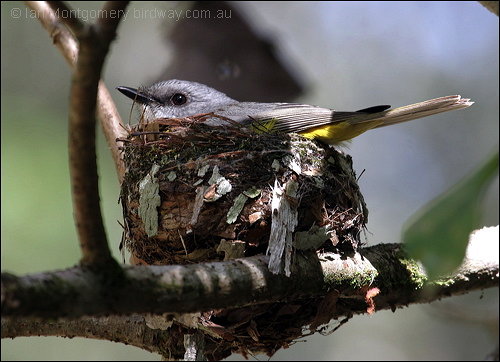
Eastern Yellow Robin (Eopsaltria australis) on nest by Ian

Eastern Yellow Robin (Eopsaltria australis) on nest by Ian

In the New Testament the “birds of the air” is used in different ways. Matthew 6:25 lets us know that the birds of the air “neither sow nor reap nor gather into barns, and yet your heavenly Father feeds them. Are you not of more value than they? “ Matthew 8:20 and Luke 9:58 reminds of that the birds have nest, but the Son of Man has nowhere to lay His head. The parable of the mustard seed in Matthew 13:32, Mark 4:32 and Luke 13:19 tell of the plant growing up and the birds making nests in it and enjoying its shade.

The last references to birds of the air appear in Acts 10:12 and 11:6. Peter had a sheet descend with all kinds of animals, reptiles, and birds in it. This was to teach Peter and others that Jew and Gentile believers alike are equal in God’s sight.

Mr and Mrs Wood Duck by Lee

Mr and Mrs Wood Duck by Lee

What I like about the “birds of the air” is that none of the birds are mentioned by name. That gives lots of future articles for “Bird of the Bible” that can include any of the birds that our Lord has created.

So God created the great sea creatures and every living creature that moves, with which the waters swarm, according to their kinds, and every winged bird according to its kind. And God saw that it was good. (Genesis 1:21 ESV)

The Gospel Message

Placing your mouse over the Green verses will pop them out.

Second Anniversary of Blog

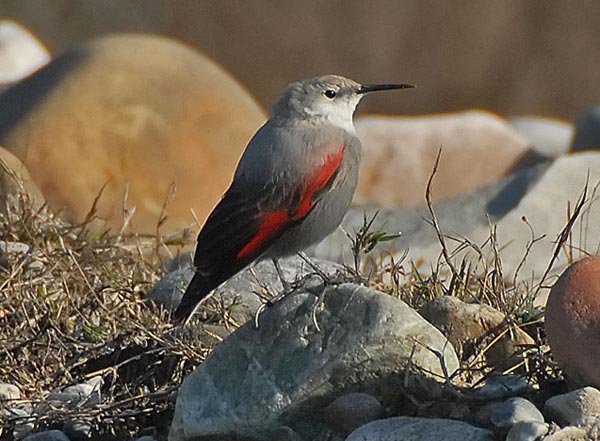
Wallcreeper (Tichodroma muraria) by Nikhil

Wallcreeper (Tichodroma muraria) by Nikhil

The Lord has continued to bless our efforts with this blog. If you read over last years blog, “Happy One Year Anniversary!“, you will see how it began. During this last year there have been more additions. April Lorier gave permission to use some of her articles as did Donna Watkins. Their articles are found in the Guest Authors section. Then Ian Montgomery, one of the photographers we are using, gave permission to turn his Bird of the Week newsletter into a blog series.

Speaking of photographers, the list of their links in the sidebar is growing. I am very thankful for each one of them that has given permission for their photos and videos to be used on the blog. There are now two videographers included in the list. The fantastic work of all of them has greatly enhanced this blog.

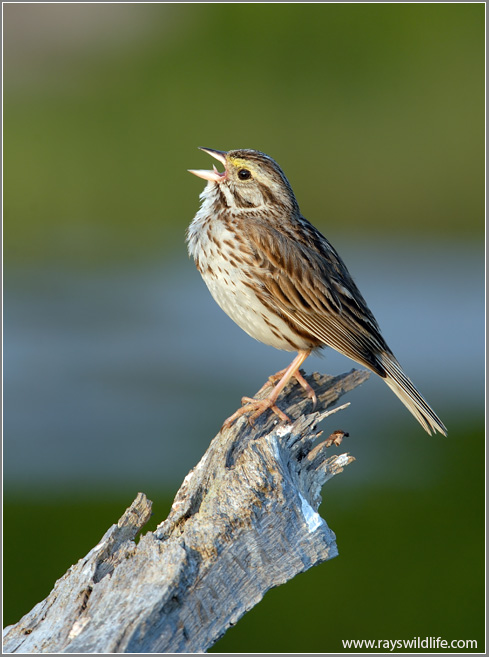
Savannah Sparrow singing by Ray

Of course, Dan and I continue to go out birdwatching, when we can. Those articles are spread throughout. I had started three different blogs, but decided to incorporate them back into Lee’s Birdwatching Adventures Plus, this main blog. The “PLUS Index” contains the Creation articles, “References” contains Nave’s and Torrey’s Topical studies, and “Birds – World” contains the Birds of the World. There are other sections for the Birds in Hymns, Birdwatching, etc. The “Birds of the Bible” articles, which is what started the idea of this blog, are reproduced on the only other blog I maintain. The Birds of the Bible blog only has those articles. I almost stopped it, but readers wanted it to continue. It is doing well and has now had 13,733 pages visited so far. (Stopped it in 2013) This main blog had its 84,000th page visited last night. (Those numbers are for 1.5 years) Thanks to all of you who have visited this site.

Those numbers were not mentioned to boast, but to give credit were it is due. The Lord is the One who gave me the ideas and the ability to do this. He is the One who created all these birds that we get the privilege to write about and show the photos and videos of them doing what He created them to do. Through the internet, these words and photos go to places we would never get to. There, they provide information, encouragement, and blessings to those who view these pages. (At least, that is what the readers tell us.) He, the Lord Jesus, is the One who gets the credit.

O LORD, how manifold are thy works! in wisdom hast thou made them all: the earth is full of thy riches. (Psalms 104:24) I will sing unto the LORD as long as I live: I will sing praise to my God while I have my being. My meditation of him shall be sweet: I will be glad in the LORD. (Psalms 104:33-34 KJV)

When I Consider! – Woodpecker

Rufous-bellied Woodpecker (Dendrocopos hyperythrus) by Nikhil Devasar

Rufous-bellied Woodpecker (Dendrocopos hyperythrus) by Nikhil Devasar

When I Consider!

When I Consider!

Evidence From Biology

Consider the probability of all of the following characteristics evolving simultaneously into an effectively functioning system in the woodpecker:

1. Its beak is connected to its skull with a resilient shock-absorbing tissue that is not found in any other bird.

2. The beak is much harder than the beaks of other birds, enabling it to bang away a hundred times a minute without hurting itself.

3. The tongue is barbed in most of the 200+ species and is about four times longer than the beak. In certain species the tongue wraps around the back of the bird’s skull, enabling it to reach deep into tree trunks and remove insects.

4. A sticky coating on some woodpecker tongues helps them grab insects.

5. Its tail feathers are constructed so that they are stiff enough to help brace against trees as it climbs.

6. Its keen senses of smell and hearing help detect insects crawling around under the bark of the trees.

7. It short legs and powerful claws are uniquely designed to help it climb tree trunks.

The engineering behind such a technological wonder as the woodpecker boggles our minds. Try to imagine the obstacles the first bird, which was trying to turn into a woodpecker, would have had to overcome!

The eyes of all wait upon thee; and thou givest them their meat in due season. Thou openest thine hand, and satisfiest the desire of every living thing. The LORD is righteous in all his ways, and holy in all his works. (Psalms 145:15-17 KJV)

From A Closer Look at the Evidence by Kleiss, November 6.


“The woodpeckers, piculets and wrynecks are a family, Picidae, of near-passerine birds. Members of this family are found worldwide, except for Australia and New Zealand, Madagascar, and the extreme polar regions. Most species live in forests or woodland habitats, although a few species are known to live in treeless areas such as rocky hillsides and deserts.

The Picidae are just one of the eight living families in the order Piciformes. Members of the order Piciformes, such as the jacamars, puffbirds, barbets, (also Asian and African barbets), toucans and honeyguides, have traditionally been thought to be very closely related to the woodpeckers, piculets and wrynecks. More recently, DNA sequence analyzes have confirmed this view.[1]”

“Members of the family Picidae have strong bills for drilling and drumming on trees and long sticky tongues for extracting food.[2] Woodpecker bills are typically longer, sharper and stronger than the bills of piculets and wrynecks; however their morphology is very similar. The bill’s chisel-like tip is kept sharp by the pecking action in birds that regularly use it on wood. Species of woodpecker and flicker that use their bills in soil or for probing as opposed to regular hammering tend to have longer and more decurved bills. Due to their smaller bill size, many piculets and wrynecks will forage in decaying wood more often than woodpeckers. The long sticky tongues, which possess bristles, aid these birds in grabbing and extracting insects deep within a hole of a tree. It had been reported that the tongue was used to spear grubs, but more detailed studies published in 2004 have shown that the tongue instead wraps around the prey before being pulled out.[3]

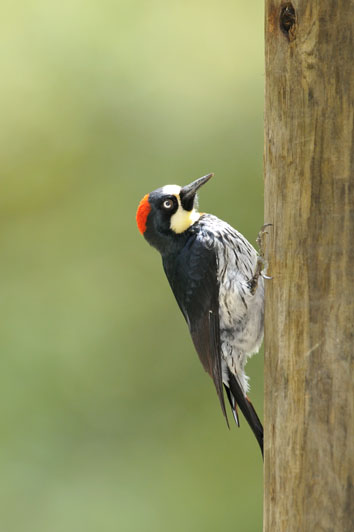
Acorn Woodpecker (Melanerpes formicivorus) by Reinier Munguia

Acorn Woodpecker (Melanerpes formicivorus) by Reinier Munguia

“The diet of woodpeckers consists mainly of insects and their grubs taken from living and dead trees, and other arthropods, along with fruit from live trees, nuts and sap both from live trees. Their role ecologically is thereby keeping trees healthy by keeping them from suffering mass infestations.The family is noted for its ability to acquire wood-boring grubs using their bills for hammering, but overall the family is characterized by its dietary flexibility, with many species being both highly omnivorous and opportunistic. The insect prey most commonly taken are insects found inside tree trunks, whether they are alive or rotten wood and in crevices in bark on trees. These include beetles and their grubs, ants, termites, spiders,and caterpillars. These may be obtained either by gleaning or more famously by excavating wood. Having hammered a hole into the wood the prey is excavated by a long barbed tongue. The ability to excavate allows woodpeckers to obtain tree sap, an important source of food for some species. Most famously the sapsuckers, (genus Sphyrapicus ) feed in this fashion, but the technique is not restricted to these and others such as the Acorn Woodpecker also feed in this way. It was once thought that the technique was restricted to the New World, but Old World species such as the Arabian Woodpecker and Great Spotted Woodpecker also feed in this way.[2]”Wikipedia

See Also:
When I Consider! – Woodpecker and Bones

Birds of the Bible – Jesus at the Sea

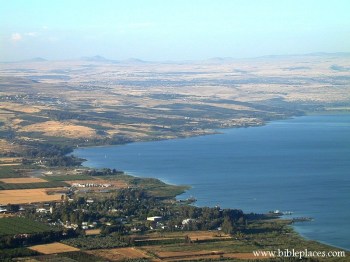
Galilee Shoreline From Above (BiblePlaces.com)

Galilee Shoreline From Above (BiblePlaces.com)

On the same day Jesus went out of the house and sat by the sea. (Matthew 13:1 NKJV)

While working on another article this week, I found and used the above verse, but the thought of it intrigued me. Many of us like to sit by the sea shore and observe what is going on. What did Jesus see as far as birds as He sat there? I decided to investigate it more and here is some of the information discovered.

The commentaries provided these thoughts about that day.

“By the sea-side. The sea-shore is that of the Sea of Galilee, probably near Capernaum, at the northwest corner of the lake.” (People’s New Testament)
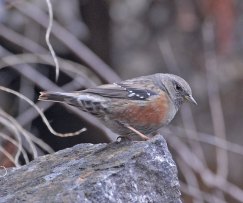
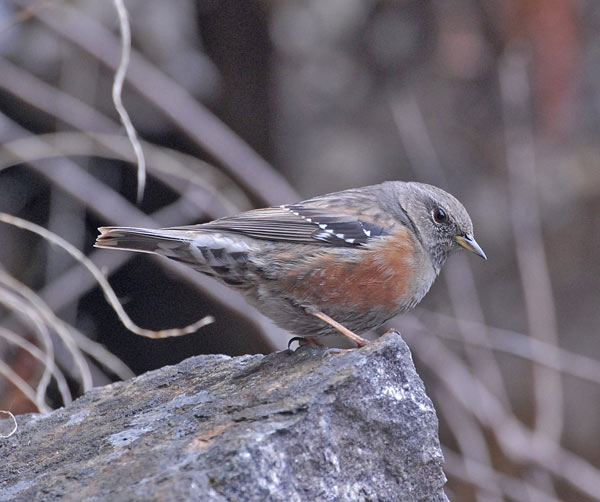
Alpine Accentor (Prunella collaris) by Nikhil Devasar

Alpine Accentor (Prunella collaris) by Nikhil Devasar

“Sat by the seaside … Jesus came out of the stuffy house and took his seat …along the shore with the crowds stretched up and down, a picturesque scene.” (Robertson’s Word Pictures)

“The sea-side – This was the Sea of Tiberias. The multitude stood on the shore near to him, so that he could be easily heard. He went into a ship – that is, a boat; and sat down to address them. Few spectacles could be more interesting than a vast crowd on the hanks of a smooth and tranquil sea – an emblem of his instructions – and the Son of God addressing them on the great interests of eternity.” (Albert Barnes’ Notes on The Bible)

“Went Jesus out of the house – This was the house of Peter. See Matt 17:24.
Sat by the sea side – The sea of Galilee, on the borders of which the city of Capernaum was situated.” (Adam Clark’s Commentary on the Bible)

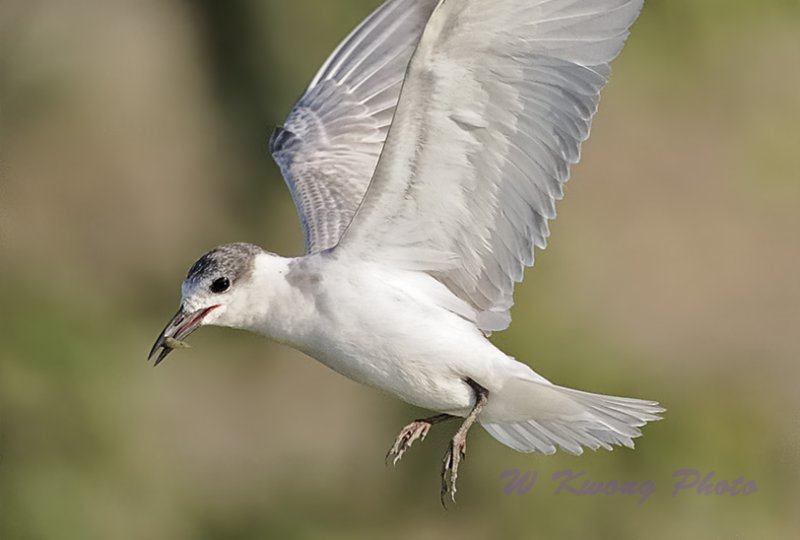
Whiskered Tern (Chlidonias hybrida) by W Kwong

Whiskered Tern (Chlidonias hybrida) by W Kwong

“Mat 13:1  The same day Jesus went out of the house,…. Where he had been preaching, and working miracles: where this house was, is not certain; it seems to have been in one of the cities of Galilee, probably Capernaum, since that was by the sea coast: the reason of his going out of the house was, either to converse with his mother and brethren, as they desired; or to withdraw himself from company, and take some refreshment by the sea side; or because it would not hold the people, and therefore he quitted it for a more convenient place. The time he went out of it, was the same day he had cast the devil out of the man blind and dumb, and had delivered himself so freely concerning the Scribes and Pharisees, who had blasphemously ascribed that miracle to the assistance of Satan; and the same day his mother and brethren came to see him, and speak to him.
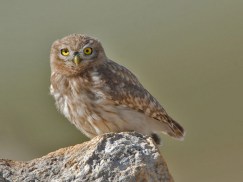
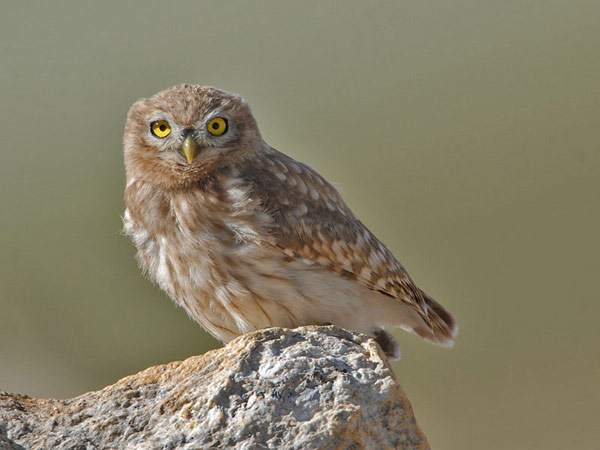
Little Owl (Athene noctua) by Nikhil Devasar

Little Owl (Athene noctua) by Nikhil Devasar

And sat by the sea side; either as weary, and for his refreshment, or in order to preach to the people; for, Mark says, “he began again to teach by the sea side”, Mark 4:1. This was the sea of Galilee, sometimes called the sea of Tiberias.” (Gill’s Exposition of the Entire Bible).

“3. Where he preached this sermon.
(1.) His meeting-place was the sea-side. He went out of the house (because there was no room for the auditory) into the open air. It was pity but such a Preacher should have had the most spacious, sumptuous, and convenient place to preach in, that could be devised, like one of the Roman theatres; but he was now in his state of humiliation, and in this, as in other things, he denied himself the honours due to him; as he had not a house of his own to live in, so he had not a chapel of his own to preach in. By this he teaches us in the external circumstances of worship not to covet that which is stately, but to make the best of the conveniences which God in his providence allots to us. When Christ was born, he was crowded into the stable, and now to the sea-side, upon the strand, where all persons might come to him with freedom. He that was truth itself sought no corners (no adyta), as the pagan mysteries did. Wisdom crieth without, Proverbs 1:20; John 13:20.” (Matthew Henry Commentary)

Another verse states:

But Jesus withdrew with His disciples to the sea. And a great multitude from Galilee followed Him, and from Judea (Mark 3:7 NKJV)
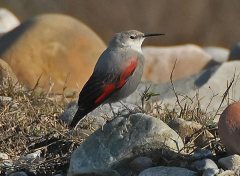
Wallcreeper (Tichodroma muraria) by Nikhil

Wallcreeper (Tichodroma muraria) by Nikhil

Withdrew

Mark alone notes no less than eleven occasions on which Jesus retired from his work, in order to escape his enemies or to pray in solitude, for rest, or for private conference with his disciples. See Mark 1:12; Mark 3:7; 6:31, 6:46;  7:24,  7:31;  9:2;  10:1;  14:34.” (Vincent’s Word Studies)

“Mar 3:7  But Jesus withdrew himself with his disciples to the sea,…. Knowing their evil designs against him, he departed out of the synagogue, and city of Capernaum; and taking his disciples with him, he went to the shore of the sea of Galilee; not out of fear, but because his time was not yet come, and he had more work to do:” (Gill’s Exposition)

From the above you can see what was going on, but I wanted to know what birds Jesus might have seen. Again, I couldn’t find a list for just this area, but here is some of what is there now.

“Israel is a bird-watcher’s paradise, with some of the best bird-watching sites in the world. Although it is one of the smallest countries in the world, Israel’s Checklist of Birds includes 494 species. Just for comparison, the checklists of the world’s two largest countries, Russia and Canada, have 697 and 625 species, respectively. The checklist for the Lower 48 States of the US numbers 908 species – just under twice the size of Israel’s – but then we’re talking about an area 386 times larger than Israel! The bottom line is this: in just a couple of hours, you can spot a wider variety of birds here than almost anywhere in the world. The bird-watching season in Israel begins in late August and ends in early June. There are birds that spend the winter here, birds that are only here for the summer, birds that pass through during the spring and fall migration seasons, and birds that can be found here all year round.” (Sing Israel)

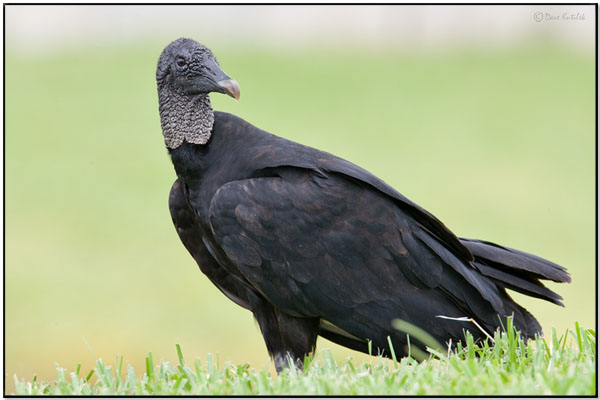
Black Vulture (Coragyps atratus) by Daves BirdingPix

Black Vulture (Coragyps atratus) by Daves BirdingPix

“Leaving the 2,000 meter-high and often snow-capped peak of Mount Hermon and heading south along the volcanic plateau of the Golan, spectacular views of the Sea of Galilee provide a stunning backdrop to search for Black Vulture. Also known as Lake Tiberias, the Sea of Galilee is a vast freshwater lake harboring impressive numbers of wintering Grebes, Pygmy Cormorant, breeding Squacco Heron and a spectacular winter concentration of Whiskered Tern. The surrounding hillsides are full of birds, including Eagle Owl, Little Swift and Long-billed Pipit throughout the year. Patient scanning of the steep-sided wadis in winter may well produce a major prize in the form of a Wallcreeper.” (goisrael.com)

“Sea of Galilee

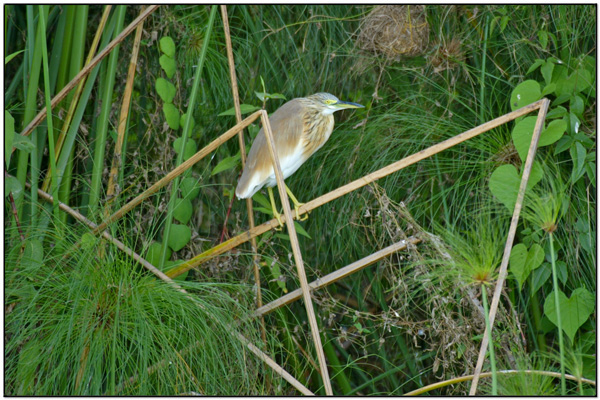
Squacco Heron (Ardeola ralloides) by Daves BirdingPix

Squacco Heron (Ardeola ralloides) by Daves BirdingPix

South of the Hula Valley lies the famous Sea of Galilee (a.k.a. Lake Tiberias). Owing to its size it has in the past been difficult to see offshore birds there. How ever, it has become a regular site for Pygmy Cormorant, Great Blackheaded and Armenian Gulls. A marsh holds in the northern section of the lake that has good numbers of Squacco Heron, a winter concentration of Whiskered Tern, and breeding Clamorous Reed Warbler. The tamarisk trees harbour a colony of Dead Sea Sparrows. The surrounding hills are good for the elusive Longbilled Pipit. Wadi Amud, to the northwest of the lake, is one of the best known sites for this species and also for the endangered Lesser Kestrel, as well as Eagle Owl, Little Swift, Syrian Woodpecker and good numbers of RockSparrow . The cliff:” of Mt. Arbel, west of the lake, are also good for Longbilled Pipit and a regular winter haunt of Wallcreeper, where several individuals may be seen together. Alpine Accentor is an occasional winter visitor and Radde’s Accentor has been recorded consorting with this species, along with the more regular Dunnock.

See Also:
What’s Special About the Sea of Galilee? by Dr. Donald DeYoung
Sea of Galilee – BiblePlaces.com
Capernaum
List of Birds of Israel

*

Wallcreeper (Tichodroma muraria) by Nikhil

Shoebill – Balaenicipitadae Page Updated

Shoebill by Dan

Shoebill by Dan

We went to the Lowry Park Zoo this week and were able to get some photos of the Shoebill. What an interesting bird. I was amazed at how large they really are. My shots were through a fence, but Keith’s video was taken in a swamp.

Shoebills are in the Balaenicipitadae Family of the Pelicaniformes Order.

“The Shoebill, Balaeniceps rex, also known as Whalehead, is a very large stork-like bird. It derives its name from its massive shoe-shaped bill.

The Shoebill is a very large bird. The adult is 115-150 cm (45-64 in) tall, 100-140 cm (40-60in) long, 230-260 cm (91-125 in) across the wings and weighs 4 to 7 kg (8.8-15.5 lbs). The adult is mainly grey while the juveniles are browner. It lives in tropical east Africa in large swamps from Sudan to Zambia.”

Interesting Articles about the Shoebill

Shoebill by African Bird Club

Shoebill – Wikipedia

Birds of the Bible – Sunbittern

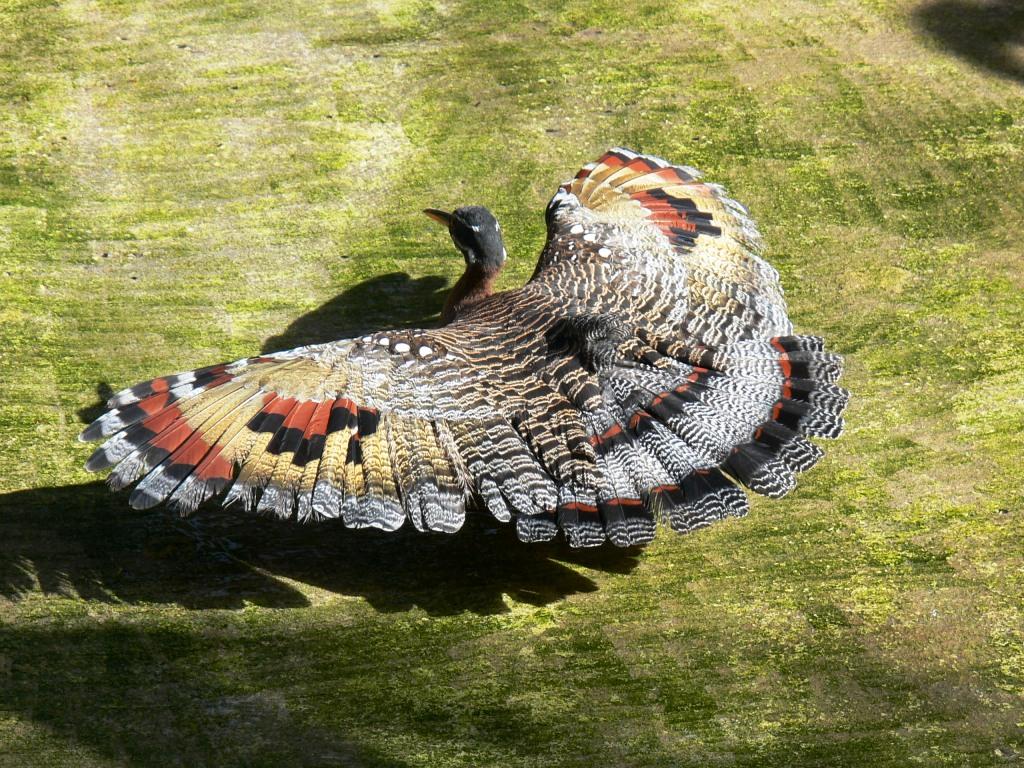
Sunbittern (Eurypyga helias) by Lee at Lowry Park Zoo 2-4-10

Sunbittern (Eurypyga helias) by Lee at Lowry Park Zoo 2-4-10

Let them praise the name of the LORD: for his name alone is excellent; his glory is above the earth and heaven. (Psalms 148:13 KJV)

Today, Dan and I went to the Lowry Park Zoo in Tampa, Florida. I was thrilled to see some of the birds in person that I have been entering into the Birds of the World section. This Sunbittern caught my attention when he spread its wings out into the beautiful display shown below. I could not but think of the Lord’s magnificent creative power, details, and love that He gave His creatures. No, this bird is not specifically named in the Bible, but God’s Glory sure is.

Sunbittern (Eurypyga helias) by Lee at Lowry Park Zoo

Sunbittern (Eurypyga helias) by Lee at Lowry Park Zoo

The Sunbittern is similar to a heron or bittern because it has a long straight pointed bill, long legs and a thin neck, but it is in the Eurypygidae family of the Eurypygiformes Order. Most likely they are of the same “kind”, but they like to separate them and then declare “convergent evolution” caused them to develop the “same but different.” They totally deny creation by our Creator God.

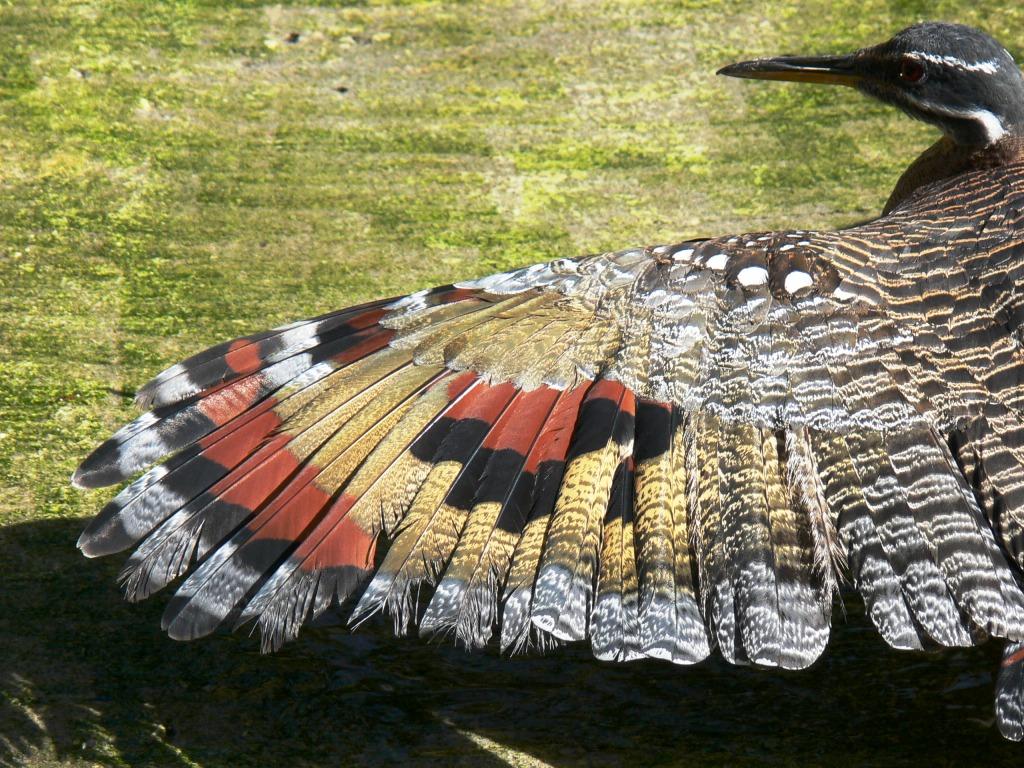
They are 17-19 inches (43-48 cm) and have “soft, lax flight feathers, which account for the species being almost silent in flight.” (Bird the Definitive Guide, p.208) They make their nests with leaves, grass, mud and she usually lays 2 eggs. Both parents feed the chicks. “Remarkably, the young molt directly into adult plumage, while still in the nest, which is extremely unusual…” They leave in 3-4 weeks. The wings are spread for displaying (to win their sweetheart’s attention) or for defense (to make them look larger), but the Lord also lets them spread their wings so we can enjoy them and behold His Creative designs.

O LORD, how manifold are thy works! in wisdom hast thou made them all: the earth is full of thy riches. (Psalms 104:24 KJV)

Sunbittern (Eurypyga helias) Left Wing by Lee at Lowry Park Zoo

Sunbittern (Eurypyga helias) Left Wing by Lee at Lowry Park Zoo

All photos can be clicked-on to enlarge.

Interesting Things – Cruel God of Evolution

Thinking

For as in Adam all die, even so in Christ all shall be made alive. (1 Corinthians 15:22 NKJV)

Today’s Creation Moments:

Some people think that they can believe in Jesus Christ as their Savior and at the same time believe God created through evolution. These people are called theistic evolutionists or progressive creationists. What kind of nature would a god have who creates through the death that is essential to evolution?

First, death would have to have begun from the very moment of creation. Death, disease, pain and suffering would have had to originate with this god. Long before man, according to evolution, dinosaurs were eating other dinosaurs, and entire species were dying out. Rather than loving us, such a god would be indifferent and capricious. The god that would use evolution to make living things would have no right to punish sin. He would have had no right to bring a worldwide Flood to punish sinful man. This kind of god would be nothing more than a bully. Such a god would not be likely to have given us his word. And nothing the Bible says about him could be true. If the Bible really is from him, it is full of untrue claims. Any god who created using evolution is not the God of the Bible. If you think about it, the god of evolution sounds surprisingly like the devil.

What’s wrong with believing that God created through evolution over millions of years? Any god that uses evolution and death to make us is extremely cruel. More importantly, if there was no first Adam to bring sin and death into the world, there was no need for Christ, Whom the Bible calls the last Adam, to die and save us from sin and death.

Prayer: I rejoice, dear Father, because you are gracious and merciful to me. Amen.

References: Creation, 9-11/99. pp. 42-45, “The god of an old Earth.”

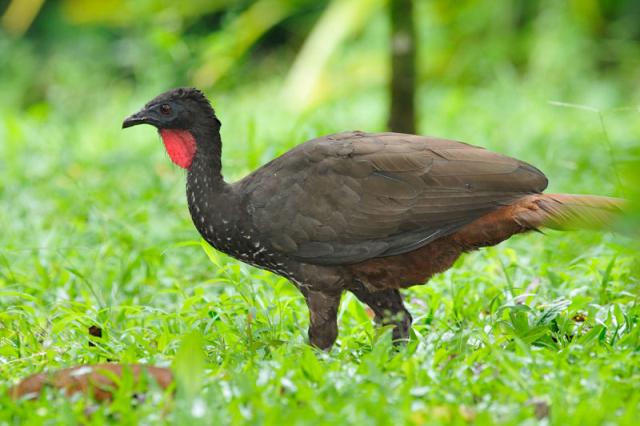
Cracidae – Chachalacas, Curassows and Guans – Updated

Crested Guan (Penelope purpurascens) by Reinier Munguia

Crested Guan (Penelope purpurascens) by Reinier Munguia

I have been updating the Cracidae Family page which includes Chachalacas, Curassows and Guans. They are in the Galliformes Order. That Order not only includes the Cracidaes, but also the Megapodidae (Megapodes), the Numidae (Guineafowl), Odontophoridae (New World Quails) and the Phasianidae (Pheasants, Fowl & Allies).

The Cracidae family are chicken-like birds which are medium to large. They are Neotropical, in that you find them from South California and South Texas down through Mexico, Central and South America. We encountered our first bird in the family at Santa Ana Wildlife Refuge in south Texas. We saw the Plain Chachalaca. (That is the only one in the family we have seen outside of zoos and photos).

Birdwatching – Late January 2010

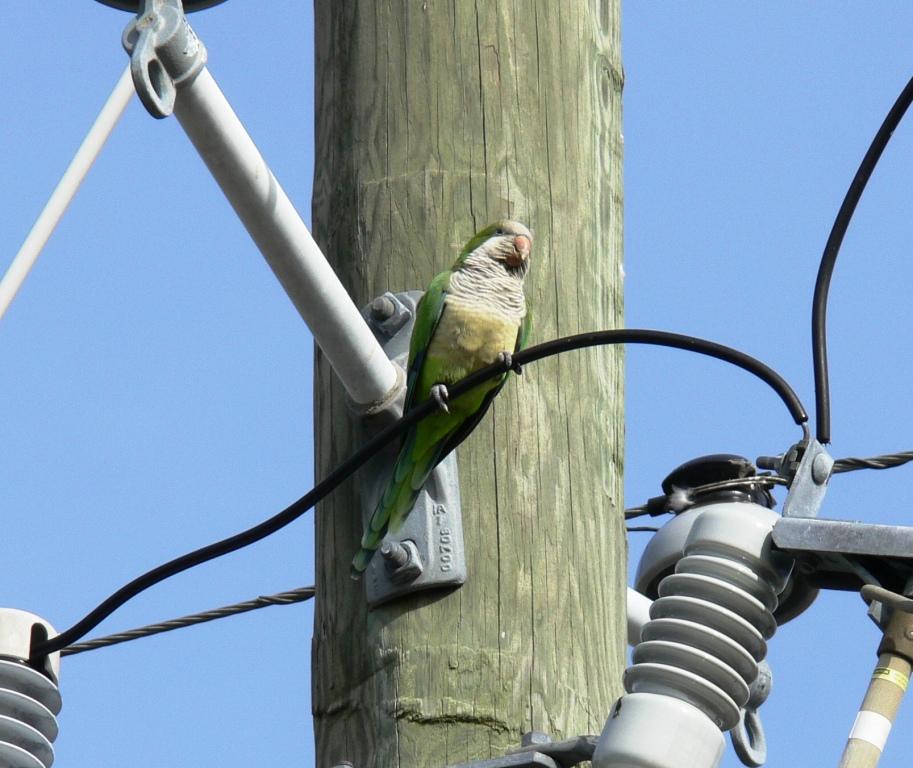
Monk Parakeet (myiopsitta-monachus) by Lee

Monk Parakeet (myiopsitta-monachus) by Lee

The last two days have been interesting for birdwatching. I have been sick and we finally were able to get out to see the birds. Today, while getting the mail out of the box, we looked up and saw 3 Sandhill Cranes with a Whooping Crane flying by. Wow! We have been seeing 1 Whooping Crane in with lots of Sandhills lately on the way to Bartow on the same hill side. But to have it fly over our house was amazing. They were headed toward that hill which is about 1.5 miles south of us. (Old Bartow Road)

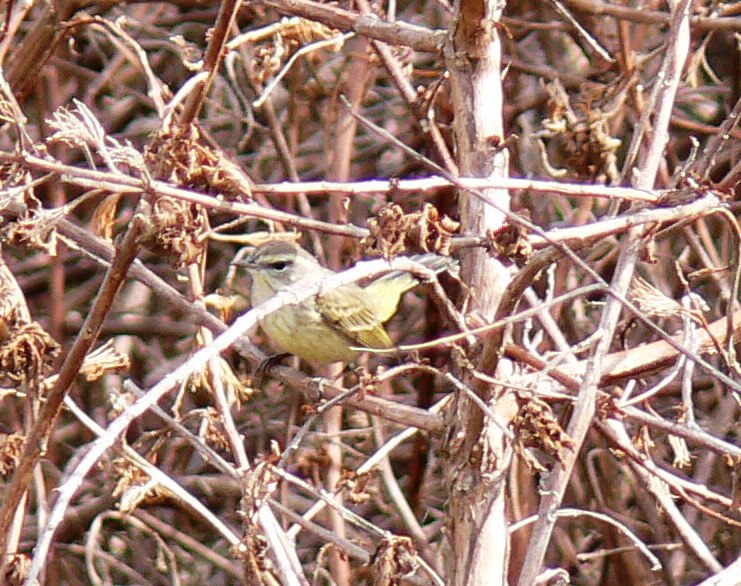
Palm Warbler - yellow

Palm Warbler - yellow

Yesterday, Dan wanted to check out something on his camera, so we took our cameras and stopped by South Lake Howard Nature Park again. I think he was having “cabin fever” more than me. Most of what we saw were the normal birds for there, only less of them. They cleaned out an area and planted grass, but that “improvement” has not been welcomed by the birds. (nor us birdwatchers either)

What we saw were: Boat-tailed and Common Grackles, White and Glossy Ibises, Anhingas, a White-winged Dove, Monk or Quaker Parakeets building their nests-Condo on the power pole, Palm Warblers (yellow), many Tree Swallows, the Bald Eagle on the tower, Osprey, Turkey Vultures, White Pelicans flying by, Fish Crows, Tri-colored and Little Blue Herons, Eastern Phoebe, Cattle Egrets, and others.

These are mine and Dan’s photos.

*

This slideshow requires JavaScript.

*

Birds of the Bible – Vulture Eyesight

Turkey Vulture at Circle B by Lee

Black Vulture (New World Vulture) at Circle B by Lee

In the first Birds of the Bible – Vulture the fact that the vulture was on the “unclean list” and possible why they were on that list. Now, I would like to explore another verse:

There is a path which no fowl knoweth, and which the vulture’s eye hath not seen: (Job 28:7 KJV)

This is found in a passage that is talking about finding gold and silver underground, as in mining underground. In the darkness, no matter how superb their eyes are, they are ineffective in darkness.

We know that the Lord created everything and what amazing capabilities the eye has.

The hearing ear, and the seeing eye, the LORD hath made even both of them. (Proverbs 20:12 KJV)

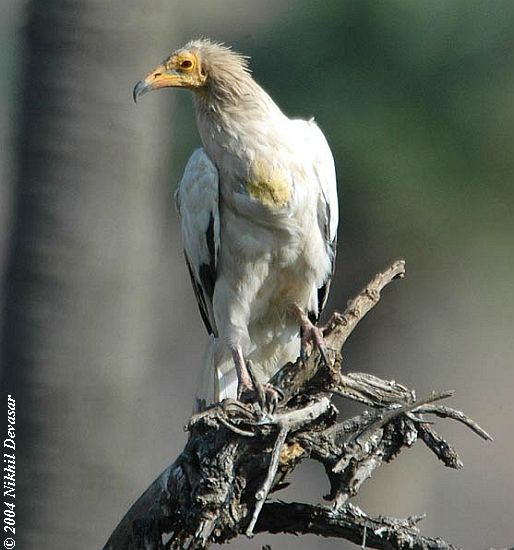
Egyptian Vulture (Neophron percnopterus) by Nikhil

Egyptian Vulture (Neophron percnopterus) {Old World} by Nikhil

“The vulture has a very keen eye, and, like the eagle, can see what is on the ground, even when it is very high in the air. This is referred to in the book of Job. “There is a path which no fowl knoweth, and which the vulture’s eye hath not seen.” It often happens in those countries that almost as soon as an ox, or a horse, or any other large animal has been killed, great multitudes of vultures will gather around, though not one could be seen in the sky before. they seem to fly down from every part of the heavens, and begin to pull and struggle for the flesh of the animal; until in the course of a few hours nothing is left but the bones. We read in Isaiah, “There shall the vultures be gathered, every one with her mate.” This must have been written by one who had seen these birds coming together, as they do in great flocks or companies.” (From The Vulture, Bible Study Tools)

“Vultures have keen eyesight. It is believed they are able to spot a three-foot carcass from four miles away on the open plains. In some species, when an individual sees a carcass it begins to circle above it. This draws the attention of other vultures that then join in.” (From Animals Vulture)

Old World Vultures (Accipitridae) unlike the New World Vultures (Cathartidae), do not have agood sense of smell and therefore do find their carcasses by sight or watching other birds to see what they are doing and have found to eat. Some of the species eat collectively while others use “kleptoparasitism” (stealing from others).

The Lord has created all the birds and has given them fantastic abilities that let them adapt to their role (carrion eaters) He has made for them. How well do we adapt to the ministries or jobs we have to do, even if it is only “taking out the trash?”

Whatsoever thy hand findeth to do, do it with thy might; for there is no work, nor device, nor knowledge, nor wisdom, in the grave, whither thou goest.  (Ecclesiastes 9:10 KJV)

See also:
Vulture Pages

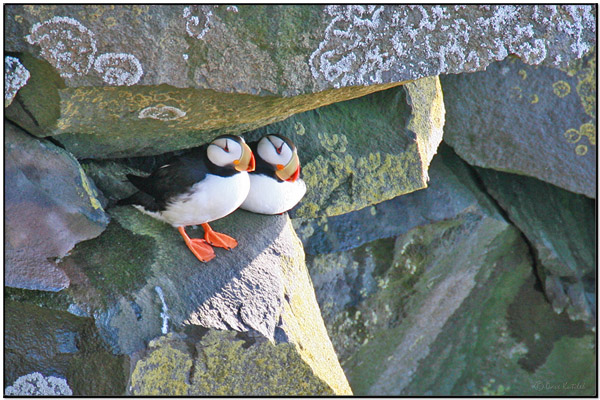
Updated the Alcidae – Auks Family Page

Horned Puffin (Fratercula corniculata) by Daves BirdingPix

Horned Puffin (Fratercula corniculata) by Daves BirdingPix

I have just update the Alcidae – Auks Family page in Lee’s Birds of the World section. The family includes Auks, Murres, Razorbill, Guillemots, Murrelets, Auklets, and Puffins.

The Alcidae family is in the Charadriiiformes Order