Nuggets Plus – The Accident Free African Locust – by ajmithra
Nuggets Plus
As they swarm,
the African locusts
has the uncanny ability
to avoid crashing against
one another…
We are fearfully
and wonderfully made
by His own hands
in His own image…
But,
We often crash against each other..
Why?
Is it because,
we have lost “THE WAY”?
The steps of a good man are ordered by the LORD: and he delighteth in his way.
Though he fall, he shall not be utterly cast down: for the LORD upholdeth him with his hand.” (Psalm 37:23,24)
Nuggets Plus – Dragonfly – The Pusher…Dragonfly – The Pusher…
by ajmithra
Nuggets Plus
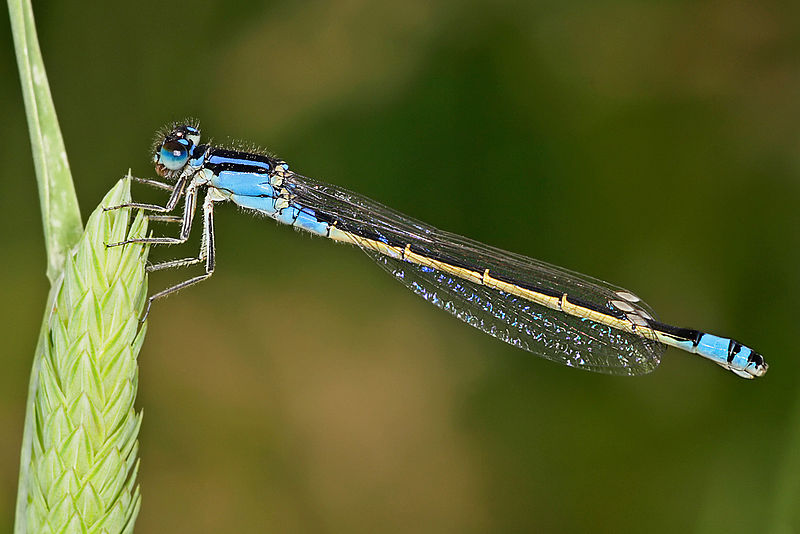
As the female holds its wings
without flapping,
the male Dragonfly,
gives the forward thrust
from behind to push the female forward…
Be still and know that
Jesus will provide
the forward thrust
to not just push you forward
but to place you ahead of the others..
After all,
We are His bride
And He is our Bridegroom…
Ye shall not need to fight in this battle: set yourselves, stand ye still, and see the salvation of the LORD with you, O Judah and Jerusalem: fear not, nor be dismayed; to morrow go out against them: for the LORD will be with you. (2Chronicles 20:17)
Nuggets Plus – African Honey Bees – The Resister.. ~ by ajmithra
Nuggets Plus
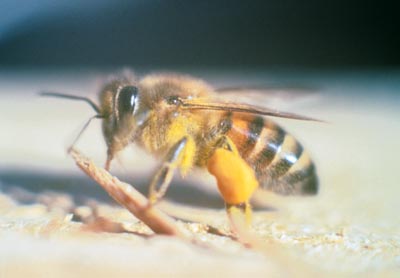
African Honey Bees, called as killer bees will pursue the enemy quarter mile or more… Never did our Creator ask us to pursue the devil but, to just resist him and he shall flee forever…
Submit yourselves therefore to God. Resist the devil, and he will flee from you. (James 4:7)
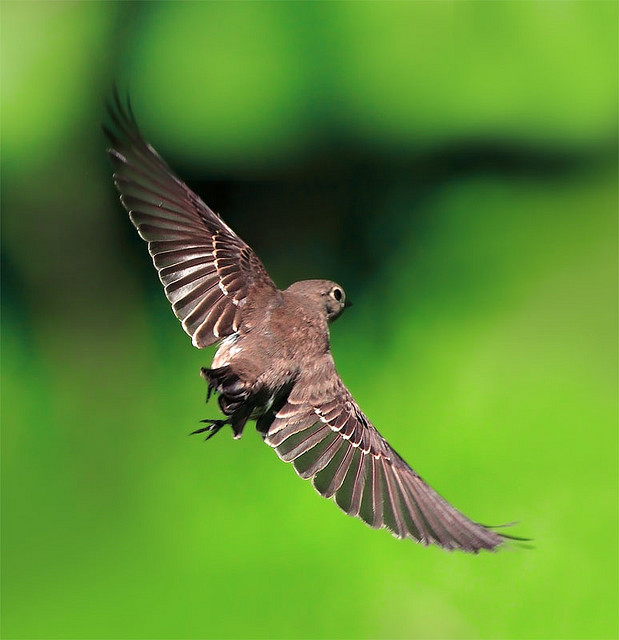
ten primary feathers to the wings of the birds to produce thrust… Likewise, God has given us Ten Commandments, not just for keeps, but, to give us thrust to do the impossible…
And it shall come to pass, if thou shalt hearken diligently unto the voice of the LORD thy God, to observe and to do all his commandments which I command thee this day, that the LORD thy God will set thee on high above all nations of the earth (Deuteronomy 28:1)
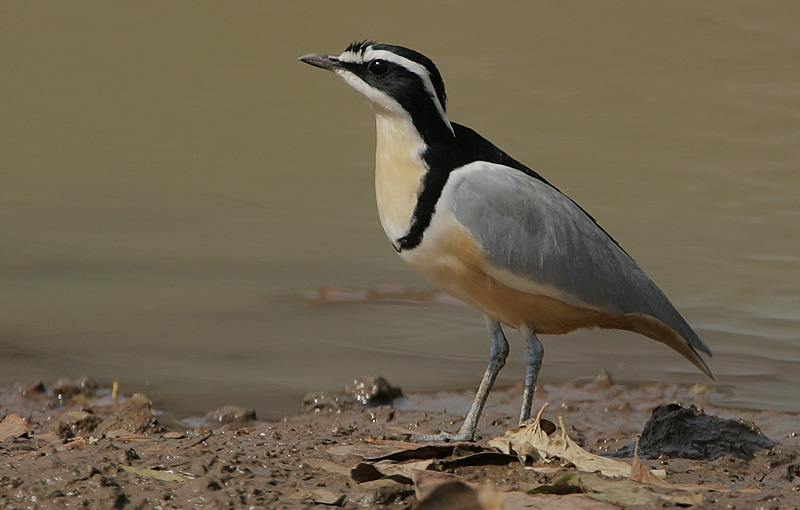
The Egyptian Plover is a localised resident in tropical sub-Saharan Africa. It breeds on sandbars in large rivers. Its two or three eggs are not incubated, but are buried in warm sand, temperature control being achieved by the adult sitting on the eggs with a water-soaked belly to cool them.
If the adult leaves the nest, it smoothes sand over the eggs, though if it is frightened the job may be hasty…
The adults cool the chicks in the same way as with the eggs.
When I read this, the three young men inside the furnace came to my mind..
When Shadrach, Meshach and Abednego were thrown into the furnace for no fault of theirs, down came the Pillar of cloud to stroll with them..
Is it to cool them from the heat?
When thou passest through the waters, I will be with thee; and through the rivers, they shall not overflow thee: when thou walkest through the fire, thou shalt not be burned; neither shall the flame kindle upon thee. (Isaiah 43:2)
Baya Weaver (Ploceus philippinus) by Nikhil Devasar
Baya Weaver – The Model Church ~ by a j mithra
The Baya Weaver (Ploceus philippinus) is a weaverbird found across South and Southeast Asia. These are sparrow-sized (15 cm) and in their non-breeding plumage, both males and females resemble female house sparrows. They have a stout conical bill and a short square tail.
Non-breeding males and females look alike, dark brown streaked fulvous buff above, plain (unstreaked) whitish fulvous below, eyebrow long and buff coloured, bill is horn coloured and no mask. Breeding males have a bright yellow crown, dark brown mask, blackish brown bill, upper parts are dark brown streaked with yellow, with a yellow breast and cream buff below.
Baya Weaver (Ploceus philippinus) by MAMuin
Baya Weavers are social and gregarious birds. They forage in flocks for seeds, both on the plants and on the ground. Flocks fly in close formations, often performing complicated maneuvers. Their calls are a continuous chit-chit-… sometimes ending in a wheezy cheee-eee-ee that is produced by males in a chorus. A lower intensity call is produced in the non-breeding season.
Feeding together and flying together and singing together?
The church needs to take a leaf out from the lifestyle of these birds..
Is it not important, to be together as a one? We say that Christ is the head of the church. But how can Christ be the head of disintegrated choirs in disintegrated churches and indifferent individuals who make disoriented families?
These birds feed together…
How many Christian families spend time together in reading and meditating the Bible?
How many Christian families live together?
These birds even fly together performing complicated maneuvers…
How are our maneuvers as a team?
We are supposed to be the army of Jesus, but sadly each one facing different directions…
These birds sing together in chorus..
How do our family and church worship the Lord?
Do we sing in unity as one?
Its time for us to check ourselves and try learn to live like these birds…
Behold, how good and how pleasant it is for brethren to dwell together in unity!
It is like the precious ointment upon the head, that ran down upon the beard, even Aaron’s beard: that went down to the skirts of his garments; As the dew of Hermon, and as the dew that descended upon the mountains of Zion: for there the LORD commanded the blessing, even life for evermore. (Psalm 133:1-3 KJV)
Baya Weaver (Ploceus philippinus) by Nikhil Devasar
Flocks of these birds are found in grasslands, cultivated areas, scrub and secondary growth and they are best known for their hanging retort shaped nests woven from leaves. These nest colonies are usually found on thorny trees or palm fronds and the nests are often built near water or hanging over water where predators cannot reach easily.
They are widespread and common within their range but are prone to local, seasonal movements mainly in response to rain and food availability.
Christ is mindful of us even unto death..
He did think of you and me even as He wore the crown of thorns…
These birds remind me of Psalm 23:2
He maketh me to lie down in green pastures: he leadeth me beside the still waters.
These birds choose to live in the grasslands and build their nests with green leaves over fresh water bodies…
The Lord is our Shepherd and the Living Water..
No doubt about it…
But, the question is, do we let Him makes us lie down in green pastures and lead us beside still waters?
If the answer is yes, then how come our soul is weak, weary and thirsty?
Lets seek His presence, for He is the God of abundance…
Thou wilt shew me the path of life: in thy presence is fulness of joy; at thy right hand there are pleasures for evermore. (Psalm 16:11)
Baya Weaver (Ploceus philippinus) 3 Male building by Nikhil Devasar
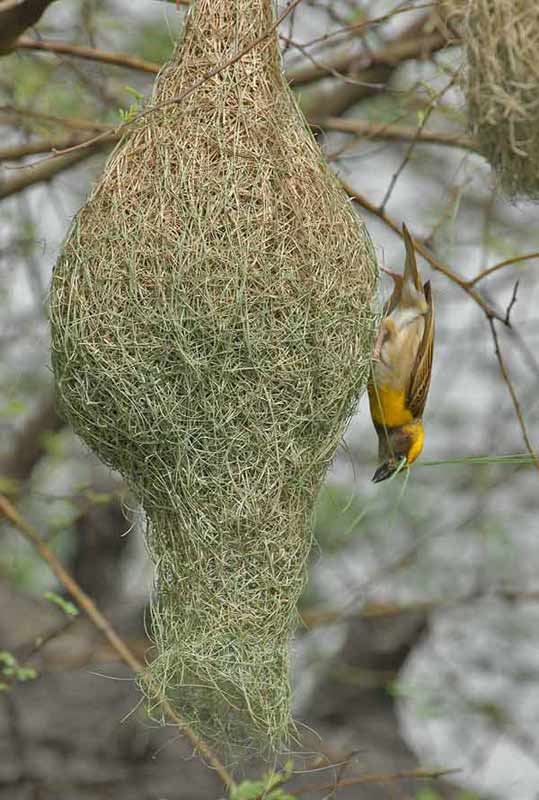
The nest of the Baya Weaver bird is an engineering marvel…
These dull looking birds have a most interesting breeding season…
The breeding season of the Baya Weavers is during the monsoon..
The breeding condition is initiated by environmental characters such as day length and comes to an end after summer although this termination is not influenced by short day length as in temperate birds…
They nest in colonies typically of up to 20-30, close to the source of food, nesting material and water. Baya Weavers are best known for the elaborately woven nests constructed by the males. These pendulous nests are retort shaped, with a central nesting chamber and a long vertical tube that leads to a side entrance to the chamber. The nests are woven with long strips of paddy leaves, rough grasses and long strips torn from palm fronds. Each strip can be between 20–60cm in length. A male bird is known to make up to 500 trips to complete a nest.
Our Lord Jesus Christ made just one trip to the earth and is now building a mansion for us…
In my Father’s house are many mansions: if it were not so, I would have told you. I go to prepare a place for you. (John 14:2)
The birds use their strong beaks to strip and collect the strands, and to weave and knot them while building their nests. The nests are often built hanging over water from palm trees and often suspended from thorny Acacias and in some cases from telephone wires. Although thorny trees are preferred, they may sometimes use avenue trees in urban areas. Nests are often located on the eastern side of the tree where they are believed to provide shelter from the Southwest Monsoon, however late breeders are more likely to build their nests in other orientations relative to the trunk of the nest tree..
How do these birds know where and when to build their nests?
How do these birds know the direction where the nest has to be placed?
Is it cos they look up to God the directions in life?
A Meteorological expert knows about the weather…
A Botanist knows about the plants and trees…
A Hydrologist knows about water…
But how do these birds know about the season, the tree and the water?
Want to know everything under the sky? Just follow the following verses…
Evil men understand not judgment: but they that seek the LORD understand all things. (Proverbs 28:5)
The young lions do lack, and suffer hunger: but they that seek the LORD shall not want any good thing. (Psalm 34:10)
This male Baya Weaver is working on his nest. This is by Wondersf, which is one of the videographers who has given us permission to use his videos. Khong Tuck Khoon lives in Malaysia.
The males take about 18 days to construct the complete nest with the intermediate “helmet stage” taking about 8 days. The nests are partially built before the males begin to display to passing females by flapping their wings and calling while hanging from their nests.
When I read the above passage I was reminded of the famous picture of the cross where I read the following quote..
I asked Jesus how much He loved me
He answered “this much”
Then He stretched out His arms and died for me
The females inspect the nest and signal their acceptance of a male. Once a male and a female are paired, the male goes on to complete the nest by adding the entrance tunnel. Males are almost solely in charge of nest building, though their female partners may join in giving the finishing touches, particularly on the interiors. So much so, that even a snake would never be able to enter its nest. Females may modify the interiors or add blobs of mud.
Studies have shown that nest location is more important than nest structure for the female, when it selects the nest and mate…
When we build our lives above the Living Water, the serpent would never be able to enter our homes…
Instead we would walk over them..
Behold, I have given you authority to tread on serpents and scorpions, and over all the power of the enemy, and nothing will injure you. “Nevertheless do not rejoice in this, that the spirits are subject to you, but rejoice that your names are recorded in heaven. (Luke 10:19,20)
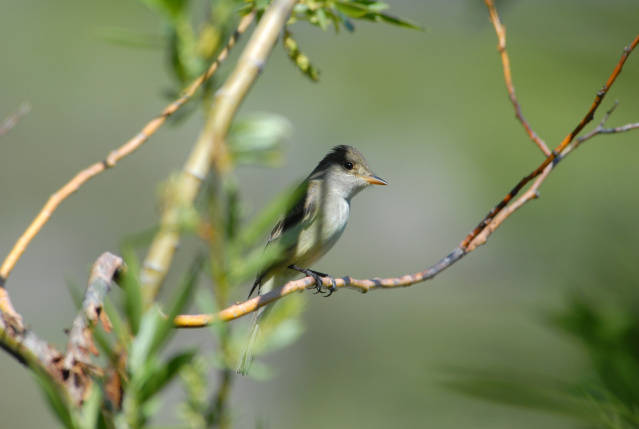
Willow Flycatcher songs are innate, not learned like those of most songbirds. Young Willow Flycatchers reared in captivity with Alder Flycatcher tutors sang typical Willow Flycatcher songs.
Daniel was put to test, But, he chose not to defile himself with the portion of king’s meat or the wine..
No matter where God places you, never try to be like others…
Though God has created each one of us In His image, there still isn’t anyone like you…
You are God’s unique creation…
Please read Daniel Chapter one…
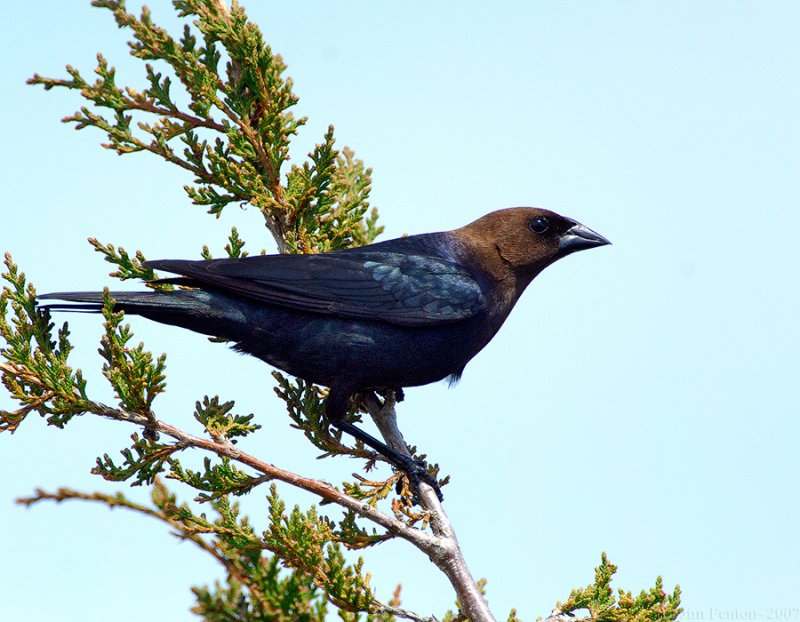
Brown-headed Cowbird (Molothrus ater) by J Fenton
If a Brown-headed Cowbird lays its eggs in the nest of a Willow Flycatcher, the flycatcher may bury the Cowbird eggs in the nest lining, or even build a completely new nest over the top of the first one…
How do you respond when satan tries to hatch his ideas in your life?
Do you receive them or reject them like these birds?
Remember, his place is not beside you, but, under the sole of your feet…
Don’t let satan sit in your life..
Just bury him under your feet…
“And the God of peace shall bruise Satan under your feet shortly. The grace of our Lord Jesus Christ be with you. Amen.”Romans 16:20
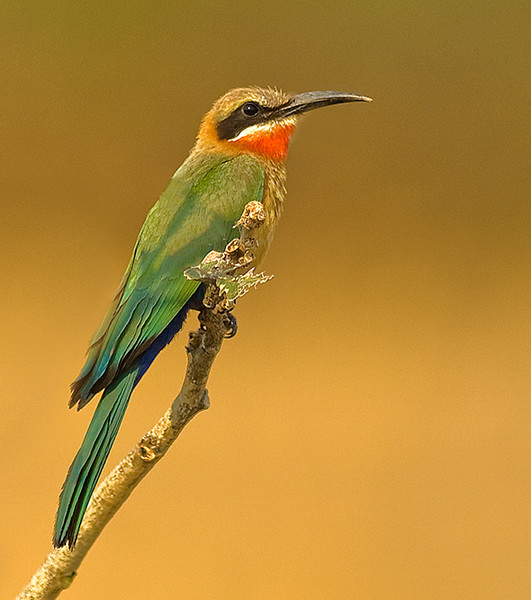
White-fronted Bee-eater (Merops bullockoides) by Bob-Nan
White-fronted Bee-eater – The Community Developer ~ by ajmithra
The White-fronted Bee-eater, Merops bullockoides, is a species of bee-eater widely distributed in sub-equatorial Africa. They have a distinctive white forehead, a square tail and a bright red patch on their throat. They nest in small colonies, digging holes in cliffs or earthen banks but can usually be seen in low trees waiting for passing insects from which they hunt either by making quick hawking flights or gliding down before hoveringbriefly to catch insects.
This species, like other bee-eaters, is a richly coloured, slender bird, but with a distinctive black mask, white forehead, square tail and a bright red throat. The upperparts are green, with cinnamon underparts. The call is a deep squeak. White-fronted Bee-eaters are found in the vast savannah regions of sub-equatorial Africa. The habitat commonly consists of open country, often near gullies, because this is the region that their food (bees) lives.
Where there are bees, there these bee-eaters are..
We are the inheritors of the kingdom of God, and the working partners of God in building His kingdom…
But, where are we found?
Martha knew this that’s why she chose to sit at the feet of Jesus instead of cooking in the kitchen like Mary….
Look how Mary got frustrated cos of Martha!
She in fact would’ve turned jealous of her and that maybe the reason why she started complaining to Jesus..
When our live revolves around Jesus, we become new..
We will not be jealous and we will never complain..
Its when we start complaining, that we should know that we are in the kitchen like Mary and not sitting in His presence like Martha..
Therefore if any man be in Christ, he is a new creature: old things are passed away; behold, all things are become new. (2 Corinthians 5:17)
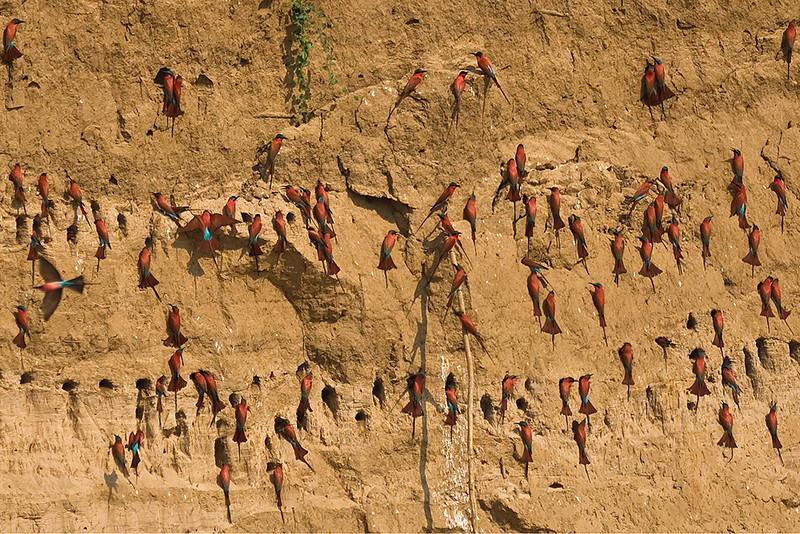
Southern Carmine Bee-eaters (Merops nubicoides) on bank by Africaaddict
White-fronted bee-eaters nest in colonies averaging 200 individuals, digging roosting and nesting holes in cliffs or banks of earth. A population of bee-eaters may range across many square kilometres of savannah, but will come to the same colony to roost, socialize, and to breed. White-fronted bee-eaters have one of the most complex family-based social systems found in birds.
Their diet is made up primarily of bees, but they also take other flying insects depending on the season and availability of prey. Two hunting methods have been observed. They either make quick hawking flights from lower branches of shrubs and trees, or glide slowly down from their perch and hover briefly to catch insects.
Colonies comprise socially monogamous, extended family groups with overlapping generations, known as “clans” which exhibit cooperative breeding. Non-breeding individuals become helpers to relatives and assist to raise their brood. In white-fronted bee-eaters, this helping behavior is particularly well developed with helpers assisting in half of all nesting attempts. These helpers may contribute to all aspects of the reproductive attempt, from digging the roosting or nesting chamber, to feeding the female, incubating and feeding the young; and have a large effect on increasing the number of young produced. Only 50% of non-breeders in a colony typically become helpers, and whether or not an individual becomes a helper and to whom it provides aid is heavily dependent on the degree of kinship involved. Non-breeders are most likely to become helpers when breeding pairs are close genetic relatives.
When faced with a choice of potential recipient nests helpers preferential help the breeding pair to who they are most closely related, suggesting that this behaviour may serve to increase the helper’s inclusive fitness …. The life style of these birds reminds us of the early church where everyone shared all that they had among themselves and lived as one large extended family..
When did the church forget to share their blessings?
We say that we are the body of Christ and that Christ is the head of the family, but, We still live either as individuals or as little groups inside the church..
Is that the reason why the church is not able to extend the boundaries of the eternal Kingdom?
How many good Samaritans are still living among us?
Or in other words how many Annanias and Sapphiras are still inside the church?
Again, if two lie together, then they have heat: but how can one be warm alone? (Ecclesiastes 4:11)
White-fronted Bee-eater (Merops bullockoides) by Africaddict
Female White-fronted Bee-eaters leaving their nesting burrows must avoid pursuit by unmated males who may force them to the ground and rape them. Furthermore their unwelcome attentions are preferentially against females who are laying eggs and who thus might lay the eggs of their rapist rather than their mate.
This reminds us of Dinah, daughter of Jacob, who went out alone to have a look around the countryside and how she was defiled and how there was bloodshed among the Hivites..
This reminds the church to cling to the Bridegroom rather than to tradition and custom…
Tradition and custom can never take us further in our pursuit to holiness, but, it is the presence of God in our lives that makes the difference..
Sin was not found among Adam and Eve until they disobeyed and ate the fruit..
Is that why Eve gave birth to Cain who turned into a murderer?
The duty of the bride is to stay close to the bridegroom and that is where she would have protection…
If you have lost your way, find THE WAY and cling on to Him…
It was but a little that I passed from them, but I found him whom my soul loveth: I held him, and would not let him go, until I had brought him into my mother’s house, and into the chamber of her that conceived me. (Song of Solomon 3:4)
Jacob didn’t leave God until He blessed him…
Moses didn’t leave God’s presence till he got the answer from God..
Never leave God’s presence until something happens…
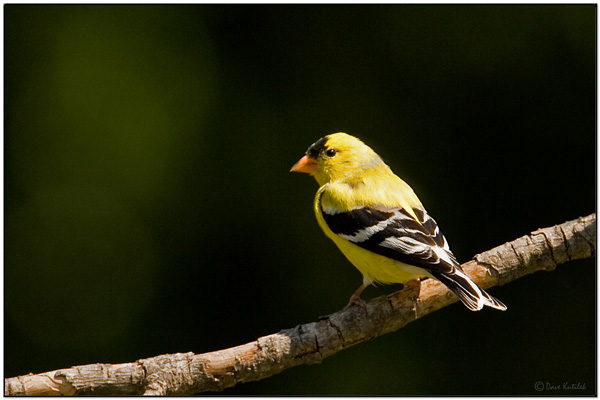
American Goldfinch (Carduelis tristis) by Daves BirdingPix
Goldfinch – The Latecomers… ~ by ajmithra
Hello everyone,
This morning I happened to read an article on Goldfinch in http://www.wild.enature.com, and that inspired me to write about these amazing late nesters.. Having just entered into the month of July, I thought it would be apt to just ponder over these awe inspiring July nesters..
By July, most songbirds are in the final stages of raising their young, but not the American Goldfinches. These appealing, colorful birds are just getting started. Notoriously late nesters, goldfinches have been waiting for the thistles to bloom.
Do we wait for God’s timing in our lives?
We may feel bad when everyone is moving ahead of us.
But, God’s plan for our lives is not as same as it is for the others…
David was anointed by Samuel when he was just a kid..
He did not turn into a King immediately after the anointing..
He had to wait for more than thirty years..
He did wait without grumbling, always rejoicing in the Lord and you know what?
David is still considered the greatest king ever lived..
So great that God chose to be born in his family tree..
Wait for God’s plan to bloom, like how these Goldfinches wait for the thistles to bloom..
He hath made every thing beautiful in his time: also he hath set the world in their heart, so that no man can find out the work that God maketh from the beginning to the end (Ecclesiastes 3:11)
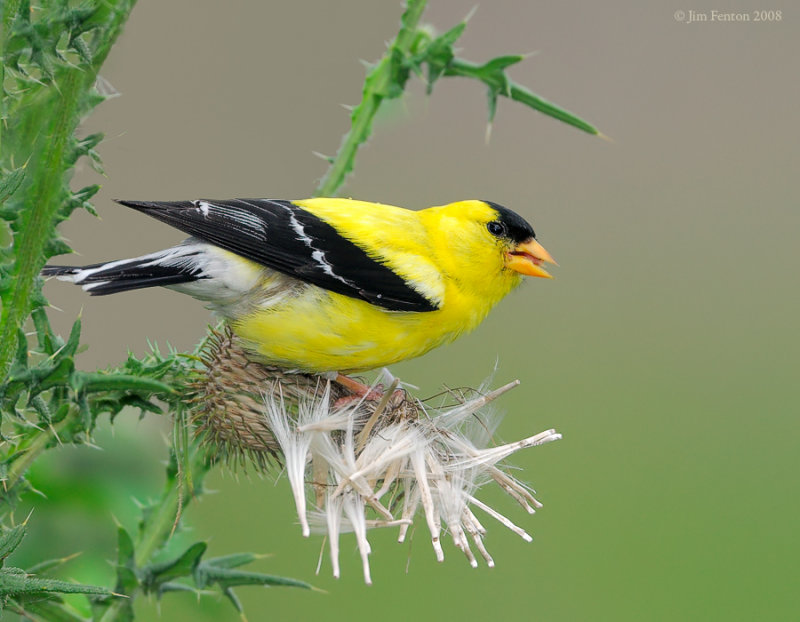
American Goldfinch (Carduelis tristis) on Thistle by Fenton
When this happens in July, it signals the goldfinches that they can start building their nests which are made primarily of the silver fibers and down of thistle blooms. Generally, the nest is built in the fork of a horizontal tree limb, 4 to 14 feet above the ground. The female builds a durable, neat cup of thistle and cattail fibers, so dense that it will hold water.Medieval writers believed that thistle can heal headaches, plague, canker, sores, vertigo, and jaundice. Do these birds know the thistles’ medicinal value?
God expects His bride to build a church that is durable and so dense, so that it can hold The Living Water…
God has promised to pour His spirit on all flesh during the last days and we do know that we are in the last days…
God pours so much anointing in every service in church, but we still haven’t reached the unreached yet. Why?
Is it because of the leak that is found in our spirit?
Are these female birds showing us how to build our nest so as to hold The Living Water?
But we have this treasure in jars of clay, to show that the surpassing power belongs to God and not to us. (2 Corinthians 4:7)
American Goldfinch (Carduelis tristis) by Lee thru window
In it she lays 4 to 6 pale blue to white eggs and then she incubates them for 12 to 14 days, until they hatch. The attentive male often feeds his mate while she sits on the nest. By the time the eggs hatch, the thistle has gone to seed, which is perfect timing for feeding young goldfinches.
God’s timing is awesome..
See how well the birds know that the nest material will also become food for their chicks, And they don’t have to wander in search of food..
That is God’s timing..
We tend to think that God is late, but we fail to understand that He is always on time.. There are so many instances where God has asked His servants to look out for His timing..
Joseph had to wait for God’s time to become a Prime Minister..
Moses had to wait for God’s time to become a leader..
Sometimes God even asks us to wait for nature’s signal, like how he asks David to wait for the mulberry leaves to quiver before he falls over the enemy camp..
Do we wait or wilt under pressure..
Do not wait for a man or for an opportunity, just wait for the Lord..
Waiting to the Lord releases super power…You know?
But they that wait upon the LORD shall renew their strength; they shall mount up with wings as eagles; they shall run, and not be weary; and they shall walk, and not faint. (Isaiah 40:31)
The parents nourish this chicks by consuming the thistle seed themselves, and then regurgitating the partially digested, milk like cereal into the mouths of their nestlings. This is as close as birds come to mammals that feed their young milk from mammary glands.
Baby goldfinches are fully feathered and out of the nest 10 to 16 days later. Almost immediately, they join their parents at bird feeders across America. That’s when many people suddenly notice so many goldfinches as the summer progresses. If these birds were normal nesters like the other song birds, they would’ve faced a sever threat on their existence, which is based upon the thistle….
Masterpieces are not made overnight.. It may take weeks, months or even years to make one..
Do you want people to take notice of you?
Just wait…
You are destined to be the Master’s masterpiece, so just wait….
I will praise thee; for I am fearfully and wonderfully made: marvellous are thy works; and that my soul knoweth right well. (Psalm 139:14)
The Red-breasted Goose – Wise Nester ~ by a j mithra
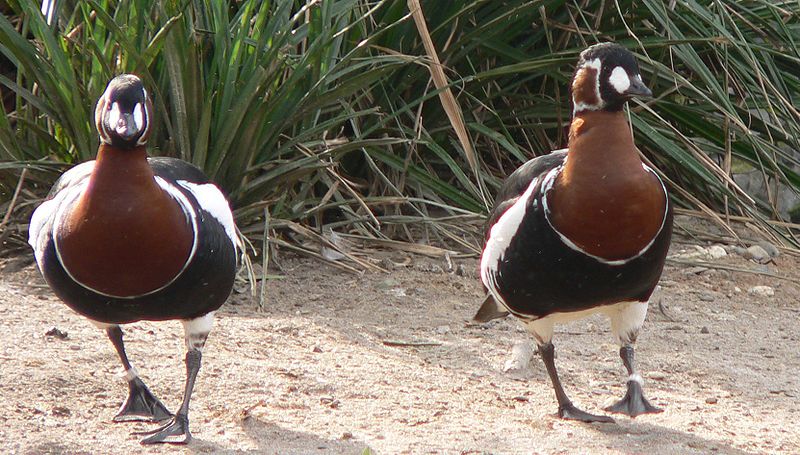
The Red-breasted Goose (Branta ruficollis) is a goose of the genus Branta. It is sometimes separated in Rufibrenta but appears close enough to the Brent Goose (Branta bernicla) to make this unnecessary, despite its distinct appearance.
Breeding on the Taimyr, Gydan and Yamal peninsulas of Russia, with beautifully defined blocks of colour, the red-breasted goose is one of the most attractive goose species in the world, but also one of the rarest. The fore-neck, breast and sides of the head are chestnut red bordered with white. The wings, back and fore-belly are charcoal black, with a bright white stripe running down the side to the white rear belly. The short neck and dark belly stand out in flight, and when seen from above two crescent-shaped stripes are visible on each wing. Juveniles are less well defined, and duller in colour.
Adults make repeated ‘kik-yoik, kik-yik’ sounds in flight. You may not like the way you look, but you are the most attractive for God, for He has created you in His own image and above all, He has blown His spirit into your nostrils..
And that is the reason you are rare, and He has never tried to create another one like you..
So God created man in his [own] image, in the image of God created he him; male and female created he them. (Genesis 1:27)
Majority of the population of red-breasted geese migrate through Bulgaria, Romania and to the Black Sea for winter. Small numbers winter in Ukraine, or in Greece if it is particularly cold. Until the 1950s, most red-breasted geese wintered in Azerbaijan, but the habitat is no longer suitable…
Red-breasted geese nest in tundra, and less often, in open parts of shrub tundra, where high and dry areas are favored, such as steep river banks, rocky slopes, rocky crags and gullies. These birds prefer rocky banks, rocky slopes, rocky crags and rocky gullies..
Where is our dwelling place?
Christian life doesn’t end with just propagating that Jesus is the rock of our salvation.
But it has got more to it..
We need to dwell on the Rock, by the Rock, with the Rock and for the Rock..
The Rock not only protects us but He also provides us.
He not only provides us, He also promotes us..
The LORD is my rock, my fortress and my deliverer; my God is my rock, in whom I take refuge. He is my shield and the horn of my salvation, my stronghold. (Psalm 18:2)
He should have fed them also with the finest of the wheat: and with honey out of the rock should I have satisfied thee. (Psalm 81:16)
He made him ride on the high places of the earth, that he might eat the increase of the fields; and he made him to suck honey out of the rock, and oil out of the flinty rock;
For in the day of trouble he will keep me safe in his dwelling; he will hide me in the shelter of his tabernacle and set me high upon a rock. (Psalm 27:5)
Throughout the day it flies to coastal and freshwater lakes to drink. Occasionally it also roosts at these lakes, using the middle of the water or remote shallow areas and muddy and sandy beaches with low aquatic vegetation. It will also roost on frozen lakes or on the sea..
When not breeding, red breasted geese are found in steppe habitats, where they feed on agricultural land and drink from coastal lakes. Throughout the day these birds fly to coastal and freshwater lakes to drink water..
They seem to know the importance of water to maintain their health..
Water not only heals but also prevents most disease, which is a scientifically proven fact..
We have the Living Water which cleanses, heals and strengthens..
Still most of us are weak and weary, why?
Is it cos we don’t have the habit of seeking THE WATER all through the day like these birds?
But whosoever drinketh of the water that I shall give him shall never thirst; but the water that I shall give him shall be in him a well of water springing up into everlasting life. (John 4:14)
During winter, red-breasted geese also roost on lakes, or in remote wetlands. In winter, the red-breasted goose feeds on winter wheat, barley, maize, pasture grasses and natural grassland. When it moves to the breeding grounds in early June, the diet changes, and consists primarily of grass leaves and shoots. In the second half of June, females lay between three and ten eggs, which are incubated for around 25 days.
How well these birds choose to change their diet just before migration…
How well they submit themselves to the will of God..
Where birds haven’t changed man has…
These birds know what to, what not to eat and when to eat before setting out on migration..
We are going to migrate once and for all, but sadly, most of us are yet to eat the food for migration. Is it because, we still have no idea when we need to migrate or is it because we think that what we have eaten thus far can take us home?
I am reminded of the ten bridesmaids who were waiting for the arrival of the Bridegroom..
We know not the arrival of our Bridegroom, are we getting ready or just sleeping over it?
Therefore keep watch, because you do not know the day or the hour. (Mathew 25:13)
Nests are built in close proximity to other red-breasted goose nests, and also to the nests of peregrine falcons (Falco peregrinus) and snowy owls (Nyctea scandiaca), as these birds provide protection from predators, improving breeding success of the geese. The chicks fledge at between five to six weeks of age.
In mid-September, the red-breasted geese begin their migration back to the western Black Sea coast, arriving in October or November.
Goose is normally thought to be dumb head..
Well, that is how we correlate Goose to stupidity..
But look at the wisdom of these birds, building their nests near the nests of Peregrine Falcons and Snowy owls!! They know that the rate of the breeding success depends upon the place where they nest…
Are we successful in life?
Do we eat the fruit of the works of our hands or is it being stolen or devoured?
Is our household protected from the enemy or are we being tormented by the enemy?
If the answer is negative, we need to look around to see if we have nested at the right place…
There is no use just saying that Jesus is our refuge and shelter..
He is there for us to protect us but do we nest beside Him?
And I set my tabernacle among you: and my soul shall not abhor you. And I will walk among you, and will be your God, and ye shall be my people. (Leviticus 26:11,12)
God is willing to shift His dwelling place among us, but, the question is, are we willing to co-dwell with Him?
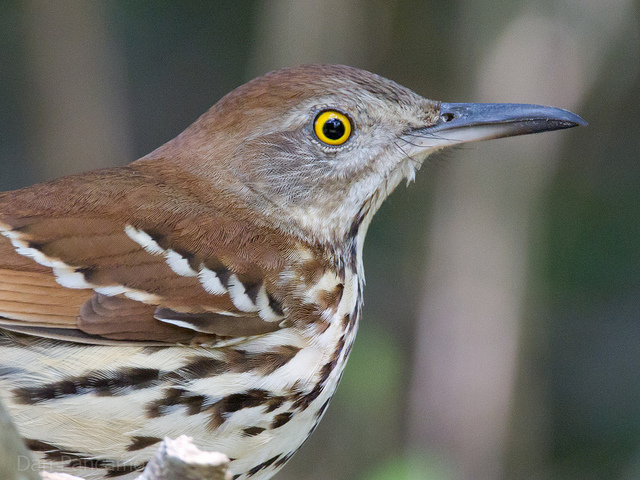
Brown Thrasher – The Singing Assasin.. ~ by a j mithra
The Brown Thrasher (Toxostoma rufum), sometimes erroneously called the Brown Thrush, is a bird in the Mimidae family, a group that also includes the New World catbirds and mockingbirds.
The Brown Thrasher is bright reddish-brown above with thin, dark streaks on its buffy underparts. Its long rufous tail is rounded with paler corners. Eyes are a brilliant gold.
God had created gold colored eyes for these birds but sadly most church goers have set their eyes on gold…
Achan set his eyes on gold and was stoned to death…
If the church had followed the same law, there would have been more requisition letters for death certificates than for birth certificates…
Let us set our eyes on our glorious God…
Set your affection on things above, not on things on the earth. (Colossians 3:2)
Adults average about 11.5 in (29 cm) long with a wingspan of 13 in (33 cm), and have an average mass of 2.4 oz (68 g). It is found in thickets and dense brush, often searching for food in dry leaves on the ground. Thrashers also enjoy the convergence of mowed to unmowed lawns, particularly if there are ample shrubs or shrubby trees, i.e., fruit orchards that the undergrowth is left undisturbed. It also enjoys perennial gardens and can be seen jumping from the ground to catch insects on flowers and foliage.
It is a partial migrant, with northern birds wintering in the southern USA, where it occurs throughout the year. The Brown Thrasher is considered a short-distance migrant, but two individuals have been recorded of this unlikely transatlantic vagrant in Europe: one in England and another in Germany.
This bird is omnivorous, eating insects, berries, nuts and seeds, as well as earthworms, snails, and sometimes lizards.
The Brown Thrasher is the official state bird of Georgia, and the inspiration for the name of Atlanta’s National Hockey League team, the Atlanta Thrashers
We are the official worshippers of the God who created heaven and earth….
This people have I formed for myself; they shall shew forth my praise. (Isaiah 43:21)
Brown Thrasher (Toxostoma rufum) by Judd Patterson
Its breeding range includes the United States and Canada east of the Rocky Mountains. The female lays 3 to 5 eggs in a twiggy nest lined with grass. The nest is built in a dense shrub or low in a tree. Both parents incubate and feed the young. These birds raise two or three broods in a year. Brown Thrashers leave the nest at only 9 to 13 days old, earlier than either of its smaller relatives, the Northern Mockingbird or Gray Catbird. Brown Thrasher likes to bath in the water and in the sand of the roads. It bathes in small paddles during the heat of the sun, and removes to the sandy paths to roll it, for drying its plumage and freeing it of insects.
They are able to call in up to 3000 distinct songs. The male sings a series of short repeated melodious phrases from an open perch to defend his territory and an aggressive defender of its nest, the Brown Thrasher is known to strike people and dogs hard enough to draw blood.
These birds exercise their singing talent to defend its territories..
God has created us to sing for His glory….
How, when and why do we exercise our singing?
It hurts to see Christian names use this talent to make money than to please God..
If not for their singing talent, they would’ve been discarded even by their own house hold…
If only the church could learn from these tiny birds to defend their territory, there would be more people singing for God than for money…
Remember, these birds sing about 3000 song…
Is it not a shame that we, whom God created to worship Him, don’t even sing a dozen a day?
But, still God chose to die for us and not for these birds,
I will extol the Lord at all times; his praise will always be on my lips. My soul will boast in the Lord; let the afflicted hear and rejoice. Glorify the Lord with me; let us exalt his name together. (Psalm 34:1-3)
Well, at least from now on rain or shine let us just sing, sing and sing all through our lives for the One who gave His life..
We don’t even have to strike the predator like how these birds do. Instead, just keep singing, as our singing has the power to bring God down from His throne and His presence would turn satan, the predator into a prey…
Hallelujah!
Submit yourselves therefore to God. Resist the devil, and he will flee from you. (James 4:7)












 Lee's Birdwatching Adventures Plus