How To Learn A Bird’s Name

Topography of a Bird - Bluebird

Topography of a Bird – Bluebird – Color Key to NA Birds, 1912

INTRODUCTION

HOW TO LEARN A BIRD’S NAME

Out of the ground the LORD God formed every beast of the field and every bird of the air, and brought them to Adam to see what he would call them. And whatever Adam called each living creature, that was its name. (Genesis 2:19 NKJV)

“How can I learn to know the birds?” is the first question of the seeker after bird-lore. The scientist’s reply, “By shooting them and studying their structure and markings in detail,” may do for the few who, like himself, desire to know the birds scientifically; but it is emphatically not the answer to give the ninety and nine who, while they desire to secure an intimate, accurate knowledge of birds, will not gain it at the sacrifice of bird-life.

In the present volume, therefore, an attempt has been made so to group, figure, and describe our birds that any species may be named which has been definitely seen. The birds are kept in their systematic Orders, a natural arrangement, readily comprehended, but, further than this, accepted classifications have been abandoned and the birds have been grouped according to color and markings.

A key to the Orders gives the more prominent characters on which they are based; telling for example, the external differences between a Duck and a Grebe. In comparatively few instances, however, will the beginner have much difficulty in deciding to what Order a bird belongs. Probably eight times, out of ten the unknown bird will belong to the Order Passeres, or Perching Birds, when one has only to select the color section in which it should be placed, choose from among the colored figures the bird whose identity is sought, and verify one’s selection by reading the description of the bird’s characteristics and the outline of its range.

In the case of closely related species, and particularly subspecies, the subjects of range and season are of the utmost importance. Most subspecies resemble their nearest allies too closely to be identified in life by color alone, and in such cases a bird’s name is to be learned by its color in connection with its distribution and the season in which it is seen.

During the breeding period, unless one chance to be in a region where two races intergrade, subspecific names may be applied to the bird in nature with some certainty, for it is a law that only one subspecies of a species can nest in the same area; but during migrations and in the winter, when several subspecies of one species may be found associated, it is frequently impossible to name them with accuracy.
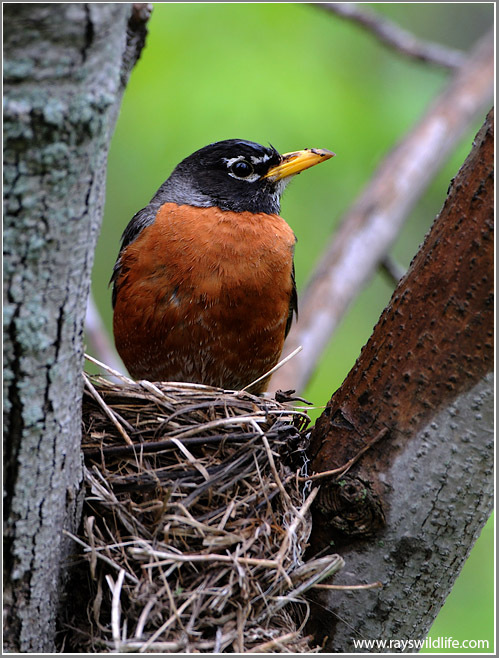
American Robin (Turdus migratorius) in nest by Ray

American Robin (Turdus migratorius) in nest by Ray

For example, during the summer one need have no hesitancy in calling the Robins of the lowlands of South Carolina the Southern Robin (Turdus migratorius achrusterus) but later, when the Northern Robins (Turdus migratorius migratorius) begin to appear, it would be difficult, if not impossible, to distinguish them in life from the resident birds.

If it were possible to impress the student, who proposes to name the bird in the bush, with the absolute necessity for careful, definite observation he would be saved many disappointing and discouraging experiences.

It is not possible to examine your bird too thoroughly. Never be satisfied with a superficial view and a general impression. Look at your bird, if you can, from several points of view; study its appearance in detail, its size, bill, crown, back, tail, wings, throat, breast, etc., and AT ONCE enter what you see in a note-book kept for that purpose. In this way, and this way alone, can you expect to compete with those who use the gun.

It does not follow, however, that because one does not collect specimens of birds one cannot study them scientifically. While the student may not be interested in the classification of birds purely from the standpoint of the systematist, he is strongly urged to acquaint himself with at least the arrangement of the Orders and Families of our birds and their leading structural characters.

To the student who desires to prepare himself for his work afield such a study may well come before he attempts to name the birds. But where the chief end in view is to learn a bird’s name, the more technical side of the subject may be deferred. In any event, it should not be neglected. This orderly arrangement of knowledge will not only be practical benefit in one’s future labors but it will bring with it that sense of satisfaction which accompanies the assurance that we know what we know.

Eastern Bluebird (Sialia sialis) by S Slayton

Eastern Bluebird (Sialia sialis) by S Slayton

As one learns to recognize bird after bird it is an admirable plan to classify systematically one’s list of bird acquaintances under their proper Orders and Families. These may be learned at once from the systematic table at the end of the book, where the numbers which precede each species are arranged serially, and hence systematically.

In some instances, as an aid to identification in the field, descriptions of birds’ notes have been included. It is not supposed that these descriptions will convey an adequate idea of a bird’s song to a person who has never heard it, but it is hoped that they may occasionally lead to the recognition of calls or songs when they are heard.

An adequate method of transcribing bird’s notes has as yet to be devised and the author realizes only too well how unsatisfactory the data here presented will appear to the student. It is hoped, however, that they may sometimes prove of assistance in naming birds in life.

As has been said before, the aim of this volume is to help students to learn the names of our birds in their haunts. But we should be doing scant justice to the possibilities of bird study if, even by silence, we should imply that they ended with the learning to know the bird. This is only the beginning of the quest which may bring us into close intimacy with the secrets of nature. The birds’ haunts and food, their seasons and times of coming and going; their songs and habits during courtship, their nest-building, egg-laying, incubating and care of their young, these and a hundred other subjects connected with their lives may claim our attention and by increasing our knowledge of bird-life, add to our love of birds.

***

The above is from the Color Key To North American Birds, 1912. Some of that information is going to be incorporated into various articles, especially the Birdwatching and Birds of the World sections.

*
Birdwatcher or Bird Collector?

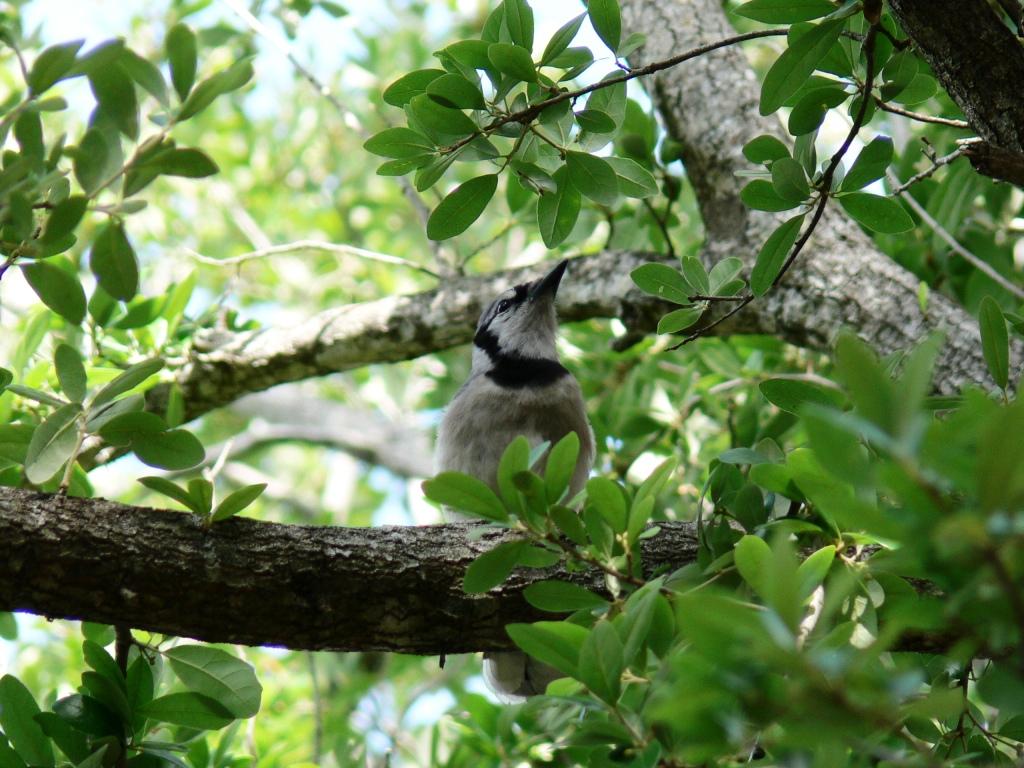
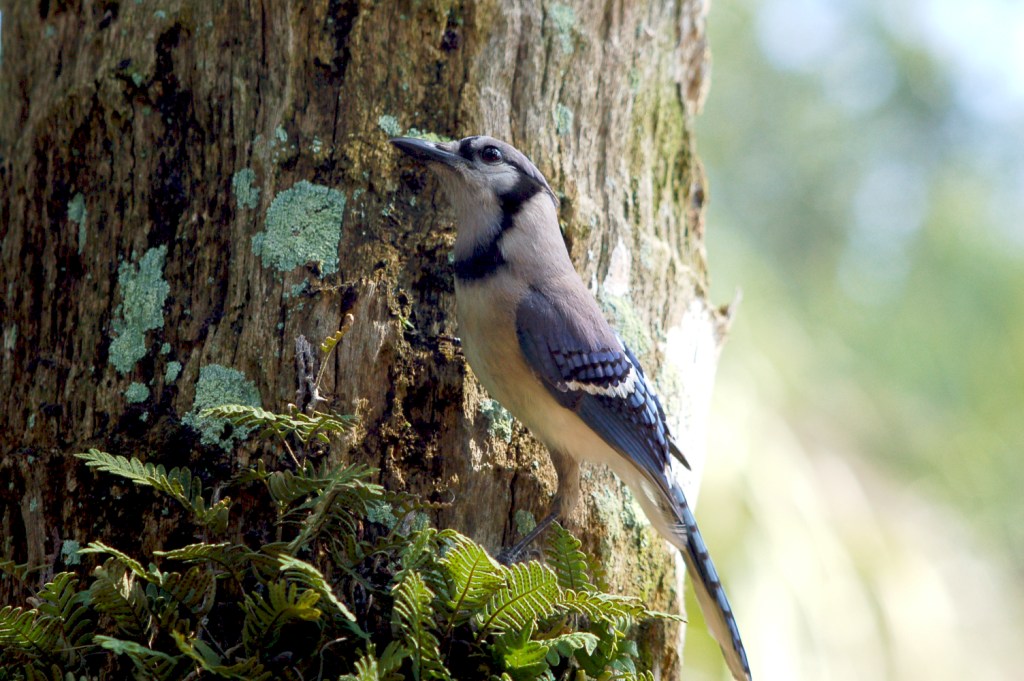
Blue Jay (Cyanocitta cristata) at Bok Tower By Dan'sPix

Blue Jay (Cyanocitta cristata) at Bok Tower By Dan’sPix

I just finished reading an article in the August 2012 issue of “BirdWatching” Magazine by Maeve Kim. It is called “Born-Again Bird-Watcher.” The title caught my interest since I am a “Born-again Christian.” The article, of course, had nothing to do with religion but was about watching birds.

She, Maeve, had progressed from being a birdwatcher that just loved to watch birds and make notes in a field notebook.

“My old field notebooks are full of exclamation points and underlinings and capital letters. “GREEN HERON at beaver pond! Glowing chestnut throat and neck! Gorgeous!”
I described everything I saw about a bird’s physical appearance, behavior, and song. Often, my notebook entries ended with questions that I hoped might be answered if I watched more birds.”

Progression went from lots of information to just a “checklist” were just seeing the bird and checking it off became the main goal. This is called a “Bird Getter” and not a bird watcher. Long interesting story short, Maeve has now gone back to “watching” the birds even common ones. It is a very good article.

Wood Duck male – Lake Morton 6-28-12 by Lee

As I have “progressed” in my own birdwatching I also have learned about “journals,” “notebooks” and “lists.” I enjoy seeing my “Life List of Birds” grow, but I try not to just want to “check them off” so the list will grow. As a Christian believing that the Lord created the birds, I enjoy watching them, their behaviors, their sounds, how they fly and eat and writing about them. I am amazed at His design and paintbrush used. How each bird was given just the right beak, feet, song, flight pattern, etc. is awesome.

She said, “True Bird-Watchers enjoy every single minute that they’re out birding. They don’t come home feeling cheated because they didn’t get a rare Dovekie. Instead, they celebrate every time they see a Black Guillemot’s (her common) red feet flashing under cold water.”

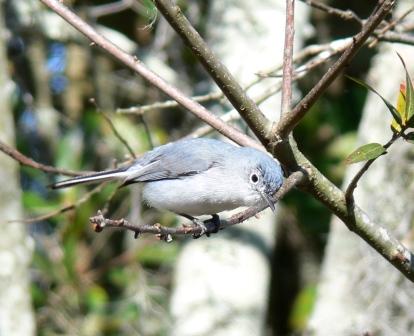
Blue-Gray Gnatcatcher at Circle B Reserve by Lee

Blue-Gray Gnatcatcher at Circle B Reserve by Lee

Every time we go to our local parks, I still enjoy watching the antics of our local common birds. May we never tire or grow weary of “only ” seeing a bird that we have seen many times before.

But now ask the beasts, and let them teach you; And the birds of the heavens, and let them tell you. “Who among all these does not know That the hand of the LORD has done this, (Job 12:7,9 NASB)

How can we learn from the birds if we don’t watch them?

See

Birdwatching

Birdwatching Tips

*

Start Birdwatching Today – Questions

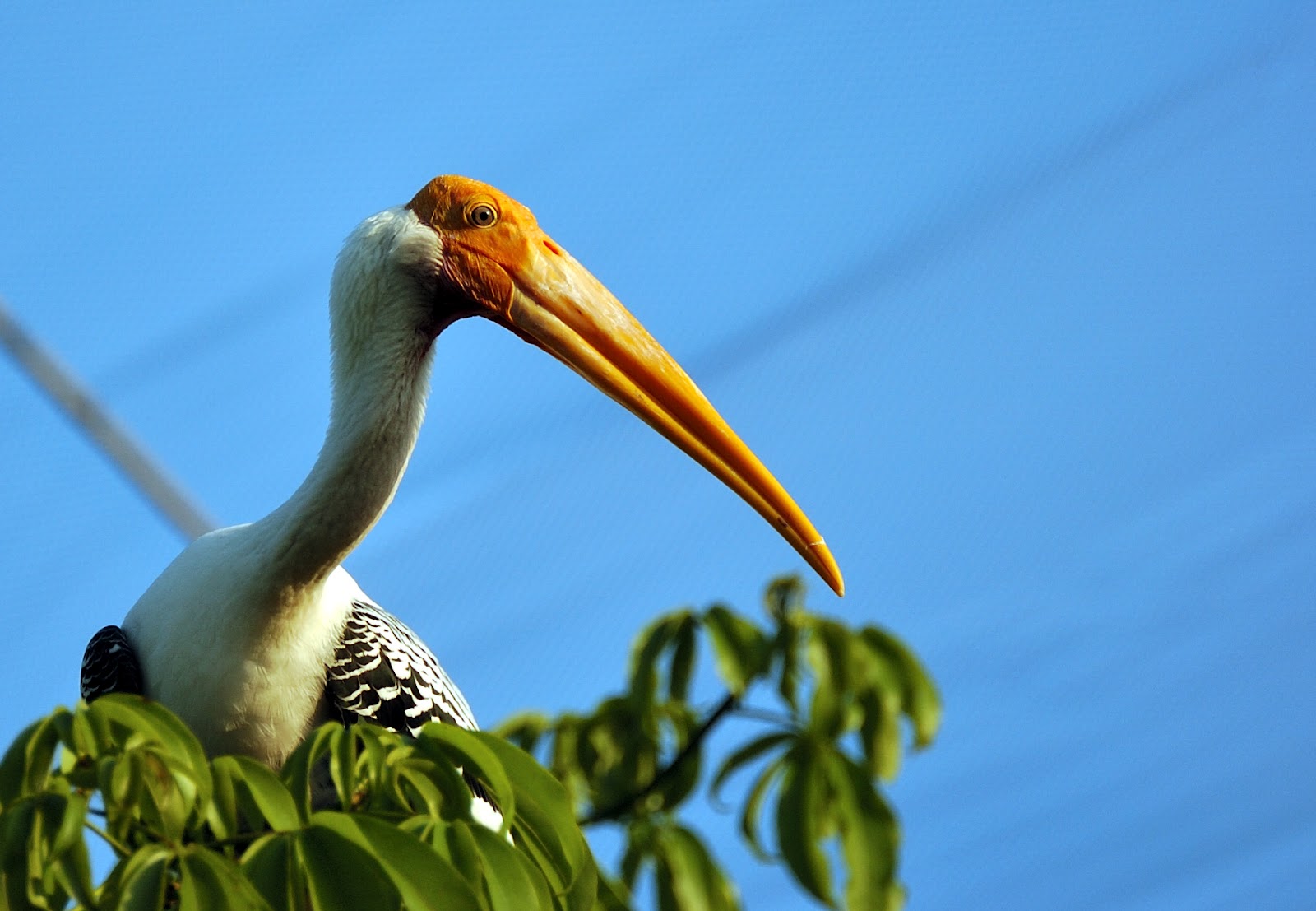
(Painted Stork by Dan’s Pix)

(Stephen, our Assistant to the Pastor, asked me to do this series about birdwatching. He came up with the titles and I have been writing the articles. Now he has given me these 13 questions to answer, so here goes.)

We hope that you have been enjoying Lee’s series, Start Birdwatching Today.  She has been attempting to show us that birding is something that anybody can do.  Whether you only look at the birds while you are driving or if you spend hours wandering through Circle B, you can enjoy the creativity of our great God.

As I have read through Lee’s posts I have had a few questions that have come to my mind.  I thought I would ask them to Lee through a post so that you all can read her answers.

  1. When did you first start birding?

    I think I always enjoyed critters, but when we lived in Tamarac, FL there was a small park nearby that had a lake, trail and a naturalist that gave bird talks. Living in the Fort Lauderdale area, there were lots of birds to view.

  2. Did anyone teach you how to go birding?

    The naturalist became my friend and also became my mentor. She taught me about birdwatching from a one on one basis.

  3. Do you run across people who see the diversity in the birds and still deny that an intelligent creator is behind it all? If so, what are their common arguments?

    Go to any birding club (Audubon) or a Birding Festival (Titusville) and you will hear all about natural selection and millions of years. You hear about how birds evolved from dinosaurs. Given enough time, they figure it all came about.

  4. What is your favorite bird? You can only pick one :)

    That’s hard! It used to be the Painted Bunting, and I suppose it still is, but now I have seen so many, I love them all.

  5. Share with us two things you have learned about God through birdwatching.

    The Lord has such Omniscience that I am amazed when I see how He has provided specific beaks, for instance, for each bird to be able to eat what it likes. How He has created their shapes to live in the environment they do, Penguins versus Hummingbirds. Every bird was so provided for by the Lord when they were being designed. God’s Love is so great to the birds and His care about them overwhelms me. If He knows when a sparrow falls, then He knows not only the number of hairs on my head, but every need, desire, problems, etc. and still Loves Me!

  6. Recently, Swans have been in the news. In Lakeland, someone has been stealing swan eggs from Lake Morton. Why are Swan eggs so valuable?

    I saw that article and had heard about it a few weeks earlier. Apparently there must be a trade for them somewhere. There are “poachers” all around the world that illegally take birds for collectors and some for their feathers or to eat. They just found out he took them to eat them.

    http://articles.orlandosentinel.com/2012-05-18/news/os-swan-eggs-stolen-scrambled-eaten-20120518_1_eggs-lakeland-report-states

  7. When I think of birding, I am often overwhelmed. I hear you talk about 185 species that have been seen at Circle B and of the thousands of species worldwide. I can name maybe 10 or 15 different species of birds. What would you say to someone who feels birding is too overwhelming?

    Who says you have to name all the birds? If you can name 3 and enjoy the rest, why worry? (Do you know every name of the folks that come here to church? Does that stop you from coming or cause you to be overwhelmed?)

  8. Tell us about the best birdwatching trip you have ever been on.

    Wow! They are all great, but as for in the wild, we won a birdwatching trip by Reinier Munguia (professional photographer) and he introduced us to Circle B (46 species seen), Lakes Morton (10 species) and Parker. He gave us birding tips and photography tips for Dan. We ended up feeding Florida Scrub Jays and Purple Gallinules at parks in Lakeland. We saw a total of 56 species that day.Best Zoo trip was to the National Aviary in Pittsburg, PA about 2 years ago. We were taken by staff all over the place and behind the scenes.

  9. How many different birds are on your life list?

    My official Life List has 234 species, but that does not count the birds that I have seen in Zoos, which you can’t count by some, but I still saw the birds. My Unofficial Life List is around 400. I have also seen many more birds that I could not name.

  10. Is there any other animal that you know of that has the wide variety and diversity of birds? Why do you think this is?

    I can’t think of any animals, maybe insects. I think birds are so varied because each one has a role to fill whether it is pollinating flowers by Hummingbirds and others, or picking bugs off of animals like an Oxpecker, or cleaning up garbage like Vultures and Buzzards. The list goes on and on. They can fly so they have spread around the world and they are obeying the Lord’s command to reproduce and fill the earth.

  11. What do you hope is the result of this series of posts?

    I hope that this series has motivated an interest and an awareness of the birds and that they will take opportunities to watch the Lord’s fantastically created birds. And maybe, we might have some more to go out birdwatching with us. I am not an expert, but I am willing to share what I have learned from others and Dan is willing to share photography tips.

  12. Do you ever take people along with you on your birdwatching trips and teach them the tricks of the trade?

    I have taken a few and am thinking that we need to plan a “Start Birding Today” trip soon. We could meet and start simple and go from there.

  13. How can someone contact you if they have questions about birding?

    Call us, number in church directory or e-mail me at Lee@leesbird.com.

Painted Bunting (Passerina ciris) ©WikiC

Painted Bunting (Passerina ciris) ©WikiC

*

That article will be on our church blog, The Fountain, soon. I have been putting the articles here about 1 week ahead. Not sure if there will be more articles. If Stephen comes up with more titles, or if someone here leaves an idea for an article, then there may be more. Leave a comment.

*

Start Birdwatching Today: Enjoy The Lord’s Paintbrush – U.S.

Wood Duck by Dan at Lake Hollingsworth

Wood Duck by Dan at Lake Hollingsworth

I trust you are enjoying our “Start Birdwatching Today!” series. We have been trying to motivate you to go out and observe the many birds around you.

Seeing as our subtitle is “Birdwatching from a Christian Perspective,” I want to do a few articles that you won’t see in most birding books. We believe that the world and all that its critters were created by the Lord and not evolved.

For thus says the Lord–Who created the heavens, God Himself, Who formed the earth and made it, Who established it and did not create it to be a worthless waste; He formed it to be inhabited–I am the Lord, and there is no one else. (Isaiah 45:18 AMP)
O LORD, how manifold are Your works! In wisdom You have made them all. The earth is full of Your possessions—
(Psalms 104:24 NKJV)
Have you not known? Have you not heard? The everlasting God, the LORD, The Creator of the ends of the earth, Neither faints nor is weary. His understanding is unsearchable. (Isaiah 40:28 NKJV)

While creating the birds, the Lord has used a fantastic array of colors and designs. I can imagine Him using a fine brush when some of my favorite birds here in America were being dressed for “His pleasure.”

Look at this Blue Jay, seen in most parts of our country or his cousins out west. Can’t you just imagine a painter or artist putting the colors and marks on him?

Blue Jay (Cyanocitta cristata) by Daves BirdingPix

Blue Jay (Cyanocitta cristata) by Daves BirdingPix

His cousin the Green Jay from down in the valley of Texas.

Green Jay (Cyanocorax luxuosus) by S Slayton

Green Jay (Cyanocorax luxuosus) by S Slayton

Or, how about a Painted Bunting that looks like He just took a little dab of this and a little dab of that?

Painted Bunting (Passerina ciris) ©©Flickr

Painted Bunting (Passerina ciris) ©©Flickr

The Northern Flicker

Northern Flicker (Colaptes auratus) Red-shafted ©WikiC

Northern Flicker (Colaptes auratus) Red-shafted ©WikiC

and its cousin the Acorn Woodpecker.

Acorn Woodpecker (Melanerpes formicivorus) (3) by Raymond Barlow

Acorn Woodpecker (Melanerpes formicivorus) (3) by Raymond Barlow

Tiny birds that have iridescent colors like our Hummingbirds just glisten when the light shines on them the right way. Our eastern Ruby-throated Hummingbird

Ruby-throated Hummingbird by Ray's Wildlife

Ruby-throated Hummingbird by Ray’s Wildlife

and the western Magnificent Hummingbird.

Magnificent Hummingbird (Eugenes fulgens) by Judd Patterson

Magnificent Hummingbird (Eugenes fulgens) by Judd Patterson

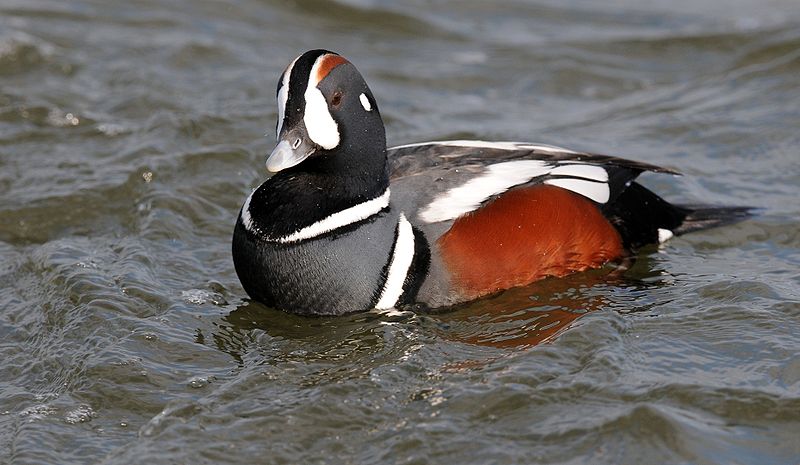
Do you see a designer and a painter at work? My favorite one of all is the Wood Duck at the top. Dan took that at Lake Morton in Lakeland. (It really is a live duck, not a painting.)  Those fine lines are just awesome to me. They actually have a cousin that hangs out more on the western side of America. It is the Harlequin Duck.

Harlequin Duck (Histrionicus histrionicus) ©WikiC

Harlequin Duck (Histrionicus histrionicus) ©WikiC

There are many more that could be shown, but if you”Start Birdwatching Today” they may just pass by for you to take a look. Then thank the Lord for His many blessings to us.

Oh, the depth of the riches both of the wisdom and knowledge of God! How unsearchable are His judgments and His ways past finding out! (Romans 11:33 NKJV)

See the whole “Start Birdwatching Today” series

*

Start Birdwatching Today: What is that Sound?

Birds are very vocal at times and they give us a great clue as to what bird it is. Eventually as you become better in your birdwatching adventures, it will help to learn some of their sounds and noises.

As you are observing birds that are singing or calling, you can learn to associate that sound to that bird. That is the beginning and it is almost automatic. When you hear a bird, but do not see it, then you will either recall one you have seen and be able to ID it, or you can start studying the sounds so the next time you can know what the unseen bird is.

There are several methods that birders use. Audio CDs and computer programs have Bird sounds along with photos of the bird to assist your learning.

The Internet has places like the WhatBird, All About Birds, Birding by Ear Basics,

Here is an interesting video about blind people birding by ear. Very interesting.

Here are some of the birds you may already know. These are local birds here, but also seen around other parts of the country. Also a very nice verse to remember while “birding by sound.” I used this verse when taking my General Amateur License test that was all Morse Code. It helped calm my heart even though it refers to the Lord hearing us, but it helped me to hear those dots and dashes. (Only 8 of 115 of us passed the test that day.)

LORD, thou hast heard the desire of the humble: thou wilt prepare their heart, thou wilt cause thine ear to hear: (Psalms 10:17 KJV)

All of these sounds are coming from the Xeno-canto.org website.

Blue Jay in tree at Hampton Pines

Blue Jay in tree at Hampton Pines

Blue Jay

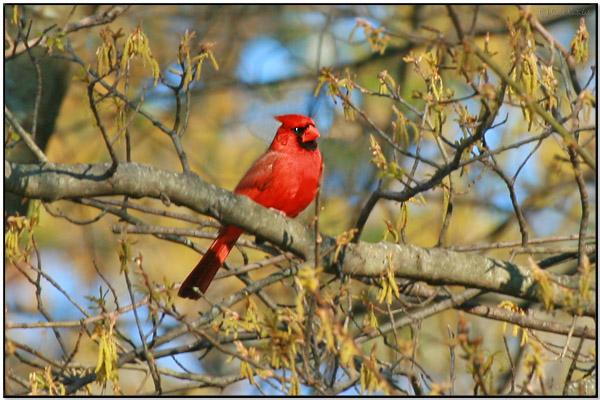
Northern Cardinal (Cardinalis cardinalis) by Daves BirdingPix

Northern Cardinal

Boat-tailed Grackle (Quiscalus major) at Lake Howard, Winter Haven, Florida By Dan’sPix

Boat-tailed Grackle

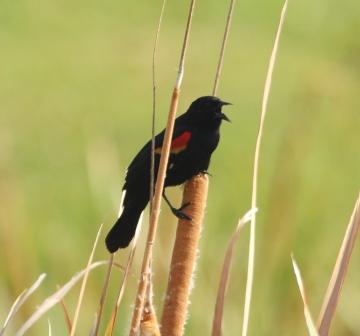
Red-winged Blackbird at Bok Sanctuary

Red-winged Blackbird at Bok Sanctuary

Red-winged Blackbird

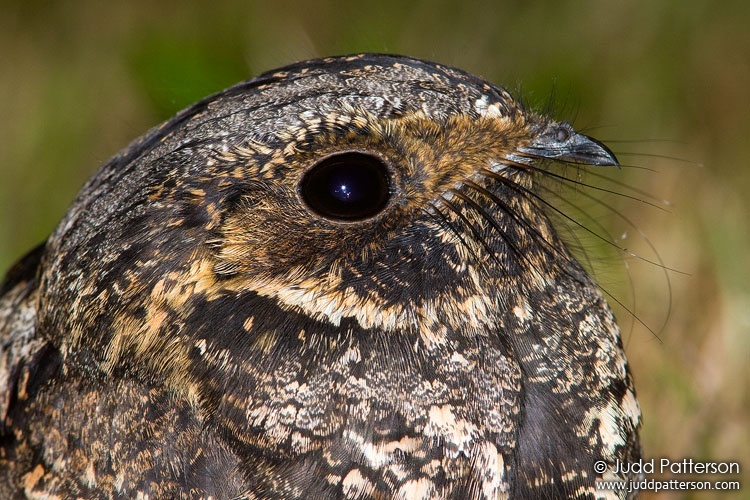
Whip-poor-will (Caprimulgus vociferus) by BirdsInFocus

Whip-poor-will (Caprimulgus vociferus) by BirdsInFocus

Eastern Whip-poor-will

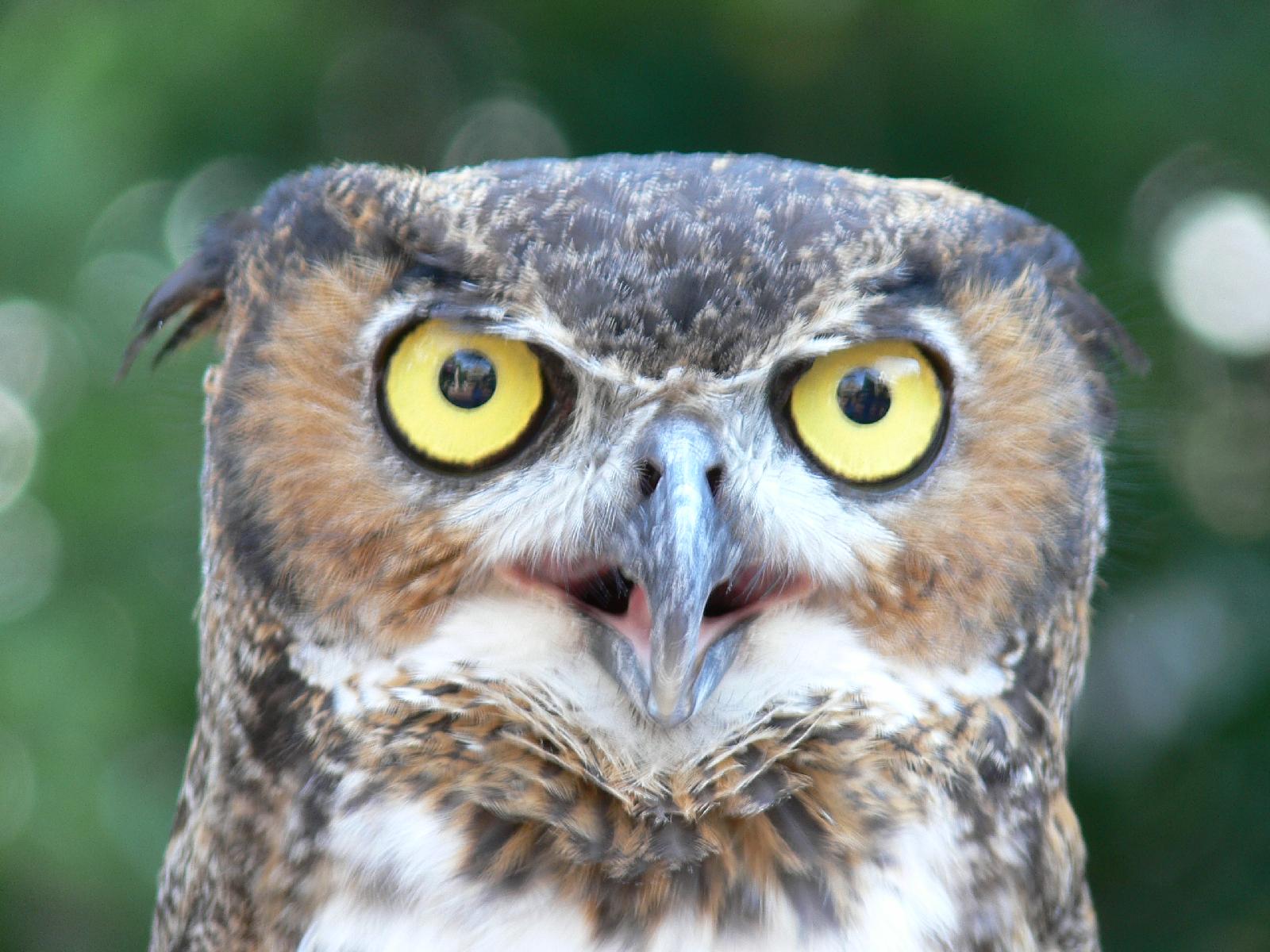
Great Horned Owl – Lowry Pk Zoo by Lee

Great Horned Owl

How many did you all ready know?

Some like to put words to their sounds like these from Birding By Ear — Bird Song Identification

Listen here to a few bird songs and calls that have good mnemonic phrases:
Eastern Towhee — “Drink your tea-ea-ea”
Whip-poor-will — The name says it all.
Black-capped chickadee — Some music and talk first, then the “Chick-a-dee-dee-dee”
White throated sparrow — “Poor Sam Peabody, Peabody, Peabody”
Black-throated green warbler — “Zee zee zee zoo zee”
Barred Owl — “Who cooks for you, who cooks for you all”

Links:
WhatBird
All About Birds
Birding by Ear Basics
*

Start Birdwatching Today Series

*

Start Birdwatching Today: When Should I Go?

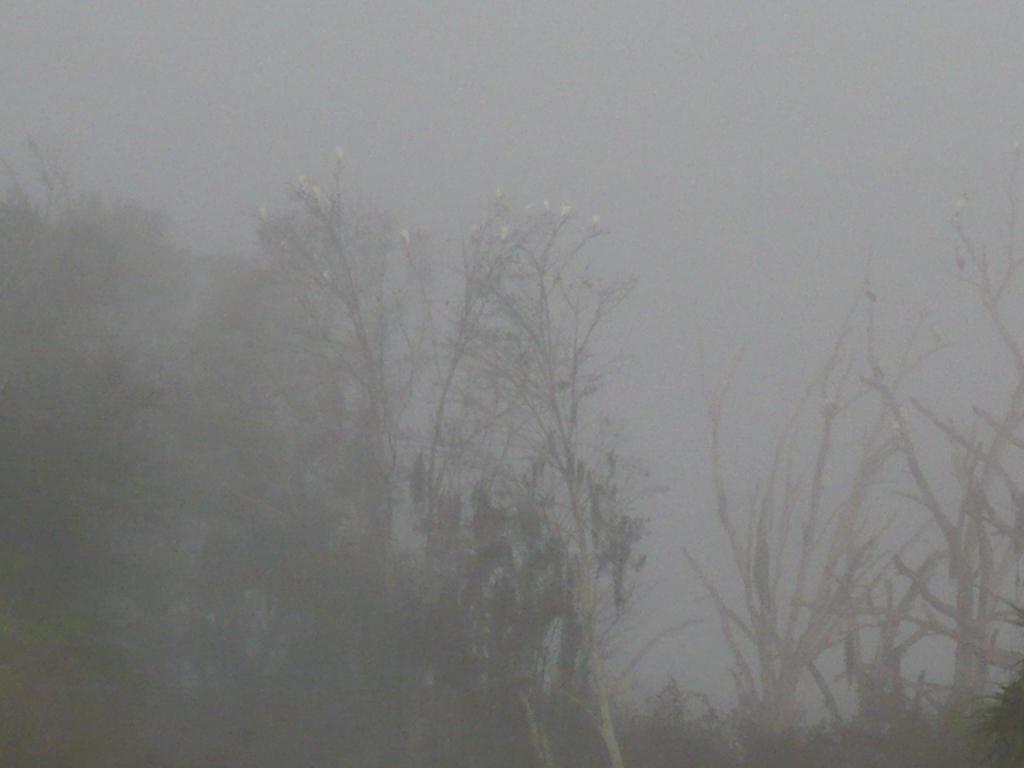
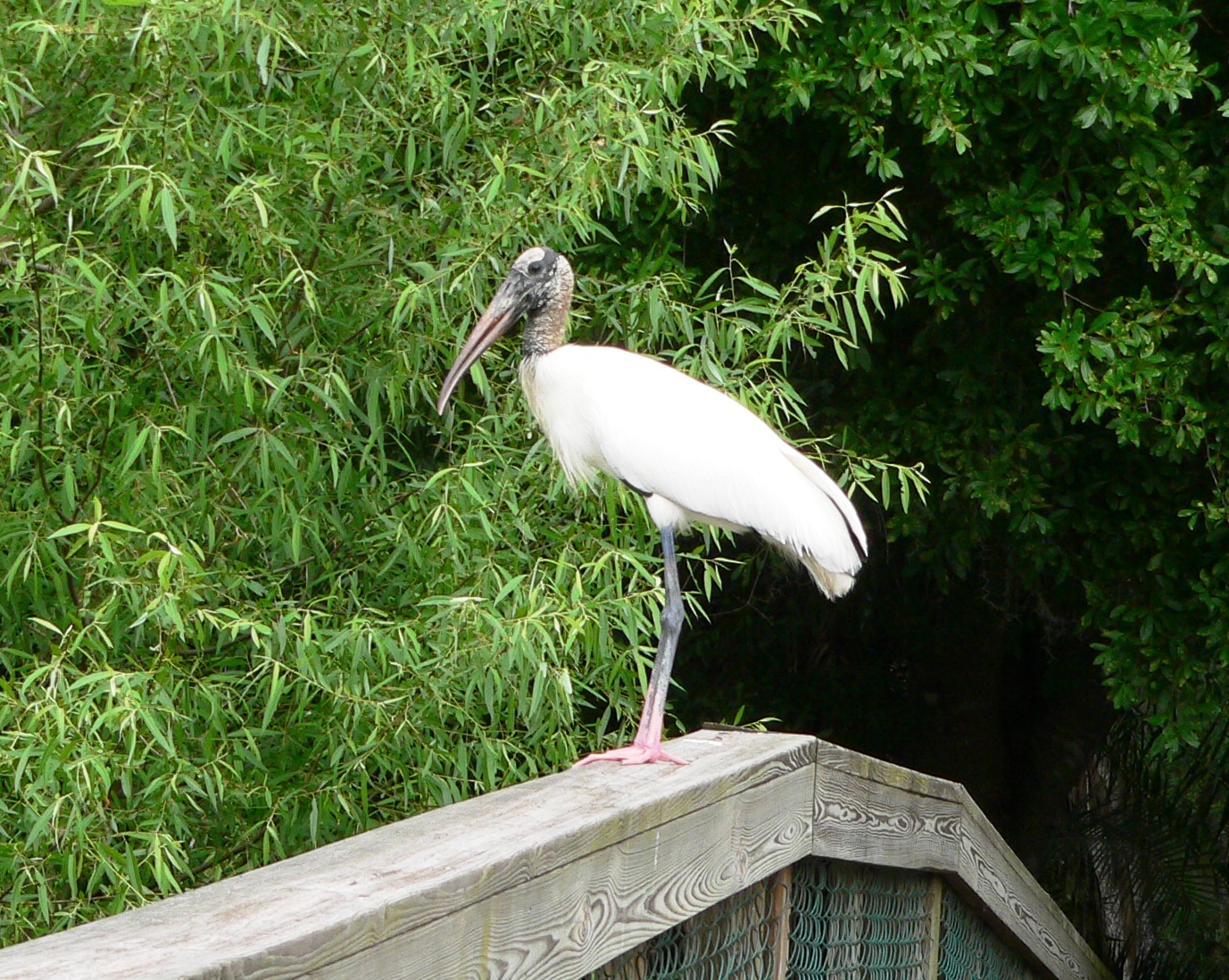
Wood Storks in Trees in Fog at Circle B

Wood Storks in Trees in Fog at Circle B

Start Birdwatching Today: When Should I Go?

You can go birdwatching anytime, but you may or may not find many birds. There are benefits of finding out when the birds you are looking for is out and about. In the beginning stages of birding, you just want to find birds, right?

The flowers appear on the earth; The time of singing has come, And the voice of the turtledove Is heard in our land. (Song of Solomon 2:12 NKJV)

To start, most birds are active in the morning. Many around sunrise are getting up and are hungry from resting all night. Just like us, they need some “breakfast.” They start stretching, singing, searching for a meal. Give or take around 11:00 am they are resting or starting to settle down for most of the afternoon. Then around 3 or 4, depending on the time of the year, they start looking for a snack or meal before they again settle in for the night.

If you have feeders in your yard, the same is true. The morning and for a few hours before dark will be your most active times to see the birds.

Birds that roost together as a flock start heading to their night-time hangout. For instance, locally at Circle B Bar Reserve, the Herons, Egrets, Wood Storks, Ibises and White Pelicans (during winter) come back in to rest for the night. One of my neatest experiences was when the White Pelicans started arriving at Circle B around 4:45 pm for the night. (Ignore my crazy talk, I was just flabbergasted!)

*

*

If you like to see Owls, Nighthawks, Whip-poor-wills, and the other night birds, then, they are quiet in the daytime, but come out to “hoot” and “holler” right around dark and throughout the night. They start settling down around dawn.

Weather is a big factor also in when to go. Fog makes it hard. Windy days will cause the many birds to stay low. It is as if they are “grounded.” Rain of course makes it rough on you to go out and watch and they are seeking shelter which can make them harder to observe. They are out there and they still get hungry. Also, down here in the winter, we get lots of visiting birds and that is a good time of the year to watch our feathered friends.

Mom and Baby at Lake Hollingsworth

Mom and Baby at Lake Hollingsworth

“Many birdwatchers occupy themselves with observing local species (birding in their “local patch”, but may also make specific trips to observe birds in other locales. The most active times of the year for birding in temperate zones are during the spring or fall migrations when the greatest variety of birds may be seen. On these occasions, large numbers of birds travel north or south to wintering or nesting locations. Early mornings are typically better as the birds are more active and vocal making them easier to spot.

Weather plays an important role in the occurrence of rare birds. In Britain, suitable wind conditions may lead to drift migration, and an influx of birds from the east. In North America, birds caught in the tail-end of a hurricane may be blown inland.” (Wikipedia)

This is not an in-depth study, just some of my tips to get you started in your birdwatching adventure. Trust you are enjoying our series, Start Birdwatching Today.

*

Links:


Best time of day to watch birds ? – Bird Forum

Bird Watching Tips – All About Birds


*

Start Birdwatching Today: The Few Tools You Need To Be A Birdwatcher

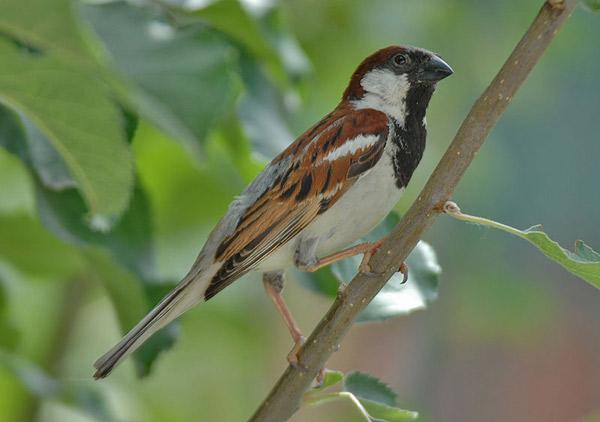
House Sparrow (Passer domesticus) by Nikhil

Surprisingly when I put “open” and “eye” into my Bible search with e-Sword to find a verse for this article, I found 49 verses that had both words. The reason for a verse with your eyes being open, is that is your first tool you need as a birdwatcher when you go birding is your eyes. Here are a few examples:

  • Gen_21:19  And God opened her eyes, and she saw a well of water; …
  • Num_22:31  Then the LORD opened the eyes of Balaam, and he saw the angel of the LORD standing in the way…
  • 2Kiing_6:17 And Elisha prayed, and said, LORD, I pray thee, open his eyes, that he may see. And the LORD opened the eyes of the young man; and he saw: and, behold, the mountain was full of horses and chariots of fire round about Elisha.
  • 2King_6:20 … that Elisha said, LORD, open the eyes of these men, that they may see. And the LORD opened their eyes, and they saw; and, behold,
  • Psa_119:18 Open thou mine eyes, that I may behold wondrous things out of thy law.
  • Mat_20:33 They say unto him, Lord, that our eyes may be opened.

I know these verses do not apply to birding or birdwatching, but I think they reveal some truths that do apply. The LORD or God opened their eyes. Would it be wrong for us to ask the Lord to open our eyes to see His marvelous creation, especially the birds. Once their eyes were opened, they saw different things. We are going to see different birds on different outings.

Also, Christ said in the Sermon on the Mount: “Look at the birds of the air:…” (Matthew 6:26 ESV)

The second “tool” that is very useful is your ears. Some people cannot see because of blindness or poor sight, but does that keep them from birding? No!  Fanny Crosby was blinded early in life, but in my opinion, she was a fantastic birder. She may not have seen, but she “heard” the birds. When I first started my research for Birds in Hymns, of the first 44 hymns I found 10 were written by Fanny Crosby! Here are two examples:

  • “Happy am I, the bird is singing” – Tried and True
  • “And the bird in the greenwood is singing with glee” – Praise the Giver of All

Listening to the sounds around you can reveal hidden treasures. Birds sing, call, alert other birds of danger, make sounds with their wings, etc. Having our ears open to their sounds can help locate them. After awhile, with a little practice, you will recognize birds just by their calls and songs. Even if you never see the bird, the avian friend can be counted on your “life list,” but that is another article.

The first two tools, Eyes and Ears, could be summarized as “Awareness.” If you are not aware of the birds, you will miss finding them. Basically, those two tools are all you need.

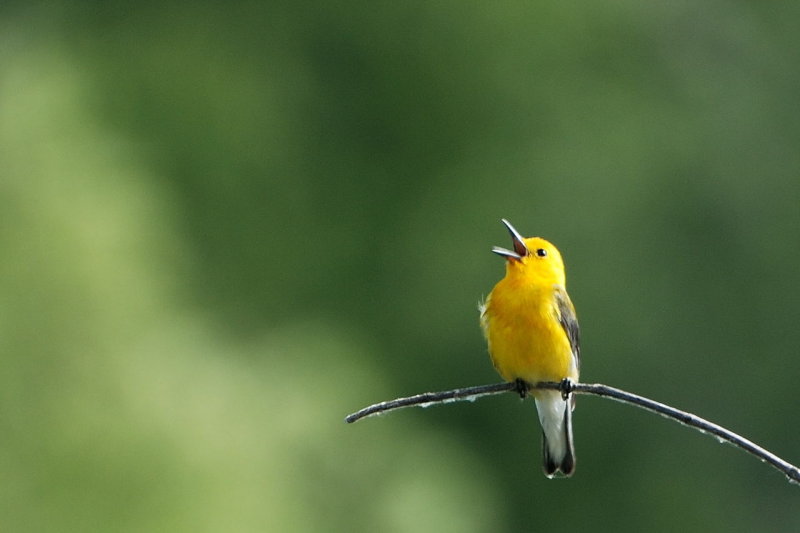
Prothonotary Warbler (Protonotaria citrea) Neal Addy Gallery

Prothonotary Warbler (Protonotaria citrea) Neal Addy Gallery

Third: To find the birds and see them closer, a pair of binoculars are very useful. It is not required, but I use mine most of the time to observe better details that help me identify the birds. There are lots of articles in books and on the internet about which pair to buy, what strength they should be, how much to pay, etc.

So what should you buy? Every birdwatcher will give you different thoughts, but here is what I have. I use a 8 X 42 lens. “The first number is the power of magnification of the binocular. With an 8×42 binocular, the object being viewed appears to be eight times closer than you would see it with the unaided eye.” “The second number in the formula (8×42) is the diameter of the objective front lens. The larger the objective lens, the more light that enters the binocular and the brighter the image.” (Bushnell) There are things like the kind of lens, coating, field of view, etc. that you can get from their site and others.

My only other advise is not to buy a 10X or larger because it is harder to hold the image steady, at least for birdwatching.

The fourth “tool” would be a small notebook to keep a list of the birds you see. Even if you don’t know what they are at first you can still make notes of what they looked like, colors, sounds, beak shape, feet, wings, time and date, and other notes about your observing the bird. Later, that will help to identify the bird. More on “Lists” in another article.

The last main tool would be a Bird Guide to find out which bird you just saw. (Again, another article) You can use the internet to assist in that also, like What Bird.

There are other tools that are useful, but when you first Start Birdwatching Today, they are not a necessity, but in time, they also become very useful. Here are a few:

  • Camera – helps with ID
  • Spotting Scope – great for birds far away
  • Audio Tapes of Birds – to learn their songs
  • Handheld Electronic Devices – helps ID in the field

We are trying to keep this series simple, at least at first, so that you realize that you can “Start Birdwatching TODAY”

*

The Series – Start Birdwatching Today

Informative Links:

*

Start Birdwatching Today: Why Should I Go Outside and Stare at Birds?

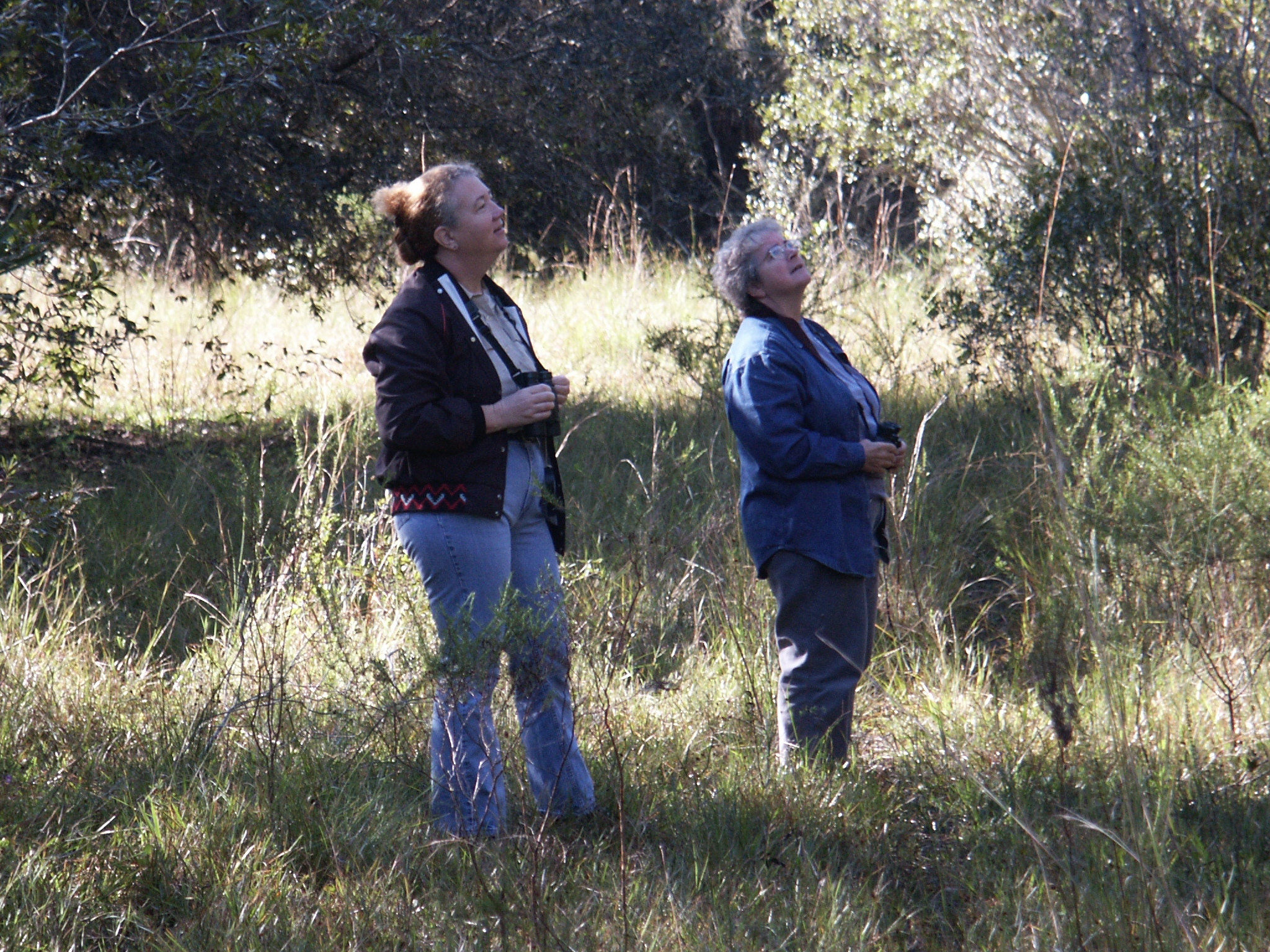
Marian (Naturalist at Avon Park Range) and Lee

Marian (Naturalist at Avon Park Range) and Lee

I almost cracked up when I read the title Stephen gave me for this blog. He gave me the suggested titles and I am suppose to write the articles. Some deal! We would like this series to be informative, but mainly to encourage all of us to “start birdwatching today” no matter our level of experience.

So, why should you go outside? Mainly, because that is where most of the birds are. Yes, there are some in cages in peoples house, but the majority are outside flying freely about waiting for you to come watch them. The birds are busy doing what the Lord designed them to do; singing, building nests, eating, finding food for their young, arguing sometimes (especially those in the Dove-Pigeon family), Why do they argue? They are actually showing dominance or defending their territory, or who knows what else. If you are not outside, you might miss all this. You can watch through your window, so even those who are ill or handicapped, can still get to enjoy the antics of our avian friends.

According to Job, you might even learn something from watching the birds:

But now ask the beasts, and they will teach you; And the birds of the air, and they will tell you; (Job 12:7 NKJV)

Who teaches us more than the beasts of the earth, And makes us wiser than the birds of heaven? (Job 35:11 NKJV)

Wood Stork at S. Lake Howard Nature Park

Wood Stork at S. Lake Howard Nature Park

Stare at the birds? If you do that to a person, they get upset, but I am not sure a bird would, but then again they just might. One of the things I was taught when I first became interested in birding or birdwatching was to have “soft eyes.” If you stare at a tree or a certain area, you might see a bird. If you look at a tree, but not stare, then you can catch movement or activity in that tree that you might miss if you are only staring at one spot.

Are there times to stare? When I am really concentrating on a bird that I have already spotted, then, yes, I will stare as I try to observe details about the bird. But we will save those details for another blog.

Enough for this article. So either slide your chair or wheelchair up to the window, or go outside and stare at the birds, after you find one.

See series in Birdwatching section.

#3 *

Start Birdwatching Today: Some Background Information

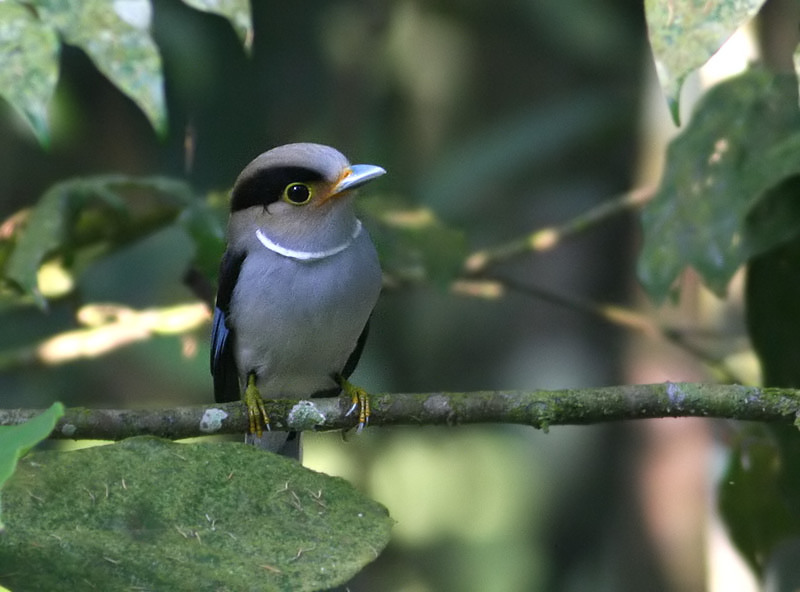
Silver-breasted Broadbill (Serilophus lunatus) by Peter Ericsson

Silver-breasted Broadbill (Serilophus lunatus) by Peter Ericsson

We know from Genesis 1 that the God created the birds, along with everything else. They were created on the fifth day. When Adam became conscience, the birds and critters were already present for him to discover and enjoy.

Then God said, “Let the waters abound with an abundance of living creatures, and let birds fly above the earth across the face of the firmament of the heavens.” So God created great sea creatures and every living thing that moves, with which the waters abounded, according to their kind, and every winged bird according to its kind. And God saw that it was good. And God blessed them, saying, “Be fruitful and multiply, and fill the waters in the seas, and let birds multiply on the earth.” So the evening and the morning were the fifth day. (Genesis 1:20-23 NKJV)

Then the LORD God brought the birds to Adam to let him give them a name.

Out of the ground the LORD God formed every beast of the field and every bird of the air, and brought them to Adam to see what he would call them. And whatever Adam called each living creature, that was its name. (Genesis 2:19 NKJV)

Psalm 111 reminds us that the things that were created are great and are to be “sought out” and enjoyed.

The works of the LORD are great, sought out of all them that have pleasure therein. His work is honourable and glorious: and his righteousness endureth for ever. He hath made his wonderful works to be remembered: the LORD is gracious and full of compassion. (Psalms 111:2-4 KJV)

Fast forward to today. If Adam was to enjoy the birds and put names on them, should we not try to discover them, enjoy them, and try to figure out what their names are?

Galah (Eolophus roseicapilla) and Dan

Galah (Eolophus roseicapilla) and Dan at Brevard Zoo

The birds are all around us, in the sky flying or gliding on the wind (currents), on the power lines, on feeders, on bushes, in trees, or singing or calling in the distant. (Sometimes they are even on cameras.)

Start birdwatching today for pleasure and realize the goodness of the Lord to us.

See series in Birdwatching section.

*

Start Birdwatching Today – A New Series (Intro)

Northern Cardinal (Cardinalis cardinalis) - WikiC

Northern Cardinal (Cardinalis cardinalis) - WikiC

Our Assistant to the Pastor, Stephen, has asked if I would consider another series for our Church’s Blog, the Fountain. Thanks to Stephen and his assistance in getting the first “Birds of the Bible” series started, those articles and this resulting blog have grown beyond what was ever imagined. Now, we are beginning another new series.

Some of his first suggestions were like, “Birdwatching for Dummies” and I assured him that that book had already been written. The Complete Idiot’s Guide to Birdwatching has also been written. Between the two of us, we just want to encourage you to start birding today.

Okay, so I am suppose to start “birdwatching,” what is it?

“Birding”, “Birdwatching”, “Bird Watching”, “Looking at or for birds”, “Enjoying seeing birds” or whatever you want to call it, are basically the same. It amounts to watching the many wonderful birds that the Lord has created. If you observe only one bird, you are still “birding.”

The flowers appear on the earth; the time of the singing of birds is come, and the voice of the turtle is heard in our land; (Song of Solomon 2:12 KJV)

Cattle Egrets and Juvenile White Ibis at S Lake Howard

Cattle Egrets and Juvenile White Ibis at S Lake Howard

So watch for future titles like:

  • Start Birdwatching Today: Some Background Information
  • Start Birdwatching Today: Why Should I Go Outside and Stare at Birds?
  • Start Birdwatching Today: The Few Tools You Need To Be A Birdwatcher
  • Start Birdwatching Today: Where Do I Go?
  • Start Birdwatching Today: What Kind of Bird is This?
  • Start Birdwatching Today: When Should I Go?
  • Start Birdwatching Today: What is that Sound?

See the series in the Birdwatching section.

Start Birdwatching Today!

*

Birdwatching Without Going Birdwatching

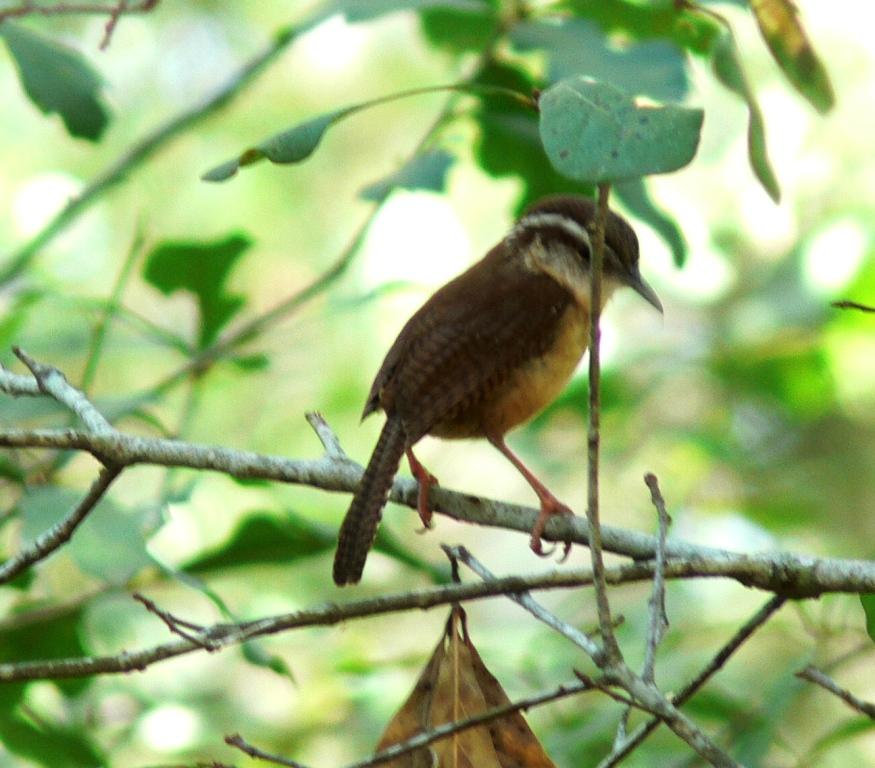
Carolina Wren (Thryothorus ludovicianus) by Dan

Carolina Wren (Thryothorus ludovicianus) by Dan

Beside them the birds of the heavens dwell; they sing among the branches…. O LORD, how manifold are your works! In wisdom have you made them all; the earth is full of your creatures. (Psalms 104:12, 24 ESV)

It has been hard to find the time lately to go out on a birdwatching trip, but we have been seeing quite a few birds. Do you ever have times like that? Unfortunately, those are the times when you see some interesting bird, but you are not prepared to take a photo or have a notepad at hand. That has been the case with us recently. Though a true bird watcher is always on the lookout for avian friends to view.

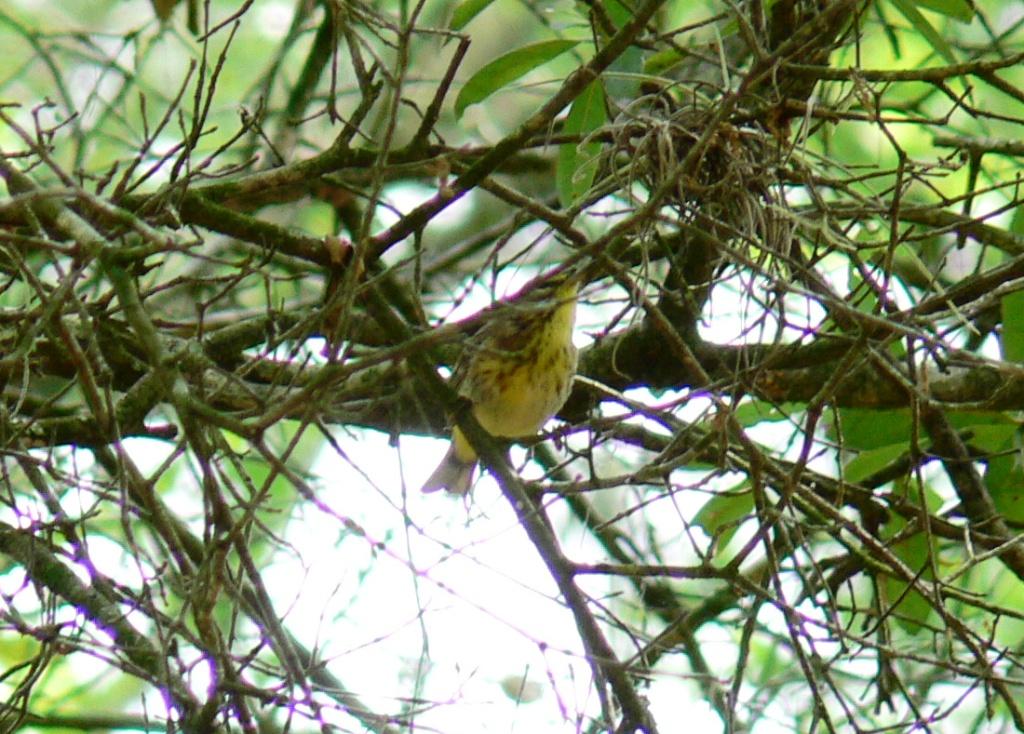
Unknown Warbler by Lee

Unknown Warbler by Lee

We’ve had company, my sister and her husband, a short family reunion out of town, and a trip to South Carolina, and on and on. By the time we get a chance to go out with cameras in hand, all of our birds will have flown back north for the summer. Oh, well! Those of you who live north of us will be glad to see their feathered friends arrive and start their nesting season. Take good care of them and send them back to us in the fall.

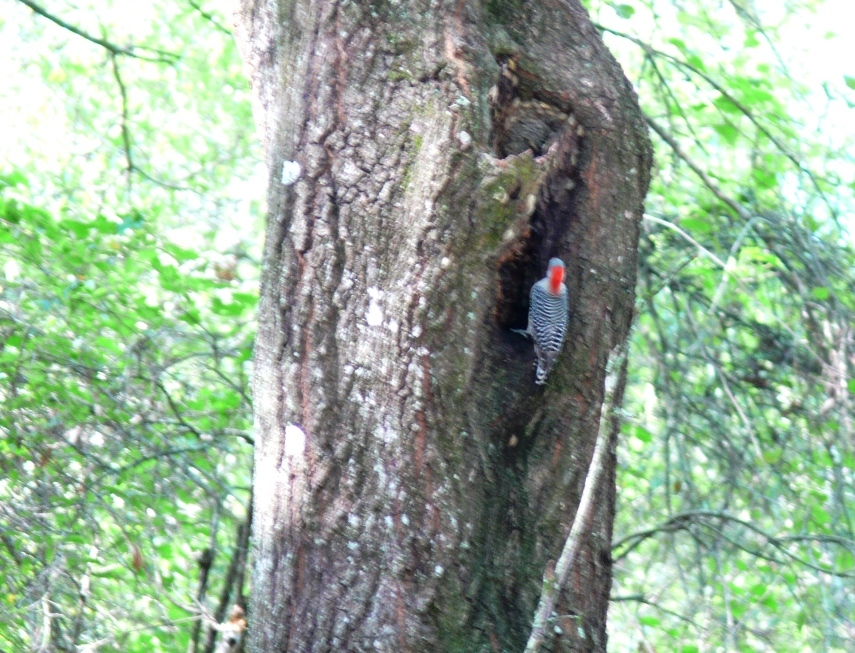
We have seen some birds we don’t normally see here near the house. At my brothers, near Webster, FL, we either heard or saw Pileated Woodpeckers and Red-bellied Woodpeckers, Blue Jays, Carolina Wren, Tufted Titmice, Mourning Dove, American Crow, and an unknown to me warbler. We watched the Red-bellied coming in an out of a nest. Did have a camera, but not the normal one. Not the best photo. At my feeder, I spotted a House Finch that was an orange variant. In our neighborhood recently I spotted a Pileated Woodpecker, Lesser Yellowlegs, and a baby Sandhill Crane with its parents.

Red-bellied Woodpecker (Melanerpes carolinus) by Lee

Red-bellied Woodpecker (Melanerpes carolinus) by Lee

Being at my brother’s house, which is in a very wooded area, helped me realize that I need more practice hearing and identifying birds by their sounds. It was hard to spot most of them, but they were there singing and calling, but my lack of practice, made it hard to put names on them. There are many good programs and websites that can help teach the sounds.

All of this was said to encourage you to stay alert to what is around you. Planned or unplanned, birdwatching is always interesting and many times surprises comes in to view or a sound comes into your ear.

The I.O.C Version 2.8 of the World Bird List is out and the Birds of the World is being updated.

P.S. If you know what that bird is, please leave a comment.

*

Ian’s Bird of the Week – Anna’s Hummingbird

Anna's Hummingbird (Calypte anna) by Ian

Anna's Hummingbird (Calypte anna) by Ian

Ian’s Bird of the Week – Anna’s Hummingbird ~ by Ian Montgomery

Newsletter – 09-01-10

As promised last week, here is Anna’s Hummingbird, the common Hummingbird of gardens and parks along the West coast of the United States. Many houses, including the one I am in, have hummingbird feeders to attract these delightful birds.

Anna's Hummingbird (Calypte anna) by Ian

Anna's Hummingbird (Calypte anna) by Ian

They can be quite inconspicuous, despite the striking colours of the male birds. They alternate between hovering and sudden bursts of very rapid flight which makes them appear and disappear with equal facility. The feathers have, in effect, lots of minute mirrors on them and the bright colour is only visible at exactly the right angle to the light. Otherwise, they look quite dark, dare I say drab, like the male in the first photo hovering at the feeder. The second and third photos, also males, show the claret-coloured head and breast quite well, even though the birds are perched in the shade. Young birds and females are mainly green and grey, though adult females have a small red patch on the throat.

At 12.5cm/4in in length Anna’s is quite large by hummingbird standards. Most of the North American hummingbirds are migrants and spend the winters in Mexico and/or Central America, but Anna’s is an exception and is resident in coastal areas of the western states. They are quite aggressive and males chase other males away from feeders. They also seem quite curious and will check you out by hovering quite closely.

Anna's Hummingbird (Calypte anna) by Ian

Anna's Hummingbird (Calypte anna) by Ian

Hummingbirds occur only in the Americas and there are more than 300 species. 27 of these, mostly photographed in Ecuador and Trinidad, are on the website: http://www.birdway.com.au/trochilidae/index.htm .

I went on a successful pelagic boat trip out of Monterey last Sunday, so next week’s bird will feature a wanderer that is also on the Australian list that I haven’t seen before. Sometimes, you have to travel quite far to track down local birds!

Best wishes,
Ian


Ian Montgomery, Birdway Pty Ltd,
454 Forestry Road, Bluewater, Qld 4818
Phone: +61-7 4751 3115
Preferred Email: ian@birdway.com.au
Website: http://birdway.com.au


Lee’s Addition:

I am glad Ian is getting to see the Hummingbirds up close here. Sure he is as thrilled to see them as we would be watching some of those beautiful birds that they have only in Australia. Welcome to America, Ian.

Where we live, there are very few hummers even in the winter. Other area of the state get some, but not this area. The description of the reflection the hummingbird gives when facing the light reminds me of several verses.

Make thy face to shine upon thy servant: save me for thy mercies’ sake. (Psalms 31:16 KJV)

Make thy face to shine upon thy servant; and teach me thy statutes. (Psalms 119:135 KJV)

And they that be wise shall shine as the brightness of the firmament; and they that turn many to righteousness as the stars for ever and ever. (Daniel 12:3 KJV)

Check out his Trochilidae Family pages and also the Trochilidae – Hummingbird Family page here.

*