Birds in Christmas Hymns – Christmas Brings Joy To Every Heart

Long-tailed Broadbill (Psarisomus dalhousiae) babies ©©coracii

Long-tailed Broadbill (Psarisomus dalhousiae) babies ©©coracii

Rejoice in the Lord always. Again I will say, rejoice! (Philippians 4:4 NKJV)

Birds in Christmas Hymns

Birds in Christmas Hymns

Words by Bern­hardt S. In­ge­mann (1789-1862), 1840 (Julen har bragt velsignet bud); trans­lat­ed from Dan­ish to Eng­lish by Ce­cil Cow­drey.

Music: Christ­mas Brings Joy, Christ­oph E. Weyse (1774-1842), 1841

Christmas Brings Joy To Every Heart

Christmas brings joy to every heart,
Sets old and young rejoicing,
What angels sang once to all on earth,
Oh, hear the children voicing.
Bright is the tree with lights aglow,
Like birds that perch together,
The child that holdeth Christmas dear
Shall keep these joys forever.

Joy comes to the all the world today,
To halls and cottage hasting,
Come, sparrow and dove, from roof tree tall,
And share our Christmas feasting.
Dance, little child, on mother’s knee,
The lovely day is dawning,
The road to paradise is found
The blessèd Christmas morning.

Once to this earth our Savior came,
An infant poor and lowly,
To open for us those gardens fair
Where dwell His angels holy.
Christmas joy He bringeth us,
The Christ child King of heaven,
“To every little child,” He saith,
“Shall angel wings be given.”

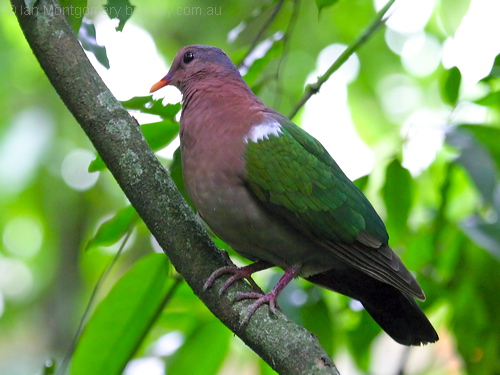
Emerald Dove by Birdway

Most information from The Cyber Hymnal

See ~ Christmas Gospel Presentation

More ~ Birds in Hymns

*

Birds In Christmas Hymns – The Worcester Christmas Carol

White-browed Conebill (Conirostrum ferrugineiventre) ©WikiC

White-browed Conebill (Conirostrum ferrugineiventre) ©WikiC

Glory to God in the highest, and on earth peace, good will toward men. (Luke 2:14 KJV)

Words & Music by Will­iam H. Ha­ver­gal (1793-1870), alt.

Birds in Christmas Hymns

Birds in Christmas Hymns

The Worcester Christmas Carol

How grand and how bright
That wonderful night,
When angels to Bethlehem came!
They burst forth like fires,
They struck their gold lyres,
And mingled their song with the flame.

The shepherds were mazed,
The pretty lambs gazed
At darkness thus turned into light:
No voice was there heard
From man, beast or bird,
So sudden and solemn the sight.

And then, when the sound reechoed around,
The hills and the dales all awoke:
The moon and the stars
Stopped their fiery cars,
And listened while Gabriel spoke:

I bring you, said he,
From the glorious Three,
Good tidings to gladden mankind;
The Savior is born,
But He lies forlorn
In a manger, as soon you will find.

At mention of this,
(The source of all bliss,)
The angels sang loudly and long;
The soared to the sky,
Beyond mortal eye,
But left us the words of their song:

All glory to God,
Who laid by His rod,
To smile on the world through His Son:
And peace be on earth,
For this wonderful birth
Wonderful conquests has won;

And good will to man,
Though his life’s a span,
And his thoughts so evil and wrong;
Then pray, Christians, pray;
But let Christmas day
Have your sweetest and holiest song.

Here are Ha­ver­gal’s orig­in­al lyr­ics for stan­zas where, due to ir­re­gu­lar­i­ties in me­ter, they do not ful­ly fit the mu­sic:

I bring you, said he,
From the glorious Three,
Good tidings to gladden mankind;
The Savior is born,
But He lies all forlorn
In a manger, as soon you will find.

All glory to God,
Who laid by His rod,
To smile on the world through His Son:
And peace be on earth,
For this wonderful birth
Most wonderful conquests has won;

And good will to man,
Though his life’s but a span,
And his thoughts so evil and wrong;
Then pray, Christians, pray;
But let Christmas day
Have your sweetest and holiest song.

Scarlet Tanager (Piranga olivacea) by Kent Nickell

Scarlet Tanager (Piranga olivacea) by Kent Nickell

Will­iam H. Ha­ver­gal (1793-1870) – The epitaph on Havergal’s white mar­ble tomb reads:

The Rev. William Henry Havergal, M.S.,
Vi­car of Shareshill and Hon. Canon of Worcester Ca­thed­ral.
Died at Leam­ing­ton, 19th Ap­ril 1870, aged 77.
Cur­ate 7, and Rec­tor 13 years, of this par­ish, 1822 to 1843.
A faith­ful min­is­ter in the Lord (Eph. Vi. 21).

Havergal was ed­u­cat­ed at Mer­chant Tay­lors School St. Ed­mund’s Hall, Ox­ford (BA 1815, MA 1819). He was or­dained a dea­con in 1816, and priest in 1817. He held three rec­to­rships: Ast­ley, Wor­ces­ter­shire (1829); St. Ni­cho­las, Wor­ces­ter (1842); and Shares­hill, near Wol­ver­hamp­tom (1860). Hymn­ist Franc­es Ha­ver­gal was his daug­hter.
*

More Birds in Hymns

See ~ Wordless Birds

Most information from The Cyber HymnalThe Worcester Christmas Carol

*

Birds In Christmas Hymns – The Friendly Beasts

Baudet Donkey - Shaky and Brown

Baudet Donkey – Shaky and Brown

So it was, that while they were there, the days were completed for her to be delivered. And she brought forth her firstborn Son, and wrapped Him in swaddling cloths, and laid Him in a manger, because there was no room for them in the inn. (Luke 2:6-7 NKJV)

Words: Un­known au­thor, 12th Cen­tu­ry; trans­lat­ed from French to Engl­ish by an anon­y­mous trans­lat­or.

Music: Or­i­ent­is Par­ti­bus, med­ie­val French mel­o­dy

Birds in Christmas Hymns

Birds in Christmas Hymns

The Friendly Beasts

Jesus, our Brother, strong and good,
Was humbly born in a stable rude,
And the friendly beasts around Him stood,
Jesus, our Brother, strong and good.

“I,” said the donkey, shaggy and brown,
“I carried His mother uphill and down,
I carried His mother to Bethlehem town;
I,” said the donkey, shaggy and brown.

“I,” said the cow, all white and red,
“I gave Him my manger for His bed,
I gave Him hay to pillow His head;
I,” said the cow, all white and red.

“I,” said the sheep with curly horn,
“I gave Him my wool for His blanket warm,
He wore my coat on Christmas morn;
I,” said the sheep with curly horn.

“I,” said the dove, from the rafters high,
“I cooed Him to sleep that He should not cry,
We cooed Him to sleep, my mate and I;
I,” said the dove, from the rafters high.

Thus all the beasts, by some good spell,
In the stable dark were glad to tell
Of the gifts they gave Emmanuel,
The gifts they gave Emmanuel.

Mourning Dove (Zenaida macroura) by Quy Tran

Mourning Dove (Zenaida macroura) by Quy Tran

*

More Birds in Hymns

See ~ Wordless Birds

Most information from The Cyber HymnalThe Friendly Beasts

*

Birds In Christmas Hymns – This Endris Night

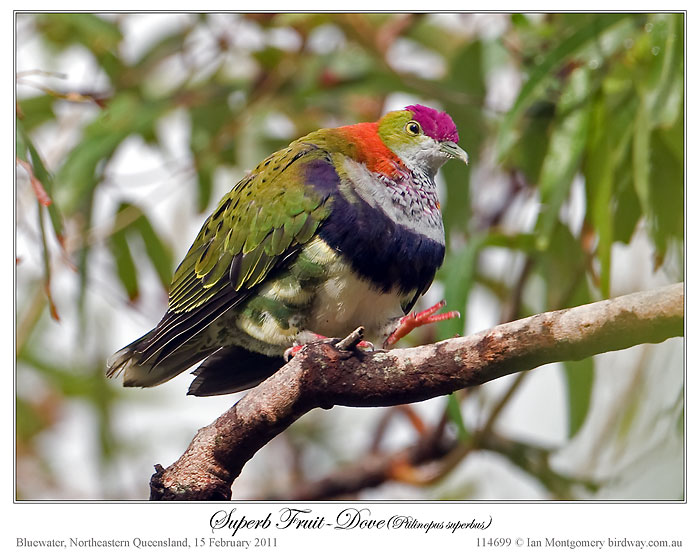
Superb Fruit Dove (Ptilinopus superbus) by Ian

Superb Fruit Dove (Ptilinopus superbus) by Ian

And she brought forth her firstborn son, and wrapped him in swaddling clothes, and laid him in a manger; because there was no room for them in the inn. (Luke 2:7 KJV)

Words & Music: 15th Century –  This Endris Night

Birds in Christmas Hymns

Birds in Christmas Hymns

This Endris Night

This endris night I saw a sight
A star as bright as day;
And ever among a maiden sung,
Lullay, by by, lullay.

This lovely lady sat and sung,
And to her Child did say:
My Son, my Brother, Father, dear,
Why liest Thou thus in hay?

My sweetest bird, thus ’tis required,
Though Thou be King veray;
But nevertheless I will not cease
To sing, By by, lullay.

The Child then spake in His talking,
And to his mother said:
“Yea, I am known as Heaven-King,
In crib though I be laid.

For angels bright down to Me light:
Thou knowest ’tis no nay:
And for that sight thou may’st delight
To sing, By by, lullay.

“Now, sweet Son, since Thou art a king,
Why art Thou laid in stall?
Why dost not order thy bedding
In some great kingès hall?

Methinks ’tis right that king or knight
Should lie in good array:
And then among, it were no wrong
To sing, By by, lullay.

“Mary mother, I am thy Child,
Though I be laid in stall;
For lords and dukes shall worship Me,
And so shall kingès all.

Ye shall well see that kingès three
Shall come on this twelfth day.
For this behest give Me thy breast
And sing, By by, lullay.

“Now tell, sweet Son, I Thee do pray,
Thou art my Love and Dear—
How should I keep Thee to Thy pay,
And make Thee glad of cheer?

For all Thy will I would fulfill—
Thou knowest well, in fay;
And for all this I will Thee kiss,
And sing, By by, lullay.

“My dear mother, when time it be,
Take thou Me up on loft,
And set Me then upon thy knee,
And handle me full soft.

And in thy arm thou hold Me warm,
And keep Me night and day,
And if I weep, and may not sleep,
Thou sing, By by, lullay.

“Now sweet Son, since it is come so,
That all is at Thy will,
I pray Thee grant to me a boon,
If it be right and skill,—

That child or man, who will or can
Be merry on my day,
To bliss Thou bring—and I shall sing,
Lullay, by by, lullay.

___

Some of the archaic terms require explanation:
This endris night: The other night, a few nights ago
Veray: True
Light: Alight
No nay: Undeniable
Methinks: I think
Pay: Satisfaction
Fay: Faith
Boon: Favor
Skill: Reasonable

*

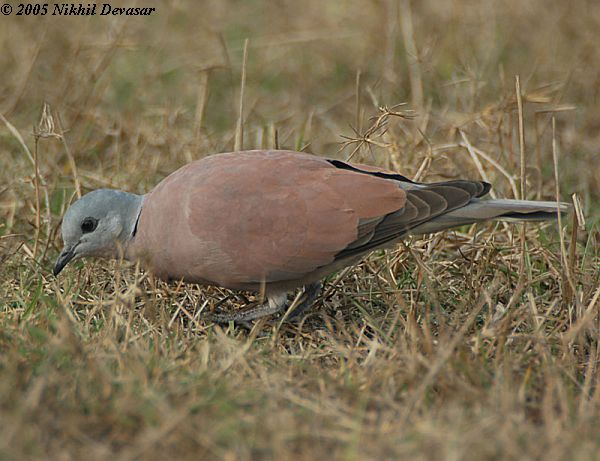
Red Turtle Dove (Streptopelia tranquebarica) by Nikhil Devasar

Red Turtle Dove (Streptopelia tranquebarica) by Nikhil Devasar

More Birds in Hymns

See ~

Christmas Gospel Presentation

Wordless Birds

Most information from The Cyber Hymnal – – This Endris Night

*

Birds in Christmas Hymns – I Wonder As I Wander

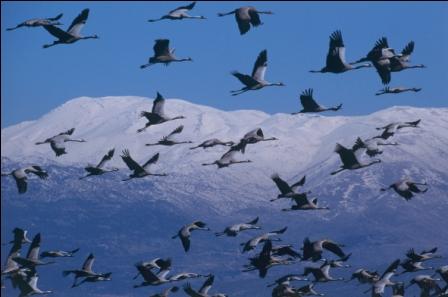
Crane Migration over Israel

Crane Migration over Israel

And she gave birth to her firstborn son and wrapped him in swaddling cloths and laid him in a manger, because there was no place for them in the inn. (Luke 2:7)

John Jacob Niles, 1933  – Collector of the music

Music – I Wonder as I Wander, Appalachian carol by Carl Rütti (1949 – )

Birds in Christmas Hymns

I Wonder As I Wander

I wonder as I wander out under the sky,
How Jesus the Savior did come for to die.
For poor on’ry people like you and like I…
I wonder as I wander out under the sky.

When Mary birthed Jesus ’twas in a cow’s stall,
With wise men and farmers and shepherds and all.
But high from God’s heaven a star’s light did fall,
And the promise of ages it then did recall.

If Jesus had wanted for any wee thing,
A star in the sky, or a bird on the wing,
Or all of God’s angels in heav’n for to sing,
He surely could have it, ’cause he was the King.

Mallards flying off by Ian

Mallards flying off by Ian

John Jacob Niles (Dates B-D) Collected by John Jacob Niles in Murphy, NC in July 1933 from a young traveling evangelist Annie Morgan. According to Niles, he asked her to sing the song repeatedly until he had memorized it. It was published in his 1934 Songs of the Hill-Folk. Written in a minor key, it’s qualities of pensiveness make it one of today’s most popular carols.

*

*

More Birds in Hymns

See ~ Sharing The Gospel

Wordless Birds

Most information from The Hymns and Carols of Christmas – I Wonder As I Wander

*

Birds In Christmas Hymns – Hail to the Lord’s Anointed

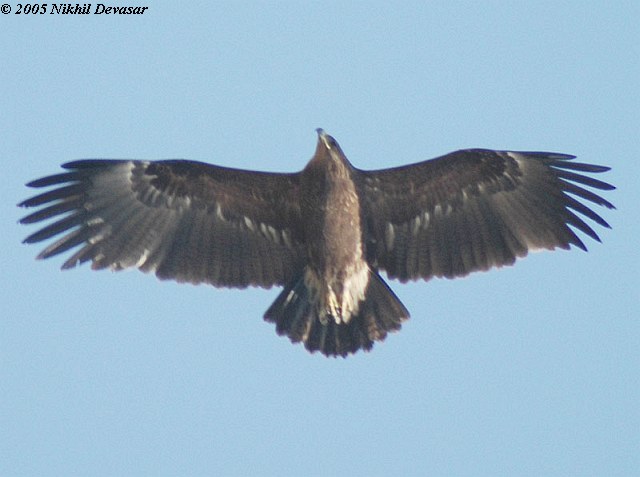
Greater Spotted Eagle (Aquila clanga) by Nikhil

Greater Spotted Eagle (Aquila clanga) by Nikhil

A Psalm for Solomon. Give the king thy judgments, O God, and thy righteousness unto the king’s son. He shall judge thy people with righteousness, and thy poor with judgment. (Psalms 72:1-2 KJV)

Words by James Mont­gom­ery (1771-1854), 1821

[This hymn] is a me­tri­cal ver­sion of the Se­ven­ty-se­cond Psalm. It was writ­ten as a Christ­mas hymn and was first sung on Christ­mas Day, 1821, at a great con­vo­ca­tion of the Mo­ra­vi­ans in their set­tle­ment at Ful­neck. At a Wes­ley­an mis­sion­a­ry meet­ing, held in Li­ver­pool on Ap­ril 14 of the fol­low­ing year, 1822, when Doc­tor Adam Clarke pre­sid­ed, Mont­gom­ery made an ad­dress and closed it by the re­cit­al of this hymn with all of its verses…Doc­tor Clarke lat­er used it in his fa­mous Com­ment­a­ry in con­nect­ion with his dis­cuss­ion of the Se­ven­ty-se­cond Psalm.

Music: Ell­a­combe, Ge­sang­buch der Herz­ogl. Wirt­em­berg­isch­en Ka­thol­isch­en Hof­ka­pel­le (Würt­tem­berg, Ger­ma­ny: 1784); adapt­ed & har­mo­nized by Wil­liam H. Monk in the 1868 ap­pen­dix to Hymns An­cient and Mo­dern, num­ber 366

Birds in Christmas Hymns

Birds in Christmas Hymns

Hail to the Lord’s Anointed

Hail to the Lord’s anointed, great David’s greater Son!
Hail in the time appointed, His reign on earth begun!
He comes to break oppression, to set the captive free;
To take away transgression and rule in equity.

He comes in succor speedy to those who suffer wrong;
To help the poor and needy, and bid the weak be strong;
To give them songs for sighing, their darkness turn to light,
Whose souls, condemned and dying, were precious in His sight.

By such shall He be fearèd while sun and moon endure;
Beloved, obeyed, reverèd; for He shall judge the poor
Through changing generations, with justice, mercy, truth,
While stars maintain their stations, or moons renew their youth.

He shall come down like showers upon the fruitful earth;
Love, joy, and hope, like flowers, spring in His path to birth.
Before Him, on the mountains, shall peace, the herald, go,
And righteousness, in fountains, from hill to valley flow.

Arabia’s desert ranger to Him shall bow the knee;
The Ethiopian stranger His glory come to see;
With offerings of devotion ships from the isles shall meet,
To pour the wealth of oceans in tribute at His feet.

Kings shall fall down before Him, and gold and incense bring;
All nations shall adore Him, His praise all people sing;
For He shall have dominion o’er river, sea and shore,
Far as the eagle’s pinion or dove’s light wing can soar.

For Him shall prayer unceasing and daily vows ascend;
His kingdom still increasing, a kingdom without end:
The mountain dews shall nourish a seed in weakness sown,
Whose fruit shall spread and flourish and shake like Lebanon.

O’er every foe victorious, He on His throne shall rest;
From age to age more glorious, all blessing and all blest.
The tide of time shall never His covenant remove;
His name shall stand forever, His name to us is Love.

*

Eurasian Collard Dove by Reinier Munguia

More Birds in Hymns

Birds in Hymns – Hail to the Lord’s Anointed

See ~ Christmas Gospel Presentation

Most information from The Cyber HymnalHail to the Lord’s Anointed

*

Birds In Christmas Hymns – Carol of the Birds

American Yellow Warbler (Dendroica aestiva) singing by J Fenton

American Yellow Warbler (Dendroica aestiva) singing by J Fenton

And the angel said unto them, Fear not: for, behold, I bring you good tidings of great joy, which shall be to all people. For unto you is born this day in the city of David a Saviour, which is Christ the Lord. (Luke 2:10-11)

Written as – El Cant Dels Ocells – Traditional Catalonian Carol

Translator Unknown

Birds in Christmas Hymns

Carol of the Birds

1. Upon this holy night,

When God’s great star appears,
And floods the earth with brightness
Birds’ voices rise in song
And warbling all night long
Express their glad heart’s lightness
Birds’ voices rise in song
And warbling all night long
Express their glad heart’s lightness

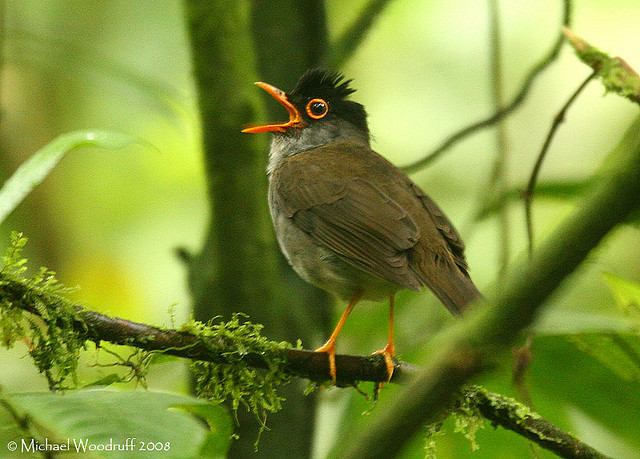
Black-headed Nightingale-Thrush (Catharus mexicanus) by Michael Woodruff

Black-headed Nightingale-Thrush (Catharus mexicanus) by Michael Woodruff

2. The Nightingale is first
To bring his song of cheer,
And tell us of His glad – ness:
Jesus, our Lord, is born
To free us from all sin
And banish ev’ry sadness!
Jesus, our Lord is born
To free us from all sin
And banish ev’ry sadness!

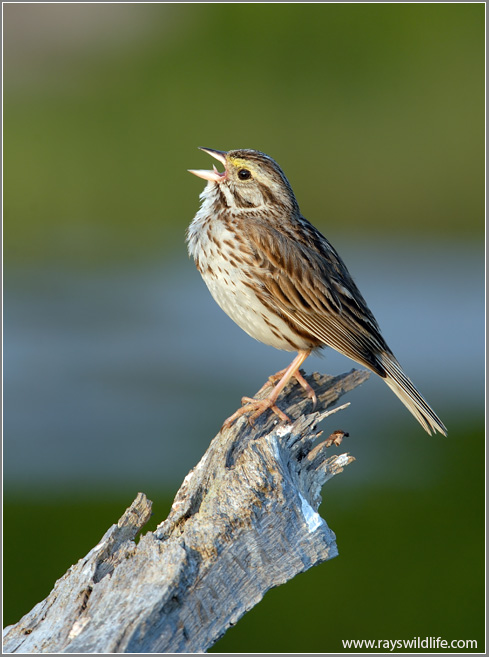
Savannah Sparrow singing by Ray

Savannah Sparrow singing by Ray

3. The answ’ring Sparrow cries:
“God comes to earth this day
Amid the angels flying.”
Trilling in sweetest tones,
The Finch his Lord now owns:
“To Him be all thanksgiving.”
Trilling in sweetest tones,
The Finch his Lord now owns:
“To Him be all thanksgiving.”

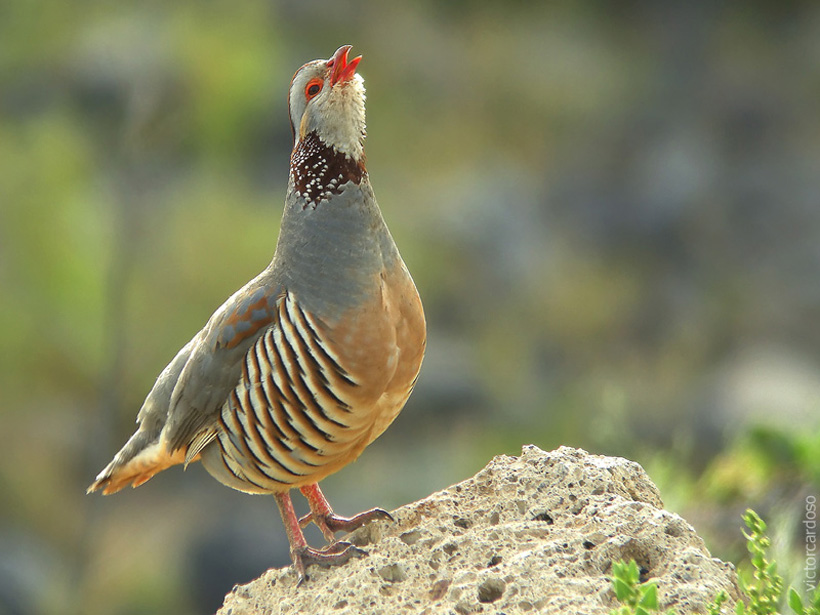
Barbary Partridge (Alectoris barbara koenigi) Pixdaus

Barbary Partridge (Alectoris barbara koenigi) Pixdaus

4. The Partridge adds his note:
“To Bethlehem I’ll fly,
Where in the stall He’s lying.
There, near the manger blest,
I’ll build myself a nest,
And sing my love undying.
There, near the manger blest,
I’ll build myself a nest,
And sing my love undying.

Photo

*

Found another version of the Carol of the Birds and it appears to be Australian Birds.

The Carol of the Birds
(Wheeler/James)

Brolga (Grus rubicunda) by Ian

Brolga (Grus rubicunda) by Ian

Out on the plains the brolgas are dancing
Lifting their feet like warhorses prancing
Up to the sun the woodlarks go winging
Faint in the dawn light echoes their singing
Crana! Orana! Orana to Christmas Day.

Crested Bellbird (Oreoica gutturalis) by Ian

Crested Bellbird (Oreoica gutturalis) by Ian

Down where the tree ferns grow by the river
There where the waters sparkle and quiver
Deep in the gullies bell-birds are chiming
Softly and sweetly their lyric notes rhyming
Orana! Orana! Orana to Christmas Day.

Silver-crowned Friarbird (Philemon argenticeps) by Ian

Silver-crowned Friarbird (Philemon argenticeps) by Ian

Friar birds sip the nectar of flowers
Currawongs chant in wattle tree bowers
In the blue ranges lorikeets calling
Carols of bush birds rising and falling
Orana! Orana! Orana to Christmas Day.
*

More Birds in Hymns

See ~ Share The Gospel

Most information from The Hymns and Carols of Christmas – Name of Hymn with Link to it

*

Birds of the Bible – Who Speaks To Birds?

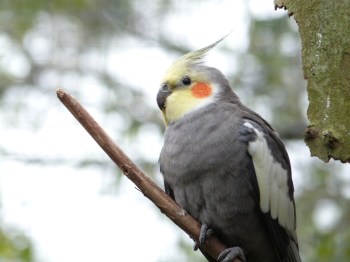
Cockatiel (Nymphicus hollandicus) Brevard Zoo by Lee

Cockatiel (Nymphicus hollandicus) Brevard Zoo by Lee

I am sure many of us have been near a Parrot or one of that family and have tried to talk to it. Right? We say “Hello!” or whistle, hoping that the bird will repeat us. There are plenty of bird species that will mimic words and sounds. (one example – Repeating Birds) How many times in Scripture are the birds spoken to and by whom? Let’s find out.

Pulling out my e-Sword Bible program and using the search feature, here is what I discovered.

1. God spoke to the birds or fowls
2. Man was told to speak to them twice
3. An Angel will speak to them

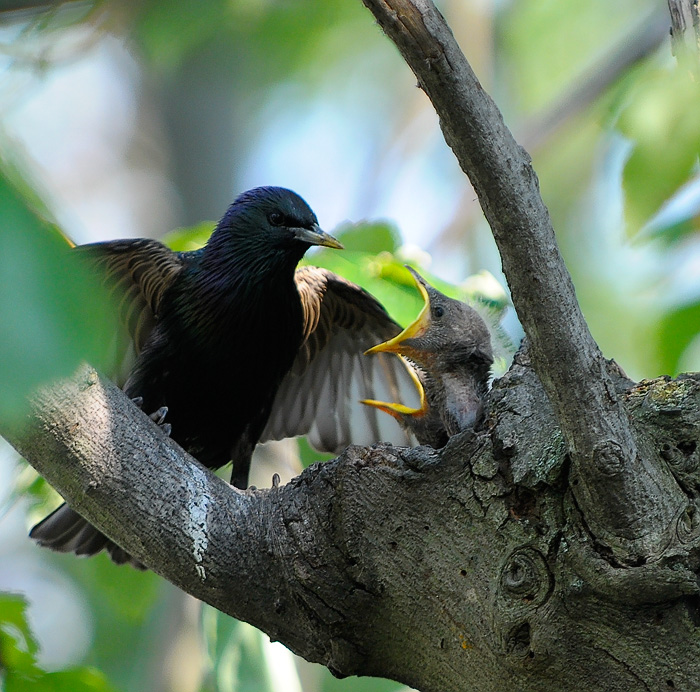
Starling feeding chicks

Protection at the nest by Anthony

God said for the birds to come into being (He Created or Formed them) in Genesis 1:20-21. Then in verse 22 we read:

And God blessed them, saying, Be fruitful, and multiply, and fill the waters in the seas, and let fowl multiply in the earth. (Genesis 1:22 KJV)

or

God blessed all the living things in the sea and told them to have many babies and fill the seas. And he blessed the birds on land and told them to have many more babies. (Genesis 1:22 ERV)

In all the translations I have loaded (around 30) it is either “saying” or “told.” After the Lord God created them then He told them to be frutful and multiply. They listened. Today there are 10,466 species (IOC) in the world living. Many more have become extinct.
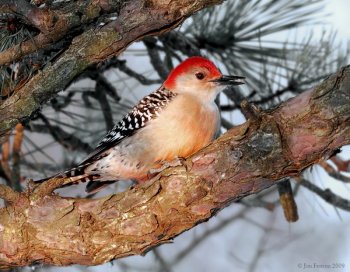
Red-bellied Woodpecker (Melanerpes carolinus) by J Fenton

Red-bellied Woodpecker (Melanerpes carolinus) by J Fenton

In Job 12:7 They (men) were told by God to ask beasts and birds and they would instruct them.

But ask now the beasts, and they shall teach thee; and the fowls of the air, and they shall tell thee: (Job 12:7 KJV)

or

“But ask the beasts, and they will teach you; the birds of the heavens, and they will tell you;
(Job 12:7 ESV)

John Wesley’s Elanatory Notes – “Job 12:7
But – If thou observest the beasts, and their properties and actions, and events, from them thou mayst learn this lesson: that which Zophar had uttered with so much pomp and gravity, (Job 11:7-9), concerning God’s infinite wisdom, saith Job, thou needest not go into heaven or hell to know. but thou mayst learn it even from the beasts.”
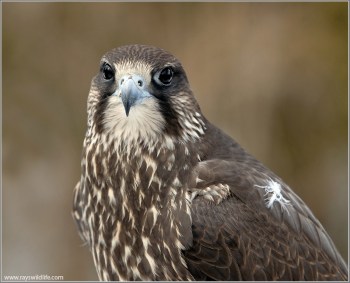
Peregrine Falcon (Falco peregrinus) by Ray

Peregrine Falcon (Falco peregrinus) by Ray

Again in Ezekiel 39 you can read of Ezekiel being told by the Lord GOD to “Speak to the birds” and give them a message.

“As for you, son of man, thus says the Lord GOD: Speak to the birds of every sort and to all beasts of the field, ‘Assemble and come, gather from all around to the sacrificial feast that I am preparing for you, a great sacrificial feast on the mountains of Israel, and you shall eat flesh and drink blood. You shall eat the flesh of the mighty, and drink the blood of the princes of the earth–of rams, of lambs, and of he-goats, of bulls, all of them fat beasts of Bashan. And you shall eat fat till you are filled, and drink blood till you are drunk, at the sacrificial feast that I am preparing for you. And you shall be filled at my table with horses and charioteers, with mighty men and all kinds of warriors,’ declares the Lord GOD. (Ezekiel 39:17-20 ESV)
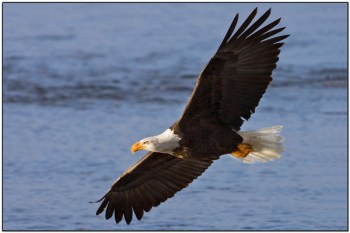
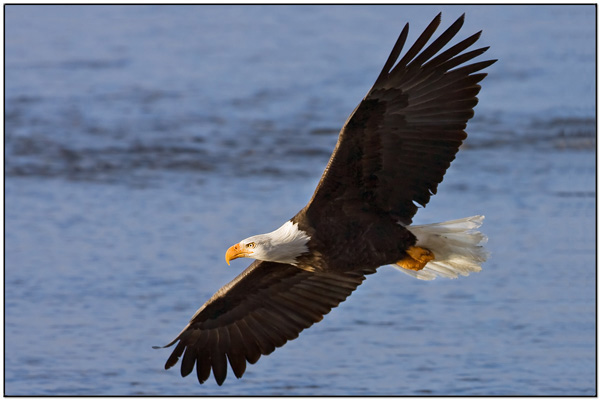
Bald Eagle flying by Dave's BirdingPix

Bald Eagle flying by Dave’s BirdingPix

The third incident of birds being spoken to happens in Revelations 19. John is describing what he sees in heaven (future). Again they are being invited to a feast. Both times it is not the kind of feast we would desire to be attending. Both times the “feast” is part of judgment from God.

And I saw an angel standing in the sun; and he cried with a loud voice, saying to all the fowls that fly in the midst of heaven, Come and gather yourselves together unto the supper of the great God; That ye may eat the flesh of kings, and the flesh of captains, and the flesh of mighty men, and the flesh of horses, and of them that sit on them, and the flesh of all men, both free and bond, both small and great. (Revelation 19:17-18 KJV)

Heaven here is referring to where the birds fly now. Not heaven as in our future home. The different version say this:

birds flying in mid-heaven (midheaven) (ACV, ABP, ASV, Darby,LITV, MKJV, NASB, RV, YLT)
fly in the middle of heaven (AKJV, KJV)
birds flying in midair (GNB)
fly through the midst of heaven (DRB, EMTV, ERV, NKJV, Webster)
birds that fly(or flying) across the sky (AMP, CEV, WNT)
the birds in flight in the heavens (BBE)
birds that fly directly overhead (ESV,GW, ISV, LEB)

There may be other times when someone spoke to birds, but for now, it wasn’t found by me.

See also:

Birds of the Bible – Repeating Birds

Birds of the Bible – Birds of Every Sort

Interesting Things – Lyre Bird

Gospel Message

*
Birds In Christmas Hymns – Welcome To Christmas

Doves in Israel

Doves in Israel ©©

And the angel said unto them, Fear not: for, behold, I bring you good tidings of great joy, which shall be to all people. (Luke 2:10 KJV)

Words: Bird­ie Bell (1877-?), 1886.
Music: Box­eld­er, Asa Hull, 1886

Birds in Christmas Hymns

Birds in Christmas Hymns

Welcome To Christmas

Beautiful anthem the first Christmas wakened
Ages ago over Bethlehem’s plain;
Greeting the shepherds with magical accents,
Bringing deliverance from sin’s deep stain.

Refrain

Ring out a welcome to Christmas’ fair morning,
Herald its coming, each fresh, youthful voice;
Ring out a welcome, a bright cheery welcome!
Christmas is dawning, let earth rejoice!

Peerless the singers, and wondrous their singing;
Glorious theme: Lo, a Savior is born!
Royal Deliverer, His praises are ringing,
Hailing with joy the auspicious morn!

Refrain

Ring out a welcome to Christmas’ fair morning,
Herald its coming, each fresh, youthful voice;
Ring out a welcome, a bright cheery welcome!
Christmas is dawning, let earth rejoice!

Shall we not join in the loud, swelling chorus
Sending the message from mountain to sea;
Let fairest Peace spread her dove-like wings o’er us,
Making our hearts His fit home to be.

Refrain

Ring out a welcome to Christmas’ fair morning,
Herald its coming, each fresh, youthful voice;
Ring out a welcome, a bright cheery welcome!
Christmas is dawning, let earth rejoice!

*

Under His Wings - (Dove - photographer unknown)

Under His Wings – (Dove – photographer unknown)

More Birds in Hymns

See ~ Wordless Birds

Most information from The Cyber HymnalWelcome To Christmas

*

Birds in Christmas Hymns – New Mini Series

Blue-naped Chlorophonia (Chlorophonia cyanea) by Dario Sanches

Blue-naped Chlorophonia (Chlorophonia cyanea) by Dario Sanches

And she brought forth her firstborn son, and wrapped him in swaddling clothes, and laid him in a manger; because there was no room for them in the inn. And there were in the same country shepherds abiding in the field, keeping watch over their flock by night. And, lo, the angel of the Lord came upon them, and the glory of the Lord shone round about them: and they were sore afraid. And the angel said unto them, Fear not: for, behold, I bring you good tidings of great joy, which shall be to all people. For unto you is born this day in the city of David a Saviour, which is Christ the Lord. (Luke 2:7-11 KJV)

Tomorrow, December 15th, a new mini series will begin. From the 15th until Christmas Day, a different Birds in Christmas Hymns will be posted daily. All of these are in the public domain, so they will be some of the older hymns. (There will be other articles added also.)

It is amazing how many times when you are singing that “birds” appear in songs and hymns. These all relate to the birth of Jesus and the nativity. As Christians, this is one of our greatest holidays, with only Easter and the resurrection of our Savior as the Greatest. Without the virgin born birth of the Lord Jesus as the Christ Child, we wouldn’t have a sinless Savior to die and shed His blood for our salvation at Calvary.

May you enjoy this upcoming season and this little mini series. Below is the video of our pastor telling about the birds at Christmas time. This was from our Christmas Cantata a few years ago.

See:

Sharing the Gospel

Wordless Birds

Birds in Hymns

Merry Christmas 2009

*

Christmas Gospel Presentation – 2011

Christmas was only a few days away when this was posted, but this Gospel Presentation is appropriate year round. We just had our third “free shopping day” yesterday at our church, Faith Baptist Church in Winter Haven. This is the 3rd year this presentation has been given before the “free shopping” and meal begins. We, as a church, buy and collect new toys and games and provide a meal for those less fortunate.

This year there were 6 adults and 9 children who accepted the Lord Jesus Christ as their Savior. Praise the Lord!

Have you put your faith and trust in the Lord and accepted Him?

*

*

Jesus saith unto him, I am the way, the truth, and the life: no man cometh unto the Father, but by me. (John 14:6 KJV)

See:

Sharing the Gospel

(This video is narrated by Pastor Nathan Osborne and the music is played by Sean Fielder.)

Shopping Day – 2009

*

Birds of the Bible – Pied Peacock and Allies

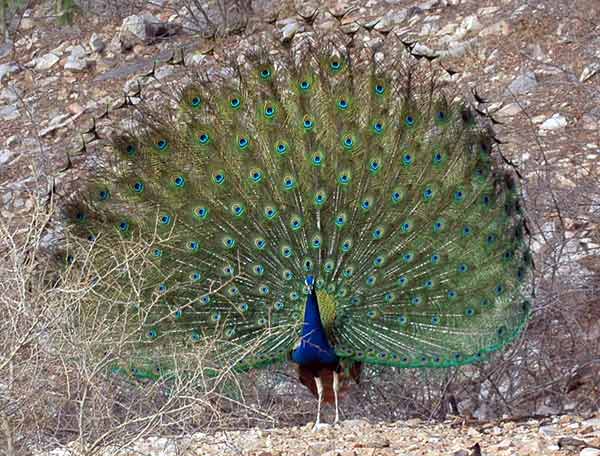
Indian Peafowl (Pavo cristatus) by Nikhil Devasar

Indian Peafowl (Pavo cristatus) by Nikhil

We wrote about Peacocks before in Birds of the Bible – Peacocks, dated April of 2008. This is about the Pied Peacock which is from the jungles of India and Sri Lanka. When Solomon sent for them to be delivered, they were brought by a joint navy of Hiram and the navy of Tharshish.

For the king had at sea a navy of Tharshish with the navy of Hiram: once in three years came the navy of Tharshish, bringing gold, and silver, ivory, and apes, and peacocks. (1 Kings 10:22 KJV) For the king’s ships went to Tarshish with the servants of Huram: every three years once came the ships of Tarshish bringing gold, and silver, ivory, and apes, and peacocks. (2 Chronicles 9:21 KJV)

I received a notice by “bellamoonnature” of a video he made of the Pied Peacock. Decided to share it and bring the peacock article a little more up to date. It is about a Pied Peacock. For more information on how that comes about see India Blue Pied. It is a mutation, but still it is a neat looking Peacock or Peafowl.

Here is his video:

I love the little immature male trying to practice his tail display. He has a way to go before his tail reaches the beauty of the mature male. This peacocks beautiful display goes right along with God’s question to Job.

Gavest thou the goodly wings unto the peacocks? or wings and feathers unto the ostrich? (Job 39:13 KJV)

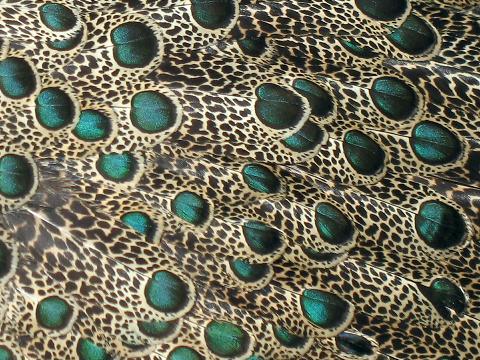
Malayan Peacock-Pheasant (Polyplectron malacense) Feathers ©WikiC

Malayan Peacock-Pheasant (Polyplectron malacense) Feathers ©WikiC

Peacocks and Peafowls are part of the Phasianidae – Pheasants, Fowls & Allies Family which are in the Galliformes Order. There are three Genus in the Pheasants, Fowls & Allies Family that have what we refer to as “Peacocks.”

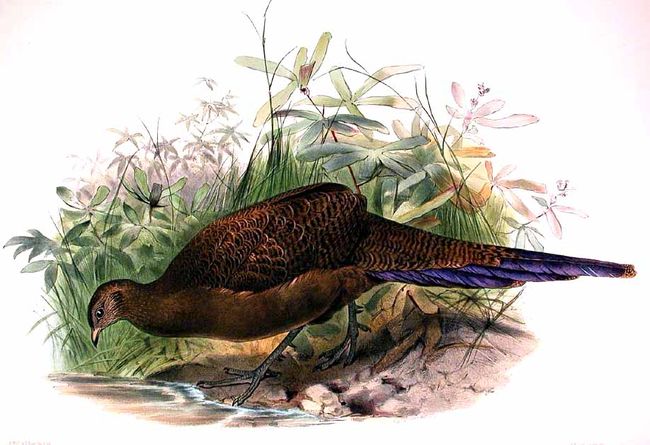
Palawan Peacock-Pheasant (Polyplectron napoleonis) M ©WikiC

Palawan Peacock-Pheasant (Polyplectron napoleonis) M ©WikiC

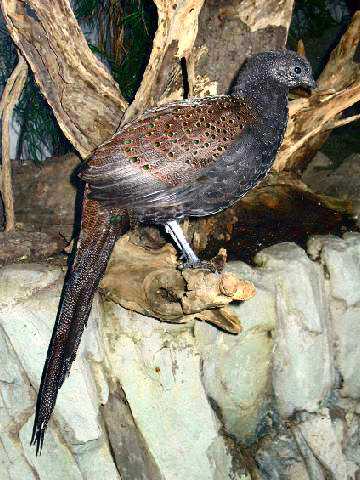
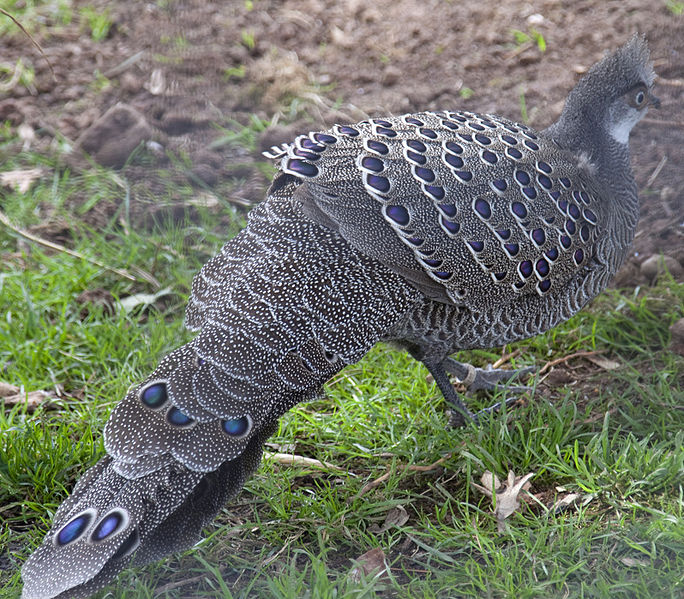
The Polyplectron genus is the peacock-pheasants. “The peacock-pheasants are a bird genus, Polyplectron, of the family Phasianidae, consisting of eight species. They are colored inconspicuously, relying on heavily on crypsis to avoid detection. When threatened, peacock-pheasants will alter their shapes utilising specialised plumage that when expanded reveals numerous iridescent orbs. The birds also vibrate their plume quills further accentuating their aposematism (Warning colourataton or signal). Peacock-pheasants exhibit well developed metatarsal spurs. Older individuals may have multiple spurs on each leg. These kicking thorns are used in self-defense.” (Wikipedia)

Polyplectron

Bronze-tailed Peacock-Pheasant (Polyplectron chalcurum) Drawing ©WikiC – Photo
____ (Polyplectron chalcurum scutulatum)
____ (Polyplectron chalcurum chalcurum)
Mountain Peacock-Pheasant (Polyplectron inopinatum) ©WikiC
Germain’s Peacock-Pheasant (Polyplectron germaini) ©WikiC
Grey Peacock-Pheasant (Polyplectron bicalcaratum) ©WikiC
____ (Polyplectron bicalcaratum bakeri)
____ (Polyplectron bicalcaratum bicalcaratum)
____ (Polyplectron bicalcaratum ghigii)
Hainan Peacock-Pheasant (Polyplectron katsumatae)
Malayan Peacock-Pheasant (Polyplectron malacense) ©WikiC
Bornean Peacock-Pheasant (Polyplectron schleiermacheri) Video IBC
Palawan Peacock-Pheasant (Polyplectron napoleonis) ©WikiC

Indian Peafowl (Pavocristatus) by Nikhil Devasar

Indian Peafowl (Pavocristatus) by Nikhil Devasar

“Peafowl are two Asiatic species of flying birds in the genus Pavo of the pheasant family, Phasianidae, best known for the male’s extravagant eye-spotted tail, which it displays as part of courtship. The male is called a peacock, the female a peahen, and the offspring peachicks. The adult female peafowl is grey and/or brown. Peachicks can be between yellow and a tawny colour with darker brown patches. The male (peacock) Indian Peafowl has iridescent blue-green or green coloured plumage.

The peacock tail (“train”) is not the tail quill feathers but the highly elongated upper tail coverts. The “eyes” are best seen when the peacock fans its tail. Like a cupped hand behind the ear the erect tail-fan of the male helps direct sound to the ears. Both species have a crest atop the head.

The female (peahen) Indian Peafowl has a mixture of dull green, brown, and grey in her plumage. She lacks the long upper tail coverts of the male but has a crest. The female can also display her plumage to ward off female competition or signal danger to her young.

Green Peafowl (Pavo muticus) by Ian

Green Peafowl (Pavo muticus) by Ian

A male Green Peafowl The Green Peafowl appears different from the Indian Peafowl. The male has green and gold plumage and has an erect crest. The wings are black with a sheen of blue. Unlike the Indian Peafowl, the Green Peahen is similar to the male, only having shorter upper tail coverts and less iridescence. It is difficult to tell a juvenile male from an adult female.

As with many birds, vibrant plumage colours are not primarily pigments, but optical interference Bragg reflections, based on regular, periodic nanostructures of the barbules (fiber-like components) of the feathers. Slight changes to the spacing result in different colours. Brown feathers are a mixture of red and blue: one colour is created by the periodic structure, and the other is a created by a Fabry–Pérot interference peak from reflections from the outer and inner boundaries. Such interference-based structural colour is important for the peacock’s iridescent hues that change and shimmer with viewing angle, since unlike pigments, interference effects depend on light angle. Colour mutations exist through selective breeding, such as the leucistic White Peafowl and the Black-Shouldered Peafowl.”(Wikipedia)

Pavo

Indian Peafowl (Pavo cristatus) by Nikhil Devasar
Green Peafowl (Pavo muticus) by Ian
____ (Pavo muticus spicifer)
____ (Pavo muticus imperator) IBC
____ (Pavo muticus muticus) IBC

Congo Peacock (Afropavo congensis) Head ©WikiC

Congo Peacock (Afropavo congensis) Head ©WikiC

“The Congo Peafowl (Afropavo congensis) is a species of peafowl. It is the only member of the monotypic genus Afropavo. The male is a large bird of up to 70 cm (28 in) in length. Its feathers are deep blue with a metallic green and violet tinge. It has bare red neck skin, grey feet, and a black tail with fourteen feathers. Its head is adorned with vertical white elongated hair-like feathers on its crown. The female is generally a chestnut brown bird with a black abdomen, metallic green back, and a short chestnut brown crest. Both sexes resemble immature Asian Peafowl, with early stuffed birds being erroneously classified as such before they were officially discovered as a unique species. It inhabits and is endemic to lowland rainforests of Congo River Basin in the central part of the Democratic Republic of the Congo.

The diet consists mainly of fruits and invertebrates. The male has a similar display to other peacocks, fanning its tail in this case, while other peacocks fan their upper tail coverts. The male Congo Peafowl is monogamous, though information from the wild is needed. Very little is known about this species.” (Wikipedia)

Afropavo

Congo Peacock (Afropavo congensis) ©WikiC

See Also:

Birds of the Bible

Birds of the Bible – Peacocks

Birds of the World 

Phasianidae – Pheasants, Fowl & Allies

*