Birdwatching – Lowry Park Zoo – 10-06-2011

I know all the birds of the hills, and all that moves in the field is mine. (Psalms 50:11 ESV)

Today, Dan and I went to the Lowry Park Zoo again. The birds were quite active and the visitors were few which made birdwatching even more fun. We spent most of our time in the Aviary just inside the entry. The weather was very comfortable, for a change. The summer heat is finally breaking and the humidity has started dropping also.
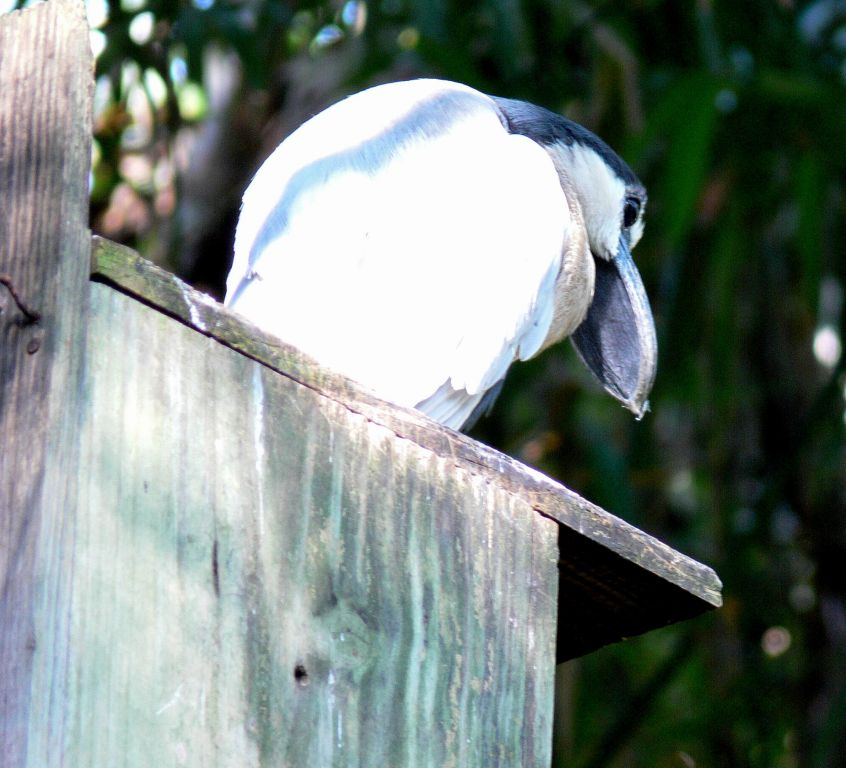
Boat-billed Heron (Cochlearius cochlearius) by Lee at LPZoo

Boat-billed Heron (Cochlearius cochlearius) by Lee at LPZoo

We were greeting by one of my favorite birds there, the Boat-billed Heron. This time I was able to get a photo up under that neat boat-shaped bill of his (or hers). The picture of the bird is not good, but the bill came out okay. There are two that hang out together most of the time. There are others in the aviary, but these two sweethearts always grab my attention. This next photo shows the pair and also the top of those beaks. My flash gave them the “red-eye.”
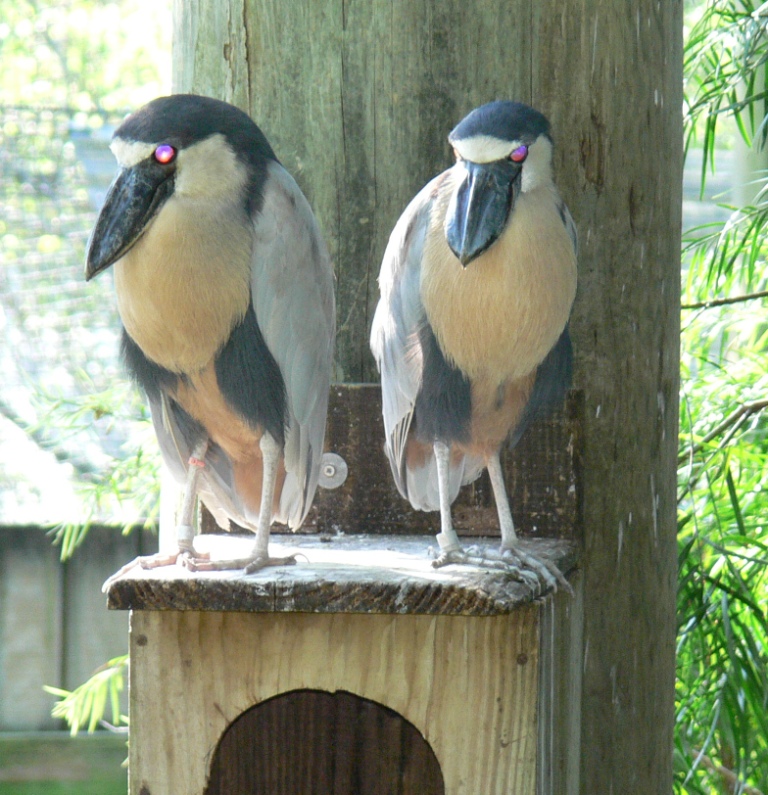
Boat-billed Heron (Cochlearius cochlearius) by Lee at LPZoo

Boat-billed Heron (Cochlearius cochlearius) by Lee at LPZoo

Another bird that is hard to get a decent photo of is the Crested Oropendola. They like to stay up in the trees, but this one is a fair shot. (This one is for you, Pastor Pete)
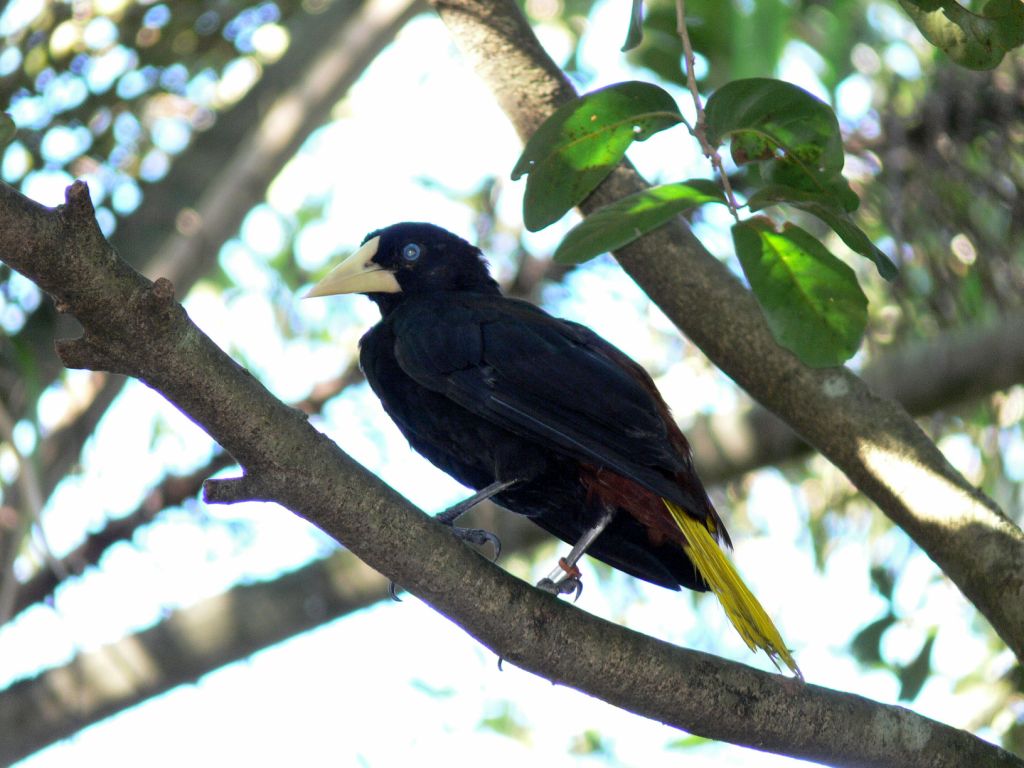
Crested Oropendola (Psarocolius decumanus) at LPZ

Crested Oropendola (Psarocolius decumanus) at LPZ by Lee

Then as we walked over into the second section, we were greeted by the Red-Legged Seriemas. You could hear them well outside the aviary. As you watch the video, you will see and hear them carrying on. Actually after checking with Wikipedia, this is their “singing.” Here is what they have to say about this:

“The song has a quality described as “a cross between ‘the serrated bark of a young dog and the clucking of turkeys'”.[3] At the loudest part of the song, the bird has its neck bent so its head is touching its back. Both members of a pair as well as young down to the age of two weeks sing; often one member of a family starts a song just as another finishes, or two sing simultaneously. The song can be heard several kilometres away; in Emas National Park, Brazil, in 1981–1982, observers often heard four Red-legged Seriemas or groups singing at once.[4]

The full song consists of three sections:

  1. Repeated single notes at constant pitch (1,200 to 1,300 Hz) and duration but increasing tempo
  2. Repeated two- or three-note subphrases of slightly higher pitch with increasing tempo
  3. Subphrases of up to 10 notes, shorter ones rising in pitch and longer ones falling, two-subphrase combinations increasing in number of notes and tempo and then decreasing in tempo.”

Check it out for yourself:

We also stopped by the African Penguins and I took this Foot shot of a Penguin. Thought it was interesting.
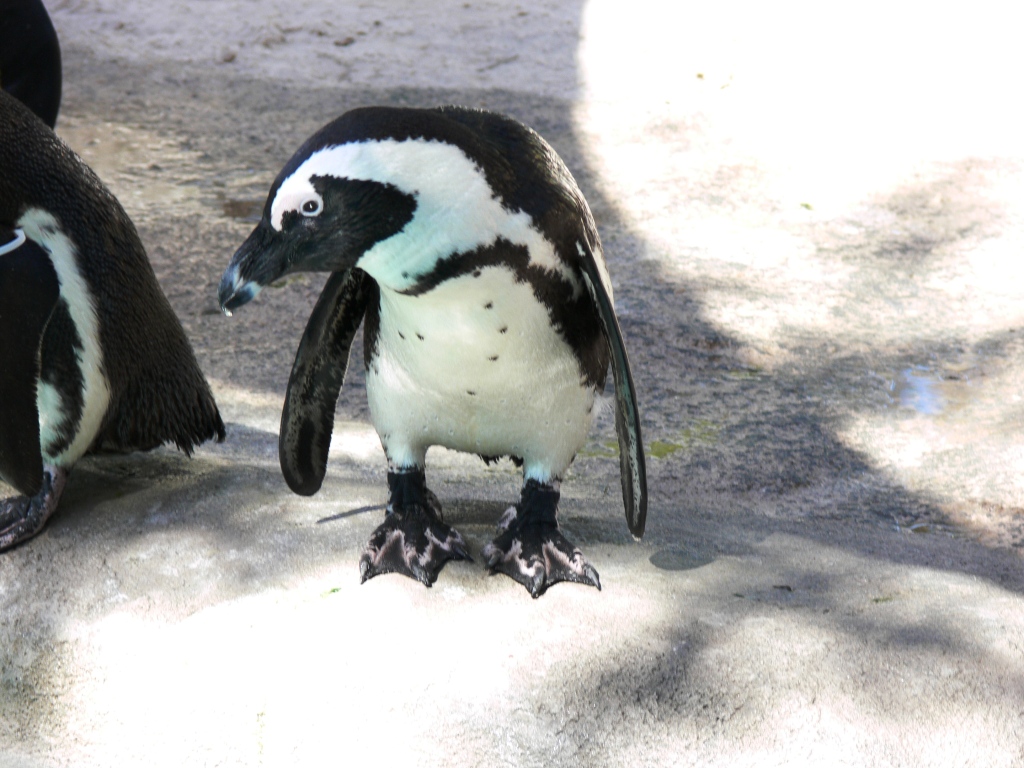
Penguin with cool feet

Penguin with cool feet

It was a nice enjoyable visit and we needed a break. God’s creative work was on display through all of these neat birds.

All photos can be clicked on to enlarge them.

*

Interesting Things – A Whale Problem

Interesting Things

Interesting Things – A Whale Problem

And God created great whales, and every living creature that moveth, which the waters brought forth abundantly, after their kind, and every winged fowl after his kind: and God saw that [it was] good.” (Genesis 1:21)

“According to evolution, life began in the sea. However, because the land was better for life, evolution developed land life from sea life. It was on land that mammals evolved, according to evolution. Here, though, evolution has painted itself into a corner. Or perhaps it is better to say that evolutionists have fallen into one of the traps set for them by the Creator. You see, the
largest creatures on Earth live in the sea – and they are mammals!

Humpback Whale ©©

Humpback Whale ©©

The great whales are mammals like many land animals. However, it is very clear that they never lived on land – nor do they resemble any land creature. Whales provide clear evidence that, contrary to evolution’s claims, not even all mammals are related to each other. And if mammals are so different that they cannot be related to each other through evolution, neither is it likely that bugs and trees and cows and humans could be related by evolution. As Genesis so clearly tells us, living things were originally made in distinct kinds, and they continue to reproduce after their kinds.

One wants to ask the evolutionist, if the drive to live on land was so great it moved sea creatures to become land creatures, why did some mammals go to all the trouble to move back into the sea? To say the least, whales offer Bible-believing Christians a great testimony to our Creator and a good argument against evolution. For evolutionists, mammals who live in the sea are a whale of a problem!”

Prayer:
Your majesty and power are truly seen to all in the magnificent whales You have created, Lord. I ask that we would be successful in preserving these great creatures who witness so grandly to You. Amen.
Notes:
Bartz, Paul A. 1984. “It takes more than this to make a whale transition.” Bible-Science Newsletter, Feb. p. 1.
From – Today’s Creation Moment’s – “A Whale of a Problem” ©Creation Moments 2011
Re-posted with permission.
*
To see more Interesting Things – Click Here
*

Nuggets Plus – Flight No:10…

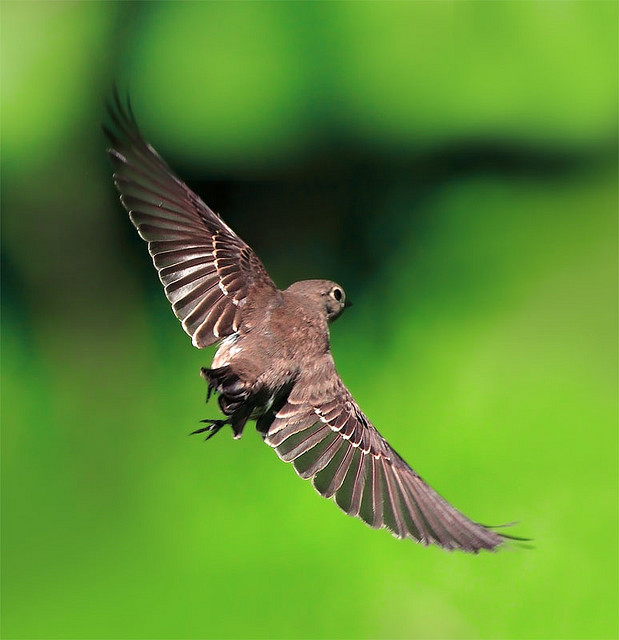
Welcome Swallow (Hirundo neoxena) by Ian

Welcome Swallow (Hirundo neoxena) by Ian

Nuggets Plus – Flight No:10… ~ by ajmithra

Nuggets Plus

Nuggets Plus

God has connected

ten primary feathers
to the wings of the birds
to produce thrust…
Likewise,
God has given us
Ten Commandments,
not just for keeps,
but,
to give us thrust
to do the impossible…

And it shall come to pass, if thou shalt hearken diligently unto the voice of the LORD thy God, to observe and to do all his commandments which I command thee this day, that the LORD thy God will set thee on high above all nations of the earth (Deuteronomy 28:1)

For more Nuggets Plus – Click Here

Updated 10-8-11 Added Photo

Spotted Flycatcher (Muscicapa striata) by John&Fish

Spotted Flycatcher (Muscicapa striata) by John&Fish

*

Birds of the Bible – God’s Commands and Promises To Them – Part I

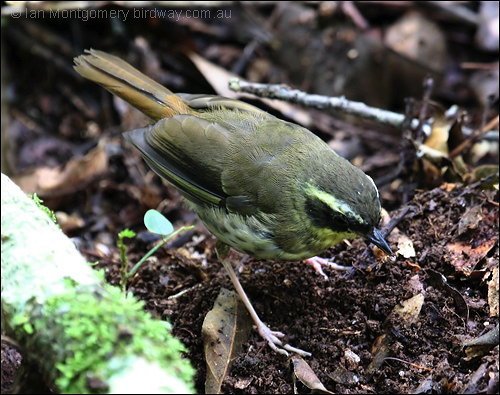
Yellow-throated Scrubwren (Sericornis citreogularis) by Ian

Yellow-throated Scrubwren (Sericornis citreogularis) by Ian

I have been searching through my e-Sword Bible program for God’s Commands and Promises that relate to birds. Here are some of my findings. I have used not only the Bible, but also like to use the Topical Bibles, like Naves and Torrey’s, which are in the Dictionary section. Recently more Bible versions, Dictionaries, Commentaries and other information was added to my program. The Bible Support, which I recently discovered, is loaded with additions to add to the e-Sword program. Just like the program, these are free also. (You can buy special versions and commentaries, etc.)

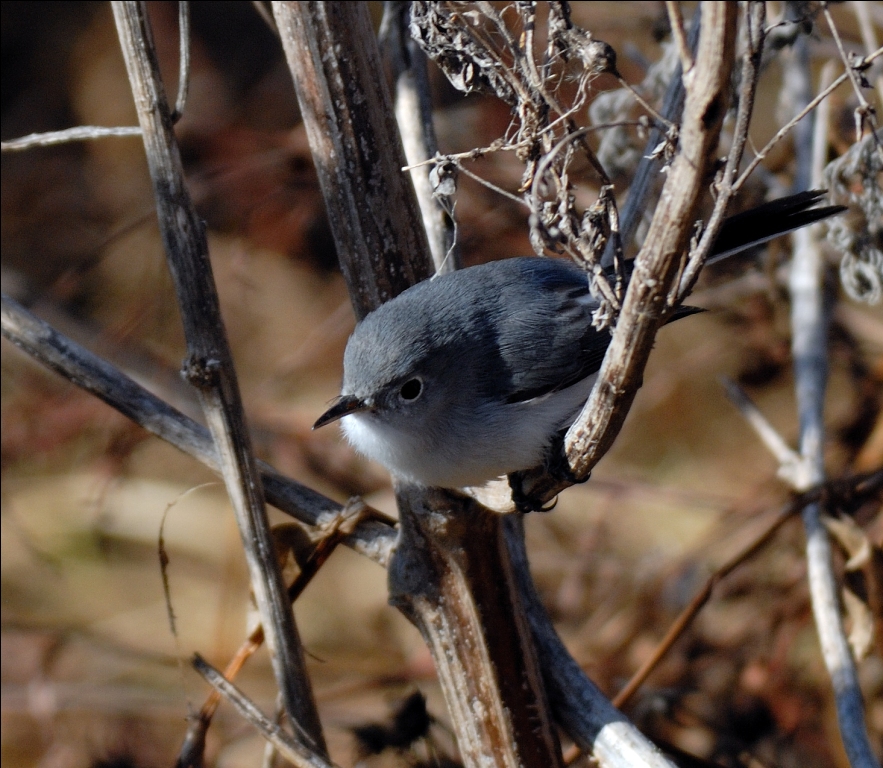
Blue-gray Gnacatcher by Dan at Circle B Bar Reserve

Blue-gray Gnacatcher by Dan at Circle B Bar Reserve

And God blessed them, saying, “Be fruitful and multiply, and fill the waters in the seas, and let birds multiply on the earth. (Genesis 1:22 NKJV)

Starting in Genesis, we see God, through the LORD, creating the birds and then giving them a command. Be fruitful and multiply. This was not a do it if you want command, it was a direct command from God. Have the birds done so? Look around you and answer that for yourself.

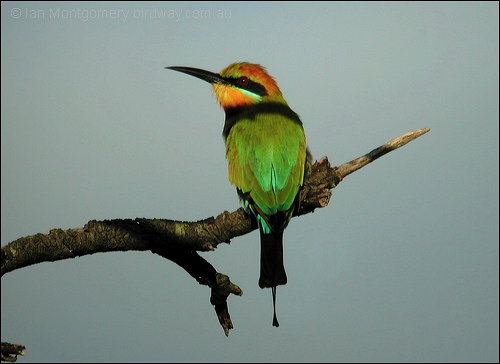
Rainbow Bee-eater (Merops ornatus) by Ian

God also told Adam and Eve the same thing; to multiply, but He also gave them dominion over the birds.

Then God blessed them, and God said to them, “Be fruitful and multiply; fill the earth and subdue it; have dominion over the fish of the sea, over the birds of the air, and over every living thing that moves on the earth. (Genesis 1:28 NKJV)

You have made him to have dominion over the works of Your hands; You have put all things under his feet, All sheep and oxen— Even the beasts of the field, The birds of the air, And the fish of the sea That pass through the paths of the seas.
(Psalms 8:6-8 NKJV)

When the Flood came, God told Noah that the birds and other critters would come to him that they may be kept alive. Dominion here means to be responsible for them. Adam was told to provide food for his family and the animals.

Of the birds after their kind, of animals after their kind, and of every creeping thing of the earth after its kind, two of every kind will come to you to keep them alive. (Genesis 6:20 NKJV)

also seven each of birds of the air, male and female, to keep the species alive on the face of all the earth. (Genesis 7:3 NKJV)

So He destroyed all living things which were on the face of the ground: both man and cattle, creeping thing and bird of the air. They were destroyed from the earth. Only Noah and those who were with him in the ark remained alive. (Genesis 7:23 NKJV)

Bring out with you every living thing of all flesh that is with you: birds and cattle and every creeping thing that creeps on the earth, so that they may abound on the earth, and be fruitful and multiply on the earth. (Genesis 8:17 NKJV)

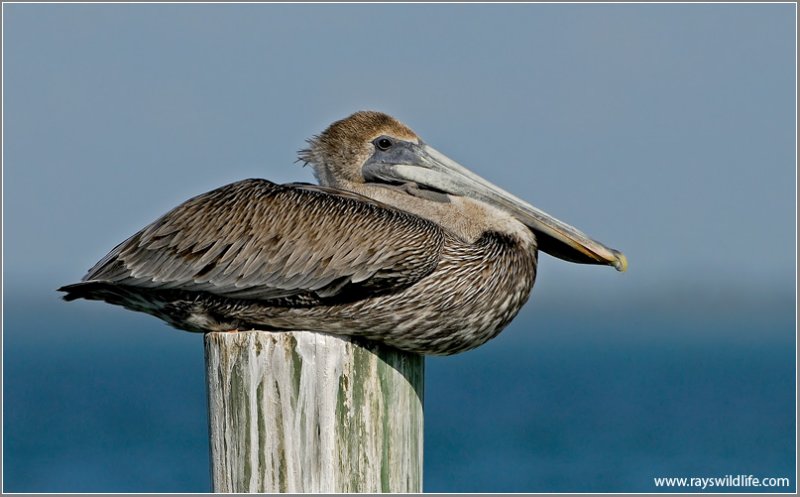
Brown Pelican (Pelecanus occidentalis) by Ray

Brown Pelican (Pelecanus occidentalis) by Ray

The above verses give not only God’s commands to the birds, but He also promised to keep them alive during the Flood. God did not fail to keep those promises. It is said of Abraham in Romans chapter 4:

No distrust made him waver concerning the promise of God, but he grew strong in his faith as he gave glory to God, fully convinced that God was able to do what he had promised. (Romans 4:20-21 ESV)

We will cover more of the commands and promises of God to the birds (and us) in future Parts. God loves the birds and especially us.

For God so loved the world, that he gave his only Son, that whoever believes in him should not perish but have eternal life. (John 3:16 ESV)

*

Nuggets Plus – Firefly – The Light house..

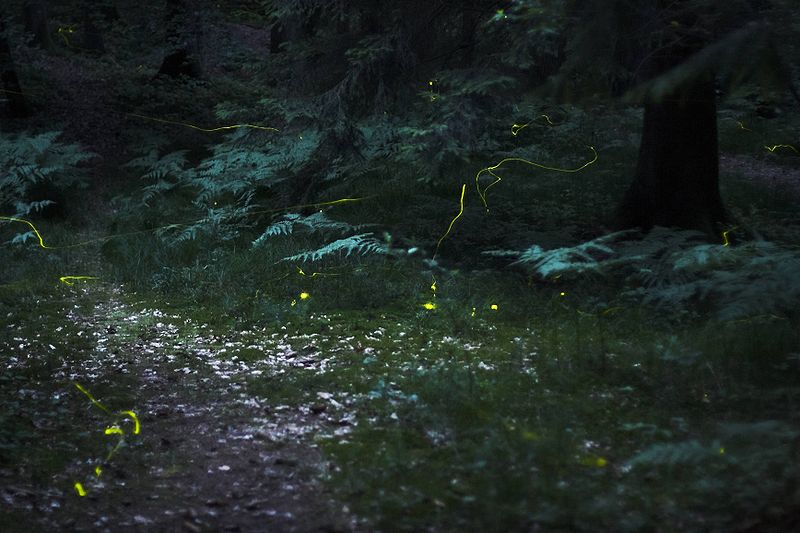
Fireflies in a field in Germany WikiC

Fireflies in a field in Germany WikiC

Firefly – The Light house.. ~ by ajmithra

Nuggets Plus

Nuggets Plus

Male firefly dive deep,
flashing light
and
turn upward to make
“J” shaped pattern of light
to attract the female…
Do you know
the LIGHT called “J”
that came down from above
to save us
and
to mate with us?

Then spake Jesus again unto them, saying, I am the light of the world: he that followeth me shall not walk in darkness, but shall have the light of life. (John 8:12)

For more Nuggets Plus – Click Here

*

Nuggets Plus ~ Grasshopper – Self Shredder…

Grasshopper ©WikiC

Grasshopper ©WikiC

Grasshopper – Self shedder..

~ by ajmithra

Nuggets Plus

Nuggets Plus

In one leap it can jump
twenty times its length..
But,
to acheive this,
the Grasshopper
has to shed his skin
many times…
Wanna jump ahead of others?
Shed your “YOU”,
your identity
and
be like CHRIST…

If so be that ye have heard him, and have been taught by him, as the truth is in Jesus:
That ye put off concerning the former conversation the old man, which is corrupt according to the deceitful lusts;
And be renewed in the spirit of your mind;

For more Nuggets Plus, Click Here

*

Introducing – Nuggets Plus

Nuggets Plus

Nuggets Plus

We are introducing “Nuggets Plus” to our articles by ajmithra. We were chatting the other day, via Yahoo, and decided to use some of aj’s short little Nuggets of Truth that he has already written. He said that they were not all about birds and I reminded him that the Last Word of this blog’s name is “PLUS.” It was named that way so that other articles of interest could be added like creation or other animals, flowers, sunsets, etc.

A J Mithra, ajmithra as he prefers, lives in India and has been a regular contributor for several years. He has about 150 of these already written and will start posting them regularly. They are short, but have a “nugget of God’s Truth” tucked away in each of them. We may have our other writers add to them. Who knows the future, other than our Lord?

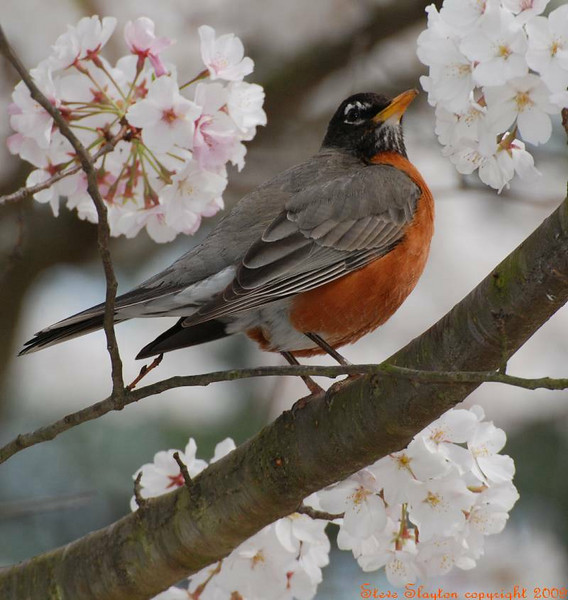
American Robin (Turdus migratorius) by S Slayton

American Robin (Turdus migratorius) by S Slayton

American Robin – Singing Slayer..

American Robin
is the first among birds
to sing at dawn
and
the last in the evening
and
they band together
to drive the predator away!
Wanna drive the devil?
Worship at dawn
and at dusk
and together in trouble…
Worship the LORD your God, and his blessing will be on your food and water. I will take away sickness from among you, (Exodus 23:25)

For more Nuggets Plus, Click Here

*

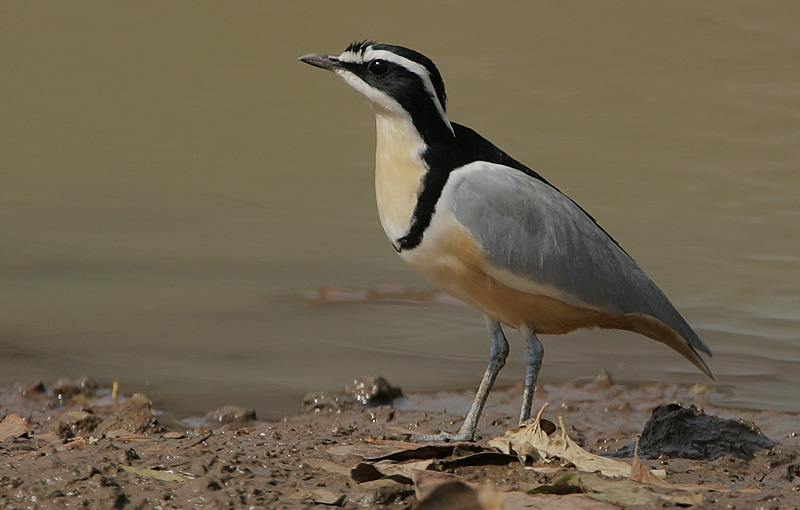
Egyptian Plover, Pit before Promotion…

Egyptian Plover (Pluvianus aegyptius) ©WikiC

Egyptian Plover (Pluvianus aegyptius) ©WikiC

After I read Lee’s article on the Egyptian Plover, a few thoughts flashed by..

And here am I with them…

The Egyptian Plover is a localised resident in tropical sub-Saharan Africa. It breeds on sandbars in large rivers. Its two or three eggs are not incubated, but are buried in warm sand, temperature control being achieved by the adult sitting on the eggs with a water-soaked belly to cool them.

If the adult leaves the nest, it smoothes sand over the eggs, though if it is frightened the job may be hasty…

  • The adults cool the chicks in the same way as with the eggs.
  • Cool the chicks with their water-soaked belly?

Egyptian Plover on ground nest from ARK

When I read this, the three young men inside the furnace came to my mind..

When Shadrach, Meshach and Abednego were thrown into the furnace for no fault of theirs, down came the Pillar of cloud to stroll with them..

  • Is it to cool them from the heat?

When thou passest through the waters, I will be with thee; and through the rivers, they shall not overflow thee: when thou walkest through the fire, thou shalt not be burned; neither shall the flame kindle upon thee. (Isaiah 43:2)

Egyptian Plover (Pluvianus aegyptius) ©WikiC

Egyptian Plover (Pluvianus aegyptius) ©WikiC

And then I read that the adults bury the chicks in the sand temporarily if danger threatens..

  • This act of these birds reminded me of how Joseph was raised from the pit..
  • His brothers threw him into the pit to get rid of him..
  • But, I feel that God had buried him temporarily to save him from danger…

If you think or feel that you’ve been pushed into a pit by people around you, I just want to encourage you..

  • Remember there is always a pit before promotion..

He brought me up also out of an horrible pit, out of the miry clay, and set my feet upon a rock, and established my goings. Psalm 40:2)

Have a blessed day!

Your’s in YESHUA,
a j mithra

Please visit us at:

Crosstree

ajmithra21

*

Article in the Fountain – Our Church Blog

Lee at South Lake Howard watching Wood Storks

Lee at South Lake Howard watching Wood Storks

But now, O LORD, thou art our father; we are the clay, and thou our potter; and we all are the work of thy hand. (Isaiah 64:8 KJV)

Birdwatching is not the only thing taking up my time these days. If you read the following article about our upcoming Ladies Retreat, you will discover another of my “adventures.” Just when you think you have discovered all your gifts and talents, the Lord gives you a new challenge and then He helps you accomplish that new task.

I can do all things through Christ which strengtheneth me. (Philippians 4:13 KJV)

The Fountain’s article – God Gives Good Gifts – A Ladies Retreat was written by Jonita Barram, also a contributor to the blog.

The Fountain is our church blog, Faith Baptist Church in Winter Haven. That is where this whole adventure of doing The Birds of the Bible blogs got started. And then this site.

The Lord is gracious and is helping us get the retreat ready. I knew our church was loaded with ladies with various gifts and talents. Much more than mine. Many have stepped up and are presenting workshops and talks, plus doing the many behind the scene projects. I praise the Lord for everyone who is helping and for all the ladies who will be attending.

God does give good gifts through abilities and a desire to use those. To me also, one of the Lord’s Gift is His Creation of all these birds we get to watch and observe.

The LORD is my strength and my shield; my heart trusted in him, and I am helped: therefore my heart greatly rejoiceth; and with my song will I praise him. (Psalms 28:7 KJV)

Birdwatching – Lakes Hollingsworth and Morton in September

Ladies feed the birds at Lake Hollingsworth

Ladies feed the birds at Lake Hollingsworth

Dan and I finally found a little time to go birdwatching, and since I was sore from a fall, decided to just go to Lake Hollingsworth and Lake Morton in Lakeland, Florida. Neither require a lot of walking, but we can always find something worth looking at. Both lakes had some great finds.

Lake Hollingsworth had the usually Mallards, White Ibises, Boat-tailed Grackles, Common Moorhens, “Aflac” Ducks being fed by a couple of ladies. We heard several Blue Jays, Red-bellied Woodpecker, and a Red-shouldered Hawk. A flock of about 50 Fish Crows made their noisy flight over and around for several minutes. We also saw a Great Egret, Osprey, Wood Storks, Great Blue Herons, Cormorant, Limpkin and a Purple Gallinule.

The best find was to watch an Anhinga trying to stay cool. I video taped the bird vibrating its throat. Birds do not have sweat glands, so this is one of the ways they cool down. It actually wasn’t too hot, 79°, but the humidity was at 85%. We all were warm. Below is some of that video.

And he cried and said, Father Abraham, have mercy on me, and send Lazarus, that he may dip the tip of his finger in water, and cool my tongue; for I am tormented in this flame. (Luke 16:24 KJV)

After that we drove about a mile north to Lake Morton. Again, the birds were gathered around a family feeding them. (These are the only two places we go locally where they feed wildlife.) This time the Mallards, White Ibises, and Boat-tailed Grackles were joined by 8 Wood Storks, Gulls, and Common Grackles. Also spotted were Mute Swans, a Black Swan, Wood Ducks, Red-bellied Woodpecker, some sort of Tern and a Snowy Egret showing off his yellow feet.

The prize here was finding a family of Limpkins. The mom, dad, and 5 juveniles were in the tall grass by the lake. Tried to get photos through the grass, but as you know, that can be a challenge. I turned my camera on to video and took the following:

All in all, the Lord provided a great day for birdwatching and let His creation of birds be seen. What would life be like without the neat things the Lord has provided to make our journey so enjoyable. All we have to do is look around us and observe.

*

Interesting Things – The Egyptian “Crocodile Bird” Plover

Egyptian Plover (Pluvianus aegyptius) ©©patries71

Egyptian Plover (Pluvianus aegyptius) ©©patries71

 I am not worthy of the least of all the mercies, and of all the truth, which thou hast shewed unto thy servant…” (Genesis 32:10a)

SmileyCentral.comHow would you like to be a dental hygienist for a crocodile? That’s how the crocodile bird makes his living.
Of course, you do need to know that the crocodile bird doesn’t show up to do his work with any drills or needles. He and the crocodile are on good terms with each other. After eating, the crocodile climbs the river bank and relaxes with his mouth open. The little crocodile bird enters the crocodile’s mouth to clean up the scraps that are left. While the crocodile bird makes most of his living as sort of a crocodile dental hygienist, he also helps keep the crocodile free of pesky insects that lodge in his skin.

The crocodile also receives one other service from the crocodile bird. Whenever the bird senses approaching danger, he gives his sharp warning call and flies off. The crocodile, now warned, can quickly roll over into the water where virtually no animal can get the best of him.

This is but one of many unlikely cooperative arrangements that we find in the plant and animal kingdoms. Every one of these relationships speaks for a Creator and against the idea that either these creatures, or their cooperation, evolved naturally. Evolutionists have written whole books on the subject. Yet they don’t seem satisfied that they have explained how these relationships could develop through evolution. We agree that they have no explanation. Nor are they likely to find one as long as they deny a Creator who cares for His creation.

Prayer:
Father, because of the innocent suffering and death of Your Son, Jesus Christ, I know that Your love for me is certain and sure. I thank You for this. In Jesus’ Name. Amen.

From Creation Moments ©2011 (With Permission) – The Crocodile Bird


Lee’s Addition:

Egyptian Plover (Pluvianus aegyptius) ©WikiC

Egyptian Plover (Pluvianus aegyptius) ©WikiC

The “Crocodile Bird” is actually the “Egyptian PloverPluvianus aegyptius, is a wader, the only member of the genus Pluvianus. Formerly placed in the pratincole and courser family, Glareolidae, it is now regarded as the sole member of its own monotypic family”, Pluvianidae – Egyptian Plover. This Plover is in the Charadriiformes – Shorebirds & Allies  Order that has 19 families including other Plovers, Painted Snipes, Jacanas, Oystercatchers, Sanderpiper, Snipes and related birds.

It is also sometimes referred to as the Crocodile Bird because it is famous for its symbiotic relationship with crocodiles (National Geographic 1986). According to a story dating to Herodotus, the crocodiles lie on the shore with their mouths open, and the plovers fly into the crocodiles’ mouths so as to feed on bits of decaying meat that are lodged between the crocodiles’ teeth. This is questioned by some. One from Harvard talks about Symbiosis as a fact.

The Egyptian Plover is a localised resident in tropical sub-Saharan Africa. It breeds on sandbars in large rivers. Its two or three eggs are not incubated, but are buried in warm sand, temperature control being achieved by the adult sitting on the eggs with a water-soaked belly to cool them. If the adult leaves the nest, it smooths sand over the eggs, though if it is frightened the job may be hasty.

The chicks are precocial, and can run as soon as they are hatched and feed themselves shortly afterwards. The adults cool the chicks in the same way as with the eggs. The chicks may drink water from the adult’s belly feathers. The adults bury the chicks in the sand temporarily if danger threatens.

Egyptian Plover (Pluvianus aegyptius) ©WikiC

Egyptian Plover (Pluvianus aegyptius) ©WikiC

Egyptian Plover is a striking and unmistakable species. The 19-21 cm long adult has a black crown, back, eye-mask and breast band. The rest of the head is white. The remaining upperpart plumage is blue-grey, and the underparts are orange. The longish legs are blue-grey.

In flight, it is even more spectacular, with the black crown and back contrasting with the grey of the upperparts and wings. The flight feathers are brilliant white crossed by a black bar. From below, the flying bird is entirely white, apart from the orange belly and black wing bar. After landing, members of a pair greet each other by raising their wings in an elaborate ceremony that shows off the black and white markings. The sexes are similar, but juveniles are duller and the black marking are intermixed with brown.

Just for fun, watch these two videos about the “crocodile bird.”

*
http://www.youtube.com/watch?v=UIDdCihh5hU&feature=player_embedded

Resources from Creation Moments, Wikipedia and YouTube.

*

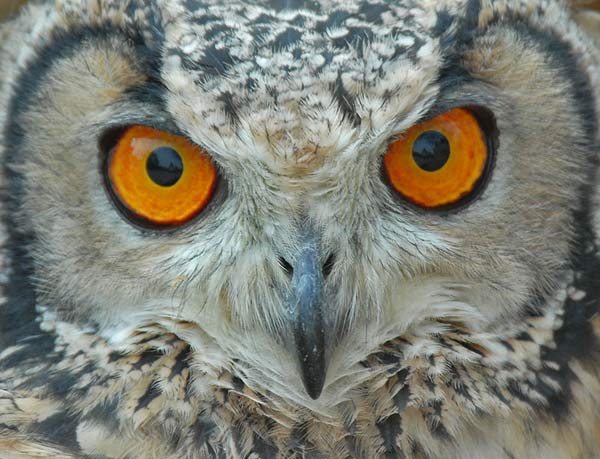
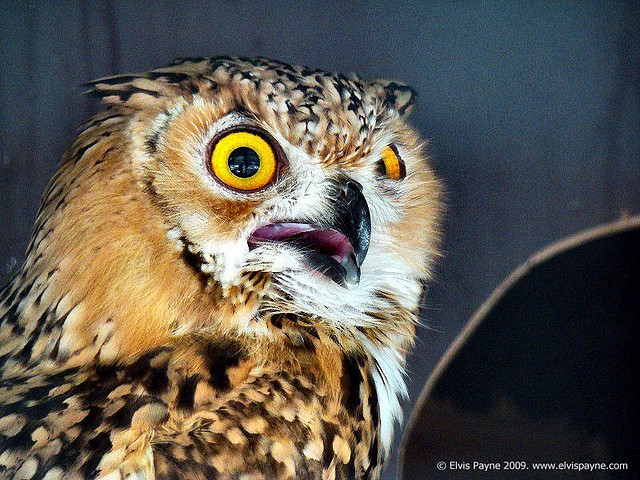
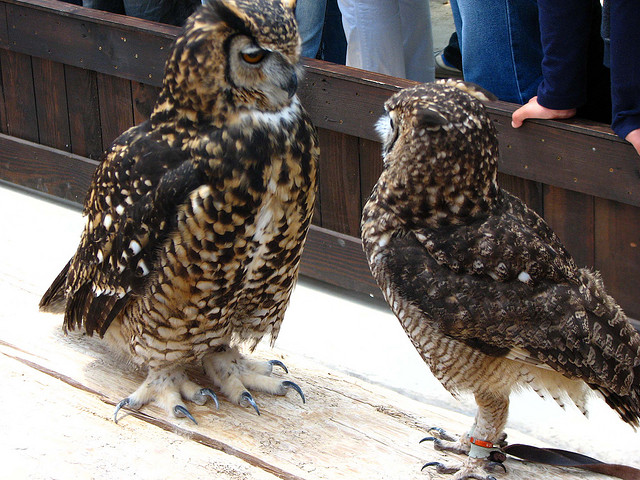
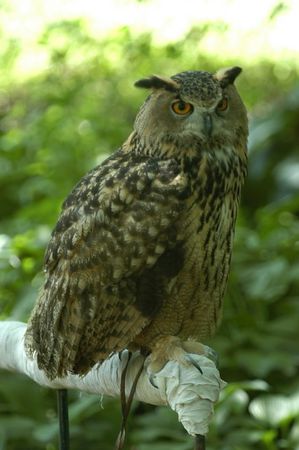
Bird of the Bible – Eagle-Owl – Video in Slow Motion

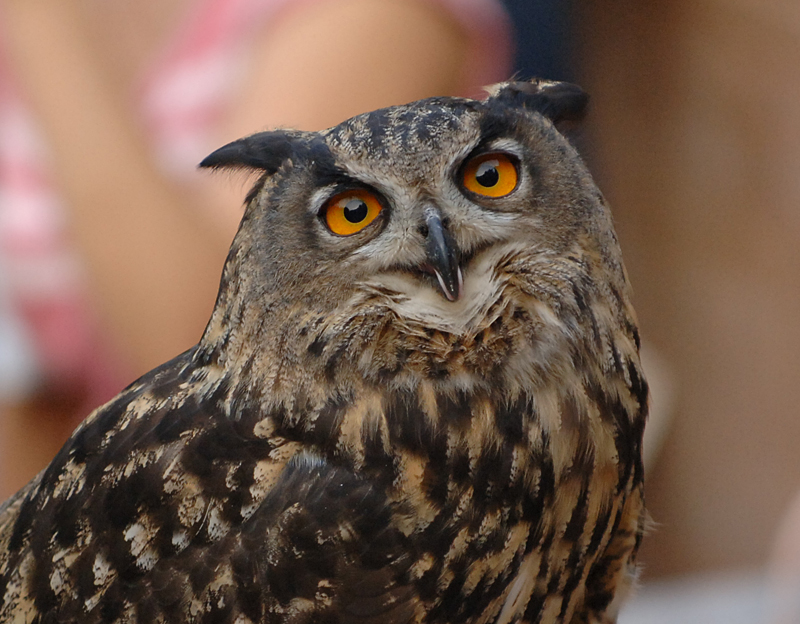
Eurasian Eagle-Owl (Bubo bubo) by Bob-Nan

Eurasian Eagle-Owl (Bubo bubo) by Bob-Nan

The video below was to me as a link in an e-mail. It was posted by vurtrunner in Full HD High Speed. It is worth showing again here and especially since it is a Bird of the Bible. What an awesome shot. The way the feet open up at the last seconds amazed me. Another interesting thing is the way he is so steadfast and aims right for his target. Thanks, Pastor Pete, for sending the link.

Therefore, my beloved brethren, be ye stedfast, unmoveable, always abounding in the work of the Lord, forasmuch as ye know that your labour is not in vain in the Lord. (1 Corinthians 15:58 KJV)

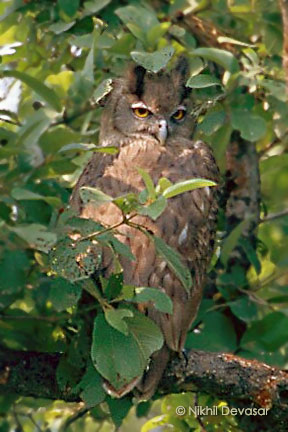
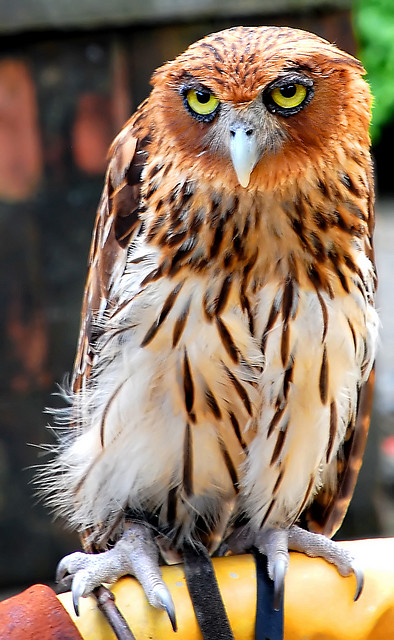
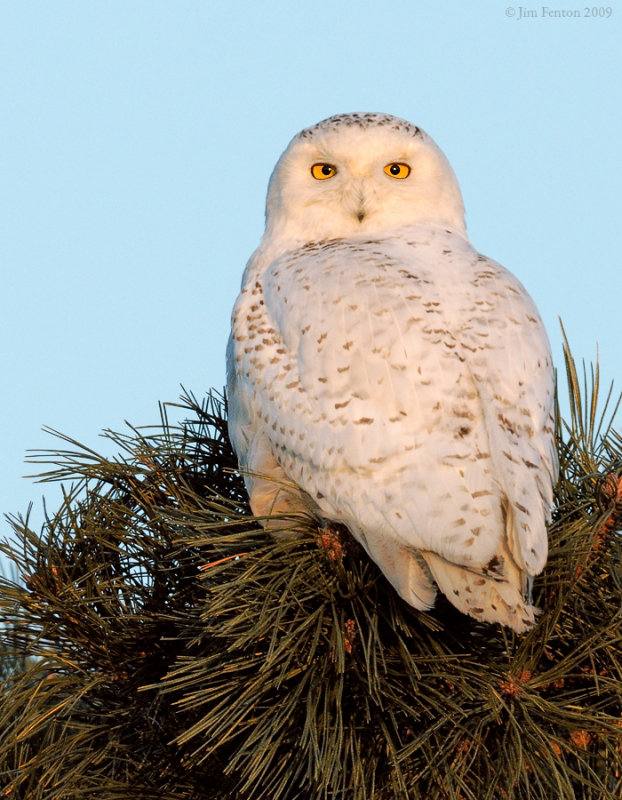
There are actually 15 Eagle-Owl in the world and the video did not say which one this one is. Looking at the photos I can find, most likely this is an Eurasian Eagle-Owl. The Eagle-Owls are the Eurasian Eagle-Owl, Indian, Pharaoh, Cape, Spotted, Greyish, Fraser’s, Usambara, Spot-bellied, Barred, Shelley’s, Verreaux’s, Dusky, Akun, and Philippine Eagle-Owl. They are in the Stringidae Family of the Strigiformes Order. Also, the Eagle-Owls are in the genus Bubo, which also included the horned owls (Snowy Owl, Great Horned Owl, Lesser Horned Owl) and one fish owl (Blakiston’s Fish Owl). “This genus, depending on definition, contains about one or two dozen species of typical owls (family Strigidae) and is found in many parts of the world. Some of the largest living Strigiformes are in Bubo. Traditionally, only owls with ear-tufts were included here, but that is no longer the case.” (Wikipedia)

The beast of the field shall honour me, the dragons and the owls: because I give waters in the wilderness, and rivers in the desert, to give drink to my people, my chosen. (Isaiah 43:20 KJV)

*

See More:

Birds of the Bible

Birds of the Bible – Owls