Sharp-Beaked Ground Finch – The Bloodsucker..

©realmonstrosities.com

Sharp-Beaked Ground Finch or Vampire Finch ©realmonstrosities.com

Sharp-Beaked Ground Finch – The Bloodsucker..  ~ by a j mithra

There is an interesting finch bird on Wolf Island, it is the Sharp-Beaked Ground Finch. The Vampire Finch (Geospiza difficilis septentrionalis) is a small bird native to the Galápagos Islands. It is a very distinct subspecies of the Sharp-beaked Ground Finch (Geospiza difficilis) endemic  to Wolf and Darwin Islands.

Sharp-Beaked Finch: (Geospiza nebulosa) belong to the highlands of the central and western islands. The vampire finch is endangered, being a small-island endemic. This bird is known as the Vampire Finch because it pecks the flesh of the backs of masked boobies, red footed boobies and Blue Footed Boobies to feed on their blood.

This pecking the flesh and feeding the blood at the back, reminds me of how Jesus was battered and bruised on the cross for my sins..

  • Of how my sins had ploughed his back on the cross..
  • Of how He drained all His blood on the cross and paid a price for my salvation…

For the life of the flesh is in the blood: and I have given it to you upon the altar to make an atonement for your souls: for it is the blood that maketh an atonement for the soul. (Leviticus 17:11)
Neither by the blood of goats and calves, but by his own blood he entered in once into the holy place, having obtained eternal redemption [for us]. Hebrews 9:12)

The four species of ground finches are similar in coloration — adult males are black, and females streaked brown. They all have bills of the “crushing” variety, useful for feeding on seeds.

Sharp-beaked Ground Finch (Geospiza difficilis) Female ©WikiC

Sharp-beaked Ground Finch (Geospiza difficilis) Female ©WikiC

The Sharp-beaked finch (Geospiza nebulosa) of the humid highlands of the central and western islands is highly endangered, unfortunately since some ornithologists believe it may be the closest to the ancestral form of all Darwin’s finches. On Wolf Island (or Culpepper, in the northwest corner of the archipelago) this finch is called the “vampire finch,” for its habit of pecking at the skin of boobies until they draw blood, which they drink. Such a behavior may have developed from eating the parasitic insects that are found in bird plumage (as ground finches do in other islands).

The vampire finch is sexually dimorphic as typical for its genus, with the males being primarily black and the females grey with brown streaks. It has the largest and most pointed beak of all G. difficilis subspecies, and overall looks like a miniature Common Cactus-Finch rather than, as the other subspecies do, a large Small Ground-Finch with a straight bill.

It has a lilting song on Wolf, a buzzing song on Darwin, and whistling calls on both islands; only on Wolf, a drawn-out, buzzing call is also uttered. This bird is most famous for its unusual diet. The Vampire Finch occasionally feeds by drinking the blood of other birds, chiefly the Nazca and Blue-footed Boobies, pecking at their skin with their sharp beaks until blood is drawn. Curiously, the boobies do not offer much resistance against this.

Jesus knew that the only redemption for all my sin is shedding His precious blood. That is the reason He took up the cross and shed every single drop of His precious blood, rather I would say, like these boobies, Jesus let Himself be sucked of all His blood, just to redeem me from eternal death…

He not only took the cross but also did not offer resistance, but completely submitted Himself.

  • Silence is the most powerful of all languages.
  • His silence pronounced death sentence to folks of satan.

Jesus could have easily got away from this suffering, but He let His silence speak for me…

He was oppressed, and he was afflicted, yet he opened not his mouth: he is brought as a lamb to the slaughter, and as a sheep before her shearers is dumb, so he openeth not his mouth. (Isaiah 53:7)

I want to be like Jesus, but, do I keep my mouth shut when afflicted for no reason, I asked myself…

  • I know that there is life and death in the words that come out of my mouth…
  • But little did I know that, it is my silence that can bring life..

“A time to rend, and a time to sew; a time to keep silence, and a time to speak;” Ecclesiastes 3:7<

It has been theorized that this behavior developed from the pecking behavior that the finch used to clean parasites from the plumage of the boobyThe finches also feed on eggs, stealing them just after they are laid and rolling them by pushing with their legs and using their beak as a pivot) into rocks until they break. More conventionally for birds, but still unusual among Geospiza, they also take Nectar from Galápagos prickly pear (Opuntia echios var. gigantea) flowers at least on Wolf.
Nonetheless, the mainstay of their diet is made up from seeds and invertebrates as in their congeners. The reasons for these peculiar feeding habits are the lack of freshwater on these birds’ home islands.

This character of this bird, clearly showed me how I would be, if I don’t have the Living Water to quench my thirst..
Jesus showed me how He is ready to part away with all the blood and all the water to quench my thirst…

Jesus answered and said unto her, Whosoever drinketh of this water shall thirst again:  But whosoever drinketh of the water that I shall give him shall never thirst; but the water that I shall give him shall be in him a well of water springing up into everlasting life. (John 4:13,14)

He let all His blood out on the cross so that I may live and dwell in Him forever and ever..

He that eateth my flesh, and drinketh my blood, dwelleth in me, and I in him. (John 6:56)

>Have a thoughtful Passover!

Your’s in YESHUA,

a j mithra

Please visit us at:  

Crosstree

ajmithra21

See also:

Gospel Message

Vampire finches of the Galápagos

*
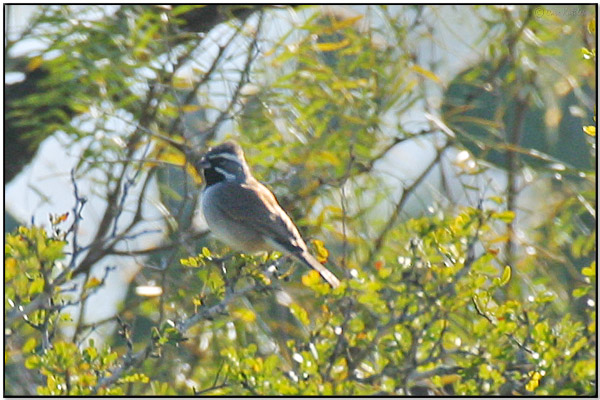
The Black-throated Sparrow – The Desert Dwellers

Black-throated Sparrow (Amphispiza bilineata)by Daves BirdingPix

Black-throated Sparrow (Amphispiza bilineata)by Daves BirdingPix

The Black-throated Sparrow – The Desert Dwellers ~ by a j mithra

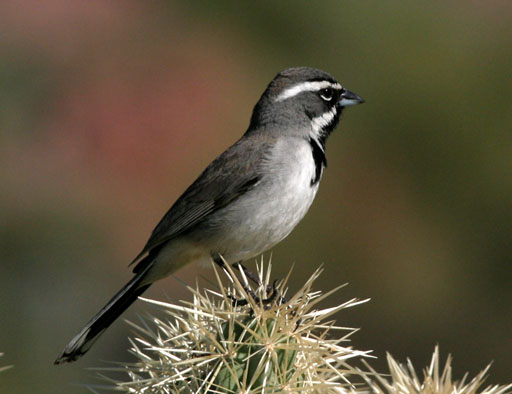
The Black-throated Sparrow (Amphispiza bilineata) is a very distinctive small, brown bird found in open areas with scattered shrubs and trees, including deserts and semi-desert grasslands in the intermountain region in the western United States, northern Mexico, and Baja California. It is sometimes referred to as the Desert Sparrow, due to its preferred habitat of arid desert hillsides and scrub. This name usually refers to the Desert Sparrow of Africa and Asia.

  • Though this little bird chooses to dwell among the desert, it never has stopped singing has it?

Shadrach, Meshach and Abednego did just that when they were thrown into the furnace which was seven times hotter.

  • That may be the reason why the Lord who is the pillar of cloud strolled with them in the furnace that day!
  • Probably they knew the secret that our God loves to dwell among our praises.

Peter and Silas did just that when they were beaten, bruised, chained and thrown into the jail. But, still they praised and you know what happened? Their praise released not only their bondages but also of those who were with them and it also shook the jail’s floor..

  • Have you ever tried praising God in your darkest hour?

Try worshipping like Peter and Silas and you will see the light shine not just at the end of the tunnel but all around you and also over every one who is the dark around you…

I will bless the LORD at all times: his praise shall continually be in my mouth. (Psalm 34:1)

Black-throated Sparrow (Amphispiza bilineata) ©WikiC

Black-throated Sparrow (Amphispiza bilineata) ©WikiC

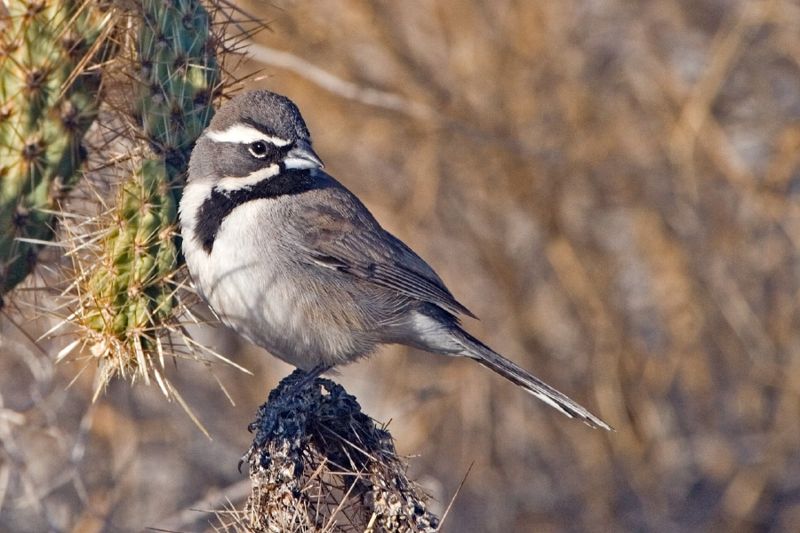
The Black-throated Sparrow is a small, gray sparrow that reaches a length of about 4.5-5.5 inches and has a distinctive black throat, with a bold white stripe above its eye and another down its cheek. The black tail is outlined in white except at the tips of the middle tail feathers. Juveniles, who retain this plumage into October, lack the black throat of adults and are lightly streaked.

Usually found in cactus and sagebrush deserts, especially on rocky slopes..

  • Sagebrush has bacteriostatic, astringent, and antioxidant properties.
  • Sagebrush kills bacteria, inhibits free radicals, and has anti-inflammatory and anti-carcinogenic actions, and so is most useful as a cleansing first aid wash for disinfecting wounds and skin irritations.
  • The leaves can be very useful in the kitchen as a means of protecting stored dried food from insects and rodents.

This maybe the reason for these little birds to choose a desert like place to live, since these plants grow among the dry desert slopes.

  • Don’t ever think that God has placed you in a dry desert to punish you..
  • He separates you so that you will turn into a better vessel that would glorify His name..

And I will bring the third part through the fire, and will refine them as silver is refined, and will try them as gold is tried: they shall call on my name, and I will hear them: I will say, Itis my people: and they shall say, The LORD is my God. (Zechariah 13:9)

Black-throated Sparrow (Amphispiza bilineata) ©WikiC

Black-throated Sparrow (Amphispiza bilineata) ©WikiC

The Black-throated Sparrow is considered to be better adapted to this type of ecosystem than any other seed-eating bird in North America. Adapted to dry habitats, Black-throated Sparrows can survive long periods of time without supplemental water, obtaining moisture from the seeds and insects that make up their diet. In the hottest part of the summer, however, supplemental water is necessary. In the winter, seeds make up the majority of their diet. During the breeding and nestling season, insects become more important. When available, berries and other fruits, as well as fresh green shoots, are also part of their diet.

  • Do you feel that God has put you in the wrong place?
  • Remember that God has created you to be unique to live where no one else can even dream of stepping in.
  • Have you forgotten that you can do all things through Christ who strengthens you?

Humble yourselves therefore under the mighty hand of God, that he may exalt you in due time: (I Peter 5:6)

They travel in small groups, though larger groups may accumulate around sources of water in the desert.

  • Right now, you and your family may not see hope and may feel like as if you are wandering through the desert.

I just want to encourage you that God does not take us to the desert to kill us but to show us that He is still care for us.

  • If God can give water to these birds in the desert, will He not give us?
  • Well, He is still able to bring everything from nothing.
  • So, congregate as a family in the presence of the Living Water and look out for a miracle which is on its way..

He turneth the wilderness into a standing water, and dry ground into watersprings. (Psalm 107:35)

Its call is high and bell-like, and its song is a fairly simple, mechanical tinkling.

  • You don’t have to be a great singer to bring God’s presence.
  • Our God is a simple God and He prefers our worship to be just simple.
  • Remember God doesn’t look for your voice; He just wants to hear your noise.
  • The wall of Jericho came down due to the noise and not the voice of Joshua and his people.

So the people shouted when the priests blew with the trumpets: and it came to pass, when the people heard the sound of the trumpet, and the people shouted with a great shout, that the wall fell down flat, so that the people went up into the city, every man straight before him, and they took the city. (Joshua 6:20)

Yours in YESHUA,
a j mithra

Please visit us at:

Crosstree

ajmithra21

More of a j mithra’s articles – Click Here

*

Nuggets Plus – Baobab, the water tank..

Baobab Grandidier (Adansonia grandidieri) ©WikiC

Baobab Grandidier (Adansonia grandidieri) ©WikiC

Nuggets Plus – Baobab, the water tank.. ~ by ajmithra

*

Nuggets Plus

Nuggets Plus

Mature Baobab tree
holds 120,000 litres of water
but a water tank
can hold between 1000-9000 litres!
If we are like the trees
planted by the waters,
how much Living Water
do we hold?

Therefore shall ye lay up these my words in your heart and in your soul, and bind them for a sign upon your hand, that they may be as frontlets between your eyes. (Deuteronomy 11:18)

Have a blessed day!

*
*

Black Rosy Finch – The Grace Seeker..

Black Rosy Finch – The Grace Seeker ~ by ajmithra

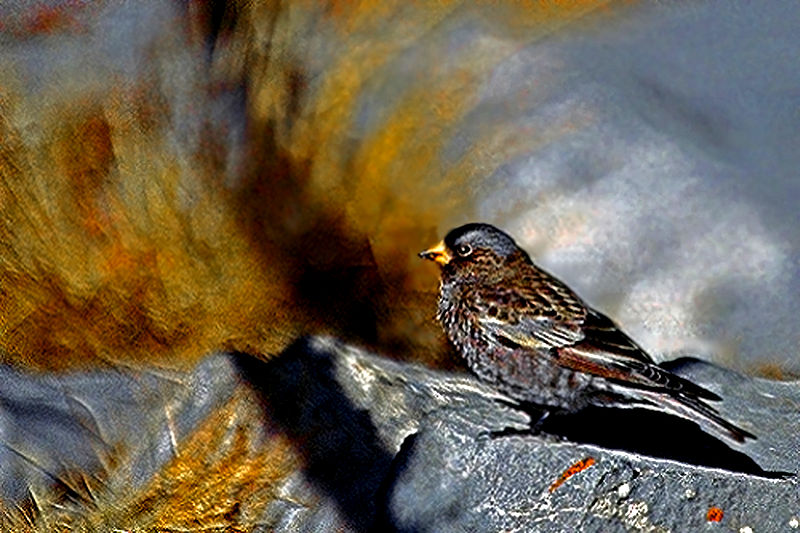
Black Rosy Finch (Leucosticte atrata) ©©Michaelandhelencox

Black Rosy Finch (Leucosticte atrata) ©©Michaelandhelencox

The Black Rosy-Finch breeds in the high mountains of the northern Great Basin. This encompasses the area from northeastern Nevada to southwestern Montana. It is not a long-distance migrant, but moves to lower elevations away from the breeding area as snow cover increases. In some winters these flights reach southward to Colorado, New Mexico, and rarely Arizona and California. Although population appears to be stable, it is uncommon over its very small breeding range.

The Black Rosy-finch breeds on the barren tundra of mountain summits, usually on rocky or grassy areas and near glaciers and continual snowfields. It winters at lower elevations in open areas such as fields, cultivated lands, roadsides, and human-made structures. Departure to higher elevations from the wintering grounds is by April. Nest building occurs between mid-June and mid-July, in a crevice or hole in near-inaccessible locations such as on vertical cliffs. The nest is made of grasses, moss, and sometimes feathers mixed with grass and animal hair, and contain four to five eggs on average. The diet consists of seeds of grasses and weeds except in summer when supplemented by insects.

Black Rosy Finch (Leucosticte atrata) ©WikiC

Black Rosy Finch (Leucosticte atrata) ©WikiC

These birds seem to know the secret of living in secret. They know that living on mountain summits, would be inaccessible for its predators. When the name of THE ROCK becomes our strong tower, it not only becomes inaccessible but also impossible for satan to even locate us.

The name of the LORD is a strong tower: the righteous runneth into it, and is safe. (Psalm 18:10)

There is not only protection on the rock, there is honey in its crevice too.

But he would feed you with the finest of the wheat, and with honey from the rock I would satisfy you. (Psalm 81:16)

The Black Rosy Finch builds a cup nest in a cavity on a cliff. Most birds migrate short distances to lower elevations and further south and return to the alpine areas in April. These birds forage on the ground, may fly to catch insects in flight. They mainly eat seeds from weeds and grasses and insects, often in areas where snow is melting, uncovering food items and new plant shoots.

God fed the Israelites with the dew wrapped Manna, bread of the angels.. God’s goodness is fresh each new morning and His goodness is like morning dew, underneath His dew lies our due. But do we seek for His dew every morning? Remember, as the sun goes up, the manna melts. His goodness too would melt if we don’t seek Him early in the morning isn’t it? When His dew melts our lives dry up..

O Ephraim, what shall I do unto thee? O Judah, what shall I do unto thee? for your goodness is as a morning cloud, and as the early dew it goeth away. (Hosea 6:4)

Black Rosy Finch (Leucosticte atrata) ©©Michaelandhelencox

Black Rosy Finch (Leucosticte atrata) ©©Michaelandhelencox

They often feed in small flocks, as the male will defend its female’s territory during breeding season, not just the nest but where ever she goes. This behavior is common with the rosy finches. When breeding both males and females develop throat pouches, known as gular pouches or gular skin, to carry food to their chicks.

God’s flock too is small, for He has promised to be present where two or three are gathered. These male birds remind us of how our Lord too defends our territories, though we haven’t yet taken steps to breed for the extension of His kingdom. We have an awesome God, who not only defends our territories but also followed us where ever we went and ended up giving His precious life for you and me.. What a mighty God we serve!!

Have I not commanded you? Be strong and courageous. Do not be afraid; do not be discouraged, for the LORD your God will be with you wherever you go. (Joshua 1:9)

Your’s in YESHUA,
a j mithra

Please visit us at:
Crosstree

ajmithra21

See more of aj’s articles – Click Here

Nice photo of a Black Rosy Finch

*

Nuggets Plus – The Ant, stores to share…

Ants and aphids on a mango tree ©binux

Ants and aphids on a mango tree ©binux

The Ant, stores to share… ~ by a j mithra

Ants have two stomachs
one to store food for itself
and the other to store food
to be shared with the other ants!

Nuggets Plus

Nuggets Plus

We’ve been storing
lots of spiritual food since birth
but, do we share it or store it?

Remember, storing too much
could lead to spiritual cholesterol..

The King will reply, ‘Truly I tell you, whatever you did for one of the least of these brothers and sisters of mine, you did for me. Matthew 25:40)
Have a blessed day!
a j mithra
*

Nuggets Plus – African Lungfish, The Clay Dweller…

Protopterus - African Lungfish WikiC

Protopterus - African Lungfish WikiC

Nuggets Plus – African Lungfish, The Clay Dweller… ~ by a j mithra

Nuggets Plus

Nuggets Plus

African Lung fish
dig a hole and survive
under the mud
for even up to four years
without water!

What have we done
for those who live in miry clay
without the Living Water
all through their lives?

He that believeth on me, as the scripture hath said, out of his belly shall flow rivers of living water (John 7:38)

Have a blessed day!

a j mithra


More Nuggets Plus

a j mithra’s Articles

Protopterus – Wikipedia

Nuggets Plus – The Righteous Cedar…

Nuggets Plus – The Righteous Cedar… ~ by a j mithra

Nuggets Plus

Nuggets Plus

Not only Ships
but also God’s temple
and musical instruments
were built with the scented and
decay resistant wood
of the Cedar tree!
Cedar was even used for
ritual cleansing!
We say that we are God’s temple
and instruments in the hands of God!
God calls us as Cedar too!
But,
do we deserve to be called
as Cedar?
The righteous shall flourish like the palm tree:
he shall grow like a cedar in Lebanon.” (Psalm 92:12)
Have a blessed day!

*

The Christmas Bird?

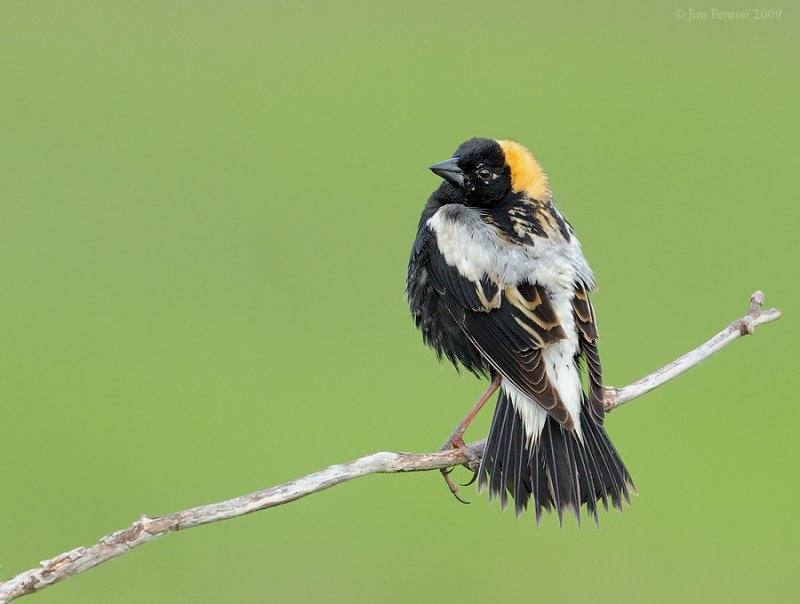
Bobolink (Dolichonyx oryzivorus) by J Fenton

Bobolink (Dolichonyx oryzivorus) by J Fenton

The Christmas Bird?

The other day as I was reading an article on Bobolinks,
My thoughts immediately flew to the manger
where our Lord lay among the haystack.
This bird too loves to live and nest among the hay fields.
  • Are we satisfied with the place which God has given us?
  • Or do we grumble about where God has placed us?
  • Or are we trying to live or outlive like others?
God lowered Himself to the manger..
We all want to be like Jesus,
  • but, are we willing to humble ourselves like Him?
Take my yoke upon you, and learn of me; for I am meek and lowly in heart: and ye shall find rest unto your souls.  (Mathew11:29)
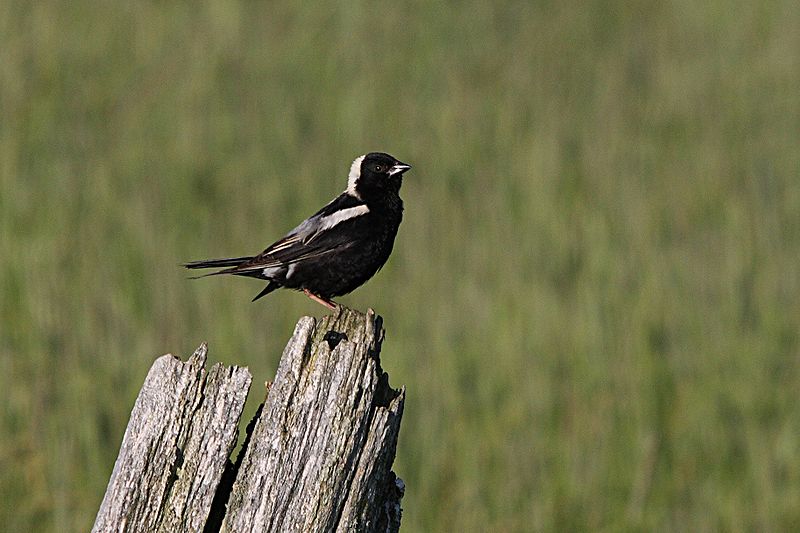
Bobolink (Dolichonyx oryzivorus) ©WikiC

Bobolink (Dolichonyx oryzivorus) ©WikiC

These birds are seen feeding during the night too…

This reminded me of the shepherds
who went in search of the Heavenly Manna during the night…
Each one of us would like to be called as being righteous, but,
  • do we meditate His words, every day and every night?
“But his delight is in the law of the LORD; and in his law doth he meditate day and night.” Psalm 1:2
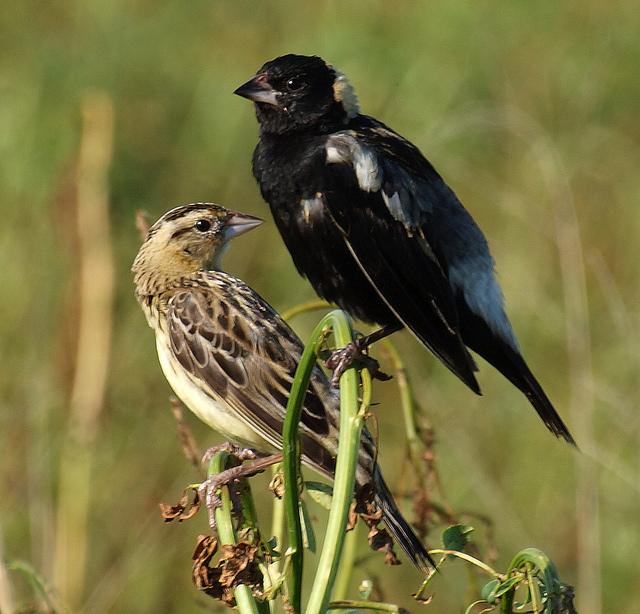
Bobolink (Dolichonyx oryzivorus) CC Pair ramendan

Bobolink (Dolichonyx oryzivorus) CC Pair ramendan

These birds though very small in size,

are extraordinary migrants,
making a trip of about 20,000 kilometers in one season
using the earth’s magnetic field as compass
and the location of stars as its map.
This reminded me of the star
that showed the way to the wise men
who came in search of
Jesus, the Brightest Morning Star…
I am the root and the offspring of David, and the bright and morning star. (Revelation 22:16)
When Jesus becomes our Bright and morning star,
We would never loose our way like the wise men
even in our darkest hour..
Can we call Bobolink as the “Christmas Bird?”
Wish you all a very blessed and a meaningful Christmas..
With love and prayers,

Yours in YESHUA,

a j mithra

Please visit us at:

ajmithra21/


Bobolinks are part of the Icteridae – Oropendolas, Orioles & Blackbirds Family.

Bobolink – Extraordinary Migrant…

*

The Limpkin – Created Special..

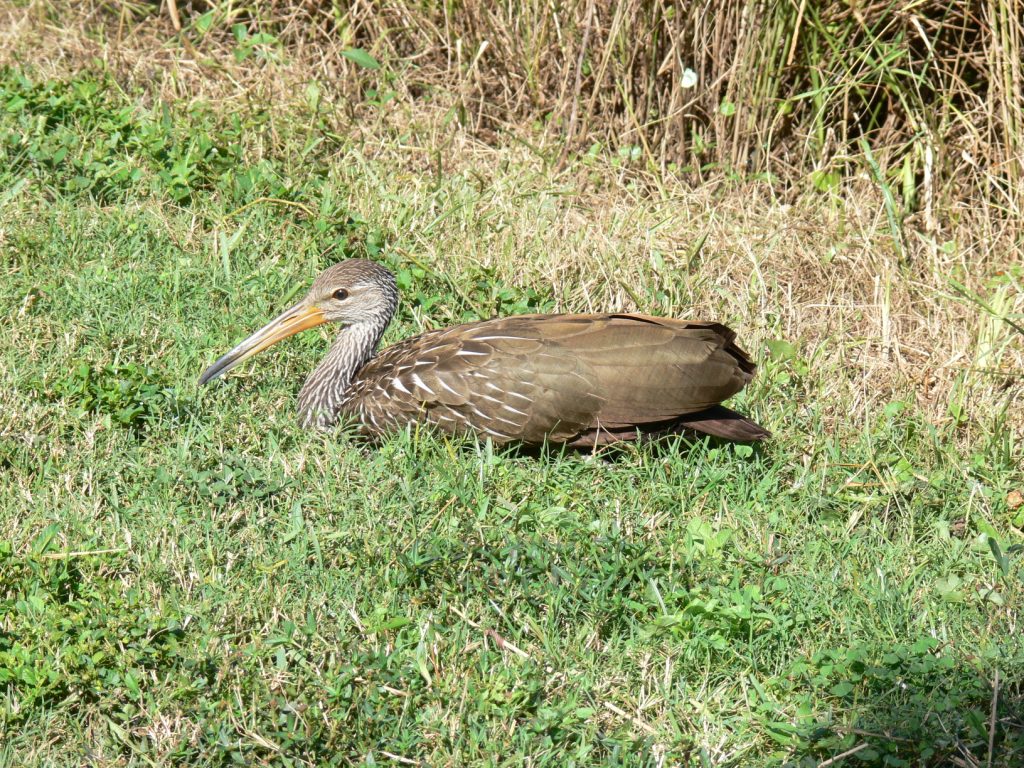
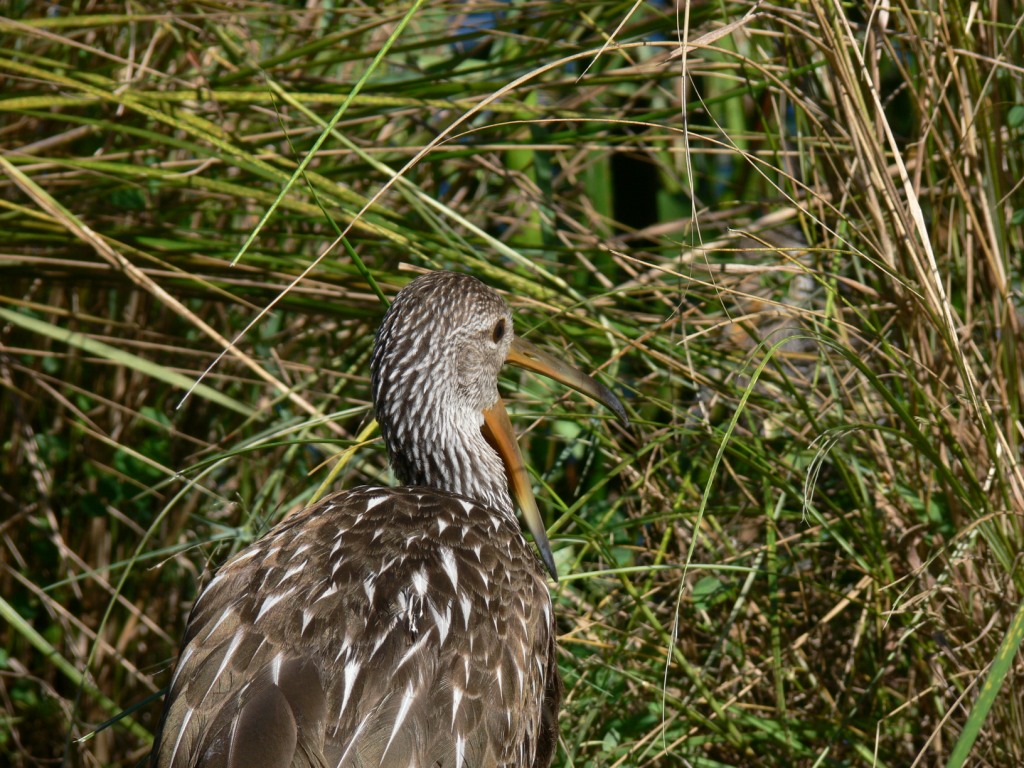
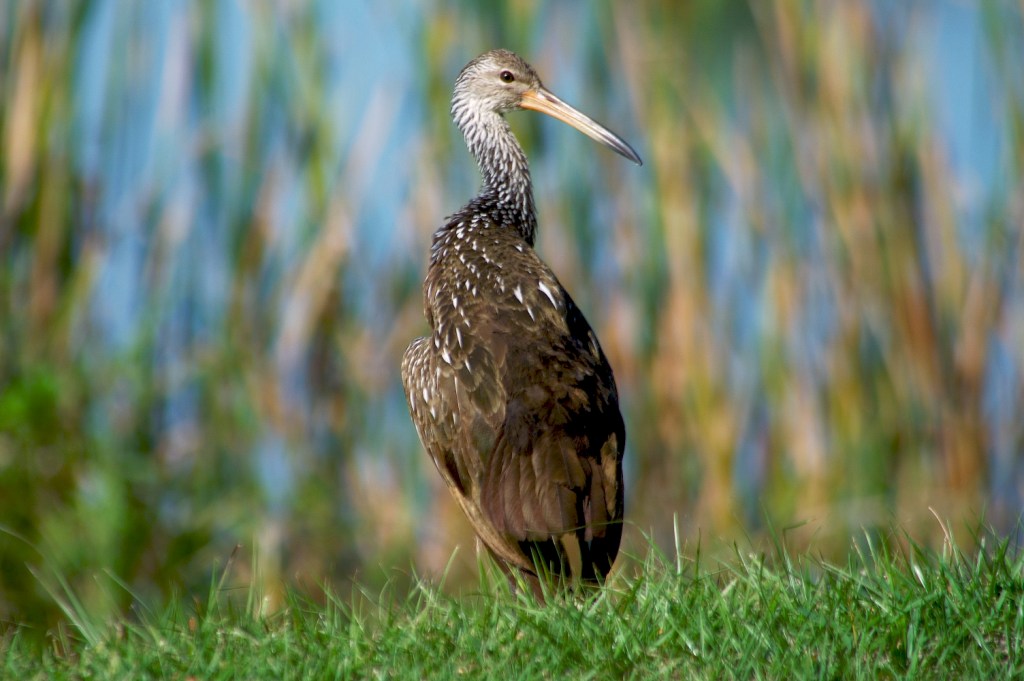
Limpkin (Aramus guarauna) Imm resting by Lee Lake Morton taken 10-21-11

Limpkin (Aramus guarauna) Imm resting by Lee Lake Morton taken 10-21-11

The Limpkin – Created Special.. – by a j mithra

The Limpkin is the only species in the family Aramidae and has no close relatives.

However, within the Gruiformes, similarities to both cranes and rails have long been noted.

The name Limpkin comes from the slightly awkward walk of the species. However, Limpkins are in fact strong runners. Limpkins are good swimmers and slow but strong fliers. The Limpkin flies like a crane, with short concave wings slowly flapping, neck extended, and legs dangling….

  • Your life maybe may be awkward and may not look pleasing to the others…
  • People may judge you by your looks, but still, you are precious for GOD…
  • Look at these birds, even though they are awkward walkers, they still are good swimmers and strong fliers..
  • You may be awkward in something, but, with GOD you are beautiful..
  • Your duty is to find out in what way you are special at…
  • David was just a shepherd boy but he brought down giant Goliath, a professional soldier, with just a pebble…
  • His brothers saw him as an awkward shepherd, but GOD saw him as a worthy winner..

“…….: for the LORD seeth not as man seeth; for man looketh on the outward appearance, but the LORD looketh on the heart.” (I Samuel 16:7)

At night, Limpkins tend to roost either in shrubs or in the tops of dead trees. Most Limpkins are not migratory, spending the entire year in one location. However, some South American Limpkin populations move between a wet season habitat and a dry season habitat.

Limpkin (Aramus guarauna) Yawning by Lee Lake Morton

Limpkin (Aramus guarauna) Yawning by Lee Lake Morton

Most Limpkins are solitary, they live alone. In some cases, limpkins may be found in pairs, usually male and female breeding partners, or in small groups. The Limpkin is found along borders of wooded streams, bayous, and sloughs, or in open marshes and sometimes in uplands, where it runs through brush with long strides or perches on small trees. Territorial males engage in aggressive, ritualistic confrontations that include charging, retreating, and loud calling.

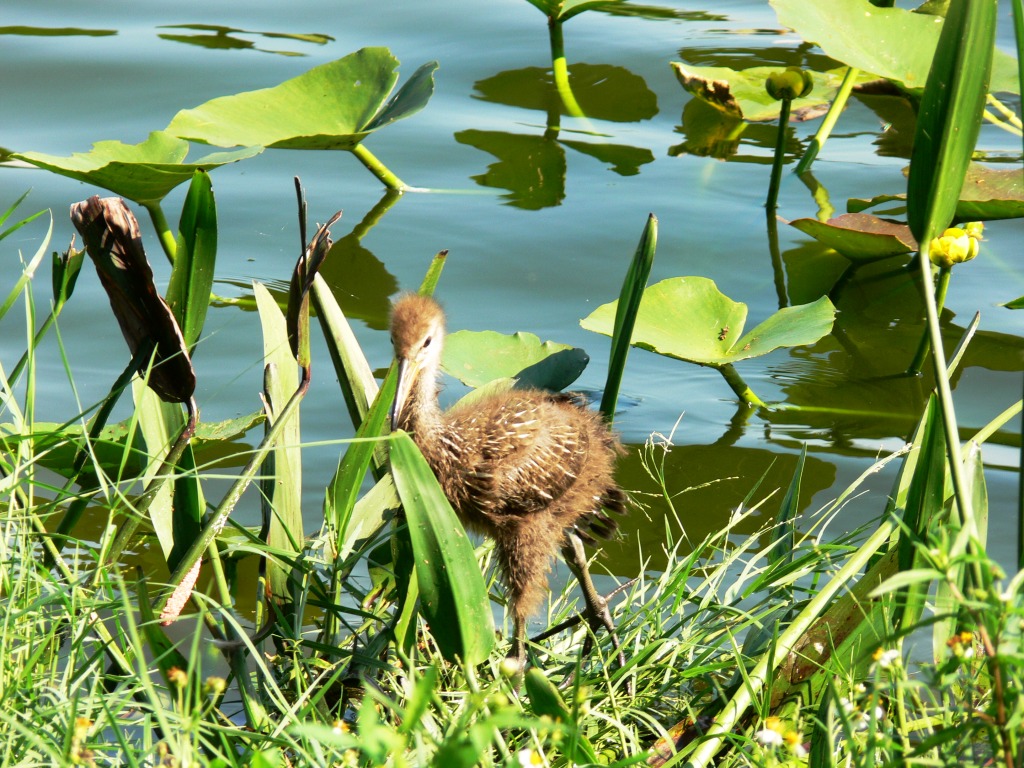
Limpkins build their nests near water; most often, nests are built either on the ground, hidden in dense vegetation, or up in a tree. In some cases, nests may be 20 feet (6 meters) off the ground or even higher. Nests are built from reeds and grass and lined with softer plant material. Both male and female limpkins participate in all phases of reproductive activity, including nest-building, incubating the eggs, and feeding and caring for the young once they hatch. Limpkin chicks are able to leave the nest about one day after hatching, and follow one of the parents around until they become independent.

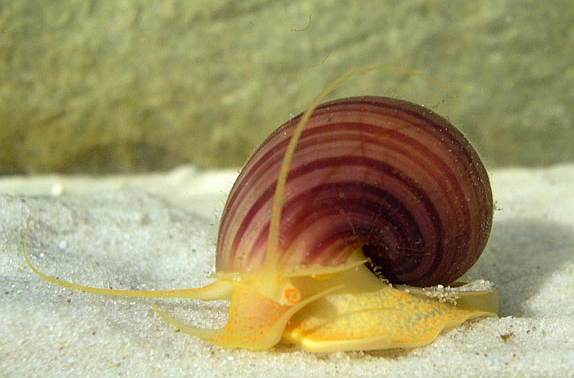
Apple Snail - (Ampullariidae, common name the apple snails) WikiC

Apple Snail - (Ampullariidae, common name the apple snails) WikiC

It feeds on mollusks, crustaceans, aquatic insects, frogs, and worms. The apple snail is important to the Limpkin’s diet.

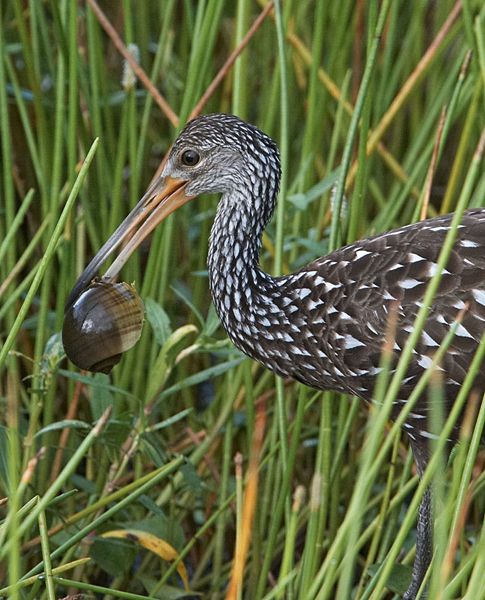
Limpkins have several physical adaptations that help it deal with this prey. Since the apple snail’s shell curves to the right, Limpkins were created with a bill that also curves to the right, making it possible to insert the bill into the snail shell. The tip of the upper beak is sharpened to allow Limpkins to cut the snail out of the shell. Finally, Limpkins have a small gap in the bill which helps them carry and handle snails…

The favorite food of these birds is the apple snails whose shells curve to the right…

Limpkin (Aramus guarauna) with Apple Snail - ©WikiC

Limpkin (Aramus guarauna) with Apple Snail - ©WikiC

God loves these birds so much that he gives a bill which also curves to the right and has sharpened the tip of the upper beak to cut the snail out of the shell so that these birds may enjoy their favorite food..

This is an awesome example of how much care, GOD has taken for very little but very vital features needed for the survival of these birds, while creating them…

  • If GOD can take so much care to design the features of a small bird,
  • Don’t you think that HE would’ve already created all that you need for your survival?

“Great in counsel, and mighty in work: for thine eyes are open upon all the ways of the sons of men: to give every one according to his ways, and according to the fruit of his doings: “(Jeremiah 32:19)

We at lees bird pray for all those visit us that GOD may,

Grant thee according to thine own heart, and fulfil all thy counsel. (Psalm 29:4)

Have a blessed day!

Your’s in YESHUA,
a j mithra

Please visit us at: Crosstree


Lee’s Addition:

Limpkin (Aramus guarauna pictus) baby taken 9-12-11 by Lee

Limpkin (Aramus guarauna pictus) baby taken 9-12-11 by Lee

Limpkins belong to the Limpkin – Aramidae Family of the Gruiformes Order. There are four subspecies in the Aramus genus.

Aramus
Limpkin (Aramus guarauna) by Dan at Saddle Creek
____ (Aramus guarauna pictus) found in Florida (USA), Cuba, Jamaica – baby by Lee
____ (Aramus guarauna elucus) found in Hispaniola, Puerto Rico
____ (Aramus guarauna dolosus) found in se Mexico to Panama – IBC
____ (Aramus guarauna guarauna) found in n South America to Paraguay and Argentina – IBC

See Also:

ajmithra’s other articles

*

Nuggets Plus – Cochineal Insect

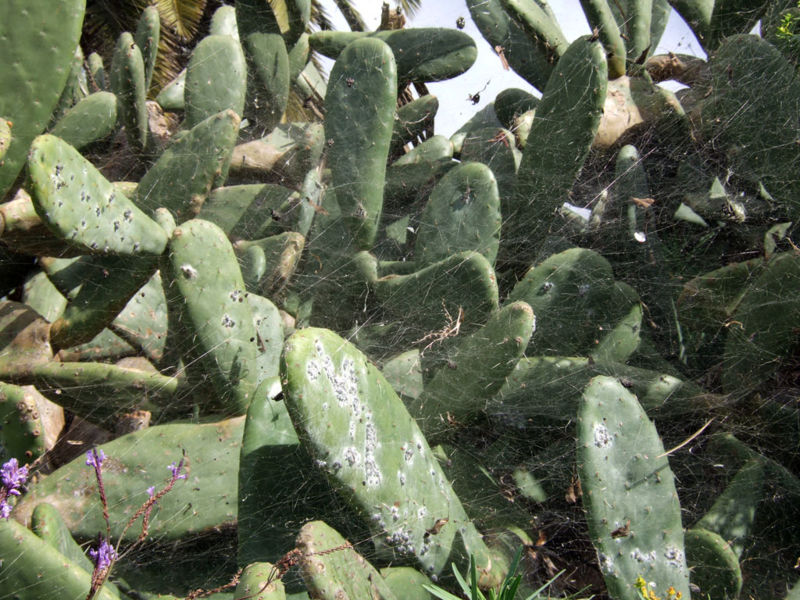
Cochineal on Opuntia cactus (the white spots) La Palma - WikiC

Cochineal on Opuntia cactus (the white spots) La Palma - ©WikiC

Nuggets Plus – Cochineal Insect ~ by ajmithra

Cochineal insect

that lives on prickle pear cactus,

is dried and powered

to extract dye

for fabric, food and cosmetics..

Jesus dried His blood for us,

to dye the fabric of Salvation

to give us the Living Bread,

and to beautify us

with the cosmetic of holiness..

And I said unto him, Sir, thou knowest. And he said to me, These are they which came out of great tribulation, and have washed their robes, and made them white in the blood of the Lamb. (Revelation 7:14)

Nuggets Plus – Caddisfly – The Healer

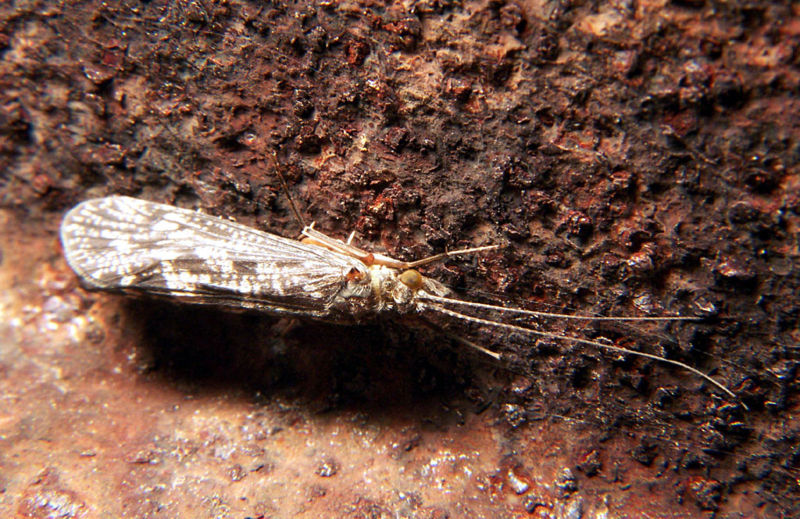
Trichoptera Caddisfly from Wikipedia

Trichoptera Caddisfly from Wikipedia

Nuggets Plus – Caddisfly – The Healer ~ by ajmitha

Nuggets Plus

Nuggets Plus

Caddisfly’s silk Is sticky when wet and this silk Make a valuable adhesive tape used to suture wounds.. When we get wet with the Living Water, We have to suture wounds and not create wounds… By the way, Is our life creating wounds, Or suturing wounds? Remember, Though we hurt Jesus, He still heals… He expects us to be like Him… Do we heal and not hurt?

He healeth the broken in heart, and bindeth up their wounds. (Psalm 147:3)

Trichoptera Net made by Caddisfly from Wikipedia

Trichoptera Net made by Caddisfly from Wikipedia

Nuggets Plus – The Accident Free African Locust

Desert Locust - Africa -WikiC

Desert Locust - Africa -WikiC

Nuggets Plus – The Accident Free African Locust – by ajmithra

Nuggets Plus

Nuggets Plus

As they swarm,
the African locusts
has the uncanny ability
to avoid crashing against
one another…

We are fearfully
and wonderfully made
by His own hands
in His own image…

But,

We often crash against each other..

Why?

Is it because,
we have lost “THE WAY”?

The steps of a good man are ordered by the LORD: and he delighteth in his way.
Though he fall, he shall not be utterly cast down: for the LORD upholdeth him with his hand.” (Psalm 37:23,24)