Nuggets Plus – Baobab, the water tank..

Baobab Grandidier (Adansonia grandidieri) ©WikiC

Baobab Grandidier (Adansonia grandidieri) ©WikiC

Nuggets Plus – Baobab, the water tank.. ~ by ajmithra

*

Nuggets Plus

Nuggets Plus

Mature Baobab tree
holds 120,000 litres of water
but a water tank
can hold between 1000-9000 litres!
If we are like the trees
planted by the waters,
how much Living Water
do we hold?

Therefore shall ye lay up these my words in your heart and in your soul, and bind them for a sign upon your hand, that they may be as frontlets between your eyes. (Deuteronomy 11:18)

Have a blessed day!

*
*

Disclaimer About Bible Version Usage

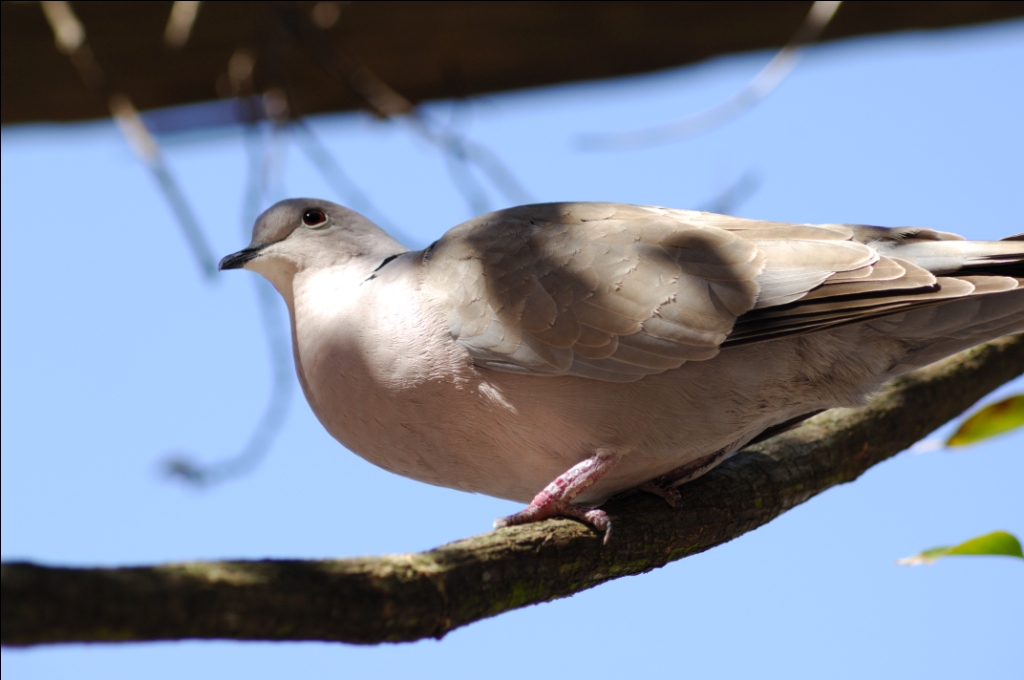
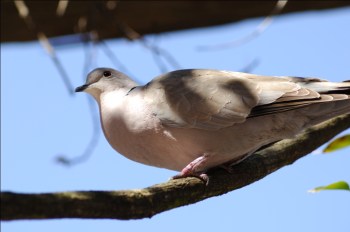
Eurasian Collared Dove (Streptopelia decaocto) by Dan

Eurasian Collared Dove (Streptopelia decaocto) by Dan

I would like to post a Disclaimer about the use of the different Bible versions that I use in my various blogs, especially the Birds of the Bible articles. Because I quote from different versions does not mean that I endorse them.  There are versions that translated God’s Word very faithfully by Godly men. There are some of the translations that are questionable as to “by whom” and “why” the translations were made.

When I do my Birds of the Bible articles, I like to “Compare” the different versions. I use e-Sword, a free Bible program from e-sword.net, and it has a “compare” mode that lets me see all the different versions of a verse I have loaded at the same time. I find it amazing that the different versions of Scripture translate a Greek or Hebrew word into so many different birds. When I do my articles, I write from an educational mode, an instructional mode and a spiritual mode.

Study to shew thyself approved unto God, a workman that needeth not to be ashamed, rightly dividing the word of truth. (2 Timothy 2:15 KJV)

Here is an example of what my “Compare” looks like with all the different versions I have loaded. I have some which I can’t even read, some are in Spanish, and I have the Latin Vulgate in here because many of the bird species use Latin in their names and I try to see if that will give me a clue as to which bird is intended.
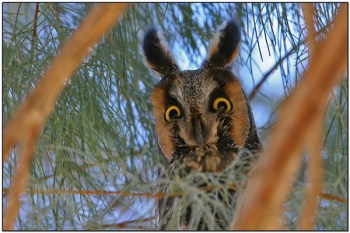
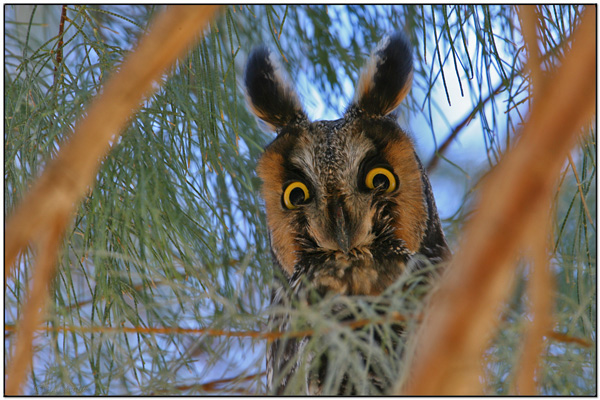
Long-eared Owl (Asio otus) by Daves BirdingPix

Long-eared Owl (Asio otus) by Daves BirdingPix

Leviticus 11:17

(ACV) and the little owl, and the cormorant, and the great owl,

(ABP+) AndG2532 long-eared owl,G3563.3 andG2532 cormorant,G2674.1 andG2532 ibis,G2395.1

(ABP-G+) καιG2532 νυκτικορακαG3563.3 καιG2532 καταρρακτηνG2674.1 καιG2532 ιβινG2395.1

(AKJV) And the little owl, and the cormorant, and the great owl,

(AMP) The owl, the cormorant, the ibis,

(ASV) and the little owl, and the cormorant, and the great owl,

(BBE) And the little owl and the cormorant and the great owl;

(Bishops) The Falcon, the Cormorant, the great Owle,

(Brenton) and the night-raven and the cormorant and the stork,

(CEV) (SEE 11:13)

(CJB) the little owl, the cormorant, the great owl,

(Darby) and the owl, and the gannet, and the ibis,

(DRB) The screech owl, and the cormorant, and the ibis.

(ERV) owls, cormorants, great owls,

(ESV) the little owl, the cormorant, the short-eared owl,

(Geneva) The litle owle also, and the connorant, and the great owle.

(GNB) (SEE 11:13)

(GW) little owls, cormorants, great owls,

(HCSB) the little owl, the cormorant, the long-eared owl,

(HOT+) ואתH853 הכוסH3563 ואתH853 השׁלךH7994 ואתH853 הינשׁוף׃H3244

(ISV) owl, cormorant, ibis,

(JPS) and the little owl, and the cormorant, and the great owl;

(KJV) And the little owl, and the cormorant, and the great owl,

(KJV+) And the little owl,H3563 and the cormorant,H7994 and the great owl,H3244

(KJV-1611) And the little Owle, and the Cormorant, and the great Owle,

(KJVA) And the little owl, and the cormorant, and the great owl,

(LBLA) el búho, el somormujo, el búho real,

(LITV) and the little owl, and the cormorant, and the eared owl;

(LXX+) καιG2532 CONJ νυκτικορακαN-ASM καιG2532 CONJ καταρρακτηνN-ASM καιG2532 CONJ ιβινN-ASF

(MKJV) and the little owl, and the cormorant, and the eared owl;

(MSG) owl, cormorant, ibis,

(NAS77) and the little owl and the cormorant and the great owl,

(NASB) and the little owl and the cormorant and the great owl,

(NASB+) and the littleH3563b owlH3563b and the cormorantH7994 and the N1greatH3244 owlH3244,

(NBLH) el búho, el somormujo, el búho real,

(NIrV) “‘They include little owls, cormorants and great owls.

(NIV) the little owl, the cormorant, the great owl,

(NKJV) the little owl, the fisher owl, and the screech owl;

(NRSV) the little owl, the cormorant, the great owl,

(NRSVA) the little owl, the cormorant, the great owl,

(RV) and the little owl, and the cormorant, and the great owl;

(SRV) Y el buho, y el somormujo, y el ibis,

(Translit+) . . kowcH3563 kowcH3563 . . shalakH7994 . . yanshuwphH3244 yanshuwphH3244

(Vulgate) bubonem et mergulum et ibin

(Webster) And the little owl, and the cormorant, and the great owl,

(YLT) and the little owl, and the cormorant, and the great owl,

________________________
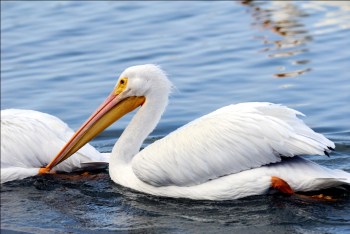
White Pelican at Lake Hollingsworth by Dan

White Pelican at Lake Hollingsworth by Dan

Or the next verse:

Leviticus 11:18

(ACV) and the horned owl, and the pelican, and the vulture,

(ABP+) andG2532 the purple-legged stork,G4209.2 andG2532 pelican,G3989.2 andG2532 swan,G2945.2

(ABP-G+) καιG2532 πορφυριωναG4209.2 καιG2532 πελεκαναG3989.2 καιG2532 κυκνονG2945.2

(AKJV) And the swan, and the pelican, and the gier eagle,

(AMP) The swan, the pelican, the vulture,

(ASV) and the horned owl, and the pelican, and the vulture,

(BBE) And the water-hen and the pelican and the vulture;

(Bishops) The Backe, the Pellicane, the Pye,

(Brenton) and the red-bill, and the pelican, and swan,

(CEV) (SEE 11:13)

(CJB) the horned owl, the pelican, the barn owl,

(Darby) and the swan, and the pelican, and the carrion vulture,

(DRB) And the swan, and the bittern, and the porphyrion.

(ERV) water hens, pelicans, carrion vultures,

(ESV) the barn owl, the tawny owl, the carrion vulture,

(Geneva) Also the redshanke and the pelicane, and the swanne:

(GNB) (SEE 11:13)

(GW) barn owls, pelicans, ospreys,

(HCSB) the white owl, the desert owl, the osprey,

(HOT+) ואתH853 התנשׁמתH8580 ואתH853 הקאתH6893 ואתH853 הרחם׃H7360

(ISV) water-hen, pelican, carrion,

(JPS) and the horned owl, and the pelican, and the carrion-vulture;

(KJV) And the swan, and the pelican, and the gier eagle,

(KJV+) And the swan,H8580 and the pelican,H6893 and the gier eagle,H7360

(KJV-1611) And the Swanne, and the Pellicane, and the Gier-eagle,

(KJVA) And the swan, and the pelican, and the gier eagle,

(LBLA) la lechuza blanca, el pelícano, el buitre común,

(LITV) and the barn owl, and the pelican and the owl-vulture;

(LXX+) καιG2532 CONJ πορφυριωναN-ASM καιG2532 CONJ πελεκαναN-ASM καιG2532 CONJ κυκνονN-ASM

(MKJV) and the barn owl, and the pelican, and the owl-vulture;

(MSG) water hen, pelican, Egyptian vulture,

(NAS77) and the white owl and the pelican and the carrion vulture,

(NASB) and the white owl and the pelican and the carrion vulture,

(NASB+) and the whiteH8580 owlH8580 and the N1pelicanH6893 and the carrionH7360 vultureH7360,

(NBLH) la lechuza blanca, el pelícano, el buitre común,

(NIrV) They include white owls, desert owls and ospreys.

(NIV) the white owl, the desert owl, the osprey,

(NKJV) the white owl, the jackdaw, and the carrion vulture;

(NRSV) the water hen, the desert owl, the carrion vulture,

(NRSVA) the water hen, the desert owl, the carrion vulture,

(RV) and the horned owl, and the pelican, and the vulture;

(SRV) Y el calamón, y el cisne, y el onocrótalo,

(Translit+) . . tanshemethH8580 . . qa’athH6893 . . rachamH7360 rachamH7360

(Vulgate) cycnum et onocrotalum et porphirionem

(Webster) And the swan, and the pelican, and the gier-eagle,

(YLT) and the swan, and the pelican, and the gier eagle,


e-Sword Home

*

Birds of the Bible – Hawks

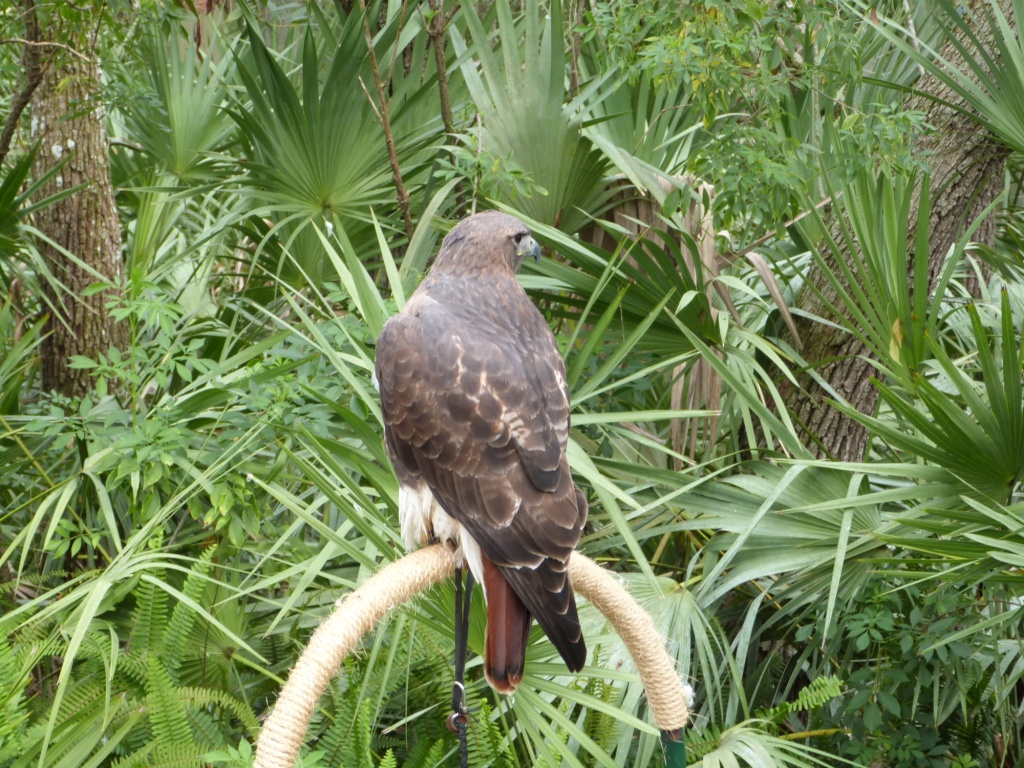
Red-tailed Hawk (Buteo jamaicensis) Brevard Zoo by Lee

Red-tailed Hawk (Buteo jamaicensis) Brevard Zoo by Lee

“Does the hawk fly by your wisdom, And spread its wings toward the south? (Job 39:26 NKJV)

In Birds of the Bible – Hawk Migration we covered Job 38:1-3 which talks about birds knowing when to head South. After taking nice pictures of the Red-shouldered and Red-tailed Hawks at the Brevard Zoo, I decided to do another Birds of the Bible about Hawks. Just discovered that I never really did an initial one on Hawks like I did for the other Birds of the Bible articles.

According to the King James Version of Scripture, the other two verses with hawk in them are:

the ostrich, the short-eared owl, the sea gull, and the hawk after its kind; (Leviticus 11:16 NKJV)

and

the ostrich, the short-eared owl, the sea gull, and the hawk after their kinds; (Deuteronomy 14:15 NKJV)

Both of these references to the Hawk are in the list of unclean birds the Israelites were not suppose to eat. The list of Clean and Unclean birds were covered in Birds of the Bible – Clean vs. Unclean,  Birds of the Bible – The Law Of The Birds and Deuteronomy 14:11-18 Visualized.

The CEV (Contemporary English Version) combines all of the birds together in one verse in Leviticus and then again in Deuteronomy.

Eagles, vultures, buzzards, crows, ostriches, hawks, sea gulls, owls, pelicans, storks, herons, hoopoes, and bats are also disgusting, and you are forbidden to eat any of them. (Leviticus 11:13 CEV)

But don’t eat the meat of any of the following birds: eagles, vultures, falcons, kites, ravens, ostriches, owls, sea gulls, hawks, pelicans, ospreys, cormorants, storks, herons, and hoopoes. You must not eat bats. (Deuteronomy 14:12 CEV)

The GNB (Good News Bible) does basically the same with Leviticus and Deuteronomy:

You must not eat any of the following birds: eagles, owls, hawks, falcons; buzzards, vultures, crows; ostriches; seagulls, storks, herons, pelicans, cormorants; hoopoes; or bats. (Leviticus 11:13 GNB)

But these are the kinds of birds you are not to eat: eagles, owls, hawks, falcons; buzzards, vultures, crows; ostriches; seagulls, storks, herons, pelicans, cormorants; hoopoes; and bats. (Deuteronomy 14:12 GNB)

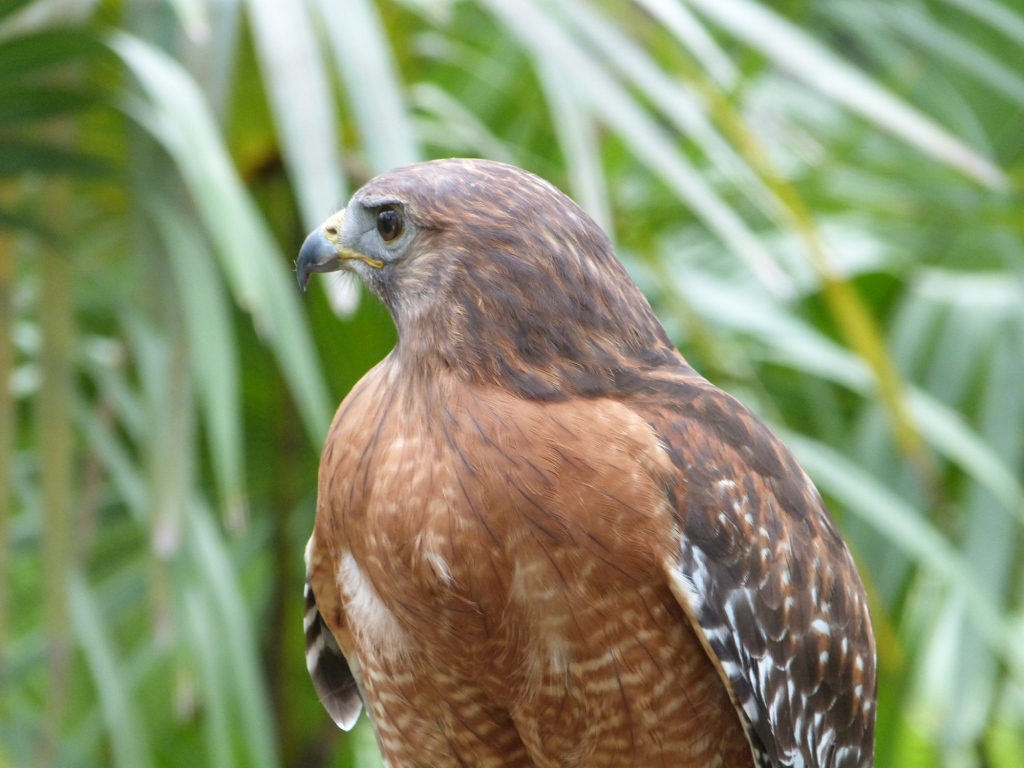
Red-shouldered Hawk (Buteo lineatus) Brevard Zoo by Lee

Red-shouldered Hawk (Buteo lineatus) Brevard Zoo by Lee

Let’s see what other references to the Hawk can be found in other version of the Bible.

Job 28:7 talks about the vulture’s or hawk’s eye and it’s vision. The KJV and some of the others translate Job 28:7 with a “vulture’s eye”, where as the BBE, CEV, GNB, MSG, translate it as the “hawk’s eye” or the hawk. Yet others translate it as a falcon or kite.

No bird has knowledge of it, and the hawk’s eye has never seen it. (Job 28:7 BBE)

Miners go to places unseen by the eyes of hawks; (Job 28:7 CEV)

No hawk sees the roads to the mines, And no vulture ever flies over them. (Job 28:7 GNB)

Vultures are blind to its riches, hawks never lay eyes on it. (Job 28:7 MSG)

J Vernon McGee says this about the verse – “The birds fly over the earth and its mountains. There are veins of minerals down in the earth that the birds fly over and know nothing about, neither can the vulture see them. There must be precious stones and veins of riches and wealth which are completely unknown and untapped.”

Adam Clarke’s Commentary -“There is a path which no fowl knoweth – The instinct of birds is most surprising. They traverse vast forests, etc., in search of food, at a great distance from the place which they have chosen for their general residence; and return in all weathers, never missing their track: they also find their own nest without ever mistaking another of the same kind for it. Birds of passage, also, after tarrying in a foreign clime for six or seven months, return to their original abode over kingdoms and oceans, without missing their way, or deviating in the least from the proper direction; not having a single object of sight to direct their peregrinations. In such cases even the keen scent of the vulture, and the quick, piercing sight of the eagle, would be of no use. It is possible that Job may here refer to undiscovered mines and minerals; that notwithstanding man had already discovered much, yet much remained undiscovered, especially in the internal structure and contents of the earth. Since his time innumerable discoveries have been made; and yet how little do we know!”
____

The only Bible to translate Psalms 74:19 as a “hawk” is the BBE, while most of the rest make it “wild beast” or “wild animal”.

O give not the soul of your dove to the hawk; let not the life of the poor go out of your memory for ever. (Psalms 74:19 BBE)

____

The DRB (Douay-Reimes Bible) totally misinterprets this verse in my opinion. Check out other translations and you will see the difference.

The wing of the ostrich is like the wings of the heron, and of the hawk. (Job 39:13 DRB)

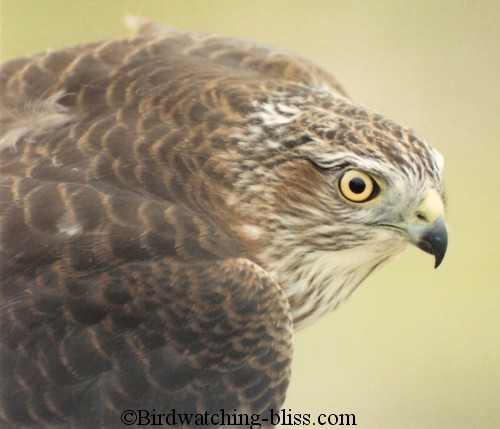
Sharp-shinned Hawk (Accipiter striatus)

Sharp-shinned Hawk (Accipiter striatus) ©BirdwatchingBliss

Isaiah has several verses mentioning the hawk. Isaiah 34 talks about a gathering of birds and these verses mention the hawk:

Owls, hawks, and wild animals will make it their home. God will leave it in ruins, merely a pile of rocks. (Isaiah 34:11 CEV)

Horned owl and hawk will possess it, screech owl and raven will live there; he will stretch over it the measuring line of confusion and the plumbline of the empty void. (Isaiah 34:11 CJB)

But the hawk and the porcupine shall possess it, the owl and the raven shall dwell in it. He shall stretch the line of confusion over it, and the plumb line of emptiness. (Isaiah 34:11 ESV)

The arrowsnake will make her hole and put her eggs there, and get her young together under her shade: there the hawks will come together by twos. (Isaiah 34:15 BBE)

There the owl nests and lays and hatches and gathers her young in her shadow; indeed, there the hawks are gathered, each one with her mate. (Isaiah 34:15 ESV)

The tree snake will make its nest and lay eggs there, And it will hatch and gather them under its protection. Yes, the hawks will be gathered there, Every one with its kind. (Isaiah 34:15 NASB)

The tree snake shall make its nest and lay eggs there, And it will hatch and gather them under its protection. Yes, the hawks shall be gathered there, Every one with its kind. (Isaiah 34:15 NAS77)

There the arrow snake shall make her nest and lay eggs And hatch, and gather them under her shadow; There also shall the hawks be gathered, Every one with her mate. (Isaiah 34:15 NKJV)

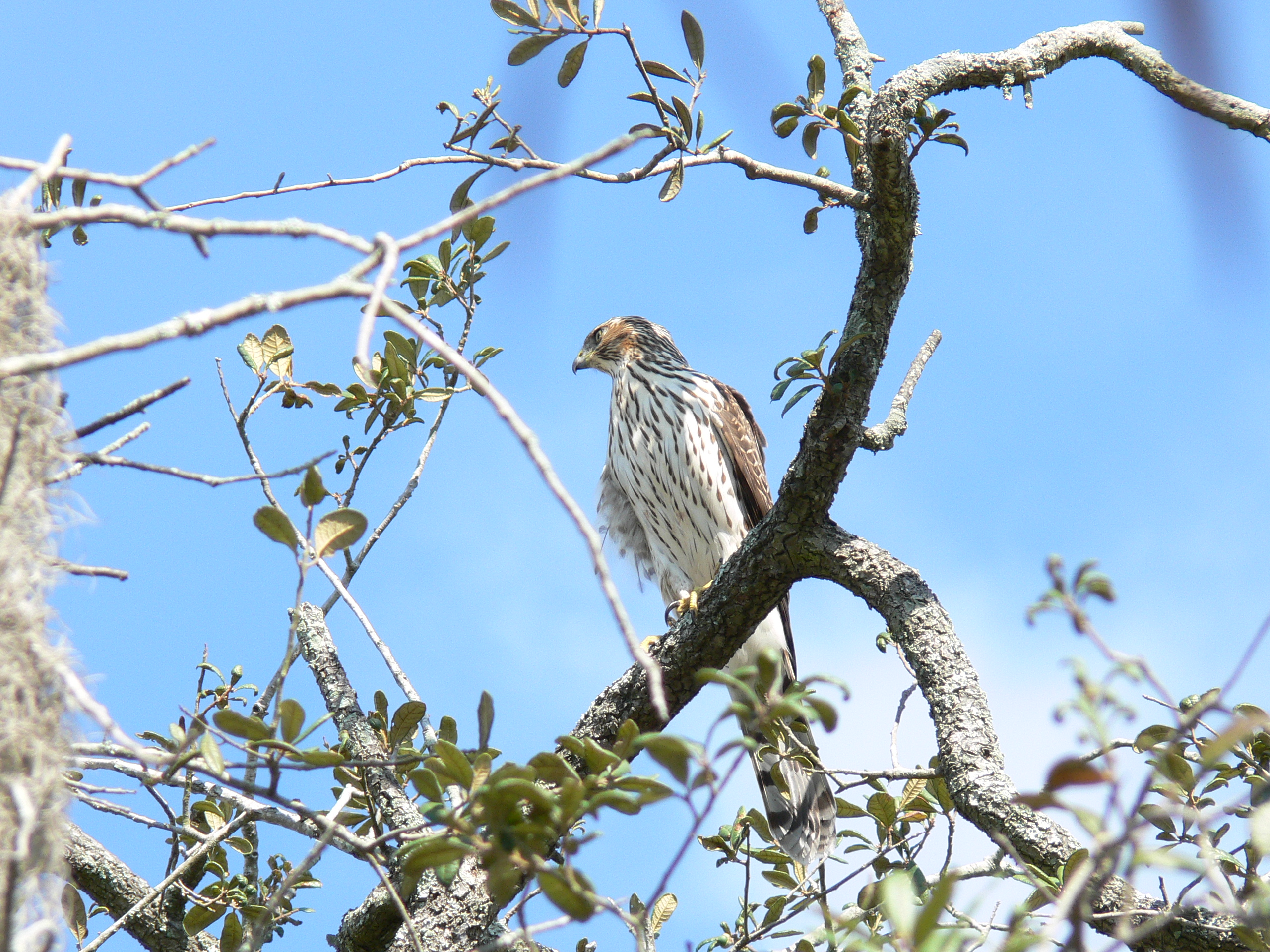
Cooper's Hawk Wild at Lowry Pk Zoo

Cooper’s Hawk Wild at Lowry Pk Zoo

Isaiah again in Chapter 46 verse 11 has been translated by some to contain a hawk:

and brought someone from a distant land to do what I wanted. He attacked from the east, like a hawk swooping down. Now I will keep my promise and do what I planned. (Isaiah 46:11 CEV)

I am calling a man to come from the east; he will swoop down like a hawk and accomplish what I have planned. I have spoken, and it will be done. (Isaiah 46:11 GNB)

____

Here are just various verses that mention hawks:

My people are like a hawk surrounded and attacked by other hawks. Tell the wild animals to come and eat their fill. (Jeremiah 12:9 CEV)

My chosen people are like a bird attacked from all sides by hawks. Call the wild animals to come and join in the feast! (Jeremiah 12:9 GNB)

It happened at once. Nebuchadnezzar was driven out of human company, ate grass like an ox, and was soaked in heaven’s dew. His hair grew like the feathers of an eagle and his nails like the claws of a hawk. (Daniel 4:33 MSG)

___

Then there are a couple of verse that use “hawk” not as a bird “per se,” but a verb:

They don’t seem to realize that this comprehensive setting-things-right that is salvation is God’s business, and a most flourishing business it is. Right across the street they set up their own salvation shops and noisily hawk their wares. After all these years of refusing to really deal with God on his terms, insisting instead on making their own deals, they have nothing to show for it. (Romans 10:3 MSG)

For we are not as many, hawking the Word of God; but as of sincerity, but as of God, we speak in Christ in the sight of God. (2 Corinthians 2:17 MKJV)

Hawks are in the Accipitridae Family of Kites, Hawks & Eagles and can be read about in the Birds of the Bible – Hawk section.

The term hawk can be used in several ways: (from Wikipedia)

  • In strict usage in Australia and Africa, to mean any of the species in the subfamily Accipitrinae, which comprises the genera Accipiter, Micronisus, Melierax, Urotriorchis and Megatriorchis. The large and widespread Accipiter genus includes goshawks, sparrowhawks, the Sharp-shinned Hawk and others. These are mainly woodland birds with long tails and high visual acuity, hunting by sudden dashes from a concealed perch.
  • More generally (especially in North America) to mean falcons or small to medium-sized members of the Accipitridae—the family which includes the “true hawks” as well as eagles, kites, harriers and buzzards.
  • Loosely, to mean almost any bird of prey outside of the order Strigiformes (owls).

The common names of birds in various parts of the world often use hawk in the second sense. For example, the Osprey or “fish hawk”; or, in North America, the various Buteo species (e.g., the Red-tailed Hawk, B. jamaicensis).

In February 2005, the Canadian ornithologist Louis Lefebvre announced a method of measuring avian “IQ” in terms of their innovation in feeding habits. Hawks were named among the most intelligent birds based on his scale. Hawks are widely reputed to have visual acuity several times that of a normal human being. This is due to the many photoreceptors in the retina (up to 1,000,000 per square mm for Buteo, against 200,000 for humans), an exceptional number of nerves connecting these receptors to the brain, and an indented fovea, which magnifies the central portion of the visual field.

See also:

Birds of the Bible

Birds of the Bible – Hawk Migration
Ian’s Bird of the Week – Spotted Harrier
Raptor ID
Raptor Overview

Nave’s Topical Bible – Hawk
Accipitriformes – Order, Accipitridae – Family (Kites, Hawks & Eagles

Wordless Birds
*

Eagle Away From Home

Bald Eagle (Haliaeetus leucocephalus) Brevard Zoo by Lee

Bald Eagle (Haliaeetus leucocephalus) Brevard Zoo by Lee

While having devotions this morning, we read this from Comments on Here and Hereafter, by Dr. Bob Jones, Sr. (After our regular devotional we read from different books.)

“A story is told of an eagle that had its wing clipped. He was put in the barnyard with the fowls. The eagle used to walk out in the light and turn one eye to the mountain and the other eye to the sun, and he said in his eagle language, ‘This is not my home. I don’t belong here. God made me for the jagged peaks of the mountain top.’ The eagle tried to lift himself with the clipped wing, but he could not fly. Day after day while the wing was growing back to normal he looked at the mountain and he looked at the sun and said in his own eagle language, ‘I am going home some day.’ One day the eagle’s wing was strong. He tried his wings and found he could lift himself. He said, ‘Good-by, I am going home. God didn’t make me for this place. He made me for a mountain top.’ God didn’t make man for the dread sordidness of the commonplace and the monotony of every-day life. The soul of man has wings. But sin has made these wings helpless. Christ can restore us and make strong these wings of the soul so man can fly high enough to have fellowship with the infinite God.”

For God so loved the world, that he gave his only begotten Son, that whosoever believeth in him should not perish, but have everlasting life. For God sent not his Son into the world to condemn the world; but that the world through him might be saved. (John 3:16-17 KJV)

See also:

Wordless Birds

Birds of the Bible – Eagles III

*

Birds Of The Bible – Gull With A Broken Wing

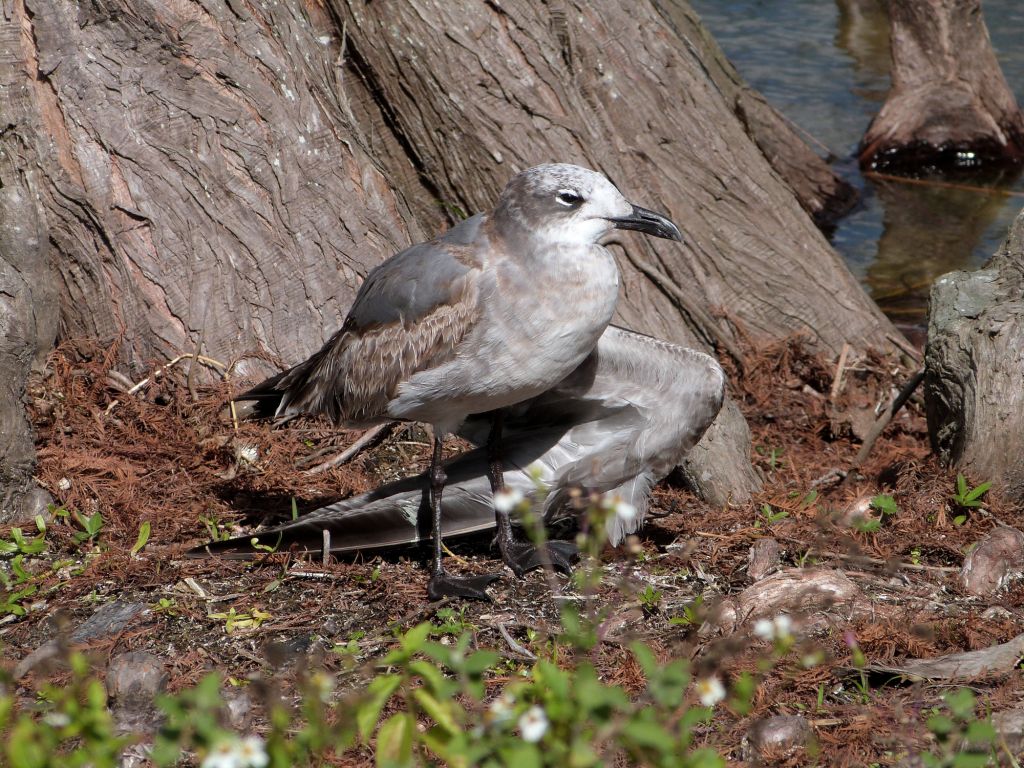
Laughing Gull Imm injured wing

Laughing Gull Imm injured wing

Are not two sparrows sold for a farthing? and one of them shall not fall on the ground without your Father. (Matthew 10:29 KJV)

Yesterday, Dan and I went to Lake Hollingsworth in Lakeland, FL for a little birdwatching and to just enjoy the day. It was around 77 degrees and a few clouds were hanging out. Just another beautiful day from the Lord. After walking as far as I could, we turned around and retraced our steps back along the southern shore of the lake.

My legs are doing much better, praise the Lord, but I still have issues. I stopped to rest a minute and spotted a Laughing Gull along the shore. Something in its appearance didn’t seem right, so I got up to investigate. (They have benchs along the way.) What I found was that the Gull had a wing hanging down and I assume it was broken. It appears to be an immature Laughing.

Laughing Gull Imm injured wing

Laughing Gull Imm injured wing

The bird walked up by the tree and kept dragging it’s wing as you can see in the third photo.

Laughing Gull Imm injured wing

Laughing Gull Imm injured wing

I know that verse has been many used times here with the Birds of the Bible articles, but it still applies so well. That verse popped into my thoughts while observing the Gull’s situation. The verse mentions the Sparrow, but all birds were created by the Lord and it applies to them as well. I do not believe that He is only aware of just Sparrows that fall. God is ever-present, all-knowing, and all-powerful, so how could God NOT KNOW?

We know that verse was used to encourage those being persecuted (v.23) to not fear, knowing that the Father is aware of what they were experiencing. They did not need to worry about someone who could destroy their soul. (v.28) The passage goes on to reassure them that they are more valuable than sparrows or birds.

Fear ye not therefore, ye are of more value than many sparrows. (Matthew 10:31 KJV)

Not sure if Gulls “worry.” but that immature bird was in a very precarious situation. Without that wing he (or she) was very vulnerable to what could happen to it. There was a Red-shouldered Hawk flying by and I believe that that might be the tree it landed in when we went by the first time. I was trying to get its photo, but it flew off. I didn’t notice the Gull then. When we noticed the bird on the way back, the Hawk was still flying in the area.

The Bible Knowledge Commentary says this about verse 31: “for their (the persecuted) Father was truly concerned for them and aware of their circumstances. He is aware of the death of a sparrow which is worth so little. Two sparrows were sold for a mere penny (assarion, a Gr. copper coin worth about 1/16 of a Roman denarius, a day’s wages). God the Father also knows the number of hairs on a person’s head (Mat_10:30). The apostles were instructed not to fear for they, being far more valuable to God than sparrows, were seen and known by Him. ”

Believer’s Bible Commentary: “10:30, 31 The same God who takes a personal interest in the tiny sparrow keeps an accurate count of the hairs of the head of each of His children. A strand of hair is of considerably less value than a sparrow. This shows that His people are of more value to Him than many sparrows, so why should they fear?”

Whosoever therefore shall confess me before men, him will I confess also before my Father which is in heaven. But whosoever shall deny me before men, him will I also deny before my Father which is in heaven. (Matthew 10:32-33 KJV)

We should not be afraid to tell others about the Saving Grace of the Lord Jesus Christ, nor that we believe that God is the Self-Existent, All-Knowing, All-Powerful, Ever-Present, Loving (He gave His Son to die for our sins.), Creator of the world and all these birds, critters, and us.

What will be the fate of the Laughing Gull? I have no clue, but God already knows all about its situation, but better yet, He knows all out us and our situations and circumstances. He cares and wants us to put our trust in Him.

Sharing The Gospel

And wisdom and knowledge shall be the stability of thy times, and strength of salvation: the fear of the LORD is his treasure. (Isaiah 33:6 KJV)

See more Birds of the Bible

*

Birds of the Bible – Robbing The Nest

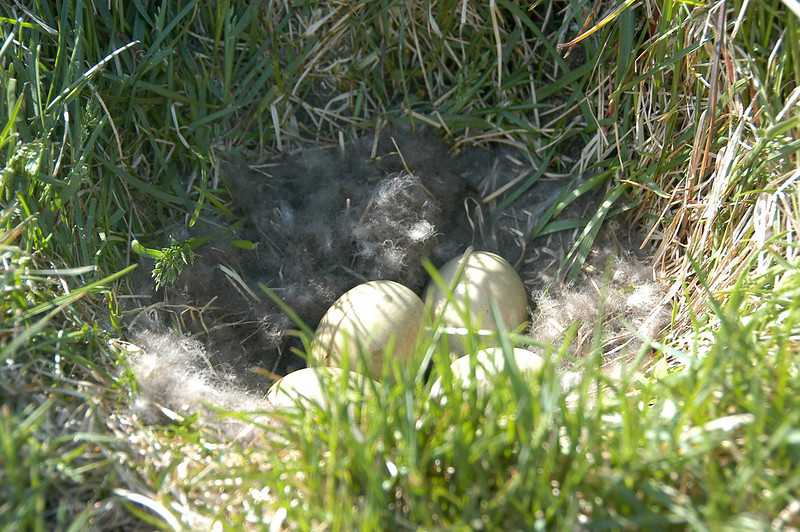
Common Eider (Somateria mollissima) nest by Bob-Nan

Common Eider (Somateria mollissima) nest by Bob-Nan

My hand has found like a nest the wealth of the peoples; and as one gathers eggs that have been forsaken, so I have gathered all the earth; and there was none that moved a wing or opened the mouth or chirped.” (Isaiah 10:14 ESV)

Now here is an interesting passage in Scripture. Came across it the other day in my reading. Hadn’t found it in my Bible searches with my e-Sword because no actual bird is mentioned.

Chapter 10 of Isaiah tells, by way of prophesy, how God was punishing Israel for their sins by using Assyria’s wrath as a tool.

Ah, Assyria, the rod of my anger; the staff in their hands is my fury! Against a godless nation I send him, and against the people of my wrath I command him, to take spoil and seize plunder, and to tread them down like the mire of the streets. (Isaiah 10:5-6 ESV)

Also stated “Are not my commanders all kings?” in verse 8 and “As my hand has reached to the kingdoms of the idols, whose carved images were greater than those of Jerusalem and Samaria, shall I not do to Jerusalem and her idols as I have done to Samaria and her images?” in 10 and 11.

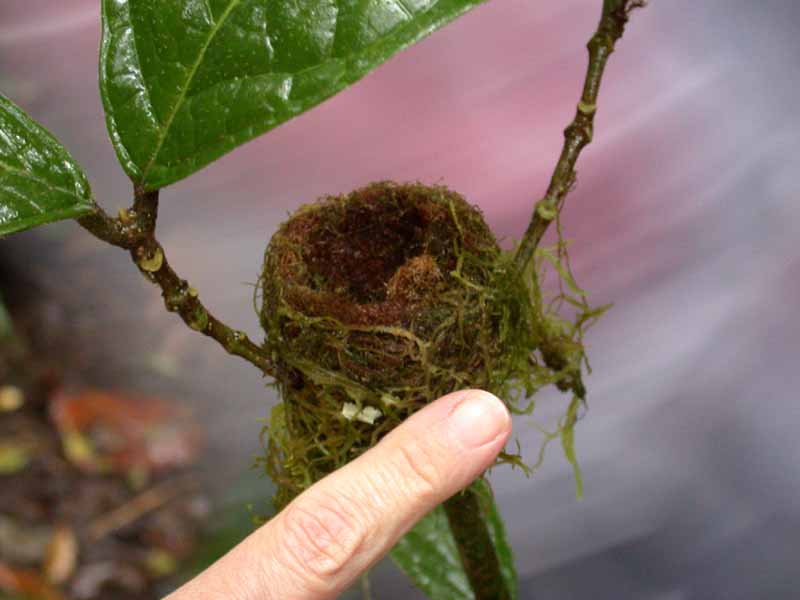
Hummingbird nest by Bob-Nan

So the Lord uses Assyria to punish Jerusalem, but the King becomes boastful and full of pride. He, the king of Assyria, states that he has done it, by his strength, and his wisdom, and plunders their treasures. (Isaiah 10-12-13)

Then the king makes the remark about robbing the nest of it’s eggs (the wealth and riches of the captured people) as easy as from a nest where the bird is not there to protect it.

“and there was none that moved a wing” is referring to how normally a bird would defend its nest and be flying about attacking the egg thief.

“opened the mouth or chirped.” Under normal conditions, the birds would be quite vocal if their nest was being robbed.

And I have put my hands on the wealth of the peoples, as on the place where a bird has put her eggs; and as a man may take the eggs from which a bird has gone, so I have taken all the earth for myself: and not a wing was moved, and not a mouth gave out a sound. (Isaiah 10:14 BBE)

Those two phrases would be like today if a country was attacked and no army came out to defend or the news media and governmental officials were not there making a vocal condemnation or complaints.

But the chapter goes on to state that the king, country, servant, or whomever, should not think they are the one doing the work, but realize they are being used by some power greater than their self.

Will the axe say high-sounding words against him who is using it, or the blade be full of pride against him who is cutting with it? As if a rod had the power of shaking him who is using it, or as if a stick might take up him who is not wood. (Isaiah 10:15 BBE)

The LORD had to punish the people of Jerusalem because if He didn’t get rid of the sin and idolatry, then the whole nation would have to be destroyed. Thankfully, there was a remnant that was to be saved. That remnant would eventually bring forth the Lord Jesus Christ, through the Davidic line when He came in bodily form.

Horned Lark (Eremophila alpestris) nest w eggs by Nikhil Devasar

Horned Lark (Eremophila alpestris) nest w eggs by Nikhil Devasar

What’s to be learned? Birds shouldn’t desert their nest? I think it goes deeper than that.

We should be careful of pride, arrogance, thinking more highly of our self than we should, etc. What we have and are comes from God. When things in our current history are not going the way we think it should, we have to realize that God is in control. Sometimes He uses bad things and people to accomplish His Will.

*

Nuggets Plus – The Righteous Cedar…

Nuggets Plus – The Righteous Cedar… ~ by a j mithra

Nuggets Plus

Nuggets Plus

Not only Ships
but also God’s temple
and musical instruments
were built with the scented and
decay resistant wood
of the Cedar tree!
Cedar was even used for
ritual cleansing!
We say that we are God’s temple
and instruments in the hands of God!
God calls us as Cedar too!
But,
do we deserve to be called
as Cedar?
The righteous shall flourish like the palm tree:
he shall grow like a cedar in Lebanon.” (Psalm 92:12)
Have a blessed day!

*

Birds of the Bible – Demoiselle Crane

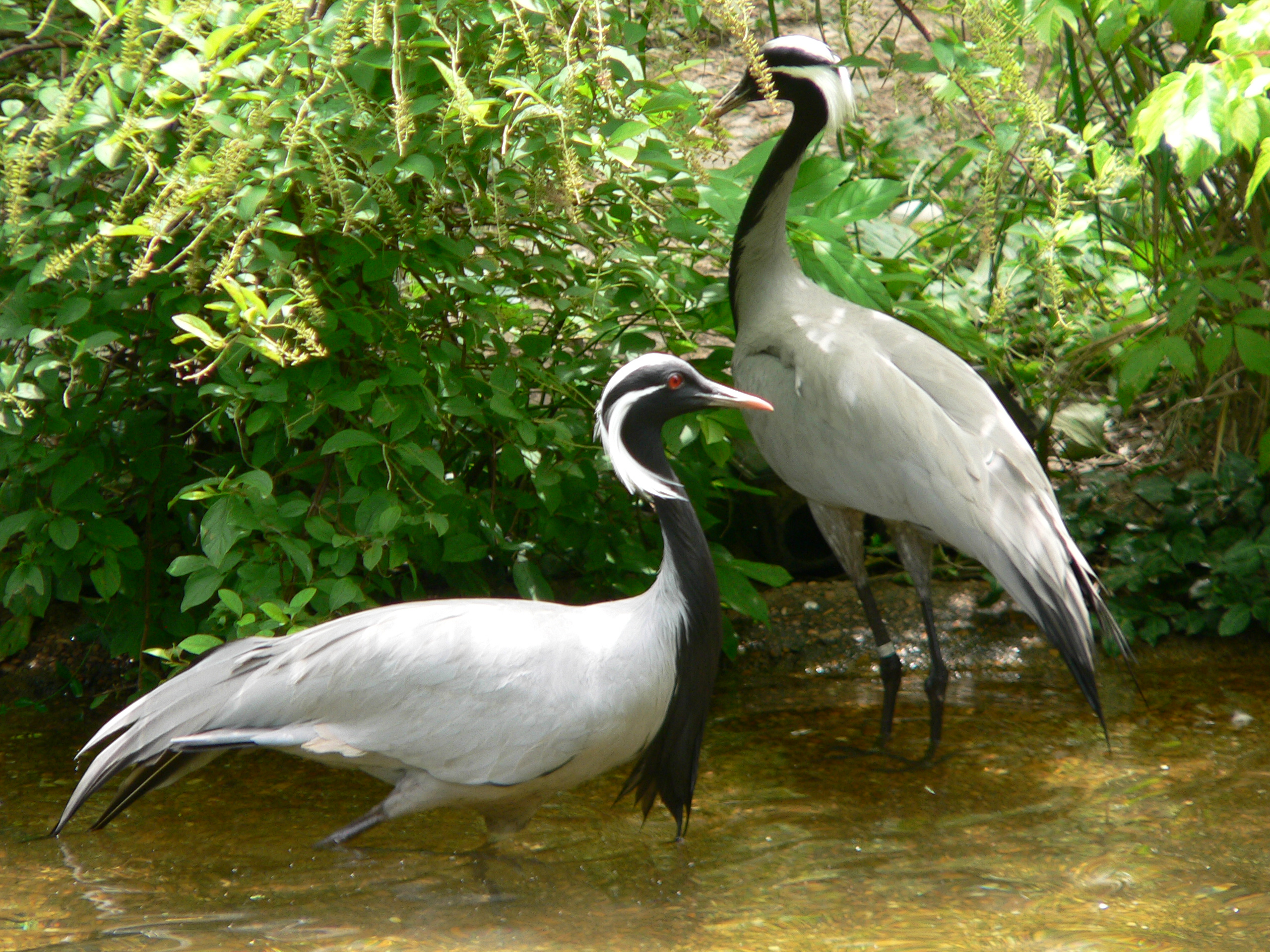
Demoiselle Crane (Grus virgo) by Lee LPZoo 12-28-2011

Demoiselle Crane (Grus virgo) by Lee LPZoo 12-28-2011

“The Demoiselle Crane (Anthropoides virgo), is a species of crane that breeds in Central Asia and winters in India, with a few found in Cyprus and eastern Turkey as well. The crane annually migrates to Africa and South Asia in winter. The bird is symbolically significant in the culture of North India and Pakistan, where it is known as the koonj.

It has a loud trumpeting call, higher-pitched than the Common Crane. Like other cranes it has a dancing display, more balletic than the Common Crane, with less leaping, but with calling, bowing and head-bobbing.

Call – Demoiselle Crane (Grus virgo) from Xeno-canto.org

Like a crane or a swallow, so did I chatter: I did mourn as a dove: mine eyes fail with looking upward: O LORD, I am oppressed; undertake for me. (Isaiah 38:14 KJV)

*

*
Demoiselle Cranes have to take one of the toughest migrations in the world. In late August through September, they gather in flocks of up to 400 individuals and prepare for their flight to their winter range. During their migratory flight south, Demoiselles fly like all cranes, with their head and neck straight forward and their feet and legs straight behind, reaching altitudes of 16,000-26,000 feet (4,875-7,925 m). Along their arduous journey they have to cross the Himalayan mountains to get to their over-wintering grounds in India, many die from fatigue, hunger and predation from birds such as eagles. Simpler, lower routes are possible, such as crossing the range via the Khyber Pass. However, their presently preferred route has been hard-wired by countless cycles of migration (placed in them by their creator). At their wintering grounds, Demoiselles have been observed flocking with Common Cranes, their combined totals reaching up to 20,000 individuals. Demoiselles maintain separate social groups within the larger flock. In March and April, they begin their long spring journey back to their northern nesting grounds.

In Khichan, Rajasthan in India, villagers feed the Cranes on their migration and these large congregations have become an annual spectacle.

Yea, the stork in the heaven knoweth her appointed times; and the turtle and the crane and the swallow observe the time of their coming; but my people know not the judgment of the LORD. (Jeremiah 8:7 KJV)

Watch this amazing video of them crossing the Himalayan mountains by AZPanorama:

*

When the Lord created the Crane kind, they were programmed for future variations like this Demoiselle Crane. They act like many other birds that pretend they are injured. This helps them lead the preying bird or animal away to protect their young. The Demoiselles also are the smallest cranes.  They have shorter toes and bills than other cranes which allows them to travel on ground that is hard and dry. The shorter bills aid in their choice of food. Their survival is being provided by their Designer and Creator.

Our verses:

Isaiah 38:14

Geneva Bible Translation Notes – I was so oppressed with sorrow, that I was not able to utter my words, but only to groan and sigh.

CC Commentary – 14.) – As a crane, or a swallow. Hezekiah cannot satisfy himself in explaining the severity of his anguish. He now says that he was reduced so low that he could not utter an articulate voice, but muttered some confused sound, like persons who are almost at the point of death. Hence it is evident that his distress was excruciating; for the severity of the pain took away his voice, and his voice, he says, stuck in his throat; nothing was heard but indistinct groans.
Such is the import of these metaphors of “the crane and the swallow,” which the Prophet employs. Still it is certain that this indistinct sound of the voice is nevertheless heard by God; though all our senses are oppressed by pain, and our throat is choked by grief, still God beholds our hearts and listens to godly sighs, which will be even more powerful than plain and direct words, provided that the Spirit is present, who produces in us those “groanings that cannot be uttered,” of which Paul speaks. (Rom_8:26.) There is no believer who does not feel that in prayer, when his heart is oppressed by any heavy sorrow, he either stammers or is almost dumb.

Bible Knowledge Commentary – b. Hezekiah’s song of thanksgiving (Isa_38:9-20)
(1) Hezekiah’s statement about his condition.
After he was healed Hezekiah wrote a song to express his thanks to God. His illness came, he said, in the prime of his life. Death was referred to figuratively as having gates through which a person entered (cf. Job_38:17; Psa_9:13; Psa_107:18). His statement that in death he would not… see the Lord does not mean he had no hope of heaven. It probably means that he would no longer have the benefit of enjoying God’s blessings in this life. He would be without friends (Isa_38:11) as his house (his body) was dismantled. By death he would be cut… off like a cloth being cut from a weaver’s loom. He had hoped he would get well (Isa_38:13) but he got worse (Isa_38:13-14). His illness was as if God were a lion breaking all his bones, a figure of speech depicting his deep inner anguish. In some way his cries of pain were like the sound of a bird and his mourning like the doleful sound of a dove (cf. Isa_59:11; Nah_2:7). Hezekiah realized that this experience should humble him because God had brought on this illness.

Demoiselle Crane (Grus virgo) Memphis Zoo by Dan

Demoiselle Crane (Grus virgo) Memphis Zoo by Dan

Jeremiah 8:7

Bible Believer’s Commentary – 8:1-7 – …Unlike those who fall and rise again, who sin and repent, Judah refused to return to Jehovah. As far as the law was concerned, the people compared unfavorably with the stork, the turtledove, the swift, and the swallow, which are obedient to their appointed laws of migration.

CC Commentary – Here again Jeremiah condemns the shameful insensibility of the people, — that they had less wisdom than birds, not endued with reason and understanding. He then says, that the Jews were more foolish than cranes, swallows, and storks. He no doubt deeply wounded the feelings of the people by so severe a reproof; but it was necessary thus sharply to reprehend the despisers of God; for it appears evident by these words, that they were become exceedingly hardened in their vices. No wonder, then, that the Prophet declares that they were more silly than cranes and swallows.

Kelly Commentary – Moreover, the prophet was to remonstrate with the people of Jerusalem on their perpetual and unrepentant backsliding (Ver. 4-6), more heedless than familiar birds, great or small, which attend to their fit times, yet with all assumption of wisdom. (Ver. 7, 8.) But what wisdom is in those who reject the word of the Lord? Their covetousness and perfidious neglect of the true interests of Israel must meet with due retribution at His hands.

Geneva Bible Translation Notes – He accuses them in that they are more ignorant of God’s judgments, than these birds are of their appointed seasons to discern the cold and heat.

Adam Clarke’s Commentary – The stork in the heaven – The birds of passage know the times of their going and return, and punctually observe them; they obey the dictates of nature, but my people do not obey my law.

P.S. I have to share an incident that happened while I was teaching 4th grade in a Christian School. On a Friday, I had forgotten to write up the weekly Bible Quiz so I quickly put 5 Essay Questions on the board. We had been discussing King Hezekiah that week so one of the questions was “Tell me about King Hezekiah.” Well, while grading the papers, I almost fell out of my chair laughing. One of my students had told all about how he had been sick and that the Lord had – (here’s the verse – “Isaiah 38:8 Behold, I will bring again the shadow of the degrees, which is gone down in the sun dial of Ahaz, ten degrees backward. So the sun returned ten degrees, by which degrees it was gone down.”). My student went on to say that because the sun dial went back an hour, “that is why we now have Daylight Savings time.” Oh, the pleasures of teaching!

The Crane Family, Gruidaes, has 15 species. They are one of 6 families in the Gruiformes (Cranes, Rails, Coots and allies) Order.

See:

Birds of the Bible – Cranes

Birds of the Bible – Cranes I

Birds of the Bible – Cranes II

Gruidae – Cranes

Sharing the Gospel

*


Birds in Christmas Hymns – Joyful, Joyful, We Adore Thee

American Yellow Warbler (Dendroica aestiva) singing by J Fenton

American Yellow Warbler (Dendroica aestiva) singing by J Fenton

My lips shall greatly rejoice when I sing unto thee; and my soul, which thou hast redeemed. (Psalms 71:23 KJV)

Birds in Christmas Hymns

Birds in Christmas Hymns

Words by Hen­ry J. van Dyke, 1907. Van Dyke wrote this hymn while stay­ing at the home of Har­ry A. Gar­field at Wil­liams Col­lege, Mass­a­chu­setts. It was first pub­lished in the Pres­by­ter­i­an Hymn­al in 1911. It al­so ap­peared in the Po­ems of Hen­ry van Dyke, 1911. Van Dyke wrote:

“These vers­es are sim­ple ex­press­ions of com­mon Christ­ian feel­ings and de­sires in this pre­sent time—hymns of to­day that may be sung to­ge­ther by peo­ple who know the thought of the age, and are not afraid that any truth of sci­ence will de­stroy re­li­gion, or any re­vo­lu­tion on earth over­throw the king­dom of hea­ven. There­fore this is a hymn of trust and joy and hope.”

Music: Hymn to Joy, from the 9th Sym­pho­ny of Lud­wig van Beet­ho­ven; adapt­ed by Ed­ward Hodg­es, 1824

Joyful, Joyful, We Adore Thee

Joyful, joyful, we adore Thee, God of glory, Lord of love;
Hearts unfold like flowers before Thee, opening to the sun above.
Melt the clouds of sin and sadness; drive the dark of doubt away;
Giver of immortal gladness, fill us with the light of day!

All Thy works with joy surround Thee, earth and heaven reflect Thy rays,
Stars and angels sing around Thee, center of unbroken praise.
Field and forest, vale and mountain, flowery meadow, flashing sea,
Singing bird and flowing fountain call us to rejoice in Thee.

Thou art giving and forgiving, ever blessing, ever blessed,
Wellspring of the joy of living, ocean depth of happy rest!
Thou our Father, Christ our brother, all who live in love are Thine;
Teach us how to love each other, lift us to the joy divine.

Mortals, join the happy chorus, which the morning stars began;
Father love is reigning o’er us, brother love binds man to man.
Ever singing, march we onward, victors in the midst of strife,
Joyful music leads us sunward in the triumph song of life.

*

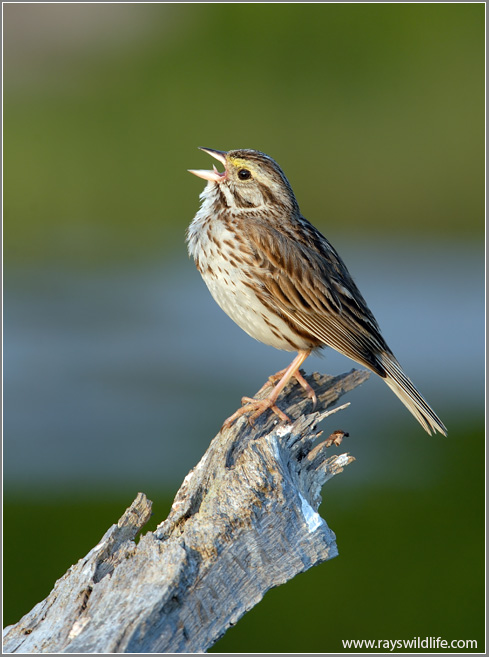
Savannah Sparrow singing by Ray

Savannah Sparrow singing by Ray

More Birds in Hymns

See ~ Christmas Gospel Presentation

Most information from The Cyber Hymnal – Joyful, Joyful, We Adore Thee

*

The Christmas Bird?

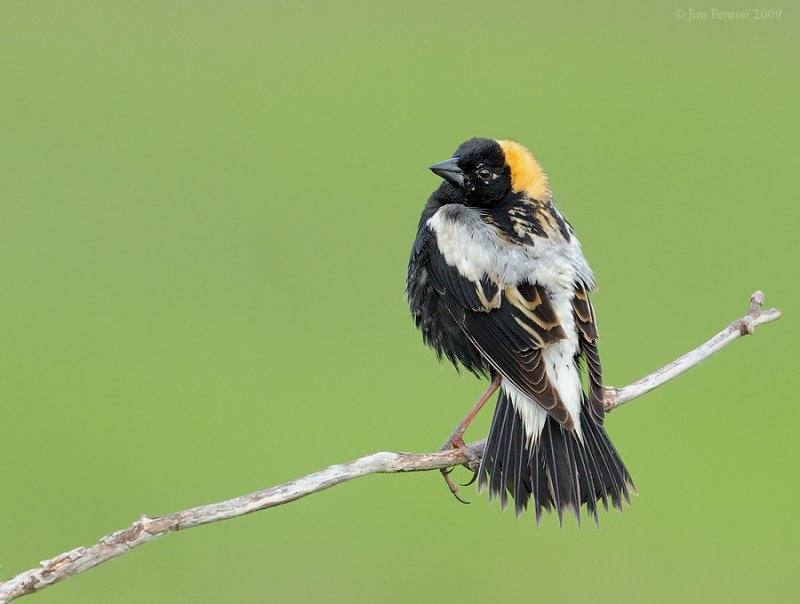
Bobolink (Dolichonyx oryzivorus) by J Fenton

Bobolink (Dolichonyx oryzivorus) by J Fenton

The Christmas Bird?

The other day as I was reading an article on Bobolinks,
My thoughts immediately flew to the manger
where our Lord lay among the haystack.
This bird too loves to live and nest among the hay fields.
  • Are we satisfied with the place which God has given us?
  • Or do we grumble about where God has placed us?
  • Or are we trying to live or outlive like others?
God lowered Himself to the manger..
We all want to be like Jesus,
  • but, are we willing to humble ourselves like Him?
Take my yoke upon you, and learn of me; for I am meek and lowly in heart: and ye shall find rest unto your souls.  (Mathew11:29)
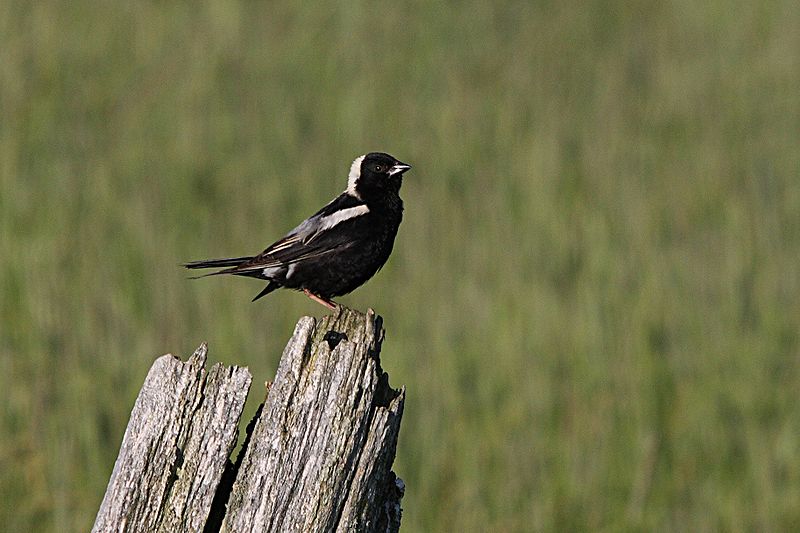
Bobolink (Dolichonyx oryzivorus) ©WikiC

Bobolink (Dolichonyx oryzivorus) ©WikiC

These birds are seen feeding during the night too…

This reminded me of the shepherds
who went in search of the Heavenly Manna during the night…
Each one of us would like to be called as being righteous, but,
  • do we meditate His words, every day and every night?
“But his delight is in the law of the LORD; and in his law doth he meditate day and night.” Psalm 1:2
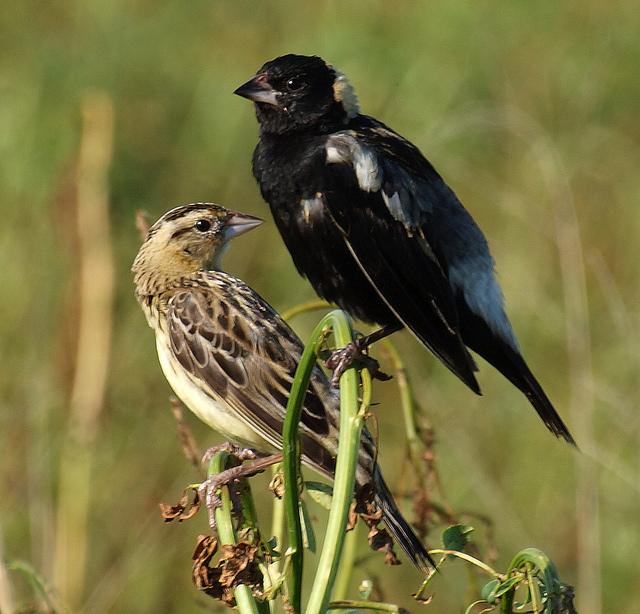
Bobolink (Dolichonyx oryzivorus) CC Pair ramendan

Bobolink (Dolichonyx oryzivorus) CC Pair ramendan

These birds though very small in size,

are extraordinary migrants,
making a trip of about 20,000 kilometers in one season
using the earth’s magnetic field as compass
and the location of stars as its map.
This reminded me of the star
that showed the way to the wise men
who came in search of
Jesus, the Brightest Morning Star…
I am the root and the offspring of David, and the bright and morning star. (Revelation 22:16)
When Jesus becomes our Bright and morning star,
We would never loose our way like the wise men
even in our darkest hour..
Can we call Bobolink as the “Christmas Bird?”
Wish you all a very blessed and a meaningful Christmas..
With love and prayers,

Yours in YESHUA,

a j mithra

Please visit us at:

ajmithra21/


Bobolinks are part of the Icteridae – Oropendolas, Orioles & Blackbirds Family.

Bobolink – Extraordinary Migrant…

*

Birds of the Bible – Eagles and Riches

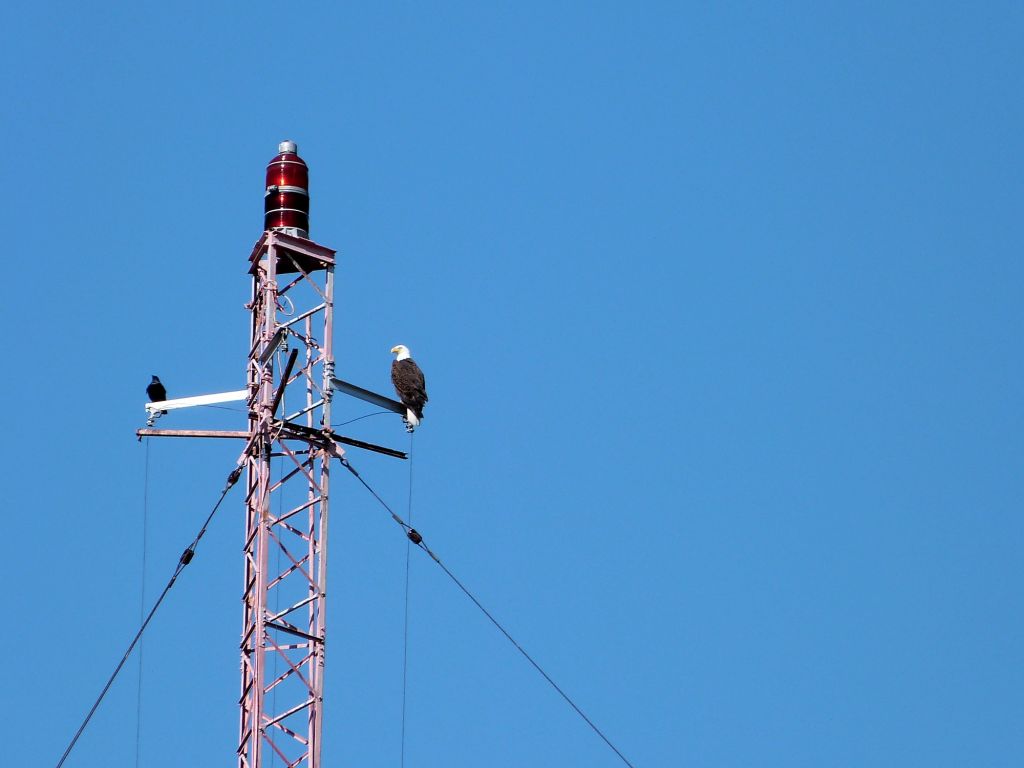
Bald Eagle on tower at S Lake Howard NPk 1 by Lee

Bald Eagle on tower at S Lake Howard NPk 1 by Lee

Labour not to be rich: cease from thine own wisdom. Wilt thou set thine eyes upon that which is not? for riches certainly make themselves wings; they fly away as an eagle toward heaven. (Proverbs 23:4-5 KJV)

While reading in Proverbs today, I came across this interesting verse in Chapter 23. As I have been reading through Proverbs, the terms “wisdom,” “fear” and “knowledge” are mentioned quite often. Verses like “The fear of the LORD is the beginning of knowledge: but fools despise wisdom and instruction. (Proverbs 1:7); For that they hated knowledge, and did not choose the fear of the LORD: (Proverbs 1:29); The fear of the LORD is the beginning of wisdom: and the knowledge of the holy is understanding. (Proverbs 9:10); By humility and the fear of the LORD are riches, and honour, and life.” (Proverbs 22:4 ); Receive my instruction, and not silver; and knowledge rather than choice gold. (Proverbs 8:10); For wisdom is better than rubies; and all the things that may be desired are not to be compared to it. (Proverbs 8:11) and many others.

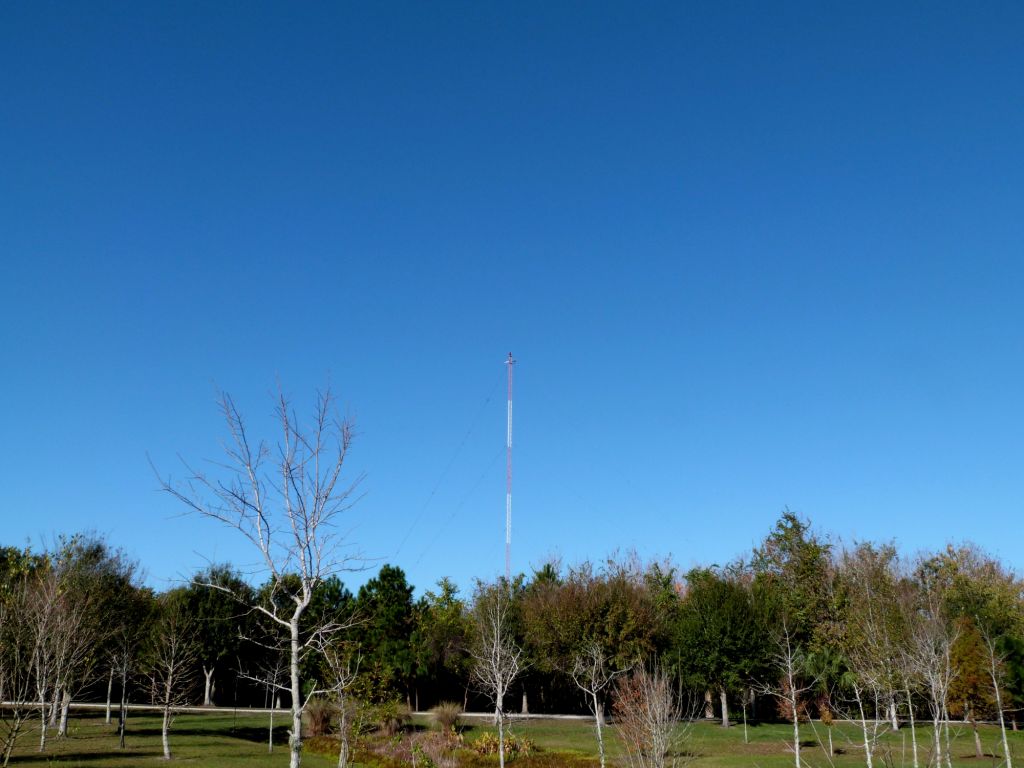
Bald Eagle on tower at S Lake Howard NPk 2 by Lee

Bald Eagle on tower at S Lake Howard NPk 2 by Lee (See him?)

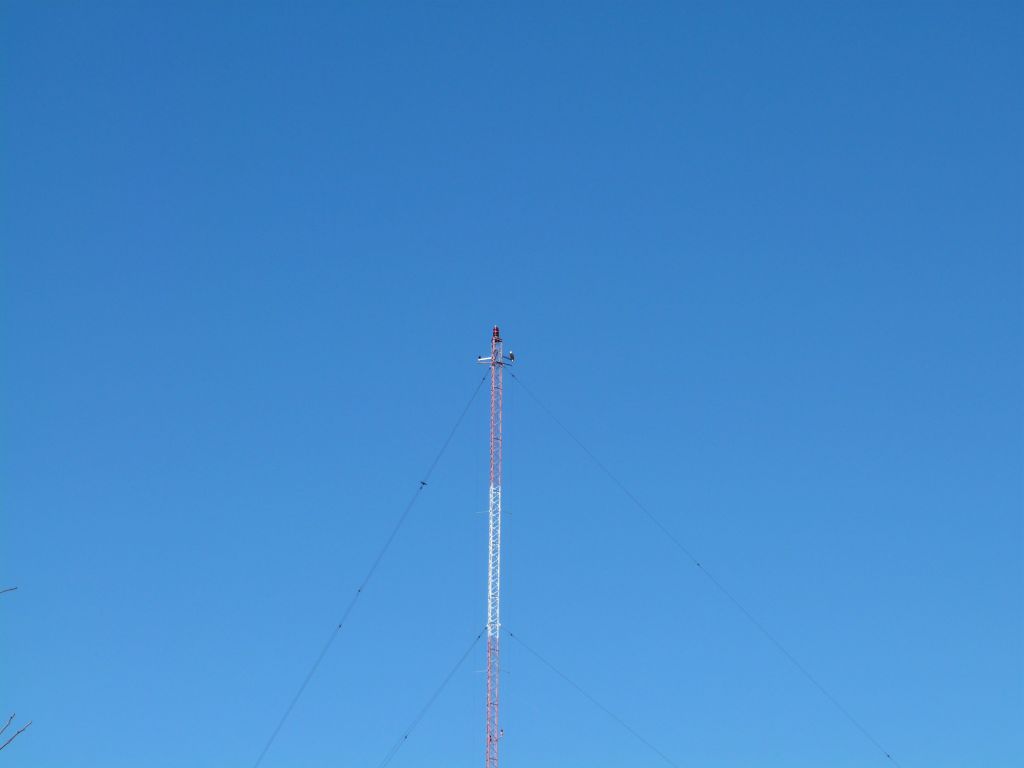
So when I came across this verse and the Eagle was mentioned, I decided to see what I could find out about it and share it here. Plus, we were out birdwatching a little this week as I checked out my new Christmas gift of a camera. Captured the Bald Eagle sitting on the tower at South Lake Howard Nature Park. He was a long way away, but you can tell it is an Eagle. Also, it appears for this verse that is exactly what happens to riches when they are not received properly and with the right attitude. They end up like that Eagle, way out of reach. There is nothing wrong with being rich, if it is obtained in the proper manner. If the Lord chooses to let your wealth increase, Praise the Lord, if not, be content with the blessings He gives you.

Bald Eagle on tower at S Lake Howard NPk 3 by Lee

Bald Eagle on tower at S Lake Howard NPk 3 by Lee (How about now?)

Here are some of the comments from various commentaries:

Bible Knowledge Commentary – “The 7th saying. These verses warn against overwork for the sake of gaining riches. This speaks not against being industrious but against consuming oneself for money. Wise restraint in this area (as well as in what one eats at a banquet, Pro_23:1-2) is needed, especially in the present day when materialism drives many people to excessive work loads in order to accumulate more money. The reason for this advice is that riches are temporary and unstable (cf. Pro_27:24). The first part of Pro_23:5 is literally, “If you cause your eyes to fly after it” (i.e., wealth). Ironically, flying after wealth results in wealth flying away like an eagle.”

Matthew Poole’s Commentary – “They fly away as an eagle, swiftly, strongly, and irrevocably. We quickly lose the sight and possession of them. Their flying away from us is elegantly opposed to our eyes being set, or, as it is in the Hebrew, flying upon them, in the beginning of the verse.”

Believer’s Bible Commentary – “23:4, 5 The ceaseless struggle to be rich is a form of “wisdom” to be avoided. It means that you are spending your life pursuing false values and putting your trust in what doesn’t last. Riches have a way of sprouting wings and flying away like an eagle.”

John Gill’s Exposition– “for riches certainly make themselves wings; or, “it in making makes itself wings” (x); even that which is not, on which men cause their eyes to fly; no sooner are their eyes upon that, but that flies away from them like a bird with wings; see Hos_9:11. Either men are taken from that, or that from them, and sometimes very swiftly and suddenly;

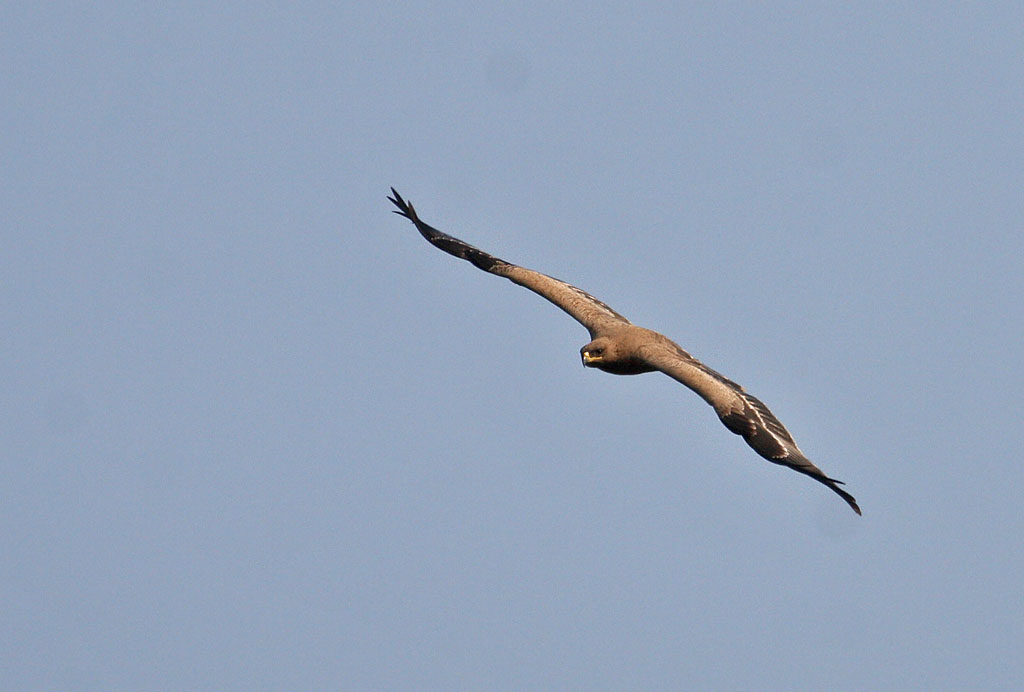
Steppe Eagle (Aquila nipalensis) by Peter Ericsson

Steppe Eagle (Aquila nipalensis) by Peter Ericsson

they fly away as an eagle towards heaven; the eagle flies very swiftly, none more swiftly; it flies towards heaven, out of sight, and out of reach, and out of call; so riches flee away to God, the original giver of them, from whence they came, and who is the sole disposer of them; they own him as the proprietor and distributor of them; and they flee to heaven as it were for fresh orders where they should be, and into whose hands they should come next; they flee away, so as not to be seen any more, and be recovered by those who have formerly enjoyed them.”

Through the Bible with J Vernon McGee – Proverbs 23:4-5 – “You have probably noticed that the United States dollar has an eagle on it. Believe me, that eagle will fly away if you’re not careful with it. I find that the eagles on my dollars take off all the time. We cannot depend on riches.
The whole thought here is this: There is nothing wrong in being rich. There is nothing wrong in working to be rich. However, don’t make that the goal in life. Wealth should not be the very object of our hearts. Some men have a lust, a thirst, a covetousness to make the almighty dollar, and the dollar becomes their god. A child of God is not to do that.
A wealthy man told me, “I do not make money for the sake of money. I make money for what it can do. At first I made money for what it could do for me. Now I make money for what it can do for God.” There is nothing wrong in a man becoming wealthy. The wrong comes when there is the overweening desire of the heart for money. That is covetousness; actually it is modern idolatry.
In the United States we do not find people bowing down to worship idols. However, we do find people busily engaging their whole lives in the worship of the almighty dollar. When I pastored a church in the downtown financial district of Los Angeles, I found that men, even including some Christian men, were far more zealous in coming down early on a Monday morning to watch the stock market open than they were on Sunday morning to attend church service. I met such a man rushing to the stock market display at the brokerage on a Monday morning. He met me, greeted me cordially, and told me what he was going to do. I mentioned to him that we had been missing him at church. He said, “Well, you know, I haven’t been feeling very well.” That is interesting. He didn’t feel well enough to come to church, but he was well enough to worship his god very early on a Monday morning. That’s covetousness, and that is what the proverb is talking about. That is a false god, and that false god is an eagle that will fly away at any moment.”

P.S. I really like my new camera and the 24X zoom. I had no idea that Dan was getting me a camera for Christmas. Thanks, Dan! (He is still the photographer, I still use a point-and-shoot on program mode.) All photos can be clicked on to enlarge them. I kept zooming in so you could see how far away the Eagle really was.

*

Birds in Christmas Hymns – I Wonder As I Wander

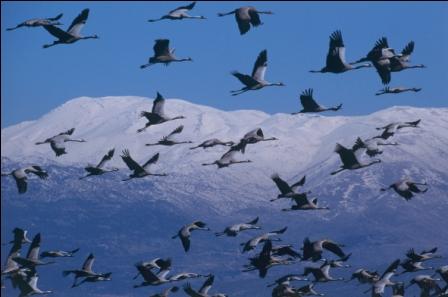
Crane Migration over Israel

Crane Migration over Israel

And she gave birth to her firstborn son and wrapped him in swaddling cloths and laid him in a manger, because there was no place for them in the inn. (Luke 2:7)

John Jacob Niles, 1933  – Collector of the music

Music – I Wonder as I Wander, Appalachian carol by Carl Rütti (1949 – )

Birds in Christmas Hymns

I Wonder As I Wander

I wonder as I wander out under the sky,
How Jesus the Savior did come for to die.
For poor on’ry people like you and like I…
I wonder as I wander out under the sky.

When Mary birthed Jesus ’twas in a cow’s stall,
With wise men and farmers and shepherds and all.
But high from God’s heaven a star’s light did fall,
And the promise of ages it then did recall.

If Jesus had wanted for any wee thing,
A star in the sky, or a bird on the wing,
Or all of God’s angels in heav’n for to sing,
He surely could have it, ’cause he was the King.

Mallards flying off by Ian

Mallards flying off by Ian

John Jacob Niles (Dates B-D) Collected by John Jacob Niles in Murphy, NC in July 1933 from a young traveling evangelist Annie Morgan. According to Niles, he asked her to sing the song repeatedly until he had memorized it. It was published in his 1934 Songs of the Hill-Folk. Written in a minor key, it’s qualities of pensiveness make it one of today’s most popular carols.

*

*

More Birds in Hymns

See ~ Sharing The Gospel

Wordless Birds

Most information from The Hymns and Carols of Christmas – I Wonder As I Wander

*