Yellow-rumped Cacique – The trusted Watchman

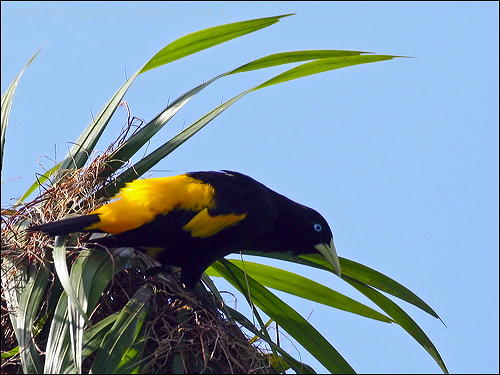
Yellow-rumped Cacique (Cacicus cela) by Ian

Yellow-rumped Cacique – The trusted Watchman ~ by a j mithra

The caciques are Passerine birds in the New World Blackbird family. Members of the family are resident breeders in tropical South America and north to Mexico. The caciques are birds associated with woodland or forest. The Yellow-rumped Cacique is found in tropical South America from Panama to central Brazil.
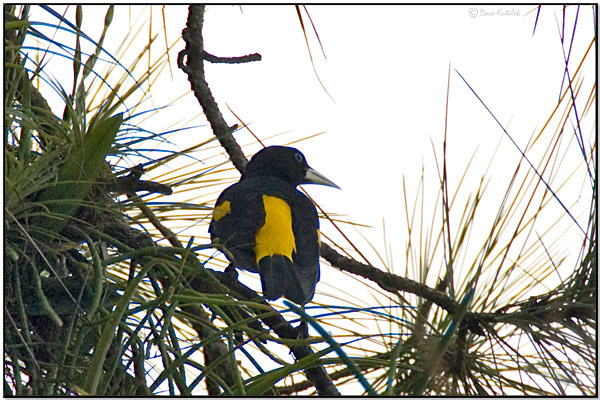
Yellow-rumped Cacique (Cacicus cela) by Daves BirdingPix

Yellow-rumped Cacique (Cacicus cela) by Daves BirdingPix

It prefers Varzea forest edges, woodland and some semi-open habitats. The areas flooded in the annual cycle are extensive lowland and forested areas bordering the main river and its tributaries and are known by the Portuguese word várzea which means flooded plains are subject to annual flooding, with consequent soil enrichment; Trees in this zone survive flooding for several weeks annually and provide the basis of a food web that includes fish adapted…

They are very gregarious and large, noisy flocks can be seen flying over Amazon Rivers particularly at dawn and dusk as the flocks move from their overnight roost to their feeding grounds and back again. These birds prefer a place which is abundant in food and water…

There is abundance in the presence of Jesus, our Good Shepherd..

King David had experienced God’s abundance and that’s why he says,

The LORD is my shepherd; I shall not want. He maketh me to lie down in green pastures: he leadeth me beside the still waters.” Psalm 23:1,2

These birds seem to know that flood brings in soil enrichment which in turn provides the basis of food web…

Are you in the midst of a flood?

Just remember this verse,

So shall they fear the name of the LORD from the west, and his glory from the rising of the sun. When the enemy shall come in like a flood, the Spirit of the LORD shall lift up a standard against him. Isaiah 59:19

Where there is flood, there the Spirit of the Lord lifts a banner..

Glory be to Jesus name!!!!!!!!!

Yellow-rumped Cacique (Cacicus cela) by Ian

Yellow-rumped Cacique (Cacicus cela) by Ian

Most are colonial breeders, with several long, hanging, bag-shaped nests in a tree, each suspended from the end of a branch and have their entrance at the upper side. The nests are occupied in the short dry season.

The birds don’t like bad weather; they leave the colony when it rains too much. Nests can be washed out of a tree by heavy rain. For more protection, a couple of males are always on watch and if a bird of prey comes in sight, they sound the alarm and the colony tree will be empty in no time.

God has set us as watchmen over His people to warm them to walk in The WAY..

If when he seeth the sword come upon the land, he blow the trumpet, and warn the people; Then whosoever heareth the sound of the trumpet, and taketh not warning; if the sword come, and take him away, his blood shall be upon his own head.

He heard the sound of the trumpet, and took not warning; his blood shall be upon him. But he that taketh warning shall deliver his soul.

But if the watchman see the sword come, and blow not the trumpet, and the people be not warned; if the sword come, and take any person from among them, he is taken away in his iniquity; but his blood will I require at the watchman’s hand.

So thou, O son of man, I have set thee a watchman unto the house of Israel; therefore thou shalt hear the word at my mouth, and warn them from me.” Ezekiel33:3-7

Yellow-rumped Cacique (Cacicus cela) by Kent Nickell

Yellow-rumped Cacique (Cacicus cela) by Kent Nickell

Some species choose a tree that also contains an active wasp nest as a deterrent to predators (e.g. toucans), and females compete for the best sites near the protection of the wasp nest. The wasps also repel Philornis flies which are attracted in enormous numbers by the birds’ smell. These flies are paratisized by a mite which then move on to the nestlings, many of whom die from the infestation.

The females make the nests, brood en raise the young and are more abundant than the males. These birds are not afraid of building their nests near a tree that contains wasp’s nest..

Is it because they know that,

And we know that all things work together for good to them that love God, to them who are the called according to his purpose. Romans 8:28?

If Naaman had not turned into a leper, he wouldn’t have known God…

If Lazarus didn’t die, he wouldn’t have known the power of God…

After a nasty fall, if I had not dislocated my shoulder, I would surely have dislocated my hip..

Thank You Lord for Your saving grace and I also thank You for Sister Lee and the readers of this site who had prayed for my healing…

Bless them abundantly Lord in Jesus name …Amen

These are slim birds with long tails and a predominantly black plumage The relatively long pointed bill is pale greenish, yellowish or bluish, depending on species, and most caciques have blue eyes (at least when adult).

  • The female is typically smaller than the male.
  • Caciques eat large insects and fruit.
  • Most are gregarious and typically seen in small groups.
  • They are very vocal, producing a wide range of songs, sometimes including mimicry.
  • Males try to make an indelible impression on the females by showing their yellow feathers and flapping their wings.
Yellow-rumped Cacique (Cacicus cela) by Kent Nickell

Yellow-rumped Cacique (Cacicus cela) by Kent Nickell

Gold is called the Yellow metal and Gold denotes God’s glory…

God had been showing His glory and spreading His wings time and again to show how much He cares for us and longs for us to come under His wings..

But, there are still scores of them out there who are yet to know Him…

Are we doing something to reach the unreached?

The LORD recompense thy work, and a full reward be given thee of the LORD God of Israel, under whose wings thou art come to trust. Ruth 2:12

Have a blessed day!

Your’s in YESHUA,
a j mithra

Please visit us at:  Crosstree


Lee’s Addition:

We are continuing to pray for you, a j. Praying for your speedy recovery.

There are 12 Caciques are in the Icteridae – Oropendolas, Orioles & Blackbirds Family of the Passeriformes Order.

*

Birds of the Bible – Speckled Bird

Speckled Pigeon (Columba guinea) ©WikiC

Speckled Pigeon (Columba guinea) ©WikiC

Mine heritage is unto me as a speckled bird, the birds round about are against her; come ye, assemble all the beasts of the field, come to devour. (Jeremiah 12:9 KJV)

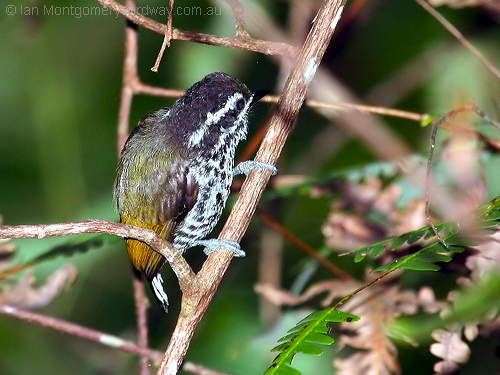
Speckled Piculet (Picumnus innominatus) by Ian

Speckled Piculet (Picumnus innominatus) by Ian

The Speckled Bird is not the name of a specific bird, but it describes how it looks. Of course the commentaries do not agree exactly as to what is meant by the bird or hyena, but they do seem to agree that the Lord’s house is being corrupted. They agree that there is to be a judgment and that birds of prey will be present. Let’s look at some of their interpretations.

Albert Barnes’ Notes on the Bible – “Rather, “Is My heritage unto Me as a speckled bird? Are the birds upon her round about? Come, assemble all the wild beasts: bring them to devour her.” By “a speckled” or parti-colored “bird” is probably meant some kind of vulture.”

Speckled Hummingbird (Adelomyia melanogenys) by Ian

Speckled Hummingbird (Adelomyia melanogenys) by Ian

Jamieson, Fausset and Brown – “speckled bird — Many translate, “a ravenous beast, the hyena”; the corresponding Arabic word means hyena; so the Septuagint. But the Hebrew always elsewhere means “a bird of prey.” The Hebrew for “speckled” is from a root “to color”; answering to the Jewish blending together with paganism the altogether diverse Mosaic ritual. The neighboring nations, birds of prey like herself (for she had sinfully assimilated herself to them), were ready to pounce upon her.”

Matthew Henry’s Condensed Commentary says, “God’s people had been the dearly-beloved of his soul, precious in his sight, but they acted so, that he gave them up to their enemies. Many professing churches become like speckled birds, presenting a mixture of religion and the world, with its vain fashions, pursuits, and pollutions. God’s people are as men wondered at, as a speckled bird; but this people had by their own folly made themselves so; and the beasts and birds are called to prey upon them. The whole land would be made desolate. But until the judgments were actually inflicted, none of the people would lay the warning to heart. When God’s hand is lifted up, and men will not see, they shall be made to feel. Silver and gold shall not profit in the day of the Lord’s anger. And the efforts of sinners to escape misery, without repentance and works answerable thereto, will end in confusion.”

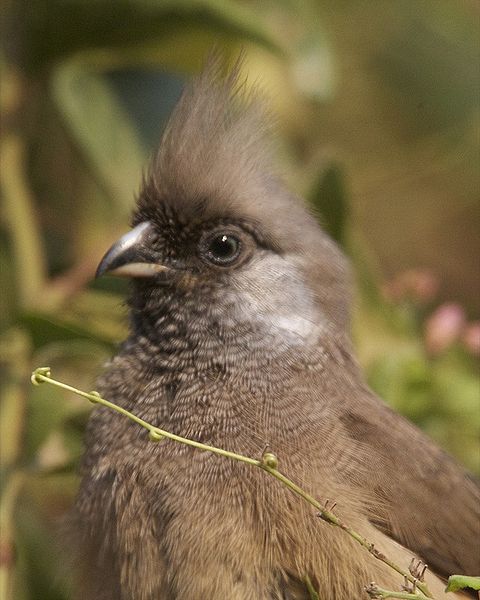
Speckled Mousebird (Colius striatus) ©WikiC

Speckled Mousebird (Colius striatus) ©WikiC

Adam Clarke seems to agree – “Is unto me as a speckled bird – A bird of divers colors. This is a people who have corrupted the worship of the true God with heathenish rites and ceremonies; therefore, the different nations, (see Jer_12:10; whose gods and forms of worship they have adopted shall come and spoil them. As far as you have followed the surrounding nations in their worship, so far shall they prevail over your state. Every one shall take that which is his own; and wherever he finds his own gods, he will consider the land consecrated to them, and take it as his property, because those very gods are the objects of his worship. The fable of the daw and borrowed plumes is no mean illustration of this passage.
Dahler translates the whole verse thus: –

Birds of prey! inundate with blood my heritage.
Birds of prey! come against her from all sides.
Run together in crowds, ye savage beasts!
Come to the carnage!”

Speckled Tanager (Tangara guttata) ©WikiC

Speckled Tanager (Tangara guttata) ©WikiC

The “speckled birds” I have shown here show a mixture of colors. The Bible has made clear many times that we are to be separate and not mix the world with the church, yet it is being done repeatedly unfortunately. Even when the list of clean and unclean birds and animals were given, the LORD was trying to make a distinction between the two.

What a great promise the Lord God has given us in 2nd Corinthians 6:

And what agreement hath the temple of God with idols? for ye are the temple of the living God; as God hath said, I will dwell in them, and walk in them; and I will be their God, and they shall be my people. Wherefore come out from among them, and be ye separate, saith the Lord, and touch not the unclean thing; and I will receive you, And will be a Father unto you, and ye shall be my sons and daughters, saith the Lord Almighty. (2 Corinthians 6:16-18 KJV)

(These birds are being used as examples and please don’t condemn them for being speckled. The Lord may have very well created them that way so we can see an example of a truth. I am just using them for illustrational purposes.)

But ask now the beasts, and they shall teach thee; and the fowls of the air, and they shall tell thee: (Job 12:7 KJV)

Speckled Tanager (Tangara guttata) -by Keith Blomerley – A bird sitting on a branch then flying away.

*

Birthday Video from a j mithra

Today is my birthday and a j mithra, one of our writers, sent me the following video. Thought I would share it with all of you. Thanks, a j.

In India “a j” is recovering and in a cast, but he found time to make this. Please keep him in your prayers.

So even to old age and gray hairs, O God, do not forsake me, until I proclaim your might to another generation, your power to all those to come. (Psalms 71:18 ESV)

*

Ian’s Bird of the Week – Anna’s Hummingbird

Anna's Hummingbird (Calypte anna) by Ian

Anna's Hummingbird (Calypte anna) by Ian

Ian’s Bird of the Week – Anna’s Hummingbird ~ by Ian Montgomery

Newsletter – 09-01-10

As promised last week, here is Anna’s Hummingbird, the common Hummingbird of gardens and parks along the West coast of the United States. Many houses, including the one I am in, have hummingbird feeders to attract these delightful birds.

Anna's Hummingbird (Calypte anna) by Ian

Anna's Hummingbird (Calypte anna) by Ian

They can be quite inconspicuous, despite the striking colours of the male birds. They alternate between hovering and sudden bursts of very rapid flight which makes them appear and disappear with equal facility. The feathers have, in effect, lots of minute mirrors on them and the bright colour is only visible at exactly the right angle to the light. Otherwise, they look quite dark, dare I say drab, like the male in the first photo hovering at the feeder. The second and third photos, also males, show the claret-coloured head and breast quite well, even though the birds are perched in the shade. Young birds and females are mainly green and grey, though adult females have a small red patch on the throat.

At 12.5cm/4in in length Anna’s is quite large by hummingbird standards. Most of the North American hummingbirds are migrants and spend the winters in Mexico and/or Central America, but Anna’s is an exception and is resident in coastal areas of the western states. They are quite aggressive and males chase other males away from feeders. They also seem quite curious and will check you out by hovering quite closely.

Anna's Hummingbird (Calypte anna) by Ian

Anna's Hummingbird (Calypte anna) by Ian

Hummingbirds occur only in the Americas and there are more than 300 species. 27 of these, mostly photographed in Ecuador and Trinidad, are on the website: http://www.birdway.com.au/trochilidae/index.htm .

I went on a successful pelagic boat trip out of Monterey last Sunday, so next week’s bird will feature a wanderer that is also on the Australian list that I haven’t seen before. Sometimes, you have to travel quite far to track down local birds!

Best wishes,
Ian


Ian Montgomery, Birdway Pty Ltd,
454 Forestry Road, Bluewater, Qld 4818
Phone: +61-7 4751 3115
Preferred Email: ian@birdway.com.au
Website: http://birdway.com.au


Lee’s Addition:

I am glad Ian is getting to see the Hummingbirds up close here. Sure he is as thrilled to see them as we would be watching some of those beautiful birds that they have only in Australia. Welcome to America, Ian.

Where we live, there are very few hummers even in the winter. Other area of the state get some, but not this area. The description of the reflection the hummingbird gives when facing the light reminds me of several verses.

Make thy face to shine upon thy servant: save me for thy mercies’ sake. (Psalms 31:16 KJV)

Make thy face to shine upon thy servant; and teach me thy statutes. (Psalms 119:135 KJV)

And they that be wise shall shine as the brightness of the firmament; and they that turn many to righteousness as the stars for ever and ever. (Daniel 12:3 KJV)

Check out his Trochilidae Family pages and also the Trochilidae – Hummingbird Family page here.

*

Birdwatching the National Aviary – Grasslands

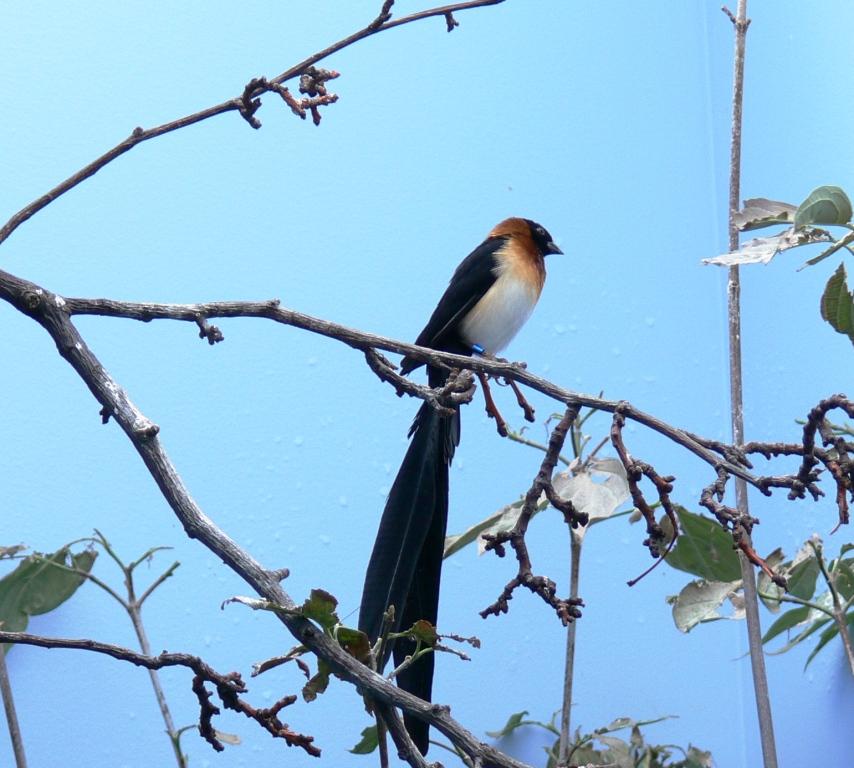
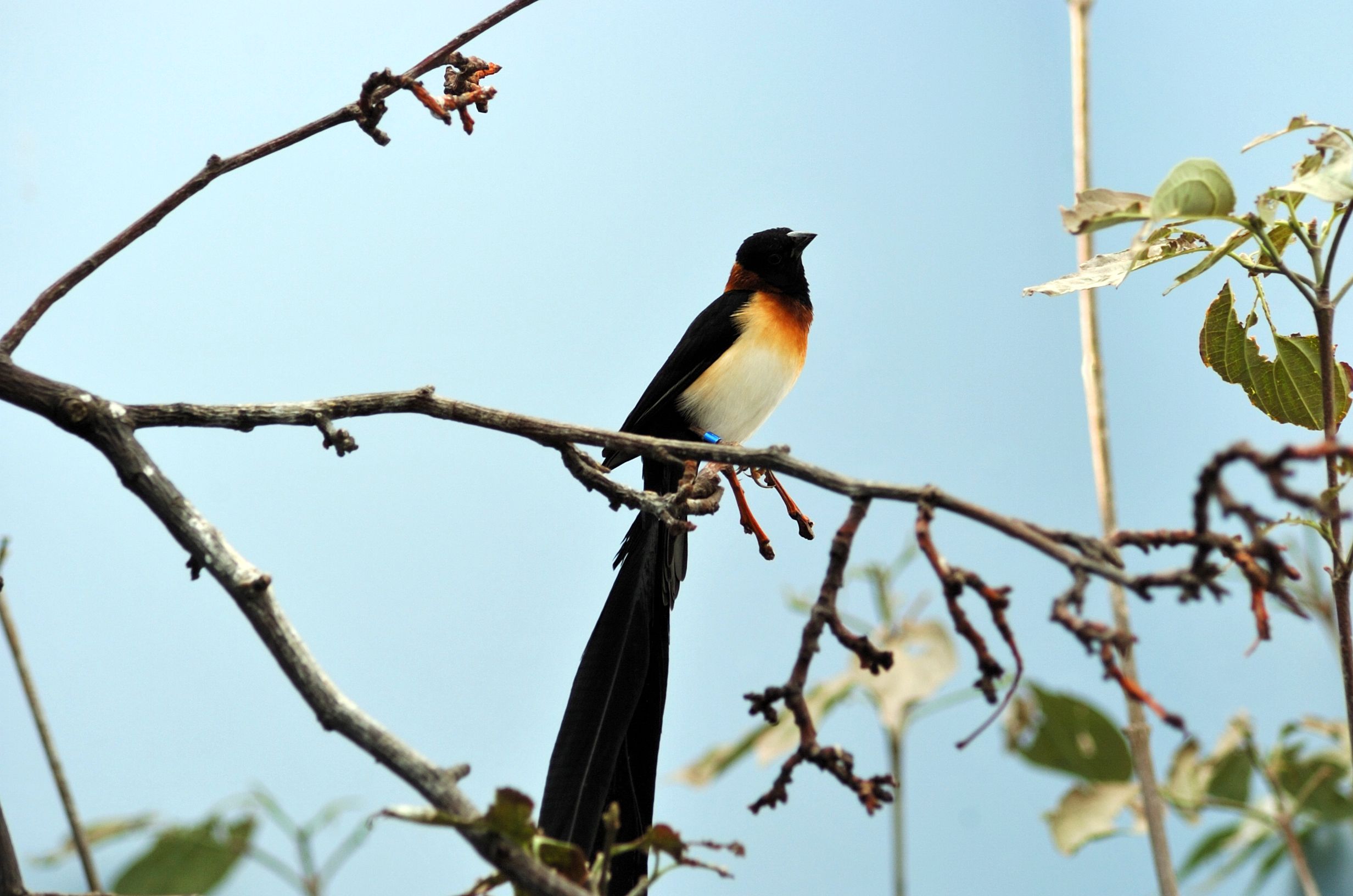
Long-tailed Paradise Whydah (Vidua paradisaea)

Long-tailed Paradise Whydah (Vidua paradisaea)

The National Aviary in Pittsburgh, PA is divided into different habitats. The National Aviary, they opened their Grassland exhibit in March of 2010 and here is their description of it. “Inhabiting the Grasslands exhibit are an array of delicate and colorful birds, including Gouldian finches, paradise whydah, Sudan golden sparrows, shaft-tail finches, melba finches, and blue ground doves. The exhibit’s plantscape comprises sea oats, bayberry, birch and dogwood as well as other greenery.”

Sing to the LORD with thanksgiving; make melody to our God on the lyre! He covers the heavens with clouds; he prepares rain for the earth; he makes grass grow on the hills. He gives to the beasts their food, and to the young ravens that cry. (Psalms 147:7-9 ESV)

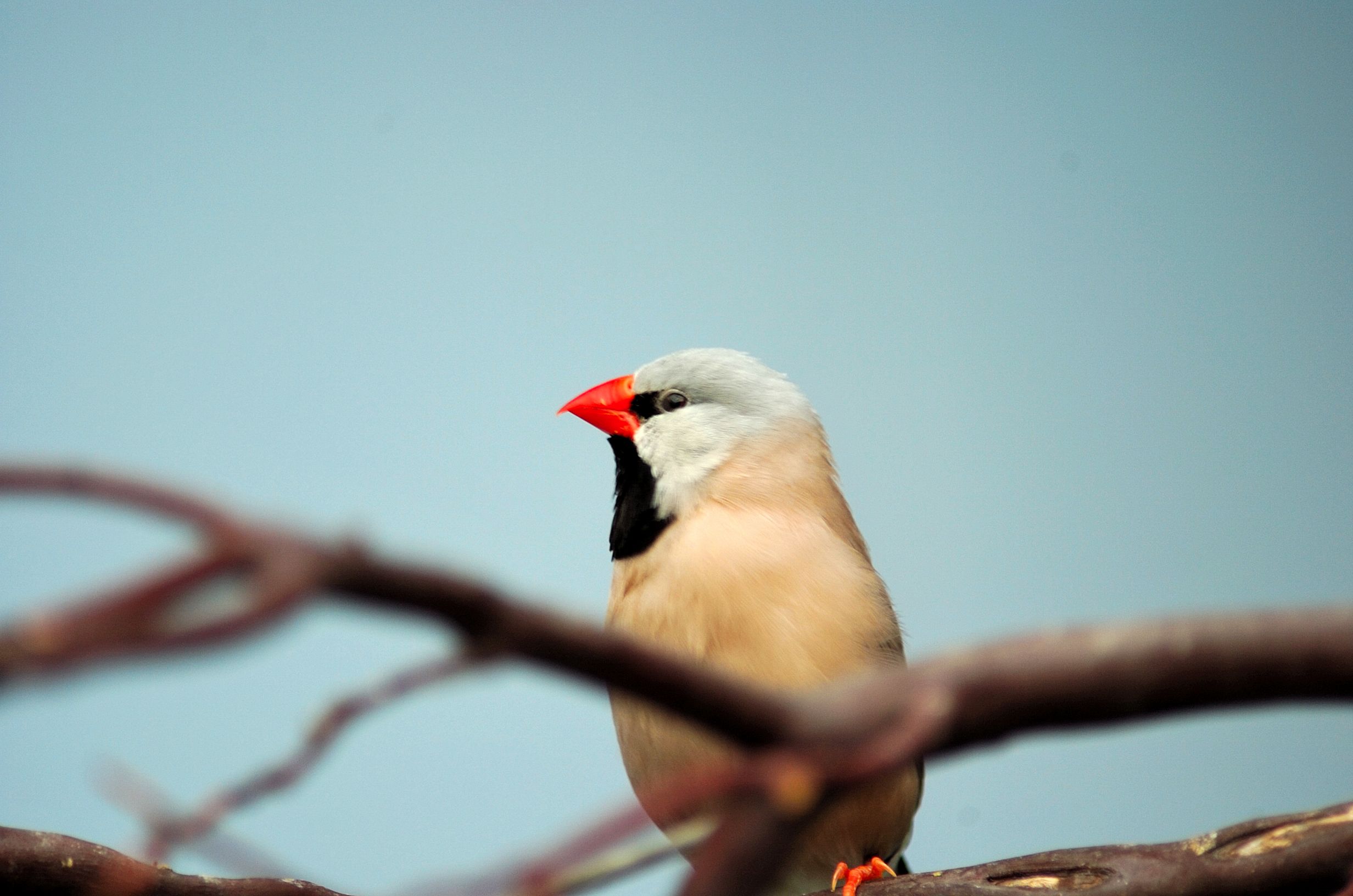
Long-tailed Finch (Poephila acuticauda) (Shaft-tailed) at NA by Dan

Long-tailed Finch (Poephila acuticauda) (Shaft-tailed) by Dan

Grasslands (also called greenswards) are areas where the vegetation is dominated by grasses and other herbaceous (non-woody) plants. However, sedge and rush families can also be found. Grasslands occur naturally on all continents except Antarctica. In temperate latitudes, such as northwest Europe and the Great Plains and California in North America, native grasslands are dominated by perennial bunch grass species, whereas in warmer climates annual species form a greater component of the vegetation.

Who has cleft a channel for the torrents of rain and a way for the thunderbolt, to bring rain on a land where no man is, on the desert in which there is no man, to satisfy the waste and desolate land, and to make the ground sprout with grass? (Job 38:25-27 ESV)

There are several types of Grasslands throughout the world. They are basically the: Tropical and subtropical grasslands, Temperate grasslands, Flooded grasslands, Montane grasslands and Desert and xeric grasslands. The Aviary has birds that represent these areas of the world.

Following is a list of the birds that we encountered in the Grasslands at the aviary:

From the Phasianidae – Pheasants, Fowl & Allies Family:

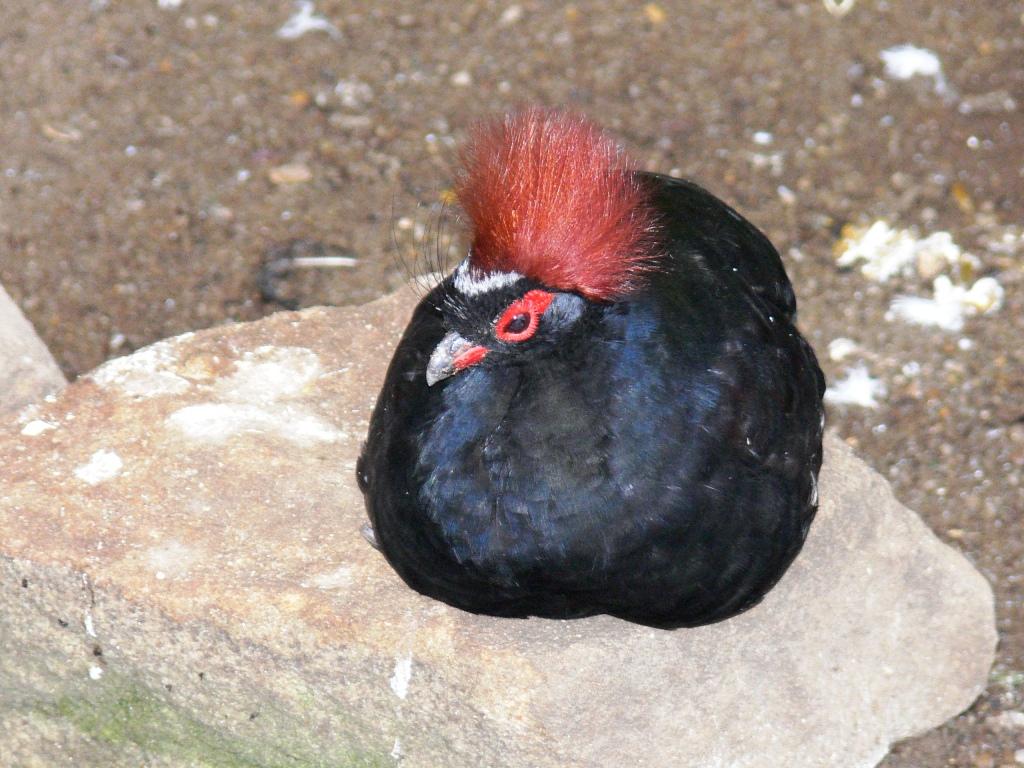
Crested Partridge (Rollulus rouloul) at NA by Lee

Crested Partridge (Rollulus rouloul) at NA by Lee

Chukar Partridge (Alectoris chukar)
Crested Partridge (Rollulus rouloul)

From the Charidridae – Plovers Family:

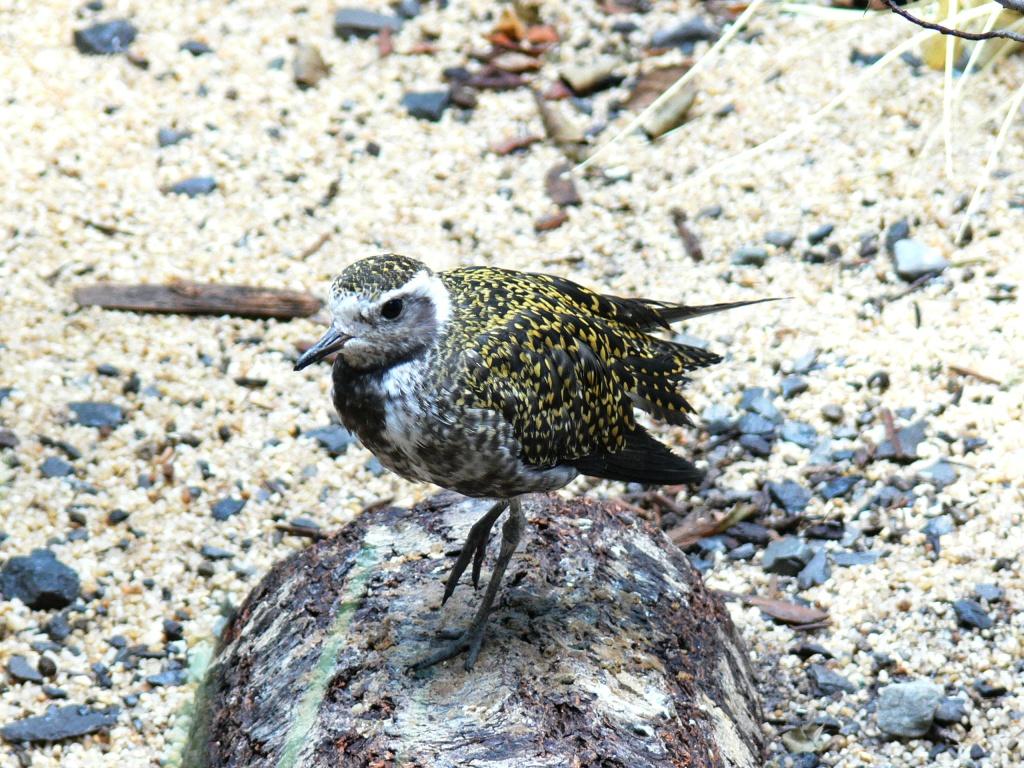
American Golden Plover (Pluvialis dominica) at NA by Lee

American Golden Plover (Pluvialis dominica) at NA by Lee

American Golden Plover (Pluvialis dominica)
Killdeer (Charadrius vociferus)

From the Psittacidae – Parrots Family:

Grey Parrot by Dan

Grey Parrot by Dan

Grey Parrot (Psittacus erithacus) (African Grey Parrot)

From the Columbidae – Pigeons, Doves Family:

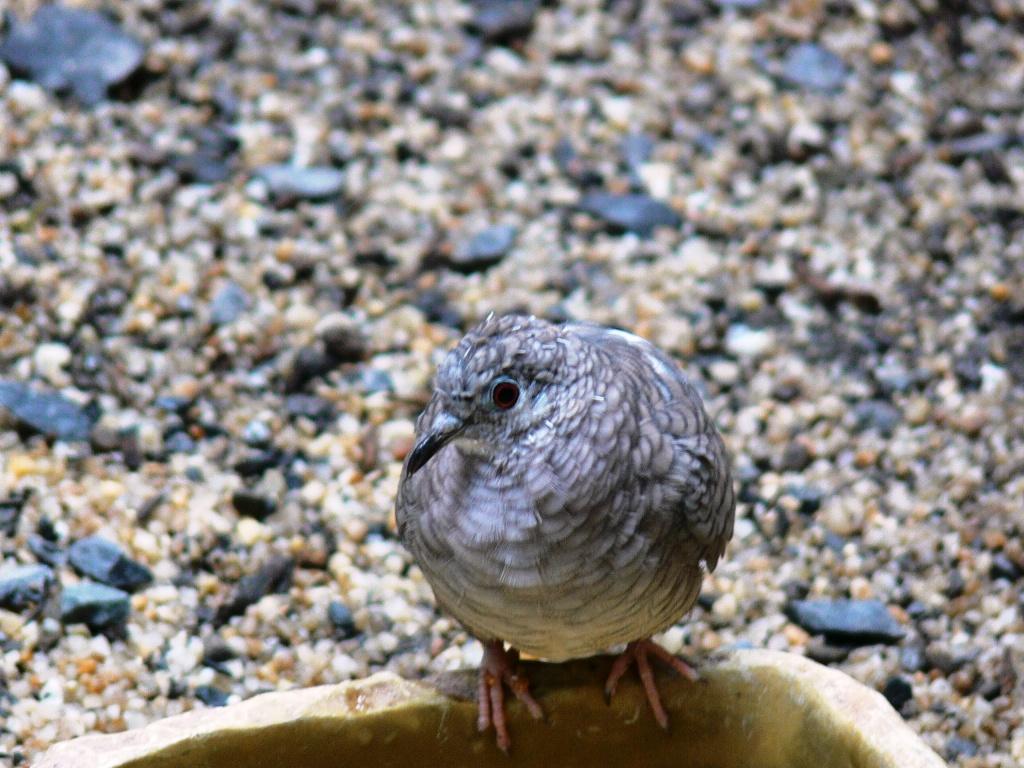
Inca Dove (Columbina inca) at NA by Lee

Inca Dove (Columbina inca) at NA by Lee

Inca Dove (Columbina inca)

From the Muscicapidae – Chats, Old World Flycatchers Family

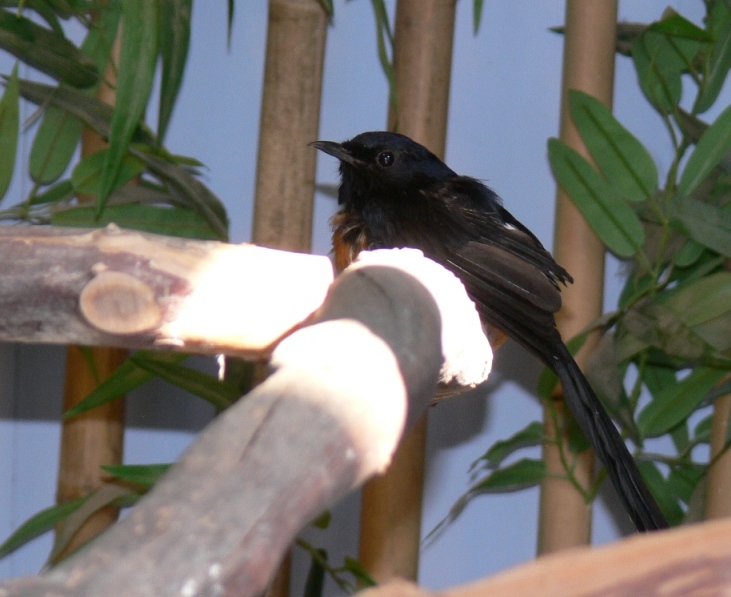
White-rumped Shama by Lee

White-rumped Shama by Lee

White-rumped Shama (Copsychus malabaricus)

From the Passeridae – Old World Sparrows, Snowfinches Family

Sudan Golden Sparrow by Dan

Sudan Golden Sparrow by Dan

Sudan Golden Sparrow (Passer luteus)

From the Estrididae – Waxbills, Munias & Allies Family:

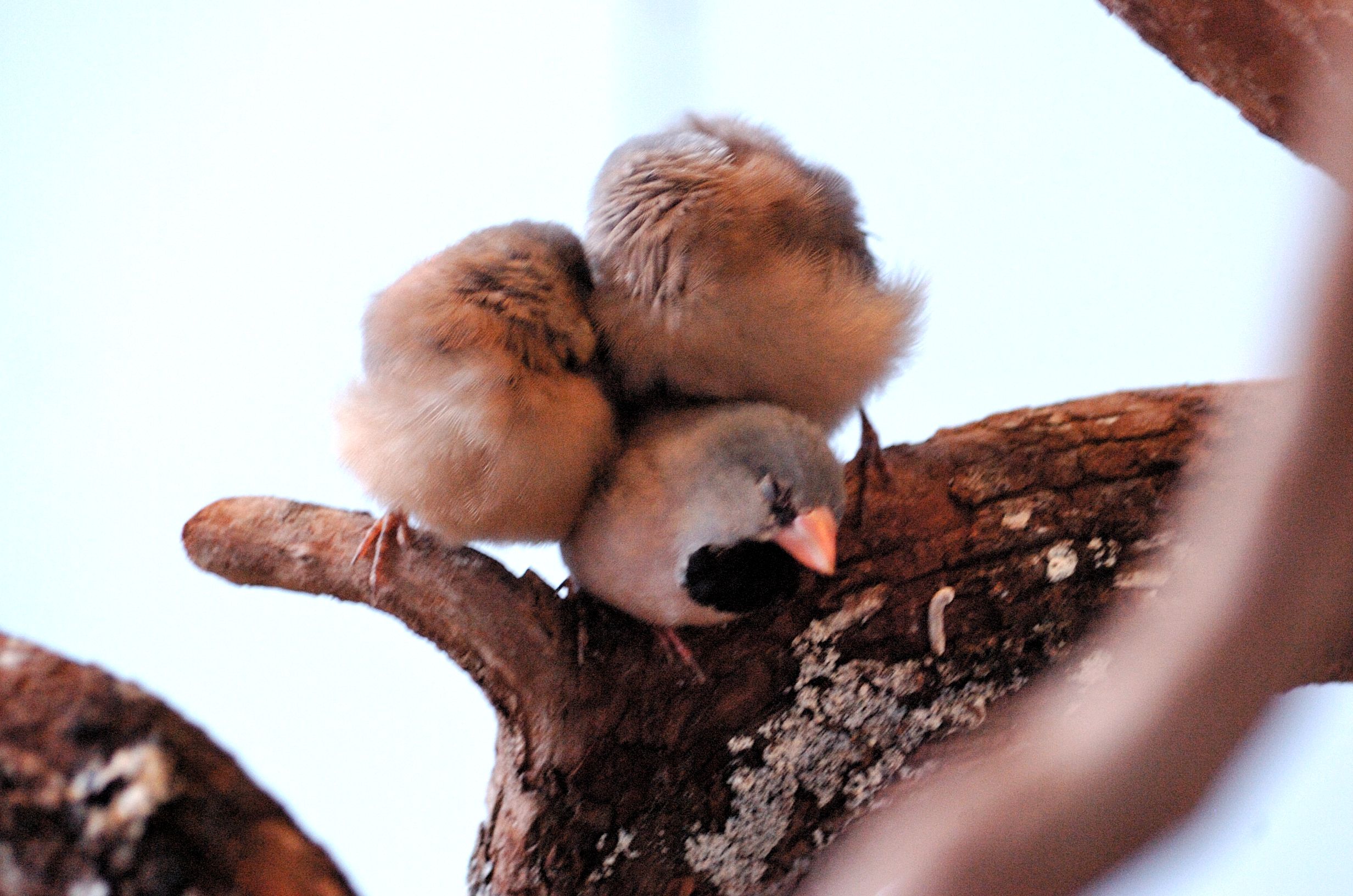
Long-tailed Finch youngsters by Dan

Long-tailed Finch youngsters by Dan

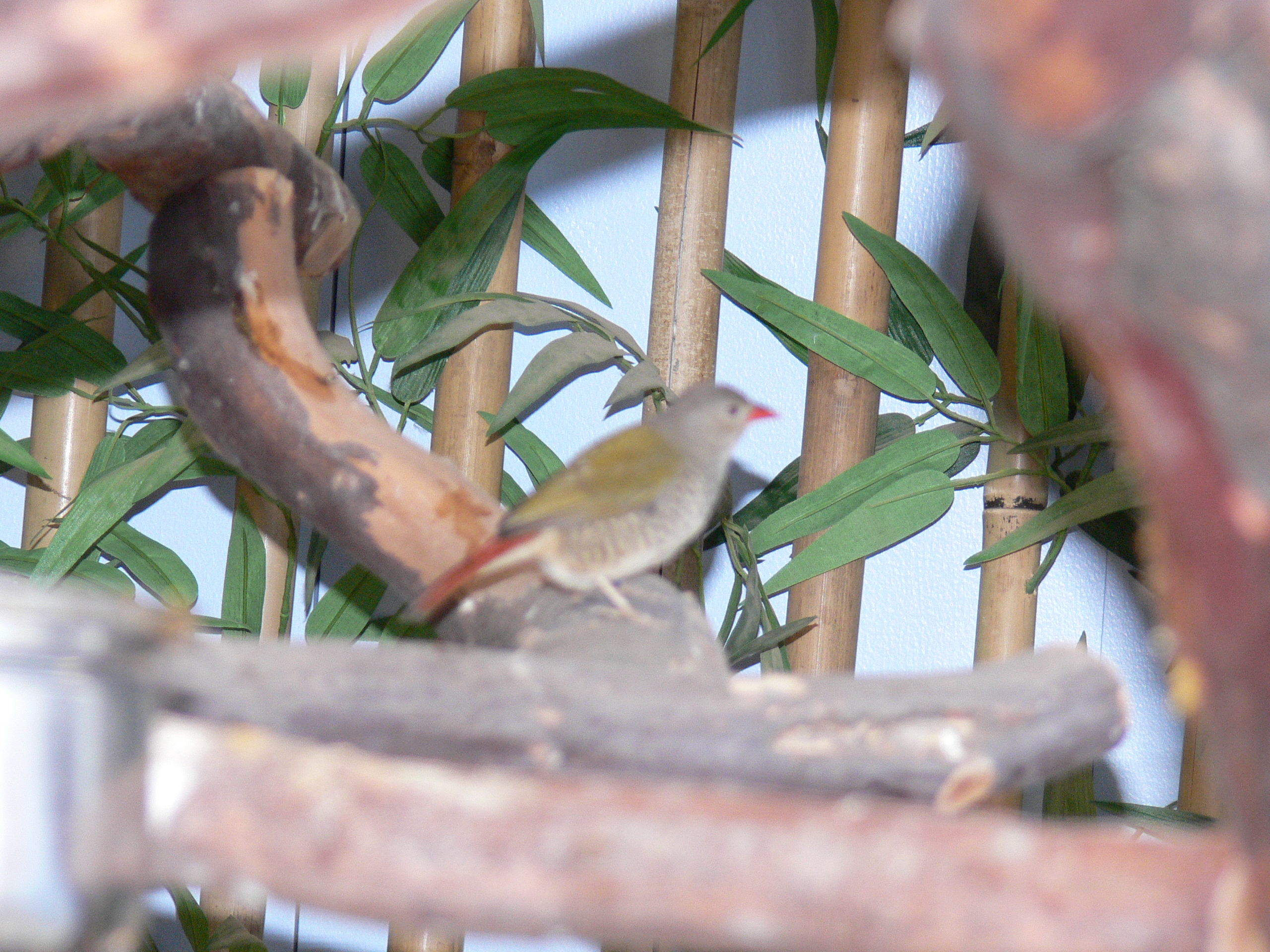
Green-winged Pytilia (Pytilia melba) (Melba Finch)
Long-tailed Finch (Poephila acuticauda) (Shaft-tailed Finch)
Gouldian Finch (Erythrura gouldiae)

From the Viduidae – Indigobirds, Whydahs Family

Long-tailed Paradise Whydah by Dan

Long-tailed Paradise Whydah by Dan

Long-tailed Paradise Whydah (Vidua paradisaea) (Paradise Whydah)

From the Icteridae – Oropendolas, Orioles & Blackbirds Family

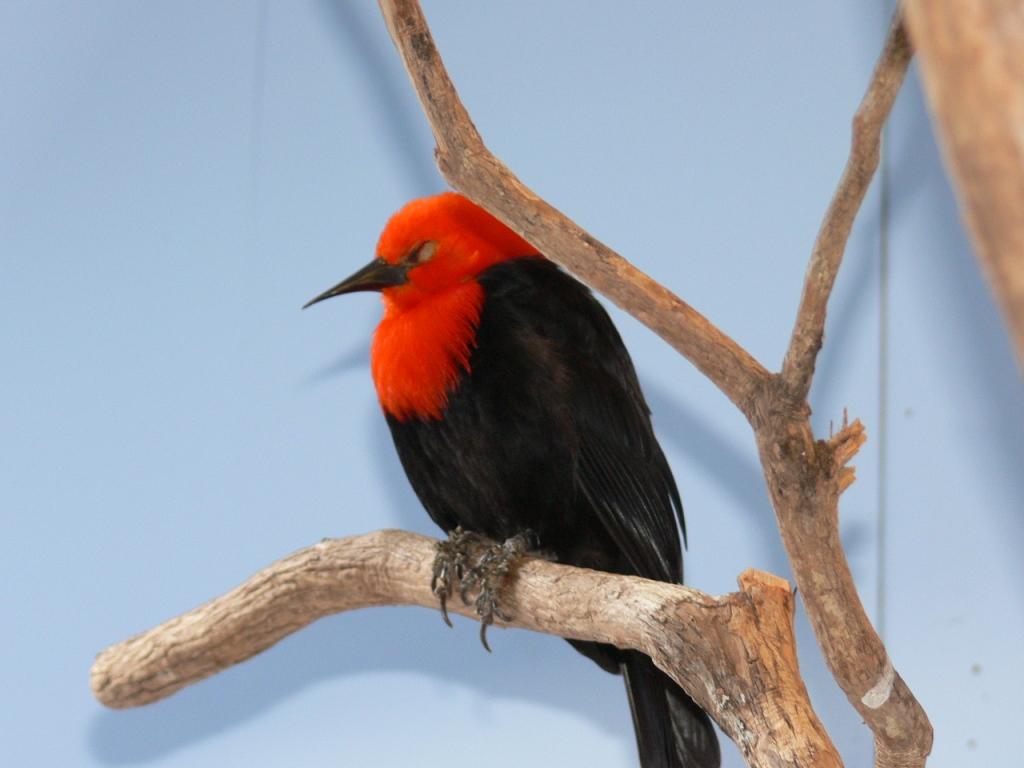
Scarlet-headed Blackbird (Amblyramphus holosericeus) by Lee

Scarlet-headed Blackbird asleep by Lee

Scarlet-headed Blackbird (Amblyramphus holosericeus)

From the Thraupidae – Tanagers and Allies Family

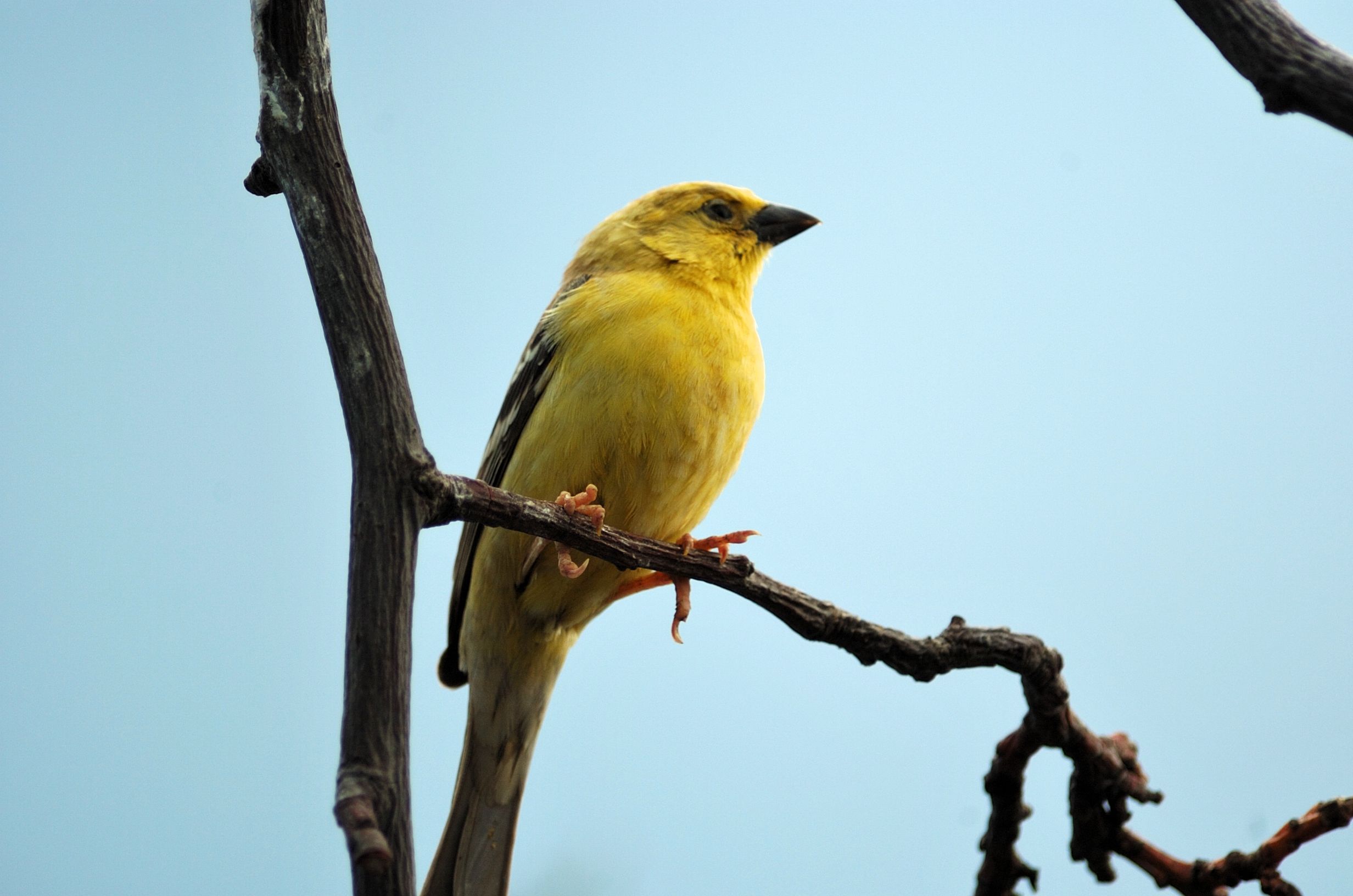
Saffron Finch by Dan

Saffron Finch by Dan

Saffron Finch (Sicalis flaveola)

I use the I.O.C.’s names, but they are the same birds. I have put the aviary’s name at the end, if it differs.

I know all the birds of the hills, and all that moves in the field is mine. (Psalms 50:11 ESV)

Killdeer (Charadrius vociferus) at NA by Lee

Killdeer (Charadrius vociferus) at NA by Lee

Give ear, O heavens, and I will speak, and let the earth hear the words of my mouth. May my teaching drop as the rain, my speech distill as the dew, like gentle rain upon the tender grass, and like showers upon the herb. For I will proclaim the name of the LORD; ascribe greatness to our God! (Deuteronomy 32:1-3 ESV)

Green-winged Pytilia (Pytilia melba) (Melba Finch) at NA by Lee

Green-winged Pytilia (Pytilia melba) (Melba Finch) at NA by Lee “Proof”

Of David. Fret not yourself because of evildoers; be not envious of wrongdoers! For they will soon fade like the grass and wither like the green herb. Trust in the LORD, and do good; dwell in the land and befriend faithfulness. Delight yourself in the LORD, and he will give you the desires of your heart. Commit your way to the LORD; trust in him, and he will act. (Psalms 37:1-5 ESV)

Crested Partridge (Rollulus rouloul) at NA by Lee M-F and Babies

Crested Partridge (Rollulus rouloul) at NA by Lee M-F and Babies

You cause the grass to grow for the livestock and plants for man to cultivate, that he may bring forth food from the earth (Psalms 104:14 ESV)

Chukar Partridge (Alectoris chukar) at NA by Lee

Chukar Partridge (Alectoris chukar) at NA by Lee

The grass withers, the flower fades, but the word of our God will stand forever. (Isaiah 40:8 ESV)

Gouldian Finch (Erythrura gouldiae) at NA by Lee

Gouldian Finch (Erythrura gouldiae) at NA by Lee

But if God so clothes the grass of the field, which today is alive and tomorrow is thrown into the oven, will he not much more clothe you, O you of little faith? (Matthew 6:30 ESV)

(Various quotes are from the Scripture, National Aviary website and Wikipedia. Some of the shots by me are just “proof shots”. They were taken to prove I saw the bird, and some didn’t come out well.)

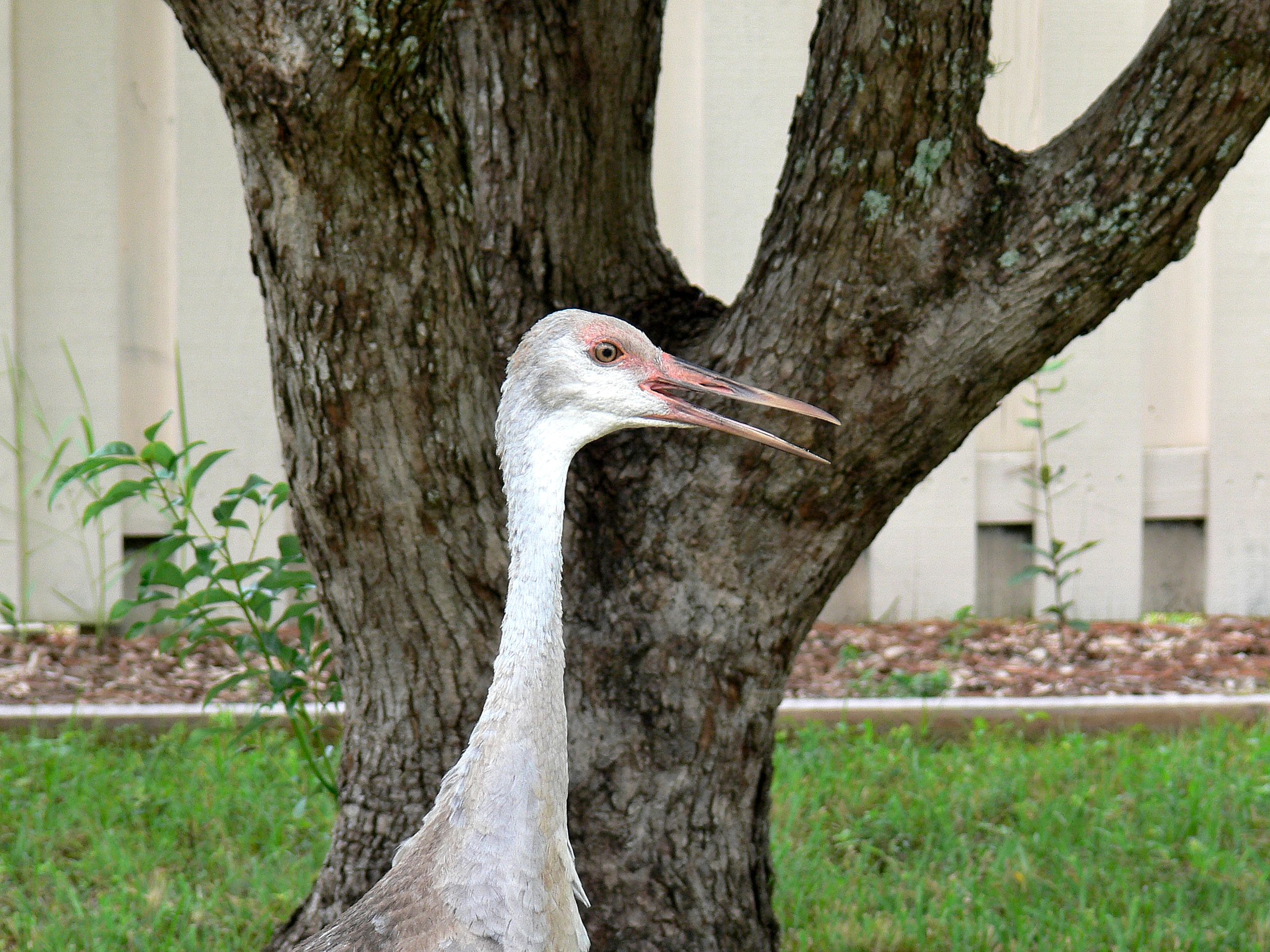
Sandhill Crane Juveniles in Backyard

Sandhill Crane "colts"

Sandhill Crane "colts"

Do you remember the blog about the Sandhill Crane “Colt” Birdwatching? The little baby Sandhills were just a day old then on March 14th of this year. Today is August 27th of 2010 and they were visiting in my backyard with their parents. As you can see, they are growing up quite well. We have been watching them over the last five months. Couldn’t resist getting the camera out and updating their progress.

Sandhill Juvenile - 5 months old

Sandhill Juvenile - 5 months old in backyard

They still don’t have all their color yet, but they are just about as tall as the parents. It is neat to be able to watch them grow. Hope you enjoy the photos.

Sandhill Cranes (Grus canadensis) are in the Gruidae Family of the Gruiformes Order.

Even the stork in the heavens knows her times, and the turtledove, swallow, and crane keep the time of their coming, but my people know not the rules of the LORD. (Jeremiah 8:7 ESV)

*

This slideshow requires JavaScript.

*

Birds of the Bible – At the National Aviary

Wattled Curassow (Crax globulosa) by Lee at National Aviary

Wattled Curassow (Crax globulosa) by Lee at National Aviary

Birds of the Bible – at the National Aviary in Pittsburgh, PA seems like a logical topic if you have been reading the blog lately. As you may be aware, Dan and I, visited the Aviary a few weeks ago. What a fantastic place to see birds from all around the world. With over 800 birds, there had to be some of the birds mentioned in the Bible.

The Bible says that all birds were created by the Lord, so technically, they all qualify. For this blog, I will confine it to named types of birds. Birds mentioned below are in the same family of the named bird, at least according to the IOC list of Families and Orders.

I know all the birds of the hills, and all that moves in the field is mine. (Psalms 50:11 ESV)

And these are they which ye shall have in abomination among the fowls; they shall not be eaten, they are an abomination: the eagle, and the ossifrage, and the ospray, And the vulture, and the kite after his kind; Every raven after his kind; And the owl, and the night hawk, and the cuckow, and the hawk after his kind, And the little owl, and the cormorant, and the great owl, And the swan, and the pelican, and the gier eagle, And the stork, the heron after her kind, and the lapwing, … (Leviticus 11:13-19 KJV)

Birds of the Bible

Their birds change from time to time and what is seen will change. We saw many more birds, but these are only the Birds mentioned by name in Scripture.

More photos will be added to the slide show as we get more IDs and convert Dan’s to JPG format.

This slideshow requires JavaScript.

*

Ian’s Bird of the Week – Pacific Loon

Pacific Loon(Gavia pacifica) by Ian

Pacific Loon(Gavia pacifica) by Ian

This week’s choice was based on (a) the fact that I promised an American this week and (b) because I ended up travelling a day late on Air Pacific via Fiji as my V Australia flight was cancelled, and wanted to make a horrible pun along the lines of loons and choice of airline and the ‘meals’ that they provide. I’ve decided to spare you that, as we all know that airline food is terrible and I shouldn’t be surprised when it plumbs new depths.

Anyway, it’s lovely to be back in California and I spent some time this morning trying to photograph the Anna’s Hummingbirds in the backyard. They need to be photographed at exactly the right angle to the light to show the magenta on the head. I haven’t yet done that to my satisfaction, so I’ll keep that for another day.

Pacific Loon (Gavia pacifica) by Ian - from his Website

Pacific Loon (Gavia pacifica) by Ian - from his Website

This Pacific Loon I photographed in Barrow in northern Alaska on my last trip 2 years ago when it was swimming among the ice-floes along the beach where there was some open water in the otherwise frozen sea. ‘Loons’ to Americans and ‘Divers’ to the British form a small northern hemisphere family of 5 species – http://www.birdway.com.au/gaviidae/index.htm – all of which are mostly marine fish-eaters except when breeding when they nest beside freshwater lakes, often far inland. They are brilliantly adapted to an aquatic life and prefer to dive than fly. How sensible.

The Pacific Loon is very closely related and similar in appearance to the Arctic Loon/Diver of Eurasia. The bird in the photo is in breeding plumage (it was mid-summer’s day) and all the loons/divers then have strikingly patterns, while the non-breeding plumage is a rather drab grey and white. They’re big birds, with the Pacific having a length of 64cm/25in.

The enforced leisure of my journey gave me ample opportunities to work on the website, and I have made some additions http://www.birdway.com.au/#updates and finally updated Ian’s Picks:

Black Swan
Andean Cock-of-the-Rock
White-throated Dipper
Northern Brown Bandicoot

Australian Wildlife - Ian

Australian Wildlife

Earlier this year, I provided many photos for a new Brandt guide to Australian Wildlife by Stella Martin and received my copy shortly before I left Australia. I think Stella has done a wonderful job in producing a comprehensive but concise introduction across a broad field which is eminently readable. Being a paperback it’s ideal for the visitor to Australia and great value. Amazon now have it in stock: Australian Wildlife and it is becoming available in book stores. I’ve attached a copy of the cover to whet your appetite!

Best wishes,
Ian

Ian Montgomery, Birdway Pty Ltd,
454 Forestry Road, Bluewater, Qld 4818
Phone: +61-7 4751 3115
Preferred Email: ian@birdway.com.au
Website: http://birdway.com.au


Lee’s Addition:

Since Ian is traveling, I went to his website and got the second photo of the Pacific Loon swimming towards the camera. I am sure Ian won’t mind. As Ian said, the Loons are in the Gaviidae Family which is in the Gaviiformes Order. In other words, they are the only family in that Order.

Their sounds are sad and remind me of wailing.

Behold, he cometh with clouds; and every eye shall see him, and they also which pierced him: and all kindreds of the earth shall wail because of him. Even so, Amen. I am Alpha and Omega, the beginning and the ending, saith the Lord, which is, and which was, and which is to come, the Almighty. (Revelation 1:7-8 KJV)

See:

Ian’s Gaviidae Family,

Birds of the World – Gaviidae Family and the Gaviiformes Order.

*

National Aviary – Penguin Encounter

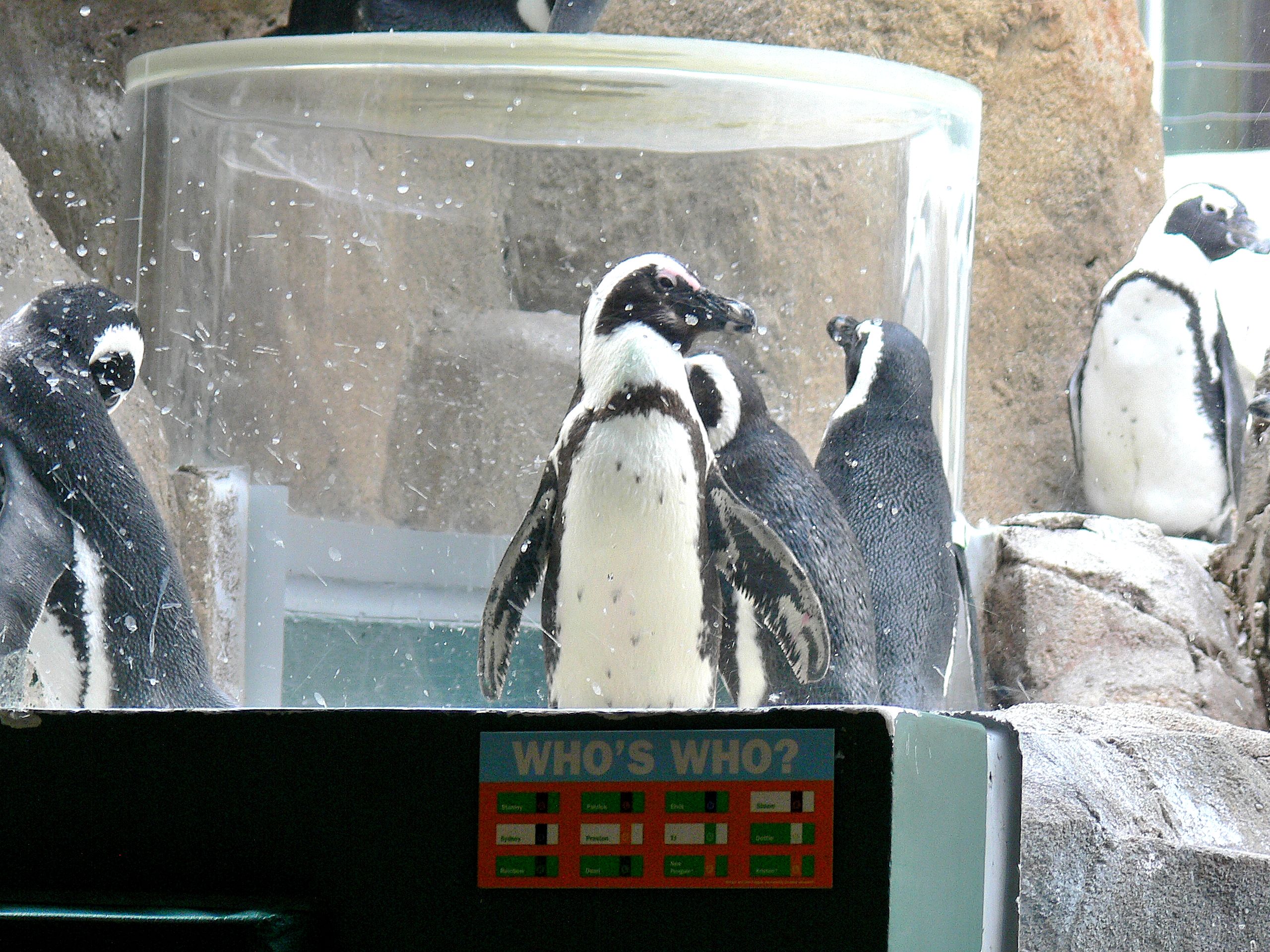
African Penguin (Spheniscus demersus) at NA by Lee

African Penguin (Spheniscus demersus) by Dome at NA by Lee

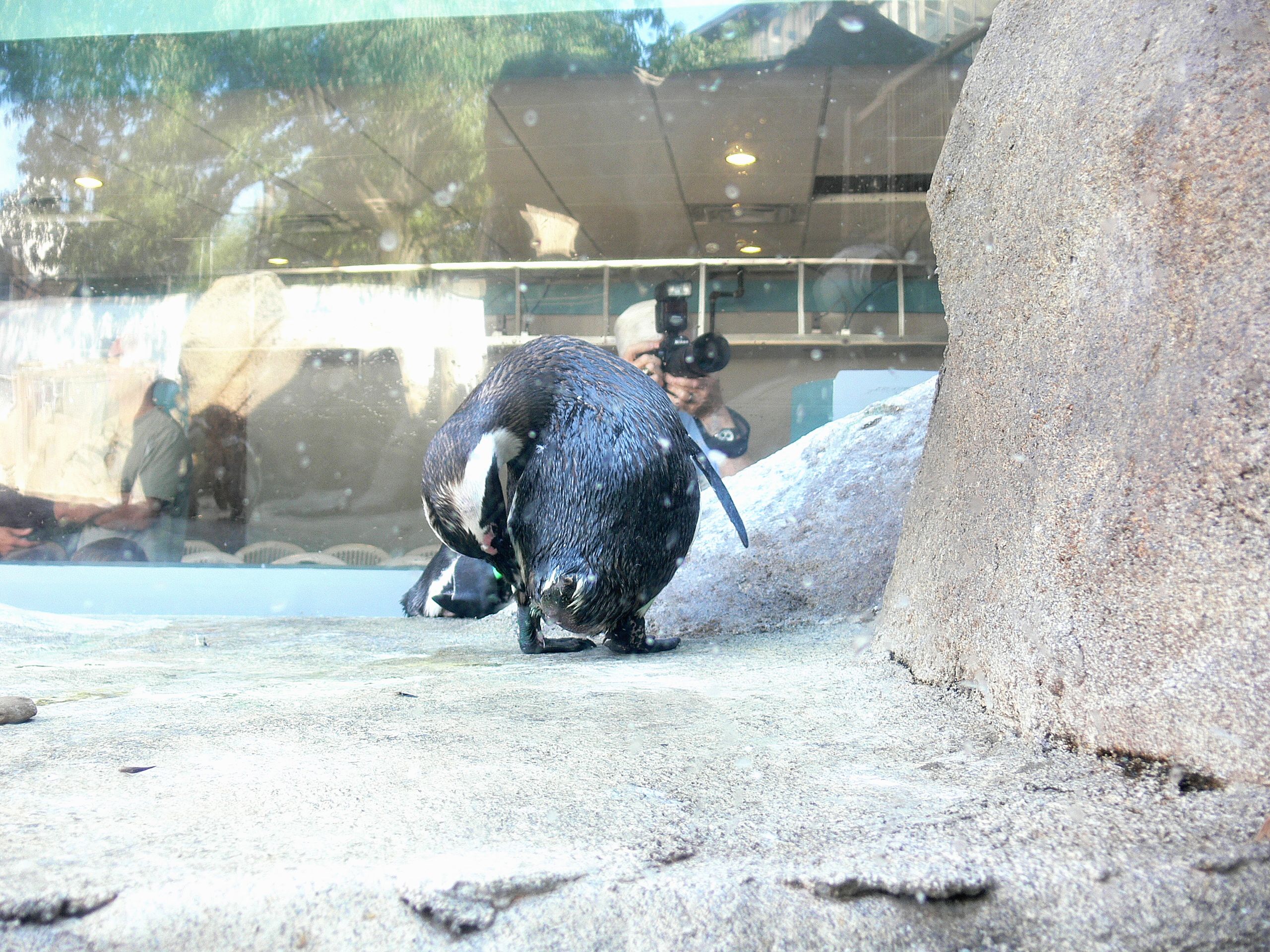
The National Aviary’s Penguin Point area is home to Stanley, Elvis, Patrick, Simon, Sidney, Preston, Dotty, Kristen, TJ, and Rainbow. At least that is the names of the ones listed on the African Penguin page. We enjoyed taking pictures of them, but did not figure out who was who. The area has a dome that sticks up and you can make your way to it and look at the penguins up “close and personal.” Of course, I had to go check it out. Even caught Dan taking pictures of the penguins while I was inside looking out.

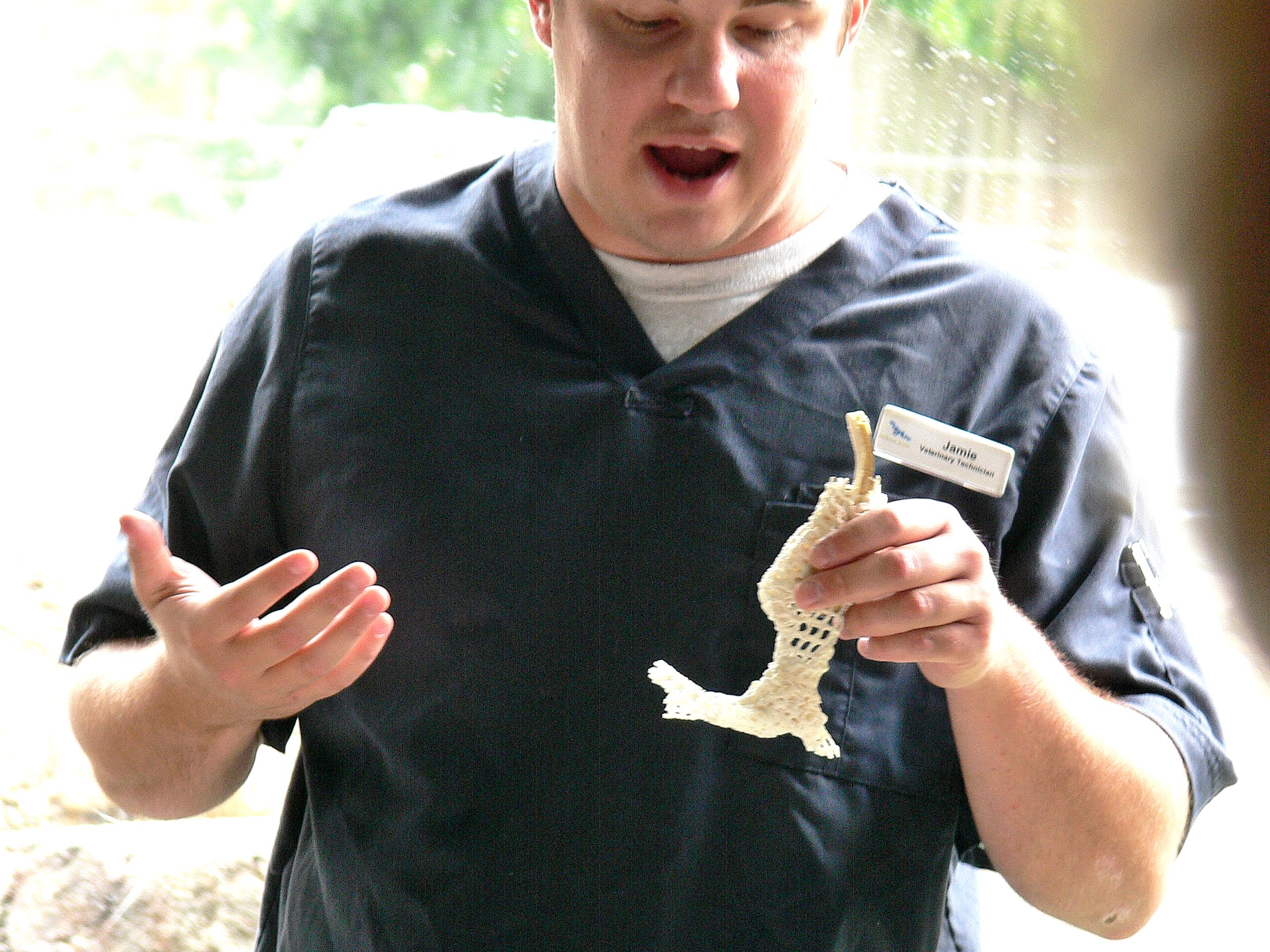
National Aviary Meet a patient - Jamie-Vet Tech with leg cast

Meet a patient – Jamie-Vet Tech with leg cast

They have several penguin feeding times during the day and a penguin talk – to learn more about the penguins. In the Penguin Point Vestibule they have a “Meet a Patient” talk by one of the “bird medical” staff. There you are told about one of the patients in their hospital. Jamie, the Veterinarian Technician was telling about one of the ducks. He showed a cast used for a broken leg. Unfortunately, we missed most of the talk and only got in on the last part of his presentation.

The African Penguins (Spheniscus demersus), which they have at the Aviary, are the only penguins that breed in Africa. They are also known as Black-footed Penguins. Their home is on the “south-western coast of Africa, living in colonies on 24 islands between Namibia and Algoa Bay, near Port Elizabeth, South Africa, with the largest colony on Dyer Island, near Kleinbaai. Because of their donkey-like braying call they were previously named Jackass Penguins. Since several species of South American penguins produce the same sound, the African species has been renamed African Penguin, as it is the only penguin species that breeds in Africa. The presence of the penguin gave name to the Penguin Islands.” (Wikipedia)

African Penguin (Spheniscus demersus) at NA by Lee

African Penguin from inside the dome at NA by Lee

African Penguins are 68-70 cm (26.7-27.5in) tall and weigh 2-5 kg or 4.4-11 lbs. “They have a black stripe and black spots on the chest, the pattern of spots being unique for every penguin, like human fingerprints. They have pink glands above their eyes. The hotter the penguin gets, the more blood is sent to these glands so it may be cooled by the surrounding air, thus making the glands more pink. The males are larger than the females and have larger beaks, but their beaks are more pointed than those of the Humboldt. Their distinctive black and white colouring is a vital form of camouflage–white for underwater predators looking upwards and black for predators looking down onto the dark water.” (Wikipedia) Our Creator has provided a built-in air conditioner and protection for them.

I know all the fowls of the mountains: and the wild beasts of the field are mine. (Psalms 50:11 KJV)

At one time the African Penguin population had 1.5 million members, but because of threats such as egg gathering, or egg smashing, taking their burrowing material for fertilizer, oil spills and other threats, the number was only 10% of that by 2000. The natural predators include “sharks, cape fur seals and, on occasion, orcas. Land-based enemies include mongoose, genet, domestic cats and dogs – and the kelp gulls which steal their eggs and new born chicks. I don’t know for a fact, but their decline to a “vulnerable species” is probably why they are at the National Aviary and also the Lowry Park Zoo in Tampa, Florida (we saw some there also). They are trying to protect and breed them.

How long shall the land mourn, and the herbs of every field wither, for the wickedness of them that dwell therein? the beasts are consumed, and the birds; because they said, He shall not see our last end. (Jeremiah 12:4 KJV)

African Penguins are in the  Spheniscidae Family of the Sphenisciformes Order. They are the only family in the Order and have 19 species of penguins.

See Also:

Ian’s Bird of the Week – African Penguin

Interesting Things – Why Birds Don’t Wear Socks

Here are the pictures we took of the penguins at the National Aviary.

This slideshow requires JavaScript.

Information from Wikipedia and National Aviary website.

*

(Spheniscus demersus)

Birdwatching at the National Aviary – Introduction

Fountain at National Aviary

Fountain at National Aviary

Dan and I visited the National Aviary in Pittsburgh, PA two weeks ago. What a fantastic place. Waited until we were back home and could sort through our photos. I took over 600 in the 2 days we visited and not sure how many Dan took. (His are better, of course.)

National Aviary Hospital - Sarah the "Bird Nurse"

National Aviary Hospital – Sarah the “Bird Nurse”

We arrived early the day before and could not check in to the motel, so we had some time to look around. After lunch, we ended up in a bookstore, where we met, Sarah, the “Bird Nurse” at the National Aviary. When she found out we had come up there just to see the Aviary, she offered to show us things behind the scenes when we got there the next day. I was more excited that a child waiting for Christmas morning to arrive. Hardly slept that night. I praise the Lord for letting us meet up with her and know it was not just an “accident.”

By the time we arrived, the Director, Steven, had been informed about our visit and offered to show us around also. Thanks to all of the staff and volunteers there that made our visit so special. The National Aviary is definitely a “Must See” for birdwatchers.

It is hard to know where to begin, so I’ve decided to break our visit up into the different areas and do a blog on each one. This blog is an introduction to the National Aviary itself.

The history of the Aviary tells of its growth from a conservatory at an old Penitentiary site, with an Aviary added later. It was the first zoo to have free-flight rooms. In the 80’s they began focusing on “wildlife conservation through captive breeding of rare and endangered birds.” The 90’s saw the aviary closed, then re-open as a private nonprofit corporation. In 1992, “By declaration of the U.S. Congress, the Pittsburgh Aviary was designated honorary national status and renamed the National Aviary in Pittsburgh.

Throughout the day they have various events going on, depending on the day of the week and weather or other conditions. We were able to take in the Wetlands Feeding and Rainstorm, Feed the Lories, FliteZone – Raptors and the Parrots (missed some of the birds due to an activity outside the aviary that was unsettling the birds), Tropical Forest Feeding, Meet a Patient, We missed some things, but got to see things others don’t get to see (more on that later).

Inca Tern (Larosterna inca) at NA by Dan

Inca Tern (Larosterna inca) at NA by Dan

The Aviary has over 600 birds from different parts of the world. See: Our Birds. Since I have worked with the Birds of the World here on this site, it was great to be able to see many of the birds in person that were just names and photos. Many, close-up!

When you arrive at the Aviary, you are welcomed by some sculptures, a fountain, and a Rose Garden. There were also some local birds hanging around like sparrows and pigeons. I am sure at other times of the year there are other avian visitors.

The Laughing Kookaburra was also outside to greet the visitors to the Aviary. One of the workers help me get a short clip of him laughing.

What a joy we had visiting! It was much more than I thought it would be.

Ask, and it shall be given you; seek, and ye shall find; knock, and it shall be opened unto you: (Matthew 7:7 KJV)

Give, and it will be given to you: good measure, pressed down, shaken together, and running over will be put into your bosom. For with the same measure that you use, it will be measured back to you.” (Luke 6:38 NKJV)

See:

Dan’s Photos so far on his Website – Dan’sPix

Happy Birthday-  Skippy at National Aviary

These photos are of some of the shows and the outside area.

This slideshow requires JavaScript.

*

Birds in Hymns – Great God, The World Is Full Of Thee

For the word of the LORD is right; and all his works are done in truth. He loveth righteousness and judgment: the earth is full of the goodness of the LORD. (Psalms 33:4-5 KJV)

Words: Hen­ry Bate­man, Sun­day Sun­shine: New Hymns and Po­ems for the Young (Lon­don: Nis­bet & Co., 1858).
Music: Home­land (Bate­man), Jo­si­ah Booth (1852-1929)

Great God, the World is Full of Thee

Great God, the world is full of Thee,
Thy kindness, and Thy power;
The bright blue sky, and rolling sea,
Green tree, and summer flower.

House Sparrows watching Parrot show at National Aviary by Lee

House Sparrows at National Aviary by Lee

And every day, and everywhere,
Thou watchest everything;
The tender lamb enjoys Thy care;
The little birds that sing.

And very, very kind indeed
Thou art, O God, to me;
Supplying all my daily need;
And helping patiently.

Teach my young heart to yield its love
Through Jesus Christ, Thy Son;
That I may dwell with Thee above,
When life below is done.

Most information from The Cyber Hymnal

See ~ Wordless Birds

More ~ Birds in Hymns

*

Ian’s Bird of the Week – Tooth-billed Bowerbird

Tooth-billed Bowerbird (Scenopoeetes dentirostris) by Ian

Tooth-billed Bowerbird (Scenopoeetes dentirostris) by Ian

Ian’s Bird of the Week – Tooth-billed Bowerbird ~ by Ian Montgomery

Newsletter 8-20-10

I’m squeezing this bird of the week in between the Birds Australia Congress and Campout, which finished this morning, and my departure for California tomorrow. The Congress and Campout was a great success and ran like clockwork thanks to the preparation, dedication and hard work of our secretary and committee. I had a request from a participant to make the Golden Bowerbird – one of the highlights of the Campout – this week’s bird but this species starred in this role earlier this year. So, instead I’ve chosen the Tooth-billed Bowerbird and included a photo of the Golden Bowerbird, both being endemics of the Queensland wet tropics and inhabiting highland rainforest.

Tooth-billed Bowerbird (Scenopoeetes dentirostris) by Ian

Tooth-billed Bowerbird (Scenopoeetes dentirostris) by Ian

It’s not spectacular in appearance like the Golden Bowerbird, but it’s an interesting bird nevertheless. It doesn’t build a bower; instead it has a display platform consisting of an oval cleared space on the ground around a small tree trunk with a suitable branch used as a perch for singing above the platform. It decorates the platform with large, fresh leaves that the bird collects by using its serrated bill to chew through the leaf stem. The second photo shows a bird in full song and you can see the serrations on the bill, from which it gets the name. Like other bowerbirds, it is an accomplished songster and very good a mimicry. It is also fussy. Most bowerbirds are extraordinarily fussy in their choice of objects and colours to decorate the bowers. Tooth-billed Bowerbirds only use leaves, but the leaves are carefully chosen for appearance and laid upside down, with the paler surface uppermost. Apparently, if you turn them up the other way, the bird will put them back the correct way.

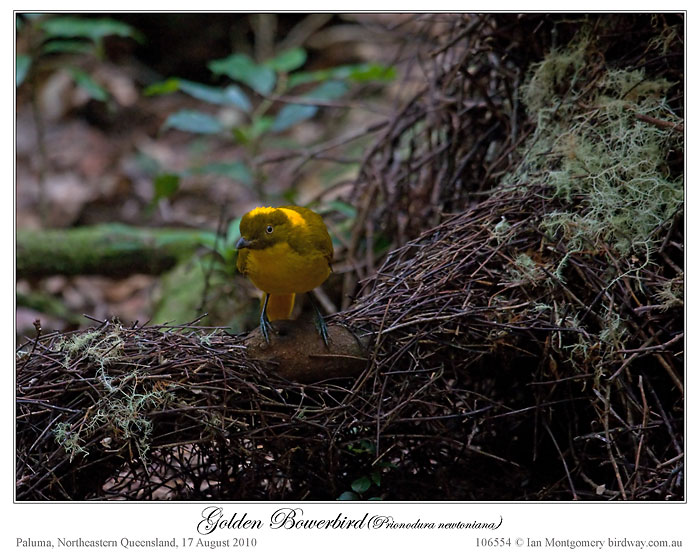
Golden Bowerbird (Prionodura newtoniana) by Ian

Golden Bowerbird (Prionodura newtoniana) by Ian

They usually start attending their display areas in September, so we were a bit early and I don’t think anyone actually saw one, though there were reports of hearing them. There was, however, some early activity and a couple of birds had several leaves in place. At the peak of the season, there may be up to 30 or so leaves, and these are replaced regularly with fresh ones. The Golden Bowerbirds had made an early start to and were decorating their bowers with pieces of lichen. The bird in the third photo, taken last Tuesday, has just added a piece to the bigger pile on the left and he is standing on the display perch between the two piles of twigs – ‘maypoles’ – that make up the typical bower of this species. The display perch is very important as it is where all the real action takes place, and you can see that this one is well worn.

You can expect an American as the next Bird of the Week. I’ve gone right off flying in recent years, so I’m getting the train to Brisbane for my flight to San Francisco. Unfortunately, there isn’t a convenient alternative to flying if you wish to cross the Pacific.

Best wishes,
Ian

Ian Montgomery, Birdway Pty Ltd,
454 Forestry Road, Bluewater, Qld 4818
Phone: +61-7 4751 3115
Preferred Email: ian@birdway.com.au
Website: http://birdway.com.au


Lee’s Addition:

The Bowerbirds are in the Ptilonorhynchidae – Bowerbirds Family. The family has 17 Bowerbirds and 3 Catbirds in it and they are part of the Passeriformes Order (Songbirds).

Previous articles on Bowerbirds:

Ian’s Bird of the Week – Spotted Bowerbird and the Golden Bowerbird

a j mithra’s – Golden Bowerbird


Family#126 – Ptilonorhynchidae
*