Ian’s Bird of the Week – Greater Flamingo

PHO-Phof Greater Flamingo (Phoenicopterus roseus) by Ian

Ian’s Bird of the Week – Greater Flamingo ~ by Ian Montgomery

Newsletter ~ 10-9-14

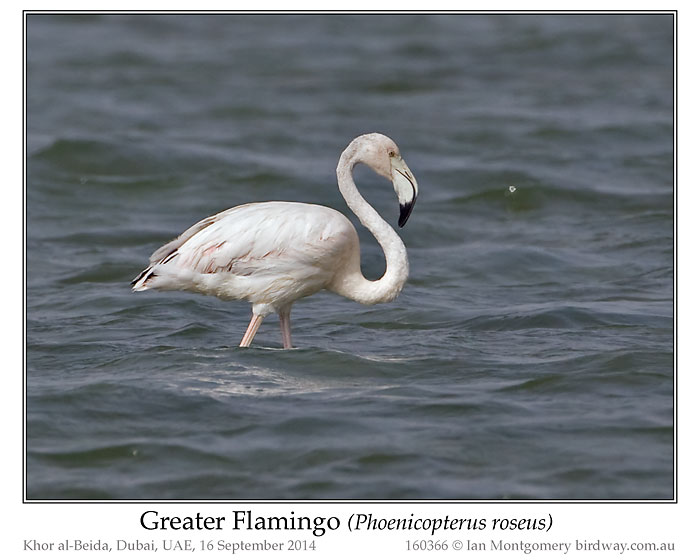
Here’s another species from Dubai, the Greater Flamingo. It’s well-known there, occurs in the Ra’s al-Khor wildlife sanctuary near the centre of town and is suitably iconic for a place where flamboyance is preferred to subtlety :-). We didn’t go to this sanctuary but found about 50 Flamingos feeding in the shallows near one of the Crab Plover sites that we checked at Khor al-Beida north of the city.

This spot was right beside a Sheik’s well guarded palace. Tommy warned that using a large telephoto lens there could attract unwelcome attention from the guards, so these photos were taken through the window of his 4WD. The birds in the first and second photos are adults with the pink colour of the legs and bill and the red plumage in the wings well-developed.

Greater Flamingo (Phoenicopterus roseus) by IanThe bird in the third photo is an older juvenile. The bill is still grey, the legs are just beginning to show a pink flush and there is little red showing in the wings. The full adult plumage is acquired after about three years.

Greater Flamingo (Phoenicopterus roseus) by Ian
Flamingos are a taxonomically isolated group with 6 species in a single family – Phoneicopteridae – in their own order the Phoenicopteriformes. Four of the species occur in South and Central America, with 2 Old World Species The Greater and Lesser Flamingos. The Greater Flamingo occurs in Africa, the Middle East, southern Europe and in Asia as far east as India. There is one Australian record from the Cocos (Keeling) Islands in 1988, so it has the honour of being on the Australian list.

Greetings from Strasbourg where we are having a pleasant few days in this lovely city staying with Gillian daughter Jeannine and her husband Carlos. Tomorrow we go to Barcelona by TGV en route to a couple of birding spots in the foothills of the Pyrenees where I hope to get some raptor photos to share with you. THE target species is the Bearded Vulture or Lammergeier, so I need your spiritual support and enthusiasm!

Ian


Lee’s Addition:

Now out of the ground the LORD God had formed every beast of the field and every bird of the heavens and brought them to the man to see what he would call them. And whatever the man called every living creature, that was its name. (Genesis 2:19 ESV)

Love those Flamingo, no matter what kind. There is just something about that beak and the pose they portray. Thanks again, Ian, for sharing your latest find among the avian in Dubai.

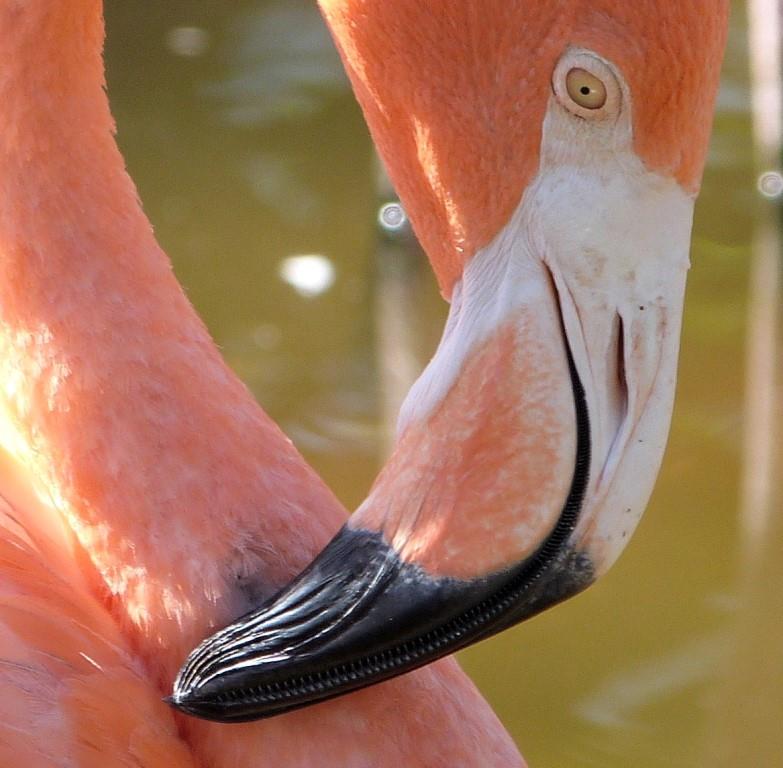
American Flamingo Beak cropped

American Flamingo Beak by Lee

Of the Flaming Family on Ian’s Birdway site, this must have been his first Flamingo. At least that is all he shows for the Phoenicopteridae Family.
*

Ian’s Birds of the Week

Ian’s Phoneicopteridae Family

Flamingos – Phoenicopteridae Family

*

Busy Hummingbirds, Oblivious to Spectators

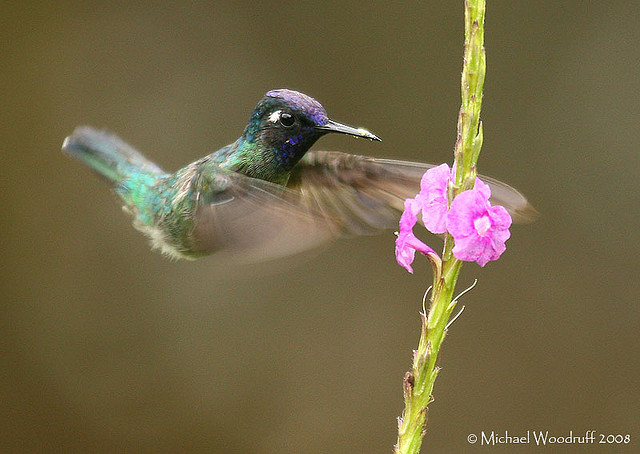
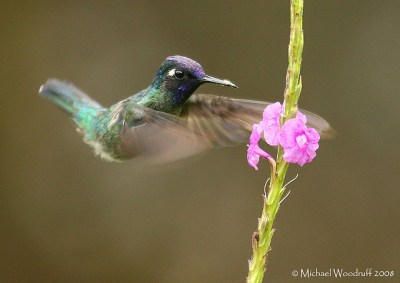
Violet-headed Hummingbird (Klais guimeti) by Michael Woodruff

Violet-headed Hummingbird (Klais guimeti) by Michael Woodruff

Busy Hummingbirds, Oblivious to Spectators

“Let your light so shine before men, that they may see your good works, and glorify your Father Who is in heaven.” (Matthew 5:16)
Luzon Bleeding-heart by Dan

Orni-Theology

As the cooling days of September fall from the calendar, like the abscission of colorful autumn leaves, the shelf-life of flower nectar nears its expiry date.  For just a few more days, the nectar pantries of bright-hued flowers are “open for business”, ready to feed the voracious appetites of neighborhood hummingbirds  —  those petite, iridescence-sparkled, blurry-winged wonders with super-sized metabolic fuel needs.  Floral nectar is a sweet resource!  Yet, as winter approaches, such fly-by “fast-food” opportunities cannot be taken for granted, especially if one is an energy-craving hummingbird.

Steely-vented Hummingbird by Wildstock Photos

Steely-vented Hummingbird by Wildstock Photos

Hummingbirds are famous for their (males’) jewel-like throats, their hovering and multi-directional flying, and their ability to change directions   —  stop, go, up, down, left, right, backward, forward, — using high-speed wings that whip figure-eight patterns faster than human eyes can follow, producing a humming sound (that explains their name) that almost sounds like a contented cat purring.   Hummingbirds, due to their speedy, darting movements, and their iridescent green colors, attract the eye.  So you see them  –  zip!  –  then you don’t.  Zip!  –  then you see them again.   The summer range of hummingbirds (such as the Ruby-throated Hummingbird, Archilochus colubris) is broad enough that most of us have seen hummingbirds, though it is unlikely that we ever see one relaxing!  No time to relax  —  their needle-like bills must sip up nectar where and when it is available!
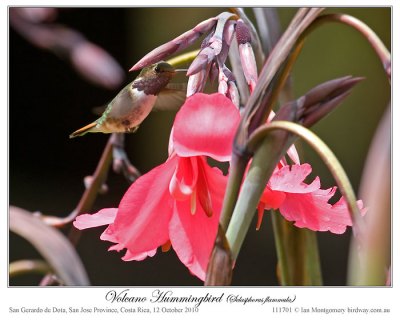
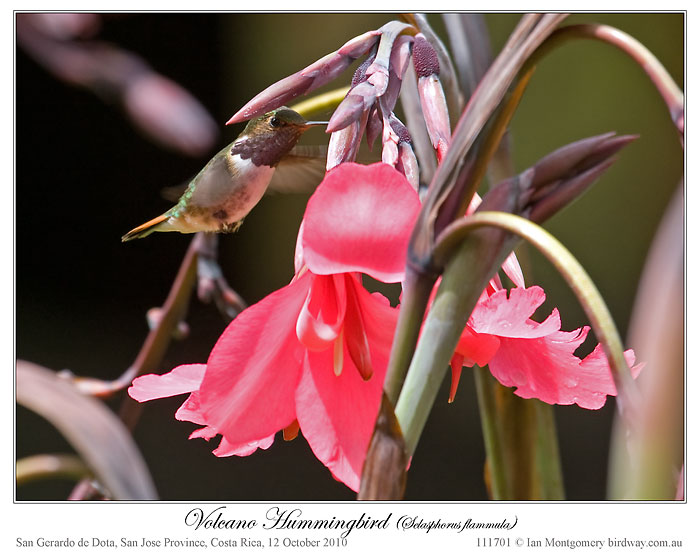
Volcano Hummingbird (Selasphorus flammula) by Ian

Volcano Hummingbird (Selasphorus flammula) by Ian

The business of a hummingbird’s life is so intense, so metabolically demanding, that slurping up available nectar is a lifestyle priority, requiring dietary focus and persistence:  “Get nectar, get more nectar, get even more nectar!  Hurry, hurry, hurry!”  Sugar substitutes are unacceptable for hummingbirds – they must have real sugar to thrive.  See Elizabeth Mitchell, Our Creator’s Sweet Design for Hummingbird Taste, with a link (in its Footnote #1) to video footage of hummingbird sugar consumption.  (Obviously hummingbirds are a living exhibit that refutes “natural selection” mythology  —  see Frank Sherwin, Hummingbirds at ICR”, Acts & Facts, 35(9), September 2006 issue.

What an enormous appetite for such a miniature bird!  The calories consumed and burned by hummingbirds, on a boy weight ratio, are comparable to a human eating more than a 1000 hamburgers every day, as body fuel needed for a day’s normal activities!  (See Denis Dreves, The Hummingbird:  God’s Tiny Miracle, subtitled “If you operated at this bird’s energy level, you would burst into flames!”.

It is no surprise, therefore, that a hungry hummingbird hovered by brilliant vermillion flowers, in a garden spot I casually visited, as he (or she) slurped up nectar from one flower, then another flower, then another, — without any (apparent) concern for my physical presence or proximity, only a few steps from him (or her).  Why was the buzzing hummer oblivious of me, the birdwatcher so close by?

The hungry hummer was too preoccupied with the pressing business of life, to notice me, a quiet spectator.  What a privilege it was, to watch – for a long time, actually – this sparkling-in-the-sunlight hummingbird, darting among the bright flowers.

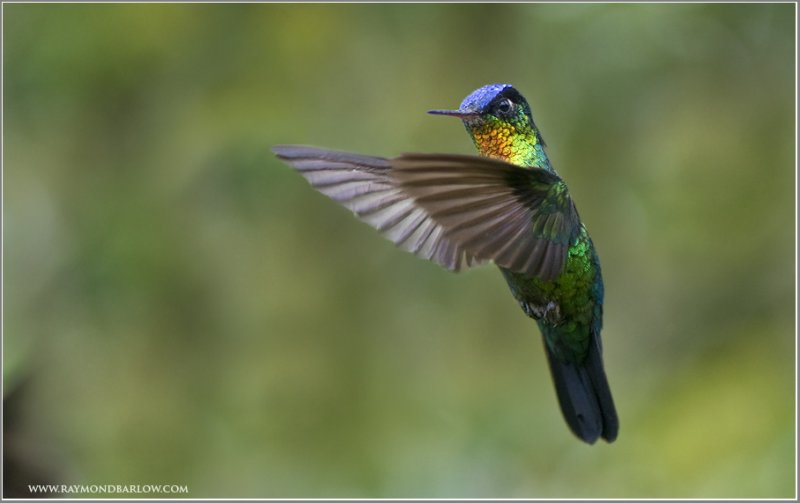
Fiery-throated Hummingbird (Panterpe insignis) by Raymond Barlow

Fiery-throated Hummingbird (Panterpe insignis) by Raymond Barlow

Yet are not our own lives, at least somewhat, like that busy hummingbird?  Are we not – day by day, hour by hour, minute by minute, moment by moment – preoccupied with the ever-pressing business of life, darting here-and-there, from this task to the next one, such that we often ignore the spectators, those watching eyes who observe and appreciate our lives – those who (hopefully) see God’s beauty and wisdom imaged in our own attitudes and actions?

Yes, we have audiences we should not be oblivious of.  As we live the moments of our fast-paced lives we should not forget three audiences, who watch us much more than we consciously realize.

First, there are many curious humans who watch our busy lives, especially those who are younger than us.  What kind of role-models are we?  Hopefully our Christian lives are like the Thessalonian believers whom Paul commended as examples to all of the believers in Macedonia and Greece (1st Thessalonians 1:7).  Who is watching us? Who is listening?  Who is evaluating the message(s) of our lives, comparing our “walk” to our “talk”?  Do our lives “shine” as God’s testifying “lights” (Matthew 5:16), such that our good deeds prompt spectators to glorify God our Heavenly Father?
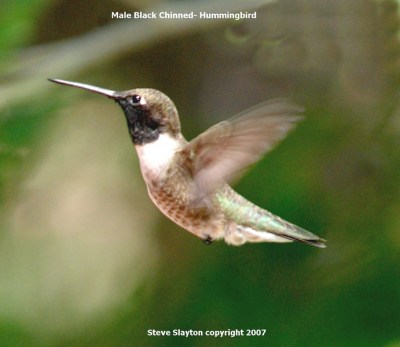
Black-chinnedHummingbird (Archilochus alexandri) by S Slayton

Black-chinnedHummingbird (Archilochus alexandri) by S Slayton

Second, there are non-human spectators watching our lives:  angels!   Angels learn from watching the “spectacle” of human lives (1st Corinthians 4:9 & 11:10).  Indeed, the effect of God’s gospel of grace, in the earthly lives of redeemed humans, is something that angels can only learn about as spectators (1st Peter 1:12, since redemption is never experienced by angels.

Yet the most important audience we have, always, is the Lord Himself  (Jehovah-jireh, the God Who is and sees).  Our primary audience, always, is our omniscient and omnipresent Creator-God.  It is our wonderful Maker Who watches every sparrow’s avian lifespan, and we are of much greater value to God than the lives of many sparrows (Matthew 10:29-31; Luke 12:7).  As the Lord Jesus Christ’s vicarious death and resurrection has peremptorily proved, for all time and eternity, we are God’s favorite creatures.  God is caringly concerned with every detail of our busy lives (from creation to ultimate redemption), so let us not be oblivious to our most important Audience.  Do we live our earthly lives as ingrates, ignoring Him and His Word?  Or do we live life appreciative of Him and His Word, grateful that He created us and provided us with redemption in Christ?

Accordingly, with these three audiences in mind, as spectators of our busy lives, let us consider the prophet Ezekiel’s serious question (Ezekiel 33:10):  “how should we then live?”

By James J. S. Johnson

*

More Orni-Theology

Changed From the Inside Out

*


Pelican Learns to Fly – YouTube

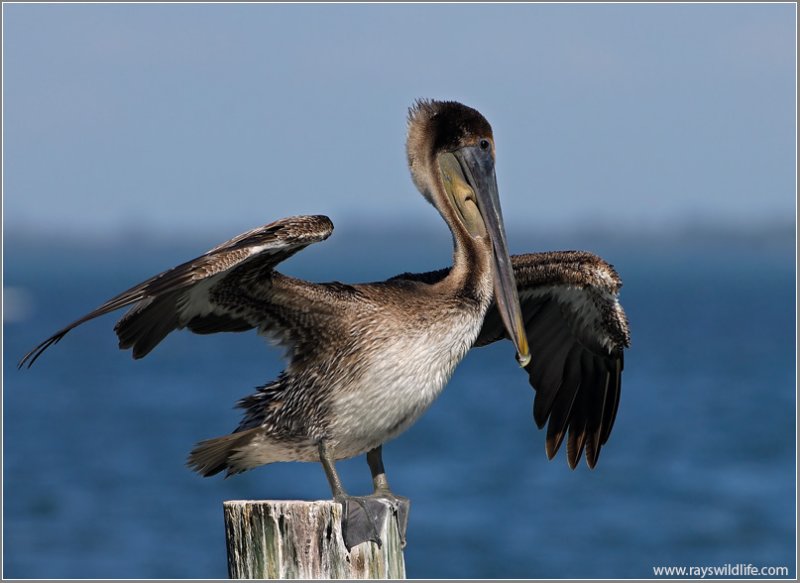
Brown Pelican (Pelecanus occidentalis) by Ray

Brown Pelican (Pelecanus occidentalis) by Ray

What an interesting video. Just had to share it.

I am like a pelican of the wilderness; I am like an owl of the desert. (Psalms 102:6 NKJV)

They are mentioned 3 times in Scripture. Isaiah 34:11 and Zephaniah 2:14 and the previous verse.

*

*

“Abandoned by his flock, Bigbird the pelican stumbled ashore after a storm and was taken in by the staff of Greystoke Mahale in Tanzania. Watch as Bigbird learns to fly for the first time.”

*

Bible Birds – Pelicans

*

(Found on Kid’s blog)

*

Ian’s Bird of the Week – Cream-coloured Courser

Ian’s Bird of the Week – Cream-coloured Courser ~ by Ian Montgomery

Newsletter – 9/27/14

A couple of weeks ago, I said that my two target birds in Dubai were Crab Plover – which featured last week – and Cream-coloured Courser. The latter had aroused my curiosity 50 years ago when I saw it on this page of the Field Guide to Birds of Britain and Europe. Tommy Pedersen (http://www.uaebirding.com) had said that the Coursers were “possible”, so there were no guarantees.

Cream-colored Courser (Cursorius cursor) by Ian

Cream-colored Courser (Cursorius cursor) by Ian

When we set off with Tommy, we had a few hours to fill in before the tide was optimal for the Crab Plovers, so we went first to the Dubai Polo and Equestrian Centre, then to the Al Asifa Endurance Stables to look for the Coursers. They were present at both, with over 30 at the Polo Centre and another 16 at the Stables. In fact, the first photo I took in Dubai was of a very distant Courser.

Cream-colored Courser (Cursorius cursor) by Ian

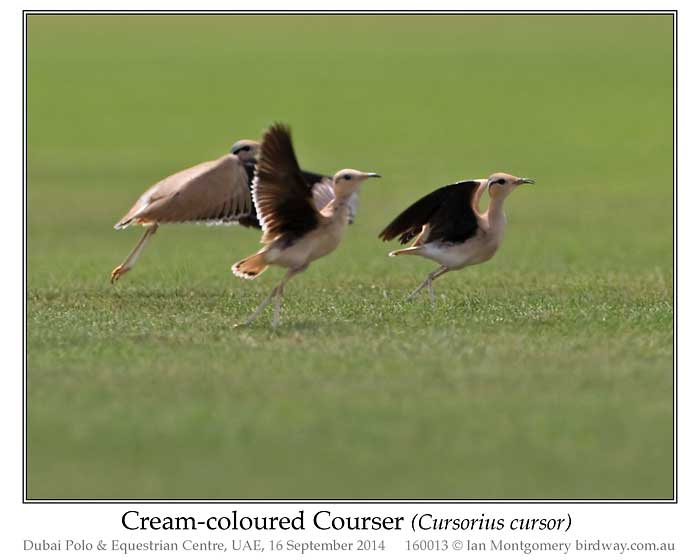
They were worth waiting 50 years for, and I think the illustration in the field guide didn’t do them justice. They’re called Coursers because they run rather than fly, second photo, the name being derived from the Latin verb currere, to run, and the generic name Cursorius means runner. The ‘sport’ of coursing – chasing hares, etc., on horse-back is derived from the same source, so there was a delightful irony in finding them at the two main equestrian locations in Dubai.​

Cream-colored Courser (Cursorius cursor) by Ian

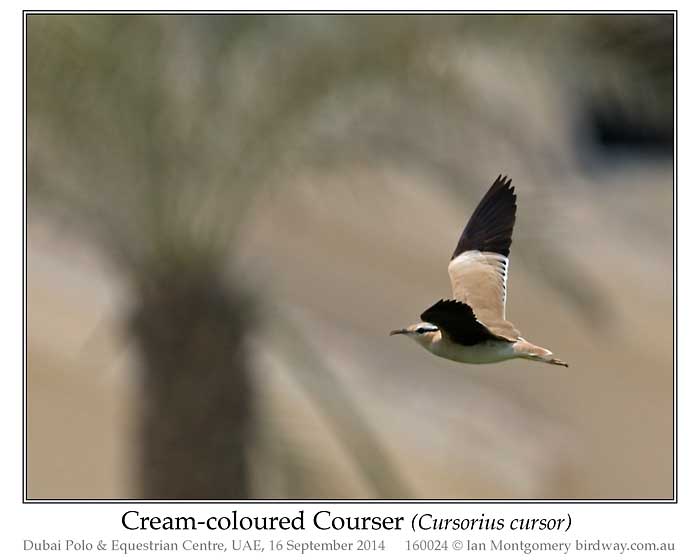
When pressed they do take flight, third photo. In doing so, they show their striking dark wing tips and underwings and reveal similarity to pratincoles, the other members of the family Glareolidae. There is a photo of an Australian Pratincole in flight here if you want to compare them. The three taking off in the third photo seemed to be a family party as the bird in the centre is immature with patchy brown markings on the neck and only very pale stripes through the eye.

Cream-colored Courser (Cursorius cursor) by Ian

​Their preferred habitat is desert and semi-desert with or without sparse vegetation. Their breeding range includes much of North Africa and the Middle East. Many North African birds migrate across the Sahari to winter in the southern Sahara and at least part of the Middle East population migrates to Pakistan and NW India. They feed on insects and other invertebrates on the ground and will take locusts in flight. I couldn’t help but be struck by their resemblance both in colour and habitat to the Inland Dotterel of central Australia.

Cream-colored Courser (Cursorius cursor) by Ian

As promised a couple of weeks ago, I’ve started putting together a page on electronic books to provide assistance in choosing among different platforms. So far, I’ve finished the General Introduction. I still need to add more details on the actual process of purchasing ebooks from different vendors​ and I’ll let you know when that is available.

I’m still in Ireland. So far, I’ve been mainly catching up with family and friends. Next Tuesday we are going looking for Red Kites in Avoca, Co. Wicklow, so keep your fingers crossed for some photos! The Red Kite is one of the more successful Irish raptor reintroduction programs and there are now breeding populations in both the Republic, mainly Co. Wicklow south of Dublin, and in Co. Down in Northern Ireland. I do have a photo of one taken in Spain – but it would be good to get some genuine Irish ones, the real McCoy.

Greetings
Ian


Lee’s Addition:

He asked for water, she gave milk; She brought out cream in a lordly bowl. (Judges 5:25 NKJV)
He will not see the streams, The rivers flowing with honey and cream. (Job 20:17 NKJV)
When my steps were bathed with cream, And the rock poured out rivers of oil for me! (Job 29:6 NKJV)

Wow! I really like that color. It seems so rich. There are such neat birds in the Glareolidae family anyway. That last photo of the bird in flight looks like the Lord dipped its wings in paint. I am glad Ian was able to get these new photos and shared them with us.

Coloured or Colored? Again we have a difference in spelling. Ian uses one naming authority and here we use the I.O.C.’s naming. Same bird, same scientific name – Cursorius cursor. And the same beautiful bird from its Creator.

*

Ian’s Bird of the Week

Ian’s Glareolidae Family

Glareolidae – Coursers, Pratincoles

*

Sunday Inspiration – Creation

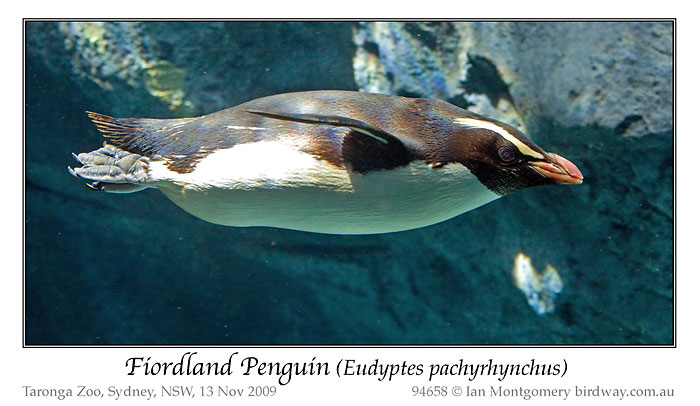
Fiordland Penguin (Eudyptes pachyrhynchus) by Ian

In the beginning God created the heaven and the earth. (Genesis 1:1 KJV)

Through faith we understand that the worlds were framed by the word of God, so that things which are seen were not made of things which do appear. (Hebrews 11:3 KJV)

For by him were all things created, that are in heaven, and that are in earth, visible and invisible, whether they be thrones, or dominions, or principalities, or powers: all things were created by him, and for him: (Colossians 1:16 KJV)

“This Is My Father’s World” – Music by Sean Fielder

Sean made this for the FX (Faith EXtreme) group to help visualize how awesome our God portrays Himself in creation.

*

More Sunday Inspiration

Sean Fielder’s YouTube Page

Is There a God?

*


Birds of the Bible – Worry and Sparrows II

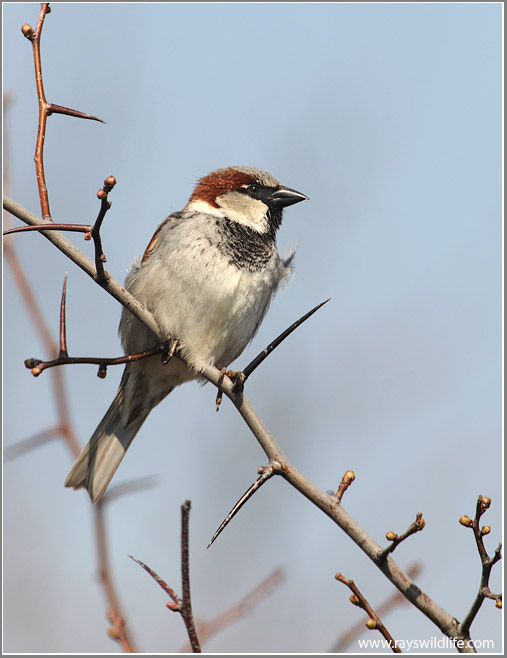
House Sparrow by Ray

House Sparrow by Ray

While listening to Wisdom For The Heart on BBN (Bible Broadcasting Network), I heard this message by Pastor Stephen Davey and wanted to share it. His message was “Better than the Birds” and of course it caught my attention. There are four parts, see the introduction and part 1 and now part two here.

Better than the Birds

Luke 12:6-31

2. Secondly, worry depreciates the higher value of mankind

He’s not finished with the birds yet – notice verse 7 again – the last part – Do not fear; you are more valuable than many sparrows.

Matthews account says, “Are you not worth much more than they?

In case we didn’t pick up on the lesson – in case we’re a little slow – God’s care of the lesser creation ensures His care of His highest creation.

Evidently Jesus thinks we just might be a little slow on the uptake here – or maybe find it hard to believe – so He circles back around to this subject again and adds another pearl to the string – look over at verse 24. Consider the ravens, for they neither sow nor reap, they have no store room nor barn, and yet God feeds them; how much more valuable you are than the birds!

Maybe Jesus repeated this lesson simply because He knew that billions of people one day would struggle with believing they were less valuable than animals.
Was God peering into the 21st century or what?

You sit through the average Animal Planet program or read the latest evolutionary textbook taught to middle schoolers and you’ll get the message loud and clear that human beings have messed up the circle of life; humans have interrupted the food chain; humans are in the way and if we’d only get out-of-the-way, the animals who evidently have the right to be on the planet – because they evolved first – would get what they deserve; if we’d just go back to living in caves, the animals would be able to enjoy their lives so much better.

That message is coming across loud and clear!

Whenever you remove the glory of God’s created order, Genesis 1 and 2, where mankind was made in the image of God and given the right to rule earth – to train and subjugate and benefit from the animal kingdom – you end up with a culture where animals ultimately matter more.

You now exist to serve them; you now live to make their lives more comfortable.

Now I’m not defending animal abuse, by the way. We’re to be good stewards of earth and the animal kingdom.

But go visit India today, and watch, as I did, sacred cows which have been given superior rights within their culture – watch them meander across busy roadways and down streets cluttered with starving children – and begging mothers with babies on their hips; where a child starving to death is less important than a cow having something to eat.

How do we know that human beings are more valuable than animals? How do we know that?

Apart from God, we don’t.

Apart from the words of Jesus Christ, the creator of all things (Colossians 1), we might be confused – look again at verse 24 – you are more valuable than the birds.

Is that radical news or what?

Thick-billed Raven (Corvus crassirostris) ©WikiC

Thick-billed Raven (Corvus crassirostris) ©WikiC

And this really got the attention of Jesus’ Jewish audience, by the way, because Jesus used ravens as an example here – ravens were considered unclean according to Mosaic Law (Leviticus 11:13-15).vii
The ravens were unclean birds.

I’m sorry for how that makes you Baltimore Ravens fans feel – I’m sorry you had to find that out – you’ve been cheering all along for unclean animals . . . you already knew that.

Here’s why this was so stunning an analogy for Christ to make: It’s one thing to be insignificant like a sparrow and be cared for by God – it’s another thing to be unclean and despised and be cared for by God.
And you know why I’m so glad Jesus added this illustration?

Because the enemy of our heart and spirit and joy will more than likely come and whisper in our ear – sparrows might be cheap, but at least they’re clean animals – no wonder God cares about them; but you’re more like an unclean bird . . . despised and unclean according to God’s holy law . . . you don’t deserve God’s attention.

You have very reason to worry about your life.

But notice – verse 24. God has managed to care for them too – He effectively feeds them too – and get this – “How much more valuable you are than the animal kingdom!”

Worry denies the gracious care of God

Worry depreciates the higher value of mankind.

(Copied with permission from Wisdom for the Heart and Pastor Stephen Davey.)

i John MacArthur, Matthew 1-7 (Moody Publishers, 1985), p. 419
ii Ibid
iii William Barclay, The Gospel of Luke (Westminster, 1975), p. p. 160
iv Bruce B. Barton, Life Application Bible: Luke (Tyndale, 1997), p. 314
v Barclay, p. 161
vi MacArthur, p. 119


Lee’s Addition:

Consider the ravens, for they neither sow nor reap, which have neither storehouse nor barn; and God feeds them. Of how much more value are you than the birds? (Luke 12:24 NKJV)

What a great encouragement not to worry. Thanks, Pastor Davey for part 2 of your great message.

See:

*

Ian’s Bird of the Week – Crab Plover

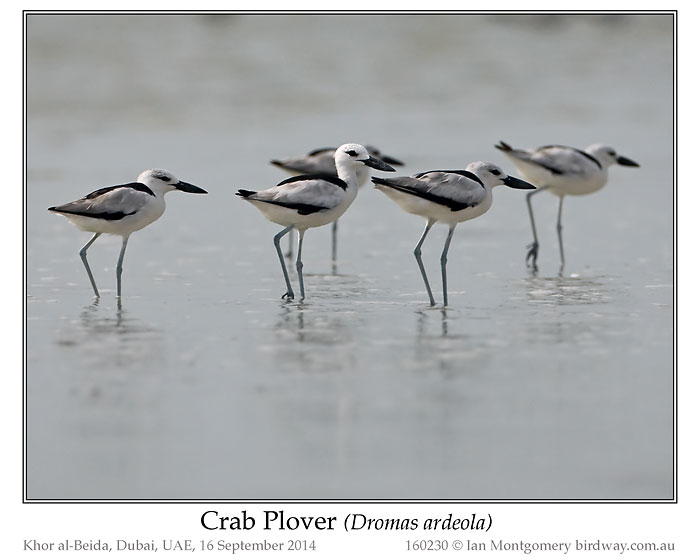
Crab-plover (Dromas ardeola) by Ian

Ian’s Bird of the Week – Crab Plover ~ by Ian Montgomery

Newsletter – 9-22-14

Well your spiritual energy and goodwill did it again, helped physically, admittedly, by the excellent local bird guide Tommy Pedersen, a Dubai-based pilot from Norway who takes visitors birding in his spare time.

There had been some doubt as to whether he’d be free to help us, as he was just returning from a trip to Milan. I cc’d the last bird of the week to him and got a delightful reply just as I was packing in Bluewater on Monday morning:

So, I arrived in Dubai at 5:00 am, checked into my hotel at 7:00 am and at 11:00 am Tommy arrived, collected me and Madeleine – who’d just arrived from Hamburg – in his large and comfortable 4WD and off we went. The tide wasn’t quite right for the Crab Plovers so we did a few other things first – more about those in the next bird of the week – eventually ending up at the coastal sand and mudflats of Khor al-Beida, north of Dubai city. Here, there were about 40 Crab Plovers moving through the shallows on an in-coming tide.

Crab-plover (Dromas ardeola) by Ian

​I did a gradual, crouching trudge across the mudflat in 42º heat to try to get as close as possible to them. They let me get closer than I had expected, photos one and two, before eventually taking flight, third photo. As you can see they are very striking birds and the name ‘Plover’ doesn’t quite do them justice, either in appearance or taxonomically. Apart from the heavy dagger-shaped bill, they are more like avocets and similar in size with a length 40 cm/16 in. The bill resembles that of a Beach Stone-curlew, presumably a case of convergent evolution reflecting their crustacean diet.

Crab-plover (Dromas ardeola) by Ian

The fourth photos shows a close-up of one of the birds in flight. You can see that it is moulting heavily with many of the flight feathers missing in mid-replacement. This seemed to be the case with all of them, and a reluctance to fly may have had more to do with my close approach than my crouching/stalking skills.

Crab-plover (Dromas ardeola) by Ian

Taxonomically, the species show no very close affinities with other waders so the Crab Plover is the sole member​ of its own family (‘monotypic’), the Dromadidae. This is placed in the order Charadriiformes – Plovers & Allies – sitting between the Oystercatchers (Haemopodidae) and the Avocets & Stilts (Recurvirostridae). I feign indifference to making additions to my life list, but adding and photographing a whole new family is a different matter. The last time that happened to me was three years ago with Diving-Petrels on the Sub-antarctic trip.​

I arrived in Ireland yesterday and am spending a relaxing and enjoyable time with family. Yesterday evening I went blackberry picking with my sister along a country lane near where she lives in Clogherhead, Co. Louth. That was admirable therapy for the future-shock resulting from the glittering excesses of downtown Dubai.

Greetings
Ian


Lee’s Addition:

If thou wouldest seek unto God betimes, and make thy supplication to the Almighty; (Job 8:5 KJV)

And ye shall seek me, and find me, when ye shall search for me with all your heart. (Jeremiah 29:13 KJV)

We love to seek out new species, to us at least. I am glad that Ian was able to find his Plover that was on his list. I guess we will have to wait until next week to see if he found his Cream-coloured Courser that he was also searching for. See last week’s Bird of the Week.

Ian sure gets about in his search for avian encounters. But what a beauty he found this time to share with us. I am glad Ian shares his photos with us. The Lord sure has created some neat birds. I like the clean look of these Crab-plovers all dressed in white and black. (The IOC list them as Crab-plovers. No matter what you call them, they are the Dromas ardeola.)

Seeking the Lord should always be our number one priority.

*

Ian’s Bird of the Week

Ian’s Dromadidae – Plovers Family

Dromadidae – Crab-plover Family – Here

*

Sunday Inspiration – Out To Sea

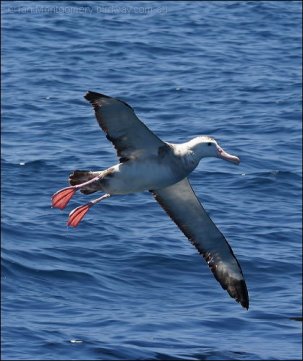
Wandering Albatross (Diomedea exulans) by Ian

Wandering Albatross (Diomedea exulans) by Ian

Oh, that men would give thanks to the LORD for His goodness, And for His wonderful works to the children of men! Let them sacrifice the sacrifices of thanksgiving, And declare His works with rejoicing. Those who go down to the sea in ships, Who do business on great waters, They see the works of the LORD, And His wonders in the deep. (Psalms 107:21-24 NKJV)

Those who go out to sea are able to see many of the birds that spend most of their lives on the wing. The oceans do not always remain calm, but their Creator has created them to survive many varied conditions. How about us? As things come into our lives, they are not always comfortable to us. If we are placing our faith in the Creator, the Lord Jesus Christ, we can sing the last verse of the hymn below:

O soul, sinking down ’neath sin’s merciless wave,
The strong arm of our Captain is mighty to save;
Then trust Him today, no longer delay,
Board the old ship of Zion, and shout on your way:
“Jesus saves! Jesus saves!”
Shout and sing on your way: “Jesus saves!”


This slideshow requires JavaScript.


*

“Ship Ahoy” ~ by Dr. Richard Gregory

And, behold, God himself is with us for our captain, (2 Chronicles 13:12a KJV)

I was drifting away on life’s pitiless sea,
And the angry waves threatened my ruin to be,
When away at my side, there I dimly descried,
A stately old vessel, and loudly I cried:
“Ship ahoy! Ship ahoy!”
And loudly I cried: “Ship ahoy!”

’Twas the “old ship of Zion,” thus sailing along,
All aboard her seemed joyous, I heard their sweet song;
And the Captain’s kind ear, ever ready to hear,
Caught my wail of distress, as I cried out in fear:
“Ship ahoy! Ship ahoy!”
As I cried out in fear: “Ship ahoy!”

The good Captain commanded a boat to be low’red,
And with tender compassion He took me on board;
And I’m happy today, all my sins washed away
In the blood of my Savior, and now I can say:
“Bless the Lord! Bless the Lord!”
From my soul I can say: “Bless the Lord!”

O soul, sinking down ’neath sin’s merciless wave,
The strong arm of our Captain is mighty to save;
Then trust Him today, no longer delay,
Board the old ship of Zion, and shout on your way:
“Jesus saves! Jesus saves!”
Shout and sing on your way: “Jesus saves!”

*

More Sunday Inspirations

Gospel Message

Sharing The Gospel

Gideon

*

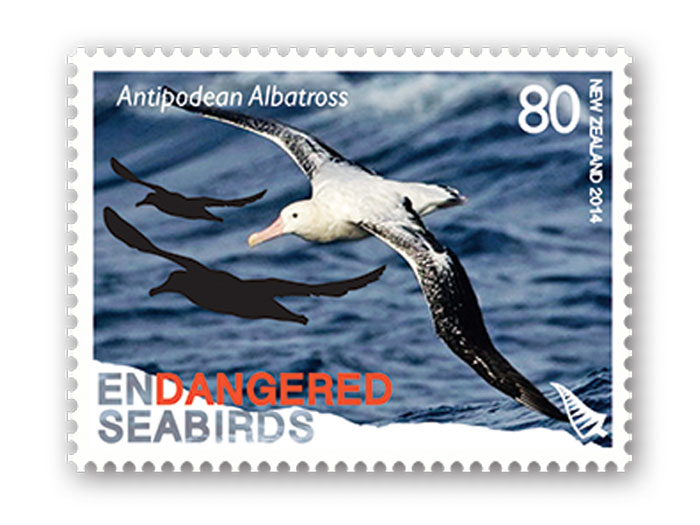
Ian’s Stamp of the Week – Antipodean Albatross

Ian’s Stamp of the Week – Antipodean Albatrosses ~ by Ian Montgomery

Newsletter – 9/13/14

The reference to Stamp of the Week in the subject line isn’t a typo: I’m celebrating the issue of a stamp set by New Zealand Post on 3 September which includes a photo of mine in the design of one of the stamps.

Antipodean Albatross (Diomedea antipodensis) Stamp by Ian

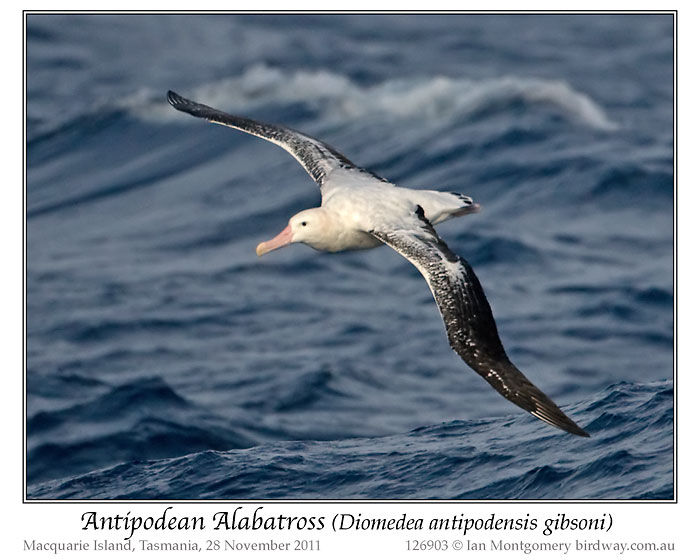
Here is the original photo, taken north of Macquarie Island when we were returning to Hobart at the end of a Subantarctic Islands trip in November 2011 that started in Dunedin. This was the same trip on which I photographed the Fiordland Penguins that featured as last week’s bird.

Antipodean Albatross (Diomedea antipodensis gibsoni ) by Ian

If you’re not familiar with Antipodean Albatrosses and think it looks like a Wandering Albatross, you may be relieved to hear that it’s all a matter of taxonomy and reflects the recent split of the Wandering Albatross into four species, one of which is the Antipodean. In fact this same taxon, for want of a better word, was bird of the week in November 2006 as Wandering Albatross after I’d photographed some on a pelagic trip off Wollongong south of Sydney. If we follow this split, and BirdLife Australia does, then most of the erstwhile Wandering Albatrosses in Australian waters are Antipodean and breed on the islands south of New Zealand, mainly Antipodes Island, Campbell Island and Adams Island in the Auckland Islands.

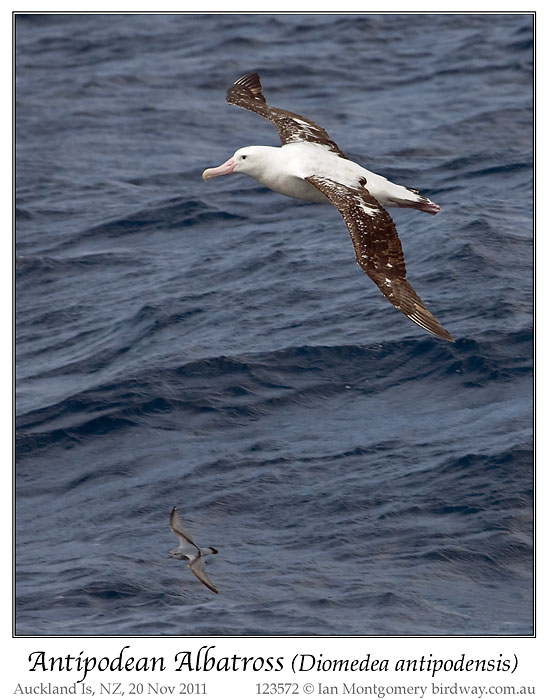
Antipodean Albatross (Diomedea antipodensis) by Ian

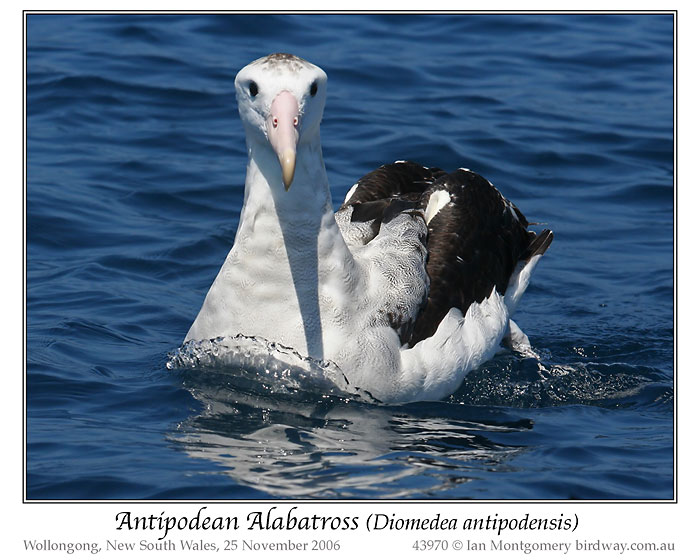
The Antipodean is one of the smaller of the Wandering Albatross group but they are still enormous: up to 117cm/46in in length with a wing span to 3.3m/11ft and weighing up to 8.6kg/19lbs. Look carefully at the second Albatross photo and you’ll see a grey and black Broad-billed Prion completely dwarfed by the Antipodean Albatross. The prion is about 30cm/12in in length with a wingspan of 60cm/2ft. You can get an impression of the size in the third photo taken on that Wollongong trip – look at the bow wave!

ntipodean Albatross (Diomedea antipodensis) by Ian

The Antipodean Albatross itself comes in two varieties, the nominate Antipodean which breeds on Antipodes and Campbell Island and ‘Gibson’s Albatross’ which breeds in the Auckland Islands Group. The various Wandering Albatross species all look rather similar and are difficult to identify in the field. They vary in size and they differ in the rate and extent of development of white plumage in adult birds – juveniles are mainly brown. The ones in the first two photos are very white and are probably older males of the race gibsoni. The bird swimming in the third photo shows less development of white plumage – not the darkish cap and the dark vermiculations on the neck, breast and shoulder and may be a younger male or female and could be either nominate Antipodes or Gibson’s: all too hard.

Antipodean Albatross (Diomedea antipodensis) Stamp by Ian

Antipodean Albatross (Diomedea antipodensis) Stamp by Ian

Here is the complete set of stamps. New Zealand Post wanted to pay me to use the albatross photo, but I so like the idea of having one of mine used in a stamp that they agreed to send me first day covers and a presentation pack instead and that arrived yesterday. Antipodean Albatrosses rate as Vulnerable/Endangered because of their few nesting sites and long-line fishing which leads to the death of adult birds as by-catch. The total population is perhaps 16,000 pairs but there is hope that the population has stabilised after significant declines at the end of the 20th century.

Anyway, I’m off to Dublin via Dubai on Monday to visit family and friends. I’m spending 3 nights in Dubai having found it, to my complete astonishment, ranked as #75 in a book on the top 100 places in the world to go birding. Because of its location at the tip of the Arabian Peninsula, it’s an important staging post for birds migrating from Asia to Africa in the northern spring and autumn migrations (i.e. now). I have two target species: the Crab Plover and the Cream-coloured Courser. The first because it’s an unusual and beautiful black and white wader in a family all to itself and the unusual looking and named Courser – a member of the Pratincole family – because it caught my eye in my Field Guide to the Birds of Britain in Europe when I was a teenager in Ireland half a century ago, below. So, I need your spiritual energy and goodwill to help me. You haven’t failed me in the past!

This was supposed to be a short bird of the week as I really should be packing but I almost forgot to mention that Where to Find Birds in Northern Queensland is now available through Kobo Books. I really like the Kobo ebook reader: I have it on both my Mac computer and my iPad/iPhone but Kobo reader software is also for Android tablets and phones, Blackberries and Windows computers and phone. A friend of mine has expressed concern over the complexity of ebook software/apps, devices/computers and methods of purchase/download etc. so I’m preparing a page to add to the existing one on publications on the website: http://www.birdway.com.au/publications.htm which already has links to Apple, Google Play and Kobo Books and a little bit about the differences. Something to do on the plane.

Greetings

Ian

**************************************************
Ian Montgomery, Birdway Pty Ltd,
454 Forestry Road, Bluewater, Qld 4818
Tel 0411 602 737 ian@birdway.com.au
Bird Photos http://www.birdway.com.au/

Recorder Society http://www.nqrs.org.au


Lee’s Addition:

Behold, My servant will prosper, He will be high and lifted up and greatly exalted. (Isaiah 52:13 NASB)

Wow! Our Ian is famous. That is quite an honor! I was thinking of Ian as well as the Albatrosses when I picked the verse.

The Albatrosses are a members of the Diomedeidae – Albatrosses Family. There are 21 species in the family. (From CreationWiki) “Albatrosses have very long wings and large bodies. Their bills are hooked and they possess separate raised tubular nostrils. Their bodies range from sizes between 76 and 122 centimeters long (2.5 to 4 feet); and their wingspan ranges from 3 to 6 meters across(9.8 to 19.7 feet). The wings are usually darkly colored on the upper side and are pale colors or white on the underside. Albatross wings allow it to take advantage of the abundant winds across the surface of the sea. The birds make use of the fact that friction with the sea slows some of the wind down so that right above the surface of the water, the wind is relatively weak and slow. Then, as the bird climbs up from the surface, the speed and strength of the wind increases as well (around 50 feet or 15 meters above the surface of the water the albatrosses will reach their full flight speed).

Albatrosses’ wings are designed for a specified type of gliding. Being very long and somewhat thin in width, the wings are used best in the albatrosses’ cycle of flight. This cycle allows the bird to move great distances without once flapping it wings. What a great Creator!

*

Antipodean Albatross – Ian’s

Ian’s Diomedeidae Family

Albatross – CreationWiki

Diomedeidae – Albatrosses Family

Ian’s Pratincole Family. 

*

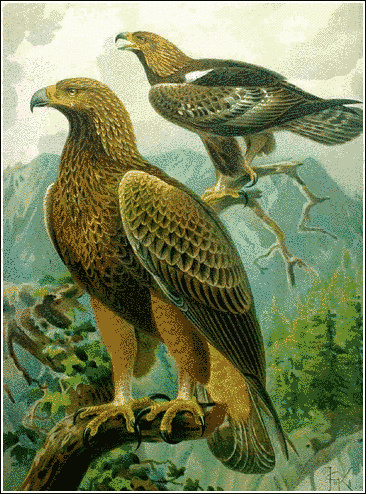
Golden Eagle – Fly Like A Bird?

Golden Eagle (Aquila chrysaetos) Flying ©WikiC

Golden Eagle (Aquila chrysaetos) Flying ©WikiC

Golden Eagle ©PD

Golden Eagle ©PD

Hi boys and girls! This is Golden Eagle. I have been away for quite a while. However, I have returned and wanted to touch base with each of you for a few short moments. I hope you are enjoying your journey on planet Earth. Everyone that is born gets to start out on this marvelous journey called life. This is a gift from our Creator, the Lord Jesus Christ. God’s Word, the Bible, says

“Remember now thy Creator in the days of thy youth…”

This journey leads to God’s Heaven if you are SAVED! People get saved by trusting what Jesus Christ did on the cross about 2,000 years ago. Jesus died on an old wooden cross to pay for all the bad things we do like telling lies. The bad things we do are called sins in the Bible, but God wants to forgive you of all your sins if you will accept Jesus into your heart by faith. “For whosoever shall call (ask) upon the name of the Lord (Jesus) shall be saved.”(Romans 10:13) Why do many kids and even adults like birds so much? You know eagles can see at great distances. Sometimes, from my perch, high up in the trees I see people looking at me through funny looking glasses. I think you call them binoculars? I think you guys like us because we can FLY. Birds are not tied down to this Earth like people are! We can use our wings and sore to new heights above. You guys are tied down to Earth because of gravity. Our wings not only help us to fly. Birds are colorful and many of us sing songs pretty good as well. In the Book of beginnings called Genesis you can read about the beginning of everything, including birds! On the fifth day of God’s Creation week He created birds.

“And God said, Let the waters bring forth abundantly the moving creature that hath life, and fowl (birds) that may fly above the earth in the open firmament (space) of heaven.”

In fact, evolution teaches that modern-day birds have evolved from the dinosaurs. That’s not true, dinosaurs and birds were created at the same time! Birds were created to fly in the open space of Heaven, that’s in the air where the heavens meet the lands. In Isaiah 40:30-31 the Bible says that even kids get tired. But,

“even the youths shall faint and be weary, and the young men shall utterly fall: but they that wait (trust) upon the Lord shall renew their strength; they shall mount up with wings as eagles…”

Golden Eagle (Aquila chrysaetos) Flying ©WikiC

Golden Eagle (Aquila chrysaetos) Flying ©WikiC

Hey, boys and girls did you know that if you get saved you will be able to fly in the future just like birds! After Jesus died He rose again and went back to Heaven in the clouds! One time Jesus even walked on water. I tried that once and got my feathers so wet that I couldn’t fly for days. That was not a fun time for me. The Bible says in Psalm 90 that our life is “soon cut off, and we fly away.” Wouldn’t you want to fly like the birds someday? Hey, if you could do me a favor? Do you think that you could start reading your own Bible each day? So many things to learn, so many places to go, and so many things to do! If you want me to come back, me – the Golden Eagle, would you let me know? Thanks for a little bit of your time. Maybe we can take this journey of life together, what do you guys and gals think?

See Yah!!!

Goldie

*

Golden Eagle

Good News

Sunday Inspiration – Crown Birds

White-crowned Sparrow ©WikiC

White-crowned Sparrow ©WikiC

but these are written that you may believe that Jesus is the Christ, the Son of God, and that believing you may have life in His name. (John 20:31 NKJV)

Therefore God also has highly exalted Him and given Him the name which is above every name, that at the name of Jesus every knee should bow, of those in heaven, and of those on earth, and of those under the earth, and that every tongue should confess that Jesus Christ is Lord, to the glory of God the Father. (Philippians 2:9-11 NKJV)

And this is His commandment: that we should believe on the name of His Son Jesus Christ and love one another, as He gave us commandment. (1 John 3:23 NKJV)

Trust you will enjoy many of the Lord’s Birds that have crowns. Many more could have been added, but this is a fair sampling.

*

This slideshow requires JavaScript.

*

“All Hail The Power of Jesus Name” – Faith Baptist Orchestra

*

More Sunday Inspirations

Faith Baptist Church

Gospel Presentation

*

Golden Eagle – The Father Feeds Us

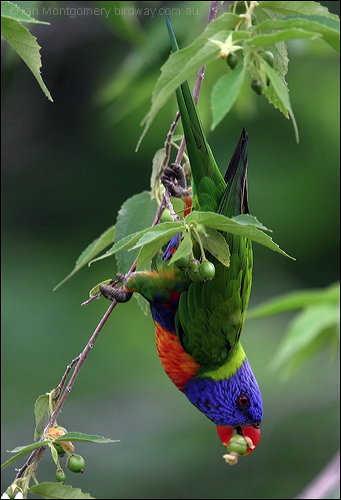
Rainbow Lorikeet (Trichoglossus moluccanus) by Ian

Rainbow Lorikeet (Trichoglossus moluccanus) by Ian

Behold the fowls of the air: for they sow not, neither do they reap, nor gather into barns; yet your heavenly Father feedeth them. Are ye not much better than they? (Matthew 6:26 KJV)

Golden Eagle ©PD

Boys and girls, this is another one of the amazing statements that have come from the lips of the Lord Jesus Christ! He says that you are much better than the birds. Evolutionist teaches that you are an animal, just higher than the birds. No, you are much better than the birds! Also, Jesus is saying that your Heavenly Father takes care of the birds. They don’t plant or reap a harvest field or gather what they need into barns and yet God takes care of them! When you were born, you didn’t have anything with you and at the end of life you will not take anything with you. All of the things that you need God has provided for you! You have lungs to breathe! In our atmosphere, God has provided oxygen for you to breathe! He also has mixed the air with nitrogen! If He didn’t things would explode in pure oxygen when you tried to cook something on a grill for a picnic! We birds love outside picnics because sometimes we help ourselves to a part of your treats!

Hey, hop on board and come fly with me to new heights! Remember, I am the Golden Eagle and eagles fly pretty high up! I think we are the top bird in God’s Creation. The other day at Fort De Soto there was a ferry that took some people across the waters to one of the small keys. That was like a small island! Well, there was a bird kind of nesting on the ground and I swooped in and that bird made a lot of noise and took off! Because I am one of the top predator birds around. I like to fly in where other species are and watch them scatter! It’s fun. Almost like the tow truck in the field on the Disney movie, Cars! I spread my wings and am able to get some lift and up, up, and away to my Eagle’s nest way up in that tree over there! Yes, there is my life partner. We have been together a few years now. My little ones are throwing a fuss. They are telling me that it’s supper time. I must use my keen sense of sight to find some prey! Oh, I see a small mammal down there… here I go…see ya…

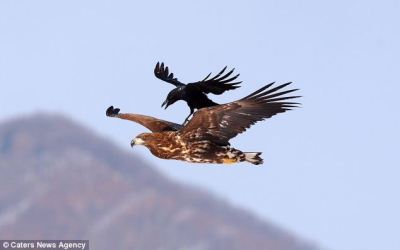
(Not sure if this is what Golden Eagle had in mind, but here is a brave Crow that is about to “hop on board.”)

Crow on Eagles Back ©©

Crow on Eagles Back ©©

*

Read more from Golden Eagle

 ABC’s of the Gospel