“And when thou art spoiled, what wilt thou do? Though thou clothest thyself with crimson, though thou deckest thee with ornaments of gold, though thou rentest thy face with painting, in vain shalt thou make thyself fair; thy lovers will despise thee, they will seek thy life.” (Jeremiah 4:30)
“And he shall pass through Judah; he shall overflow and go over, he shall reach even to the neck; and the stretching out of his wings shall fill the breadth of thy land, O Immanuel.” (Isaiah 8:8 KJV)
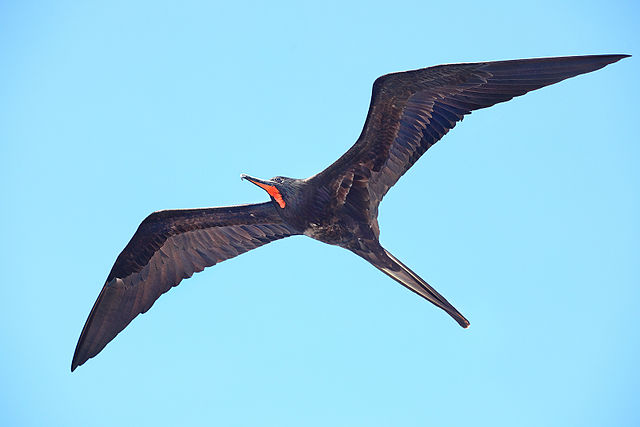
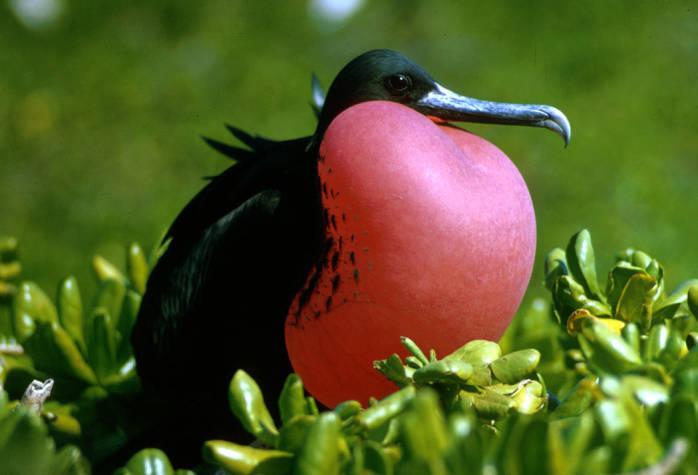
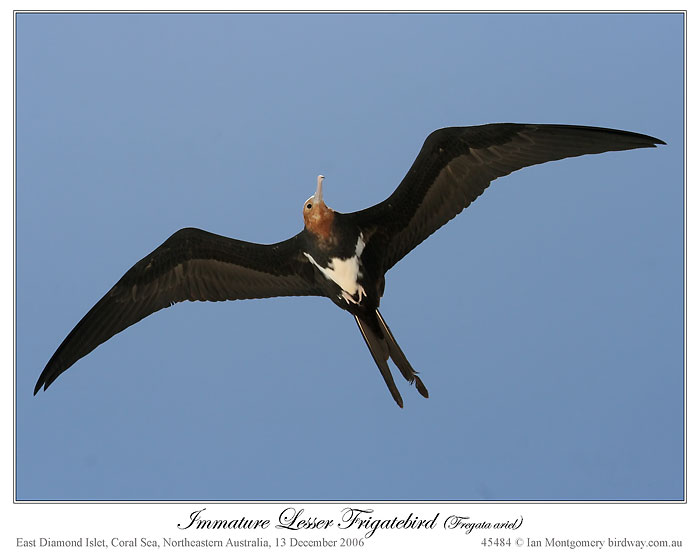
The Frigatebirds belong to the Fregatidae Family and only have one genus, the Fregata. There are five species, the Ascension, Christmas, Magnificent, Great, and the Lesser Frigatebirds.
Frigatebirds (also listed as “frigate bird”, “frigate-bird”, “frigate”, frigate-petrel”) are found across all tropical and subtropical oceans. The five extant species are classified in a single genus, Fregata. All have predominantly black plumage, long, deeply forked tails and long hooked bills. Females have white underbellies and males have a distinctive red gular pouch, which they inflate during the breeding season to attract females. Their wings are long and pointed and can span up to 2.3 metres (7.5 ft), the largest wing area to body weight ratio of any bird.
Lesser Frigatebird (Fregata ariel) immature by Ian
Able to soar for weeks on wind currents, frigatebirds spend most of the day in flight hunting for food, and roost on trees or cliffs at night. Their main prey are fish and squid, caught when chased to the water surface by large predators such as tuna. Frigatebirds are referred to as kleptoparasites as they occasionally rob other seabirds for food, and are known to snatch seabird chicks from the nest. Seasonally monogamous, frigatebirds nest colonially. A rough nest is constructed in low trees or on the ground on remote islands. A single egg is laid each breeding season. The duration of parental care is among the longest of any bird species; frigatebirds are only able to breed every other year.
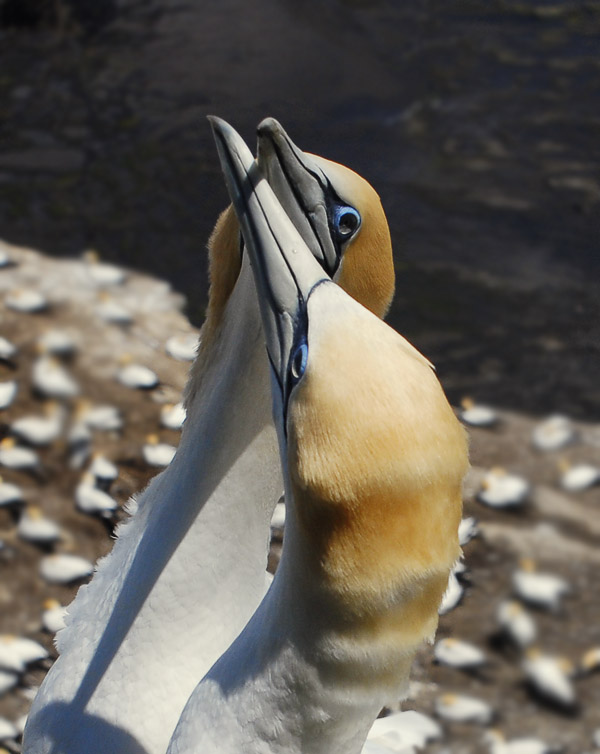
Northern Gannet (Morus bassanus) by W Kwong
The Gannets and Boobies make up the Sulidae Family. The bird family Sulidae comprises the gannets and boobies. Collectively called sulids, they are medium-large coastal seabirds that plunge-dive for fish and similar prey. However, Sula (true boobies) and Morus (gannets) can be readily distinguished by morphological and behavioral and DNA sequence characters. Abbott’s booby (PapaIt appears to be a distinct and ancient lineage, maybe closer to the gannets than to the true boobies. There are 10 species. The Morus genus has three species, the Northern, Cape and Australasian Gannets.
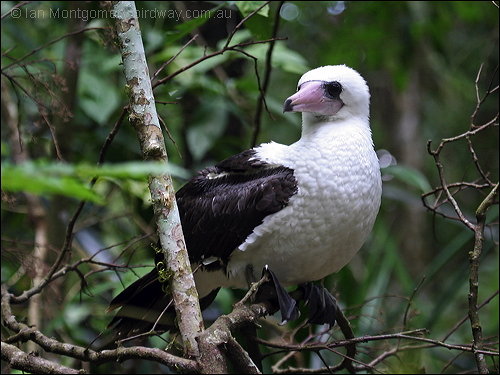
Abbott’s Booby (Papasula abbotti) by Ian
The Papasula genus consists of only the Abbott’s Booby.
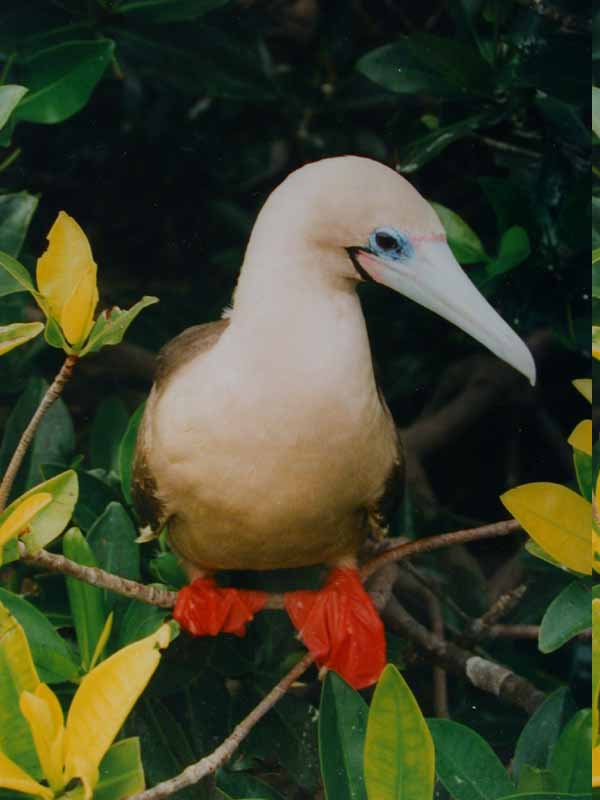
Red-footed Booby (Sula sula) by Bob-Nan
The rest of the Boobies are in the Sula genus. They are the Blue-footed Booby [a favorite], Peruvian Booby, Masked Booby, Nazca Booby, Red-footed Booby [another favorite], and the Brown Booby. [Wikipedia, with editing]
This slideshow requires JavaScript.
“Hold up my goings in thy paths, that my footsteps slip not.” (Psalms 17:5 KJV)
“But a certain maid beheld him as he sat by the fire, and earnestly looked upon him, and said, This man was also with him.” (Luke 22:56 KJV)
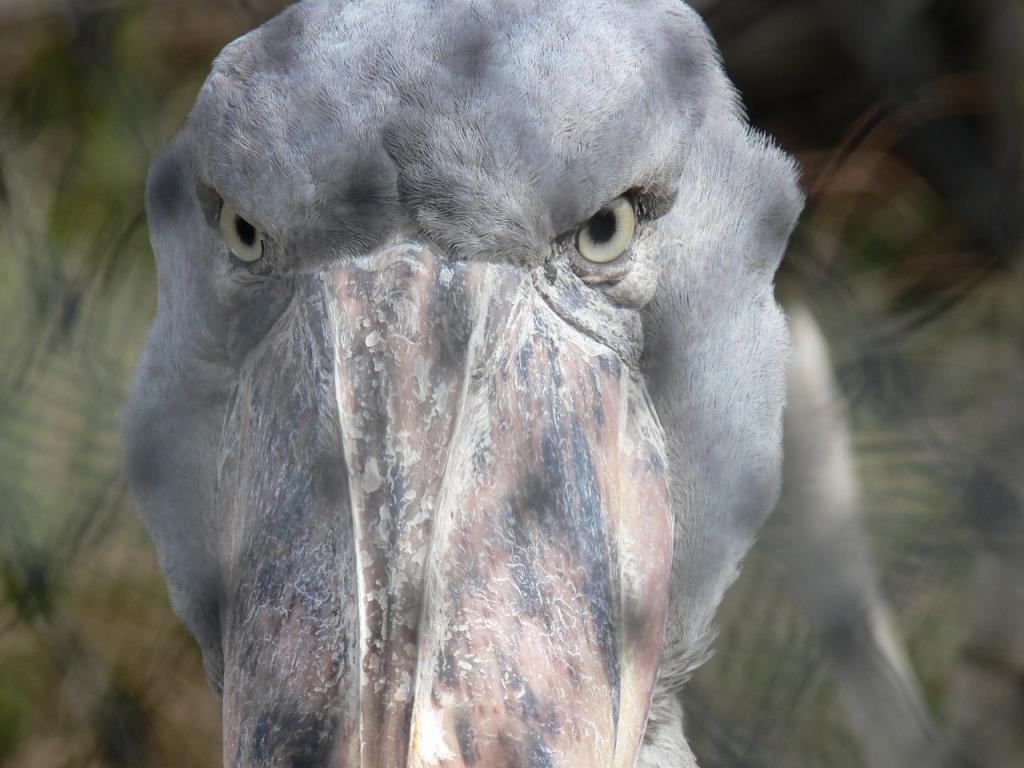
Shoebill by Lee – Closeup
*** P.S. – Today I am to have my back surgery. [In surgery room about 6 hours they told us.] It was originally supposed to be on Tuesday. These blogs were pre-scheduled to cover that time and my recovery. Will add an update when possible. Thanks again for your prayers. ***
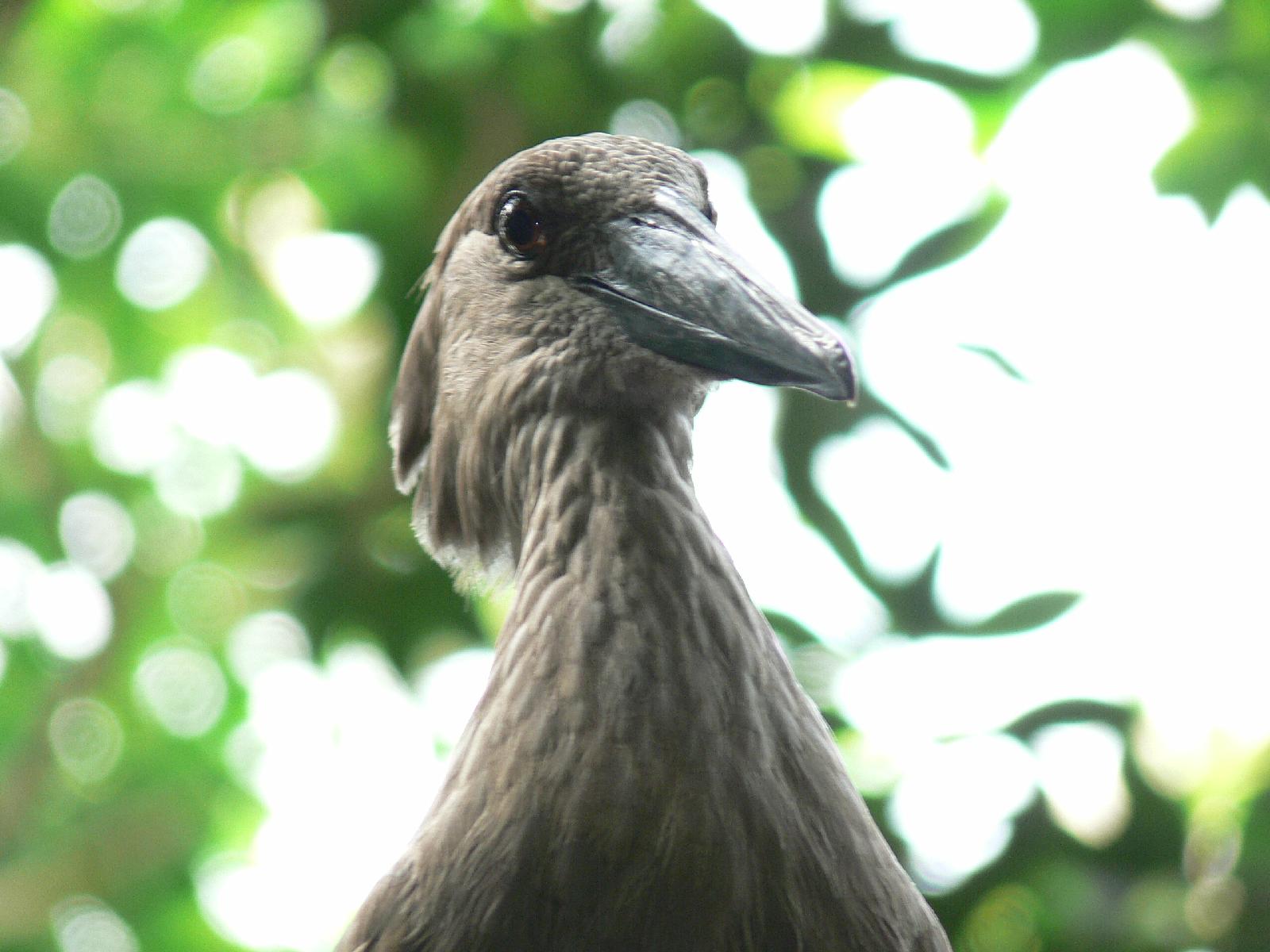
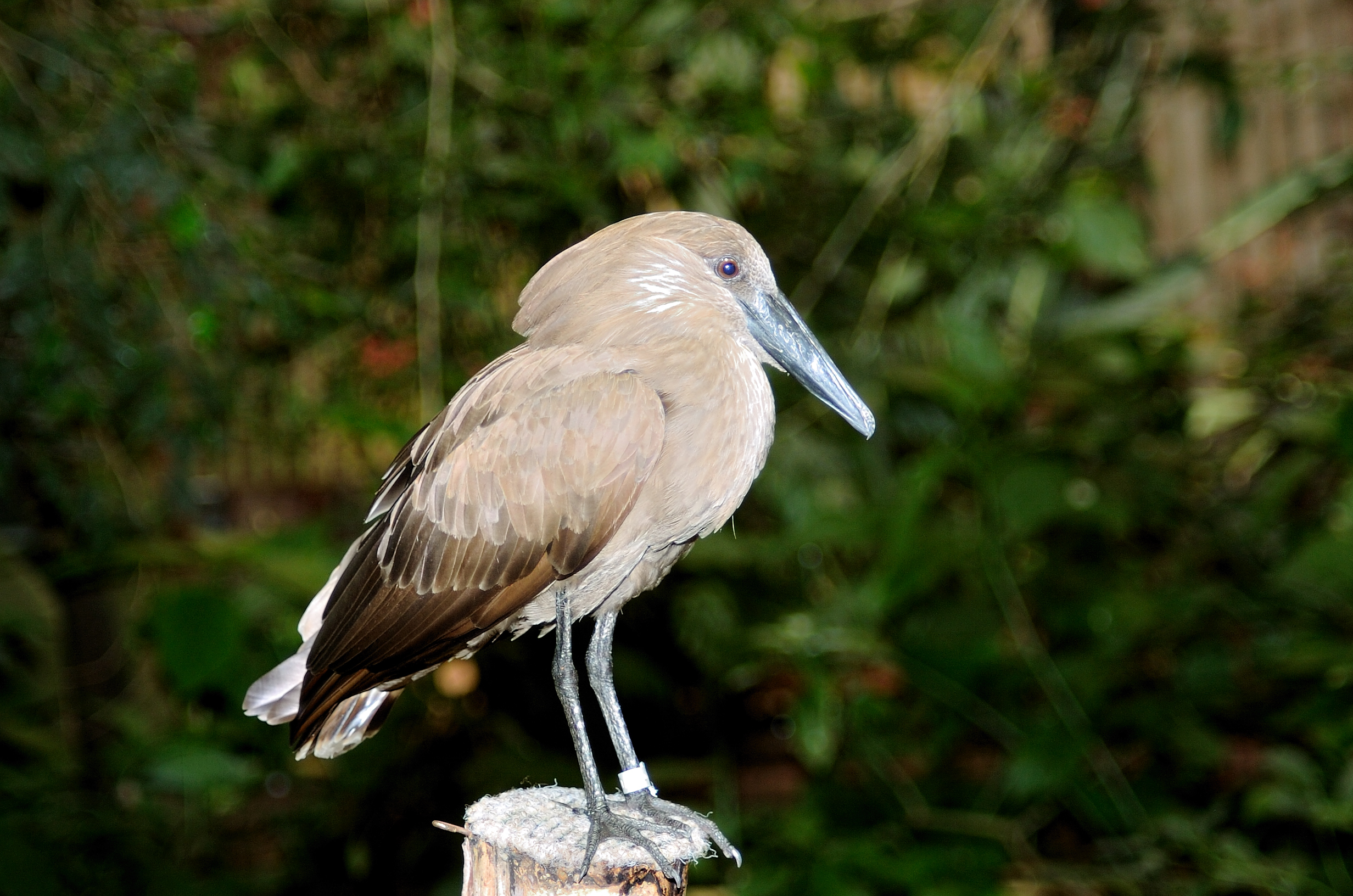
Hamerkop (Scopus umbretta) at National Aviary by Dan
I am like a pelican of the wilderness; I am like an owl of the desert. (Psalms 102:6 NKJV)
Previously, it was mentioned that some bird families have already been featured on the Sunday Inspirations. The next family includes the Herons and Bitterns. It is the Ardeidae, and it was covered in these two articles written in 2014:
Today we will finish up the Pelicaniformes Order, which included the Ibises and Spoonbills [Threskiornithidae], the Herons and Bitterns [Ardeidae], and now today with; the Hamerkop (1) with only one species in the Scopidae family, the Shoebill (1) in the Balaenicipitidae Family, and the Pelicans (8) in the Pelecanidae Family.
[Because this is being scheduled in advance, Lord willing, my back surgery will be performed on this Tuesday, the 20th. Your prayers will be greatly welcome. It will be a 4-5 hour surgery. I think.]
Hamerkop (Scopus umbretta) by Africaddict
The Hamerkop, have been a favorite of mine ever since we saw our first one at the National Aviary in Pittsburg, PA. When its head feathers are out, the head looks like a hammer. They also seemed rather tame walking around in the aviary.
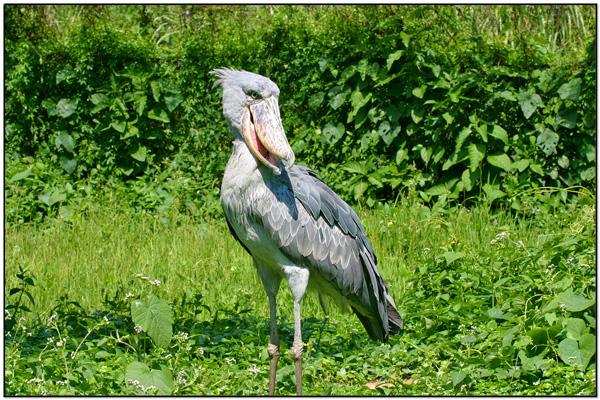
Shoebill (Balaeniceps rex) by Daves BirdingPix
The Shoebill is another favorite. We have these at the Lowry Park Zoo, in Tampa. I keep trying to get a decent photo, but I have to shoot through a fence. Though, the fence is nice to have between us. He is a nice bird, but that look can be intimidating. :) Here is a close-up taken through the fence.
Shoebill by Lee – Closeup
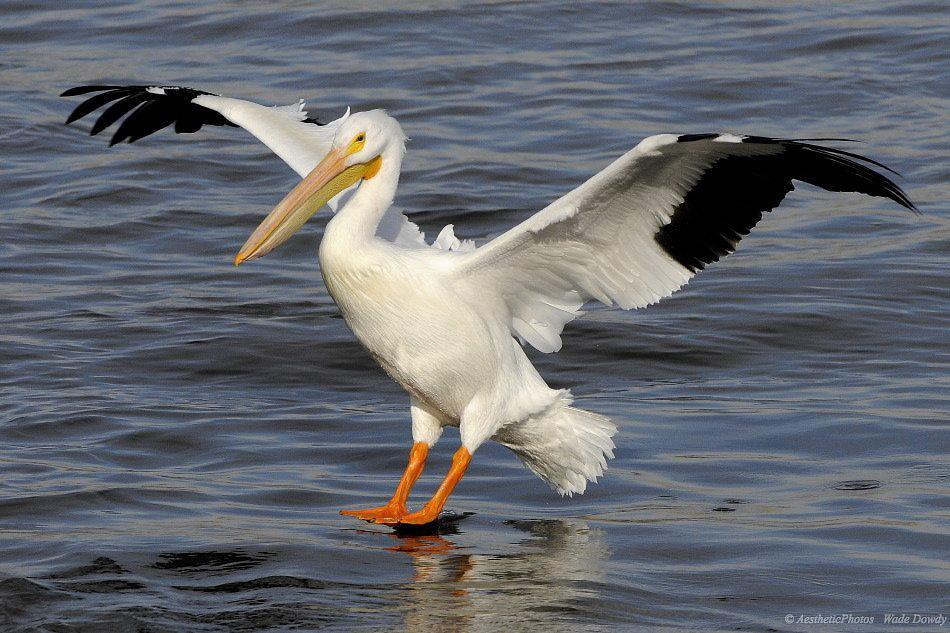
Living in Florida, we all see Pelicans quite frequently, even inland. The White Pelicans land at many of our lakes, and several years ago, over 5,000 landed at Circle B Reserve in Lakeland, Florida, for a month or so. I’ve shown this video before but thought it fit here again. I was so excited by all of them arriving to land just behind where Dan and I were standing. My utter amazement shows. [along with poor English]
“Therefore I say to you, do not worry about your life, what you will eat or what you will drink; nor about your body, what you will put on. Is not life more than food and the body more than clothing? Look at the birds of the air, for they neither sow nor reap nor gather into barns; yet your heavenly Father feeds them. Are you not of more value than they?” (Matthew 6:25-26 NKJV)
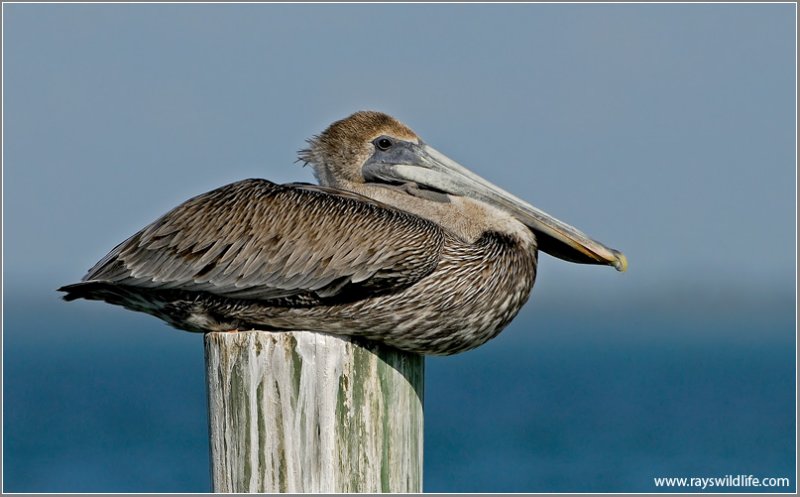
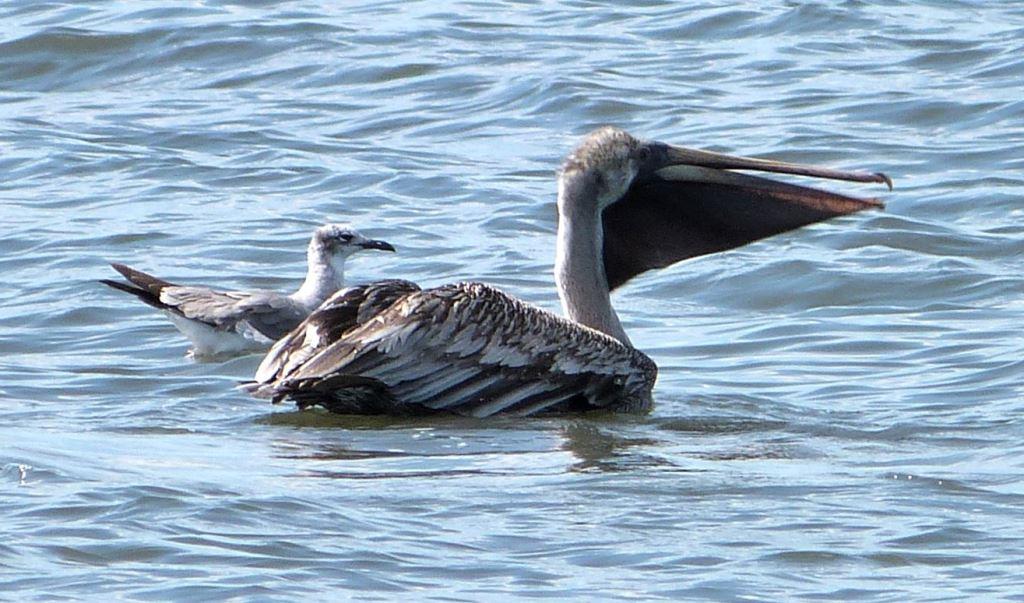
Brown Pelican with fish and Laughing Gull
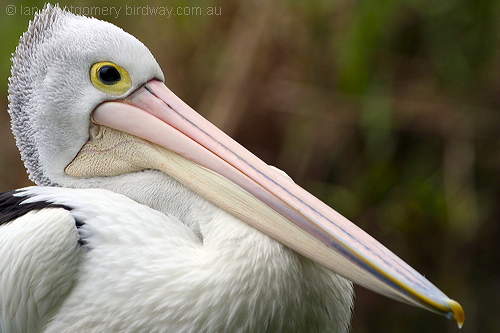
Pelicans are a genus of large water birds that makes up the family Pelecanidae. They are characterised by a long beak and a large throat pouch used for catching prey and draining water from the scooped up contents before swallowing. They have predominantly pale plumage, the exceptions being the brown and Peruvian pelicans. The bills, pouches and bare facial skin of all species become brightly coloured before the breeding season. The eight living pelican species have a patchy global distribution, ranging latitudinally from the tropics to the temperate zone, though they are absent from interior South America as well as from polar regions and the open ocean.
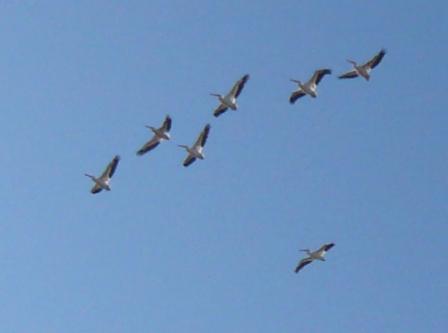
White Pelicans by Lee over Circle B Reserve
Pelicans frequent inland and coastal waters where they feed principally on fish, catching them at or near the water surface. They are gregarious birds, travelling in flocks, hunting cooperatively and breeding colonially. Four white-plumaged species tend to nest on the ground, and four brown or grey-plumaged species nest mainly in trees
This slideshow requires JavaScript.
“God is my strength and power: and he maketh my way perfect. He maketh my feet like hinds’ feet: and setteth me upon my high places.
(2 Samuel 22:33-34 KJV)”
“Her Nazarites were purer than snow, they were whiter than milk, they were more ruddy in body than rubies, their polishing was of sapphire:” (Lamentations 4:7 KJV)



 Lee's Birdwatching Adventures Plus