Formed By Him – Sea Birds That Drink Seawater

Buller's Shearwater (Puffinus bulleri) by Ian

Buller’s Shearwater (Puffinus bulleri) by Ian

An interesting article by Donna L. O’Daniel provided the background for this blog. You can see her complete article at: Water, Water Everywhere . . . And Not A Drop To Drink. See the article for some of the more technical aspects of this.

Birds that are at sea for months and even years must have a way to quench their thirst. How can they do that? If we drink seawater, which is loaded with salt, we would be in deep trouble. Most regular birds would also suffer harm if they were to drink the salty water all the time. Birds like the Albatrosses, Petrels, Tubenoses and Shearwaters do, in fact, drink saltwater.

Laysan Albatross (Phoebastria immutabilis) by Daves BirdingPix

You would know that the Lord God, the Creator God, would have already prepared these birds for this situation. And so He did.

For My thoughts are not your thoughts, Nor are your ways My ways,” says the LORD. “For as the heavens are higher than the earth, So are My ways higher than your ways, And My thoughts than your thoughts. (Isaiah 55:8-9 NKJV)
Have you not known? Have you not heard? The everlasting God, the LORD, The Creator of the ends of the earth, Neither faints nor is weary. His understanding is unsearchable. (Isaiah 40:28 NKJV)

Northern Giant Petrel (Macronectes halli) by Dave's BirdingPix

Northern Giant Petrel (Macronectes halli) by Dave’s BirdingPix

“Sea birds like the albatross drink freely from sea water but never seem to suffer any ill effects. They manage this because their physiology has become adapted to the sea environment. They have special glands just behind their eyes that actively pump salt out of their blood and into narrow tubes that lead into the bird’s nostril. The excess salt drips harmlessly out of the body, restoring the blood salt level back to normal.” “Seabirds can drink seawater and have salt glands inside the head that eliminate excess salt out of the nostrils.” (Internet)

Wikipedia has this to say about the Albatrosses: “Albatrosses, along with all Procellariiformes have a need to lower their salt content due to their drinking of ocean water. All birds have an enlarged nasal gland at the base of the bill, above their eyes. This gland is inactive in species that don’t require it; however the Procellariiformes do require its use. Scientists are uncertain as to its exact processes, but do know in general terms that it removes salt that forms a 5% saline solution that drips out of their nose or is forcibly ejected in some birds.

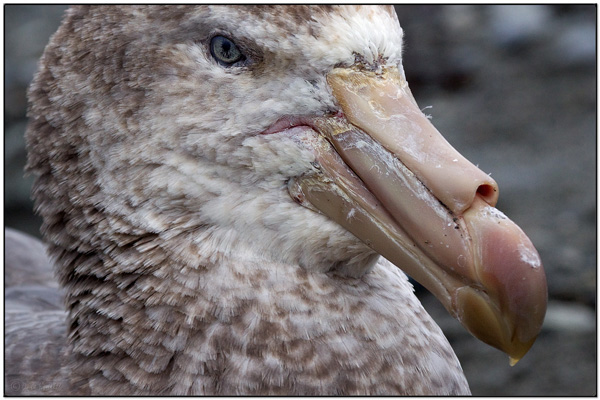
Northern Giant Petrel head close-up by Daves BirdingPix

Northern Giant Petrel head close-up by Daves BirdingPix

About the Tubenoses and Shearwaters: “They also have a uniquely structured bill, with seven to nine distinct horny plates.. Finally, they have a salt gland that is located above their nasal passages and helps desalinate their body, as they drink seawater. They excrete the salty waste out their nose. As members of Procellariiformes, they share certain characteristics. First they have tubular nostrils called nariorns. This feature gives them their common name, Tubenoses. The opening to the nostril is located differently in some birds. These birds have the opening on top of the upper bill.”

For since the creation of the world His invisible attributes are clearly seen, being understood by the things that are made, even His eternal power and Godhead, so that they are without excuse, because, although they knew God, they did not glorify Him as God, nor were thankful, but became futile in their thoughts, and their foolish hearts were darkened. (Romans 1:20-21 NKJV)

Wandering Albatross (Diomedea exulans) by Ian

Wandering Albatross (Diomedea exulans) by Ian

“The creation model for the origin of avian salt glands states that an intelligent Creator created this class of vertebrates complete with all of the complex systems within their bodies to survive in and adapt to their given environments, including salt glands to rid their bodies of excess salt. Perhaps the strongest argument in favor of the creation model for the origin of avian salt glands, aside from the lack of transitional forms in the fossil record, is one consisting of purpose and interdependence of purposeful parts.

Given the complexity of the functioning of avian salt glands, their existence by design can hardly be denied. The evidence for design that is obvious in the avian salt gland suggests a Designer who not only created the gland, but the entire animal, the earth, and the entire universe.” From Donna’s Article (see above)

And He said to me, “It is done! I am the Alpha and the Omega, the Beginning and the End. I will give of the fountain of the water of life freely to him who thirsts. (Revelation 21:6 NKJV)
And the Spirit and the bride say, “Come!” And let him who hears say, “Come!” And let him who thirsts come. Whoever desires, let him take the water of life freely. (Revelation 22:17 NKJV)

The Procellariiformes Order includes these Families:
Albatrosses – Diomedeidae – 21 species
Petrels, Shearwaters – Procellariidae – 86 species
Storm Petrels – Hydroatidae – 23 species
Diving Petrels – Pelecanoididae – 4 species

More Formed By Him articles

*

Oilbird – Mission With A Vision

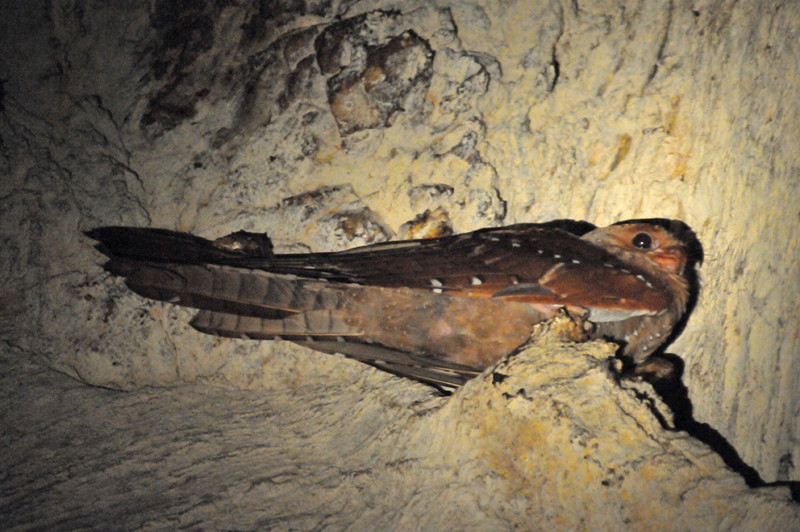
Oilbird (Steatornis caripensis) by Bob-Nan

Oilbird (Steatornis caripensis) by Bob-Nan

Oilbird – Mission With A Vision ~ by a j mithra

Oilbird or Guacharo lives in northern South America from Guyana to Peru. The Oilbird ranges locally across much northern South America and down the Andes all the way to Bolivia.

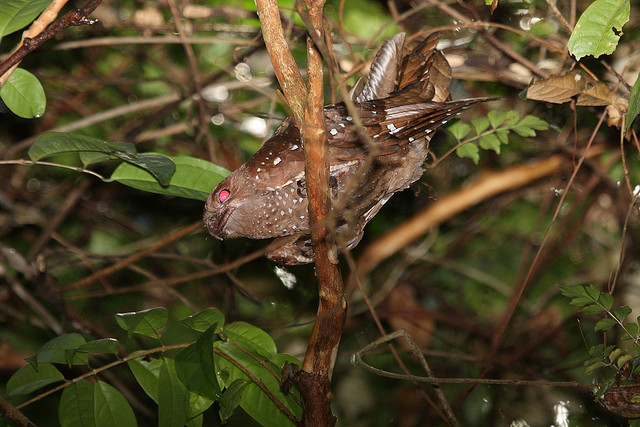
Their plumage is cinnamon brown, with small, white spots. The Oilbird presents a somewhat “hen-ish” or owlish appearance, observant and hesitant when trolling branches; puffy and somnolent when asleep. It is mainly reddish-brown with white spots on the nape and wings. Lower Oilbird parts are brownish color to neutral white. The stiff tail feathers are a rich chestnut brown spotted with white on either side.

This is a large bird at sixteen to nineteen inches with a wing span of three feet. The Oilbird’s flattened hooked bill is surrounded by dark brown bristles up to two inches long.

Oilbird (Steatornis caripensis) by Ian

Oilbird (Steatornis caripensis) by Ian

It is a bird of tropical and subtropical primary forests. Colonies leave the caves at night to fly to fruiting trees. Figs are often consumed but the Trinidad population has been documented eating over 36 different kinds of fruit. The seeds of these fruit are spread widely after passing through the bird’s system, and the Oilbird is thus an important component of the tropical ecosystems. The forest depends on these fruit eaters — and other animals with similar behavior such as fruit bats — to continue in existence.

  • The existence of Church depends on how far and wide we sow the word of God…
  • God has asked us to spread the gospel over all the earth…

But, the question is have we touched lives which dwell next door or at least to the person who sits next to our table in office ? First of all, we don’t even know the person who sits next to us in church, isn’t it? We’ve been hearing a lot about brotherly love and love your neighbor as thy selves..

  • But, have we ever asked ourselves if we truly love our self?
  • Most so called believers are going through self inflicted injuries and self pity…
  • Maybe that is the reason we are not able to lead a fruitful life..
  • Our fruits are not the fruits which God expects from us…
  • Unless we are fruitful and our lives testify God’s work in us, we may not be able to sow seeds of faith among our fellow beings…

A good tree cannot bring forth evil fruit, neither can a corrupt tree bring forth good fruit. Every tree that bringeth not forth good fruit is hewn down, and cast into the fire. Wherefore by their fruits ye shall know them (Mathew 7:18-20)

It is a seasonal migrant, moving from breeding caves to fertile wild land fruit trees. Oilbirds plump up possibly half their body weight again before the breeding migration, an intelligent habit as caves will provide little nutrition and parents will not want to leave the nest.

Oilbird (Steatornis caripensis) by Judd Patterson

Oilbird (Steatornis caripensis) by Judd Patterson

Seasonally, the oilbird lives in forests to gather nutrition and store up for breeding. Then the oilbird will migrate from the forest and woodland to within breeding areas within caves. Both parents share the task of incubating the clutch of two to four eggs for about 33 days, and the nestlings stay put for up to four months.

Oilbirds feed their young exclusively on fruit pulp. This is very unusual because an all-fruit diet would not normally provide adequate nutrition or baby birds. The young nestlings grow fat (even half as heavy again as their parents)—causing the literal downfall of many!

These birds seem to know the importance of storing nutrition for migration and breeding that’s why they provide adequate nutrition for their babies…

  • We as Christian parents, do we take care to nourish our children with spiritual food?
  • We tell them stories about the five who went to buy oil at the last minute..
  • But are we insisting upon our kids to get ready to meet the King?

These young oilbirds are heavier than their parents, how healthy are our children in spirituality?

I have no greater joy than to hear that my children walk in truth. (III John : 1)

The wings of the oilbird control aerial maneuvers. The Oilbird’s small feet are somewhat useless, other than for positioning and alignment to vertical surfaces.  The oilbird’s hovering, twisting flight allows the bird to navigate the route and “hallways” of the caves. Oilbirds echo-locate (like bats) inside caves but use their huge eyes once they leave the communal roosts.

Oilbird (Steatornis caripensis) ©©Flickr - dominic sherony

Oilbird (Steatornis caripensis) ©©d.sherony

They apparently have excellent night vision. Rows of bristles protect the eyes both above and below. They fly with fast with primary tips widely spaced (like New World vultures) but have the ability to fly slowly or even hover. They can range quite a distance in search of fruit. Radio telemetry studies have shown their normal range per night is 40 kms (25 mi) but they have traveled as far as 150 km (93 mi) in a single night. They may find fruit by smell. These birds travel so long in a single night in search of fruits..

This reminds of how Jesus had come from heaven to earth in search of fruits from us isn’t it?

  • He expects us to give fruits at all seasons…
  • Do we have fruits to offer 24 x 7 or just seasonal?

And now also the ax is laid unto the root of the trees: therefore every tree which bringeth not forth good fruit is hewn down, and cast into the fire. (Matthew 3:10)

Studies have shown that all the fruit they eat is spicy or aromatic when ripe. Oilbirds nest in large colonies on high, rocky ledges, often a good distance into the cave. They build their cone-shape nests from a mixture of regurgitated fruit pulp, their droppings and undigested seeds. Oilbird nestlings retain food in their intestines for longer than normal, enabling them to extract all the nutrients which they need in order to thrive on fruit. For instance, they are able to extract 80% of the lipids (fats) from their diet.

  • We eat lots of the THE FIRST, which is the WORD OF GOD…
  • But, do we extract all the nutrients of THE WORD by meditating on what we read?
  • Do we eat THE WORD in haste? Or is it a ritual that we need to practice every day?
  • The Word of God has the power to heal, to cleanse, and to encourage and so on…
  • How do we handle it?

For the word of God is quick, and powerful, and sharper than any twoedged sword, piercing even to the dividing asunder of soul and spirit, and of the joints and marrow, and is a discerner of the thoughts and intents of the heart. (Hebrews 4: 12)

Just like bats (and many sea mammals), Oilbirds emit clicking calls in rapid succession and listen to the returning echoes. This means that, in the pitch blackness of their cave home, they can fly around without bumping into the cave walls or each other.

Oilbird (Steatornis caripensis) by Bob-Nan

Oilbird (Steatornis caripensis) by Bob-Nan

At dusk, they leave the cave to find food and their echolocation system works together with their keen smell and super-sensitive vision, helping them to snatch nuts and small fruits in mid-flight without needing to land. In fact it is thought that they never perch during foraging trips, using instead their ability to hover while feeding.

The eyes of oilbirds are highly specialized for their unique lifestyle. While not apparently designed for distinguishing colour, it has recently been discovered that they are extraordinarily sensitive to light—a great advantage to a bird that ‘breaks all the rules’ by being nocturnal. This incredible light-sensitivity is achieved by each of the oilbird’s eyes having a large pupil, enabling them to gather the maximum amount of light and millions of densely packed rods, the  photoreceptor cells.

God had created these birds with excellent night vision for them to travel long distance in search of food..

But, we are so privileged that we have God Himself as our light to show us the way during our dark times..

Then spake Jesus again unto them, saying, I am the light of the world: he that followeth me shall not walk in darkness, but shall have the light of life. (John 8:12)

These unique Oilbirds dwell in caves, has dolphin-like sonar, navigates like a bat, has eyes like a deep-sea fish, can hover like a kingfisher, finds its food by smell and can be boiled up to make oil…

The eyes of these birds are extremely sensitive to light and that is the reason that they are able to break all rules by being a nocturnal…

This world will see us also as very special when we are sensitive to THE LIGHT..

The light of the body is the eye: therefore when thine eye is single, thy whole body also is full of light; but when thine eye is evil, thy body also is full of darkness If thy whole body therefore be full of light, having no part dark, the whole shall be full of light, as when the bright shining of a candle doth give thee light. Take heed therefore that the light which is in thee be not darkness. (Luke 11:34-36)

Have a blessed day!

Your’s in YESHUA,
a j mithra

Please visit us at: Crosstree


What a neat bird, a j. I am also going to add this to the “Formed By Him” series. The Creator has really designed this very unique and useful bird for His Glory.

The Oilbirds are the only family members of the Steatornithidae – Oilbird Family which are in the Caprimulgiformes Order. They keep company there with the Frogmouths, Potoos and Nightjar families.

Formed By Him – Music Making Birds

Do Birds Truly Make Music? (from Creation Moments)

The flowers appear on the earth; the time of singing has come, and the voice of the turtledove is heard in our land. (Song of Solomon 2:12)

The Bible speaks of bird calls as songs, as most of us do. However, evolutionary theory has led some scientists to say that we are merely assigning human meanings to the calls of birds. They say that the bird calls have nothing to do with real music.

Common Blackbird (Turdus merula) by Ian

Common Blackbird (Turdus merula) by Ian

Ornithologists have known for some time that bird songs use the same musical scales as our music. Decades ago it was noted that some of Beethoven’s work could be heard from the European blackbird. The music was the same as the opening rondo of Beethoven’s “Violin Concert in D, Opus 61.” Since these birds pass their songs from generation to generation, Beethoven could have gotten the lilting music from the forefathers of today’s European blackbird!

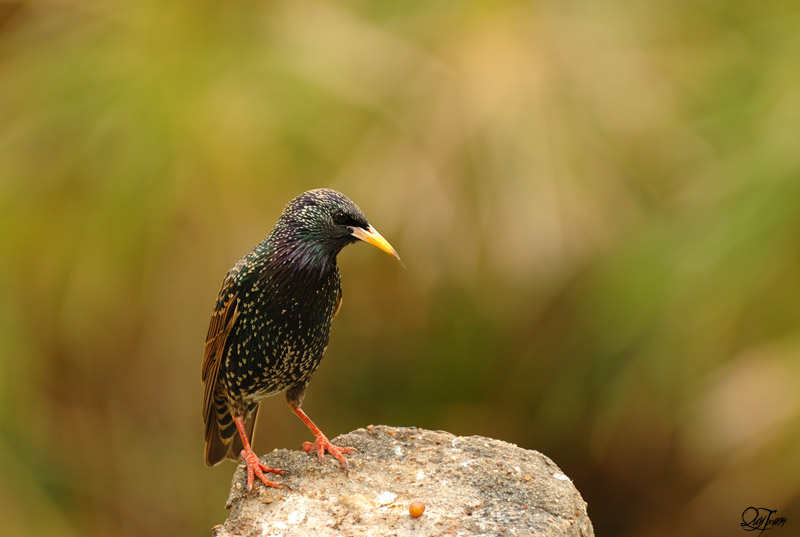
Common Starling (Sturnus vulgaris) by Quy Tran

Common Starling (Sturnus vulgaris) by Quy Tran

The songs of some species, like the song sparrow, follow the form of a sonata, beginning with a strong theme, then the theme is musically played with, and for a finish, the original theme is then repeated. Mozart had a starling as a pet. Once, having heard Mozart play his “Piano Concerto in C Major,” the starling not only imitated it, but changed the sharps to flats! Mozart exclaimed, “That was beautiful!” When the starling died, Mozart held an elaborate funeral for it. Eight days later he wrote, “A Musical Joke” which contains the same elaborate structure found in starling song.

Do birds make true music, as the Bible says? Contrary to what some evolutionists say, Beethoven and Mozart certainly thought they did.
Prayer:
Lord, I thank You for the gift of music and I await the music of heaven. Amen.
Notes:
Science News, 4/15/00, pp. 252-254, “Music without Borders.”

©2010 Creation Moments


Lee’s Addition:

From – A Musical Joke?

“Mozart was not alone in incorporating bird sounds in music. According to Baptista:

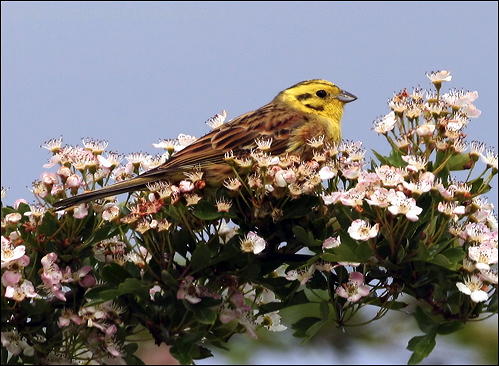
Yellowhammer (Emberiza citrinella) by Ian

Yellowhammer (Emberiza citrinella) by Ian

  • In Beethoven’s sixth symphony, the song of a Yellowhammer is followed by those of a quail, then a cuckoo.
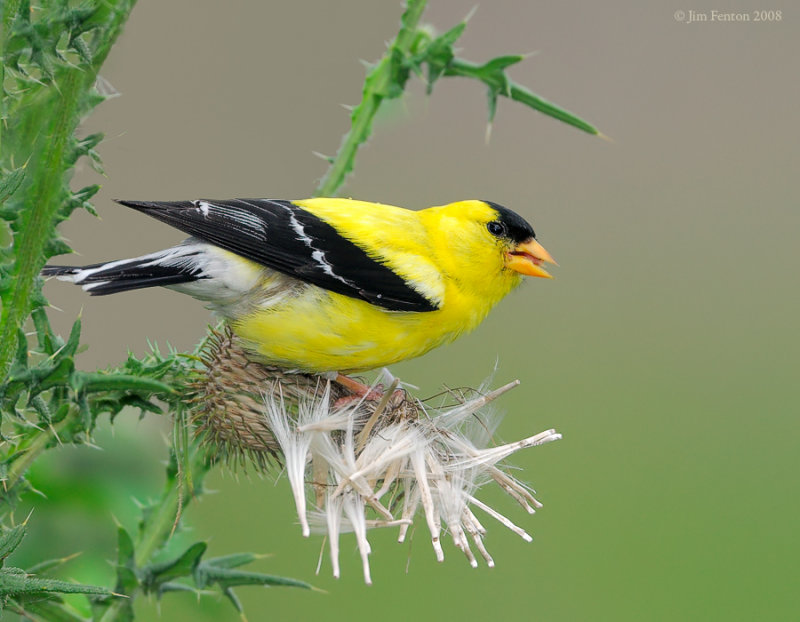
American Goldfinch (Carduelis tristis) on Thistle by Fenton

American Goldfinch (Carduelis tristis) on Thistle by Fenton

  • A Goldfinch inspired Vivaldi’s flute concerto “Il gardellino.”
  • Bela Bartok’s third piano concerto was inspired by birds in North Carolina, where Bartok was living during the composition.

Blue-eyed Cockatoo (Cacatua ophthalmica) ©Wikipedia

  • The Cuckoo, BTW, is the most popular bird in Western music, said Baptista, and even appears in a Johann Sebastian Bach fugue — in counterpoint with a chicken!
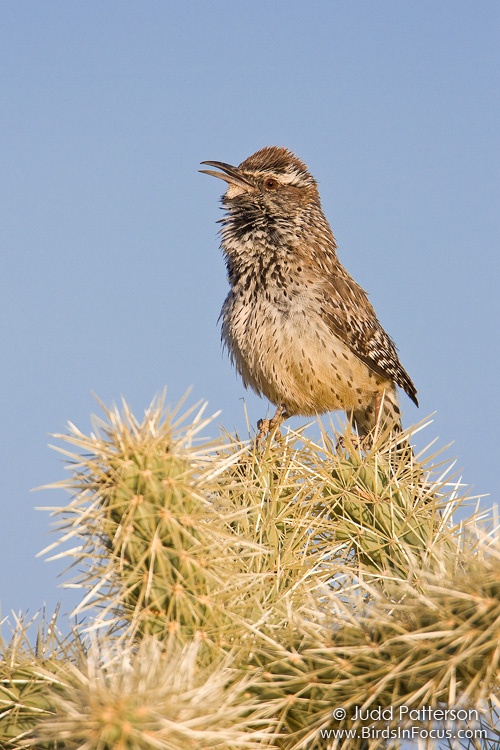
Cactus Wren (Campylorhynchus brunneicapillus) by Judd Patterson

Cactus Wren (Campylorhynchus brunneicapillus) by Judd Patterson

  • The Canyon Wren in the Ansaborego desert of California sounds so much like Chopin that you could consider it “a student of Chopin,” Baptista said.

The rest of the avian orchestra
Beyond that two-part voice box, birds also use their bodies to make sound in other ways. Some even make instruments!

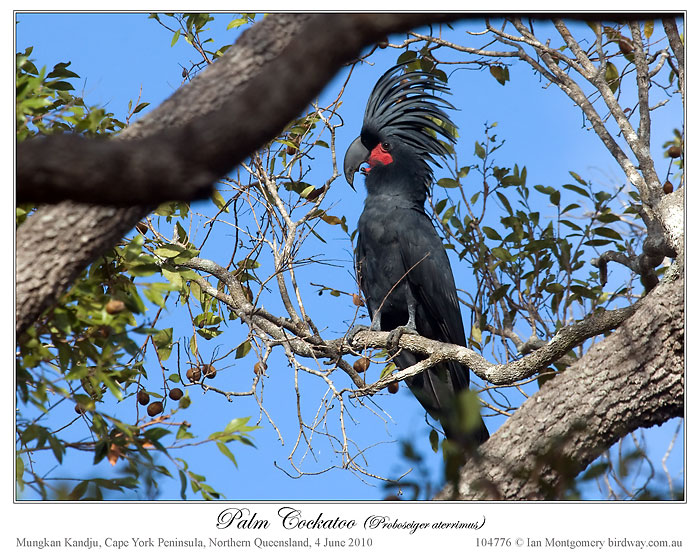
Palm Cockatoo (Probosciger aterrimus) by Ian

Palm Cockatoo (Probosciger aterrimus) by Ian Montgomery

  • While courting, the Palm Pockatoo, for example, breaks a branch, carves it into a drumstick, and bangs a hollow log as a signal to females that he’s on the prowl. Providentially, he stores the stick to use it again, said Baptista.
  • The European Snipe, on the other hand, dives to force wind through its feathers, which act as reeds.
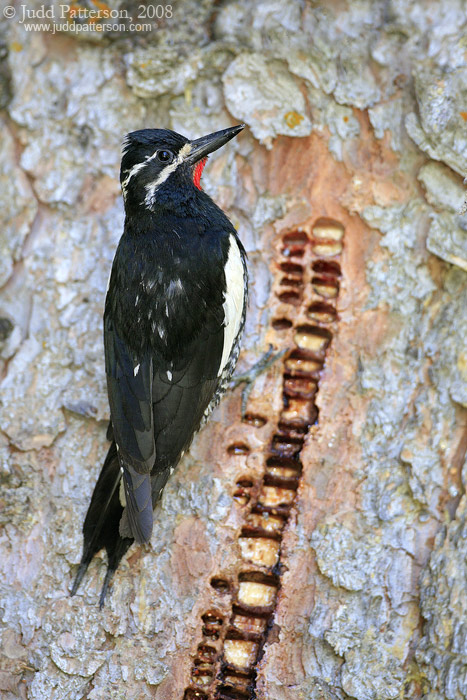
Williamson's Sapsucker (Sphyrapicus thyroideus) by Judd Patterson

Williamson’s Sapsucker (Sphyrapicus thyroideus) by Judd Patterson

  • Williamson’s Sapsucker in the Sierra Nevada drums on tree trunks in specific rhythms that vary in what Baptista called “local dialects.”

The Lord has created beautiful birds and has given each their own songs and sounds. Many have listened and learned from those sounds. As you have read above, some have turned those lessons learned into beautiful music.

But now ask the beasts, and they will teach you; And the birds of the air, and they will tell you; Or speak to the earth, and it will teach you; And the fish of the sea will explain to you. Who among all these does not know That the hand of the LORD has done this, In whose hand is the life of every living thing, And the breath of all mankind? (Job 12:7-10 NKJV)

He sends the springs into the valleys; They flow among the hills. They give drink to every beast of the field; The wild donkeys quench their thirst. By them the birds of the heavens have their home; They sing among the branches. (Psalms 104:10-12 NKJV)

Song Sparrow (Melospiza melodia) by Ray

Song Sparrow (Melospiza melodia) by Ray

The LORD is my strength and my shield; My heart trusted in Him, and I am helped; Therefore my heart greatly rejoices, And with my song I will praise Him. (Psalms 28:7 NKJV)

Oh, sing to the LORD a new song! Sing to the LORD, all the earth. Sing to the LORD, bless His name; Proclaim the good news of His salvation from day to day. Declare His glory among the nations, His wonders among all peoples. For the LORD is great and greatly to be praised; He is to be feared above all gods. (Psalms 96:1-4 NKJV)

See Also:

See Mozart ‘borrowed tunes from his versatile starling’

More Formed By Him articles

Wordless Birds

*

Formed By Him – Silver Birds

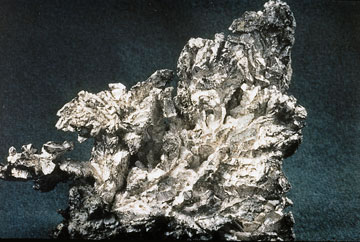
Silver ©USGOV

Silver ©USGOV

Silver is a metallic chemical element with the chemical symbol Ag (Latin: argentum, from the Indo-European root *arg- for “grey” or “shining”) and atomic number 47. A soft, white, lustrous transition metal, it has the highest electrical conductivity of any element and the highest thermal conductivity of any metal.

Silver has long been valued as a precious metal, and it is used to make ornaments, jewelry, high-value tableware, utensils (hence the term silverware), and currency coins. Today, silver metal is also used in electrical contacts and conductors, in mirrors and in catalysis of chemical reactions.

Silver, in the form of electrum (a gold-silver alloy), was coined to produce money in around 700 BC by the Lydians. Later, silver was refined and coined in its pure form. Many nations used silver as the basic unit of monetary value. In the modern world, silver bullion has the ISO currency code XAG. The name of the United Kingdom monetary unit “pound” (£) reflects the fact that it originally represented the value of one troy pound of sterling silver.

Jewelry and silverware are traditionally made from sterling silver (standard silver), an alloy of 92.5% silver with 7.5% copper. In the US, only an alloy consisting of at least 90.0% fine silver can be marketed as “silver” (thus frequently stamped 900). Sterling silver (stamped 925) is harder than pure silver, and has a lower melting point (893 °C) than either pure silver or pure copper.

We know that Adam named the animals and birds starting in Genesis and people are still naming them. Silver has been known about for centuries and it is no wonder that critters and birds have their silver color described with “silver” in their names. Checking out the latest I.O.C. list of birds (Ver 2.6) you will find 32 birds with “silver” eyes, beaks, bills, backed, breasted, capped, crowned, eared, rumped, throated, and tipped. Also found are “silvery” cheeked, flanked, fronted, and throated birds. Below is a list of the 32 “Silver Birds”, plus a slideshow of the photos of them that I could obtain.

Silver-crowned Friarbird (Philemon argenticeps) by Ian

Silver-crowned Friarbird (Philemon argenticeps) by Ian

In the King James Version of the Bible, there are 282 verses that have silver mentioned 320 times. (per e-Sword). Abraham and Sarah are the first mentioned to be rich in silver and jewels of silver (Gen 23), Joseph was sold for 20 pieces of silver (Gen 37:28), and it was a silver cup that was in found in Benjamin’s bag when he had been taken to Joseph in Egypt many years later (Gen 44:2).

In Exodus, they were warned not to make gods of silver or of gold (Ex. 20:23), they used silver to make sockets and fillets for the tabernacle (Ex. 26, 27), they made cunning works in gold and silver (Ex. 31) and they were to give it with willing heart.

Take ye from among you an offering unto the LORD: whosoever is of a willing heart, let him bring it, an offering of the LORD; gold, and silver, and brass, (Exodus 35:5 KJV)

Many other articles were made of silver in the service of the LORD throughout the Bible. King Solomon had the navy bring gold, silver, ivory, apes, and peacocks to him (1 King 10:22). Even the mining of silver is mentioned in Job 28:1.

Maybe because silver is used and referred to so often that the Lord, when He Created the birds, wanted us to see Silver Birds and think of Him, His Word, His Creation, His Son, and the price of His betrayal. Verses like:

The words of the LORD are pure words: as silver tried in a furnace of earth, purified seven times. (Psalms 12:6 KJV)

The law of thy mouth is better unto me than thousands of gold and silver. (Psalms 119:72 KJV)

If thou seekest her as silver, and searchest for her as for hid treasures; Then shalt thou understand the fear of the LORD, and find the knowledge of God. (Proverbs 2:4-5 KJV)

Receive my instruction, and not silver; and knowledge rather than choice gold. For wisdom is better than rubies; and all the things that may be desired are not to be compared to it. (Proverbs 8:10-11 KJV)

Receive my instruction, and not silver; and knowledge rather than choice gold. For wisdom is better than rubies; and all the things that may be desired are not to be compared to it. (Proverbs 8:10-11 KJV)

A word fitly spoken is like apples of gold in pictures of silver. (Proverbs 25:11 KJV)

Silver-eared Leiothrix (Leiothrix argentauris) by Ian

Silver-eared Leiothrix (Leiothrix argentauris) brightly colored-by Ian

And I said unto them, If ye think good, give me my price; and if not, forbear. So they weighed for my price thirty pieces of silver. And the LORD said unto me, Cast it unto the potter: a goodly price that I was prised at of them. And I took the thirty pieces of silver, and cast them to the potter in the house of the LORD. (Zechariah 11:12-13 KJV)

Fullfilled: And said unto them, What will ye give me, and I will deliver him unto you? And they covenanted with him for thirty pieces of silver. (Matthew 26:15 KJV)
Then Judas, which had betrayed him, when he saw that he was condemned, repented himself, and brought again the thirty pieces of silver to the chief priests and elders, Saying, I have sinned in that I have betrayed the innocent blood. And they said, What is that to us? see thou to that. And he cast down the pieces of silver in the temple, and departed, and went and hanged himself. And the chief priests took the silver pieces, and said, It is not lawful for to put them into the treasury, because it is the price of blood. And they took counsel, and bought with them the potter’s field, to bury strangers in. Wherefore that field was called, The field of blood, unto this day. (Matthew 27:3-8 KJV)

Then Peter said, Silver and gold have I none; but such as I have give I thee: In the name of Jesus Christ of Nazareth rise up and walk. (Acts 3:6 KJV)

For other foundation can no man lay than that is laid, which is Jesus Christ. Now if any man build upon this foundation gold, silver, precious stones, wood, hay, stubble; (1 Corinthians 3:11-12 KJV)

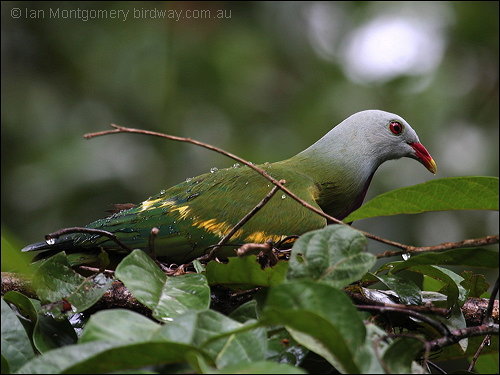
Wompoo Fruit-Dove (Ptilinopus magnificus) by Ian

Wompoo Fruit-Dove (Ptilinopus magnificus) by Ian

In Doves and Pigeon Updated this verse was mentioned: “Though ye have lien among the pots, yet shall ye be as the wings of a dove covered with silver, and her feathers with yellow gold.” (Psalms 68:13 KJV) Even though today this bird, the Wompoo Fruit-Dove, doesn’t have “Silver” in it’s name, maybe the Lord gave them their colors so we would remember the following verses and truth.

Forasmuch as ye know that ye were not redeemed with corruptible things, as silver and gold, from your vain conversation received by tradition from your fathers; But with the precious blood of Christ, as of a lamb without blemish and without spot: Who verily was foreordained before the foundation of the world, but was manifest in these last times for you, Who by him do believe in God, that raised him up from the dead, and gave him glory; that your faith and hope might be in God. (1 Peter 1:18-21 KJV)

This slideshow requires JavaScript.

Silver Gull Chroicocephalus novaehollandiae
Silver Oriole Oriolus mellianus
Silver Pheasant Lophura nycthemera
Silver Teal Anas versicolor
Silver-backed Needletail Hirundapus cochinchinensis
Silver-backed Tanager Tangara viridicollis
Silver-beaked Tanager Ramphocelus carbo
Silverbird Empidornis semipartitus
Silver-breasted Broadbill Serilophus lunatus
Silver-capped Fruit Dove Ptilinopus richardsii
Silver-crowned Friarbird Philemon argenticeps
Silver-eared Honeyeater Lichmera alboauricularis
Silver-eared Laughingthrush Trochalopteron melanostigma
Silver-eared Leiothrix Leiothrix argentauris
Silvered Antbird Sclateria naevia
Silvereye Zosterops lateralis
Silver-rumped Spinetail Rhaphidura leucopygialis
Silver-throated Bushtit Aegithalos glaucogularis
Silver-throated Tanager Tangara icterocephala
Silver-tipped Imperial Pigeon Ducula luctuosa
Silvery Grebe Podiceps occipitalis
Silvery Kingfisher Ceyx argentatus
Silvery Pigeon Columba argentina
Silvery-cheeked Antshrike Sakesphorus cristatus
Silvery-cheeked Hornbill Bycanistes brevis
Silvery-flanked Antwren Myrmotherula luctuosa
Silvery-fronted Tapaculo Scytalopus argentifrons
Silvery-throated Jay Cyanolyca argentigula
Silvery-throated Spinetail Synallaxis subpudica
African Silverbill Euodice cantans
Grey-headed Silverbill Odontospiza griseicapilla
Indian Silverbill Euodice malabarica

Best I can do for the Silver-capped Fruit Dove is a video by del Hoyo on Internet Bird Collection.

Wordless Birds

More Formed By Him Articles

*

Formed By Him – Dodo Bird

Dodo (Raphus cucullatus) Extinct by Wikipedia

Dodo (Raphus cucullatus) Extinct by Wikipedia

Which doeth great things past finding out; yea, and wonders without number. (Job 9:10 KJV)

“When Portuguese and early Dutch colonists began to inhabit the small tropical island of Mauritius in the Indian Ocean, from the early 1500s onwards, they found the island to be the home of a very unusual bird. This bird was as large as a turkey, of ungainly build, with short curly tail feathers and tiny wings. It had a strong black beak with a horny hook at the end. It was so unafraid of man that the Portuguese named it doudo, meaning ‘simpleton’, because it was so trusting they were easily able to hit it on the head and kill it for food. Hence the English name dodo.

Drawings of a dodo from the Journal of VOC ship Gelderland 1601-1603

Drawings of a dodo from the Journal of VOC ship Gelderland 1601-1603

Dodos were slaughtered in large numbers by sailors and settlers, and pigs which were introduced to the island voraciously ate the dodo eggs. The last dodo was killed in 1681—less than 180 years after it was first described.” (Creation 14(1):21 Dec, 1991, by Robert Doolan)

The Dodo was considered stupid or dull-witted because it would let the sailors and travelers walk up to it and club it. The bird had had no natural enemies and so was not afraid. They lived and nested on the ground. When it became extinct, they said it was the way of evolution (survival of fittest), but it has later shown that it was by the direct intervention of man and his introduced dogs and pigs. The bird was not a “dodo” but was a Dodo, a very useful bird. (A play on words) The bird was in the pigeon family they decided and would have placed them in the Columbiformes Order and in the Columbidae Family.

Nicobar Pigeon at Lowry Park Zoo by Dan

Nicobar Pigeon at Lowry Park Zoo by Dan

The Nicobar Pigeon is the only living member of the genus Caloenas. Based on cladistic analysis of mtDNA cytochrome b and 12S rRNA sequences, the Nicobar Pigeon is sometimes called the closest living relative of the extinct didines (Raphinae), which include the famous Dodo (Raphus cucullatus). Other pigeons in the Caloenas that were also hunted to extinction include the Kanaka Pigeon and the Liverpool Pigeon.

“Also on Mauritius at the time was a tree known as Calvaria major (Today know as the Tambalacoque (Sideroxylon grandiflorum) or Dodo Tree). At that time it was quite common on the island, but by the 1970s only 13 of these Calvaria trees were left. All 13 were more than 300 years old, and though they produced healthy looking seeds each year, none ever managed to germinate. The trees had puzzled botanists for centuries, for their numbers had strangely begun to decline and no new trees were taking root. Calvaria major seemed destined to go the way of the dodo, but the tree was dying out for no perceptible reason.

Tambalacoque or Calvaria Major Tree

Tambalacoque or Calvaria major Tree©

While studying the ecology of Mauritius in the mid-1970s, American ecologist Stanley Temple came up with an ingenious connection between the decline of the Calvaria major trees and the disappearance of the dodo. After considering many factors, Temple concluded that the tree’s large fruit had in times past been eaten by the dodo. The tree’s seeds are encased in a thick-walled protective coat, but the dodo’s stone-filled gizzard was able to exert a powerful crushing pressure on them. The bird’s gizzard (a second stomach for grinding food) would pound away at the seed’s coat, weakening it and cracking it a little, but not enough to damage the seed inside. When eventually deposited by the dodo, the seed was able to germinate.

Without the grinding of the dodo’s gizzard to weaken the thick protective wall, the seed was trapped inside its hard case. When the dodo became extinct just over 300 years ago, Calvaria major’s seeds had no way of germinating. So no new trees grew.
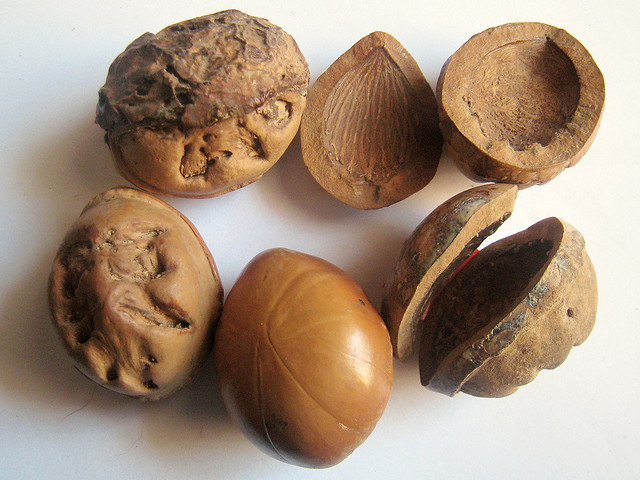
Tambalacoque (Calvaria Major) Seeds©©

Tambalacoque (Calvaria Major) Seeds©©

The dodo’s relationship with the Calvaria major is just one fascinating example of the wonderful balance between animals and plants in God’s creation.” (Creation 14(1):21 Dec, 1991, by Robert Doolan)

Today they have used Turkeys, which have a digestive system like the Dodo’s, to eat and help break up the the Calvaria major seeds which helps it to germinate. They have even used Gemstone Polishers to help break up the very hard shelled seeds. The result was quite convincing since many seeds germinated.

“If this theory of symbiosis between the tree and the dodo is nowadays contested, it is nevertheless widely discussed because it helps to understand how species are related, and the role played by humans in maintaining this balance.”

O the depth of the riches both of the wisdom and knowledge of God! how unsearchable are his judgments, and his ways past finding out! (Romans 11:33 KJV)

Our Creator God has so many more of these displays of His Glory in the things that have been “Formed by Him.”

(Various sources from the internet)

See Also:

Formed by Him Series

Dodo Bird – Not A Failure
Calvaria Tree
Dodo – Wikipedia

*

Formed by Him – Oxpeckers

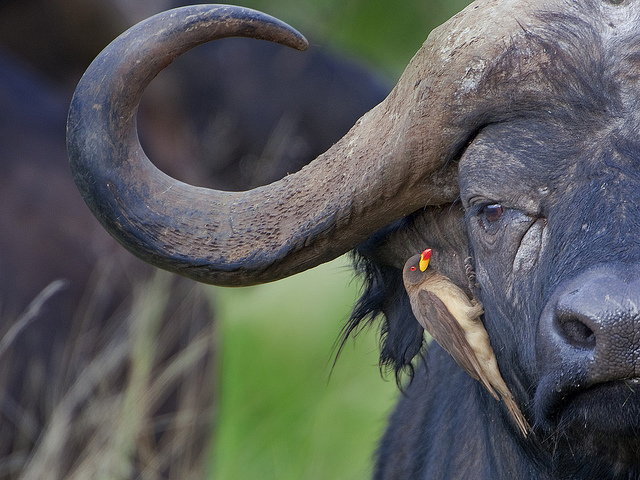
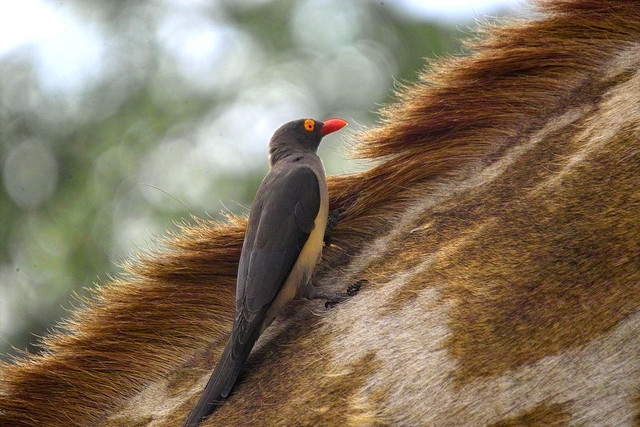
Red-billed Oxpecker (Buphagus erythrorhynchus) on Giraffe©©

Red-billed Oxpecker (Buphagus erythrorhynchus) on Giraffe©©

The oxpeckers are two species of bird which make up the family Buphagidae. Some ornithologists regard them as a subfamily Buphaginae within the starling family Sturnidae but they appear to be quite distinct. Oxpeckers are endemic to the savanna of Sub-Saharan Africa. Both the English and scientific names arise from their habit of perching on large mammals (both wild and domesticated) such as cattle or rhinoceroses, and eating ticks, botfly larvae, lice and other parasites.

Red-billed Oxpecker by Africaddict checking an impala ear

Red-billed Oxpecker by Africaddict checking an impala ear

The Egyptians had their run-in with lice when the LORD told Moses to – “Stretch out thy rod, and smite the dust of the land, that it may become lice throughout all the land of Egypt. And they did so; for Aaron stretched out his hand with his rod, and smote the dust of the earth, and it became lice in man, and in beast; all the dust of the land became lice throughout all the land of Egypt.” (Exodus 8:16-17 KJV)

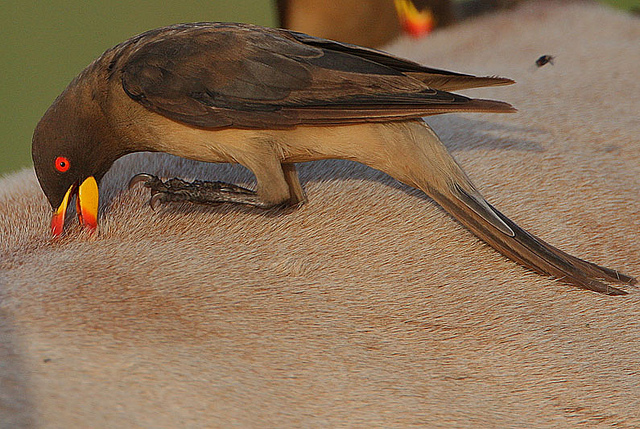
Yellow-billed Oxpecker (Buphagus africanus) ©©

Yellow-billed Oxpecker (Buphagus africanus) ©©

Many large animals today have lice, ticks, and such and the Lord has provided them a bird that gets its meals from the things crawling around on animals backs, legs, necks, ears, and even their nostrils. Most of the animals do not mind the help they receive from these oxpeckers. The elephants aren’t always happy, but the oxpeckers find plenty of other animals. Also known as tickbirds, oxpeckers have very short legs and sharp claws, which aid them in perching on the backs of large mammals, both wild and domesticated. Oxpeckers were designed with broad, thick, laterally flattened beaks to pick at and feed on skin parasites such as ticks and embedded larvae. They also pick at scabs, often opening and enlarging wounds, and probably obtain their main nourishment from the blood from these wounds rather than from the ticks. Although these birds are valuable from the standpoint of ridding domesticated animals of parasites, they also feed on tick-free game and become debilitating parasites themselves.

Researchers are not sure why they pick the scabs, but they do know that the birds aid the host animals by providing alarm sounds when danger is lurking.

Job was asked by the LORD,

“Is it by your understanding that the hawk soars and spreads his wings toward the south? Is it at your command that the eagle mounts up and makes his nest on high? (Job 39:26-27 ESV)

We don’t always understand why the birds and critters do what they do, but they have a Creator who does. The Lord encourages us to study and learn, but we do not always find the exact answer.

Red-billed Oxpecker (Buphagus erythrorhynchus) by Africaddict

Red-billed Oxpecker (Buphagus erythrorhynchus) by Africaddict

The Oxpeckers are about 9 inches long with a brownish color on the upper parts, with a lighter underside. The two Oxpeckers are the Red-billed and the Yellow-billed. The Red-billed has a red bill and yellow eyes where as the Yellow-billed has a yellow bill with a red tip and it has red eyes. The bird spends most of its time on the animals and even court and mate while riding on their back.

Some Breeding Facts from Biodiversity Explorer:
* Monogamous, cooperative breeder, as the breeding pair are usually assisted by up to 7 helpers who are usually unmated adults and juveniles from the previous breeding season.
* It usually nests in a natural tree cavity or a hole in rock or a stone wall, lining the interior with hair from its mammal hosts, dung, grass and rootlets.
* Egg-laying season is from October-March.
* It lays 2-5 eggs, which are incubated by both sexes for about for about 12-13 days.
* The chicks are fed by all members of the group, leaving the nest after about 30 days and becoming fully independent roughly two months later.

Yellow-billed Oxpecker with Water Buffalo ©©

Yellow-billed Oxpecker with Water Buffalo ©©

This behavior between the animals and the Oxpeckers is another example of cooperation (symbiosis) between species.

From Psalms we know that all creation is His,

For every beast of the forest is mine, the cattle on a thousand hills. I know all the birds of the hills, and all that moves in the field is mine. (Psalms 50:10-11 ESV)

Videos:
Red-billed Oxpecker by Joseph del Hoyo
Yellow-billed Oxpecker by Joseph del Hoyo

*

Formed By Him – New Series

Thou art worthy, O Lord, to receive glory and honour and power: for thou hast created all things, and for thy pleasure they are and were created. Rev. 4:11 (Blue Jay by Dan)

Formed By Him

Now out of the ground the LORD God had formed every beast of the field and every bird of the heavens and brought them to the man to see what he would call them. And whatever the man called every living creature, that was its name. (Genesis 2:19 ESV)

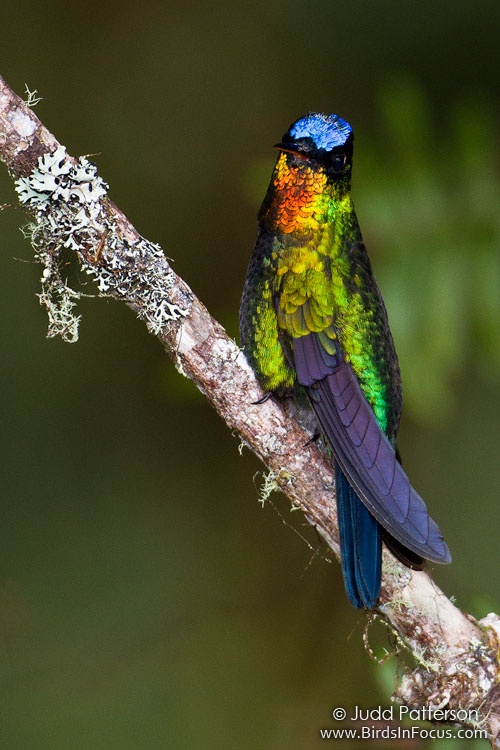
Fiery-throated Hummingbird by J Patterson

I have recently started a series of blog articles about different aspects of the Lord’s Creative Hand on the birds He has created. Some of the articles will be about a specific bird and some amazing characteristics or behavior it demonstrates. The different designs or colors of birds that have been painted with the Lord’s fantastic Paintbrush could be featured or whatever else that reveals God’s Design and His Intelligence in the creation of birds.

As I work on articles and am searching for photos of birds, other neat birds are discovered. With 10,000 plus birds flying around all over this world, the source for material should be way beyond us ever running out of things to write about. Hope you enjoy this new series, “Formed By Him.”

Thus says the LORD who made the earth, the LORD who formed it to establish it–the LORD is his name: (Jeremiah 33:2 ESV)

Red-cockaded Woodpeckers 2-day olds©USFWS

The following “Formed By Him” articles have already been published:
Sword-billed Hummingbird
Copper Birds
Bearded Barbet

Formed By Him – Bearded Barbet

Bearded Barbet (Lybius dubius) ©WikiC Head

Bearded Barbet (Lybius dubius) ©WikiC Head

I know all the birds of the hills, and all that moves in the field is mine. (Psalms 50:11 ESV)

Formed By Him – Bearded Barbet

The Bearded Barbet (Lybius dubius) is an African barbet of the western and central parts. Barbets and toucans are a group of near passerine birds with a worldwide tropical distribution. The Bearded Barbets get their name from the bristles which fringe their heavy bills. All the barbets get their name from the bristles or tufts of feathers. The Bearded Barbet has the greatest beard.

Bearded Barbet (Lybius dubius) ©WikiC

Bearded Barbet (Lybius dubius) ©WikiC

I gave my back to those who strike, and my cheeks to those who pull out the beard; I hid not my face from disgrace and spitting. (Isaiah 50:6 ESV)

The Bearded Barbet is a common resident breeder in tropical west Africa. It is an arboreal species of gardens and wooded country which eats fruit, although the young are fed also insects. It’s sharp beak, not as hard as a woodpecker’s, is not only used for eating but also for pounding in stumps or dead trees to make nests.The have tooth-like grooves in their beaks.

The courtship of tail-flicking, food offerings and some special sounds precede. It nests in the tree hole, laying 2 white eggs. The birds are incubated for 16 days and “helper” birds also share in the incubation and care of the young birds.

Bearded Barbet (Lybius dubius) ©© Passing food

Bearded Barbet (Lybius dubius) ©© Passing food

This is a conspicuous, large barbet at 10.2 in (26 cm). It is fairly plump (2.8-3.8 oz/80-108 gm), with a short neck, large head and a shortish tail. The adult has a black crown, back, tail and breast band. The throat and belly are red and there is a yellow eye patch. The rump is white. The massive bill is very thick and yellow, and the well developed clump or tuft of bristles at its base give the species its name. Sexes are similar in appearance. The call is a growling scrawk.

The Bearded Barbet is found in well-wooded areas with plentiful fig trees. It will enter gardens for fruit and also capture insect for their young. It forms social groups of 4-5 birds and pairs or groups roost together in a tree cavity. They are known to drink nearly every chance they get, usually from a tree crevice.

The Lord has formed these birds so that they have their needs provided for by His Creative Hand. The beak appears to help in the excavation for nests and eating figs and other fruits. Not exactly sure about the beard, but some times those face bristles help keep wood chips out of their eyes or nostrils. Couldn’t get a definitive answer to that part, though it is no mystery to its Creator.

There are other Bearded birds around the world and one is mentioned in the Bible. There is the Bearded Bellbird, Guan, Helmetcrest, Mountaineer, Reedling, Screech Owl, Scrub Robin, Tachuri, Vulture, Wood Partridge, and Woodpecker, Manakin, Thornbill, 3 Bee-eaters, Hermit.

Bearded Vulture (Gypaetus barbatus) ©WikiC

Bearded Vulture (Gypaetus barbatus) ©WikiC

But these are the ones that you shall not eat: the eagle, the bearded vulture, the black vulture, (Deuteronomy 14:12 ESV)

The Bearded Barbet is in the African Barbet – Lybiidae Family and are in the Piciformes Order which is the Woodpeckers and their Allies.

Info from various internet sources including, Wikipedia, St. Louis Zoo, and others.

Wordless Birds

Formed By Him – Copper Birds

Copper-rumped Hummingbird (Amazilia tobaci) by Ian

Copper-rumped Hummingbird (Amazilia tobaci) by Ian

While working on my photos again, came across several pictures of these Copper-rumped Hummingbirds. What a fantastic color they show. These copper colored birds are not the only ones with that hue. Searching through the Birds of the World, I found that there are Copper Pheasants and Sunbirds. Then there is a Coppersmith Barbet, Copper-tailed Starling and a Copper-throated Sunbird. Not to be left out, there are the Coppery birds. Coppery Emerald, Coppery Metaltail, Coppery-bellied Puffleg, Coppery-chested Jacamar, Coppery-headed Emerald and a Coppery-tailed Coucal.

Many birding and ornithology groups work hard to name birds so that those of us who birdwatch can try to put a name on the bird. Since all of these have a common color, “Copper”, it makes it easier to try to figure out what we are seeing. Of course, Adam was the first to start naming the newly created birds, but it still continues today.

Out of the ground the LORD God formed every beast of the field and every bird of the air, and brought them to Adam to see what he would call them. And whatever Adam called each living creature, that was its name. (Genesis 2:19 NKJV)

Copper metal is known by most and so is it’s color. It is a valuable metal for many uses and has been used in coins for thousands of years. In Deuteronomy 8:9 they were told “out of whose hills you can dig copper.” Job 28:2 says, “copper is smelted from ore.” Christ told the disciples to, “Provide neither gold nor silver nor copper in your money belts” and also reminded them that, “Are not two sparrows sold for a copper coin? And not one of them falls to the ground apart from your Father’s will.”

Maybe the Lord wants us to see the copper color and remember that He not only made the copper, but if He cares about a little sparrow, then His concern is great toward us also.

Hope you enjoy seeing these great “Copper Birds”.

That in the ages to come he might shew the exceeding riches of his grace in his kindness toward us through Christ Jesus. (Ephesians 2:7)

*

This slideshow requires JavaScript.

*

Formed By Him – Sword-billed Hummingbird

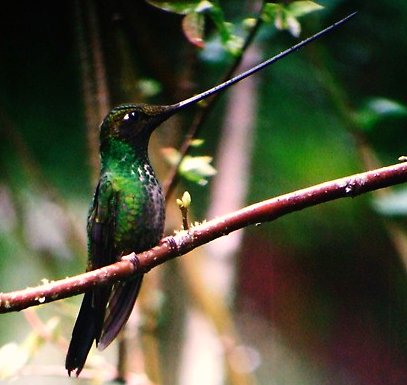
Sword-billed Hummingbird (Ensifera ensifera) by Michael Woodruff

Sword-billed Hummingbird (Ensifera ensifera) by Michael Woodruff

He loves righteousness and justice; The earth is full of the goodness of the LORD. (Psalms 33:5 NKJV)

The Lord has graciously outfitted a small, but unique hummingbird. The Sword-billed Hummingbird has an unusually long bill.

I came across this bird today while checking out photographs of our newest Photographer to give permission to use his fantastic photos. Michael Woodruff’s Photostream has some shots that have just taken my breath away today. Thanks, Michael, for the permission to use the great images that you have captured through your lenses.

When I first saw the Sword-billed Hummingbird, my first thought was why did God make it like that. There has to be a reason for that beak being so long. After investigating some, here are a few facts about this bird:

What is so unique about the Sword-billed Hummer is that it is noted as the only species of bird to have a bill longer than the rest of its body. This beak is used to feed on flowers with long corollas such as Passiflora mixta. The tongue is therefore also unusually long. God had a long flower that needed pollination and so He created a long billed hummingbird to get in that long tube. The bird gets the nectar, carries away pollen and the bird and flower both have their needs provided.

Passiflora mixta galupa - Suncrest Nurseries

Passiflora mixta galupa – Suncrest Nurseries

(From Suncrest Nurserises) “Passiflora mixta – A cool growing species with long tubed flowers that face outward and upward at a 45 degree angle. The color is a vibrant pink with white highlights. It is a large and vigorous grower and puts on an amazing show. The variety ‘Galupa’ has flowers that face outward and downward at a 45 degree angle and are a bit larger in overall aspect. A very beautiful species”

Because it’s beak is so long, it has to groom itself with it’s feet. The Sword-billed Hummingbird was created by an Omniscient Creator that knew it needed the long bill for the flowers, but also had to have a way to keep well groomed.

Keith Blomerley, one of our videographers, captured a Sword-billed Hummingbird perched on a tree and looking around. Another bird flies by.


Sword-billed Hummingbird (Ensifera ensifera)©WikiC

Sword-billed Hummingbird (Ensifera ensifera) is a species of hummingbird from South America and the sole member of the genus Ensifera. It is found in Bolivia, Colombia, Ecuador, Peru and Venezuela.

The total length can be 15 cm (6 in) and the bird can weigh 12 grams, making it one of the largest hummingbirds.

What an amazing hummingbird. The Hummingbirds are in the Apodiformes Order which includes not only the hummers (Trochilidae), but also Owlet-nightjars (Aegothelidae), Treeswifts (Hemiprocnidae) and Swifts (Apodidae).

For by Him all things were created that are in heaven and that are on earth, visible and invisible, whether thrones or dominions or principalities or powers. All things were created through Him and for Him. (Colossians 1:16 NKJV)

Updated 11/30/10:

Just received this note from Michael Woodruff about this article and thought I would attach it.

The Sword-billed Hummingbird is quite a bird. We saw two or three of them at the Yanacocha Reserve in the Andes of Ecuador. They were crazy to watch as they knew right where the end of their beak was, feeding out of the hummingbird feeders. It looked like quite a feat to balance that bill, but they were good at it!

Glad you’re enjoying the photos and it would be cool to hear which ones you end up using at some point. I think it’s great how you’re incorporating scripture verses on the pages. Awesome stuff.

Have a great week and hope you’re getting to feeling better.

Michael

*