“But a certain maid beheld him as he sat by the fire, and earnestly looked upon him, and said, This man was also with him.” (Luke 22:56 KJV)
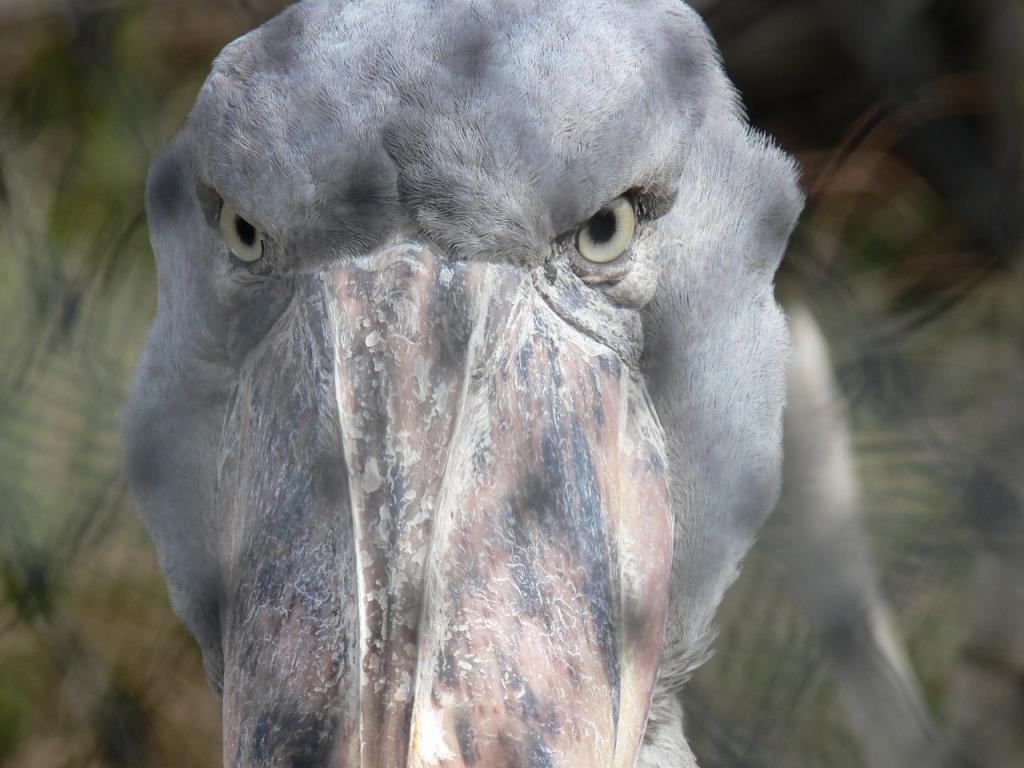
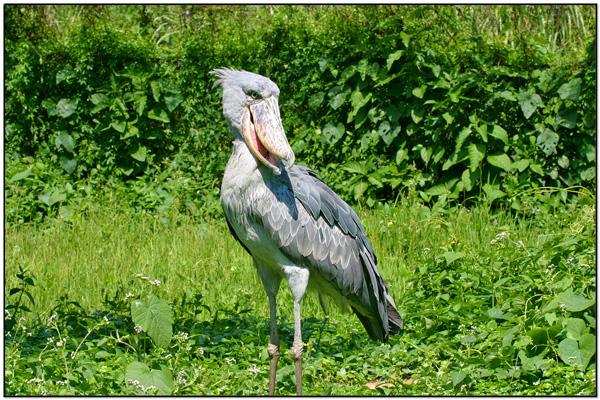
Shoebill by Lee – Closeup
*** P.S. – Today I am to have my back surgery. [In surgery room about 6 hours they told us.] It was originally supposed to be on Tuesday. These blogs were pre-scheduled to cover that time and my recovery. Will add an update when possible. Thanks again for your prayers. ***
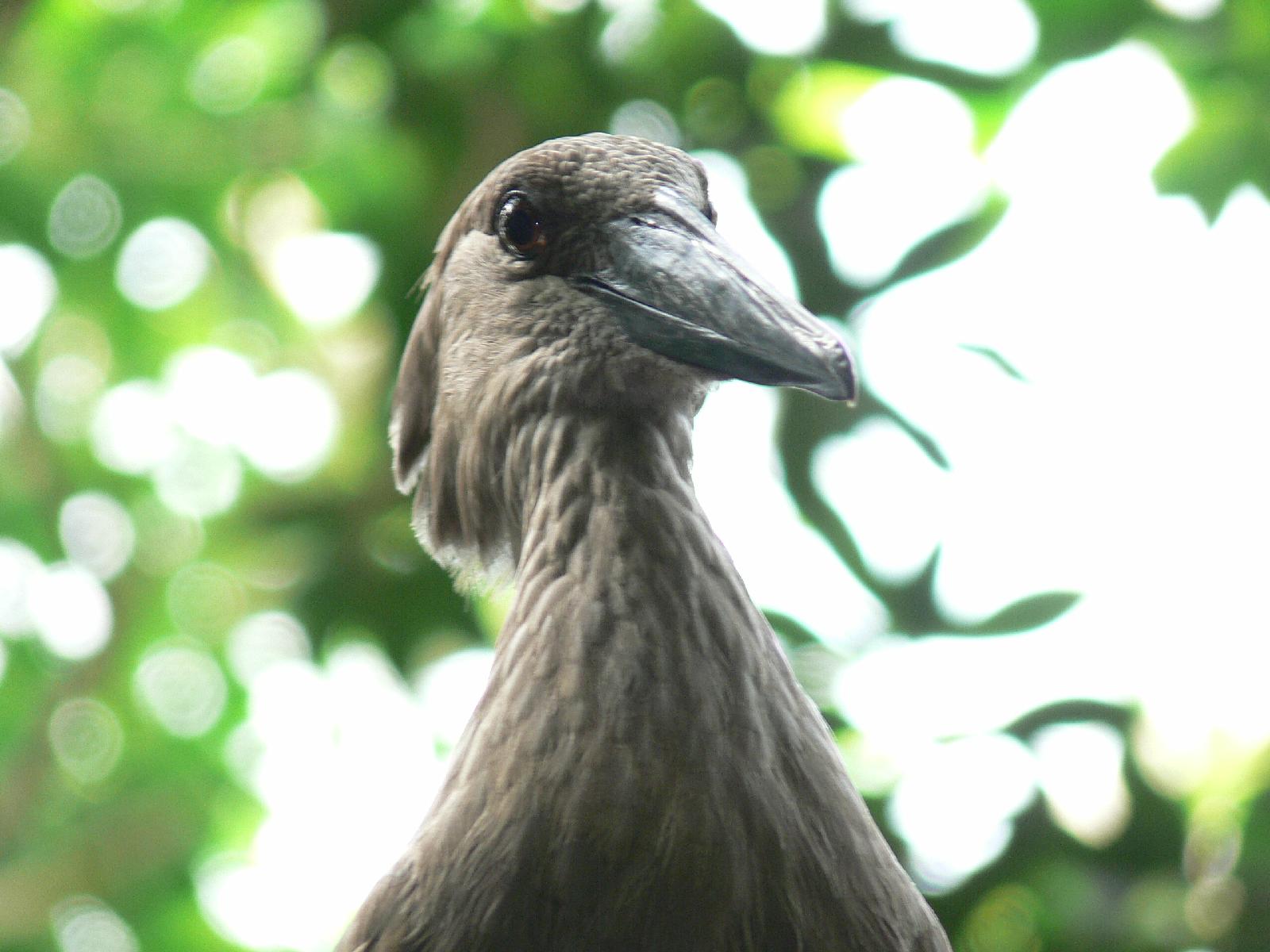
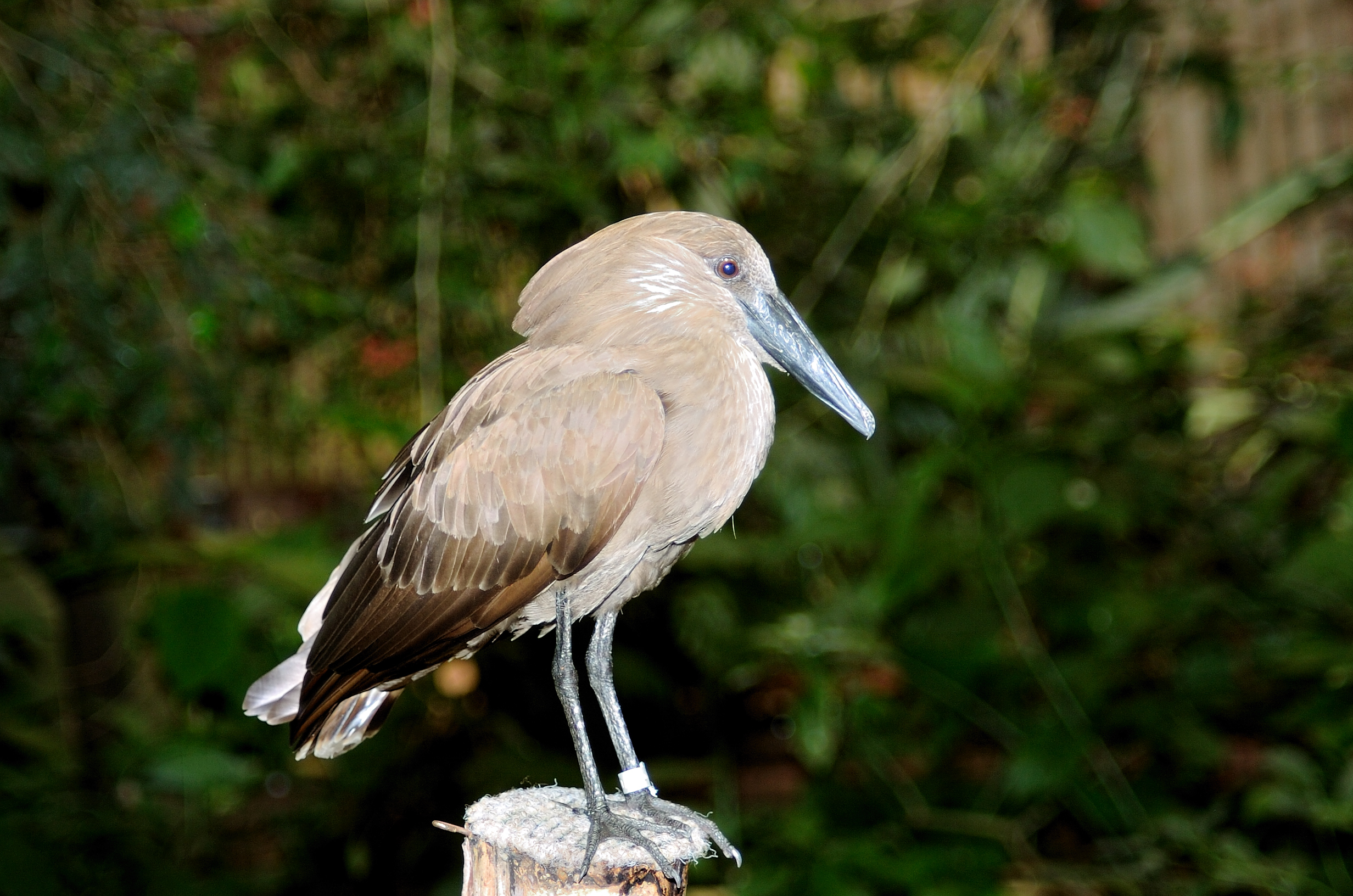
Hamerkop (Scopus umbretta) at National Aviary by Dan
I am like a pelican of the wilderness; I am like an owl of the desert. (Psalms 102:6 NKJV)
Previously, it was mentioned that some bird families have already been featured on the Sunday Inspirations. The next family includes the Herons and Bitterns. It is the Ardeidae, and it was covered in these two articles written in 2014:
Today we will finish up the Pelicaniformes Order, which included the Ibises and Spoonbills [Threskiornithidae], the Herons and Bitterns [Ardeidae], and now today with; the Hamerkop (1) with only one species in the Scopidae family, the Shoebill (1) in the Balaenicipitidae Family, and the Pelicans (8) in the Pelecanidae Family.
[Because this is being scheduled in advance, Lord willing, my back surgery will be performed on this Tuesday, the 20th. Your prayers will be greatly welcome. It will be a 4-5 hour surgery. I think.]
Hamerkop (Scopus umbretta) by Africaddict
The Hamerkop, have been a favorite of mine ever since we saw our first one at the National Aviary in Pittsburg, PA. When its head feathers are out, the head looks like a hammer. They also seemed rather tame walking around in the aviary.
Shoebill (Balaeniceps rex) by Daves BirdingPix
The Shoebill is another favorite. We have these at the Lowry Park Zoo, in Tampa. I keep trying to get a decent photo, but I have to shoot through a fence. Though, the fence is nice to have between us. He is a nice bird, but that look can be intimidating. :) Here is a close-up taken through the fence.
Shoebill by Lee – Closeup
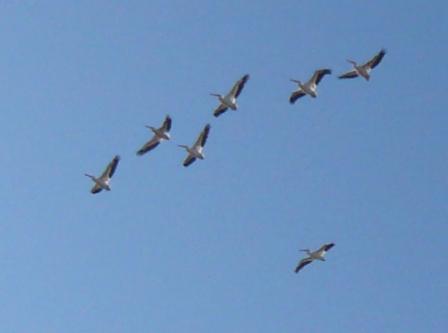
Living in Florida, we all see Pelicans quite frequently, even inland. The White Pelicans land at many of our lakes, and several years ago, over 5,000 landed at Circle B Reserve in Lakeland, Florida, for a month or so. I’ve shown this video before but thought it fit here again. I was so excited by all of them arriving to land just behind where Dan and I were standing. My utter amazement shows. [along with poor English]
“Therefore I say to you, do not worry about your life, what you will eat or what you will drink; nor about your body, what you will put on. Is not life more than food and the body more than clothing? Look at the birds of the air, for they neither sow nor reap nor gather into barns; yet your heavenly Father feeds them. Are you not of more value than they?” (Matthew 6:25-26 NKJV)
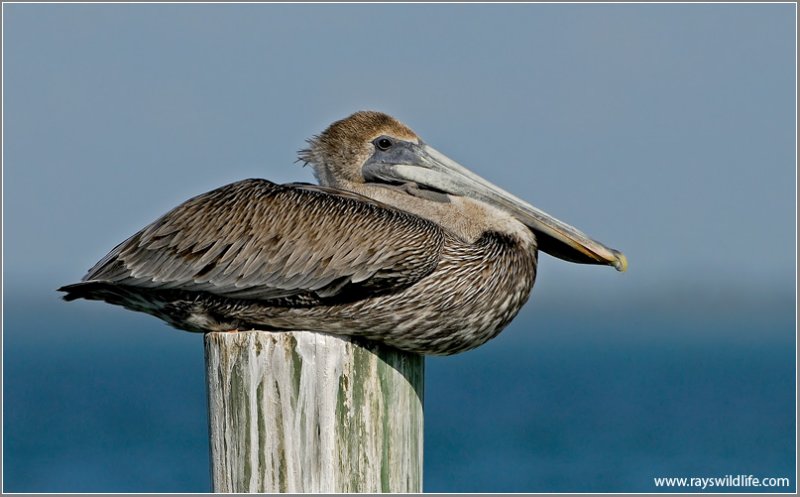
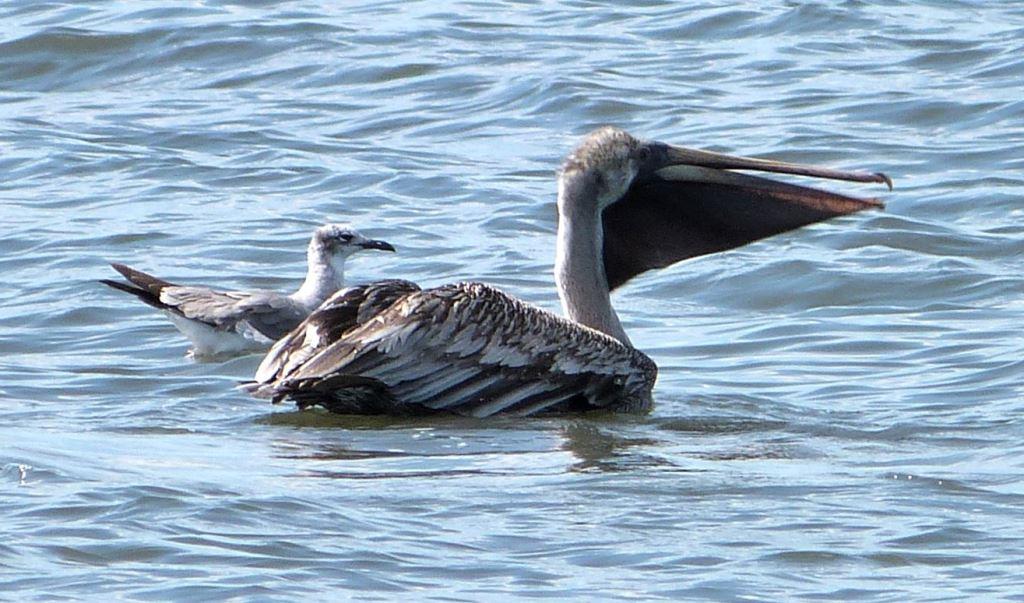
Brown Pelican with fish and Laughing Gull
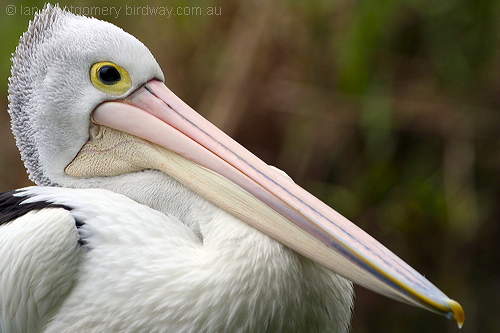
Pelicans are a genus of large water birds that makes up the family Pelecanidae. They are characterised by a long beak and a large throat pouch used for catching prey and draining water from the scooped up contents before swallowing. They have predominantly pale plumage, the exceptions being the brown and Peruvian pelicans. The bills, pouches and bare facial skin of all species become brightly coloured before the breeding season. The eight living pelican species have a patchy global distribution, ranging latitudinally from the tropics to the temperate zone, though they are absent from interior South America as well as from polar regions and the open ocean.
White Pelicans by Lee over Circle B Reserve
Pelicans frequent inland and coastal waters where they feed principally on fish, catching them at or near the water surface. They are gregarious birds, travelling in flocks, hunting cooperatively and breeding colonially. Four white-plumaged species tend to nest on the ground, and four brown or grey-plumaged species nest mainly in trees
This slideshow requires JavaScript.
“God is my strength and power: and he maketh my way perfect. He maketh my feet like hinds’ feet: and setteth me upon my high places.
(2 Samuel 22:33-34 KJV)”
“Her Nazarites were purer than snow, they were whiter than milk, they were more ruddy in body than rubies, their polishing was of sapphire:” (Lamentations 4:7 KJV)
“For they covered the face of the whole earth, so that the land was darkened; and they did eat every herb of the land, and all the fruit of the trees which the hail had left: and there remained not any green thing in the trees, or in the herbs of the field, through all the land of Egypt.” (Exodus 10:15)
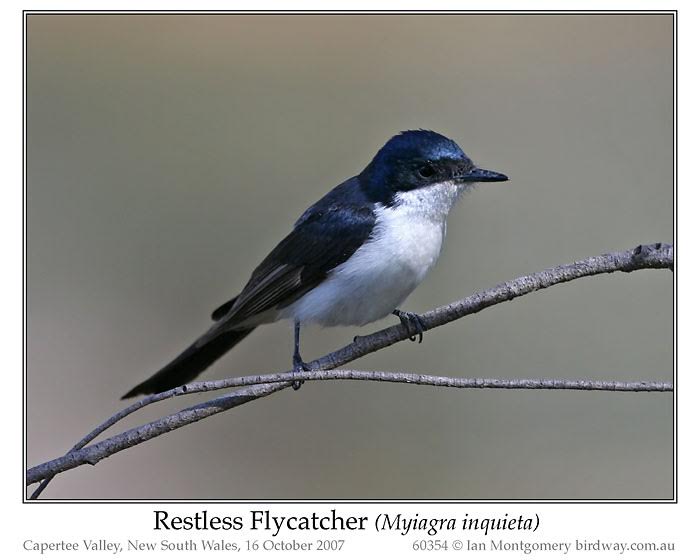
Bird of the Moment ~ Restless Flycatcher ~ by Ian Montgomery
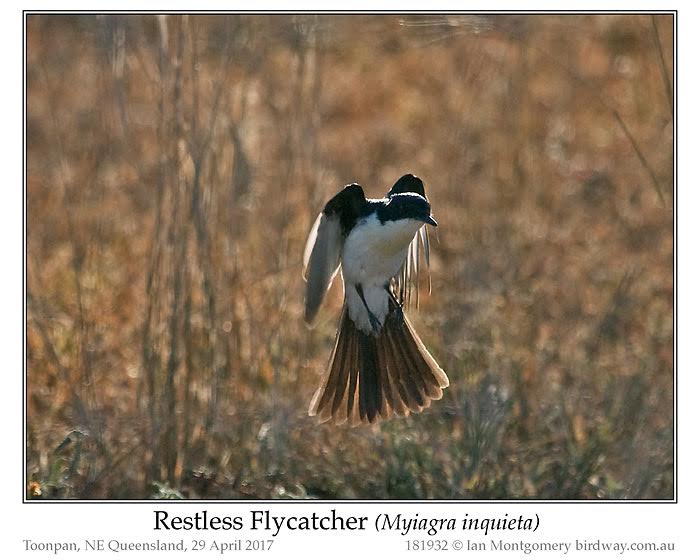
Some weeks ago I went to Toonpan a dry pasture area outside Townsville which is good for dry country birds such as Bustards and often produces unusual birds. There were a couple of Restless Flycatchers there hawking for insects and I found out later that this species has never featured as bird of the moment, an omission we’ll rectify now.
They are dapper birds, smart in their glossy black and white plumage and long tail. They bare a superficial resemblance to the similarly sized Willie Wagtail, but the species is a member of the Monarch Flycatcher family rather than the Fantails. The nominate larger type inquieta breeds in eastern, southern and southwestern Australia, but not in Tasmania or eastern Western Australia (the Nullabor). The smaller type nana occurs in northern Australia from northwestern Queensland through the Top End of the Northern Territory to northeastern Western Australia.
Taxonomists disagree as to whether these types should be treated as conspecific or separate species. I’m treating them as separate ones here, so ‘Restless Flycatcher’ refers to the southern one, and ‘Paperbark Flycatcher’ to the northern one. Both are mainly sedentary, but there is some northward movement of the Restless Flycatcher in winter here in northeastern Queensland it is a winter visitor.
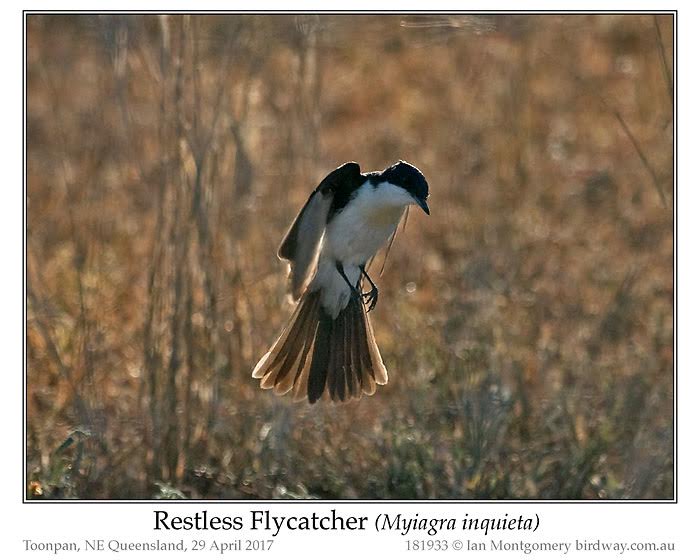
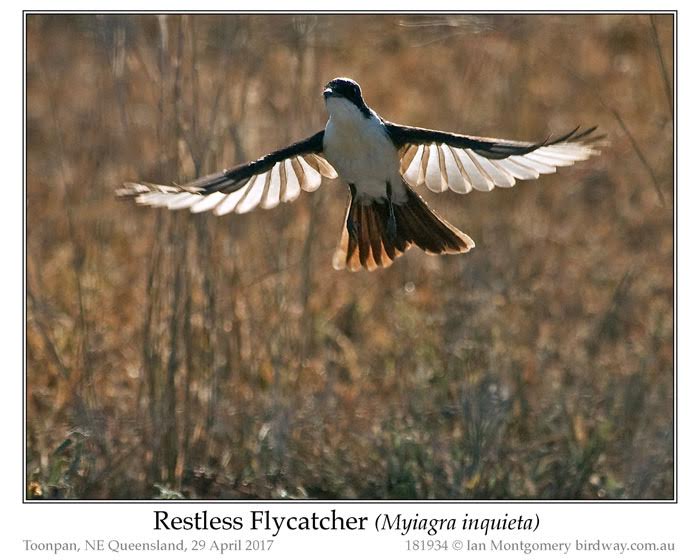
Restless Flycatchers have a characteristic hovering flight when hawking for insects and this one at Toonpan was doing just this between me and the afternoon sun in the second, third and fourth photos. There were all taken within an elapsed time of one second and in the third one, it is turning away from whatever attracted its attention in the first two. When hawking like this, they make ‘grinding, churring sounds’ (to quote Pizzey and Knight) which are supposed to disturb insects into flight. For this reason, the species is sometimes called the Scissors Grinder.
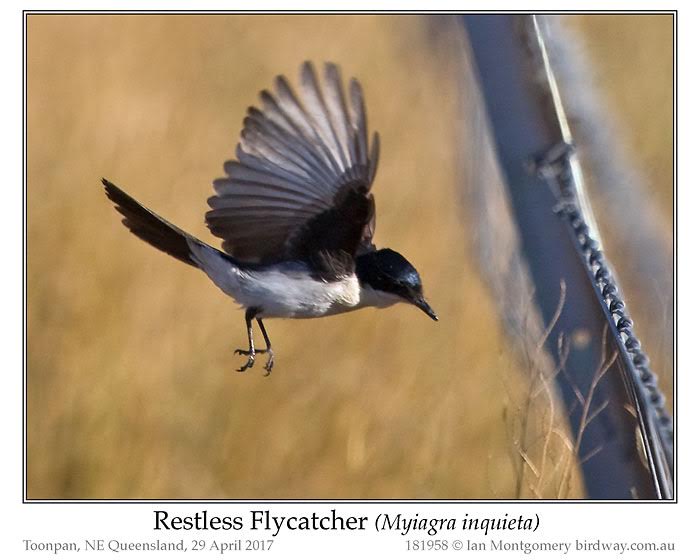
The fifth photo shows one of the two birds checking out the vegetation along a barbed wire fence. It’s not, as it might appear, flying towards the fence. Rather it had been perched on the fence seconds before and is making its way down the side of it.
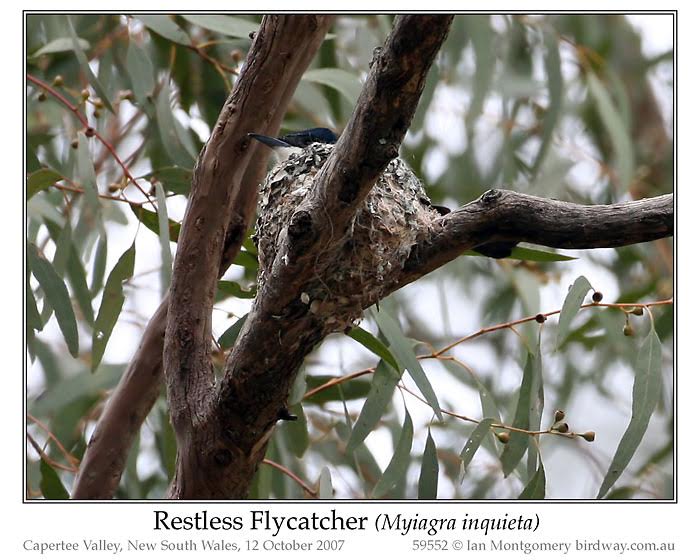
The Restless Flycatcher builds a beautiful nest of grass, bark and spiders’ webs on a horizontal branch, sixth photo with a usual clutch size of three. The nest is typically decorated or maybe camouflaged with lichen. In this photo, you can see the broad, flat bill characteristic of Monarch Flycatchers.
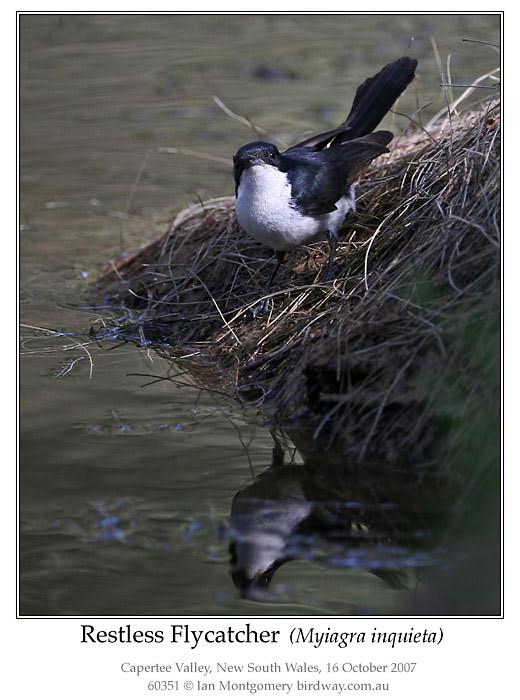
Restless Flycatchers are usually found near water. The one in the seventh photo is having a drink from a river.
Here is the Paperbark Flycatcher, eight photo. The best way I know to separate it from the Restless Flycatcher is by range, though the Paperbark is smaller (17-19cm versus 19-22cm) and supposed to be glossier and have a darker back. The calls are supposed to be slightly different, though they sound much the same to me.
The Paperbark Flycatcher also builds a cup-shaped nest on a horizontal branch, ninth photo, but the sources I have don’t mention bark as building material, or lichen as a decoration. As with the Restless Flycatcher, both genders share in nest-building, incubation and rearing of the chicks.
If we treat Restless and Paperbark as separate species, then the Restless is an Australian endemic, The Paperbark isn’t as it also occurs in southern New Guinea on both sides of the Indonesian-PNG border.
Greetings,
Ian
Lee’s Addition:
“And my people shall dwell in a peaceable habitation, and in sure dwellings, and in quiet resting places;” (Isaiah 32:18 KJV)
What interesting Flycatchers Ian has introduced us to. His “Moment” seems to get longer each time. Maybe one day, Ian may get back to his “Bird of the Week.” :)
Keep up the good work, Ian. We enjoy your birds whenever they fly our way.
“That saith, I will build me a wide house and large chambers, and cut it out windows; and it is ceiled with cedar, and painted withvermilion.” (Jeremiah 22:14)
“And the weight of the golden earrings that he requested was a thousand and seven hundred shekels of gold; beside ornaments, and collars, and purpleraimentthat was on the kings of Midian, and beside the chains that were about their camels’ necks. (Judges 8:26)




 Lee's Birdwatching Adventures Plus