Birds of the Bible – Birds For Nehemiah

Chickens and Roosters by Maji

Chickens and Roosters by Maji

Now what was prepared at my expense for each day was one ox and six choice sheep and birds, and every ten days all kinds of wine in abundance. Yet for all this I did not demand the food allowance of the governor, because the service was too heavy on this people. (Nehemiah 5:18 ESV)

As I have continued reading through the Old Testament, I came across another mention of birds. This time in Nehemiah.

In Nehemiah 5:18, Nehemiah is providing for around 150 people daily. The cost is one ox, six choice sheep and fowls or birds and wine. He is personally providing for them from his own wealth. As Governor, he could have required these provision be provided for by the people, but Nehemiah knows that the people are over-burdened already.

This is the only mention of birds in the book and this time they are being eaten. That means several things.

1) These would have been “clean” birds and on the “do eat” list. This will be speculation on my part, but most likely they were birds like chickens, turkeys, ducks, quinea fowl, pheasants, quail or something along that line.

After hunting for traditions, searching for birds, and clearing the legal hurdles, the dinner eventually included: chicken, turkey, duck, goose, muscovy duck, mallard, pigeon, dove, pheasant, partridge, quail, guinea fowl, sparrow… (from an article about finding kosher birds in Israel today)

2) They were being prepared for at least 150 people daily – (5:17)

The different versions give these clues:
Various – “Fowls”, “fowls were prepared for me”, “birds”
Brenton – “a goat”
CEV – “lots of chickens were prepared.”
GNB – “many chickens”
ERV – “different kinds of birds”
ISV – “various kinds of poultry was prepared for me” or

Not sure where that “goat” came from. This seems like a simple verse telling about eating birds, that is true, but it is in the Bible, and this is the Birds of the Bible series. So when verses are found with them, they are written about.

All scripture is given by inspiration of God, and is profitable for doctrine, for reproof, for correction, for instruction in righteousness: That the man of God may be perfect, throughly furnished unto all good works. (2 Timothy 3:16-17 KJV)

Wild Turkey (Meleagris gallopavo) by Daves BirdingPix

Wild Turkey (Meleagris gallopavo) by Daves BirdingPix

Nehemiah, an exile, was the Cupbearer for King Artaxerxes. He tells the king about the problems of the broken wall, and ruins in Jerusalem. After praying, he ask permission to go and rebuild the walls. The King gives permission and even provides some supplies. Nehemiah then goes to Jerusalem for around 12 years. God uses him to encourage the returned exiles and rebuild the city. The people are poor and Nehemiah not only meets his own needs, but also feeds others from his own wealth. This relieves the burden of feeding him as is the custom for those in power.

Here are some of the comments from some of the commentaries. Nehemiah had many good qualities and is a good example.

(Matthew Henry’s Commentary on the Whole Bible)2. More particularly, observe here, (1.) How little Nehemiah received of what he might have required. He did the work of the governor, but he did not eat the bread of the governor (Neh_5:14), did not require it, Neh_5:18. So far was he from extorting more than his due that he never demanded that, but lived upon what he had got in the king of Persia’s court and his own estate in Judea: the reason he gives for this piece of self-denial is, Because the bondage was heavy upon the people. He might have used the common excuse for rigour in such cases, that it would be a wrong to his successors not to demand his dues; but let them look to themselves: he considered the afflicted state of the Jews, and, while they groaned under so much hardship, he could not find it in his heart to add to their burden, but would rather lessen his own estate than ruin them. note, In our demands we must consider not only the justice of them, but the ability of those on whom we make them; where there is nothing to be had we know who loses his right. (2.) How much he gave which he might have withheld. [1.] His servants’ work, Neh_5:16. The servants of princes think themselves excused from labour; but Nehemiah’s servants, by his order no doubt, were all gathered to the work. Those that have many servants should contrive how they may do good with them and keep them well employed. [2.] His own meat, Neh_5:17, Neh_5:18. He kept a very good table, not on certain days, but constantly; he had many honourable guests, at least 150 of his own countrymen, persons of the first rank, besides strangers that came to him upon business; and he had plentiful provisions for his guests, beef, and mutton, and fowl, and all sorts of wine. Let those in public places remember that they were preferred to do good, not to enrich themselves; and let people in humbler stations learn to use hospitality one to another without grudging, 1Pe_4:9.
III. He concludes with a prayer (Neh_5:19): Think upon me, my God, for good. 1. Nehemiah here mentions what he had done for this people, not in pride, as boasting of himself, nor in passion, as upbraiding them, nor does it appear that he had occasion to do it in his own vindication, as Paul had to relate his like self-denying tenderness towards the Corinthians, but to shame the rulers out of their oppressions; let them learn of him to be neither greedy in their demands nor paltry in their expenses, and then they would have the credit and comfort of their liberality, as he had. 2. He mentions it to God in prayer, not as if he thought he had hereby merited any favour from God, as a debt, but to show that he looked not for any recompence of his generosity from men, but depended upon God only to make up to him what he had lost and laid out for his honour; and he reckoned the favour of God reward enough. “If God do but think upon me for good, I have enough.” His thoughts to us-ward are our happiness, Psa_40:5. He refers it to God to recompense him in such a manner as he pleased. “If men forget me, let my God think on me, and I desire no more.”

Chukar Partridge (Alectoris chukar) by Ian

Chukar Partridge (Alectoris chukar) by Ian

(Chuck Smith) “Now Nehemiah was a beautiful example unto the people in that he did not take a salary from the people. He did not take of their taxes, but he supported himself completely all the while that he was there. Not exacting taxes upon the people in order that he might live a luxurious kind of life. The governors that had been there before him all lived off of the people, but Nehemiah lived off of his own resources, showing really that his heart was in his office. It was not just a job; it was a real calling of his heart. And he even fed his guests, and he had 150 people eating at his table everyday. So it took one oxen, a half a dozen sheep and all to feed all of these people that came. But he took all of that out of his own pocket.”

(Believer’s Bible Commentary) “5:14-19 A short account of Nehemiah’s twelve-year tenure as governor closes chapter 5. He supported himself rather than charge the people with his maintenance. He did not take advantage of his position to acquire land or feather his nest for the future. His time was devoted to making Jerusalem safe for his brothers, not to building his own personal fortune. He supplied his own table and welcomed strangers to share his hospitality. He did all this because he feared God. If God kept track of his sacrifices, that was sufficient for Nehemiah.”
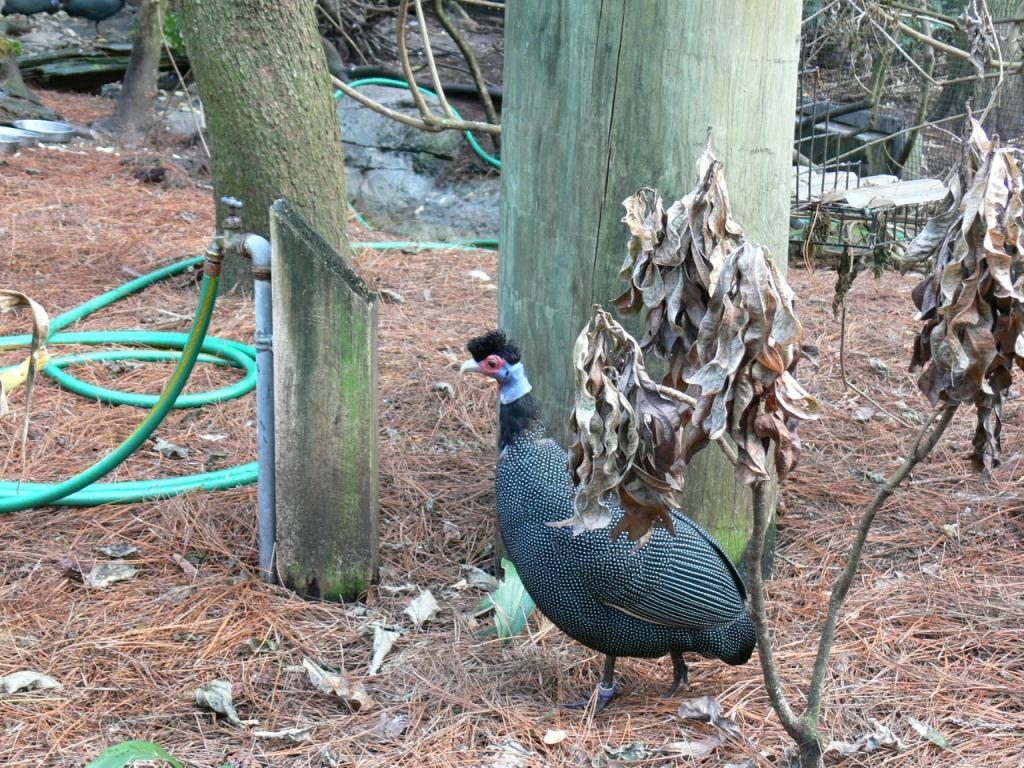
Crested Guineafowl (Guttera pucherani) by Lee at LPZoo

Crested Guineafowl (Guttera pucherani) by Lee at LPZoo from Kenya

(Treasury of Scriptural Knowledge)
“Nehemiah 5:18
one ox: This was food sufficient for more than two hundred men. Bp. Pococke says that the bey of Tunis had daily twelve sheep, with fish and fowls, soups, oranges, eggs, onions, boiled rice, etc., etc. His nobles dined with him; after they had done, the servants sat down; and when they had finished, the poor took what was left. Here the bey’s twelve sheep are equal to Nehemiah’s one ox and six choice sheep; and probably the mode of living between the two was nearly alike. It is still the practice in the East to calculate the expenses of the table, not by the money paid, but by the provisions consumed by the guests.
required: Neh_5:14-15
because the bondage: Psa_37:21, Psa_37:26″

(Wesley) “Nehemiah 5:18 Required not – But bore it out of my own estate: which was very considerable, his office in the Persian court being a place of great profit.”

(K & D) “Neh_5:18
“And that which was prepared for one (i.e., a single) day was one ox, six choice (therefore fat) sheep, and fowls; they were prepared for me, i.e., at my expense, and once in ten days a quantity of wine of all kinds.” The meaning of the last clause seems to be, that the wine was furnished every ten days; no certain quantity, however, is mentioned, but it is only designated in general terms as very great, לְהַרְבֵּה. זֶה וְעִם, and with this, i.e., notwithstanding this, great expenditure, I did not require the bread of the Pechah (the allowance for the governor, comp. Neh_5:14), for the service was heavy upon the people. הָעֲבֹדָה is the service of building the walls of Jerusalem. Thus Nehemiah, from compassion for his heavily burdened countrymen, resigned the allowance to which as governor he was entitled.”

(John Gill’s Exposition) “Nehemiah 5:18 Now that which was prepared for me daily was one ox and six choice sheep,…. Or fat ones; of beef and mutton a considerable quantity, abundantly sufficient for his guests and servants, and shows what a good table he kept:

also fowls were prepared for me; what number is not said:

..yet for all this required not I the bread of the governor; the salary that used to be given him, but did this at his own expense, out of his own estate in Judea; or what he had got by his office as cupbearer to the king of Persia, the salary of which perhaps was continued:

because the bondage was heavy upon the people; the tribute of the king of Persia, and their labour and expense in building the walls of the city.”
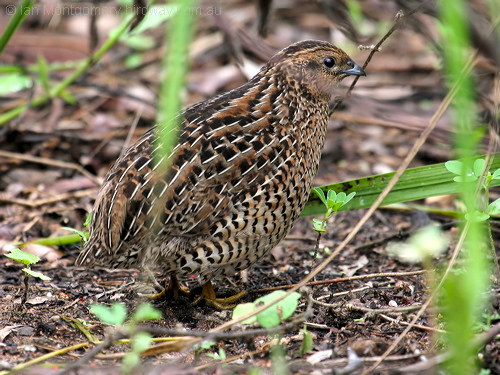
Brown Quail (Coturnix ypsilophora) by Ian

Brown Quail (Coturnix ypsilophora) by Ian

(Guzik Commentary) “2. (17-18) Nehemiah’s example of generosity.

And at my table were one hundred and fifty Jews and rulers, besides those who came to us from the nations around us. Now that which was prepared daily was one ox and six choice sheep. Also fowl were prepared for me, and once every ten days an abundance of all kinds of wine. Yet in spite of this I did not demand the governor’s provisions, because the bondage was heavy on this people.

a. And at my table were one hundred and fifty Jews and rulers: Nehemiah not only did not take when he could have; he also gave when he didn’t have to. He received a lot of food from the king’s provisions, which he could have sold for his own profit. Instead, he gave them away to be the example of generosity – feeding as many as 150 people regularly.

b. Yet in spite of this I did not demand the governor’s provisions: Nehemiah could have taken more (the governor’s provisions), but he didn’t. Therefore, Nehemiah was an example for what he did not take and for what he did not keep.

c. Because the bondage was heavy on this people: Nehemiah, in his own life, lived the way he told the nobles and rulers to live – to not take personal advantage of another’s need. He did what every godly leader must do: he never expected more of his followers than he expected of himself.”

Most of these birds come from the Galliformes Order
See also Birds of the Bible:
Chickens/Hens/Roosters
Doves and Pigeons
Partridge
Peacocks
Quails
Sparrows
*
Birds of the Bible – Timid Birds

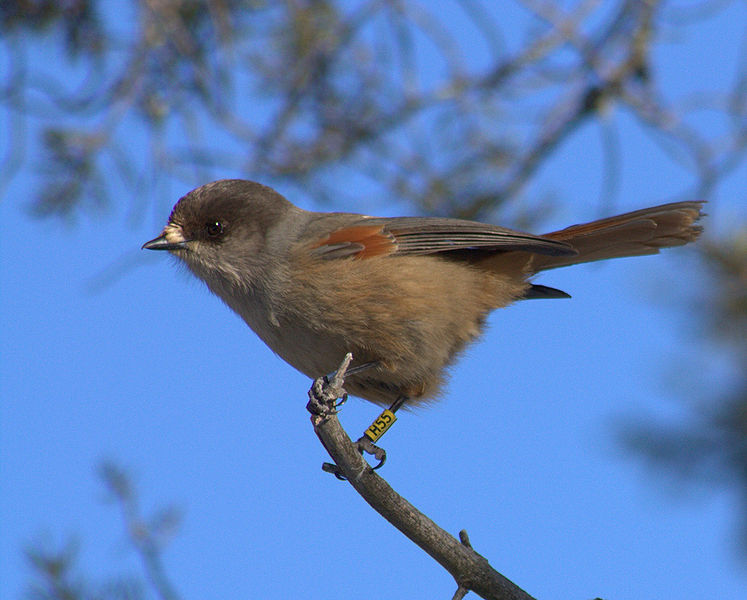
Siberian Jay (Perisoreus infaustus) ©WikiC

Siberian Jay (Perisoreus infaustus) ©WikiC

Easton’s Bible Dictionary says this about the verse: “Their (birds) timidity is alluded to in (Hosea 11:11)”

they shall come trembling like birds from Egypt, and like doves from the land of Assyria, and I will return them to their homes, declares the LORD. (Hosea 11:11 ESV)

Do birds tremble? Why? Interesting questions. Let’s see what we can find out about this passage and about “timid birds.

Instincts of: “Surely in vain the net is spread in the sight of any bird. (Proverbs 1:17 KJV)”

Nave’s Topical Bible says:

Man’s dominion over –

“Gen 1:26-28  Then God said, “Let Us make man in Our image, according to Our likeness; let them have dominion over the fish of the sea, over the birds of the air, and over the cattle, over all the earth and over every creeping thing that creeps on the earth. So God created man in His own image; in the image of God He created him; male and female He created them. Then God blessed them, and God said to them, “Be fruitful and multiply; fill the earth and subdue it; have dominion over the fish of the sea, over the birds of the air, and over every living thing that moves on the earth.”

And the fear of you and the dread of you shall be on every beast of the earth, on every bird of the air, on all that move on the earth, and on all the fish of the sea. They are given into your hand. Every moving thing that lives shall be food for you. I have given you all things, even as the green herbs. (Genesis 9:2-3 NKJV)

For You have made him a little lower than the angels, And You have crowned him with glory and honor. You have made him to have dominion over the works of Your hands; You have put all things under his feet, All sheep and oxen— Even the beasts of the field, The birds of the air, And the fish of the sea That pass through the paths of the seas. O LORD, our Lord, How excellent is Your name in all the earth! (Psalms 8:5-9 NKJV)

and wherever the children of men dwell, or the beasts of the field and the birds of the heaven, He has given them into your hand, and has made you ruler over them all—you are this head of gold. (Daniel 2:38 NKJV)

For every kind of beast and bird, of reptile and creature of the sea, is tamed and has been tamed by mankind. (James 3:7 NKJV)

Torrey’s New Topical Textbook also alludes to those verses quoted above:

Power over given to man – Genesis 1:26; Psalm 8:8;
Instinctively fear man – Genesis 9:2;
Can all be tamed – James 3:7;
Given as food to man – Genesis 9:2-3;
Taken in snares or nets – Proverbs 1:17;

Confinement of, in cages alluded to – “As a cage is full of birds, So their houses are full of deceit. Therefore they have become great and grown rich.” (Jeremiah 5:27 NKJV)

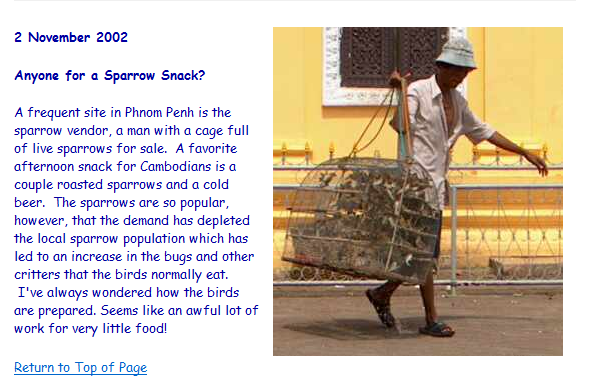
Sparrow Snack Anyone?

(From Birds of the Bible – Sparrow I)

There are many more commentary notes that could be quoted, but I think you get the idea that birds do have a reason to be timid. Just because man was given dominion over the birds doesn’t mean that he has to be cruel to them. Many birds are tamed, not by torture, but by love and patience. Forcing the birds definitely will cause them to be timid. Out in nature, many birds are shy or timid because of other birds attacking them and so they are cautious, and rightly so.

Reading some of the internet articles about timid birds, they even do research to find out about this timidity. Animal Planet produced an interesting article about research on 22 Goldfinches.

Back to our original passage of Scripture. For now we are concentrating on the timid or frightened bird, not necessarily about the dove.

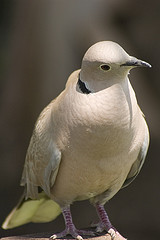
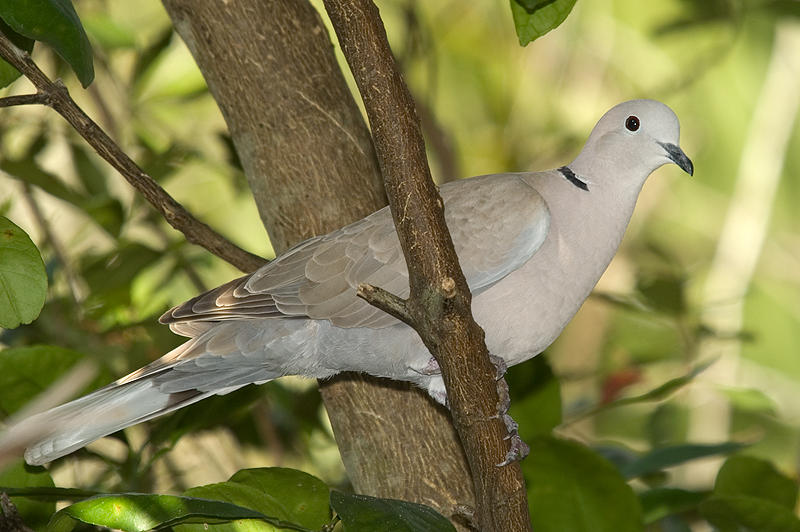
Eurasian-collared Dove in Israel

Eurasian-collared Dove in Israel

Barnes says, “Hosea 11:11
They shall tremble as a bird out of Egypt – The West denoted Europe; Egypt and Assyria stand, each for all the lands beyond them, and so for Africa and Asia; all together comprise the three quarters of the world, from where converts have chiefly come to Christ. These are likened to birds, chiefly for the swiftness with which they shall then haste to the call of God, who now turned away the more, the more they were called. The dove, especially, was a bird of Palestine, proverbial for the swiftness of its flight, easily aftrighted, and flying the more rapidly, the more it was frightened, and returning to its cot from any distance where it might be carried; from where Isaiah also says of the converts, “Who are these that fly as a cloud, and as the doves to their windows?” Isa_60:8. “The Hebrews,” says Jerome, “refer this to the coming of the Christ, who, they hope, will come; we shew that it hath taken place already. For both from Egypt and Aasyria, i. e., from East and West, from North and South, have they come, and daily do they come, who sit down with Abraham, Isaac and Jacob.”

Clarke says, “They shall tremble as a bird – Those of them that are in Egypt shall also be called thence, and shall speed hither as a bird. Those in Assyria shall also be called to return, and they shall flee as doves to their windows. All shall, in the fullness of time, return to their own land.”

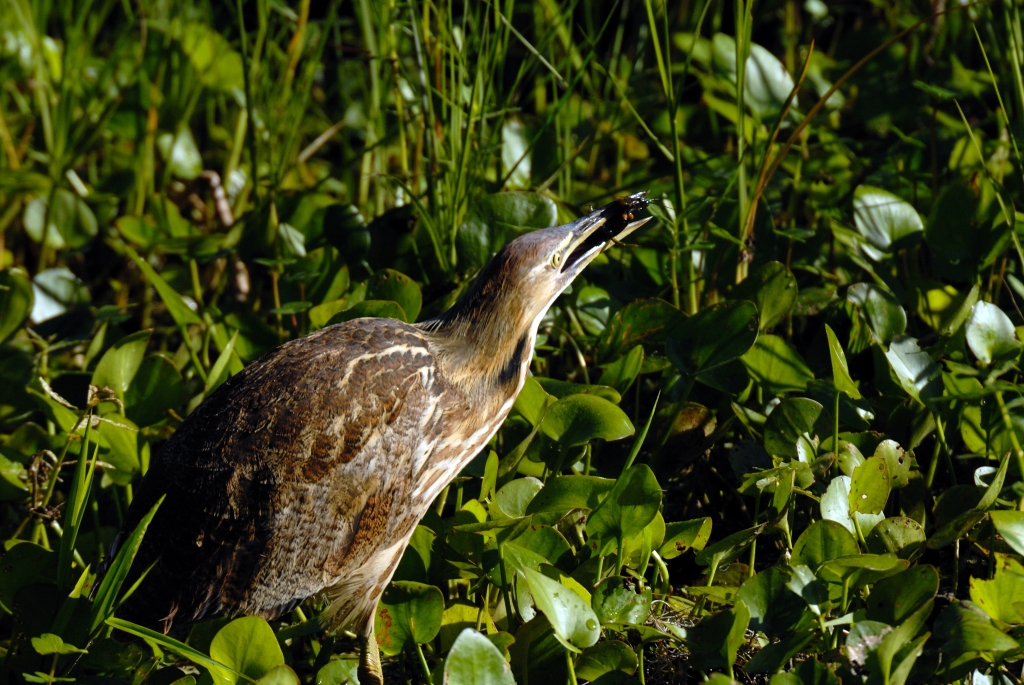
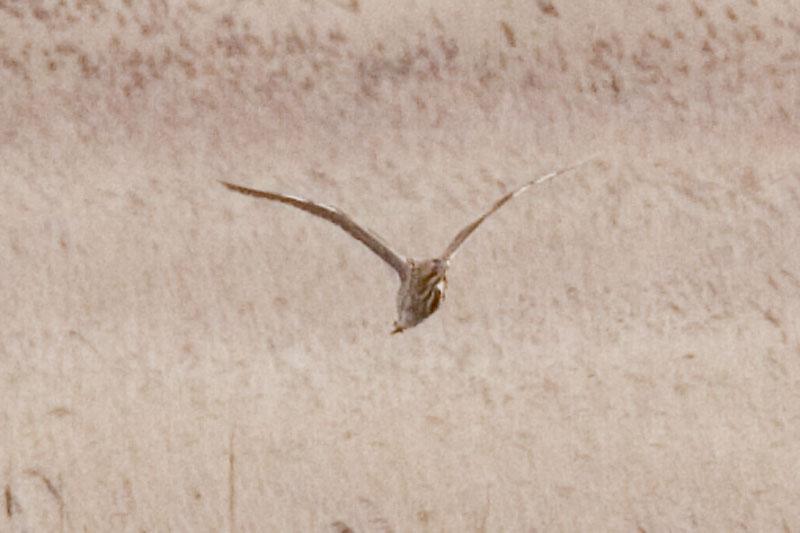
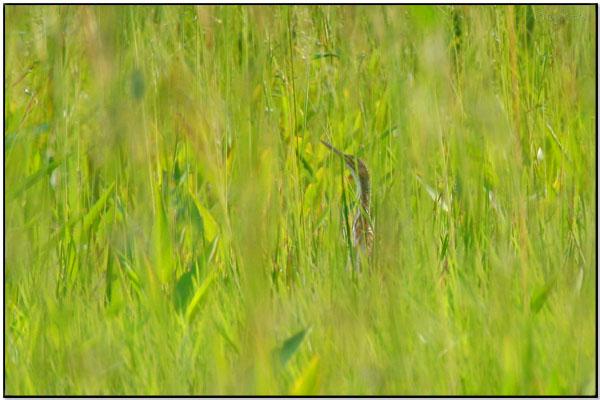
American Bittern (Botaurus lentiginosus) by Dans Pix

American Bittern (Botaurus lentiginosus) by Dans Pix

(A hard bird to capture on camera. They are very timid and evasive.)

Gill says, “Hosea 11:11  They shall tremble as a bird out of Egypt,…. They shall come from thence with fear and trembling; which may allude to the trembling of birds at the roaring of a lion, or to the trembling motion of their wings in flying; and denotes the swiftness of the motion of the Israelites and Jews to Christ, and to his church and people, and to their own land, under divine influence and direction: or “shall come with honour” (k); with all readiness and cheerfulness, in the obedience of faith: ”
“and as a dove out of the land of Assyria; which is expressive of the same things, the dove being both a timorous and swift creature. Birds in common are very timorous, and tremble at any noise, and fearful of everything that disturbs them, and therefore make all the haste and speed they can to get out of the way, and to do which they are naturally provided; and more especially the dove is always represented as very fearful and trembling, especially when pursued by the hawk, as the poet (l) observes. Though, it may be, these figures may only signify, as the weak and impotent state of the Jews, considered in themselves at this time, so the quick speed and haste they shall make to their own land.”
(So much for not concentrating on the dove.)

The next quote seems to wrap up what is being said here in Hosea 11. God is calling His trembling people home to Him because of His mercy, “Christ has purchased the pardon” for them.

Matthew Henry says, “Hosea 11:8-12
God is slow to anger, and is loth to abandon a people to utter ruin, who have been called by his name. When God was to give a sacrifice for sin, and a Saviour for sinners, he spared not his own Son, that he might spare us. This is the language of the day of his patience; but when men sin that away, then the great day of his wrath comes. Man’s compassions are nothing in comparison with the tender mercies of our God, whose thoughts and ways, in receiving returning sinners, are as much above ours as heaven is above the earth. God knows how to pardon poor sinners. He is faithful and just to forgive us our sins, and therein declares his righteousness, now Christ has purchased the pardon, and he has promised it. Holy trembling at the word of Christ will draw us to him, not drive us from him, the children tremble, and flee to him. And all that come at the gospel call, shall have a place and a name in the gospel church. The religious service of Israel were mere hypocrisy, but in Judah regard was had to God’s laws, and the people followed their pious forefathers. Let us be faithful: those who thus honour God, he will honour, but such us despise Him shall be lightly esteemed.”

Wordless Birds

More Birds of the Bible

(Commentary notes from e-Sword Bible program.)
*

Birds of the Bible – Birds of Samuel and Kings

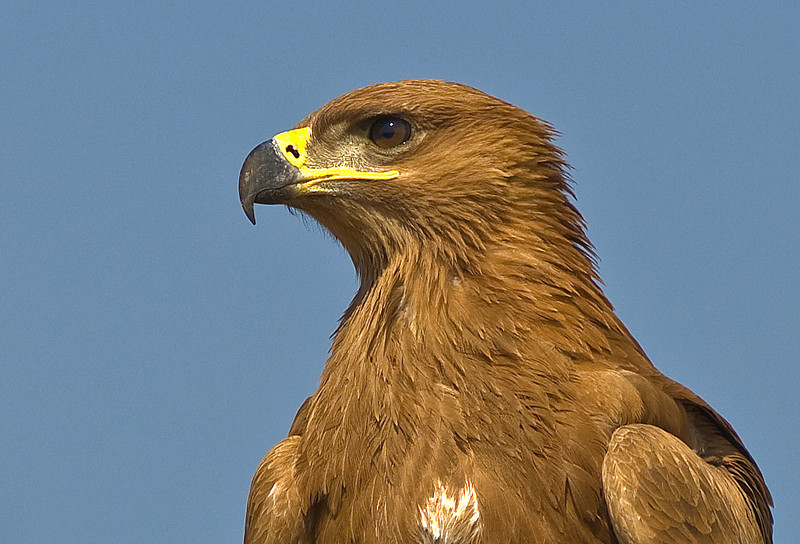
Tawny Eagle (Aquila rapax) by Africaddict

Tawny Eagle (Aquila rapax) by Africaddict

I have been reading through 1st and 2nd Samuel and 1st Kings lately in the English Standard Version (ESV). So far I have found seven references to “birds”, “birds of the air”, or “birds of the heavens.”

Five of the verses have to do with the birds coming to do something, especially to eat. I’ll save that for later. One verse is keeping the birds from eating and the other is totally unrelated to eating.

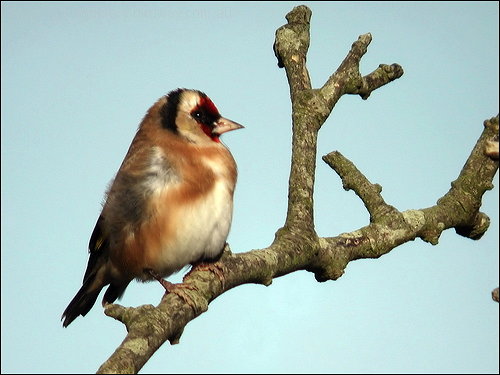
European Goldfinch (Carduelis carduelis) by Ian

European Goldfinch (Carduelis carduelis) by Ian

Let’s start with the easy one. In 1 Kings, Solomon was made king after his father, David, passed away. He asked the Lord for wisdom to know how to rule and do what was right. He was still a youngster. He was given wisdom that has surpassed any.

And God gave Solomon wisdom and understanding beyond measure, and breadth of mind like the sand on the seashore, so that Solomon’s wisdom surpassed the wisdom of all the people of the east and all the wisdom of Egypt. For he was wiser than all other men, wiser than Ethan the Ezrahite, and Heman, Calcol, and Darda, the sons of Mahol, and his fame was in all the surrounding nations. He also spoke 3,000 proverbs, and his songs were 1,005. He spoke of trees, from the cedar that is in Lebanon to the hyssop that grows out of the wall. He spoke also of beasts, and of birds, and of reptiles, and of fish. (1 Kings 4:29-33 ESV)

To save a war, seven sons were given to the Gibeonites, who hanged them. Then the mother of two of them, Rizpah, came and spread sackcloth over their remains and protected them from the birds of the air. That is told in 2 Samuel 21.

Then Rizpah the daughter of Aiah took sackcloth and spread it for herself on the rock, from the beginning of harvest until rain fell upon them from the heavens. And she did not allow the birds of the air to come upon them by day, or the beasts of the field by night. (2 Samuel 21:10 ESV)

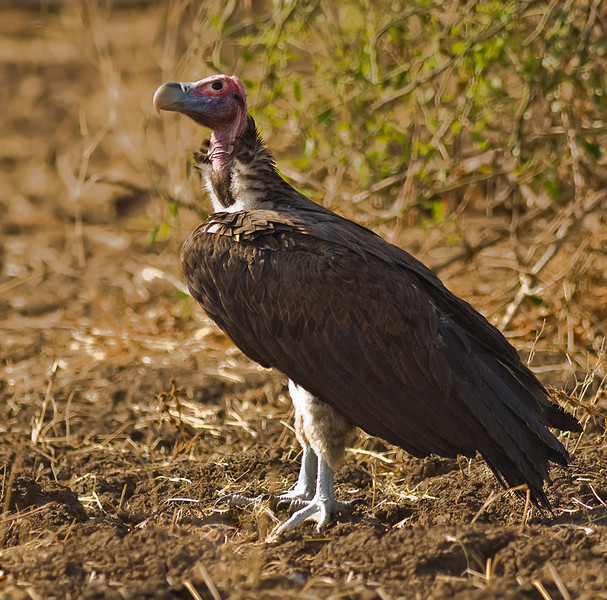
Lappet-faced Vulture (Torgos tracheliotus) by Africaddict

Lappet-faced Vulture (Torgos tracheliotus) by Africaddict

The next five incidents have to do with judgment and the birds coming to feed on the carcases of those who died.
Goliath, the giant Philistine threatened David with:

The Philistine said to David, “Come to me, and I will give your flesh to the birds of the air and to the beasts of the field.” (1 Samuel 17:44 ESV)

Then David told Goliath that the LORD would cause the Philistines to be delivered to David and the birds would be feasting on him and the other Philistines there.

This day the LORD will deliver you into my hand, and I will strike you down and cut off your head. And I will give the dead bodies of the host of the Philistines this day to the birds of the air and to the wild beasts of the earth, that all the earth may know that there is a God in Israel, (1 Samuel 17:46 ESV)

Keep reading in 2nd Samuel 17 and you will find out who the birds feasted on.

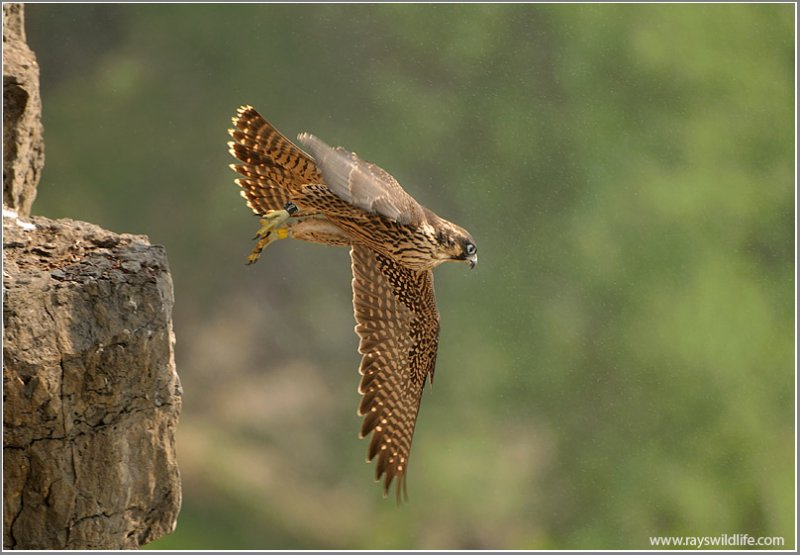
Peregrine Falcon Lift Off Into The Mist

Peregrine Falcon Lift Off Into The Mist

In 1 Kings 14:11, 1 Kings 16:4 and 1 Kings 21:24, three bad kings and their families were judged for the evil they did of not serving the LORD and causing their subjects to also fall into sin.
Jeroboam, Baasha, and Ahab all died and the birds of the heavens were invited to come and eat. Not a pretty picture, but God keeps His Word.

Anyone belonging to Jeroboam who dies in the city the dogs shall eat, and anyone who dies in the open country the birds of the heavens shall eat, for the LORD has spoken it. (1 Kings 14:11 ESV)
Anyone belonging to Baasha who dies in the city the dogs shall eat, and anyone of his who dies in the field the birds of the heavens shall eat. (1 Kings 16:4 ESV)
Anyone belonging to Ahab who dies in the city the dogs shall eat, and anyone of his who dies in the open country the birds of the heavens shall eat. (1 Kings 21:24 ESV)

Not knowing for certain which birds actually came and did the eating, my guess is that it would be those from the birds of prey families. Those birds are known to be carnivorous and would have arrived at the LORD’s will as prophesied.

Some of the birds of the large Order of Accipiitriformes – Raptors would have been involved. Those are the New World Vultures, Secretarybird, Ospreys, Kites, Hawks and Eagles. Then the Falcons and Caracaras of the Falconiformes Order possibly would have arrived. Owls from the Strigiformes Order might also have come.

But if you will not do so, behold, you have sinned against the LORD, and be sure your sin will find you out. (Numbers 32:23 ESV)

Wordless Birds

*

Birds of the Bible – A Gull?

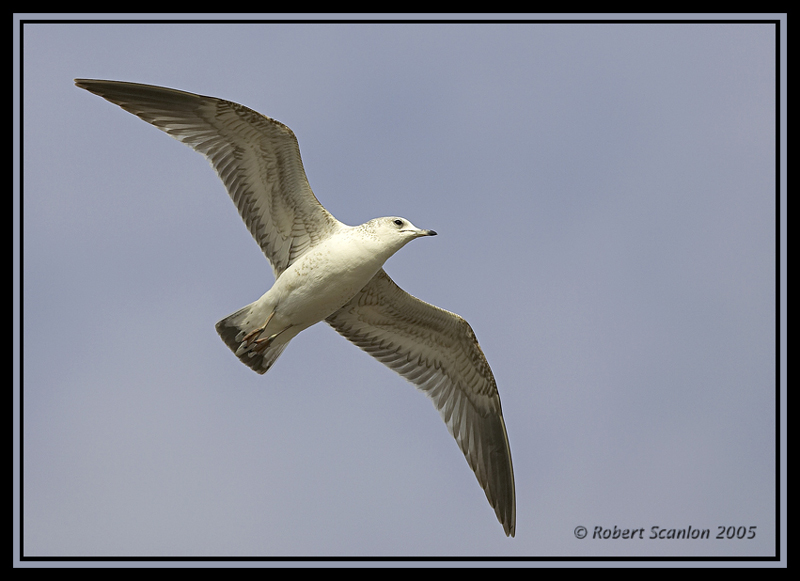
Common Gull (Larus canus) by Robert Scanlon

Common Gull (Larus canus) by Robert Scanlon

The following two verses have been used several times in the Birds of the Bible articles. It is interesting in how one of the birds is translated in the various versions.

the ostrich, the nighthawk, the sea gull, the hawk of any kind, (Leviticus 11:16 ESV)
the ostrich, the nighthawk, the sea gull, the hawk of any kind; (Deuteronomy 14:15 ESV)

I have been reading through the English Standard Version and found the “sea gull” listed in those verses. Those verses are in the list of the birds the Israelites were not to eat. Previously, I had used the KJV which translates  “שׁחף” as “the cuckoo: Shachpaph, probably the sea-gull or mew”(H7828).

See Birds of the Bible – Cuckoo and Cuckoo II where the Cuckoo is considered as the bird mentioned. But, what if it is one of the other options? Those options would be the sea-hawk, seamew, seagull or gull. Only one mentions the sea-hawk, so for now that will be ignored until another time.

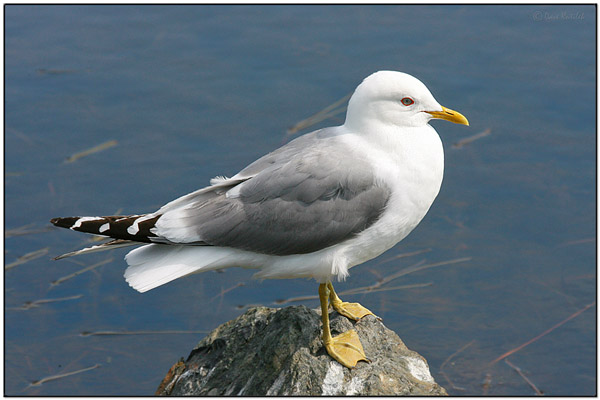
Mew Gull (Larus canus) by Ian

Mew Gull (Larus canus) by Ian

A Seamew according to Wikipedia is the Common Gull (European and Asian subspecies; see below) or Mew Gull (North American subspecies) Larus canus which is a medium-sized gull which breeds in northern Asia, northern Europe and northwestern North America. It migrates further south in winter. Its name does not indicate that it is an abundant species, but that during the winter it feeds on common land, short pasture used for grazing.

Mew Gull (Larus canus) by Daves BirdingPix

Mew Gull (Larus canus) by Daves BirdingPix

Adults are 15.7-18.1 in (40-46 cm) long, obviously smaller than the Herring Gull, and slightly smaller than the Ring-billed Gull, also differing from this in its shorter, more tapered bill with a more greenish shade of yellow, as well as being unmarked during the breeding season. The body is grey above and white below. The legs are greenish-yellow. In winter, the head is streaked grey, and the bill often has a poorly-defined blackish band near the tip (sometimes sufficiently obvious to cause confusion with Ring-billed Gull). They have black wingtips with large white “mirrors”. Young birds have scaly black-brown upperparts and a neat wing pattern, and grey legs. They take two to three years to reach maturity. The call is a high-pitched “laughing” cry.

Mew Gull (Larus canus) chicks ©USFWS

Mew Gull (Larus canus) chicks ©USFWS

Both Common and Mew Gulls breed colonially near water or in marshes, making a lined nest on the ground or in a small tree; colony size varies from 2 to 320 or even more pairs. Usually three eggs are laid (sometimes just one or two); they hatch after 24–26 days, with the chicks fledging after a further 30–35 days. Like most gulls, they are omnivores and will scavenge as well as hunt small prey. The global population is estimated to be about one million pairs; they are most numerous in Europe, with over half (possibly as much as 80-90%) of the world population. By contrast, the Alaskan population is only about 10,000 pairs.

Some of the commentaries have this to say about the bird:
Jamieson, Faussett, and Brown – “the cuckoo — Evidently some other bird is meant by the original term, from its being ranged among rapacious birds. Dr. Shaw thinks it is the safsaf; but that, being a graminivorous and gregarious bird, is equally objectionable. Others think that the sea mew, or some of the small sea fowl, is intended.”
K & D – “slender gull
Barnes – “Lev_11:16 – And the owl … – Rather, “and the ostrich, and the owl, and the gull, and the hawk,” etc.
John Gill’s – “and the cuckoo; a bird well known by its voice at least: some have thought it to be the same with the hawk, changing its figure and voice; but this has been refuted by naturalists (a): but though it is here forbidden to be eaten, yet its young, when fat, are said to be of a grateful savour by Aristotle: and Pliny (b) says, no bird is to be compared to it for the sweetness of its flesh, though perhaps it may not be here intended: the word is by the Septuagint rendered asea gull”, and so it is by Ainsworth, and which is approved of by Bochart (c):”

Laughing Gull (Leucophaeus atricilla) by Lee

Laughing Gull (Leucophaeus atricilla) by Lee

Will the mystery be solved? Not by me. I still find it amazing that the different versions use the different meaning for words, but then again, that is just like today. Our language is constantly changing the definitions of words or making other things mean the same.

Just keeping up with the names of birds today is a challenge. Every 3-4 months the I.O.C. make changes. Names of birds come and go. One bird can have many names and the different countries name them different. That is the reason they use the scientific names so they can talk about the same bird. Problem to that is that they even change the scientific name occasionally. The birds mentioned in Scripture were named in those verses several thousand years ago.

One thing is certain, there is one thing that remains the same:

Jesus Christ the same yesterday, and to day, and for ever. (Hebrews 13:8 KJV)
Jesus Christ is the same yesterday and today and forever. (Hebrews 13:8 ESV)
Jesus Christ is the same yesterday and to-day, yea and for ever. (Hebrews 13:8 ASV)
Jesus Christ yesterday and to-day the same, and to the ages; (Hebrews 13:8 YLT)

See:

Birds of the Bible – Sea Gulls

*

Birds of the Bible – Birds of Prey Introduction

The following is from Wikipedia’s article on “Bird of Prey” and has good information to precede thoughts on the Birds of Prey mentioned in the Bible. (Their quotes, my links)

Tawny Eagle by Africaddict

Tawny Eagle by Africaddict

“Birds of prey are birds that hunt for food primarily on the wing, using their keen senses, especially vision. They are defined as birds that primarily hunt vertebrates, including other birds. Their talons and beaks tend to be relatively large, powerful and adapted for tearing and/or piercing flesh. In most cases, the females are considerably larger than the males. The term “raptor” is derived from the Latin word “rapere” (meaning to seize or take by force) and may refer informally to all birds of prey, or specifically to the diurnal group. Because of their overall large size and predatory lifestyle, they face distinct conservation concerns.

Formal Classification

The diurnal birds of prey are formally classified into five families (traditionally of the order Falconiformes, a classification currently[vague] in flux): [IOC has them mostly in the Accipitriformes Order-Lee]

* Accipitridae: hawks, eagles, buzzards, harriers, kites and Old World vultures
* Pandionidae: the Osprey (sometimes classified as subfamily Pandioninae of the previous family)
* Sagittariidae: the Secretary Bird
* Falconidae: falcons and caracaras
* Cathartidae: New World vultures including condors.

The nocturnal birds of prey – the owls – are classified separately as members of two extant families of the order Strigiformes:

* Strigidae: (typical owls)
* Tytonidae: (barn and bay owls).

Red-shouldered Hawk by Dan

The observation that otherwise unrelated bird groups may perform similar ecological roles and bear striking morphological similarities to one another is explained is because [they were created by the Lord and are all going to be called on to perform a similar task in the future. (See later)]

The common names for various birds of prey are based on structure but many of the traditional names do not reflect the evolutionary relationships between the groups.
Variations in shape and size

Birds of Prey - Raptorial Silhouettes ©Wikipedia

Birds of Prey – Raptorial Silhouettes ©Wikipedia

* Eagles tend to be large birds with long, broad wings and massive feet. Booted Eagles have legs and feet feathered to the toes and build very large stick nests.
* Ospreys, a single species found worldwide that specializes in catching fish, and builds large stick nests.
* Kites have long wings and relatively weak legs. They spend much of their time soaring. They will take live vertebrate prey but mostly feed on insects or even carrion.
* The true Hawks are medium-sized birds of prey that usually belong to the genus Accipiter (see below). They are mainly woodland birds that hunt by sudden dashes from a concealed perch. They usually have long tails for tight steering.
* Buzzards are medium-large raptors with robust bodies and broad wings, or, alternatively, any bird of the genus Buteo (also commonly known as “hawks” in North America).
* Harriers are large, slender hawk-like birds with long tails and long thin legs. Most use a combination of keen eyesight and hearing to hunt small vertebrates, gliding on their long broad wings and circling low over grasslands and marshes.
* Vultures are carrion-eating raptors of two distinct biological families, each occurring in only the Eastern Hemisphere (Accipitridae) or the Western (Cathartidae). Members of both groups have heads either partly or fully devoid of feathers.
* Falcons are small to medium-size birds of prey with long pointed wings. Unlike most other raptors, they belong to the Falconidae, rather than the Accipitridae. Many are particularly swift flyers. Instead of building their own nests, falcons appropriate old nests of other birds, but sometimes they lay their eggs on cliff ledges or in tree hollows. Caracaras are a distinct subgroup of the Falconidae unique to the New World, and most common in the Neotropics – their broad wings, naked faces and appetites of a generalist suggest some level of convergence with either the Buteos or the vulturine birds, or both.
* Owls are variable-sized, typically night-specialized hunting birds. They fly with extremely little audible turbulance due to special feather structure and have particularly acute hearing.”

Did you notice the list of the “birds of prey”? It is almost identical to the list of birds on the unclean lists of birds in Deuteronomy 14:11-18 and Leviticus 11:13-20. There are a few that are not Birds of Prey, but all the birds of prey are listed there either by name or implied by “their kind.”

Searching the Scriptures, these are called “bird(s) of prey” in 7 verses in the GW; 6 verses in the ESV, Darby, 5 verses in the NASV, NAS77; 4 verses in the JPS; 3 verses in the NKJV, MKJV, RV, ; none in the KJV, Webster, YLT. Why the differences. Let’s look at the 7 verses and compare how they translate the bird.

H5861 is used in most of the translations.

עיט

ayit – ah’-yit ; from H5860a; a hawk or other bird of prey: – bird,  fowl, ravenous (bird)

And when birds of prey came down on the carcasses, Abram drove them away. (Genesis 15:11 ESV)

birds of prey – ASV,  Darby, ESV,  GW, JPS,  MKJV, ,  NAS77, NASB, RV
birds – CEV
fowls – KJV, Webster
vultures – GNB, NKJV
ravenous birds – YLT

That path no bird of prey knows, and the falcon’s eye has not seen it. (Job 28:7 ESV)

birds of prey – ASV, Darby, ESV, GW, JPS, NAS77, NASB, RV
bird – BBE, MKJV, NKJV
hawk – GNB, Webster
fowl – KJV
ravenous fowl – YLT
The second part of the verse about the falcon’s eye is translated falcon’s, hawk’s, vulture’s and kite’s eye.

Does your understanding make a bird of prey fly and spread its wings toward the south? (Job 39:26 GW)

bird of prey – GW
hawk(s) – ASV, BBE, CEV, Darby, ESV, GNB, JPS, KJV, MKJV, NKJV, NAS77, NASB, RV, Webster, YLT

They shall all of them be left to the birds of prey of the mountains and to the beasts of the earth. And the birds of prey will summer on them, and all the beasts of the earth will winter on them. (Isaiah 18:6 ESV)

ravenous birds of the mountains – ASV, RV
birds of the mountains -BBE, MKJV
fowls of the mountains – KJV, Webster
mountain buzzards – CEV
mountain birds of prey – Darby, NAS77, NASB, NKJV
birds of prey of(on) the mountains – ESV, GW
ravenous birds of the mountains – JPS
ravenous birds of the mountains – YLT
birds – GNB,

calling a bird of prey from the east, the man of my counsel from a far country. I have spoken, and I will bring it to pass; I have purposed, and I will do it. (Isaiah 46:11 ESV)

ravenous bird from the east – ASV, KJV, RV, Webster, YLT
bird of strong flight from the east – BBE
like a hawk swooping down – CEV, GNB
bird of prey from the east – Darby, ESV, GW, JPS, MKJV, NAS77, NASB, NKJV

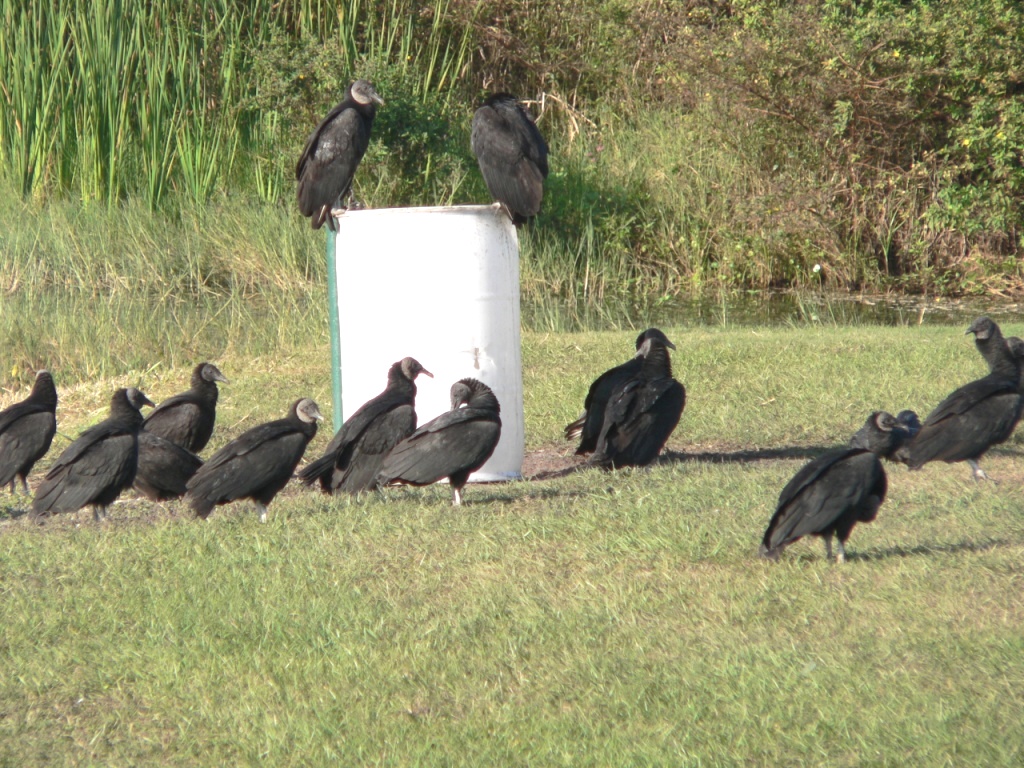
Black Vultures at Saddle Creek 12-07-07 by Lee

Is my heritage unto me as a speckled bird of prey? are the birds of prey against her round about? go ye, assemble all the beasts of the field, bring them to devour. . (Jeremiah 12:9 ASV)
speckled bird of prey and birds of prey- ASV, Darby, JPS, NAS77, NASB, RV
speckled bird and birds – KJV, MKJV, Webster
speckled vulture and vultures – NKJV
speckled fowl and fowl – YLT
coloured bird and cruel birds – BBE
colorful bird of prey and birds of prey – GW
hawk and hawks – CEV
bird and hawks – GNB
hyena’s lair and birds of prey – ESV

You shall fall on the mountains of Israel, you and all your hordes and the peoples who are with you. I will give you to birds of prey of every sort and to the beasts of the field to be devoured. (Ezekiel 39:4 ESV)

ravenous birds of every sort -ASV, JPS, KJV, RV, Webster
ravenous fowl–a bird of every wing – YLT
cruel birds of every sort – BBE
birds – CEV, GNB
birds of prey of every wing – Darby
birds of prey of every sort – ESV, NKJV
birds of prey of every kind – MKJV
every bird of prey – GW
every kind of predatory bird – NAS77, NASB

This is the foundation or introduction to the Birds of Prey. Future articles will build on these verses. There is a lot of activity going on with each verse which needs more in-depth study. Look for more Birds of Prey articles in the future.

See also:

Birds of the Bible – Clean vs. Unclean

Deuteronomy 14:11-18 Visualized

Birds of the Bible – Speckled Birds

These are the Bible translations that I have loaded on my e-Sword Bible program (most are free).

ASV-American Standard Version , BBE-Bible in Basic English, CEV-Contemporary English Version, Darby-Darby Bible, EMTV, ESV-English Standard Version, GNB-Good News Translation, GW-GOD’S WORD, ISV-International Standard Version, JPS-Jewish Publication Society Old Testament, KJV-King James Version, MKJV-Modern King James Version, Murdock-James Murdock New Testament, NAS77 & NASB-New American Standard Bible Study Set(paid), NKJV-New King James Version(paid), RV-Revised Version, Webster-Webster Bible, WNT-Weymouth New Testament, YLT-Young’s Literal Translation,

*

Birds of the Bible – At the National Aviary

Wattled Curassow (Crax globulosa) by Lee at National Aviary

Wattled Curassow (Crax globulosa) by Lee at National Aviary

Birds of the Bible – at the National Aviary in Pittsburgh, PA seems like a logical topic if you have been reading the blog lately. As you may be aware, Dan and I, visited the Aviary a few weeks ago. What a fantastic place to see birds from all around the world. With over 800 birds, there had to be some of the birds mentioned in the Bible.

The Bible says that all birds were created by the Lord, so technically, they all qualify. For this blog, I will confine it to named types of birds. Birds mentioned below are in the same family of the named bird, at least according to the IOC list of Families and Orders.

I know all the birds of the hills, and all that moves in the field is mine. (Psalms 50:11 ESV)

And these are they which ye shall have in abomination among the fowls; they shall not be eaten, they are an abomination: the eagle, and the ossifrage, and the ospray, And the vulture, and the kite after his kind; Every raven after his kind; And the owl, and the night hawk, and the cuckow, and the hawk after his kind, And the little owl, and the cormorant, and the great owl, And the swan, and the pelican, and the gier eagle, And the stork, the heron after her kind, and the lapwing, … (Leviticus 11:13-19 KJV)

Birds of the Bible

Their birds change from time to time and what is seen will change. We saw many more birds, but these are only the Birds mentioned by name in Scripture.

More photos will be added to the slide show as we get more IDs and convert Dan’s to JPG format.

This slideshow requires JavaScript.

*

Birds of the Bible – Names of Birds II

White-tailed Hawk (Buteo albicaudatus) by Daves BirdingPix

White-tailed Hawk (Buteo albicaudatus) by Daves BirdingPix

In the first Names of Birds, I covered the English names of birds. This time the scientific names are going to be looked at, especially the second one. (The first part of the scientific name is the bird’s genus or group) “Birds normally have a scientific name and a common name. The scientific name is usually Latin-bases and is agreed upon by biologists across the world. The common name will vary by region, culture, and language.” (birding.com) No matter what the bird is called in different countries or by different ornithology groups, the scientific name refers to one specific bird. Birds do migrate many miles and spend time in many countries. This naming system helps keep from having the same bird counted numerous times in lists.

As I have worked with the list of the Birds of the World, I have observed similarities in the naming of the birds. For instance, “alba” is the second part of all of these birds–Western Great Egret, White Cockatoo, Sanderling, White Tern, White Wagtail, African Spoonbill, Phoenix Petrel, Western Barn Owl. Could you figure out what color they all are?

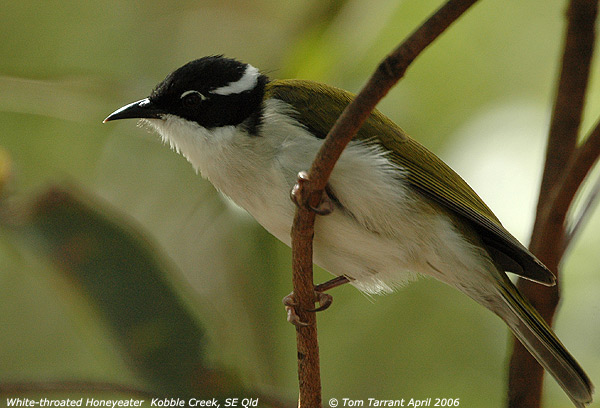
White-throated Honeyeater (Melithreptus albogularis) by Tom Tarrant

White-throated Honeyeater (Melithreptus albogularis) by Tom Tarrant

How about “albicauda“–White-tailed Shrike-Tyrant, White-tailed Blue Flycatcher, White-tailed Lark, White-tailed Hawk? Or “albogularis“–White-throated Jacamar, Rufous-banded Honeyeater, White-throated Pewee, White-throated Canary, White-throated Laughingthrush, White-throated Screech Owl, White-throated Honeyeater, White-throated Francolin, White-throated Caracara, White-throated Treerunner, White-spotted Fantail, White-throated Seedeater, White-throated Kingbird, White-chested White-eye? That last group was not all “white-throated,” in name, but they have white throats.

We know that Adam named the birds and other critters as the Scripture tells us:

Out of the ground the LORD God formed every beast of the field and every bird of the air, and brought them to Adam to see what he would call them. And whatever Adam called each living creature, that was its name. So Adam gave names to all cattle, to the birds of the air, and to every beast of the field. But for Adam there was not found a helper comparable to him. (Genesis 2:19-20 NKJV)

Blue-throated Bee-eater (Merops viridis) by Ray

Blue-throated Bee-eater (Merops viridis) by Ray

Did Adam use scientific names? I doubt it. Adam didn’t have to go though all this. Today the ornithologist (those who study birds) use this method of naming along with a common name in whatever language they speak.

Thought you might find it interesting to see some of the species’ second scientific names:
Colors:
albus/alba, white; cf albino, ater/atra, matt black, brachy-, short (Greek), brunne-, brown, caeruleus, blue, canus, grey, chloro-, green or yellow (Greek), cinerea-, grey or ash-coloured; cf cinders, crocus, cyan, blue, erythro-, red (Greek), flava, yellow, fuscus/fusca, dusky, guttatus, speckled or spotted, haema-, blood-red (Greek); cf haemoglobin, leuco-, white (Greek), lineatus, lined or striped, livia, blue-grey, longi-, long, luteus/lutea, yellow, major, greater, mega-, great (Greek), melas, black (Greek); cf melanistic, minor, lesser, niger/nigra, glossy black; cf negro, punctatus, spotted; cf punctuation, pusilla, tiny, rosea, rosy, ruber, red, rufus/rufa, red, striatus/striata, striped, versicolor, many-collored, varied, viridis, green, albogularis – White-throated
Countries:
abyssinicus, africana, americana, angolensis, antarctica,
Characteristics:
cauda, tail, –cephalus, head (Greek), –ceps, capped, headed, cilla, tail, collis, neck,  cristatus, crested, dactyl, finger or toe (Greek), frons, front, i.e. forehead, –gularis, throat, –ops, eye, –opsis, face, ptera, wing (Greek), –rhynchos, bill (Greek), –rostris, bill, torquatus, collared

Names are important and have meaning. Christ was named long before He was born. It was foretold.

Now all this was done, that it might be fulfilled which was spoken of the Lord by the prophet, saying, Behold, a virgin shall be with child, and shall bring forth a son, and they shall call his name Emmanuel, which being interpreted is, God with us. (Matthew 1:22-23 KJV)
After this manner therefore pray ye: Our Father which art in heaven, Hallowed be thy name.  (Matthew 6:9 KJV)
And in his name shall the Gentiles trust. (Matthew 12:21 KJV)
And Jesus came and spake unto them, saying, All power is given unto me in heaven and in earth. Go ye therefore, and teach all nations, baptizing them in the name of the Father, and of the Son, and of the Holy Ghost: Teaching them to observe all things whatsoever I have commanded you: and, lo, I am with you alway, even unto the end of the world. Amen.
(Matthew 28:18-20 KJV)

(Some information from Scientific bird names explained)

Birds of the Bible – Names of Birds

Out of the ground the LORD God formed every beast of the field and every bird of the air, and brought them to Adam to see what he would call them. And whatever Adam called each living creature, that was its name. So Adam gave names to all cattle, to the birds of the air, and to every beast of the field… (Genesis 2:19-20a NKJV)

Common Kingfisher by Phil Kwong

It would be nice to know which birds Adam named and what he named them. Today, the birds we see around the world are variations from those original bird kinds. The names that they now have are different, but, if Adam were to name the birds living today, do you think he might use these current names on the birds?

Below are some bird names that have caught my attention and you can almost visualize something about them:

A  – Amazon, Antbird, Antpitta, Antshrike, Antvireo, Antwren, Apostlebird, Awlbill
B  – Babbler, Bamboowren, Barbtail, Barbthroat, Bare-eye, Barwing, Baywing, Bee-eater, Bellbird, Berryeater, Berrypecker, Bird-of-paradise, Bishop, Blackbird, Blackcap, Blackeye, Black-headed, Blackstart, Blackthroat, Bleeding-heart, Bluebill, Bluewing, Bluebird, Bluebonnet, Bluetail, Bluethroat, Boatbill, Bowerbird, Brilliant, Bristlebill, Bristlebird, Broadbill, Bronzewing, Brushrunner, Bushbird, Bush-hen

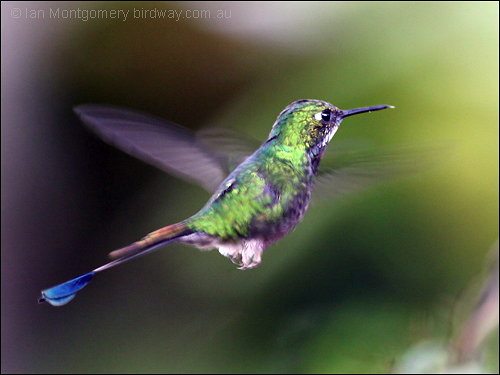
Booted Racket-tail (Ocreatus underwoodii) by Ian

Booted Racket-tail (Ocreatus underwoodii) by Ian

C  – Canvasback, Cardinal, Catbird, Chat, Chatterer, Cicadabird, Comet, Conebill, Cowbird, Creeper, Crestentchest, Crimsonwing, Crossbill, Cuckoo
D  – Darkeye, Darter, Dipper, Dollarbird, Dove
E  – Earthcreeper, Emerald
F  – Fairy, Fairy-bluebird, Fairywren, Fantail, Fieldwren, Figbird, Finfoot, Fireback, Firecrest, Firecrown, Fire-eye, Firefinch, Firetail, Firethroat, Flamecrest, Flatbill, Flicker, Flowerpecker, Flowerpiecer, Flufftail, Flycatcher, Foliage-gleaner, Forktail, Friarbird, Frigatebird, Frogmouth, Fruitcrow, Fruiteater, Fruithunter
G  – Gnatcatcher, Gnatwren, Go-away-bird, Goldcrest, Goldenback, Goldeneye, Goldenthroat, Goldfinch, Grassbird, Grassquit, Grasswren, Greytail, Groundcreeper, Groundpecker, Guineafowl

Carmine BeeEater by Marc at Africaddict

Carmine BeeEater (Merops nubicus or nubicoides) by Marc at Africaddict

H  – Hardhead, Helmetcrest, Helmetshrike, Hermit, Hillstar, Hobby, Honeybird, Honeycreeper, Honeyeater, Honeyguide, Hookbill, Hornbill, Hummingbird
J  – Jewel-babbler, Jewelfront, Junglefowl
K  – Kingbird, Kingfisher, Kite, Knot,
L  – Laughingthrush, Leafbird, Leaftosser, Longbill, Longclaw, Longtail, Lovebird
M  – Marshbird, Metaltail, Mockingbird, Monarch, Morepork, Mountaingem, Mourner, Mousebird, Mudnester
N  – Needletail, Nighthawk, Nunbird, Nutcracker, Nuthatch
O  – Oilbird, Openbill, Ovenbird, Oxpecker, Oystercatcher
P  – Palmchat, Palmcreeper, Pewee, Pilotbird, Pintail, Prickletail, Puffback, Puffbird, Puffleg
R  – Racket-tail, Rail, Razorbill, Recurvebill, Redhead, Redwing, Rockfinch, Rockfowl, Rockjumper, Rockrunner, Rockwarbler, Rockwren, Roller, Rushbird
S  – Sabrewing, Saddleback, Sanderling, Sandgrouse, Sandpiper, Sapphire, Sapphirewing, Sapsucker, Screamer, Screech, Scrubbird, Scrubfowl, Scrubtit, Scrubwren, Secretarybird, Seedcracker, Seedeater, Sheathbill, Shieldbill, Shoebill, Shortwing, Shoveler, Sicklebill, Silktail, Silverbird, Skimmer, Snowcock, Snowfinch, Softtail, Solitaire, Spadebill, Spatuletail, Spiderhunter, Spinebill, Spinetail, Spoonbill, Standardwing, Starfrontlet, Starthroat, Stilt, Stichbird, Straightbill, Streamcreeper, Streamertail, Stubtail, Sugarbird, Sunangel, Sunbeam, Sunbird, Sunbittern, Sungem, Surfbird, Swift
T  – Tailorbird, Tattler, Thicketbird, Thick-knee, Thistletail, Thornbill, Tinkerbird, Trainbearer, Treecreeper, Treehunter, Treepie, Treerunner, Treeswift, Trembler, Triller, Tropicbird, Trumpeter, Tuftedcheek, Tyrant
U  – Umbrellabird
V  – Violetear, Visorbearer
W  – Wagtail, Wallcreeper, Warbler, Waxbill, Waxwing, Weaver, Weebill, Wheatear, Whipbird, Whistler, White-eye, Whiteface, Whitethroat, Whitetip, Widowbird, Winter, Wiretail, Woodcock, Woodcreeper, Woodhen, Woodhaunter, Woodpecker, Woodstar
Y  – Yellowbrow, Yellowhammer, Yellowlegs, Yellowthroat

The slide show has just some of the Passerines (Song Birds) whose names might have been easy. I’ll save the non-Passerines for later. Tried not to use too many colors because that is also for other blogs.

*

This slideshow requires JavaScript.

*


See Also:
Bird Name Challenges
Variation within Created Kinds
Species and Kinds
Explaining Diversity within Created Kinds

*

Birds of the Bible – At the Manger

Eurasian Collared Dove (Streptopelia decaocto) by Reinier

Eurasian Collared Dove (Streptopelia decaocto) by Reinier

And it came to pass in those days that a decree went out from Caesar Augustus that all the world should be registered. This census first took place while Quirinius was governing Syria. So all went to be registered, everyone to his own city. Joseph also went up from Galilee, out of the city of Nazareth, into Judea, to the city of David, which is called Bethlehem, because he was of the house and lineage of David, to be registered with Mary, his betrothed wife, who was with child. So it was, that while they were there, the days were completed for her to be delivered. And she brought forth her firstborn Son, and wrapped Him in swaddling cloths, and laid Him in a manger, because there was no room for them in the inn. (Luke 2:1-7 NKJV)

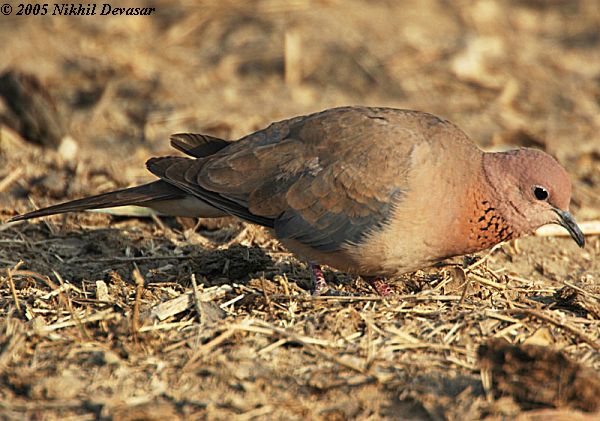
Laughing Dove (Stigmatopelia senegalensis) by Nikhil

Laughing Dove (Stigmatopelia senegalensis) by Nikhil

Most Christians know the passage in Luke 2 about the birth of our Savior, the Lord Jesus Christ. Many others have heard that passage read each Christmas. The birth of Jesus, who was born to die. “Although our first picture of Jesus is as a baby in a manger, it must not be our last. The Christ child in the manger is the subject of a beautiful Christmas scene, but we must not leave him there. This tiny, helpless baby lived an amazing life, died for us, ascended to heaven, and will return to earth as King of kings. Christ will rule the world and judge all people according to their decisions about him. Do you still picture Jesus as a baby in a manger—or is he your Lord? Make sure you don’t underestimate Jesus. Let him grow up in your life.” (Life Application Study Bible)

Joseph and Mary were not so poor that they could not afford a room at the end, but “there was no room for them in the inn.” Because of the registrations going on, each had to show up in their own city. According to the Jewish mode of registration the people would be enrolled by tribe, families or clans, and households. “But David occasionally went and returned from Saul to feed his father’s sheep at Bethlehem.” (1 Samuel 17:15 NKJV).

Micah prophesied in Micah 5:2:

But thou, Bethlehem Ephratah, though thou be little among the thousands of Judah, yet out of thee shall he come forth unto me that is to be ruler in Israel; whose goings forth have been from of old, from everlasting.

“This mention of the manger is the basis for the traditional belief that Jesus was born in a stable. Stables were often caves with feeding troughs (mangers) carved into the rock walls. Despite popular Christmas card pictures, the surroundings were dark and dirty. This was not the atmosphere the Jews expected as the birthplace of the Messiah-King. They thought their promised Messiah would be born in royal surroundings. We should not limit God by our expectations. He is at work wherever he is needed in our sin-darkened and dirty world.” (Life Application Study Bible)

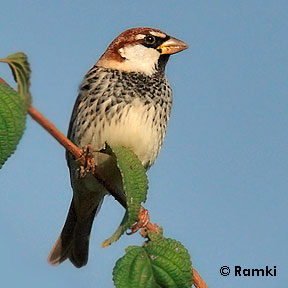
Spanish Sparrow (Passer hispaniolensis) by Nikhil Devasar

Spanish Sparrow (Passer hispaniolensis) by Nikhil Devasar

All of the above was to set the location for the manger and why in my imagination, I believe birds would have been around the manger. There are no verses in the Bible to show there were birds there, nor are there any to show that lambs, cows, or horse were there either, as depicted in our Christmas scenes. So, here is what birds I think may have been there at Jesus’ birth.

Doves – “You who dwell in Moab, Leave the cities and dwell in the rock, And be like the dove which makes her nest In the sides of the cave’s mouth.” (Jeremiah 48:28 NKJV)

Turtledoves – The flowers appear on the earth; The time of singing has come, And the voice of the turtledove Is heard in our land.” (Song of Solomon 2:12 NKJV)

Sparrows and Swallows- “How lovely is Your tabernacle, O LORD of hosts! My soul longs, yes, even faints For the courts of the LORD; My heart and my flesh cry out for the living God. Even the sparrow has found a home, And the swallow a nest for herself, Where she may lay her young— Even Your altars, O LORD of hosts, My King and my God.” (Psalms 84:1-3 NKJV) If they wanted to be at the altars or house of God, then surely, they wanted to be near their Creator.

Chickens and Roosters by Maji

Chickens and Roosters by Maji

Chickens and Roosters – “O Jerusalem, Jerusalem, the one who kills the prophets and stones those who are sent to her! How often I wanted to gather your children together, as a hen gathers her chicks under her wings, but you were not willing! (Matthew 23:37 NKJV) and Jesus said to him, “Assuredly, I say to you that this night, before the rooster crows, you will deny Me three times.” (Matthew 26:34 NKJV) Cave or Stable, there had to be Chickens, Hens, and Roosters.

Ravens – Who provides food for the raven, When its young ones cry to God, And wander about for lack of food? (Job 38:41 NKJV) They wanted to be near the One who has been feeding them.

Brown-necked Raven of Israel

Brown-necked Raven, Israel

I would think, in my “sanctified imagination,” that since the Lord created everything, birds included, that they might have been eager to see their Creator. Many humans failed to recognize Him while He was on earth, but I think the critters knew who He was. For example, the un-ridden donkey the Lord rode on. There is no report of it trying to buck or misbehave. It knew!

There are more kinds of birds that might have been there, but I will leave those to your imagination. Have a Merry Christmas as you consider the true meaning of the Lord’s birth.


Produced by Sean Fielder and our Pastor Nate Osborne.

*

Birds of the Bible – Birds of Every Sort

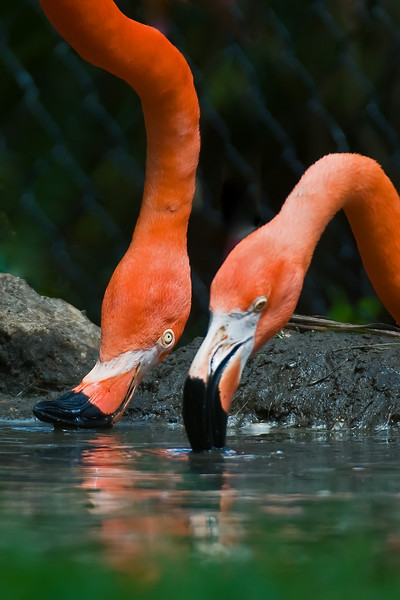
American Flamingo (Phoenicopterus ruber) by Africaddict

American Flamingo (Phoenicopterus ruber) by Africaddict

When I came across this verse about “every kind of bird” and “birds of every sort,” I decided it would be great to show some of the really fantastic birds that I have seen recently in the photos I am sorting for the Birds of the World blog. This will be done, but also the verses themselves are very interesting.

Thus says the Lord GOD: “I myself will take a sprig from the lofty top of the cedar and will set it out. I will break off from the topmost of its young twigs a tender one, and I myself will plant it on a high and lofty mountain. On the mountain height of Israel will I plant it, that it may bear branches and produce fruit and become a noble cedar. And under it will dwell every kind of bird; in the shade of its branches birds of every sort will nest. And all the trees of the field shall know that I am the LORD; I bring low the high tree, and make high the low tree, dry up the green tree, and make the dry tree flourish. I am the LORD; I have spoken, and I will do it. (Ezekiel 17:22-24 ESV)

Tufted Puffin by Dave's BirdingPix

Tufted Puffin by Dave's BirdingPix

Nebuchadnezzar had placed one of the family of David on the throne in Judah. This signified taking the seed of the land and planting it, but it did not succeed. But as these verses tell of a future time when there will be a “tender one” from the topmost twigs, referring to the Messiah, the tender one, and the tribe of Judah, main tribe. The Messiah is often referred to as a branch in prophecy.

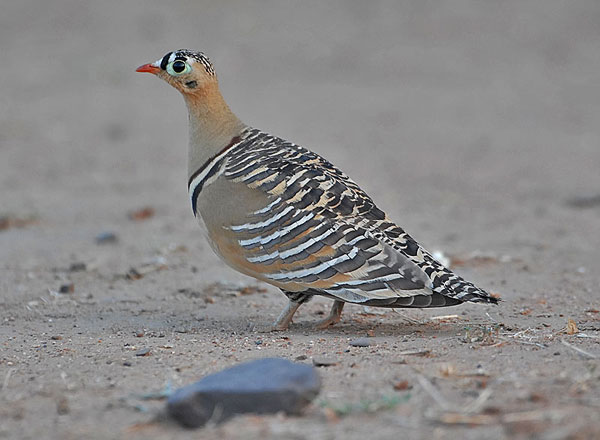
Painted Sandgrouse (Pterocles indicus) by Nikhil

Painted Sandgrouse (Pterocles indicus) by Nikhil

“Nebuchadnezzar and Zedekiah was made on this ground, and the name of Jehovah was brought in to confirm it. It was not the Gentile who broke the covenant. Zedekiah added to his other sins that of rendering impossible the existence of a people and a kingdom that belonged to God. The name of Jehovah was more despised and trampled under foot by him than by the Gentile king. He intrigues with Egypt to escape from the dominion of Nebuchadnezzar, whom God Himself, in judgment, had set up as supreme. This filled up the measure of iniquity, and brought on the final judgment. But it left room for the sovereignty of God, who would bring down the high tree and exalt the low tree, who would dry up the green tree and make the dry tree to flourish. His grace would take the little forgotten branch of the house of David and raise it up in Israel upon the mountain of His power, where He would cause it to become a goodly cedar, bearing fruit, and sheltering all that would seek the protection of its shadow. All the powers of the earth should know the word and the works of Jehovah.” From John Darby’s Synopsis.

Cedar Waxwing (Bombycilla cedrorum) by J Fenton

Cedar Waxwing (Bombycilla cedrorum) by J Fenton

“The twig planted by the Lord will grow there into a glorious cedar, under which all birds will dwell. The Messiah grows into a cedar in the kingdom founded by Him, in which all the inhabitants of the earth will find both food (from the fruits of the tree) and protection (under its shadow). For this figure, compare Daniel 4:8-9. צִפֹּור כָּל־כָּנָף, birds of every kind of plumage (cf. Ezekiel 39:4, Ezekiel 39:17), is derived from Genesis 7:14, where birds of every kind find shelter in Noah’s ark. The allusion is to men from every kind of people and tribe. By this will all the trees of the field learn that God lowers the lofty and lifts up the lowly.” From Keil & Delitzsch Commentary on Old Testament

Salvation is open to all people no matter what background, nationality, or tongue you speak. As the birds of every sort enjoy the shade and provisions of the tree, may you enjoy the Salvation of Lord and all His blessings He provides.

See: Wordless Birds

This is Birds of Every Sort – Part 1 (Non-Passerines)
*

This slideshow requires JavaScript.

*

Birds of the Bible – Bitterns II

I will also make it a possession for the bittern, and pools of water: and I will sweep it with the besom of destruction, saith the LORD of hosts. (Isaiah 14:23 KJV)

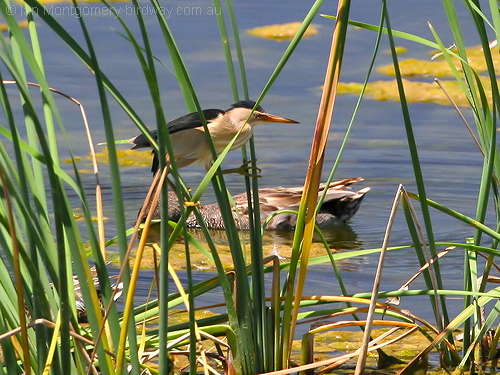
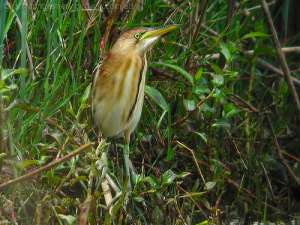
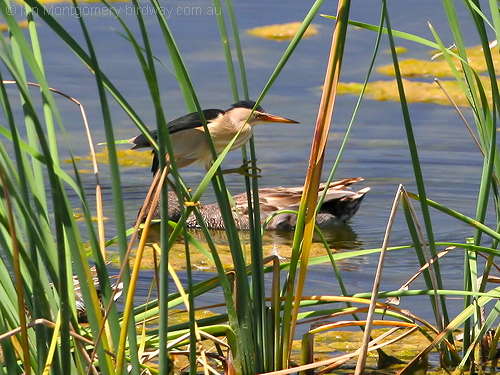
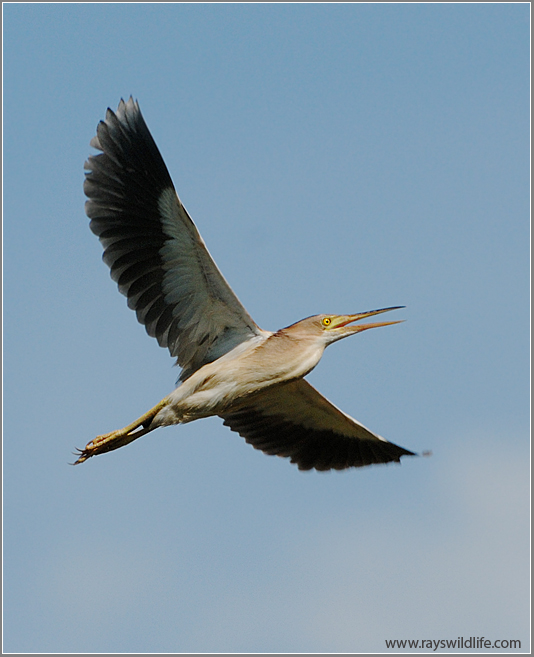
Little Bittern (Ixobrychus minutus) by Ian

Little Bittern (Ixobrychus minutus) by Ian

I introduced the Bittern in the first Birds of the Bible – Bittern and now I want to add some more information about them. The Bitterns belong to the Order called Pelecaniformes which includes Ibises, Spoonbills, Herons, Bitterns, Frigatebirds, Hamerkop, Shoebills, Pelicans, Gannets, Boobies, Cormorants, Anhingas, and Darters. All of these birds like to hang out around watery places and are related. Within the Pelecaniformes order, there are different families. The Bittern is in the Ardeidae family. Below is a list of the Bitterns within this family.

Belonging to the Ardeidae family, they also have the usual long legs, long necks, and are wading birds. They are associated with water, especially in breeding season. Whereas the herons and egret stand out in the open, the bitterns like to conceal themselves in cattail and sedge marshes, bulrushes, etc. They also have shorter legs and a heavier body. Their “cryptic plumage and upright poses helps to merge with the brown upright reeds…” I’ve had the privilege to see a few of them, and they are hard to find. God has provided them with this protection and it helps them in finding their food. Fish is their favorite food, but they will also consume frogs, small snakes, and other things that pass by.

Here in North America, we only have the American and Least Bitterns. I sometimes confuse them with the smaller herons, like a Green Heron. You can tell they are in the same family (ardeidae).

Here is the sounds of an American Bittern and a Least Bittern from Stokes Bird Songs

But the cormorant and the bittern shall possess it; the owl also and the raven shall dwell in it: and he shall stretch out upon it the line of confusion, and the stones of emptiness. (Isaiah 34:11)


CLASS – AVES, Order –PELECANIFORMES, Family – ArdeidaeHerons, Bitterns

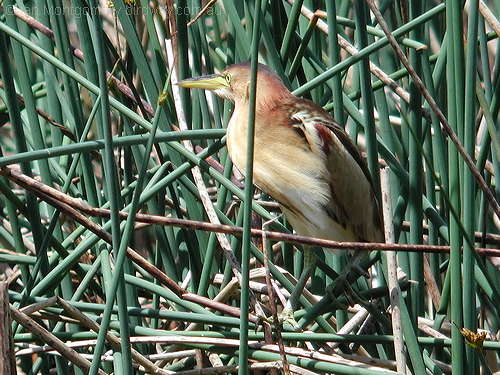
Australian Little Bittern (Ixobrychus dubius) by Ian

Australian Little Bittern (Ixobrychus dubius) by Ian

Herons, Bitterns – Ardeidae Family
Zonerodius
Forest Bittern (Zonerodius heliosylus)
Botaurus
Eurasian Bittern (Botaurus stellaris) – Video
Australasian Bittern (Botaurus poiciloptilus) by Ian
American Bittern (Botaurus lentiginosus) – Video – Video2
Pinnated Bittern (Botaurus pinnatus) by Daves BirdingPix  – Video
Ixobrychus
Stripe-backed Bittern (Ixobrychus involucris)
Least Bittern (Ixobrychus exilis) by Jim Fenton – Video
Little Bittern (Ixobrychus minutus) by Ian
Black-backed Bittern (Ixobrychus dubius)
New Zealand Bittern (Ixobrychus novaezelandiae †)
Yellow Bittern (Ixobrychus sinensis) by Ray Barlow – Video
Von Schrenck’s Bittern (Ixobrychus eurhythmus)
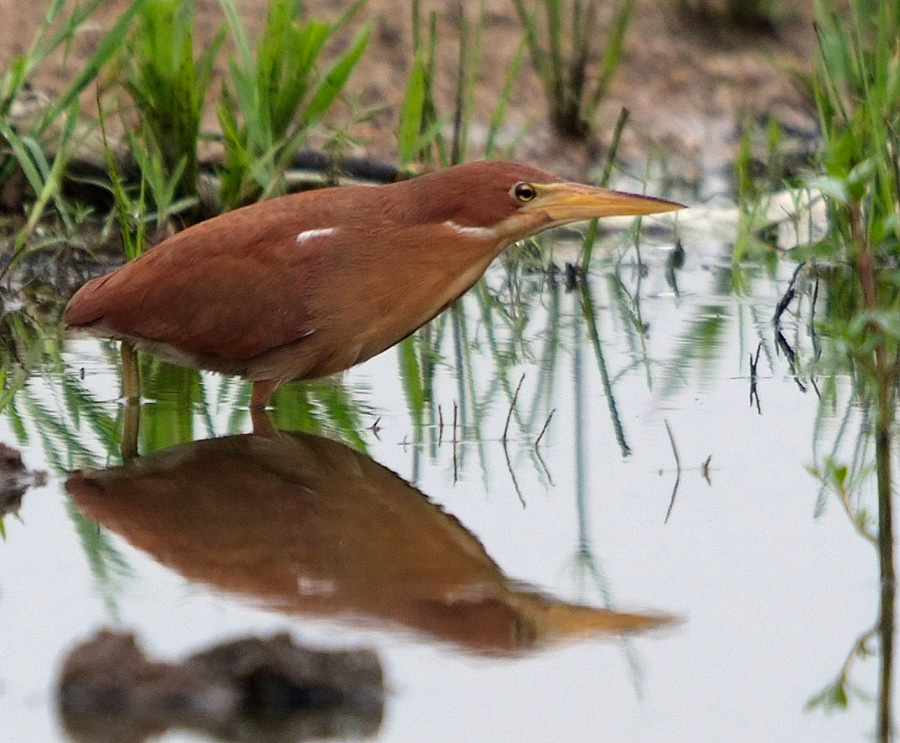
Cinnamon Bittern (Ixobrychus cinnamomeus) by Phil Kwong – Video
Dwarf Bittern (Ixobrychus sturmii)
Dupetor
Black Bittern (Dupetor flavicollis) by Nikhil Devasar – Video

Different Family
Sunbittern – Eurypygidae Family
Eurypyga
Sunbittern (Eurypyga helias) – Video – Video2

“Recent DNA evidence suggests that this family may in fact belong to the Pelecaniformes.5, From Wikipedia  They used to be in the Ciconiformes family, where most older guide books still have them. My list are from the IOC’s World Lists, 3.1 version.


Family#26 – Ardeidae

*

Birds of the Bible – Bird Idols

(16) For I am not ashamed of the gospel of Christ: for it is the power of God unto salvation to every one that believeth; to the Jew first, and also to the Greek. (17) For therein is the righteousness of God revealed from faith to faith: as it is written. The just shall live by faith. (18) For the wrath of God is revealed from heaven against all ungodliness and unrighteousness of men, who hold the truth in unrighteousness; (19) Because that which may be known of God is manifest in them; for God hath showed it unto them. (20) For the invisible things of him from the creation of the world are clearly seen, being understood by the things that are made, even his eternal power and Godhead; so that they are without excuse: (21) Because that, when they knew God, they glorified him not as God, neither were thankful; but became vain in their imaginations, and their foolish heart was darkened. (22) Professing themselves to be wise, they became fools, (23) And changed the glory of the incorruptible God into an image made like to corruptible man, and to birds, and fourfooted beasts, and creeping things. (24) Wherefore God also gave them up to uncleanness through the lusts of their own hearts, to dishonor their own bodies between themselves: (25) Who changed the truth of God into a lie, and worshiped and served the creature more than the Creator, who is blessed forever. Amen. (Romans 1:16-25)

I know that the above quotation is long, but it is needed to show the problem of making idols in the image of birds and other things. Here on this blog, we discuss the birds and how the Lord has created each of them, how His glory and honor is to be praised for His great intelligence (omniscience) and power (omnipotence), etc. What we don’t do is worship these birds. Over the centuries, man has taken his eyes off of God, and put it on things, such as birds. Then, he has used wood and other materials to make idols of them. Next come the worship of that idol. “Idolatry is a term used by the monotheistic religions in reference to the worship of physical objects (idols) and, more generally, to most any religious practices which involves the worship of anything other than God. Forms of worship encompassed under the term idolatry include prostrating before an idol, offering prayers to idols, and offering librations or animal sacrifices to idols.” (from Creation Wiki) Here are some of the ways that man has denied God this way:

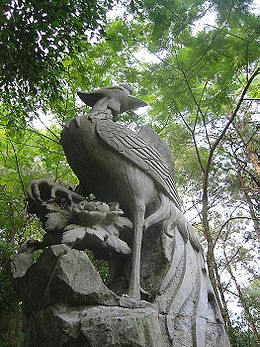
Chinese Phoenix - Fenyang

Chinese Phoenix – Fenghuang

Fenghuang: “Fenghuang is said to be made up of the beak of a rooster, the face of a swallow, the forehead of a fowl, the neck of a snake, the breast of a goose, the back of a tortoise, the hindquarters of a stag and the tail of a fish.  Today, however, it is often described as a composite of many birds including the head of a golden pheasant, the body of a mandarin duck, the tail of a peacock, the legs of a crane, the mouth of a parrot, and the wings of a swallow. Its body symbolizes the six celestial bodies. The head is the sky, the eyes are the sun, the back is the moon, the wings are the wind, the feet are the earth, and the tail are the planets.”

Statue of a griffin - Venice

Griffin: “The Griffin (griffon or gryphon  is a legendary creature with the body of a lion and the head and often wings of an eagle. As the lion was traditionally considered the king of the beasts and the eagle was the king of the birds, the griffin was thought to be an especially powerful and majestic creature. Griffins are normally known for guarding treasure. In antiquity it was a symbol of divine power and a guardian of the divine.”

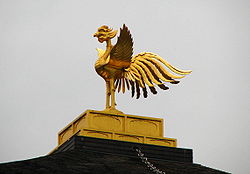
Phoenix on top of Kinkaku-ji temple in Japan

Phoenix on top of Kinkaku-ji temple in Japan

Phoenix: “The bird was also said to regenerate when hurt or wounded by a foe, thus being immortal and invincible — it is also said that it can heal a person with a tear from its eyes and make them temporarily immune to death. The phoenix is a symbol of fire and divinity.” “Originally, the phoenix was identified by the Egyptians as a stork or heron-like bird called a “benu”, known from the Book of the Dead and other Egyptian texts as one of the sacred symbols of worship at Heliopolis, closely associated with the rising sun and the Egyptian sun-god Ra.”

These are just a few of the Bird Idols around the world. As stated earlier, we love doing articles about the fantastic birds God has created, but please, don’t take your eyes off of the Creator. He created them for His pleasure and ours, not to be worshiped.

Thou shalt have no other gods before me. Thou shalt not make unto thee any graven image, or any likeness of any thing that is in heaven above, or that is in the earth beneath, or that is in the water under the earth: Thou shalt not bow down thyself to them, nor serve them: for I the LORD thy God am a jealous God,  (Exodus 20:3-5a)

Interesting article to read: The Folly of Idolatry by Kyle Campbell Most quotes are from Wikipedia.

*