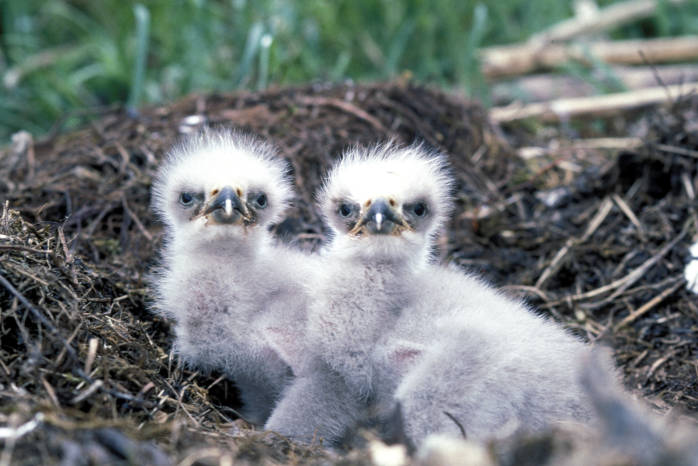
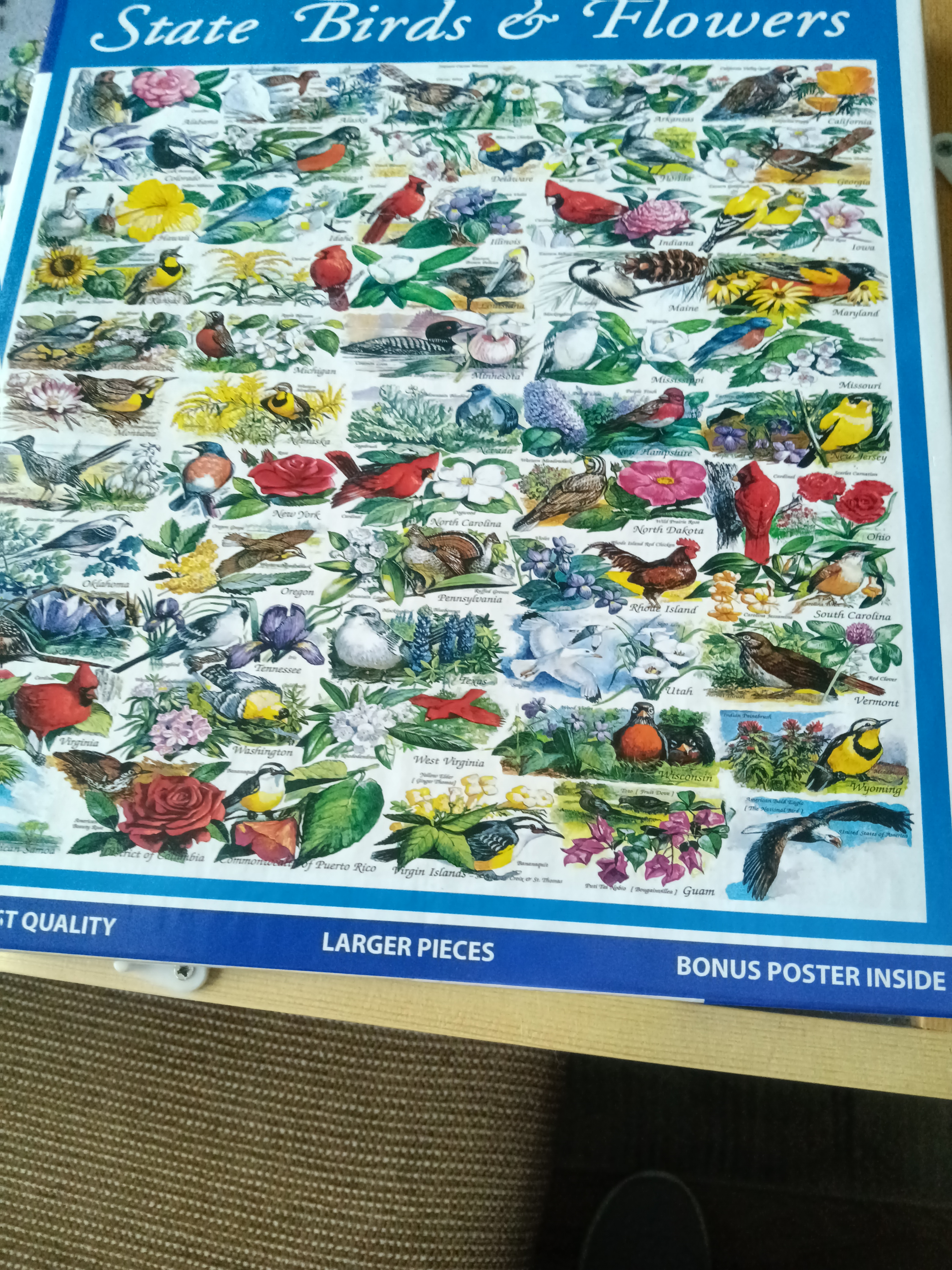
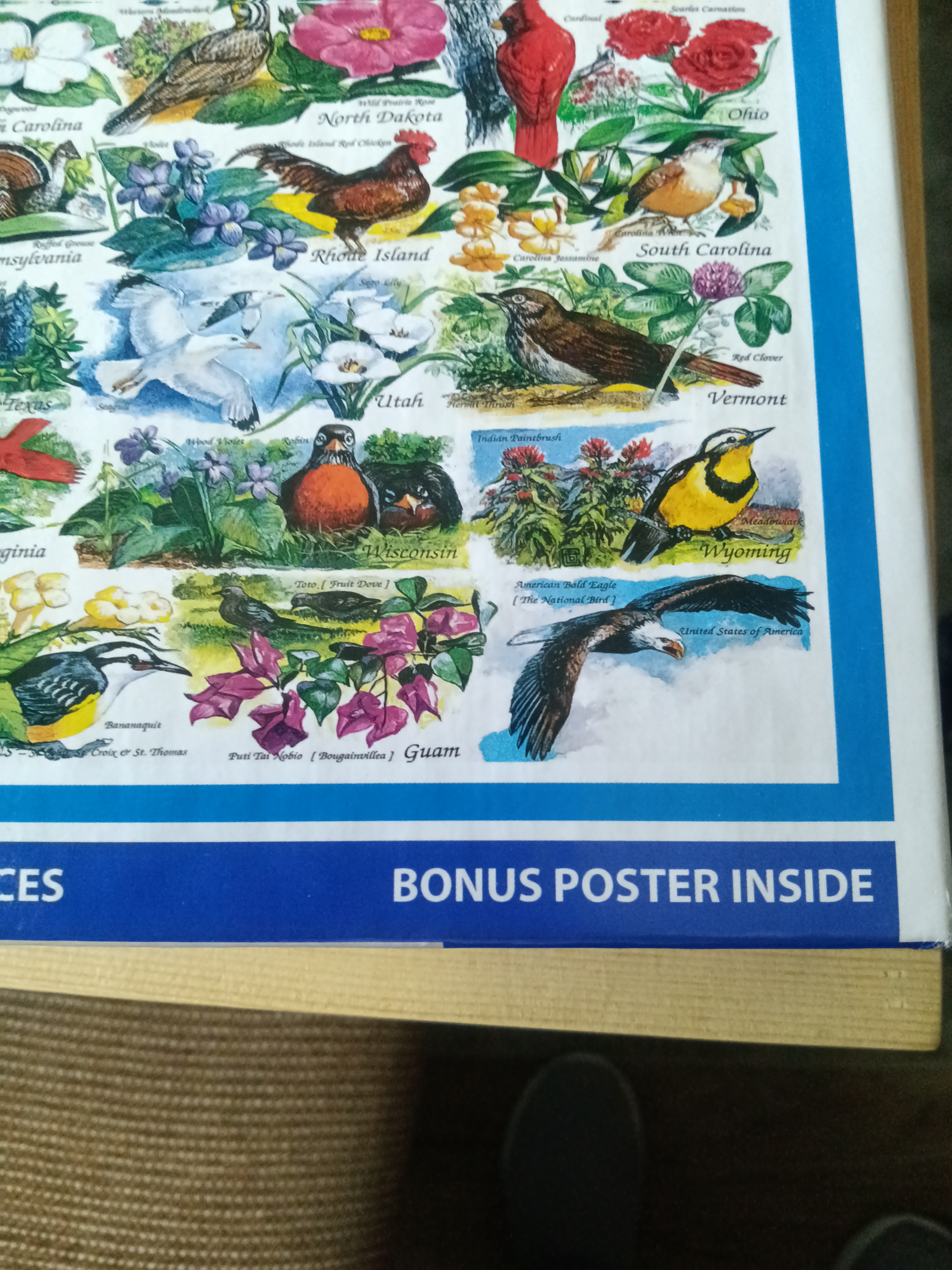
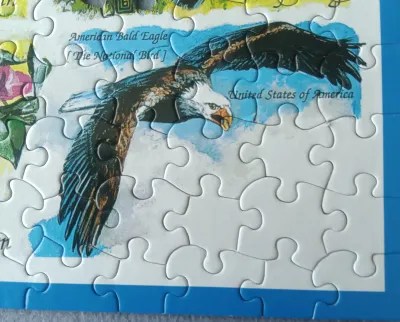
The Bald Eagle is part of the current puzzle that I have been working on (for the last month). The Eagle is of course our National Bird.
The puzzle list all the U.S. States with their State Birds and State Flowers.
“The American eagle symbol, specifically the bald eagle, became a national symbol in 1782 when it was adopted for the Great Seal of the United States. It represents freedom and strength, and it first appeared as an American symbol on a Massachusetts copper cent coined in 1776. The bald eagle’s significance has grown over time, appearing on official documents, currency, and military insignia, embodying the spirit of the nation.” (Copilot)
Why America chose the Bald Eagle as the National Bird.
God’s Word mentions the Eagle many times, as written about in previous article here.
But they that wait upon the LORD shall renew their strength; they shall mount up with wings as eagles; they shall run, and not be weary; and they shall walk, and not faint. (Isaiah 40:31 KJV)
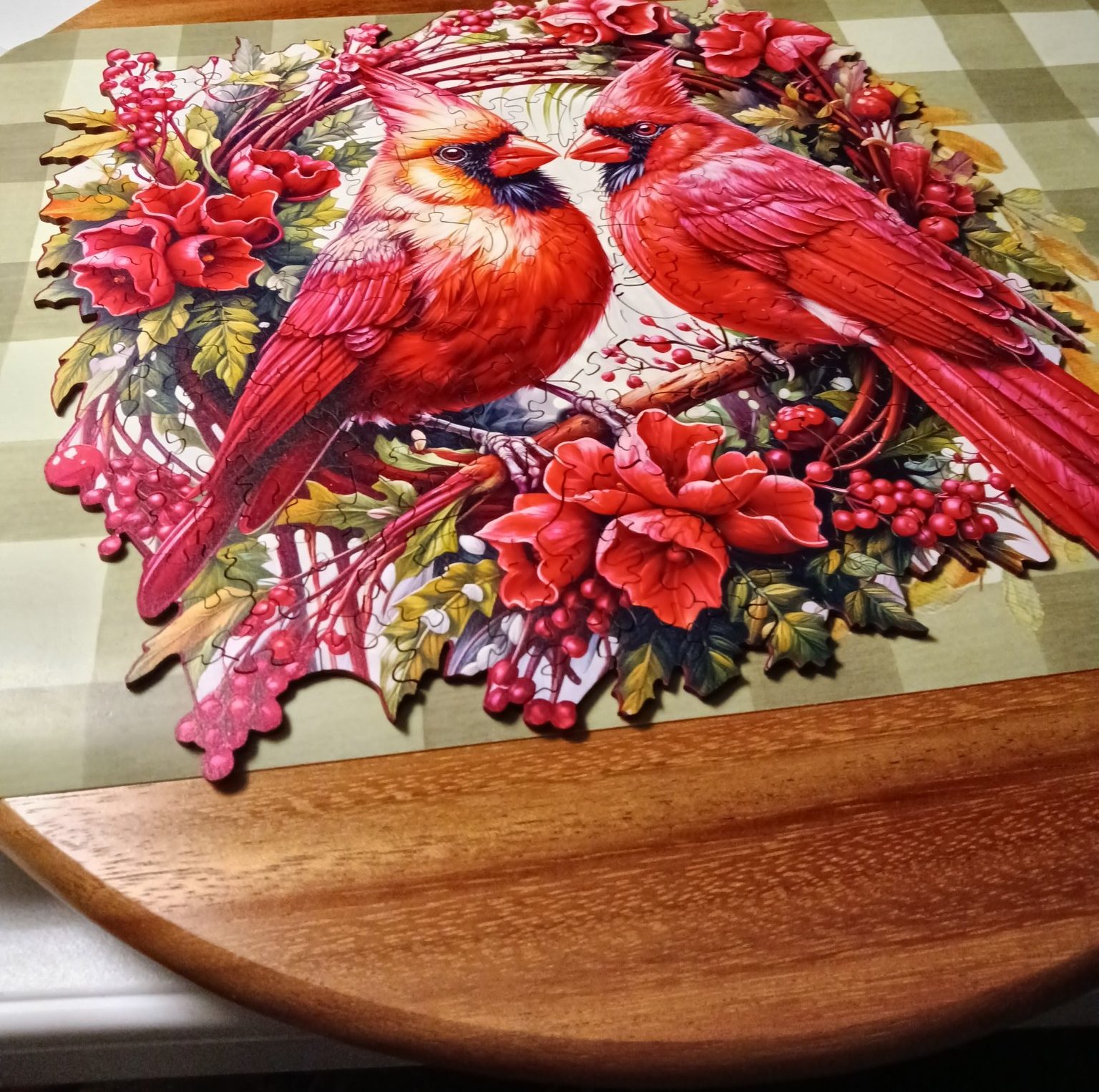
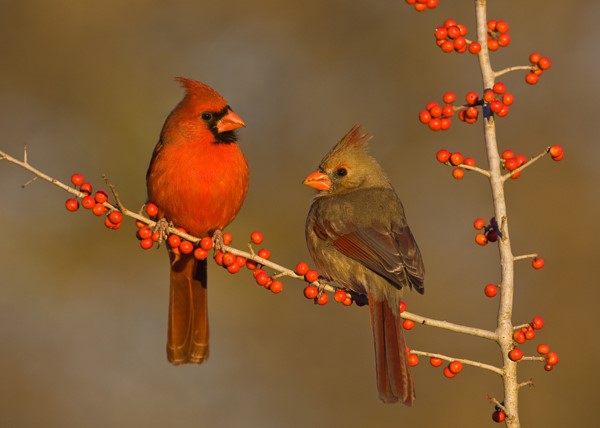
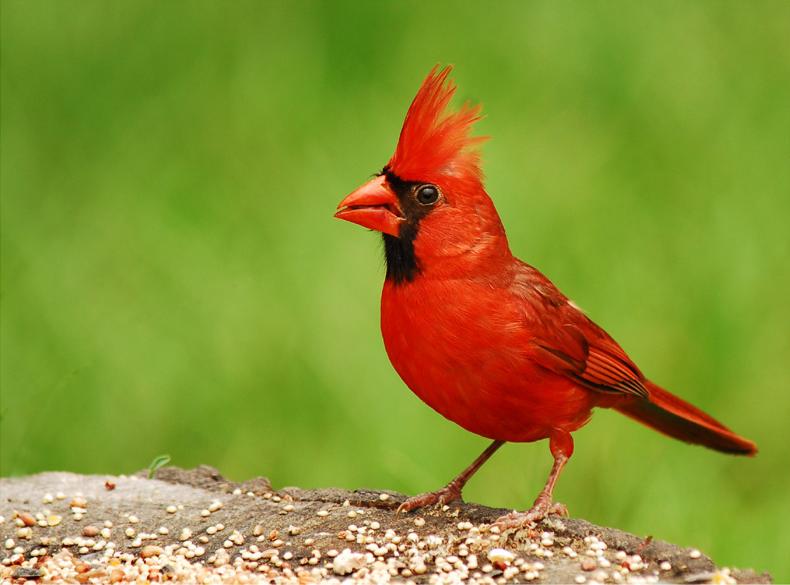
Having been born in Indiana, I have seen many Cardinals. It is also Indiana’s State Bird. When I saw this puzzle, it was not a hard choice to make.
I am currently working on a puzzle that has all the State Birds and Flowers. (It may take months to put that one together.) I was not aware that the Cardinal has been chosen for the State Bird in seven states according to web search.
From Copilot Search:
“The Northern Cardinal (Cardinalis cardinalis) is celebrated for its vibrant red plumage, melodious song, and year-round presence, making it a beloved symbol across the eastern and midwestern United States. Its striking appearance and cheerful song have inspired communities to adopt it as a state emblem, reflecting qualities such as resilience, vitality, and regional pride.”
States That Have Adopted the Cardinal
Kentucky – First to adopt the cardinal in 1926, highlighting its prevalence in the state’s rolling hills and woodlands.
Virginia – Named the state bird in 1950, recognizing its year-round presence and role in local conservation and cultural traditions.
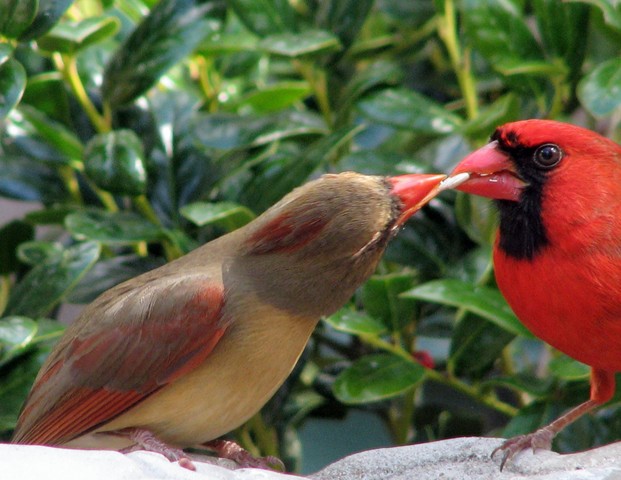
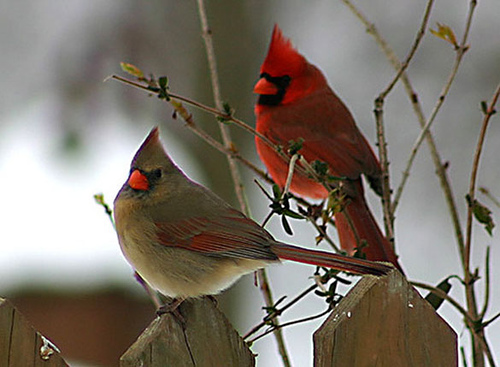
Female Cardinal photographed at Circle B by Dan
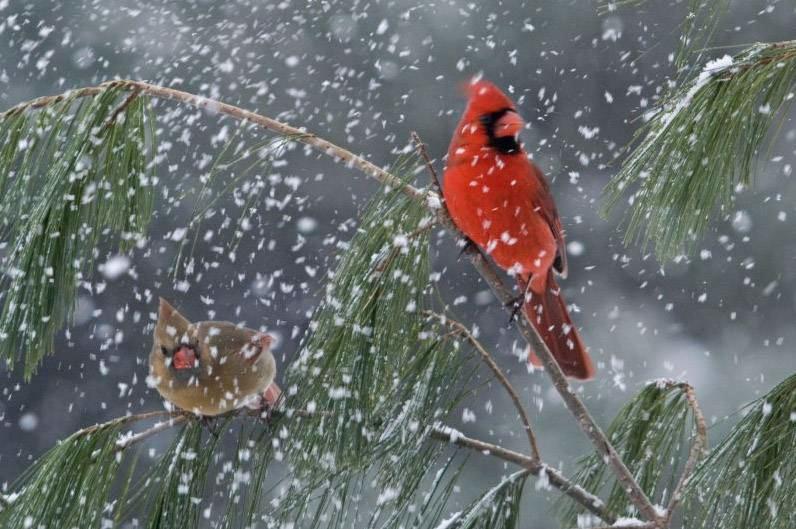
“Come now, and let us reason together,” Says the LORD, “Though your sins are like scarlet, They shall be as white as snow; Though they are red like crimson, They shall be as wool. (Isa_1:18)
Here are some more interesting facts about these beautiful Cardinals:
Additional Facts
Cardinals are non-migratory, so they are visible year-round in their habitats .
They thrive in a variety of environments, including deciduous forests, urban parks, and backyard gardens .
The species’ scientific name is Cardinalis cardinalis, and it belongs to the family Cardinalidae .
The cardinal’s popularity as a state bird surpasses all others, with the Western Meadowlark and Northern Mockingbird following in second and third place, respectively .
The Northern Cardinal’s combination of beauty, song, and cultural resonance has made it a natural choice for multiple states, creating a strong regional identity and a shared symbol of nature’s vibrancy.
While looking for previous “Cardinal” articles that we have posted before, I was amazed at how many articles there are. You can use the search link in the right column to find more. Here are just some of those:
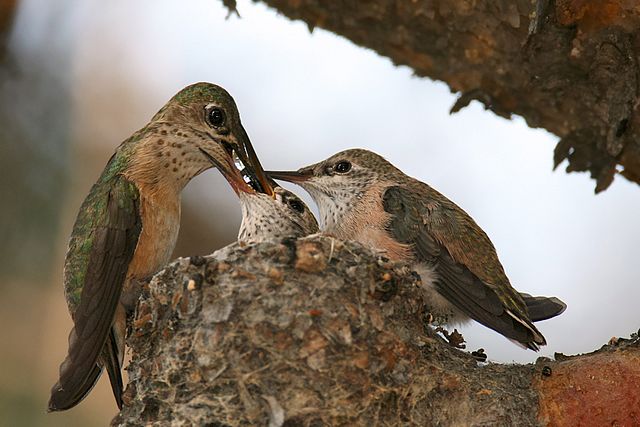
In the Puzzling Birds introduction, there were three Hummingbirds. I left the question open as to what kind of Hummingbirds they were. So far, no one has suggested a name. Humm, I’ve had several ideas myself, but am not sure either.
Sometimes artist will add highlights, that can throw us off for an identification. When we are out in the field, lighting, branches, leaves, and other obstacles can cause us to struggle with our “nailing it.”
Just thought you might enjoy see these 50 “Stunning Hummingbird Photos from Birds&Blooms.
“If a bird’s nest happens to be before you along the way, in any tree or on the ground, with young ones or eggs, with the mother sitting on the young or on the eggs, you shall not take the mother with the young;” (Deuteronomy 22:6 NKJV)
In September last year, my niece sent me a wood puzzle for my birthday. I had never seen, nor worked on a wooden puzzle before. Since she knows I like birds, she picked out the one you see pictured above. It only has 200 pieces but proved to be a bit challenging.
When we go birdwatching, we encounter quite a few “puzzling birds”. At least I do. To find out what kind of bird we saw, we have to do some investigation. Usually, ask the birdwatching friend beside you, or look for it in one of your many bird books, or check the internet.
I also like to check my Bible to see if it might be one of the many birds that are mentioned. Since God created them in the first place, why not see if they are listed. Adam had the privilege of naming them and did not need to look them up.
“Out of the ground the LORD God formed every beast of the field and every bird of the air, and brought them to Adam to see what he would call them. And whatever Adam called each living creature, that was its name.” Gen 2:19-20a
If you have been following this blog over the years, Bible birds have been written about many times. See Birds of The Bible.
This photo shows the wood pieces up closer. Do you see the two bird shapes?
Section showing puzzle shapes. See the two birds?
One is a Hummer and the other??? When we are out birding, sometimes all we see is a quick outline of the bird. Out come the books, etc. again. Right?
Because I now have physical challenges, birdwatching out in the woods and parks has become too hard for me. The birds out in the backyard, on the pond, and what fly by keep me puzzling as to who they are.
Stay tuned for more Puzzling Birds. Oh, and by the way, do you know what kind of Hummingbirds these are??
According to Birds and Bloom magazine site, there are Birds of the Month.
“You’ve probably heard of birth month gemstones and birth month flowers, but have you heard of birth month birds? It might come as a surprise to learn every month of the year has not only a representative jewel and flower, but also a bird. From owls to ravens, here are the birds that represent everyone’s birthdays.”
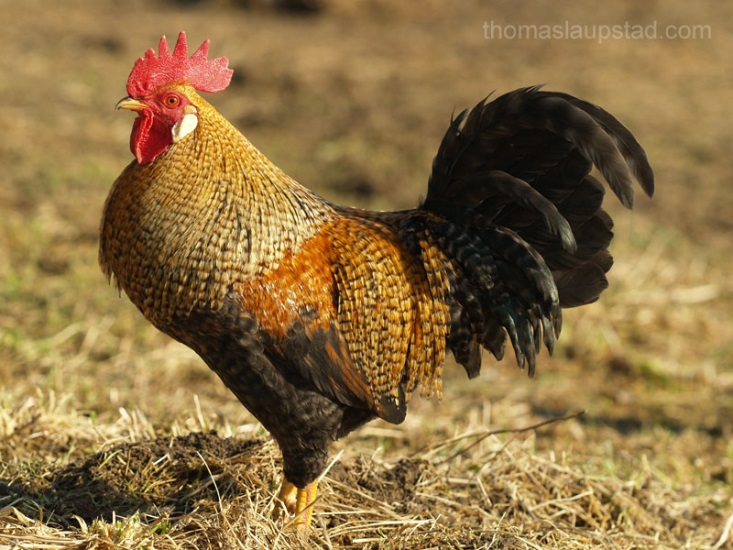
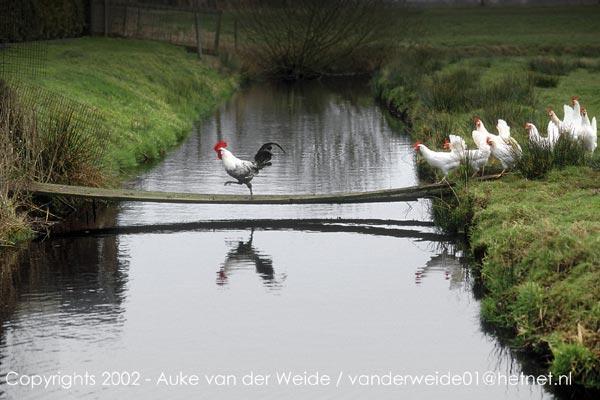
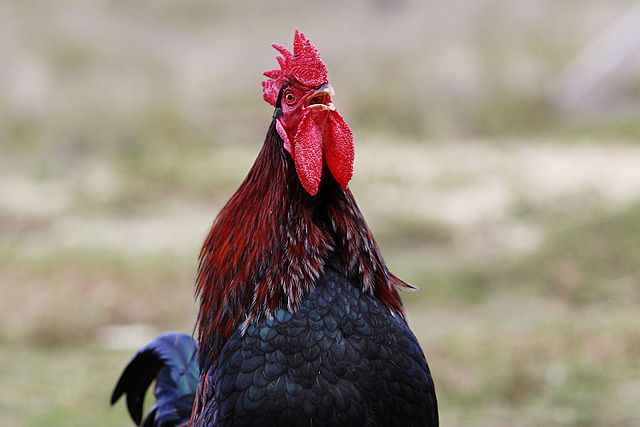
If you’re a morning person with a November birthday, it makes sense that your birth month bird is a rooster. After all, the rooster’s loud crowing often marks a new day. It might surprise some to learn that roosters are capable of flight, but not for sustained periods of time or across long distances.
“This brightly colored rooster (above) watches over his farm with vigilance and bravery. He scans the sky for any potential danger that may be lurking around and crows at the crack of dawn to let us know another day has begun. The rooster proudly struts around the farmyard as he protects his flock,” says Crystal Blank.
Can you guess the official state bird of all 50 states?
So, where were roosters mentioned in the Bible? Let’s see what we can find out!!
When I put in “rooster” in my eSword program (NKJV) there are 12 verses that list the word “rooster.” Here are some of those:
“Jesus said to him, “Assuredly, I say to you that this night, before the rooster crows, you will deny Me three times.” (Matthew 26:34 NKJV)
Peter denies the Lord in verses 74 and 75:
“Then he began to curse and swear, saying, “I do not know the Man!” Immediately a roostercrowed. And Peter remembered the word of Jesus who had said to him, “Before the roostercrows, you will deny Me three times.” So he went out and wept bitterly.” (Matthew 26:74-75 NKJV)
Watch therefore, for you do not know when the master of the house is coming—in the evening, at midnight, at the crowing of the rooster, or in the morning— lest, coming suddenly, he find you sleeping. And what I say to you, I say to all: Watch!” (Mark 13:35-37 NKJV)
Jesus gave that warning in Mark:
Mar_14:30 Jesus said to him, “Assuredly, I say to you that today, even this night, before the rooster crows twice, you will deny Me three times.”
Mar_14:68 But he denied it, saying, “I neither know nor understand what you are saying.” And he went out on the porch, and a rooster crowed.
Mar_14:72 A second time the rooster crowed. Then Peter called to mind the word that Jesus had said to him, “Before the rooster crows twice, you will deny Me three times.” And when he thought about it, he wept.
There are a few more verses with the Rooster mention, but in all of them there is a warning to watch and pray. Sounds like great advice to me.
According to Birds and Bloom magazine site, there are Birds of the Month.
“You’ve probably heard of birth month gemstones and birth month flowers, but have you heard of birth month birds? It might come as a surprise to learn every month of the year has not only a representative jewel and flower, but also a bird. From owls to ravens, here are the birds that represent everyone’s birthdays.”
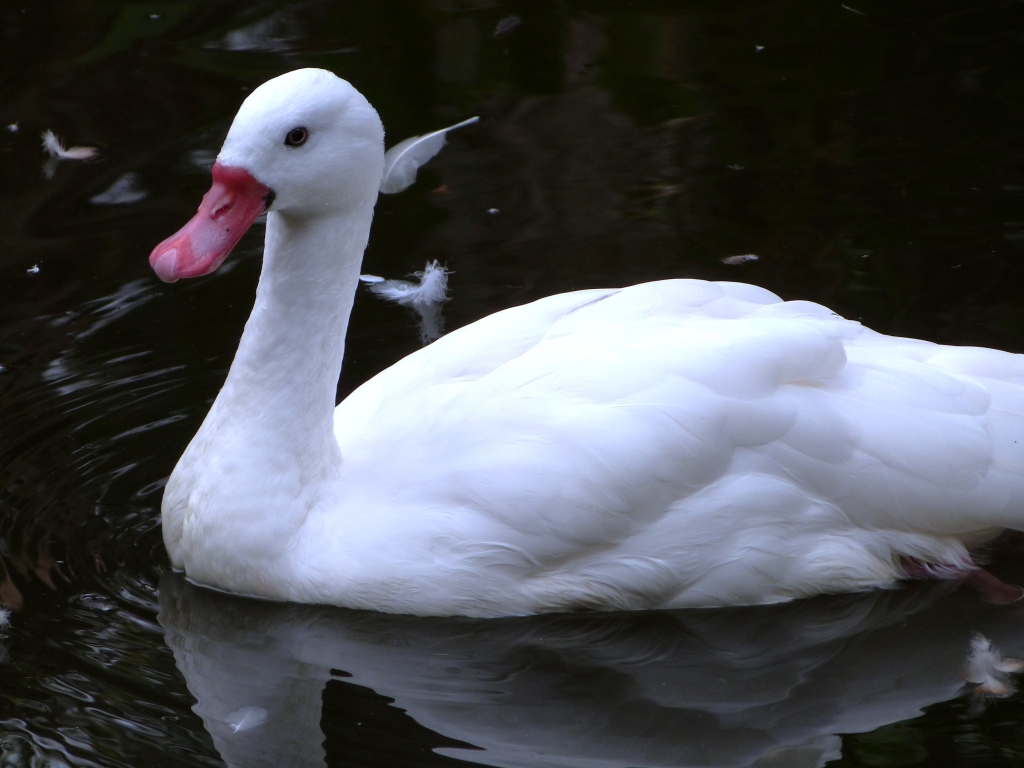
Coscoroba Swan (Coscoroba coscoroba) at Brevard Zoo by Lee
More from Birds and Bloom:
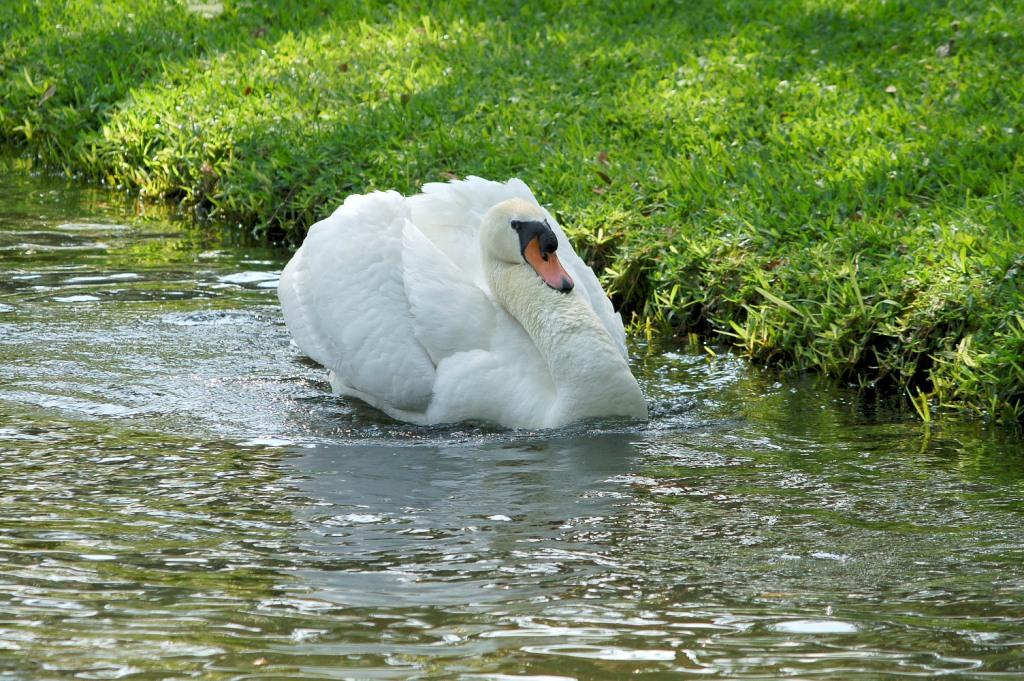
October: Swan
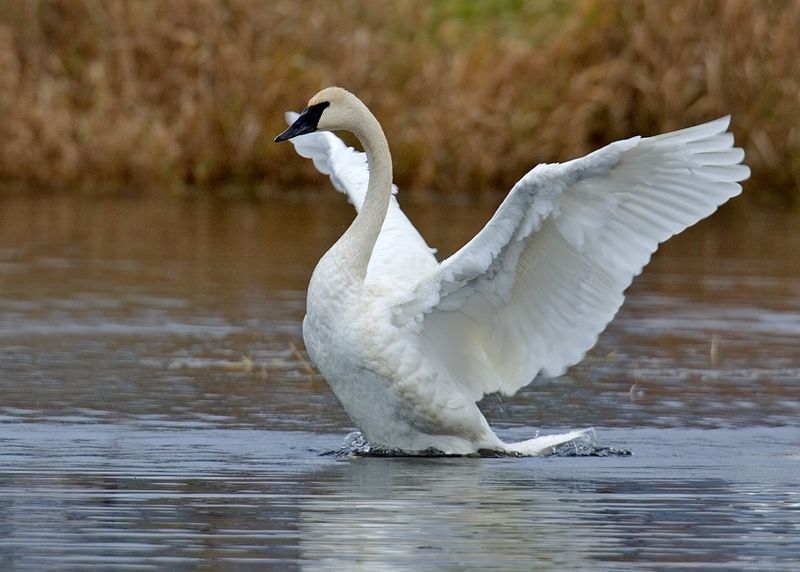
Long seen as symbols of romance and grace, swans are beautiful birds. Swans mate for life and only seek a new one if their previous mate dies. These October birth month birds also have a fiercely protective streak; they’ve been known to attack anyone who gets too close to their nest! Three types of swans live in the United States; the trumpeter swan, the tundra swan and the (non-native) mute swan.
“This beautiful swan was stretching its wings out. The thing that stands out to me in the photo is how beautifully and elegantly the swan was posing,” ….
Quite a few of my friends have had birthdays in October, and if you did, now you know your Bird of the Month. Sorry was a bit late getting posted, but it IS STILL October. Trust you had a great birthday.
Depending on what version of the Bible used, the Swan may or not be a Bird of the Bible, but I counted it in when I did the Birds of the Bible – Swan posts.
The little owl, and the great owl, and the swan, (Deuteronomy 14:16 KJV)
the little owl, the screech owl, the white owl, (Deuteronomy 14:16 NKJV)
the little owl, and the great owl, and the swan, (Deuteronomy 14:16 YLT)
The little owl, the great owl, the horned owl, (Deuteronomy 14:16 AMPC)
The little owl and the great owl and the water-hen; (Deuteronomy 14:16 BBE)
little owls, great owls, white owls, (Deuteronomy 14:16 ERV)
All these verses are from the list of Birds Not To Eatfor the Israelites. Personally, I have never seen any of these on the menu at my favorite restaurant and don’t plan on eating one of them.
According to Birds and Bloom magazine site, there are Birds of the Month.
“You’ve probably heard of birth month gemstones and birth month flowers, but have you heard of birth month birds? It might come as a surprise to learn every month of the year has not only a representative jewel and flower, but also a bird. From owls to ravens, here are the birds that represent everyone’s birthdays.”
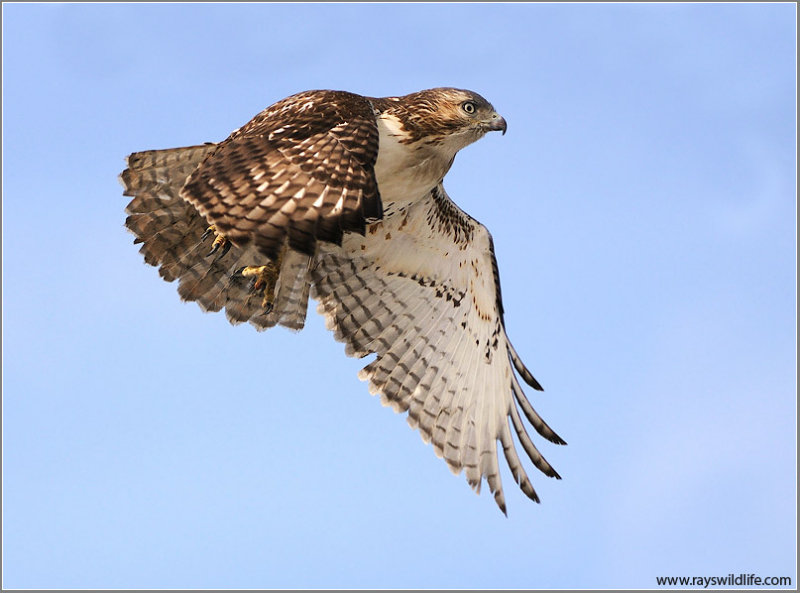
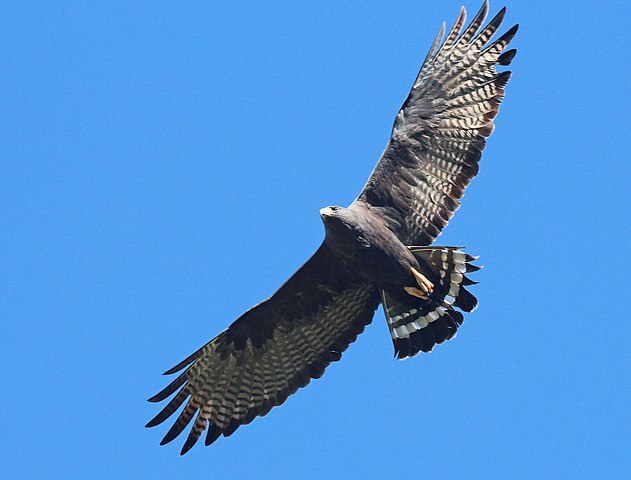
They’re not always a welcome sight around feeders, but there’s plenty to admire about hawks. Resourceful and powerful, they’re striking as they hover in the skies or scan fields for prey. These birds of prey aren’t particularly hard to find, but since many look alike, it can be tricky to identify hawks.
Red-tailed Hawk by Ray
“I heard the undeniable screech of a red-tailed hawk (above) while I was out watering my flowers one early summer morning. It didn’t take me long to locate this beautiful, noisy creature. Majestically, it perched on the highest peak of my neighbor’s roof. It was communicating with its mate, which was perched in a nearby tree. I was lucky to see their interaction and snap a shot as it took off and flew away,” says Carol Holliday.
September is my birthday month. So, along with the rest of you we now know that we should like Hawks, especially if this is our monthly bird. There have been plenty of Hawks presented over the years on this blog. So, let’s take a look at some of them.
According to Birds and Bloom magazine site, there are Birds of the Month.
“You’ve probably heard of birth month gemstones and birth month flowers, but have you heard of birth month birds? It might come as a surprise to learn every month of the year has not only a representative jewel and flower, but also a bird. From owls to ravens, here are the birds that represent everyone’s birthdays.”
More from Birds and Bloom:
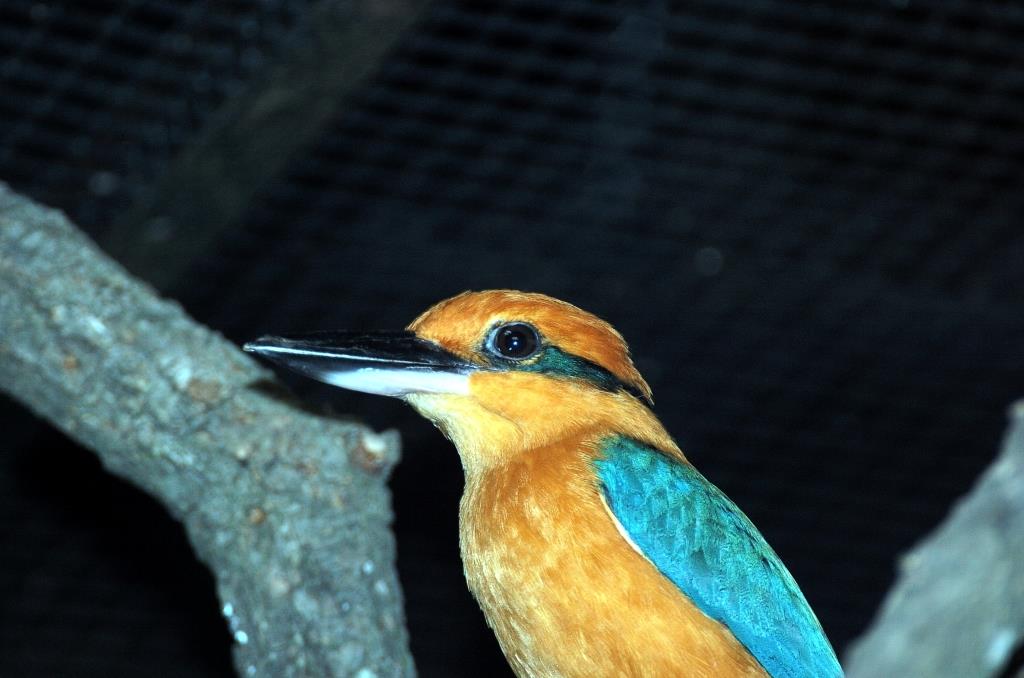
August: Kingfisher
If you’re drawn to water, the kingfisher represents you well. The August birth month birds don’t stray far from water of some kind: rivers, lakes, streams or even swamps. You can find them throughout most of the United States, either year-round or during breeding or migration seasons.
“This is one of my favorite birds, the Belted Kingfisher. I was thrilled to catch this one perched on this branch. They are hard to catch up with as they are always on the move, but this one sat there for a while and posed for us. They have such a distinctive call, and watching one dive into the water to catch a fish is quite a sight!” says Pauline Medori.
Don’t forget to add a card to your bird month gift. We found the best bird cards.
“Then Jesus said to them, “Follow Me, and I will make you become fishers of men.”
(Mark 1:17 NKJV)
We’ve enjoyed writing about and watching these unique Kingfishers. They have a squatty look to me because of their short neck with that long beak. Luckily, we are able to see them nearby quite often. So, there are quite a few articles here on the blog. Here are some of them.
According to Birds and Bloom magazine site, there are Birds of the Month.
“You’ve probably heard of birth month gemstones and birth month flowers, but have you heard of birth month birds? It might come as a surprise to learn every month of the year has not only a representative jewel and flower, but also a bird. From owls to ravens, here are the birds that represent everyone’s birthdays.”
More from Birds and Bloom:
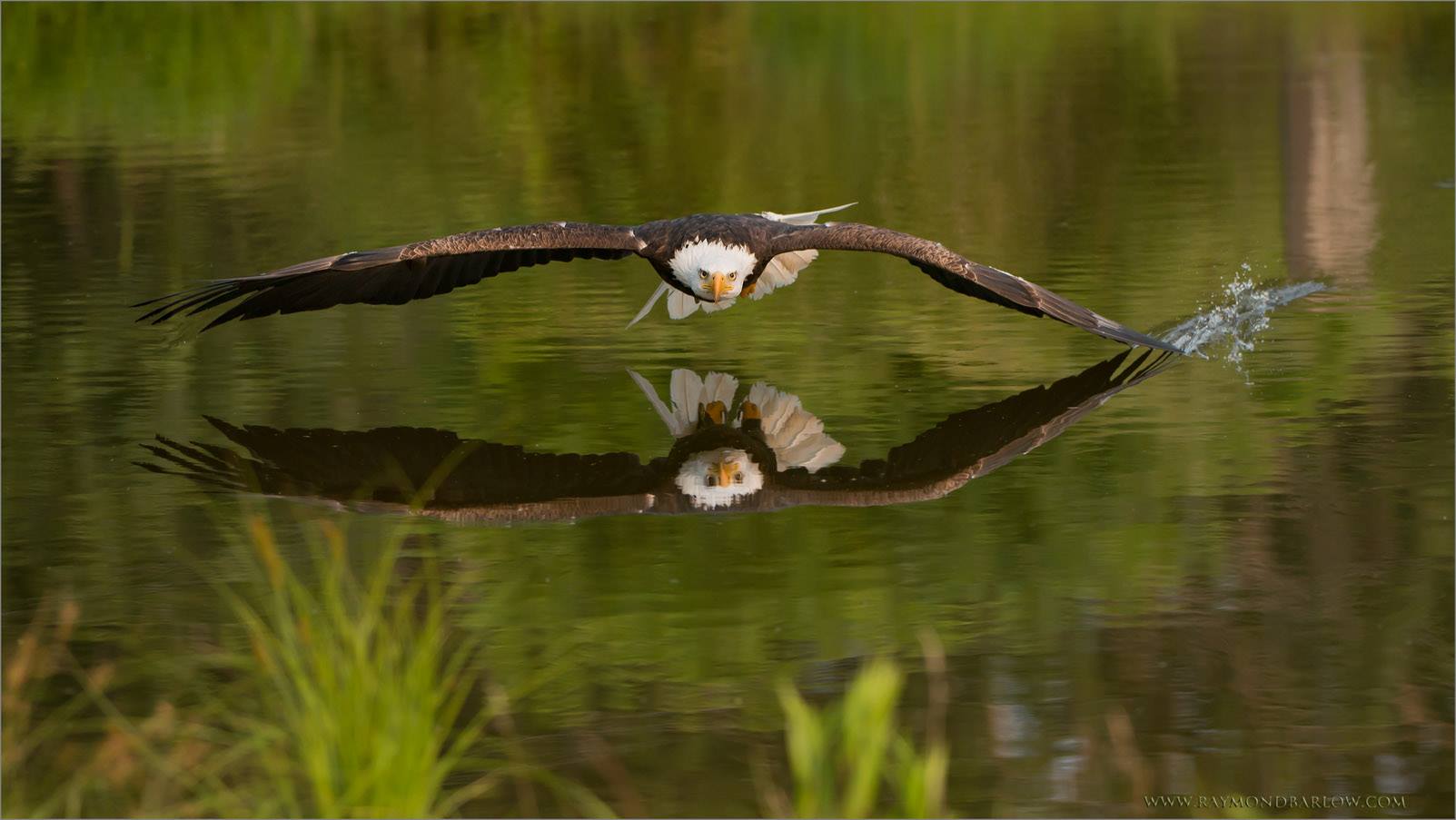
Bald Eagle (Haliaeetus leucocephalus) by Ray Barlow
July: Eagle
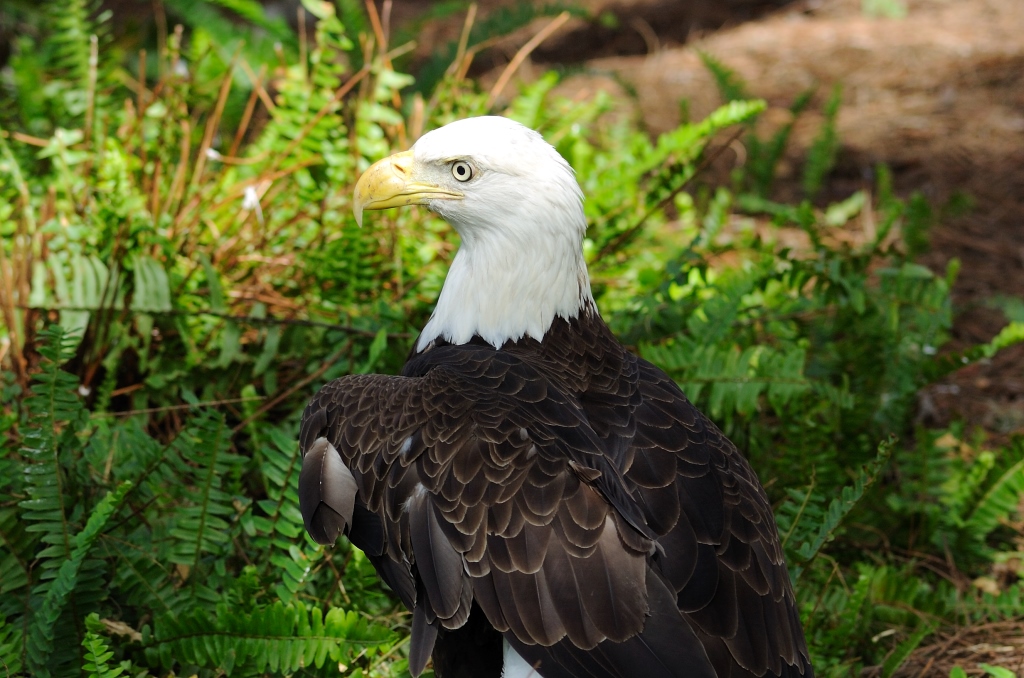
Eagles are regal birds. They’re fierce in flight and stunning to see, with hooked beaks and wide wingspans. In the United States especially, a bald eagle is a prized sight. Watch for white feathers on the head and brown plumage on the rest of the body, as well as yellow talons.
“It was a drizzly fall day on the Potomac Eagle train ride in Romney, West Virginia. I didn’t have high hopes for good photos, but I got lucky,” says Robin Bell.
“To everything there is a season, and a time to every purpose under the heaven … Everything He [i.e., God] has made beautiful, in its time: also He hath set eternity in their heart, so that no man can find [i.e., fully find/discover] the work that God has done from the beginning to the end.” (Ecclesiastes 3:1 & 3:11)
Lately I’ve been investigating birds of South Florida, especially those of the Everglades and the Florida Keys. God willing, I expect to be part of a scientific/educational tour of those parts of Florida, later this year (more on that later, D.v., if that trip becomes a reality!). Meanwhile, a few of those Florida birds are on my mind, so it’s timely to post a bit on some of these beauties. For starters, let’s consider some heron-like wading birds, the kinds that have long skinny legs, perfect for hunting food in shallow waters.
Interestingly, there is an “albino” version (endemic subspecies) of the Great Blue Heron, called the “Great White Heron”. In other words, this version of the Great Blue Heron is white, but it’s not a Great White Egret. It’s seen in the Florida Keys. In fact, there is a national wildlife refuge named for it: Great White Heron National Wildlife Refuge, just west of national Key Deer Refuge.
The face of a “Great White Heron” looks a lot like that of a regular Great Blue Heron — to compare, consider this mugshot of a Great Blue Heron.
Of course, South Florida has lots of inland and coastal waters, so the opportunities for hunting and eating aquatic prey seems boundless, as a practical matter (to a hungry heron). Consider this Great Blue Heron, eating what looks like a catfish. Of course, there are many other heron-like birds in South Florida. For another example, consider the Little Blue Heron, which is often found in the Everglades. The Little Blue Heron has bluish-grey plumage, ivory white legs and feet, and a whitish dagger-like bill.
For another wading bird of South Florida, consider the Roseate Spoonbill. Well-named, this rose-feathered wader has a distinctively spoon-shaped bill, used for capturing prey (and securing it as the bill-shaking bird drains out excess water before swallowing.
For another example, consider the American Flamingo (a/k/a Pink Flamingo), an icon of South Florida’s colorful wildlife. If the flamingo gets the right diet, and thus gets lots of carotenoid pigment, the red-to-pink color is vivid!
And we should not forget the Wood Stork, which Buddy Davis calls “the only stork of North America” (see SWAMP MAN, Buddy’s classic wildlife DVD produced by Answers in Genesis ministry).
WOOD STORK (“Iron-head”): Nat’l Park Service photo
The clunky-looking Wood Stork is nicknamed “Iron-hHead” (and “Flint-head”) due to its grey scaly neck and head.
Of course, the Snowy Egret is a Florida favorite — especially to LEESBIRD.COM visitors. Snowy legs are black, but look at those yellow feet! Some call them “golden slippers”, since they walk, strut, and amble upon their feet; others say “golden gloves” since snowies use them as prehensile fingers, grasping things.
One of my (this is JJSJ talking) all-time favorite wading birds, of Florida, is the White Ibis. Some become accustomed to eating bread crumbs provided by birdwatchers, e.g., in the Webels’ pondside backyard (St. Petersburg). And, in some public parks, white ibises might even eat bread crumbs out of your hand!
That’s it for now . . . please appreciate that God has providentially equipped the habitats of Florida to be bird’s havens, so those habitats are likewise birder’s havens! Yes, the Lord has made all of these birds “beautiful in their times”–and in ours too!
“To everything there is a season, and a time to every purpose under the heaven … Everything He [i.e., God] has made beautiful, in its time: also He hath set eternity in their heart, so that no man can find [i.e., fully find/discover] the work that God has done from the beginning to the end.” (Ecclesiastes 3:1 & 3:11)
Hey! Is that an egret standing atop my head? (Photo by Marcia Webel)
Mourning Dove (Zenaida macroura) by Daves BirdingPix
“And I said, Oh that I had wings like a dove! for then would I fly away, and be at rest.” (Psalm 55:6)
According to Birds and Bloom magazine site, there are Birds of the Month.
“You’ve probably heard of birth month gemstones and birth month flowers, but have you heard of birth month birds? It might come as a surprise to learn every month of the year has not only a representative jewel and flower, but also a bird. From owls to ravens, here are the birds that represent everyone’s birthdays.”
More from Birds and Bloom:
Mourning Dove by Reinier Munguia
June: Dove
Symbols of peace and tranquility, birders everywhere love doves—and in North America, especially the mourning dove. They’re not the most graceful fliers, but they make up for it in song. Listen for their calming call, which comprises a set of cooing notes. You’ll usually find them feeding on the ground, or at a ground or platform feeder.
“This mourning dove let me get close to it in my backyard in Michigan. This bird was certainly comfortable and content. It kept preening and ruffling its feathers even as I kept getting closer and closer,” says Martin Torres.
We’ve written quite a few posts about the Dove family which is mentioned quite a few times in the God’s Word. Here are some links to many of them for you to checkout:
According to Birds and Bloom magazine site, there are Birds of the Month.
“You’ve probably heard of birth month gemstones and birth month flowers, but have you heard of birth month birds? It might come as a surprise to learn every month of the year has not only a representative jewel and flower, but also a bird. From owls to ravens, here are the birds that represent everyone’s birthdays.”
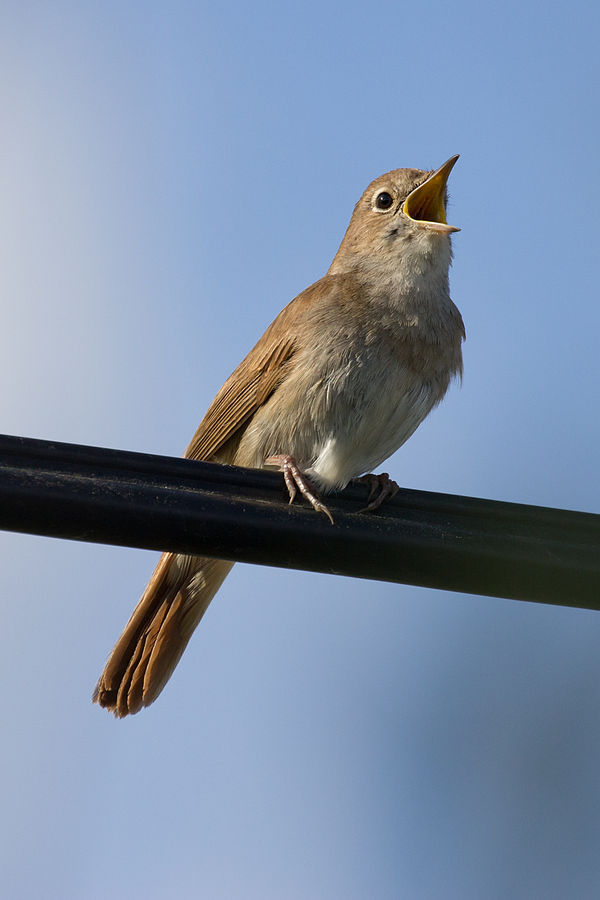
It can be hard to spot a common nightingale, especially if you live in North America (their range stretches through much of Europe). They’re elusive birds that keep to themselves, content to remain out of sight in brush or thickets. Belonging to the same family as the American robin, these May birth month birds give a wide variety of calls and songs.
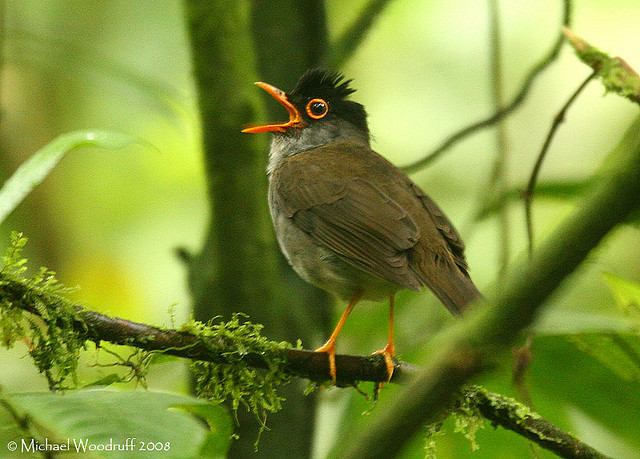
Black-headed Nightingale-Thrush (Catharus mexicanus) by Michael Woodruff
The Wood Thrush is a member of the Turdidae – Thrushfamily. There are 185 species, including Rufous Thrushes, Whistling Thrushes, Ground Thrushes, our Bluebirds, Solitaires, Nightingale-Thrushes, Cochoas, Shortwings, and our American Robin.
Even the stork in the sky Knows her seasons; And the turtledove and the swift and the thrush Observe the time of their migration; But My people do not know The ordinance of the LORD. (Jeremiah 8:7 NASB)








 We are given a WATCH warning in: