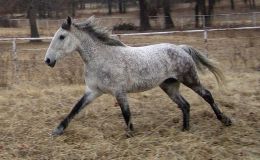
Scripture Alphabet of Animals: The Horse By Harriet N. Cook (1814-1843) There is a fine description of a war-horse in the book of Job-a book which some think to be the oldest in the world. It is in the thirty-ninth chapter. Hast thou given the horse strength? Hast thou clothed his neck with thunder? Canst … Continue reading
Scripture Alphabet of Animals: The Ibex or the Wild Goat
Scripture Alphabet of Animals: The Ibex or the Wild Goat By Harriet N. Cook (1814-1843) The Ibex is a kind of goat, but different from the one described at page 33. It is sometimes called the Rock Goat, or Wild Goat; and the last is the name given it in the Bible. It resembles the … Continue reading
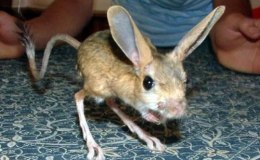
Scripture Alphabet of Animals: The Jerboa or Mouse
Scripture Alphabet of Animals: The Jerboa or Mouse By Harriet N. Cook (1814-1843) You will not find the name of the Jerboa in the Bible; but it is supposed to be the same animal that is called a mouse in the 17th verse of the 66th chapter of Isaiah, They that sanctify themselves, and purify … Continue reading
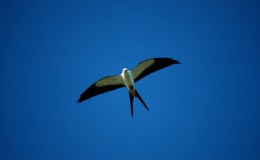
Scripture Alphabet of Animals: The Kite
Scripture Alphabet of Animals: The Kite By Harriet N. Cook (1814-1843) The kite is mentioned but once or twice in the Bible. In Leviticus, 11 : 13,14, it is named among the birds which the Israelites were not allowed to use for food. And these are they which ye shall have in abomination among the … Continue reading
Scripture Alphabet of Animals: The Leopard
Scripture Alphabet of Animals: The Leopard By Harriet N. Cook (1814-1843) The leopard is a beautiful animal, though very savage and cruel. It is about as large as the largest of our dogs, but it looks much more like a cat than a dog. You have watched kittens at their play a hundred times, and … Continue reading
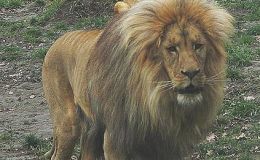
Scripture Alphabet of Animals: The Lion
Scripture Alphabet of Animals: The Lion By Harriet N. Cook (1814-1843) You have seen pictures of the lion a hundred times, I suppose, and perhaps you have seen it alive; would you not like to know what the Bible says about it? You have heard it called the “king of beasts,” because it is so … Continue reading
Scripture Alphabet of Animals: The Hart and Hind
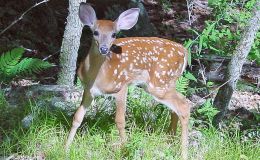
Scripture Alphabet of Animals: The Hart and Hind By Harriet N. Cook (1814-1843) Several animals of the deer kind are mentioned in the Bible under the names of Fallow-deer, Hart, Hind, and Roe-buck. They were all numbered among the clean animals, or those which the Israelites were allowed to eat; as we see in Deut. … Continue reading
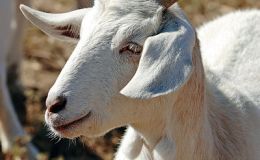
Scripture Alphabet of Animals: The Goat
Scripture Alphabet of Animals: The Goat By Harriet N. Cook (1814-1843) There are two kinds of goat in the countries where the Bible was written; one very much like those that we sometimes see; the other differing from it in several respects, especially in the greater length of its ears. It is supposed that the … Continue reading
Scripture Alphabet of Animals: The Fox or Jackal
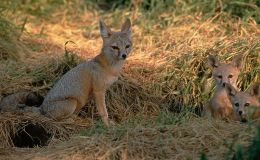
Scripture Alphabet of Animals: The Fox or Jackal By Harriet N. Cook (1814-1843) It is not quite certain whether the fox mentioned in the Bible is the same animal that we now call by that name. It probably means what we now call the jackal. This animal is about as large as a common sized … Continue reading
Scripture Alphabet of Animals: The Eagle
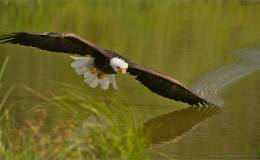
Scripture Alphabet of Animals: The Eagle By Harriet N. Cook (1814-1843) Did you ever see an eagle? There were once a great many among the rocks and mountains of our own country, but they will not stay where there are many people; so they are seldom seen here now. They like to make their nests … Continue reading
Scripture Alphabet of Animals: The Dog
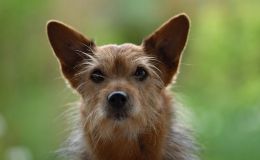
Scripture Alphabet of Animals: The Dog By Harriet N. Cook (1814-1843) There are many dogs in the countries where the Bible was written, but the people do not like them as well as we do, and do not let them live about their yards and houses. So the dogs go wandering about without any master, … Continue reading
Scripture Alphabet of Animals: The Camel
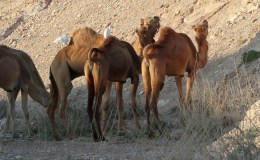
Scripture Alphabet of Animals: The Camel By Harriet N. Cook (1814-1843) There are two or three varieties of the camel, but they do not differ from each other much more than our horses, some of which, the stout and strong, we use to draw heavy loads; others, more slender and graceful, we use for riding. … Continue reading