Microraptor Controversy

Microraptor by durbed

News to Note for March 17, 2012, by Elizabeth Mitchell from Answers in Genesis, has an interesting article called, “Glossy black flirt by any other name is still a bird.” It is about the Microraptor that was discovered in China. It is supposedly a “four-winged” Microraptor from the Liaoning Providence. As usual, the evolutionist are claiming that it is a transitional species that is between the dinosaur and the birds. They have found the bird to have had the “iridescent black feathers of modern birds.”

As Christians that believe the Biblical account of creation, it is impossible that that can be true. God said that the birds were created on day five and than the land animals were created on day six.

Then God said, “Let the waters abound with an abundance of living creatures, and let birds fly above the earth across the face of the firmament of the heavens.” So God created great sea creatures and every living thing that moves, with which the waters abounded, according to their kind, and every winged bird according to its kind. And God saw that it was good. And God blessed them, saying, “Be fruitful and multiply, and fill the waters in the seas, and let birds multiply on the earth.” So the evening and the morning were the fifth day. Then God said, “Let the earth bring forth the living creature according to its kind: cattle and creeping thing and beast of the earth, each according to its kind”; and it was so. And God made the beast of the earth according to its kind, cattle according to its kind, and everything that creeps on the earth according to its kind. And God saw that it was good. … So the evening and the morning were the sixth day.” (Genesis 1:20-25, 31b NKJV)

Four-winged Microraptor

“God created “every winged bird according to its kind” (Genesis 1:21) on the fifth day of Creation week. He said, “Let birds fly above the earth across the face of the firmament of the heavens” (Genesis 1:20). The next day, God made each “beast of the earth, each according to its kind” (Genesis 1:24), including dinosaurs. Birds fully equipped to fly were flying the day before dinosaurs were even created.”

“Dinosaurs did not evolve into birds. Many anatomical differences between them make such a transition impossible. No genetic mechanism enabling an organism to acquire information to evolve into a completely new kind has ever been found. No evidence of feather evolution has been found in the fossil record or in this study. But thanks to this study, artists painting pictures of the world God made about 6,000 years ago can be reasonably confident as they make these birds shine in the sunlight of that first world.”

To see the whole article – Click Here.

*

Ian’s Bird of the Week – Norfolk Island Parakeet

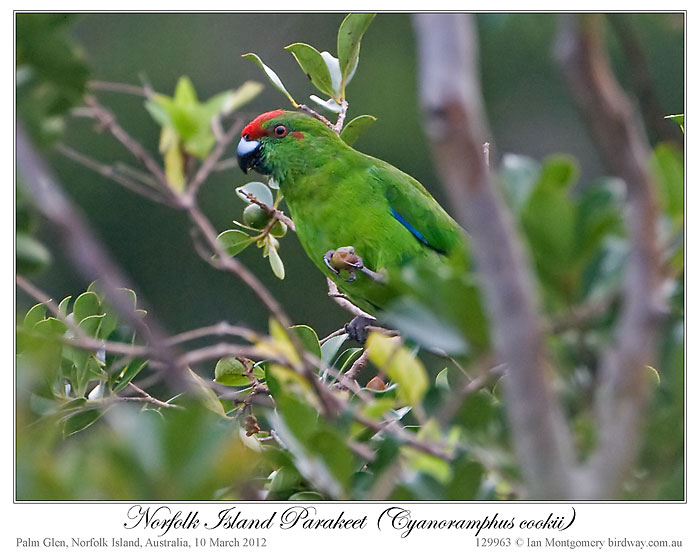
Norfolk Parakeet (Cyanoramphus cookii) by Ian 1

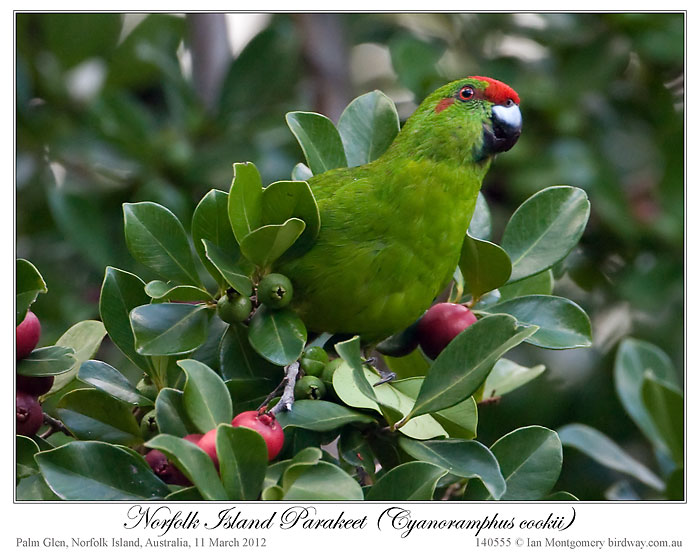
Norfolk Parakeet (Cyanoramphus cookii) by Ian 1

Ian’s Bird of the Week – Norfolk Island Parakeet ~ by Ian Montgomery

Newsletter ~ 3/15/12

Well, your unwavering moral and spiritual support has done it again: here is the Tasman or Norfolk Island Parakeet (better known here as the Green Parrot to distinguishing it from the introduced Red Parrot – the Crimson Rosella). Thank you very much!

We were met at the airport by Albury-Wodonga birder Dougald Frederick, excitedly carrying the news that there was a vagrant Ringed Plover at Slaughter Bay. So we picked up the hire cars, checked into our accommodation and went down to the Bay, whose name is a corruption of Slackwater Bay, rather than the site of a messy event in the generally nasty penal history of the island. Ringed Plovers are indeed rare in Australia, but I was brought up with them in Ireland and couldn’t conceal my impatience to get to Palm Glen near Mount Pitt, where Dougald had been regularly seeing the Parakeets in the evening.

Eventually we went there and eventually, just before sunset and after my travelling companions had left to buy food for breakfast, the Parakeet in the first photo arrived and starting feeding on the feral guavas, fruiting prolifically around the picnic area. The guavas have dense foliage and the red fruit made the feeding Parakeets very hard to see. They were easier to see, but harder to photograph, when they used the top of the numerous tall Norfolk Island pines as vantage points, second photo. This less brightly coloured bird is a female or juvenile; the ones in the first and third photos are males.

Norfolk Parakeet (Cyanoramphus cookii) (fem or juv) by Ian 2

Norfolk Parakeet (Cyanoramphus cookii) (fem or juv) by Ian 2

After that, we visited Palm Glen regularly in the evenings and always saw at least one, distant Parakeet, with a flock of 6 on the second day when I took the third photo, the last occasion on which the birds were close enough to photograph. As well as being a pleasant spot to watch the sunset, it was also a good site for the other two remaining endemic species, the Norfolk Island Gerygone and the Slender- or Long-billed White-eye, and for the endemic races of the Golden Whistler and Grey Fantail.

Norfolk Parakeet (Cyanoramphus cookii) by Ian 3

Norfolk Parakeet (Cyanoramphus cookii) by Ian 3

The Norfolk Island Parakeet was originally regarded as a race of the Red-crowned Parakeet of New Zealand until genetic studies showed that it was sufficiently distinct to warrant the status of a full species. It came close to extinction in the 1980s when the population declined to an estimated 32 individuals with 4 breeding pairs (the sex ratio was heavily biased towards males). Since then, it has been the subject of an intense recovery program to control introduced predators and competitors, and the population is now estimated at perhaps 200 individuals, though our birding guide on Monday, Margaret Christian reckons that that is optimistic, given the frequency of sightings.

It’s a lovely island, friendly and historically interesting, so we have had an enjoyable week. If you intend to visit, we can highly recommend our accommodation, Poinciana Cottages – we all agreed that we could quite happily live in them permanently, and they gave me a free upgrade from an extra bed in one of our two cottages to solo occupancy of a third cottage. If you’re birding, then a morning spent with Margaret Christian is essential and she bakes delicious cake for morning tea. We also did a trip to Phillip Island for the seabirds. That too is highly recommended if the weather is suitable and David Bigg is the person to see about that.

Best wishes and much gratitude,

Ian

**************************************************
Ian Montgomery, Birdway Pty Ltd,
454 Forestry Road, Bluewater, Qld 4818
Tel 0411 602 737 ian@birdway.com.au
Check the latest website updates:
http://www.birdway.com.au/#updates


Lee’s Addition:

Glad we could assist with our prayers. What another neat creation to observe. I love the way they were designed to blend right in with the plants they like to eat. It protects them, but it does make for the challenge of birdwatching photographers and watchers. Thanks for your persistence, Ian.

Look at the birds of the air, for they neither sow nor reap nor gather into barns; yet your heavenly Father feeds them. Are you not of more value than they? (Matthew 6:26 NKJV)

The Norfolk Parakeet (Cyanoramphus cookii), also called Tasman Parakeet,[1] Norfolk Island Green Parrot or Norfolk Island Red-crowned Parakeet, is a species of parrot in the Psittacidae family. It is endemic to Norfolk Island (located between Australia, New Zealand and New Caledonia in the Tasman Sea).

Its natural habitats are subtropical or tropical moist lowland forests and plantations. It is threatened by habitat loss.

Check out Ian’s photos of others in the Psittacidae – Parrot Family.

*

Birds in Hymns – Bring, O Morn, Thy Music

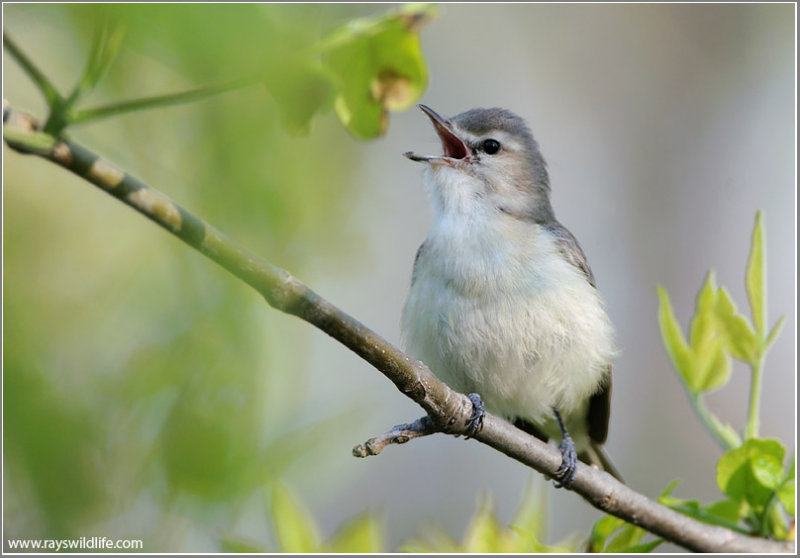
Warbling Vireo (Vireo gilvus) by Raymond Barlow

Warbling Vireo (Vireo gilvus) by Raymond Barlow

I am Alpha and Omega, the beginning and the ending, saith the Lord, which is, and which was, and which is to come, the Almighty. (Revelation 1:8 KJV)

Words: Will­iam C. Gan­nett, in A Chor­us of Faith, 1893.

Music: Nicaea, John B. Dykes, in Hymns An­cient and Mo­dern, 1861

Bring, O Morn, Thy Music

Bring, O morn, thy music! Night, thy starlit silence!
Oceans, laugh the rapture to the storm winds coursing free!
Suns and planets chorus, Thou art our Creator,
Who wert, and art, and evermore shalt be!

Life and death, Thy creatures, praise Thee, mighty Giver!
Praise and prayer are rising in Thy beast and bird and tree:
Lo! they praise and vanish, vanish at Thy bidding,
Who wert, and art, and evermore shalt be!

Light us! lead us! love us! cry Thy groping nations,
Pleading in the thousand tongues, but naming only Thee,
Weaving blindly out Thy holy, happy purpose,
Who wert, and art, and evermore shalt be!

Life nor death can part us, O Thou Love eternal,
Shepherd of the wandering star and souls that wayward flee!
Homeward draws the spirit to Thy Spirit yearning,
Who wert, and art, and evermore shalt be!

Most information from The Cyber Hymnal

*

YouTube by First Presbyterian Church of Berkeley, CA – Their Chancel Choir & Young Adult Choir

*

See more – Birds in Hymns

Wordless Birds

*

Another Visit To Lowry Park Zoo – March 2012

Demoiselle Crane (Grus virgo) Preening by Lee

Demoiselle Crane Preening by Lee at LPZoo

Dan and I were able to get in a small visit to the Lowry Park Zoo in Tampa a few days ago. Our goal was to go to the Sulawesi, Free-Flight and the Lorikeet Landing Aviaries. Most of the birds we saw were busy preening that day. Probably the most feather fluffing seen by so many birds on the same day, by us at least. It was difficult to get a good photo of them.

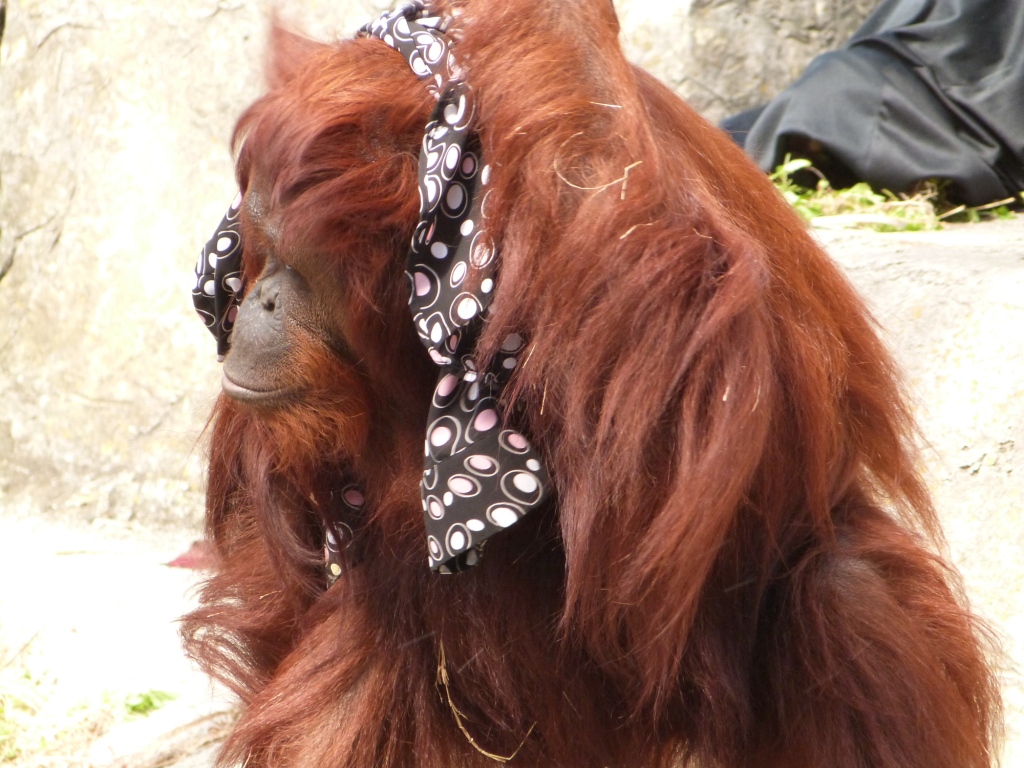
Bornean Orangutan at LPZoo 3-8-12

Bornean Orangutan at LPZoo 3-8-12

Never the less, it is always enjoyable to watch and observe their behaviors. Actually there were a couple of Bornean Orangutans displaying a behavior of covering their heads with cloths that can be quite funny. In the past, we have also seen them use cardboard as coverings.

Bornean Orangutan at LPZoo 3-8-12

Bornean Orangutan at LPZoo 3-8-12

Back to birdwatching. One of the highlights was getting to see the juvenile Sulawesi Hornbill maturing. The beak colors have not started developing yet.

Sulawesi Hornbill (Penelopides exarhatus) LPZoo 3-8-12

Sulawesi Hornbill (Penelopides exarhatus) LPZoo 3-8-12

“As this youngster ages the colors of the adult will become more pronounced. The Sulawesi Hornbill (Penelopides exarhatus), also known as the Sulawesi Tarictic Hornbill, Temminck’s Hornbill or Sulawesi Dwarf Hornbill, is a relatively small, approximately 45 cm (17.7 in) long, black hornbill. The male has a yellow face and throat, and black-marked yellowish-horn bill. The female has an all black plumage and a darker bill.

An Indonesian endemic, the Sulawesi Hornbill is distributed in the tropical lowland, swamps and primary forests of Sulawesi and nearby islands, from sea-level to altitude up to 1,100 metres. There are two subspecies of the Sulawesi Hornbill.

The Sulawesi Hornbill is a social species that lives in groups of up to 20 individuals. It is believed that only the dominant pair breeds, while the remaining members of the group act as helpers. The diet consists mainly of fruits, figs and insects. The female seals itself inside a tree hole for egg-laying. During this time, the male and helpers will provide food for the female and the young.” (Wikipedia)

Here is the adult male that was standing nearby the two youngsters.

Sulawesi Hornbill (Penelopides exarhatus) LPZoo 3-8-12 by Lee

Sulawesi Hornbill (Penelopides exarhatus)LPZoo by Lee

Below are some of the photos taken on this trip to the Zoo. It was another enjoyable day to observe the Lord’s creation up close.

The works of the LORD are great, sought out of all them that have pleasure therein. (Psalms 111:2 KJV)

This slideshow requires JavaScript.

*

Ian’s Bird of the Week – Yellow-crowned Parakeet

Yellow-crowned Parakeet (Cyanoramphus auriceps) by Ian 1

Yellow-crowned Parakeet (Cyanoramphus auriceps) by Ian 1

Ian’s Bird of the Week – Yellow-crowned Parakeet ~ by Ian Montgomery

Newsletter ~ 3/8/12

Last December, the Red-crowned Parakeet was the bird of the week http://www.birdway.com.au/psittacidae/red_crowned_parakeet/index.htm . That was photographed on Enderby Island in the Auckland Islands one of the New Zealand Sub-Antarctic islands. Here is a close relative the Yellow-crowned Parakeet photographed on the same trip in Fiordland on the South Island. I’ve chosen it for this week’s bird, as I’m going to Norfolk Island tomorrow and I need your moral and spiritual support to help me photograph the endangered Norfolk Island or Tasman Parakeet.

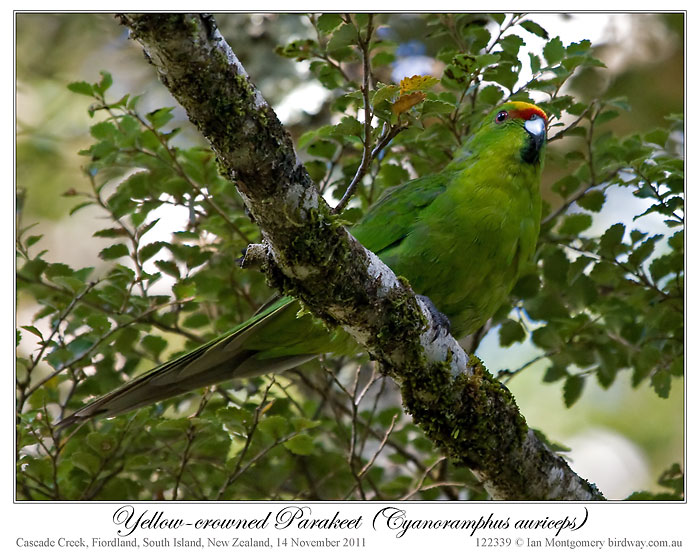
In Fiordland, I camped at Cascade Creek camping site because it’s within striking distance of Milford Sound for the Fiordland Penguin and also because it’s right beside a nature trail through Antarctic Beech forest to Lake Gunn. This particular trail had been recommended as a good site for various native birds including the Yellow-crowned Parakeet. I found the Parakeets with relative ease as they chatter away when feeding or in flight. In the first photo, the bird is perched in a beech tree, and you can see its lovely, serrated, spoon-shaped leaves.
Yellow-crowned Parakeet (Cyanoramphus auriceps) by Ian 2

Yellow-crowned Parakeet (Cyanoramphus auriceps) by Ian 2

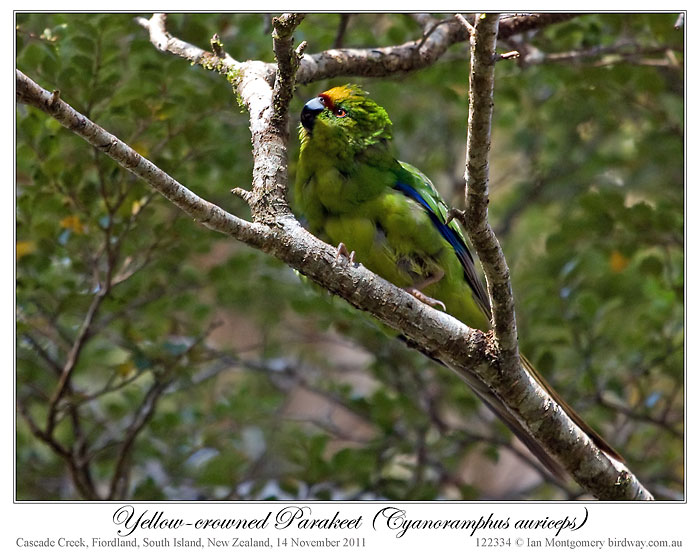
With a length of 23-25cm/9-10in, they’re smaller than the Red-crowned but otherwise very similar, apart from the colour of the crown and the lack of red behind the eye. In sunlight, the colours stand out well, as in the second photo, but in the shady areas of the forest they are well camouflaged and the presence of faded yellow leaves in both photos show well how the patches of colour in the plumage help to break up the outline of the bird.
Yellow-crowned Parakeet (Cyanoramphus auriceps) by Ian 3

Yellow-crowned Parakeet (Cyanoramphus auriceps) by Ian 3

The third photo shows another bird in a patch of sunlight on a very mossy tree stump. It’s a delightful forest, very Lord of the Rings, and it was easy to imagine encountering Treebeard along the way. It’s no wonder that the movie was filmed in New Zealand, and Tevora Lakes – not too far from here – was the location for Fangorn Forest, and you will, of course, remember that ‘Fangorn’ was the Sindarin for Treebeard http://en.wikipedia.org/wiki/Treebeard .
Yellow-crowned Parakeet (Cyanoramphus auriceps) by Ian Middle Earth

Yellow-crowned Parakeet (Cyanoramphus auriceps) by Ian Middle Earth

http://www.virtualoceania.net/newzealand/culture/lotr/Anyway, I’m wandering. The Norfolk Island trip is being organised by the same birders from Victoria that were my companions on the Sub-Antarctic trip. I’d originally turned down the invitation to join them on the grounds of extravagance so shortly after the other trip. We had such fun together, however, that I changed my mind, particular when their flights were re-routed through Brisbane, an easy, if horribly early, connection away from Townsville.

The Tasman/Norfolk Island Parakeet looks similar to the Red-crowned but yet smaller (21-26cm/8.3-10.2in). Like all the 10 members of this South Pacific genus (Cyanorhamphus – ‘blue bill’) it has suffered from the introduction of mammalian predators by Europeans, is classified as endangered and is restricted in distribution to the Norfolk Island National Park. Its numbers have increased recently from a dangerous low as a result of conservation efforts. There is talk of reintroducing it to Phillip Island, a small predator-freed island off Norfolk, and to Lord Howe, where a similar parakeet became extinct. It is thought to belong to the same species, hence the name Tasman Parakeet. So, wish me luck, keep your fingers crossed and transmit the same spiritual energy that is has been so successful before, and I’ll try to bring you the Tasman Parakeet as a future bird of the week.

Best wishes

Ian


Ian Montgomery, Birdway Pty Ltd,
454 Forestry Road, Bluewater, Qld 4818
Preferred Email: ian@birdway.com.au
Website: http://www.birdway.com.au/index.php


Lee’s Addition:

Our prayers will go with you for safety and that you might find your next “Bird of the Week.” We like following your adventures into the wilds. Must be nice to have so many parakeets and parrots around.

Check out Ian’s many members of the Parrots and Allies – Psittacidae Family photos. He has quite a collection of them. He has almost 50 species there. There are 350 total members in the Parrot family. Ian has a few more trips to take. When he mentioned “in the shady areas of the forest they are well camouflaged and the presence of faded yellow leaves,” it reminds me of how well their creator provided for their protection.

There will be a shelter to give shade from the heat by day, and refuge and protection from the storm and the rain. (Isaiah 4:6 NASB)

More – Bird of the Week articles

*

Ian’s Bird of the Week – New Zealand/Sub-Antarctic Snipe

Subantarctic Snipe (Coenocorypha aucklandica) by Ian 1

Subantarctic Snipe (Coenocorypha aucklandica) by Ian 1

Ian’s Bird of the Week – New Zealand/Sub-Antarctic Snipe ~ by Ian Montgomery

Newsletter ~ 2/29/12

My apologies for a late Bird of the Week. Lots of excuses are presenting themselves, as they do, but I won’t bore you with them. I’ve chosen another mostly good news conservation story from the Sub-Antarctic islands, the New Zealand or Sub-Antarctic Snipe. These are odd, dumpy, almost tail-less little snipe – length 23cm/9in – that occur now only on some of the islands south of New Zealand: Snares, Auckland Islands, Antipodes Islands and Campbell Island with a closely related species on Chatham Island.

We found them on Enderby Island, one of the Auckland Islands group, where the nominate subspecies (aucklandica) occurs. With their relatively short, curved bill they don’t look like your average snipe and they don’t behave like one either. Like the Auckland and Campbell Islands Teals they’re fairly confiding and allow close approach but, unlike the Teal, they can still fly, though are very reluctant to do so. When disturbed – and you have to nearly step on them to do that – they creep away mouse-like through the thick vegetation that they prefer and disappear with relative ease. Perhaps crake- or rail-like would be closer to the mark and the curved bill reminded me of the longer-billed rails such as the Virginia Rail http://www.birdway.com.au/rallidae/virginia_rail/source/virginia_rail_110552.htm .

Subantarctic Snipe (Coenocorypha aucklandica) by Ian 2

Subantarctic Snipe (Coenocorypha aucklandica) by Ian 2

By day they stay under cover, only venturing out onto more open areas at night. They feed on a wide variety of invertebrates that they the find by deeply probing the peaty island soil. The male, apparently, has a distinctive territorial call uttered at dawn and dusk and rendered as ‘queeyoo queeyoo’, and the extinct Stewart Island race is supposed to be responsible for the Maori legend of the hakawai or or hokioi, a frightening creature that called only at night (Heather & Robertson, Field Guide to the Birds of New Zealand). The males also perform a nocturnal display flight, making, like other snipe, a humming sound by vibrating the tail feathers, which, given the short tails of this species, one can imagine as being very high-pitched.

Subantarctic Snipe (Coenocorypha aucklandica) by Ian 3

Subantarctic Snipe (Coenocorypha aucklandica) by Ian 3

The third photo shows a pair of the snipe sneaking past the abundant yellow-flowered Bulbinella or Ross Lily, one of the characteristic, so-called ‘megaherbs’ of these islands http://en.wikipedia.org/wiki/Bulbinella_rossii.

The good part of the news is that although the New Zealand Snipe became extinct on the main islands following the arrival of the Pacific Rat with the Maoris a thousand years ago and the recent extinction of two races on Stewart Island and Little Barrier Island (the latter, ironically as a result of the introduction there of the Weka http://www.birdway.com.au/rallidae/weka/index.htm ), the remaining races seem to be doing quite well with a total population estimated at 34,000, of which two thirds occur on the smaller of the Auckland Islands, including Enderby.

Yet another race was thought to have become extinct on Campbell Island after the brig Perseverance, responsible for discovery of the island in 1810, was wrecked there in 1828 leaving the usual legacy of rats. This race remained undescribed and unseen until a small population was discovered on an almost inaccessible, nearby, little island called Jacquemart in 1997 during a search for the Campbell Island Teal. Rats were eliminated on the relatively huge – 11,000 hectare – main island in 2001 and the snipe have recolonised it from Jacquemart unaided. The race is now called, paradoxically, perseverence. Some of the more intrepid members of our party found some snipe on an arduous walk there in wet conditions on our last day. I’d had enough of boggy, wet walks through unrelenting waist-deep tussock grass by then and didn’t join them. Alas!

To make amends for the late BoftW, here is a non-bird of the week, Lumholtz’s Tree Kangaroo.

Lumholtz's Tree Kangaroo by Ian

Lumholtz's Tree Kangaroo by Ian

This obliging animal made a greatly-appreciated appearance in the middle of a Birds Australia North Queensland committee meeting 11 days ago when we were just about to debate a controversial agenda item. The meeting was being held at a member’s house in rainforest on the Atherton Tableland. A delightful interlude with this placid animal led to a very harmonious and well-mannered debate. There’s an obvious lesson there for choosing a suitable venue for meetings.

Best wishes
Ian


Ian Montgomery, Birdway Pty Ltd,
454 Forestry Road, Bluewater, Qld 4818
Phone: 0411 602 737 +61-411 602 737
Preferred Email: ian@birdway.com.au
Website: http://birdway.com.au


Lee’s Addition:

He causes the grass to grow for the cattle, And vegetation for the service of man, That he may bring forth food from the earth, (Psalms 104:14 NKJV)

Another neat bird and adventure by Ian. The Tree Kangaroo is also an adorable addition. We have the Wilson’s Snipe in this area, which is the only snipe seen by us. I am glad Ian let’s in on his adventures around the world. Better him having his “walks through unrelenting waist-deep tussock grass” than us. Thanks, Ian, for sparing us.

See all of Ian’s Birds of the Week – Click Here

*

Updating the Slideshows – Report # 3

As previously reported, the Slide.Com is closing down as of March 6th. Unfortunately I have used a lot of the Slideshows from them on this site. I am busy kicking up dust behind the scenes and decided to share links to the articles as I get some of them finished. At least you will know I have not been “goofing off.” Besides that, many of these were produced sometime back and deserve a reminder of our many birds the Lord has created for His Glory and pleasure. Trust you like the new Slideshows that are being installed. They are taking a great effort on my part to learn the new procedure, but after quite a few mistakes, maybe I can get them out quicker now.

The works of the LORD are great, sought out of all them that have pleasure therein.(Psalms 111:2 KJV) Having made known unto us the mystery of his will, according to his good pleasure which he hath purposed in himself: (Ephesians 1:9 KJV) For it is God which worketh in you both to will and to do of his good pleasure. (Philippians 2:13 KJV) Thou wilt shew me the path of life: in thy presence is fulness of joy; at thy right hand there are pleasures for evermore. (Psalms 16:11 KJV)

Thanks for your patience and your visits to this website. While I am working away, I am enjoying seeing articles that I had forgotten about. Completed:

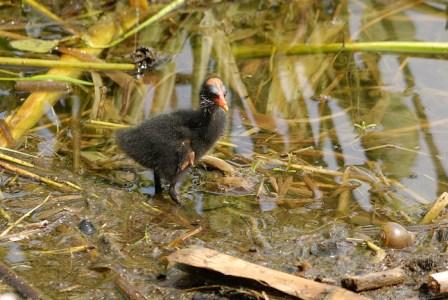
Baby Common Moorhen

Birdwatching Trip – Lake Hollingsworth 7-29-08

Anhinga (Anhinga anhinga) by Dan

Birdwatching Trip – Lake Hollingsworth 5/1/08

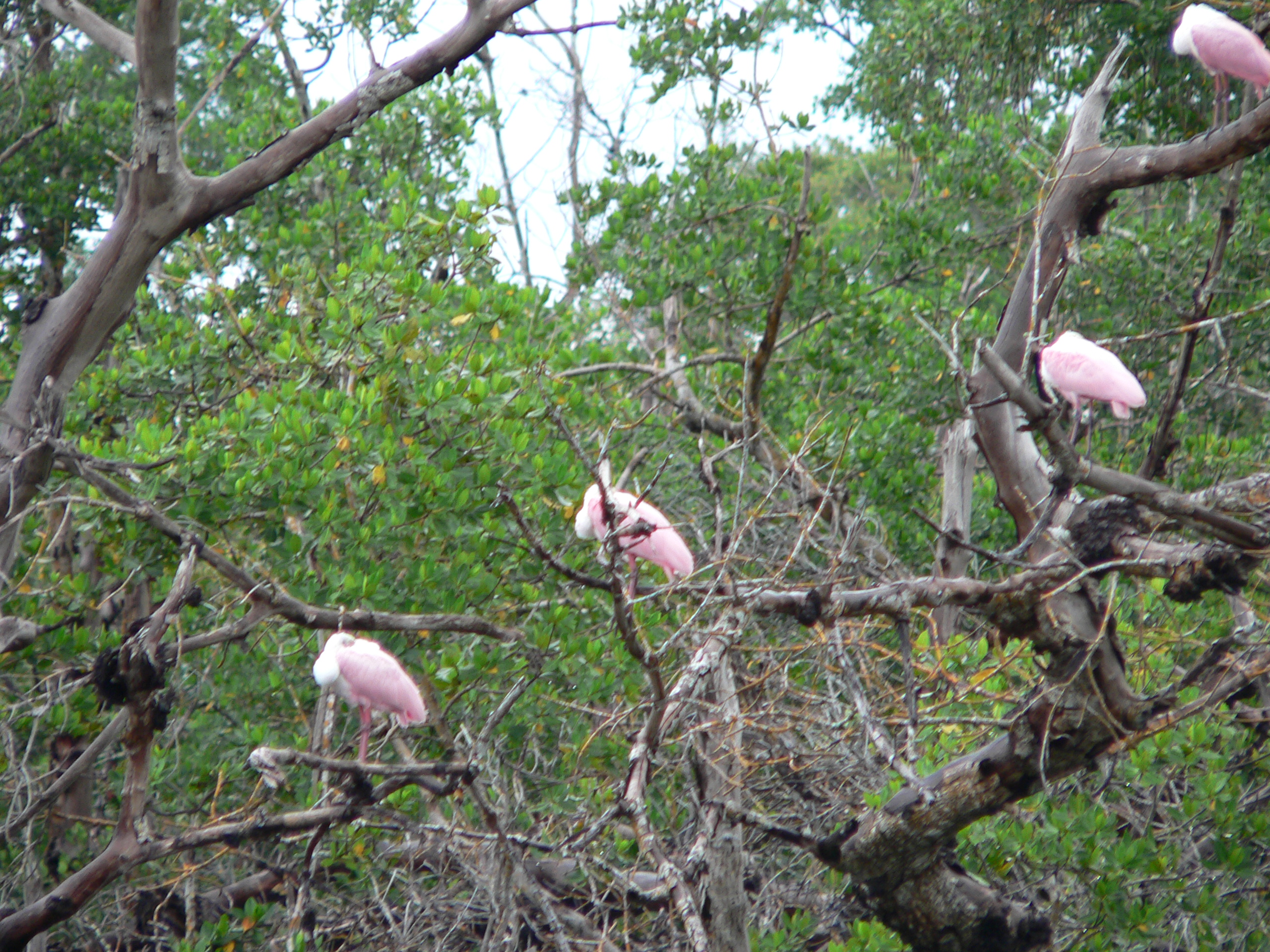
Roseate Spoonbills at Ding Darling

Birdwatching Trip – J. N. “Ding” Darling NWR – July 15, 2008

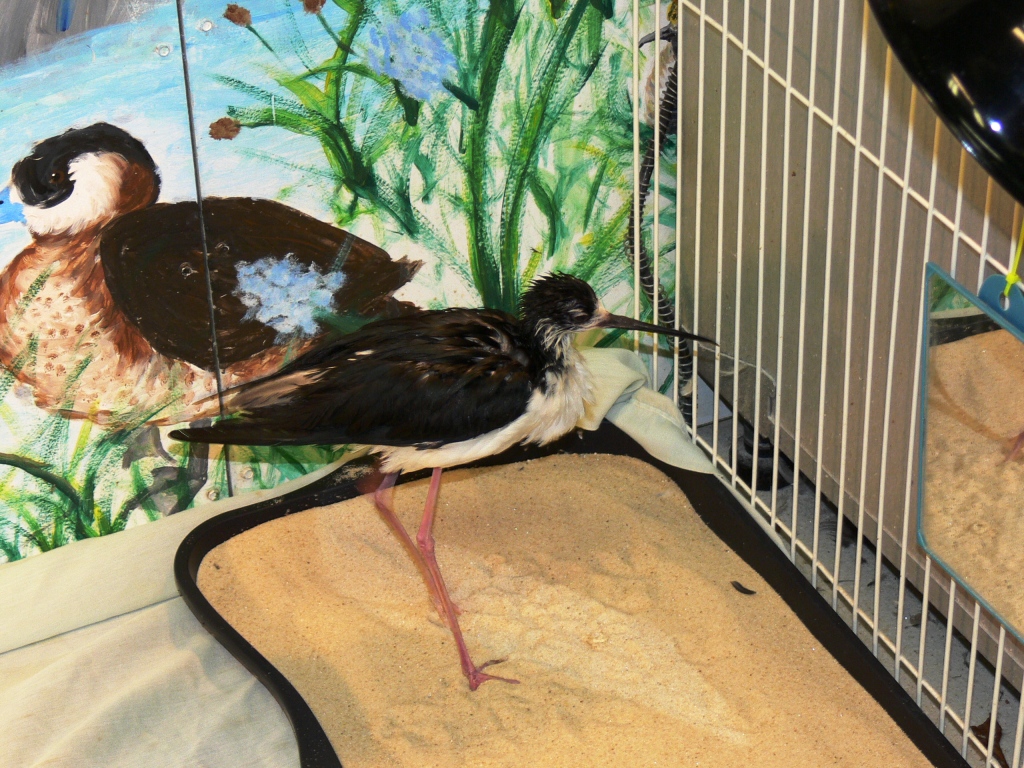
Black-necked Stilt - Skippy

"Skippy" - Black-necked Stilt

Happy Birthday – Skippy at National Aviary

Birdwatching at the National Aviary – Introduction

National Aviary – Hospital, Breeding, and Kitchen Areas

National Aviary – Penguin Encounter

Birds of the Bible – At the National Aviary

Birdwatching the National Aviary – Grasslands

Birdwatching the National Aviary – Tropical Forest

Also:

Scarlet Robin (Petroica boodang) by Ian

Scarlet Robin (Petroica boodang) by Ian

Birds of the Bible – Eye Hath Seen

Birdwatching at Lake Hollingsworth-June 1st

Birds of the Bible – Spain

Formed By Him – Birds of Peru and Chile – II

Also See:

Updating the Slideshows – Report # 1

Updating the Slideshows – Report # 2

*

Birds of the Bible – Hawks

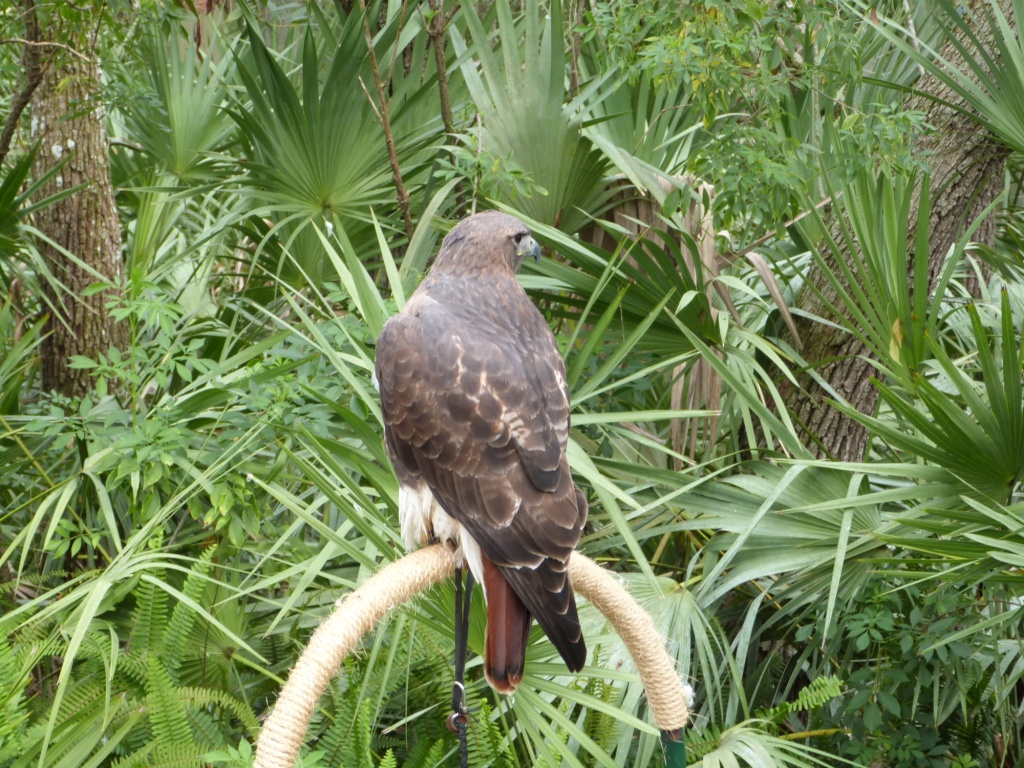
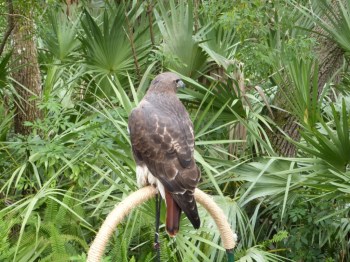
Red-tailed Hawk (Buteo jamaicensis) Brevard Zoo by Lee

Red-tailed Hawk (Buteo jamaicensis) Brevard Zoo by Lee

“Does the hawk fly by your wisdom, And spread its wings toward the south? (Job 39:26 NKJV)

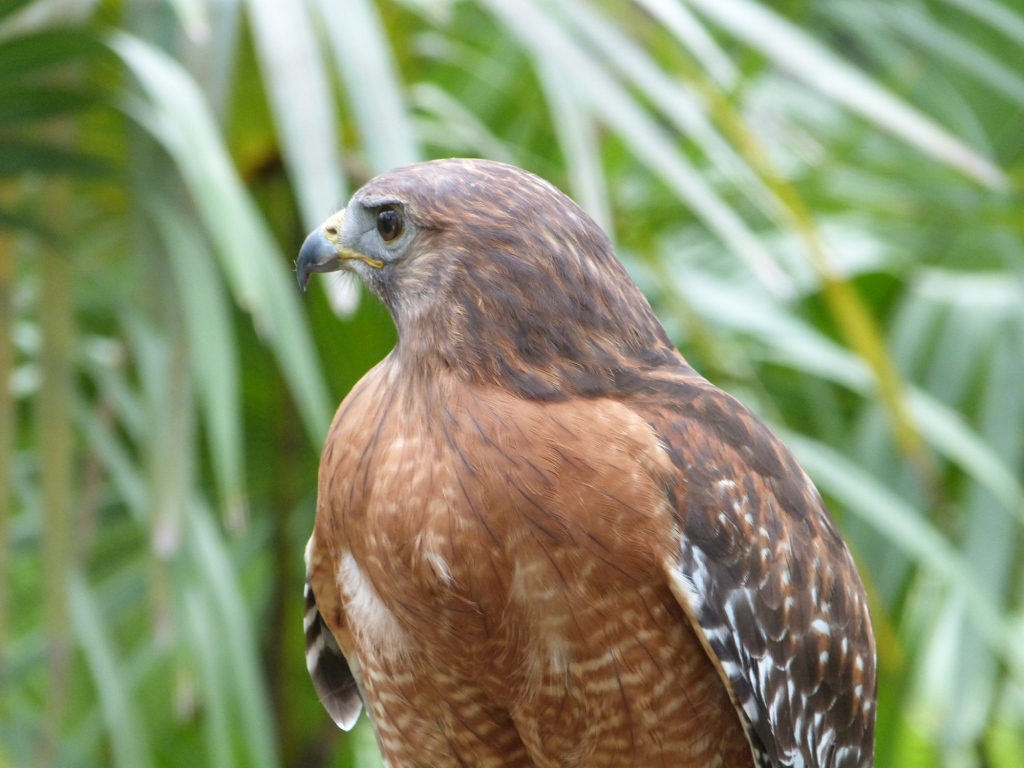
In Birds of the Bible – Hawk Migration we covered Job 38:1-3 which talks about birds knowing when to head South. After taking nice pictures of the Red-shouldered and Red-tailed Hawks at the Brevard Zoo, I decided to do another Birds of the Bible about Hawks. Just discovered that I never really did an initial one on Hawks like I did for the other Birds of the Bible articles.

According to the King James Version of Scripture, the other two verses with hawk in them are:

the ostrich, the short-eared owl, the sea gull, and the hawk after its kind; (Leviticus 11:16 NKJV)

and

the ostrich, the short-eared owl, the sea gull, and the hawk after their kinds; (Deuteronomy 14:15 NKJV)

Both of these references to the Hawk are in the list of unclean birds the Israelites were not suppose to eat. The list of Clean and Unclean birds were covered in Birds of the Bible – Clean vs. Unclean,  Birds of the Bible – The Law Of The Birds and Deuteronomy 14:11-18 Visualized.

The CEV (Contemporary English Version) combines all of the birds together in one verse in Leviticus and then again in Deuteronomy.

Eagles, vultures, buzzards, crows, ostriches, hawks, sea gulls, owls, pelicans, storks, herons, hoopoes, and bats are also disgusting, and you are forbidden to eat any of them. (Leviticus 11:13 CEV)

But don’t eat the meat of any of the following birds: eagles, vultures, falcons, kites, ravens, ostriches, owls, sea gulls, hawks, pelicans, ospreys, cormorants, storks, herons, and hoopoes. You must not eat bats. (Deuteronomy 14:12 CEV)

The GNB (Good News Bible) does basically the same with Leviticus and Deuteronomy:

You must not eat any of the following birds: eagles, owls, hawks, falcons; buzzards, vultures, crows; ostriches; seagulls, storks, herons, pelicans, cormorants; hoopoes; or bats. (Leviticus 11:13 GNB)

But these are the kinds of birds you are not to eat: eagles, owls, hawks, falcons; buzzards, vultures, crows; ostriches; seagulls, storks, herons, pelicans, cormorants; hoopoes; and bats. (Deuteronomy 14:12 GNB)
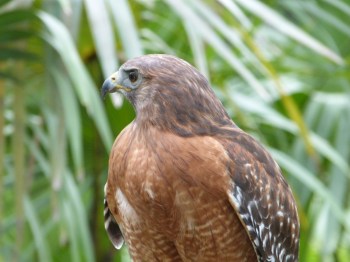
Red-shouldered Hawk (Buteo lineatus) Brevard Zoo by Lee

Red-shouldered Hawk (Buteo lineatus) Brevard Zoo by Lee

Let’s see what other references to the Hawk can be found in other version of the Bible.

Job 28:7 talks about the vulture’s or hawk’s eye and it’s vision. The KJV and some of the others translate Job 28:7 with a “vulture’s eye”, where as the BBE, CEV, GNB, MSG, translate it as the “hawk’s eye” or the hawk. Yet others translate it as a falcon or kite.

No bird has knowledge of it, and the hawk’s eye has never seen it. (Job 28:7 BBE)

Miners go to places unseen by the eyes of hawks; (Job 28:7 CEV)

No hawk sees the roads to the mines, And no vulture ever flies over them. (Job 28:7 GNB)

Vultures are blind to its riches, hawks never lay eyes on it. (Job 28:7 MSG)

J Vernon McGee says this about the verse – “The birds fly over the earth and its mountains. There are veins of minerals down in the earth that the birds fly over and know nothing about, neither can the vulture see them. There must be precious stones and veins of riches and wealth which are completely unknown and untapped.”

Adam Clarke’s Commentary -“There is a path which no fowl knoweth – The instinct of birds is most surprising. They traverse vast forests, etc., in search of food, at a great distance from the place which they have chosen for their general residence; and return in all weathers, never missing their track: they also find their own nest without ever mistaking another of the same kind for it. Birds of passage, also, after tarrying in a foreign clime for six or seven months, return to their original abode over kingdoms and oceans, without missing their way, or deviating in the least from the proper direction; not having a single object of sight to direct their peregrinations. In such cases even the keen scent of the vulture, and the quick, piercing sight of the eagle, would be of no use. It is possible that Job may here refer to undiscovered mines and minerals; that notwithstanding man had already discovered much, yet much remained undiscovered, especially in the internal structure and contents of the earth. Since his time innumerable discoveries have been made; and yet how little do we know!”
____

The only Bible to translate Psalms 74:19 as a “hawk” is the BBE, while most of the rest make it “wild beast” or “wild animal”.

O give not the soul of your dove to the hawk; let not the life of the poor go out of your memory for ever. (Psalms 74:19 BBE)

____

The DRB (Douay-Reimes Bible) totally misinterprets this verse in my opinion. Check out other translations and you will see the difference.

The wing of the ostrich is like the wings of the heron, and of the hawk. (Job 39:13 DRB)
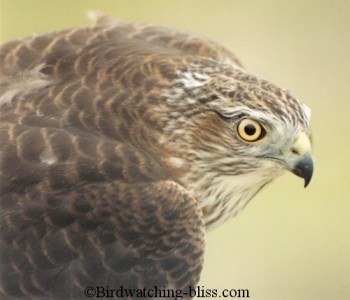
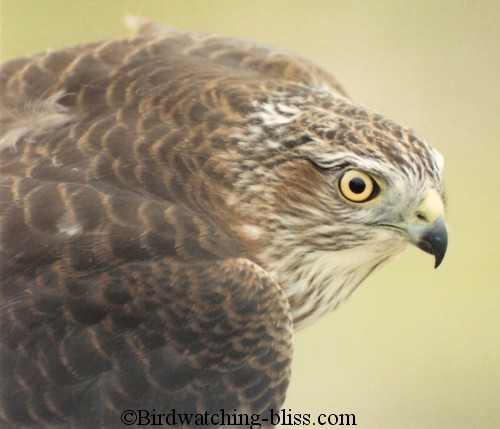
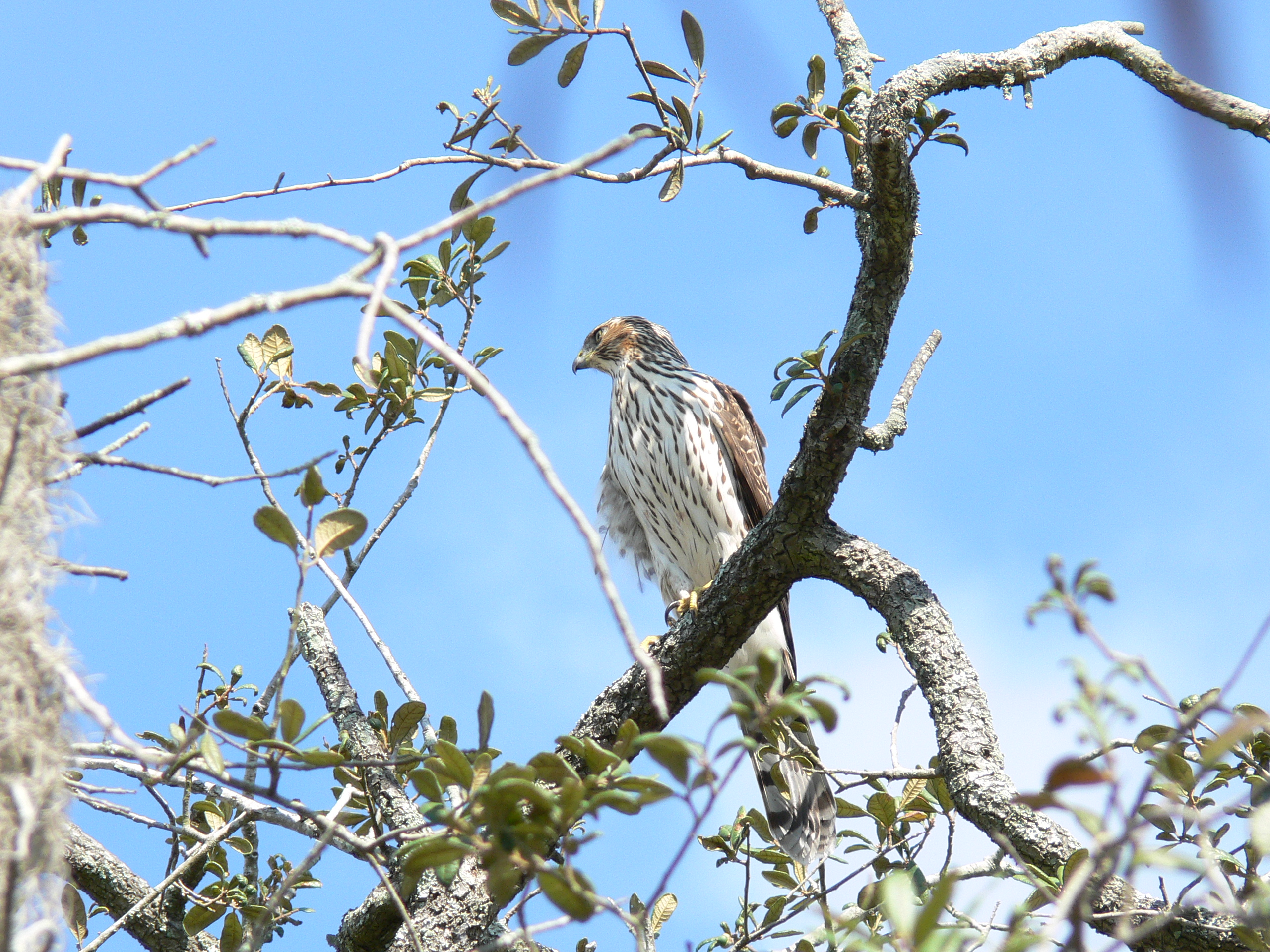
Sharp-shinned Hawk (Accipiter striatus)

Sharp-shinned Hawk (Accipiter striatus) ©BirdwatchingBliss

Isaiah has several verses mentioning the hawk. Isaiah 34 talks about a gathering of birds and these verses mention the hawk:

Owls, hawks, and wild animals will make it their home. God will leave it in ruins, merely a pile of rocks. (Isaiah 34:11 CEV)

Horned owl and hawk will possess it, screech owl and raven will live there; he will stretch over it the measuring line of confusion and the plumbline of the empty void. (Isaiah 34:11 CJB)

But the hawk and the porcupine shall possess it, the owl and the raven shall dwell in it. He shall stretch the line of confusion over it, and the plumb line of emptiness. (Isaiah 34:11 ESV)

The arrowsnake will make her hole and put her eggs there, and get her young together under her shade: there the hawks will come together by twos. (Isaiah 34:15 BBE)

There the owl nests and lays and hatches and gathers her young in her shadow; indeed, there the hawks are gathered, each one with her mate. (Isaiah 34:15 ESV)

The tree snake will make its nest and lay eggs there, And it will hatch and gather them under its protection. Yes, the hawks will be gathered there, Every one with its kind. (Isaiah 34:15 NASB)

The tree snake shall make its nest and lay eggs there, And it will hatch and gather them under its protection. Yes, the hawks shall be gathered there, Every one with its kind. (Isaiah 34:15 NAS77)

There the arrow snake shall make her nest and lay eggs And hatch, and gather them under her shadow; There also shall the hawks be gathered, Every one with her mate. (Isaiah 34:15 NKJV)
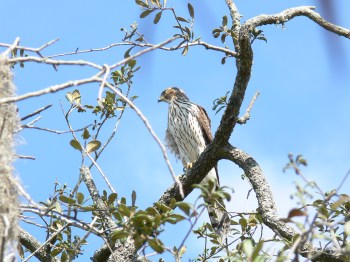
Cooper's Hawk Wild at Lowry Pk Zoo

Cooper’s Hawk Wild at Lowry Pk Zoo

Isaiah again in Chapter 46 verse 11 has been translated by some to contain a hawk:

and brought someone from a distant land to do what I wanted. He attacked from the east, like a hawk swooping down. Now I will keep my promise and do what I planned. (Isaiah 46:11 CEV)

I am calling a man to come from the east; he will swoop down like a hawk and accomplish what I have planned. I have spoken, and it will be done. (Isaiah 46:11 GNB)

____

Here are just various verses that mention hawks:

My people are like a hawk surrounded and attacked by other hawks. Tell the wild animals to come and eat their fill. (Jeremiah 12:9 CEV)

My chosen people are like a bird attacked from all sides by hawks. Call the wild animals to come and join in the feast! (Jeremiah 12:9 GNB)

It happened at once. Nebuchadnezzar was driven out of human company, ate grass like an ox, and was soaked in heaven’s dew. His hair grew like the feathers of an eagle and his nails like the claws of a hawk. (Daniel 4:33 MSG)

___

Then there are a couple of verse that use “hawk” not as a bird “per se,” but a verb:

They don’t seem to realize that this comprehensive setting-things-right that is salvation is God’s business, and a most flourishing business it is. Right across the street they set up their own salvation shops and noisily hawk their wares. After all these years of refusing to really deal with God on his terms, insisting instead on making their own deals, they have nothing to show for it. (Romans 10:3 MSG)

For we are not as many, hawking the Word of God; but as of sincerity, but as of God, we speak in Christ in the sight of God. (2 Corinthians 2:17 MKJV)

Hawks are in the Accipitridae Family of Kites, Hawks & Eagles and can be read about in the Birds of the Bible – Hawk section.

The term hawk can be used in several ways: (from Wikipedia)

  • In strict usage in Australia and Africa, to mean any of the species in the subfamily Accipitrinae, which comprises the genera Accipiter, Micronisus, Melierax, Urotriorchis and Megatriorchis. The large and widespread Accipiter genus includes goshawks, sparrowhawks, the Sharp-shinned Hawk and others. These are mainly woodland birds with long tails and high visual acuity, hunting by sudden dashes from a concealed perch.
  • More generally (especially in North America) to mean falcons or small to medium-sized members of the Accipitridae—the family which includes the “true hawks” as well as eagles, kites, harriers and buzzards.
  • Loosely, to mean almost any bird of prey outside of the order Strigiformes (owls).

The common names of birds in various parts of the world often use hawk in the second sense. For example, the Osprey or “fish hawk”; or, in North America, the various Buteo species (e.g., the Red-tailed Hawk, B. jamaicensis).

In February 2005, the Canadian ornithologist Louis Lefebvre announced a method of measuring avian “IQ” in terms of their innovation in feeding habits. Hawks were named among the most intelligent birds based on his scale. Hawks are widely reputed to have visual acuity several times that of a normal human being. This is due to the many photoreceptors in the retina (up to 1,000,000 per square mm for Buteo, against 200,000 for humans), an exceptional number of nerves connecting these receptors to the brain, and an indented fovea, which magnifies the central portion of the visual field.

See also:

Birds of the Bible

Birds of the Bible – Hawk Migration
Ian’s Bird of the Week – Spotted Harrier
Raptor ID
Raptor Overview

Nave’s Topical Bible – Hawk
Accipitriformes – Order, Accipitridae – Family (Kites, Hawks & Eagles

Wordless Birds
*

Eagle Away From Home

Bald Eagle (Haliaeetus leucocephalus) Brevard Zoo by Lee

Bald Eagle (Haliaeetus leucocephalus) Brevard Zoo by Lee

While having devotions this morning, we read this from Comments on Here and Hereafter, by Dr. Bob Jones, Sr. (After our regular devotional we read from different books.)

“A story is told of an eagle that had its wing clipped. He was put in the barnyard with the fowls. The eagle used to walk out in the light and turn one eye to the mountain and the other eye to the sun, and he said in his eagle language, ‘This is not my home. I don’t belong here. God made me for the jagged peaks of the mountain top.’ The eagle tried to lift himself with the clipped wing, but he could not fly. Day after day while the wing was growing back to normal he looked at the mountain and he looked at the sun and said in his own eagle language, ‘I am going home some day.’ One day the eagle’s wing was strong. He tried his wings and found he could lift himself. He said, ‘Good-by, I am going home. God didn’t make me for this place. He made me for a mountain top.’ God didn’t make man for the dread sordidness of the commonplace and the monotony of every-day life. The soul of man has wings. But sin has made these wings helpless. Christ can restore us and make strong these wings of the soul so man can fly high enough to have fellowship with the infinite God.”

For God so loved the world, that he gave his only begotten Son, that whosoever believeth in him should not perish, but have everlasting life. For God sent not his Son into the world to condemn the world; but that the world through him might be saved. (John 3:16-17 KJV)

See also:

Wordless Birds

Birds of the Bible – Eagles III

*

Updating the Slideshows – Report # 2

As previously reported, the Slide.Com is closing down as of March 6th. Unfortunately I have used a lot of the Slideshows from them on this site. I am busy kicking up dust behind the scenes and decided to share links to the articles as I get some of them finished. At least you will know I have not been “goofing off.” Besides that, many of these were produced sometime back and deserve a reminder of our many birds the Lord has created for His Glory and pleasure. Trust you like the new Slideshows that are being installed. They are taking a great effort on my part to learn the new procedure, but after quite a few mistakes, maybe I can get them out quicker now.

The works of the LORD are great, sought out of all them that have pleasure therein.(Psalms 111:2 KJV)

Having made known unto us the mystery of his will, according to his good pleasure which he hath purposed in himself: (Ephesians 1:9 KJV)

For it is God which worketh in you both to will and to do of his good pleasure. (Philippians 2:13 KJV)

Thou wilt shew me the path of life: in thy presence is fulness of joy; at thy right hand there are pleasures for evermore. (Psalms 16:11 KJV)

Thanks for your patience and your visits to this website. While I am working away, I am enjoying seeing articles that I had forgotten about.

Completed:

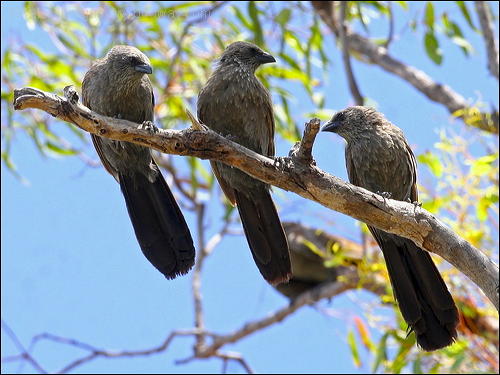
Apostlebird (Struthidea cinerea) by Ian

Apostlebird (Struthidea cinerea) by Ian

Birds of the Bible – Names of Birds

*

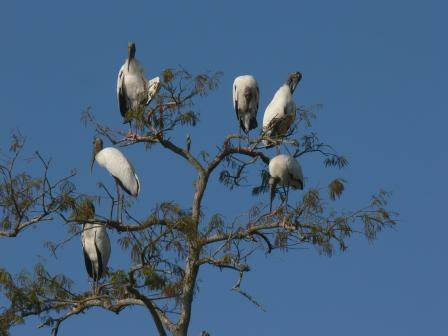
Wood Storks in Top of Tree by Lee

Birdwatching at Circle B Bar Reserve – October

Red-legged Seriema (Cariama cristata) by Lee at Lowry Park Zoo

Red-legged Seriema (Cariama cristata) by Lee

Birdwatching at the Lowry Park Zoo 2/15/11

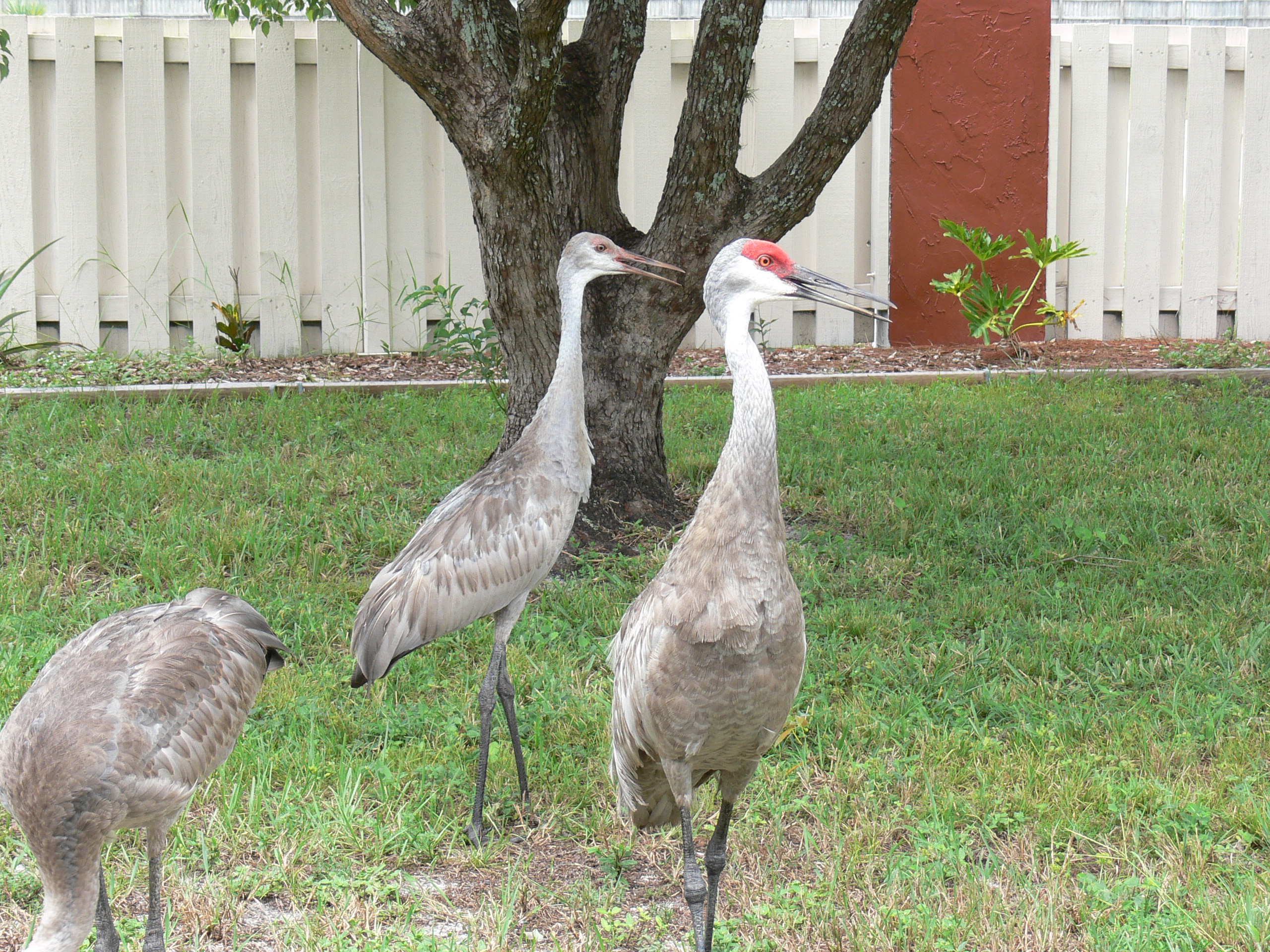
Sandhill Cranes - Adult and Juvenile in yard 8/27/10

Sandhill Crane Juveniles in Backyard

Sandhill Crane "colts"

Sandhill Crane "colts"

Sandhill Crane “Colt” Birdwatching

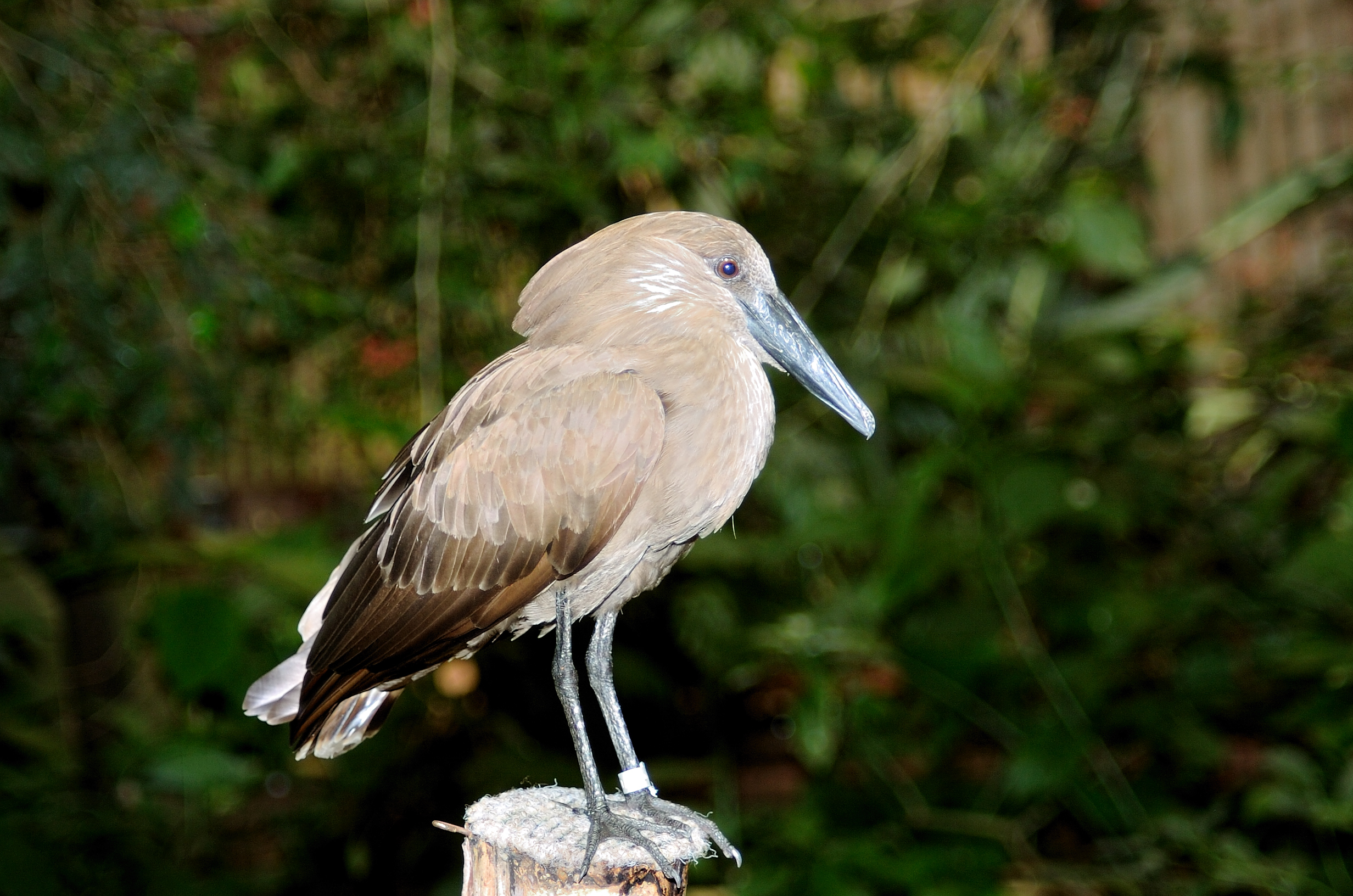
Hamerkop (Scopus umbretta) at NA by Dan

Hamerkop (Scopus umbretta) at National Aviary by Dan

Birds of the Bible – Tamed

*

Ian’s Bird of the Week – Auckland and Campbell Islands Teal

Auckland Teal (Anas aucklandica) Male by Ian 1

Auckland Teal (Anas aucklandica) Male by Ian 1

Ian’s Bird of the Week  – Auckland and Campbell Islands Teal

by Ian Montgomery

Newsletter ~ 2/16/12

The almost predator-free nature of the Sub-Antarctic Islands before the Europeans and their pests arrived is well illustrated by the existence of two closely-related flightless ducks on the Auckland and Campbell Islands. The first photo shows a male Auckland Islands Teal on Enderby Island – now their main stronghold – in the Auckland Islands group.

You can see how short the wings are, extending only two thirds of the way along the body instead of to the base of the tail as in their flying relatives the Chestnut Teal of Australia and the Brown Teal of New Zealand. This male is in breeding plumage and has greenish iridescence on the head and subtly beautiful barring on the flanks.

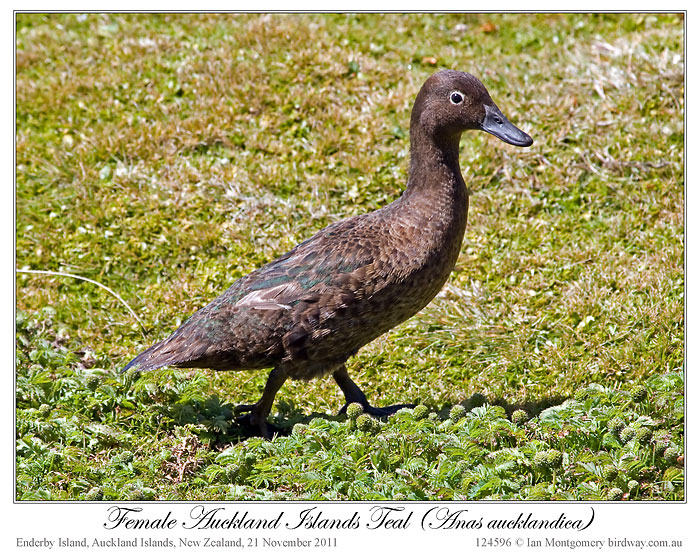
Auckland Teal (Anas aucklandica) Female by Ian 2

Auckland Teal (Anas aucklandica) Female by Ian 2

Females (and juveniles and eclipse-plumaged males) have more subdued colours and lack the green sheen on the head. The white eye-ring of both sexes is shared with the Brown Teal of New Zealand but not the Chestnut Teal of Australia. The third photo shows another female going for a stroll. Note the slightly drooping tail and upright stance, both characteristic of the two flightless species.

Auckland Teal (Anas aucklandica) Female by Ian 3

Auckland Teal (Anas aucklandica) Female by Ian 3

As you can probably judge from the photos, the teal were very confiding showing no alarm when closely approached. I had to retreat from the male to get it in focus – the lens I was using has a minimum focus distance of 1.8m/5.9ft, not usually an issue with wild birds! The first two photos were taken on one of the few bodies of freshwater on Enderby Island. Their more usual habitat is along the coast. We saw some in sheltered pools on a rock platform and they feed mainly on invertebrates and algae found in both attached and beach-stranded seaweed.

Campbell Teal (Anas nesiotis) by Ian 4

Campbell Teal (Anas nesiotis) by Ian 4

The fourth photo shows a vocal male Campbell Islands Teal on salt water near the landing wharf of that island. It’s very similar in appearance to the Auckland Islands Teal and both species were until recently treated as races of the flight-worthy Brown Teal of mainland New Zealand. Recent studies suggest that the the Brown Teal and Sub-Antarctic Teals were the product of separate colonisation events by the Australian Chestnut Teal, which occurs in New Zealand only as a rare vagrant.

The Sub-Antarctic Teals have suffered badly from the introduction of mammalian pests, particularly pigs, cats and rats (mice seem to affect them less). The Auckland Islands Teal is extinct on the main Auckland Island, but survives on six neighbouring island pig-less and cat-less island. The population is estimated at 600-2,000 individuals, appears stable, is classified as Vulnerable, and the New Zealand government is planning to eliminate pigs and cats from Auckland Island which will permit reintroduction of the Teal.

The Campbell Islands Teal was though to be extinct but a population of about 20 were rediscovered on nearby Dent Island in 1975, raising its status to Critically Endangered and the world’s rarest duck. A captive breeding program followed, leading to the establishment of a feral population on predator-free Codfish Island near Stewart Island in 1999 and 2000. Following the elimination of rats on Campbell Island, 50 birds were released there in 2005 and 55 in 2006. Successful breeding occurred in 2006. The total population, captive and wild, is now thought to be over 200 and its status has been downgraded to merely Endangered.

You can read the full story here http://terranature.org/tealcampbell_island.htm . It’s great to read a successful conservation story at a time of increasingly frequent bad news about wild populations.

Links to Ian’s Photos:

Aukland Islands Teal
Campbell Islands Teal
Chestnut Teal

Best wishes
Ian

Ian Montgomery, Birdway Pty Ltd,
454 Forestry Road, Bluewater, Qld 4818
Phone: 0411 602 737 +61-411 602 737
Preferred Email: ian@birdway.com.au
Website: http://birdway.com.au


Lee’s Addition:

That last Teal looks happy and “bushy eyed.” They must havee happy ducks and teals down there. Must be that lack of pigs and cats!

The Teals belong to the Anatidae – Ducks, Geese & Swans Family. There are 165 species in 48 genus including the Teals, Ducks, Shovelers, Wigeons, Pintails, Swans, Geese,  Pochards, Scaups, Eiders, Mergansers and all their allies. “Anatidae is the biological family of birds that includes ducksgeese and swans. The family has a cosmopolitan distribution, occurring on all the world’s continents except Antarctica and on most of the world’s islands and island groups. These are birds that can swim, float on the water surface, and in some cases dive in at least shallow water.” (Wikipedia)

And God blessed them, saying, “Be fruitful and multiply, and fill the waters in the seas, and let birds multiply on the earth.” (Genesis 1:22 NKJV)

*

Updating the Slideshows – Report # 1

As previously reported, the Slide.Com is closing down as of March 6th. Unfortunately I have used a lot of the Slideshows from them on this site. I am busy kicking up dust behind the scenes and decided to share links to the articles as I get some of them finished. At least you will know I have not been “goofing off.” Besides that, many of these were produced sometime back and deserve a reminder of our many birds the Lord has created for His Glory and pleasure. Trust you like the new Slideshows that are being installed. They are taking a great effort on my part to learn the new procedure, but after quite a few mistakes, maybe I can get them out quicker now.

The works of the LORD are great, sought out of all them that have pleasure therein.(Psalms 111:2 KJV) Having made known unto us the mystery of his will, according to his good pleasure which he hath purposed in himself: (Ephesians 1:9 KJV) For it is God which worketh in you both to will and to do of his good pleasure. (Philippians 2:13 KJV) Thou wilt shew me the path of life: in thy presence is fulness of joy; at thy right hand there are pleasures for evermore. (Psalms 16:11 KJV)

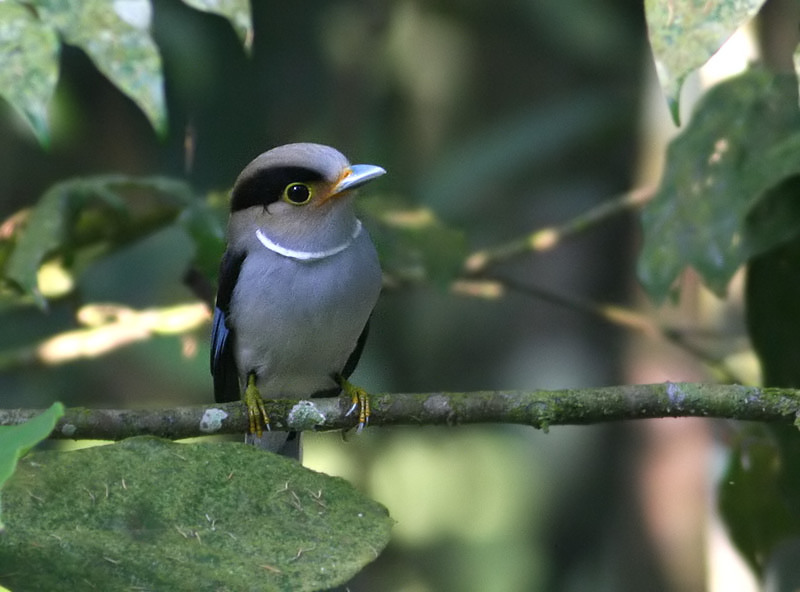
Thanks for your patience and your visits to this website. Completed: One of my favorite birds the Broadbill. Never heard of it until I started doing the Birds of the World. Aren’t they adorable?

Silver-breasted Broadbill (Serilophus lunatus) by Peter Ericsson

Silver-breasted Broadbill (Serilophus lunatus) by Peter Ericsson

Formed By Him – Broadbills

*

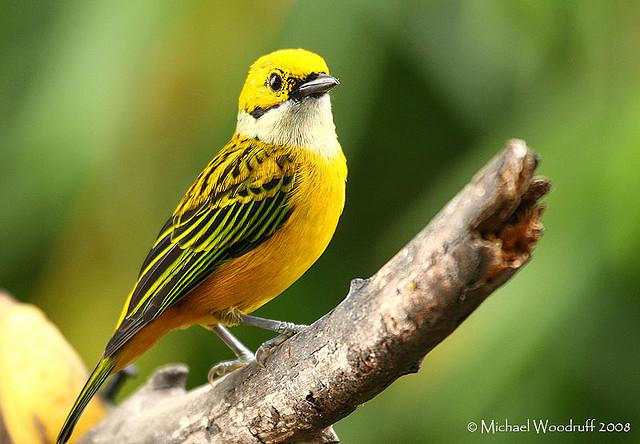
Silver-throated Tanager (Tangara icterocephala) by Michael Woodruff

Silver-throated Tanager (Tangara icterocephala) by Michael Woodruff

Formed by Him – Silver Birds

*
Copper-rumped Hummingbird (Amazilia tobaci) by Ian

Copper-rumped Hummingbird (Amazilia tobaci) by Ian

Formed By Him – Copper Birds

*

Myrtle Warbler (Setophaga coronata) Brevard Zoo by Lee

Myrtle Warbler (Setophaga coronata) Brevard Zoo by Lee

Yellow-rumped Warbler Split

*
Silver-eared Laughingthrush (Trochalopteron melanostigma) by Peter Ericsson

Birds of the Bible – Pleasant to the Sight

*