Birdwatching at Circle B – 4/22/11

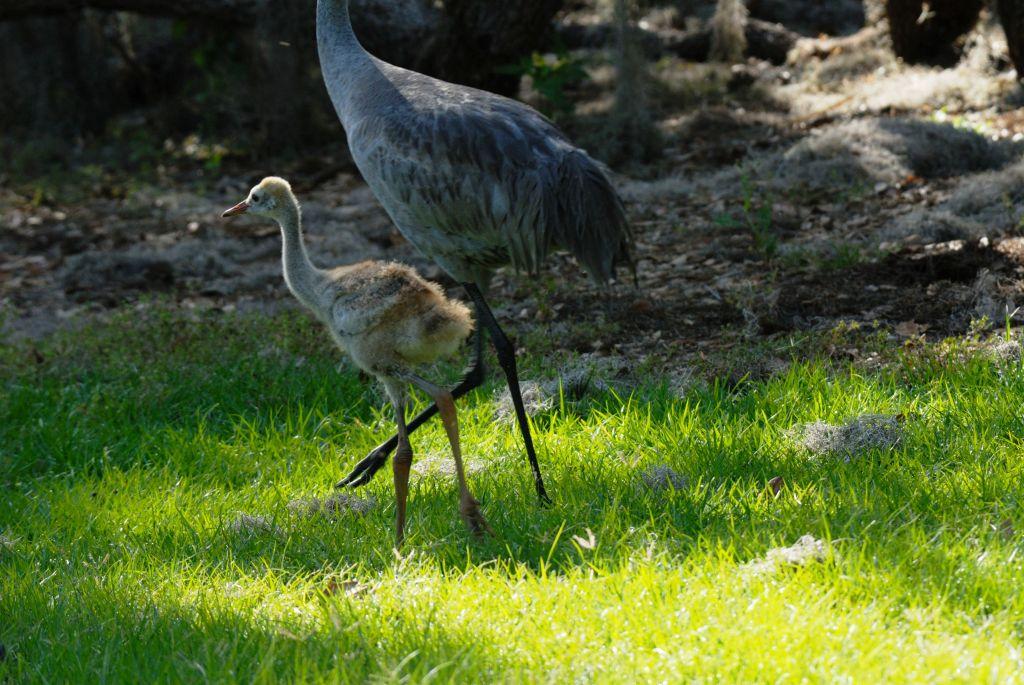
Sandhill Crane (Grus canadensis) and young by Dan's Pix

Sandhill Crane (Grus canadensis) and young by Dan’s Pix

Yea, the stork in the heaven knoweth her appointed times; and the turtle and the crane and the swallow observe the time of their coming; but my people know not the judgment of the LORD. (Jeremiah 8:7 KJV)

We were finally able to find a little bit of time to go birdwatching the other day. Our adventure took us back out to the Circle B Bar Reserve in Lakeland, FL. It was a cloudless morning, around 64 degrees, when we arrived. Dan had his camera along, but I only used my binoculars. One thing nice about the Circle B is its closeness to home. With fuel prices rising, birdwatching nearer to your local areas may become more necessary.
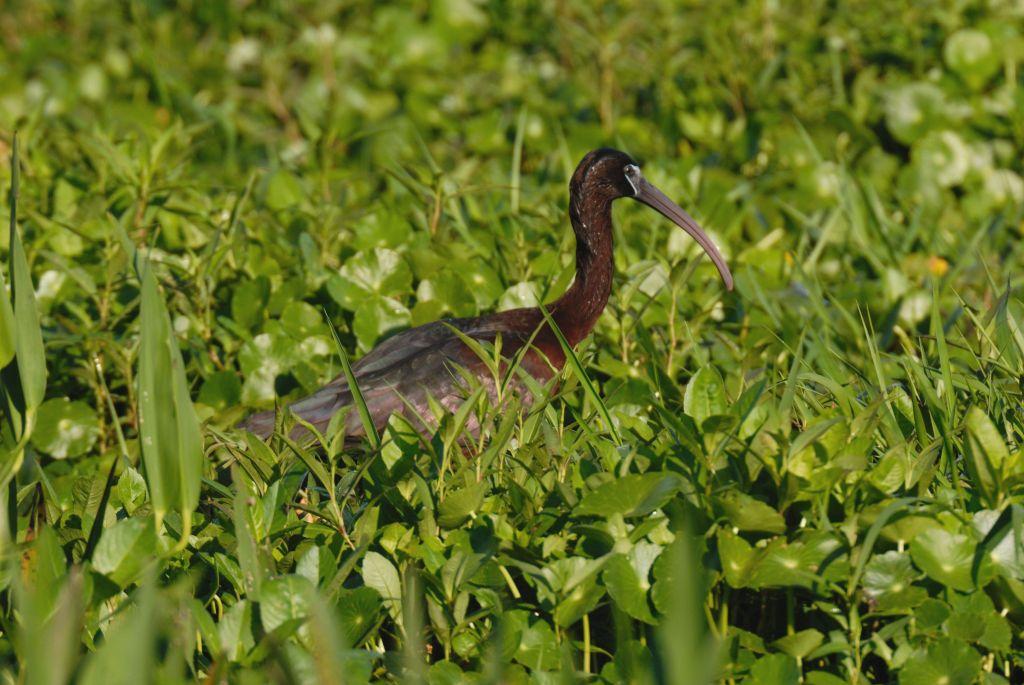
Glossy Ibis (Plegadis falcinellus) by Dan's Pix

Glossy Ibis (Plegadis falcinellus) by Dan’s Pix

We are fortunate, because Circle B is becoming a premier birding spot here in Florida. With 1,267 acres to roam, there is plenty to see. Unfortunately, many of our “winter visiting birds” have packed their bags and gone back North. Fortunately, we still have our “residents” that keep any trip out there interesting.

Anhinga (Anhinga anhinga) by Dan's Pix

Anhinga (Anhinga anhinga) by Dan’s Pix

One of my surprises was the lack of Wood Storks this trip. Usually there are plenty of them hanging out in the trees early in the morning. Never spotted a one, yet two days later in town we spotted one flying over. They are here, but just wanted to make themselves scarce that Friday.
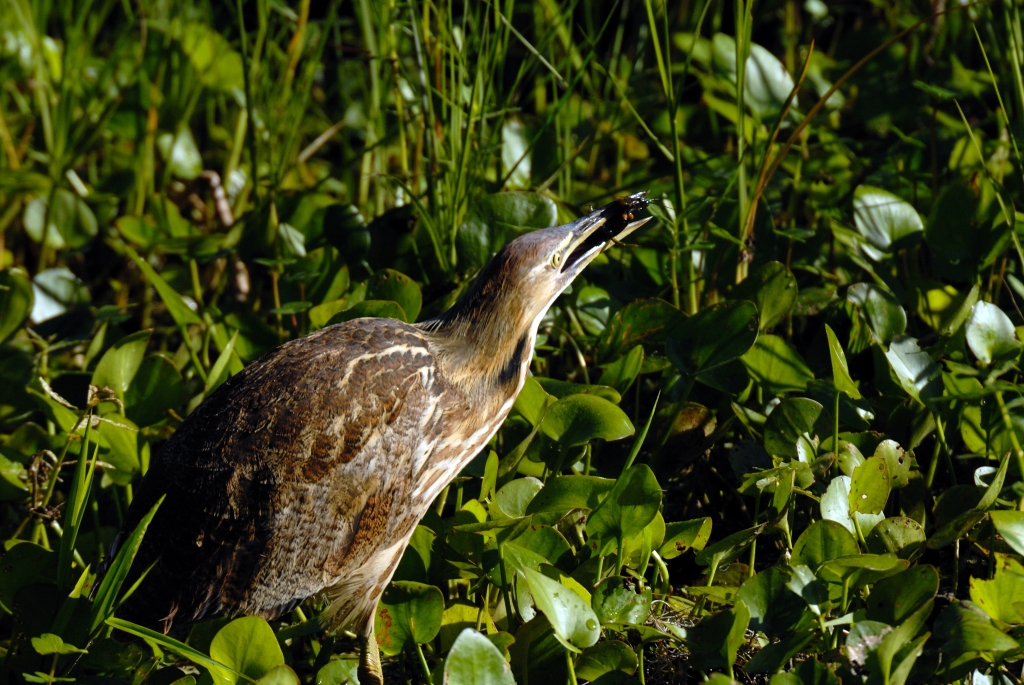
American Bittern (Botaurus lentiginosus) by Dans Pix

American Bittern (Botaurus lentiginosus) by Dans Pix

Another surprise was finding the American Bittern. We knew there were some out there, but kept missing them. This time I spotted one, whipped out my phone, and called Dan to bring his camera to my location while I kept the Bittern in view. He got one shot just as it had caught something.

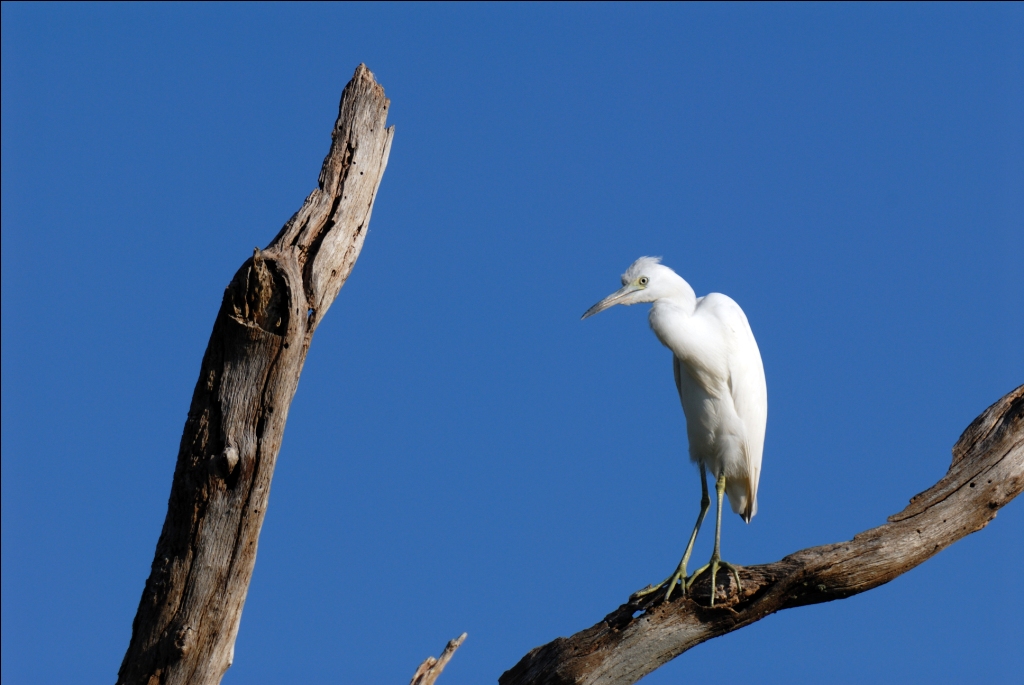
Little Blue Heron (Egretta caerulea) imm by Dan's Pix

Little Blue Heron (Egretta caerulea) imm by Dan’s Pix

One of my favorite birds was an immature Little Blue Heron. When they are young, they are white instead of blue. As they mature, the become “blotchy” as the blue starts to come in. This one was right along the walk path and we were able to view it very well.

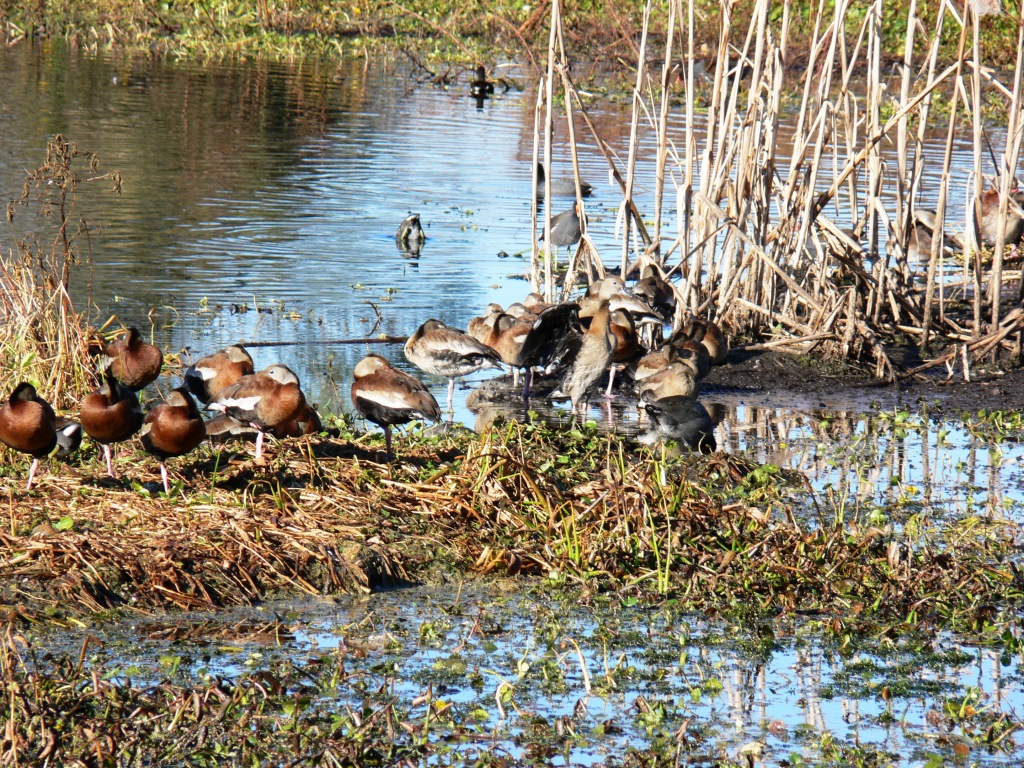
Black-bellied Whistling Duck (Dendrocygna autumnalis) with young

Black-bellied Whistling Duck (Dendrocygna autumnalis) with young

We also found some Glossy and White Ibises, Tricolored Herons, Great Blue Heron, more Little Blue Herons, Great Egrets, a Snowy Egret, Cattle Egrets, the American Bittern, Green Heron, Limpkins, Mourning Doves, Cardinals, Tufted Titmouce, Carolina Wren and maybe a House Wren, Red-bellied, Pileated and Downy Woodpeckers, Common Gallinules, American Coots, Black-bellied Whistlers with young ones, 3 sets of Sandhill Cranes with young, Red-shouldered Hawk (light phase), Anhingas and Double-crested Cormorants, Redwing Blackbirds and Boat-tailed Grackles.

All in all it was a great morning to be out enjoying God’s Creation of birds and other critters. We also observed 4 young alligators about 2-3 feet long and a Black Racer about 4 feet long stretched out along some bushes.

See our other birdwatching trips to Circle B – Click Here

*
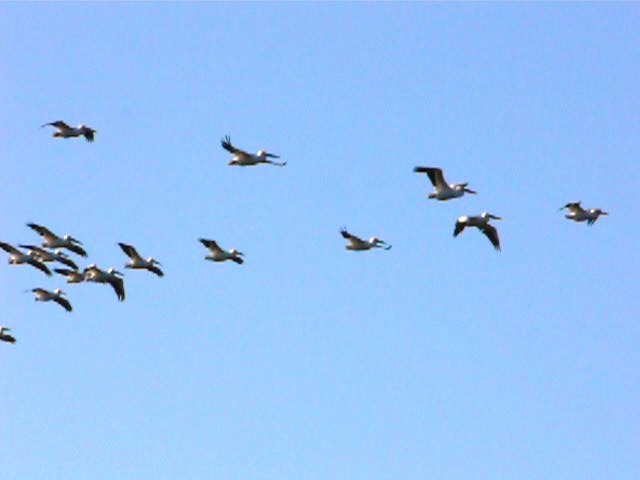
Birdwatching at Circle B Bar Reserve – Jan 2011

Here is a video that I shot out at the Circle B Bar Reserve in Lakeland, FL on January 18th. We went out to watch some of the 4,000 American White Pelicans land at the marsh. We got there about 4:30 pm and stayed until almost 6 pm.

I left the sound on so that you can catch the amazement in my voice. My english is terrible and my words nutty, but I was thoroughly enjoying my “birdwatching adventure.” This is what it is really like to go birdwatching with me. I get so amazed at watching God’s created critters.

Thou wilt shew me the path of life: in thy presence is fulness of joy; at thy right hand there are pleasures for evermore. (Psalms 16:11 KJV)

I have more of these and pictures, but will save them for another time. Slower connections speeds will have enough problems loading just one video.

On the video I said about 100 feet over my head, it was more like 20-30 feet over our heads. The pelicans were landing right behind us.

They’re Back – White Pelicans

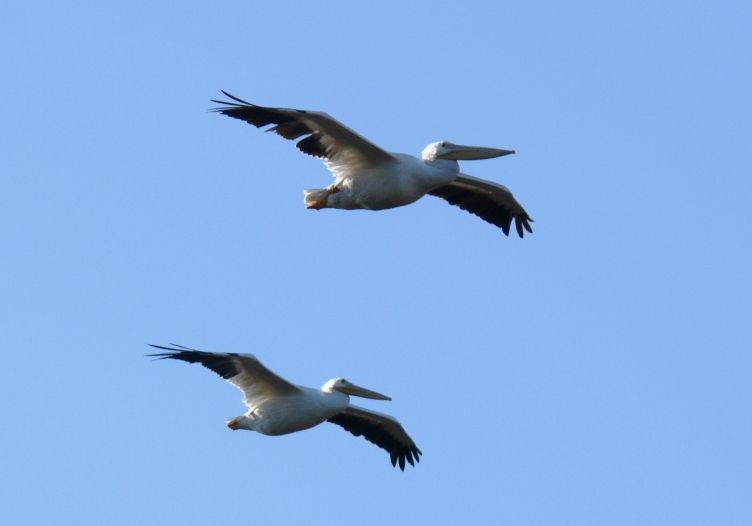
American White Pelican (Pelecanus erythrorhynchos) by Lee

White Pelicans on the Wing at Circle B Bar Reserve

Yesterday morning, while looking out the door at church, I noticed a flock of birds flying toward the west. They were heading in the Circle B Bar Reserve direction. One squadron after another went by and it dawned on me that it was most likely the White Pelicans. I watched them for over 15 minutes and they just kept coming.

American White Pelican (Pelecanus erythrorhynchos) by Lee

American White Pelican (Pelecanus erythrorhynchos) by Lee

I am like a pelican of the wilderness: I am like an owl of the desert. (Psalms 102:6 KJV)

So, today, Dec. 21, 2010, we went to the Circle B to see if they really were the White Pelicans. Last year there were around 7,000 of them that spent part of their winter here with us in Florida. See – Birdwatching at Circle B Bar Reserve – 12/23/09 in which I made a video of the numerous Pelicans that we saw then. Yep! They are back! I am sure more than 1000 of them flew over my head today as they prepared to land about a half mile from my location.

Wood Stork (Mycteria americana) by Lee

Woodstork Tree at Circle B by Lee

Where the birds make their nests: as for the stork, the fir trees are her house. (Psalms 104:17 KJV)

I took lots of photos of them and some more video, but won’t bore you with them. We have had two hard freezes in the last few weeks that has killed or severely damaged much of the vegetation out at the Circle B. That and a lack of rain makes the place look quite drab right now. Many areas where we photograph and watch birds were sparse on numbers. Still had a great birdwatching adventure today even if it was about 40 degrees when we got there.

Wilson's Snipe at Circle B by Lee

Wilson's Snipe at Circle B

Some of the highlights were the White Pelicans, of course, but also finding a Wilson’s Snipe right beside the road and not spooking while being photographed by several people, “Wood Stork trees” (trees lined with the storks), watching a Snowy Egret working the water with its feet in search of breakfast, getting close to the Black-bellied Whistling Ducks and finding a White-eyed Vireo.

Black-bellied Whistling Duck (Dendrocygna autumnalis) by Lee

Black-bellied Whistling Duck (Dendrocygna autumnalis) by Lee

Here is a list of the 36 species of birds that we spotted today: (in order they were spotted)

Great Blue Heron 2

Morning Doves 7

Red-bellied Woodpecker 4

Blue Jay 1

American White Pelicans 1,000+

Wood Storks 100+

Eastern Kingbird

Sandhill Cranes 21

Tufted Titmouse 1

Northern Cardinal – female

Boat-tailed Grackles 15+

Wilson’s Snipe 1

Killdeer 15+

White Ibises 20+

Glossy Ibises 10+

Little Blue Heron adults and immature (white)

American Coots 100’s

Anhingas 10

Mockingbird 3

Red-shouldered Hawk 2

Tricolored Heron 1

Black-bellied Whistling Ducks 75+

Common Moorhen (or Gallinule) 20+

Blue-winged Teal 10

Mottled Duck 4

Pied-billed Grebe 2

Green Heron 1

House Wren 1

Blue-grey Gnatcatchers 5

White-eyed Vireo 1 (new catch for me)

Osprey 5

Turkey Vultures 10+

Pileated Woodpecker 1

Cattle Egret 3

Pine Warbler 1 Yellow

Myrtle Warbler 1

Here is the shorter video of the Snowy Egret stirring up breakfast. He catches something and then keeps trying for more.

Other birdwatching trips to the Circle B Bar Reserve

*
Yellow-rumped Warbler Split

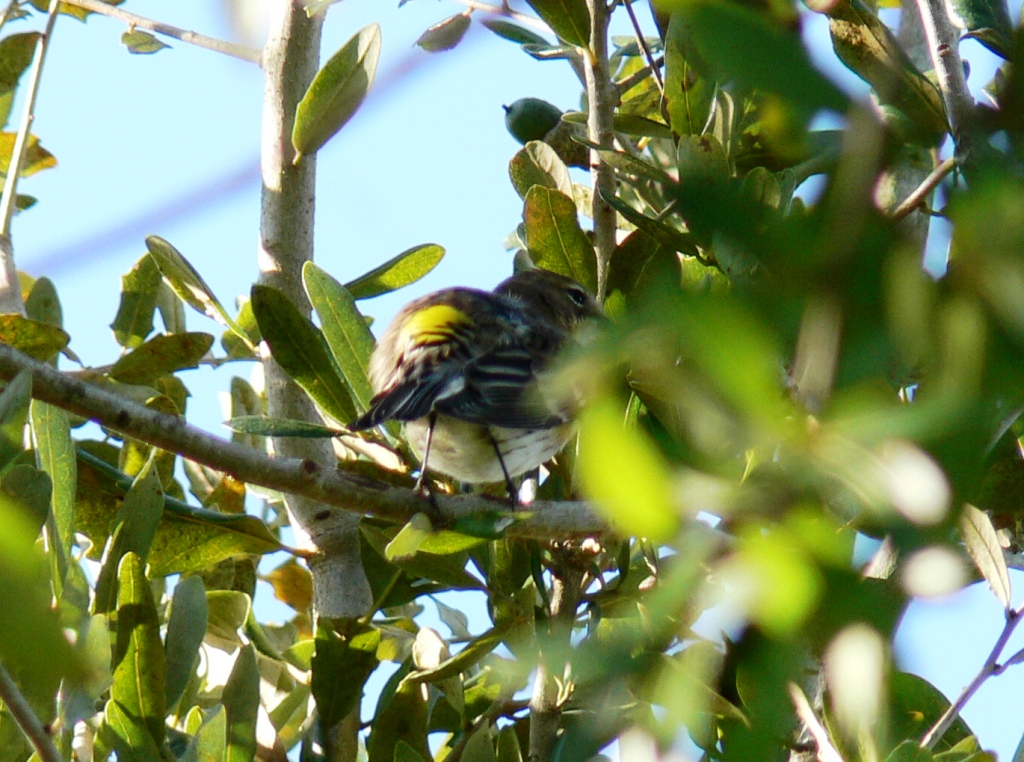
Myrtle Warbler (Dendroica coronata)

Myrtle Warbler (Dendroica coronata)

Out of the ground the LORD God formed every beast of the field and every bird of the air, and brought them to Adam to see what he would call them. And whatever Adam called each living creature, that was its name. (Genesis 2:19 NKJV)

When I wrote the article about our trip to S. Lake Howard Nature Park this week, I was not exactly sure which of the Old Yellow-rumped Warblers I had seen. Since the 2.4 Version of the I.O.C. (International Ornithologist Congress) list, they split the “Butterbutt” into four species. Hadn’t looked into it too much, but now is the time to try to figure out which one is which.

The four birds are the:
Myrtle Warbler (Dendroica coronata) – Eastern U.S. Mostly
Audubon’s Warbler (Dendroica auduboni) – Western U.S. Mostly
Black-fronted Warbler (Dendroica nigrifrons)
Goldman’s Warbler (Dendroica goldmani)

After doing quite a bit of research, I was wrong about the Audubon Warbler. Not only do I not live in the west, but after studying lots of photos, it is the Myrtle Warbler not the Audubon’s Warbler, as I first thought, that we saw.

Here are some of the traits of the Myrtle Warbler (from USGS about the Myrtle and Audubon’s Warblers):

Bright yellow rump (nicknamed “butterbutts”)

Myrtle Warbler (Dendroica coronata) Bright yellow rump

Myrtle Warbler (Dendroica coronata) Bright yellow rump

White spots in tail

Myrtle Warbler (Dendroica coronata) White spots in tail

Myrtle Warbler (Dendroica coronata) White spots in tail

White supercilium and broken eye ring

Myrtle Warbler (Dendroica coronata) White supercilium and broken eye

Myrtle Warbler (Dendroica coronata) White supercilium and broken eye

Here are some links to read to help with the split:
Myrtle Warbler by Wikipedia
Audubon’s Warbler by Wikipedia
Welcome back Myrtle Warbler? from the Drinking Bird
Goodbye Yellow-rumped Warbler, welcome back Myrtle Warbler and Audubon’s Warbler . . . by flickr discussion

At any rate, while I was sitting there, the little warbler preened and did not spook as I kept taking its photo.

These warblers belong to the Parulidae Family of the Passeriformes Order.

This is not an extensive listing of the birds, as the above articles covered much of it. These photos were taken by me (Lee).

The Slide show is of the Myrtle Warbler in the time sequence they were taken.

*
This slideshow requires JavaScript.

*
Birdwatching at South Lake Howard Nature Pk 11-24-10

Reflective View at South Lake Howard Nature Park

Reflective View at South Lake Howard Nature Park

Today we finally had a chance to go birdwatching for a little while. We drove to South Lake Howard Nature Park here in Winter Haven, FL. With all that has been going on, it has been almost a month since we have had a chance to bird watch (A little in Tennessee, come to think of it). I didn’t walk very far because of back and leg pains, but Dan was doing his photography while I just walked slow or sat and just enjoyed birdwatching. Not bad for about an hour and a half of watching. We counted 25 birds at the park or on the lake and a House Sparrow in the bush at the grocery store. There weren’t many groups of birds. Most of the birds were by themselves or with just one other member of their species. The water was very reflective this morning.

SLkHwd-Anhinga (Anhinga anhinga) by Lee

Anhinga (Anhinga anhinga) by Lee

Here is a list of the birds spotted, most having their picture taken:

At the Park

  • Anhinga – Sitting on a tree facing us. Normally you only get photos of their backs.
  • Wood Storks – 3 adults and 1 immature
  • White Ibises – 4
  • Wilson’s Snipe-1
  • Snowy Egret – 1
  • Yellow-rumped Warbler (need to figure which kind) “Butterbutts” – 7
  • Limpkin – 1 sitting on a Wood Duck’s house, another flew by
  • Fish Crows – 5 flying by making their racket
  • Redwing Blackbird – 1 on a treetop
  • Palm Warblers – 4 or so
  • Great Egret – 2
  • Little Blue Heron – 4
  • Tricolored Heron – 1
  • Cattle Egret – 2
  • Blue Jay – 1 heard carrying on about something
  • Osprey – 3 – 1 being chased by a Bald Eagle, 1 sitting on the tower with the moon sitting behind it.
  • Bald Eagle – 1
Wood Stork (Mycteria americana) Immature by Lee

Wood Stork (Mycteria americana) Immature by Lee

By the Lake (Howard)

  • Pied-billed Grebe – 2
  • Purple Gallinule – 6
  • Common Gallinule (Moorhen) – 5
  • Rock Pigeon – 4
  • American Coot – 6
  • Great Blue Heron – 2
  • Boat-tailed Grackle – 10
  • Muscovy Duck – 8
  • White Ibis – 30+

Publix

  • House Sparrow – 1

Look at the birds of the air, for they neither sow nor reap nor gather into barns; yet your heavenly Father feeds them. Are you not of more value than they? (Matthew 6:26 NKJV)

All in all it was a great morning for birdwatching here in Florida.

*

Birdwatching – South Lake Howard Nature Park – 10/2/10

South Lake Howard Nature Park, Winter Haven, FL

South Lake Howard Nature Park, Winter Haven, FL

Saturday, Dan and I were back out birdwatching and enjoying God’s creation. This time we stopped by the South Lake Howard Nature Park in Winter Haven. It was another beautiful “cooler” day like Friday at Circle B.

He put another story before them, saying, The kingdom of heaven is like a grain of mustard seed which a man took and put in his field: Which is smaller than all seeds; but when it has come up it is greater than the plants, and becomes a tree, so that the birds of heaven come and make their resting-places in its branches. (Matthew 13:31-32 BBE)

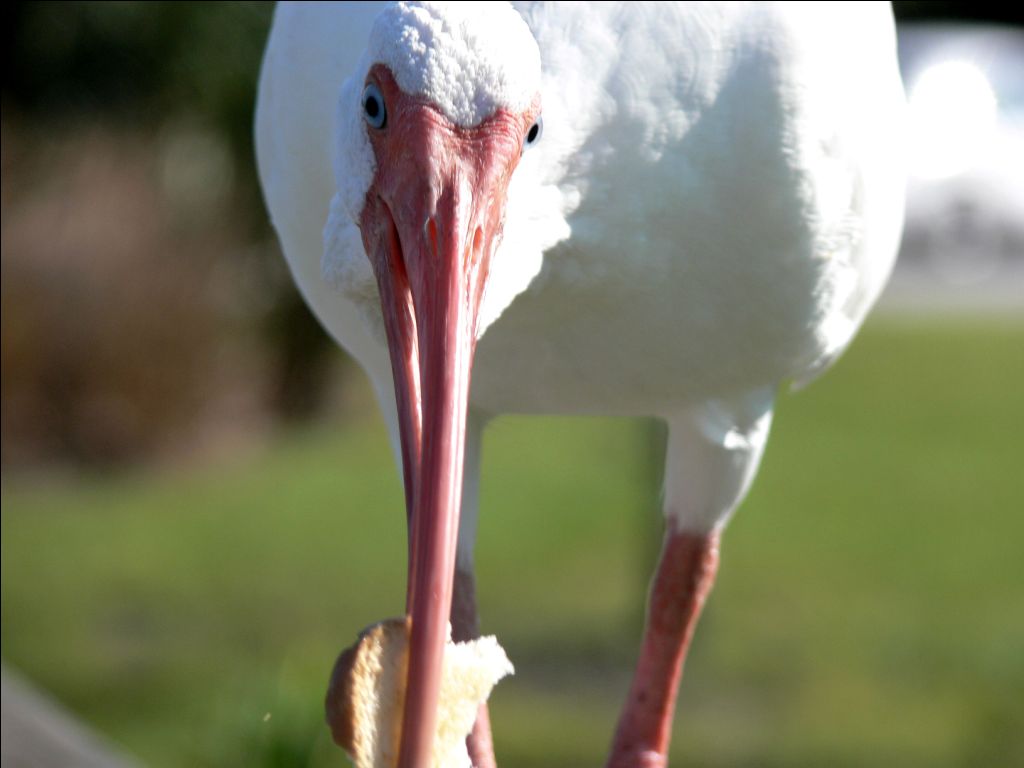
Testing Camera on a White Ibis

Testing Camera on a White Ibis

We were only testing out my camera this time. After missing so many great photos at the Circle B and other outings, we stopped by Marshall’s Camera Shop in Auburndale that afternoon to discuss my camera’s problem. It had been acting up for some time and it wouldn’t auto-focus right. After some adjustments and an attempt to sell me a new Canon, I was satisfied to try some more with my faithful Panasonic Lumix point-and-shoot, always on “program” mode or “video” mode camera. (I’ll leave all those f-stops and ISO’s for the photographers who know what there doing, like Dan, Ian, and my great photographers.) I shoot “proof-shots” (I saw it) and “ID shots” (What was that bird?).

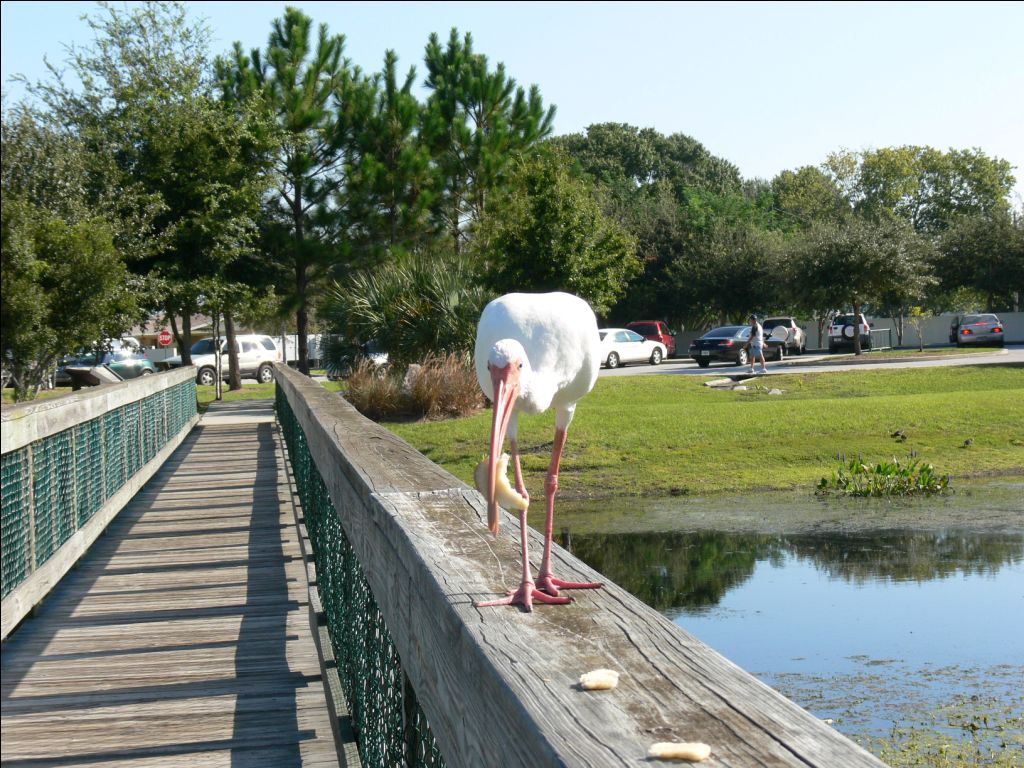
White Ibis on Rail at S. Lake Howard

White Ibis on Rail at S. Lake Howard

White Ibis on Rail up close

White Ibis on Rail up close

With the camera in hand, we checked out the park and managed to see 18 different species and the camera was behaving much better. The birds we observed were small in number again, like Friday. Not sure why the birds haven’t gotten back down here yet. Hope that big storm that went up the East Coast lately didn’t mess up their migration trips down here.

Tricolored Heron at South Lake Howard

Tricolored Heron

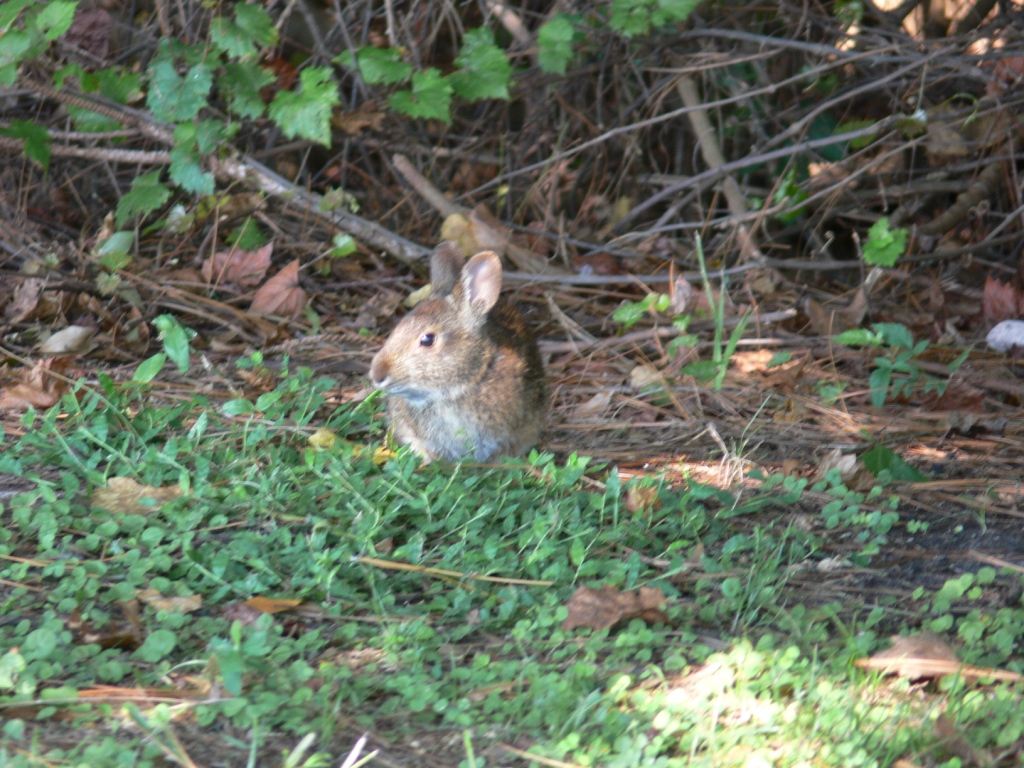
South Lake Howard - Bunny

Bunny at South Lake Howard

Here is a list of what we saw and reported to e-Bird. I didn’t report the bunny rabbit to them.

Number of species:     18
Anhinga     1
Great Blue Heron     2
Great Egret     1
Little Blue Heron     1
Tricolored Heron     2
White Ibis     10
Wood Stork     2
Osprey     2
Purple Gallinule     3
Common Moorhen     9
Mourning Dove     1
Monk Parakeet     5
Belted Kingfisher     1
Blue Jay     3
Blue-gray Gnatcatcher     1
Northern Mockingbird     2
Red-winged Blackbird     2
Boat-tailed Grackle     3

For more visits to South Lake Howard Nature Park.

*

Birdwatching at Circle B – 10/01/2010

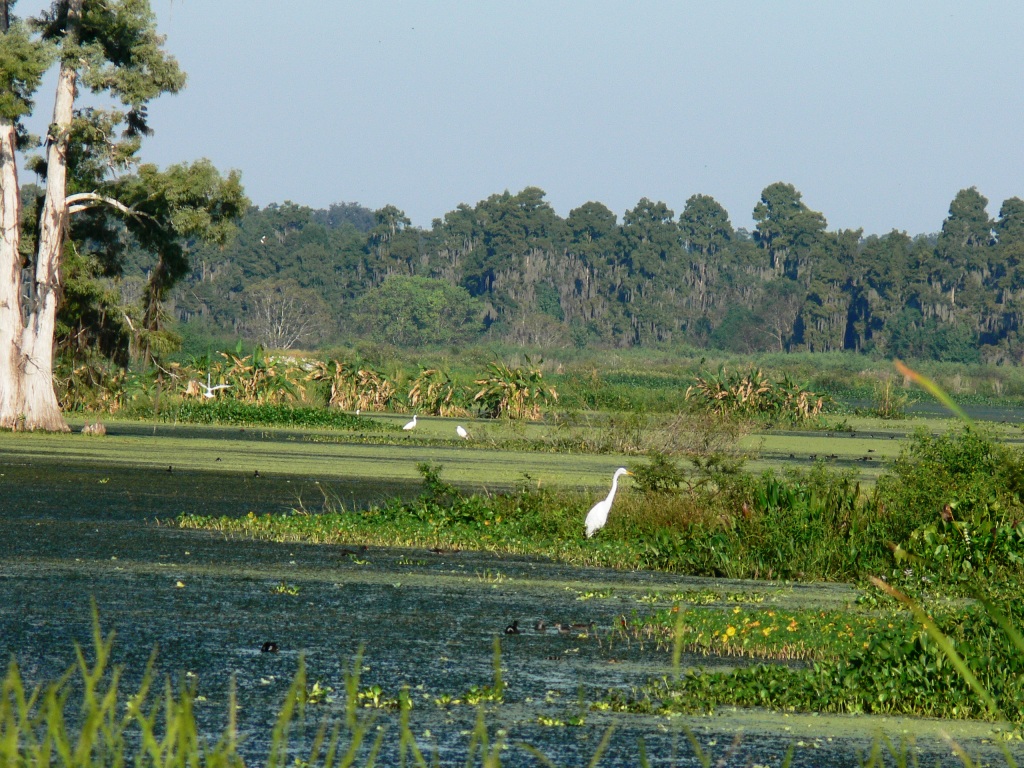
Circle B Bar Reserve View

Circle B Bar Reserve View on 10-1-10

Now that the weather is improving and the humidity is becoming bearable, it’s time to go birdwatching again. Actually we have been out several times in the last few week. We made a trip a few weeks ago to Fort Desoto in Pinellas County. I am still trying to figure out which birds we saw at the beach. I’ll save those birds for another blog. It was a delightful day to be out birdwatching.

This is the day the LORD has made; We will rejoice and be glad in it. … God is the LORD, And He has given us light; (Psalms 118:24, 27a NKJV)

Yesterday, 10-1-10 we went to the Circle B Bar Reserve to take a look around. We only went about a mile round trip. The same birds were there, but few in number. Apparently the migrants that spend the winter haven’t arrive yet. They are just trickling in slowly. Talking to one of the volunteers out there, he agrees that the birds are behind their normal arrival.

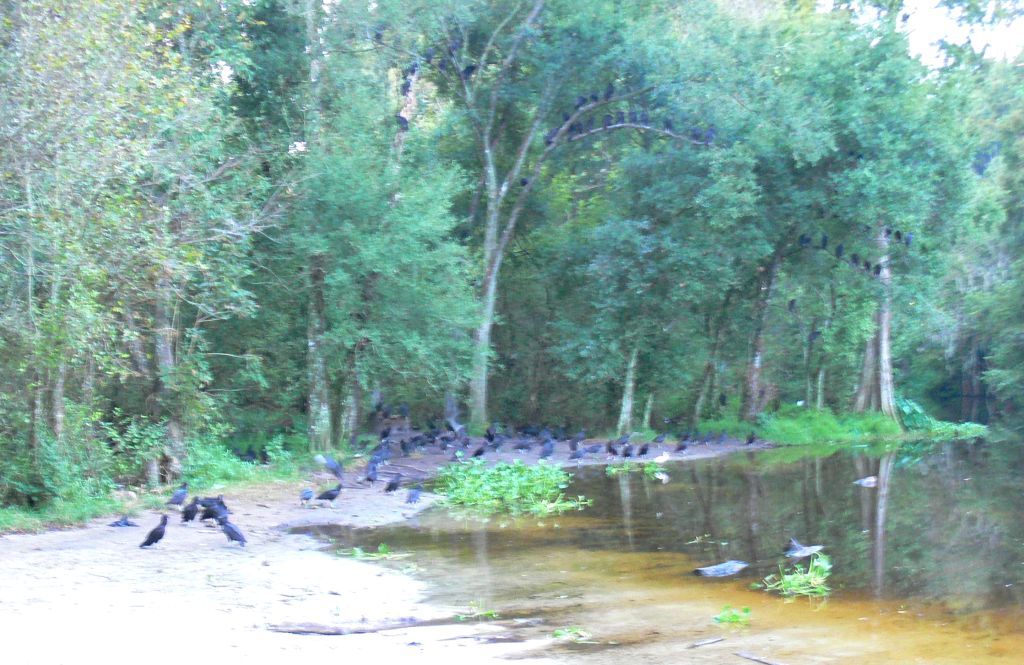
Black Vultures Lining the tree limbs-bad shot by you get the idea

Black Vultures Lining the tree limbs-bad shot by you get the idea

We stopped by “Buzzard Beach” which is on the perimeter of the Reserve, but part of it. There were well over 100 Black Vultures lining the trees and on the ground. Unfortunately, my camera was acting up and my shots were bad.

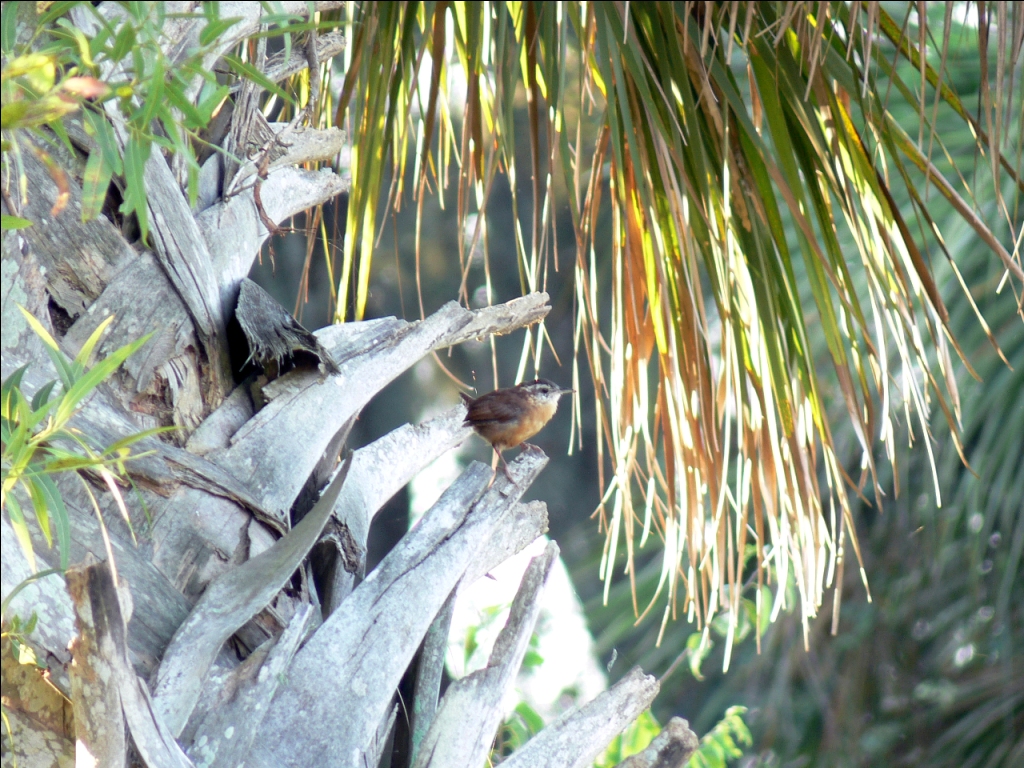
Carolina Wren (Thryothorus ludovicianus) by Lee at Circle B Bar Reserve 10-1-10

Carolina Wren (Thryothorus ludovicianus) by Lee at Circle B Bar Reserve 10-1-10

We started around 7:45 and birded for about 2 hours altogether. My prize of the day was the Carolina Wren. I have been hearing them on previous visits, but could not get one in my camera. Yesterday, I finally got a photo. There were two of them and with help from a friend, we both got them in view.

Little Blue Heron immature in a Tree by Dan at Circle B

Little Blue Heron immature in a Tree by Dan at Circle B

Another nice find was a Little Blue Heron that was immature and still in it’s White form. The rest of the birds we pretty much what we get most times out at the Circle B this time of the year.

At any rate, here is the list of birds I reported to eBird at http://ebird.org/content/ebird

Black-bellied Whistling-Duck
Blue-winged Teal
Pied-billed Grebe
Double-crested Cormorant
Anhinga
Great Blue Heron
Great Egret
Snowy Egret
Little Blue Heron
Tricolored Heron
Green Heron
White Ibis
Wood Stork
Black Vulture -100
Osprey
Cooper’s Hawk
Purple Gallinule
Common Moorhen
Sandhill Crane
Mourning Dove
Belted Kingfisher
Red-bellied Woodpecker
Pileated Woodpecker
Blue Jay
Fish Crow
Carolina Wren
Northern Mockingbird
Common Yellowthroat
Northern Cardinal
Red-winged Blackbird
Boat-tailed Grackle

Number of species:     31

For other birdwatching trips to the Circle B Bar Reserve

*

National Aviary – Hospital, Breeding, and Kitchen Areas

Gracie the retired Chestnut-mandibled Toucan (Ramphastos swainsonii)

Gracie the retired Chestnut-mandibled Toucan (Ramphastos swainsonii)

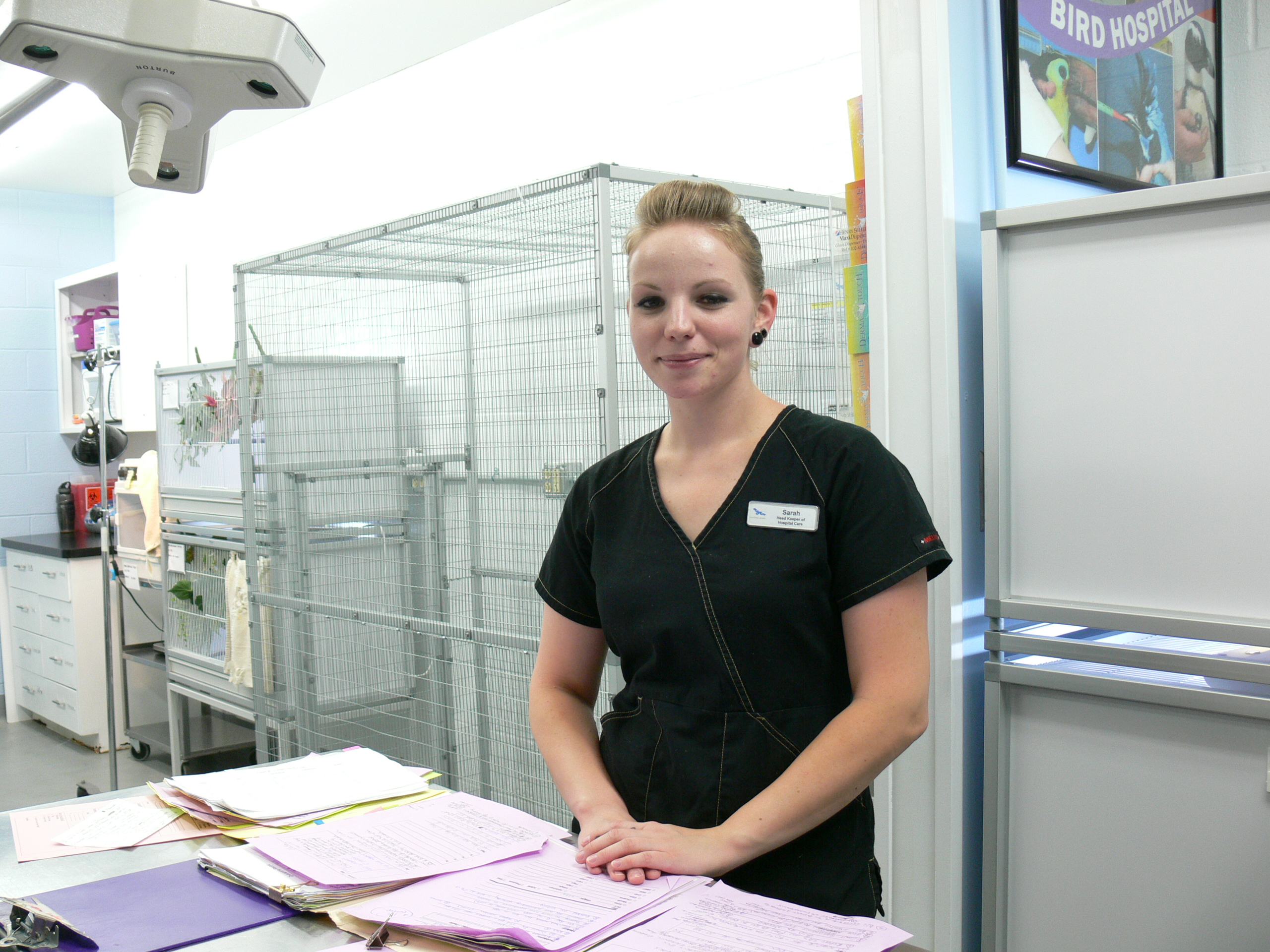
One of the special privileges at the National Aviary was the behind the scenes places we were allowed to visit. Sarah, the “Bird Nurse” (Head Keeper of Hospital Care), that we had met the day before, and Steven, the Director of Animal Programs, gave us a grand tour. (See Introduction)

Gracie the retired Chestnut-mandibled Toucan (Ramphastos swainsonii)

Gracie the retired Chestnut-mandibled Toucan petted by Lee

We started off by visiting the “Geriatric Hospital” where the retired or aging bird’s care is provided. We met, Jamie, the Vetenarian Technician, who works with the birds also. We met “Skippy”, the 23 year old Black-necked Stilt. There were other birds there like, “Gracie”, a Chestnut-mandibled Toucan, which I got to scratch her head. She had performed well over the years, but now is retired. Other retirees were “Smiley”, the White-tailed Trogan; “Stevie”, the Boat-billed Heron;  “Hermie”, the Montezuma Oropendola; a  Blue-naped Mousebird, Sudan Golden Sparrow, Black-naped Oriole, Goldie’s Lorikeet, Spangled Cotinga, Superb Starling, Collared Kingfisher and one or two others that I missed writing down. My excitement was way up there.

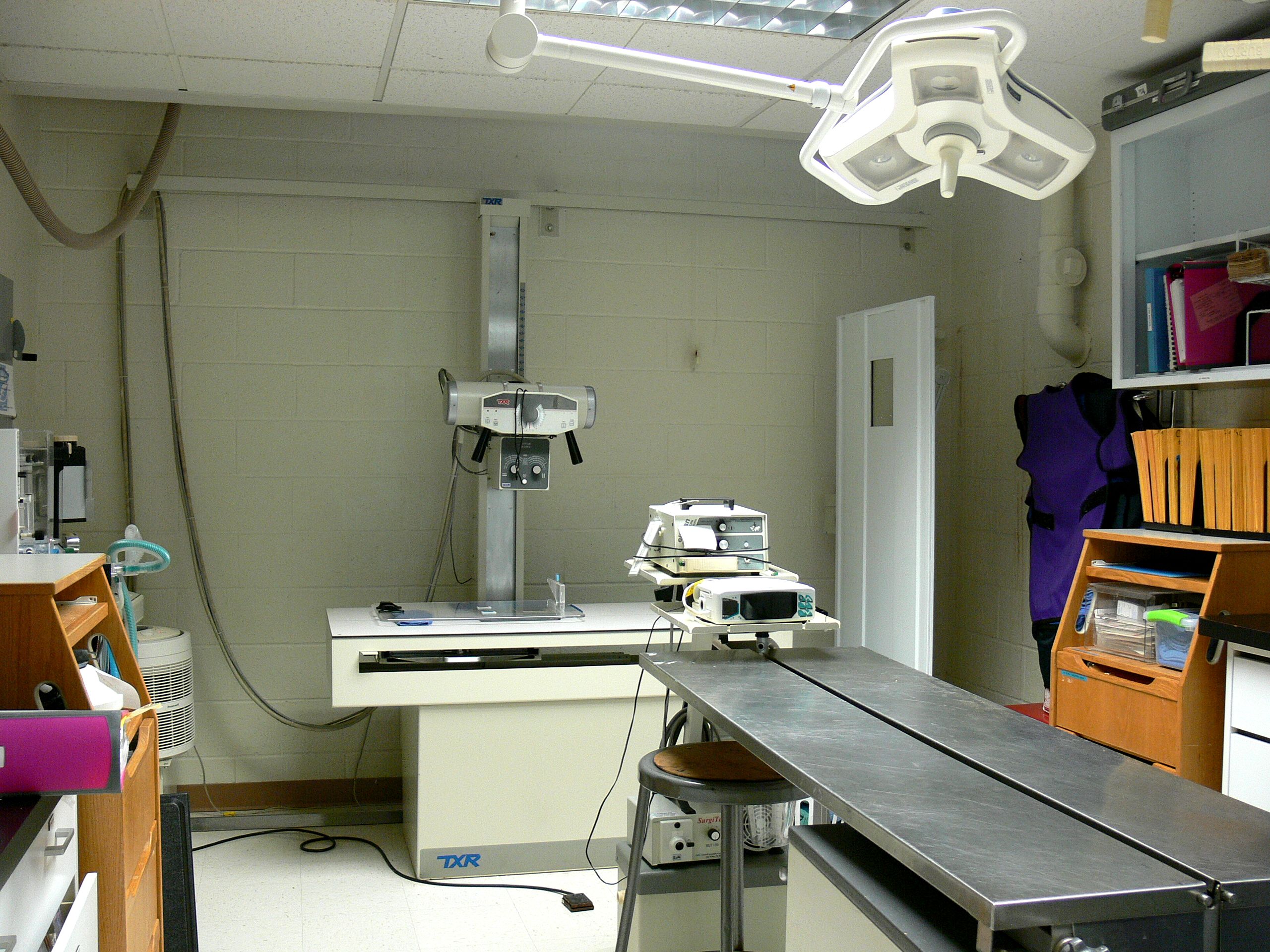
National Aviary Hospital X-ray and Surgery

National Aviary Hospital X-ray and Surgery

Down in the basement also was their hospital area where they do any surgery and take x-rays. It was quite well equipped and the physical needs of all the aves that live at the National Aviary are well provided for.

Steven, the Director, then met us and took up to the 2nd floor where his “pride and joy” are housed. That is where the breeding birds were kept. As you may know, many of the zoos and aviaries goal is to help preserve species that are endangered or close to extinction. Not all the birds being bred there were in those categories. The were pairs of Blue-fronted Amazon Parrots, Green Aracaris, Grossbeak Starlings, Cape Thicknees, Palm Cockatoos, Turquoise-fronted Amazons, Golden-crested Mynas, Bali Mynas and Rainbow Lorikeets. Wow! Saw all of them close up. What a thrill.

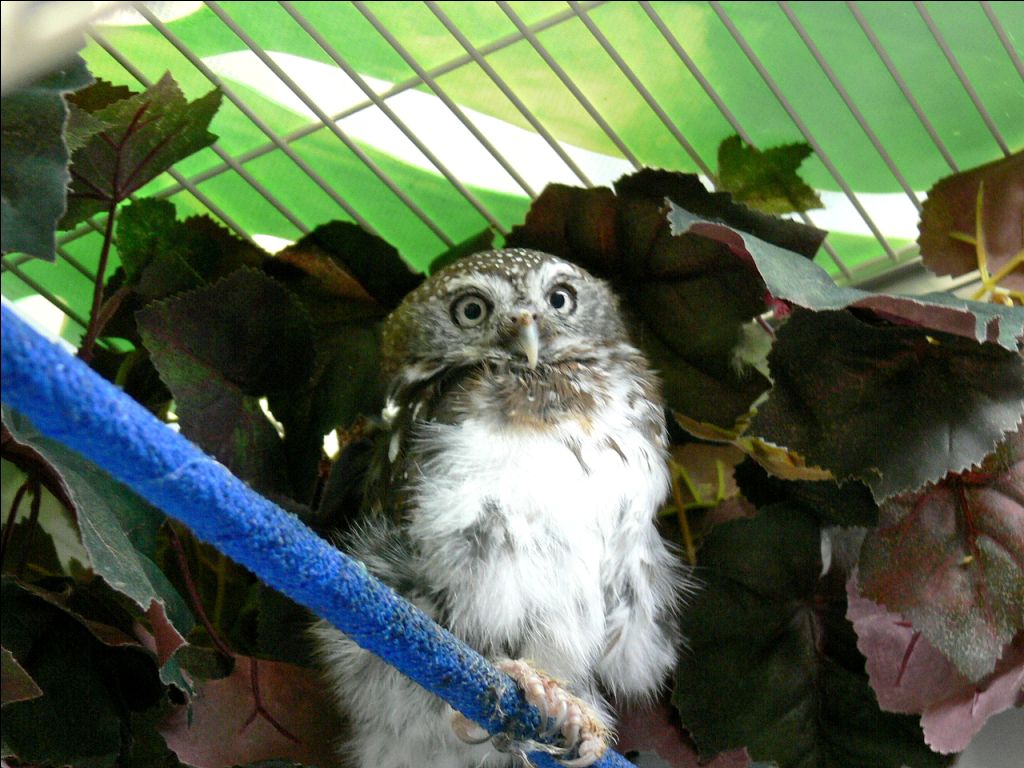
Pearl-spotted Owlet (Glaucidium perlatum) Breeding Room by Lee

Pearl-spotted Owlet (Glaucidium perlatum) Breeding Room by Lee

During that day and the next, we also visited the regular aviary hospital and some more “behind the scenes” places. At the Hospital, Sarah showed us some of her current patients like the Black-headed Woodpecker, Pearl-sided Owlet, Call Duck (broken wing), Runner Duck (broken hip), Rhinoceros Hornbill, Micronesian Kingfisher, White-crested Laughingthrush, and a Silkie Chicken.

Who gives food to all flesh, For His lovingkindness is everlasting. (Psalms 136:25 NASB)

All of these birds and the one mammal (2-toed Sloth) need to eat. Do they ever eat well! In the Kitchen area they were preparing the next meal for them. Wow! What great looking fresh fruits and vegetables were being prepared. Of course, there are different kinds of bird foods and seeds. We were shown the different crickets, worms and “Super Worms” which are the “worm of choice” by many of the avian eaters. The fresh and frozen “meat” (mouse, chicken, fish, etc.) are kept in walk-in coolers and freezer. These feathered critters are well supplied with their daily bounty.
What an amazing place and honor to be shown so many areas of the National Aviary. Our hearty thanks to Steven, Sarah, Jamie, and all the trainers and staff that made our visit “super special.” Thank you! Thank you! Thank you!

He also spoke 3,000 proverbs, and his songs were 1,005. He spoke of trees, from the cedar that is in Lebanon even to the hyssop that grows on the wall; he spoke also of animals and birds and creeping things and fish. Men came from all peoples to hear the wisdom of Solomon, from all the kings of the earth who had heard of his wisdom. (1 Kings 4:32-34 NASB)

Praise Him for His mighty deeds; Praise Him according to His excellent greatness. (Psalms 150:2 NASB)

Hope you enjoy the slide show below. Not all the photos are great, but they will give you an idea of what the visit was like. FABULOUS!
See Also:

National Aviary, Pittsburgh, PA

Happy Birthday – Skippy at National Aviary

Birdwatching at the National Aviary – Introduction

National Aviary – Penguin Encounter

Birds of the Bible – At the National Aviary

Birdwatching the National Aviary – Grasslands

Birdwatching the National Aviary – Tropical Forest

*

This slideshow requires JavaScript.

*

Birdwatching the National Aviary – Tropical Forest

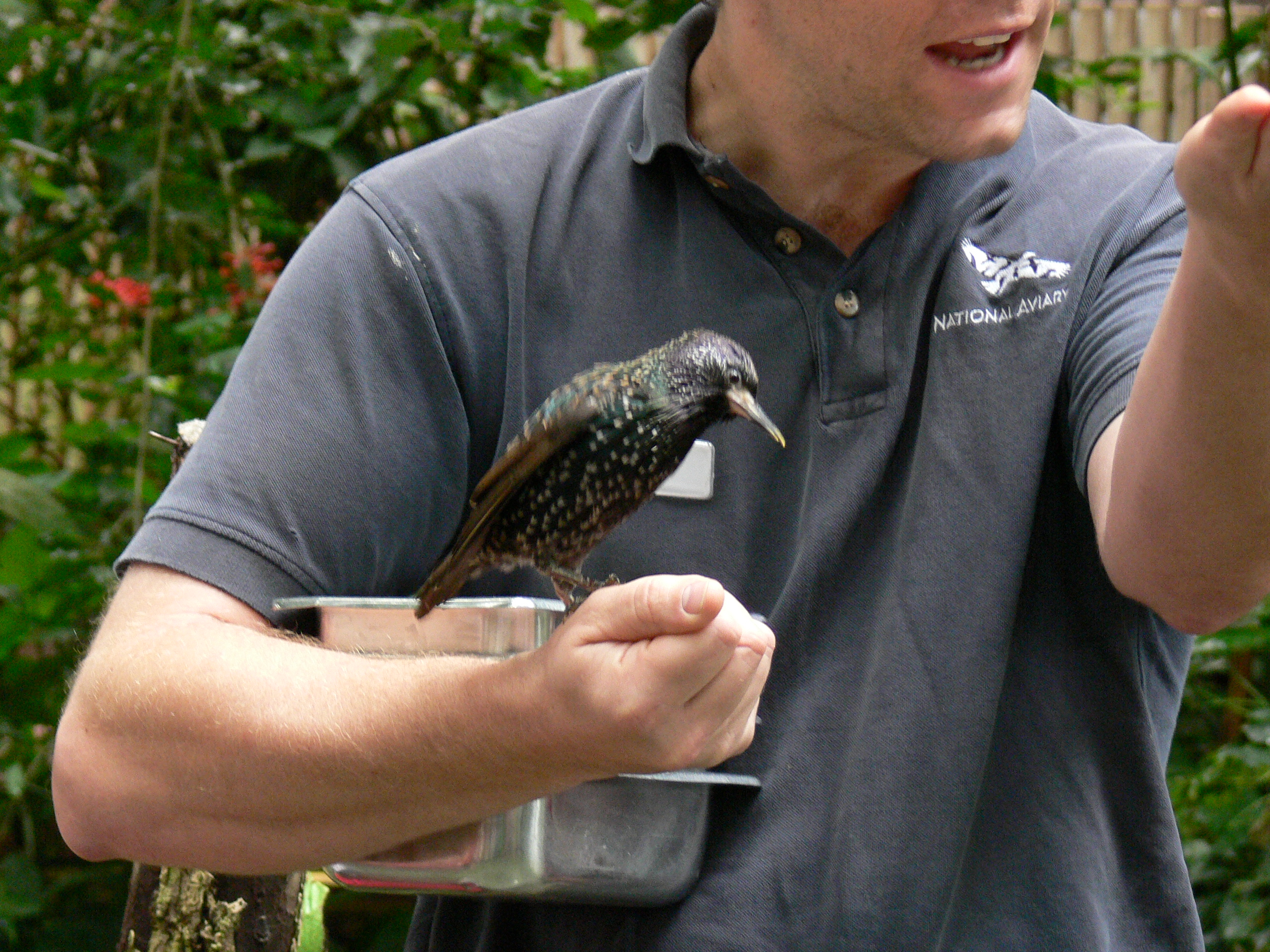
Common Starling (Sturnus vulgaris) by Lee NA Feeding

Common Starling (Sturnus vulgaris) by Lee NA Feeding

This article is about the numerous birds found in the Tropical Forest Free-flight section at the National Aviary in Pittsburgh, PA. It has taken awhile to find the names of the birds in the pictures we took while we were there. My enthusiastically taken 600 photos has turned into a real challenge. That, and I do have a life.

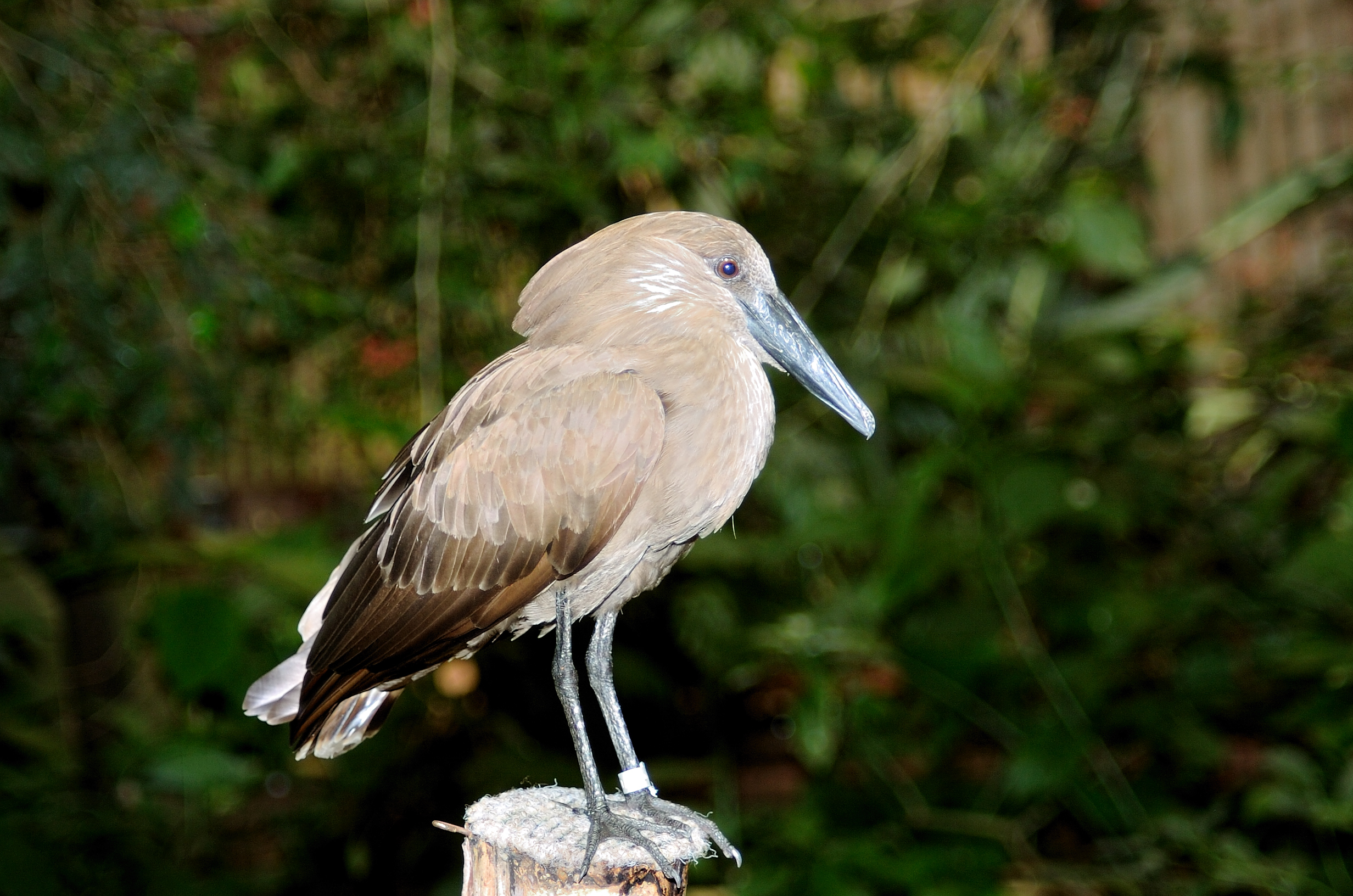
Hamerkop (Scopus umbretta) at NA by Dan

Hamerkop (Scopus umbretta) at NA by Dan

The Tropical Forest section has some really interesting birds that I had read about or seen in photos. It was great to be able to get so close to the birds. About the time we arrived there, they were getting ready to do one of the feedings. This really brought the birds out of the trees. Some, the Common Starling, landed right on the bin with the food and started helping himself. My favorite bird there was the Hammerkop, who many got to feed by hand and a close second was the Blue Rollers. They seemed right personable. Of course, I enjoyed all of them and was thrilled to get to watch them.

Blue-bellied Roller (Coracias cyanogaster) at NA by Lee

Blue-bellied Roller (Coracias cyanogaster) by Lee

Probably one of the most colorful birds in the Tropical Forest was the Golden-breasted Starling who was nothing like the Common Starling above. The feathers are iridescent and just shine.

Golden-breasted Starling (Lamprotornis regius) at NA by Lee

Golden-breasted Starling (Lamprotornis regius) by Lee

I am adding a Slide collection of the birds in the Tropical Forest. They are not of everything, but the ones that turned out good enough to show.

This slideshow requires JavaScript.

*

Birdwatching the National Aviary – Grasslands

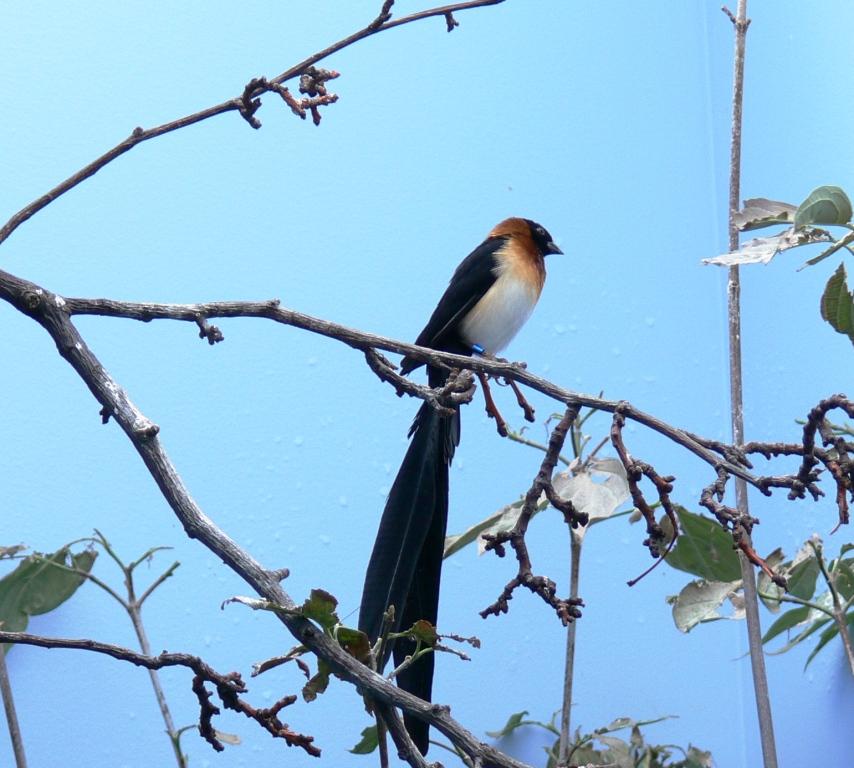
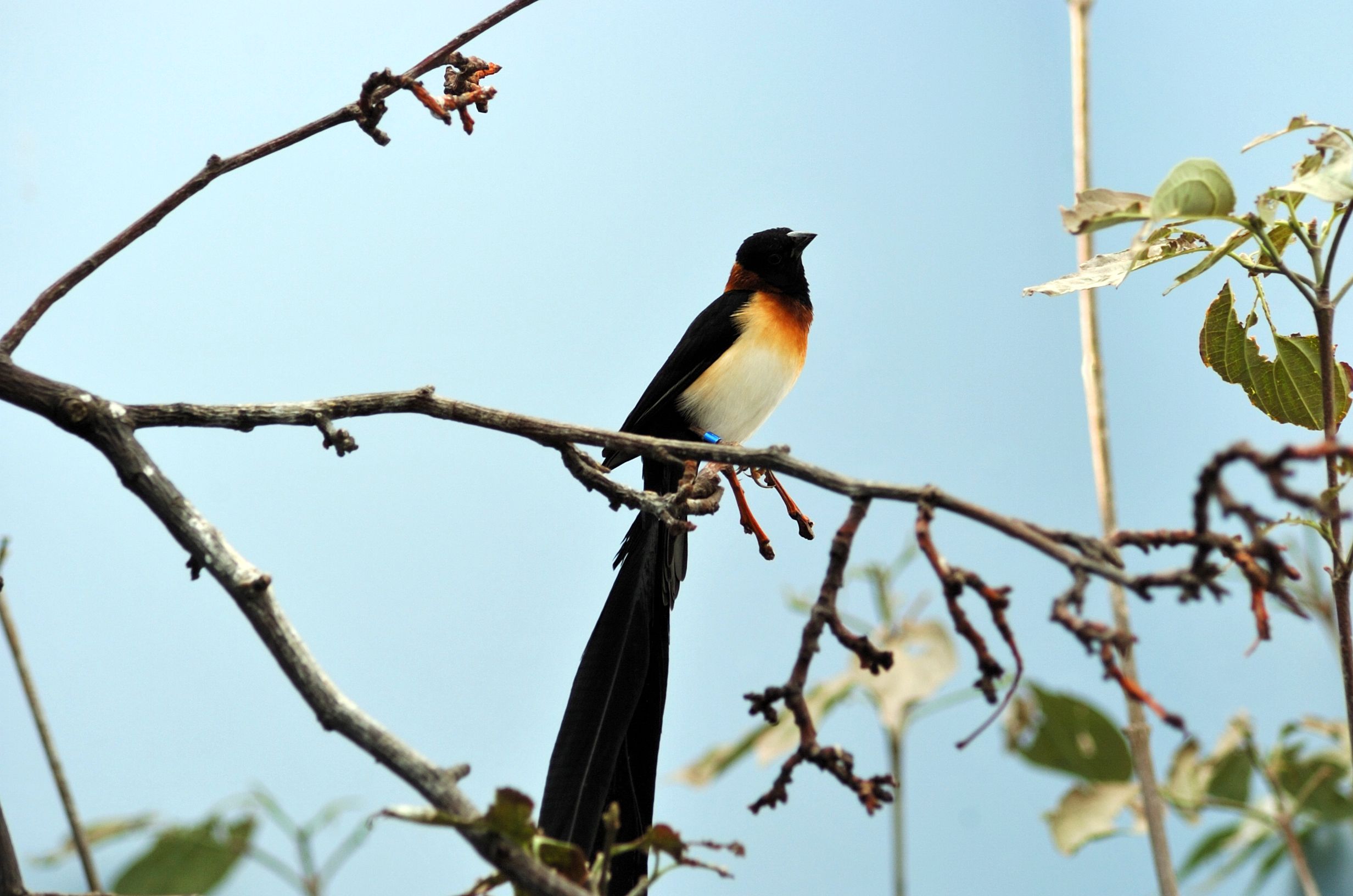
Long-tailed Paradise Whydah (Vidua paradisaea)

Long-tailed Paradise Whydah (Vidua paradisaea)

The National Aviary in Pittsburgh, PA is divided into different habitats. The National Aviary, they opened their Grassland exhibit in March of 2010 and here is their description of it. “Inhabiting the Grasslands exhibit are an array of delicate and colorful birds, including Gouldian finches, paradise whydah, Sudan golden sparrows, shaft-tail finches, melba finches, and blue ground doves. The exhibit’s plantscape comprises sea oats, bayberry, birch and dogwood as well as other greenery.”

Sing to the LORD with thanksgiving; make melody to our God on the lyre! He covers the heavens with clouds; he prepares rain for the earth; he makes grass grow on the hills. He gives to the beasts their food, and to the young ravens that cry. (Psalms 147:7-9 ESV)

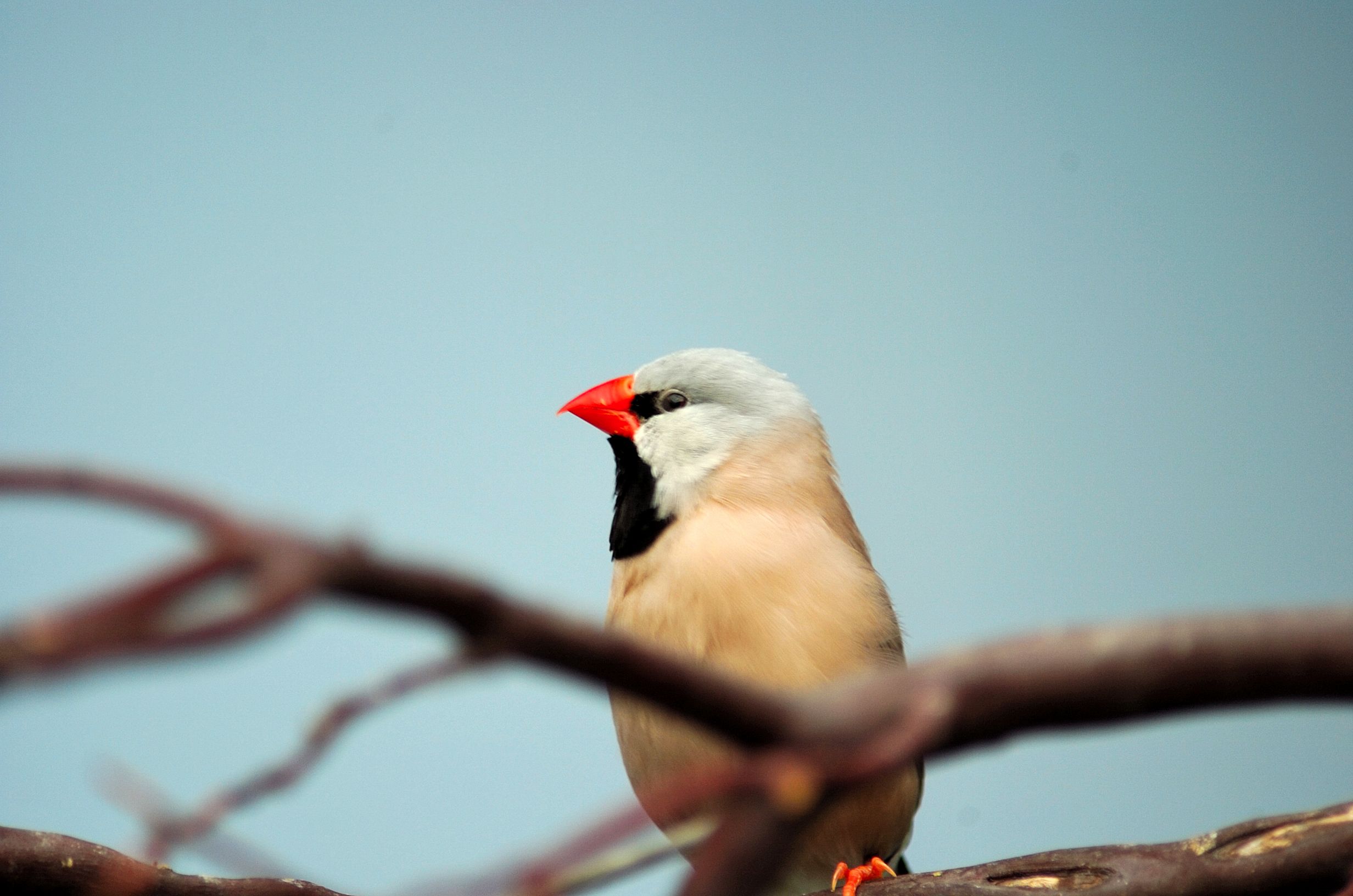
Long-tailed Finch (Poephila acuticauda) (Shaft-tailed) at NA by Dan

Long-tailed Finch (Poephila acuticauda) (Shaft-tailed) by Dan

Grasslands (also called greenswards) are areas where the vegetation is dominated by grasses and other herbaceous (non-woody) plants. However, sedge and rush families can also be found. Grasslands occur naturally on all continents except Antarctica. In temperate latitudes, such as northwest Europe and the Great Plains and California in North America, native grasslands are dominated by perennial bunch grass species, whereas in warmer climates annual species form a greater component of the vegetation.

Who has cleft a channel for the torrents of rain and a way for the thunderbolt, to bring rain on a land where no man is, on the desert in which there is no man, to satisfy the waste and desolate land, and to make the ground sprout with grass? (Job 38:25-27 ESV)

There are several types of Grasslands throughout the world. They are basically the: Tropical and subtropical grasslands, Temperate grasslands, Flooded grasslands, Montane grasslands and Desert and xeric grasslands. The Aviary has birds that represent these areas of the world.

Following is a list of the birds that we encountered in the Grasslands at the aviary:

From the Phasianidae – Pheasants, Fowl & Allies Family:

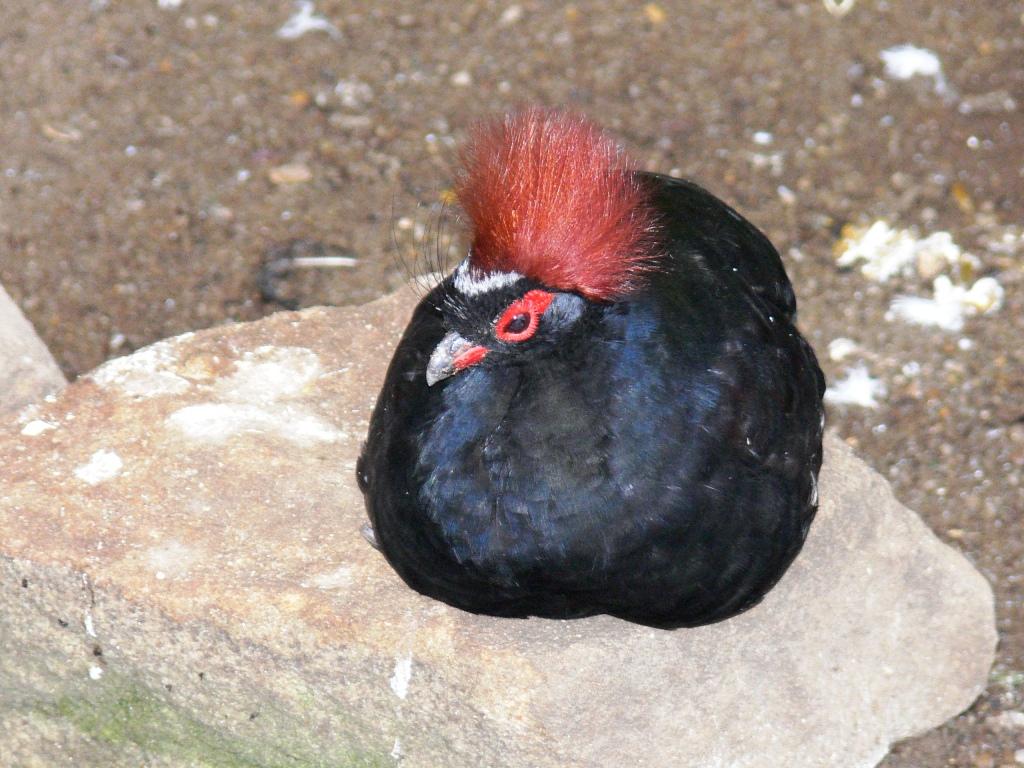
Crested Partridge (Rollulus rouloul) at NA by Lee

Crested Partridge (Rollulus rouloul) at NA by Lee

Chukar Partridge (Alectoris chukar)
Crested Partridge (Rollulus rouloul)

From the Charidridae – Plovers Family:

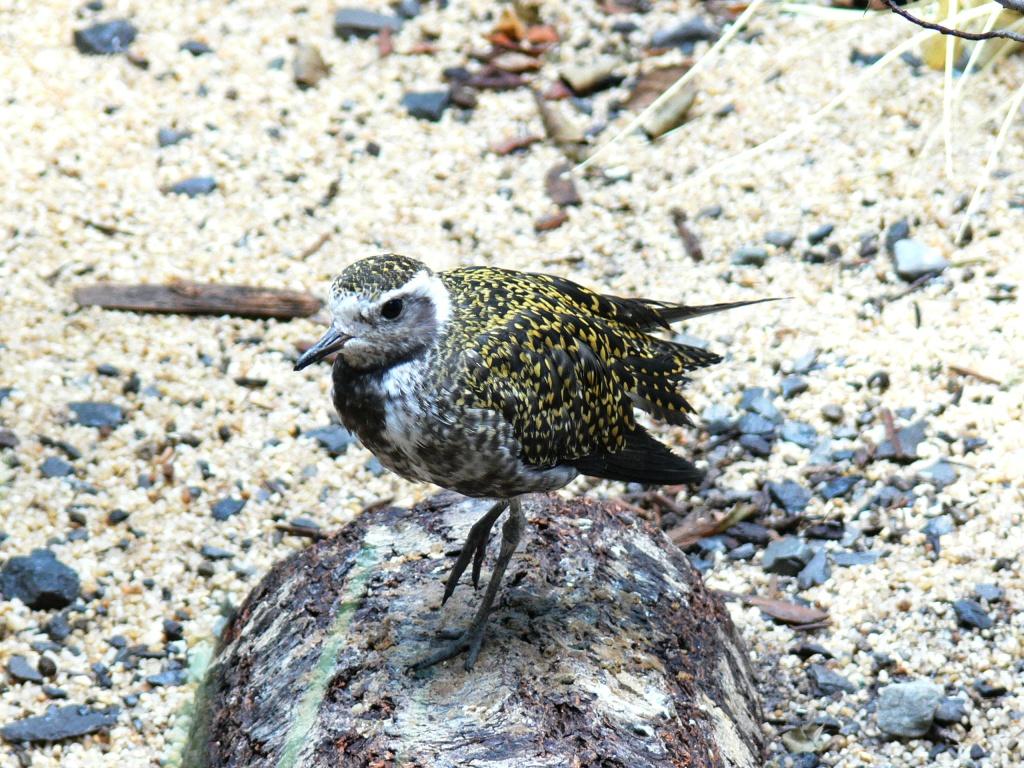
American Golden Plover (Pluvialis dominica) at NA by Lee

American Golden Plover (Pluvialis dominica) at NA by Lee

American Golden Plover (Pluvialis dominica)
Killdeer (Charadrius vociferus)

From the Psittacidae – Parrots Family:

Grey Parrot by Dan

Grey Parrot by Dan

Grey Parrot (Psittacus erithacus) (African Grey Parrot)

From the Columbidae – Pigeons, Doves Family:

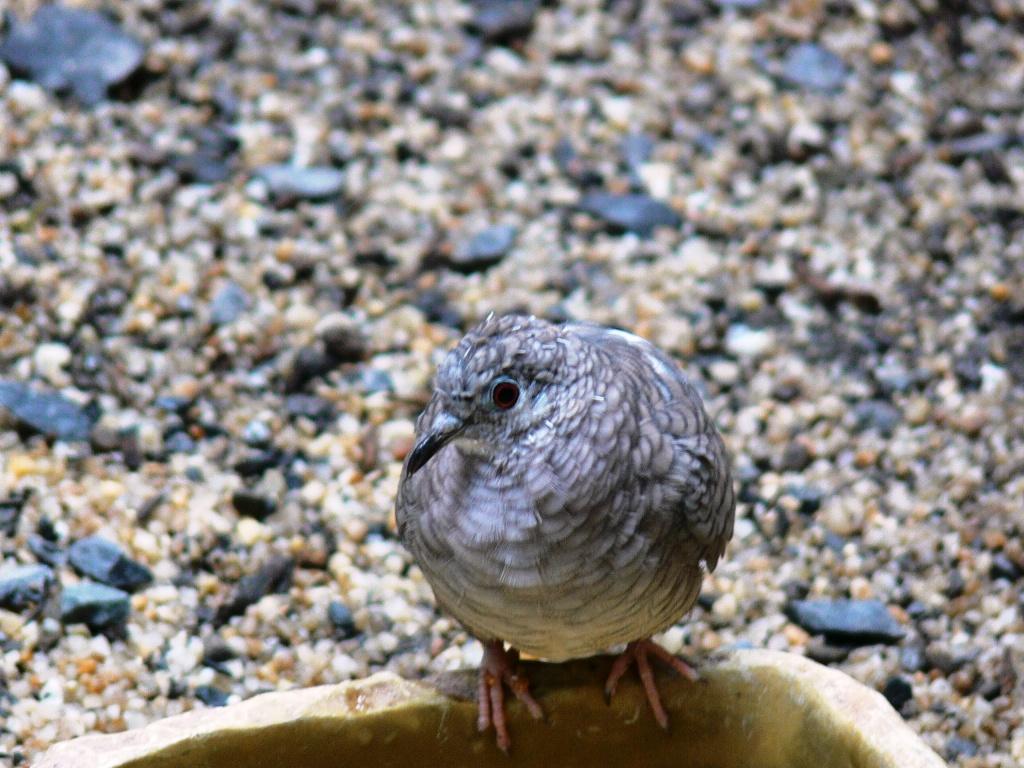
Inca Dove (Columbina inca) at NA by Lee

Inca Dove (Columbina inca) at NA by Lee

Inca Dove (Columbina inca)

From the Muscicapidae – Chats, Old World Flycatchers Family

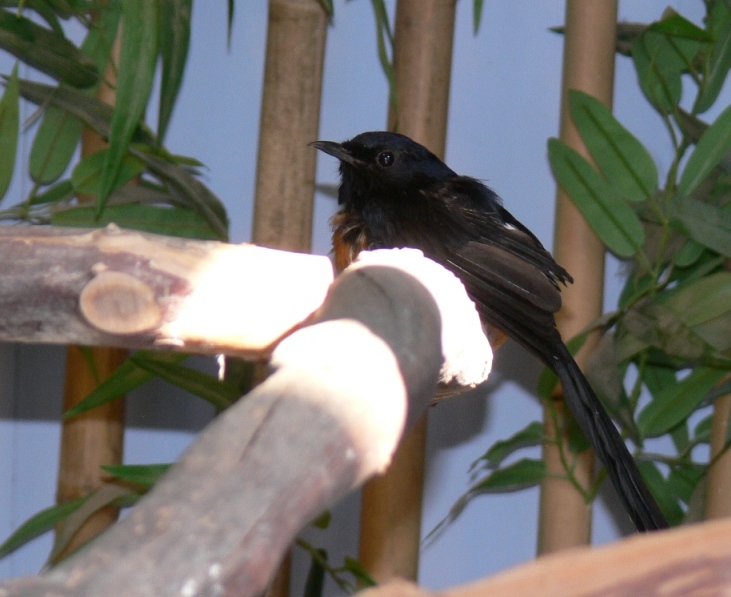
White-rumped Shama by Lee

White-rumped Shama by Lee

White-rumped Shama (Copsychus malabaricus)

From the Passeridae – Old World Sparrows, Snowfinches Family

Sudan Golden Sparrow by Dan

Sudan Golden Sparrow by Dan

Sudan Golden Sparrow (Passer luteus)

From the Estrididae – Waxbills, Munias & Allies Family:

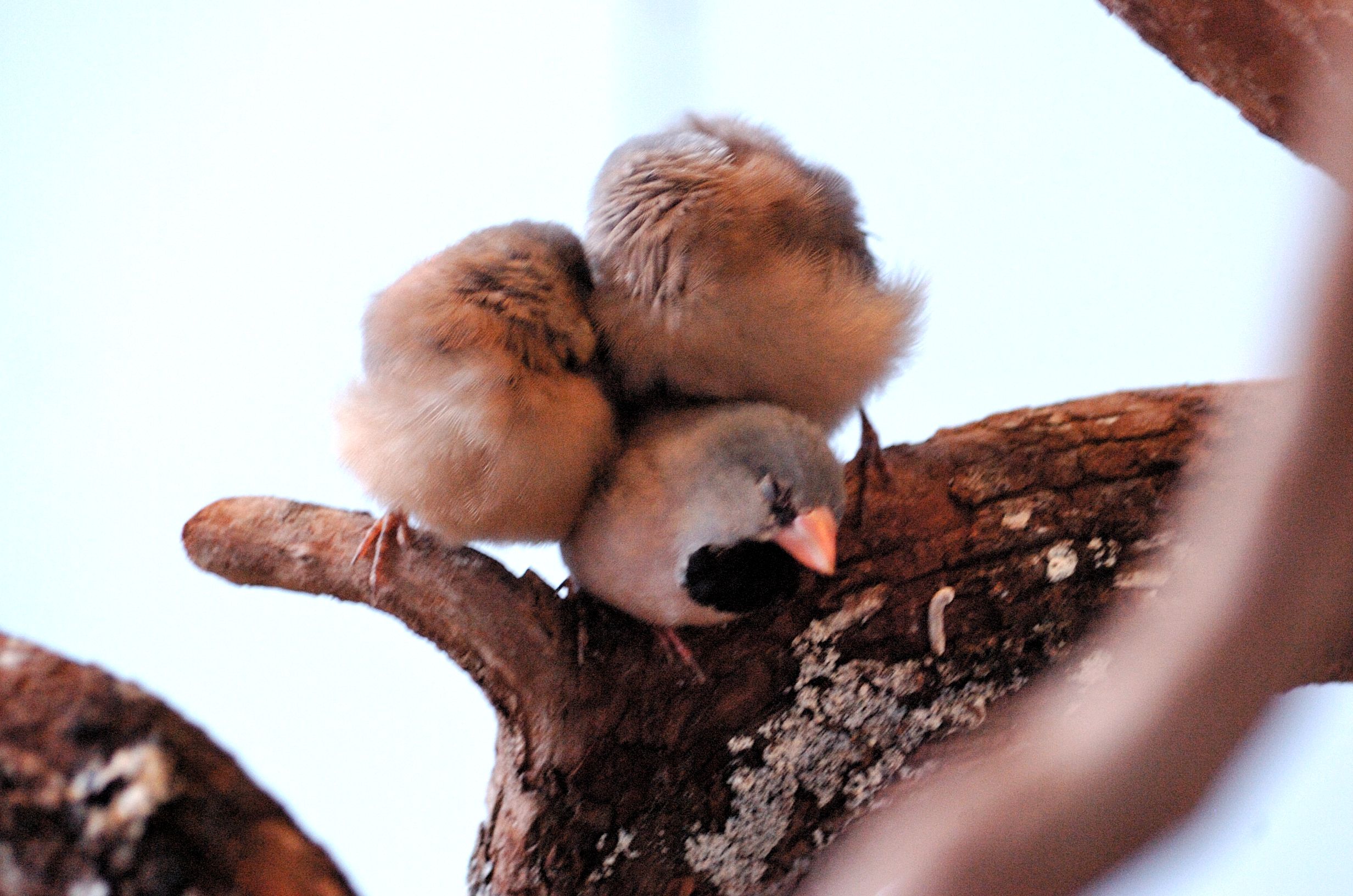
Long-tailed Finch youngsters by Dan

Long-tailed Finch youngsters by Dan

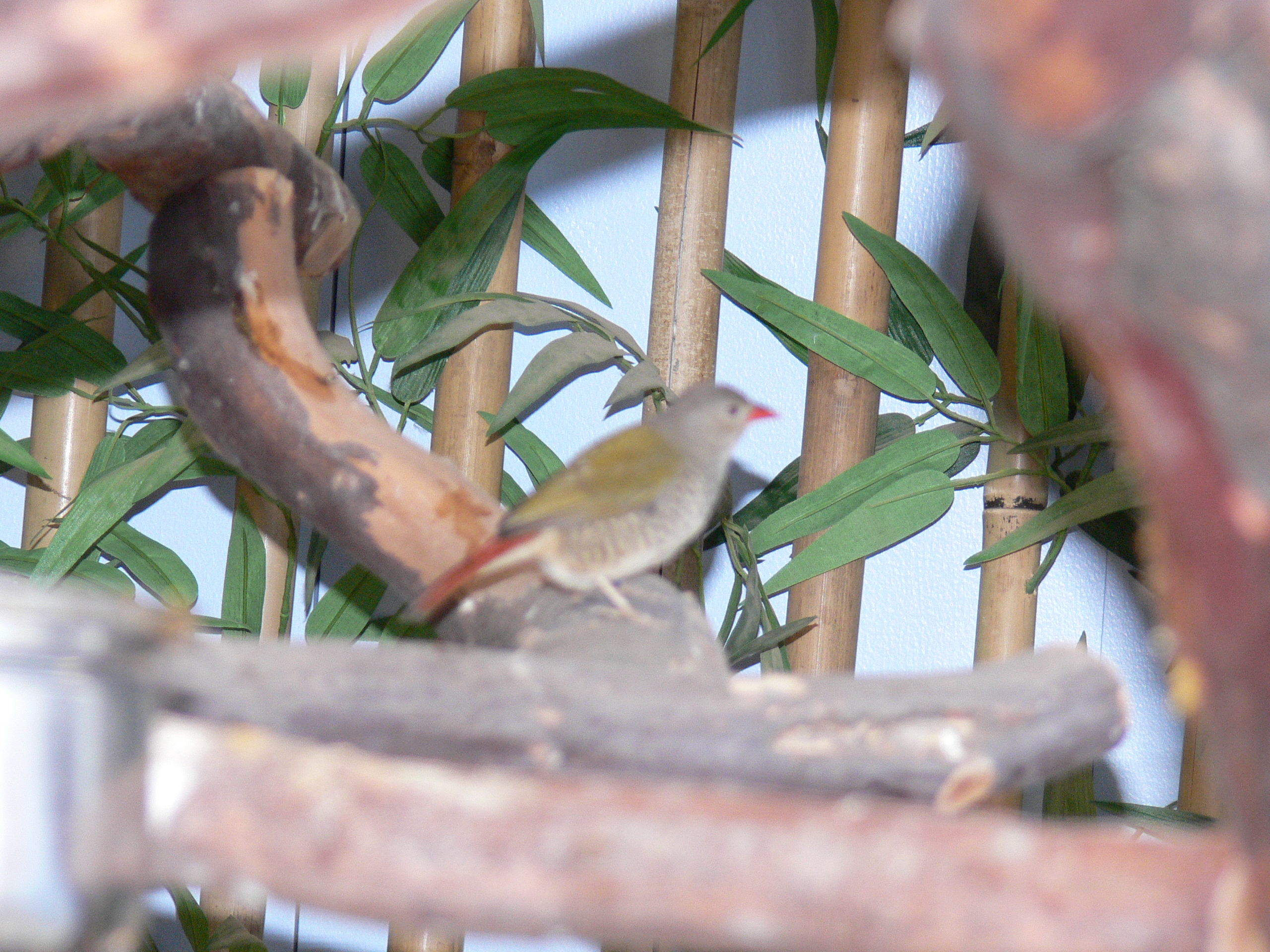
Green-winged Pytilia (Pytilia melba) (Melba Finch)
Long-tailed Finch (Poephila acuticauda) (Shaft-tailed Finch)
Gouldian Finch (Erythrura gouldiae)

From the Viduidae – Indigobirds, Whydahs Family

Long-tailed Paradise Whydah by Dan

Long-tailed Paradise Whydah by Dan

Long-tailed Paradise Whydah (Vidua paradisaea) (Paradise Whydah)

From the Icteridae – Oropendolas, Orioles & Blackbirds Family

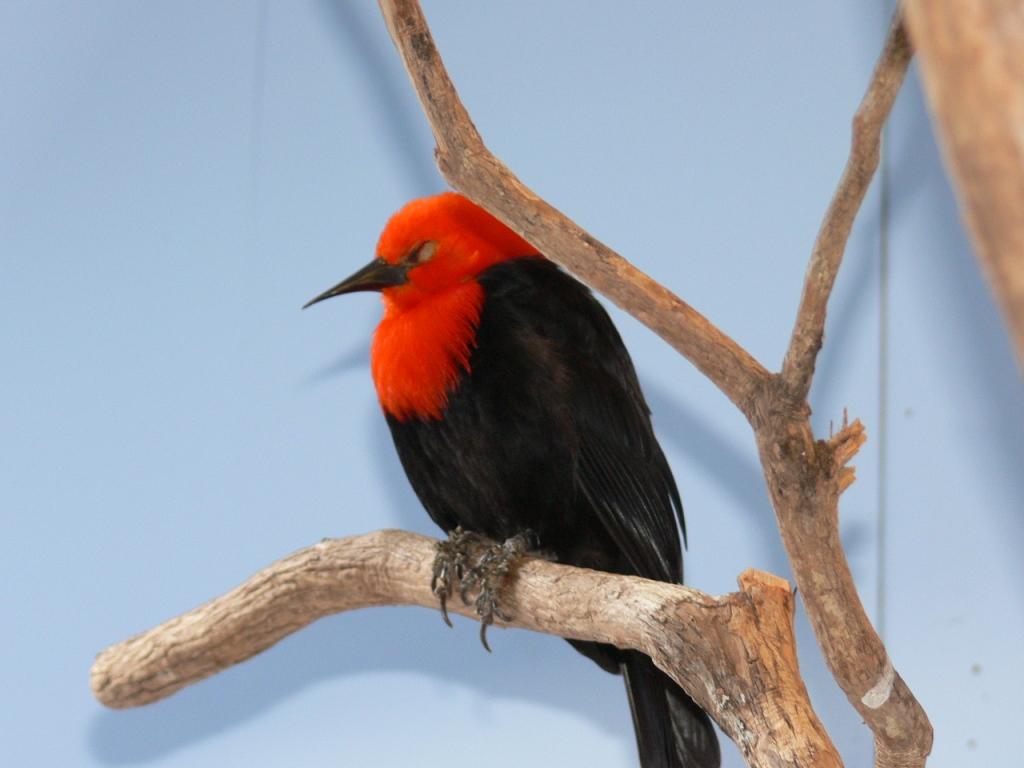
Scarlet-headed Blackbird (Amblyramphus holosericeus) by Lee

Scarlet-headed Blackbird asleep by Lee

Scarlet-headed Blackbird (Amblyramphus holosericeus)

From the Thraupidae – Tanagers and Allies Family

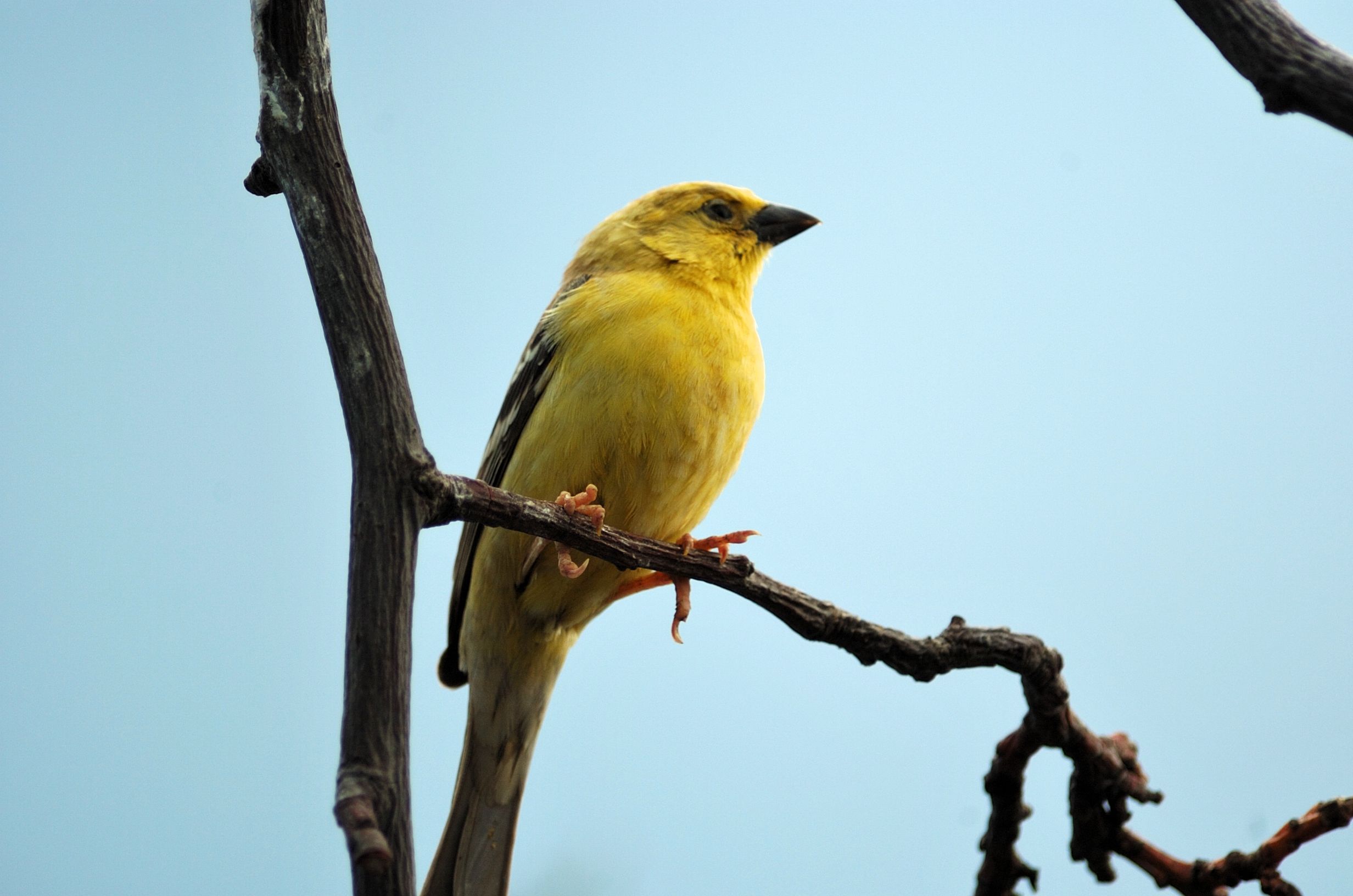
Saffron Finch by Dan

Saffron Finch by Dan

Saffron Finch (Sicalis flaveola)

I use the I.O.C.’s names, but they are the same birds. I have put the aviary’s name at the end, if it differs.

I know all the birds of the hills, and all that moves in the field is mine. (Psalms 50:11 ESV)

Killdeer (Charadrius vociferus) at NA by Lee

Killdeer (Charadrius vociferus) at NA by Lee

Give ear, O heavens, and I will speak, and let the earth hear the words of my mouth. May my teaching drop as the rain, my speech distill as the dew, like gentle rain upon the tender grass, and like showers upon the herb. For I will proclaim the name of the LORD; ascribe greatness to our God! (Deuteronomy 32:1-3 ESV)

Green-winged Pytilia (Pytilia melba) (Melba Finch) at NA by Lee

Green-winged Pytilia (Pytilia melba) (Melba Finch) at NA by Lee “Proof”

Of David. Fret not yourself because of evildoers; be not envious of wrongdoers! For they will soon fade like the grass and wither like the green herb. Trust in the LORD, and do good; dwell in the land and befriend faithfulness. Delight yourself in the LORD, and he will give you the desires of your heart. Commit your way to the LORD; trust in him, and he will act. (Psalms 37:1-5 ESV)

Crested Partridge (Rollulus rouloul) at NA by Lee M-F and Babies

Crested Partridge (Rollulus rouloul) at NA by Lee M-F and Babies

You cause the grass to grow for the livestock and plants for man to cultivate, that he may bring forth food from the earth (Psalms 104:14 ESV)

Chukar Partridge (Alectoris chukar) at NA by Lee

Chukar Partridge (Alectoris chukar) at NA by Lee

The grass withers, the flower fades, but the word of our God will stand forever. (Isaiah 40:8 ESV)

Gouldian Finch (Erythrura gouldiae) at NA by Lee

Gouldian Finch (Erythrura gouldiae) at NA by Lee

But if God so clothes the grass of the field, which today is alive and tomorrow is thrown into the oven, will he not much more clothe you, O you of little faith? (Matthew 6:30 ESV)

(Various quotes are from the Scripture, National Aviary website and Wikipedia. Some of the shots by me are just “proof shots”. They were taken to prove I saw the bird, and some didn’t come out well.)

National Aviary – Penguin Encounter

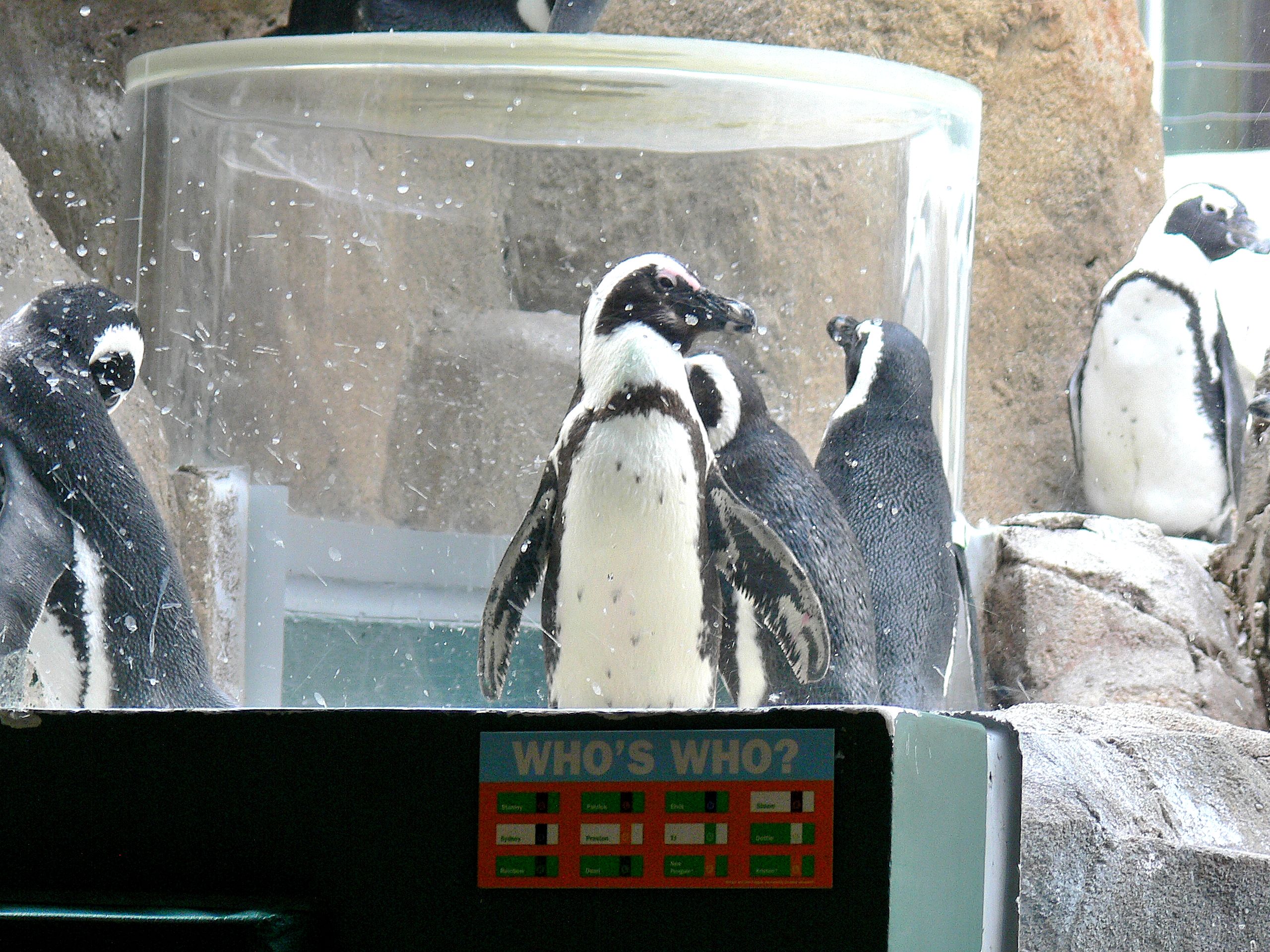
African Penguin (Spheniscus demersus) at NA by Lee

African Penguin (Spheniscus demersus) by Dome at NA by Lee

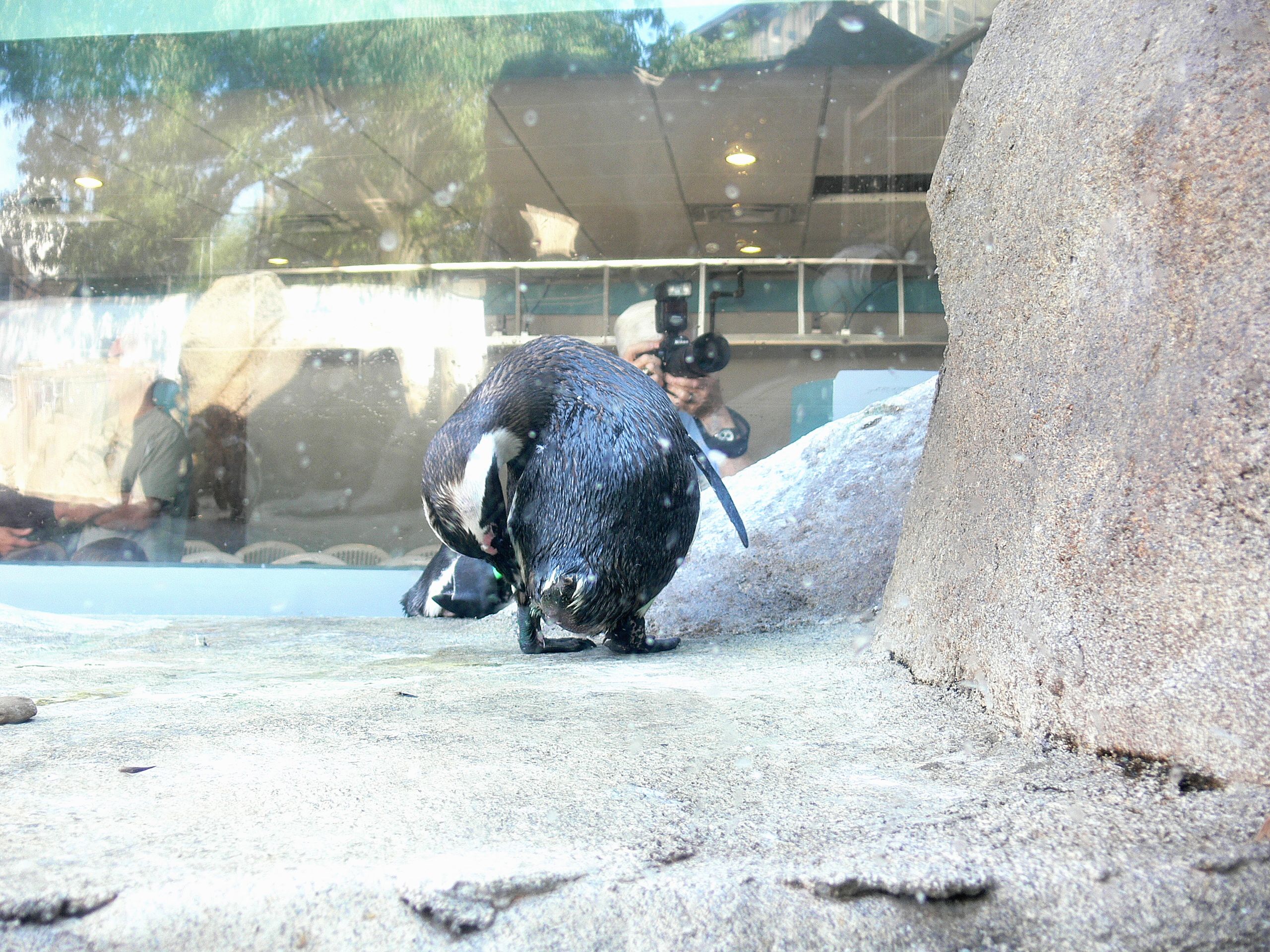
The National Aviary’s Penguin Point area is home to Stanley, Elvis, Patrick, Simon, Sidney, Preston, Dotty, Kristen, TJ, and Rainbow. At least that is the names of the ones listed on the African Penguin page. We enjoyed taking pictures of them, but did not figure out who was who. The area has a dome that sticks up and you can make your way to it and look at the penguins up “close and personal.” Of course, I had to go check it out. Even caught Dan taking pictures of the penguins while I was inside looking out.

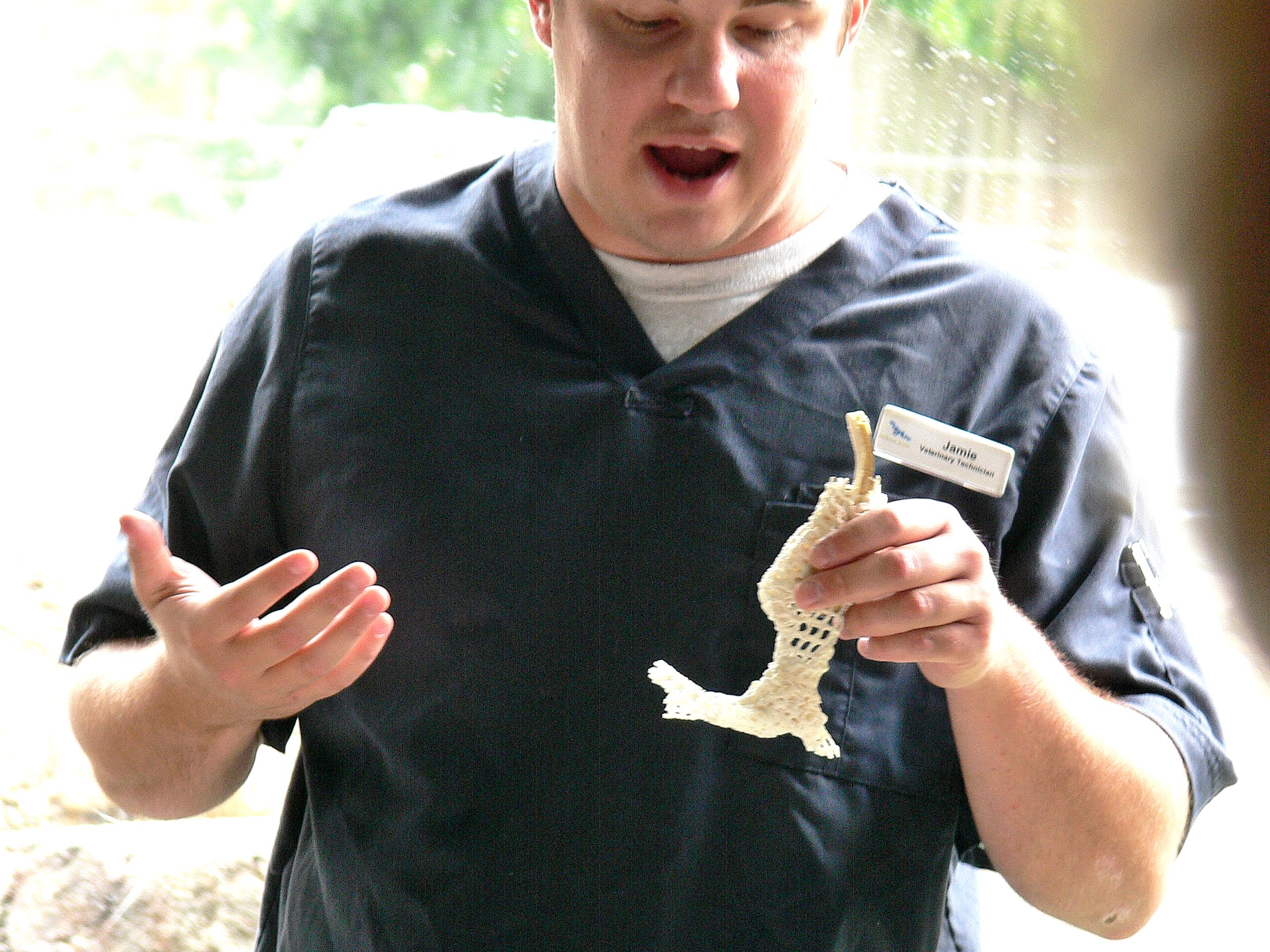
National Aviary Meet a patient - Jamie-Vet Tech with leg cast

Meet a patient – Jamie-Vet Tech with leg cast

They have several penguin feeding times during the day and a penguin talk – to learn more about the penguins. In the Penguin Point Vestibule they have a “Meet a Patient” talk by one of the “bird medical” staff. There you are told about one of the patients in their hospital. Jamie, the Veterinarian Technician was telling about one of the ducks. He showed a cast used for a broken leg. Unfortunately, we missed most of the talk and only got in on the last part of his presentation.

The African Penguins (Spheniscus demersus), which they have at the Aviary, are the only penguins that breed in Africa. They are also known as Black-footed Penguins. Their home is on the “south-western coast of Africa, living in colonies on 24 islands between Namibia and Algoa Bay, near Port Elizabeth, South Africa, with the largest colony on Dyer Island, near Kleinbaai. Because of their donkey-like braying call they were previously named Jackass Penguins. Since several species of South American penguins produce the same sound, the African species has been renamed African Penguin, as it is the only penguin species that breeds in Africa. The presence of the penguin gave name to the Penguin Islands.” (Wikipedia)

African Penguin (Spheniscus demersus) at NA by Lee

African Penguin from inside the dome at NA by Lee

African Penguins are 68-70 cm (26.7-27.5in) tall and weigh 2-5 kg or 4.4-11 lbs. “They have a black stripe and black spots on the chest, the pattern of spots being unique for every penguin, like human fingerprints. They have pink glands above their eyes. The hotter the penguin gets, the more blood is sent to these glands so it may be cooled by the surrounding air, thus making the glands more pink. The males are larger than the females and have larger beaks, but their beaks are more pointed than those of the Humboldt. Their distinctive black and white colouring is a vital form of camouflage–white for underwater predators looking upwards and black for predators looking down onto the dark water.” (Wikipedia) Our Creator has provided a built-in air conditioner and protection for them.

I know all the fowls of the mountains: and the wild beasts of the field are mine. (Psalms 50:11 KJV)

At one time the African Penguin population had 1.5 million members, but because of threats such as egg gathering, or egg smashing, taking their burrowing material for fertilizer, oil spills and other threats, the number was only 10% of that by 2000. The natural predators include “sharks, cape fur seals and, on occasion, orcas. Land-based enemies include mongoose, genet, domestic cats and dogs – and the kelp gulls which steal their eggs and new born chicks. I don’t know for a fact, but their decline to a “vulnerable species” is probably why they are at the National Aviary and also the Lowry Park Zoo in Tampa, Florida (we saw some there also). They are trying to protect and breed them.

How long shall the land mourn, and the herbs of every field wither, for the wickedness of them that dwell therein? the beasts are consumed, and the birds; because they said, He shall not see our last end. (Jeremiah 12:4 KJV)

African Penguins are in the  Spheniscidae Family of the Sphenisciformes Order. They are the only family in the Order and have 19 species of penguins.

See Also:

Ian’s Bird of the Week – African Penguin

Interesting Things – Why Birds Don’t Wear Socks

Here are the pictures we took of the penguins at the National Aviary.

This slideshow requires JavaScript.

Information from Wikipedia and National Aviary website.

*

(Spheniscus demersus)

Birdwatching at the National Aviary – Introduction

Fountain at National Aviary

Fountain at National Aviary

Dan and I visited the National Aviary in Pittsburgh, PA two weeks ago. What a fantastic place. Waited until we were back home and could sort through our photos. I took over 600 in the 2 days we visited and not sure how many Dan took. (His are better, of course.)

National Aviary Hospital - Sarah the "Bird Nurse"

National Aviary Hospital – Sarah the “Bird Nurse”

We arrived early the day before and could not check in to the motel, so we had some time to look around. After lunch, we ended up in a bookstore, where we met, Sarah, the “Bird Nurse” at the National Aviary. When she found out we had come up there just to see the Aviary, she offered to show us things behind the scenes when we got there the next day. I was more excited that a child waiting for Christmas morning to arrive. Hardly slept that night. I praise the Lord for letting us meet up with her and know it was not just an “accident.”

By the time we arrived, the Director, Steven, had been informed about our visit and offered to show us around also. Thanks to all of the staff and volunteers there that made our visit so special. The National Aviary is definitely a “Must See” for birdwatchers.

It is hard to know where to begin, so I’ve decided to break our visit up into the different areas and do a blog on each one. This blog is an introduction to the National Aviary itself.

The history of the Aviary tells of its growth from a conservatory at an old Penitentiary site, with an Aviary added later. It was the first zoo to have free-flight rooms. In the 80’s they began focusing on “wildlife conservation through captive breeding of rare and endangered birds.” The 90’s saw the aviary closed, then re-open as a private nonprofit corporation. In 1992, “By declaration of the U.S. Congress, the Pittsburgh Aviary was designated honorary national status and renamed the National Aviary in Pittsburgh.

Throughout the day they have various events going on, depending on the day of the week and weather or other conditions. We were able to take in the Wetlands Feeding and Rainstorm, Feed the Lories, FliteZone – Raptors and the Parrots (missed some of the birds due to an activity outside the aviary that was unsettling the birds), Tropical Forest Feeding, Meet a Patient, We missed some things, but got to see things others don’t get to see (more on that later).

Inca Tern (Larosterna inca) at NA by Dan

Inca Tern (Larosterna inca) at NA by Dan

The Aviary has over 600 birds from different parts of the world. See: Our Birds. Since I have worked with the Birds of the World here on this site, it was great to be able to see many of the birds in person that were just names and photos. Many, close-up!

When you arrive at the Aviary, you are welcomed by some sculptures, a fountain, and a Rose Garden. There were also some local birds hanging around like sparrows and pigeons. I am sure at other times of the year there are other avian visitors.

The Laughing Kookaburra was also outside to greet the visitors to the Aviary. One of the workers help me get a short clip of him laughing.

What a joy we had visiting! It was much more than I thought it would be.

Ask, and it shall be given you; seek, and ye shall find; knock, and it shall be opened unto you: (Matthew 7:7 KJV)

Give, and it will be given to you: good measure, pressed down, shaken together, and running over will be put into your bosom. For with the same measure that you use, it will be measured back to you.” (Luke 6:38 NKJV)

See:

Dan’s Photos so far on his Website – Dan’sPix

Happy Birthday-  Skippy at National Aviary

These photos are of some of the shows and the outside area.

This slideshow requires JavaScript.

*