Birds in Hymns – Hark, My Soul, How Everything

Song Sparrow (Melospiza melodia) by J Fenton

Song Sparrow (Melospiza melodia) by J Fenton

Let the field be joyful, and all that is therein: then shall all the trees of the wood rejoice (Psalms 96:12 KJV)

Words: John Aus­tin (1613-1669)

Music: Lyne, Mag­da­len Cha­pel Hymns, cir­ca 1760

Hark, My Soul, How Everything

Hark, my soul, how everything
Strives to serve our bounteous King;
Each a double tribute pays,
Sings its parts, and then obeys.

Nature’s chief and sweetest choir
Him with cheerful notes admire;
Chanting every day their lauds,
While the grove their song applauds.

Though their voices lower be,
Streams have too their melody;
Night and day they warbling run,
Never pause, but still sing on.

All the flowers that gild the spring
Hither their still music bring;
If heaven bless them, thankful, they
Smell more sweet, and look more gay.

Only we can scarce afford
This short office to our Lord;
We, on whom His bounty flows,
All things gives, and nothing owes.

Wake! for shame, my sluggish heart,
Wake! and gladly sing thy part;
Learn of birds, and springs, and flowers,
How to use thy nobler powers.

Call whole nature to thy aid;
Since ’twas He whole nature made;
Join in one eternal song,
Who to one God all belong.

Live forever, glorious Lord!
Live by all Thy works adored,
One in Three, and Three in One,
Thrice we bow to Thee alone.

Most information from The Cyber Hymnal

See ~ Wordless Birds

More ~ Birds in Hymns

*

Birds of the Bible – Singing in the Trees


Rockrunner (Achaetops pycnopygius) by Keith Blomerley

By them shall the fowls of the heaven have their habitation, which sing among the branches. (Psalms 104:12 KJV)

From the verses below, you will see that the birds will be either:

  • in the trees
  • among the branches or foliage
  • between or in the midst of the rocks

Now that we have them placed, lets see how they are producing sound:

  • sing or singing
  • giving out a sound
  • utter or give forth a voice
  • chirp a song
  • lift up their voices

Psalms 104:12

(ABP+) by them the winged creatures of the heaven shall encamp; from between the rocks they shall give out a sound;
(ASV) By them the birds of the heavens have their habitation; They sing among the branches.
(BBE) The birds of the air have their resting-places by them, and make their song among the branches.
(Brenton) By them shall the birds of the sky lodge: they shall utter a voice out of the midst of the rocks.
(CEV) Birds build their nests nearby and sing in the trees.
(Darby) The birds of heaven dwell by them; they give forth their voice from among the branches.
(DRB) Over them the birds of the air shall dwell: from the midst of the rocks they shall give forth their voices.
(ERV) Wild birds come to live by the pools; they sing in the branches of nearby trees.
(ESV) Beside them the birds of the heavens dwell; they sing among the branches.
(GNB) In the trees near by, the birds make their nests and sing.
(GW) The birds live by the streams. They sing among the branches.
(ISV) Birds of the sky live beside them and chirp a song among the foliage.
(JPS) Beside them dwell the fowl of the heaven, from among the branches they sing.
(KJV) By them shall the fowls of the heaven have their habitation, which sing among the branches.
(KJV-1611) By them shall the foules of the heauen haue their habitation: which sing among the branches.
(LITV) over them the birds of the heavens dwell; they give voice from between the branches.
(MKJV) By them the birds of the heavens will have their place of rest; they sing among the branches.
(NAS77) Beside them the birds of the heavens dwell; They lift up their voices among the branches.
(NASB) Beside them the birds of the heavens dwell; They lift up their voices among the branches.
(NKJV) By them the birds of the heavens have their home; They sing among the branches.
(RV) By them the fowl of the heaven have their habitation, they sing among the branches.
(Webster) By them shall the fowls of the heaven have their habitation, which sing among the branches.
(YLT) By them the fowl of the heavens doth dwell, From between the branches They give forth the voice.

How do birds produce a song? Why are they singing?

“The distinction between songs and calls is based upon complexity, length, and context. Songs are longer and more complex and are associated with courtship and mating, while calls tend to serve such functions as alarms or keeping members of a flock in contact. Other authorities such as Howell and Webb (1995) make the distinction based on function, so that short vocalizations such as those of pigeons and even non-vocal sounds such as the drumming of woodpeckers and the “winnowing” of snipes’ wings in display flight are considered songs. Still others require song to have syllabic diversity and temporal regularity akin to the repetitive and transformative patterns which define music. It is generally agreed upon in birding and ornithology which sounds are songs and which are calls, and a good field guide will differentiate between the two.

Bird song is best developed in the order Passeriformes. Most song is emitted by male rather than female birds. Song is usually delivered from prominent perches although some species may sing when flying. Some groups are nearly voiceless, producing only percussive and rhythmic sounds, such as the storks, which clatter their bills. In some manakins (Pipridae), the males have several mechanisms for mechanical sound production, including mechanisms for stridulation not unlike those found in some insects.”

Anatomy – The avian vocal organ is called the syrinx; it is a bony structure at the bottom of the trachea (unlike the larynx at the top of the mammalian trachea). The syrinx and sometimes a surrounding air sac resonate to sound waves that are made by membranes past which the bird forces air. The bird controls the pitch by changing the tension on the membranes and controls both pitch and volume by changing the force of exhalation. It can control the two sides of the trachea independently, which is how some species can produce two notes at once.” (Wikipedia)

Why are they singing in the verse?

Psalm 104 is about blessing the Lord for all the things He has created and it describes different aspects of that creation. Light, water, clouds, foundations, the deep, mountains, springs, trees, grass, etc. The birds are singing after the springs are described in verse 10 and it gives drink to all. The trees are producing fruit, and the birds are making nest or resting in the trees. Then in verse 12 they are content and are singing. If your read the whole 104th Psalm, you just might find great cause to do your own singing and praising.

For more details see:

Bird Communication (Very detailed but good)

Bird vocalization (Wikipedia)

More Birds of the Bible articles – Click Here
*

Birds of the Bible – Ibises

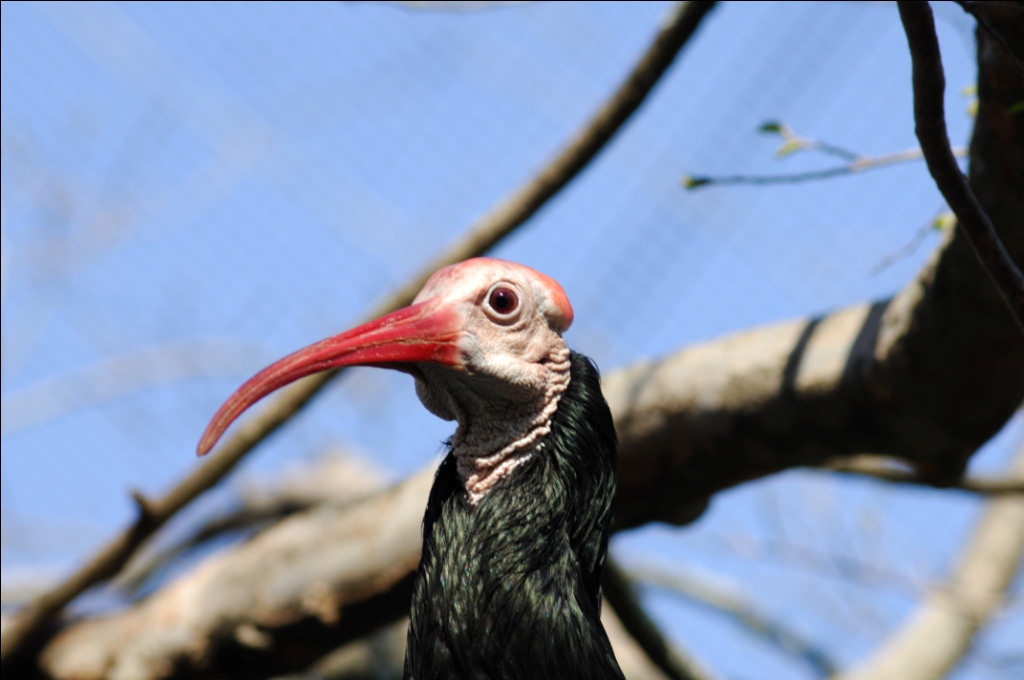
Southern Bald Ibis (Geronticus calvus) by Dan at LPZoo

Southern Bald Ibis (Geronticus calvus) by Dan at LPZoo

and for a long time birds and hedgehogs, and ibises and ravens shall dwell in it: and the measuring line of desolation shall be cast over it, and satyrs shall dwell in it. (Isaiah 34:11 Brenton)

While working on Birds of the Bible – Isaiah 34:11, I was pointing out how the different versions of the Bible translated that verse. One of the birds that appeared in those verses was the Ibis. After searching through e-Sword, “Ibis/Ibises” showed up in four different Scriptures. The Ibis is being added as a Bird of the Bible and will have it’s own page, Ibises.

Of course the Isaiah 34:11 verse, quoted above, has “ibises” in the Brenton and the ABP+ (Apostolic Bible Polyglot w/Strongs Numbers).
(ABP+) Birds, and hedgehogs, and ibises, and crows shall dwell in her; and [shall be put upon her cord a surveying of desolation]; and satyrs shall live in her.
(Brenton) and for a long time birds and hedgehogs, and ibises and ravens shall dwell in it: and the measuring line of desolation shall be cast over it, and satyrs shall dwell in it.

Leviticus 11 and Deuteronomy 14 both have the list of clean and unclean birds that the Israelites were to observe.

Leviticus 11:17
(ABP+) And long-eared owl, and cormorant, and ibis,
(Darby) and the owl, and the gannet, and the ibis,
(DRB) The screech owl, and the cormorant, and the ibis.
(ISV) owl, cormorant, ibis,

Deuteronomy 14:16
(ABP+) and heron, and swan, and ibis,
(Darby) the owl, and the ibis and the swan,

There is one other reference to an “ibis” and that is in the GNB (Good News Bible) which I totally disagree with its translation.
(GNB) Who tells the ibis when the Nile will flood, or who tells the rooster that rain will fall?

Here is what the verse says in several other translations:
(KJV) Who hath put wisdom in the inward parts? or who hath given understanding to the heart?
(NASB) “Who has put wisdom in the innermost being Or given understanding to the mind?
(ESV) Who has put wisdom in the inward parts or given understanding to the mind?

The way it reads, there is no mention of a any kind of a bird or an ibis.

Wikipedia has this to say about the Ibis (edited) “The ibises (collective plural ibis; classical plurals ibides and ibes) are a group of long-legged wading birds in the family Threskiornithidae of the Pelicaniformes Order.
They all have long down curved bills, and usually feed as a group, probing mud for food items, usually crustaceans. In Florida, they probe around in yards looking for insects or whatever. Most species nest in trees, often with spoonbills or herons.
The word ibis comes from Greek and Latin, and probably from the Ancient Egyptian. According to Josephus, Moses employed ibes against serpents during a desert campaign into Ethiopia in his early life. Pliny the Elder also recounted, “The Egyptians invoked [ibes] against the serpents.”

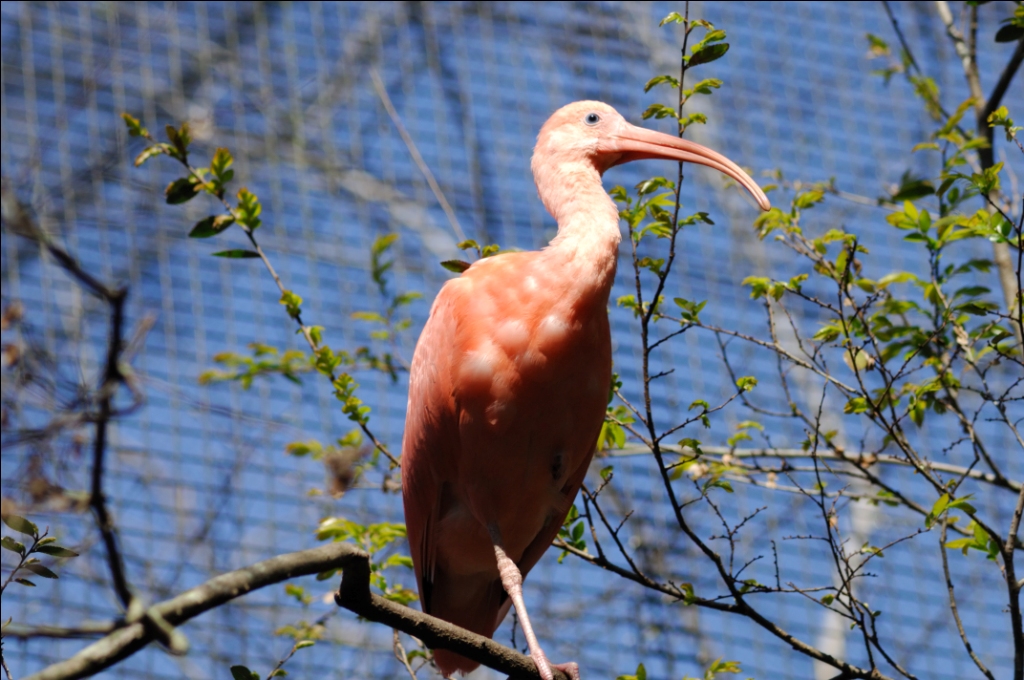
Scarlet Ibis (Eudocimus ruber) by Dan at LPZoo

Scarlet Ibis (Eudocimus ruber) by Dan at LPZoo

In culture

The Sacred Ibis was an object of religious veneration in ancient Egypt, particularly associated with the god, Thoth. At the town of Hermopolis, ibises were reared specifically for sacrificial purposes and in the Serapeum at Saqqara, archaeologists found the mummies of one and a half million ibises and hundreds of thousands of falcons.
According to local legend in the Birecik area, the Northern Bald Ibis was one of the first birds that Noah released from the Ark as a symbol of fertility, and a lingering religious sentiment in Turkey helped the colonies there to survive long after the demise of the species in Europe. (Not found in Scripture)
The mascot of the University of Miami is an American White Ibis. The ibis was selected as the school mascot because of its legendary bravery during hurricanes. The ibis is the last sign of wildlife to take shelter before a hurricane hits and the first to reappear once the storm has passed.  By the same token, the short story The Scarlet Ibis used the hearty bird’s appearance and untimely demise inland to foreshadow one of the central character’s death.
The Sacred Ibis is the unit symbol of the Israeli Special Forces unit known as Unit 212 or Maglan in Hebrew: מגלן.”

Bare-faced Ibis (Phimosus infuscatus) by Robert Scanlon

Bare-faced Ibis (Phimosus infuscatus) by Robert Scanlon

Here is a list of the Ibises, by their genera

Threskiornis
African Sacred Ibis (Threskiornis aethiopicus) by Lee at Lowry Park Zoo
Malagasy Sacred Ibis (Threskiornis bernieri)
Black-headed Ibis (Threskiornis melanocephalus) – by Nikhil Devasar
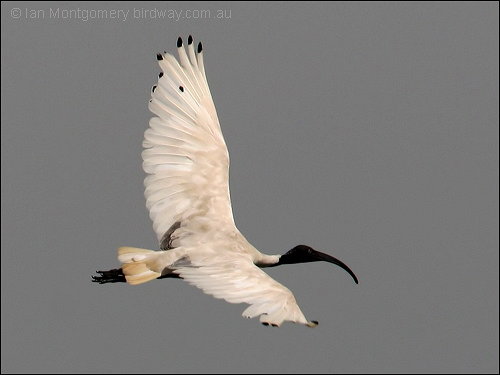
Australian White Ibis (Threskiornis molucca) by Ian
Straw-necked Ibis (Threskiornis spinicollis)
Pseudibis
Red-naped Ibis (Pseudibis papillosa)
White-shouldered Ibis (Pseudibis davisoni) ARK
Giant Ibis (Pseudibis gigantea) ARK
Geronticus
Northern Bald Ibis (Geronticus eremita)
Southern Bald Ibis (Geronticus calvus) by Dan at L P Zoo
Nipponia
Crested Ibis (Nipponia nippon)
Bostrychia
Olive Ibis (Bostrychia olivacea) IBC
Sao Tome Ibis (Bostrychia bocagei)
Spot-breasted Ibis (Bostrychia rara)
Hadada Ibis (Bostrychia hagedash)
Wattled Ibis (Bostrychia carunculata)
Theristicus
Plumbeous Ibis (Theristicus caerulescens)
Buff-necked Ibis (Theristicus caudatus) by Dario Sanches
Black-faced Ibis (Theristicus melanopis) b
Cercibis
Sharp-tailed Ibis (Cercibis oxycerca) IBC
Mesembrinibis
Green Ibis (Mesembrinibis cayennensis)
Phimosus
Bare-faced Ibis (Phimosus infuscatus) by Robert Scanlon
Eudocimus
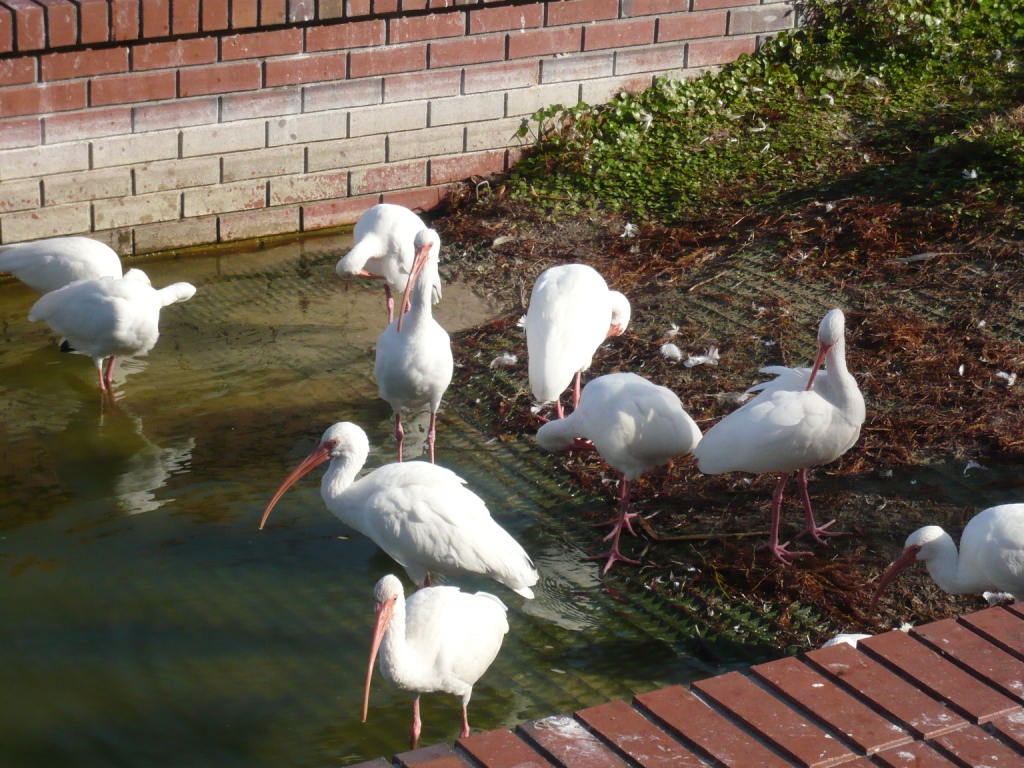
American White Ibis (Eudocimus albus) by Dan at Lake Morton
Scarlet Ibis (Eudocimus ruber) by Dan at L P Zoo
Plegadis
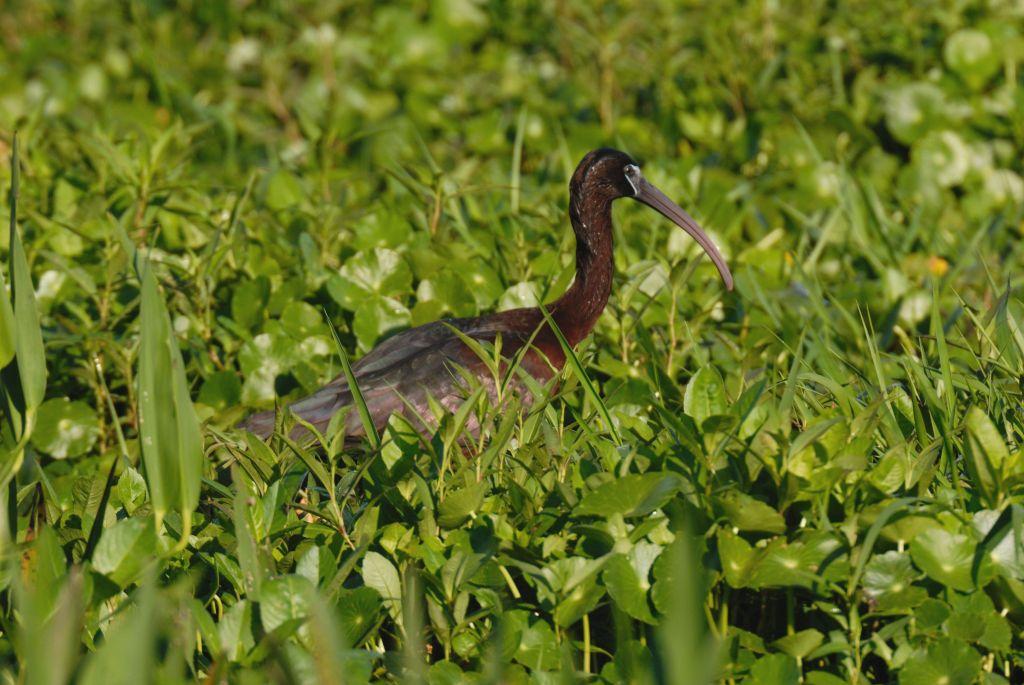
Glossy Ibis (Plegadis falcinellus) by Dan at Circle B
White-faced Ibis (Plegadis chihi) ©USFWS
Puna Ibis (Plegadis ridgwayi)
Lophotibis
Madagascar Ibis (Lophotibis cristata)

White-fronted Bee-eater – The Community Developer

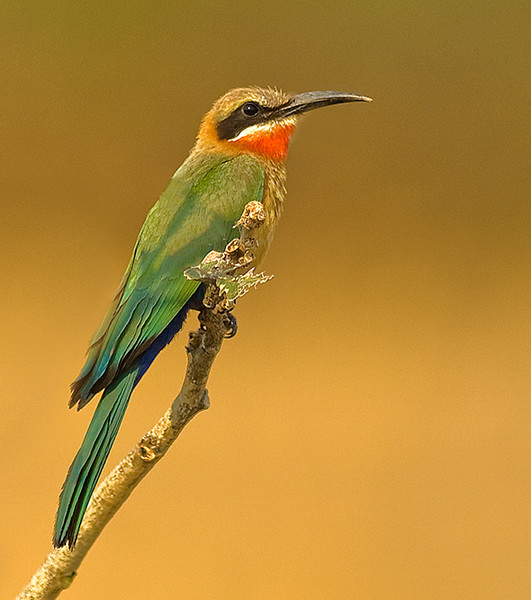
White-fronted Bee-eater (Merops bullockoides) by Bob-Nan

White-fronted Bee-eater (Merops bullockoides) by Bob-Nan

White-fronted Bee-eater – The Community Developer ~ by ajmithra

The White-fronted Bee-eater, Merops bullockoides, is a species of bee-eater widely distributed in sub-equatorial Africa. They have a distinctive white forehead, a square tail and a bright red patch on their throat. They nest in small colonies, digging holes in cliffs or earthen banks but can usually be seen in low trees waiting for passing insects from which they hunt either by making quick hawking flights or gliding down before hoveringbriefly to catch insects.

This species, like other bee-eaters, is a richly coloured, slender bird, but with a distinctive black mask, white forehead, square tail and a bright red throat. The upperparts are green, with cinnamon underparts. The call is a deep squeak. White-fronted Bee-eaters are found in the vast savannah regions of sub-equatorial Africa. The habitat commonly consists of open country, often near gullies, because this is the region that their food (bees) lives.

Where there are bees, there these bee-eaters are..

  • We are the inheritors of the kingdom of God, and the working partners of God in building His kingdom…
  • But, where are we found?
  • Martha knew this that’s why she chose to sit at the feet of Jesus instead of cooking in the kitchen like Mary….
  • Look how Mary got frustrated cos of Martha!
  • She in fact would’ve turned jealous of her and that maybe the reason why she started complaining to Jesus..
  • When our live revolves around Jesus, we become new..
  • We will not be jealous and we will never complain..

Its when we start complaining, that we should know that we are in the kitchen like Mary and not sitting in His presence like Martha..

Therefore if any man be in Christ, he is a new creature: old things are passed away; behold, all things are become new. (2 Corinthians 5:17)

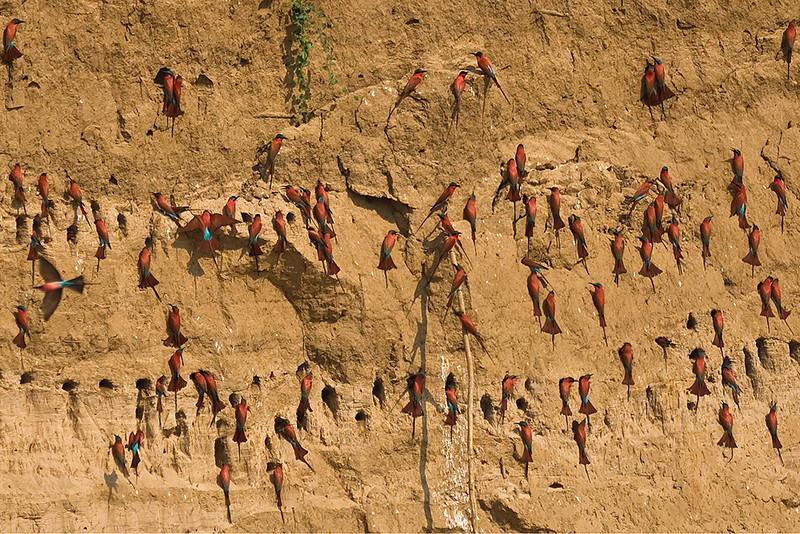
Southern Carmine Bee-eater (Merops nubicoides) by Africaaddict

Southern Carmine Bee-eaters (Merops nubicoides) on bank by Africaaddict

White-fronted bee-eaters nest in colonies averaging 200 individuals, digging roosting and nesting holes in cliffs or banks of earth. A population of bee-eaters may range across many square kilometres of savannah, but will come to the same colony to roost, socialize, and to breed. White-fronted bee-eaters have one of the most complex family-based social systems found in birds.

Their diet is made up primarily of bees, but they also take other flying insects depending on the season and availability of prey. Two hunting methods have been observed. They either make quick hawking flights from lower branches of shrubs and trees, or glide slowly down from their perch and hover briefly to catch insects.

Colonies comprise socially monogamous, extended family groups with overlapping generations, known as “clans” which exhibit cooperative breeding. Non-breeding individuals become helpers to relatives and assist to raise their brood. In white-fronted bee-eaters, this helping behavior is particularly well developed with helpers assisting in half of all nesting attempts. These helpers may contribute to all aspects of the reproductive attempt, from digging the roosting or nesting chamber, to feeding the female, incubating and feeding the young; and have a large effect on increasing the number of young produced. Only 50% of non-breeders in a colony typically become helpers, and whether or not an individual becomes a helper and to whom it provides aid is heavily dependent on the degree of kinship involved. Non-breeders are most likely to become helpers when breeding pairs are close genetic relatives.

When faced with a choice of potential recipient nests helpers preferential help the breeding pair to who they are most closely related, suggesting that this behaviour may serve to increase the helper’s inclusive fitness …. The life style of these birds reminds us of the early church where everyone shared all that they had among themselves and lived as one large extended family..

  • When did the church forget to share their blessings?
  • We say that we are the body of Christ and that Christ is the head of the family, but, We still live either as individuals or as little groups inside the church..
  • Is that the reason why the church is not able to extend the boundaries of the eternal Kingdom?
  • How many good Samaritans are still living among us?
  • Or in other words how many Annanias and Sapphiras are still inside the church?

Again, if two lie together, then they have heat: but how can one be warm alone? (Ecclesiastes 4:11)

White-fronted Bee-eater (Merops bullockoides) by Africaddict

White-fronted Bee-eater (Merops bullockoides) by Africaddict

Female White-fronted Bee-eaters leaving their nesting burrows must avoid pursuit by unmated males who may force them to the ground and rape them. Furthermore their unwelcome attentions are preferentially against females who are laying eggs and who thus might lay the eggs of their rapist rather than their mate.

  • This reminds us of Dinah, daughter of Jacob, who went out alone to have a look around the countryside and how she was defiled and how there was bloodshed among the Hivites..
  • This reminds the church to cling to the Bridegroom rather than to tradition and custom…
  • Tradition and custom can never take us further in our pursuit to holiness, but, it is the presence of God in our lives that makes the difference..
  • Sin was not found among Adam and Eve until they disobeyed and ate the fruit..
  • Is that why Eve gave birth to Cain who turned into a murderer?
  • The duty of the bride is to stay close to the bridegroom and that is where she would have protection…

If you have lost your way, find THE WAY and cling on to Him…

It was but a little that I passed from them, but I found him whom my soul loveth: I held him, and would not let him go, until I had brought him into my mother’s house, and into the chamber of her that conceived me. (Song of Solomon 3:4)

  • Jacob didn’t leave God until He blessed him…
  • Moses didn’t leave God’s presence till he got the answer from God..
  • Never leave God’s presence until something happens…

Have a blessed day!

Your’s in YESHUA,
a j mithra

Please visit us at:
Crosstree

ajmithra21

Bee-eaters are in the Meropidae Family.

White-fronted Bee-eater (Merops bullockoides) sitting on a branch, by Keith Blomerley.

*

Birds in Hymns – I Chronicles 16

Song Sparrow (Melospiza melodia) by Ray

Song Sparrow

Then on that day David delivered first this psalm to thank the LORD into the hand of Asaph and his brethren. (1 Chronicles 16:7 KJV)

Writer – David

Musicians –

And he appointed certain of the Levites to minister before the ark of the LORD, and to record, and to thank and praise the LORD God of Israel: Asaph the chief, and next to him Zechariah, Jeiel, and Shemiramoth, and Jehiel, and Mattithiah, and Eliab, and Benaiah, and Obededom: and Jeiel with psalteries and with harps; but Asaph made a sound with cymbals; Benaiah also and Jahaziel the priests with trumpets continually before the ark of the covenant of God. (1 Chronicles 16:4-6 KJV)

Tune – No idea

This psalm, written by David, was given to the singers under Asaph to thank and praise the Lord for all His Wondrous Works. Birds are not mentioned in the hymn or song, but these references to creation merit this song being included here in the Birds in Hymns:

  • make known his deeds among the people
  • talk ye of all his wondrous works
  • Remember his marvellous works that he hath done
  • his wonders
  • Sing unto the LORD, all the earth
  • Declare his glory among the heathen
  • his marvellous works among all nations
  • Give unto the LORD the glory due unto his name
  • let the fields rejoice, and all that is therein
  • Then shall the trees of the wood sing out at the presence of the LORD
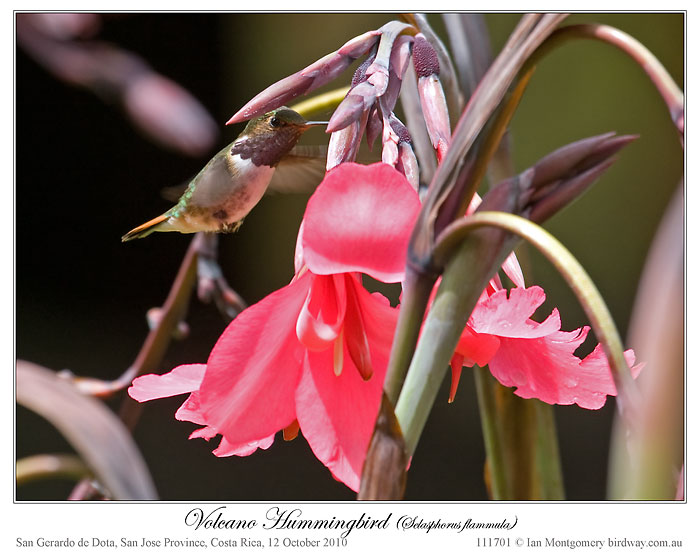
Volcano Hummingbird (Selasphorus flammula) by Ian

Volcano Hummingbird (Selasphorus flammula) by Ian

1 Chronicles 16:8-36 (KJV)

Give thanks unto the LORD, call upon his name, make known his deeds among the people.
Sing unto him, sing psalms unto him, talk ye of all his wondrous works.
Glory ye in his holy name: let the heart of them rejoice that seek the LORD.
Seek the LORD and his strength, seek his face continually.
Remember his marvellous works that he hath done, his wonders, and the judgments of his mouth;
O ye seed of Israel his servant, ye children of Jacob, his chosen ones.
He is the LORD our God; his judgments are in all the earth.
Be ye mindful always of his covenant; the word which he commanded to a thousand generations;
Even of the covenant which he made with Abraham, and of his oath unto Isaac;
And hath confirmed the same to Jacob for a law, and to Israel for an everlasting covenant,
Saying, Unto thee will I give the land of Canaan, the lot of your inheritance;
When ye were but few, even a few, and strangers in it.
And when they went from nation to nation, and from one kingdom to another people;
He suffered no man to do them wrong: yea, he reproved kings for their sakes,
Saying, Touch not mine anointed, and do my prophets no harm.
Sing unto the LORD, all the earth; shew forth from day to day his salvation.
Declare his glory among the heathen; his marvellous works among all nations.
For great is the LORD, and greatly to be praised: he also is to be feared above all gods.
For all the gods of the people are idols: but the LORD made the heavens.
Glory and honour are in his presence; strength and gladness are in his place.
Give unto the LORD, ye kindreds of the people, give unto the LORD glory and strength.
Give unto the LORD the glory due unto his name: bring an offering, and come before him: worship the LORD in the beauty of holiness.
Fear before him, all the earth: the world also shall be stable, that it be not moved.
Let the heavens be glad, and let the earth rejoice: and let men say among the nations, The LORD reigneth.
Let the sea roar, and the fulness thereof: let the fields rejoice, and all that is therein.
Then shall the trees of the wood sing out at the presence of the LORD, because he cometh to judge the earth.
O give thanks unto the LORD; for he is good; for his mercy endureth for ever.
And say ye, Save us, O God of our salvation, and gather us together, and deliver us from the heathen, that we may give thanks to thy holy name, and glory in thy praise.
Blessed be the LORD God of Israel for ever and ever. And all the people said, Amen, and praised the LORD.
(1 Chronicles 16:8-36 KJV)

American Yellow Warbler (Dendroica aestiva) singing by J Fenton

American Yellow Warbler (Dendroica aestiva) singing by J Fenton

The Gospel Message

More Birds in Hymns

*

American Goldfinch – The Latecomers…

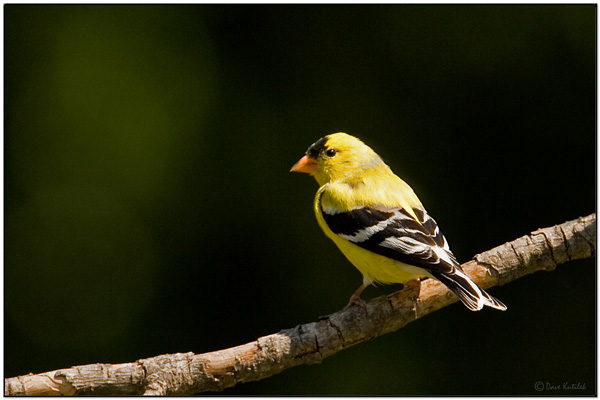
American Goldfinch (Carduelis tristis) by Daves BirdingPix

American Goldfinch (Carduelis tristis) by Daves BirdingPix

Goldfinch – The Latecomers… ~ by ajmithra

Hello everyone,

This morning I happened to read an article on Goldfinch in http://www.wild.enature.com, and that inspired me to write about these amazing late nesters.. Having just entered into the month of July, I thought it would be apt to just ponder over these awe inspiring July nesters..

By July, most songbirds are in the final stages of raising their young, but not the American Goldfinches.  These appealing, colorful birds are just getting started. Notoriously late nesters, goldfinches have been waiting for the thistles to bloom.

Do we wait for God’s timing in our lives?

  • We may feel bad when everyone is moving ahead of us.

But, God’s plan for our lives is not as same as it is for the others…

  • David was anointed by Samuel when he was just a kid..
  • He did not turn into a King immediately after the anointing..
  • He had to wait for more than thirty years..
  • He did wait without grumbling, always rejoicing in the Lord and you know what?
  • David is still considered the greatest king ever lived..
  • So great that God chose to be born in his family tree..

Wait for God’s plan to bloom, like how these Goldfinches wait for the thistles to bloom..

He hath made every thing beautiful in his time: also he hath set the world in their heart, so that no man can find out the work that God maketh from the beginning to the end (Ecclesiastes 3:11)

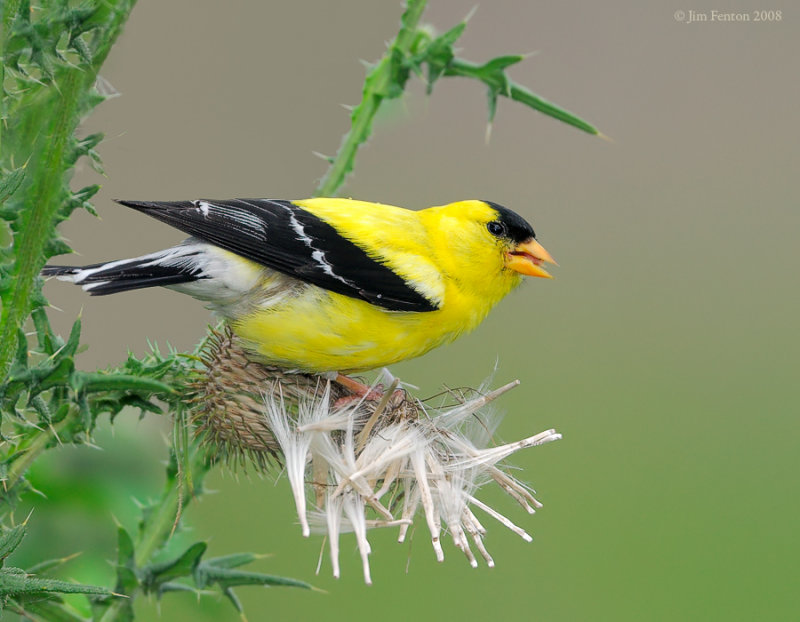
American Goldfinch (Carduelis tristis) on Thistle by Fenton

American Goldfinch (Carduelis tristis) on Thistle by Fenton

When this happens in July, it signals the goldfinches that they can start building their nests which are made primarily of the silver fibers and down of thistle blooms. Generally, the nest is built in the fork of a horizontal tree limb, 4 to 14 feet above the ground. The female builds a durable, neat cup of thistle and cattail fibers, so dense that it will hold water.Medieval writers believed that thistle can heal headaches, plague, canker, sores, vertigo, and jaundice. Do these birds know the thistles’ medicinal value?

  • God expects His bride to build a church that is durable and so dense, so that it can hold The Living Water…
  • God has promised to pour His spirit on all flesh during the last days and we do know that we are in the last days…
  • God pours so much anointing in every service in church, but we still haven’t reached the unreached yet. Why?
  • Is it because of the leak that is found in our spirit?

Are these female birds showing us how to build our nest so as to hold The Living Water?

But we have this treasure in jars of clay, to show that the surpassing power belongs to God and not to us. (2 Corinthians 4:7)

American Goldfinch (Carduelis tristis) by Lee thru window

American Goldfinch (Carduelis tristis) by Lee thru window

In it she lays 4 to 6 pale blue to white eggs and then she incubates them for 12 to 14 days, until they hatch. The attentive male often feeds his mate while she sits on the nest. By the time the eggs hatch, the thistle has gone to seed, which is perfect timing for feeding young goldfinches.

God’s timing is awesome..

See how well the birds know that the nest material will also become food for their chicks, And they don’t have to wander in search of food..

That is God’s timing..

We tend to think that God is late, but we fail to understand that He is always on time.. There are so many instances where God has asked His servants to look out for His timing..

  • Joseph had to wait for God’s time to become a Prime Minister..
  • Moses had to wait for God’s time to become a leader..
  • Sometimes God even asks us to wait for nature’s signal, like how he asks David to wait for the mulberry leaves to quiver before he falls over the enemy camp..
  • Do we wait or wilt under pressure..
  • Do not wait for a man or for an opportunity, just wait for the Lord..

Waiting to the Lord releases super power…You know?

But they that wait upon the LORD shall renew their strength; they shall mount up with wings as eagles; they shall run, and not be weary; and they shall walk, and not faint. (Isaiah 40:31)

The parents nourish this chicks by consuming the thistle seed themselves, and then regurgitating the partially digested, milk like cereal into the mouths of their nestlings. This is as close as birds come to mammals that feed their young milk from mammary glands.

Baby goldfinches are fully feathered and out of the nest 10 to 16 days later. Almost immediately, they join their parents at bird feeders across America. That’s when many people suddenly notice so many goldfinches as the summer progresses. If these birds were normal nesters like the other song birds, they would’ve faced a sever threat on their existence, which is based upon the thistle….

Masterpieces are not made overnight.. It may take weeks, months or even years to make one..

  • Do you want people to take notice of you?
  • Just wait…
  • You are destined to be the Master’s masterpiece, so just wait….

I will praise thee; for I am fearfully and wonderfully made: marvellous are thy works; and that my soul knoweth right well. (Psalm 139:14)

Have a blessed day!

Yours in YESHUA,
a j mithra

Please visit us at:
Crosstree

ajmithra21


Lee’s Addition:

See a j’s other articles – Click Here

The American Goldfinch is in the Finches – Fringillidae Family of the Passeriformes Order.

*

Birds of the Bible – Kite

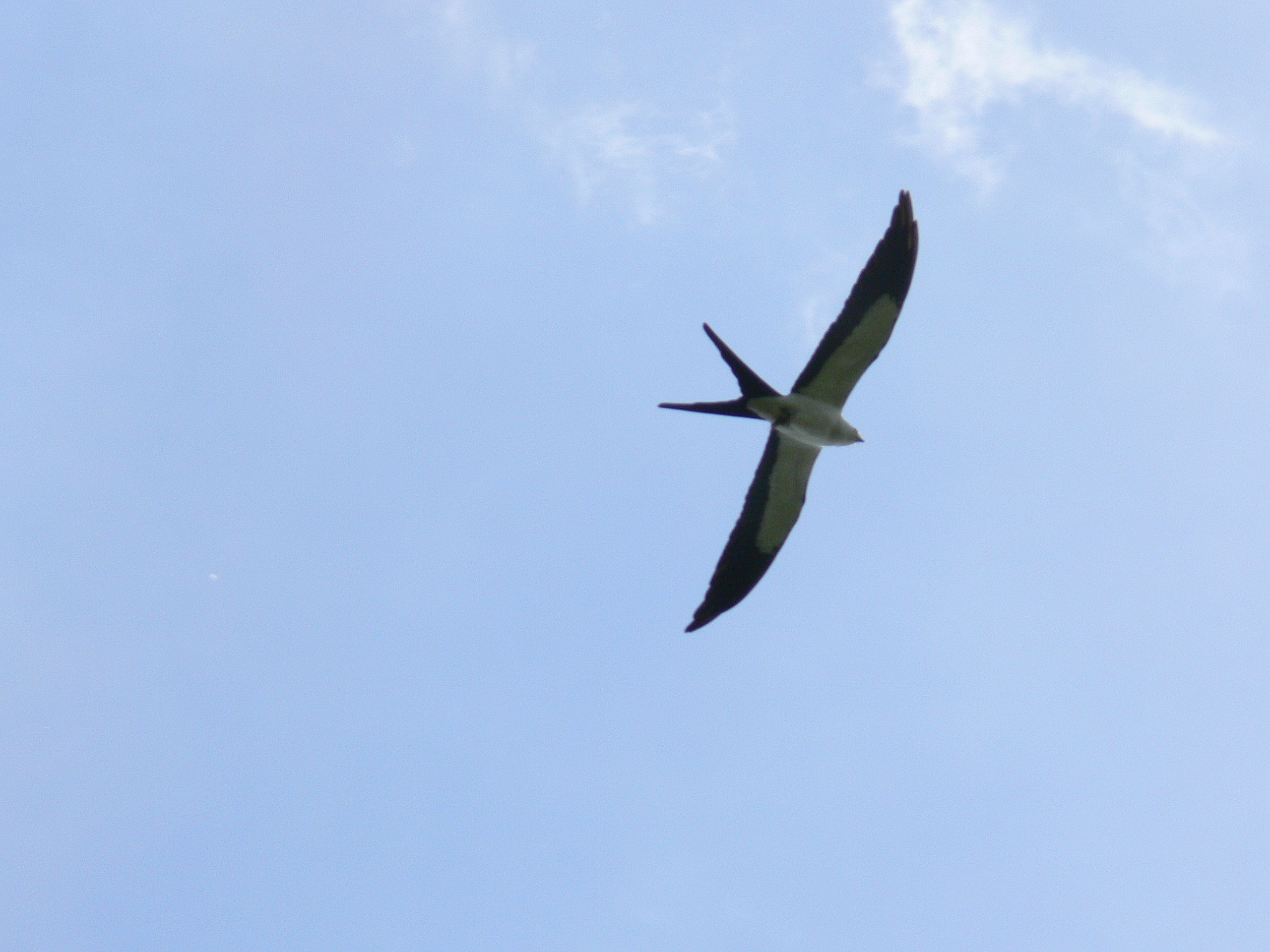
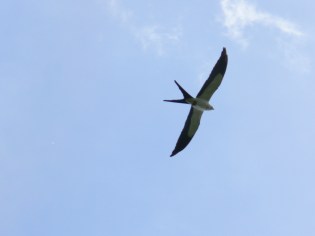
Swallow-tailed Kite - the one bird I got a photo of as it flew overhead

Swallow-tailed Kite – the one bird I got a photo of as it flew overhead

Today while Dan and I were out talking with our neighbor, a Swallow-tailed Kite flew over us several times and we all watched it disappear off in the distance. I have noticed several of them in the area lately. They are a pretty bird and I enjoy watching them fly. That tail forked out makes for a neat appearance.

Previously the Birds of the Bible – Glede and Kite article was written when this blog was first starting up. In fact, it was before we moved the blog here to WordPress and was published in the Blogspot(Blogger) format. I was exploring whether the Bible was calling it the Kite or the Glede.

Red Kite (Milvus milvus) by Ian

Red Kite (Milvus milvus) by Ian

This time, let’s look at what the versions of the Scriptures say about the Kite.

Most of the verses about the Kite are found in Leviticus 11:14 and Deuteronomy 14:13, which are in the list of the unclean birds that the Israelites were not to eat. And most of them call the bird a Kite.

Leviticus 11:14 – Here are the verses from the compare mode of e-Sword.
(ASV) and the kite, and the falcon after its kind,
(BBE) And the kite and the falcon, and birds of that sort;
(Brenton) And the vulture, and the kite, and the like to it;
(Darby) and the falcon, and the kite, after its kind;
(DRB) And the kite, and the vulture, according to their kind.
(ERV) kites, all kinds of falcons,
(ESV) the kite, the falcon of any kind,
(GW) kites, all types of buzzards,
(JPS) and the kite, and the falcon after its kinds;
(KJV) And the vulture, and the kite after his kind;
(KJV-1611) And the Uulture, and the Kite, after his kinde:
(LITV) and the kite, and the falcon, according to its kind;
(MKJV) and the kite, and the falcon, according to its kind;
(NAS77) and the kite and the falcon in its kind,
(NASB) and the kite and the falcon in its kind,
(NKJV) the kite, and the falcon after its kind;
(RV) and the kite, and the falcon after its kind;
(Webster) And the vultur, and the kite after his kind;
(YLT) and the vulture, and the kite after its kind,
Here they are called Red Kites
(ISV) red kite, falcon of any kind,
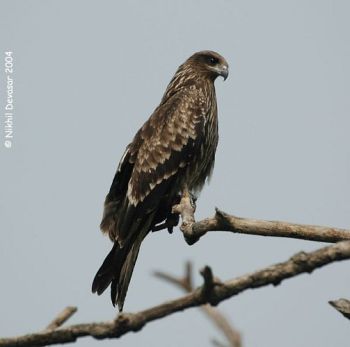
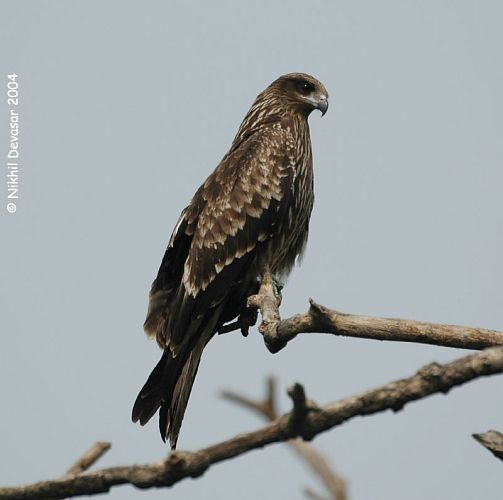
Black Kite (Milvus migrans) by Nikhil Devasar

Black Kite (Milvus migrans) by Nikhil Devasar

Deuteronomy 14:13 has some differences in the use of Kite, Glede, and Red or Black Kite.
Kite:
(ASV) and the glede, and the falcon, and the kite after its kind,
(BBE) The falcon and the kite, and birds of that sort;
(Brenton) and the vulture, and the kite and the like to it,
(Darby) and the falcon, and the kite, and the black kite after its kind;
(DRB) The ringtail, and the vulture, and the kite according to their kind:
(ERV) red kites, falcons, any kind of kite,
(ESV) the kite, the falcon of any kind;
(GW) buzzards, all types of kites,
(ISV) buzzard, any kind of kite,
(JPS) and the glede, and the falcon, and the kite after its kinds;
(KJV) And the glede, and the kite, and the vulture after his kind,
(KJV-1611) And the glede, and the kite, and the vulture after his kinde,
(KJVA) And the glede, and the kite, and the vulture after his kind,
(LITV) and the hawk, and falcons, and the kite by its kinds,
(MKJV) and the hawk, and the falcon, and the vulture after its kind,
(NAS77) and the red kite, the falcon, and the kite in their kinds,
(NASB) and the red kite, the falcon, and the kite in their kinds,
(NKJV) the red kite, the falcon, and the kite after their kinds;
(RV) and the glede, and the falcon, and the kite after its kind;
(Webster) And the glede, and the kite, and the vultur after his kind,
(YLT) and the glede, and the kite, and the vulture after its kind,

Deut 14:12  (CEV) But don’t eat the meat of any of the following birds: eagles, vultures, falcons, kites, ravens, ostriches, owls, sea gulls, hawks, pelicans, ospreys, cormorants, storks, herons, and hoopoes. You must not eat bats.

Did you notice reading down those verses that the Glede is not mentioned at all in the Leviticus 11:14 list? I even checked the verses before and after and it is not mentioned in them either. Hum!

Black-shouldered Kite (Elanus axillaris) by Nikhil

Black-shouldered Kite (Elanus axillaris) by Nikhil

There are a few other verses with “Kite” mentioned in the Bible:

Jeremiah 8:7   The kite in the air hath known her time: the turtle, and the swallow, and the stork have observed the time of their coming: but my people have not known the judgment of the Lord. (DRB-1899 Douay-Rheims)

Zechariah 5:9 And I lifted up my eyes and looked: and behold there came out two women, and wind was in their wings, and they had wings like the wings of a kite: and they lifted up the vessel between the earth and the heaven. (DRB-1899 Douay-Rheims)

Job 28:7 A path–not known it hath a ravenous fowl, Nor scorched it hath an eye of the kite, (YLT 1898 Young’s Literal Translation)

Video of American Swallow-tailed Kite by Keith Blomerley. [Broken Link] It shows a Kite in the air.

There are three versions that use “kite” in Isaiah 34:15

There shall the arrowsnake make her nest, and lay, and hatch, and gather under her shadow: yea, there shall the kites be gathered, every one with her mate. (RV Revised Version)
There shall the arrowsnake make her nest, and lay, and hatch, and brood under her shadow; yea, there shall the kites be gathered, every one with her mate. (JPS Jewish Publication Society Bible)
There shall the dart-snake make her nest, and lay, and hatch, and gather under her shade; yea, there shall the kites be gathered, every one with her mate. (ASV American Standard Version)

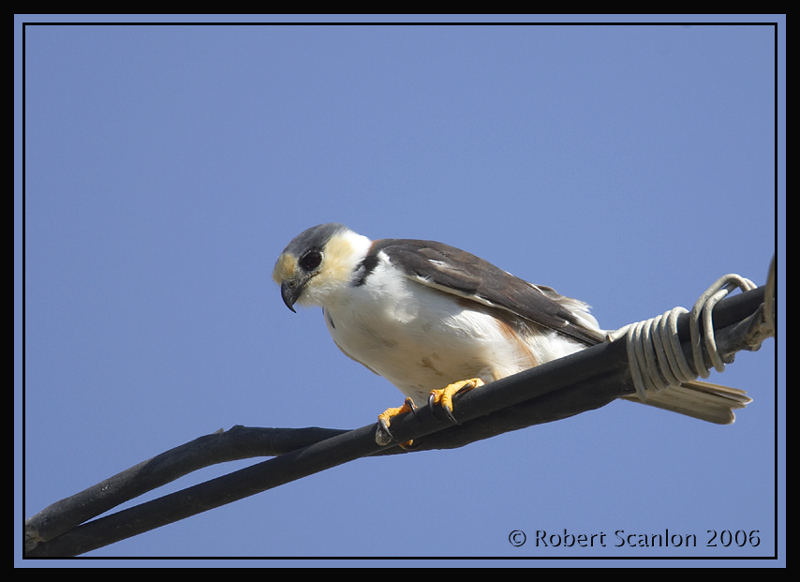
Pearl Kite (Gampsonyx swainsonii) by Robert Scanlon

Pearl Kite (Gampsonyx swainsonii) by Robert Scanlon

So what is a Kite? They are in the Accipitridae Family of the Accipitriformes Order. Being in the Accipitridae family means they are a bird of prey or raptors

Here is some of what Wikipedia has to say: “The Accipitridae, one of the two major families within the order Accipitriformes (the diurnal birds of prey), are a family of small to large birds with strongly hooked bills and variable morphology based on diet. They feed on a range of prey items from insects to medium-sized mammals, with a number feeding on carrion and a few feeding on fruit. The Accipitridae have a cosmopolitan distribution, being found on all the world’s continents (except Antarctica) and a number of oceanic island groups. Some species are migratory. Many well-known birds, such as hawks, eagles, kites, harriers and Old World vultures are included in this group.”
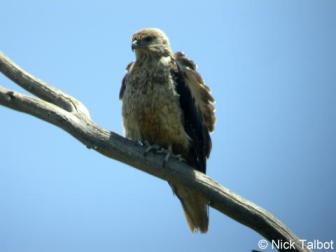
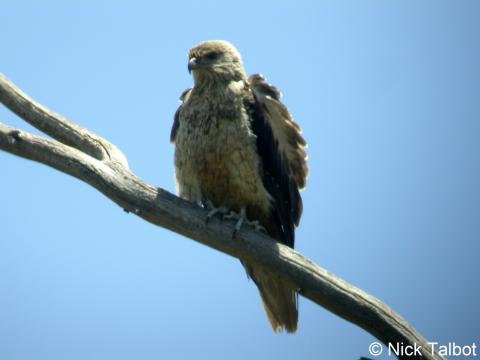
Whistling Kite (Haliastur sphenurus) by Nick Talbot

Whistling Kite (Haliastur sphenurus) by Nick Talbot

“The Black-winged Kite breeds at different times of the year across its range. Although nesting has been noted throughout the year in India, they appear not to breed in April and May. Courtship is noisy and involves chases. The nest is a loose platform of twigs in which 3 or 4 eggs are laid. The female spends more effort in the construction of the nest than the male. The eggs are pale creamy with spots of deep red. Both parents incubate but when the chicks hatch, the male spends more time on foraging for food. Females initially feed the young, sometimes hunting close to the nest but will also receive food from the male. After fledging the young birds continue to be dependent for food on the male parent for about 80 days, initially transferring food at perch and later in the air.

The prey include grasshoppers, crickets and other large insects, lizards and rodents. Injured birds, small snakes and frogs have also been recorded. The slow hunting flight is like a harrier, but it will hover like a Kestrel. It has on rare occasions been known to hunt prey in flight. Favourite perches are used for hunting and for feeding but large prey may sometimes be handled on the ground. In southern Africa, they appear to favour roadside verges for foraging and are sometimes killed by collisions with vehicles.

These birds roost communally with groups of 15 to 35 (larger numbers in Europe) converging at a large leafy tree. They are extremely silent and the calls recorded include a high-pitched squeal or a soft whistle. They call a lot mainly during the breeding season.”

(Top photo from a previous birdwatching adventure)

See others:

Glede and Kite

Birds of the Bible

Wordless Birds

*
The Red-breasted Goose – Wise Nester

Red-breasted Goose (Branta ruficollis) ©©Maxfear

Red-breasted Goose (Branta ruficollis) ©©Maxfear

The Red-breasted Goose – Wise Nester ~ by a j mithra

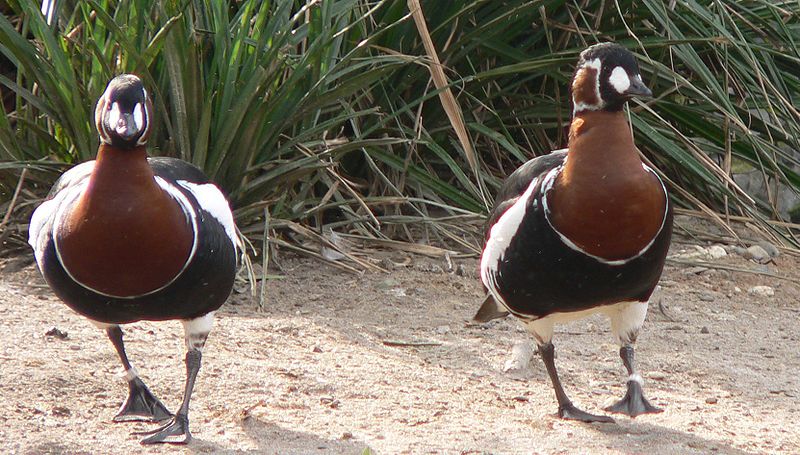
The Red-breasted Goose (Branta ruficollis) is a goose of the genus Branta. It is sometimes separated in Rufibrenta but appears close enough to the Brent Goose (Branta bernicla) to make this unnecessary, despite its distinct appearance.

Breeding on the Taimyr, Gydan and Yamal peninsulas of Russia, with beautifully defined blocks of colour, the red-breasted goose is one of the most attractive goose species in the world, but also one of the rarest. The fore-neck, breast and sides of the head are chestnut red bordered with white. The wings, back and fore-belly are charcoal black, with a bright white stripe running down the side to the white rear belly. The short neck and dark belly stand out in flight, and when seen from above two crescent-shaped stripes are visible on each wing. Juveniles are less well defined, and duller in colour.

Adults make repeated ‘kik-yoik, kik-yik’ sounds in flight. You may not like the way you look, but you are the most attractive for God, for He has created you in His own image and above all, He has blown His spirit into your nostrils..

And that is the reason you are rare, and He has never tried to create another one like you..

So God created man in his [own] image, in the image of God created he him; male and female created he them. (Genesis 1:27)

Red-breasted Goose (Branta ruficollis) ©WikiC

Red-breasted Goose (Branta ruficollis) ©WikiC

Majority of the population of red-breasted geese migrate through Bulgaria, Romania and to the Black Sea for winter. Small numbers winter in Ukraine, or in Greece if it is particularly cold. Until the 1950s, most red-breasted geese wintered in Azerbaijan, but the habitat is no longer suitable…

Red-breasted geese nest in tundra, and less often, in open parts of shrub tundra, where high and dry areas are favored, such as steep river banks, rocky slopes, rocky crags and gullies. These birds prefer rocky banks, rocky slopes, rocky crags and rocky gullies..

Where is our dwelling place?

  • Christian life doesn’t end with just propagating that Jesus is the rock of our salvation.
  • But it has got more to it..
  • We need to dwell on the Rock, by the Rock, with the Rock and for the Rock..
  • The Rock not only protects us but He also provides us.
  • He not only provides us, He also promotes us..

The LORD is my rock, my fortress and my deliverer; my God is my rock, in whom I take refuge. He is my shield and the horn of my salvation, my stronghold. (Psalm 18:2)
He should have fed them also with the finest of the wheat: and with honey out of the rock should I have satisfied thee. (Psalm 81:16)

He made him ride on the high places of the earth, that he might eat the increase of the fields; and he made him to suck honey out of the rock, and oil out of the flinty rock;

For in the day of trouble he will keep me safe in his dwelling; he will hide me in the shelter of his tabernacle and set me high upon a rock. (Psalm 27:5)

Red-breasted Goose (Branta ruficollis) ©WikiC

Red-breasted Goose (Branta ruficollis) ©WikiC

Throughout the day it flies to coastal and freshwater lakes to drink. Occasionally it also roosts at these lakes, using the middle of the water or remote shallow areas and muddy and sandy beaches with low aquatic vegetation. It will also roost on frozen lakes or on the sea..

When not breeding, red breasted geese are found in steppe habitats, where they feed on agricultural land and drink from coastal lakes. Throughout the day these birds fly to coastal and freshwater lakes to drink water..

  • They seem to know the importance of water to maintain their health..
  • Water not only heals but also prevents most disease, which is a scientifically proven fact..
  • We have the Living Water which cleanses, heals and strengthens..
  • Still most of us are weak and weary, why?

Is it cos we don’t have the habit of seeking THE WATER all through the day like these birds?

But whosoever drinketh of the water that I shall give him shall never thirst; but the water that I shall give him shall be in him a well of water springing up into everlasting life. (John 4:14)

During winter, red-breasted geese also roost on lakes, or in remote wetlands. In winter, the red-breasted goose feeds on winter wheat, barley, maize, pasture grasses and natural grassland. When it moves to the breeding grounds in early June, the diet changes, and consists primarily of grass leaves and shoots. In the second half of June, females lay between three and ten eggs, which are incubated for around 25 days.

  • How well these birds choose to change their diet just before migration…
  • How well they submit themselves to the will of God..
  • Where birds haven’t changed man has…
  • These birds know what to, what not to eat and when to eat before setting out on migration..

We are going to migrate once and for all, but sadly, most of us are yet to eat the food for migration. Is it because, we still have no idea when we need to migrate or is it because we think that what we have eaten thus far can take us home?

  • I am reminded of the ten bridesmaids who were waiting for the arrival of the Bridegroom..
  • We know not the arrival of our Bridegroom, are we getting ready or just sleeping over it?

Therefore keep watch, because you do not know the day or the hour. (Mathew 25:13)

Nests are built in close proximity to other red-breasted goose nests, and also to the nests of peregrine falcons (Falco peregrinus) and snowy owls (Nyctea scandiaca), as these birds provide protection from predators, improving breeding success of the geese. The chicks fledge at between five to six weeks of age.

A female incubating on a rocky island, taking off during the clutch control, then the nest with four eggs. (Internet Bird Collection)

In mid-September, the red-breasted geese begin their migration back to the western Black Sea coast, arriving in October or November.

  • Goose is normally thought to be dumb head..
  • Well, that is how we correlate Goose to stupidity..

But look at the wisdom of these birds, building their nests near the nests of Peregrine Falcons and Snowy owls!! They know that the rate of the breeding success depends upon the place where they nest…

  • Are we successful in life?
  • Do we eat the fruit of the works of our hands or is it being stolen or devoured?
  • Is our household protected from the enemy or are we being tormented by the enemy?

If the answer is negative, we need to look around to see if we have nested at the right place…

  • There is no use just saying that Jesus is our refuge and shelter..
  • He is there for us to protect us but do we nest beside Him?

And I set my tabernacle among you: and my soul shall not abhor you. And I will walk among you, and will be your God, and ye shall be my people. (Leviticus 26:11,12)

God is willing to shift His dwelling place among us, but, the question is, are we willing to co-dwell with Him?

Have a blessed day!

Your’s in YESHUA,
a j mithra

please visit us at:
Crosstree

ajmithra (Now with the Lord)

See more of a j mithra’s articles.

Anatidae Family

*

Birds in Hymns – When I Survey The Wondrous Cross

Green-billed Toucan (Ramphastos dicolorus) by Dario Sanches

Green-billed Toucan (Ramphastos dicolorus) by Dario Sanches

Based on:

But God forbid that I should glory, save in the cross of our Lord Jesus Christ, by whom the world is crucified unto me, and I unto the world. (Galatians 6:14 KJV)

Words by  Isaac Watts, 1707. Charles Wes­ley reportedly said he would give up all his other hymns to have written this one.
Music is Hamburg, by Lowell Mason, 1824;

Al­ter­nate tune: Rockingham (Miller), Edward Miller, 1790

When I Survey The Wondrous Cross

When I survey the wondrous cross
On which the Prince of glory died,
My richest gain I count but loss,
And pour contempt on all my pride.

Forbid it, Lord, that I should boast,
Save in the death of Christ my God!
All the vain things that charm me most,
I sacrifice them to His blood.

See from His head, His hands, His feet,
Sorrow and love flow mingled down!
Did e’er such love and sorrow meet,
Or thorns compose so rich a crown?

His dying crimson, like a robe,
Spreads o’er His body on the tree;
Then I am dead to all the globe,
And all the globe is dead to me.

Were the whole realm of nature mine,,
That were a present far too small;
Love so amazing, so divine,
Demands my soul, my life, my all.

To Christ, who won for sinners grace
By bitter grief and anguish sore,
Be praise from all the ransomed race
Forever and forevermore.


This hymn was used even though a bird is not mentioned specifically. The verse with “Were the whole realm of nature mine,” always reminds me of all the birds and other critters that God created. To me, it belongs in with the Birds in Hymns section. Also, the message of the whole hymn tells of the Savior’s love and death on the cross for our salvation.

The Gospel Message

*

Birds of the Bible – Dove’s Dung

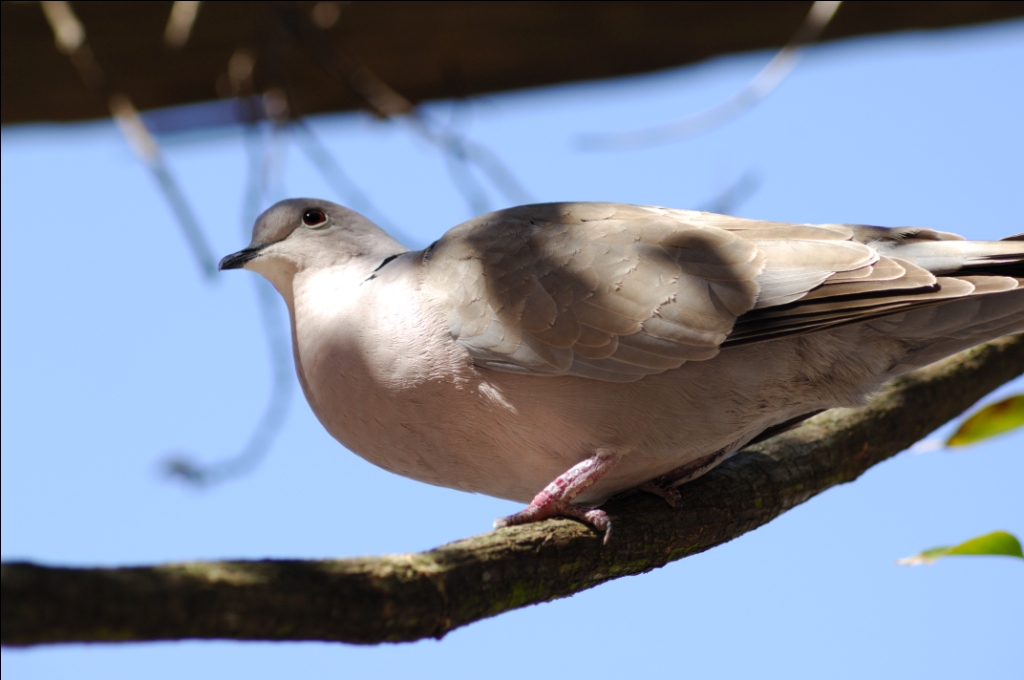
Eurasian Collared Dove (Streptopelia decaocto) by Dan

Eurasian Collared Dove (Streptopelia decaocto) by Dan

Now here is an interesting verse found in 2 Kings 6:25:

And there was a great famine in Samaria, as they besieged it, until a donkey’s head was sold for eighty shekels of silver, and the fourth part of a kab of dove’s dung for five shekels of silver. (2Ki 6:25)

First let’s find out what caused this event in the first place. Israel was being besieged and it was causing a very severe famine. Food was extremely scarce and the people were paying exorbitant prices for small amounts of anything edible.

Why were they under siege?

Afterward Ben-hadad king of Syria mustered his entire army and went up and besieged Samaria. (2Ki 6:24)

They were surrounded by the Syrian army and there was very little to eat. They may have been there for sometime or the inhabitants of Samaria were caught by surprise and didn’t have time to lay up supplies. Then again, if you read the verses just prior, 2 Kings 6:8-23, another reason for the lack of food may be given. The Samaritans had fed the Syrian raiders before sending them back home. Most commentators say that there was at least a year between that event and when this one happens.

What ever the cause, the people were so hungry that they were paying 80 shekels of silver for a donkey’s head. Several things about this:

  • Donkeys were very prized animals and well treated.
  • The head has very little meat on it.
  • “The head was the worst part of the animal.” (JFB)
  • They were on the “do not eat” list.
  • “A vast price, especially for that which had on it so little meat, and that unwholesome and unclean.” (Wesley)
Doves in Israel

Doves in Israel ©©

Now for the next food on their menu – “Dove’s dung.” Looking at the different versions of Scripture, here are some of the ways this is translated:

  • small measure of doves’ droppings was five shekels of silver – BBE
  • one-fourth of a kab of dove droppings for five shekels of silver – NKJV
  • fourth part of a (cab or kab) of dove’s dung at five pieces of silver – ASV Brenton ESV JPS KJV LITV NASB RV WEBSTER
  • small bowl of pigeon droppings cost about two ounces of silver – CEV
  • fourth part of a cab of dove’s dung five silver-pieces – Darby
  • fourth part of a cabe of pigeons’ dung, for five pieces of silver – DRB
  • forth of the cab of dovesdung at five silverlings – YLT
  • one pint of dove’s dung sold for five pieces of silver – ERV
  • one quarter of a unit of dove’s dung cost five silver coins – ISV
  • half a pound of dove’s dung cost five pieces of silver – GNB
  • two pounds of silver and a half-pint of dove manure for two ounces of silver – GW

One thing they all agree on is that it was either a Dove or a Pigeon, which are both in the same family and their names are changed back and forth even today. Most agree it was a forth of something. The cab or kab according to the commentaries is described as:

A kab – A measure containing twenty – four eggs. and a kab was the usual measure of all sorts of grains and fruits of that sort. (Wesley)
Cab – This measure is not mentioned elsewhere in Scripture. According to the rabbinical writers it was the smallest of all the dry measures in use among the Jews, being the sixth part of a seah, which was the third part of an ephah. If it was about equal to two of our quarts, the “fourth part of a cab” would be about a pint. (Barnes)

Nicobar Pigeon at Lower Park Zoo by Dan

Nicobar Pigeon at Lower Park Zoo by Dan

Up to now, we know that it was expensive for a small amount. What keeps the commentators of differing opinions is what the “Dove’s Dung” really was. Many say that it was a pulse or pease made from a pea or bean and that it had the color or texture of a dove’s droppings. Others say it was from the actual droppings and that (this is yuk) they picked through it for edible parts. (For an interesting study, load the e-Sword program – it’s free – and after loading the Bibles, dictionaries and commentaries, do a study of 2 Kings 6:25)

“dove’s dung: This probably denotes, as Bochart, Scheuchzer, and others suppose, a kind of pulse, or vetches, which the Arabs still call pigeon’s dung. “They never,” says Dr. Shaw (Travels, p. 140), “constitute a dish by themselves, but are strewed singly as a garnish over cuscasowe, pillowe, and other dishes. They are besides in the greatest repute after they are parched in pans and ovens; then assuming the name leblebby;” and he thinks they were so called from being pointed at one end, and acquiring an ash colour in parching.

Dove’s dung – Most commentators understand by this expression a sort of pulse which is called “dove’s dung,” or “sparrow’s dung” in Arabic. But it is possible that the actual excrement of pigeons is meant. The records of sieges show that both animal and human excrement have been used as food – under circumstances of extreme necessity.” (Barnes)

I am inclined to think that it could have actually been the real droppings.  The reason for that is what is mentioned after verse 25. Two ladies had agreed to eat their sons. See 2 Kings 6:26-29.

Now as the king of Israel was passing by on the wall, a woman cried out to him, saying,

“Help, my lord, O king!” And he said, “If the LORD will not help you, how shall I help you? From the threshing floor, or from the winepress?” And the king asked her, “What is your trouble?” She answered, “This woman said to me, ‘Give your son, that we may eat him today, and we will eat my son tomorrow.’ So we boiled my son and ate him. And on the next day I said to her, ‘Give your son, that we may eat him.’ But she has hidden her son.”  (2Ki 6:26-29)

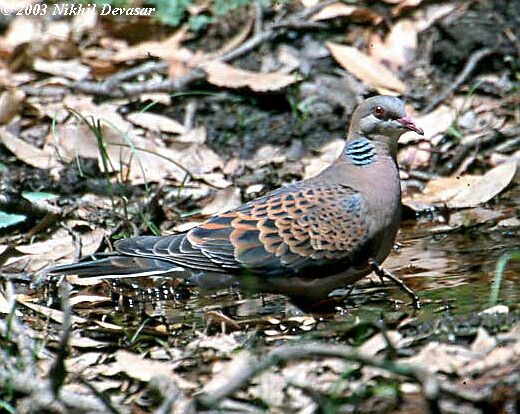
Oriental Turtle Dove (Streptopelia orientalis) by Nikhil Devasar

Oriental Turtle Dove (Streptopelia orientalis) by Nikhil Devasar

Another thought, were there any doves left that hadn’t been eaten?

I’ll end with a quote from the Wesley commentary. “Learn to value plenty, and to be thankful for it; see how contemptible money is, when, in time of famine, it is so freely parted with for anything that is eatable.”

See also:

Birds of the Bible – Doves and Pigeons
Birds of the Bible
Columbidae – Pigeons, Doves

Interesting articles from the Internet:

http://www.godfire.net/diet.html
From Heart to Heart
Dove’s Dung – Wikipedia
Plants of the Bible – Dove’s Dove

*

Brown Thrasher – The Singing Assasin..

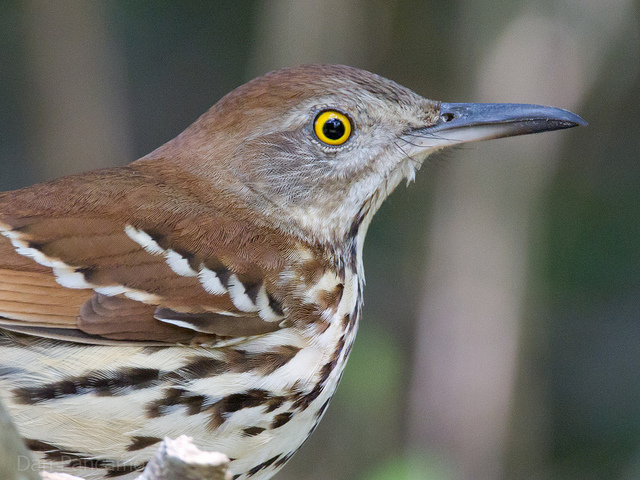
Brown Thrasher (Toxostoma rufum) By Dan'sPix

Brown Thrasher (Toxostoma rufum) By Dan'sPix

Brown Thrasher – The Singing Assasin.. ~ by a j mithra

The Brown Thrasher (Toxostoma rufum), sometimes erroneously called the Brown Thrush, is a bird in the Mimidae family, a group that also includes the New World catbirds and mockingbirds.

The Brown Thrasher is bright reddish-brown above with thin, dark streaks on its buffy underparts. Its long rufous tail is rounded with paler corners. Eyes are a brilliant gold.

  • God had created gold colored eyes for these birds but sadly most church goers have set their eyes on gold…
  • Achan set his eyes on gold and was stoned to death…
  • If the church had followed the same law, there would have been more requisition letters for death certificates than for birth certificates…

Let us set our eyes on our glorious God…

Set your affection on things above, not on things on the earth. (Colossians 3:2)

Brown Thrasher (Toxostoma rufum) ©DanPancamo

Brown Thrasher (Toxostoma rufum) ©DanPancamo

Adults average about 11.5 in (29 cm) long with a wingspan of 13 in (33 cm), and have an average mass of 2.4 oz (68 g). It is found in thickets and dense brush, often searching for food in dry leaves on the ground. Thrashers also enjoy the convergence of mowed to unmowed lawns, particularly if there are ample shrubs or shrubby trees, i.e., fruit orchards that the undergrowth is left undisturbed. It also enjoys perennial gardens and can be seen jumping from the ground to catch insects on flowers and foliage.

It is a partial migrant, with northern birds wintering in the southern USA, where it occurs throughout the year. The Brown Thrasher is considered a short-distance migrant, but two individuals have been recorded of this unlikely transatlantic vagrant in Europe: one in England and another in Germany.

This bird is omnivorous, eating insects, berries, nuts and seeds, as well as earthworms, snails, and sometimes lizards.

The Brown Thrasher is the official state bird of Georgia, and the inspiration for the name of Atlanta’s National Hockey League team, the Atlanta Thrashers

  • We are the official worshippers of the God who created heaven and earth….

This people have I formed for myself; they shall shew forth my praise. (Isaiah 43:21)

Brown Thrasher (Toxostoma rufum) by Judd Patterson

Brown Thrasher (Toxostoma rufum) by Judd Patterson

Its breeding range includes the United States and Canada east of the Rocky Mountains. The female lays 3 to 5 eggs in a twiggy nest lined with grass. The nest is built in a dense shrub or low in a tree. Both parents incubate and feed the young. These birds raise two or three broods in a year. Brown Thrashers leave the nest at only 9 to 13 days old, earlier than either of its smaller relatives, the Northern Mockingbird or Gray Catbird. Brown Thrasher likes to bath in the water and in the sand of the roads. It bathes in small paddles during the heat of the sun, and removes to the sandy paths to roll it, for drying its plumage and freeing it of insects.

They are able to call in up to 3000 distinct songs. The male sings a series of short repeated melodious phrases from an open perch to defend his territory and an aggressive defender of its nest, the Brown Thrasher is known to strike people and dogs hard enough to draw blood.

Brown Thrasher songs by xeno-canto

Brown Thrasher singing – Video

  • These birds exercise their singing talent to defend its territories..
  • God has created us to sing for His glory….
  • How, when and why do we exercise our singing?
  • It hurts to see Christian names use this talent to make money than to please God..
  • If not for their singing talent, they would’ve been discarded even by their own house hold…
  • If only the church could learn from these tiny birds to defend their territory, there would be more people singing for God than for money…

Remember, these birds sing about 3000 song…

  • Is it not a shame that we, whom God created to worship Him, don’t even sing a dozen a day?

But, still God chose to die for us and not for these birds,

I will extol the Lord at all times; his praise will always be on my lips. My soul will boast in the Lord; let the afflicted hear and rejoice. Glorify the Lord with me; let us exalt his name together. (Psalm 34:1-3)

Well, at least from now on rain or shine let us just sing, sing and sing all through our lives for the One who gave His life..

We don’t even have to strike the predator like how these birds do. Instead, just keep singing, as our singing has the power to bring God down from His throne and His presence would turn satan, the predator into a prey…

Hallelujah!

Submit yourselves therefore to God. Resist the devil, and he will flee from you. (James 4:7)

Yours in YESHUA,
a j mithra

Please visit us at:
Crosstree

ajmithra21

A j’s other articles – Click Here

*

Island Scrub Jay – The Fallen One Yet The Chosen One..

Island Scrub Jay (Aphelocoma insularis) ©WikiC

Island Scrub Jay (Aphelocoma insularis) ©WikiC

Island Scrub Jay – The Fallen One Yet The Chosen One.. ~ by a j mithra

Both the male and the female Island Scrub Jay help build nests three to twenty feet high in trees and shrubs. They use small oak branches that they break off trees and they never use sticks that fall to the ground..

If God had used the same criteria to build His kingdom, how many of us would’ve have got qualified to fit in?

Remember, we all have fallen into earthly desires and we all have committed sin only to fall from glorious position of being called the child of God to be caught in the devil’s trap….

But, in spite of falling time and again GOD still chose us from the cross..

Thank You Jesus….

Yours in YESHUA,
a j mithra

Please visit us at:
Crosstree

ajmithra21


Lee’s Addition:

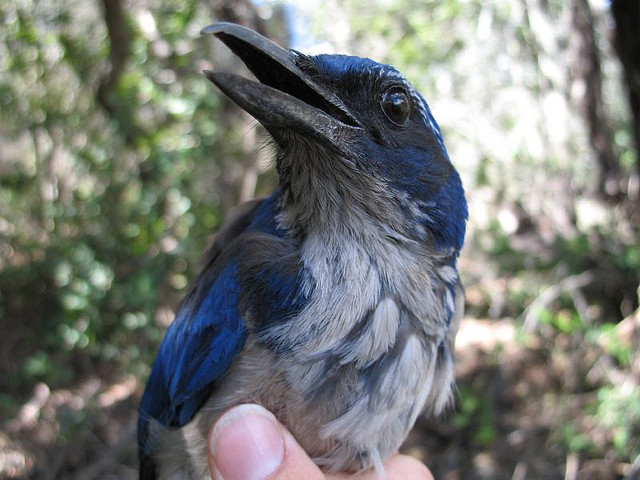
Island Scrub Jay (Aphelocoma insularis) close-up ©WikiC

Island Scrub Jay (Aphelocoma insularis) close-up ©WikiC

Thanks, a j. Even when we fall, if you know the Lord as your personal Savior, when we ask forgiveness, just as this Scrub Jay is picked up, so the Lord picks us up and forgives us.

If we confess our sins, he is faithful and just to forgive us our sins, and to cleanse us from all unrighteousness. (1 John 1:9 KJV)

The Gospel Message


The Island Scrub Jay is in the Crows, Jays – Corvidae Family.

See a j’s other article about the Island Scrub Jay – Island Scrub Jays – The Ultimate Home-makers

a j mithra’s other articles – Click Here

*