Heaven’s New Jerusalem and Birds – Topaz II

(This is a repost of Heaven’s New Jerusalem and Birds – Topaz. The series originally appeared in 2019. (With a little dusting and updating they will all be reposted in the coming days. Stay tuned.)
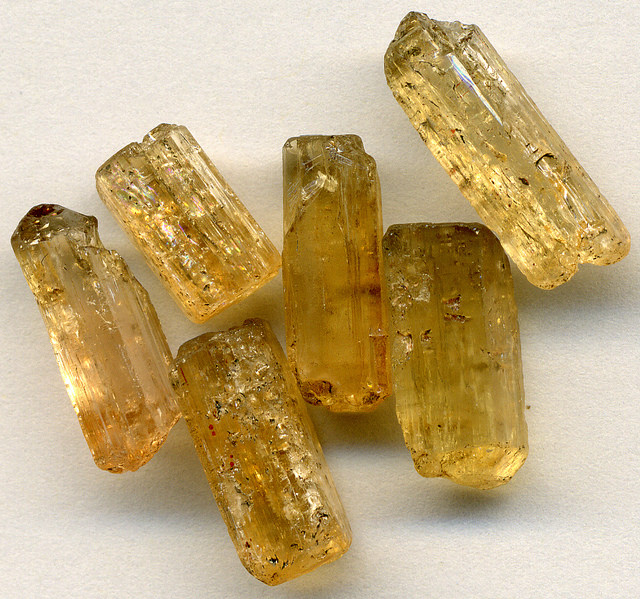
Topaz ©Flickr James St John
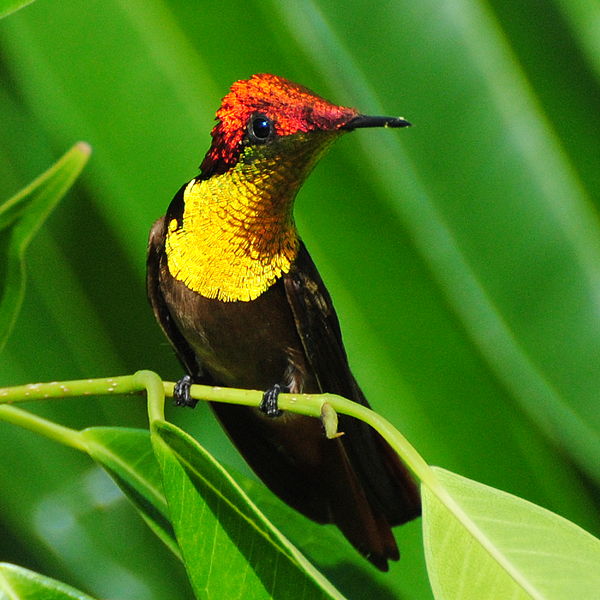
Ruby-topaz Hummingbird (Chrysolampis mosquitus) ©WikiC

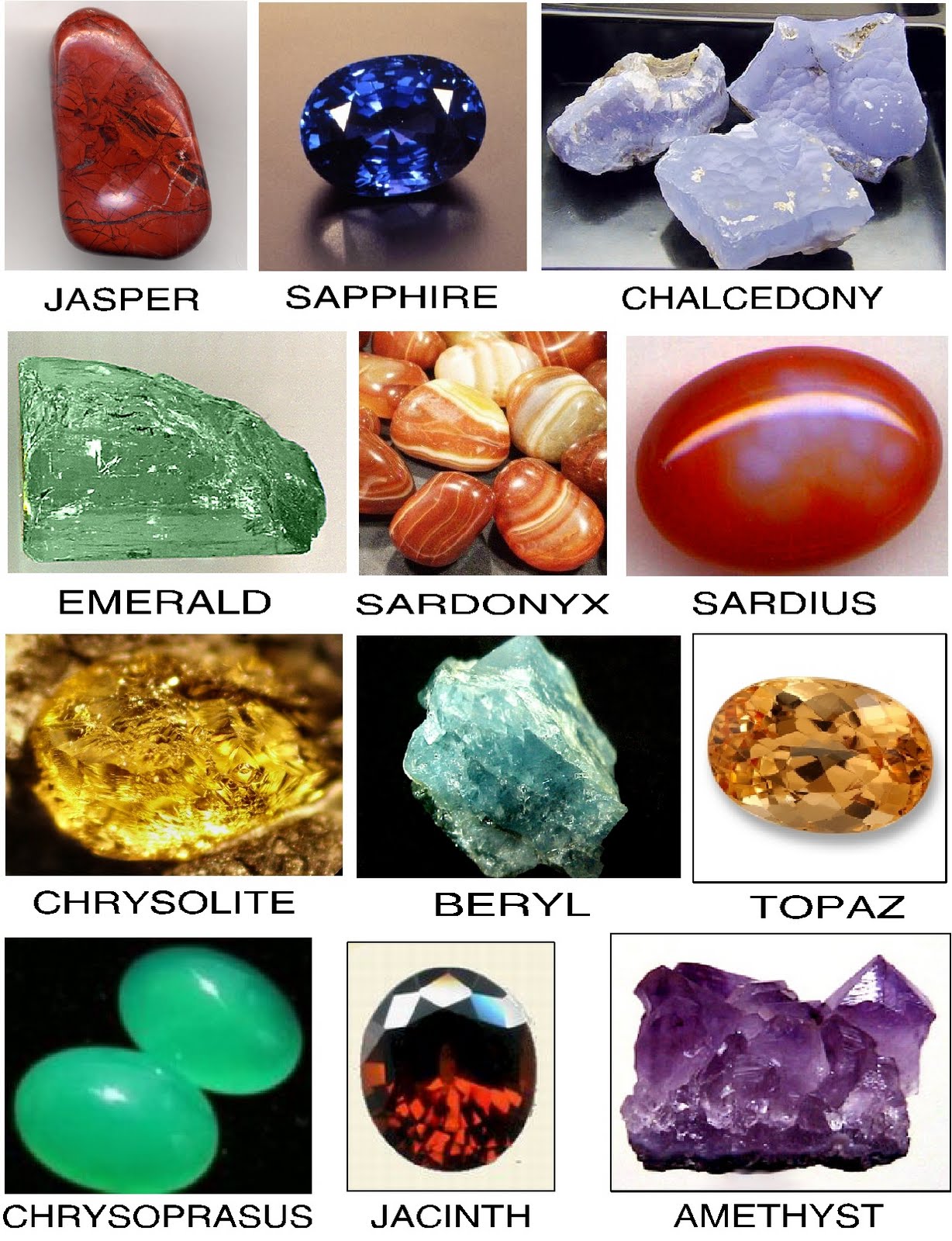
“The foundations of the wall of the city were adorned with all kinds of precious stones: the first foundation was jasper, …. the fifth sardonyx, the sixth sardius, the seventh chrysolite, the eighth beryl, the ninth topaz, the tenth chrysoprase, the eleventh jacinth, and the twelfth amethyst.” (Revelation 21:19a-20 NKJV)

Topaz is a bit more common than Sardonyx, Sardius, and Chrysolite. Plus, there are birds with Topaz in their names. So this ninth stone of the foundation of the New Jerusalem should be easier to discover. Topaz is mentioned in five verse in the Bible: Exodus 28,17, 39:10; Job 28:19 [topaz of Ethiopia], Ezekiel 28:13, and our verse above – Revelation 21:20.
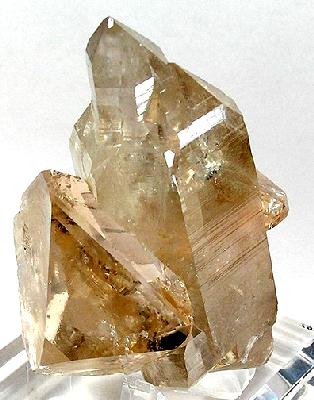
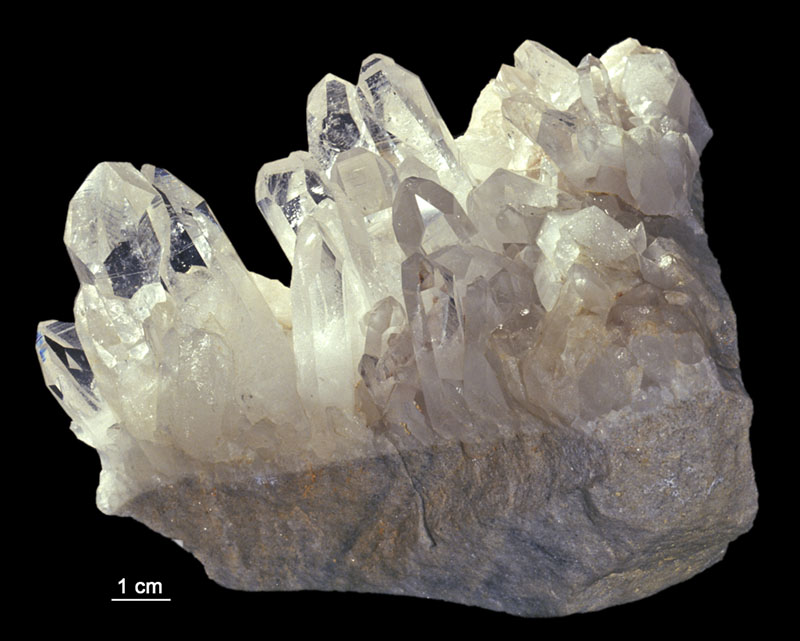
Quartz-Topaz-gem ©WikiC

Topaz – TO’PAZ, n. [Gr.] A mineral, said to be so called from Topazos, a small isle in the Arabic gulf, where the Romans obtained a stone which they called by this name, but which is the chrysolite of the moderns. The topaz is of a yellowish color. It sometimes occurs in masses, but more generally crystallized in rectangular octahedrons. Topaz is valued as a gem or precious stone, and is used in jewelry. It consists of silex, fluoric acid and alumin, in the following proportions; alumin 57 parts, silex 34, and fluoric acid 7 or 8.
Of topaz there are three subspecies, common topaz, shorlite and physalite. [Webster Dictionary 1828]
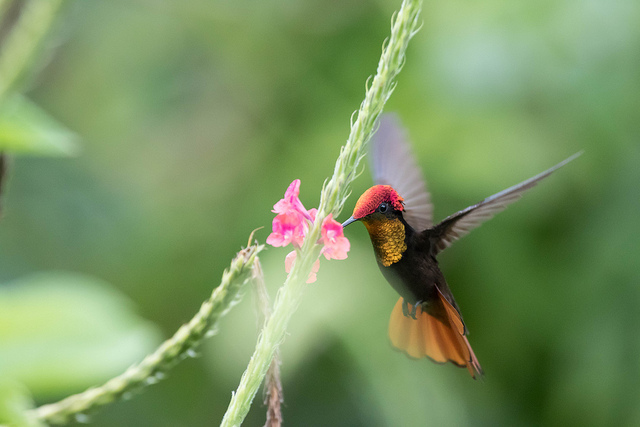
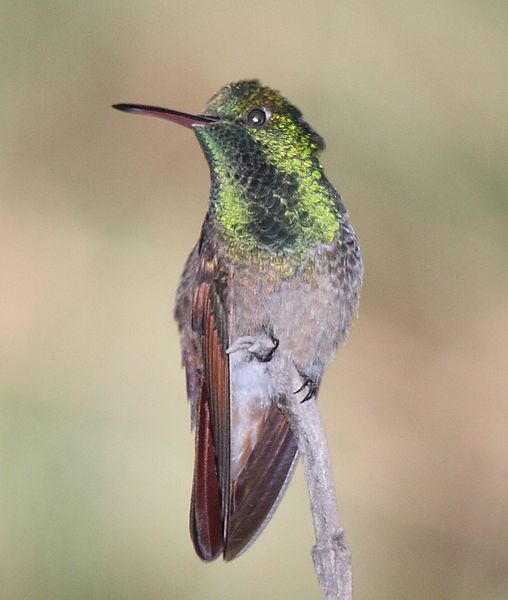
Ruby-topaz Hummingbird (Chrysolampis mosquitus) Reflection ©Flickr Budgora

Topaz – topazion (G5116) is mentioned in Rev_21:20, as the ninth of the foundation stones of the wall of the heavenly Jerusalem; the stone is of a yellow color (though there are topazes of other colors) and is almost as hard as the diamond. It has the power of double refraction, and when heated or rubbed becomes electric. [Vines New Testament]
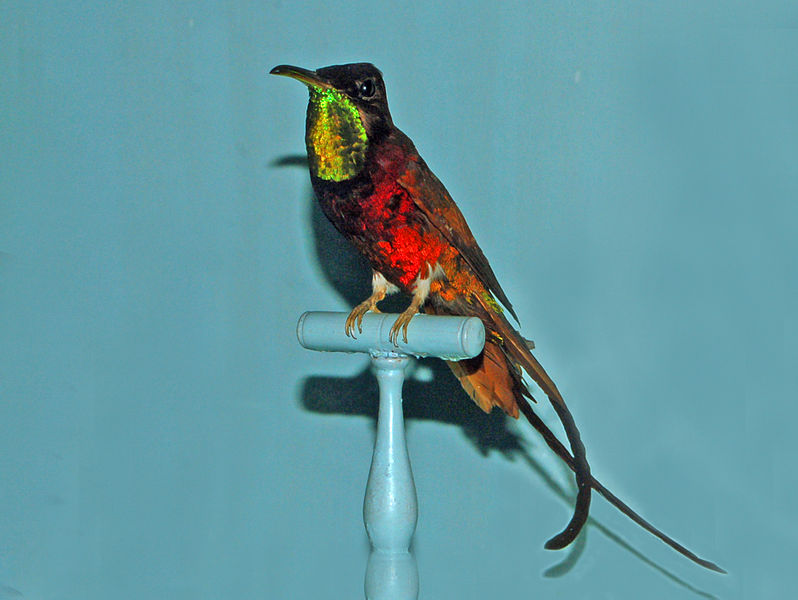
Fiery Topaz (Topaza pyra) ©WikiC
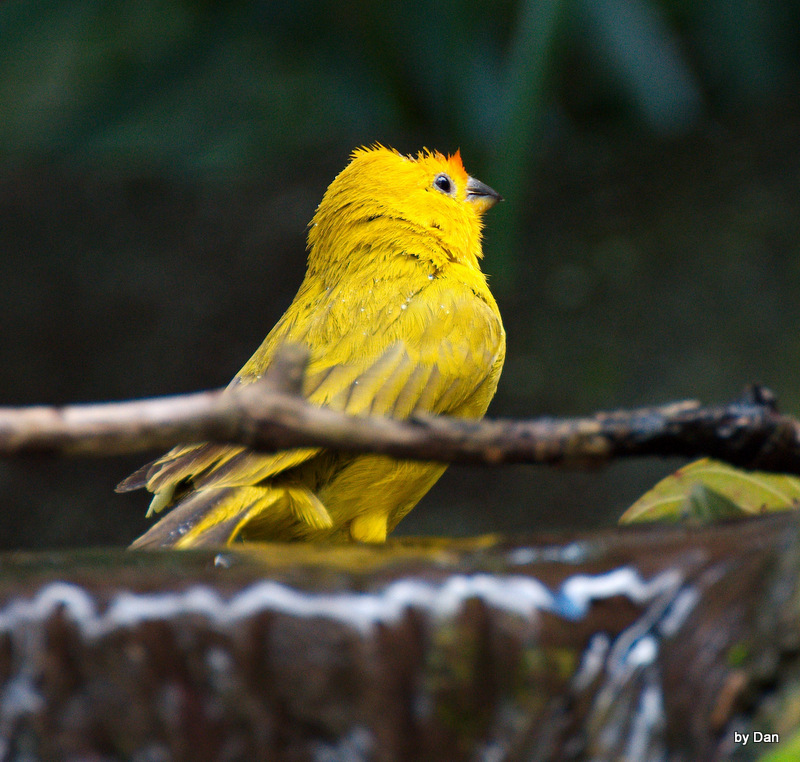
Saffron Finch Zoo Miami by Dan (Cropped by Lee)
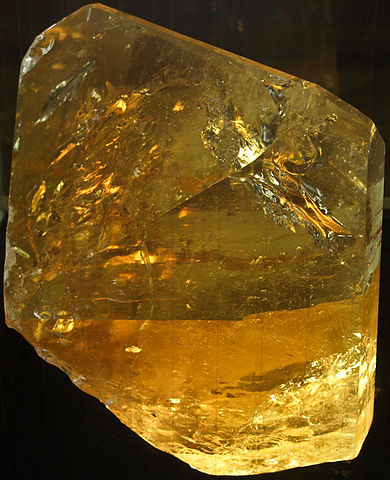
Topaz From Brazil-©NaturhistorischesMuseum-WikiC
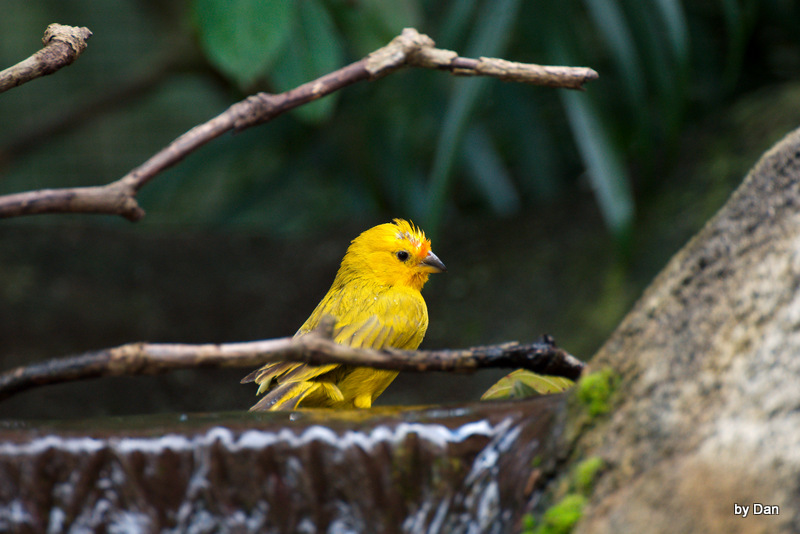
Saffron Finch Zoo Miami by Dan

Ruby-Topaz Hummingbird (Chrysolampis mosquitus) male ©WikiC
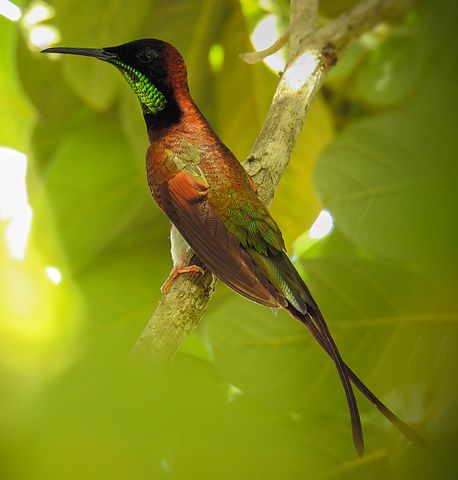
Crimson Topaz (Topaza pella) ©WikiC
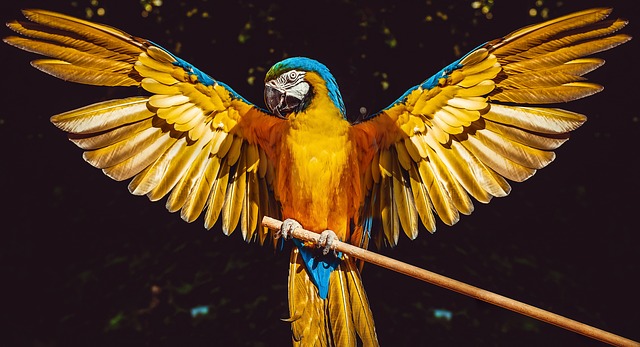
Bird-Wings-Wing-Colored-Ara-Parrot-©Maxpixel

Other Articles In This Series:

What will you do with Jesus?

Heaven’s New Jerusalem and Birds – Beryl II
(This is a repost of Heaven’s New Jerusalem and Birds – Beryl. The series originally appeared in 2019. (With a little dusting and updating they will all be reposted in the coming days. Stay tuned.)

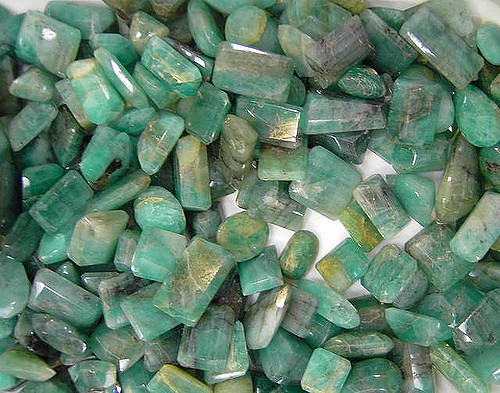
Rough Cut Beryl ©Flickr Amanda

“The foundations of the wall of the city were adorned with all kinds of precious stones: the first foundation was jasper, …. the fifth sardonyx, the sixth sardius, the seventh chrysolite, the eighth beryl, the ninth topaz, the tenth chrysoprase, the eleventh jacinth, and the twelfth amethyst.” (Revelation 21:19a-20 NKJV)

Three Colors of Beryl ©WikiC

BER’YL,n. [L.beryllus; Eng.brilliant.]
A mineral, considered by Cleaveland as a subspecies of Emerald. Its prevailing color is green of various shades,but always pale. Its crystals are usually longer and larger than those of the precious emerald, and its structure more distinctly foliated. It is harder than the apatite,with which it has been confounded; harder and less heavy than the pycnite. The best beryls are found in Brazil, in Siberia and Ceylon, and in Dauria, on the frontiers of China. They are found in many parts of the United States. [Webster Dictionary 1828]

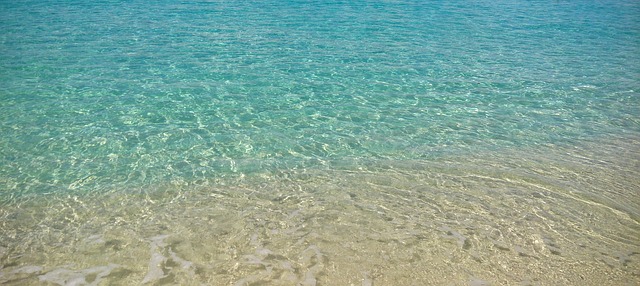
Water Summer Beach Sea Blue/green Ocean Nature ©Max Pixel

Beryl – berullos (G969), “beryl,” is a precious stone of a sea-green color, Rev_21:20 (cf. Exo_28:20). [Vine’s]

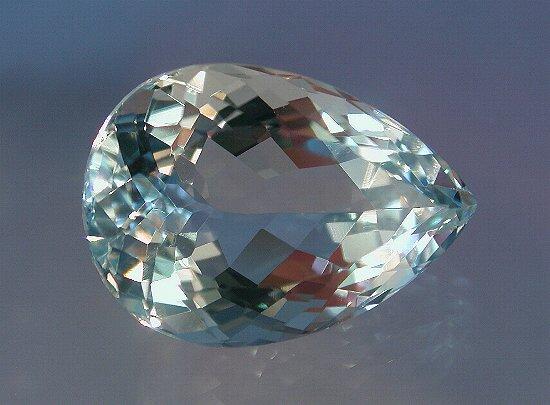
Faceted aquamarine ©WikiC

Beryl is a mineral of great hardness, and, when transparent, of much beauty. …probably the mineral now called beryl, which is identical with the emerald except in color, being a light green or bluish-green. [Smith’s Bible Dictionary]

Beryl ©WikiC

beryl — of a sea-green color. [Jamieson-Fausset-Brown]

I believe that most of these references are in agreement that the color is a light green, leaning toward “sea-green.” So, let’s see what birds we can find of that sort of color.

There are actually two birds with Beryl in their first names:

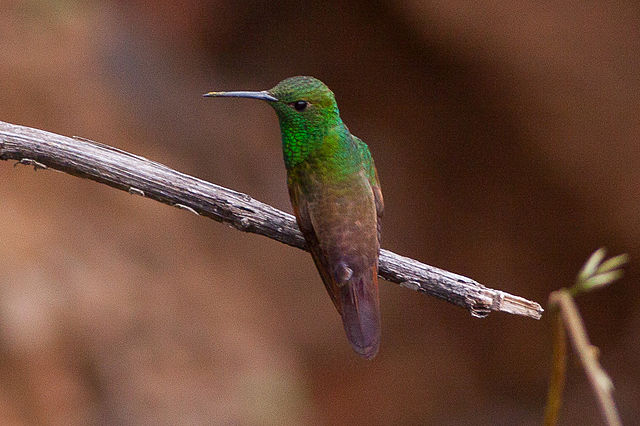
The Berylline Hummingbird (Amazilia beryllina),

Berylline Hummingbird (Amazilia beryllina) ©WikiC

Berylline Hummingbird (Amazilia beryllina) ©WikiC

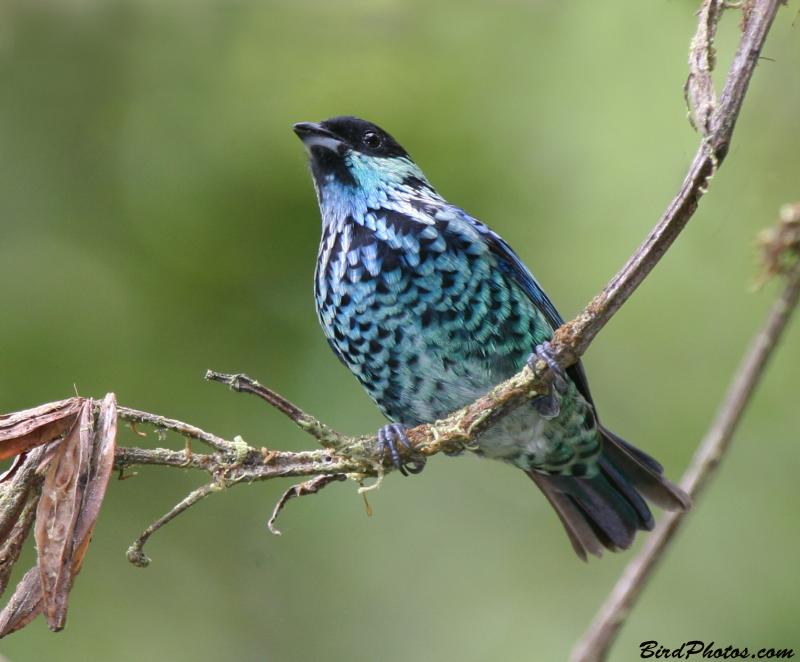
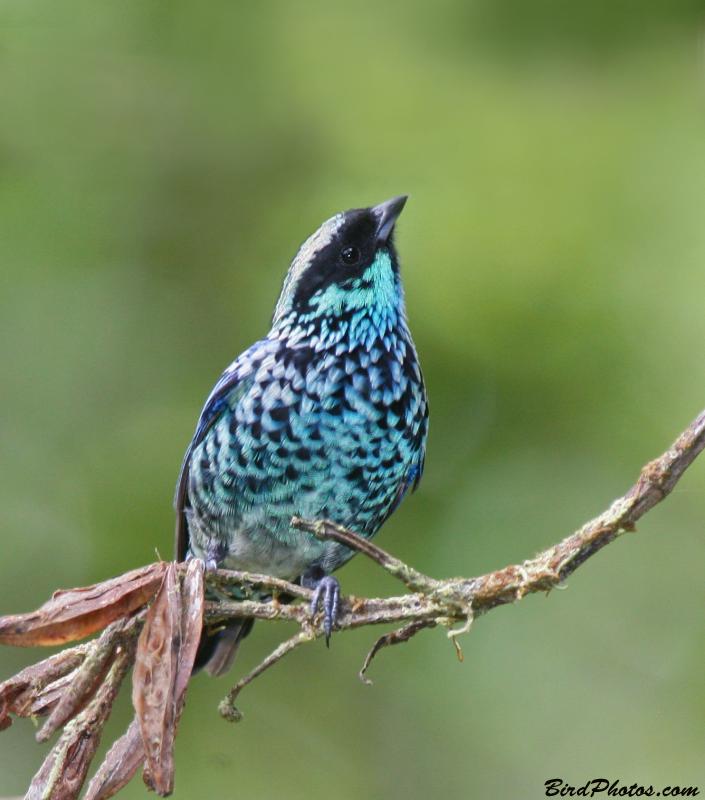
And the Beryl-spangled Tanager.

Beryl-spangled Tanager (Tangara nigroviridis cyanescens) ©BirdPhotos.com

Beryl-spangled Tanager (Tangara nigroviridis cyanescens) ©BirdPhotos.com

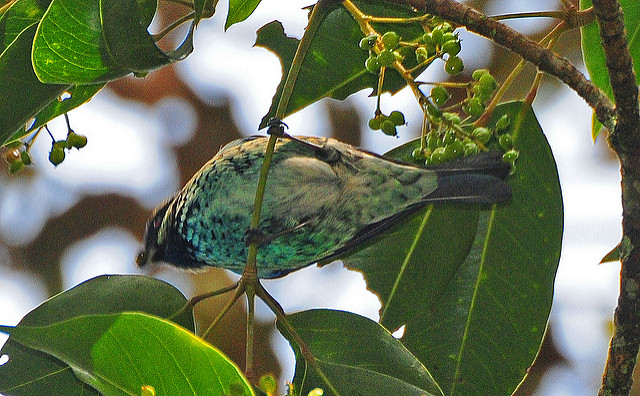
Or another shot from below the bird:

Beryl-spangled Tanager (Tangara nigroviridis) ©Flickr Oldenettel

Also, there is one bird that has beryl… in its scientific name. Now this one matches what I take a sea-green. Do you agree?

Sri Lanka Hanging Parrot (Loriculus beryllinus) ©WikiC

Articles in this Series so far:

Wordless Birds – With Hummingbirds


Heaven’s New Jerusalem and Birds – Sardonyx II

This is a repost of Heaven’s New Jerusalem and Birds – Sardonyx. The series originally appeared in 2019. (With a little dusting and updating they will all be reposted in the coming days. Stay tuned.)

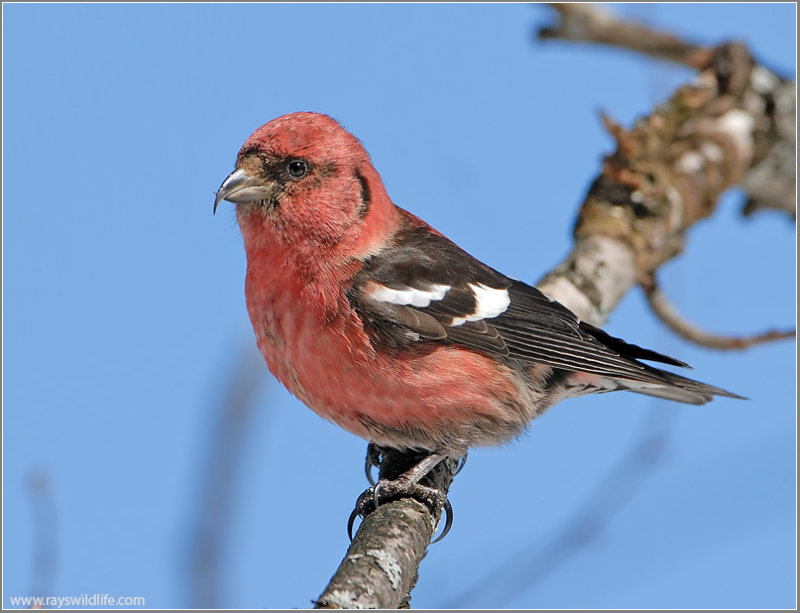
Two-barred Crossbill (Loxia leucoptera)(White-winged) by Raymond Barlow

Two-barred Crossbill (Loxia leucoptera)(White-winged) by Raymond Barlow

“The foundations of the wall of the city were adorned with all kinds of precious stones: the first foundation was jasper, …. the fifth sardonyx, the sixth sardius, the seventh chrysolite, the eighth beryl, the ninth topaz, the tenth chrysoprase, the eleventh jacinth, and the twelfth amethyst.” (Revelation 21:19a-20 NKJV)

While searching for material on these foundation stones, this article caught my attention. It appears that Cindy had the same questions as we are trying to figure out. I believe her blog is inactive, but this is still posted. Precious Jewels by Cindy. She had this chart with 12 stones of the foundations.

12 Jewels Foundation New Jerusalem ©Sundayswithcindy

“Pretty impressive, isn’t it? Actually, it will exceed far beyond what our human minds can even conceive when we try to imagine the beauty and magnificence of that holy city. I Corinthians 2:9 tells us, “But as it is written, Eye hath not seen, nor ear heard, neither have entered into the heart of man, the things which God hath prepared for them that love him.”
*
My curiosity was up, though, when it came to those precious gemstones. What were their colors? How would they look all sandwiched together? I knew I could not begin to imagine the scope of its beauty, but at least I wanted to get some glimpse of what it might appear to be. I mean, we can try to imagine the pearly gates, and even the streets of pure gold although the Bible says the pure gold will be like transparent glass, but the foundation of all those beautifully colored jewels? Ahh—how lovely to have the world at our fingertips via the Internet! In a matter of seconds, my curiosity about the precious gemstones of the foundation was satisfied!” [Bolding added]

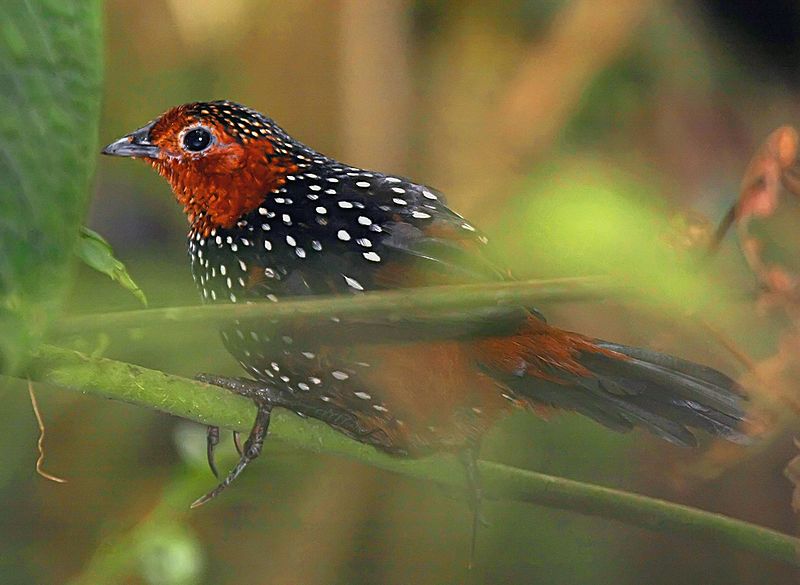
Ocellated Tapaculo (Acropternis orthonyx) ©WikiC

Through the rest of her article, she discovered what I am finding. Names of those stones are not the same today. So, if these birds aren’t a perfect match, please forgive us.
There are no birds with the name of “sardonyx” in it, but the two tones of red seems interesting enough to try to find some birds like that.  All the translations I searched have either Sardonyx or just Onyx. [There are a few birds with ONYX in their scientific name[

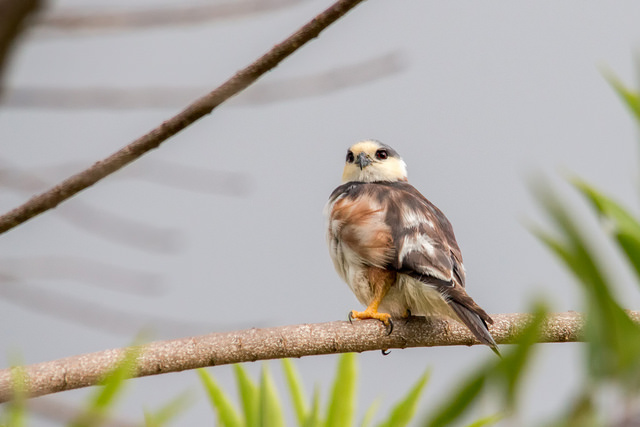
Pearl Kite (Gampsonyx swainsonii) ©Flickr Fernando Flores

Here are what some of the study Bibles and commentaries say:
NKJV MacArthur Study Bible – “ sardonyx. A variety of chalcedony with parallel layers of red and white”
KJ Study Bible Notes – ” sardonyx is red and white”
Jamieson-Fausset-Brown – “sardonyx — a gem having the redness of the cornelian, and the whiteness of the onyx.”
IBS – “Sardonyx – White stone with red layers.
John Gill – “The fifth, sardonyx,…. Which is partly of the sardian, and partly of the onyx stone, which resembles a man’s nail, from whence it has its name; it is reddish, bordering on white; it may be thought to answer to the onyx in the breastplate, on which was written the name of Joseph.”

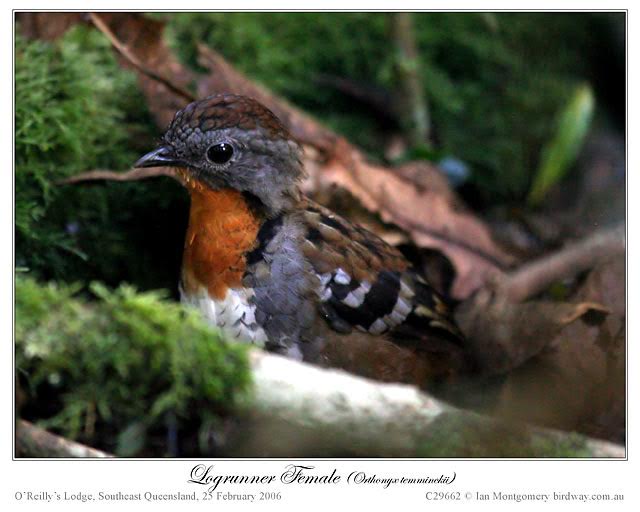
Australian Logrunner (Orthonyx temminckii) by Ian

So with all of these, looks like there must be some reddish and white birds around somewhere. Let’s see what we can find:

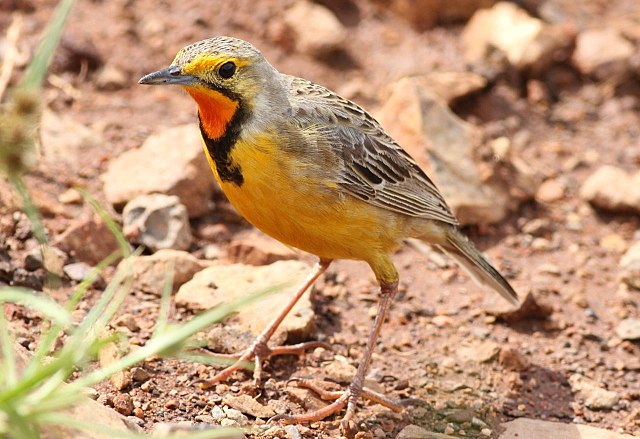
Cape Longclaw (Macronyx capensis) ©WikiC

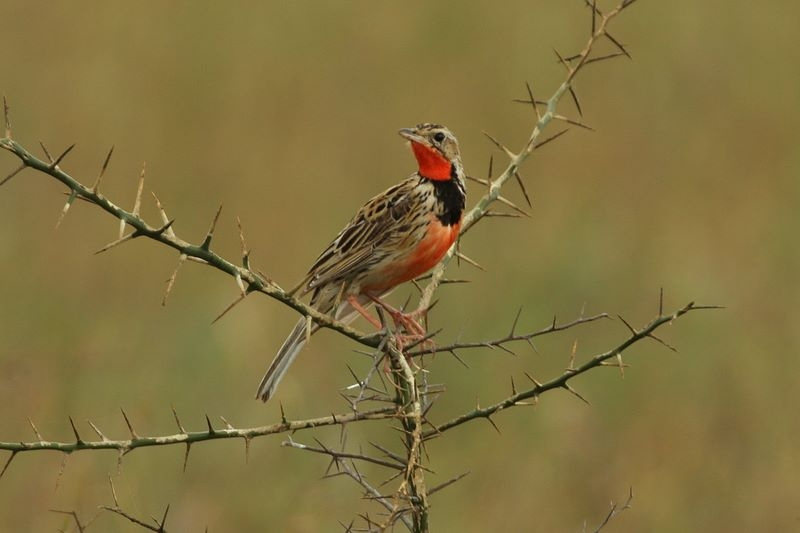
I still haven’t found what I was hoping to find. This next bird is getting closer.

Rosy-throated Longclaw (Macronyx ameliae) ©WikiC

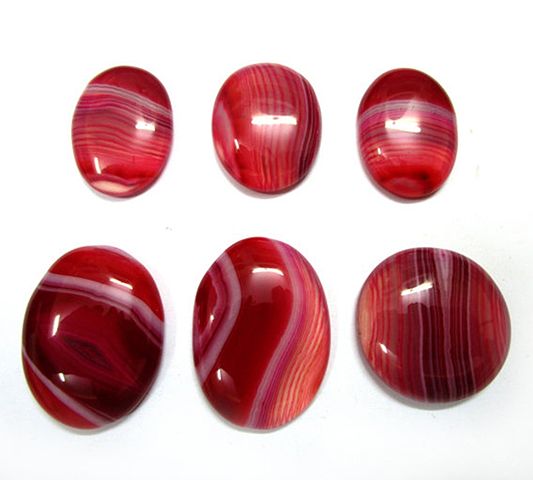
But this is the color of most sardonyx they show on the internet:

Red onyx – Handicraft ©WikiC

Have you seen any birds like that? Let me see what we have already shown here on the blog.

Red-throated Twinspot (Hypargos niveoguttatus) ©WikiC

None of these absolutely match our Sardonyx stone, but are they amazing Avian Wonders from their creator?

*** Articles in this Series so far:

Is There a God?

Heaven’s New Jerusalem and Birds – Chalcedony II

This is a repost of Heaven’s New Jerusalem and Birds – Chalcedony. The series originally appeared in 2019. (With a little dusting and updating they will all be reposted in the coming days. Stay tuned.)

Chalcedony (Variety Agate) Quartz ©WikiC

“And the foundations of the wall of the city were garnished with all manner of precious stones. The first foundation was jasper; the second, sapphire; the third, a chalcedony; the fourth, an emerald;” (Revelation 21:19 KJV)

The Chalcedony stone in the foundation of the New Jerusalem is really a challenge. I have consulted the internet and my Bible programs, e-Sword and Bible Gateway. Also searched the Latin or scientific terms for names even close to “Chalcedony.” Most to no avail as far as finding birds that have chalcedony or a derivative in their names.

As you will see from the quotes below, most seem to mention white (and milky), gray (grey), blue, or a pearly color. Let me see. Out of over 10,000 birds, surely, I can find a few to share with you.

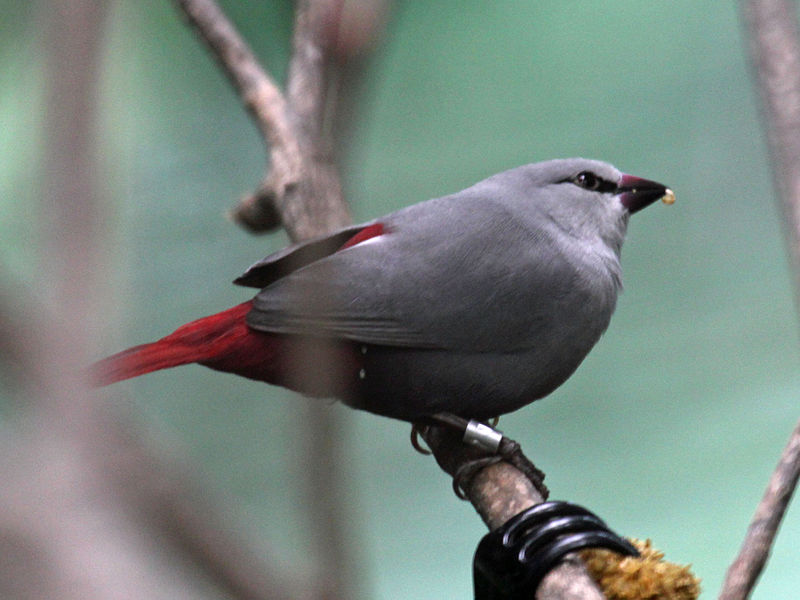
Lavender Waxbill (Estrilda caerulescens) ©WikiC

Lavendar Blue Chalcedony ©Mineral_net

THE GEMSTONE CHALCEDONY
“Chalcedony is the form of Quartz that is compact and microcrystalline. It occurs in many different forms, colors, and patterns, and many varieties have been used as gemstones since antiquity. In the gemstone trade, the term Chalcedony is often used specifically to describe the white, gray, or blue translucent type of Chalcedony, but its technical term includes all additional varieties.” [Minerals.net]

Chalcedony
“Rev_21:19. With it the third foundation of the wall of New Jerusalem is adorned. An agate-like quartz in modern mineralogy, of pearly luster and transparent, found in the Travascus mine in Cornwall. Cups, plates, knife handles, etc. are formed of it in India. Pliny makes it resemble turquoise; others make it of a light brown. The chalcedony of Theophrastus is called from Chalcedon in ancient Thrace, and was the copper emerald obtained from the mines there.” [Fausset’s Bible Dictionary, emphasis mine]

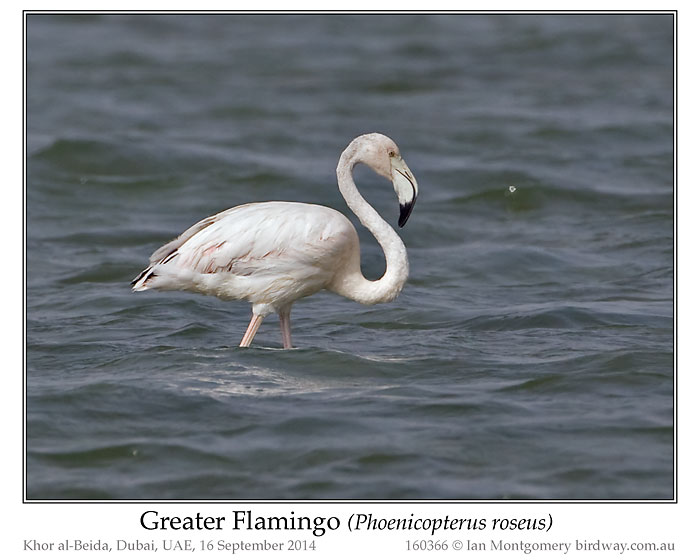
Greater Flamingo (Phoenicopterus roseus) by Ian

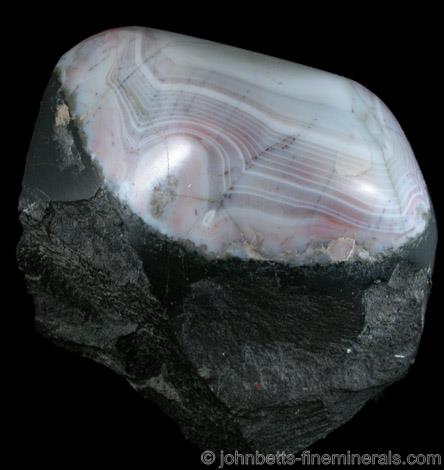
Polished Agate Portion ©Mineral.net

“Chalcedony. Chalcedony occurs only in Rev_21:19. The name is applied, in modern mineralogy, to one of the varieties of agate. It is generally translucent and exhibits a great variety of colors. So named because, it was found near the ancient Chalcedon, near Constantinople.” [Smith’s Bible Dictionary]

chalkedon (G5472), the name of a gem, including several varieties, one of which resembles a cornelian, is “supposed to denote a green silicate of copper found in the mines near Chalcedon” (Swete, on the Apocalypse), Rev_21:19.” [Vine’s]

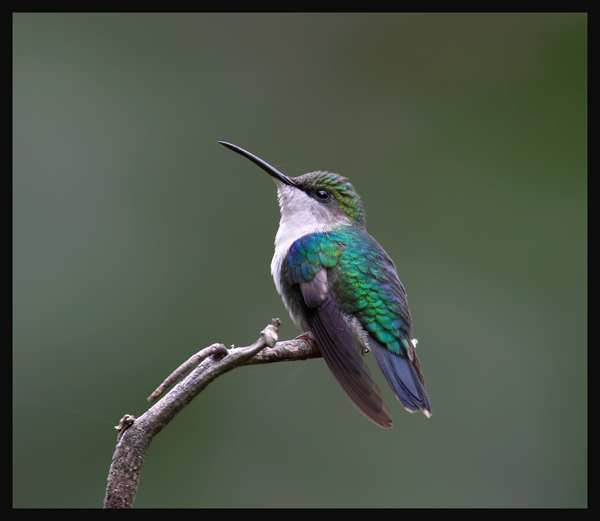
Crowned Woodnymph (Thalurania colombica) by RScanlon

Crowned Woodnymph (Thalurania colombica) by RScanlon

Chalcedony moss agate gem Mineral.net

“CHALCEDONY, n. A subspecies of quartz, a mineral called also white agate, resembling milk diluted with water, and more or less clouded or opake, with veins, circles and spots. It is used in jewelry.
The varieties of chalcedony are common chalcedony, heliotrope, chrysoprase, plasma, onyx, sard and sardonyx.” [Webster’s Dictionary 1828]

Milky Stork (Mycteria cinerea) ©©LipKee

Milky Stork (Mycteria cinerea) ©©LipKee

Quartz Article_Figure Milky Quartz ©IUBloomingtion

THE GEMSTONE CHALCEDONY
“Chalcedony is the form of Quartz that is compact and microcrystalline. It occurs in many different forms, colors, and patterns, and many varieties have been used as gemstones since antiquity. In the gemstone trade, the term Chalcedony is often used specifically to describe the white, gray, or blue translucent type of Chalcedony, but its technical term includes all additional varieties.” [Minerals.net]

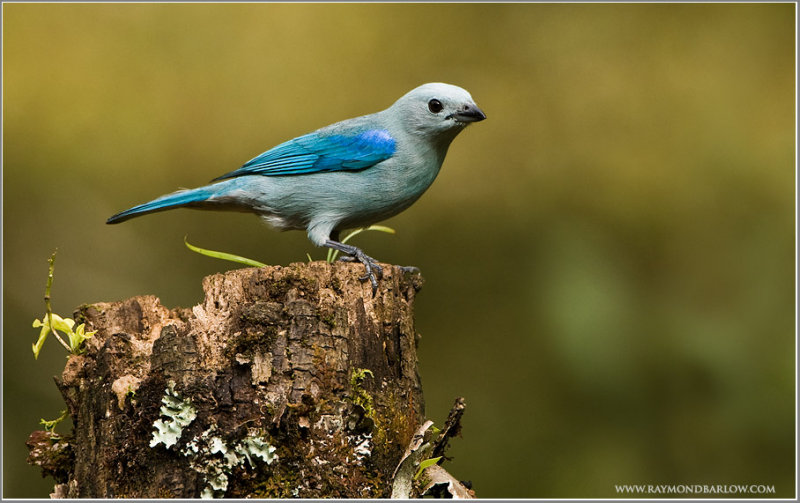
Blue-grey Tanager (Thraupis episcopus) by Raymond Barlow

Blue-grey Tanager (Thraupis episcopus) by Raymond Barlow

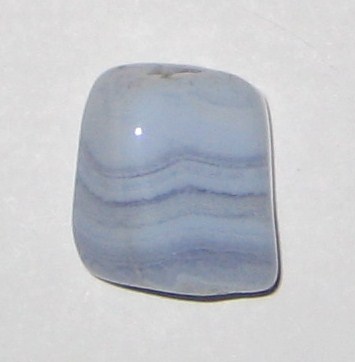
Agate – Blue Lace – Chalcedony – Nambia ©Stephanie Clifford

Chalcedony has a waxy luster and may be semitransparent or translucent. It can assume a wide range of colors, but those most commonly seen are white to gray, grayish-blue or a shade of brown ranging from pale to nearly black. The color of chalcedony sold commercially is often enhanced by dyeing or heating.” [Wikipedia – Chalcedony]

Whatever that third layer is going to look like, it will be spectacular!!!

“The first foundation was jasper; the second, sapphire; the third, a chalcedony; the fourth, an emerald;” (Revelation 21:19b KJV)


*** Articles in this Reposted Series so far:

Wordless Birds – With Hummingbirds

Looking Back and Looking Ahead

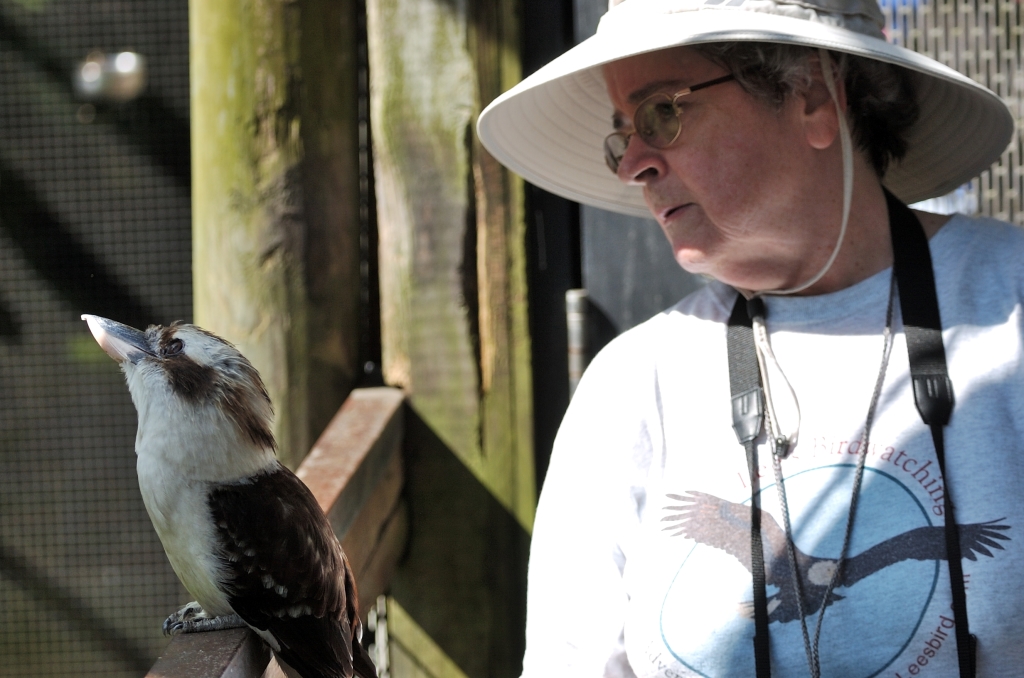
Lee with Laughing Kookabura at Brevard Zoo by Dan

” O LORD, our Lord, How excellent is Your name in all the earth, Who have set Your glory above the heavens!  Out of the mouth of babes and nursing infants You have ordained strength, Because of Your enemies, That You may silence the enemy and the avenger.  When I consider Your heavens, the work of Your fingers, The moon and the stars, which You have ordained, What is man that You are mindful of him, And the son of man that You visit him?  (5)  For You have made him a little lower than the angels, And You have crowned him with glory and honor.  (6)  You have made him to have dominion over the works of Your hands; You have put all things under his feet, All sheep and oxen—Even the beasts of the field, The birds of the air, And the fish of the sea That pass through the paths of the seas. O LORD, our Lord, How excellent is Your name in all the earth!

When I was asked to do some articles about birds, way back in 2008, I never imagined that today, Lee’s Birdwatching Adventures (now with WordPress) would have:

  • 2,513,166 visits as of today
  • 3,857 articles posted

The Lord has truly blessed these efforts. But now? After prayer and much thought, A decision has been made!!

Galah (Eolophus roseicapilla) Hopping on the camera

Galah (Eolophus roseicapilla) Hopping on Dan’s camera

LET’S CONTINE ON!!!!

I’ve paid the fees to continue. The Lord is about to allow me to turn 81 in a little over a week. Thank You Lord. We already have several great writers and photographer that can still add new articles here. The wealth of articles makes great resources for those seeking information about birds, especially home school students and others.

Golden Eagle and Dr Jim – Circle B by Lee

Dr. James J.S. Johnson from Institute for Creation Research,

William Wise a great photographer and writer, and

Golden Eagle, a.k.a. Dr. Baron Brown, are still birding.

ME?? I am planning to review and repost many of the great series of previous posts. I’ll check for broken link and missing photos.

In fact, tomorrow, the Heaven’s New Jerusalem and Birds – Foundation Stones series will begin. It’s one of my favorites.

Thank you for all the visits over the years and trust you’ll continue checking out these “oldies but goodies.” At my age, I forget things. :)

Praise the Lord for all these blessings that He has allowed us the share.

Stay Tuned!

The Wise Owl

What’s Its Name? – “cristatus”

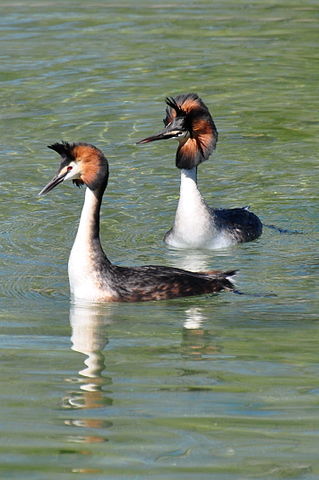
Great Crested Grebe (Podiceps cristatus) With partner ©WikiC

“And Haman answered the king, “For the man whom the king delights to honor, let a royal robe be brought which the king has worn, and a horse on which the king has ridden, which has a royal crest placed on its head.” (Esther 6:7-8 NKJV)

There are various Latin/scientific names for the “Crested” birds. The birds featured here use the term “christus” and we may check out more Crested birds in another article. Most are really gorgeous when the display that crest. What a Creator! Enjoy!

Great Crested Grebe (Podiceps cristatus) with young ©WikiC

Great Crested Grebe (Podiceps cristatus)

Indian Peafowl (Pavo cristatus) at Cincinnati Zoo by Lee

Indian Peafowl (Pavo cristatus)

Crested Hornero (Furnarius cristatus) ©©Flickr KarinaDiarte

Crested Hornero (Furnarius cristatus) ©©Flickr KarinaDiarte

Crested Hornero (Furnarius cristatus)

Flame-crested Tanager (Tachyphonus cristatus) by Dario Sanches

Flame-crested Tanager (Loriotus cristatus) by Dario Sanches

Flame-crested Tanager (Loriotus cristatus)

Australian Owlet-nightjar (Aegotheles cristatus) by Ian

Australian Owlet-nightjar (Aegotheles cristatus) by Ian

Australian Owlet-nightjar (Aegotheles cristatus)

Silvery-cheeked Antshrike (Sakesphorus cristatus) by A Grosset

Silvery-cheeked Antshrike (Sakesphorus cristatus) by A Grosset

Silvery-cheeked Antshrike (Sakesphoroides cristatus)

Here are the rest of these beautiful Avian Wonders “Crested” cristatus birds. They are in the order that the Birds of the World site lists them when you enter “crisstatus”:

Antillean Crested Hummingbird (Sakesphorus cristatus)

Crested Bobwhite (Colinus cristatus)

Antillean Crested Hummingbird (Orthorhyncus cristatus)

Malachite Kingfisher (Corythornis cristatus)

Sharpbill (Oxyruncus cristatus)

Chirruping Wedgebill (Psophodes cristatus)

Piping Bellbird (Ornorectes cristatus)

Brown Shrike (Lanius cristatus)

Crested Tit (Lophophanes cristatus)

There are more Crested birds, but they use different Scientific/Latin names such as “cristata“, and “cristatellus

Crested Lark (Galerida cristata) by Nikhil Devasar

We will take a look at them in another post, like the Crested Lark. Stay tuned!

WOW!!! WHAT A CREATOR!!

Formed By Him

Good News

What’s It’s Name? – “Coronata”

Blue-crowned Manakin (Lepidothrix coronata) ©WikiC

“For You meet him with the blessings of goodness; You set a crown of pure gold upon his head.” (Psalms 21:3 NKJV)

Coronata is our Scientific/Latin word today. When I saw this name for birds, without looking up the word, I thought it had to have something to with a coronation, a king, or maybe a crown.

Crested Treeswift (Hemiprocne coronata)

Crested treeswift (Hemiprocne  coronata) Male and Female Photographs by Shantanu Kuveskar – Wikipedia

Blue-capped Manakin (Lepidothrix coronata)

Blue-crowned Manakin (Lepidothrix coronata) ©WikiC

Wrenthrush (Zeledonia coronata)

Wrenthrush (Zeledonia coronata) – Anthony Batista (Wikipedia)

Yellow-rumped Warbler (Setophaga coronata)

Myrtle (Yellow-rumped) Warbler (Setophaga coronata) breeding ©WikiC

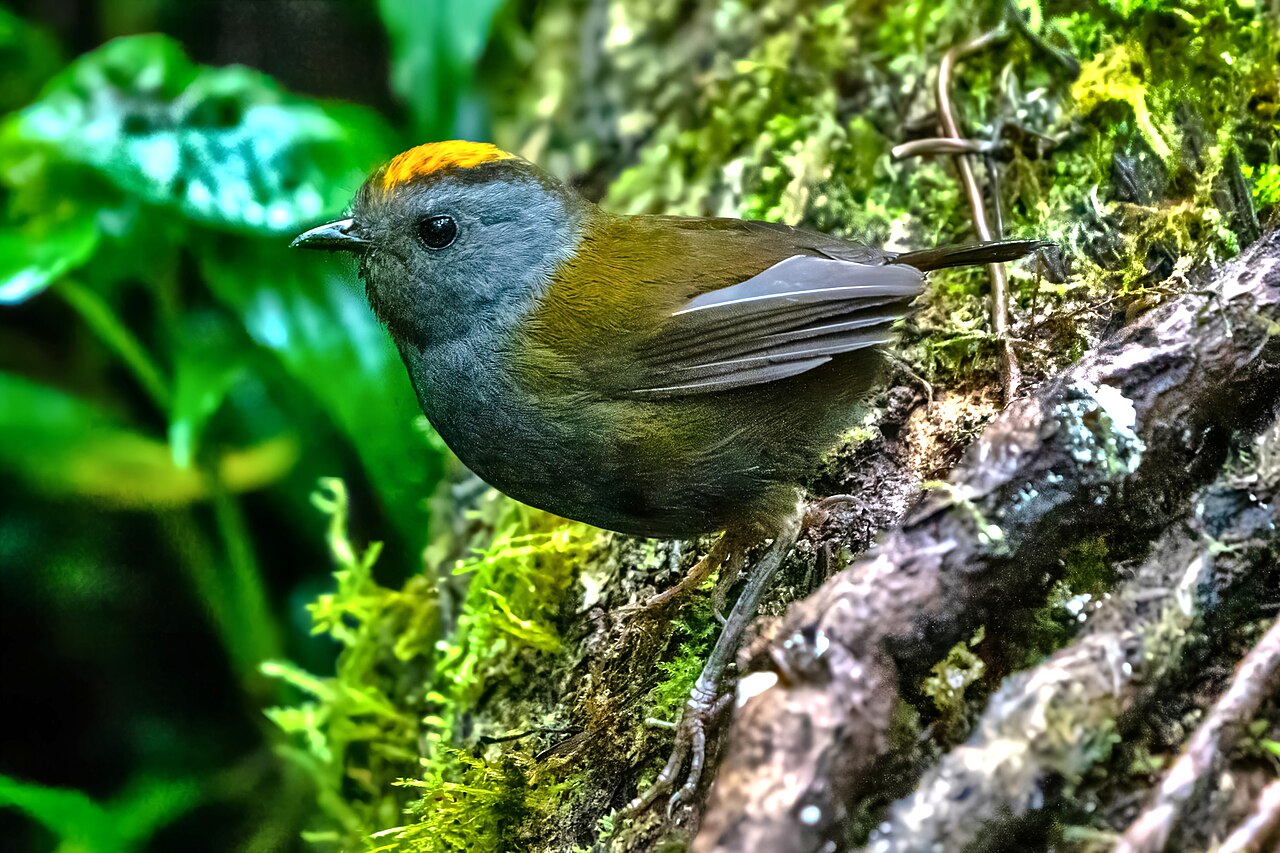
Russet-crowned Warbler (Myiothlypis cornata)

Russet-crowned Warbler (Myiothlypis cornata)

Yellow-rumped Warbler (Setophaga coronata)

Myrtle Warbler (Setophaga coronata) by Anthony747

Myrtle Warbler (Setophaga coronata) by Anthony747

This Myrtle Warbler seems to have the “crown” a little misplaced. Just an observation :)

I trust you are enjoying the Avian Wonders from the Lord from their Scientific/Latin names. We are just beginning. There are so many varieties of words that I doubt we will ever discover/introduce all of them. Also, the naming of birds keep changing from time to time. See The I.O.C World Bird List 14.1

Previous articles that have mentioned some of the birds:

Wages Or A Gift?

What’s His Name? – “Varius”

As we start the new series about the bird’s Scientific/Latin names, a verse came to mind about His name. Of course, that is referring to God, but I like the “What is His name” part. So, for now (unless some suggest a different one) that will be the name of these articles.

Who has ascended into heaven, or descended? Who has gathered the wind in His fists? Who has bound the waters in a garment? Who has established all the ends of the earth? What is His name, and what is His Son’s name, If you know?” (Proverbs 30:4 NKJV)

Varius means

If you go to Birds of the World – Species and the type the Scientific/Latin name, a list of those birds will show. “The specific epithet varius is the Latin word meaning “various”, “diverse” or “variegated” (Wikipedia)”. Here is the list of birds from “Birds of the World – with “varius.

Green Junglefowl – Gallus varius
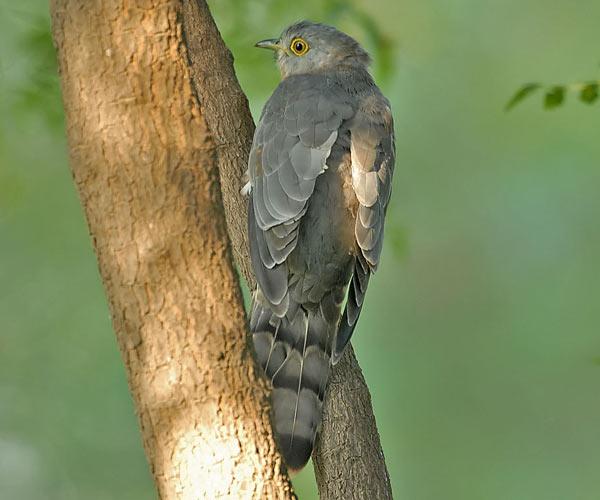
Common Hawk-Cuckoo – Hierococcyx varius
Painted Buttonquail – Turnix varius
Pied Cormorant – Phalacrocorax varius
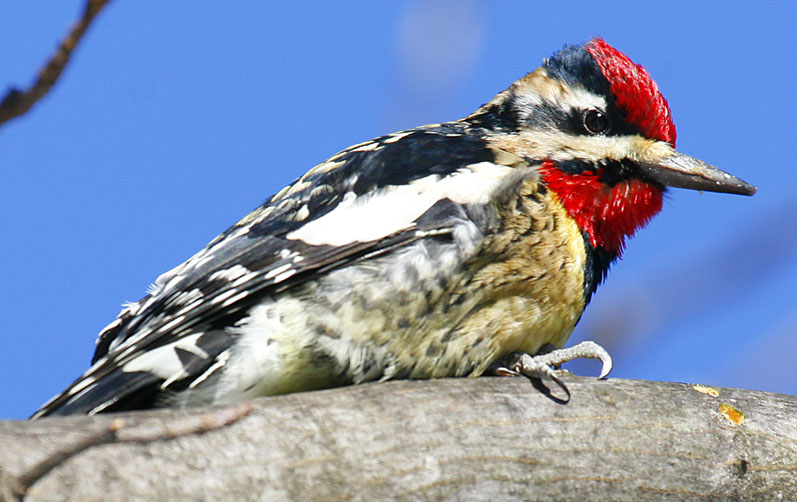
Yellow-bellied Sapsucker – Sphyrapicus varius
Mulga Parrot – Psephotellus varius
Variegated Flycatcher – Empidonomus varius
Varied Tit – Sittiparus varius
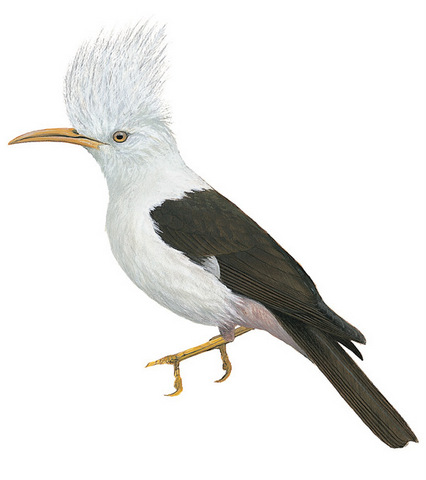
Reunion Starling – Fregilupus varius
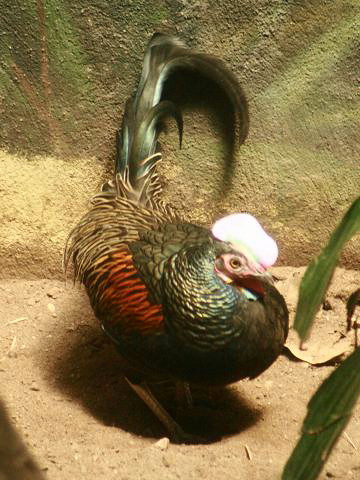
Green Junglefowl (Gallus varius) ©WikiC

Green Junglefowl (Gallus varius) ©WikiC

Common Hawk-Cuckoo (Hierococcyx varius) by Nikhil

Painted Buttonquail (Turnix varius) by Ian

Painted Buttonquail (Turnix varius) by Ian

Australian Pied Cormorant (Phalacrocorax varius) by Ian

Yellow-bellied Sapsucker (Sphyrapicus varius) ©WikiC

Yellow-bellied Sapsucker (Sphyrapicus varius) ©WikiC

Mulga Parrot (Psephotus varius) by Ian

Mulga Parrot (Psephotellus varius) by Ian

Variegated Flycatcher (Empidonomus varius) from Audubon

Varied Tit (Sittiparus varius) by Shanghai Birding

Reunion Starling – (Fregilupus varius) Planet of Birds

A short clip of a Painted Buttonquail

A few previous articles mentioning some of these birds:

Ian’s Irregular Bird – Painted Birds

Yellow-bellied Sapsucker – Chief Corner Stone’s Keystone

Siamese Fireback by Dan

Stay tuned as we investigate some more of these Scientic/Latin names.

Good News

Intro to Some Latin Names of Birds

On my last post, Our Loggerhead Shrike Again, I emphasized the Latin name for this bird. “In case you’re curious, the Latin name Lanius is Great Grey Shrike. The ludovicianus means “butcher” and laniare – “to tear to pieces.” They have been referred to at times a “butcher birds” because of what they do to their victims.”

While recently browsing through my many “dusty” bird books, I rediscovered my “Latin for Bird Lovers,” by Roger Lederer Carol Burr.  It actually is quite interesting, even though I have never studied Latin or paid much attention to the scientific names of our beautiful birds we write about. We can all learn some new and interesting facts about these wonderful birds. Dr. Jim, (JJSJ) also agrees and is willing to adds some articles also. Maybe I can encourage some of our other contributors to join in.

As we all know, various birds migrate during parts of the year, and they do not have to carry passports or “flying licenses” to pass through different states or countries. Countries and even states have varying names for birds. Yet, we are all seeing the same avian wonder.

Latin for Bird Lovers by Roger Lederer & Carol Burr

Bird names also change over time, yet the Latin name or scientific name doesn’t (normally). I’ll be using this book, Latin for Bird Lovers by Roger Lederer & Carol Burr as one of the sources for some upcoming articles.

Here are some examples of how bird names have changed over the years. Imagine how hard it is today for the international groups like the I.O.C.’s World Bird List to report on the same bird’s names from various languages if it wasn’t for these Latin names.

Here are some examples of re-named birds (not from Latin) just here in our part of the world:

  • Common Loon — Great Northern Diver
  • Horned Grebe — Hell-diver
  • Double-crested Cormorant — Farallon Cormorant, White-tufted Cormorant, Shag
  • American Bittern — Bog Pumper, Dunk-a-doo, Indian Hen
  • Greater White-fronted Goose — Specklebelly

Northern Pintail (Anas acuta) ©USFWS

  • Northern Pintail — Sprigtail
  • American Wigeon — Baldpate
  • Redhead — American Pochard
  • Ring-necked Duck — Blackhead
  • Scaups — Bluebill
  • White-winged Scoter — Velvet Scoter
  • Common Goldeneye — Cobhead, Whistler
  • Goldeneyes — Garrot
  • Bufflehead — Butterball, Spirit duck
  • Hooded Merganser — Cock Robin
  • Common Merganser — Goosander, American Sheldrake
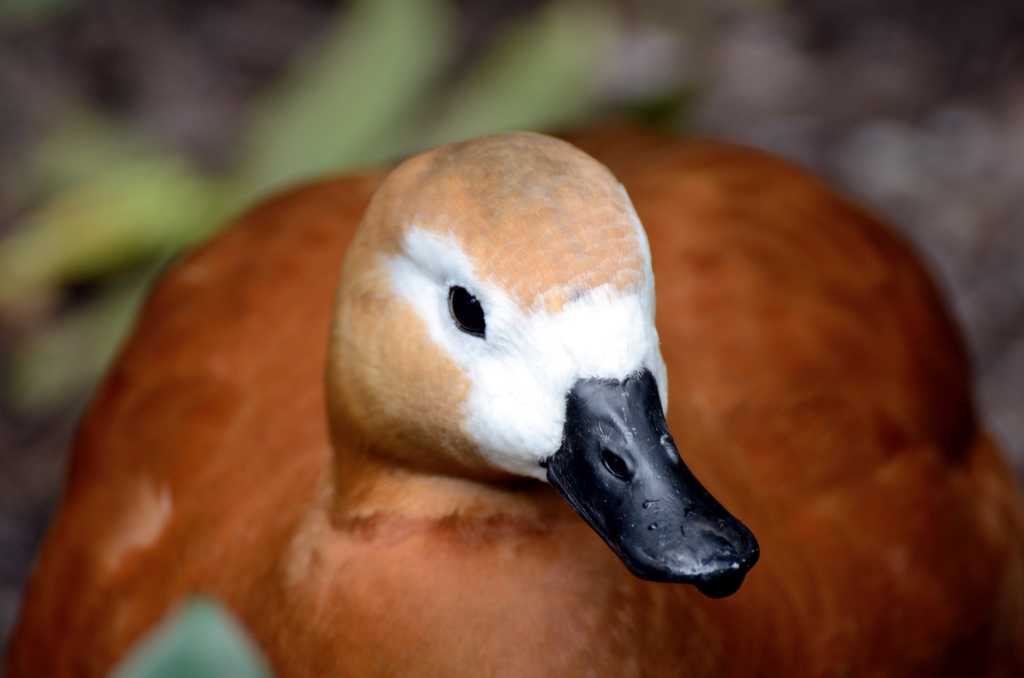
Ruddy Shelduck (Tadorna ferruginea) at Wings of Asia by Dan

Ruddy Shelduck (Tadorna ferruginea) at Wings of Asia by Dan

  • Ruddy Duck — Sleepy Duck
  • Sharp-shinned Hawk — Little Blue Darter
  • Cooper’s Hawk — Big Blue Darter
  • Ferruginous Hawk — Rusty Squirrel Hawk
  • Merlin — Pigeon Hawk
  • Sage Grouse — Sage Cock
  • Sora — Ortolan
  • American Coot — Mudhen
  • Black-bellied Plover — Bullhead
  • Black-necked Stilt — Lawyer
  • Greater Yellowlegs — Tell-tale
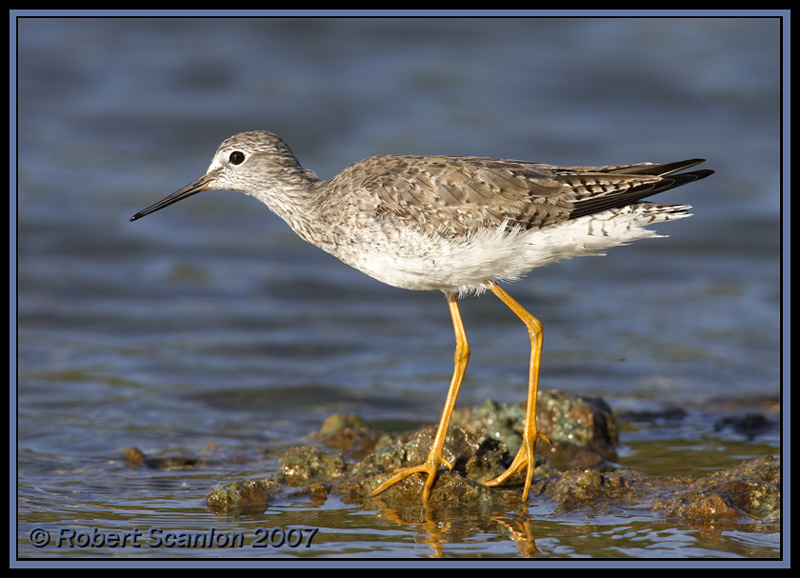
Lesser Yellowlegs (Tringa flavipes) by Robert Scanlon

Lesser Yellowlegs (Tringa flavipes) by Robert Scanlon

  • Lesser Yellowlegs — Yellowshanks
  • Marbled Godwit — Marlin
  • Ruddy Turnstone — Calico-back
  • Red Knot — Robin Snipe
  • Least Sandpiper — Oxeye
  • Dunlin — Purre, Black-breast
  • Shortbilled Dowitcher — Brownback
  • Common Nighthawk — Bull-bat
  • Northern Flicker — Golden-winged Woodpecker, Yellowhammer
  • Pileated Woodpecker — Log-cock, Black woodcock
  • Bank Swallow — Sand Martin
  • Black-capped Chickadee — Long-tailed Chickadee, Yukon Chickadee, Western Titmouse
  • Mountain Chickadee — Bailey’s Chickadee
  • Boreal Chickadee — Brown-capped Chickadee
  • American Dipper — Water-ouzel
  • Mountain Bluebird — Arctic Bluebird
  • Townsend’s Solitaire — Townsend’s Ptilogonys
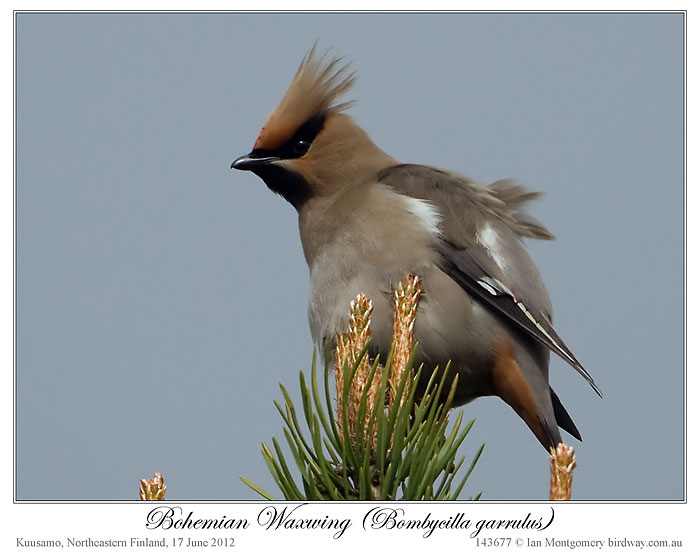
Bohemian Waxwing (Bombycilla garrulus) by Ian 3

Bohemian Waxwing by Ian

  • Bohemian Waxwing — Bohemian Chatterer
  • Cedar Waxwing — Cherry-bird
  • Loggerhead Shrike, Northern Shrike — Butcher-bird
  • Red-eyed Vireo — Greenlet
  • Orange-crowned Warbler — Lutescent Warbler
  • Yellow Warbler — Golden warbler, Mangrove Warbler
  • Spotted Towhee — Chewink, Ground Robin
  • Chipping Sparrow — Hairbird
  • Vesper Sparrow — Bay-winged Bunting
  • Dark-eyed Junco — Snowbird
  • Snow Bunting — Snowflake
  • Lark Bunting — White-shouldered Blackbird
  • Bobolink — Reedbird
  • Red-winged Blackbird — Bicolored blackbird, Red-and-buff-shouldered blackbird, Swamp Blackbird
  • Common Grackle — Bronzed Crow Blackbird
  • Brown-headed Cowbird — Cow Blackbird, Dwarf Cowbird
  • Common Raven — Holarctic Raven
  • Hoary Redpoll — Mealy Redpoll

Stay-tuned as I, and others present some of our amazing Avian Wonders from their Creator. We’ll group them by their Latin naming. Or, by the current Scientific names. One thing is for sure, when Adam named the birds, he did not use Latin to help him. He most likely had the best assistance from their Creator.

“So Adam gave names to all cattle, to the birds of the air, and to every beast of the field…” (Genesis 2:20 NKJV)

Good News

State Birds of America – Information

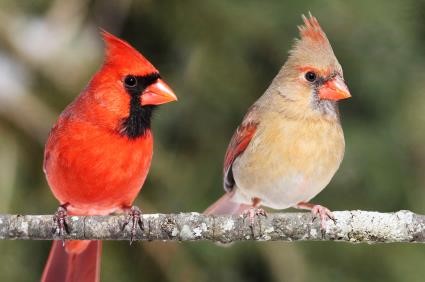
Northern Cardinal M-F (The most chosen state bird) ©BackyardBirdLover

We considered a series on the State Birds, but as I have searched more about this topic, there are already many great sites to visit. So, I’ve decided to share links to those great websites, and then find another bird series to investigate.

All 50 states and the District of Columbia have official birds. To become a state bird, it helped to be familiar, colorful, and have a punchy song. The Northern Cardinal perches as state bird in seven eastern states, the Western Meadowlark in six western states. Bluebirds – like this Western Bluebird – and goldfinches are mascots of another seven. The country’s most insistent songster, the Northern Mockingbird, holds down five states. And Washington, DC’s official bird? The shy Wood Thrush! Find out which bird is your state bird.  Learn more about these state birds at Cornell’s All About Birds.

Oh, by the way, we are orginally from Indiana and the Northern Cardinal is their state bird.

“Consider the ravens, for they neither sow nor reap, which have neither storehouse nor barn; and God feeds them. Of how much more value are you than the birds?” (Luke 12:24 NKJV)

Stay tuned and enjoy these great articles:

List of State Birds – Love to Know

Wikipedia List of U.S. State Birds

Birds by State – Backyard Bird Watchers

To find out more about these birds, go to All About Birds to see great information and photos.

Also check our index for articles about a specific bird. We may have written about it in the past.

For instance, the Cardinal:

Sunday Inspiration – Cardinalidae Family of Cardinals Plus

***

Joy in the Sharing

***

Why Red?

***

Northern Cardinal

***

“A Cardinal Sits With Me” ~ by Sandra Conner

***

Various Birds From Creation Moments

Good News

Wordless Birds

Just In Time For Halloween

Loggerhead or Northern Shrike on Bench

While looking back through our visitors this winter, I remembered the one bird who would appear to be ready for today, Halloween. Not that we celebrate it much, other than giving out candy to the kiddos in the neighborhood.

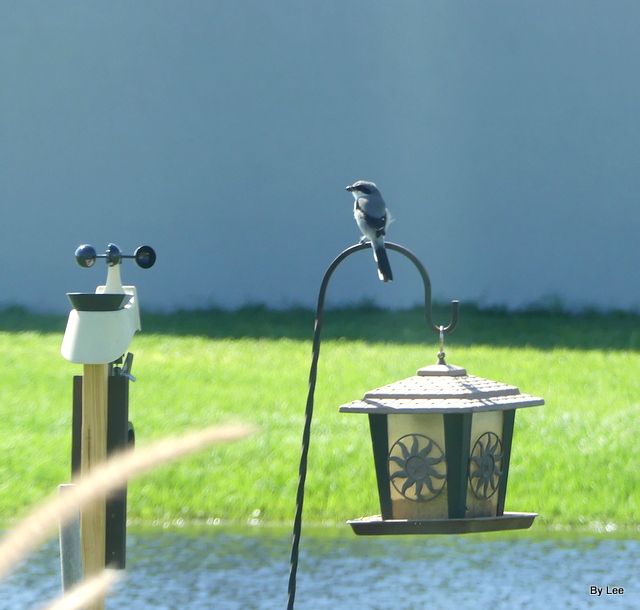
When Dan and I spotted this bird the first winter, I thought it was a Loggerhead Shrike. They, sometime two of them, usually land on a post out in the yard, but this time I caught him right outside the door on the bench arm.

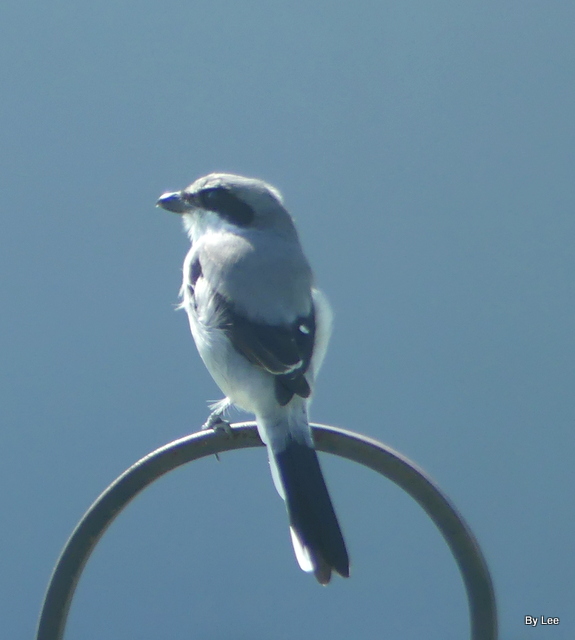
Loggerhead Shrike on hook - by Lee Closeup

Loggerhead or Northern Shrike on hook – by Lee Closeup

Today, while writing this post, and going to the All About Birds Loggerhead vs Northern Shrike page, I realized that this is a Northern and NOT my supposed Loggerhead. See what you think by clicking that link.

It’s never too late to learn something new. The part about the “mask that often does not cover the top of the bill,” is what made me take a double-take.

Close up of NORTHERN Shrike

As you can see, this was a post in progress as I put it together. Isn’t birding and learning about the Lord’s wonderfully created avian wonders great??? I’ve made my decision, and am changing the names on my photos. :0)

“Which doeth great things past finding out; yea, and wonders without number.” (Job 9:10)

Have you had to change your mind about a bird you just knew what it was, and then it wasn’t? I JUST DID!!

  1. Loggerhead Shrike: Converting Thorns into Meat-hooks
  2. Birds Vol 1 #6 – The Loggerhead Shrike
  3. Sunday Inspiration – Shrikes and Vireos
  4. Wordless Birds

Birds of the Bible II – Raven Adventures
Common Raven at Cypress Provincial Park, British Columbia ©WikiC

In the First Bird Species Named post, you found out that it was the Raven that was sent out first from the Ark. He never came back in, but may have landed on it now and then. The Raven family has a very resourceful way of finding and collecting food and objects.

Today there are several species in the Raven family (Covidae). Of course, not all of those species were on the Ark. They spread out and reproduced after their kind. “every raven after its kind,” (Lev 11:15)

Chihuahuan Raven (Corvus cryptoleucus)Raven (Corvus corax) by Kent Nickell

Northern Raven (Corvus corax) by Kent Nickell

Compare the Common Raven and the Chihuahuan Raven

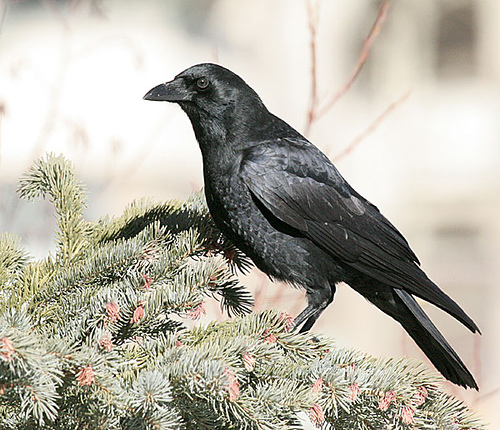
American Crow (Corvus brachyrhynchos) by Kent Nickell

American Crow (Corvus brachyrhynchos) by Kent Nickell

and compare the Common Raven and the American Crow.

All of these birds belong to the Covid family and Dr. Johnson posted a great article that covers this family.

Crows and Other Corvids are Really Smart Birds!

As was pointed out in that article, how the ravens came and fed Elijah. They brought him bread and flesh. (I Kings 17:6) But where do the Ravens get their food? (Job 38:41)
Much has been written about these interesting birds here over the years. Here are some of the links to help you find out more about the Ravens and their kind:

Birds of the Bible – Ravens

Other articles about the Raven:

Also check out articles by our various writers:

For younger readers:

**

All Birds of the Bible section

Gideon