Ian’s Bird of the Week – Magnificent Riflebird

Magnificent Riflebird (Ptiloris magnificus) by Ian

Magnificent Riflebird (Ptiloris magnificus) by Ian

Ian’s Bird of the Week – Magnificent Riflebird ~ by Ian Montgomery

Newsletter – 9/12/11

We’ve been dealing with Birds of Paradise for the last couple of birds of the week, so here’s another one from Iron Range, the Magnificent Riflebird. This, like the Trumpet Manucode is easier to hear than see as it spends most of its time in the tall trees of the rainforest and on my previous two visits to this part of Cape York I’d seen only a few females. This time, the males were very vocal and actively courting females and I had more success, as in the first photo.

The ‘magnificent’ is appropriate as, with a length of 28-33cm/11-13in, it is the largest of the three Australian Riflebirds. (There is a fourth species of Riflebird, the Eastern or Growling Riflebird, in eastern PNG – recently split from the Magnificent Riflebird and distinguishable mainly by its call.) As you can see from the first photo, the blue shield on the throat and upper breast of the male is much larger than that of the other two Australian ones. It is also the only one of the three to have plumes along the flanks. These are hard to see on the first photo (except as a fuzzy area below the right wing) but are visible in the second photo both as a fuzzy line along the right side and as longer wiry plumes on either side of the tail.
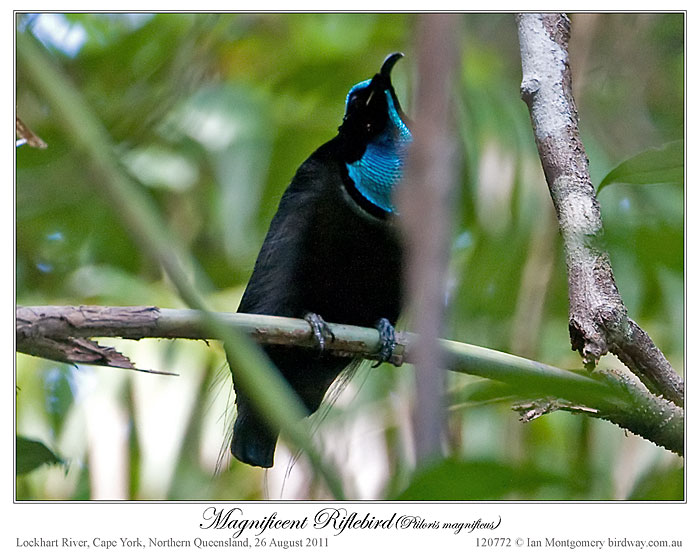
Magnificent Riflebird (Ptiloris magnificus) by Ian

Magnificent Riflebird (Ptiloris magnificus) by Ian

Like Victoria’s Riflebird the heavy plumage of the males make a swishing noise in flight as they sweep regally around in the canopy of the forest. Their usual call is like a wolf whistle and carries a long way, though I found that locating a male in this way was no guarantee of being able to see it. The male in the first photo was actively wooing an unimpressed or ambivalent female who flew away from him and landed on a branch in the open directly above me. She quickly realised that she was attracting my interest too, as in the third photo, and flew off again in renewed search of peace.

Magnificent Riflebird (Ptiloris magnificus) by Ian

Magnificent Riflebird (Ptiloris magnificus) by Ian

The females are fairly different in appearance from the females of Victoria’s Riflebird with rufous upperparts and heavily barred underparts. (You may remember that the female Victoria’s has much greyer upper parts with less marked buff underparts). The fourth photo shows a female in a more typical pose, looking for grubs, Woodpecker-like, along the limbs and trunks of trees, though Riflebirds also eat fruit.
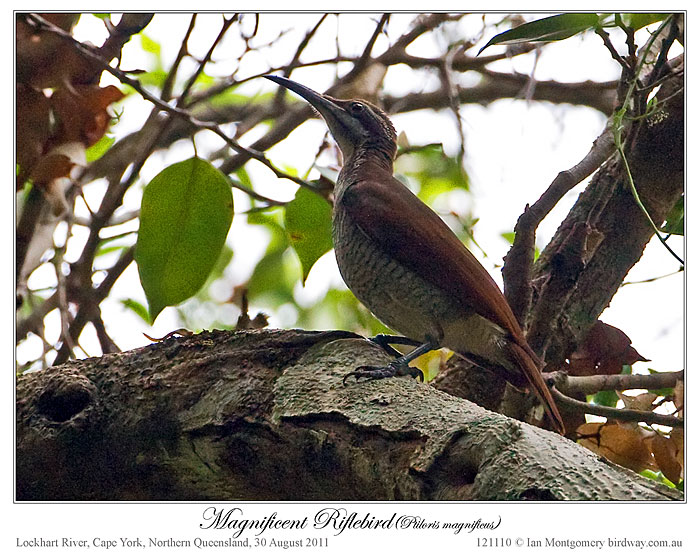
Magnificent Riflebird (Ptiloris magnificus) by Ian

Magnificent Riflebird (Ptiloris magnificus) by Ian

Another spectacular bird in Iron Range was the Yellow-billed Kingfisher. It has featured as bird of the week before, so here is the link to the new Yellow-billed Kingfisher and on the Daintree we encountered plenty of Azure Kingfishers and Little Kingfishers .

The website, incidentally, had a record month in August with more than 9,300 visits, substantially up from previous records in July of 7,700 and in June of 7,200, with total downloads of about 4.5GB, also a record.

Best wishes
Ian
—
Ian Montgomery, Birdway Pty Ltd,
454 Forestry Road, Bluewater, Qld 4818
Phone: 0411 602 737 +61-411 602 737
Preferred Email: ian@birdway.com.au
Website: http://birdway.com.au


Lee’s Addition:

The Paradisaeidae Family is again presented by Ian. If you missed Ian’s other birds from this family, see:
Ian’s Bird of the Week – Trumpet Manucode
Ian’s Bird of the Week – Victoria’s Riflebird

Oh, magnify the LORD with me, and let us exalt his name together! (Psalms 34:3 ESV)

*
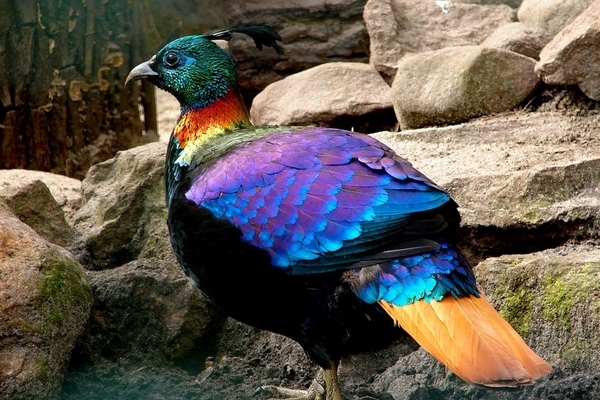
Some Very Unusual Birds

The following photos are from an e-mail I received. It has arrived many times from various friends. I don’t know who the photographers are and trust that they do not mind them being presented here.

What I do know is that these very unusual birds have a very Imaginative Creator. For His pleasure He created these kinds of birds and for our enjoyment also. The titles are from the e-mail and maybe #12 is some sort of Bird of Paradise or in that family (I think). Enjoy the photos and God’s Creative Hand at work.

Praise ye the LORD. I will praise the LORD with my whole heart, in the assembly of the upright, and in the congregation. The works of the LORD are great, sought out of all them that have pleasure therein. His work is honourable and glorious: and his righteousness endureth for ever. He hath made his wonderful works to be remembered: the LORD is gracious and full of compassion. (Psalms 111:1-4 KJV)

1. Himalayan Monal

1. Himalayan Monal

************

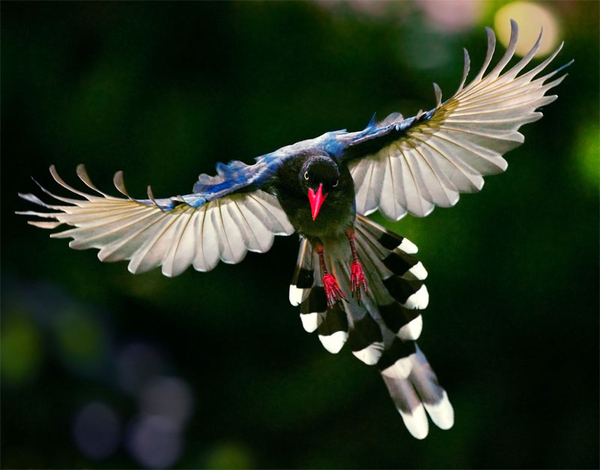
2. Formosan Magpie

2. Formosan Magpie

************

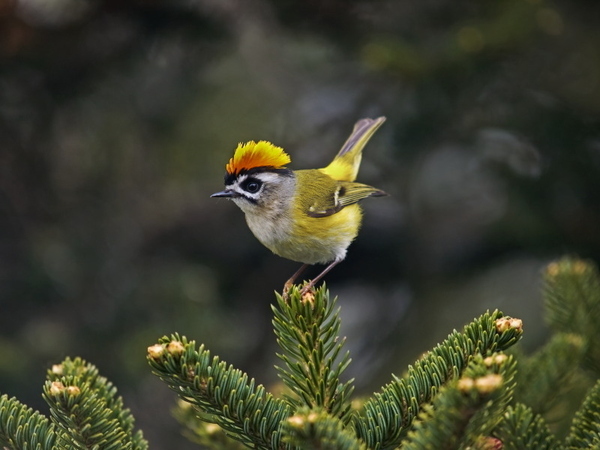
3. Flamecrest

3. Flamecrest

************

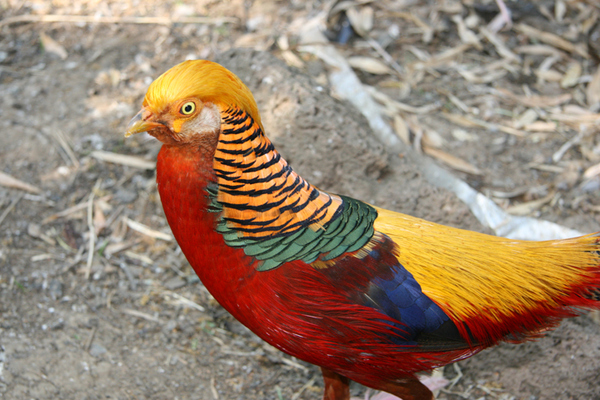
4. Golden Pheasant

4. Golden Pheasant

************

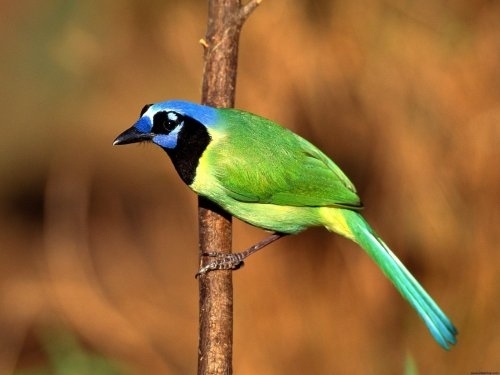
5. Green Jay

5. Green Jay

************

6. Kingfisher

6. Kingfisher

************

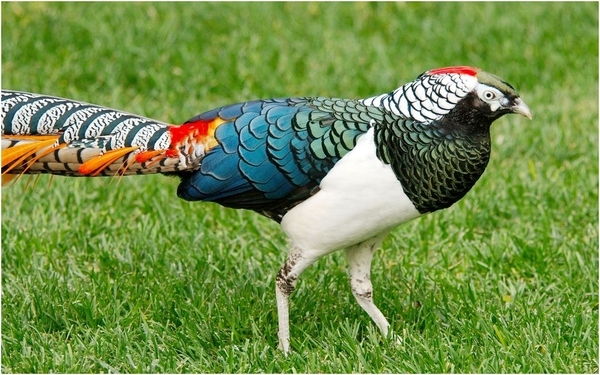
7. Lady Amherst's Pheasant

7. Lady Amherst's Pheasant

************

8. Bleeding Heart Pigeons

8. Bleeding Heart Pigeons

************

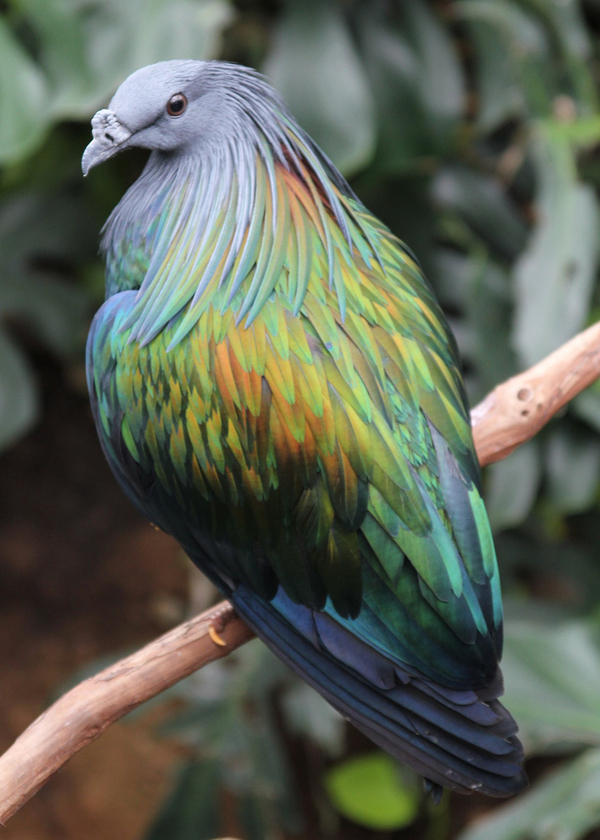
9. Nicobar Pigeon

9. Nicobar Pigeon

************

10. Quetzal

10. Quetzal

************

11. Winson's Bird Of Paradise

11. Winson's Bird Of Paradise

************

12. No Idea What Bird This Is, But It's Totally Rad

12. No Idea What Bird This Is, But It's Totally Rad

************

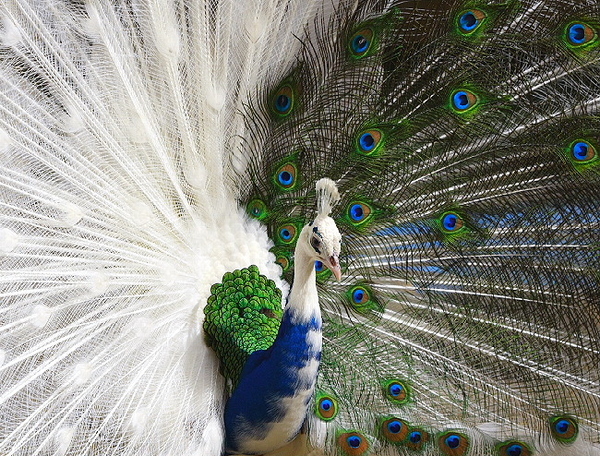
13. Peacock

13. Peacock

************

14. Sup, Polish Chicken

14. Sup, Polish Chicken

************

When I have time, I will update the names, if I can find them. My time is short and these names will have to suffice for now. If you know the exact names or who the photographers might be so they get proper credit, please leave a comment. Thanks, Lee
*

Ian’s Bird of the Week – Trumpet Manucode

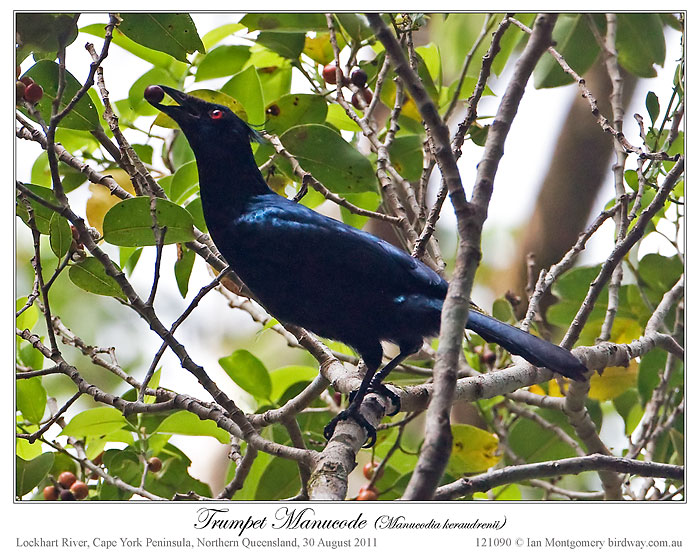
Trumpet Manucode (Phonygammus keraudrenii) by Ian

Trumpet Manucode (Phonygammus keraudrenii) by Ian

Ian’s Bird of the Week – Trumpet Manucode ~ by Ian Montgomery

Newsletter ~ 9/6/11

I’m back home now after the 2 week trip to Cape York and happy to be able to provide the hoped-for Bird of Paradise, the Trumpet Manucode, as bird of the week. Your collective moral/spiritual support clearly worked again, as it did with Snowy Owl in Alaska 3 years ago and Resplendent Quetzal in Costa Rica last year, so thank you very much. A bit of persistence probably helped too as Trumpet Manucodes are easy to hear but notoriously difficult to see, and this was my third visit to Iron Range/Lockhart River without getting more than distance glimpses in the thick foliage of the rainforest.

The first photo shows the crest and neck plumes that are erected in an apparently spectacular display. Although the males were calling, the breeding season doesn’t start until October so I didn’t see any display, though in the second photo the crest plumes are erect as the bird reaches for a fig.

Trumpet Manucode (Phonygammus keraudrenii) by Ian

Trumpet Manucode (Phonygammus keraudrenii) by Ian

Manucodes are 28-32cm/11-13in in length and the sexes are similar, though the females have duller plumage and orange rather than red eyes. This very tall tree, one of few that I found in fruit, was popular with other fruit-eaters such as Yellow Orioles, Barred Cuckoo-shrikes and Metallic Starlings. The Manucode seemed to have a rather proprietorial attitude to it and would sweep in majestically, making the other birds scatter.

Trumpet Manucodes have a long curved windpipe under the skin of the breast, which gives a wonderfully resonant quality to its trumpet call, rendered as ‘growng’ which carries a long way and can be attributed a mocking quality when you can’t find the bird! Their other main call is a gurgling ‘owwgk’ made when inhaling through the windpipe.

The Trumpet Manucode also occurs in New Guinea, where there are 4 other species of Manucode, most of which are illustrated here: http://australianmuseum.net.au/William-T-Coopers-Birds-of-Paradise?page=2&assetID= . The name Manucode is derived from the Malay ‘manuk dewata’ meaning “bird of the gods” so a parallel with the divine nature of the Resplendent Quetzal is easy to draw.

The rest of the trip went smoothly and I also got photos of the other species on my short list – Tropical Scrubwren, Green-backed and White-streaked Honeyeaters – and a few others besides, which I’ll be sharing with you in the coming weeks.

Links:
Resplendent Quetzal 
Snowy Owl
Green/Yellow Oriole
Barred Cuckoo-shrike
Metallic Starling

Best wishes
Ian

—
Ian Montgomery, Birdway Pty Ltd,
454 Forestry Road, Bluewater, Qld 4818
Phone: 0411 602 737 +61-411 602 737
Preferred Email: ian@birdway.com.au
Website: http://birdway.com.au


Lee’s Addition:

I am glad our thoughts and prayers worked and helped you stay persistent. Those of us that remember you also have selfish motives. We thoroughly enjoy getting to see your great finds. Sounds like a “win-win” situation.

The Manucode, as Ian mentioned is in the Bird-of-Paradise family. That Family, the Paradisaeidae, has 41 species in 16 genera. There are 5 Manucodes; the Trumpet (Ian’s), Glossy-mantled, Jobi, Crinkle-collard and the Curl-crested Manucode. Riflebirds are also part of the family and Ian has photos of the Magnificent, Victoria’s and Paradise Riflebirds on his site.


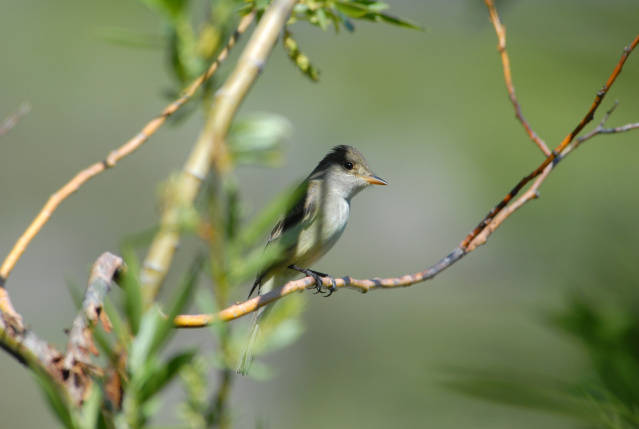
Willow Flycatcher – The Solitary Singer

Willow Flycatcher (Empidonax traillii) ©USFWS

Willow Flycatcher (Empidonax traillii) ©USFWS

Willow Flycatcher songs are innate, not learned like those of most songbirds. Young Willow Flycatchers reared in captivity with Alder Flycatcher tutors sang typical Willow Flycatcher songs.

Daniel was put to test, But, he chose not to defile himself with the portion of king’s meat or the wine..

  • No matter where God places you, never try to be like others…
  • Though God has created each one of us In His image, there still isn’t anyone like you…
  • You are God’s unique creation…

Please read Daniel Chapter one…

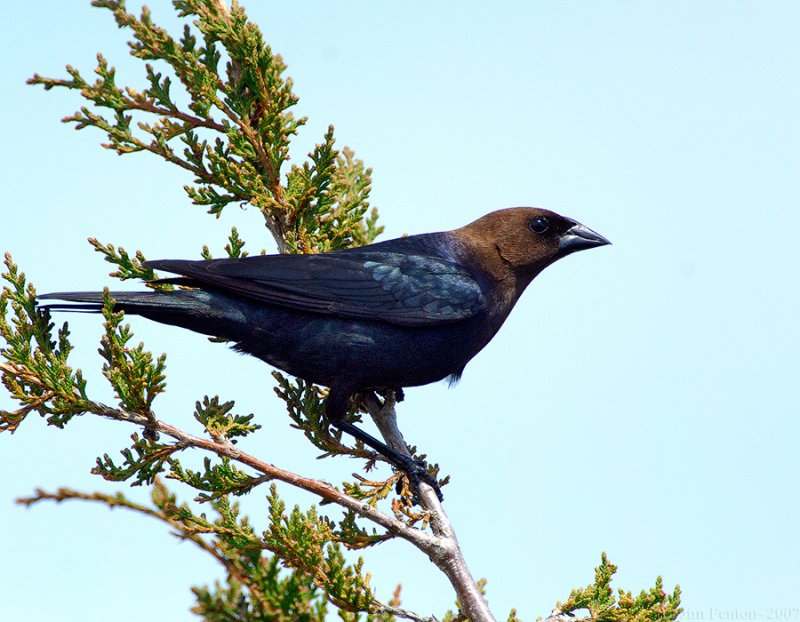
Brown-headed Cowbird (Molothrus ater) by J Fenton

Brown-headed Cowbird (Molothrus ater) by J Fenton

If a Brown-headed Cowbird lays its eggs in the nest of a Willow Flycatcher, the flycatcher may bury the Cowbird eggs in the nest lining, or even build a completely new nest over the top of the first one…

How do you respond when satan tries to hatch his ideas in your life?

  • Do you receive them or reject them like these birds?
  • Remember, his place is not beside you, but, under the sole of your feet…
  • Don’t let satan sit in your life..
  • Just bury him under your feet…
“And the God of peace shall bruise Satan under your feet shortly. The grace of our Lord Jesus Christ be with you. Amen.”Romans 16:20

Have a blessed day!

Your’s in YESHUA,
a j mithra

Birds Versus Hurricanes

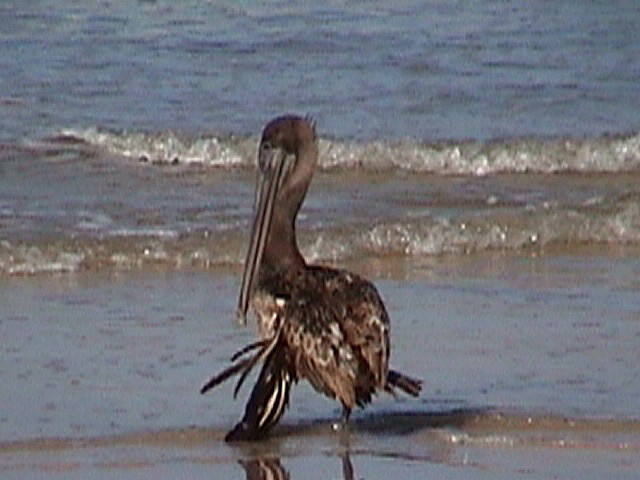
Brown Pelican with broken wing from a hurricane CC

Brown Pelican with broken wing from a hurricane ©©

Here is a link to a very interesting blog from eNature about hurricanes and birds. With Hurricane Irene coming along the coast many will be wondering about the welfare of the birds.

What Happens To Birds When Hurricanes Hit? | Blog | eNature.

While searching for other articles about birds in the storm or hurricane, I found this YouTube produced by Pastor Mark L Johnson of Liberty Hill Baptist Church. It has a great message.

Also, remember:

…Be merciful to me, O God, be merciful to me, for in you my soul takes refuge; in the shadow of your wings I will take refuge, till the storms of destruction pass by. (Psalms 57:1 ESV)
Consider the ravens: for they neither sow nor reap; which neither have storehouse nor barn; and God feedeth them: how much more are ye better than the fowls?
(Luke 12:24 KJV)

Birds in Hymns – His Eye Is On The Sparrow

Why should I feel discouraged, why should the shadows come,
Why should my heart be lonely, and long for heaven and home,
When Jesus is my portion? My constant friend is He:
His eye is on the sparrow, and I know He watches me;
His eye is on the sparrow, and I know He watches me.

For the whole hymn – Click Here

Other articles about this include:

How Birds Stay Safe During Hurricanes by Birding.com

The Secret Relationship Between Birds and Hurricanes by NPR

Where do birds go in a hurricane?

Hurricane Birds

*

Ian’s Bird of the Week – Victoria’s Riflebird

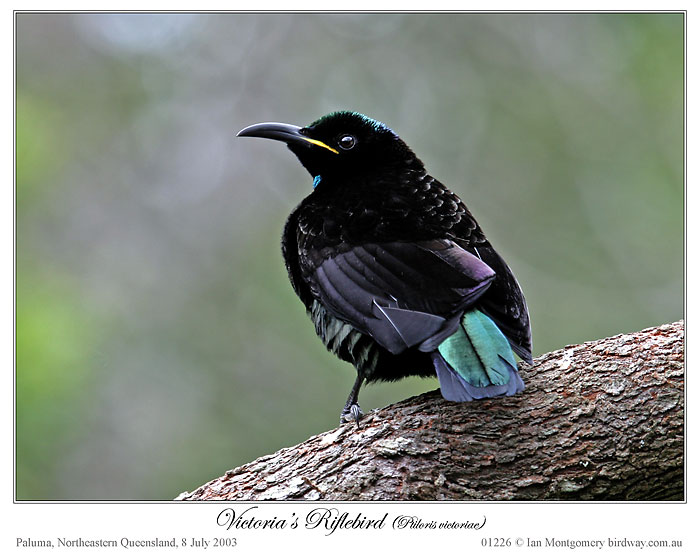
Victoria's Riflebird (Ptiloris victoriae) by Ian

Victoria's Riflebird (Ptiloris victoriae) by Ian

Ian’s Bird of the Week – Victoria’s Riflebird ~ by Ian Montgomery

Newsletter ~ 8/21/11

I’m on my way to Iron Range and this may be my last internet connection, so here is a hasty posting which I’ll keep brief. In keeping with the spirit of the search for the Trumpet Manucode, here is one of the other 3 Australian Birds of Paradise, the Victoria’s Riflebird, which is found in the Wet Tropics between Cooktown and Townsville. The males, as in photo 1, are quite spectacular with iridescent purplish black plumage highlighted with blue and a yellow gape as the final touch. The feathers have a satiny texture which rustles audibly in flight like an elaborate ball gown.

The females look quite different, and are beautiful in a more sober style as in the second photo.
Victoria's Riflebird (Ptiloris victoriae) by Ian - female

Victoria's Riflebird (Ptiloris victoriae) by Ian - female

The bird in the third photo is a young male, like the female but just beginning to acquire the hummingbird-like reflective plumage on the head.
Victoria's Riflebird (Ptiloris victoriae) by Ian - young male

Victoria's Riflebird (Ptiloris victoriae) by Ian - young male

As you’d expect from a bird of paradise, the promiscuous male has a spectacular display in which curves the wings in a circle around the head and moves them back and forward like a fan. Unfortunately, I haven’t photographed this yet. Conforming to the inverse avian correlation between beauty in appearance and voice, the Riflebird, as suggested by its name, has a harsh call that would shatter crystal at a hundred yards and is often the first indication that these birds are present.
Like many fruit-eating birds, they are hard to spot in the foliage of trees but they come readily to houses if fruit is left out for them. All these photos were taken in such circumstances around Paluma north of Townsville and the birds are quite common in suitable habitat.
Unlike the Riflebirds, and again as indicated by the name, the Trumpet Manucode has a spectacular and strange call, which I’ll be listening for carefully if I get to Iron Range in a day or two.
Best wishes
Ian

—
Ian Montgomery, Birdway Pty Ltd,
454 Forestry Road, Bluewater, Qld 4818
Phone: 0411 602 737 +61-411 602 737
Preferred Email: ian@birdway.com.au
Website: http://birdway.com.au


Lee’s Addition:

This fantastic bird is in the Bird of Paradise – Paradisaeidae Family of the Passeriformes Order. Ian has a Magnificent Riflebird, the Victoria’s and the Paradise Riflebird on his website.

Thought you might enjoy seeing a Victoria’s Riflebird displaying. YouTube by vanityvehicle.

And he said unto Jesus, Lord, remember me when thou comest into thy kingdom. And Jesus said unto him, Verily I say unto thee, To day shalt thou be with me in paradise. (Luke 23:42-43 KJV)

*

Birds in Hymns – Hark, My Soul, How Everything

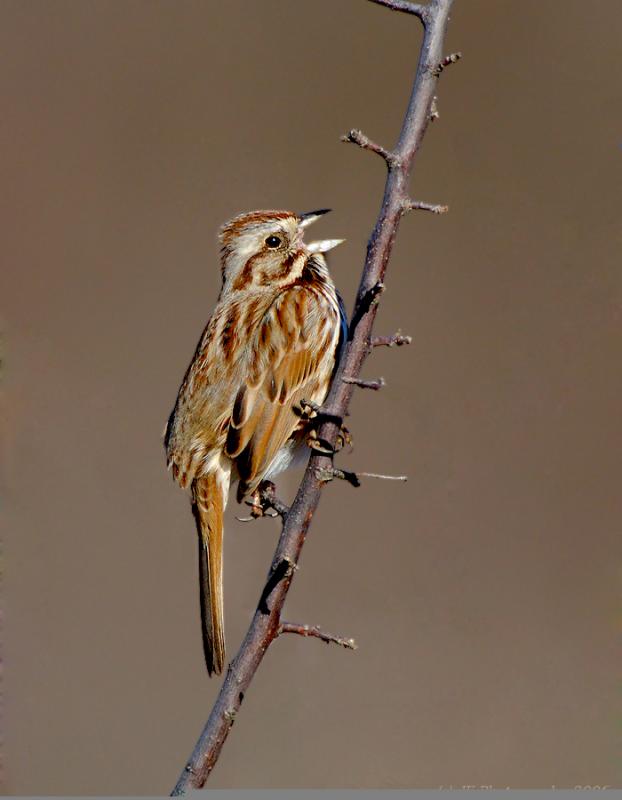
Song Sparrow (Melospiza melodia) by J Fenton

Song Sparrow (Melospiza melodia) by J Fenton

Let the field be joyful, and all that is therein: then shall all the trees of the wood rejoice (Psalms 96:12 KJV)

Words: John Aus­tin (1613-1669)

Music: Lyne, Mag­da­len Cha­pel Hymns, cir­ca 1760

Hark, My Soul, How Everything

Hark, my soul, how everything
Strives to serve our bounteous King;
Each a double tribute pays,
Sings its parts, and then obeys.

Nature’s chief and sweetest choir
Him with cheerful notes admire;
Chanting every day their lauds,
While the grove their song applauds.

Though their voices lower be,
Streams have too their melody;
Night and day they warbling run,
Never pause, but still sing on.

All the flowers that gild the spring
Hither their still music bring;
If heaven bless them, thankful, they
Smell more sweet, and look more gay.

Only we can scarce afford
This short office to our Lord;
We, on whom His bounty flows,
All things gives, and nothing owes.

Wake! for shame, my sluggish heart,
Wake! and gladly sing thy part;
Learn of birds, and springs, and flowers,
How to use thy nobler powers.

Call whole nature to thy aid;
Since ’twas He whole nature made;
Join in one eternal song,
Who to one God all belong.

Live forever, glorious Lord!
Live by all Thy works adored,
One in Three, and Three in One,
Thrice we bow to Thee alone.

Most information from The Cyber Hymnal

See ~ Wordless Birds

More ~ Birds in Hymns

*

Interesting Things – Grand Canyon and Squirrels

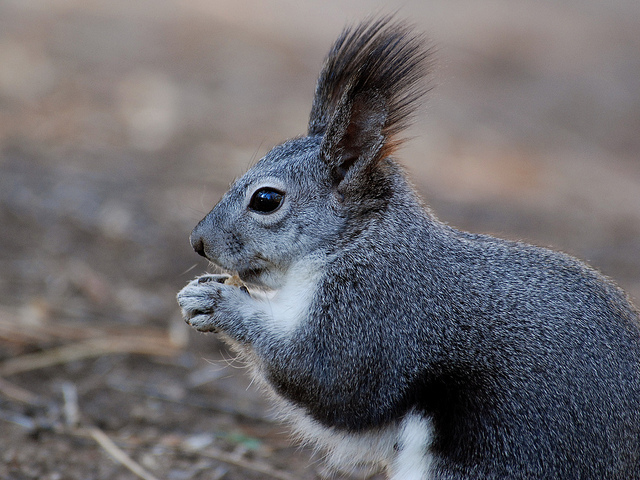
Abert's Squirrel (aka Tassel-eared) ©Bandelier Natl Momument

Abert’s Squirrel (aka Tassel-eared) ©Bandelier Natl Momument

 Thus saith the LORD, thy redeemer, and he that formed thee from the womb, I [am] the LORD that maketh all [things]; that stretcheth forth the heavens alone; that spreadeth abroad the earth by myself; (Isaiah 44:24)

From Creation Moment’s, “Squirrels Give Age of Grand Canyon”

SmileyCentral.com

Who would have thought that squirrels would tell us how old the Grand Canyon is? Yet, creation scientists tell us that the tassel-eared squirrel, who lives near the rim of the canyon in Arizona, has done just that.

Tassel-eared squirrels are found on both the north and south rims of the canyon. Scientists have assumed that the squirrels were there before the canyon was formed, supposedly millions of years ago. However, since the canyon has kept the two populations apart for so long, the differences between them should show what millions of years of evolution will do to squirrels.

Abert's Squirrel (aka Tassel-eared) ©jerryoldenettel

Abert’s Squirrel (aka Tassel-eared) ©jerryoldenettel

There are minor differences between the squirrels on the north rim and the south rim. But they’re not even enough to classify the squirrels as separate species. North rim squirrels have white tails and black bellies. Squirrels on the south rim have white bellies and dark tails. But many north rim squirrels have coloration like those on the south, and many on the south rim are colored like those on the north. Creation scientist Dr. John Meyer has carefully studied these squirrels. He has concluded that the squirrels on the north and south rim are actually one population that has a complete range of fur colors.

According to a law of evolution accepted by evolutionists, there should be a much larger difference between the north and south squirrels if the Grand Canyon is really millions of years old. The conclusion must be, then, that the Grand Canyon is quite young – only thousands of years old.

Prayer:
Heavenly Father, the story of human history as told in the Bible is confirmed all around us. I pray that You would call Your people and Your Church back to complete faithfulness to Your revealed Word. Amen.

Notes:
Meyer, J.R. 1985. “Origin of the Kaibab Squirrel

©Creation Moment’s, “Squirrels Give Age of Grand Canyon”, 2011

Lee’s Addition:

Abert's Squirrel With a Pinecone ©WikiC

Abert’s Squirrel With a Pinecone ©WikiC

(from Wikipedia) “Abert’s squirrel (or tassel-eared squirrel) (Sciurus aberti) is a tree squirrel in the genus Sciurus endemic to the Rocky Mountains from United States to Mexico, with concentrations found in Arizona, The Grand Canyon, New Mexico, and southwestern Colorado.

The Abert’s squirrel is closely associated with, and nearly confined to cool, dry interior ponderosa pine forests [4]. In Arizona, ponderosa pine forests are most extensive between 5,500 and 8,500 feet (1,676–2,590 m) elevation [8]. Abert’s squirrels occur in pure ponderosa pine stands or stands with associated Gambel oak (Quercus gambelii), true pinyon (P. edulis), junipers (Juniperus spp.), quaking aspen (Populus tremuloides), and Douglas-fir (Pseudotsuga menziesii)[4]. Findley and others [9] mention that Abert’s squirrels are common in mixed conifer canyons in New Mexico.

Abert’s squirrels are 18-22.8 in (46–58 cm) long with a tail of 7-10 in (19–25 cm). The most noticeable characteristic would be their hair ear tufts, which extend up from each ear 2–3 cm. This gives this species a striking similarity to the Eurasian Red Squirrel, aside from its differing dark fur coloration. They typically have a gray coat with a white underbelly and a very noticeable rusty/reddish colored strip down their back.”

More:
Interesting Things – Click Here
Plus Items – Click Here

*

Ian’s Bird of the Week – Campbell/Black-browed Albatross

Campbell Albatross (Thalassarche impavida) by Ian

Campbell Albatross (Thalassarche (melanophris impavida) by Ian 1

Another belated bird of the week, so this time you get two species, or maybe only one as we’ll see shortly. Welcome, in a nutshell, to the glory of Albatrosses and the nightmare of bird taxonomy, where I’ve been lately trying to help sort out the final bird list for the digital Pizzey and Knight.

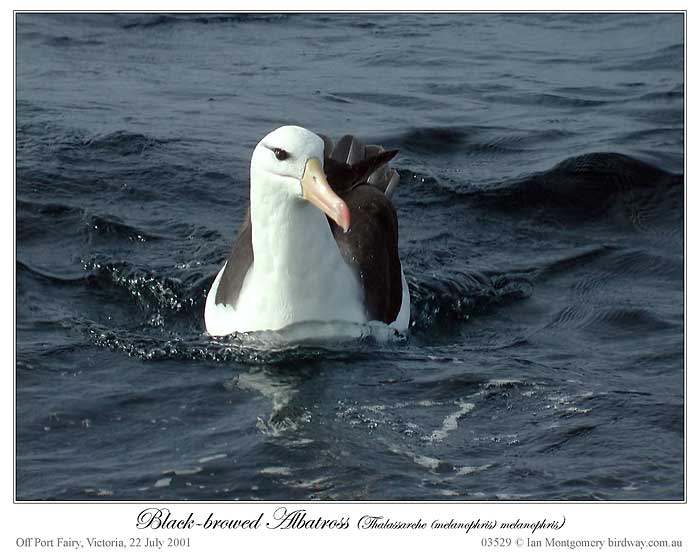
Let’s start by comparing the bird in photo #1 with the one in #2, taken within 6 minutes of each another on a pelagic bird-watching trip from Port Fairy in southern Victoria on 22 July 2001. In those days, when life was simple, we called them both Black-browed Albatrosses. I mention the date as only 5 days later a paper was accepted for publication by the Journal of Molecular Biology which supported the splitting of this species into at least two, the Black-browed Albatross (Thalassarche melanophris) which nests in the South Atlantic and Indian Oceans and the Campbell Albatross (Thalassarche impavida), endemic to Campbell Island south of New Zealand.

Black-browed Albatross (Thalassarche melanophris) by Ian 2

Black-browed Albatross (Thalassarche melanophris) by Ian 2

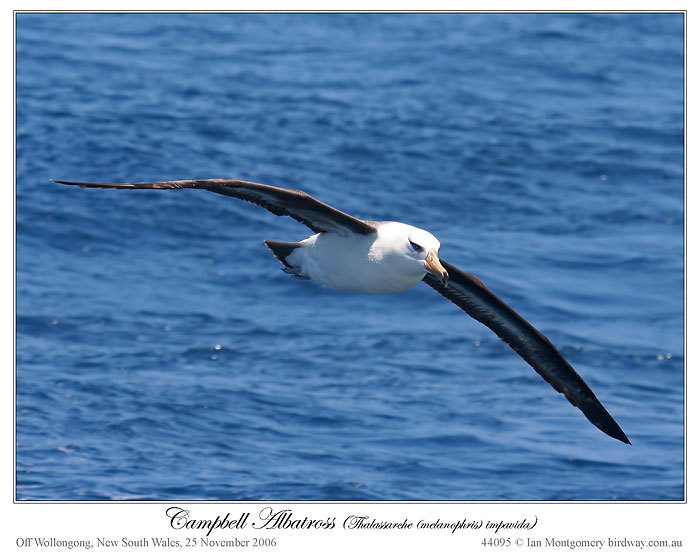
Definitely a spot the difference puzzle and by now you have found the two features visible in birds not in flight: the adult Campbell Island Albatross has a more strongly marked brow, which makes it look crosser, and a pale iris, which, I think, makes it look slightly manic like the Blue-winged Kookaburra. The underwing patterns are different too. The Campbell is much darker with only a faint central band of white as in photo #3, taken off Wollongong in New South Wales.

Campbell Albatross  (Thalassarche (melanophris impavida) by Ian 3

Campbell Albatross (Thalassarche (melanophris impavida) by Ian 3

At even a short distance, the colour of the iris is hard to see, so the underwing pattern is a better field mark for birds in flight, as in the sub-adult Campbell Albatross in photo #4.

Campbell Albatross (Thalassarche (melanophris impavida) by Ian 4

Campbell Albatross (Thalassarche (melanophris impavida) by Ian 4

Campbell T. impavida if you follow Birdlife International. The different spellings melanophris and melanophrys aren’t typos. Temminck originally spelt it with an ‘i’ but the taxonomists Jouanin and Mougin, Latin scholars obviously, though Temminck couldn’t spell and it should be a ‘y’ and that has been adopted by Birdlife International. C&B uphold the rule that says the original spelling should stand, and stick to the ‘i’.

Welcome to the nit-picking world of bird taxonomy. Does it matter? It does if you want to know how many birds are on your list and it matters if you are a conservationist. Governments are much more willing to provide funds and resources to protect threatened species that they are for sub-species and many of the Albatross types, or taxons, are threatened by long-line fishing. Linnaeus set out in the 18th Century to impose order on a chaotic scientific world with his binomial naming scheme, long before Darwin’s Origin of Species. It’s probably just as well he’s not around to see the result.

Back at the website, I’ve recently finished reformatting the galleries with improved layout, easier navigation and larger photos. I started the process in May 2010 and said then that it would take a long time (over 1,300 galleries) and it’s good to put it behind me. To celebrate, I’m joining the local Birds Australia (BANQ) in Daintree next weekend and then going to Cape York to chase a few species missing from the wanted list for the digital Pizzey and Knight (Trumpet Manucode, Tropical Scrubwren, White-lined and Green-backed Honeyeater). Wish me luck as I’d love to produce the Manucode, one of the 4 species of bird of paradise found in Australia, as a bird of the week. The Daintree weekend includes one or two boat trips on the Daintree River and birding walks, so join us if you can. All are welcome, so check out the details on the BANQ website http://www.birdsaustralianq.org/#Coming .

Best wishes
Ian

—
Ian Montgomery, Birdway Pty Ltd,
454 Forestry Road, Bluewater, Qld 4818
Phone: 0411 602 737 +61-411 602 737
Preferred Email: ian@birdway.com.au
Website: http://birdway.com.au


Lee’s Addition:

Whew! Okay, Ian, I think I followed all of that! As I have been saying, this naming and re-naming, splitting and glumping can get confusing. I still contend that Adam had it a whole lot easier. I have been going through those changes when the IOC World Bird List comes about about every 3 months. Keep up the good work, Ian. No matter what you call them, those are fantastic photos of the Albatrosses.

After checking out Ian’s Albatrosses, the look up the whole family, Diomedeidae-Albatrosses, here.

And God said, “Let the waters swarm with swarms of living creatures, and let birds fly above the earth across the expanse of the heavens.”
(Genesis 1:20 ESV)

*

Ian’s Bird of the Week – Double-eyed Fig-Parrot

Double-eyed Fig Parrot (Cyclopsitta diophthalma macleayana) by Ian

Double-eyed Fig Parrot (Cyclopsitta diophthalma macleayana) by Ian

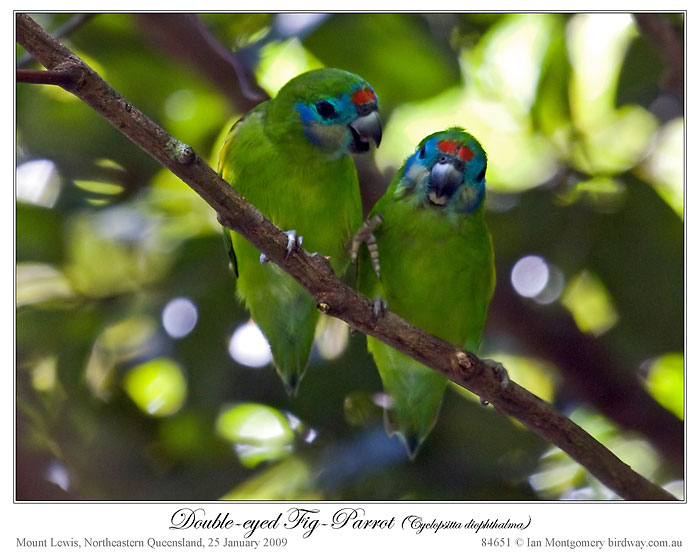
I wonder why miniature things are so endearing. Describing something as ‘the smallest’ immediately attracts attention, so here is the smallest parrot in Australia – with one of the longest and strangest names – the Double-eyed Fig-Parrot. Strictly speaking the Cape York race of this species (marshalli) is the smallest with a length of 13cm/5in – shorter than a house sparrow. More accessible and nearly as small (14cm) is the race found in northeastern Queensland (macleayana), quite common around Cairns and on the Atherton Tableland, where the first photo was taken.

Double-eyed Fig Parrot (Cyclopsitta diophthalma macleayana) by Ian

Double-eyed Fig Parrot (Cyclopsitta diophthalma macleayana) by Ian

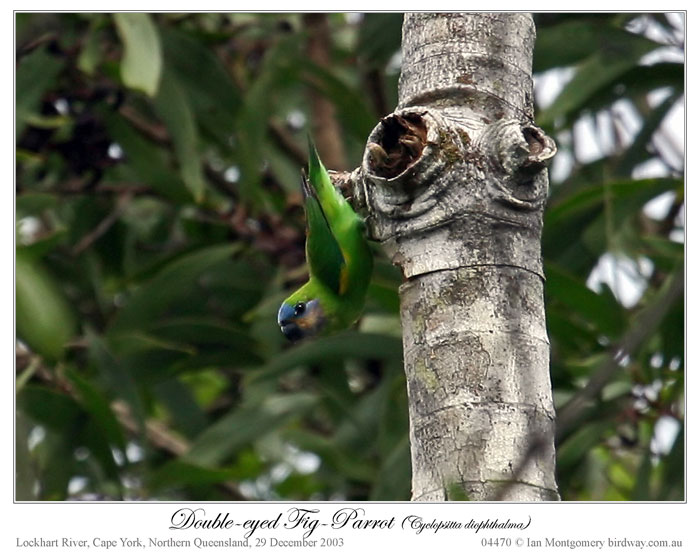
The races and genders are distinguishable by different facial patterns. This is a male macleayana and has a red forehead and cheek separated by a sky-blue patch and an indigo fringe to the red cheek patch. The second photo is also a male macleayana but nearly hidden in the foliage; this is typical and these birds can be hard to see as they creep around mouse-like through fruiting trees in rainforest.

Double-eyed Fig Parrot (Cyclopsitta diophthalma macleayana) by Ian

Double-eyed Fig Parrot (Cyclopsitta diophthalma macleayana) by Ian

The female and juvenile macleayana are similar to the male but lacks the red cheek patch, as in the two birds in the third photo.

The fourth photo shows a female of the Cape York race, marshalli, with no red at all. I lack a photo of the male marshalli but it is rather similar to the male macleayana except that the red forehead and cheek patches are contiguous.

Double-eyed Fig Parrot (Cyclopsitta diophthalma marshalli) by Ian

Double-eyed Fig Parrot (Cyclopsitta diophthalma marshalli) by Ian

The third and remaining Australian race, coxeni, is the largest (16cm) and rarest – classified as endangered – and occurs in a few river valleys between Maryborough in southeast Queensland and the Macleay River in northern New South Wales. Both sexes apparently have mainly blue foreheads and small reddish cheek patches.

These three races were originally treated as separate species and known as Macleay’s or Red-browed, Coxen’s or Blue-browed and Marshall’s Fig-Parrots. Later they and five races in Papua New Guinea were lumped into a single species and acquired the common name of the nominate Double-eyed Fig-Parrot of PNG (Cyclopsitta diophthalma diophthalma). This has a dark spot near each eye, giving it its double-eyed appearance, but the name is not descriptive of the races that lack the dark spot, i.e. the three Australian races. Oh well, they got the fig bit right.

Best wishes
Ian
—
Ian Montgomery, Birdway Pty Ltd,
454 Forestry Road, Bluewater, Qld 4818
Phone: 0411 602 737 +61-411 602 737
Preferred Email: ian@birdway.com.au
Website: http://birdway.com.au


Lee’s Addition:
Those cute little Fig Parrots are in the Parrots – Psittacidae Family of the Psittaciformes Order which not only includes Parrot family, but also the New Zealand Parrots and Cockatoos.

He will bless those who fear the LORD, Both small and great. (Psalms 115:13 NKJV)

*
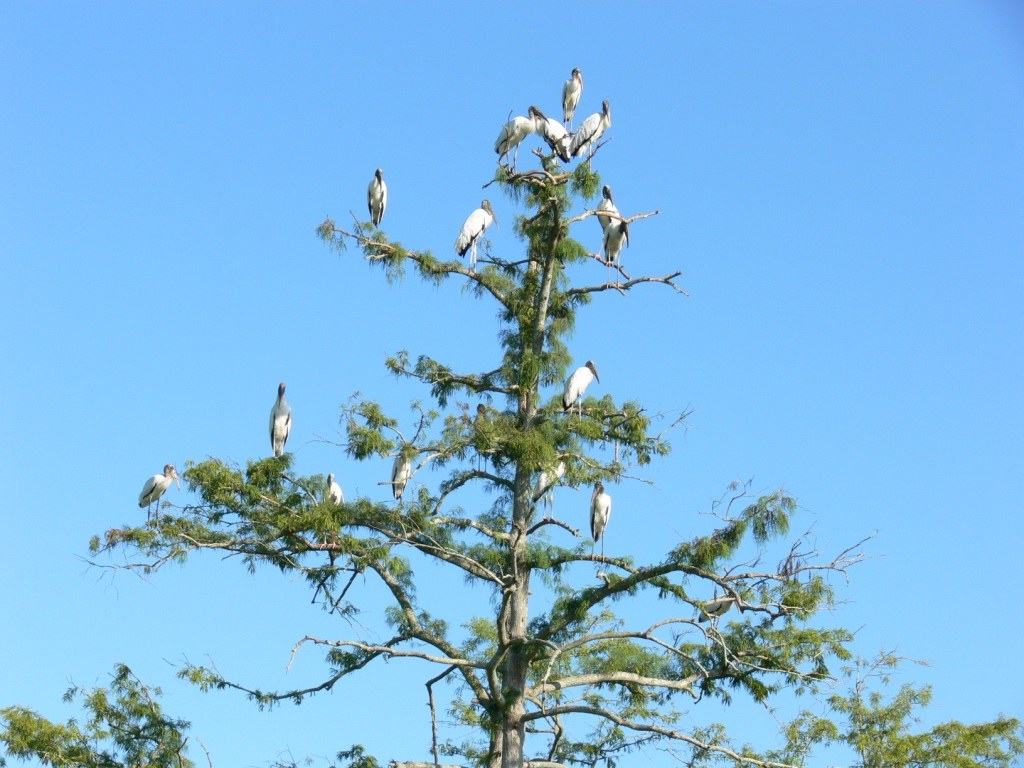
Birdwatching at Circle B Bar Reserve – 7/22/11

Where the birds make their nests: as for the stork, the fir trees are her house. (Psalms 104:17 KJV)

I was making a video of a Tricoloered Heron out at Circle B  when I caught this interesting sight. I zoomed out to get a view of the pond and as I zoomed back in on the bird, he and I both were surprised to see what was heading toward us. The Heron decided to get his feet out of the water, go stand on a rock, and I decided to stop the video when the alligator started out of the water in my direction.

Wood Stork Tree at Circle B - 7-22-11

Wood Stork Tree at Circle B - 7-22-11 by Lee

Where the birds make their nests: as for the stork, the fir trees are her house. (Psalms 104:17 KJV)

Circle B Bar Reserve is always fun to bird watch. You never know what might be there. We had been somewhat disappointed in the number of birds and were heading back when I spotted the Heron. The most numerous birds out there were all the Wood Storks up in the trees. We still managed to see 21 birds on a clear, 79 degree morning. Here is a list of the birds spotted or heard.

Black-bellied Whistling Ducks – 9
Great Egrets – 25+
Cattle Egrets – 5
Tricolored Heron – 3
Great Blue Herons – 3
Limpkin – 1
Double-crested Cormorants – 5
Anhingas – 2
Wood Storks – 100+
Moorhens -15+
Red-shouldered Hawk – 1
Black Vultures and Turkey Vultures, mixed – 50+
Mourning Doves – 2
Red-bellied Woodpecker – 1
Red-headed Woodpecker – 1
Boat-tailed Grackles – 10
Common Grackles – 5
Blue Jays 2
Uncertain Wren – heard -1
Cardinal – 2

Black-bellied Whistling Duck in Tree at Circle B by Lee

Black-bellied Whistling Duck in Tree at Circle B by Lee

When we left there, we decided to check out Saddle Creek Park since we already had our cameras and binoculars. We got there around 9:40 and it was already 86 degrees by then. Seventeen species of birds decided to let us count them. Most of the birds were the same kind we had seen at the Circle B, but we did pick up some White Ibises, a Fish Crow, Little Blue Heron and Tufted Titmouse.

Great Blue Heron Juvenile at Saddle Creek by Lee

Great Blue Heron Juvenile at Saddle Creek by Lee

That list was (in the order they were spotted); Cattle Egrets, Blue Jays, Boat-tailed Grackles, Anhinga-female, Moorhens, Great Egret, Fish Crow, Common Grackles, Great Blue Herons, White Ibises, Tricolored Heron, Great Blue Heron-juvenile, Ospreys, Little Blue Heron, Anhinga, Double-crested Cormorants, Black Vultures and the Tufted Titmouse.

Always enjoy watching God’s Creation even when they are the same ones we see often. Then again, we have lots of human friends that we enjoy visiting with over and over also.

*
Ian’s Bird of the Week – Tiger Shrike

Tiger Shrike (Lanius tigrinus) by Ian

Tiger Shrike (Lanius tigrinus) by Ian

Newsletter – 7/21/11

The common names of many Australian birds reflect their apparent similarity to European birds, even if they are not closely related, for example Robins, Wrens of various sorts (Fairywrens, Scrubwrens) and Treecreepers. Some names are hybrid, such as Cuckoo-shrike, Shrike-thrush and Shrike-tit, meaning ‘looking like something between the two types’. That’s fine for Europeans and well-travelled birders who know what theses things look like, but some, particularly real shrikes, are almost complete unknown in Australia and the use of these names as qualifiers is of questionable value for the locals. So, I though it might be interesting to have a look at a real shrike and throw some light on the use of its name in Australian birds.

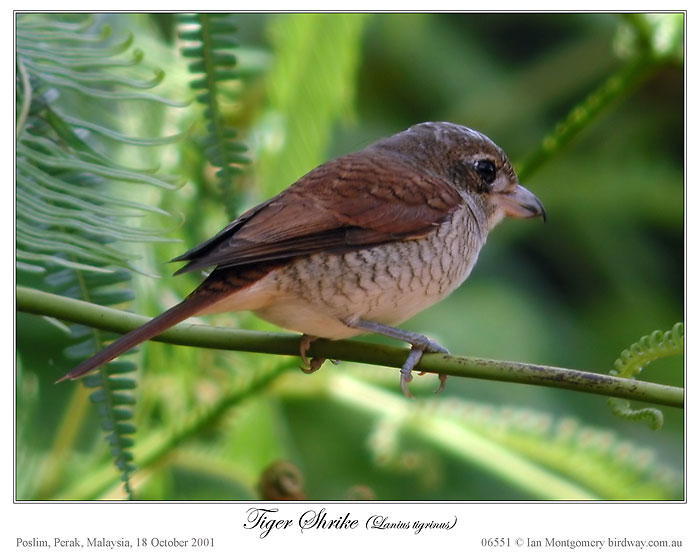
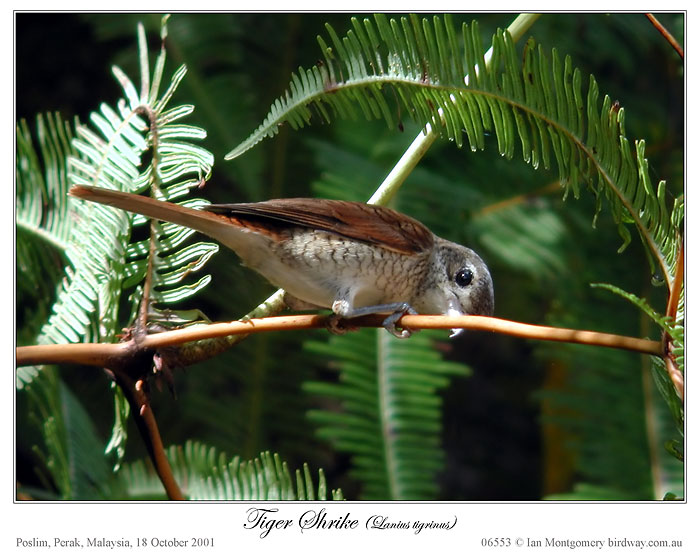
Shrikes, family Laniidae 33 species, are widespread through Eurasia and Africa; a couple of species occur in North America but they are unknown in South America. Two Asian Shrikes, the Tiger and the Brown , have made it to the Australian list as rare vagrants to Christmas Island, though the first Australian record of a Tiger Shrike was a road-killed one found near the port of Fremantle in Western Australia, raising the possibility of being ship-assisted (a black mark for a ‘real’ vagrant). The bird in the these two photographs was photographed in Malaysia.

Tiger Shrike (Lanius tigrinus) by Ian

Tiger Shrike (Lanius tigrinus) by Ian

You’ll notice the hooked bill, characteristic of all Shrikes, and an adaption to their predatory way of life. Shrikes capture both invertebrates and – unusually for song-birds – small vertebrates up to the size of small mammals and birds by waiting on a conspicuous perch for something to come within striking distance. They often store their prey on shrubs or impale them on thorns. Shrikes are small for raptors: the Tiger Shrike is 18cm/7in in length and the larger ones such as the Great Grey/Northern and Long-tailed reach only 26cm/10in and 28cm/11in, and a lot of that is tail.

So, for Australian bird names, read ‘hook-billed’ for ‘shrike’. The resemblance is mainly physical: Cuckoo-shrikes and Shrike-thrushes forage for insects and other invertebrates in the foliage of trees and the bills of Shrike-tits are adapted to prising open the bark of trees in search of invertebrates. For behavioural similarities, the also hook-billed Butcherbirds fit the bill, pun unintended but appropriate, as they also prey on small vertebrates and use bushes as larders. It’s a wonder that they didn’t get called Magpie-shrikes. Now, ‘magpie’, there’s another over-used name . . .

Best wishes
Ian

—
Ian Montgomery, Birdway Pty Ltd,
454 Forestry Road, Bluewater, Qld 4818
Phone: 0411 602 737 +61-411 602 737
Preferred Email: ian@birdway.com.au
Website: http://birdway.com.au


Lee’s Addition:

Another nice lesson from Ian about the birds of Australia and beyond. Also, more neat photos, this time of the Tiger Shrike. Thanks again, Ian, for helping us see and know about your birds “down under.” As he said, the Tiger Shrike is part of the Laniidae Family of the Passeriformes Order.

And some fell among thorns, and the thorns grew up, and choked it, and it yielded no fruit. (Mark 4:7 KJV)