Lee’s Five-Word Friday – Wonders Which You Have Done

***

Green-breasted Mango (Anthracothorax prevostii) by Judd Patterson

Green-breasted Mango (Anthracothorax prevostii) by Judd Patterson


Wonders Which You Have Done

***


Many, O LORD my God, are the wonders which You have done, And Your thoughts toward us; There is none to compare with You. If I would declare and speak of them, They would be too numerous to count.
(Psalms 40:5 NASB)

Green-breasted Mango (Anthracothorax prevostii) by Judd Patterson

*

Sandra’s New Kooky Challenge

(This is a repost of Lee’s Five-Word Friday – 1/29/16)

*

New material.  Here is another member on the Mango family. I still say “What wonders which You have done.”

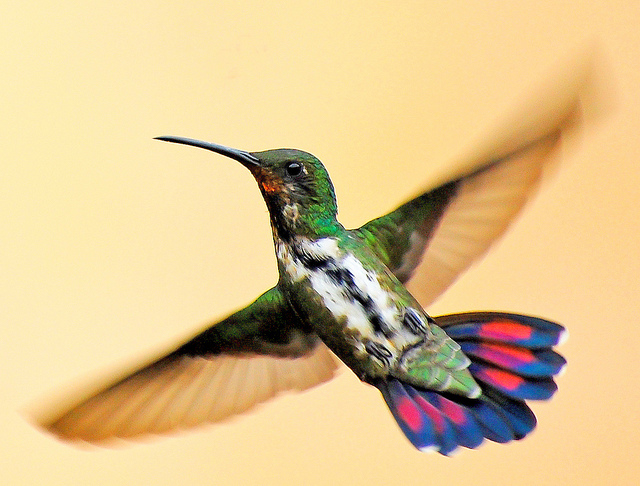
Black-throated Mango (Anthracothorax nigricollis) by Dario Sanches

Black-throated Mango (Anthracothorax nigricollis) by Dario Sanches

What will you do with Jesus?

Four Word Thursday – His Mouth Was Opened

***

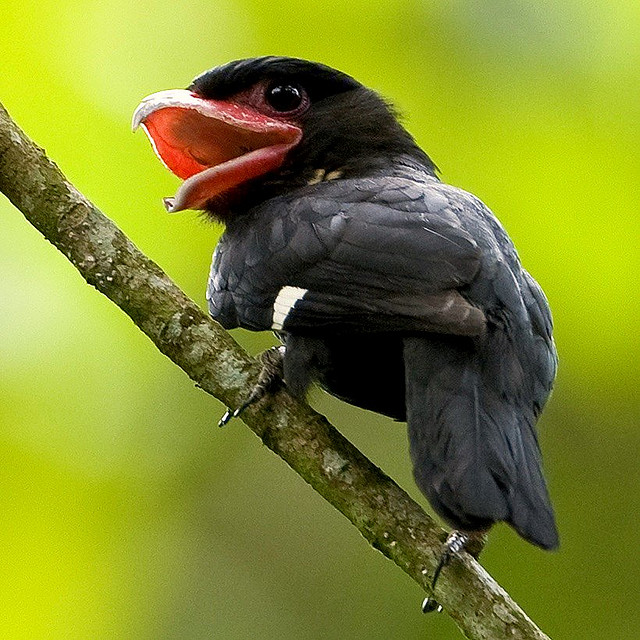
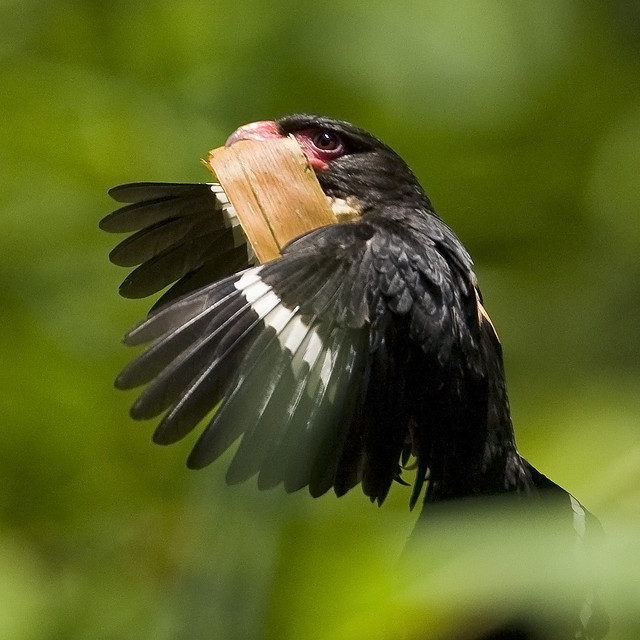
Dusky Broadbill (Corydon sumatranus) ©©Mike

HIS MOUTH WAS OPENED

***


“And his mouth was opened immediately, and his tongue loosed, and he spake, and praised God.
(Luke 1:64 KJV)

Dusky Broadbill (Corydon sumatranus) ©©Mike

(Repost of Lee’s Four Word Thursday – 11/17/16)

*

Additional Photos 2024

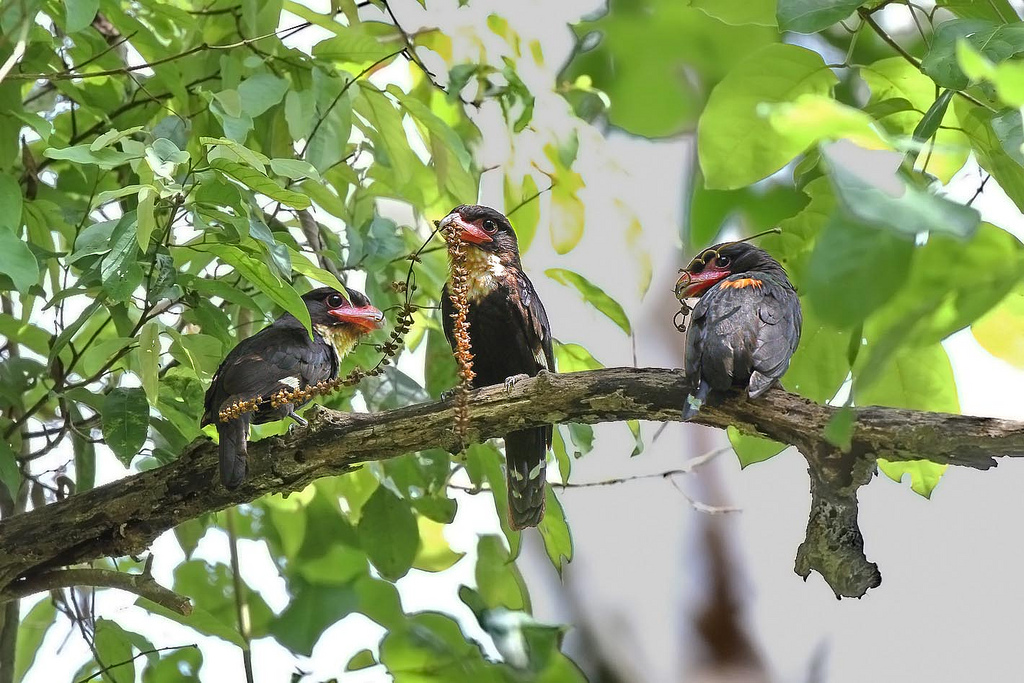
Dusky Broadbill (Corydon sumatranus) ©©Flikr HHaka

Dusky Broadbill (Corydon sumatranus) ©WikiC Mike

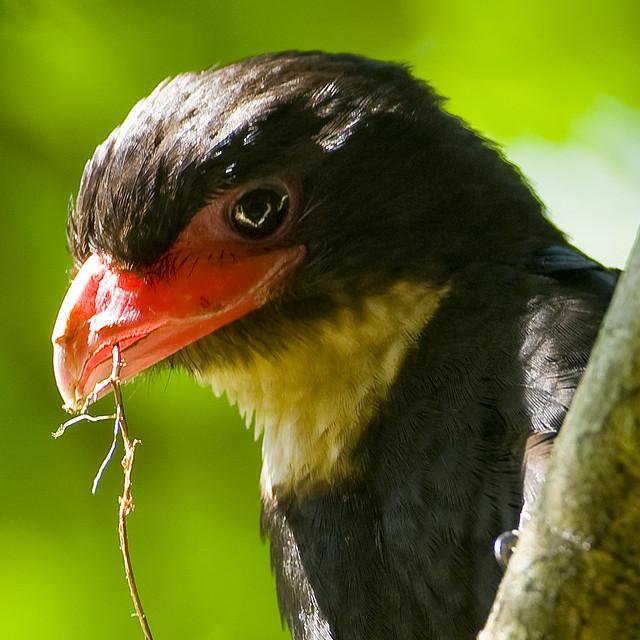
Dusky Broadbill (Corydon sumatranus) ©WikiC

Dusky Broadbill (Corydon sumatranus) ©WikiC

More Daily Devotionals

Wordless Bird – Green-tail Sunbird

*

Lee’s Three-Word Wednesday – Under His Wings

***

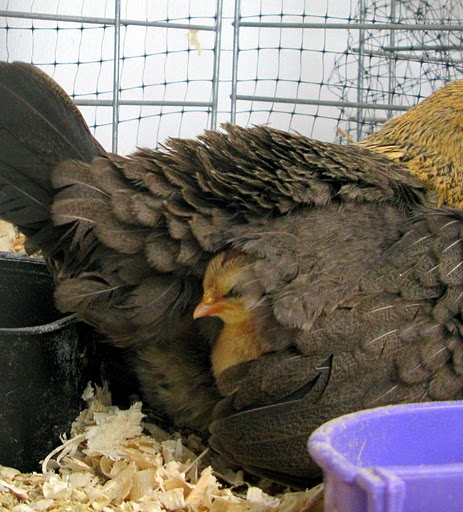
Baby Chick Peeping Out From Under His Mom's Wing - CC


Under His Wings

***


He shall cover you with His feathers, And under His wings you shall take refuge; His truth shall be your shield and buckler. (Psalms 91:4 NKJV)

Baby Chick Peeping Out From Under His Mom’s Wing – ©©

(This is a repost of Three Word Wednesday -1/27/16)

*

Sandra’s New Kooky Challenge

*

Lee’s Two-Word Tuesday – Birds Fly

***

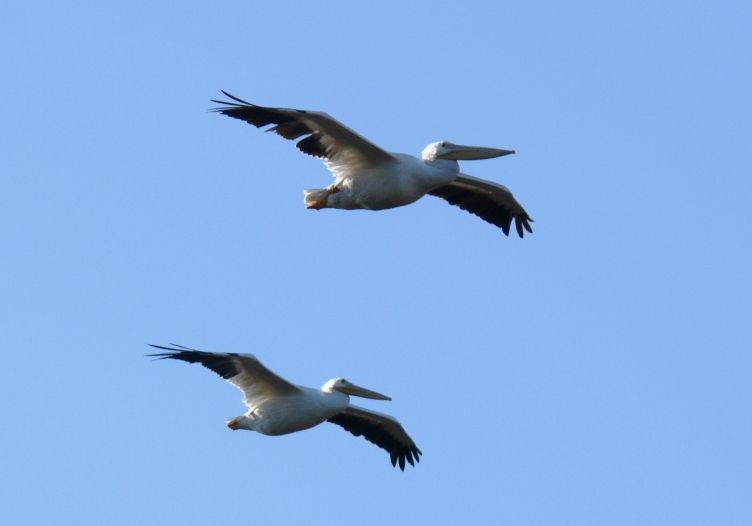
American White Pelican (Pelecanus erythrorhynchos) by Lee


Birds Fly

***


Then God said, “Let the waters abound with an abundance of living creatures, and let birds fly above the earth across the face of the firmament of the heavens.” (Genesis 1:20 NKJV)

American White Pelican (Pelecanus erythrorhynchos) by Lee at Circle B Bar Reserve

(This is a repost of Two Word Tuesday -1/26/16)

*

Sandra’s New Kooky Challenge

*

Sunday Inspiration – Frigatebirds, Gannets and the Booby II

Blue-footed Booby (Sula nebouxii) by Ian

Blue-footed Booby (Sula nebouxii) by Ian

“He will not suffer thy foot to be moved: he that keepeth thee will not slumber.” (Psalms 121:3 KJV)

We are introducing you to the Suliformes Order which has four families. The first two families are fairly small, so we will cover them today.

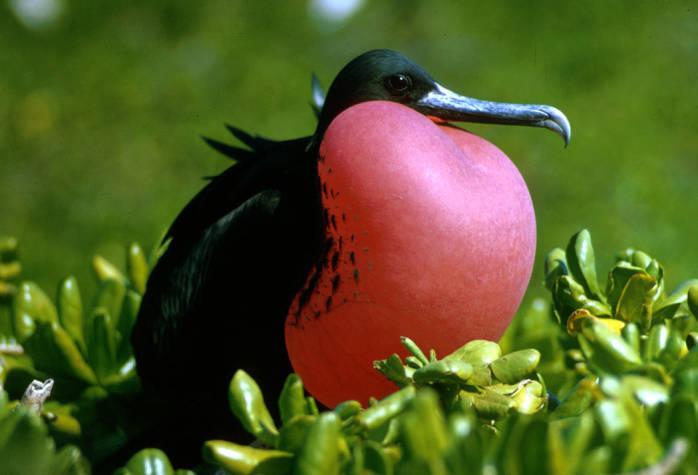
Magnificent Frigatebird (Fregata magnificens) ©USFWS

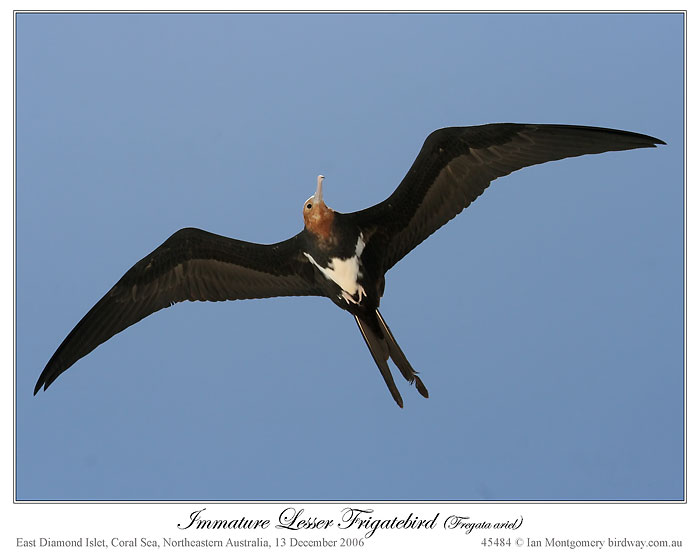
The Frigatebirds belong to the Fregatidae Family and only have one genus, the Fregata. There are five species, the Ascension, Christmas, Magnificent, Great, and the Lesser Frigatebirds.

Frigatebirds (also listed as “frigate bird”, “frigate-bird”, “frigate”, frigate-petrel”) are found across all tropical and subtropical oceans. The five extant species are classified in a single genus, Fregata. All have predominantly black plumage, long, deeply forked tails and long hooked bills. Females have white underbellies and males have a distinctive red gular pouch, which they inflate during the breeding season to attract females. Their wings are long and pointed and can span up to 2.3 metres (7.5 ft), the largest wing area to body weight ratio of any bird.

Lesser Frigatebird (Fregata ariel) imm. by Ian

Lesser Frigatebird (Fregata ariel) immature by Ian

Able to soar for weeks on wind currents, frigatebirds spend most of the day in flight hunting for food, and roost on trees or cliffs at night. Their main prey are fish and squid, caught when chased to the water surface by large predators such as tuna. Frigatebirds are referred to as kleptoparasites as they occasionally rob other seabirds for food, and are known to snatch seabird chicks from the nest. Seasonally monogamous, frigatebirds nest colonially. A rough nest is constructed in low trees or on the ground on remote islands. A single egg is laid each breeding season. The duration of parental care is among the longest of any bird species; frigatebirds are only able to breed every other year.

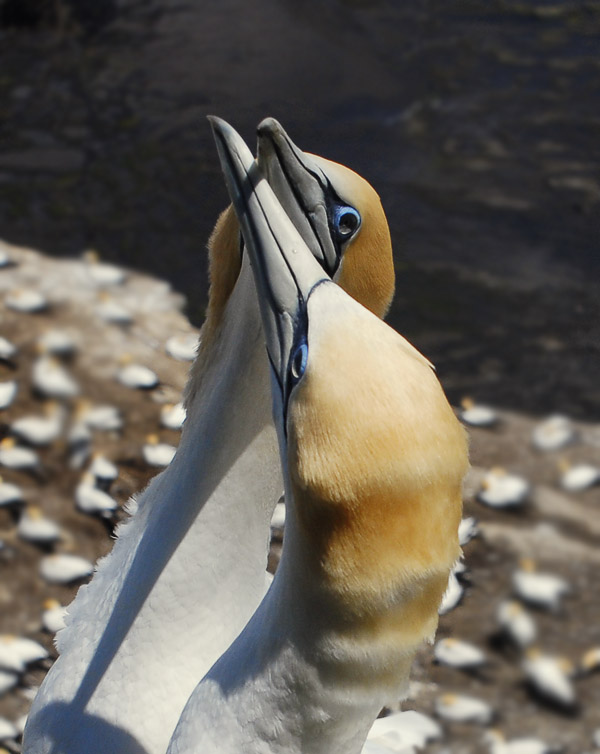
Northern Gannet (Morus bassanus) by W Kwong

Northern Gannet (Morus bassanus) by W Kwong

The Gannets and Boobies make up the Sulidae Family. The bird family Sulidae comprises the gannets and boobies. Collectively called sulids, they are medium-large coastal seabirds that plunge-dive for fish and similar prey. However, Sula (true boobies) and Morus (gannets) can be readily distinguished by morphological and behavioral and DNA sequence characters. Abbott’s booby (PapaIt appears to be a distinct and ancient lineage, maybe closer to the gannets than to the true boobies. There are 10 species. The Morus genus has three species, the Northern, Cape and Australasian Gannets.

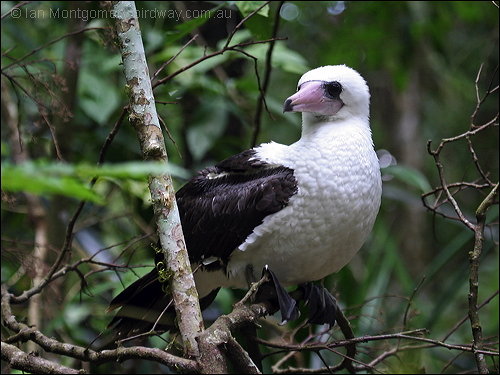
Abbott's Booby (Papasula abbotti) by Ian

Abbott’s Booby (Papasula abbotti) by Ian

The Papasula genus consists of only the Abbott’s Booby.

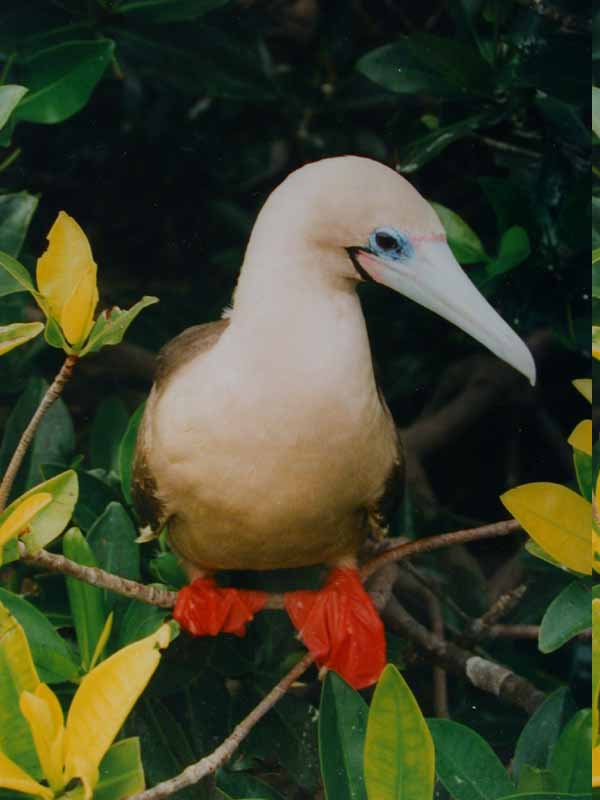
Red-footed Booby (Sula sula) by Bob-Nan

Red-footed Booby (Sula sula) by Bob-Nan

The rest of the Boobies are in the Sula genus.  They are the Blue-footed Booby [a favorite], Peruvian Booby, Masked Booby, Nazca Booby, Red-footed Booby [another favorite], and the Brown Booby. [Wikipedia, with editing]


This slideshow requires JavaScript.

“Hold up my goings in thy paths, that my footsteps slip not.” (Psalms 17:5 KJV)


“My Faith Still Holds” ~ Faith Baptist Church Orchestra
*

(Sunday Inspiration – Frigatebirds, Gannets and the Booby was originally posted in 2017)

More Sunday Inspirations

Assurance: The Certainty of Salvation
*

Lee’s Two Word Tuesday – Cabot’s Tragopan

***

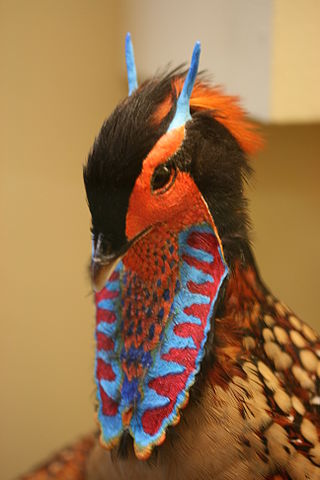
Cabot's Tragopan (Tragopan caboti) Head Feathers ©WikiC

OUTWARD APPEARANCE

***


“But the LORD said unto Samuel, Look not on his countenance, or on the height of his stature; because I have refused him: for the LORD seeth not as man seeth; for man looketh on the outward appearance, but the LORD looketh on the heart.” (1 Samuel 16:7 KJV)

Cabot’s Tragopan (Tragopan caboti) Head Feathers ©WikiC

(This is an updated Tickle Me Tuesday from 2017) Enjoy this add video.

Cabot’s Tragopan Displaying

*

More Daily Devotionals

*

ABC’s Of The Gospel

Sunday Inspiration – Woodpeckers II

This is a repost of one of my favorite Sunday Inspirations. Bonnie Standifer plays an original version of “Jesus Loves Me” while these beautiful birds are displayed.

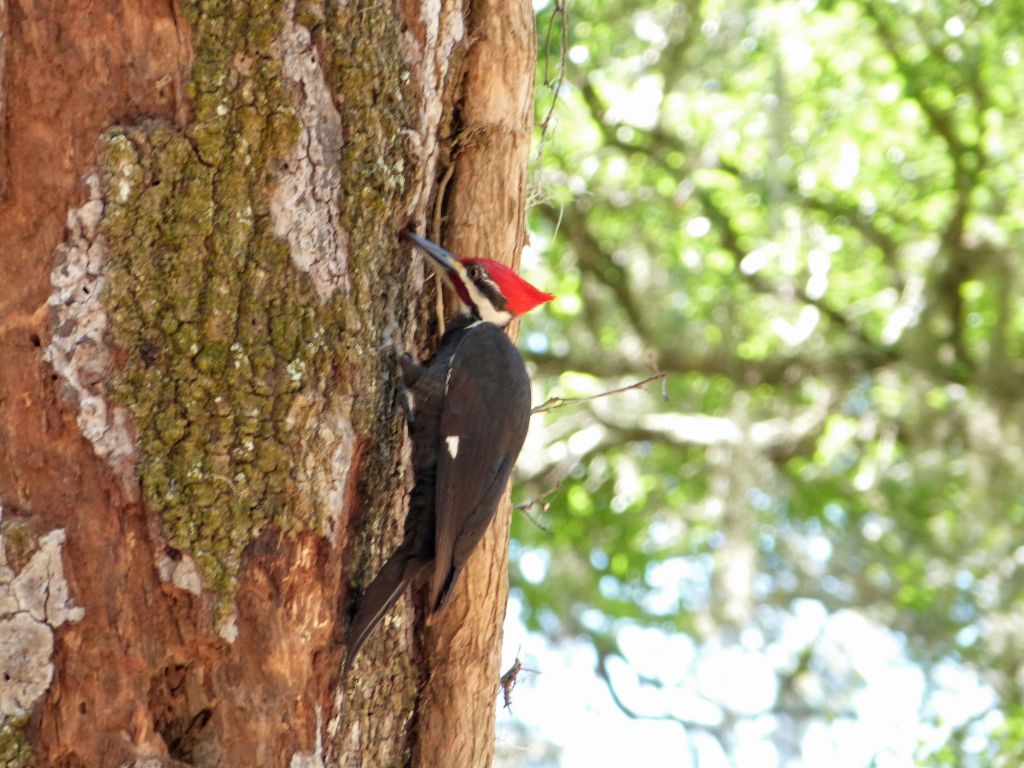
Pileated Woodpecker by Lee at Circle B

Pileated Woodpecker by Lee at Circle B

All the birds of the heavens made their nests in its boughs; Under its branches all the beasts of the field brought forth their young; And in its shadow all great nations made their home. (Ezekiel 31:6 NKJV)

The trees of the LORD are full of sap, The cedars of Lebanon which He planted, Where the birds make their nests; The stork has her home in the fir trees. (Psalms 104:16-17 NKJV)

Woodpeckers and their kind belong to the Picidae – Woodpeckers Family. There are 234 species including not only Woodpeckers, but also Wrynecks, Piculets, Flickers, Sapsuckers and Flamebacks. Again, these birds show amazing characteristics given them by their Creator. Check out some of the articles about them below.

Members of this family are found worldwide, except for Australia, New Guinea, New Zealand, Madagascar, and the extreme polar regions. Most species live in forests or woodland habitats, although a few species are known to live in treeless areas, such as rocky hillsides and deserts.

The Lord Jesus not only loves all the birds He made, but best of all, He loves us.

For God so loved the world, that he gave his only begotten Son, that whosoever believeth in him should not perish, but have everlasting life. (John 3:16 KJV)

*

This slideshow requires JavaScript.

*

*

“Jesus Loves Me” by Bonnie Standifer

This piece was written and played by Bonnie Standifer at our Orchestra Concert in March of 2013 at Faith Baptist Church. You have never heard it played this way before. Bonnie is a very gifted arranger and pianist. She is also married to the orchestra conductor.

*

Picidae – Woodpeckers Family

Sharing The Gospel

*

Articles Mentioning Birds From This Family:

*

More Sunday Inspiration

Lee’s Four-Word Thursday – 9/5/2024

***

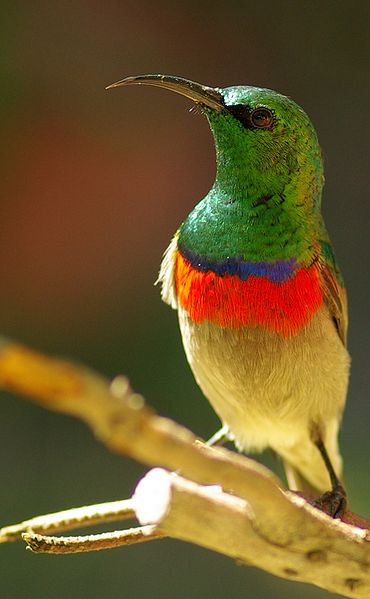
Southern Double-collared Sunbird (Cinnyris chalybeus) ©WikiC

Southern Double-collared Sunbird (Cinnyris chalybeus) ©WikiC

HEAVENLY FATHER FEEDS THEM

***


Look at the birds of the air, for they neither sow nor reap nor gather into barns; yet your heavenly Father feeds them. Are you not of more value than they?
(Matthew 6:26 NKJV)

*

(Repost of article from Januarywith updated photo)

Sandra’s New Kooky Challenge

*

Sunday Inspiration – Flamingos and Tropicbirds II

Sunday Inspiration – Flamingos and Tropicbirds was posted in 2017. This is a repost.

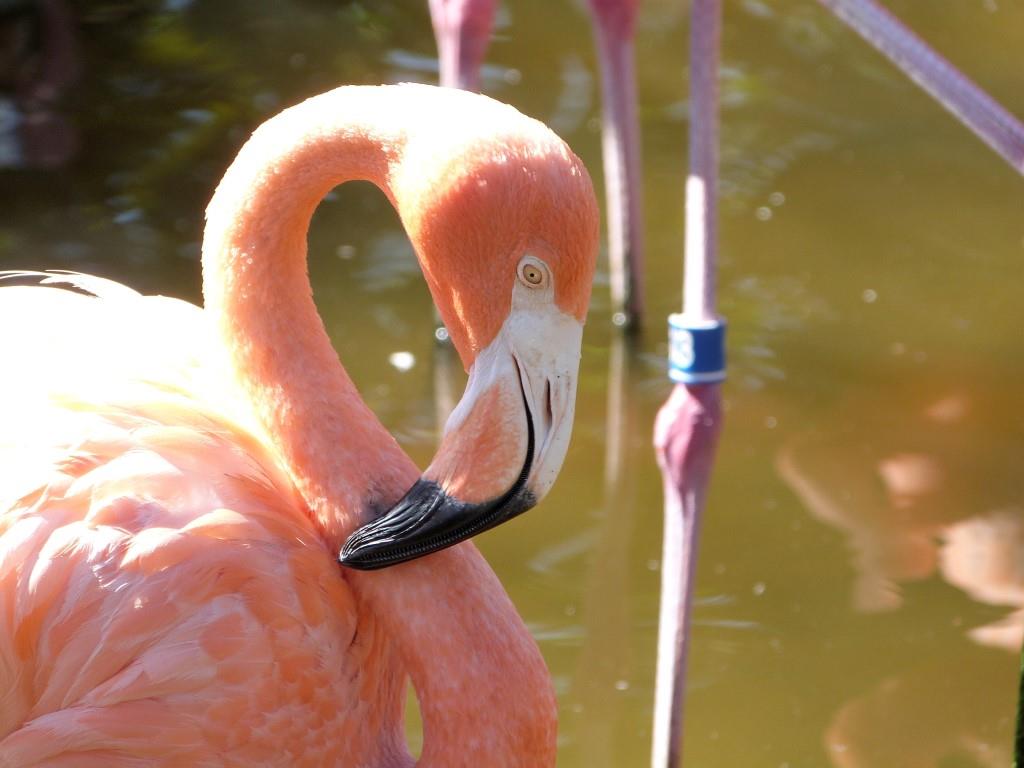
American Flamingo Beak at Gatorland by Lee

American Flamingo Beak at Gatorland by Lee

“But now is made manifest, and by the scriptures of the prophets, according to the commandment of the everlasting God, made known to all nations for the obedience of faith:” (Romans 16:26 KJV)

As we continue through the taxonomic order of birds, we have come to two Orders that are small. The Phoenicopteriformes Order is made up of one family, the Flamingos. Our other Order is the Phaethontiformes, which has the Tropicbird family. There are only six birds in the first family and three in the other.

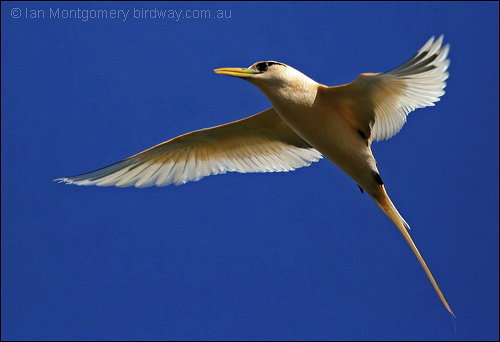
White-tailed Tropicbird (Phaethon lepturus) by Ian

White-tailed Tropicbird (Phaethon lepturus) by Ian

So, let’s go find out what the Lord Created these birds to appear like, and find out a little about them.

Flamingos are a type of wading bird in the genus Phoenicopterus (from Greek φοινικόπτερος meaning “purple wing”), the only genus in the family Phoenicopteridae. There are four flamingo species in the Americas and two species in the Old World.

Chilean Flamingo (Phoenicopterus chilensis) ©Wiki

Flamingos often stand on one leg, the other tucked beneath the body. The reason for this behavior is not fully understood. Recent research indicates that standing on one leg may allow the birds to conserve more body heat, given that they spend a significant amount of time wading in cold water. However, the behaviour also takes place in warm water. As well as standing in the water, flamingos may stamp their webbed feet in the mud to stir up food from the bottom. (Wikipedia with editing)

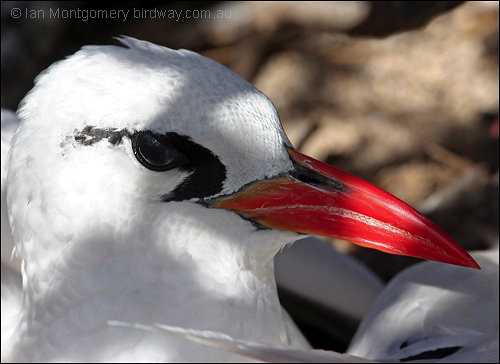
Red-tailed Tropicbird (Phaethon rubricauda) by Ian

Red-tailed Tropicbird (Phaethon rubricauda) by Ian

Tropicbirds are a family, Phaethontidae, of tropical pelagic seabirds now classified in their own order Phaethontiformes. Their relationship to other living birds is unclear, and they appear to have no close relatives. There are three species in one genus, Phaethon. They have predominantly white plumage with elongated tail feathers and small feeble legs and feet.

Tropicbirds plumage is predominantly white, with elongated central tail feathers. The three species have different combinations of black markings on the face, back, and wings. Their bills are large, powerful and slightly decurved. Their heads are large and their necks are short and thick. They have totipalmate feet (that is, all four toes are connected by a web). The legs of a tropicbird are located far back on their body, making walking impossible so that they can only move on land by pushing themselves forward with their feet. (Wikipedia with editing)

This slideshow requires JavaScript.

“Hast thou not known? hast thou not heard, that the everlasting God, the LORD, the Creator of the ends of the earth, fainteth not, neither is weary? there is no searching of his understanding.” (Isaiah 40:28 KJV)

“You Are the Everlasting God” ~ 3 Plus 1 Quartet – Faith Baptist Church

*

4 Things God Wants You to Know

Heaven’s New Jerusalem and Birds – Topaz II

(This is a repost of Heaven’s New Jerusalem and Birds – Topaz. The series originally appeared in 2019. (With a little dusting and updating they will all be reposted in the coming days. Stay tuned.)
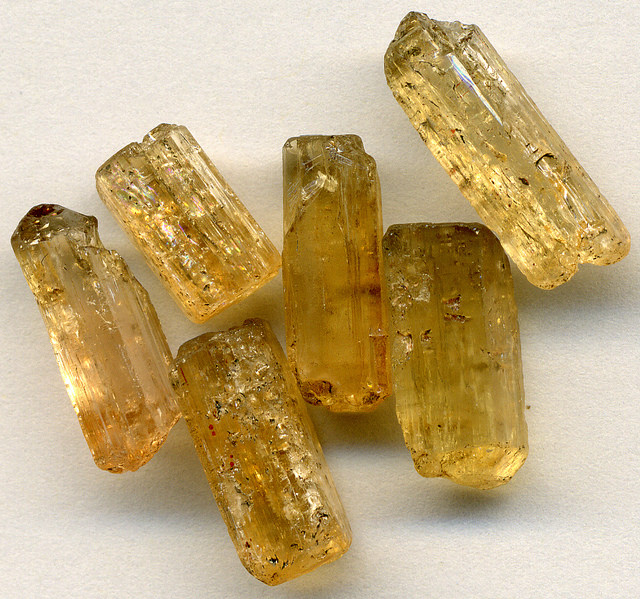
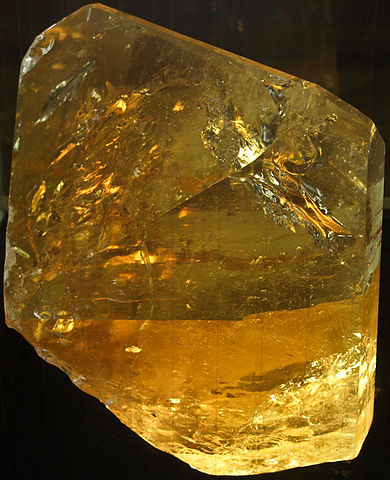
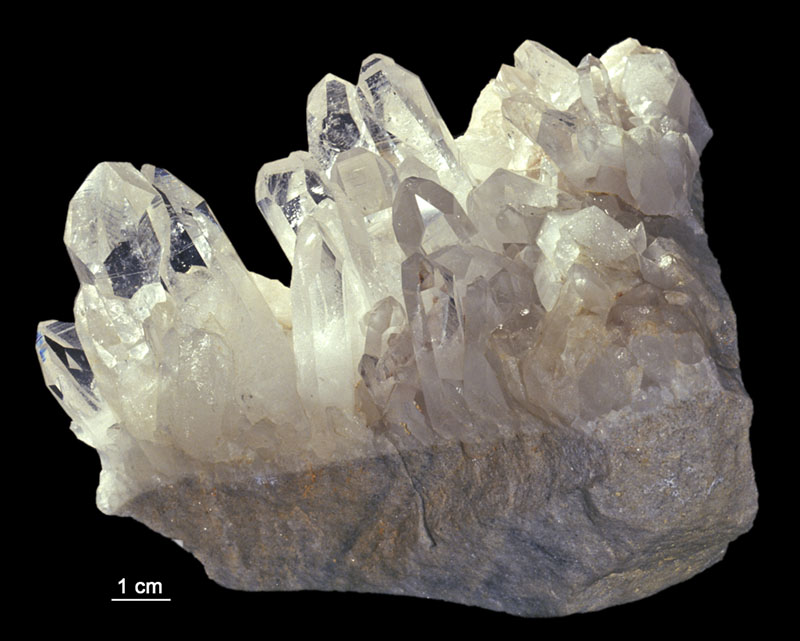
Topaz ©Flickr James St John

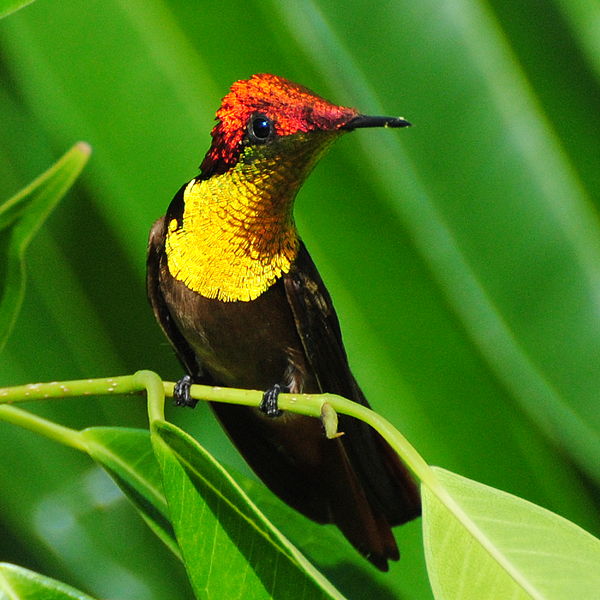
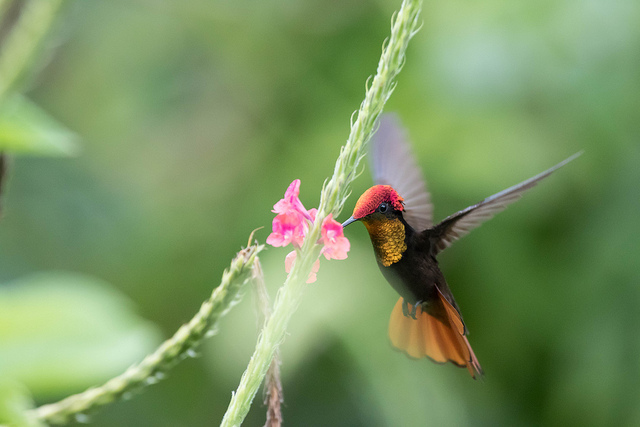
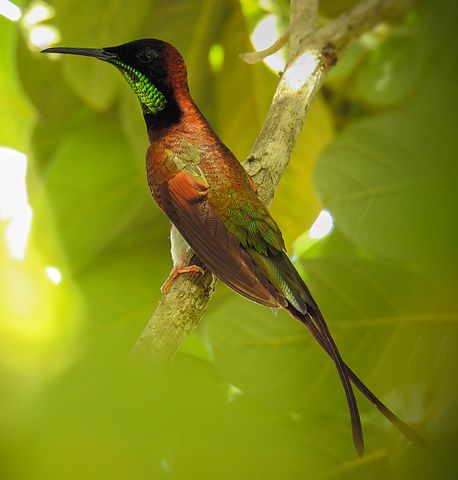
Ruby-topaz Hummingbird (Chrysolampis mosquitus) ©WikiC

“The foundations of the wall of the city were adorned with all kinds of precious stones: the first foundation was jasper, …. the fifth sardonyx, the sixth sardius, the seventh chrysolite, the eighth beryl, the ninth topaz, the tenth chrysoprase, the eleventh jacinth, and the twelfth amethyst.” (Revelation 21:19a-20 NKJV)

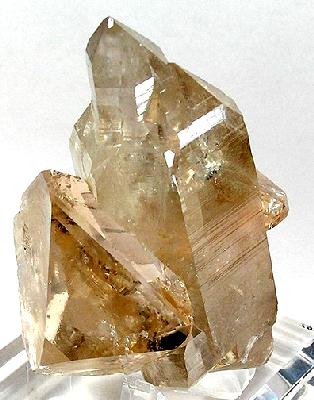
Topaz is a bit more common than Sardonyx, Sardius, and Chrysolite. Plus, there are birds with Topaz in their names. So this ninth stone of the foundation of the New Jerusalem should be easier to discover. Topaz is mentioned in five verse in the Bible: Exodus 28,17, 39:10; Job 28:19 [topaz of Ethiopia], Ezekiel 28:13, and our verse above – Revelation 21:20.

Quartz-Topaz-gem ©WikiC

Topaz – TO’PAZ, n. [Gr.] A mineral, said to be so called from Topazos, a small isle in the Arabic gulf, where the Romans obtained a stone which they called by this name, but which is the chrysolite of the moderns. The topaz is of a yellowish color. It sometimes occurs in masses, but more generally crystallized in rectangular octahedrons. Topaz is valued as a gem or precious stone, and is used in jewelry. It consists of silex, fluoric acid and alumin, in the following proportions; alumin 57 parts, silex 34, and fluoric acid 7 or 8.
Of topaz there are three subspecies, common topaz, shorlite and physalite. [Webster Dictionary 1828]

Ruby-topaz Hummingbird (Chrysolampis mosquitus) Reflection ©Flickr Budgora

Topaz – topazion (G5116) is mentioned in Rev_21:20, as the ninth of the foundation stones of the wall of the heavenly Jerusalem; the stone is of a yellow color (though there are topazes of other colors) and is almost as hard as the diamond. It has the power of double refraction, and when heated or rubbed becomes electric. [Vines New Testament]

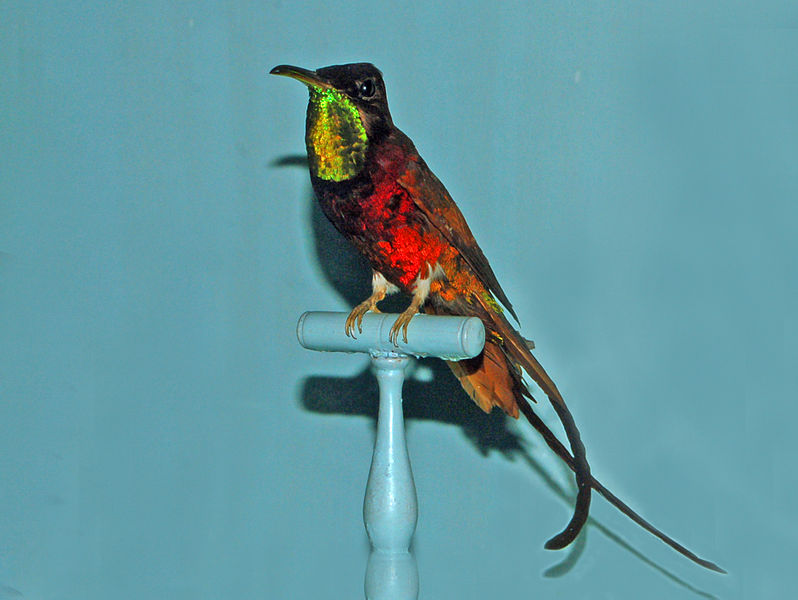
Fiery Topaz (Topaza pyra) ©WikiC

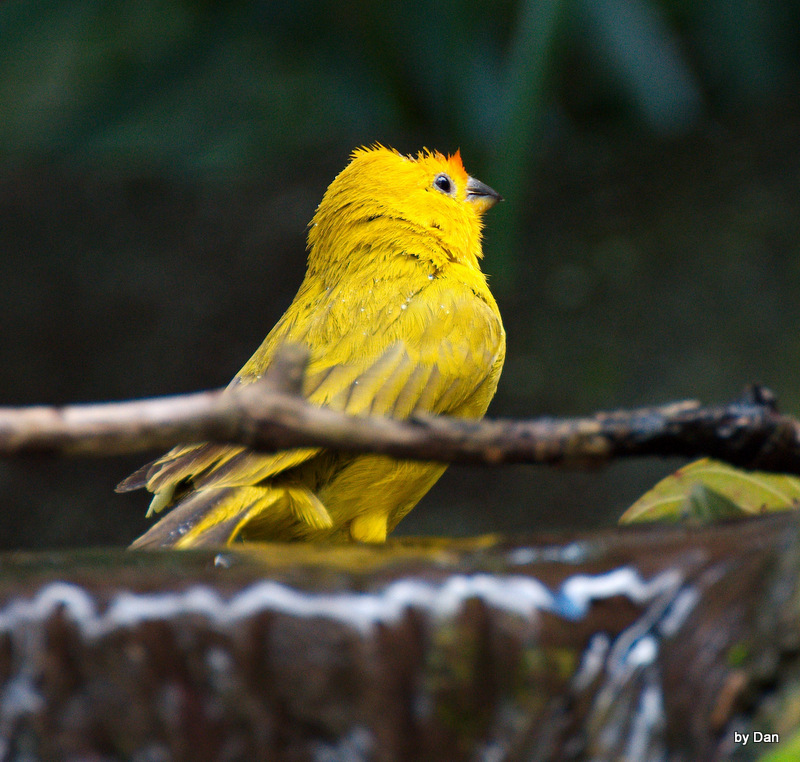
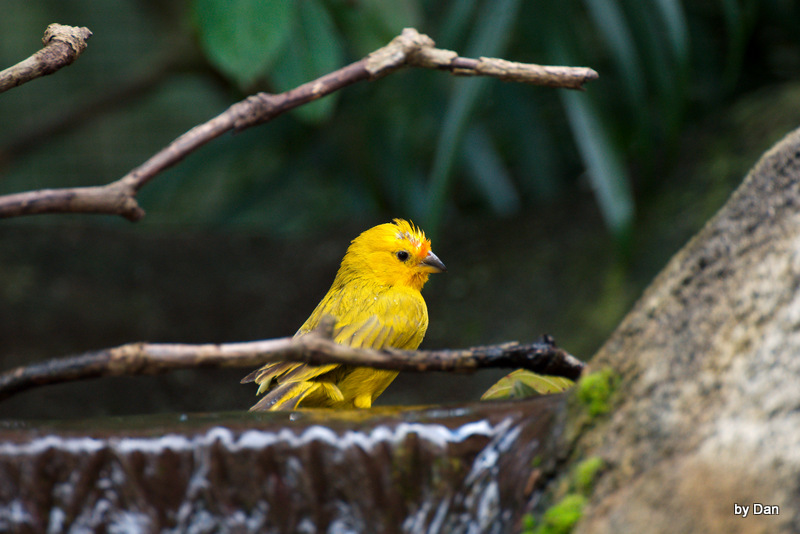
Saffron Finch Zoo Miami by Dan (Cropped by Lee)

Topaz From Brazil-©NaturhistorischesMuseum-WikiC

Saffron Finch Zoo Miami by Dan

Ruby-Topaz Hummingbird (Chrysolampis mosquitus) male ©WikiC

Crimson Topaz (Topaza pella) ©WikiC

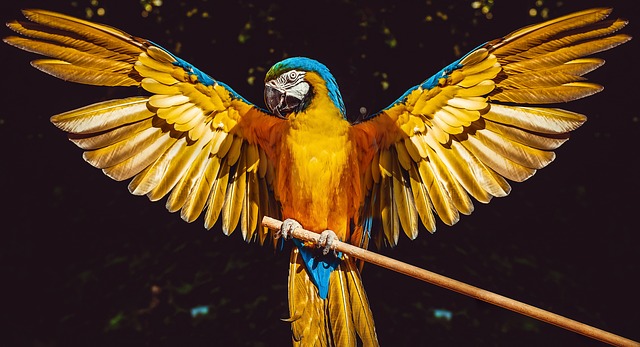
Bird-Wings-Wing-Colored-Ara-Parrot-©Maxpixel

Other Articles In This Series:

What will you do with Jesus?

Heaven’s New Jerusalem and Birds – Chalcedony II

This is a repost of Heaven’s New Jerusalem and Birds – Chalcedony. The series originally appeared in 2019. (With a little dusting and updating they will all be reposted in the coming days. Stay tuned.)

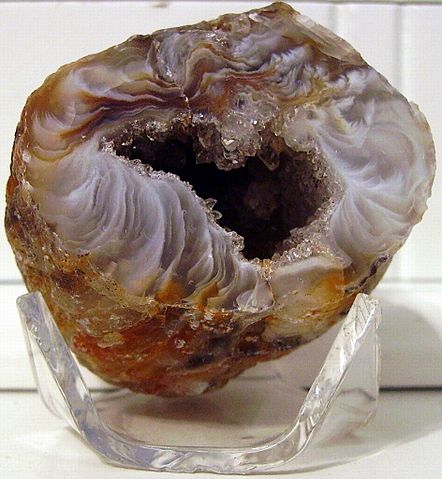
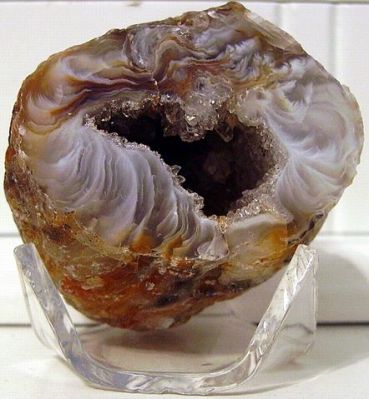
Chalcedony (Variety Agate) Quartz ©WikiC

“And the foundations of the wall of the city were garnished with all manner of precious stones. The first foundation was jasper; the second, sapphire; the third, a chalcedony; the fourth, an emerald;” (Revelation 21:19 KJV)

The Chalcedony stone in the foundation of the New Jerusalem is really a challenge. I have consulted the internet and my Bible programs, e-Sword and Bible Gateway. Also searched the Latin or scientific terms for names even close to “Chalcedony.” Most to no avail as far as finding birds that have chalcedony or a derivative in their names.

As you will see from the quotes below, most seem to mention white (and milky), gray (grey), blue, or a pearly color. Let me see. Out of over 10,000 birds, surely, I can find a few to share with you.
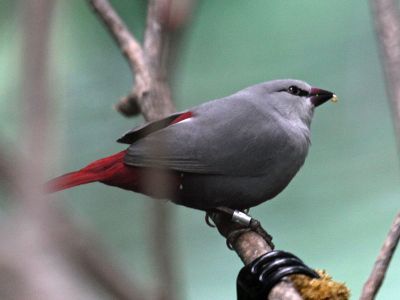
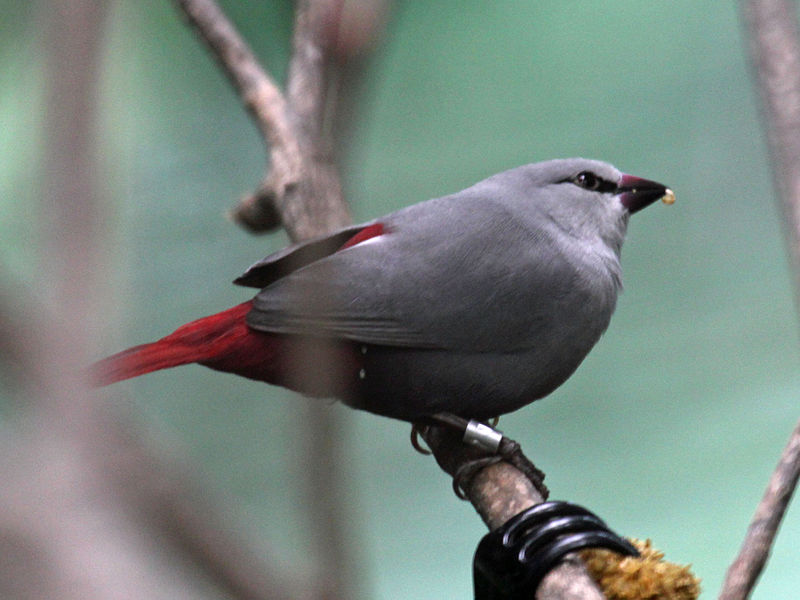
Lavender Waxbill (Estrilda caerulescens) ©WikiC
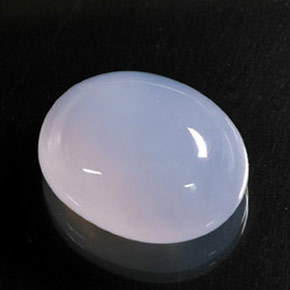
Lavendar Blue Chalcedony ©Mineral_net

THE GEMSTONE CHALCEDONY
“Chalcedony is the form of Quartz that is compact and microcrystalline. It occurs in many different forms, colors, and patterns, and many varieties have been used as gemstones since antiquity. In the gemstone trade, the term Chalcedony is often used specifically to describe the white, gray, or blue translucent type of Chalcedony, but its technical term includes all additional varieties.” [Minerals.net]

Chalcedony
“Rev_21:19. With it the third foundation of the wall of New Jerusalem is adorned. An agate-like quartz in modern mineralogy, of pearly luster and transparent, found in the Travascus mine in Cornwall. Cups, plates, knife handles, etc. are formed of it in India. Pliny makes it resemble turquoise; others make it of a light brown. The chalcedony of Theophrastus is called from Chalcedon in ancient Thrace, and was the copper emerald obtained from the mines there.” [Fausset’s Bible Dictionary, emphasis mine]

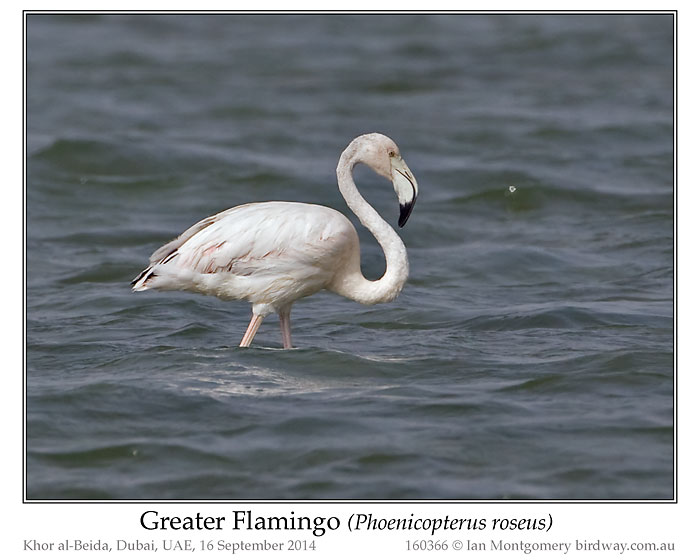
Greater Flamingo (Phoenicopterus roseus) by Ian

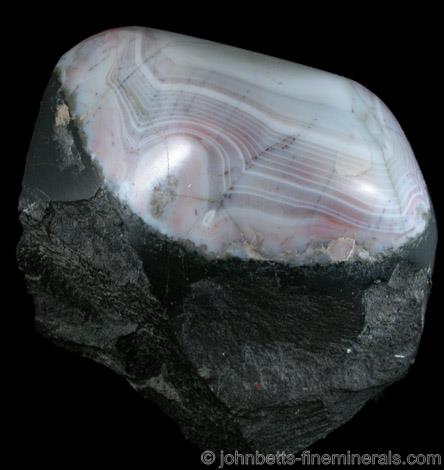
Polished Agate Portion ©Mineral.net

“Chalcedony. Chalcedony occurs only in Rev_21:19. The name is applied, in modern mineralogy, to one of the varieties of agate. It is generally translucent and exhibits a great variety of colors. So named because, it was found near the ancient Chalcedon, near Constantinople.” [Smith’s Bible Dictionary]

chalkedon (G5472), the name of a gem, including several varieties, one of which resembles a cornelian, is “supposed to denote a green silicate of copper found in the mines near Chalcedon” (Swete, on the Apocalypse), Rev_21:19.” [Vine’s]
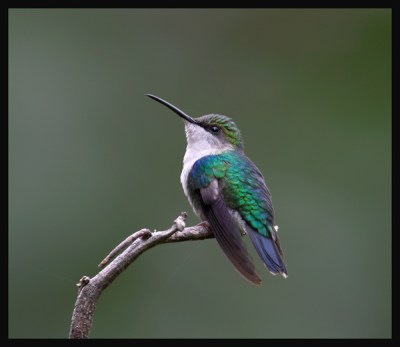
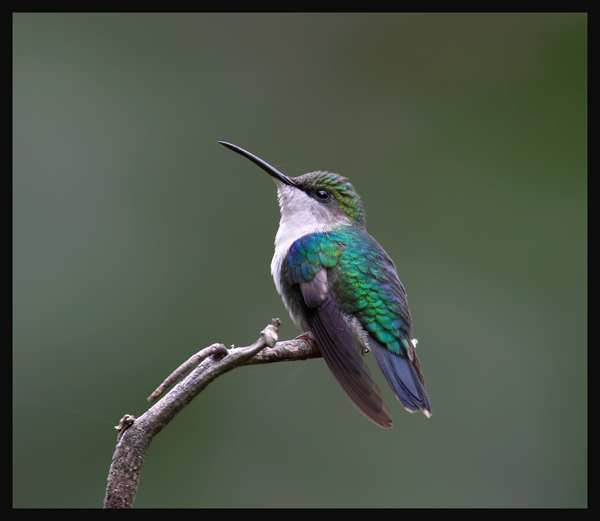
Crowned Woodnymph (Thalurania colombica) by RScanlon
Crowned Woodnymph (Thalurania colombica) by RScanlon

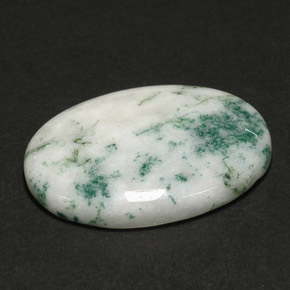
Chalcedony moss agate gem Mineral.net

“CHALCEDONY, n. A subspecies of quartz, a mineral called also white agate, resembling milk diluted with water, and more or less clouded or opake, with veins, circles and spots. It is used in jewelry.
The varieties of chalcedony are common chalcedony, heliotrope, chrysoprase, plasma, onyx, sard and sardonyx.” [Webster’s Dictionary 1828]
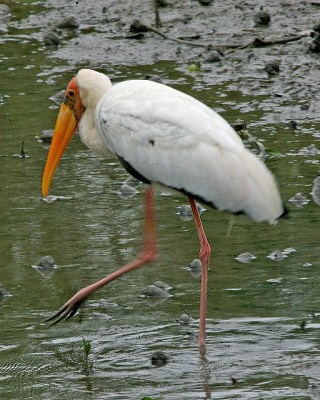
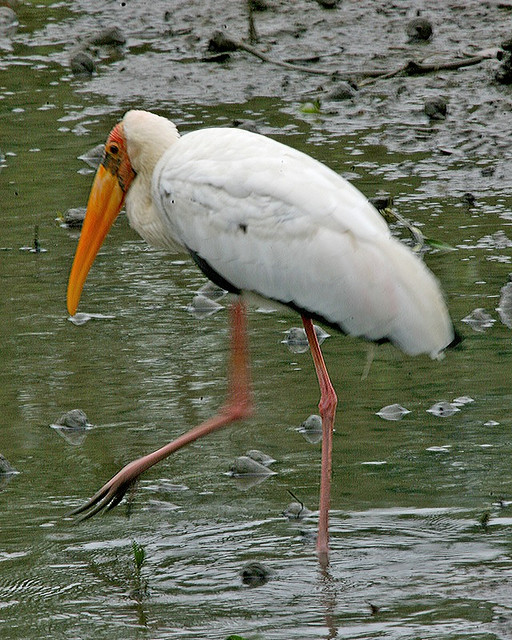
Milky Stork (Mycteria cinerea) ©©LipKee
Milky Stork (Mycteria cinerea) ©©LipKee

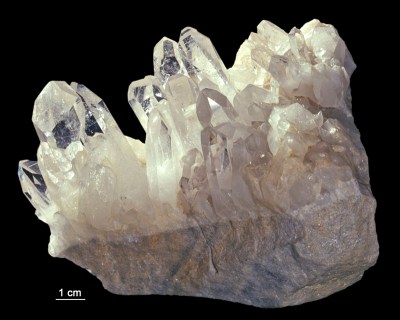
Quartz Article_Figure Milky Quartz ©IUBloomingtion

THE GEMSTONE CHALCEDONY
“Chalcedony is the form of Quartz that is compact and microcrystalline. It occurs in many different forms, colors, and patterns, and many varieties have been used as gemstones since antiquity. In the gemstone trade, the term Chalcedony is often used specifically to describe the white, gray, or blue translucent type of Chalcedony, but its technical term includes all additional varieties.” [Minerals.net]
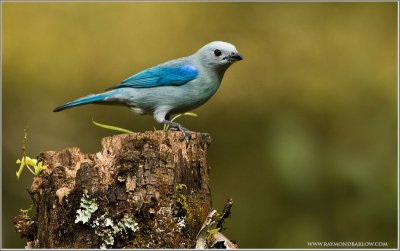
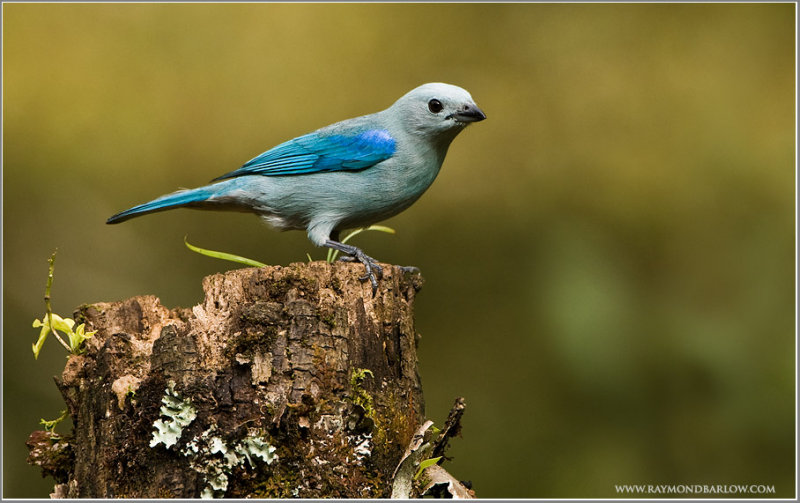
Blue-grey Tanager (Thraupis episcopus) by Raymond Barlow

Blue-grey Tanager (Thraupis episcopus) by Raymond Barlow

Agate – Blue Lace – Chalcedony – Nambia ©Stephanie Clifford

Chalcedony has a waxy luster and may be semitransparent or translucent. It can assume a wide range of colors, but those most commonly seen are white to gray, grayish-blue or a shade of brown ranging from pale to nearly black. The color of chalcedony sold commercially is often enhanced by dyeing or heating.” [Wikipedia – Chalcedony]

Whatever that third layer is going to look like, it will be spectacular!!!

“The first foundation was jasper; the second, sapphire; the third, a chalcedony; the fourth, an emerald;” (Revelation 21:19b KJV)


*** Articles in this Reposted Series so far:

Wordless Birds – With Hummingbirds
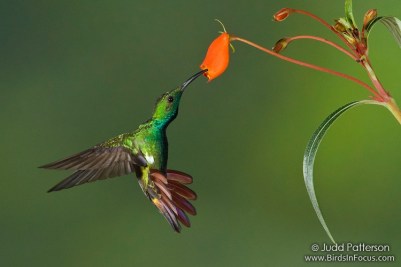
What’s Its Name? – “cristatus”

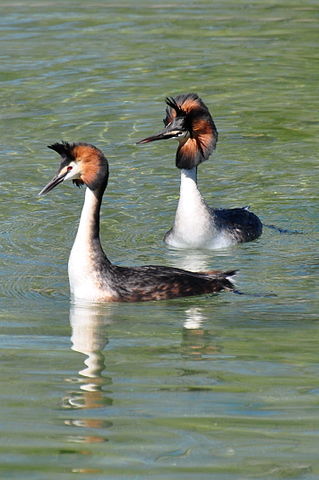
Great Crested Grebe (Podiceps cristatus) With partner ©WikiC

“And Haman answered the king, “For the man whom the king delights to honor, let a royal robe be brought which the king has worn, and a horse on which the king has ridden, which has a royal crest placed on its head.” (Esther 6:7-8 NKJV)

There are various Latin/scientific names for the “Crested” birds. The birds featured here use the term “christus” and we may check out more Crested birds in another article. Most are really gorgeous when the display that crest. What a Creator! Enjoy!
Great Crested Grebe (Podiceps cristatus) with young ©WikiC

Great Crested Grebe (Podiceps cristatus)

Indian Peafowl (Pavo cristatus) at Cincinnati Zoo by Lee

Indian Peafowl (Pavo cristatus)

Crested Hornero (Furnarius cristatus) ©©Flickr KarinaDiarte

Crested Hornero (Furnarius cristatus) ©©Flickr KarinaDiarte

Crested Hornero (Furnarius cristatus)

Flame-crested Tanager (Tachyphonus cristatus) by Dario Sanches

Flame-crested Tanager (Loriotus cristatus) by Dario Sanches

Flame-crested Tanager (Loriotus cristatus)

Australian Owlet-nightjar (Aegotheles cristatus) by Ian

Australian Owlet-nightjar (Aegotheles cristatus) by Ian

Australian Owlet-nightjar (Aegotheles cristatus)

Silvery-cheeked Antshrike (Sakesphorus cristatus) by A Grosset

Silvery-cheeked Antshrike (Sakesphorus cristatus) by A Grosset

Silvery-cheeked Antshrike (Sakesphoroides cristatus)

Here are the rest of these beautiful Avian Wonders “Crested” cristatus birds. They are in the order that the Birds of the World site lists them when you enter “crisstatus”:
Antillean Crested Hummingbird (Sakesphorus cristatus)

Crested Bobwhite (Colinus cristatus)

Antillean Crested Hummingbird (Orthorhyncus cristatus)

Malachite Kingfisher (Corythornis cristatus)

Sharpbill (Oxyruncus cristatus)

Chirruping Wedgebill (Psophodes cristatus)

Piping Bellbird (Ornorectes cristatus)

Brown Shrike (Lanius cristatus)

Crested Tit (Lophophanes cristatus)

There are more Crested birds, but they use different Scientific/Latin names such as “cristata“, and “cristatellus

Crested Lark (Galerida cristata) by Nikhil Devasar

We will take a look at them in another post, like the Crested Lark. Stay tuned!

WOW!!! WHAT A CREATOR!!

Formed By Him

Good News