What’s Its Name? – “elegans”

??? (Platycercus elegans) ©WikiC

In this post let’s investigate the name of “elegans.” Before I reveal what that means, let’s look at a few birds with “elegans” in its Scientific/Latin name.

elegans

??? (Malurus elegans) male-breeding ©WikiC
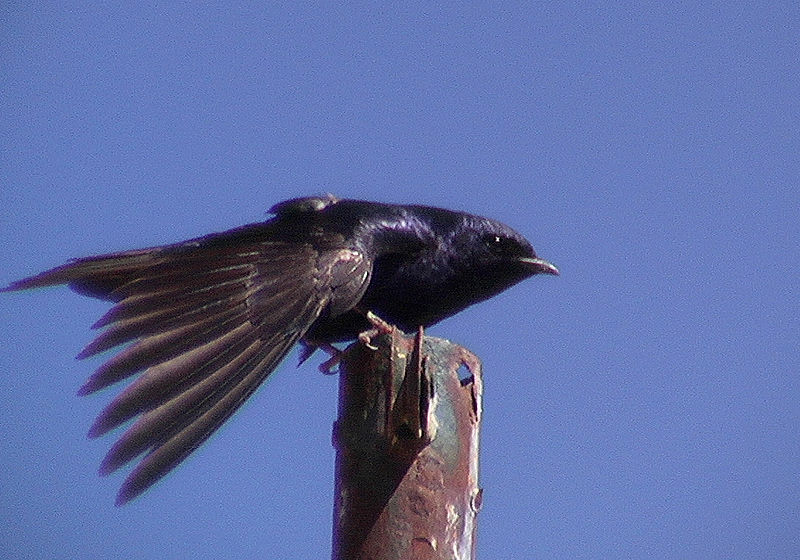
??? (Progne elegans) ©WikiC

??? (Emberiza elegans) ©WikiC

Elegant Crested Tinamou (Eudromia elegans) Cloud Forest at Zoo Miami by Lee

??? (Eudromia elegans) Cloud Forest at Zoo Miami by Lee

Buff-spotted Flufftail (Sarothrura elegans) ©©kibuyu

??? (Sarothrura elegans) ©©kibuyu

??? (Rallus elegans) Viera Wetlands 12-26-17 by Lee

That’s enough to give a view of some of the “elegans.” Just looking at the variety, I have no clue as to what “elegans” means. :)

This photo by Ian gives the whole birds name. Maybe it means “Elegant”?

"Yellow" Crimson Rosella (Platycercus elegans flaveolus) by Ian 4

“Yellow” Crimson Rosella (Platycercus elegans flaveolus) by Ian

Here are links to the birds above in order presented:

Crimson Rosella (Platycercus elegans)

Red-winged Fairywren (Malurus elegans)

Elegant Crested-Tinamou (Eudromia elegans)

Southern Martin (Progne elegans)

Yellow-throated Bunting (Emberiza elegans)

Elegant Crested-Tinamou (Eudromia elegans)

Buff-spotted Flufftail  (Sarothrura elegans)

King Rail (Rallus elegans)

After seeing all these beautiful Avian Wonders from the Lord, whatever the term means, I’m voting for ELEGANT!!!

“And God blessed them, saying, ‘Be fruitful and multiply, and fill the waters in the seas, and let birds multiply on the earth.’ ” (Genesis 1:22 NKJV)

Elegant Tern by Ian Montgomery

Elegant Tern by Ian Montgomery

Here are the rest of the “elegans” at Birds of the World – at Cornell Lab:

Brush Bronzewing (Phaps elegans)

Elegant Tern (Thalasseus elegans)

Subantarctic Shearwater (Puffinus elegans)

Ryukyu Scops-Owl (Otus elegans)

Elegant Trogon (Trogon elegans)

Chestnut Woodpecker Celeus elegans

Brazilian Laniisoma (Laniisoma elegans elegans) Pinterest

Brazilian Laniisoma (Laniisoma elegans elegans) Pinterest

Elegant Parrot (Neophema elegans)

Elegant Pitta (Pitta elegans)

Elegant Crescentchest (Melanopareia elegans)

Elegant Woodcreeper (Xiphorhynchus elegans)

Brazilian Laniisoma (Laniisoma elegans)

Elegant Tit (Periparus elegans)

WOW!!! WHAT A CREATOR!!

Formed By Him

Good News

Happy Mother’s Day!

Happy Mother’s Day!

I wonder if all the Bird Mother’s have a special Day? Thought I would see what photos from the past have mom’s and youngsters. Let’s See!!

Mom and baby Penquins ©Pinterest

Emu (Dromaius novaehollandiae) Baby by WaltDaily©©

Snowy Egret Baby by Dan at Gatorland

Skimmer Baby Leaning against Parents Beak – ©Thomas C – NatlGeog – Pinterest

Mom and Baby at Lake Hollingsworth by Lee

Baby Geese by Dan

Australasian Grebe (Tachybaptus novaehollandiae) with babies ©WikiC

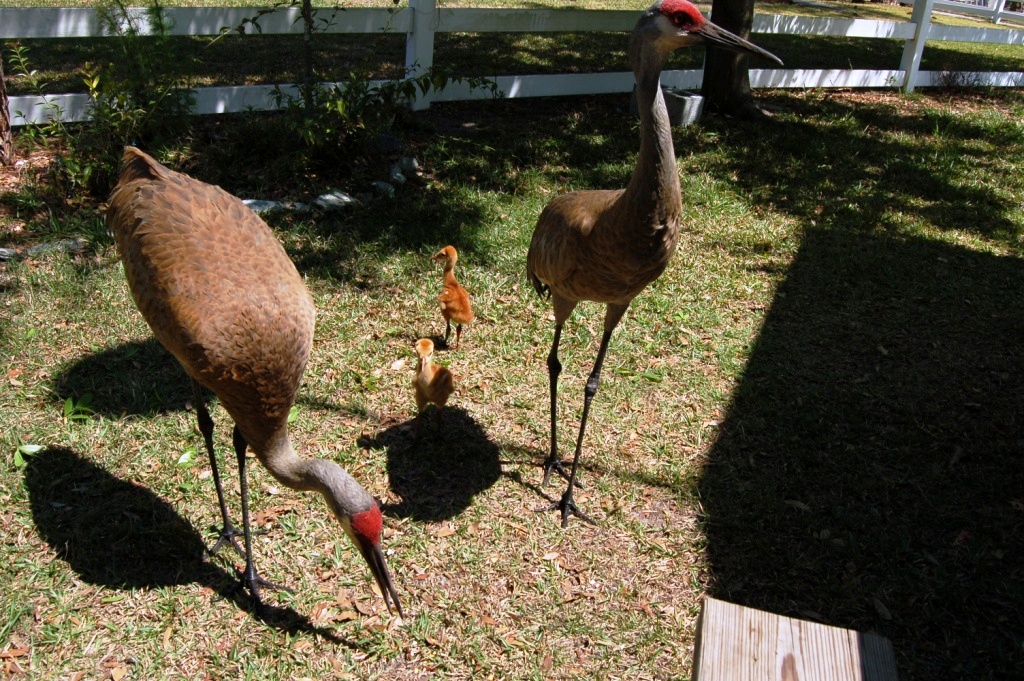
Sandhill Cranes and Babies in yard by Lee

Black-bellied Whistling Duck (Dendrocygna autumnalis) and Babies by Lee at Circle B

Black-bellied Whistling Duck and Babies by Lee at Circle B

Sandhill Crane "colts"

Sandhill Crane “colts” by Lee

Female Chipping Sparrow bird feeding three baby Chipping Sparrow nestlings, Athens, Clarke County, GA. by William Wise

Common Starling (Sturnus vulgaris) at Nest 1 by Anthony747

Well, I think you get the idea. Mother’s can be very busy at times. Enjoy your day!

“HONOR YOUR FATHER AND MOTHER,” which is the first commandment with promise:
(Ephesians 6:2 NKJV)

Previous Posts:

Avian Happy Mother’s Day

Sunday Inspiration – Mother’s Day

Mother’s Day– “Stay Close To Me” © The Hyssongs

Emberizidae Family Allies I ~ “Be Thou My Vision” ~ by Ladies and Girls Choir on Mother’s Day

Good News

What’s It’s Name? – “Coronata”

Blue-crowned Manakin (Lepidothrix coronata) ©WikiC

“For You meet him with the blessings of goodness; You set a crown of pure gold upon his head.” (Psalms 21:3 NKJV)

Coronata is our Scientific/Latin word today. When I saw this name for birds, without looking up the word, I thought it had to have something to with a coronation, a king, or maybe a crown.

Crested Treeswift (Hemiprocne coronata)

Crested treeswift (Hemiprocne  coronata) Male and Female Photographs by Shantanu Kuveskar – Wikipedia

Blue-capped Manakin (Lepidothrix coronata)

Blue-crowned Manakin (Lepidothrix coronata) ©WikiC

Wrenthrush (Zeledonia coronata)

Wrenthrush (Zeledonia coronata) – Anthony Batista (Wikipedia)

Yellow-rumped Warbler (Setophaga coronata)

Myrtle (Yellow-rumped) Warbler (Setophaga coronata) breeding ©WikiC

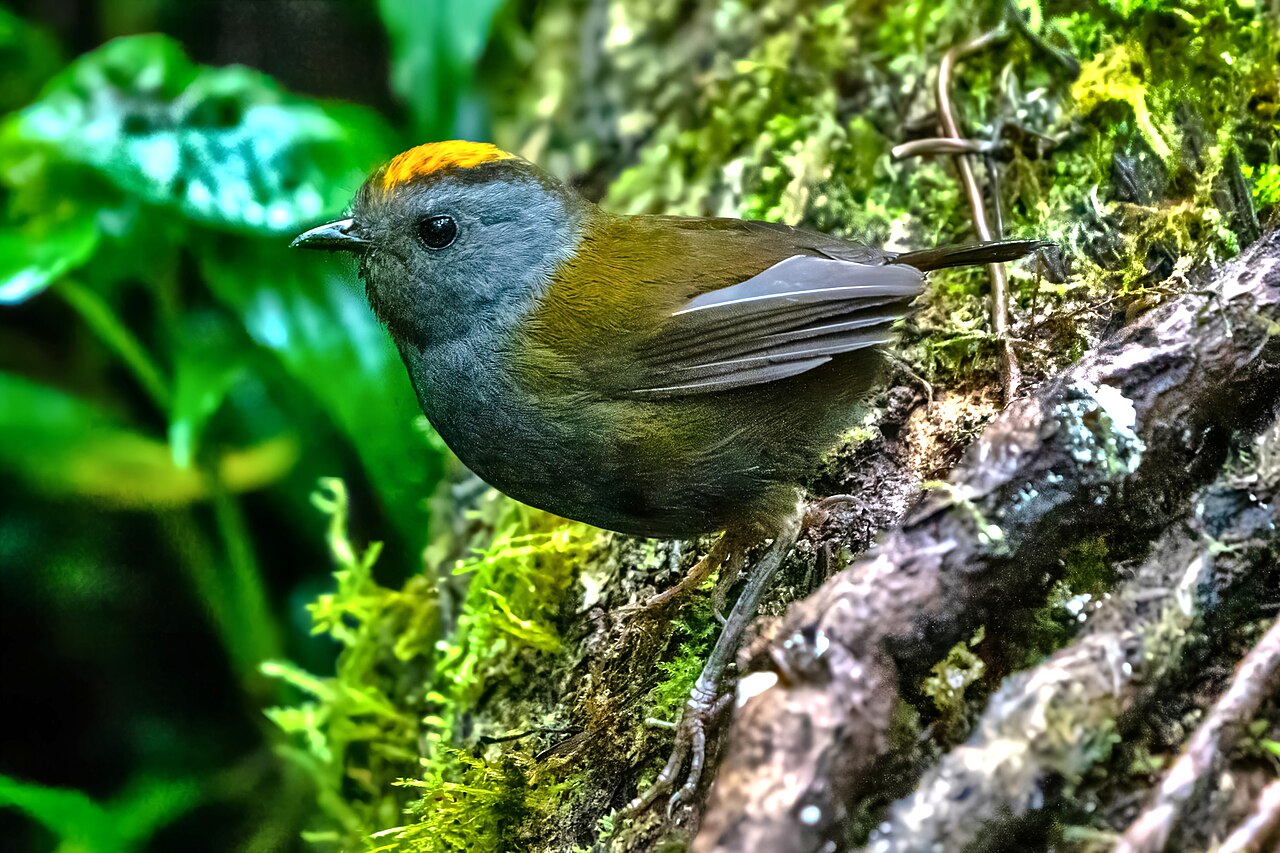
Russet-crowned Warbler (Myiothlypis cornata)

Russet-crowned Warbler (Myiothlypis cornata)

Yellow-rumped Warbler (Setophaga coronata)

Myrtle Warbler (Setophaga coronata) by Anthony747

Myrtle Warbler (Setophaga coronata) by Anthony747

This Myrtle Warbler seems to have the “crown” a little misplaced. Just an observation :)

I trust you are enjoying the Avian Wonders from the Lord from their Scientific/Latin names. We are just beginning. There are so many varieties of words that I doubt we will ever discover/introduce all of them. Also, the naming of birds keep changing from time to time. See The I.O.C World Bird List 14.1

Previous articles that have mentioned some of the birds:

Wages Or A Gift?

What’s His Name? – “Varius”

As we start the new series about the bird’s Scientific/Latin names, a verse came to mind about His name. Of course, that is referring to God, but I like the “What is His name” part. So, for now (unless some suggest a different one) that will be the name of these articles.

Who has ascended into heaven, or descended? Who has gathered the wind in His fists? Who has bound the waters in a garment? Who has established all the ends of the earth? What is His name, and what is His Son’s name, If you know?” (Proverbs 30:4 NKJV)

Varius means

If you go to Birds of the World – Species and the type the Scientific/Latin name, a list of those birds will show. “The specific epithet varius is the Latin word meaning “various”, “diverse” or “variegated” (Wikipedia)”. Here is the list of birds from “Birds of the World – with “varius.

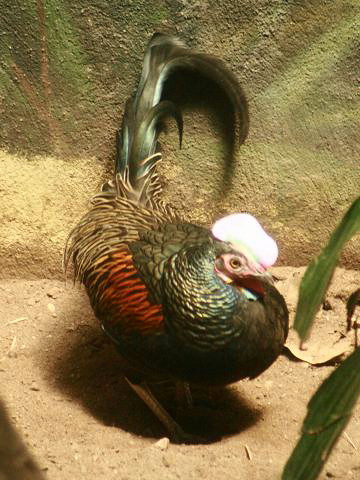
Green Junglefowl – Gallus varius
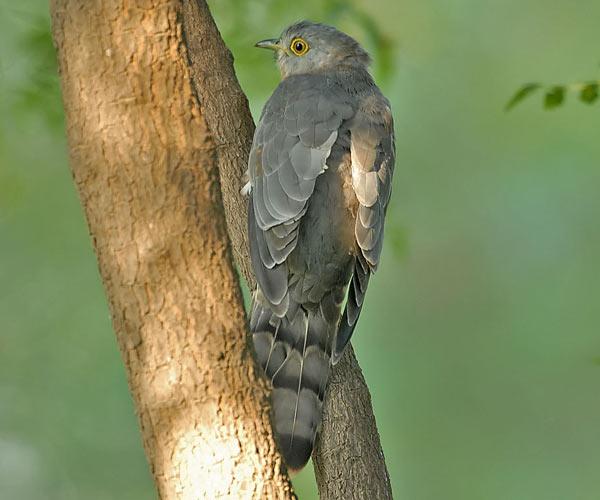
Common Hawk-Cuckoo – Hierococcyx varius
Painted Buttonquail – Turnix varius
Pied Cormorant – Phalacrocorax varius
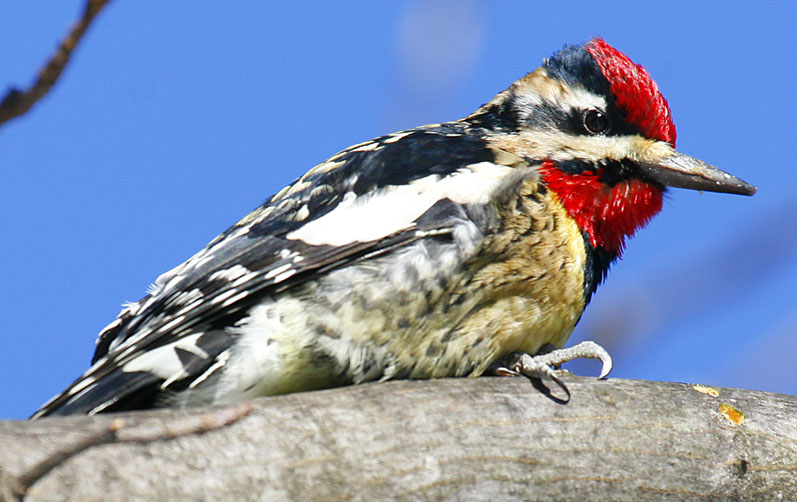
Yellow-bellied Sapsucker – Sphyrapicus varius
Mulga Parrot – Psephotellus varius
Variegated Flycatcher – Empidonomus varius
Varied Tit – Sittiparus varius
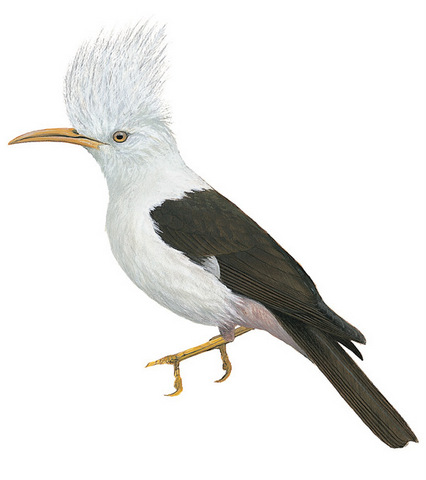
Reunion Starling – Fregilupus varius
Green Junglefowl (Gallus varius) ©WikiC

Green Junglefowl (Gallus varius) ©WikiC

Common Hawk-Cuckoo (Hierococcyx varius) by Nikhil

Painted Buttonquail (Turnix varius) by Ian

Painted Buttonquail (Turnix varius) by Ian

Australian Pied Cormorant (Phalacrocorax varius) by Ian

Yellow-bellied Sapsucker (Sphyrapicus varius) ©WikiC

Yellow-bellied Sapsucker (Sphyrapicus varius) ©WikiC

Mulga Parrot (Psephotus varius) by Ian

Mulga Parrot (Psephotellus varius) by Ian

Variegated Flycatcher (Empidonomus varius) from Audubon

Varied Tit (Sittiparus varius) by Shanghai Birding

Reunion Starling – (Fregilupus varius) Planet of Birds

A short clip of a Painted Buttonquail

A few previous articles mentioning some of these birds:

Ian’s Irregular Bird – Painted Birds

Yellow-bellied Sapsucker – Chief Corner Stone’s Keystone

Siamese Fireback by Dan

Stay tuned as we investigate some more of these Scientic/Latin names.

Good News

The IOC World Bird List 14.1

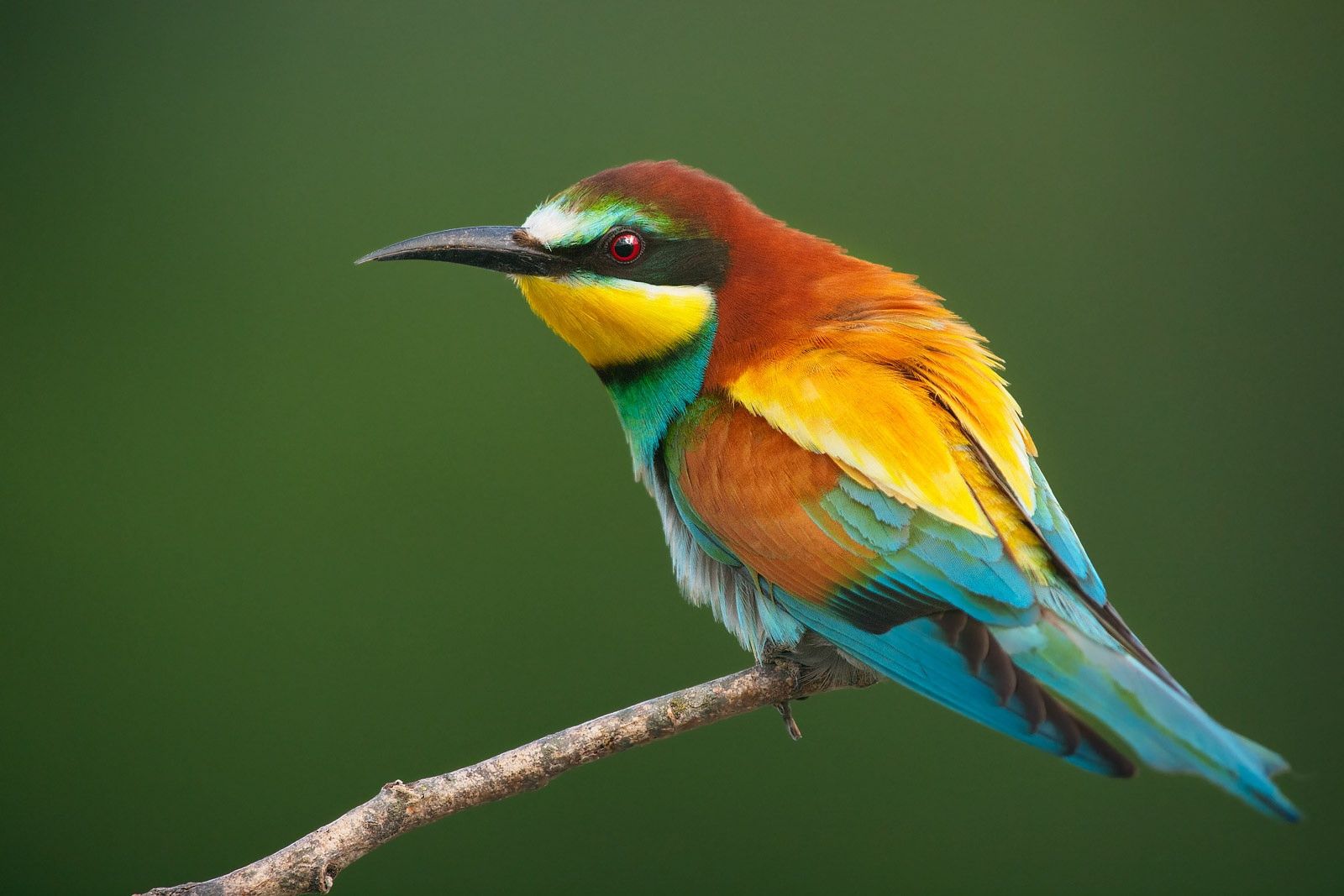
European Bee-eater @Francesco Pellegrini

European Bee-eater @Francesco Pellegrini

The IOC World Bird List 14.1 contains 11032 extant species (and 162 extinct species) classified in 44 Orders, 253 Families and 2,384 Genera.  The list also includes 19,802 subspecies, their ranges and authors.

SPECIES ADDED:                 39 extant species

SPECIES DELETED:               6 species

ENGLISH NAMES:                33 species

TAXONOMY:                         45 species (including 9 newly recognized or resurrected genera and deleted genera)

Here is a listing, with of all the current Birds of the World which is better than any list we could produce here.

Birds of the World – List of Species with Pictures

Before we can dig into these Latin/scientific names of birds, it is best to update the number of birds now listed by the I.O.C. Our last update here, which is out of date, was the List 9.2:

At the time those articles were written there were 10,758 living species. Now it contains 11,032. That doesn’t include all the subspecies. Not sure how much we will update this site, but I will refer to the new names and subspecies as we investigate the scientific/Latin names of birds.

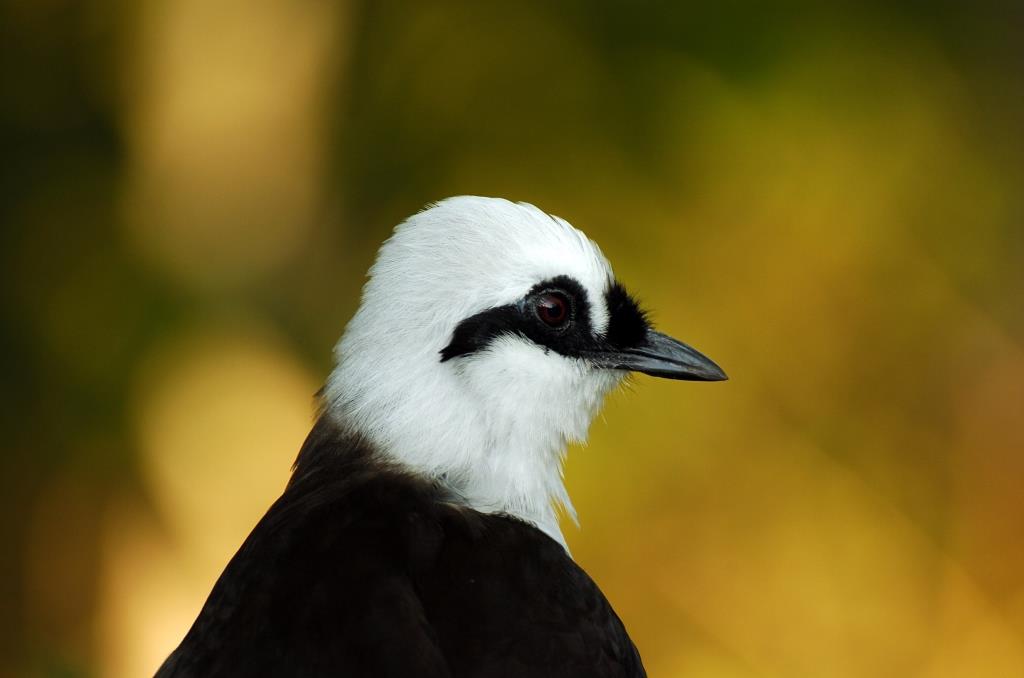
Sumatran Laughingthrush (Garrulax bicolor) by Dan at Wing of Asia ZM

Here is a listing, with of all the current Birds of the World which is better than any list we could produce here.

Birds of the World – List of Species with Pictures

The last few articles have been to lay the foundation for investigating some of these Scientific/Latin names for birds. Below are links to the experts in keeping track of the Avian Wonders:

Cornell Lab – Birds of the World

Cornell Birds of the World – Recently Updated Accounts

I.O.C.’s Latest List of Birds

I.O.C.’s Order of Birds

I.O.C.’s Family Index

Birds of the World Total List – Spreadsheet

This gives an example of how languages may be different BUT the truth is still a very important!

John 3:16 In Many Languages

More about Latin Names of Birds

While researching for a way to present birds from their Latin names, I checked out some of our previous posts that mentioned the naming of birds. There have been quite a few articles about this, and here is a fantastic one that William Wise wrote:

This is My Name Forever

William said exactly what I was thinking “It’s all Greek to me!” He also explains about God’s Name. It NEVER changes.

American Robin (Turdus migratorius) eating by Jim Fenton

American Robin (Turdus migratorius) eating by Jim Fenton

How Birds are Named explains the modern naming system that is used for birds.

“Birds have two kinds of names. One is a common, vernacular, or popular name; the other is a technical or scientific name. The first is usually given to the living bird by the people of the country it inhabits. The second is applied to specimens of birds by ornithologists who classify them.

Common names in their origin and use know no law. Technical names are bestowed under the system of nomenclature established by Linnæus and their formation and application are governed by certain definite, generally accepted rules. The Linnæan system, as it is now employed by most American ornithologists, provides that a bird, in addition to being grouped in a certain Class, Order, Family, etc., shall have a generic and specific name which, together, shall not be applied to any other animal.

Our Robin, therefore, is classified and named as follows:

CLASS AVES, Birds.

ORDER PASSERES, Perching Birds.

Suborder Oscines, Singing Perching Birds.

Family –Turdidæ Thrushes.

Subfamily Turdinæ Thrushes.

Genus, Turdus Thrushes.

Species, migratorius American Robin.”

The Genus and the Species names are the ones that will be emphasized in the new series, (name to be determined, any suggestions?). The recent articles and the list below are listed to acquaint you with how the Genus and Species are used in the bird names.

Stay tuned!

“I know all the birds of the mountains, And the wild beasts of the field are Mine.”
(Psalms 50:11 NKJV)

Previous: