Birds of the Bible – Migration

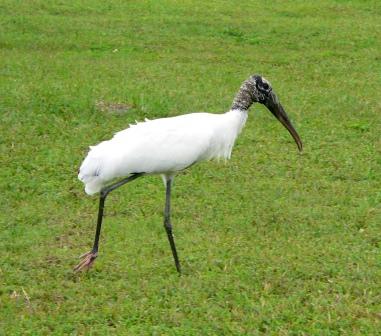
Wood Stork by Lee

Wood Stork by Lee

Even the stork in the sky Knows her seasons; And the turtledove and the swift and the thrush Observe the time of their migration; But My people do not know The ordinance of the LORD. (Jeremiah 8:7 NASB)

That time of the year is approaching and for some birds, it has already started. What? Migration. The birds have been busy all spring and summer having babies, feeding them, raising them, training them, and now it is time to go elsewhere. That is, if they are the kind of bird that migrates. Why do the migrate? Most because of food sources or to stay warm. The hardy “residents” will stay behind and “hold down the fort” so to say.

God has put the instinct in them when they were created to know to “migrate.” Depending on which version of the Bible your read, the stork:

  • knoweth her appointed times
  • is conscious of her fixed times
  • know when it’s time to fly away for the winter and when to come back
  • know when it is time to return
  • knows her seasons

And the dove and swallow and crane (depending on version):

  • observe the time of their coming
  • Observe the time of their migration
  • keep to the times of their coming
  • know when it’s time to migrate
  • watch the time of their coming

For those of us down here in Florida, we get excited because we will finally get to observe some birds as they pass by or as they get here for the winter “vacation.”

Please check out these previous articles about migration. I think you will find them very interesting:

Interesting Things – Amazing Bird Migration
Interesting – Migration and Mechanics of Flight
Pacific Golden Plover
Birds of the Bible – Hawk Migration
A Lesson from the Stork
Too Much Knowledge?
Bird Migration Mistakes – released today
Not a bird, but:
Interesting Things – Dragonflies II

Updated Below: 10-15-09

Migrating Storks from Europe circling the hot air thermals over the Sinai to gain altitude before crossing the Red Sea and continuing on their migration into Africa by dell09875

*
Bird Migration Mistakes

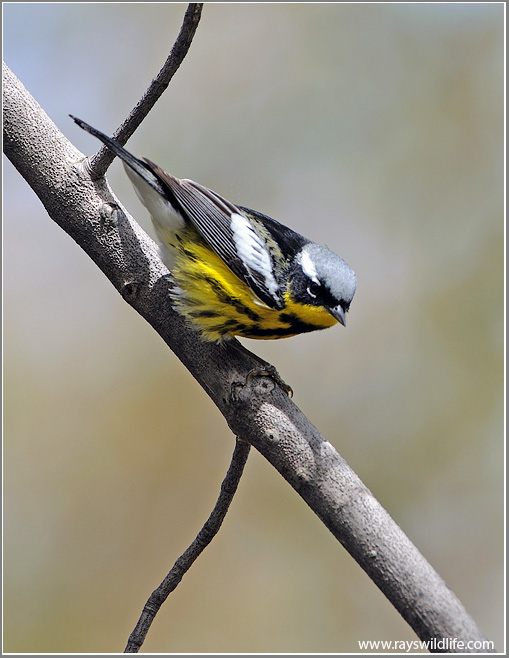
Magnolia Warbler by Ray

For I consider that the sufferings of this present time are not worthy to be compared with the glory that is to be revealed to us. For the anxious longing of the creation waits eagerly for the revealing of the sons of God. For the creation was subjected to futility, not willingly, but because of Him who subjected it, in hope that the creation itself also will be set free from its slavery to corruption into the freedom of the glory of the children of God. For we know that the whole creation groans and suffers the pains of childbirth together until now. (Rom 8:18-22 NASB)

Confused Birds – http://www.creationmoments.net/radio/listen.php?t=476
“Birds that make mistakes in navigation are called vagrants.”
Copyright © 2009 Creation Moments • All Rights Reserved

See: Vagrant Eastern Wood-Warblers

California Vagrant Birds – a set on Flickr

Galapagos: Showcase for Creation

Galapagos: Showcase for Creation, by John D. Morris, Ph.D.* is in this month’s Acts and Facts Magazine from Institute For Creation Research.

Here are a few excerpt from the article:

“The project’s leading question was: Is Galapagos a living laboratory for evolution or a showcase for creation?”

Flightless Cormorant on Galapogos

Flightless Cormorant on Galapogos

Darwin’s finches, “booby” birds, flightless cormorants, flamingos, frigate birds, etc.,”

“Evolutionists trumpet the several Galapagos finch “species” as arising by adaptation from one species. Creationists agree, but this did not happen through evolution. Normally the finch types segregate by lifestyle according to their beak shape, but in times of stress they interbreed and combine. No evolution here. The flightless cormorants are recognizably related to other species of cormorant on other continents, but these have lost the use of their wings. …”
(See Cormorant Family from Bird Families of the World to see the similarities)

For the whole article CLICK HERE.

Darwin’s FinchesEvidence supporting rapid post-Flood adaptation, by Carl Wieland, is an interesting article in the Creation Magazine.

Darwin’s Finches on Creation Wiki has a good article and photos of some of the finches.

Lee’s Birds of the World

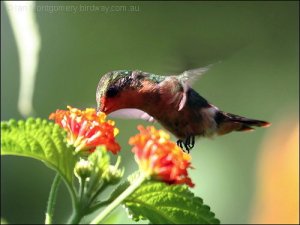
Tufted Coquette (Lophornis ornatus) by Birdway

Tufted Coquette (Lophornis ornatus) by Birdway

Lee’s Birds of the World, is based on the I.O.C., 2.1 version of 2009. It lists 39 Orders, 224 Families, and 10,340 individual Species. This is new and still being developed. All the ORDERs and the Families are listed. More indexes, photos, links, and Scriptures are still being added. These pages are under the Birds-World Tab above.  Please enjoy looking around at the references to the numerous birds that the Lord has created. It appears by the numbers of the birds that they have done as the verses below declare.

So God created great sea creatures and every living thing that moves, with which the waters abounded, according to their kind, and every winged bird according to its kind. And God saw that it was good. And God blessed them, saying, “Be fruitful and multiply, and fill the waters in the seas, and let birds multiply on the earth. (Genesis 1:21-22 NKJV)

All photographs have been used with the permission of the photographers listed or are in the public domain. Please honor their copyrights.

Birds of the World Pages Update

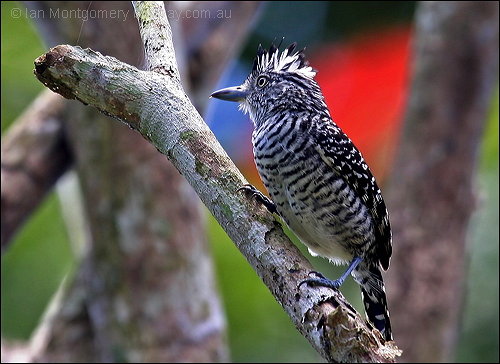
Barred Antshrike by Ian

Barred Antshrike (Thamnophilus doliatus) by Ian

I have been busy working on the Birds of the World pages for their Orders and Families. I think I have them all done at least as far as I know. They are linked together and I hope to have some better Indexes and then start putting in some more pictures and information to go with each. Considering that there are over 10,300 birds, I may be awhile. Actually, the 224 bird families are the most important. So, that will be the starting place.

While doing all this, I have been amazed at the English names of the birds. I will be forthcoming in a blog about them. I want to find out more. For now, here are a just few of interest:

  • Antbird, Antwren, Antthrush, Antvireo, Antshrike, Flyrobin, Grasshopper Warbler (are all these small?)
  • Babblers, Chats, Chatterer (do they talk too much?) or Screamer?
  • Bee-eater, Berryeater, Berrypecker, Flycatcher, Flowerpecker, Flowerpiercer, Fruiteater, Honeyeater
  • Gnatcatcher, Gnateater, Gnatwren
  • Bellbird (does he ring?)
  • Butcherbird (does he run around with a meat cleaver?)
  • Friarbird (does he have a special collar?)
  • Cuckoo, Cuckoo-Dove, Cuckoo-Hawk, Cuckooshrike, Drongo-Cuckoo, Emerald Cuckoo
  • Dollarbird, Catbird, Cowbird, Sunbird, Figbird, Grassbird, Mousebird, Honeybird
  • Fantail, Flufftail, Firetail, Finfoot, Forktail
  • Go-away bird
Blue-tailed Bee-eater (Merops philippinus) by Ian

Blue-tailed Bee-eater (Merops philippinus) by Ian

See what happens when you play around with too much data. The Bible says that Adam named all the critters, and there probably was not 10,000+ bird species at that time, but it would have been interesting to see what the first birds were called. It would also be interesting just to know how many “kinds” there were.

“Out of the ground the LORD God formed every beast of the field and every bird of the air, and brought them to Adam to see what he would call them. And whatever Adam called each living creature, that was its name.” (Genesis 2:19 NKJV)

First Family Page Completed – Ardeidae

Great-billed Heron (Ardea sumatrana) by Ian

Great-billed Heron (Ardea sumatrana) by Ian

I just completed the first Birds of the World Family page. Well, at least as far as I can find photos for it. I now only have 223 more family pages to go.

Check it out at Family – Ardeidae It is part of the PELECANIFORMES Order. At least according to the latest IOC 2.1 version. I hope you enjoy the photos of the different Bitterns, Egrets and Herons.

Update: 08/09/09

Finished the Family – Struthionidae (Ostriches) page today. It is in the Order – STRUTHIONIFORMES Now at 2 down and 222 to go. Plus 37 partial ones – no photos yet.

Updated: 08/13/09

I finished all 229 (I found some birds that had flown from my original lists)  Bird Family pages as far as the list of each species within the families. Now I am going to make some  indexes to help find the different birds in either taxonomic or alphabetical order. Then I will be adding various photos to each family.

When I Consider! – Platypus

When I Consider!

When I Consider!

Evidence from Biology

Some animals, such as the duckbilled platypus, have organs that completely confound evolutionary explanation. The platypus has a mixture of features from animals completely unrelated to its supposed ancestry. For instance:

  1. The warm-blooded platypus feeds its babies milk like other mammals.
  2. It lays leathery eggs, has a single ventral opening (for eliminating its waste, mating, and birth), and has claws and a shoulder girdle like most reptiles.
  3. It can detect electrical currents like some fish.
  4. It has webbed feet like an otter, a flat tail like a beaver, and the male can inject poison into its predator like a snake.
  5. It has a bill like a duck.
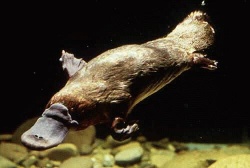
Platypus From Creation Wiki

Platypus From Creation Wiki

It would seem that animals such as the platypus are God’s reminder of His unfathomable creativity. These animals combine features from many unrelated creatures and have no logical place on the evolutionary tree.” There is no direct evidence that any major group of animals (or plants) arose from any other group. Completely different types of animals are only observed going out of existence (extinctions), never coming into existence.”

In the Beginning, 7th Ed., p.7

Great is the LORD, and greatly to be praised; And His greatness is unsearchable. One generation shall praise Your works to another, And shall declare Your mighty acts. I will meditate on the glorious splendor of Your majesty, And on Your wondrous works. Men shall speak of the might of Your awesome acts, And I will declare Your greatness. (Psalms 145:3-6 NKJV)

From A Closer Look at the Evidence, Richard and Tina Kleiss, Aug 3


Interesting Things – The Platypus more information and a great song about it by Buddy Davis.

More – When I Consider! articles

Photos of Platypus by Ian of Birdway.

When I Consider! – DNA in Dinosaurs

When I Consider!

When I Consider!

Evidence from the Fossil Record – from A Closer Look at the Evidence, August 8.

“As soon as a plant or animal dies, its DNA begins to decompose. The oldest accurately known DNA samples are from a 4000-year old mummy. Based on the deterioration of the molecule from samples of this age. it is estimated that essentially no DNA could survive longer than 10,000 years. However, DNA segments have been found in magnolia leaves (dated by evolutionists at 17 million years), dinosaur bones (dated at 80 million years), scales of a fossilized fish (dated at 200 million years) Evolutionary scientists should be asking how DNA could still be contained in samples this old when more recent samples indicate that the DNA molecule is far too sensitive to have lasted this long. Perhaps there is something wrong with the old-earth dating methods and these fossils still contain DNA fragments simply because they are not as old as believed. These samples have been simply dated wrong due to faulty assumptions of radiometric dating methods.

Dinosaur Fossil from OCR.org

Dinosaur Fossil from OCR.org

Evolutionists have a similar problem with protein preserved in dinosaur bones. As with DNA, no protein should last 75 to 150 million years; yet protein has been found in dinosaur bones. These plant and animal remains are simply not as old as evolutionists believe.”

In the Beginning, 7th Ed., p29-30

Listen to Me, O Jacob, And Israel, My called: I am He, I am the First, I am also the Last. Indeed My hand has laid the foundation of the earth, And My right hand has stretched out the heavens; When I call to them, They stand up together. (Isaiah 48:12-13 NKJV)


More When I Consider! articles

See Also:
A Scientist Says He Has Isolated Dinosaur DNA
The Devastating Issue of Dinosaur Tissue, from ICR
Dinosaur Mania and Our Children, by Paul S. Taylor
They’re seeing it by not believing it – Williams: Is science cracking code of dinosaur DNA?
Scientists recover T. rex soft tissue

First Family Page Completed – Ardeidae

Great-billed Heron (Ardea sumatrana) by Ian

Great-billed Heron (Ardea sumatrana) by Ian

I just completed the first Birds of the World Family page. Well, at least as far as I can find photos for it. I now only have 223 more family pages to go.

Check it out at Family – Ardeidae It is part of the PELECANIFORMES Order. At least according to the latest IOC 2.1 version. I hope you enjoy the photos of the different Bitterns, Egrets and Herons.

Birds of the Bible – Bitterns II

I will also make it a possession for the bittern, and pools of water: and I will sweep it with the besom of destruction, saith the LORD of hosts. (Isaiah 14:23 KJV)

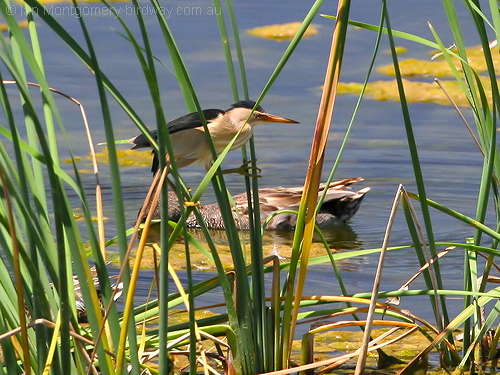
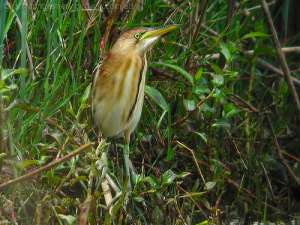
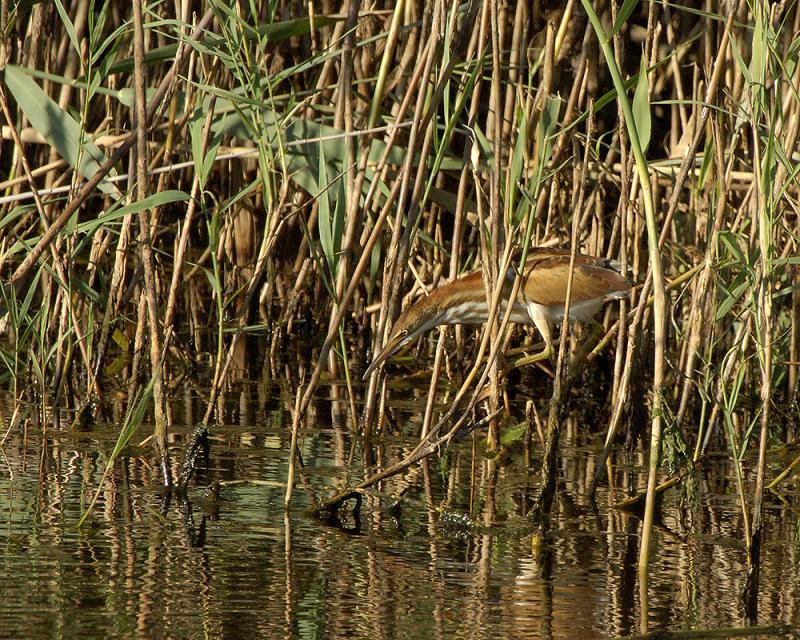
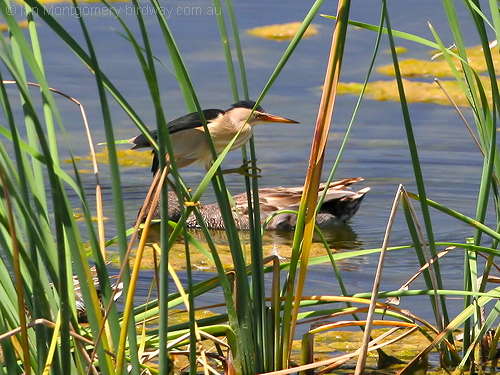
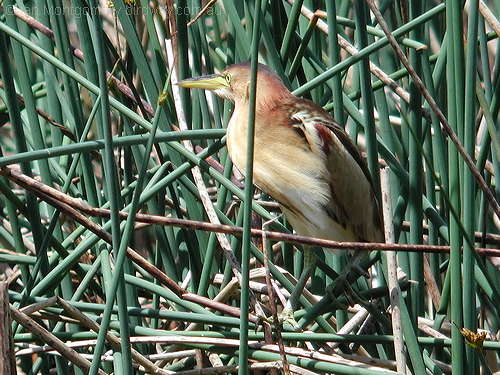
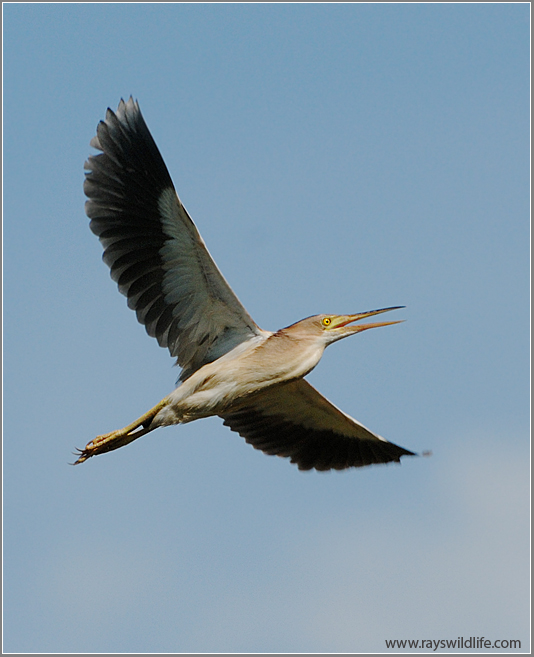
Little Bittern (Ixobrychus minutus) by Ian

Little Bittern (Ixobrychus minutus) by Ian

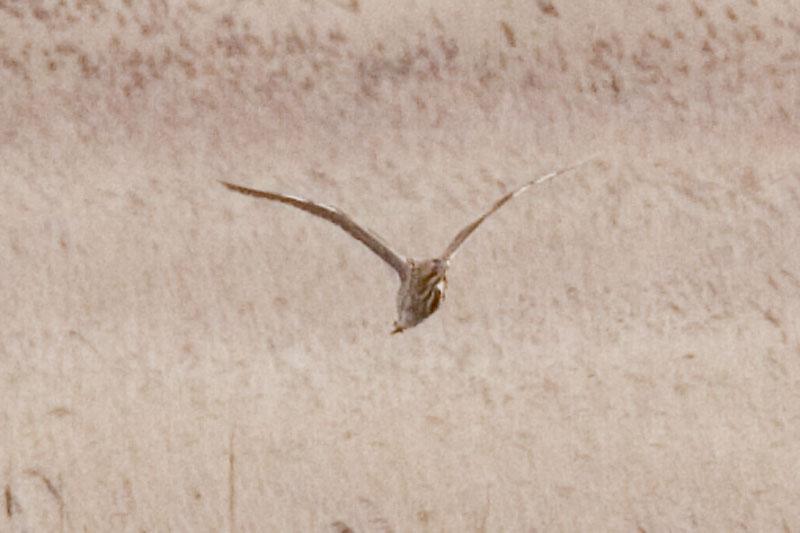
I introduced the Bittern in the first Birds of the Bible – Bittern and now I want to add some more information about them. The Bitterns belong to the Order called Pelecaniformes which includes Ibises, Spoonbills, Herons, Bitterns, Frigatebirds, Hamerkop, Shoebills, Pelicans, Gannets, Boobies, Cormorants, Anhingas, and Darters. All of these birds like to hang out around watery places and are related. Within the Pelecaniformes order, there are different families. The Bittern is in the Ardeidae family. Below is a list of the Bitterns within this family.

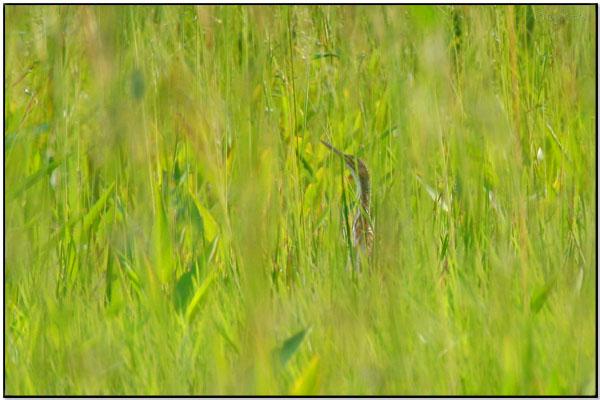
Belonging to the Ardeidae family, they also have the usual long legs, long necks, and are wading birds. They are associated with water, especially in breeding season. Whereas the herons and egret stand out in the open, the bitterns like to conceal themselves in cattail and sedge marshes, bulrushes, etc. They also have shorter legs and a heavier body. Their “cryptic plumage and upright poses helps to merge with the brown upright reeds…” I’ve had the privilege to see a few of them, and they are hard to find. God has provided them with this protection and it helps them in finding their food. Fish is their favorite food, but they will also consume frogs, small snakes, and other things that pass by.

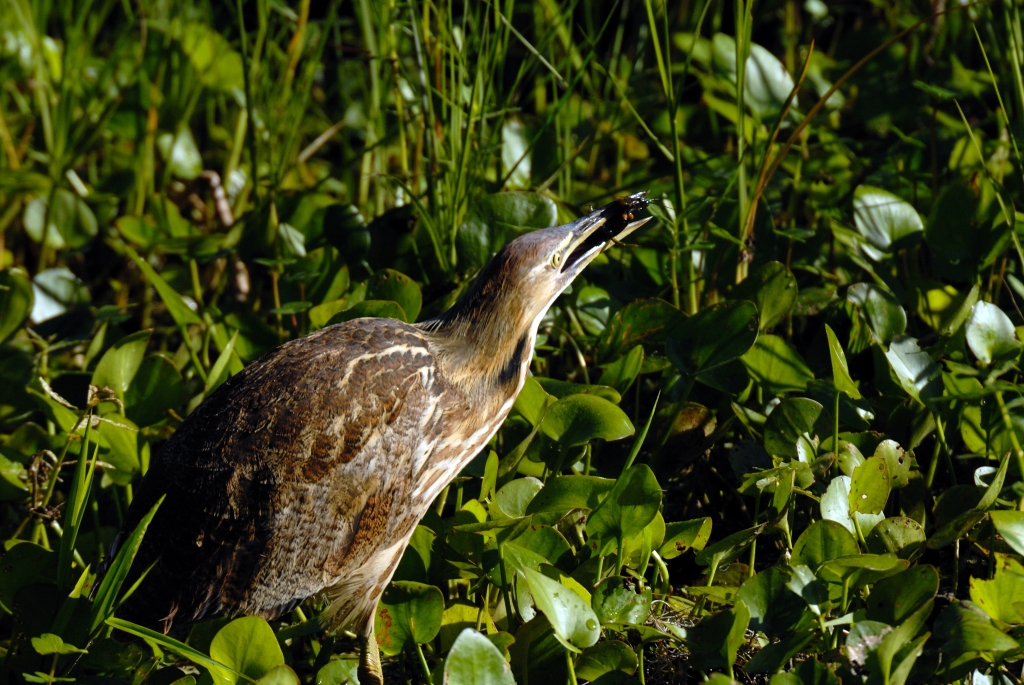
Here in North America, we only have the American and Least Bitterns. I sometimes confuse them with the smaller herons, like a Green Heron. You can tell they are in the same family (ardeidae).

Here is the sounds of an American Bittern and a Least Bittern from Stokes Bird Songs

But the cormorant and the bittern shall possess it; the owl also and the raven shall dwell in it: and he shall stretch out upon it the line of confusion, and the stones of emptiness. (Isaiah 34:11)


CLASS – AVES, Order –PELECANIFORMES, Family – ArdeidaeHerons, Bitterns

Australian Little Bittern (Ixobrychus dubius) by Ian

Australian Little Bittern (Ixobrychus dubius) by Ian

Herons, Bitterns – Ardeidae Family
Zonerodius
Forest Bittern (Zonerodius heliosylus)
Botaurus
Eurasian Bittern (Botaurus stellaris) – Video
Australasian Bittern (Botaurus poiciloptilus) by Ian
American Bittern (Botaurus lentiginosus) – Video – Video2
Pinnated Bittern (Botaurus pinnatus) by Daves BirdingPix  – Video
Ixobrychus
Stripe-backed Bittern (Ixobrychus involucris)
Least Bittern (Ixobrychus exilis) by Jim Fenton – Video
Little Bittern (Ixobrychus minutus) by Ian
Black-backed Bittern (Ixobrychus dubius)
New Zealand Bittern (Ixobrychus novaezelandiae †)
Yellow Bittern (Ixobrychus sinensis) by Ray Barlow – Video
Von Schrenck’s Bittern (Ixobrychus eurhythmus)
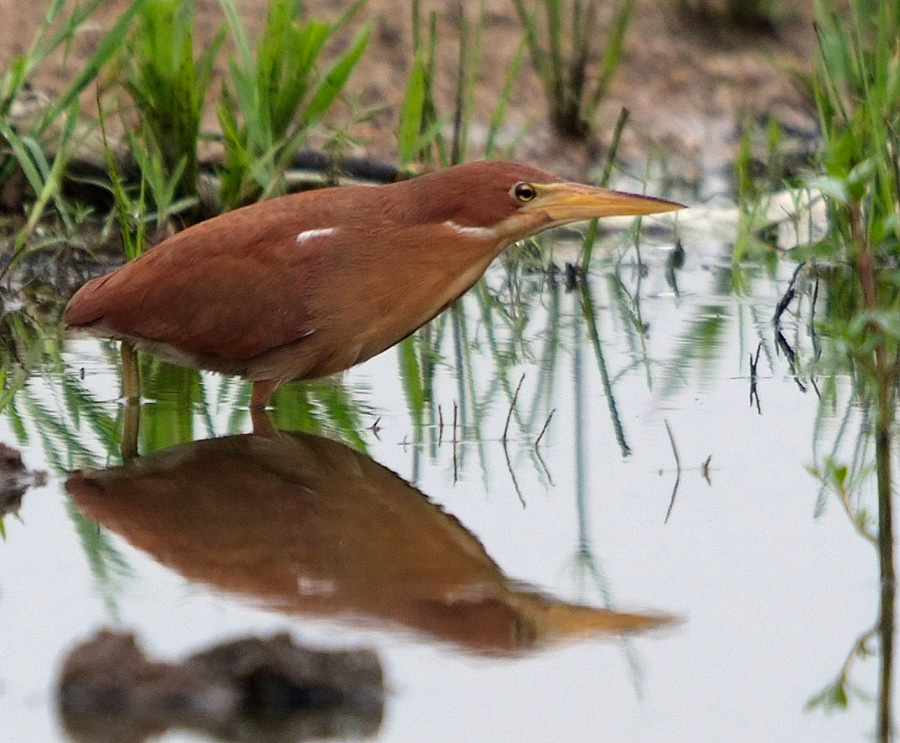
Cinnamon Bittern (Ixobrychus cinnamomeus) by Phil Kwong – Video
Dwarf Bittern (Ixobrychus sturmii)
Dupetor
Black Bittern (Dupetor flavicollis) by Nikhil Devasar – Video

Different Family
Sunbittern – Eurypygidae Family
Eurypyga
Sunbittern (Eurypyga helias) – Video – Video2

“Recent DNA evidence suggests that this family may in fact belong to the Pelecaniformes.5, From Wikipedia  They used to be in the Ciconiformes family, where most older guide books still have them. My list are from the IOC’s World Lists, 3.1 version.


Family#26 – Ardeidae

*

New Species?

While working on the Orders of the Birds and finding so many species of birds worldwide, I went looking for more information about them. I came across this interesting article at the ICR.org website. The bolding is mine. I trust you will find it worth the reading.

Cormorant Tree by Dan

Cormorant Tree by Dan

Do ‘New Species’ Demonstrate Darwinism?
by Various Authors
Frank Sherwin, M.A., and Brian Thomas, M.S.*

“That species undergo change in this grand system called earth is apparent, but those changes do not occur the way Charles Darwin envisioned. Living things do shift behaviors and physiologies in response to environmental (and other) pressures, but can these minor changes completely rework a creature’s essential form (a concept referred to as “macroevolution”)? Decades of research emphatically say no.

Often, small changes within a kind are referred to as “microevolution,” which has been defined as “evolution resulting from a succession of relatively small genetic variations that often cause the formation of new subspecies.”1 Creation scientists agree that small variations occur, both because they can be observed, and because it is reasonable that a wise Creator would equip His creatures with survival-enhancing capabilities. But these variations do not lead to large-scale changes between kinds. Indeed, “there is no agreement [among evolutionists] as to whether macroevolution results from the accumulation of small changes due to microevolution, or whether macroevolution is uncoupled from microevolution.”2

The confusing array of definitions for the word “species” can obscure deficiencies in Darwinian evolution. As leading scientists have admitted, “The very term ‘species’ is deeply ambiguous.”3 Harvard’s Steven Palumbi said in 1994 that “the formation of species has long represented one of the most central, yet also one of the most elusive, subjects in evolutionary biology.”4

If different species are described as essentially those forms which cannot interbreed, then new species do arise, a process called “speciation.” They do so, however, because of a loss of information–the opposite direction to what Darwinian evolution requires. “…..

To see the complete article – CLICK HERE