Birdwatching On Board The Ark Encounter – The Provisions I

The Door of the Ark by Lee

The Door of the Ark by Lee

This is the third article in the Birdwatching On Board the Ark Encounter. Below are links to the other articles. This time I would like to share some of the ways they showed how critters and birds were provided with provisions to sustain them. [All the bolding is added emphasis by me.]

In Genesis 6, the God was instructing Noah about building an Ark with all the directions or instructions. Then He informs Adam that his family and the critters are to be onboard also. They were to “keep them alive.”

Genesis 6:18-22 KJV
(18) “But with thee will I establish my covenant; and thou shalt come into the ark, thou, and thy sons, and thy wife, and thy sons’ wives with thee.
(19) And of every living thing of all flesh, two of every sort shalt thou bring into the ark, to keep them alive with thee; they shall be male and female.
(20) Of fowls after their kind, and of cattle after their kind, of every creeping thing of the earth after his kind, two of every sort shall come unto thee, to keep them alive.
(21) And take thou unto thee of all food that is eaten, and thou shalt gather it to thee; and it shall be for food for thee, and for them.
(22) Thus did Noah; according to all that God commanded him, so did he.”
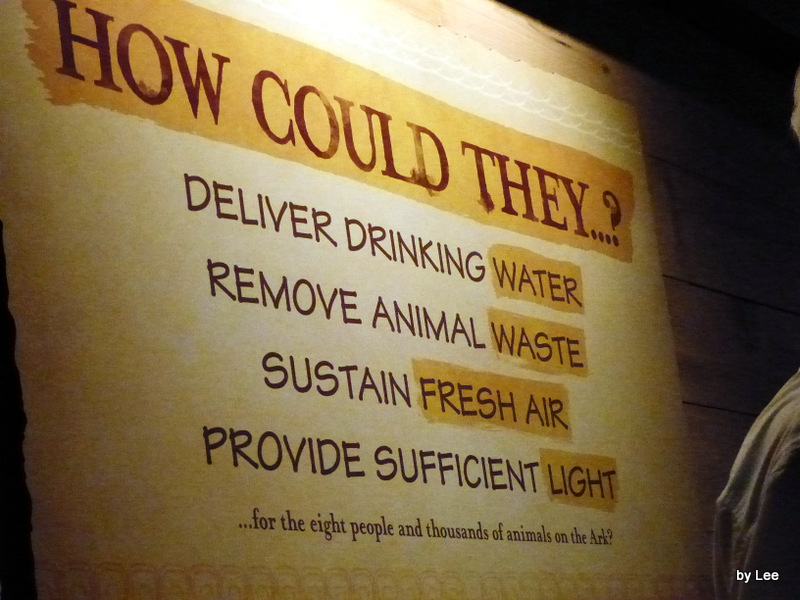
How Could They...?

How Could They…?

That is a huge undertaking. How would they do that? On the Ark Encounter, it was interesting to see how they visualized this part of their commission to keep the critters alive, especially the birds. That is what this is concentrated on. Also, that same command was given again in:

Of fowls also of the air by sevens, the male and the female; to keep seed alive upon the face of all the earth. (Genesis 7:3 KJV)

They Went In the Ark

They Went In the Ark

They went in:

“In the six hundredth year of Noah’s life, in the second month, the seventeenth day of the month, the same day were all the fountains of the great deep broken up, and the windows of heaven were opened.” (Genesis 7:11 KJV)

And came out:

“And it came to pass in the six hundredth and first year, in the first month, the first day of the month, the waters were dried up from off the earth: and Noah removed the covering of the ark, and looked, and, behold, the face of the ground was dry. And in the second month, on the seven and twentieth day of the month, was the earth dried. And God spake unto Noah, saying, Go forth of the ark, thou, and thy wife, and thy sons, and thy sons’ wives with thee. Bring forth with thee every living thing that is with thee, of all flesh, both of fowl, and of cattle, and of every creeping thing that creepeth upon the earth; that they may breed abundantly in the earth, and be fruitful, and multiply upon the earth.” (Genesis 8:13-17 KJV)

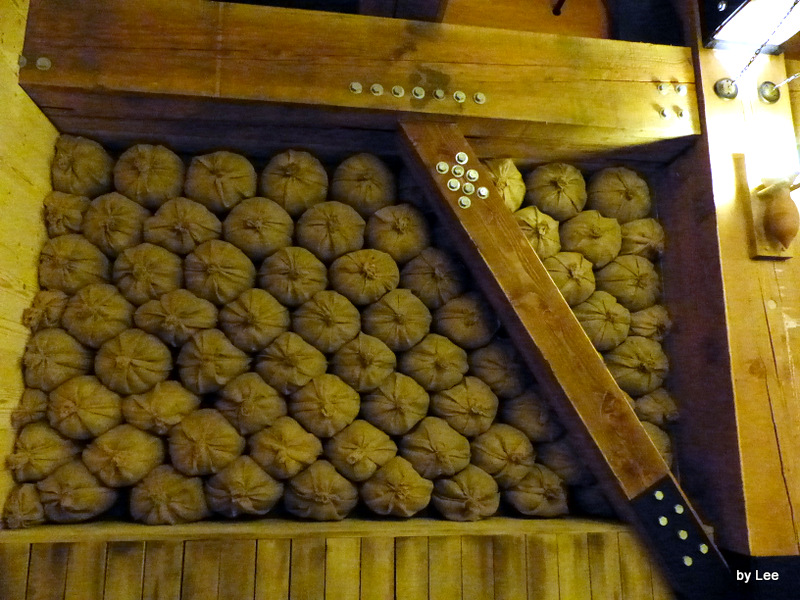
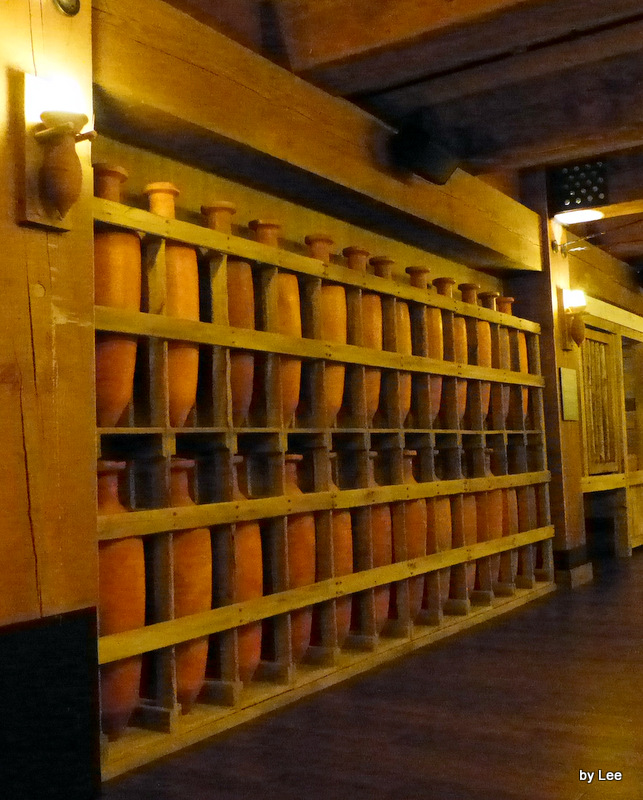
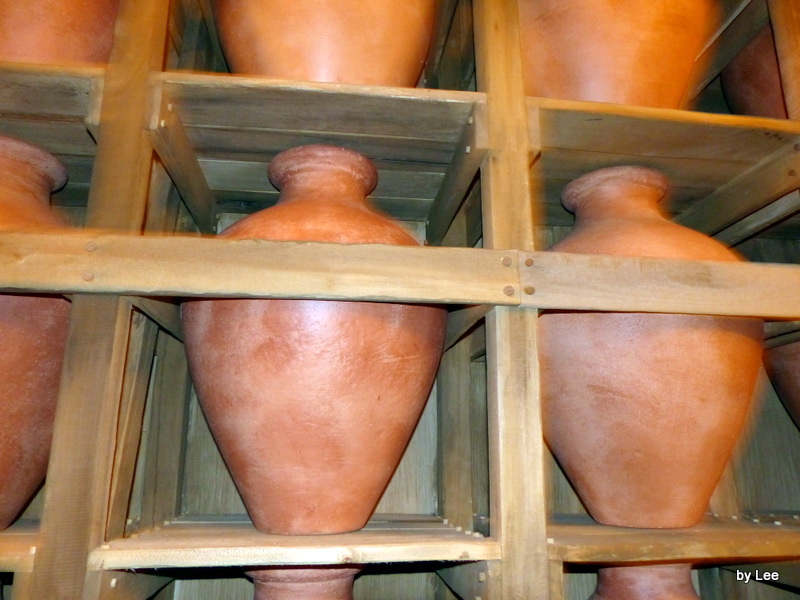
Now if we do the math, Adam, his family, and the critters were in the ark at least one year and 10 days. That is a lot of provisions to have on board! So, let’s see how the Ark Encounter stored their provisions and provided for all on board.

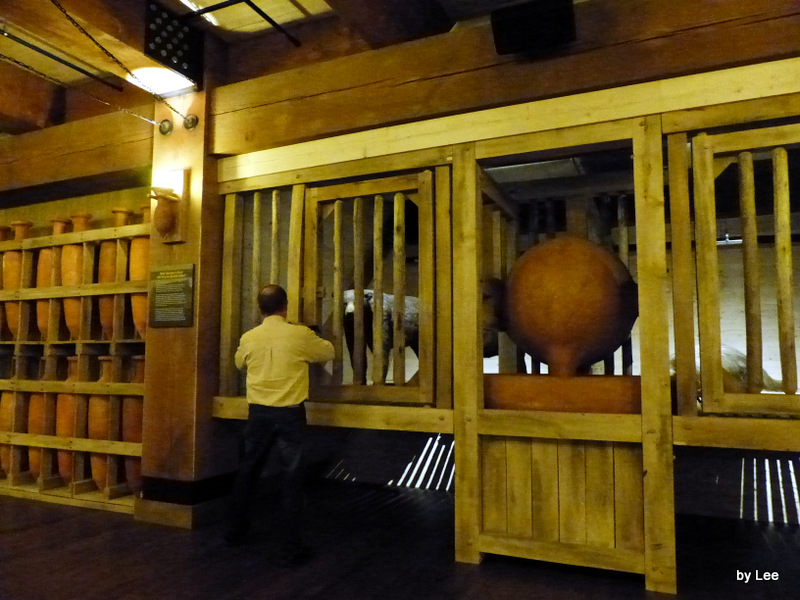
Here are some of the ways thy stored water and grain:
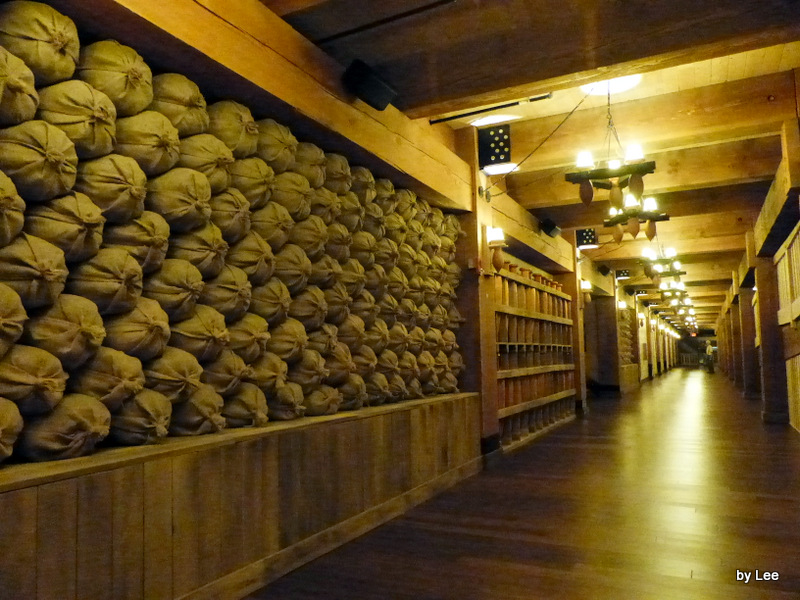
Now that they have provisions stored, the next photos are food preparations for the humans, I suspect:

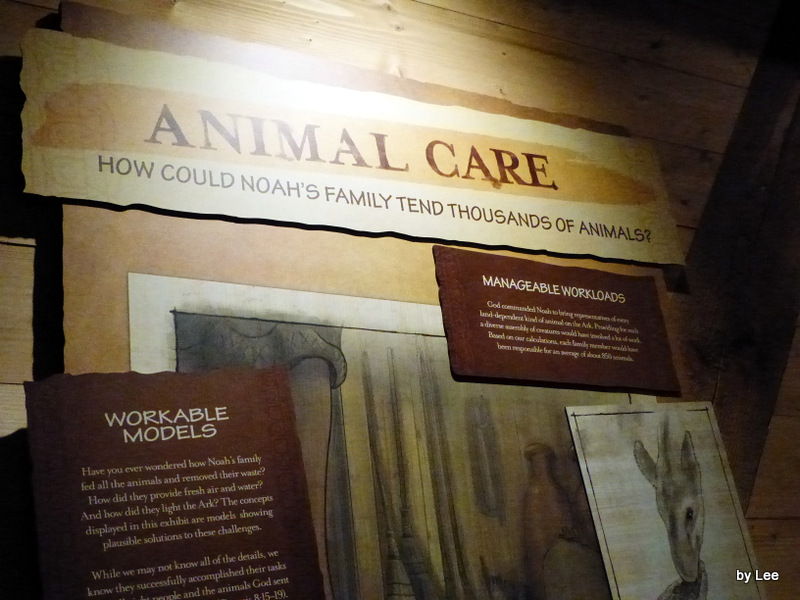
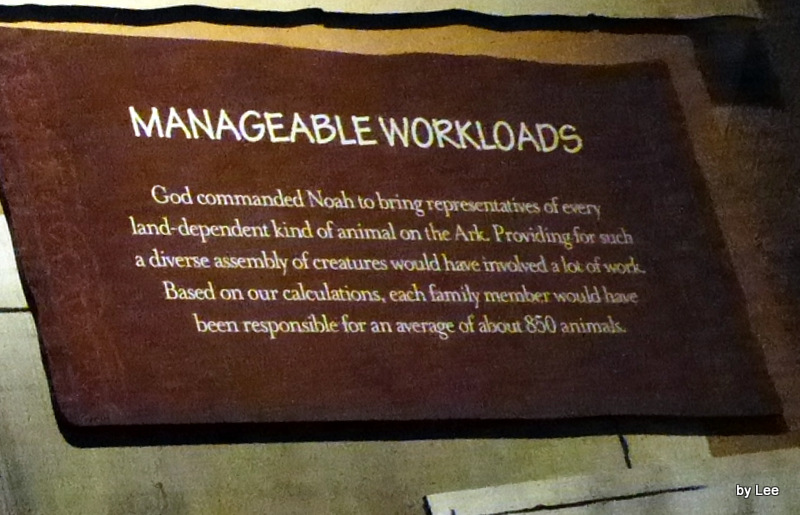
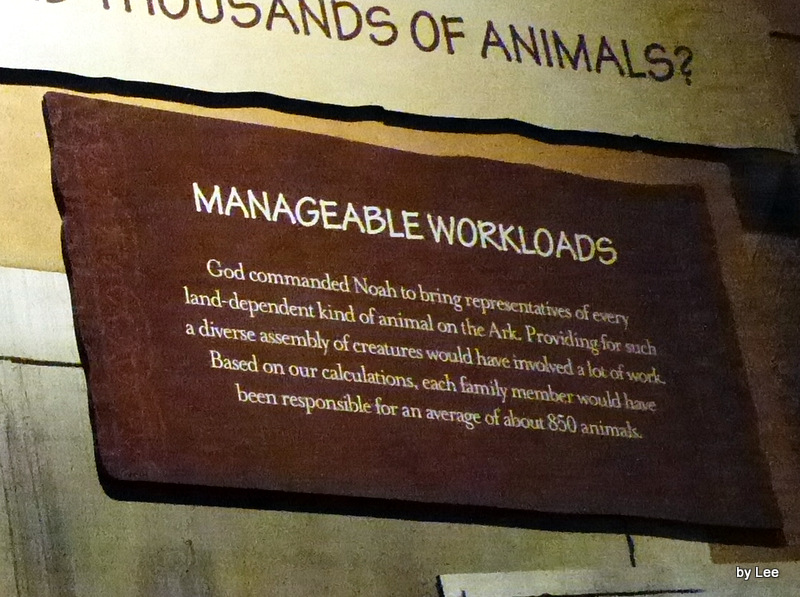
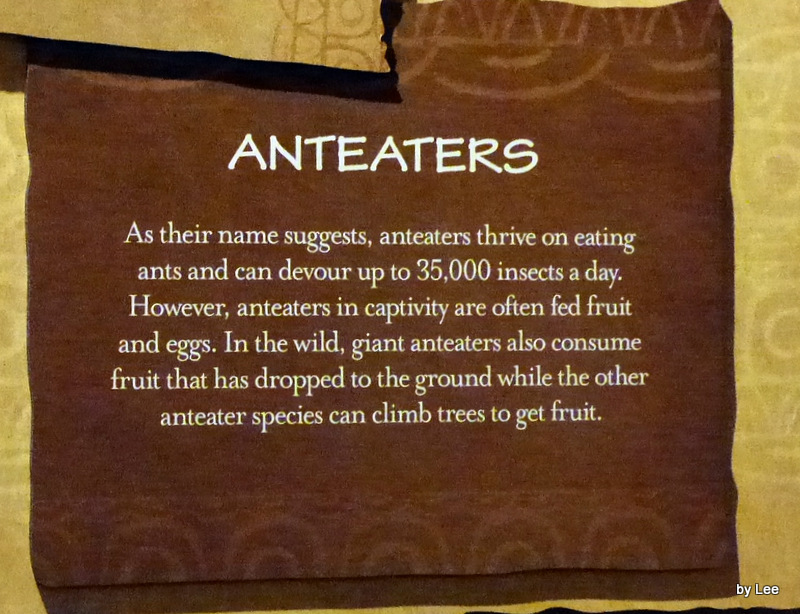
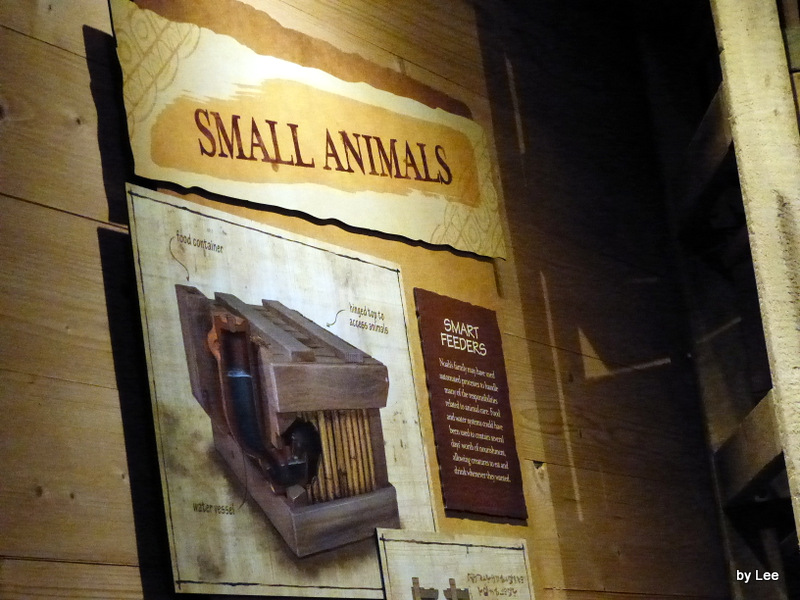
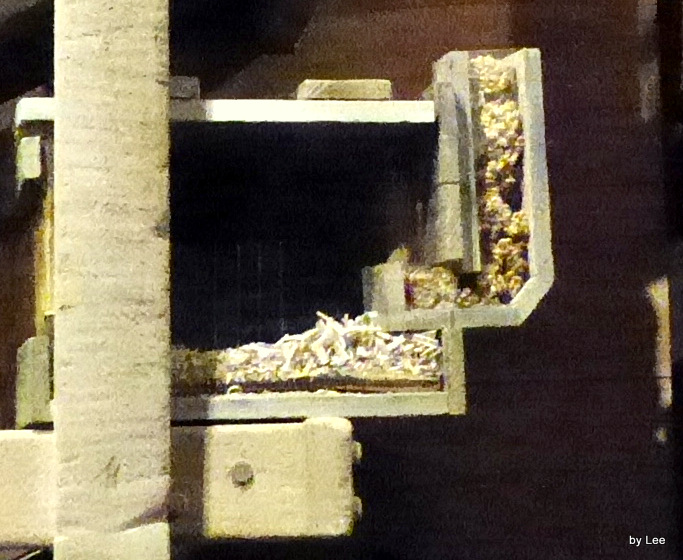
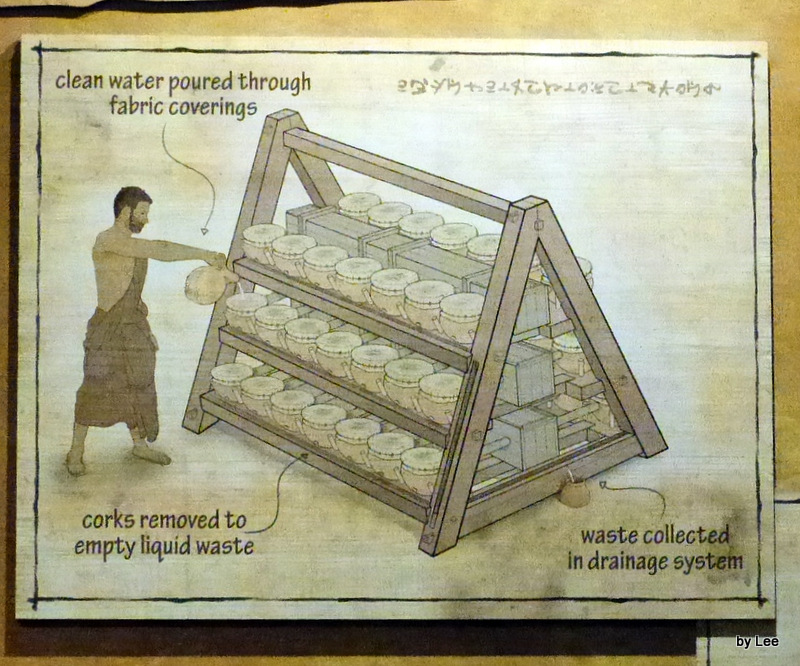
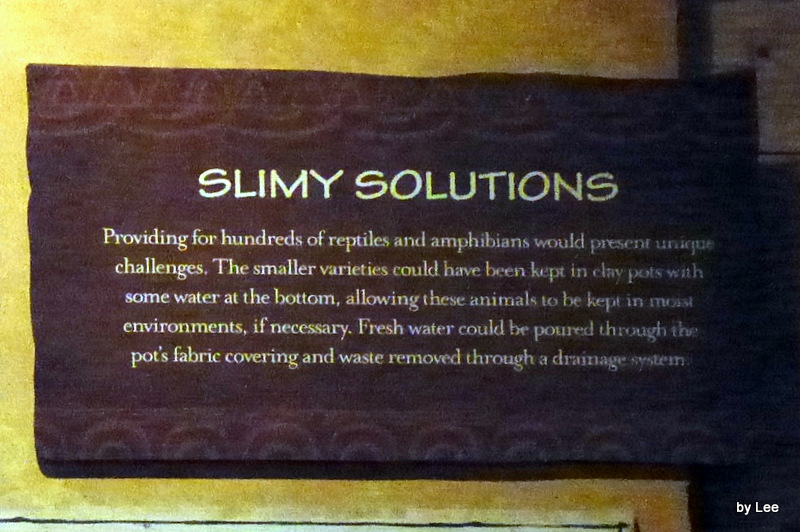
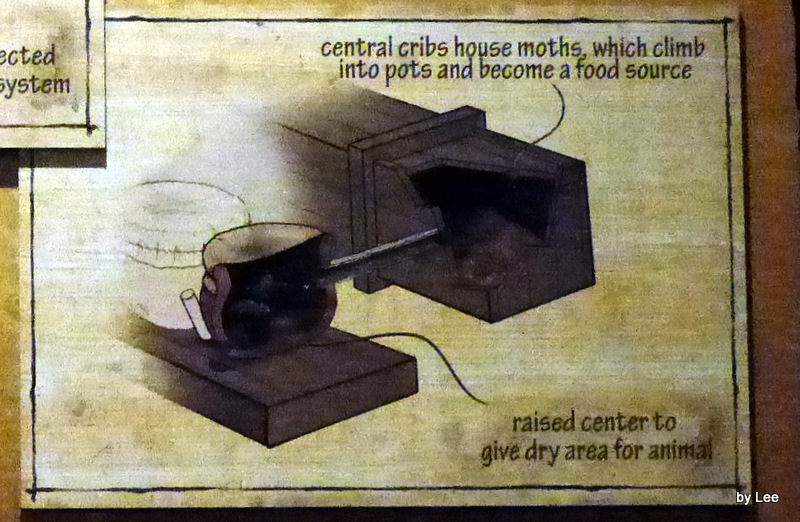
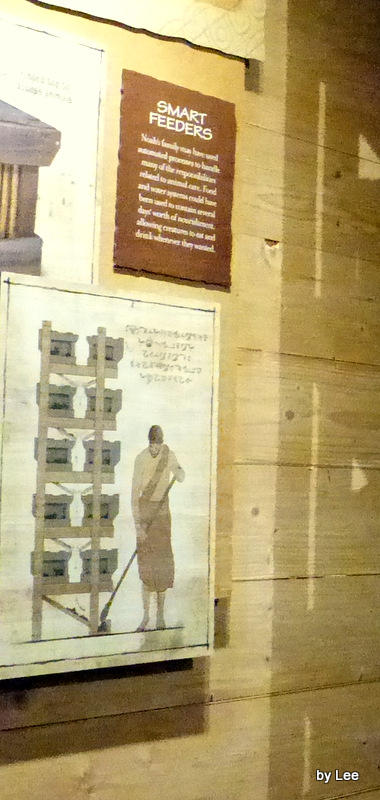
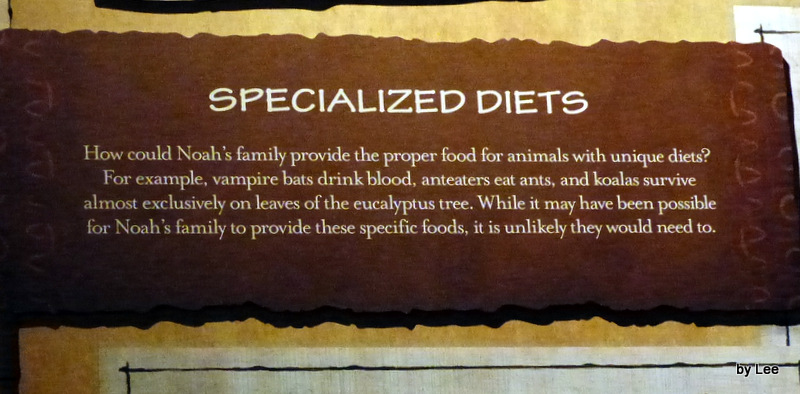
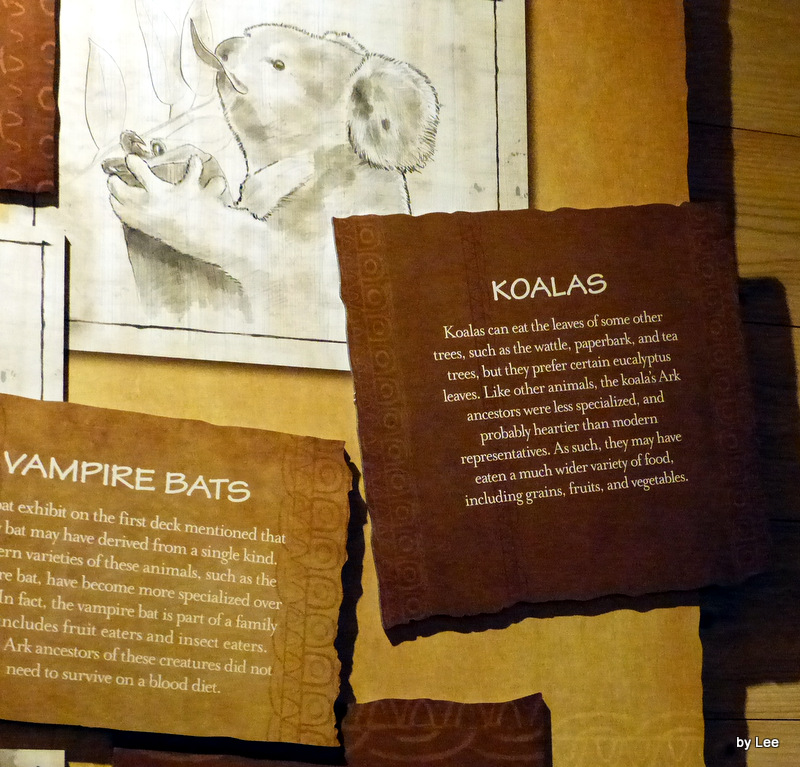
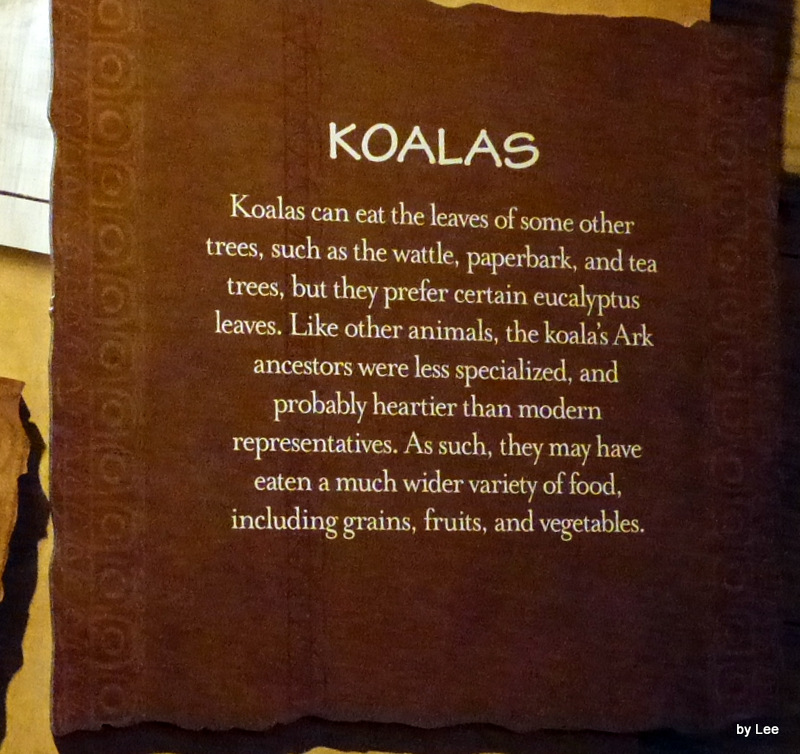
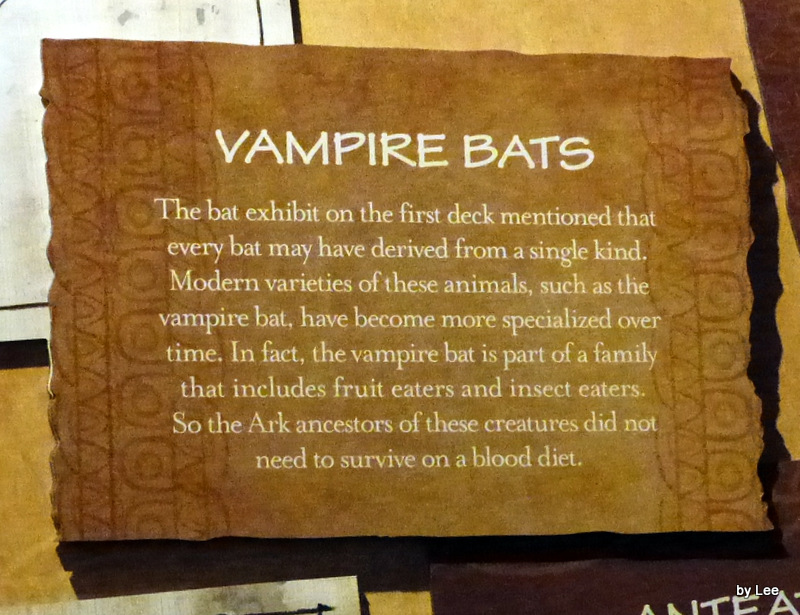
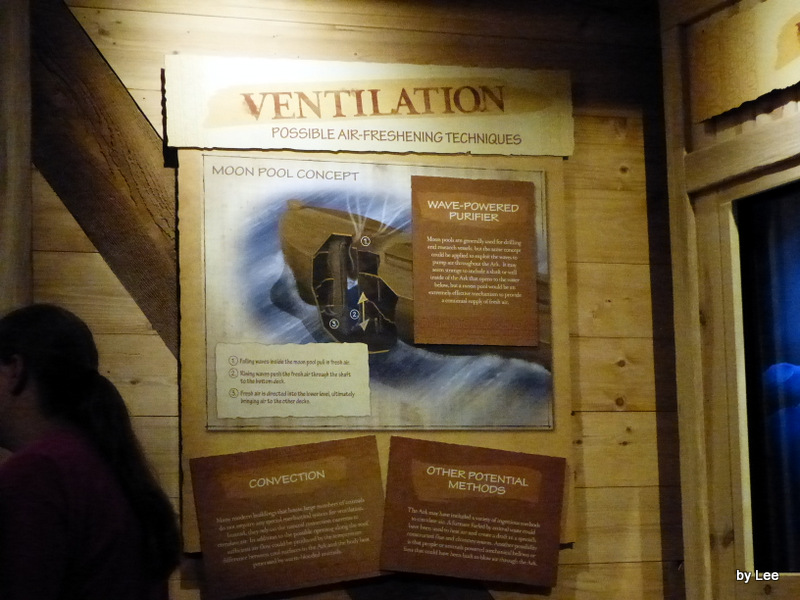
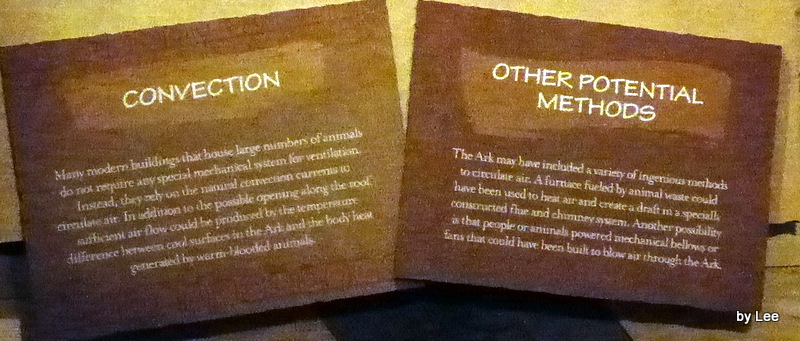
In the first articles of the series, you were shown the birds and their cages, but now, they have to be fed. Here are some of the photos from the Ark Encounter suggesting how some of this could have taken place. [Please forgive the photos, they were shot in low light, after all the Ark didn’t have modern lights and fluorescent lighting like today.] I tried to get as many close-ups of the signs as I could. Reading their signs is how the different operations are explained.

As I have been putting this together, it appears we will need a part II. Stay tuned!

*

See Also:

Birdwatching On Board the Ark Encounter – The Doves
Birdwatching On Board the Ark Encounter – More Birds
Avian Kinds on the Ark – Introduction
Avian Kinds on the Ark – What Is A Kind?
Avian Kinds on the Ark – Birds Embarking

*

Lee’s One Word Monday – 10/10/16

***

Marvelous Spatuletail (Loddigesia mirabilis) ©©Dubi Shapiro

MARVELOUS

***


“This is the LORD’S doing; it is marvellous in our eyes. ” (Psalms 118:23 KJV)

Marvelous Spatuletail (Loddigesia mirabilis) ©©Dubi Shapiro

*

More Daily Devotionals

*

Sunday Inspiration – Ostrich, Rhea, Cassowary, Emu & Kiwi

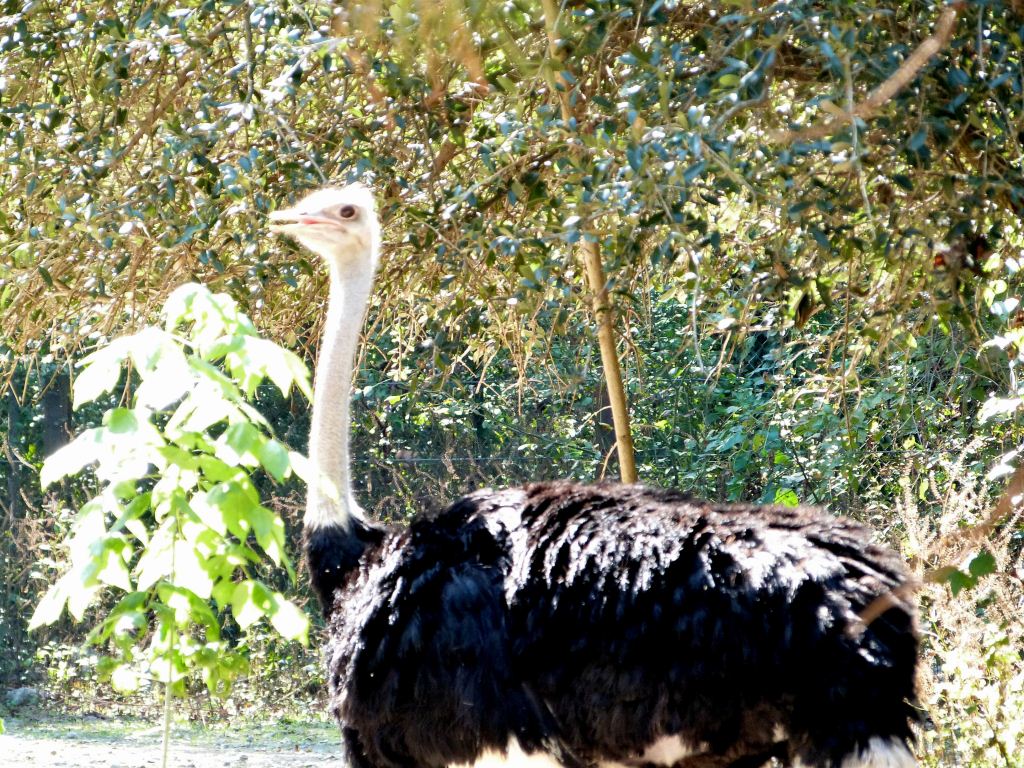
Common Ostrich (Struthio camelus) at Riverbanks Zoo SC by Lee

Common Ostrich (Struthio camelus) at Riverbanks Zoo SC by Lee

“Gavest thou the goodly wings unto the peacocks? or wings and feathers unto the ostrich? Which leaveth her eggs in the earth, and warmeth them in dust, And forgetteth that the foot may crush them, or that the wild beast may break them. She is hardened against her young ones, as though they were not hers: her labor is in vain without fear; Because God hath deprived her of wisdom, neither hath he imparted to her understanding. What time she lifteth up herself on high, she scorneth the horse and his rider.” (Job 39:13-18)

Today we have thirteen (13) birds that are in four (4) Orders with a total of five (5) families. As mentioned before, these will be much easier than the LARGE Passeriformes Order that took months to view. Our Orders are the Struthioniformes, with one (1) family, Struthionidae that has two (2) Ostritches; the Rheiformes has one (1) family, Rheidae, with two (2) Rheas; and then the Casuariiformes Order has two (2) families, Casuariidae with three (3) Cassowaries and the Dromiidae family with a solo Emu; Apterygiformes Order with the Apterygidae family with five (5) Kiwis.

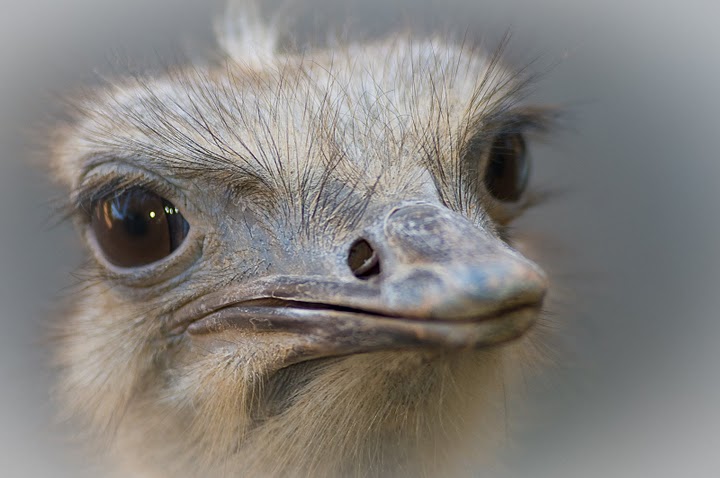
Common Ostrich (Struthio camelus) Closeup by WikiC

Common Ostrich (Struthio camelus) Closeup by ©WikiC

Struthioniformes, with one (1) family, Struthionidae that has two (2) Ostritches – “Ostriches are large, non-flying birds that live in Africa. Besides in their natural environment, ostriches are often breed as farm animals because some people like to eat their meat, eggs or to wear fashion products made of their skin. Although they are killed for commercial purposes, they are not endangered. There are around 2 million ostriches that can be found around the globe.” (SoftSchools)

Greater Rhea (Rhea americana) by ©Wayne Deeker

Greater Rhea (Rhea americana) by ©Wayne Deeker

Rheiformes has one (1) family, Rheidae, with two (2) Rheas – “Rhea is a member of the group of flightless birds. This is the largest bird in the South America. There are two species of rhea: Greater or American Rhea and Lesser or Darwin’s Rhea. They differ in size and in type of habitat they inhabit. Rhea can be found in open grasslands, pampas and woodlands of Argentina, Uruguay, Bolivia, Paraguay, Chile, Peru and Brazil. Rhea is also kept on farms because of its meat, eggs and skin. Number of rhea in the wild is decreased due to habitat loss, but they are still not listed as endangered species.” (SoftSchools with editing)

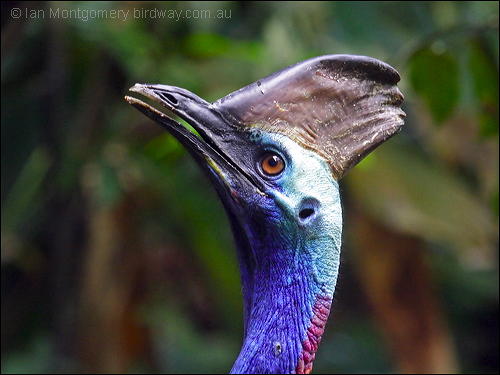
Southern Cassowary (Casuarius casuarius) by Ian

Southern Cassowary (Casuarius casuarius) by Ian

Casuariiformes Order has two (2) families, Casuariidae with three (3) Cassowaries – “The bird order Casuariiformes has four surviving members: the three species of cassowary, and the only remaining species of emu. The emus are classified in the family Dromaiidae, while the cassowaries are all located within the Casuariidae family. All four members of the order are very large flightless birds native to Australia-New Guinea.” (Wikipedia)

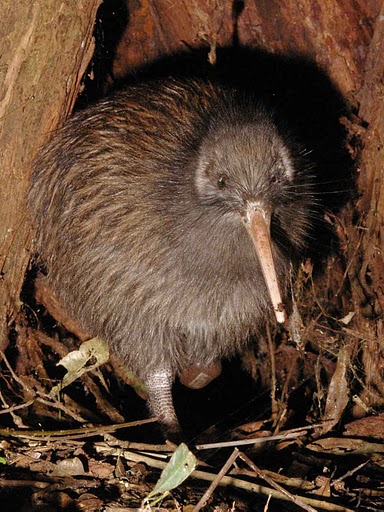
North Island Brown Kiwi (Apteryx mantelli) by Derek©WikiC

North Island Brown Kiwi (Apteryx mantelli) by Derek©WikiC

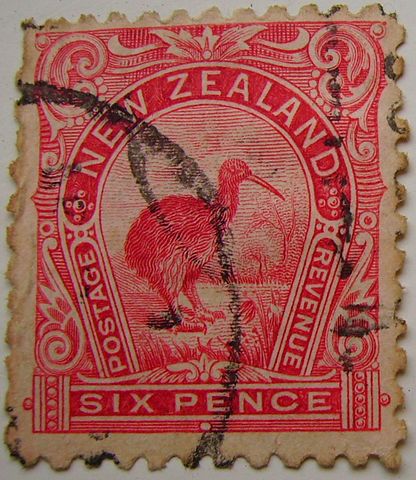
Apterygiformes Order with the Apterygidae family with five (5) Kiwis – “Kiwi (pronounced /kiːwiː/) or kiwis are flightless birds native to New Zealand, in the genus Apteryx and family Apterygidae. At around the size of a domestic chicken, kiwi are by far the smallest living ratites (which also consist of ostriches, emus, rheas, and cassowaries), and lay the largest egg in relation to their body size of any species of bird in the world. DNA sequence comparisons have yielded the surprising conclusion that kiwi are much more closely related to the extinct Malagasy elephant birds than to the moa with which they shared New Zealand. There are five recognized species. All species have been negatively affected by historic deforestation but currently the remaining large areas of their forest habitat are well protected in reserves and national parks. At present, the greatest threat to their survival is predation by invasive mammalian predators.

Kiwi is the nickname used internationally for people from New Zealand,[1] as well as being a relatively common self-reference. The name derives from the kiwi, a flightless bird, which is native to, and the national symbol of, New Zealand. Unlike many demographic labels, its usage is not considered offensive; it is generally viewed as a symbol of pride and endearment for the people of New Zealand..” (Wikipedia with editing)

New Zealand Stamp with Kiwi ©WikiC

New Zealand Stamp with Kiwi ©WikiC


This slideshow requires JavaScript.


*

“And we have seen and do testify that the Father sent the Son to be the Saviour of the world. Whosoever shall confess that Jesus is the Son of God, God dwelleth in him, and he in God.”
(1 John 4:14-15 KJV)

“Hosanna, Messiah Has Come” ~ Choir and Solo by Lisa Brock

*
More Sunday Inspirations

Birds of the Bible – Ostrich

Sharing The Gospel

*

Stork and Other Zoo Animals During The Hurricane


Marabou Stork in Bathroom During Hurricane

“And Noah went in, and his sons, and his wife, and his sons’ wives with him, into the ark, because of the waters of the flood. Of clean beasts, and of beasts that are not clean, and of fowls, and of every thing that creepeth upon the earth, There went in two and two unto Noah into the ark, the male and the female, as God had commanded Noah. ” (Genesis 7:7-9 KJV)

I wonder if all the workers at the zoos every had the idea they were doing something similar to what had done in the past? Adam, his family, the animals, birds, and critters were placed in the ark to protect them from the flood. From the reports I seen, it seems the critters have all survived. Hurricane is still along the South Carolina coast as this is produced.

Just thought you might enjoy watching and reading some of the articles about the zoo animals during this storm. For us here, the sun is shining and the wind is down to an occasional breeze. Praise the Lord for His protection.

What  St Augustine Alligator Farm And Zoological Park did for their animals before Hurricane came by:

Some interesting articles to check out:

Jacksonville Fire Rescue Dept. helps Jacksonville Zoo

What Zoos Do To Prepare For Natural Disasters

Animals in Florida Zoo Hunker Down For Hurricane Matthew

FAQ: Animal Safety & Hurricane Matthew

Wordless Toucan

*

Lee’s Six Word Saturday – 10/8/16

***

HE MAKETH THE STORM A CALM

***


He maketh the storm a calm, so that the waves thereof are still.” (Psalms 107:29 KJV)

Flocks Settling at the Shore by Lee

Praise the Lord, Hurricane Matthew is departing our area and the seas are calming back down. Thanks for all the prayers. Our Haitian and Bahamian friends need much prayer as they try to rebuild their lives.

*

More Daily Devotionals

*

Lee’s Five Word Friday – 10/7/16

***

Snowy Egret (Egretta thula) In The Wind ©Flickr Andrea Westmoreland

AND RAISETH THE STORMY WIND

***


“For he commandeth, and raiseth the stormy wind, which lifteth up the waves thereof.” (Psalms 107:25 KJV)

Snowy Egret (Egretta thula) In The Wind ©Flickr Andrea Westmoreland

*

Tonight the effects of Hurricane Matthew are causing rain and fairly gusty winds here in Central Florida. So far, Matthew is staying to the east of us, but not by much. (We just got word that it is finally shifting to the east a tad, which is good for us.) Though the Snowy Egrets will  still be having a “flying feather” night. Praying for all of those people along the shore as the hurricane scrapes the coast, during tonight and into early morning. Your prayers are always welcomed.

More Daily Devotionals

*

Lee’s Four Word Thursday – 10/6/16

***

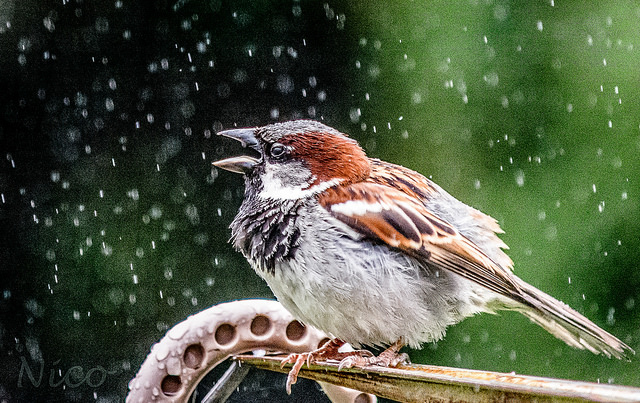
House Sparrow (Passer domesticus) In Rain ©Flickr Nicole Nicky

WINDY STORM AND TEMPEST

***


“I would hasten my escape from the windy storm and tempest.” (Psalms 55:8 KJV)

House Sparrow (Passer domesticus) In Rain ©Flickr Nicole Nicky

*

More Daily Devotionals

*

What Happens To Birds In Hurricanes? – Repost

A Bird in the Storm ©Flickr Sam

A Bird in the Storm ©Flickr Sam

This story is from eNature’s Blog. Many of us worry about the birds and how they make it through Hurricanes like Matthew. This information is well worth repeating.

What Happens To Birds Caught In Hurricanes Like Matthew?

Hurricane Matthew is making its way towards the US East coast after hitting Haiti and Cuba with some of the highest sustained winds and rainfall totals in recent memory.

While Matthew’s wind, rain and storm surge will certainly affect many people, some folks are also wondering about the effects the hurricane may have on birds.

Numbers are hard to come by, but it’s clear that many birds are killed outright by hurricanes. This is especially true of seabirds, which have nowhere in which to seek shelter from these storms. Beaches may be littered with seabird carcasses following major storm events. Most Atlantic hurricanes occur in late summer and early fall—and fall storms coincide with bird migration and may disrupt migration patterns severely.

Many birds get caught up in storm systems and are blown far off course, often landing in inhospitable places or simply arriving too battered and weakened to survive. Others, while not killed or displaced by storms, may starve to death because they are unable to forage while the weather is poor. The number of birds that die as a result of a major hurricanes may run into the hundreds of thousands….

Read on for the whole story….

But as they sailed he fell asleep: and there came down a storm of wind on the lake; and they were filled with water, and were in jeopardy. (Luke 8:23 KJV)

Behold the fowls of the air: for they sow not, neither do they reap, nor gather into barns; yet your heavenly Father feedeth them. Are ye not much better than they? (Matthew 6:26 KJV)

*

Lee’s Three Word Wednesday – 10/5/16

***

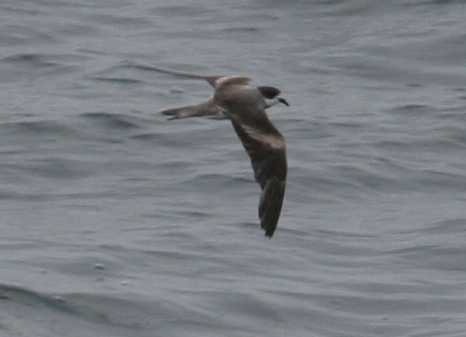
Hornby's Storm Petrel (Oceanodroma hornbyi) ©WikiC

IN THE STORM

***


“The LORD is slow to anger, and great in power, and will not at all acquit the wicked: the LORD hath his way in the whirlwind and in the storm, and the clouds are the dust of his feet.” (Nahum 1:3 KJV)

Hornby’s Storm Petrel (Oceanodroma hornbyi) ©WikiC

P.S. Our area is due to receive a glancing blow from Hurricane Matthew beginning tomorrow evening. Thanks for your prayers in advance.

*

More Daily Devotionals

*

Lee’s Two Word Tuesday – 10/4/16

***

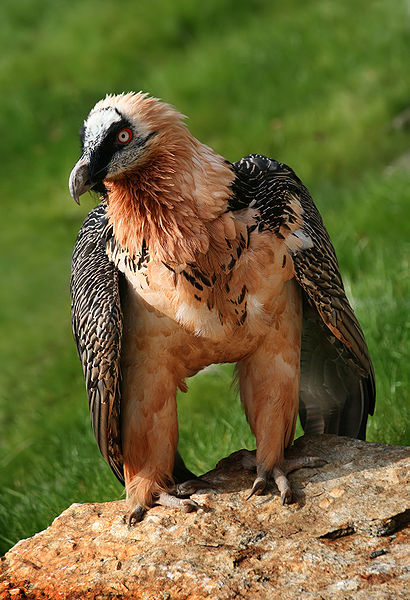
(Ossifrage or Lammergeier) ©WikiC

THE OSSIFRAGE

***


“And these are they which ye shall have in abomination among the fowls; they shall not be eaten, they are an abomination: the eagle, and the ossifrage, and the osprey,” (Leviticus 11:13)

Bearded Vulture (Gypaetus barbatus) (Ossifrage or Lammergeier) ©Wiki

*

More Daily Devotionals

Birds of the Bible – Ossifrage

*


Sunday Inspiration – Beginning of the Bird Orders – Tinamiformes

Elegant Crested Tinamou (Eudromia elegans) Cloud Forest at Zoo Miami by Lee

Elegant Crested Tinamou (Eudromia elegans) Cloud Forest at Zoo Miami by Lee

In the beginning God created the heaven and the earth. (Genesis 1:1 KJV)

We have finished up all the Passeriformes and reviewed them here with the Sunday Inspirations. That only took from February 1st of 2015 to September 25th of 2016. Of the forty orders of birds in the world, Passeriformes was the last and largest of the orders taxonomically. Today, we are going to start at the first of the bird orders. Not to panic, there is only one family in this order. We will cover it today.

Dan and I have only seen one member of this order and that was at Zoo Miami, FL

Elegant Crested Tinamou (Eudromia elegans) by Dan at Zoo Miami

Elegant Crested Tinamou (Eudromia elegans) by Dan at Zoo Miami

“Tinamiformes is a taxonomic order of birds that are also known as Tinamou. The order is represented by only one Family Tinamidae, which consists of 47 species in 9 genera. They are short-legged, little-headed and plump-bodied. They prefer to run rather than fly to avoid danger.

The Tinamous are found only in Central and South America. They are related to the ratites (Ostriches and Rheas). Generally ground dwelling, they are found in a range of habitats from woodlands to open grassland. They prefer eating a diet of berries and seeds off the ground. They also consume insects and small animals.” (CreationWiki)

As you will notice the Tinamou are not very colorful and that is mostly because of how they live. They are very well designed by their Creator to sulk along in the underbrush.

“And God created great whales, and every living creature that moveth, which the waters brought forth abundantly, after their kind, and every winged fowl after his kind: and God saw that it was good.” (Genesis 1:21 KJV) Emphasis added

This slideshow requires JavaScript.

Go forth of the ark, thou, and thy wife, and thy sons, and thy sons’ wives with thee. Bring forth with thee every living thing that is with thee, of all flesh, both of fowl, and of cattle, and of every creeping thing that creepeth upon the earth; that they may breed abundantly in the earth, and be fruitful, and multiply upon the earth. (Genesis 8:16-17 KJV)

“Praise Medley” by ©The Hyssongs

*

More Sunday Inspirations

Birds of the World – Tinamidae – Tinamous 

Hooded Tinamou

CreationWiki – Tinamous

TINAMIFORMES – Tinamous

Tinamidae Family – Our Photos

Tinamidae – Tinamous Family

An Initial Estimate of Avian Ark Kinds

Evolution Made Ridiculous Flightless Birds Over and Over – If you want to some actual truth, but you need to read around the evolution part. You can see the Creator at work.

*

Lee’s Five Word Friday – 9/30/16

***

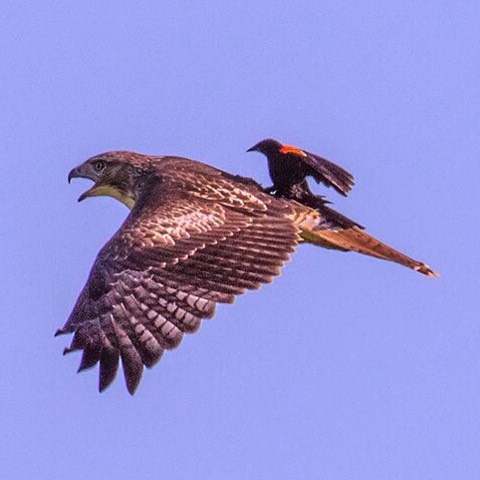
Blackbird on a Hawk's Back ©Dept of Interior

AND MY BURDEN IS LIGHT

***


“For my yoke is easy, and my burden is light.” (Matthew 11:30 KJV)

Blackbird on a Hawk’s Back ©Dept of Interior

*

More Daily Devotionals

*