The Winter Wrens’ Dew-drop Baths

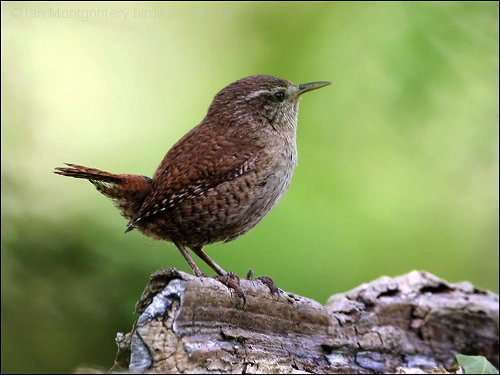
Winter Wren (Troglodytes troglodytes) by Ian

Winter Wren (Troglodytes troglodytes) by Ian

THE WINTER WRENS’ DEW-DROP BATHS

“The winter wren is really with us during the summer too,” said daddy. “But he is too shy to be near us. We can only hear him sing sometimes. When winter comes, though, he goes to people for protection and picks up the crumbs they give him.

“Yesterday he was sitting on a snow-berry bush with a tiny companion. The snow-berry bushes are full and leafy, and in the spring and summer are covered with very tiny pink blossoms. In the autumn and winter they are covered with little berries which look as if they had been made out of snow.

“‘Oh, how I dread the winter!’ said the tiny wren. ‘Just imagine how dreadful it would be if no one put any bread crumbs out for us, or no dog left us some of his dinner on a back porch.’

“‘Now,’ said Mr. Brown Wren, ‘you mustn’t think of such sad thoughts. You always [p.11]do! Someone will look after us. And maybe we’ll find a few spiders now and then in the cracks, and then well have a regular feast.’

“The next day they were back again on the snow-berry bush, and the day was much warmer. Now the wrens love to bathe above all things! Even in the winter they will go through a little sheet of ice and get into the cold, cold water underneath. For they must get their baths! And in the spring, when the tiny wrens are brought forth from their mossy nests, the first lesson they have is of bathing in some nearby brook.

“But this day it was early in the morning, the snow-berry bush was covered with dew-drops and the wrens were delighted.

“‘The sun will drive them away soon. Let’s take them while we get the chance,’ whispered Mr. Brown Wren.

“‘Yes, yes,’ said his small companion. ‘We will soon have to bathe when it is so cold. Let us have a good warm bath first.’

“And then those two little brown wrens took the dew-drops in their beaks, and dropped each one in turn on their feathers. [p.12]Then they got under some leaves full of dew-drops and shook them down over their little feathered bodies.

“After they were well covered with the dew-drops they began to shake all over just as every bird does when he takes a bath. And back they went to take another bath when this one was over. For they seemed to enjoy their last warm bath so much!

“Finally they had bathed enough, and the sun appeared strong as could be, and shining very hard. They perched still on the branches of the snow-berry bush and bathed now in the hot sun. Soon their little feathers were quite dry and they began to sing.

“And truly I think their song was one of gladness because of their dew-drop baths!”


Winter Wren (Troglodytes troglodytes) by Ian

Winter Wren (Troglodytes troglodytes) by Ian

Lee’s Addition:

My message shall drop as the rain, my speech shall distil as the dew, as the light rain upon the tender grass, and as the showers upon the herb. (Deuteronomy 32:2 AMP)

By His knowledge the depths were broken up, And clouds drop down the dew. (Proverbs 3:20 NKJV)

And who do you think is the father of rain and dew, (Job 38:28 MSG)

Another Bird Tales

From

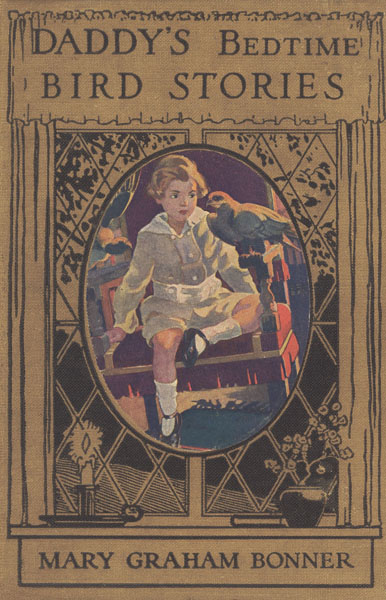
Daddy’s Bedtime Bird Stories – Gutenberg ebooks

By

Mary Graham Bonner

With four illustrations in color by
Florence Choate and Elizabeth Curtis

Daddys Bedtime Story Images


These stories first appeared in the American Press Association Service and the Western Newspaper Union.


Many of the sketches in this volume are the work of Rebecca McCann, creator of the “Cheerful Cherub,” etc.

Daddy's Bedtime Bird Stories by Mary Graham Bonner - 1917

*
Daddy’s Bedtime Bird Stories by Mary Graham Bonner – 1917

*

Links:

Painted Bunting (Passerina ciris) ©©Flickr


  Bird Tales


  Daddy’s Bedtime Bird Stories


Spanish Sparrow (Passer Hispaniolensis) female ©WikiC


  Wordless Birds


Winter Wren (Troglodytes troglodytes) by Ian


  Troglodytidae – Wrens Family


*

The Brave Brown Sparrows In Winter

Sparrow on Branch ©©Bing

Sparrow on Branch ©©Bing

THE BRAVE BROWN SPARROWS IN WINTER

One Bird Seemed to be the Leader.

One Bird Seemed to be the Leader.

“You know,” said daddy, “I saw such a strange thing to-day in the city.”

“Tell us about it,” said Jack.

“What was it?” asked Evelyn, who was always interested in whatever daddy had to say.

“Well,” continued daddy, “in a tree in the park lots and lots of little sparrows were roosting. It was, of course, a perfectly bare tree without a leaf on it, and they were huddled together, keeping each other warm.

“I watched them for quite a time. There was one sparrow who looked the leader. He did most of the chirping and was apparently telling all the others what they must do and giving all sorts of directions. He chirped almost constantly for ten minutes, and then he flew down from the tree and hopped along the ground. He picked up crumb after crumb, and then when he had as many as he could carry in his beak he flew up in the tree again and left them on a branch where there was a kind of hole in which to put them. He was evidently showing all the other birds just what to do, for in a minute or two any number of them flew down to the ground and began to pick up crumbs.

“It was wonderful to see how many they could find, for I myself could hardly see any, and all the time he kept chirping to the others and telling them what to do.

“This kept up for some time, for the birds would fly back and forth, just picking up goodies and then putting them up in the tree. Meantime a lot of other birds who had stayed up in the tree were fixing them on the branch and dividing them all evenly.”

“Didn’t they eat any of them?” asked Evelyn.

“Yes. After quite awhile they all flew back to the tree again, and once more they huddled together and had the most marvelous meal. You see, it was their dinner time, and they all had it together at the same time to make it more sociable. From all the cries of joy and the noise I fancy they were having a pretty good time of it and enjoying themselves immensely. In fact, I think they almost forgot how cold it was.”

“I think it’s wonderful,” said Evelyn, “how well the birds can look after themselves, for it must be pretty hard sometimes, especially in the winter.”

“Yes,” said daddy, “it is, but these birds seemed so happy together and to be having such a good time. After dinner was over they all chased each other from one tree to another in the park and played tag and had a beautiful time. So I think really birds and animals are smart and brave to be able to look after themselves and their little ones so well.”


Sparrows in snow ©©Bing

Sparrows in snow ©©Bing


Lee’s Addition:

We enjoyed being together, and we went with others to your house, our God. (Psalms 55:14 CEV)

But do not forget to do good and to share, for with such sacrifices God is well pleased. (Hebrews 13:16 NKJV)

*

Another Bird Tales

From

Daddy’s Bedtime Bird Stories – Gutenberg ebooks

By

Mary Graham Bonner

With four illustrations in color by
Florence Choate and Elizabeth Curtis

Daddys Bedtime Story Images


These stories first appeared in the American Press Association Service and the Western Newspaper Union.


Many of the sketches in this volume are the work of Rebecca McCann, creator of the “Cheerful Cherub,” etc.

Daddy's Bedtime Bird Stories by Mary Graham Bonner - 1917

*
Daddy’s Bedtime Bird Stories by Mary Graham Bonner – 1917

*

Links:

Painted Bunting (Passerina ciris) ©©Flickr


  Bird Tales


  Daddy’s Bedtime Bird Stories


Spanish Sparrow (Passer Hispaniolensis) female ©WikiC


  Wordless Birds


*

House Sparrow (Passer domesticus)
  Emberizidae – Buntings, New World Sparrows & Allies


*

The Race Between The Secretary Birds

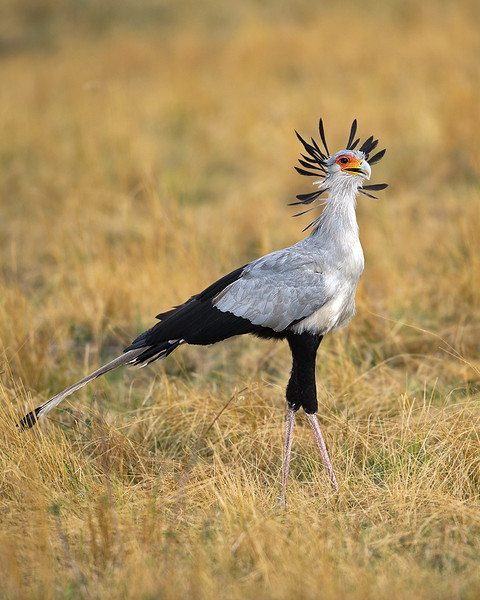
Secretarybird (Sagittarius serpentarius) by Africaddict

Secretarybird (Sagittarius serpentarius) by Africaddict

THE RACE BETWEEN THE SECRETARY BIRDS

Mongo Got Quite a Bit Ahead.

Mongo Got Quite a Bit Ahead.


“The secretary birds had planned to have some field races,” began daddy, “and the afternoon of the races had come. You know, the secretary birds have very, very long thin legs. Their legs are so thin that you can hardly see how it is they can support such big bodies, for the secretary birds have really fat bodies.

“Well, on the afternoon of the races they all entered, and you never saw such running in all your life! They simply went like the wind, but the chief race of all was between one bird named Sandy and one named Mongo. They were considered the fastest runners of all. They had raced often and often before and had always come in a tie. But this time Mongo had been practising [p.29]very hard and had been very careful not to eat anything to hurt his wind. Sandy had been practising every day, too, but he thought it was absurd to give up things to eat. However, Mongo had always heard that all athletes were very careful of their eating, and, as he had never been able to beat Sandy yet, he was bound he would try everything he could so as to win.

“The prize was to be a fine, great, big snake which had been captured and killed a few days before the races were to take place.”

“Do secretary birds eat snakes?” asked Evelyn.

“Yes,” said daddy; “they practically live on them.”

“I shouldn’t think that would be nice food,” added Evelyn.

“No, we don’t think so,” answered daddy, “but you know we eat bacon and like it, so probably the secretary birds think it is as funny for us to eat pigs as we do to hear of their eating snakes.”

“No,” said Evelyn thoughtfully, “I suppose not. They sound so horrid, though.”

[p.30]At that moment Jack, who was growing very impatient, not caring what the secretary birds ate, chimed in: “Daddy, please hurry and tell us who won the race. I can hardly wait to hear. I am sure Mongo did, though.”

“No,” said Evelyn; “I think Sandy did because he wasn’t such an old fuss as Mongo.”

“Well,” continued daddy, “during the race all the secretary birds shrieked in their cackling voices: ‘Go it; go it! Win, Mongo! Win, Sandy!’

“For a few moments Mongo got quite a bit ahead, but Sandy succeeded in catching up with him, and they passed by the goal side by side.

“It was a splendid race, but it showed that Mongo and Sandy were really absolutely evenly matched, so they gave a funny cackle, which meant a laugh, and each, taking an end of the prize, said, ‘We’ll all have a taste of the prize, as neither of us can win it.’

“So they all sat down to a very jolly supper party.”

Secretarybird (Sagittarius serpentarius) by Lee

Secretarybird (Sagittarius serpentarius) by Lee

*

Another Bird Tales

From

Daddy’s Bedtime Bird Stories – Gutenberg ebooks

By

Mary Graham Bonner

With four illustrations in color by
Florence Choate and Elizabeth Curtis

Daddys Bedtime Story Images


These stories first appeared in the American Press Association Service and the Western Newspaper Union.


Many of the sketches in this volume are the work of Rebecca McCann, creator of the “Cheerful Cherub,” etc.

Daddy's Bedtime Bird Stories by Mary Graham Bonner - 1917

*
Daddy’s Bedtime Bird Stories by Mary Graham Bonner – 1917

*

Links:

Painted Bunting (Passerina ciris) ©©Flickr


  Bird Tales


  Daddy’s Bedtime Bird Stories


Spanish Sparrow (Passer Hispaniolensis) female ©WikiC


  Wordless Birds


Secretarybird (Sagittarius serpentarius) with open beak©WikiC


  Sagittariidae – Secretarybird Family
*

The Cardinal Bird And The Robin

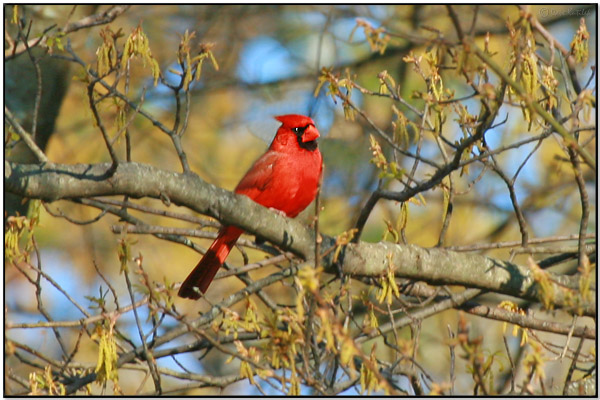
Northern Cardinal (Cardinalis cardinalis) by Daves BirdingPix

Northern Cardinal (Cardinalis cardinalis) by Daves BirdingPix

THE CARDINAL BIRD AND THE ROBIN

“The cardinal bird,” said daddy, “is a very superior bird and will not come down to the ground. The lowest he will come is to a bush, but he never hops along the woods or lawns, no, not he!

“One day Robin Redbreast was walking on a green lawn. He stopped several times to pick up a worm from the ground, swallow it whole and then walk along. In a tree nearby he spied the cardinal bird.

“‘Hello,’ he said cheerily. ‘Won’t you come and have a worm with me? There are a number in this lawn, and the good rain we had last night has made the ground so nice and soft. Do join me,’ he ended with a bright chirp.

“‘No, thank you,’ said the cardinal bird. ‘I wouldn’t soil my feet on that ground. I hate the ground, absolutely hate it.’ And the cardinal bird looked very haughty and proud.

“‘Come now,’ said Robin Redbreast, ‘you won’t get your feet dirty. And if you do,’ he whispered knowingly, ‘I can lead you to the nicest brook where you can wash them off with fresh rain water. Do come!’

“‘I cannot,’ said the cardinal bird. ‘I do not like the earth. I want to be flying in the air, or sitting on the branches of trees. Sometimes I will perch for a little while on a laurel bush—but come any lower? Dear me, no, I couldn’t.’

“‘It’s a great shame,’ said Robin Redbreast. ‘Of course there is no accounting for taste.’

“‘Thank you for inviting me,’ added the cardinal bird politely. For he prided himself on his good manners.

“Pretty soon some people came along. At once they noticed the beautiful cardinal bird. He wore his best red suit which he wears all the time—except in the winter, when he adds gray to his wings. His collar and tie were of black and his feathers stuck up on top of his head so as to make him look very stylish and fine.

“‘Oh, what a wonderful bird!’ said the people. Mr. Cardinal Bird knew they were admiring him, of course—and so did Robin Redbreast. No one had noticed him, but he didn’t care, for he knew Mr. Cardinal Bird was by far the more beautiful, and a robin hasn’t a mean disposition.

“Well, when the cardinal bird heard the praise he began to sing—a glorious high voice he had, and he sounded his clear notes over and over again. Then suddenly he stopped, cocked his head on one side, as though to say,

“‘And what do you think of me now?’

“From down on the ground Robin Redbreast had been listening. ‘Oh, that was wonderful, wonderful!’ he trilled.

“‘Listen to that dear little robin,’ said one of the people. ‘I must get him some bread crumbs.’

“When the bread crumbs were scattered over the ground, Robin Redbreast invited the cardinal bird down again thinking they were for him! But the beautiful, proud bird would not come down, and the people were saying, ‘After all there is nothing quite so nice as a dear little robin.'”

American Robin (Turdus migratorius) by Ian

American Robin (Turdus migratorius) by Ian


Lee’s Addition:

When pride comes, then comes shame; But with the humble is wisdom. (Proverbs 11:2 NKJV)

Our foolish pride comes from this world, and so do our selfish desires and our desire to have everything we see. None of this comes from the Father. (1 John 2:16 CEV)

I think our Cardinal friend in this story was just a little bit too proud. Our friendly Robin was trying hard to offer the Cardinal a good meal and to encourage our Red bird. Do we act more like the Cardinal or the Robin?

(Also: Cardinals in real life do not show false pride.)

*

Another Bird Tales

From

Daddy’s Bedtime Bird Stories – Gutenberg ebooks

By

Mary Graham Bonner

With four illustrations in color by
Florence Choate and Elizabeth Curtis

Daddys Bedtime Story Images


These stories first appeared in the American Press Association Service and the Western Newspaper Union.


Many of the sketches in this volume are the work of Rebecca McCann, creator of the “Cheerful Cherub,” etc.

Daddy's Bedtime Bird Stories by Mary Graham Bonner - 1917

*
Daddy’s Bedtime Bird Stories by Mary Graham Bonner – 1917

*

Links:

Painted Bunting (Passerina ciris) ©©Flickr


  Bird Tales


  Daddy’s Bedtime Bird Stories


Spanish Sparrow (Passer Hispaniolensis) female ©WikiC


  Wordless Birds


Northern Cardinal (Cardinalis cardinalis) - ©WikiC


  Cardinalidae – Grosbeaks, Saltators & Allies Family


American Robin (Turdus migratorius) eating by Jim Fenton


Turdidae – Thrushes Family

*

How The Little Redbird Became Red

Northern Cardinal (Cardinalis cardinalis) - ©WikiC

Northern Cardinal (Cardinalis cardinalis) – ©WikiC

HOW THE LITTLE REDBIRD BECAME RED

Daddys Bedtime Story

A Gray Bird Was Flying Overhead.

Jack and Evelyn had been playing circus all day. Jack had been the big man who stands in the middle of the ring and cracks his whip, while Evelyn had turned somersaults and made pretty bows. They told daddy all about it when he came home that evening, so he said:

“As you’re so fond of circus performing I will certainly have to tell you about the circus the animals gave.

“Cub Bear got it all up, and every animal who went to it had to first agree to do something. And it really was a most marvelous circus. They all marched around in a parade, while the little bears beat the drums. The rabbits rode on the backs of the possums, and the monkeys rode on the backs of the elephants. The chipmunks drove chariots which were drawn by the gray squirrels, and the clowns were the frogs. The rest of the animals caught hands and followed in the march. They laughed and shouted and enjoyed themselves immensely.

“Then all took their seats and one by one did some sort of an act. The monkeys won a great deal of applause by their trapeze acting. Cub Bear walked a rope and danced around on his hind legs. The bunnies rode bicycles, but that ended sadly, as one of them—a son of old Peter Rabbit, who was renowned for his bicycle riding—in trying to show off, fell and skinned his nose. All the other animals gathered around to see what they could do, while the bunny moaned and moaned.

“A gray bird flying over the tent heard the sound of moans and cries and flew in to see what the trouble was, for he was a very kind-hearted bird. He saw that the bunny was really more frightened than hurt, and with his wings he wiped off the blood from the rabbit’s face. The blood-stain never got off the wings of the bird, so ever after he and his family became known as the redbirds.

“The bunny fully recovered and once more felt like himself; but, of course, after the accident, the animals didn’t care to go on performing, so they all sat around the center of the tent and had a most glorious picnic. Refreshments of all kinds were passed around.

“They had pink lemonade, peanuts, popcorn, ice-cream cones, and water taffy. After they’d finished eating they sang all the old-time songs and frisked about, playing and dancing. Bunny Rabbit, who felt quite spry again, frisked about too, and the redbird flew overhead, flapping his wings with joy, for he was so glad everything had turned out so merrily.

“The circus proved such a success and the animals were in such high spirits that they then and there decided to have a circus every year.”


Lee’s Addition:

But a certain Samaritan, as he journeyed, came where he was: and when he saw him, he had compassion on him, (Luke 10:33 KJV)

When we see someone in need, do we help them? Do we care enough to get involved?

Summer Tanager by Beedie Savage

Summer Tanager by Beedie Savage

We don’t know from the story which kind of “redbird” it was, but Cardinals belong to the Cardinalidae – Grosbeaks, Saltators & Allies Family. If it was a Summer or Scarlet Tanager, then they would have been in the Thraupidae – Tanagers and Allies Family which has several “Redbirds.”

*

Another Bird Tales

From

Daddy’s Bedtime Bird Stories – Gutenberg ebooks

By

Mary Graham Bonner

With four illustrations in color by
Florence Choate and Elizabeth Curtis

Daddys Bedtime Story Images


These stories first appeared in the American Press Association Service and the Western Newspaper Union.


Many of the sketches in this volume are the work of Rebecca McCann, creator of the “Cheerful Cherub,” etc.

Daddy's Bedtime Bird Stories by Mary Graham Bonner - 1917

*
Daddy’s Bedtime Bird Stories by Mary Graham Bonner – 1917

*

Links:

Painted Bunting (Passerina ciris) ©©Flickr


  Bird Tales


  Daddy’s Bedtime Bird Stories


Spanish Sparrow (Passer Hispaniolensis) female ©WikiC


  Wordless Birds


Northern Cardinal (Cardinalis cardinalis) - ©WikiC


  Cardinalidae – Grosbeaks, Saltators & Allies Family


Vermilion Tanager (Calochaetes coccineus) ©Nick Athanas


 Thraupidae – Tanagers and Allies Family


*

The Wren Who Brought Fire

House Wren (Troglodytes aedon) by Ian

House Wren (Troglodytes aedon) by Ian

The Wren Who Brought Fire ~ from The Curious Book of Birds

THE WREN WHO BROUGHT FIRE

Cur Book of Birds letter-cENTURIES and centuries ago, when men were first made, there was no such thing as fire known in all the world. Folk had no fire with which to cook their food, and so they were obliged to eat it raw; which was very unpleasant, as you may imagine! There were no cheery fireplaces about which to sit and tell stories, or make candy or pop corn. There was no light in the darkness at night except the sun and moon and stars. There were not even candles in those days, to say nothing of gas lamps or electric lights. It is strange to think of such a world where even the grown folks, like the children and the birds, had to go to bed at dusk, because there was nothing else to do.

But the little birds, who lived nearer heaven than men, knew of the fire in the sun, and knew also what a fine thing it would be for the tribes without feathers if they could have some of the magic element.

One day the birds held a solemn meeting, when it was decided that men must have fire. Then some one must fly up to the sun and bring a firebrand thence. Who would undertake this dangerous errand? Already by sad experience the Kingfisher had felt the force of the sun’s heat, while the Eagle and the Wren, in the famous flight which they had taken together, had learned the same thing. The assembly of birds looked at one another, and there was a silence.

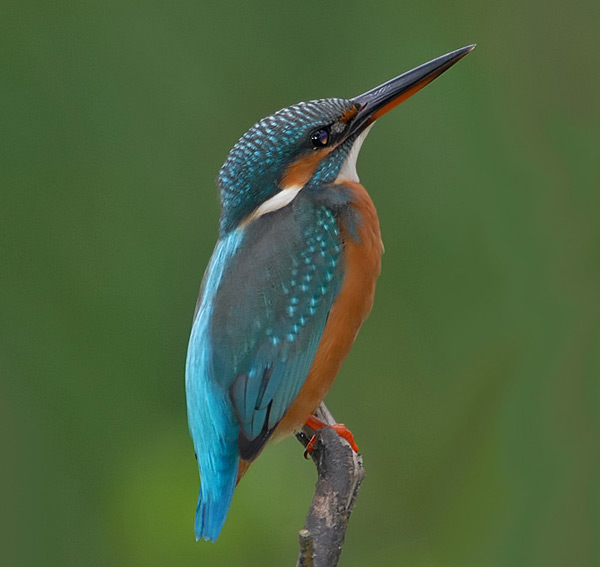
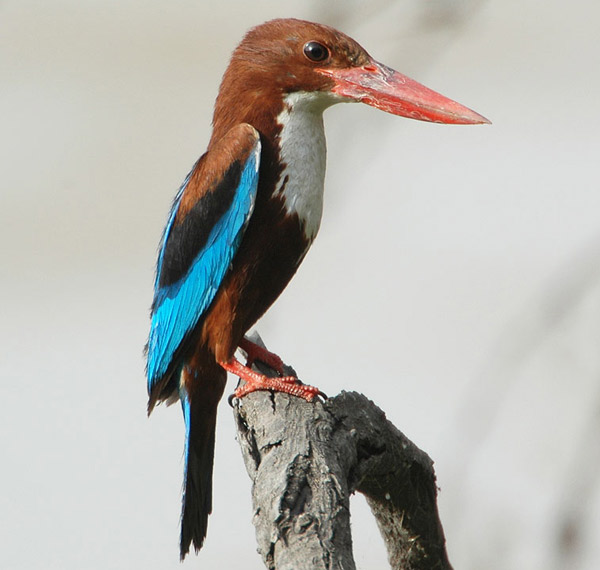
Common Kingfisher (Alcedo atthis) by W Kwong

Common Kingfisher (Alcedo atthis) by W Kwong

“I dare not go,” said the Kingfisher, trembling at the idea; “I have been up there once, and the warning I received was enough to last me for some time.”

Indian Peafowl (Pavocristatus) by Nikhil Devasar

Indian Peafowl (Pavocristatus) by Nikhil Devasar

“I cannot go,” said the Peacock, “for my plumage is too precious to risk.”
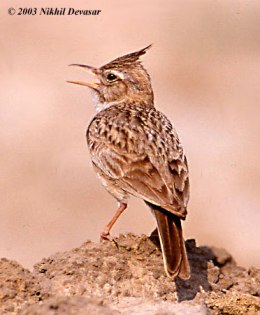
Crested Lark (Galerida cristata) by Nikhil Devasar

Crested Lark (Galerida cristata) by Nikhil Devasar

“I ought not to go,” said the Lark, “for the heat might injure my pretty voice.”

Yellow-billed Stork (Mycteria ibis) ©USFWS

Yellow-billed Stork (Mycteria ibis) ©USFWS

“I must not go,” said the Stork, “for I have promised to bring a baby to the King’s palace this evening.”

European Turtle Dove (Streptopelia turtur) ©WikiC

European Turtle Dove (Streptopelia turtur) ©WikiC

“I cannot go,” said the Dove, “for I have a nestful of little ones who depend upon me for food.”

Chipping Sparrow (Spizella passerina) by Quy Tran

Chipping Sparrow (Spizella passerina) by Quy Tran

“Nor I,” said the Sparrow, “for I am afraid.” “Nor I!” “Nor I!” “Nor I!” echoed the other birds.

Western Screech Owl (Megascops kennicottii)(captive) by Raymond Barlow

Western Screech Owl (Megascops kennicottii)(captive) by Raymond Barlow

“I will not go,” croaked the Owl, “for I simply do not wish to.”

Then up spoke the little Wren, who had been keeping in the background of late, because he was despised for his attempt to deceive the birds into electing him their king. (see King of the Birds)

Rufous-naped Wren (Campylorhynchus rufinucha) by Ray

Rufous-naped Wren (Campylorhynchus rufinucha) by Ray

“I will go,” said the Wren. “I will go and bring fire to men. I am of little use here. No one loves me. Every one despises me because of the trick which I played the Eagle, our King. No one will care if I am injured in the attempt. I will go and try.”

“Bravely spoken, little friend,” said the Eagle kindly. “I myself would go but that I am the King, and kings must not risk the lives upon which hangs the welfare of their people. Go you, little Wren, and if you are successful you will win back the respect of your brothers which you have forfeited.”

The brave little bird set out upon his errand without further words. And weak and delicate though he was, he flew and he flew up and up so sturdily that at last he reached the sun, whence he plucked a firebrand and bore it swiftly in his beak back toward the earth. Like a falling star the bright speck flashed through the air, drawing ever nearer and nearer to the cool waters of Birdland and the safety which awaited him there. The other birds gathered in a flock about their king and anxiously watched the Wren’s approach.

Suddenly the Robin cried out, “Alas! He burns! He has caught fire!” And off darted the faithful little friend to help the Wren. Sure enough, a spark from the blazing brand had fallen upon the plumage of the Wren, and his poor little wings were burning as he fluttered piteously down, still holding the fire in his beak.

American Robin (Turdus migratorius) by Daves BirdingPix

American Robin (Turdus migratorius) by Daves BirdingPix

The Robin flew up to him and said, “Well done, brother! You have succeeded. Now give me the fire and I will relieve you while you drop into the lake below us to quench the flame which threatens your life.”

So the Robin in his turn seized the firebrand in his beak and started down with it. But, like the Wren, he too was soon fluttering in the blaze of his own burning plumage, a little living firework, falling toward the earth.

Desert Lark (Ammomanes deserti) by Nikhil Devasar

Desert Lark (Ammomanes deserti) by Nikhil Devasar

Then up came the Lark, who had been watching the two unselfish birds. “Give me the brand, brother Robin,” she cried, “for your pretty feathers are all ablaze and your life is in danger.”

So it was the Lark who finally brought the fire safely to the earth and gave it to mankind. But the Robin and the Wren, when they had put out the flame which burned their feathers, appeared in the assembly of the birds, and were greeted with great applause as the heroes of the day. The Robin’s breast was scorched a brilliant red, but the poor, brave little Wren was wholly bare of plumage. All his pretty feathers had been burned away, and he stood before them shivering and piteous.

Bald Eagle (close up) Lowry Park Zoo by Lee

Bald Eagle (close up) Lowry Park Zoo by Lee

“Bravo! little Wren,” cried King Eagle. “A noble deed you have done this day, and nobly have you won back the respect of your brother birds and earned the everlasting gratitude of men. Now what shall we do to help you in your sorry plight?” After a moment’s thought he turned to the other birds and said, “Who will give a feather to help patch a covering for our brave friend?”

“I!” and “I!” and “I!” and “I!” chorused the generous birds. And in turn each came forward with a plume or a bit of down from his breast. The Robin first, who had shared his peril, brought a feather sadly scorched, but precious; the Lark next, who had helped in the time of need. The Eagle bestowed a kingly feather, the Thrush, the Nightingale,—every bird contributed except the Owl.

Great Horned Owl (Bubo virginianus) by Bob-Nan

Great Horned Owl (Bubo virginianus) by Bob-Nan

But the selfish Owl said, “I see no reason why I should give a feather. Hoot! No! The Wren brought me into trouble once, and I will not help him now. Let him go bare, for all my aid.”

“Shame! Shame!” cried the birds indignantly. “Old Master Owl, you ought to be ashamed. But if you are so selfish we will not have you in our society. Go back to your hollow tree!”

“Yes, go back to your hollow tree,” cried the Eagle sternly; “and when winter comes may you shiver with cold as you would have left the brave little Wren to shiver this day. You shall ruffle your feathers as much as you like, but you will always feel cold at heart, because your heart is selfish.”

And indeed, since that day for all his feathers the Owl has never been able to keep warm enough in his lonely hollow tree.

But the Wren became one of the happiest of all the birds, and a favorite both with his feathered brothers and with men, because of his brave deed, and because of the great fire-gift which he had brought from the sun.

Carolina Wren (Thryothorus ludovicianus)  by Quy Tran

Carolina Wren (Thryothorus ludovicianus) by Quy Tran


Lee’s Addition:

In the daytime also he led them with a cloud, and all the night with a light of fire. (Psalms 78:14 KJV)

As soon then as they were come to land, they saw a fire of coals there, and fish laid thereon, and bread. Jesus saith unto them, Bring of the fish which ye have now caught. Simon Peter went up, and drew the net to land full of great fishes, an hundred and fifty and three:… Jesus saith unto them, Come and dine. And none of the disciples durst ask him, Who art thou? knowing that it was the Lord. (John 21:9-12 KJV)

Trust you enjoyed this tale from The Curious Book of Birds. These entertaining stories were written 1903 and they are just as delightful and fun to read today.

(Photos added by me.)

Links:
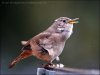
House Wren (Troglodytes aedon) by Ian


Troglodytidae – Wrens Family


Painted Bunting (Passerina ciris) ©©Flickr


  Bird Tales


Curious Book of Birds - Cover


  The Curious Book of Birds


Spanish Sparrow (Passer Hispaniolensis) female ©WikiC


  Wordless Birds


*

The Forgetful Kingfisher

Pied Kingfisher (Ceryle rudis) by Ian

Pied Kingfisher (Ceryle rudis) by Ian

The Forgetful Kingfisher ~ from The Curious Book of Birds

THE FORGETFUL KINGFISHER

Cur Book of Birds letter-iN these days the Kingfisher is a sad and solitary bird, caring not to venture far from the water where she finds her food. Up and down the river banks she goes, uttering a peculiar plaintive cry. What is she saying, and why is she so restless? The American Kingfisher is gray, but her cousin of Europe is a bird of brilliant azure with a breast of rusty red. Therefore it must have been the foreign Kingfisher who was forgetful, as you shall hear.

Long, long after the sorrows of Halcyone, the first Kingfisher, were ended, came the great storm which lasted forty days and forty nights, causing the worst flood which the world has ever known. That was a terrible time. When Father Noah hastened to build his ark, inviting the animals and birds to take refuge with him, the Kingfisher herself was glad to go aboard. For even she, protected by Æolus from the fury of winds and waters, was not safe while there was no place in all the world for her to rest foot and weary wing. So the Kingfisher fluttered in with the other birds and animals, a strange company! And there they lived all together, Noah and his arkful of pets, for many weary days, while the waters raged and the winds howled outside, and all the earth was covered fathoms deep out of sight below the waves.

But after long weeks the storm ceased, and Father Noah opened the little window in the ark and sent forth the Dove to see whether or not there was land visible on which the ark might find rest. Now after he had sent out the Dove, Noah looked about him at the other birds and animals which crowded around him eagerly, for they were growing very restless from their long confinement, and he said, “Which of you is bravest, and will dare follow our friend the Dove out into the watery world? Ah, here is the Kingfisher. Little mother, you at least, reared among the winds and waters, will not be afraid. Take wing, O Kingfisher, and see if the earth be visible. Then return quickly and bring me faithful word of what you find out yonder.”

Day was just beginning to dawn when the Kingfisher, who was then as gray as gray, flew out from the little window of the ark whence the Dove had preceded her. But hardly had she left the safe shelter of Father Noah’s floating home, when there came a tremendous whirlwind which blew her about and buffeted her until she was almost beaten into the waves, which rolled endlessly over the face of the whole earth, covering the high hills and the very mountains. The Kingfisher was greatly frightened. She could not go back into the ark, for the little window was closed, and there was no land anywhere on which she could take refuge. Just think for a moment what a dreadful situation it was! There was nothing for her to do but to fly up, straight up, out of reach from the tossing waves and dashing spray.

The Kingfisher was fresh and vigorous, and her wings were strong and powerful, for she had been resting long days in the quiet ark, eating the provisions which Father Noah had thoughtfully prepared for his many guests. So up, up she soared, above the very clouds, on into the blue ether which lies beyond. And lo! as she did so, her sober gray dress became a brilliant blue, the color caught from the azure of those clear heights. Higher and higher she flew, feeling so free and happy after her long captivity, that she quite forgot Father Noah and the errand upon which she had been sent. Up and up she went, higher than the sun, until at last she saw him rising far beneath her, a beautiful ball of fire, more dazzling, more wonderful than she had ever guessed.

“Hola!” she cried, beside herself with joy at the sight. “There is the dear sun, whom I have not seen for many days. And how near, how beautiful he is! I will fly closer still, now that I have come so near. I will observe him in all his splendor, as no other bird, not even the high-flying, sharp-eyed Eagle, has ever seen him.”

And with that the foolish Kingfisher turned her course downward, with such mad, headlong speed that she had scarcely time to feel what terrible, increasing heat shot from the sun’s rays, until she was so close upon him that it was too late to escape. Oh, but that was a dreadful moment! The feathers on her poor little breast were scorched and set afire, and she seemed in danger not only of spoiling her beautiful new blue dress but of being burned into a wretched little cinder. Horribly frightened at her danger, the Kingfisher turned once more, but this time toward the rolling waters which covered the earth. Down, down she swooped, until with the hiss of burning feathers she splashed into the cold wetness, putting out the fire which threatened to consume her. Once, twice, thrice, she dipped into the grateful coolness, flirting the drops from her blue plumage, now alas! sadly scorched.

Common Kingfisher (Alcedo atthis) by W Kwong

Common Kingfisher (Alcedo atthis) by W Kwong

When the pain of her burns was somewhat relieved she had time to think what next she should do. She longed for rest, for refuge, for Father Noah’s gentle, caressing hand to which she had grown accustomed during those stormy weeks of companionship in the ark. But where was Father Noah? Where was the ark? On all the rolling sea of water there was no movement of life, no sign of any human presence. Then the Kingfisher remembered her errand, and how carelessly she had performed it. She had been bidden to return quickly; but she had wasted many hours—she could not tell how many—in her forgetful flight. And now she was to be punished indeed, if she could not find her master and the ark of refuge.

The poor Kingfisher looked wildly about. She fluttered here and there, backward and forward, over the weary stretch of waves, crying piteously for her master. He did not answer; there was no ark to be found. The sun set and the night came on, but still she sought eagerly from east to west, from north to south, always in vain. She could never find what she had so carelessly lost.

The truth is that during her absence the Dove, who had done her errand faithfully, returned at last with the olive leaf which told of one spot upon the earth’s surface at last uncovered by the waves. Then the ark, blown hither and thither by the same storm which had driven the Kingfisher to fly upward into the ether-blue, had drifted far and far to Mount Ararat, where it ran aground. And Father Noah, disembarking with his family and all the assembled animals, had broken up the ark, intending there to build him a house out of the materials from which it was made. But this was many, many leagues from the place where the poor Kingfisher, lonely and frightened, hovered about, crying piteously for her master.

And even when the waters dried away, uncovering the earth in many places, so that the Kingfisher could alight and build herself a nest, she was never happy nor content, but to this day flies up and down the water-ways of the world piping sadly, looking eagerly for her dear master and for some traces of the ark which sheltered her. And the reflection which she makes in the water below shows an azure-blue body, like a reflection of the sky above, with some of the breast-feathers scorched to a rusty red. And now you know how it all came about.


Common Kingfisher (Alcedo atthis) by Nikhil Devasar

Common Kingfisher (Alcedo atthis) by Nikhil Devasar

Lee’s Addition:

An enjoyable Bird Tale from The Curious Book of Birds. Kingfishers belong to the Alcedinidae – Kingfishers Family.

We know the Lord created Kingfishers and gave them their colors, but it is fun to read stories about them, even if they are make-believe. The flood and the ark were true, but that is not quite how they came to fly up and down the waterways.

That they may set their hope in God, And not forget the works of God, But keep His commandments; (Psalms 78:7 NKJV)

My son, do not forget my law, But let your heart keep my commands; (Proverbs 3:1 NKJV)

Get wisdom! Get understanding! Do not forget, nor turn away from the words of my mouth. (Proverbs 4:5 NKJV)

Kingfishers have been created by a loving Creator just as we have been. We differ from the birds because we were made in God’s image. Therefore, we need to remember our teachings about God and Christ and not forget them. That also includes what your parents ask you to do also.

(Photos added by me.)

Links:

White-throated Kingfisher (Halcyon smyrnensis) by Nikhil Devasar


  Alcedinidae – Kingfishers Family


Painted Bunting (Passerina ciris) ©©Flickr


  Bird Tales


Curious Book of Birds - Cover


  The Curious Book of Birds


Spanish Sparrow (Passer Hispaniolensis) female ©WikiC


  Wordless Birds


*

Halcyone (Kingfisher)

White-throated Kingfisher (Halcyon smyrnensis) by Nikhil Devasar

White-throated Kingfisher (Halcyon smyrnensis) by Nikhil Devasar

Halcyone ~ from The Curious Book of Birds

HALCYONE

Cur Book of Birds letter-tHE story of the first Kingfisher is a sad one, and you need not read it unless for a very little while you wish to feel sorry.

Long, long ago when the world was new, there lived a beautiful princess named Halcyone. She was the daughter of old Æolus, King of the Winds, and lived with him on his happy island, where it was his chief business to keep in order the four boisterous brothers, Boreas, the North Wind, Zephyrus, the West Wind, Auster, the South Wind, and Eurus, the East Wind. Sometimes, indeed, Æolus had a hard time of it; for the Winds would escape from his control and rush out upon the sea for their terrible games, which were sure to bring death and destruction to the sailors and their ships. Knowing them so well, for she had grown up with these rough playmates, Halcyone came to dread more than anything else the cruelties which they practiced at every opportunity.

One day the Prince Ceyx came to the island of King Æolus. He was the son of Hesperus, the Evening Star, and he was the king of the great land of Thessaly. Ceyx and Halcyone grew to love each other dearly, and at last with the consent of good King Æolus, but to the wrath of the four Winds, the beautiful princess went away to be the wife of Ceyx and Queen of Thessaly.

For a long time they lived happily in their peaceful kingdom, but finally came a day when Ceyx must take a long voyage on the sea, to visit a temple in a far country. Halcyone could not bear to have him go, for she feared the dangers of the great deep, knowing well the cruelty of the Winds, whom King Æolus had such difficulty in keeping within bounds. She knew how the mischievous brothers loved to rush down upon venturesome sailors and blow them into danger, and she knew that they especially hated her husband because he had carried her away from the island where she had watched the Winds at their terrible play. She begged Ceyx not to go, but he said that it was necessary. Then she prayed that if he must go he would take her with him, for she could not bear to remain behind dreading what might happen.

But Ceyx was resolved that Halcyone should not go. The good king longed to take her with him; no more than she could he smile at the thought of separation. But he also feared the sea, not on his own account, but for his dear wife. In spite of her entreaties he remained firm. If all went well he promised to return in two months’ time. But Halcyone knew that she should never see him again as now he spoke.

The day of separation came. Standing heart-broken upon the shore, Halcyone watched the vessel sail away into the East, until as a little speck it dropped below the horizon; then sobbing bitterly she returned to the palace.

Now the king and his men had completed but half their journey when a terrible storm arose. The wicked Winds had escaped from the control of good old Æolus and were rushing down upon the ocean to punish Ceyx for carrying away the beautiful Halcyone. Fiercely they blew, the lightning flashed, and the sea ran high; and in the midst of the horrible tumult the good ship went to the bottom with all on board. Thus the fears of Halcyone were proved true, and far from his dear wife poor Ceyx perished in the cruel waves.

That very night when the shipwreck occurred, the sad and fearful Halcyone, sleeping lonely at home, knew in a dream the very calamity which had happened. She seemed to see the storm and the shipwreck, and the form of Ceyx appeared, saying a sad farewell to her. As soon as it was light she rose and hastened to the seashore, trembling with a horrible dread. Standing on the very spot whence she had last seen the fated ship, she looked wistfully over the waste of stormy waters. At last she spied a dark something tossing on the waves. The object floated nearer and nearer, until a huge breaker cast before her on the sand the body of her drowned husband.

“O dearest Ceyx!” she cried. “Is it thus that you return to me?” Stretching out her arms toward him, she leaped upon the sea wall as if she would throw herself into the ocean, which advanced and retreated, seething around his body. But a different fate was to be hers. As she leaped forward two strong wings sprouted from her shoulders, and before she knew it she found herself skimming lightly as a bird over the water. From her throat came sounds of sobbing, which changed as she flew into the shrill piping of a bird. Soft feathers now covered her body, and a crest rose above the forehead which had once been so fair. Halcyone was become a Kingfisher, the first Kingfisher who ever flew lamenting above the waters of the world.

The sad bird fluttered through the spray straight to the body that was tossed upon the surf. As her wings touched the wet shoulders, and as her horny beak sought the dumb lips in an attempt to kiss what was once so dear, the body of Ceyx began to receive new life. The limbs stirred, a faint color returned to the cheeks. At the same moment a change like that which had transformed Halcyone began to pass over her husband. He too was becoming a Kingfisher. He too felt the thrill of wings upon his shoulders, wings which were to bear him up and away out of the sea which had been his death. He too was clad in soft plumage with a kingly crest upon his kingly head. With a faint cry, half of sorrow for what had happened, half of joy for the future in which these two loving ones were at least to be together, Ceyx rose from the surf-swept sand where his lifeless limbs had lain and went skimming over the waves beside Halcyone his wife.

Oriental Dwarf-Kingfisher (Ceyx erithaca) by Khong Tuck Khoon

Oriental Dwarf-Kingfisher (Ceyx erithaca) by Khong Tuck Khoon

So those unhappy mortals became the first kingfishers, happy at last in being reunited. So we see them still, flying up and down over the waters of the world, royal forms with royal crests upon their heads.

They built their nest of the bones of fish, a stout and well-joined basket which floated on the waves as safely as any little boat. And while their children, the baby Halcyons, lay in this rocking cradle, for seven days in the heart of winter, no storms ever troubled the ocean and mariners could set out upon their voyages without fear.

For while his little grandchildren rocked in their basket, the good King Æolus, pitying the sorrows of his daughter Halcyone, was always especially careful to chain up in prison those wicked brothers the Winds, so that they could do no mischief of any kind.

And that is why a halcyon time has come to mean a season of peace and safety.

Belted Kingfisher (Megaceryle alcyon) by Daves BirdingPix

Belted Kingfisher (Megaceryle alcyon) by Daves BirdingPix


Lee’s Addition:

Another enjoyable Bird Tale from the Curious Book of Birds. Kingfishers belong to the Alcedinidae – Kingfishers Family. There are two genus in the Kingfishers called Ceyx and Halcyon. Humm! What do you think? Must be those that name birds read the story?

We know the Lord created Kingfishers, but it is fun to read stories about them, even if they are make-believe.

And when he (Jesus) had finished speaking, he said to Simon, “Put out into the deep and let down your nets for a catch.” And Simon answered, “Master, we toiled all night and took nothing! But at your word I will let down the nets.” And when they had done this, they enclosed a large number of fish, and their nets were breaking. (Luke 5:4-6 ESV)

Kingfishers don’t have to use nets like these fishermen, which were the disciples. But they obeyed and they received a great many fish.

(Photos added by me.)

Links:

White-throated Kingfisher (Halcyon smyrnensis) by Nikhil Devasar


  Alcedinidae – Kingfishers Family


Painted Bunting (Passerina ciris) ©©Flickr


  Bird Tales


Curious Book of Birds - Cover


  The Curious Book of Birds


Spanish Sparrow (Passer Hispaniolensis) female ©WikiC


  Wordless Birds


*

The Disobedient Woodpecker

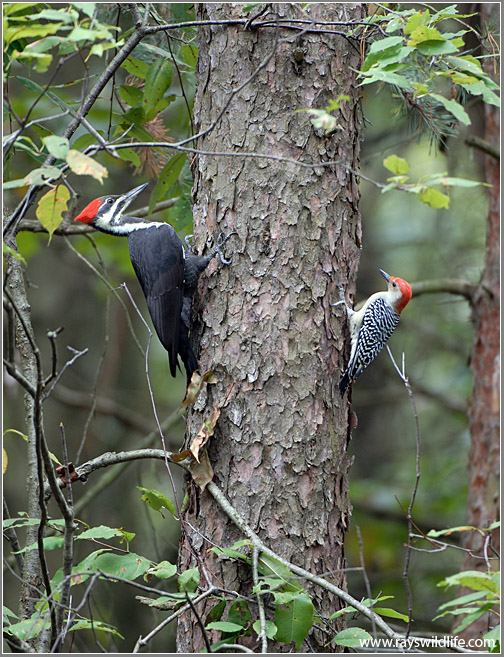
Pileated and Red-bellied Woodpecker on same tree by Ray

Pileated and Red-bellied Woodpecker on same tree by Ray

The Disobedient Woodpecker ~ from The Curious Book of Birds

THE DISOBEDIENT WOODPECKER

Cur Book of Birds letter-lONG, long ago, at the beginning of things, they say that the Lord made the world smooth and round like an apple. There were no hills nor mountains: nor were there any hollows or valleys to hold the seas and rivers, fountains and pools, which the world of men would need. It must, indeed, have been a stupid and ugly earth in those days, with no chance for swimming or sailing, rowing or fishing. But as yet there was no one to think anything about it, no one who would long to swim, sail, row, and fish. For this was long before men were created.

The Lord looked about Him at the flocks of newly made birds, who were preening their wings and wondering at their own bright feathers, and said to Himself,—

“I will make these pretty creatures useful, from the very beginning, so that in after time men shall love them dearly. Come, my birds,” He cried, “come hither to me, and with the beaks which I have given you hollow me out here, and here, and here, basins for the lakes and pools which I intend to fill with water for men and for you, their friends. Come, little brothers, busy yourselves as you would wish to be happy hereafter.”

Then there was a twittering and fluttering as the good birds set to work with a will, singing happily over the work which their dear Lord had given them to do. They pecked and they pecked with their sharp little bills; they scratched and they scratched with their sharp little claws, till in the proper places they had hollowed out great basins and valleys and long river beds, and little holes in the ground.

Then the Lord sent great rains upon the earth until the hollows which the birds had made were filled with water, and so became rivers and lakes, little brooks and fountains, just as we see them to-day. Now it was a beautiful, beautiful world, and the good birds sang happily and rejoiced in the work which they had helped, and in the sparkling water which was sweet to their taste.

All were happy except one. The Woodpecker had taken no part with the other busy birds. She was a lazy, disobedient creature, and when she heard the Lord’s commands she had only said, “Tut tut!” and sat still on the branch where she had perched, preening her pretty feathers and admiring her silver stockings. “You can toil if you want to,” she said to the other birds who wondered at her, “but I shall do no such dirty work. My clothes are too fine.”

Now when the world was quite finished and the beautiful water sparkled and glinted here and there, cool and refreshing, the Lord called the birds to Him and thanked them for their help, praising them for their industry and zeal. But to the Woodpecker He said,—

“As for you, O Woodpecker, I observe that your feathers are unruffled by work and that there is no spot of soil upon your beak and claws. How did you manage to keep so neat?”

The Woodpecker looked sulky and stood upon one leg.

“It is a good thing to be neat,” said the Lord, “but not if it comes from shirking a duty. It is good to be dainty, but not from laziness. Have you not worked with your brothers as I commanded you?”

“It was such very dirty work,” piped the Woodpecker crossly; “I was afraid of spoiling my pretty bright coat and my silver shining hose.”

“Oh, vain and lazy bird!” said the Lord sadly. “Have you nothing to do but show off your fine clothes and give yourself airs? You are no more beautiful than many of your brothers, yet they all obeyed me willingly. Look at the snow-white Dove, and the gorgeous Bird of Paradise, and the pretty Grosbeak. They have worked nobly, yet their plumage is not injured. I fear that you must be punished for your disobedience, little Woodpecker. Henceforth you shall wear stockings of sooty black instead of the shining silver ones of which you are so proud. You who were too fine to dig in the earth shall ever be pecking at dusty wood. And as you declined to help in building the water-basins of the world, so you shall never sip from them when you are thirsty. Never shall you thrust beak into lake or river, little rippling brook or cool, sweet fountain. Raindrops falling scantily from the leaves shall be your drink, and your voice shall be heard only when other creatures are hiding themselves from the approaching storm.”

It was a sad punishment for the Woodpecker, but she certainly deserved it. Ever since that time, whenever we hear a little tap-tapping in the tree city, we know that it is the poor Woodpecker digging at the dusty wood, as the Lord said she should do. And when we spy her, a dusty little body with black stockings, clinging upright to the tree trunk, we see that she is creeping, climbing, looking up eagerly toward the sky, longing for the rain to fall into her thirsty beak. She is always hoping for the storm to come, and plaintively pipes, “Plui-plui! Rain, O Rain!” until the drops begin to patter on the leaves.


Rufous-bellied Woodpecker (Dendrocopos hyperythrus) by Nikhil Devasar

Rufous-bellied Woodpecker (Dendrocopos hyperythrus) by Nikhil Devasar

Lee’s Addition:

Children, obey your parents in the Lord: for this is right. Honour thy father and mother; (which is the first commandment with promise;) That it may be well with thee, and thou mayest live long on the earth. (Ephesians 6:1-3 KJV)
Children, obey your parents in all things: for this is well pleasing unto the Lord. (Colossians 3:20 KJV)

Apparently the Woodpecker had not learned to obey. I trust you are obeying your parents. You are also to honor or give respect to your father and mother.

Now don’t think unkindly about the real Woodpeckers, because of course this is only a story. I think Woodpeckers are really neat birds and the Lord has provided them with just the right beak so it can make holes for a nest and for digging out worms.

Links:


  Picidae – Woodpeckers Family


Painted Bunting (Passerina ciris) ©©Flickr


  Bird Tales


Curious Book of Birds - Cover


  The Curious Book of Birds


Spanish Sparrow (Passer Hispaniolensis) female ©WikiC


  Wordless Birds


*

The Gorgeous Goldfinch – from The Curious Book of Birds

American Goldfinch (Carduelis tristis) on Thistle by Fenton

American Goldfinch (Carduelis tristis) on Thistle by Fenton

The Gorgeous Goldfinch ~ from The Curious Book of Birds

THE GORGEOUS GOLDFINCH

Cur Book of Birds letter-tHE Goldfinch who lives in Europe is one of the gaudiest of the little feathered brothers. He is a very Joseph of birds in his coat of many colors, and folk often wonder how he came to have feathers so much more gorgeous than his kindred. But after you have read this tale you will wonder no longer.

You must know that when the Father first made all the birds they were dressed alike in plumage of sober gray. But this dull uniform pleased Him no more than it did the birds themselves, who begged that they might wear each the particular style which was most becoming, and by which they could be recognized afar.

So the Father called the birds to Him, one by one, as they stood in line, and dipping His brush in the rainbow color-box painted each appropriately in the colors which it wears to-day. (Except, indeed, that some had later adventures which altered their original hues, as you shall hear in due season.)

But the Goldfinch did not come with the other birds. That tardy little fellow was busy elsewhere on his own affairs and heeded not the Father’s command to fall in line and wait his turn for being made beautiful.

So it happened that not until the painting was finished and all the birds had flown away to admire themselves in the water-mirrors of the earth, did the Goldfinch present himself at the Father’s feet out of breath.

“O Father!” he panted, “I am late. But I was so busy! Pray forgive me and permit me to have a pretty coat like the others.”

“You are late indeed,” said the Father reproachfully, “and all the coloring has been done. You should have come when I bade you. Do you not know that it is the prompt bird who fares best? My rainbow color-box has been generously used, and I have but little of each tint left. Yet I will paint you with the colors that I have, and if the result be ill you have only yourself to blame.”

The Father smiled gently as He took up the brush which He had laid down, and dipped it in the first color which came to hand. This He used until there was no more, when He began with another shade, and so continued until the Goldfinch was completely colored from head to foot. Such a gorgeous coat! His forehead and throat were of the most brilliant crimson. His cap and sailor collar were black. His back was brown and yellow, his breast white, his wings golden set off with velvet black, and his tail was black with white-tipped feathers. Certainly there was no danger of his being mistaken for any other bird.

When the Goldfinch looked down into a pool and saw the reflection of his gorgeous coat, he burst out into a song of joy. “I like it, oh, I like it!” he warbled, and his song was very sweet. “Oh, I am glad that I was late, indeed I am, dear Father!”

But the kind Father sighed and shook His head as He put away the brush, exclaiming, “Poor little Goldfinch! You are indeed a beautiful bird. But I fear that the gorgeous coat which you wear, and which is the best that I could give you, because you came so late, will cause you more sorrow than joy. Because of it you will be chased and captured and kept in captivity; and your life will be spent in mourning for the days when you were a plain gray bird.”

And so it happened. For to this day the Goldfinch is persecuted by human folk who admire his wonderful plumage and his beautiful song. He is kept captive in a cage, while his less gorgeous brothers fly freely in the beautiful world out of doors.

Cur Book of Birds img4-full

Such a gorgeous coat!

Such a gorgeous coat!


Lee’s Addition:

Then God said, “Let the waters abound with an abundance of living creatures, and let birds fly above the earth across the face of the firmament of the heavens.” So God created great sea creatures and every living thing that moves, with which the waters abounded, according to their kind, and every winged bird according to its kind. And God saw that it was good. And God blessed them, saying, “Be fruitful and multiply, and fill the waters in the seas, and let birds multiply on the earth.” So the evening and the morning were the fifth day. (Genesis 1:20-23 NKJV)

This is the first story to be published here from the Curious Book of Birds by Abbie Farwell Brown. This was published in 1903 and is in the public domain. The stories are cute and enjoyable to read. They will be under “From the Past” authors.

They are good stories, but not all the facts are right. 
Just enjoy them anyway. 
(Lee)
European Goldfinch (Carduelis carduelis) by W Kwong

European Goldfinch (Carduelis carduelis) by W Kwong

Links:

European Goldfinch (Carduelis carduelis) by W Kwong


   Fringillidae – Finches Family


Painted Bunting (Passerina ciris) ©©Flickr


  Bird Tales


Curious Book of Birds - Cover


  The Curious Book of Birds


Spanish Sparrow (Passer Hispaniolensis) female ©WikiC


  Wordless Birds


*

George, The Hummingbird

George the Hummingbird by Emma Foster

I Think We Need To Practice A Little Bit More

George the Hummingbird

In a tropical rainforest by the shores of Chile, there lived two hummingbirds. One was named George and the other was named Frank. They both lived next door to each other in the rainforest and looked a lot alike. They both had pink, green, and blue feathers which were great camouflage. They were great friends.

Now George and Frank were hummingbirds so they were supposed to be able to fly backward. But George never could fly backward. Finally, one day, he was determined to learn how to fly that way. He flew over to Frank’s house, the next tree over, and knocked on the door with his long beak.

“I need your help,” he said. “I want to finally learn how to fly backward.”

“That will be easy,” said Frank. “I’ll show you.”

They found a big enough space to fly long distances and Frank demonstrated. He flew to a giant palm tree and back quite easily, flying backward. After several attempts, George wasn’t getting any better. The first three times, he fell; and, the fourth time, working his wings the wrong way, he flew into a tree and got his head stuck. Frank had to pull him out.

Then Frank had a solution. He grabbed a battery-powered fan and some rope. He tied the fan onto George’s stomach and turned it on. George was off! Sometimes he would fly so fast, he would run into a tree. A Toucan, living nearby, was so unhappy about this that he squawked angrily and chased them to another tree.

Eventually, George mastered flying backward with the fan, so Frank decided to try him once without it. George tried again and again, but it was always better with the fan. Frank helped him put it back on. George used the fan for flying backward from then on. That was just his way of doing it.

The End

(By Emma Foster a Kids Writer. She is 13.)

One who is righteous is a guide to his neighbor…. (Proverbs 12:26 ESV)

Everyone helps his neighbor and says to his brother, “Be strong!” (Isaiah 41:6 ESV)

*

Mrs. Patterson’s Parrot – by Emma Foster


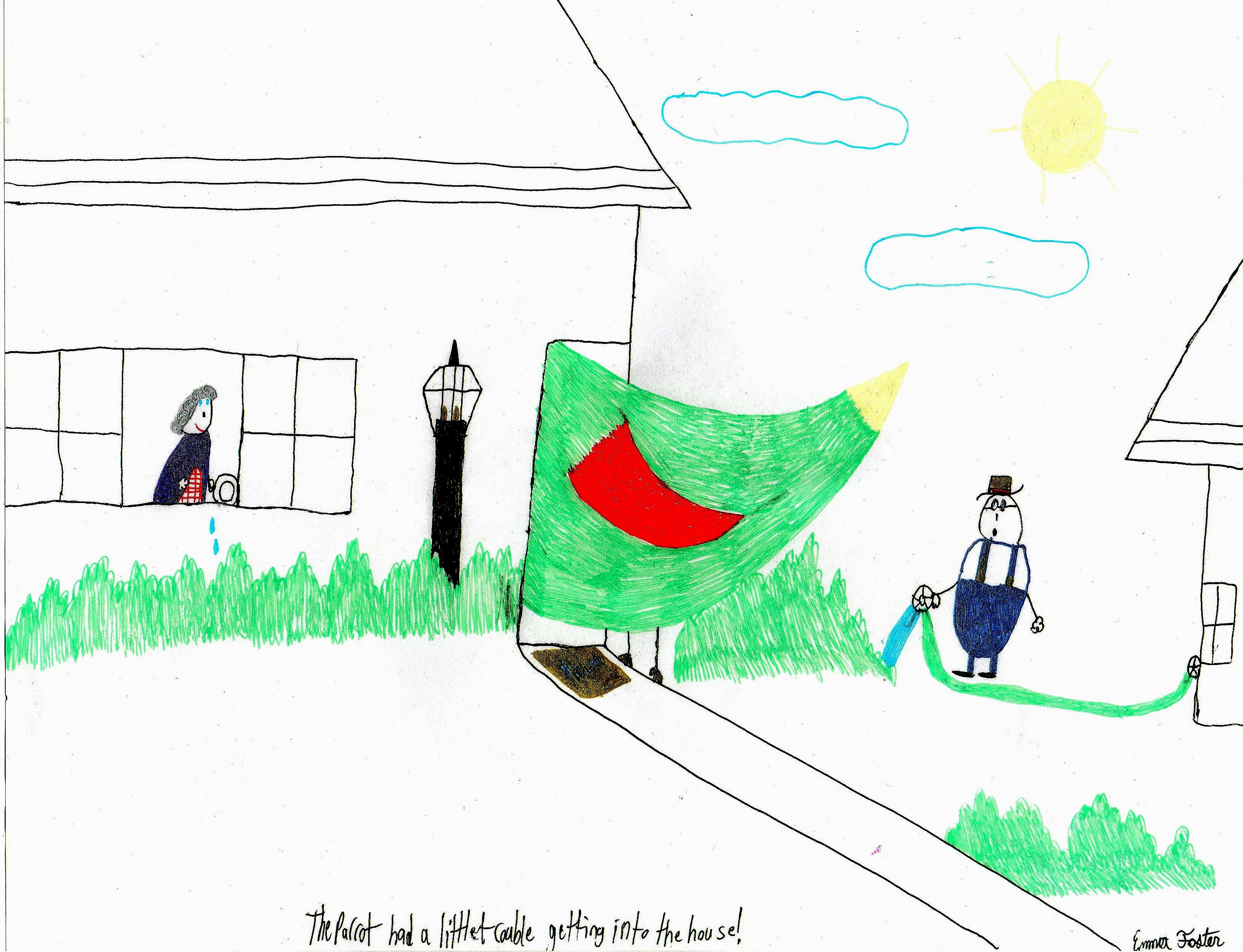
Parrot Had A Little Trouble Getting Into The House by Emma Foster

Parrot Had A Little Trouble Getting Into The House by Emma Foster

One day an old lady named Mrs. Patterson decided that she should have more company around. She traveled down to her local pet store and parked her car. Mrs. Patterson was guided by one of the workers through the store. When they came to the section where the birds were, Mrs. Patterson stopped at an enormous parrot. The parrot had red wings, green all over his body, a blue ring around his neck and a yellow spot on his tail. Mrs. Patterson wanted him for her bird.

It took awhile before the parrot could fit through the door! The parrot was so big that he had to wear a leash that Mrs. Patterson held through the window of her car and soar above it. The parrot had a little trouble getting in the house! When he got into the house, Mrs. Patterson named him Bob.

But one day a visitor came to the door and addressed himself as Mr. Field. He explained that Bob was his parrot that he had lost long ago. After saying goodbye, Bob left with Mr. Field, wearing a leash, and flew away above Mr. Field’s truck.

The next day Mr. Field came back with Bob! Mr. Field said that he worked at a circus with Bob, but Bob could not remember any of his tricks so he had to bring him back. Mrs. Patterson thanked him and sat down in a chair with Bob. She knew he would always be her parrot.

The End

(I did no editing of the article. Click the photo to enlarge it.)


Lee’s Addition:

Emma was 12 years old and Home Schooled when this was first posted. She attends our church and likes to draw and write. I told her that if she wrote about a bird, I would publish it here on the blog. Above is her story and drawing of Bob the enormous Parrot. I trust you enjoy it as well as I did. She was in the 7th Grade at the time. [She is now in college] If you enjoy it, please click the Like button as that will be an encouragement to her.

Train up a child in the way he should go; even when he is old he will not depart from it. (Proverbs 22:6 ESV)

P.S. Emma is the Granddaughter of another of our Guest Writers, Dot Malcolm. She has written three articles for us.

The Joy of Awareness

When the Robins Came

Return of the Robins

plus more

*

*** As I am bringing back the Kids articles, thought you might enjoy re-reading these tales.

If you would like to send in a Bird Tale that you have written, send it to Lee@Leesbird.com to be considered. It can be written by a younger writer or written with the young readers in mind. ***