***

A MAN’S PRIDE
***
“A man’s pride shall bring him low: but honour shall uphold the humble in spirit.” (Proverbs 29:23 KJV)
California Quail (Callipepla californica) by Ian
*
*
“A man’s pride shall bring him low: but honour shall uphold the humble in spirit.” (Proverbs 29:23 KJV)
California Quail (Callipepla californica) by Ian
*
*

“Wherefore they are no more twain, but one flesh. What therefore God hath joined together, let not man put asunder.
(Matthew 19:6 KJV)
Black-cheeked Lovebird (Agapornis nigrigenis) Sleeping ©Worth 1000
*
*
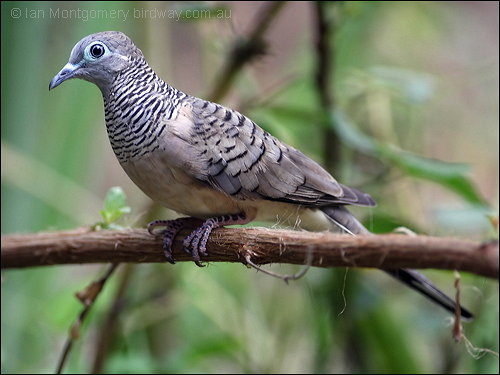
“And my people shall dwell in a peaceable habitation, and in sure dwellings, and in quiet resting places;” (Isaiah 32:18 KJV)
Peaceful Dove (Geopelia striata) by Ian
*
*
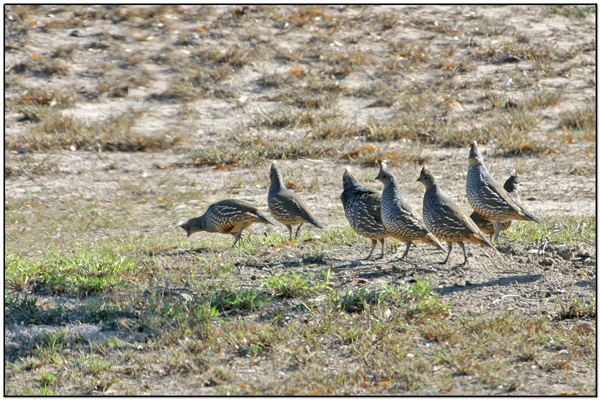
“And it came to pass, that at even the quails came up, and covered the camp: and in the morning the dew lay round about the host.
(Exodus 16:13 KJV)
Scaled Quail (Callipepla squamata) by DavesBirdingPix
*
*

Elegant Quail (Callipepla douglasii) Male ©WikiC
“And it came to pass, that at even the quails came up, and covered the camp: and in the morning the dew lay round about the host.” (Exodus 16:13 KJV)
The Odontophoridae is made up of the New World Quail. This includes 2 Partridges, 3 Wood Partridges, 10 Quails, 4 Bobwhites, and 15 Wood Quail. [and a Partridge in a pear tree! Oops! Wrong article. :0) ]
These are not the Old World Quails that rained down on the Israelites.
“The New World quails or Odontophoridae are small birds only distantly related to the Old World quail, but named for their similar appearance and habits. The American species are in their own family Odontophoridae, whereas Old World quail are in the pheasant family Phasianidae. The family ranges from Canada through to southern Brazil, and two species, the California quail and the bobwhite quail, have been successfully introduced to New Zealand. The stone partridge and Nahan’s partridge, both found in Africa, seem to belong to the family. Species are found across a variety of habitats from tropical rainforest to deserts, although few species are capable of surviving at very low temperatures. Thirty-four species are placed in ten genera.” (Wikipedia)
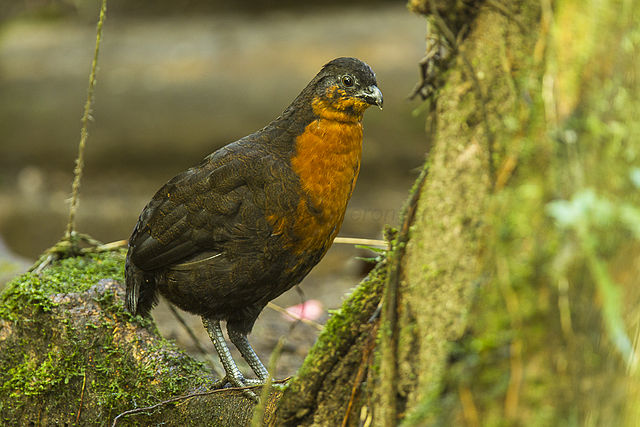
Dark-backed Wood Quail (Odontophorus melanonotus) ©WikiC
New World quail are generally short-winged, -necked and -tailed (although the genus Dendrortyx is long-tailed). The bills are short, slightly curved and serrated. The legs are short and powerful, and lack the spurs of many Old World galliformes. Although they are capable of short bursts of strong flight New World quails prefer to walk, and will run from danger (or hide), taking off explosively only as a last resort. Plumage varies from dull to spectacular, and many species have ornamental crests or plumes on the head. There is moderate sexual dichromism in plumage, with males having brighter plumage.
The New World quails are shy diurnal birds and generally live on the ground; even the tree quails which roost in high trees generally feed mainly on the ground. They are generalists with regards to their diet, taking insects, seeds, vegetation and tubers. Desert species in particular consume a lot of seeds.
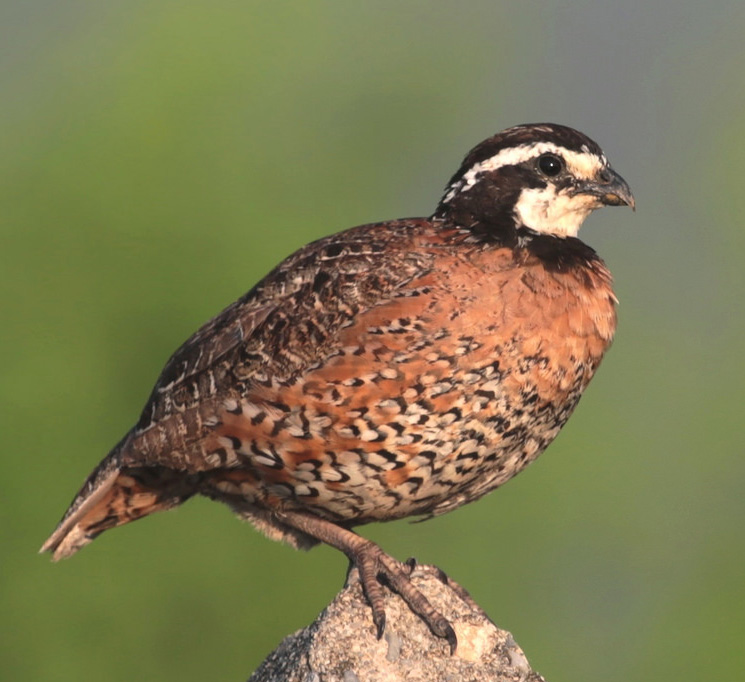
Northern Bobwhite (Colinus virginianus) ©StateSymbols
Northern bobwhite and California quail are popular gamebirds, with many taken by hunters, but these species have also had their ranges increased to meet hunting demand and are not threatened. They are also artificially stocked. Some species are threatened by human activity, such as the bearded tree quail of Mexico, which is threatened by habitat loss and illegal hunting.
“The people asked, and he brought quails, and satisfied them with the bread of heaven.” (Psalms 105:40 KJV)
“Man of Sorrows” – Faith Baptist Choir
Birds of the World – Odontophoridae – New World Quail
*
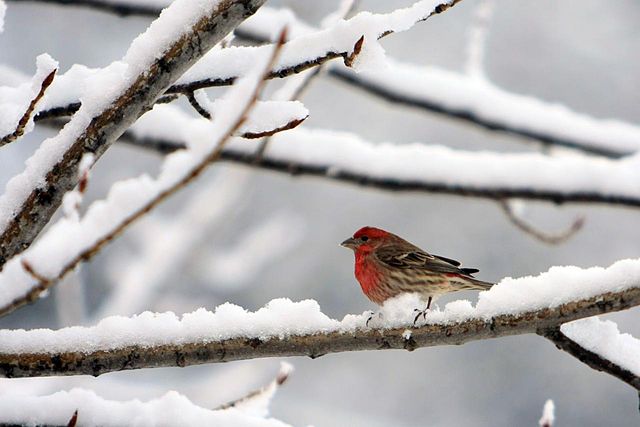
“She is not afraid of the snow for her household: for all her household are clothed with scarlet.” (Proverbs 31:21 KJV)
House Finch in Snow ©WikiC
*
*

“And he took the cup, and when he had given thanks, he gave it to them: and they all drank of it.” (Mark 14:23 KJV)
Twenty Hummingbirds at Feeder
*
*
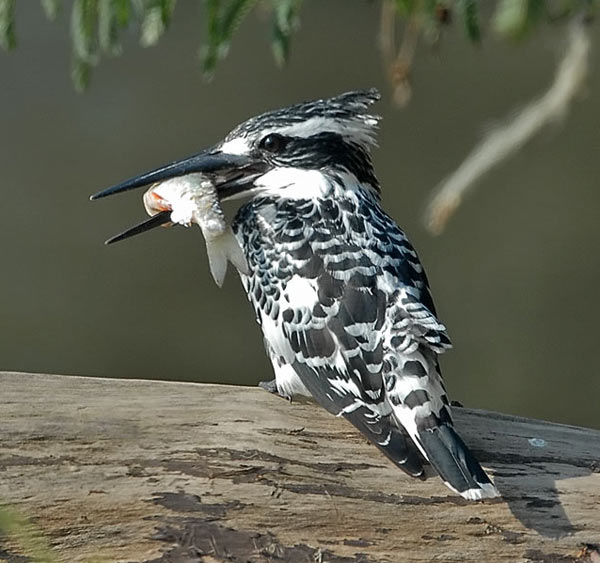
“Simon Peter saith unto them, I go a fishing. They say unto him, We also go with thee. They went forth, and entered into a ship immediately; and that night they caught nothing.” (John 21:3 KJV)
Pied Kingfisher (Ceryle rudis) by Nikhil Devasar
*
*

“The hearing ear, and the seeing eye, the LORD hath made even both of them.” (Proverbs 20:12 KJV)
Crested Guineafowl (Guttera pucherani) ©WikiC
*
*
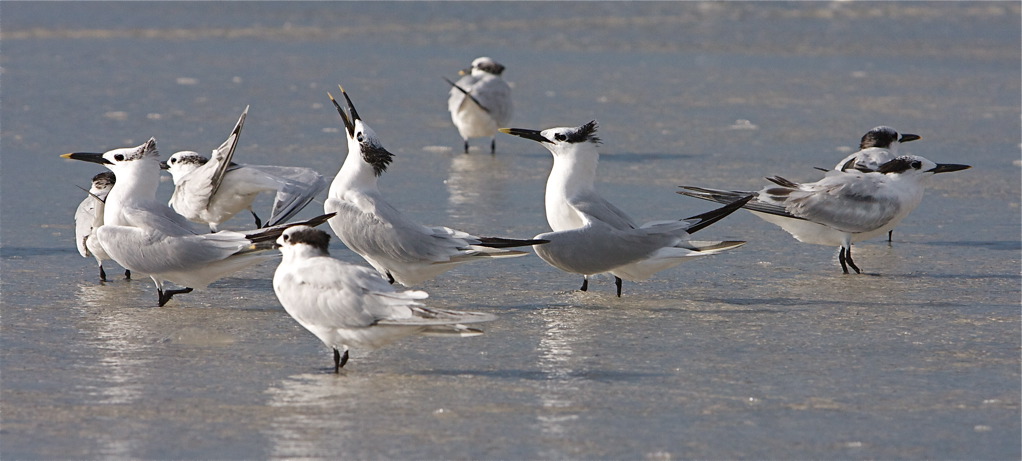
“Sing out the honor of His name; Make His praise glorious.” (Psalms 66:2 NKJV)
Sandwich Tern Singing (calling) By Mike Bader
*
*
Newsletter – 2/6/2017
I’ve chosen an owl this time because I want to talk about a beautiful book called The Enigma of the Owl. A complimentary copy of it arrived recently by air from the UK, because I supplied a photo of a Rufous Owl. I’ll come back to the book and the Rufous Owl in a moment, but first, here is the Brown Wood Owl, which, unlike the Rufous Owl, hasn’t ever featured as bird of the week.
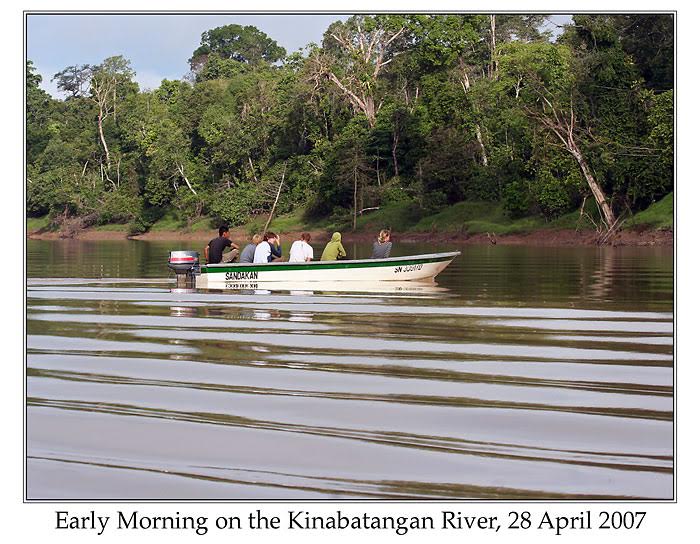
In 2007 I spent several days at an unashamedly spartan wildlife outfit called Uncle Tan’s Wildlife Adventures in near the Kinatabangan River in Sabah, Malaysian Borneo. One doesn’t go there for the facilities – the best shower we had was during a monsoonal downpour when everyone repaired outside with soap and shampoo – but for the wonderful wildlife. There were regular wildlife-spotting boat trips by day and by night on the river and lots of interesting animals, including Orang Utans in the jungle near the camp. My main target was, successfully, the Buffy Fish Owl but we also came across the Brown Wood Owl in the forest between the camp and the river.
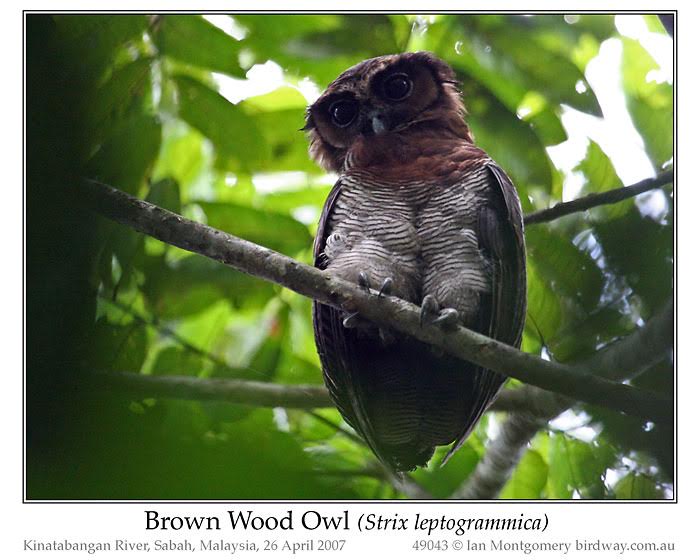
This is a medium to large owl, 40-55cm/16-22in in length, a member of the globally widespread genus Strix which includes the well-known Tawny Owl of Europe, the Barred and Spotted Owls of North America and other representatives in Africa and South America but not Australia. The specific name leptogrammica means fine-lined and refers to the elegant barred underparts.
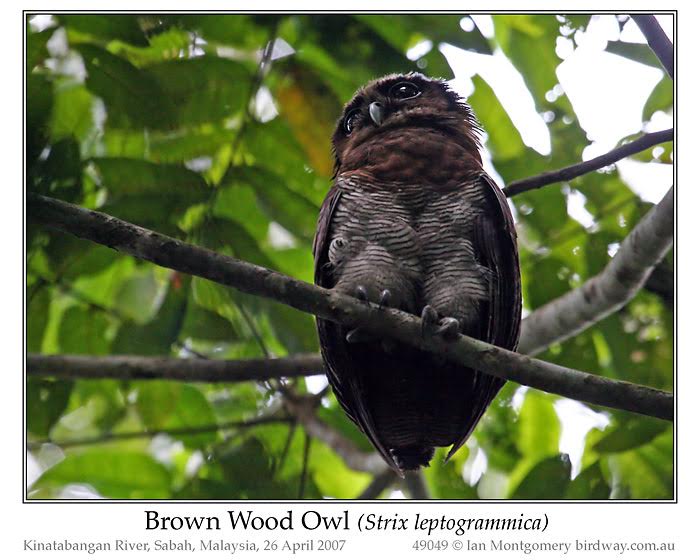
We came across the Brown Wood Owl twice. The first two photos are of the same individual, but the second one is of another bird three days later.
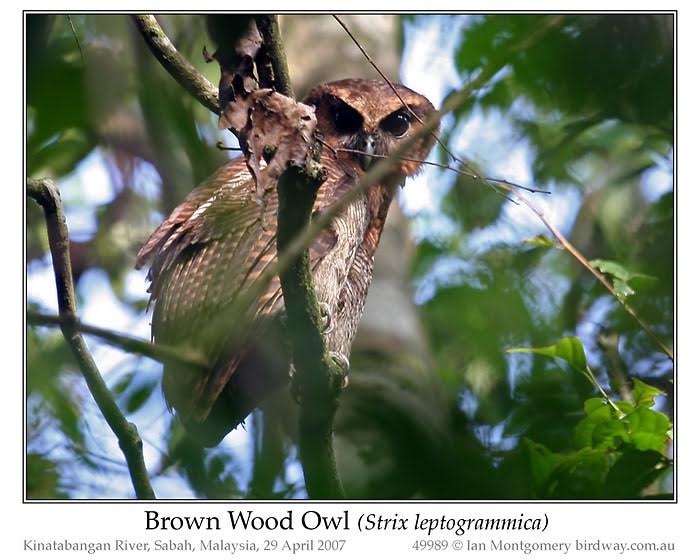
These three photos illustrate some of the difficulties of photographing owls. Most are nocturnal, many are shy (the Brown Wood Owl in particular prefers undisturbed forest and avoids areas of human habitation), so you need to be lucky to find them at their roosting sites. Roosting owls are prime targets for mobbing by other birds, so they often roost in hollows or in dense vegetation. In woodland, a bird in an unusually clear visible position like the first one here is often back-lit, while the second bird is well-lit but partially obscured by branches and leaves. I say this not just to make excuses but to express my admiration for many of the wonderful photos in The Enigma of the Owl.
So I’m happy to have had this photo of a Rufous Owl selected for inclusion in the book. The bird in the photo was the immature member of a family of three that roosted regularly for a while in 2008 in an easily accessible spot behind the Black Hawk Memorial in the Palmetum, one of the three botanic gardens in Townsville. The Memorial honours 18 Australian servicemen killed when two Black Hawk helicopters collided in Townsville in 1996.
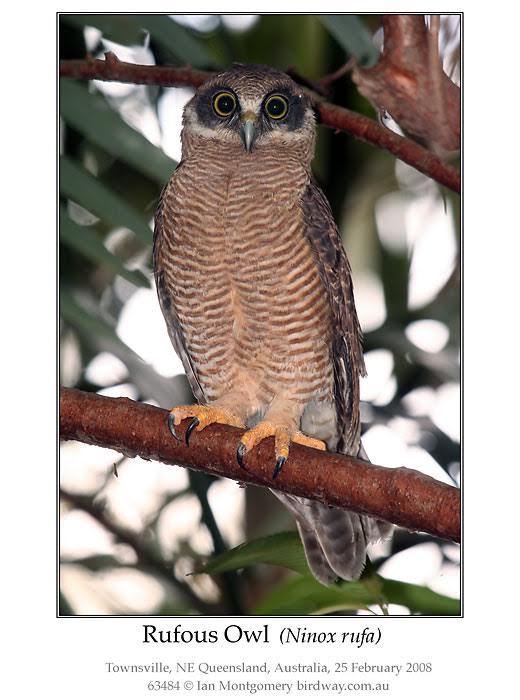
The general introduction to the book covers the taxonomy, physiology (visual and auditory), life-style and significance to humans of owls. The remainder of the book consists of detailed treatment of 80 of the approximately global 250 species of owls, with thorough natural histories of each species and about 200 spectacular photos, mostly covering a whole page and sometimes two pages. The 80 species are organised into chapters by region: North America; Central & South America; Eurasia; Africa; Southern Asia and Australasia; and Oceanic Islands. Each regional chapter has its own introduction.
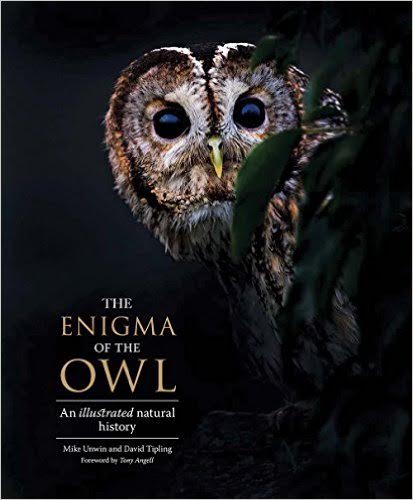
This is a terrific book and I highly recommend it. The UK edition is ₤32 and the US edition is $40 fantastic value for a large hard cover book of this quality. There isn’t an Australian edition but Italian, Japanese, French and German editions will be published later this year. My only quibble is that I think it would be better organised taxonomically rather than geographically, but that reflects my taxonomic and evolutionary tastes. That said, the taxonomic cover is very broad: there are representatives of all the important genera (about 22 out of about 27) and the missing ones are either obscure or fairly closely related to other ones already in the book.
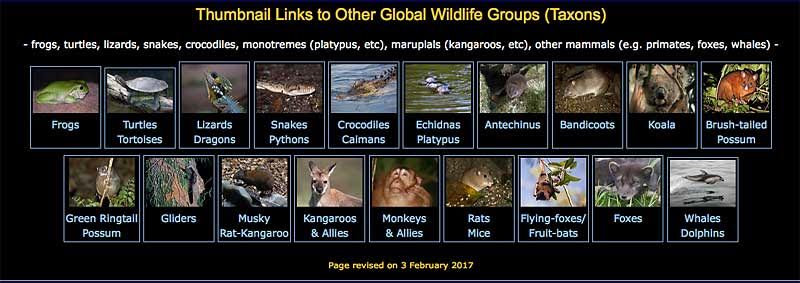
Back at the website, I have recently added global and Australasian thumbnails to all the non-bird taxonomic groups of ‘other wildlife’ to make them easier to find: http://www.birdway.com.au/global_wildlife_tn.php and http://www.birdway.com.au/aus_wildlife_tn.php.
Greetings
Ian
**************************************************
Ian Montgomery, Birdway Pty Ltd,
454 Forestry Road, Bluewater, Qld 4818
Tel 0411 602 737 ian@birdway.com.au
Bird Photos http://www.birdway.com.au/
Recorder Society http://www.nqrs.org.au
Lee’s Addition:
Another neat looking Owl and what an adventure just to get their photos. I am glad that Ian shares his many birds that he works so hard to photograph. We sit back in our easy chairs and sometimes forget what it takes to come up with these photographs from our photographers. Thanks again, Ian, for sharing with us.
*
Ian’s Bird of the Week Newsletters
*
“Now this is the main point of the things we are saying: We have such a High Priest, who is seated at the right hand of the throne of the Majesty in the heavens,” Hebrews 8:1 NKJV)
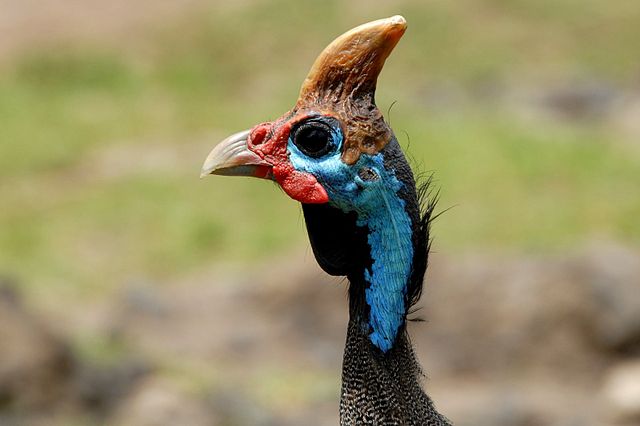
Helmeted Guineafowl (Numida meleagris) ©WikiC
*
*
 Lee's Birdwatching Adventures Plus