Heaven’s New Jerusalem and Birds – Amethyst II

(This is a repost of Heaven’s New Jerusalem and Birds – Amethyst. The series originally appeared in 2019. With a little dusting and updating they will all be reposted in the coming days. Stay tuned.)

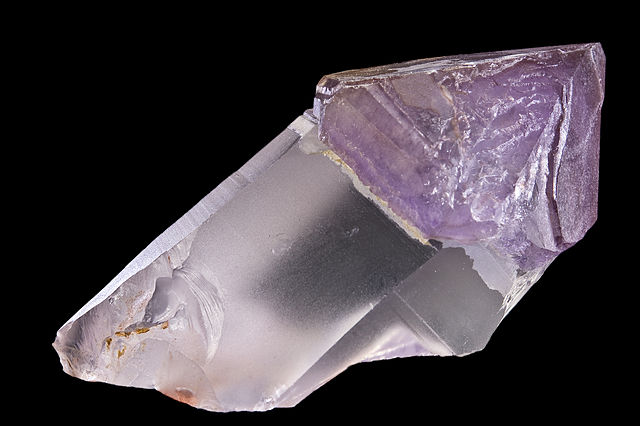
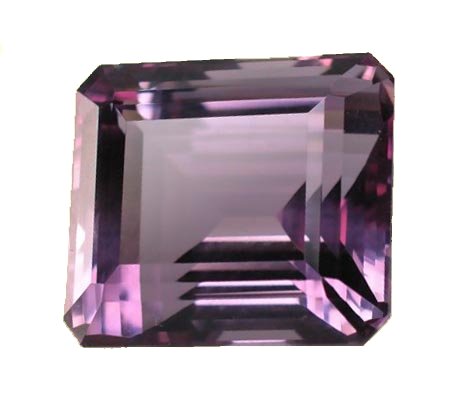
Amethyst cut ©WikiC

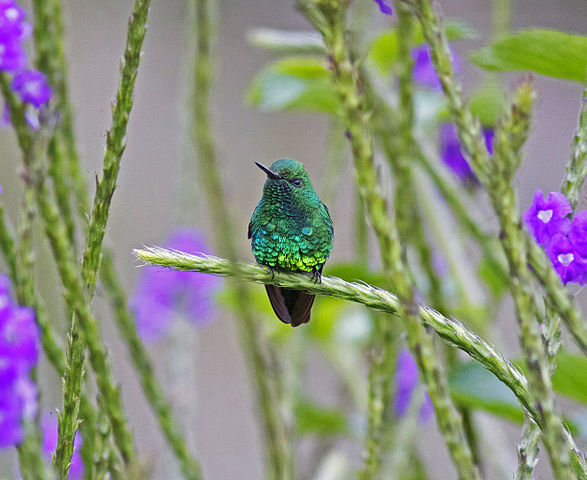
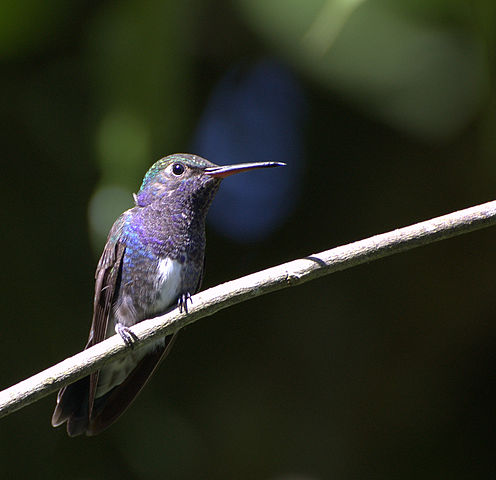
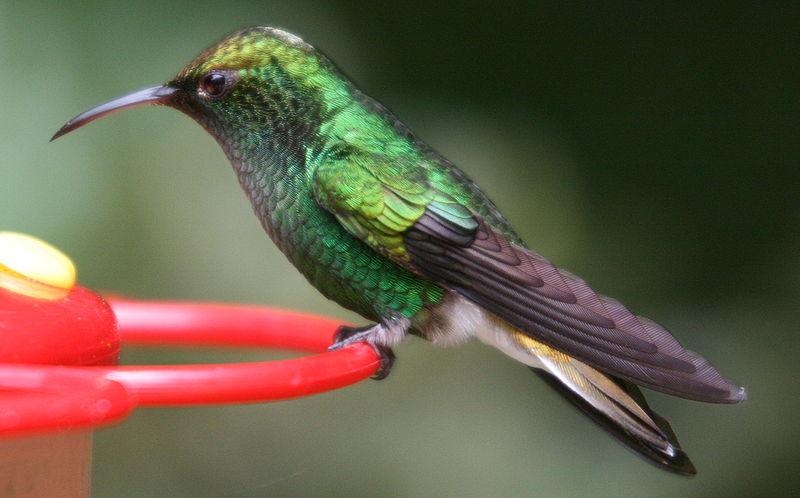
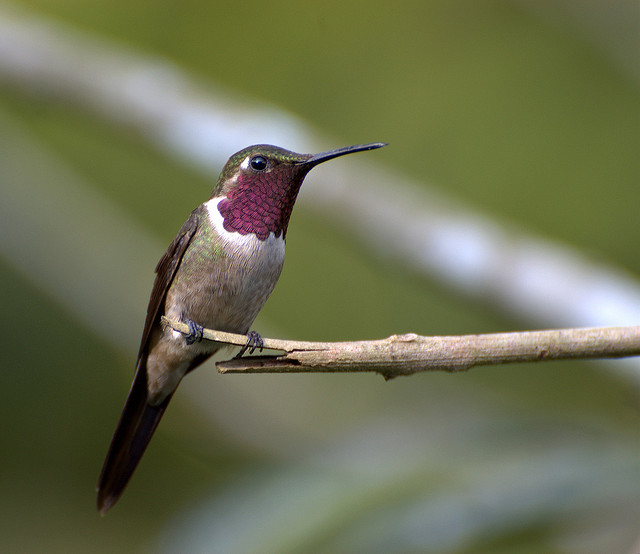
Amethyst Woodstar (Calliphlox amethystina) by Dario Sanches male

Amethyst Woodstar (Calliphlox amethystina) by Dario Sanches male

“The foundations of the wall of the city were adorned with all kinds of precious stones: the first foundation was jasper, …. the fifth sardonyx, the sixth sardius, the seventh chrysolite, the eighth beryl, the ninth topaz, the tenth chrysoprase, the eleventh jacinth, and the twelfth amethyst.” (Revelation 21:19a-20 NKJV)

We have finally arrived at the last of the precious stones that will makeup the twelve foundations of New Jerusalem. I trust you have enjoyed finding out about these stones and birds that are similar in color or name. There have been many close matches and some where I missed trying to figure out what to use. Yet, you still had a chance to meet some beautiful and interesting birds from our Creator.

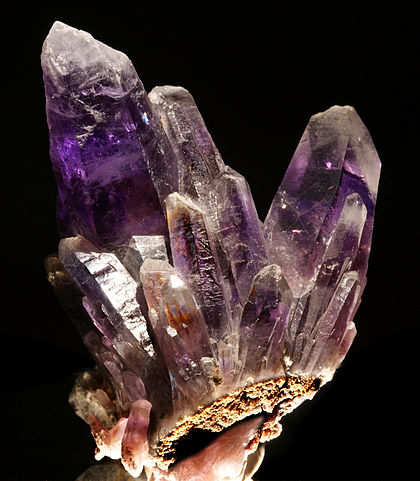
Amethyst ©WikiC

Amethyst. A clear quartz crystal that ranges in color from a faint purple tint to an intense purple. [NKJV MacArthur Study Bible]

Amethyst ©WikiC

Amethyst It is a pale-blue crystallized quartz, varying to a dark purple blue. It is found in Persia and India, also in different parts of Europe. [Easton Bible Dictionary]

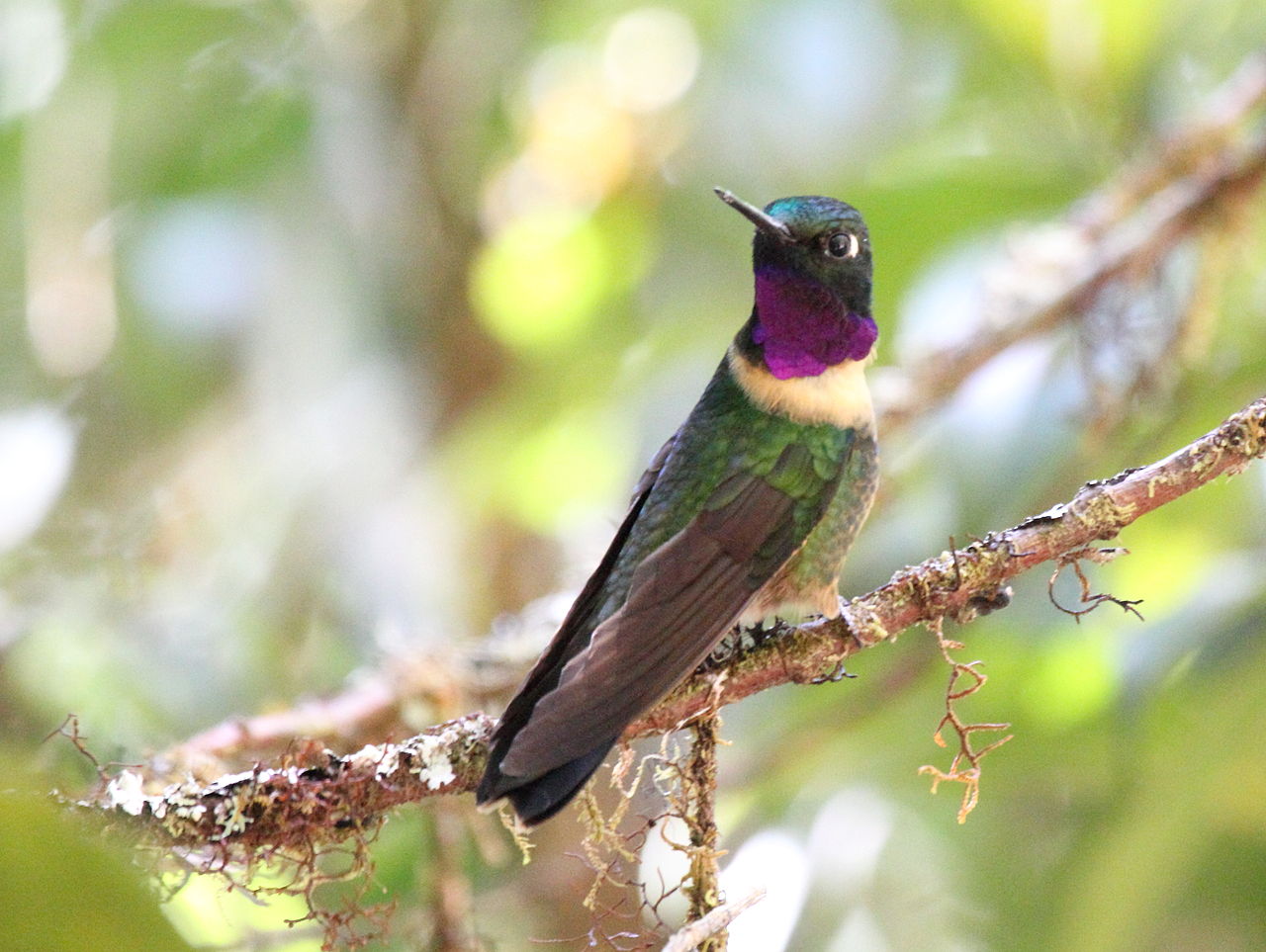
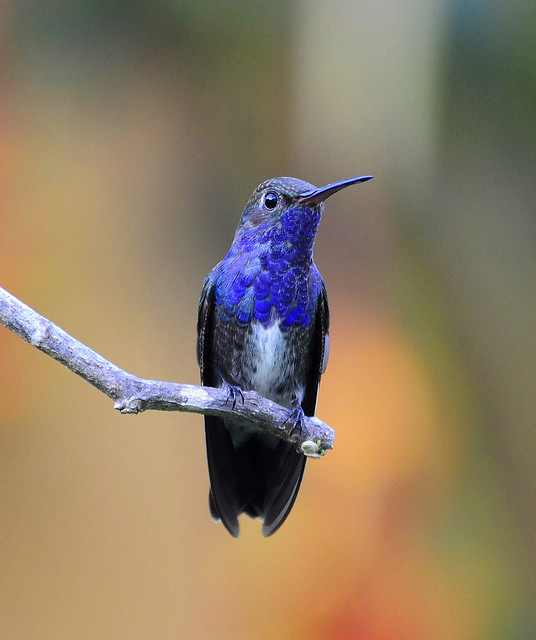
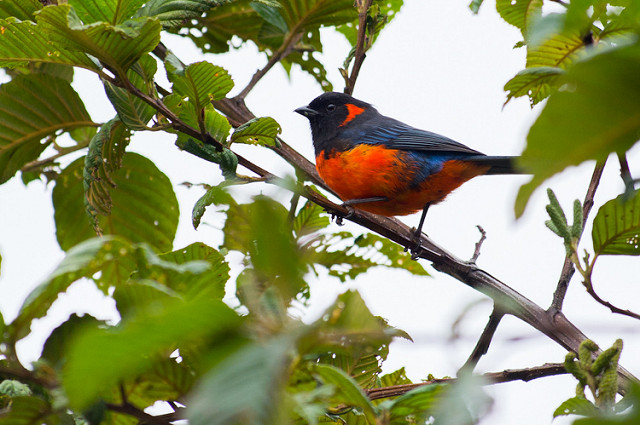
Amethyst-throated Sunangel (Heliangelus_amethysticollis) ©WikiC

Amethyst. (Hebrew, achlamah). A subspecies of quartz of a bluish-violet color. Mention is made of this precious stone, which formed the third in the third row of the high priestly breastplate, in Exo_28:19; Exo_39:12. It occurs also in Rev_21:20.

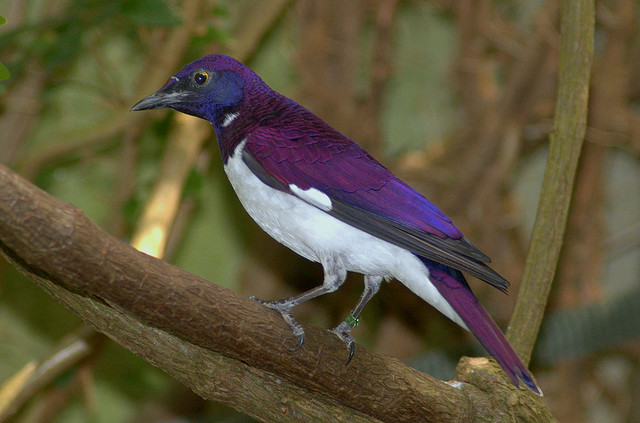
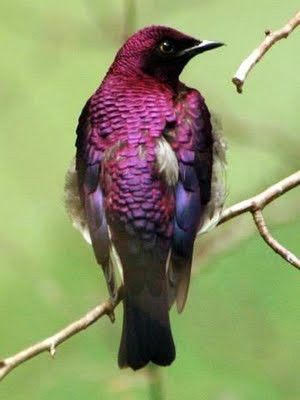
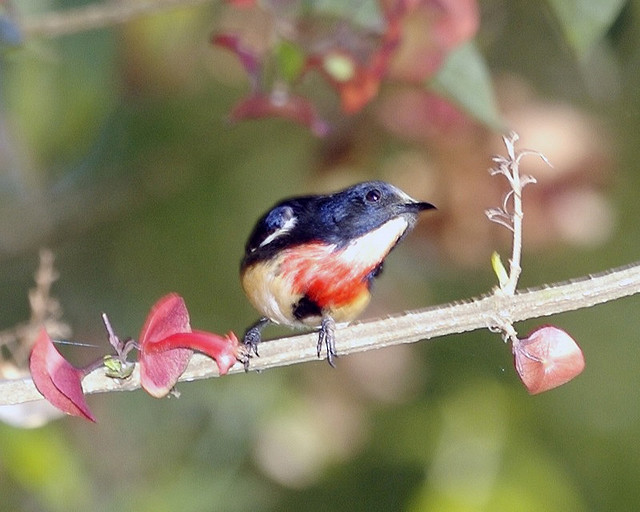
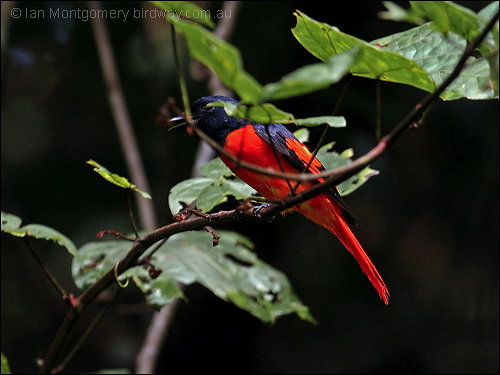
Violet-backed Starling (Cinnyricinclus leucogaster)-(Amethyst) ©©

Amethyst (Gr.: amethustos)—its color is purple. Although the International Standard Bible Encyclopedia lists it as a ruby, Robertson gives the color as purple. [J. Vernon McGee]

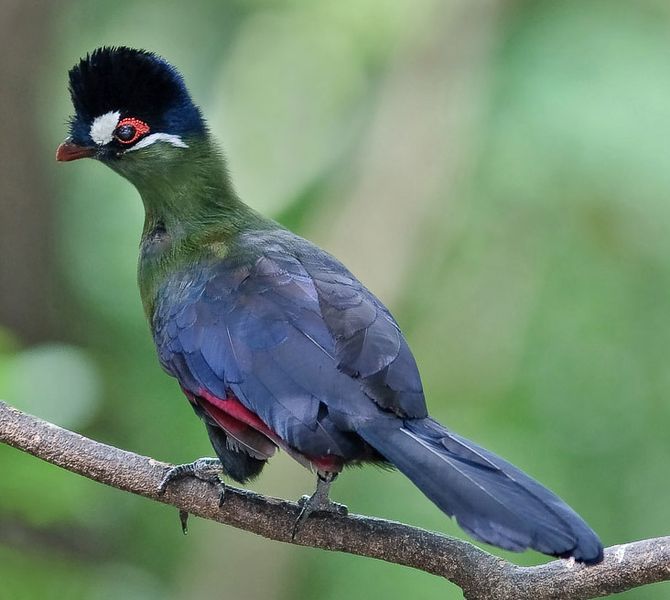
Hartlaub's Turaco (Tauraco hartlaubi) ©WikiC

Hartlaub’s Turaco (Tauraco hartlaubi) ©WikiC

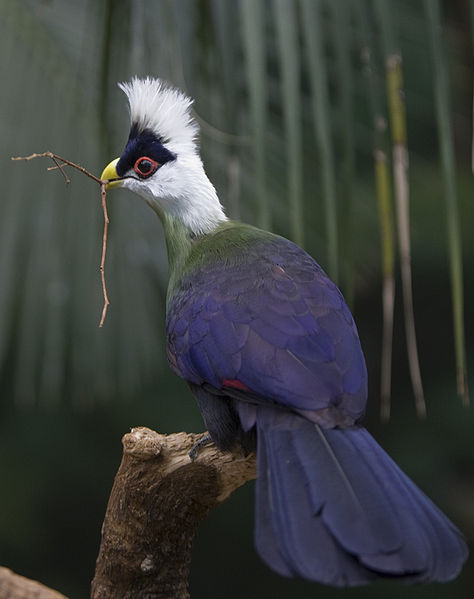
White-crested Turaco (Tauraco leucolophus) ©WikiC

Other Articles In This Series:

Good News Tracts

Heaven’s New Jerusalem and Birds – Emerald II

(This is a repost of Heaven’s New Jerusalem and Birds – Emerald. The series originally appeared in 2019. (With a little dusting and updating they will all be reposted in the coming days. Stay tuned.)

Garden Emerald (Chlorostilbon assimilis) ©WikiC

“And the foundations of the wall of the city were garnished with all manner of precious stones. The first foundation was jasper; the second, sapphire; the third, a chalcedony; the fourth, an emerald;” (Revelation 21:19 KJV)

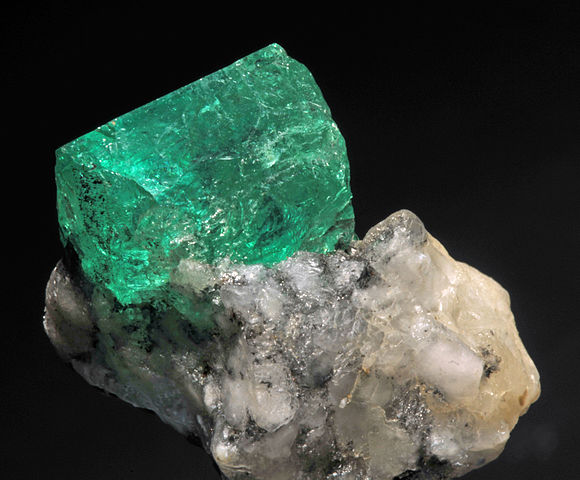
Emerald from (Muzo Mine Boyaca Colombie) ©WikiC

You know what? Checking through previous post about the Emerald stone, the article Avian and Attributes – Emerald explains this verse very well. It is being copied here again.

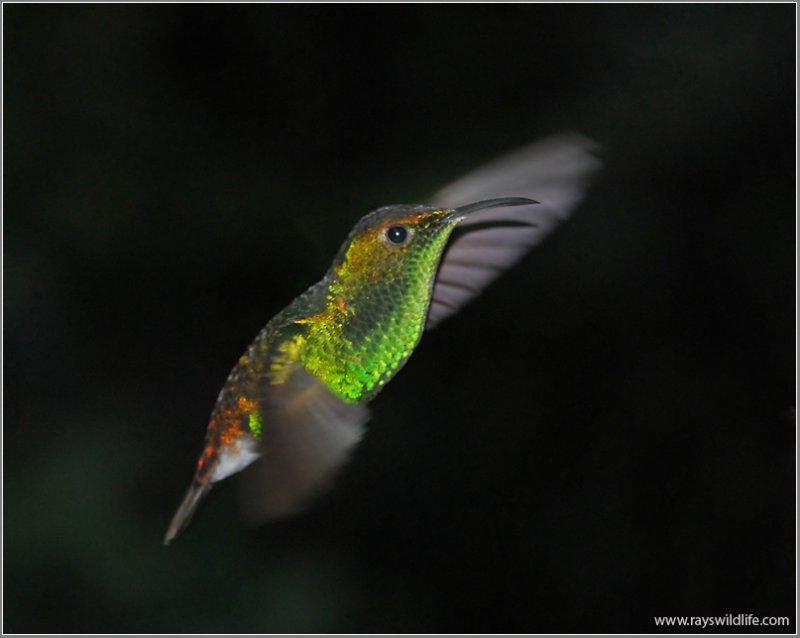
Coppery-headed Emerald by Ray

Coppery-headed Emerald by Ray

“And the foundations of the wall of the city were garnished with all manner of precious stones. The first foundation was jasper; the second, sapphire; the third, a chalcedony; the fourth, an emerald;” (Revelation 21:19 KJV)

“And he that sat was to look upon like a jasper and a sardine stone: and there was a rainbow round about the throne, in sight like unto an emerald.” (Revelation 4:3 KJV)


Avian and Attributes – Definition Name

EM’ERALD, n. [L. smaragdus.] A mineral and a precious stone, whose colors are a pure, lively green, varying to a pale, yellowish, bluish, or grass green. It is always crystallized, and almost always appears in regular, hexahedral prisms, more or less perfect, and sometimes slightly modified by truncations on the edges, or on the solid angles. It is a little harder than quartz, becomes electric by friction, is often transparent, sometimes only translucent, and before the blowpipe is fusible into a whitish enamel or glass. The finest emeralds have been found in Peru.
The subspecies of emerald are the precious emerald and the beryl. [Webster]

Emerald
Exodus 39:11 (c) This green stone represents praise, worship and adoration which begins now and lasts throughout eternity. Judah which means “praise” had his name graven on the emerald stone on the breastplate of the high priest.

Rev. 4:3 (c) This complete rainbow was given this color to typify the eternal character of GOD’s grace and the everlasting nature of GOD’s covenant of mercy. It was “green” to signify eternal praise. [Wilson’s Dictionary of Bible Types]


Emerald Tanager (Tangara florida) ©WikiC

Emerald Birds

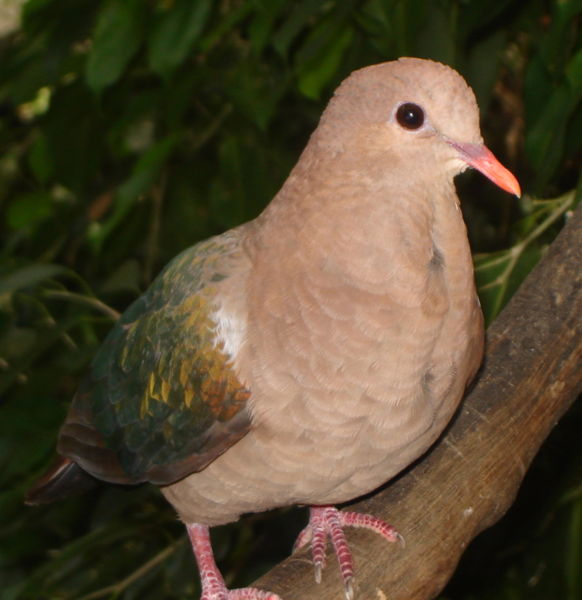
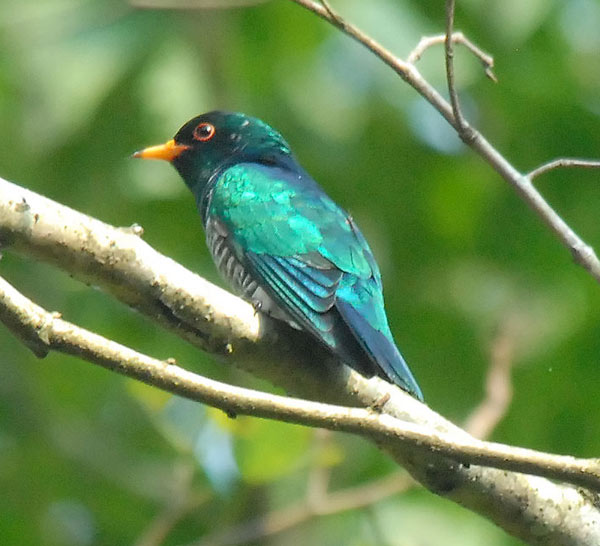
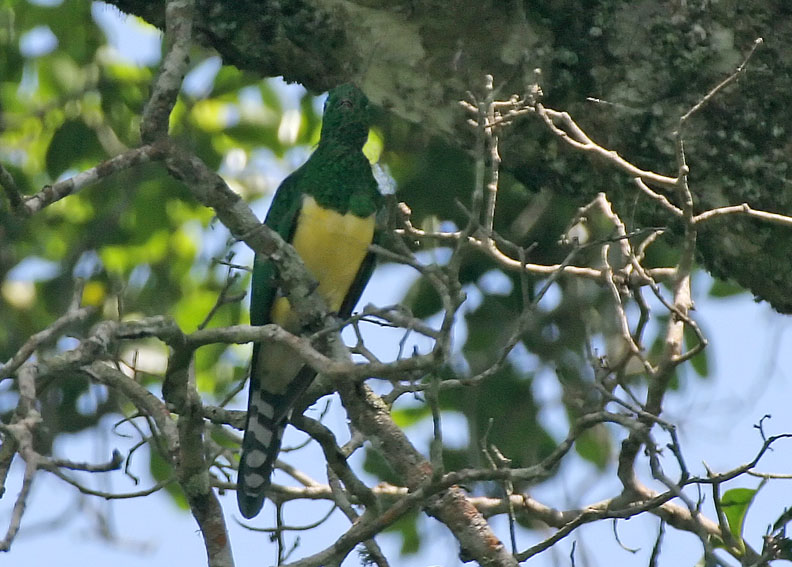
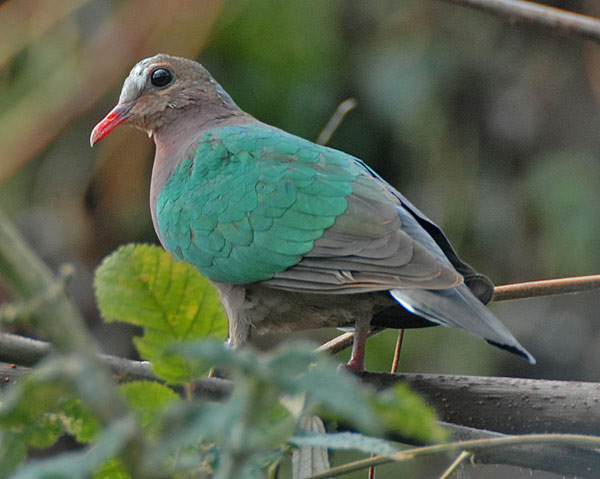
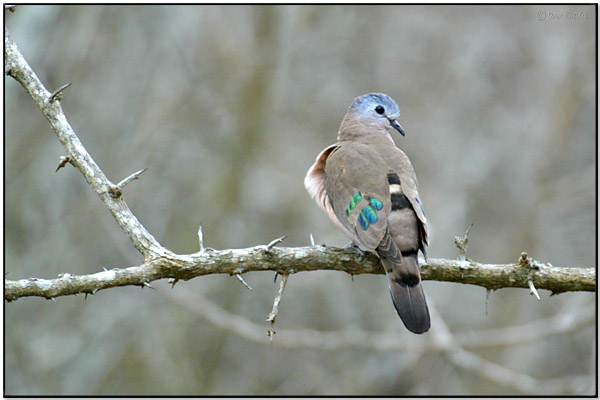
There are six birds that have a first name of Emerald: Emerald Starling, Emerald Tanager, Emerald Toucanet, Emerald-bellied Puffleg, Emerald-chinned Hummingbird, Emerald-spotted Wood Dove. There are also Hummingbird family members that are Emeralds.

“Happy is he that hath the God of Jacob for his help, whose hope is in the LORD his God: Which made heaven, and earth, the sea, and all that therein is: which keepeth truth for ever:” (Psalms 146:5-6 KJV)


*** Articles in this Series so far:

What will you do with Jesus?

Heaven’s New Jerusalem and Birds – Jacinth II

(This is a repost of Heaven’s New Jerusalem and Birds – Topaz. The series originally appeared in 2019. (With a little dusting and updating they will all be reposted in the coming days. Stay tuned.)

Jacinth ©WikiC

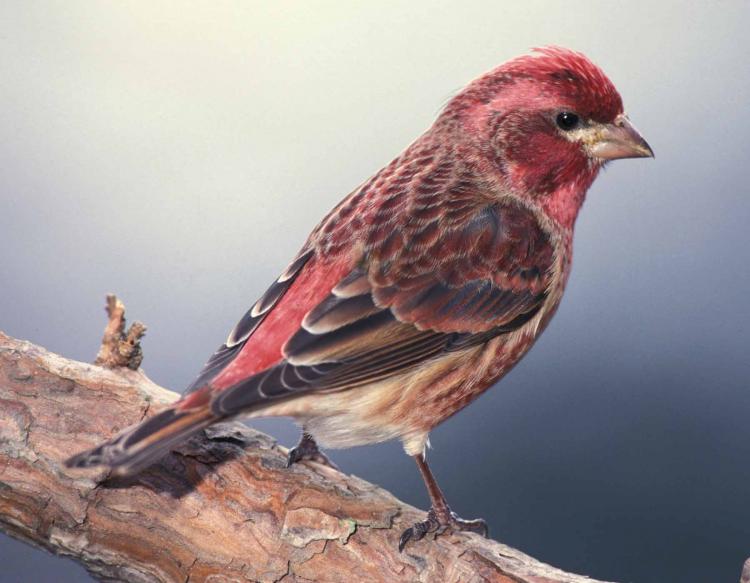
Purple Finch-male.photo-MoDept Conservation

“The foundations of the wall of the city were adorned with all kinds of precious stones: the first foundation was jasper, …. the fifth sardonyx, the sixth sardius, the seventh chrysolite, the eighth beryl, the ninth topaz, the tenth chrysoprase, the eleventh jacinth, and the twelfth amethyst.” (Revelation 21:19a-20 NKJV)


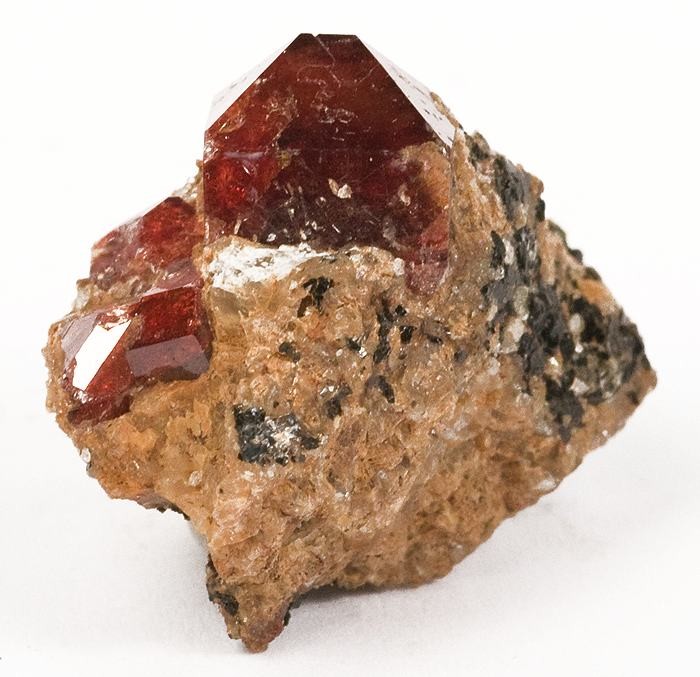
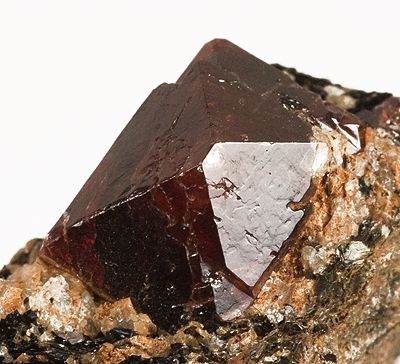
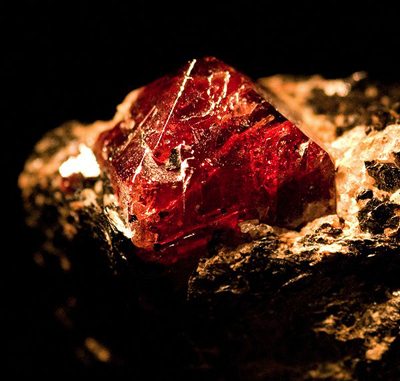
Jacinth from Pakistan ©WikiC

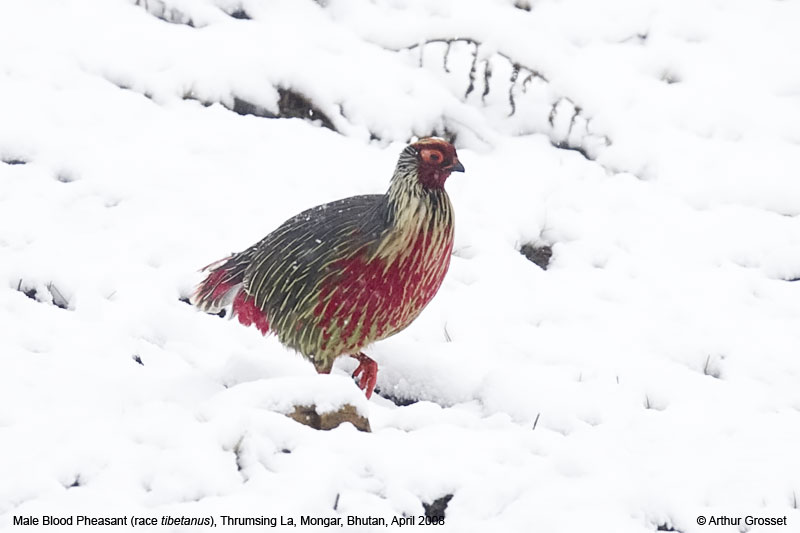
Blood Pheasant (Ithaginis cruentus) ©Arthur Grosset

Blood Pheasant (Ithaginis cruentus) ©Arthur Grosset

Jacinth. Today this stone is a transparent zircon, usually red or reddish-brown. The one John saw was blue or shining violet in color. [NKJV MacArthur Study Bible]

Jacinth from Pakistan ©WikiC

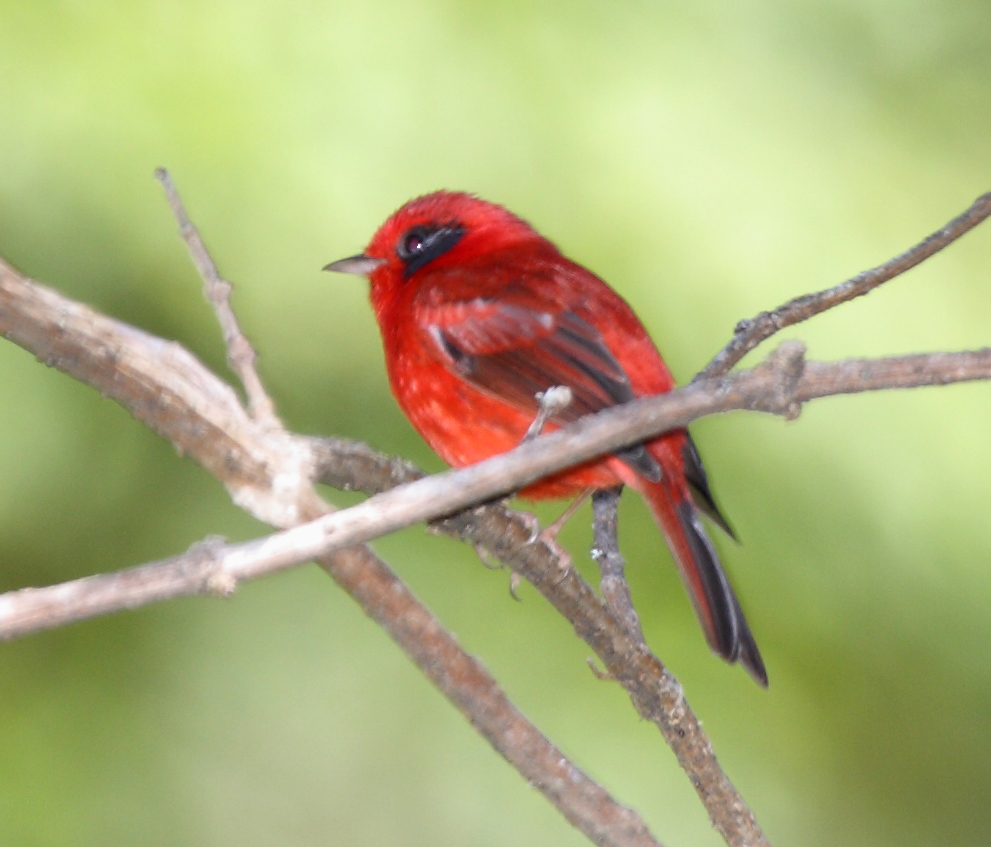
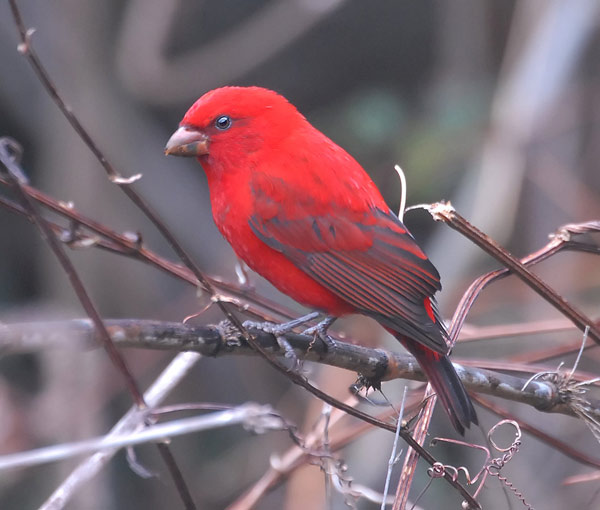
Red Pileated Finch (Coryphospingus cucullatus) ©WikiC

Jacinth – The word υακινθος, signifies hyacinth, and this, as a colour, is a deep purple. In Rev_9:17the horsemen had breastplates of fire, jacinth, and brimstone, which seem to imply flashes of coloured light. In Rev_21:20 the jacinth garnishes the eleventh foundation of the heavenly Jerusalem. It is supposed by some to be the same as the ligure. The Greek word occurs in the LXX in Ex 25:4 26:1 , &c., but is translated ‘blue.’ [Concise Bible Dictionary]

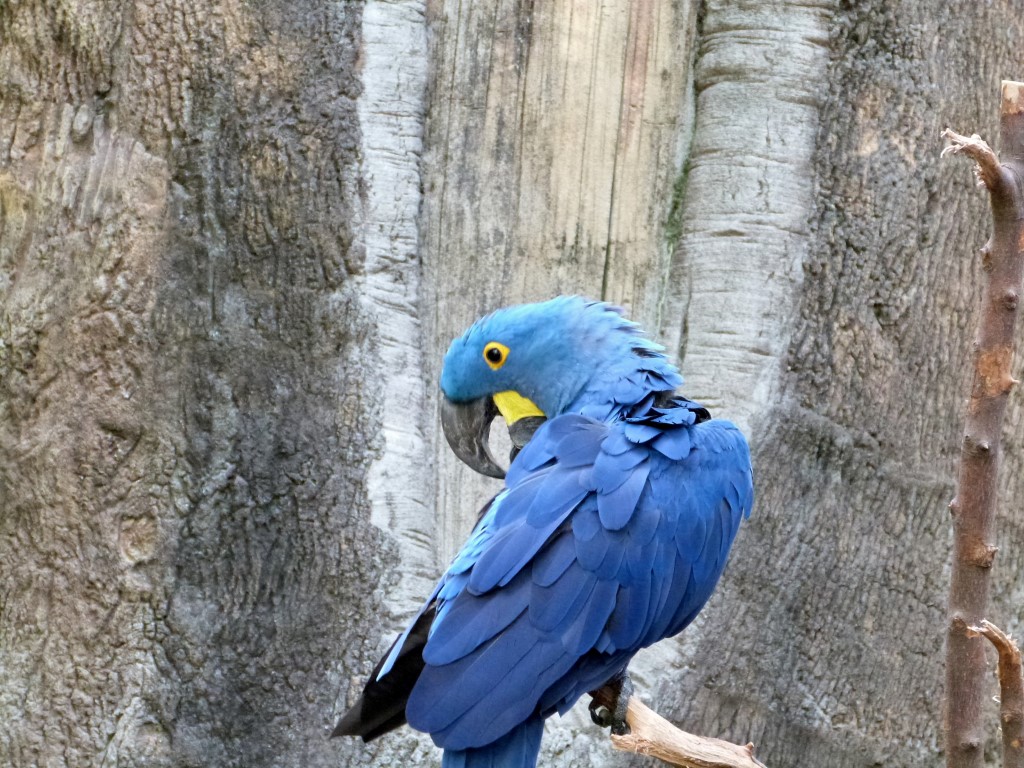
Hyacinth Macaw (Anodorhynchus hyacinthinus) Cincinnati Zoo 9-5-13 by Lee

Hyacinth Macaw (Anodorhynchus hyacinthinus) by Lee

Jacinth. A precious stone, forming one of the foundations of the walls of the new Jerusalem. Rev_21:20. Called hyacinth, in the Revised Version. This is simply a different English rendering of the same Greek original. It is probably identical with the lighure of Exo_28:19.
The jacinth or hyacinth is a red variety of zircon, which is found in square prisms of a white, gray, red, reddish-brown, yellow or pale-green color. The expression in Rev_9:17, “of jacinth,” is descriptive simply of a dark-purple color. [Smith Bible Dictionary]

Purple Glossy Starling of Tanzania aka Purple Starling

Jacinth Properly a flower of a reddish blue or deep purple (hyacinth), and hence a precious stone of that colour… (Rev_21:20). [Easton Bible Dictionary]

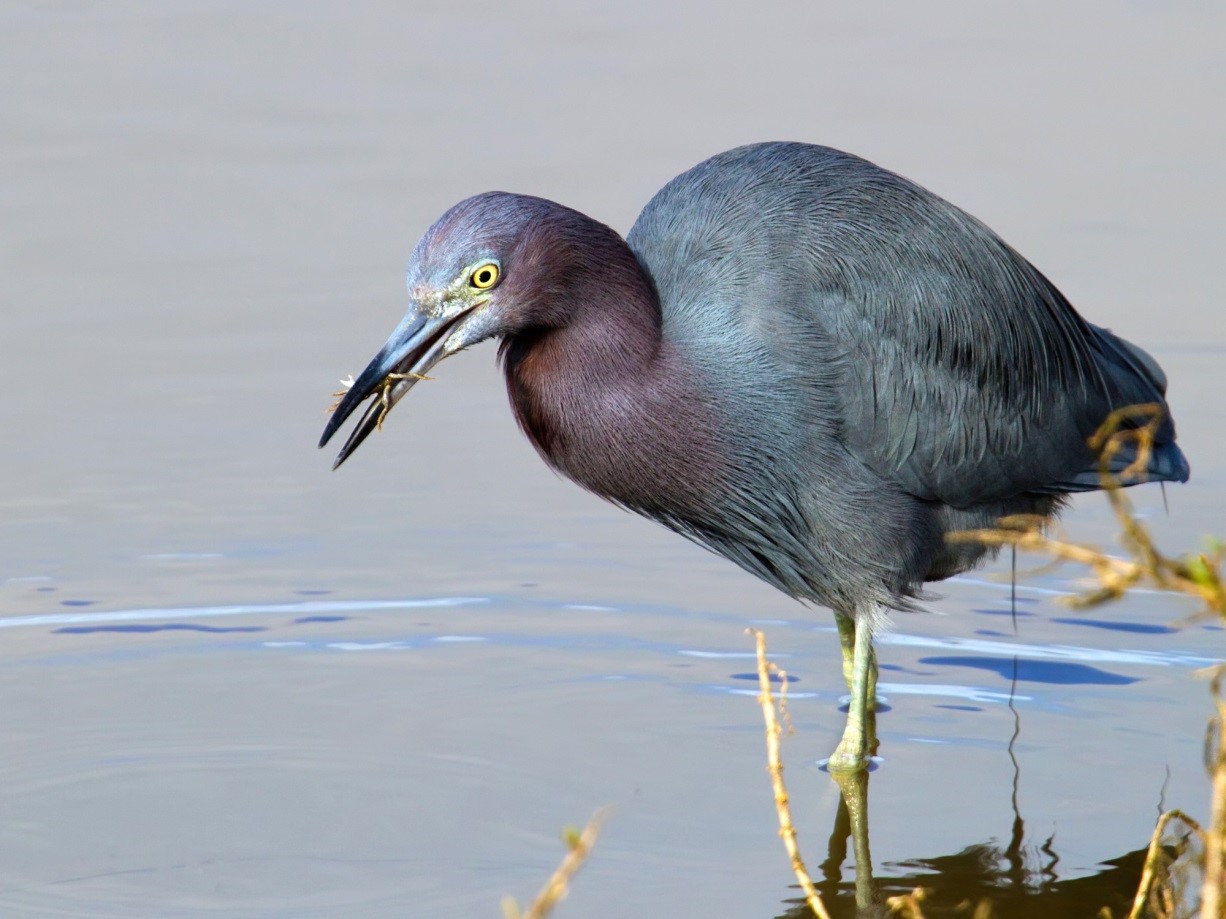
Reddish Egret in a rural Pondshore at Summer Rekefest

Jacinth (Gr.: huakinthi)—its color is violet. It is the color of the hyacinth. Pliny gives the color as violet. [J. Vernon McGee]

Other Articles In This Series:

Wages or a Gift?


Heaven’s New Jerusalem and Birds – Sardius II

(This is a repost of Heaven’s New Jerusalem and Birds – Sardius. The series originally appeared in 2019. (With a little dusting and updating they will all be reposted in the coming days. Stay tuned.)

Sardius Stone ©Pinterest

“The foundations of the wall of the city were adorned with all kinds of precious stones: the first foundation was jasper, …. the fifth sardonyx, the sixth sardius, the seventh chrysolite, the eighth beryl, the ninth topaz, the tenth chrysoprase, the eleventh jacinth, and the twelfth amethyst.” (Revelation 21:19a-20 NKJV)

Cornelian Stones ©Etsy

What color is this Sardius stone, the sixth foundation layer for the New Jerusalem?

Sardius (n.) A precious stone, probably a carnelian, one of which was set in Aaron’s breastplate. [Webster Dict. 113

“The sixth, sardius; the same with the sardine stone, Rev_4:3 of a blood colour, and what is commonly called a cornelian: it is found in Sardinia, from whence it has its name, and in Bohemia and Silesia, though those of Babylon are the best. This was Reuben’s stone.” [John Gill’s Exposition]

Two polished pebbles of carnelian_sard ©WikiC

Sardius – Sardius. (red). (Hebrew, odem). The stone which occupied the first place in the first row of the high priest’s breastplate. Exo_28:27. The sard, which is probably the stone denoted by odem, is a superior variety of agate, sometimes called camelian, and has long been a favorite stone for the engraver’s art. Sardis differ in color: there is a bright-red variety, and, perhaps, the Hebrew, odem, from a root means “to be red,” points to this kind.” [Smith’s Bible Dictionary]

“6. Sardius (Gr.: sardios)—its color is fiery red. Pliny says that it is the red stone from Sardis. Swete says that it is fiery red.” [J. Vernon McGee]

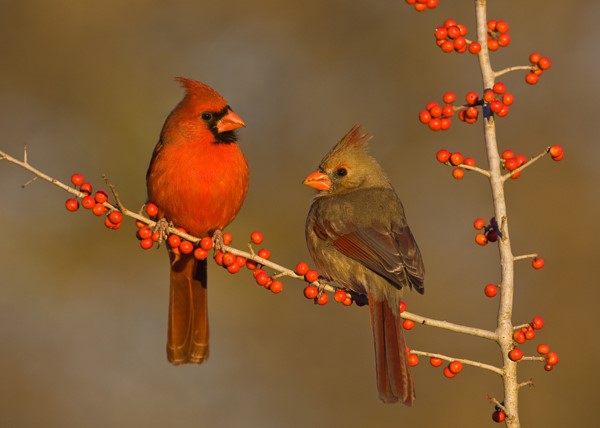
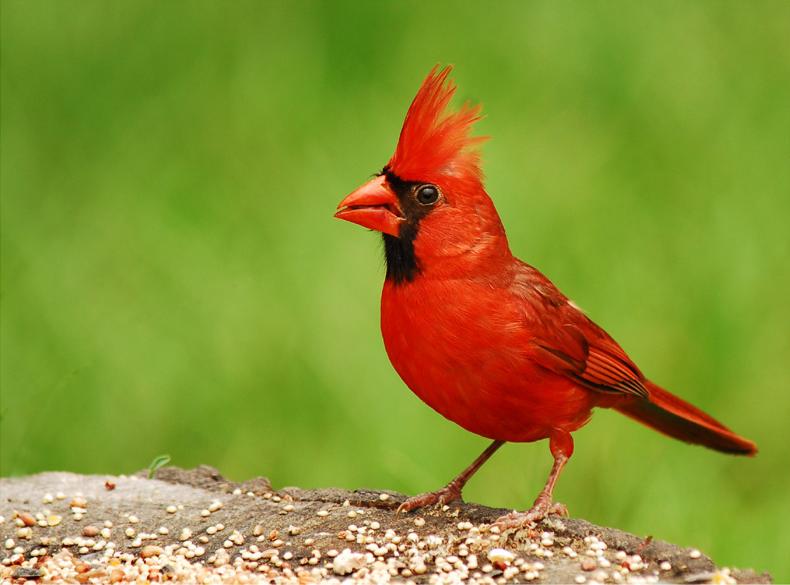
Those four Commentary and Dictionary definitions are all much saying the same; Red, Blood Red, or Fiery Red.  Before I start finding photos of birds, many are already on my mind. Especially the Northern Cardinal:

Northern Cardinal (Cardinalis cardinalis) - WikiC

Northern Cardinal (Cardinalis cardinalis) ©WikiC

This should be easy finding photos to match the color of this sixth foundation. Of course, what we’ll see in heaven, will exceed these beyond anything we can imagine!!!


10 Stunning Red Colored Birds

Articles in this Series so far:

What will you do with Jesus?

Looking Back and Looking Ahead

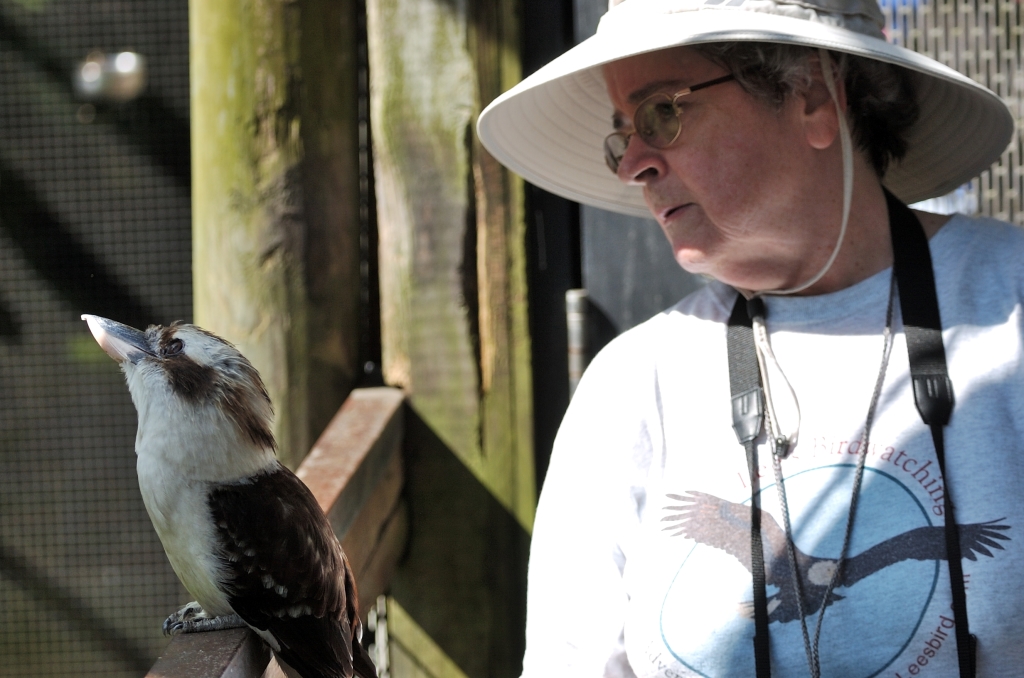
Lee with Laughing Kookabura at Brevard Zoo by Dan

” O LORD, our Lord, How excellent is Your name in all the earth, Who have set Your glory above the heavens!  Out of the mouth of babes and nursing infants You have ordained strength, Because of Your enemies, That You may silence the enemy and the avenger.  When I consider Your heavens, the work of Your fingers, The moon and the stars, which You have ordained, What is man that You are mindful of him, And the son of man that You visit him?  (5)  For You have made him a little lower than the angels, And You have crowned him with glory and honor.  (6)  You have made him to have dominion over the works of Your hands; You have put all things under his feet, All sheep and oxen—Even the beasts of the field, The birds of the air, And the fish of the sea That pass through the paths of the seas. O LORD, our Lord, How excellent is Your name in all the earth!

When I was asked to do some articles about birds, way back in 2008, I never imagined that today, Lee’s Birdwatching Adventures (now with WordPress) would have:

  • 2,513,166 visits as of today
  • 3,857 articles posted

The Lord has truly blessed these efforts. But now? After prayer and much thought, A decision has been made!!

Galah (Eolophus roseicapilla) Hopping on the camera

Galah (Eolophus roseicapilla) Hopping on Dan’s camera

LET’S CONTINE ON!!!!

I’ve paid the fees to continue. The Lord is about to allow me to turn 81 in a little over a week. Thank You Lord. We already have several great writers and photographer that can still add new articles here. The wealth of articles makes great resources for those seeking information about birds, especially home school students and others.

Golden Eagle and Dr Jim – Circle B by Lee

Dr. James J.S. Johnson from Institute for Creation Research,

William Wise a great photographer and writer, and

Golden Eagle, a.k.a. Dr. Baron Brown, are still birding.

ME?? I am planning to review and repost many of the great series of previous posts. I’ll check for broken link and missing photos.

In fact, tomorrow, the Heaven’s New Jerusalem and Birds – Foundation Stones series will begin. It’s one of my favorites.

Thank you for all the visits over the years and trust you’ll continue checking out these “oldies but goodies.” At my age, I forget things. :)

Praise the Lord for all these blessings that He has allowed us the share.

Stay Tuned!

The Wise Owl

Happy Mother’s Day!

Happy Mother’s Day!

I wonder if all the Bird Mother’s have a special Day? Thought I would see what photos from the past have mom’s and youngsters. Let’s See!!

Mom and baby Penquins ©Pinterest

Emu (Dromaius novaehollandiae) Baby by WaltDaily©©

Snowy Egret Baby by Dan at Gatorland

Skimmer Baby Leaning against Parents Beak – ©Thomas C – NatlGeog – Pinterest

Mom and Baby at Lake Hollingsworth by Lee

Baby Geese by Dan

Australasian Grebe (Tachybaptus novaehollandiae) with babies ©WikiC

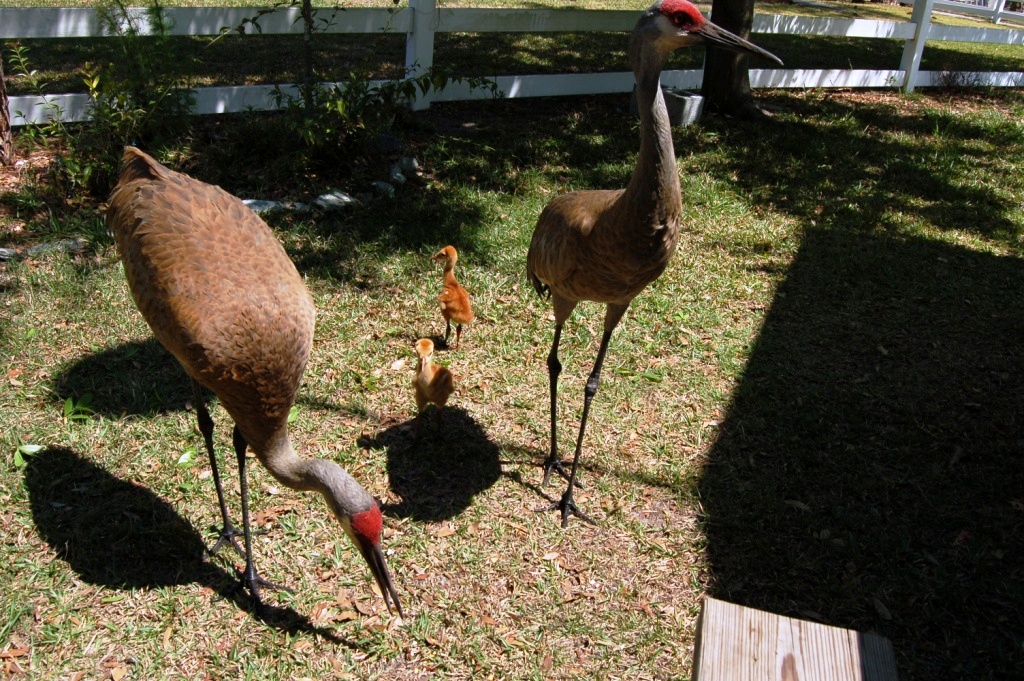
Sandhill Cranes and Babies in yard by Lee

Black-bellied Whistling Duck (Dendrocygna autumnalis) and Babies by Lee at Circle B

Black-bellied Whistling Duck and Babies by Lee at Circle B

Sandhill Crane "colts"

Sandhill Crane “colts” by Lee

Female Chipping Sparrow bird feeding three baby Chipping Sparrow nestlings, Athens, Clarke County, GA. by William Wise

Common Starling (Sturnus vulgaris) at Nest 1 by Anthony747

Well, I think you get the idea. Mother’s can be very busy at times. Enjoy your day!

“HONOR YOUR FATHER AND MOTHER,” which is the first commandment with promise:
(Ephesians 6:2 NKJV)

Previous Posts:

Avian Happy Mother’s Day

Sunday Inspiration – Mother’s Day

Mother’s Day– “Stay Close To Me” © The Hyssongs

Emberizidae Family Allies I ~ “Be Thou My Vision” ~ by Ladies and Girls Choir on Mother’s Day

Good News

State Birds of America – Information

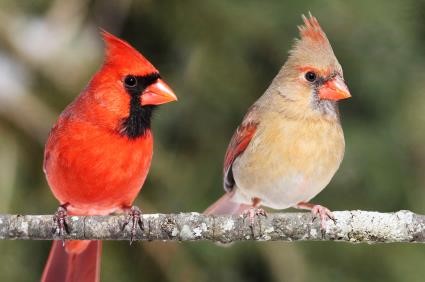
Northern Cardinal M-F (The most chosen state bird) ©BackyardBirdLover

We considered a series on the State Birds, but as I have searched more about this topic, there are already many great sites to visit. So, I’ve decided to share links to those great websites, and then find another bird series to investigate.

All 50 states and the District of Columbia have official birds. To become a state bird, it helped to be familiar, colorful, and have a punchy song. The Northern Cardinal perches as state bird in seven eastern states, the Western Meadowlark in six western states. Bluebirds – like this Western Bluebird – and goldfinches are mascots of another seven. The country’s most insistent songster, the Northern Mockingbird, holds down five states. And Washington, DC’s official bird? The shy Wood Thrush! Find out which bird is your state bird.  Learn more about these state birds at Cornell’s All About Birds.

Oh, by the way, we are orginally from Indiana and the Northern Cardinal is their state bird.

“Consider the ravens, for they neither sow nor reap, which have neither storehouse nor barn; and God feeds them. Of how much more value are you than the birds?” (Luke 12:24 NKJV)

Stay tuned and enjoy these great articles:

List of State Birds – Love to Know

Wikipedia List of U.S. State Birds

Birds by State – Backyard Bird Watchers

To find out more about these birds, go to All About Birds to see great information and photos.

Also check our index for articles about a specific bird. We may have written about it in the past.

For instance, the Cardinal:

Sunday Inspiration – Cardinalidae Family of Cardinals Plus

***

Joy in the Sharing

***

Why Red?

***

Northern Cardinal

***

“A Cardinal Sits With Me” ~ by Sandra Conner

***

Various Birds From Creation Moments

Good News

Wordless Birds

A Semi-tame CROW in Denmark

Here’s an interesting video of a friendly crow in Denmark who has befriended a youngster. Trust you will enjoy watching the interactions between them.
“For every kind of beast and bird, of reptile and creature of the sea, is tamed and has been tamed by mankind.” (James 3:7 NKJV)
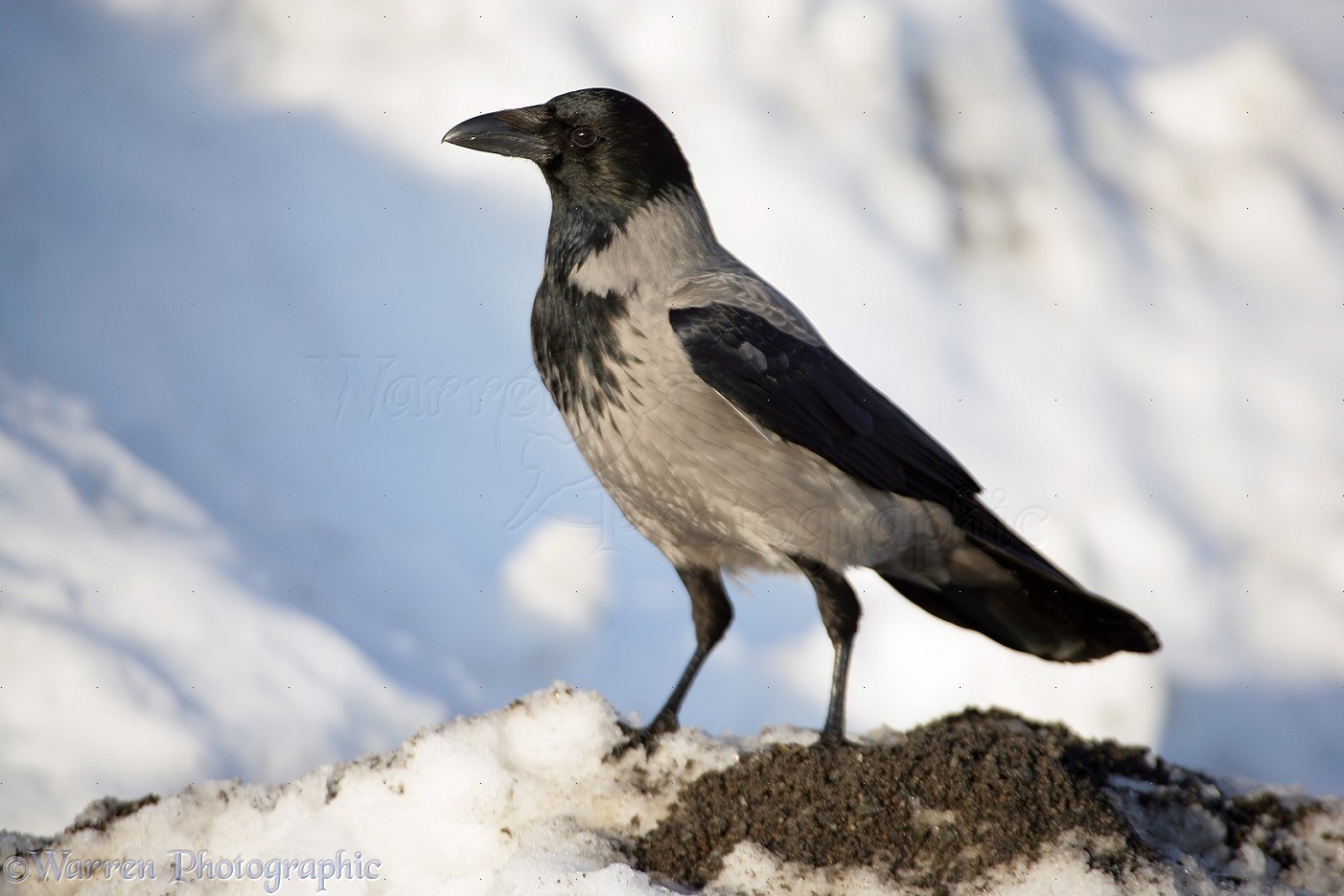
I believe this is a Hooded Crow.

Hooded Crow. Warren Photographic

The Hooded Crow, also called the scald-crow or hoodie, is a Eurasian bird species in the genus Corvus. Widely distributed, it is found across Northern, Eastern, and Southeastern Europe, as well as parts of the Middle East. It is an ashy grey bird with black head, throat, wings, tail, and thigh feathers, as well as a black bill, eyes, and feet. Like other corvids, it is an omnivorous and opportunistic forager and feeder. Wikipedia

Dr. “Jim” (James J. S. Johnson) shared this with me and asked me (Lee) to post it. He’s tied up in a conference.

See Other Crow Articles:

Crows are something to Crow about.

The Crow and the Screwdriver

Sunday Inspiration – Crows and Jays


Good News


Birds of the Bible II – First Bird Species Named

Raven; Grand Canyon National Park, by William Wise

Raven; Grand Canyon National Park, by William Wise

In the introduction to this new series, Birds of the Bible II – Introduction, several questions were asked. Did you check those questions out?

What were the names of first bird species listed in the Bible? (Genesis 8:7, 8)

If you checked these verses, you know that they were the Raven and the Dove. The Raven was released from the Ark first. It flew back and forth until the waters were abated or dried up. It does not say that Noah brought it back into the Ark. My imagination is that it landed on the ark but stayed outside.

While looking through several of the books I showed you in the first post, some interesting facts come to light:

The Raven’s feeding habits:

  • They are resourceful
  • They like plants and seeds
  • They eat carrion

If you imagine the total destruction that the worldwide flood caused, there would still be some things floating on the surface of the water. As the waters receded, the Raven would eventually not need to return to Noah or the Ark.

From All About Birds:

“Common Ravens will eat almost anything they can get hold of. They eat carrion; small animals from the size of mice and baby tortoises up to adult Rock Pigeons and nestling Great Blue Herons; eggs; grasshoppers, beetles, scorpions, and other arthropods; fish; wolf and sled-dog dung; grains, buds, and berries; pet food; and many types of human food including unattended picnic items and garbage.”

Northern Raven (Corvus corax) ©CreationWikiC

Northern Raven (Corvus corax) ©CreationWikiC

An interesting thought. Since all the fowls or birds were in pairs of seven, when did its mate finally join the first one?

Ravens are in the Corvidae Family and here are some of the articles about them:

Birds of the Bible – Ravens (Main page)

There are many links to the articles, facts, and photos about the Raven from previous post. Also, by typing in the Search,,, box on the right side of the page, you will find many more posts about Ravens.

LIKE:

Raven

April Lorier’s Article about the Ravens

Crows and Other Corvids are Really Smart Birds!

Ravin about Corvid Hybrids: Something to Crow About! by JJSJ

Diet of Jackdaws and Ravens by JJSJ

Scripture Alphabet of Animals: The Raven

And many others

What were the names of first bird species listed in the Bible? (Genesis 8:7, 8)

Okay, you now know that the Raven was listed first. What was the second bird listed?

Stay tuned!

What is the Gospel?

Birds Of The Bible II – Introduction

The Birds of the Bible are why Lee’s Birdwatching Adventures Plus was started. Now, 16 years later, do you or I remember what was posted?

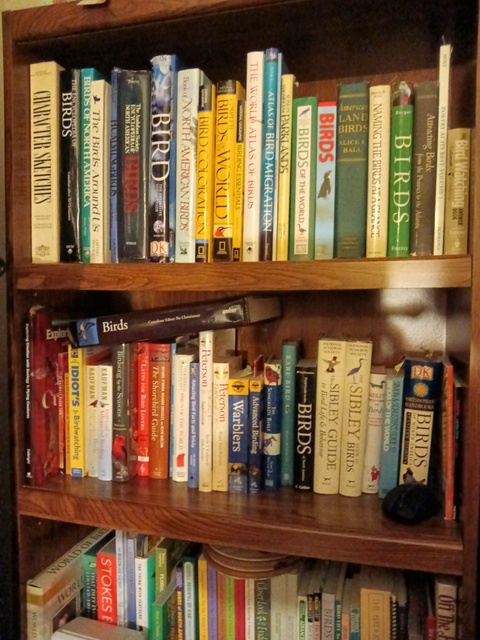
When we started this, we may have had one or two birdwatching books. Today, my bookshelves, at least three of them. have these books waiting on me to find new and interesting bird facts. I wonder what amazing information could be gleaned about God’s Creative Handiwork at work on the birds? Huh??

Bird Books in Library

We now have additional writers that would also be willing to contribute more articles. (I will invite them to join in this.)

When was the first bird created? (Genesis 1:20)

What day was that? (Genesis 1:23)

Who named the first birds? (Genesis 2:19)

What were the names of first bird species listed in the Bible? (Genesis 8:7, 8)

Did birds come from dinosaurs?

Do you know? Want to find out more? Leave me a comment. Stay tuned!

Birds of the Bible

Looking Back – Blog Anniversaries, and Why It Began

Good News

Christ’s Providence Is Clearly Seen in Bird Migrations

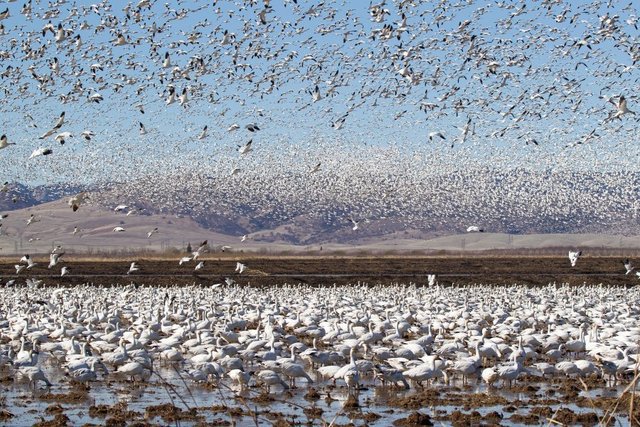
Snow Geese Migrating

Click to watch – Intro Video

Christ’s Providence Is Clearly Seen in Bird Migrations

Just as monkeys can’t accidently type Shakespeare texts, birds can’t migrate by evolutionary luck, despite imagined eons of time for “lucky” accidents.1 Why? Because the challenging mix of birds’ metabolic needs for long-distance travel, synchronized to seasonal and diurnal weather conditions, are exacerbated by unyielding entropy. This all-or-nothing complexity prohibits “lucky” bird migrations. In short, to seasonally migrate, birds need the Lord Jesus Christ’s providential bioengineering care.2,3

Flight failures are tragic when malfunctioning airplanes or spacecraft fall out of the sky.3 Likewise, if bird traits malfunctioned while trying to evolve migratory flight features, there would be no second chances.1 So, either birds are aptly fitted by their Creator with migration traits or they can’t migrate.4,5

Consider the air speeds that birds need to maintain over long distances before their flying fuel (i.e., metabolic assets dedicated to long-distance flight needs) is depleted.

The birds’ flight speed in relation to the air varies in general between approximately 30 km per hour, for the smallest birds, and 80 km per hour, for larger birds.…When the bird’s mass increases 100 times, then 200 times as much flight power is required.4

Yet, powering heavier-than-air flight requires adequate bird muscle strength and endurance.

The muscle power cannot, however, increase much more than the weight. Provided that the proportions are the same, the wing area is only 20 times as great in a bird that weighs 100 times more than another. The limited muscle power and wing area of heavy birds, in combination with the very high flight power that is required [for long-distance migrations], sets a size limit above which flying is no longer possible. This limit is estimated to be around 15 kg. This corresponds well with the weight of the largest animals in the world that can actively fly—swans, bustards, albatrosses and condors.4

Thus, interplay between flight speed and muscle power balances the complicated physics required for non-fixed-wing flying against long-distance migration.2-5

Moreover, the unforgiving biochemistry and physiology of each migratory bird’s metabolism (food acquisition, fuel utilization, respiration, etc.) must aptly fit the ongoing needs of seasonal migrations or else avian biochemical logistics fail.4,5 Thankfully, for all migratory birds—and all birdwatchers—the phenological phenomena of bird migrations is not dependent upon “luck,” as imagined by evolutionists.3,5 Rather, none less than the Lord Jesus Christ deserves all credit and acclaim for these winged wonders of biogeographic beauty.

“But now ask…the birds of the air, and they will tell [literally “explain to,” or “clarify to”] you…that the hand of the LORD has done this, in Whose hand is the life of every living thing.” (Job 12:7-10)

References

  1. “Thus, eons of time guarantee that the simian keypunchers can never type out Hamlet—the imagined luck is ‘not to be.’ Time plus entropy prevents the spontaneous generation of life and any hope of evolution.” Johnson, J. J. S. 2018. Infinite Time Won’t Rescue EvolutionActs & Facts. 47 (6): 21. Complex bird anatomies cannot spontaneously self-assemble, apart from Christ’s bioengineering providence, because ubiquitous entropy (i.e., the 2nd Law of Thermodynamics) absolutely prevents any mix of biochemicals from magically combining into purpose-working “all-or-nothing-unity” systems, regardless of how much time is allowed, because infinite time guarantees that (our fallen universe’s) entropy bars any such luck.
  2. Egevang, C. et al. 2010. Tracking of Arctic terns Sterna paradisaea reveals longest animal migrationProceedings of the National Academy of Sciences. 107 (5): 2078-2081, quoted in Johnson, J. J. S. 2010. Survival of the Fittest: God’s Providential ProgrammingActs & Facts. 39 (10): 17-18. See also, regarding phenological migrations, Johnson, J. J. S. 2013. God Fitted Habitats for BiodiversityActs & Facts. 42 (3): 10-12.
  3. Guliuzza, R. J. 2011. Darwin’s Sacred Imposter: The Illusion That Natural Selection Operates on OrganismsActs & Facts. 40 (9): 12-15; Guliuzza, R. J. 2017. Engineered Adaptability: Engineering Causality Studies Unmask Evolutionary ExternalismActs & Facts. 46 (11): 17-19. See also Sherwin, F. A ‘One-Hundred-Million-Year-Old Bird’ Is Still a BirdCreation Science Update. Posted on ICR.org June 20, 2006, accessed October 1, 2021.
  4. “The rule of thumb is that the speed roughly doubles when the mass of the bird increases 100 times. If a 10-g Willow Warbler flies at 30 km per hour, then a Raven of 1 kg [1,000 grams] flies, in round figures, at 60 km per hour. …The capacity of the flight muscles sets a ‘ceiling’ to how much flight power a bird can cope with—a lower ceiling for continuous power outtake and a somewhat higher ceiling for temporary all-out bursts. After this sort of brief ‘muscle spurt’ the muscles have to wind down while the lactic acid which is formed in the muscle tissue when energy is produced without sufficient oxygen supply is carried away.” Alerstam, T. 1993. Bird Migration. New York: Cambridge University Press, 252.
  5. Johnson, J. J. S. 2016. High-Altitude Flying Is for the BirdsActs & Facts. 45 (3): 20-21.

* Dr. Johnson is Associate Professor of Apologetics and Chief Academic Officer at the Institute for Creation Research.

Cite this article: James J. S. Johnson, J.D., Th.D. 2021. Christ’s Providence Is Clearly Seen in Bird MigrationsActs & Facts. 50 (12).

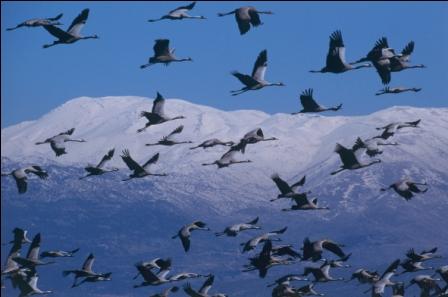
Crane Migration over Israel

Crane Migration over Israel

(Dr. Jim asked me to post this for him. Trust you will enjoy this. Copied directly from the website with his permission.)
Psalm 91 “Shadow of the Almighty” – Pastor Totman

Under His Wings - (Dove - photographer unknown)

Under His Wings – by Ric Seet

“He that dwelleth in the secret place of the most High shall abide under the shadow of the Almighty. I will say of the LORD, He is my refuge and my fortress: my God; in him will I trust.” (Psalms 91:1-2 KJV)

We had a fantastic message yesterday from our Pastor, Dave Totman. It was based on Psalm 91, “Shadow of the Almighty.”

Needless to say, there were many references to our Creator’s Avian Wonders. Just thought you would enjoy watching this.

Praise the Lord for His watch care and protection of us!

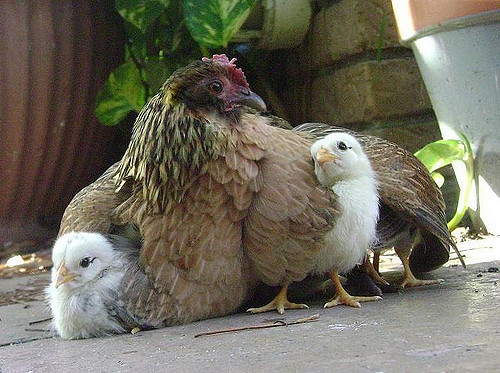
Gathering Her Chicks Under Her Wings

“He shall cover thee with his feathers, and under his wings shalt thou trust: his truth shall be thy shield and buckler. Thou shalt not be afraid for the terror by night; nor for the arrow that flieth by day;” (Psalms 91:4-5 KJV)

Here is a Killdeer protecting her eggs from a farm tractor. Almost hard to watch. [But it turns out okay!]

https://youtu.be/_aC2N5s0B2k&rel=o

Good News