Circle B Bar Reserve Re-opening Nov 1, 2008

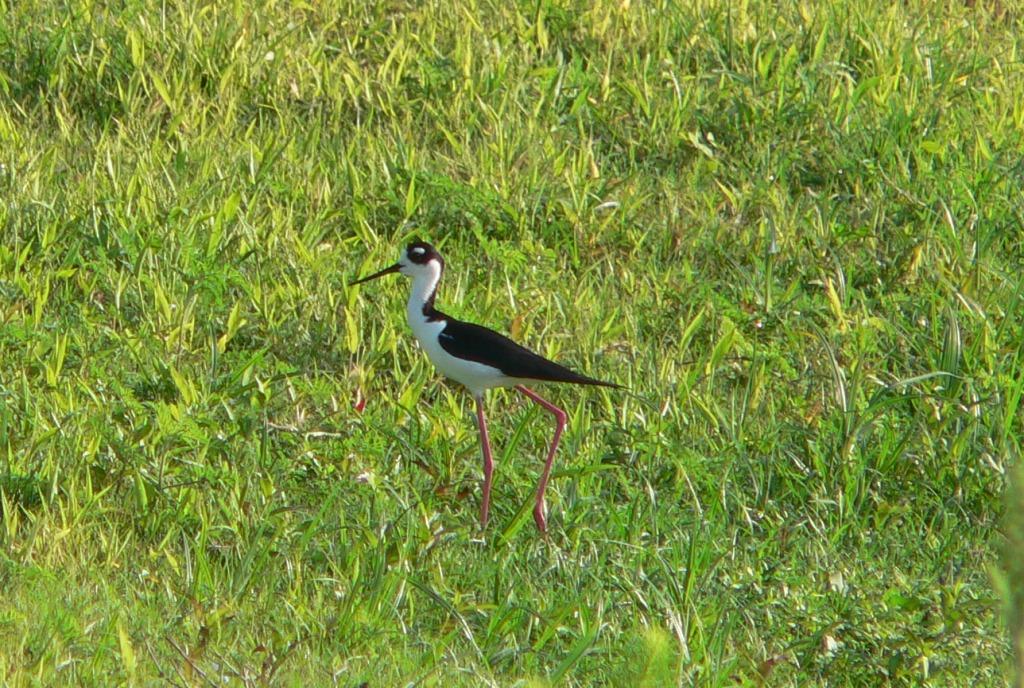
Black-necked Stilt at Circle B Bar Reserve

Black-necked Stilt at Circle B Bar Reserve

I can hardly wait for the Circle B Bar Reserve to let me in to go birdwatching. Seems like forever since it closed. They opened it for a half-day in May. I have observed over 50 species in the two times we visited there. See Circle B Bar Ranch Reserve. I am including an excerpt I received today from the Bird Listing Service, “BRDBRAIN”, that I receive reports from.

After being closed for 1 1/2 years for construction of a nature center and restoration of the marsh system Circle B Bar Reserve is re-opening.

On Nov. 1, come celebrate all things natural at Water, Wings & Wild Things, Polk NatureFest 2008, in conjunction with the opening of Polk County’s Nature Discovery Center at Circle B Bar Reserve. Polk NatureFest 2008, which will take place from 10 a.m. until 2 p.m., is a free event featuring native Florida animals, nature-based art vendors, wildlife and plant workshops and hands-on activities — such as tree climbing, kite-making, butterflies and more! As you and your family celebrate nature, get the first glimpse of Polk County’s Nature Discovery Center which will offer a variety of nature-based activities, wildlife viewing platform, exhibits highlighting various habitats, nature workshops and guided tours of the reserve. Circle B Bar Reserve is located just off Hwy 540 between Winter Haven and Lakeland. For more information, contact Polk County Tourism and Sports Marketing at (863) 534-2500 or visit www.visitcentralflorida.org.

Update Octorber 30th:
Was able to look around in the Reserve today for just a little while. I was able to observe the following birds in about 20 minutes. Blue Jay, Red-bellied Woodpecker, Osprey, Little Blue Heron, Tri-colored Heron, Great Blue Heron, Great Egret, White Ibis, Glossy Ibis, Snipes, Black and Turkey Vultues, Wood Stork, Common Gallinule, Whistling Duck, Catbird plus others I couldn’t ID. We really didn’t have any gear with us, as we were just passing by and saw the gate open.
Birds of the Bible – The Bird Feeder I

While thinking about bird feeders and how birds approach them to eat, I started comparing that to how we approach the Word of God.

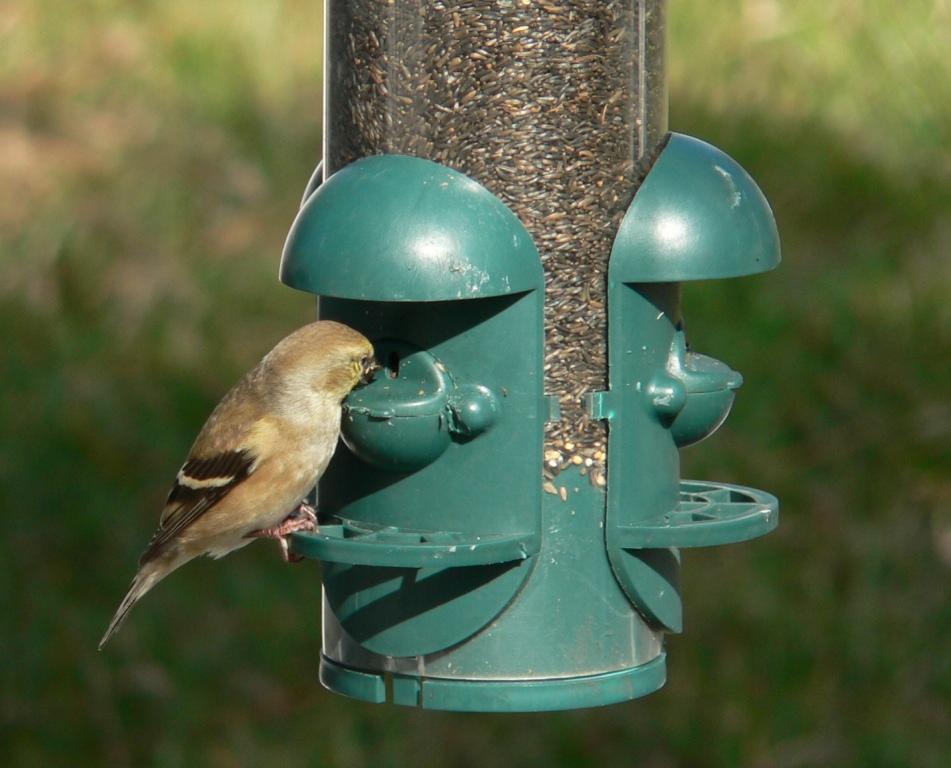
Goldfinch on Feeder

As newborn babes, desire the sincere milk of the word, that ye may grow thereby: (1Pe 2:2)
Thy word is very pure: therefore thy servant loveth it. (Psa 119:140)
I rejoice at thy word, as one that findeth great spoil. (Psa 119:162)
Thy word is a lamp unto my feet, and a light unto my path. (Psa 119:105)
How sweet are thy words unto my taste! yea, sweeter than honey to my mouth! (Psa 119:103)

Here are some of my thought about birds at my feeders:
Hummingbird Feeders (Hummingbirds and Orioles)

Hummer at Feeder, Camp Carlson, KY

Hummer at Feeder, Camp Carlson, KY

  • Defend It – could be protictive of the Word or keep chasing off others and become distracted.
  • Share It (sometimes) – Found nutrition and wants to share it
  • Drink on the Wing – In a hurry, made that way
  • Sit Sometimes – Enjoy it and reflect
  • Keep Returning Often – Can’t get enough, or realzes that it’s worth returning to often, needs it to live.
  • Deep Drink or Sip In-and-out – Long reading or get ‘N’ go)

Suet Feeders (Woodpeckers, Titmice, Nuthatches, etc

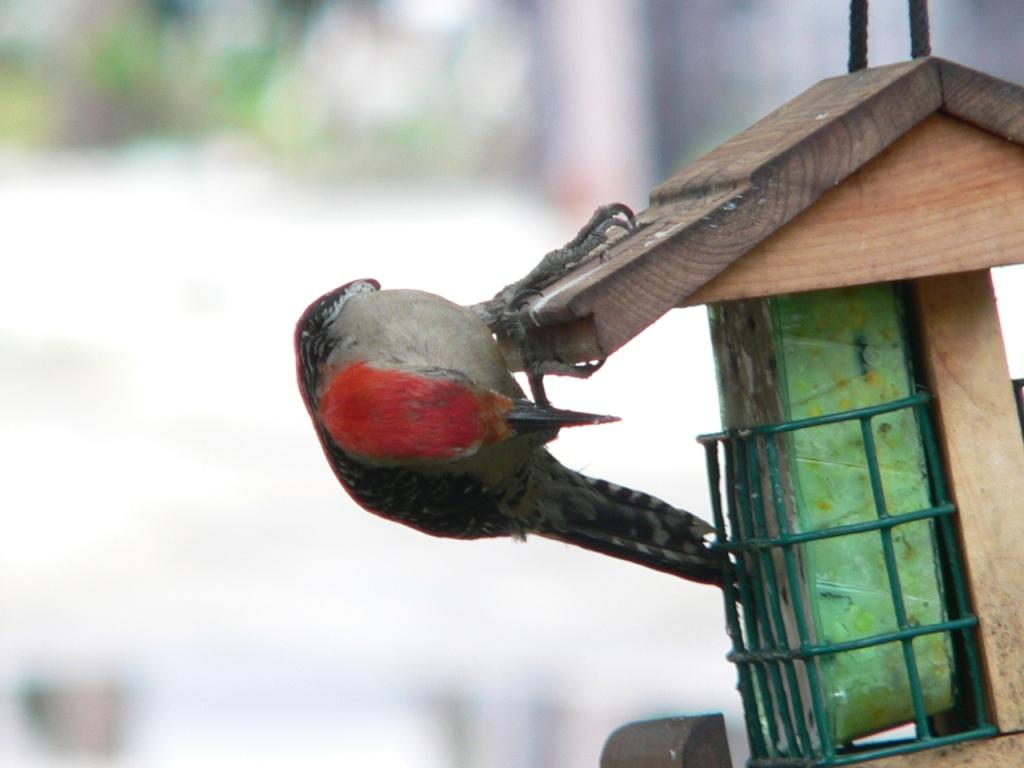
Red-bellied Woodpecker on Suet Feeder 

Red-bellied Woodpecker on Suet Feeder

  • Cling to it – (no landing perch) Hangs on to it
  • Hang On It – even upside down – From different angles, study word, checking all verses

Regular Feeders (Most birds)

  • Some eat until stuffed (Doves)
  • Some take one piece and fly off
  • Some stuff seed in crop and go feed others
  • Some chase others away – even if not eating themselves
  • Some crowd in and push others away
  • Some pick and choose – just want part of Word or sermons
  • Some throw seed to the ground in their search
  • Some wait underneath to get scraps (ground feeders) – Consider it “food from Above”

The law of the LORD is perfect, converting the soul: the testimony of the LORD is sure, making wise the simple. The statutes of the LORD are right, rejoicing the heart: the commandment of the LORD is pure, enlightening the eyes. The fear of the LORD is clean, enduring forever: the judgments of the LORD are true and righteous altogether. More to be desired are they than gold, yea, than much fine gold: sweeter also than honey and the honeycomb. Moreover by them is thy servant warned: and in keeping of them there is great reward. (Psa 19:7-11 KJV)

All pictures taken by Dan.

Birds of the Bible – God’s Care For Birds

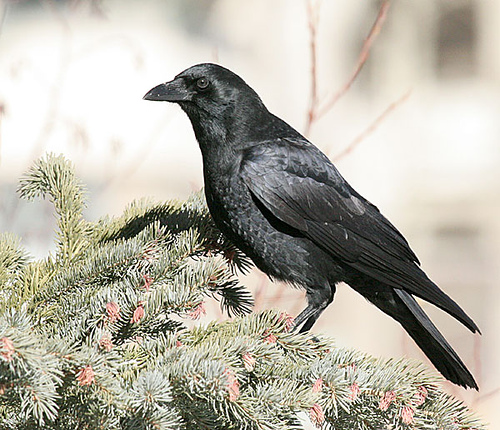
Northern Raven (Corvus corax) by Kent Nickell

Northern Raven (Corvus corax) by Kent Nickell

But ask now the beasts, and they shall teach thee; and the fowls of the air, and they shall tell thee: (Job 12:7 KJV) Who teacheth us more than the beasts of the earth, and maketh us wiser than the fowls of heaven? (Job 35:11 KJV)

God has promised that He will watch over the birds of the air to see that they are fed.

Who provideth for the raven his food? when his young ones cry unto God, they wander for lack of meat. (Job 38:41 KJV)
He giveth to the beast his food, and to the young ravens which cry. (Psa 147:9 KJV)
Are not five sparrows sold for two farthings, and not one of them is forgotten before God? But even the very hairs of your head are all numbered. Fear not therefore: ye are of more value than many sparrows. (Luk 12:6-7 KJV)

Let the Birds of the Air teach us to put our trust in the Lord especially with the difficult times that are facing us today. With the economy, finances, jobs, problems, health, and other pressures pressing on us, look to the Lord, our Saviour, King, Ruler, Creator, and the All Mighty God who cares about every aspect of our lives and wants to provide all for us. He loves the birds, but He loves and cares so much more about us.

Therefore I say unto you, Take no thought for your life, what ye shall eat, or what ye shall drink; nor yet for your body, what ye shall put on. Is not the life more than meat, and the body than raiment? Behold the fowls of the air: for they sow not, neither do they reap, nor gather into barns; yet your heavenly Father feedeth them. Are ye not much better than they? Which of you by taking thought can add one cubit unto his stature? And why take ye thought for raiment? Consider the lilies of the field, how they grow; they toil not, neither do they spin: And yet I say unto you, That even Solomon in all his glory was not arrayed like one of these. Wherefore, if God so clothe the grass of the field, which today is, and tomorrow is cast into the oven, shall he not much more clothe you, O ye of little faith? Therefore take no thought, saying, What shall we eat? or, What shall we drink? or, Wherewithal shall we be clothed? (For after all these things do the Gentiles seek:) for your heavenly Father knoweth that ye have need of all these things. But seek ye first the kingdom of God, and his righteousness; and all these things shall be added unto you. Take therefore no thought for the morrow: for the morrow shall take thought for the things of itself. Sufficient unto the day is the evil thereof. (Mat 6:25-34 KJV)

*

This slideshow requires JavaScript.

*

God Will Take Care of You

Be not dismayed whate’er betide,
God will take care of you;
Beneath His wings of love abide,
God will take care of you.

Refrain:
God will take care of you,
Thro’ ev’ry day, O’er all the way;
He will take care of you,
God will take care of you.

All you may need He will provide,
God will take care of you;
Trust Him, and you will be satisfied,
God will take care of you.

No matter what may be the test,
God will take care of you;
Lean, weary one, upon His breast,
God will take care of you.

See Birds in Hymns – God Will Take Care of You

Psalm 63:7
Author: Civilla D. Martin, 1869-1948
Musician: W. Stillman Martin, 1862-1935


*

Birds of the Bible – Hawks

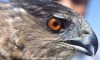
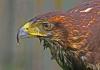
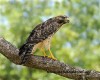
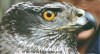
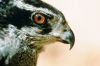
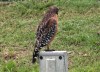
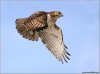
Hawks are roughly divided into two groups: Buteos and Accipiters. The “Buteos are chunky hawks with broad wings and short, wide tails. They may soar for hours…with hardly a flap of their wings, and often perch in the open.” “Accipiters are slim hawks with relatively short rounded wings and long tails. They are in the woods, and “pursue prey with stealth and agility.” Quotes from p.108, Kaufman Field Guide to Birds of North America.

And the owl, and the night hawk, and the cuckow, and the hawk after his kind, (Lev 11:16 and Deu 14:15 KJVR)

“Large hawks were numerous in Palestine. The largest were 2 ft. long, have flat heads, hooked beaks, strong talons and eyes appearing the keenest and most comprehensive of any bird. They can sail the length or breadth of the Holy Land many times a day. It is a fact worth knowing that mist and clouds interfere with the vision of birds and they hide, and hungry and silent wait for fair weather, so you will see them sailing and soaring on clear days only. These large hawks and the glede are of eagle-like nature, nesting on Carmel and on the hills of Galilee, in large trees and on mountain crags. They flock near Beersheba, and live in untold numbers in the wilderness of the Dead Sea.” (International Standard Bible Encyclopedia)

The Buteos in North America are:
Red-tailed Hawk (19″, wingspan 50″, with a red tail)
Rough-legged Hawk (21″, wingspan 53″)
Ferruginous Hawk (23″, wingspan 56″, our largest buteo)
Broad-winged Hawk (16″, wingspan 34″, crow-sized, soars with wings flat)
Red-shouldered Hawk (17″, wingspan 40″, red shoulders and chest)
Gray Hawk (17″, wingspan 36″ )
Swainson’s Hawk (19″, wingspan 51″, brown chest-band)
White-tailed Hawk (20″, wingspan 51″, soars with wings in a V)
Short-tailed Hawk (16″, wingspan 36″, small with big-headed look)
Harris Hawk (21″, wingspan 46″, black tail with white base and tip)
Zone-tailed Hawk (20″, wingspan 51″, broad white band on tail)
Common Black Hawk (20″, wingspan 50″, very broad wings)
Accipiters (‘built for agility and burst of speed”) are:
Sharp-shinned Hawk (12″, wingspan 25″)
Cooper’s Hawk (18″, wingspan 32″)
Northern Goshawk (22″, wingspan 43″)


Birds of the Bible – Vulture

But these you shall not eat: the eagle, the vulture, the buzzard, (Deu 14:12 NKJV)
And the vulture, and the kite after his kind; (Lev 11:14 KJV)


Job 28 tells of the wealth of earth that is hidden and must be mined; Gold, silver, brass, iron, precious stones such as sapphires, and gold dust. It is buried where the eyes of the birds mentioned have never seen them.

There is a path which no fowl knoweth, and which the vulture’s eye hath not seen: (Job 28:7 KJV)

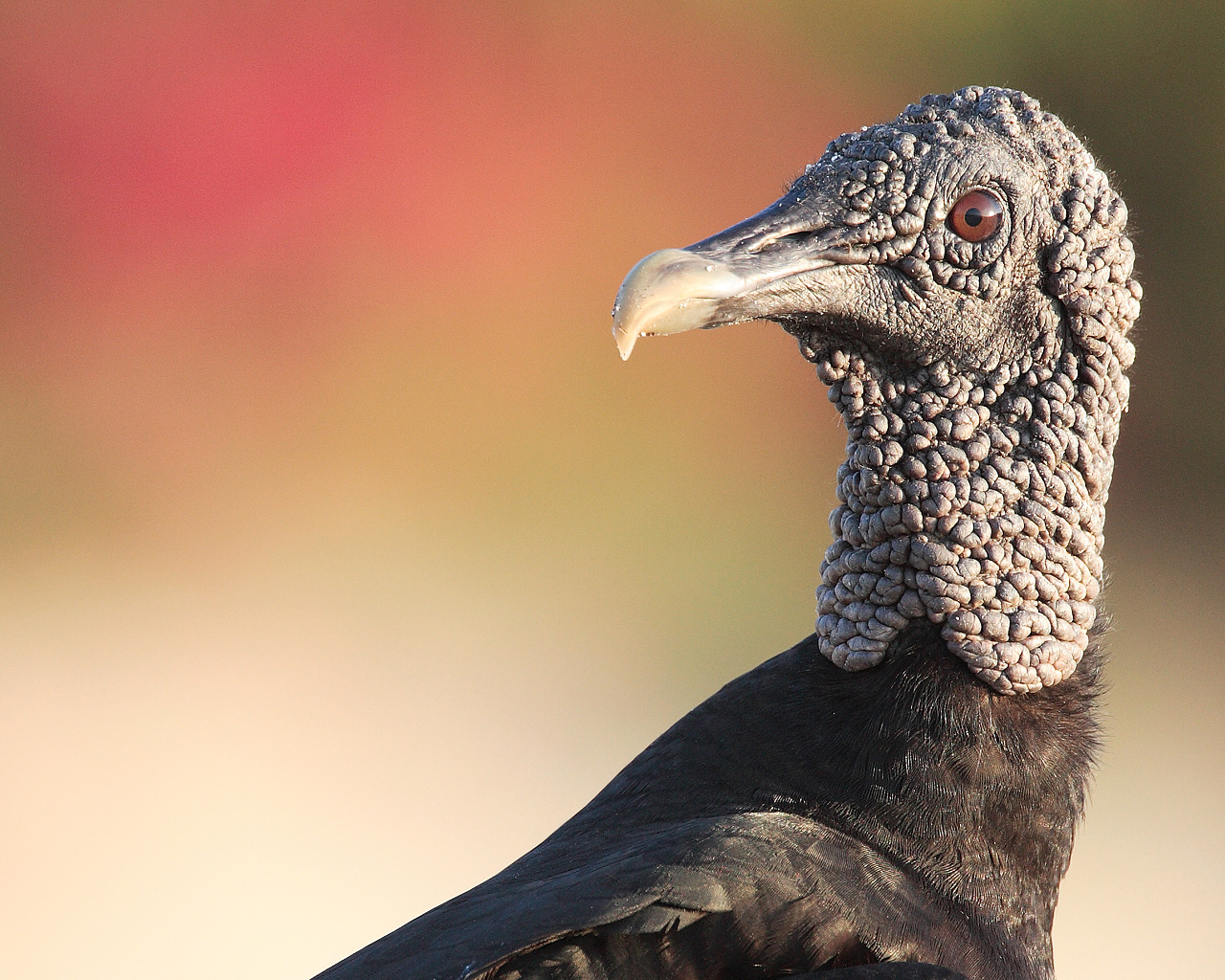
Black Vulture from Wikipedia

Black Vulture from Wikipedia

So, let’s find out some about the vulture. Vultures are good-sized birds that eat carrion (dead things). They help keep our country side clean of things that have died or been attacked by other birds or mammals. I think they are ugly looking, but what makes them look that way is the lack of feathers around the face. This helps them eat without messing up their feathers and having them soaked with blood and other dead stuff. The Lord made them the way they are and given them the task mentioned. I imagine the Lord does not consider them ugly.

In the New World we have the Andean Condor, Black Vulture, California Condor(the larges in North America-47″ with a 10′ wingspan), Greater Yellow Headed Vulture, King Vulture, Lesser Yellow Headed Vulture, and the Turkey Vulture. In the Old World Vulture family we get the African White-backed, Asian White-backed, Bearded, Cape Giffon, Cinereous, Egyptian, Eurasian Griffon, Himalayan Griffon, Hooded, Lappet Faced, Long Billed, Palm Nut, Red-headed, Ruppells Griffon, and White Headed Vultures.

A good reference to these Vultures is at these websites:

Nave’s Topical Bible – Vultures

*

Birds of the Bible – Hawk Migration

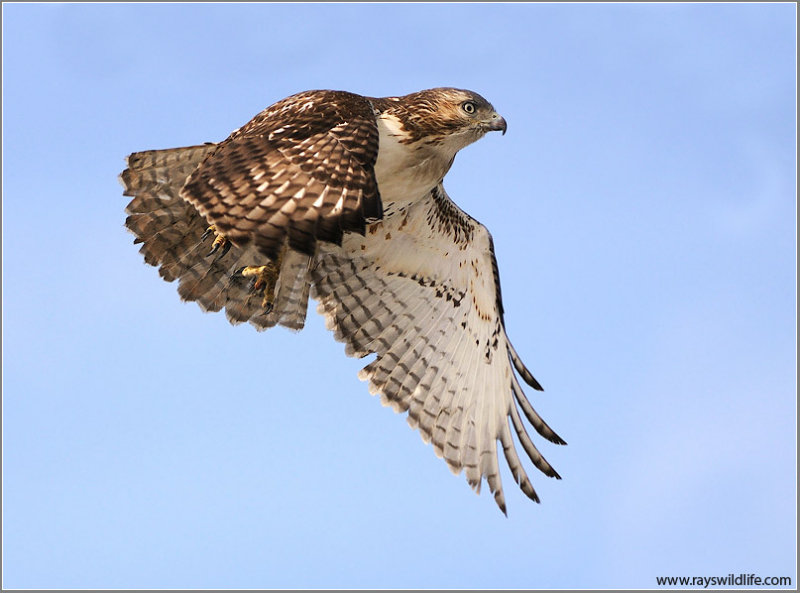
Red-tailed Hawk by Ray

Red-tailed Hawk by Ray

Doth the hawk fly by thy wisdom, and stretch her wings toward the South? (Job 39:26 KJV)


Through God’s wisdom (omniscience), the Hawks He created have a built-in instinct to fly south for the winter and how to accomplish that feat. There is much studied and observed about this phenomenon. People watch them as they fly over by the hundreds and thousands.  Wings on the Wind has a very good article about how they ride the thermals or catch updrafts to carry them along on their journey. Right now, between August and December is the Fall migration time.

The verse quoted at the top is found in a set of questions started in Job 38:

Then the LORD answered Job out of the whirlwind, and said, Who is this that darkeneth counsel by words without knowledge? Gird up now thy loins like a man; for I will demand of thee, and answer thou me. (Job 38:1-3 KJV)

Some other interesting translations of Job 39:26 are:
“Is it through your knowledge that the hawk takes his flight, stretching out his wings to the south?” (BBE)
“Did you teach hawks to fly south for the winter?” (CEV)
“Is it by your understanding that the hawk soars and spreads his wings toward the south?” (ESV)
“Does your understanding make a bird of prey fly and spread its wings toward the south?” (GW)
“Was it through your know how that the hawk learned to fly, soaring effortlessly on thermal updrafts?” (MSG)
“Is it by your understanding that the hawk soars, Stretching his wings toward the south?” (NASB)

When we think we have “all the answers” to life’s questions and are feeling like we do not need God our Creator or a relationship with Him; read Job 38-42. “Thou art worthy, O Lord, to receive glory and honor and power: for thou hast created all things, and for thy pleasure they are and were created.” (Rev 4:11 KJV)
The Creator’s Gift of Intelligence


Information about Hawk Migration:

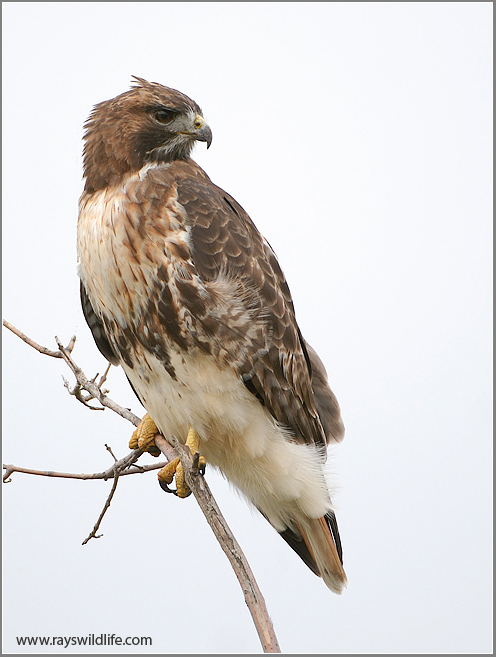
Red-tailed Hawk by Ray's Wildlife

Red-tailed Hawk by Ray

Wings on the Wind
Hawk Migration Association of NA
Hawk Migration Chart

Places to View:
Blue Ridge Parkway


Birds of the Bible – Nighthawk II

Last week after I published Nighthawk I, I started looking for more photos and videos to supplement the article. I kept running into other usages of the word “nighthawk.” So, here is more on the topic.

In the two references: Lev 11:16, Deu 14:15 See Nighthawk the word nighthawk is from “H8464 – תּחמס
tachmâs (takh-mawce’) is from H2554; a species of unclean bird (from its violence), perhaps an owl: – night hawk.”

Tachmas cannot be identified with any certainty. Here is how it is interpreted:

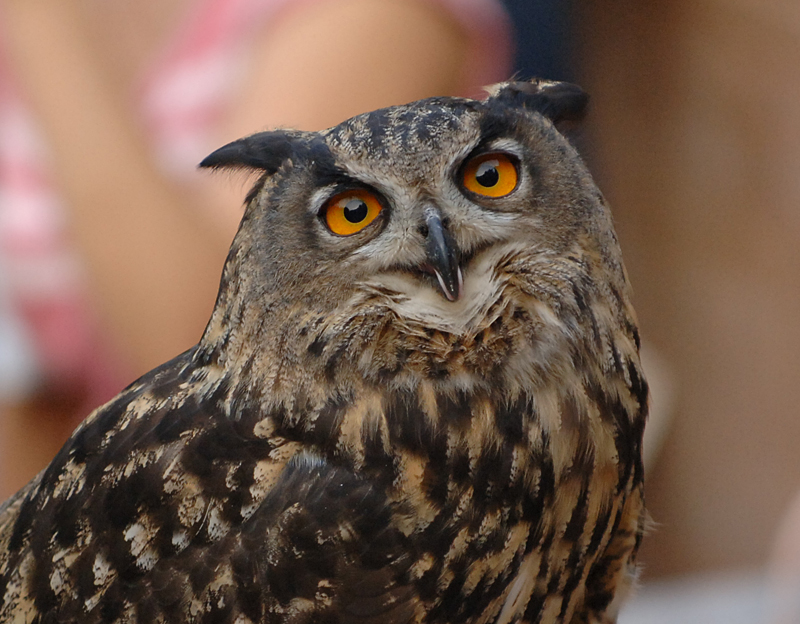
Great Horned Owl by Phil Kwong Galleries

Great Horned Owl by Phil Kwong Galleries

night-hawk – ASV, BBE, JPS, YLT
nighthawk – ESV, GW, MSG, Webster
night hawk – KJV, RV
nighthauke – KJV 1611
nyght Crowe – Bishops
night crowe – Geneva
female ostrich and the male ostrich – Darby
short-eared owl – HCSB, NKJV
great owl – LITV, MKJV
screech owl – WEB, NRSV, NIV

Needless to say, this “has caused great controversies among commentators. Some scholars of the Hebrew language have thought that the male ostrich was signified by tachmas, the word bath-haya’anah being supposed by them to signify the female ostrich. It is hardly probable, however, that the sacred writer should have mentioned separately the sexes of the same species, and we must therefore look for some other interpretation.

Going to the opposite extreme of size, some scholars have translated tachmas as Swallow. This again is not a very probable rendering, as the swallow would be too small a bird to be specially named in the prohibitory list. ‘I’he balance of probability seems, to lie between two interpretations – namely, that which considers the word tachmas to signify the Night-hawk, and that which translates it as Owl. For both of these interpretations much is to be said, and it cannot be denied that of the two the latter is perhaps preferable. If so, the White or Barn Owl is probably the particular species to which reference is made.

However, many commentators think that the Night-hawk or Nightjar is the bird which is signified by the word tachmas, and as owls seem to have been signified by alternative words, the rendering of the Authorized Version seems an acceptable translation. Moreover, the Jewish Bible follows the same translation, and renders tachmas as Night-hawk, but affixes the mark of doubt. ” (From The Nightjar or Night Hawk in the Bible on Wonder of Birds website)

I said all of that to say, I don’t know for any certainty which bird it is. Therefore, I am adding pictures of the other birds mentioned beside the ones I posted last week. Only the Lord know for certain which birds were indicated. I’ll leave it at that.


Birds of the Bible – Nighthawk

Common Nighthawk

Common Nighthawk

The Night Hawk is part of the Caprimulgidae – Nightjars family. Here in North America, the Lesser, Common, and Antillean Nighthawks, are joined by the Common Pauraque, Common Poorwill, Chuck-Will’s Widow, and the Whip-Poor-Will to round out the family. They have long wings, short legs, and very small bills with a large mouth. All of these are late evening, early morning, and night hunters of insects. God created them with coloration that helps them blend in with the tree or leaves around them and most perch horizontal to the limbs instead of across them like most birds. This also helps hide them in the daytime. Even though they have the name “Hawk”, they do not resemble what most would think of hawks. The term is more of the fact of ‘hawking or catching” insects while in flight. Most fly low over the ground in search the moths and large flying insects. They range from 7 to 13 inches long with wingspans from 11 to 24 inches.

All Nighthawks listed in the New World are the Band-tailed Nighthawk, Plain-tailed Nighthawk, Nacunda Nighthawk, Rufous-bellied Nighthawk, Short-tailed Nighthawk, Antillean Nighthawk, Lesser Nighthawk, Common Nighthawk, Least Nighthawk, Sand-colored Nighthawk

UPDATE: AUG 30, 2008: Upon further investigation, the night hawk mentioned in the verses is most likely a type of owl that feeds at night. I will make a new article soon. Enjoy this anyway. (Lee)

They are again in our list of birds that are “unclean.” Both verses are identical in the KJV.

And the owl, and the night hawk, and the cuckoo, and the hawk after his kind, (Lev 11:16)
And the owl, and the night hawk, and the cuckoo, and the hawk after his kind, (Deu 14:15)

See Nighthawks for more information.


Grey Nightjar

Deuteronomy 14:11-18 Visualized

I trust you like my effort to use the Slideshow this way.


This slideshow requires JavaScript.

KJV

Most photos were provided by permission of the photographers in the sidebar.


Deuteronomy 14:11-18 KJV
(11) Of all clean birds ye shall eat.
(12) But these are they of which ye shall not eat: the eagle, and the ossifrage, and the ospray,
(13) And the glede, and the kite, and the vulture after his kind,
(14) And every raven after his kind,
(15) And the owl, and the night hawk, and the cuckow, and the hawk after his kind,
(16) The little owl, and the great owl, and the swan,
(17) And the pelican, and the gier eagle, and the cormorant,
(18) And the stork, and the heron after her kind, and the lapwing, and the bat.

Wordless Birds

*

Birds of the Bible – Hoopoe

By permission of William Kwong

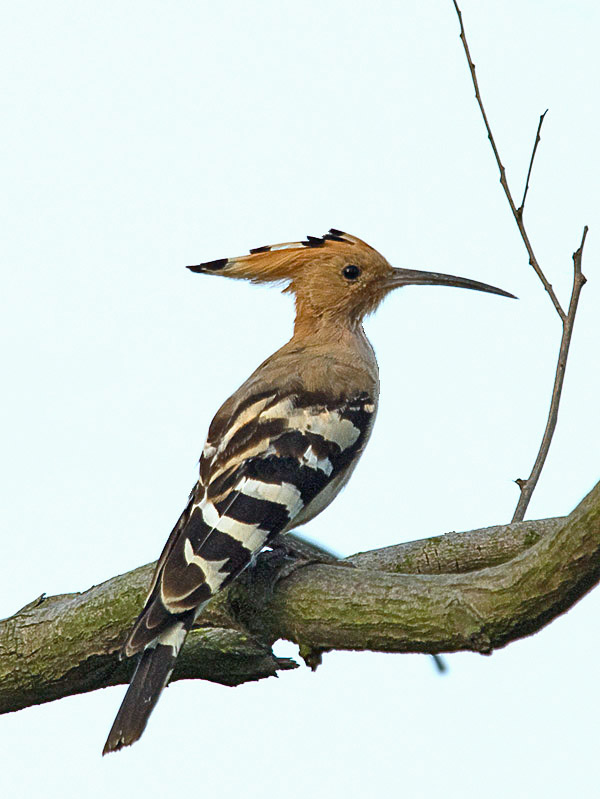
Eurasian Hoopoe By William Kwong

The Hoopoe is mentioned in the list of “unclean” things not to eat in Leviticus and Deuteronomy. I am sort of revisiting my Birds of the Bible – Lapwing which uses the same references. Depending on which copy of Scripture one uses it is translated Lapwing in some and Hoopoe in others. The Hoopoe is an interesting and pretty bird, so I will describe it in today’s blog.

the stork, the heron after its kind, the hoopoe, and the bat. (Lev 11:19 NKJV)
the stork, the heron after its kind, and the hoopoe and the bat. (Deu 14:18 NKJV)

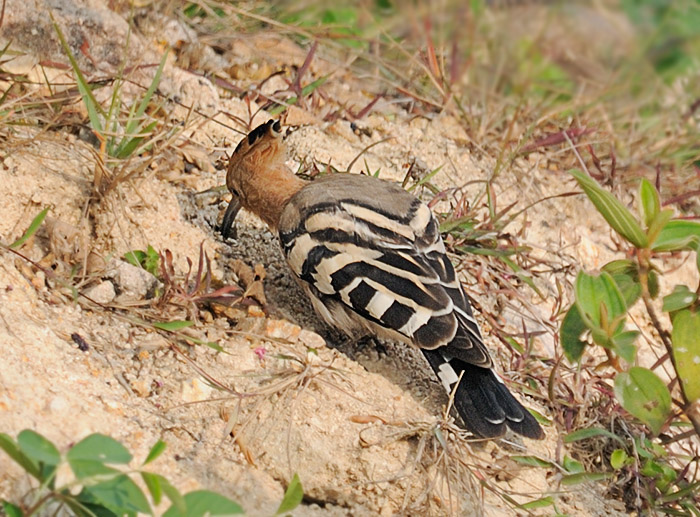
 Eurasian Hoopoe By William Kwong

Eurasian Hoopoe By William Kwong

  • They are found in Asia, Europe, and North Africa, Sub-Saharan Africa and Madagascar.
  • They migrate to the tropics in the winter.
  • In 2008, the Long-Billed Hoopoe became the national bird of Israel. See Article
  • Their diet consists of mostly worms and insects, which they find while spending most of their time on the ground.
  • “The nest is in a hole in a tree or wall. Like those of its relatives,… the nest tends to contain copious amounts of faeces and smell very foul as a protection against predators[2].”(Wikipedia)
  • “The song is a trisyllabic “oop-oop-oop”, which gives rise to its English and scientific names.”(Wikipedia)
 Eurasian Hoopoe By William Kwong

Eurasian Hoopoe By William Kwong

Links to check out:

Wikipedia – Hoopoe

Bird Families of the World – Hoopoes

William Kwong’s Gallery (Photos used with his Permission)

Hoopoe – Photos & Videos

See:

Birds of the Bible – Falcons

American Kestrel by AestheticPhotos

American Kestrel by AestheticPhotos

Today we introduce another bird family that has been wonderfully created by God. The Falcon is in the Family “Falconidae” which are birds of prey. Worldwide there are over 60 species in the family. Falcons, Caracara, Forest-Falcons, Kestrels, Falconets, Pygmy-Falcons, and Hobbies make up the family. For an interesting list of the birds and videos of them, see Internet Bird Collection. These are the birds seen in North America according to Thayer’s Birding software:

  • Aplomado Falcon (15-16.5” with  40-48” wingspan) Mexico to Central and South America, TX

  • Gyrfalcon (20-25” with 50-64” wingspan – largest of the falcons) – Arctic tundra-winter seen in upper Midwest, Dakotas, Montana, Idaho and Washington – Flies close to the ground.

  • Peregrine Falcon (16-20” with  36-44” wingspan – large falcon)

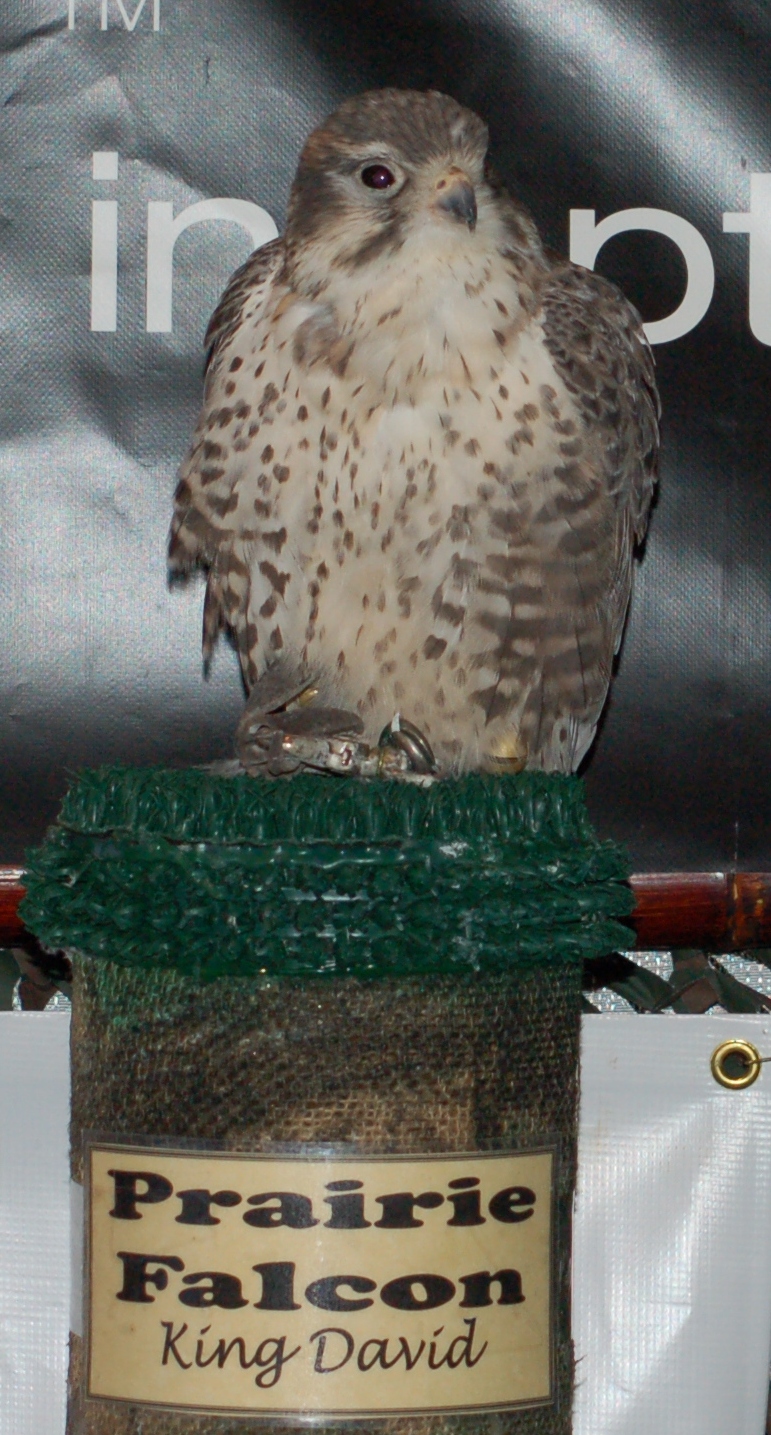
  • Prairie Falcon (15.5-19.5” with 35-43” wingspan)

  • Merlin (12” with 25” wingspan)

  • Collared Forest-Falcon (21-25” with 30-37” wingspan) (Accidental-South Texas)

  • American Kestrel (10.5” with 23” wingspan – Smallest falcon)

  • Eurasian Kestrel (13.5”with 29” wingspan Hovers) – Mass, NJ, N Brunswick and Aleutian Islands of Alaska

    Prairie Falcon by Dan

    Prairie Falcon by Dan

  • Crested Caracara (23” with 50” wingspan) – TX and FL, Prairie region of central FL, open arid and semiarid scrublands, grassland w/ few trees, ranchland

  • Eurasian Hobby (11-13” with 28-33” wingspan) – Europe and Asia, Africa (winters) very rare in North America Captures prey in the air.

A good article about the Falconidae Family is at the Handbook of the Birds of the World website. The Wikipedia had these comments:
“Falcons and caracaras are carnivores, feeding on birds, small mammals, reptiles, insects and carrion.”,
“They have strongly hooked bills, sharply curved talons and excellent eyesight. The plumage is usually composed of browns, whites, chestnut, black and grey, often with barring of patterning. ”
“They differ from other Falconiformes (Hawks, Eagles, Falcons, etc.) in killing with their beaks instead of their feet. They have a “tooth” on the side of their beak for the purpose.”

Peregine Falcon by Jim Fenton

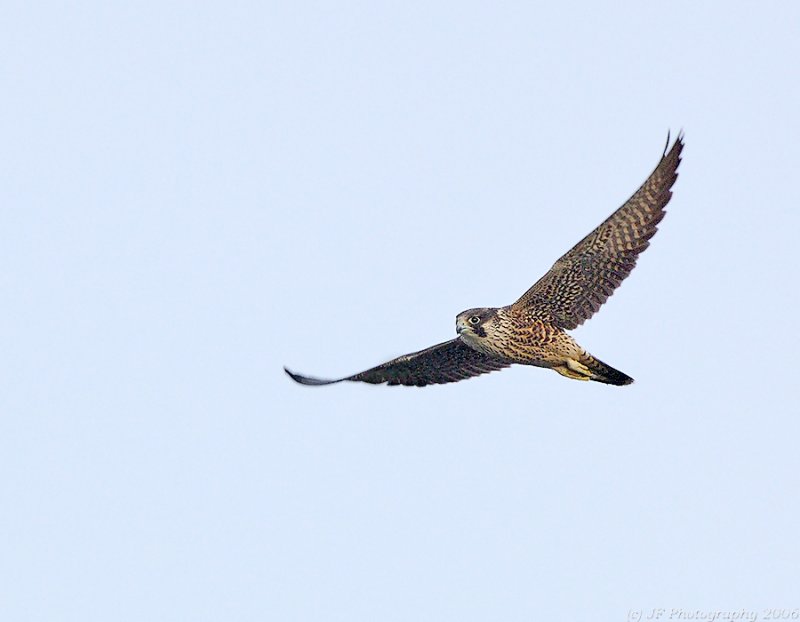
Peregrine Falcon by Jim Fenton

The Falcon is another bird on the “unclean” list.
“And these you shall regard as an abomination among the birds; they shall not be eaten, they are an abomination: the eagle, the vulture, the buzzard, the kite, and the falcon after its kind;” (Leviticus 11:13-14 NKJV)
“the red kite, the falcon, and the kite after their kinds;” (Deuteronomy 14:13 NKJV)
“You shall fall upon the mountains of Israel, you and all your troops and the peoples who are with you; I will give you to birds of prey of every sort and to the beasts of the field to be devoured. (Ezekiel 39:4 NKJV)

Check out the

Falcons page for Photos and Videos
Falconidae – Caracaras, Falcons – Family

*