Bird of the Week – New Zealand Pigeon

New Zealand Pigeon (Hemiphaga novaeseelandiae) by Ian

Bird of the Week – New Zealand Pigeon ~ by Ian Montgomery

Newsletter ~ 12/24/13

Well, Christmas is nearly on us and I’ve put up the ‘icicle’ Christmas lights beside the almost too-warm pool (29ºC), so I thought a bird photo including some real Southern Hemisphere snow would be correspondingly inappropriate. This proved difficult as I usually avoid the snow and the best candidate, the Kea of New Zealand was bird of the week two years ago even though the snow was incidental to the story about Keas’ passion for dismantling motor vehicles.

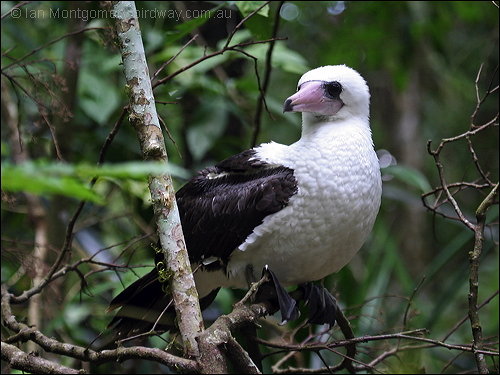
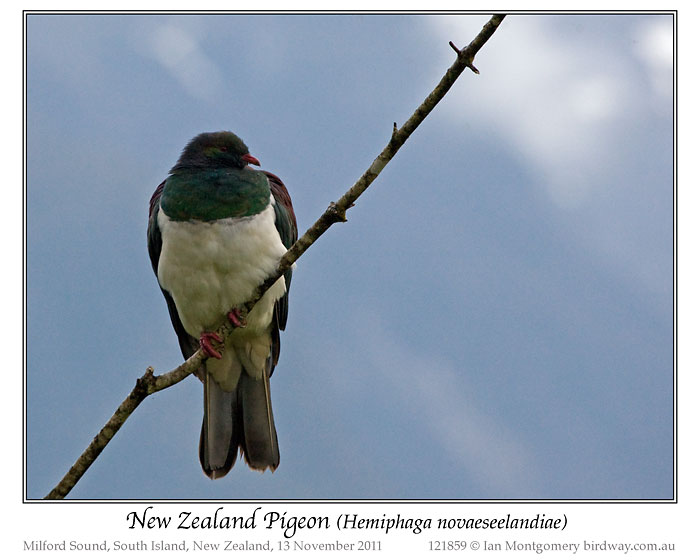
So I settled for this one of New Zealand Pigeon. The three-pronged smudge above its head is snow, believe it or not, and it’s actually the isolated three-pointed star visible above and to the right of the main tree in the second photo – taken at about the same time and place in the spectacular surroundings of Milford Sound in the Fiordland of the south west of the South Island.
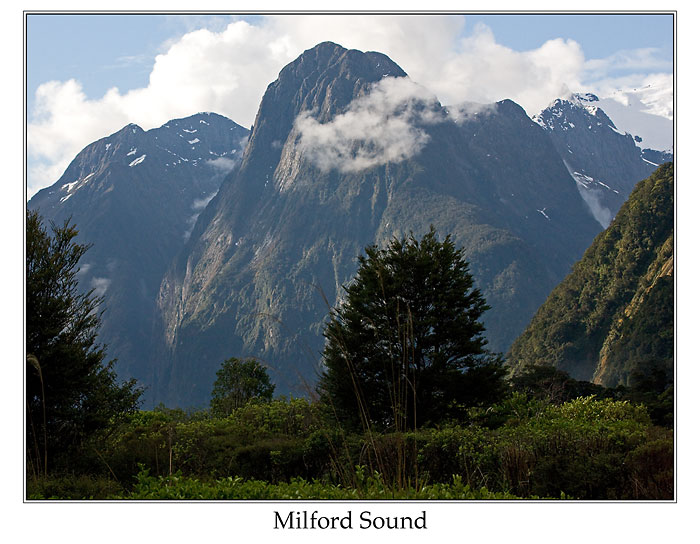
New Zealand - Milford Sound by IanI was there one evening to book a place on an early cruise the next morning to search for fiordland penguins, and having done so went for a stroll and encountered various local inhabitants including Paradise Shelduck, New Zealand Pigeons and, near the car park, a Weka. the third photo shows the same pigeon on the same branch from a better angle and you can see the beautiful purple and green iridescence of the plumage contrasting with the snow-white belly. With a length to 50cm/20in and a weight up to 800g/28oz, these are large birds, as big or bigger than Imperial-Pigeons, Wompoo Fruit-Doves and Eurasian Wood Pigeons.

New Zealand Pigeon (Hemiphaga novaeseelandiae) by Ian

They’re very confiding, and this one and its mate, sitting on another branch in the same tree, just watched me as I walked around them taking photos from different angles. They look plump and gastronomically appealing, so it’s not surprising that the population declined after human settlement until protection was granted in 1921. The Norfolk Island sub-species wasn’t so lucky: it was still around in the 1830s but there have been no records since 1900.

New Zealand Pigeon (Hemiphaga novaeseelandiae) by Ian

The following morning dawned bright and sunny, last photo, and a very obliging cruise-boat captain found me a pair of nesting Fiordland Penguins within 10 minutes of leaving the jetty and took us almost alarming close so that I could get some photos: http://www.birdway.com.au/spheniscidae/fjordland_penguin/index.htm.

New Zealand - Milford Sound by Ian

Now there’s some real snow on the mountains on the left. I wish you a safe and peaceful Christmas and an enjoyable and enriching 2014.
Ian

**************************************************
Ian Montgomery, Birdway Pty Ltd,
454 Forestry Road, Bluewater, Qld 4818
Tel 0411 602 737 ian@birdway.com.au
Bird Photos http://www.birdway.com.au/
Recorder Society http://www.nqrs.org.au


Lee’s Addition:

Thanks, Ian, and Merry Christmas to you. I like the clean line between the green and the white on its breast. (Could have used it for the birds series.)

It appears that Ian gets around quite a bit lately. Since he started helping with that book, his search for certain birds has intensified. All for our benefit. We get to enjoy his great photographs of some very neat species.

I trust you enjoy reading his newsletters about his birdwatching adventures as well as I enjoy them. To see all of his articles here:

Ian’s Bird of the Week

Ian’s Doves and Pigeon Photos – Columbidae Family

New Zealand Pigeon – NZ Birds Online

New Zealand Pigeon – ARKive

New Zealand Pigeon – Wikipedia

*

Joyous Christmas 2013

Dove in Snow ©©Flickr Roguey000

Dove in Snow ©©Flickr Roguey000

I’ve dusted the Christmas post from the past. But the message is still the same and I wanted to present our pastor’s illustration at the Cantata ’08. It has a very good message.

Christmas of 2013 is here and those of us at Lee’s Birdwatching Adventures; Lee, Dan, A J, Ian and all the guest writers would like to wish you a very Merry Christmas. We are busy doing things for the special day when we celebrate the birth of the Lord Jesus Christ.  We will be seeing our relatives again this year and will enjoy our time together. Tonight, Christmas Eve, we will be sharing the Candlelight Service with all of our friends at church. We hope your Christmas Day and week are just as enjoyable as ours will be.

During all the festivities, pause to reflect on the true meaning of Christmas. We enjoy our birdwatching adventures throughout the year, and try to write and photograph our friends the birds, but our goal is to show God’s magnificent creation and point you to Him. We do not worship nature, but we do worship the Lord who created it all.

Please watch the video of my pastor, Nathan Osborne, III, as he gave an excellent illustration about birds out in the cold and snow. It helps to explain the true meaning of Christmas. (Part of our Christmas cantata, “From the Manger to the Cross”)

He came unto his own, and his own received him not. But as many as received him, to them gave he power to become the sons of God, even to them that believe on his name: Which were born, not of blood, nor of the will of the flesh, nor of the will of man, but of God. And the Word was made flesh, and dwelt among us, (and we beheld his glory, the glory as of the only begotten of the Father,) full of grace and truth. (John 1:11-14 KJV)

*

Sharing The Gospel

*

Christmas Birds – Ornaments 2013

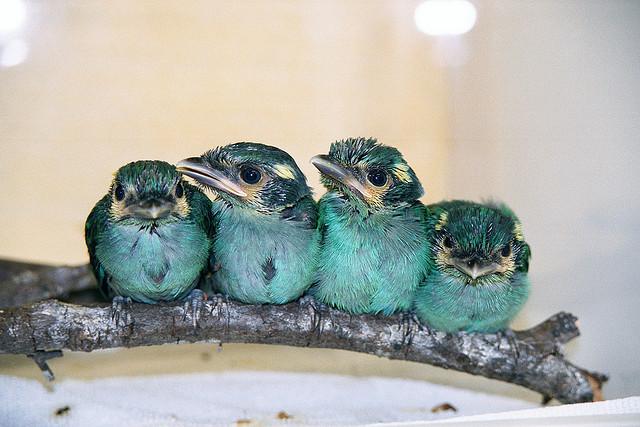
Long-tailed Broadbill (Psarisomus dalhousiae) babies ©WikiC coracii

Long-tailed Broadbill (Psarisomus dalhousiae) babies ©WikiC coracii

Here are the last of the Christmas Birds. The colors and designs would be pretty in ornaments. But most of all, they are superb examples of the Lord’s omniscient creative designs.

He was in the world, and the world was made by him, and the world knew him not. He came unto his own, and his own received him not. But as many as received him, to them gave he power to become the sons of God, even to them that believe on his name:.. And the Word was made flesh, and dwelt among us, (and we beheld his glory, the glory as of the only begotten of the Father,) full of grace and truth. (John 1:10-12, 14 KJV)

*

This slideshow requires JavaScript.

Whose adorning let it not be that outward adorning of plaiting the hair, and of wearing of gold, or of putting on of apparel; But let it be the hidden man of the heart, in that which is not corruptible, even the ornament of a meek and quiet spirit, which is in the sight of God of great price. (1 Peter 3:3-4 KJV)

*

Music to listen to while viewing the photos. “Ring The Bells” – Men’s Quartet – Faith Baptist 2012

*

See the original article – Christmas Birds – Ornaments

The Christmas Birds 2013 so far:

*

Christmas Birds – Silver 2013

Silver-breasted Broadbill (Serilophus lunatus) by Peter Ericsson

Silver-breasted Broadbill (Serilophus lunatus) by Peter Ericsson

This year I am adding Silver Birds to our collection of Christmas Birds. Grey and white sometimes look like silver when in certain light. Some of them are also used.

The words of the LORD are pure words: as silver tried in a furnace of earth, purified seven times. Thou shalt keep them, O LORD, thou shalt preserve them from this generation for ever. (Psalms 12:6-7 KJV)

*

This slideshow requires JavaScript.

saying, “Where is He who has been born King of the Jews? For we have seen His star in the East and have come to worship Him.”
(Matthew 2:2 NKJV)

*

Listen to Silver Star by Horatio R. Palmer (1834-1907) as you view the slideshow. I have inserted the words to this song at the bottom. Never heard it before, but the words are great.

The Christmas Birds 2013 so far:

*

Silver Star

On the brow of night there shines a silver star,
And the wise men gaze on its heav’nly rays,
Till they find the King, whose throne they sought afar,
In the Babe of Bethlehem.

Refrain

Silver star, holy light,
Shine afar, o’er the night,
Till the world shall come where the young Child lay,
And enter the gates of the newborn day.

’Tis the lamp of God high hanging in the air,
And it guides our feet thro’ the royal street;
There is sweet soul-rest for those who seek it there,
From the Babe of Bethlehem.

Refrain

Silver star, holy light,
Shine afar, o’er the night,
Till the world shall come where the young Child lay,
And enter the gates of the newborn day.

Bring your gifts of gold, of frankincense and myrrh,
For the King we own is on David’s throne;
Let the holy Child your best affections stir;
’Tis the Babe of Bethlehem.

Refrain

Silver star, holy light,
Shine afar, o’er the night,
Till the world shall come where the young Child lay,
And enter the gates of the newborn day.

*

Christmas Birds – Red and Green 2013

Red-winged Parrot (Aprosmictus erythropterus) by Ian

Red-winged Parrot (Aprosmictus erythropterus) by Ian

Here is the third Christmas Birds slideshow. While searching the photos for the Red Birds and the Green Birds, I kept coming across birds that were Red and Green. Here are some more of the neat birds that the Creator gave us to enjoy. Trust you are enjoying seeing the birds by their colors. It has been enjoyable for me to look through all the great photos the photographers we use here have provided. I have one more Christmas Birds to show you, but you will have to wait until tomorrow.

And suddenly there was with the angel a multitude of the heavenly host praising God, and saying, Glory to God in the highest, and on earth peace, good will toward men. (Luke 2:13-14 KJV)

*

This slideshow requires JavaScript.

*

Music to listen to while viewing the photos from Birds In Christmas Hymns – Hail to the Lord’s Anointed

See the Original Christmas Birds – Red and Green

The Christmas Birds 2013 so far:

*

Christmas Birds – Red 2013

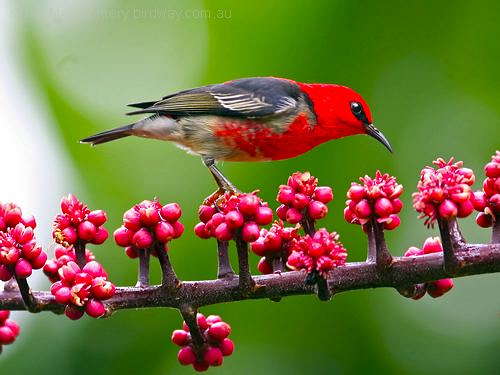
Scarlet Myzomela (Myzomela sanguinolenta) by Ian

Scarlet Myzomela (Myzomela sanguinolenta) by Ian

Now that Christmas is just over a week away, it’s time to see some of the birds that have “traditional” Christmas colors. Today’s color will be birds that have some sort of red on them. Other colors will be shown during the week. I have added new photos this year and some new colors later in the week.

When the Lord created the birds (fowls), He used many different colors, most for the protection of the bird (to blend in) or for display to attract a mate (to stand out).

We trust you enjoy the photos and that you are blessed as you consider the bird’s Creator, Who came to earth as a babe in a manger, so that He might redeem us from our sin. “All things were made through him, and without him was not any thing made that was made. (John 1:3)

But made himself of no reputation, and took upon him the form of a servant, and was made in the likeness of men: And being found in fashion as a man, he humbled himself, and became obedient unto death, even the death of the cross. (Philippians 2:7-8 KJV)

*

This slideshow requires JavaScript.

Come now, and let us reason together, saith the LORD: though your sins be as scarlet, they shall be as white as snow; though they be red like crimson, they shall be as wool. (Isaiah 1:18 KJV)

Music to listen to while viewing the photos from Birds In Christmas Hymns – Thou Didst Leave Thy Throne

*

See the original Christmas Birds – Red

The Christmas Birds 2013 so far:

*

The Brave Brown Sparrows In Winter

Sparrow on Branch ©©Bing

Sparrow on Branch ©©Bing

THE BRAVE BROWN SPARROWS IN WINTER

One Bird Seemed to be the Leader.

One Bird Seemed to be the Leader.

“You know,” said daddy, “I saw such a strange thing to-day in the city.”

“Tell us about it,” said Jack.

“What was it?” asked Evelyn, who was always interested in whatever daddy had to say.

“Well,” continued daddy, “in a tree in the park lots and lots of little sparrows were roosting. It was, of course, a perfectly bare tree without a leaf on it, and they were huddled together, keeping each other warm.

“I watched them for quite a time. There was one sparrow who looked the leader. He did most of the chirping and was apparently telling all the others what they must do and giving all sorts of directions. He chirped almost constantly for ten minutes, and then he flew down from the tree and hopped along the ground. He picked up crumb after crumb, and then when he had as many as he could carry in his beak he flew up in the tree again and left them on a branch where there was a kind of hole in which to put them. He was evidently showing all the other birds just what to do, for in a minute or two any number of them flew down to the ground and began to pick up crumbs.

“It was wonderful to see how many they could find, for I myself could hardly see any, and all the time he kept chirping to the others and telling them what to do.

“This kept up for some time, for the birds would fly back and forth, just picking up goodies and then putting them up in the tree. Meantime a lot of other birds who had stayed up in the tree were fixing them on the branch and dividing them all evenly.”

“Didn’t they eat any of them?” asked Evelyn.

“Yes. After quite awhile they all flew back to the tree again, and once more they huddled together and had the most marvelous meal. You see, it was their dinner time, and they all had it together at the same time to make it more sociable. From all the cries of joy and the noise I fancy they were having a pretty good time of it and enjoying themselves immensely. In fact, I think they almost forgot how cold it was.”

“I think it’s wonderful,” said Evelyn, “how well the birds can look after themselves, for it must be pretty hard sometimes, especially in the winter.”

“Yes,” said daddy, “it is, but these birds seemed so happy together and to be having such a good time. After dinner was over they all chased each other from one tree to another in the park and played tag and had a beautiful time. So I think really birds and animals are smart and brave to be able to look after themselves and their little ones so well.”


Sparrows in snow ©©Bing

Sparrows in snow ©©Bing


Lee’s Addition:

We enjoyed being together, and we went with others to your house, our God. (Psalms 55:14 CEV)

But do not forget to do good and to share, for with such sacrifices God is well pleased. (Hebrews 13:16 NKJV)

*

Another Bird Tales

From

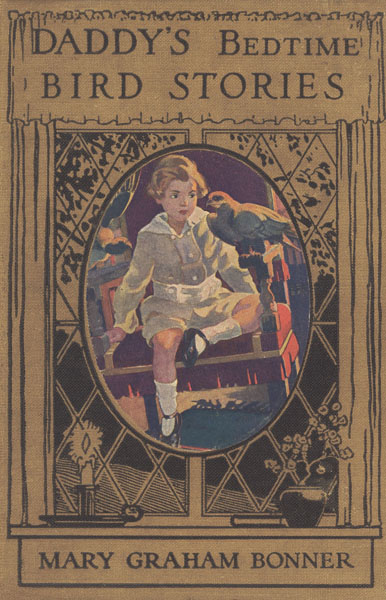
Daddy’s Bedtime Bird Stories – Gutenberg ebooks

By

Mary Graham Bonner

With four illustrations in color by
Florence Choate and Elizabeth Curtis

Daddys Bedtime Story Images


These stories first appeared in the American Press Association Service and the Western Newspaper Union.


Many of the sketches in this volume are the work of Rebecca McCann, creator of the “Cheerful Cherub,” etc.

Daddy's Bedtime Bird Stories by Mary Graham Bonner - 1917

*
Daddy’s Bedtime Bird Stories by Mary Graham Bonner – 1917

*

Links:

Painted Bunting (Passerina ciris) ©©Flickr


  Bird Tales


  Daddy’s Bedtime Bird Stories


Spanish Sparrow (Passer Hispaniolensis) female ©WikiC


  Wordless Birds


*

House Sparrow (Passer domesticus)
  Emberizidae – Buntings, New World Sparrows & Allies


*

Birdwatching Trip Titusville – Dec 2013

Blue-winged Teal Viera Wetlands by Lee

Blue-winged Teal at Viera Wetlands by Lee

This last Monday we made a 90 mile trip over to the Titusville area. We visited the Viera Wetlands and the Brevard Zoo and then on Tuesday we drove up to Merritt Island National Wildlife Refuge before heading back home.

Tricolored Heron Viera Wetlands by Lee

Tricolored Heron Viera Wetlands by Lee

Things did not go as planned, but we had a great trip anyway. To begin with, when we got our cameras out at Viera Wetlands, Dan’s did not work. So he was without a camera for the whole trip. (Bummer!)

Great Blue Heron Viera Wetlands - Bad Hair Day

Great Blue Heron Viera Wetlands – Bad Hair Day

It was windy, overcast and the birds, what few there were of them, were staying low. Did get a great shot of a “wind-blown” Great Blue Heron. It definitely was having a “bad hair day.”

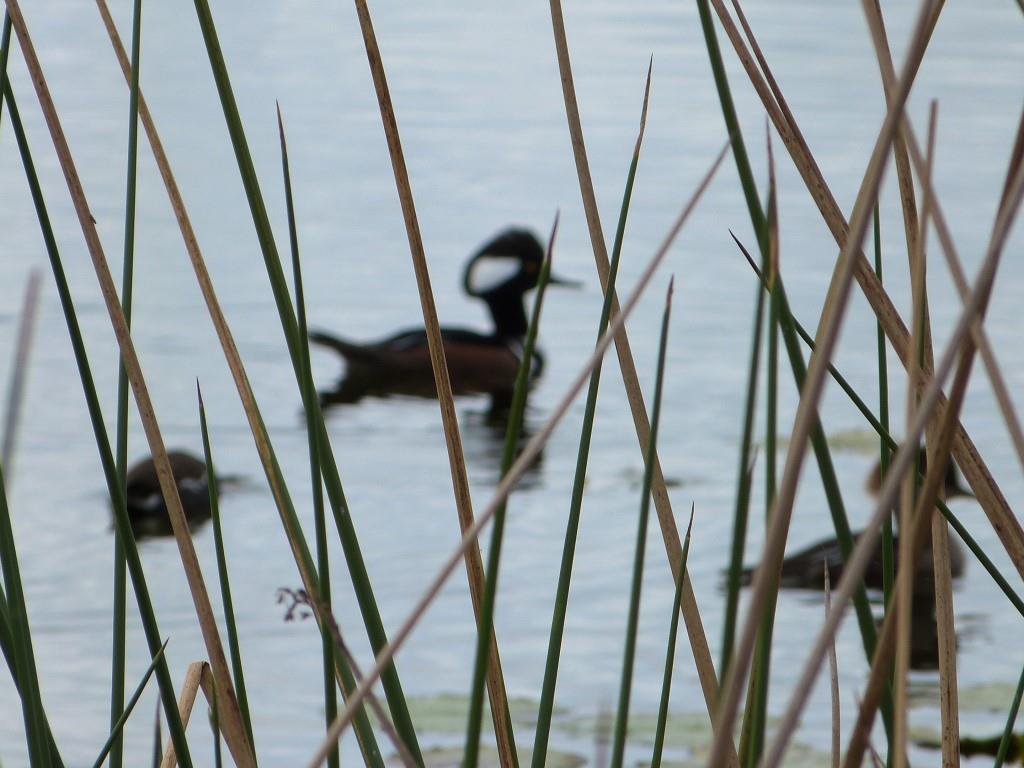
Hooded Merganser Viera Wetlands behind reeds with hood up.

Hooded Merganser Viera Wetlands behind reeds with hood up.

Hooded Merganser Viera Wetlands in clear with hood down.

Hooded Merganser Viera Wetlands in clear with hood down.

After a nice lunch at one of our favorite restaurants, we ducked into the Brevard Zoo for a couple of hours. Got a few nice photos, since Dan used my camera to get through the fences for me. I shoot in Program mode, so I take lots of pictures of fences and cages and few photos occasionally of the birds. (As you can tell by the two photos above)

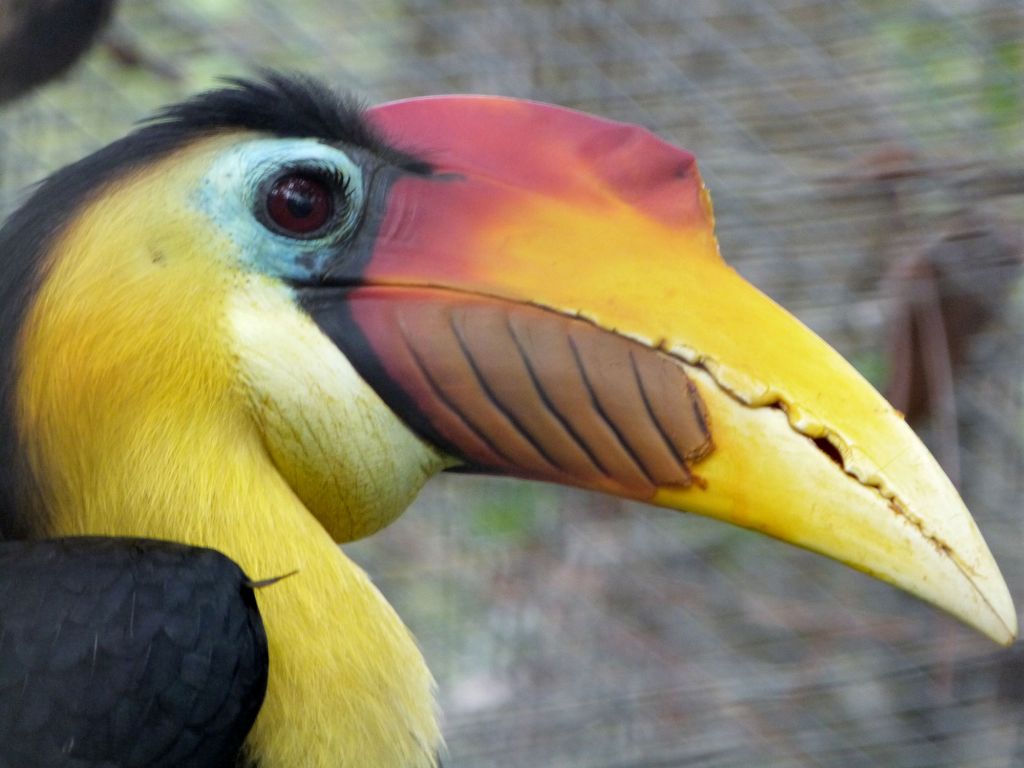
Wrinkled Hornbill female Brevard Zoo by Dan thru the cage

Wrinkled Hornbill female Brevard Zoo by Dan thru the cage

I captured a photo of the male at the first visit to the Brevard Zoo.

Wrinkled Hornbill (Aceros corrugatus) Brevard Zoo by Lee

Wrinkled Hornbill (Aceros corrugatus) Brevard Zoo by Lee

The next morning we drove up to Merritt Island National Wildlife Refuge to the 7 mile Black Point Drive. There were only four cars, counting ours, on the whole drive. Again, it was windy, which we thought was supposed to be less than the day before.

Reddish Egret MINWR Black Pt Drv by Lee crop

Reddish Egret MINWR Black Pt Drv by Lee crop

There were not many ducks or birds of that type. We found out from one of them driving around that the salt level is too high, thus the lack of ducks. Usually this time of the year, there are plenty to see. We did manage to find some Hooded Mergansers with some American Avocets (rare for me).

Hooded Merganser and American Avocet MINWR Black Pt Drv by Lee crop

Hooded Merganser and American Avocet MINWR Black Pt Drv by Lee crop

Not to be discouraged, we found other birds to view and see an alligator about 12 feet long. That is one of the joys of going on a birdwatching adventure. You never know what you will see or not see. It is alway different. Even going to a zoo with the same birds, there is always something interesting to see. The Lord gives us:

The LORD’S lovingkindnesses indeed never cease, For His compassions never fail. They are new every morning; Great is Your faithfulness. “The LORD is my portion,” says my soul, “Therefore I have hope in Him.” (Lamentations 3:22-24 NASB)

*

This slideshow requires JavaScript.

*
See:
Viera Wetlands

Brevard Zoo

Black Point Drive – MINWR

*

Some Christmas Birds (Re-posted)

Christmas White-eye (Zosterops natalis) by Ian

Christmas White-eye (Zosterops natalis) by Ian

Luke 2:15-20 KJV

(15) And it came to pass, as the angels were gone away from them into heaven, the shepherds said one to another, Let us now go even unto Bethlehem, and see this thing which is come to pass, which the Lord hath made known unto us.

(16) And they came with haste, and found Mary, and Joseph, and the babe lying in a manger.

(17) And when they had seen it, they made known abroad the saying which was told them concerning this child.

(18) And all they that heard it wondered at those things which were told them by the shepherds.

(19) But Mary kept all these things, and pondered them in her heart.

(20) And the shepherds returned, glorifying and praising God for all the things that they had heard and seen, as it was told unto them.

Flag of Christmas Island

Flag of Christmas Island©WikiC

While searching to find birds to write about with a Christmas theme, I came across the Territory of Christmas Island which belongs to Australia. It is in the Indian Ocean and only has a population of 1,403 residents who live in a number of “settlement areas” on the northern tip of the island.

*

Abbott's Booby (Papasula abbotti) by Ian

Abbott’s Booby (Papasula abbotti) by Ian

The island’s geographic isolation and history of minimal human disturbance has led to a high level of endemism (or state of being unique to a defined geographic location, such as an island, nation or other defined zone, or habitat type, and found only there) among its flora and fauna, which is of significant interest to scientists and naturalists. 63% of its 135 square kilometres (52 sq mi) is an Australian national park. There exist large areas of primary monsoonal forest.

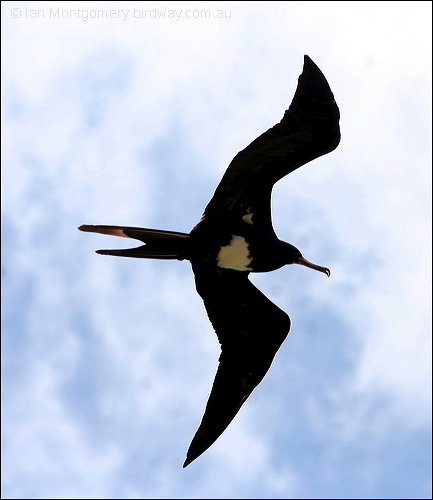
Christmas Frigatebird (Fregata andrewsi) by Ian

Christmas Frigatebird (Fregata andrewsi) by Ian

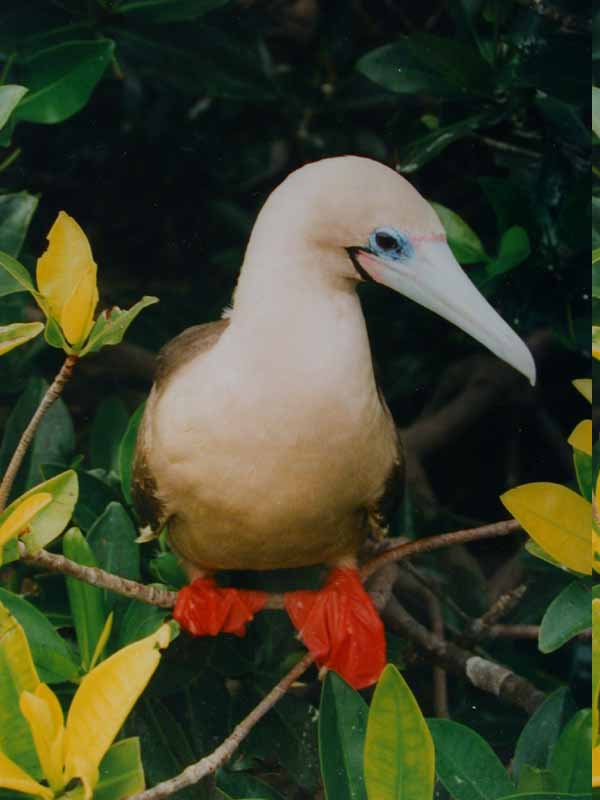
Christmas Island is a focal point for sea birds of various species. Eight species or subspecies of sea birds nest on the island. The most numerous is the Red-footed Booby that nests in colonies, in trees, on many parts of the shore terrace. The widespread Brown Booby nests on the ground near the edge of the seacliff and inland cliffs. Abbott’s Booby nests on tall emergent trees of the western, northern and southern plateau rainforest. The Christmas Island forest is the only nesting habitat of the Abbott’s Booby left in the world. The endemic Christmas Island Frigatebird (listed as endangered) has nesting areas on the north-eastern shore terraces and the more widespread Great Frigatebirds nest in semi-deciduous trees on the shore terrace with the greatest concentrations being in the North West and South Point areas. The Common Noddy and two species of bosuns or tropicbirds, with their brilliant gold or silver plumage and distinctive streamer tail feathers, also nest on the island.

Christmas Imperial Pigeon (Ducula whartoni) by Ian Montgomery

Christmas Imperial Pigeon (Ducula whartoni) by Ian Montgomery

Of the ten native land birds and shorebirds, seven are endemic species or subspecies. This includes the Christmas Island Thrush, and the Christmas Island Imperial Pigeon. Some 86 migrant bird species have been recorded as visitors to the Island.

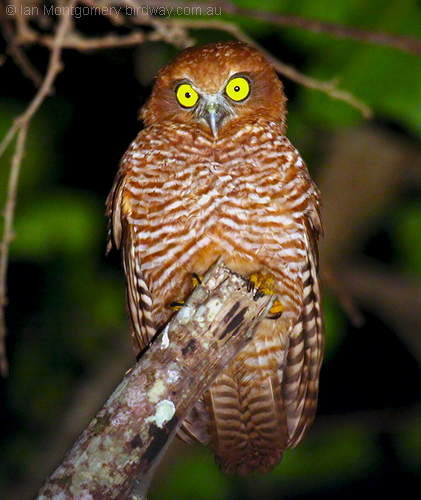
Christmas Boobook (Ninox natalis) by Ian

Christmas Boobook (Ninox natalis) by Ian

The list of birds from the I.O.C., which I use, lists five birds starting with Christmas. The Christmas Boobook (or Christmas Island Hawk-Owl), Christmas Frigatebird, Christmas Imperial Pigeon, Christmas Shearwater, and the Christmas White-eye.

Christmas Shearwater (Puffinus nativitatis) ©WikiC

Christmas Shearwater (Puffinus nativitatis) ©WikiC

Red-footed Booby (Sula sula) by Bob-Nan

Red-footed Booby (Sula sula) by Bob-Nan

*

*


Some information from Wikipedia and other internet sources.

See Also:

Christmas Island – Wikipedia

(This was originally posted Christmas time 2010.)

(Starting the 17th, there is a series of Christmas Birds coming.)

*

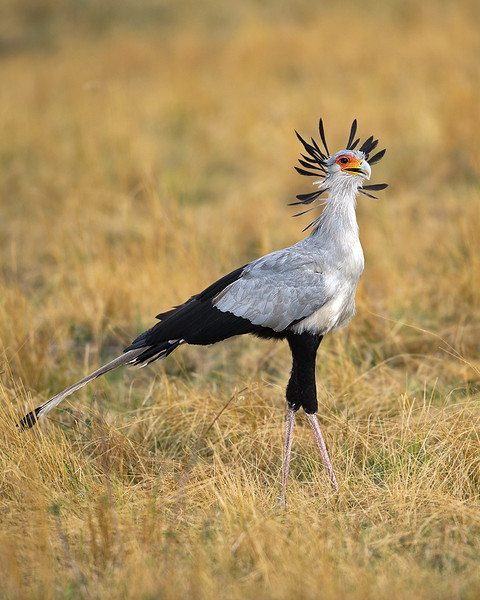
The Race Between The Secretary Birds

Secretarybird (Sagittarius serpentarius) by Africaddict

Secretarybird (Sagittarius serpentarius) by Africaddict

THE RACE BETWEEN THE SECRETARY BIRDS

Mongo Got Quite a Bit Ahead.

Mongo Got Quite a Bit Ahead.


“The secretary birds had planned to have some field races,” began daddy, “and the afternoon of the races had come. You know, the secretary birds have very, very long thin legs. Their legs are so thin that you can hardly see how it is they can support such big bodies, for the secretary birds have really fat bodies.

“Well, on the afternoon of the races they all entered, and you never saw such running in all your life! They simply went like the wind, but the chief race of all was between one bird named Sandy and one named Mongo. They were considered the fastest runners of all. They had raced often and often before and had always come in a tie. But this time Mongo had been practising [p.29]very hard and had been very careful not to eat anything to hurt his wind. Sandy had been practising every day, too, but he thought it was absurd to give up things to eat. However, Mongo had always heard that all athletes were very careful of their eating, and, as he had never been able to beat Sandy yet, he was bound he would try everything he could so as to win.

“The prize was to be a fine, great, big snake which had been captured and killed a few days before the races were to take place.”

“Do secretary birds eat snakes?” asked Evelyn.

“Yes,” said daddy; “they practically live on them.”

“I shouldn’t think that would be nice food,” added Evelyn.

“No, we don’t think so,” answered daddy, “but you know we eat bacon and like it, so probably the secretary birds think it is as funny for us to eat pigs as we do to hear of their eating snakes.”

“No,” said Evelyn thoughtfully, “I suppose not. They sound so horrid, though.”

[p.30]At that moment Jack, who was growing very impatient, not caring what the secretary birds ate, chimed in: “Daddy, please hurry and tell us who won the race. I can hardly wait to hear. I am sure Mongo did, though.”

“No,” said Evelyn; “I think Sandy did because he wasn’t such an old fuss as Mongo.”

“Well,” continued daddy, “during the race all the secretary birds shrieked in their cackling voices: ‘Go it; go it! Win, Mongo! Win, Sandy!’

“For a few moments Mongo got quite a bit ahead, but Sandy succeeded in catching up with him, and they passed by the goal side by side.

“It was a splendid race, but it showed that Mongo and Sandy were really absolutely evenly matched, so they gave a funny cackle, which meant a laugh, and each, taking an end of the prize, said, ‘We’ll all have a taste of the prize, as neither of us can win it.’

“So they all sat down to a very jolly supper party.”

Secretarybird (Sagittarius serpentarius) by Lee

Secretarybird (Sagittarius serpentarius) by Lee

*

Another Bird Tales

From

Daddy’s Bedtime Bird Stories – Gutenberg ebooks

By

Mary Graham Bonner

With four illustrations in color by
Florence Choate and Elizabeth Curtis

Daddys Bedtime Story Images


These stories first appeared in the American Press Association Service and the Western Newspaper Union.


Many of the sketches in this volume are the work of Rebecca McCann, creator of the “Cheerful Cherub,” etc.

Daddy's Bedtime Bird Stories by Mary Graham Bonner - 1917

*
Daddy’s Bedtime Bird Stories by Mary Graham Bonner – 1917

*

Links:

Painted Bunting (Passerina ciris) ©©Flickr


  Bird Tales


  Daddy’s Bedtime Bird Stories


Spanish Sparrow (Passer Hispaniolensis) female ©WikiC


  Wordless Birds


Secretarybird (Sagittarius serpentarius) with open beak©WikiC


  Sagittariidae – Secretarybird Family
*

Ian’s Bird of the Week – Bower’s Shrike-thrush

Bower's Shrikethrush (Colluricincla boweri) by Ian 1

Bower’s Shrikethrush (Colluricincla boweri) by Ian

Bird of the Week – Bower’s Shrike-thrush ~ by Ian Montgomery

Newsletter ~ 12-09-13

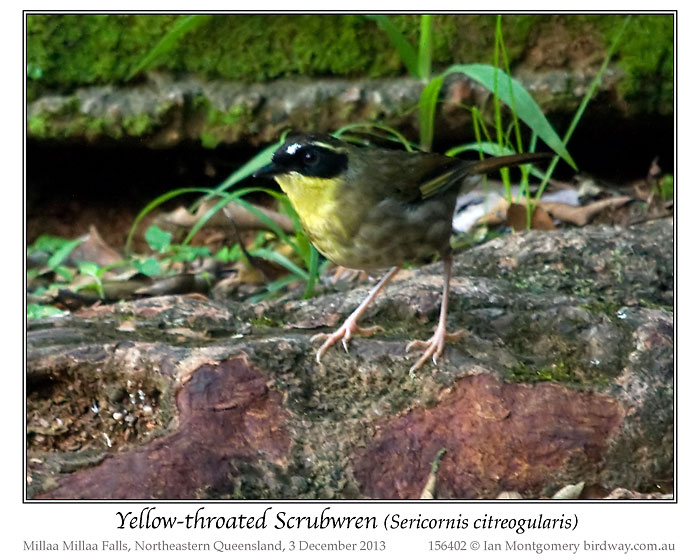
We spent several days last week camping on the Atherton Tableland at Malanda Falls Caravan Park. It’s a great caravan park incidentally as it borders on rainforest and is within walking distance of both Malanda Falls and the Conservation Park across the road. My aim was to photograph locations for the book Where to Find Birds in NE Queensland but I was of course on the lookout for any obliging birds, in particular the wet tropic endemic Bower’s Shrike-thrush and the local race of the Yellow-throated Scrubwren, both of which I’d found uncooperative in the past.

One of the spots I visited was Mobo Creek Crater about 10km along the Danbulla Forest Drive from the Gillies Highway end. I hadn’t been there before and found it a delightful spot as the path twice crosses the creek near the crater. I spent some time photographing the local resident, rather dark race of the Grey Fantail (we get the southern race here as a visitor in winter). While, I was doing so, a Bower’s Shrike-thrush came to the creek for a swim. The first photo shows her checking out a small pool from a rock in the creek.

Bower's Shrikethrush (Colluricincla boweri) by Ian 2

Bower’s Shrikethrush (Colluricincla boweri) by Ian

She then jumped into the creek and had a good swim, before jumping back out on the original rock, photos 2 and 3.

Bower's Shrikethrush (Colluricincla boweri) by Ian 3

Bower’s Shrikethrush (Colluricincla boweri) by Ian

Then a good shake, fourth photo, and a rather bedraggled but satisfied-looking bird returned to the rainforest. You can tell it’s a female from the grey bill with a pinkish tinge and the buff eye-ring, lores and eyebrow. Males have black bills and grey eye-ring, lores and eyebrow.

Bower's Shrikethrush (Colluricincla boweri) by Ian 4

Bower’s Shrikethrush (Colluricincla boweri) by Ian

Bower’s Shrike-thrush is one of the 12 species endemic to the Wet Tropics of northeastern Queensland. It is found in highland rainforest above 400m from just south of Cooktown to just north of Townsville and is reasonably common within this relatively restricted range.

Shrike-thrushes get their name from their slightly hooked shrike-like bills and their thrush-like appearance and melodious songs. Bower’s Shrike-thrush has a distinctive whistling song that sounds to me like ‘we you you cha cha cha’ and we heard them at a number of sites during our stay. They are related to Whistlers and are sometimes placed in the same family, Pachycephalidae – ‘thick-heads’ as you may remember from the Rufous Whistler bird of the week last month – or placed in their own family the Colluricinclidae.

Yellow-throated Scrubwren (Sericornis citreogularis) by Ian

Yellow-throated Scrubwren (Sericornis citreogularis) by Ian

Here, incidentally, is a male of the local race of the Yellow-throated Scrubwren that I wanted also for the book. A pair of them emerged into the car park at Millaa Millaa Falls after the last tourist buses had departed.

Best wishes
Ian

**************************************************
Ian Montgomery, Birdway Pty Ltd,
454 Forestry Road, Bluewater, Qld 4818
Tel 0411 602 737 ian@birdway.com.au
Bird Photos http://www.birdway.com.au/
Recorder Society http://www.nqrs.org.au


Lee’s Addition:

For the LORD your God is bringing you into a good land–a land with brooks, streams, and deep springs gushing out into the valleys and hills; (Deuteronomy 8:7 NIV)

He shall drink of the brook in the way: therefore shall he lift up the head. (Psalms 110:7 KJV)

Thanks again, Ian. We don’t get to see birds taking a bath that frequently. At least, not in a stream. Dippers do that, but take a dive also.

Here is the sound of the Shrike-thrush from xeno-canto. It really is neat.

As Ian mentioned in his newsletter, the Shrikethrush belong to the Pachycephalidae – Whistlers and Allies Family (IOC), which is where we have it here, or the Colluricinclidae Family. which is where Ian has it listed. He also uses Shrike-thrush, whereas the IOC uses Shrikethrush.

See:

*

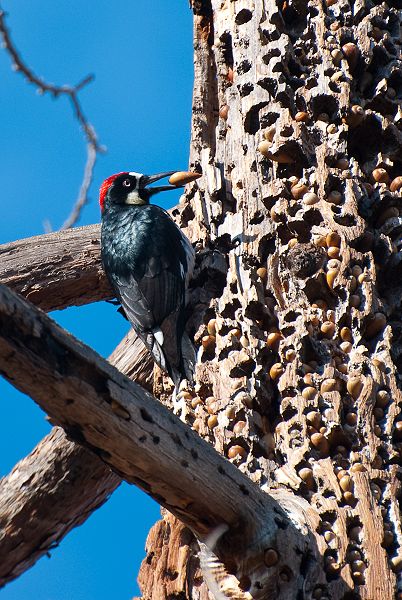
Birds of the Bible – Woodpecker & Friend’s Storehouse

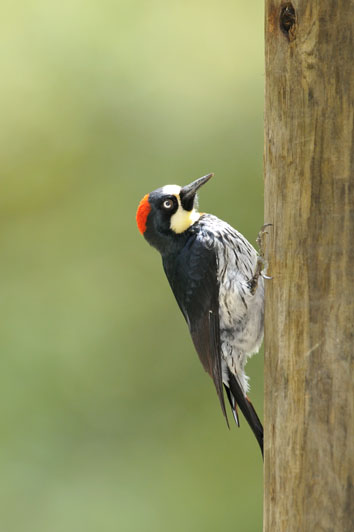
Acorn Woodpecker (Melanerpes formicivorus) by Raymond Barlow

Acorn Woodpecker (Melanerpes formicivorus) by Raymond Barlow

While working on the El Carpintero – The Woodpeckers article, many Bible verses about “gathering” and “storing” things were found. Following are some of those verses with photos. There is also a video of an Acorn Woodpecker gathering his supply.

We have used the verse about birds teaching us, so let’s see what can be learned this time about gathering and storing. (Job 12:7)

Acorn Woodpecker (Melanerpes formicivorus) with Hoard or Grainary WikiC

Acorn Woodpecker (Melanerpes formicivorus) with Hoard or Grainary WikiC

He who gathers in summer is a wise son; He who sleeps in harvest is a son who causes shame. (Proverbs 10:5 NKJV)

PIC-Pici Acorn Woodpecker Granary Tree holes ©Flickr Ornitholoco

Provides her supplies in the summer, And gathers her food in the harvest. (Proverbs 6:8 NKJV) (the ant)

Acorn Woodpecker (Melanerpes formicivorus) by Reinier Munguia

Acorn Woodpecker (Melanerpes formicivorus) by Reinier Munguia

Wealth gained hastily will dwindle, but whoever gathers little by little will increase it. (Proverbs 13:11 ESV)

Acorn Woodpecker (Melanerpes formicivorus) by Ian

Acorn Woodpecker (Melanerpes formicivorus) by Ian

Wise people store up knowledge, But the mouth of the foolish is near destruction. The rich man’s wealth is his strong city; The destruction of the poor is their poverty. The labor of the righteous leads to life, The wages of the wicked to sin. (Proverbs 10:14-16 NKJV)

Tufted Titmouse (Baeolophus bicolor) by Ray - They will store food for later use.

Tufted Titmouse (Baeolophus bicolor) by Ray – They will store food for later use.

He stores up sound wisdom for the upright; He is a shield to those who walk uprightly; (Proverbs 2:7 NKJV)

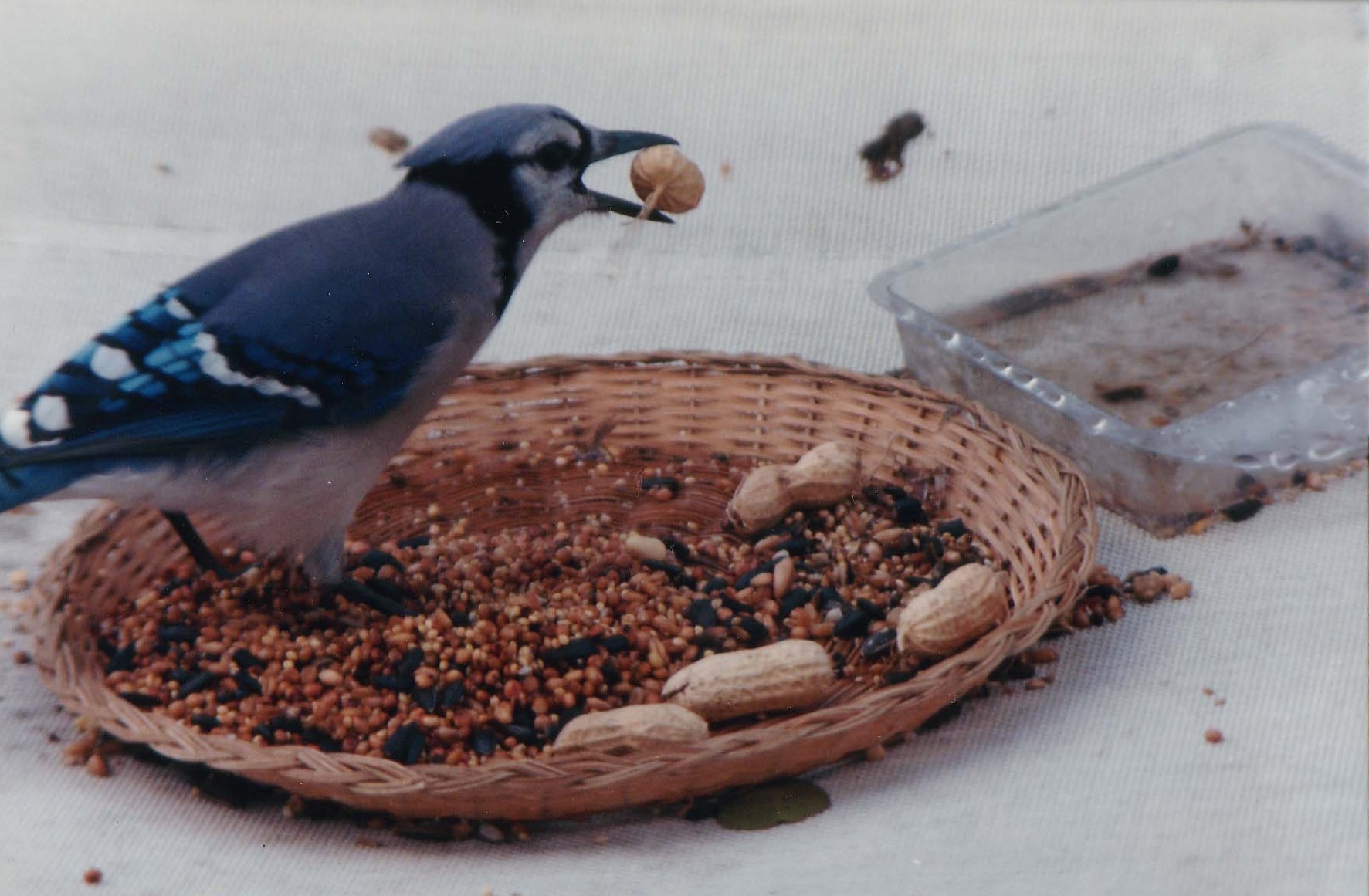
Blue Jay (Cyanocitta cristata) Collecting for Cache

Blue Jay (Cyanocitta cristata) Collecting for Cache

For they do not know to do right,’ Says the LORD, ‘Who store up violence and robbery in their palaces.’ ” (Amos 3:10 NKJV)

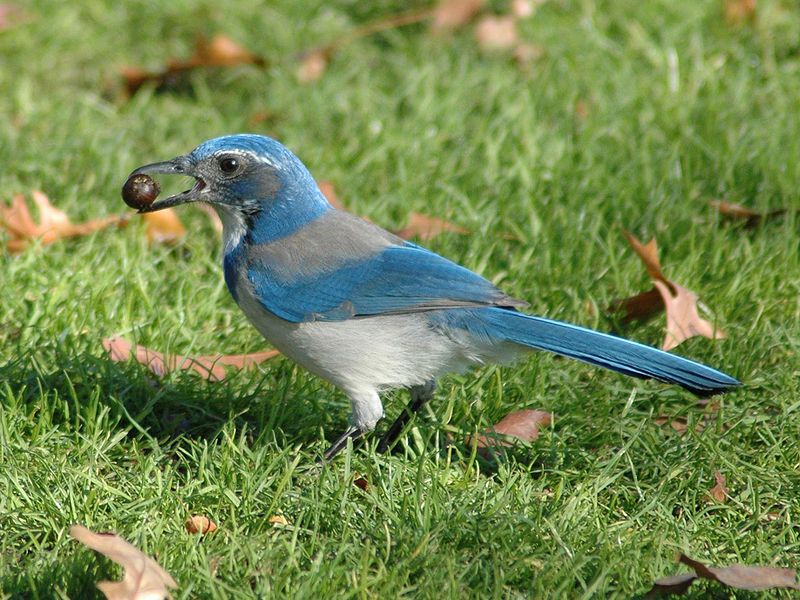
Western Scrub Jay (Aphelocoma californica) Holding an Acorn ©WikiC

Western Scrub Jay (Aphelocoma californica) Holding an Acorn ©WikiC

storing up for themselves a good foundation for the time to come, that they may lay hold on eternal life. (1 Timothy 6:19 NKJV)

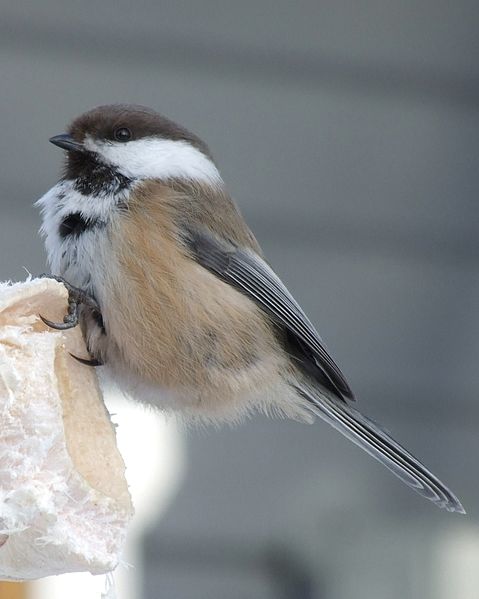
Grey-headed Chickadee (Poecile cinctus) ©WikiC

Grey-headed Chickadee or Siberian Tit (Poecile cinctus, formerly Parus cinctus) May store upto 500,000 items per year ©WikiC

*

*

*