Birds in Hymns – When I Survey The Wondrous Cross

Green-billed Toucan (Ramphastos dicolorus) by Dario Sanches

Green-billed Toucan (Ramphastos dicolorus) by Dario Sanches

Based on:

But God forbid that I should glory, save in the cross of our Lord Jesus Christ, by whom the world is crucified unto me, and I unto the world. (Galatians 6:14 KJV)

Words by  Isaac Watts, 1707. Charles Wes­ley reportedly said he would give up all his other hymns to have written this one.
Music is Hamburg, by Lowell Mason, 1824;

Al­ter­nate tune: Rockingham (Miller), Edward Miller, 1790

When I Survey The Wondrous Cross

When I survey the wondrous cross
On which the Prince of glory died,
My richest gain I count but loss,
And pour contempt on all my pride.

Forbid it, Lord, that I should boast,
Save in the death of Christ my God!
All the vain things that charm me most,
I sacrifice them to His blood.

See from His head, His hands, His feet,
Sorrow and love flow mingled down!
Did e’er such love and sorrow meet,
Or thorns compose so rich a crown?

His dying crimson, like a robe,
Spreads o’er His body on the tree;
Then I am dead to all the globe,
And all the globe is dead to me.

Were the whole realm of nature mine,,
That were a present far too small;
Love so amazing, so divine,
Demands my soul, my life, my all.

To Christ, who won for sinners grace
By bitter grief and anguish sore,
Be praise from all the ransomed race
Forever and forevermore.


This hymn was used even though a bird is not mentioned specifically. The verse with “Were the whole realm of nature mine,” always reminds me of all the birds and other critters that God created. To me, it belongs in with the Birds in Hymns section. Also, the message of the whole hymn tells of the Savior’s love and death on the cross for our salvation.

The Gospel Message

*

Birds of the Bible – Dove’s Dung

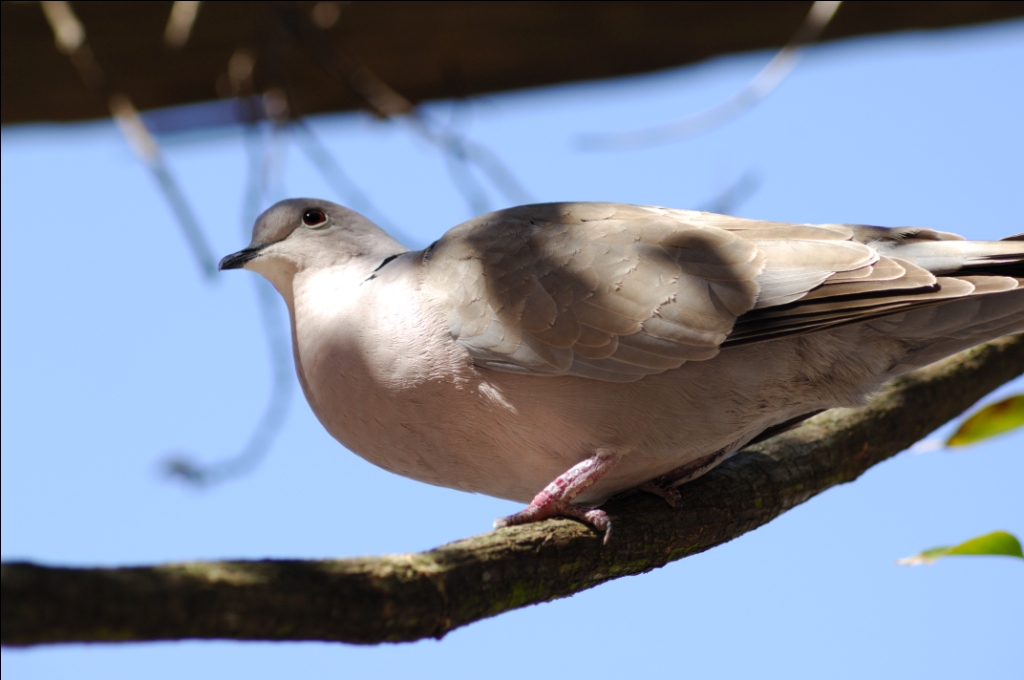
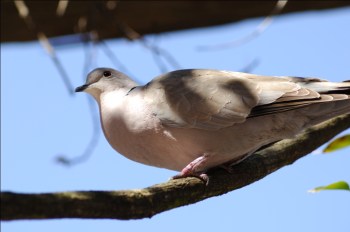
Eurasian Collared Dove (Streptopelia decaocto) by Dan

Eurasian Collared Dove (Streptopelia decaocto) by Dan

Now here is an interesting verse found in 2 Kings 6:25:

And there was a great famine in Samaria, as they besieged it, until a donkey’s head was sold for eighty shekels of silver, and the fourth part of a kab of dove’s dung for five shekels of silver. (2Ki 6:25)

First let’s find out what caused this event in the first place. Israel was being besieged and it was causing a very severe famine. Food was extremely scarce and the people were paying exorbitant prices for small amounts of anything edible.

Why were they under siege?

Afterward Ben-hadad king of Syria mustered his entire army and went up and besieged Samaria. (2Ki 6:24)

They were surrounded by the Syrian army and there was very little to eat. They may have been there for sometime or the inhabitants of Samaria were caught by surprise and didn’t have time to lay up supplies. Then again, if you read the verses just prior, 2 Kings 6:8-23, another reason for the lack of food may be given. The Samaritans had fed the Syrian raiders before sending them back home. Most commentators say that there was at least a year between that event and when this one happens.

What ever the cause, the people were so hungry that they were paying 80 shekels of silver for a donkey’s head. Several things about this:

  • Donkeys were very prized animals and well treated.
  • The head has very little meat on it.
  • “The head was the worst part of the animal.” (JFB)
  • They were on the “do not eat” list.
  • “A vast price, especially for that which had on it so little meat, and that unwholesome and unclean.” (Wesley)
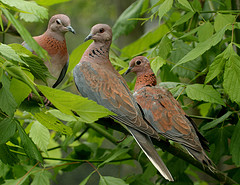
Doves in Israel

Doves in Israel ©©

Now for the next food on their menu – “Dove’s dung.” Looking at the different versions of Scripture, here are some of the ways this is translated:

  • small measure of doves’ droppings was five shekels of silver – BBE
  • one-fourth of a kab of dove droppings for five shekels of silver – NKJV
  • fourth part of a (cab or kab) of dove’s dung at five pieces of silver – ASV Brenton ESV JPS KJV LITV NASB RV WEBSTER
  • small bowl of pigeon droppings cost about two ounces of silver – CEV
  • fourth part of a cab of dove’s dung five silver-pieces – Darby
  • fourth part of a cabe of pigeons’ dung, for five pieces of silver – DRB
  • forth of the cab of dovesdung at five silverlings – YLT
  • one pint of dove’s dung sold for five pieces of silver – ERV
  • one quarter of a unit of dove’s dung cost five silver coins – ISV
  • half a pound of dove’s dung cost five pieces of silver – GNB
  • two pounds of silver and a half-pint of dove manure for two ounces of silver – GW

One thing they all agree on is that it was either a Dove or a Pigeon, which are both in the same family and their names are changed back and forth even today. Most agree it was a forth of something. The cab or kab according to the commentaries is described as:

A kab – A measure containing twenty – four eggs. and a kab was the usual measure of all sorts of grains and fruits of that sort. (Wesley)
Cab – This measure is not mentioned elsewhere in Scripture. According to the rabbinical writers it was the smallest of all the dry measures in use among the Jews, being the sixth part of a seah, which was the third part of an ephah. If it was about equal to two of our quarts, the “fourth part of a cab” would be about a pint. (Barnes)
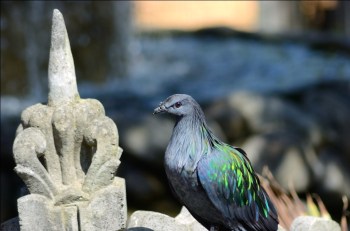
Nicobar Pigeon at Lower Park Zoo by Dan

Nicobar Pigeon at Lower Park Zoo by Dan

Up to now, we know that it was expensive for a small amount. What keeps the commentators of differing opinions is what the “Dove’s Dung” really was. Many say that it was a pulse or pease made from a pea or bean and that it had the color or texture of a dove’s droppings. Others say it was from the actual droppings and that (this is yuk) they picked through it for edible parts. (For an interesting study, load the e-Sword program – it’s free – and after loading the Bibles, dictionaries and commentaries, do a study of 2 Kings 6:25)

“dove’s dung: This probably denotes, as Bochart, Scheuchzer, and others suppose, a kind of pulse, or vetches, which the Arabs still call pigeon’s dung. “They never,” says Dr. Shaw (Travels, p. 140), “constitute a dish by themselves, but are strewed singly as a garnish over cuscasowe, pillowe, and other dishes. They are besides in the greatest repute after they are parched in pans and ovens; then assuming the name leblebby;” and he thinks they were so called from being pointed at one end, and acquiring an ash colour in parching.

Dove’s dung – Most commentators understand by this expression a sort of pulse which is called “dove’s dung,” or “sparrow’s dung” in Arabic. But it is possible that the actual excrement of pigeons is meant. The records of sieges show that both animal and human excrement have been used as food – under circumstances of extreme necessity.” (Barnes)

I am inclined to think that it could have actually been the real droppings.  The reason for that is what is mentioned after verse 25. Two ladies had agreed to eat their sons. See 2 Kings 6:26-29.

Now as the king of Israel was passing by on the wall, a woman cried out to him, saying,

“Help, my lord, O king!” And he said, “If the LORD will not help you, how shall I help you? From the threshing floor, or from the winepress?” And the king asked her, “What is your trouble?” She answered, “This woman said to me, ‘Give your son, that we may eat him today, and we will eat my son tomorrow.’ So we boiled my son and ate him. And on the next day I said to her, ‘Give your son, that we may eat him.’ But she has hidden her son.”  (2Ki 6:26-29)

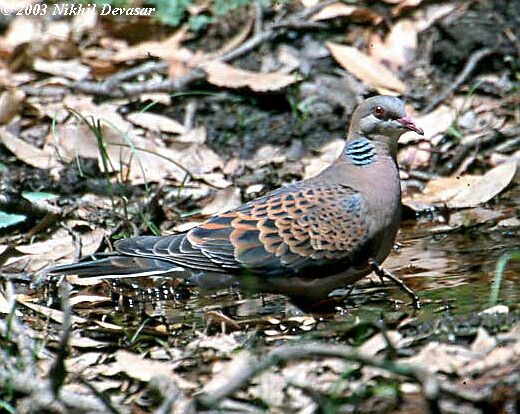
Oriental Turtle Dove (Streptopelia orientalis) by Nikhil Devasar

Oriental Turtle Dove (Streptopelia orientalis) by Nikhil Devasar

Another thought, were there any doves left that hadn’t been eaten?

I’ll end with a quote from the Wesley commentary. “Learn to value plenty, and to be thankful for it; see how contemptible money is, when, in time of famine, it is so freely parted with for anything that is eatable.”

See also:

Birds of the Bible – Doves and Pigeons
Birds of the Bible
Columbidae – Pigeons, Doves

Interesting articles from the Internet:

http://www.godfire.net/diet.html
From Heart to Heart
Dove’s Dung – Wikipedia
Plants of the Bible – Dove’s Dove

*

Ian’s Bird of the Week – Red-billed Tropicbird

Red-billed Tropicbird (Phaethon aethereus) by Ian Montgomery

Red-billed Tropicbird (Phaethon aethereus) by Ian Montgomery

Ian’s Bird of the Week – Red-billed Tropicbird ~ by Ian Montgomery

Newsletter – 6/6/11

Last November a Red-billed Tropicbird was recorded on Lord Howe Island (http://aussiebirding.wildiaries.com/species/23736). This is the first Australian record and it is a long way from its closest breeding colonies in the Galapagos. I photographed this species in 2005 at another Ecuadorean site, Isla de la Plata (‘Silver Island’) so I thought I’d share it with you as Tropicbirds are among my favourite birds. Lord Howe Island, incidentally, has breeding Red-tailed Tropicbirds (http://www.birdway.com.au/phaethontidae/red_tailed_tropicbird/index.htm). Isla de la Plata is often called the poor man’s Galapagos as it’s a mere 40km from the Ecuadorean coast as can be visited on a day trip for about $40 and has some of the Galapagos specialties such as the Blue-footed Booby (http://www.birdway.com.au/sulidae/blue_footed_booby/index.htm).

Red-billed Tropicbird by Ian Montgomery

Red-billed Tropicbird (Phaethon aethereus) by Ian Montgomery

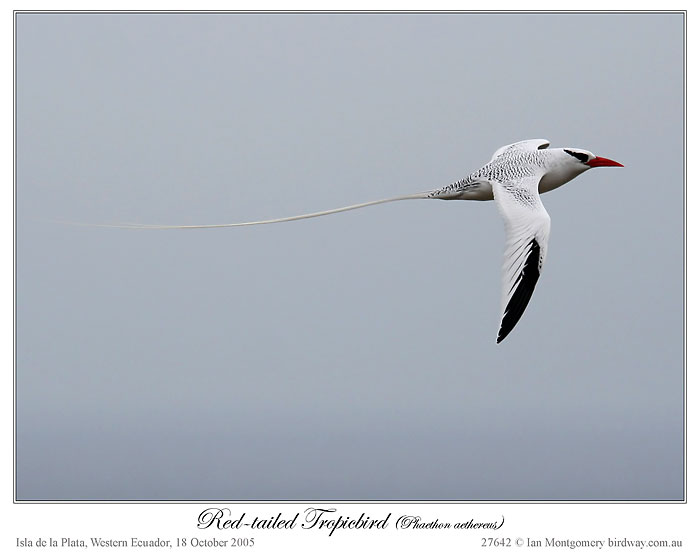
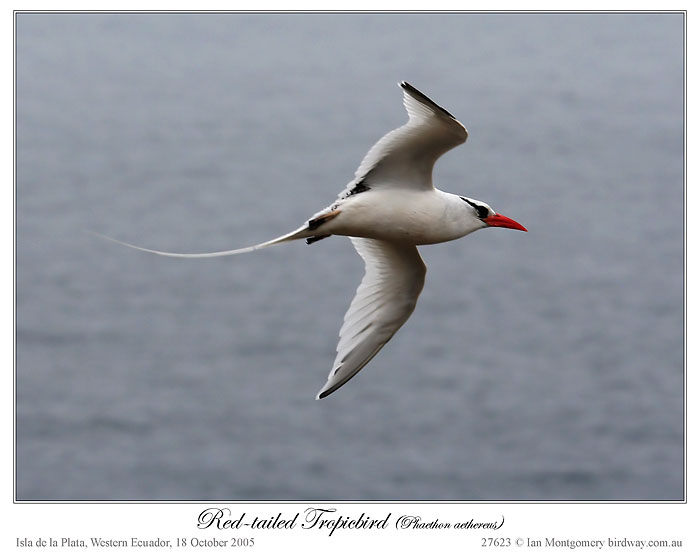
The Red-billed Tropicbird is easily distinguished from the closely related Red-tailed by its white tail streamers and black barring on the back and wings (first photo). It is the largest of the three species with a body length of about 50cm/20in, tail streamers of at least another 50cm/20in and a wingspan of about 1metre/40in. The two tail streamer feathers are longer in the male and used in aerial display and may also be used as a rudder in flight. They are fragile, often broken (second photo) and are replaced continually.

The courtship display of the Red-billed Tropicbird starts with a number of birds flying around near the colony which is usually on a rocky cliff. A pair of birds may then separate from the flock and start synchronised aerobatics, as in the third photo. This time I’ve embedded the photos in the body of the email; if this causes any problems, eg with older email programs that don’t support HTML, just let me know ian@birdway.com.au and I’ll revert to attaching them.
Red-billed Tropicbird (Phaethon aethereus) by Ian Montgomery

Red-billed Tropicbird by Ian Montgomery

This display may lead to a choice of nest site (from the air). Tropicbirds have webbed feet and weak legs and can move only with difficulty on land, so the choice of inaccessible cliff sites is supposed to offer protection from terrestrial predators and allow easy take off.

They feed by diving for prey, often flying fish and squid, as do gannets and boobies and, like them, have air sacs in the head and neck to absorb the impact of hitting the water. The tropical waters in which they feed have low prey densities so they travel far and when not breeding lead a pelagic existence. They aren’t closely related to gannet and boobies; DNA studies suggest that they have no close relatives and Christidis and Boles (2008) place the three members of the Tropicbird family, the Phaethontidae, in their own order, the Phaethontiformes. The third and smallest species is the White-tailed Tropicbird, best known in Australia as the apricot-coloured morph found on Christmas Island and known locally as the Golden Bosunbird (http://www.birdway.com.au/phaethontidae/white_tailed_tropicbird/index.htm).
I’ve had an encouraging response to last week’s request for photos of Australian birds that I can’t supply, with about 60 species of the wanted list being offered. There are still 200 to go, so have a look at the update wanted list to see if you can help.
On the website, I recently changed my policy of not including captive birds under any circumstances and have added photos of a Malleefowl (http://www.birdway.com.au/megapodiidae/malleefowl/index.htm) and Little Penguins (http://www.birdway.com.au/spheniscidae/little_penguin/index.htm)  in tolerably natural-looking sets.
Best wishes,
Ian

Ian Montgomery, Birdway Pty Ltd,
454 Forestry Road, Bluewater, Qld 4818
Phone: 0411 602 737 +61-411 602 737
Preferred Email: ian@birdway.com.au
Website: http://birdway.com.au

Lee’s Addition:

Ian made some interesting observations about the Tropicbirds:

  • Have webbed feet
  • Have weak legs
  • Can move only with difficulty on land
  • The choice of inaccessible cliff sites is supposed to offer protection from terrestrial predators and allow easy take off.
  • When diving for prey air sacs in the head and neck absorb the impact of hitting the water.

Looks like these features add up to a neatly created design to provide for and protect the tropicbirds.

Then God said, “Let the waters abound with an abundance of living creatures, and let birds fly above the earth across the face of the firmament of the heavens. (Gen 1:20)

The Tropicbirds are in the Phaethontidae – Tropicbirds Family. There are only three species in the family and they are the only family in the Phaethontiformes Order.

More of Ian’s Birds of the Week – Click Here

*

Brown Thrasher – The Singing Assasin..

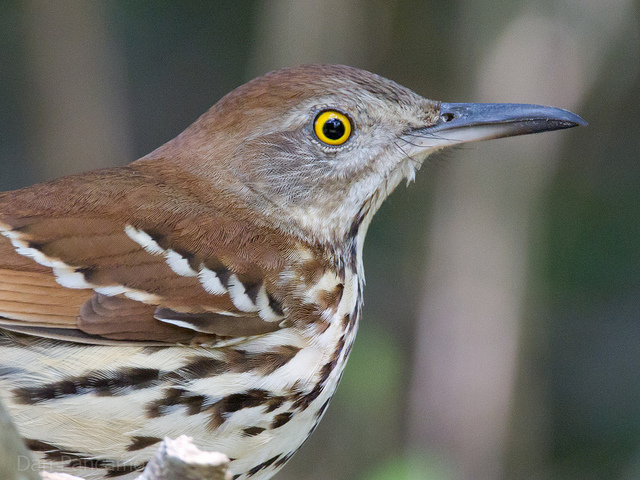
Brown Thrasher (Toxostoma rufum) By Dan'sPix

Brown Thrasher (Toxostoma rufum) By Dan'sPix

Brown Thrasher – The Singing Assasin.. ~ by a j mithra

The Brown Thrasher (Toxostoma rufum), sometimes erroneously called the Brown Thrush, is a bird in the Mimidae family, a group that also includes the New World catbirds and mockingbirds.

The Brown Thrasher is bright reddish-brown above with thin, dark streaks on its buffy underparts. Its long rufous tail is rounded with paler corners. Eyes are a brilliant gold.

  • God had created gold colored eyes for these birds but sadly most church goers have set their eyes on gold…
  • Achan set his eyes on gold and was stoned to death…
  • If the church had followed the same law, there would have been more requisition letters for death certificates than for birth certificates…

Let us set our eyes on our glorious God…

Set your affection on things above, not on things on the earth. (Colossians 3:2)

Brown Thrasher (Toxostoma rufum) ©DanPancamo

Brown Thrasher (Toxostoma rufum) ©DanPancamo

Adults average about 11.5 in (29 cm) long with a wingspan of 13 in (33 cm), and have an average mass of 2.4 oz (68 g). It is found in thickets and dense brush, often searching for food in dry leaves on the ground. Thrashers also enjoy the convergence of mowed to unmowed lawns, particularly if there are ample shrubs or shrubby trees, i.e., fruit orchards that the undergrowth is left undisturbed. It also enjoys perennial gardens and can be seen jumping from the ground to catch insects on flowers and foliage.

It is a partial migrant, with northern birds wintering in the southern USA, where it occurs throughout the year. The Brown Thrasher is considered a short-distance migrant, but two individuals have been recorded of this unlikely transatlantic vagrant in Europe: one in England and another in Germany.

This bird is omnivorous, eating insects, berries, nuts and seeds, as well as earthworms, snails, and sometimes lizards.

The Brown Thrasher is the official state bird of Georgia, and the inspiration for the name of Atlanta’s National Hockey League team, the Atlanta Thrashers

  • We are the official worshippers of the God who created heaven and earth….

This people have I formed for myself; they shall shew forth my praise. (Isaiah 43:21)

Brown Thrasher (Toxostoma rufum) by Judd Patterson

Brown Thrasher (Toxostoma rufum) by Judd Patterson

Its breeding range includes the United States and Canada east of the Rocky Mountains. The female lays 3 to 5 eggs in a twiggy nest lined with grass. The nest is built in a dense shrub or low in a tree. Both parents incubate and feed the young. These birds raise two or three broods in a year. Brown Thrashers leave the nest at only 9 to 13 days old, earlier than either of its smaller relatives, the Northern Mockingbird or Gray Catbird. Brown Thrasher likes to bath in the water and in the sand of the roads. It bathes in small paddles during the heat of the sun, and removes to the sandy paths to roll it, for drying its plumage and freeing it of insects.

They are able to call in up to 3000 distinct songs. The male sings a series of short repeated melodious phrases from an open perch to defend his territory and an aggressive defender of its nest, the Brown Thrasher is known to strike people and dogs hard enough to draw blood.

Brown Thrasher songs by xeno-canto

Brown Thrasher singing – Video

  • These birds exercise their singing talent to defend its territories..
  • God has created us to sing for His glory….
  • How, when and why do we exercise our singing?
  • It hurts to see Christian names use this talent to make money than to please God..
  • If not for their singing talent, they would’ve been discarded even by their own house hold…
  • If only the church could learn from these tiny birds to defend their territory, there would be more people singing for God than for money…

Remember, these birds sing about 3000 song…

  • Is it not a shame that we, whom God created to worship Him, don’t even sing a dozen a day?

But, still God chose to die for us and not for these birds,

I will extol the Lord at all times; his praise will always be on my lips. My soul will boast in the Lord; let the afflicted hear and rejoice. Glorify the Lord with me; let us exalt his name together. (Psalm 34:1-3)

Well, at least from now on rain or shine let us just sing, sing and sing all through our lives for the One who gave His life..

We don’t even have to strike the predator like how these birds do. Instead, just keep singing, as our singing has the power to bring God down from His throne and His presence would turn satan, the predator into a prey…

Hallelujah!

Submit yourselves therefore to God. Resist the devil, and he will flee from you. (James 4:7)

Yours in YESHUA,
a j mithra

Please visit us at:
Crosstree

ajmithra21

A j’s other articles – Click Here

*
Island Scrub Jay – The Fallen One Yet The Chosen One..

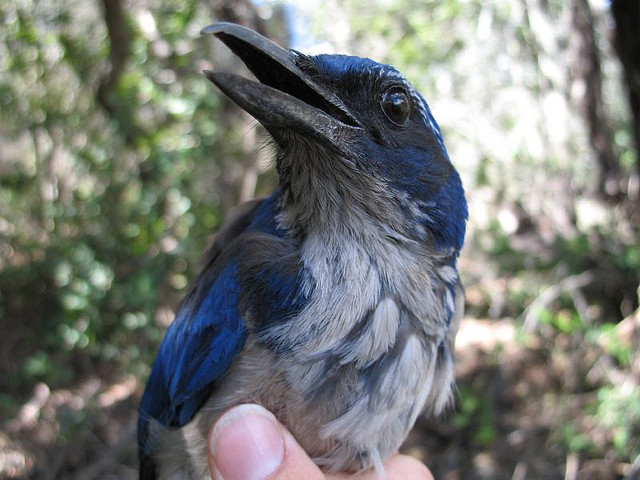
Island Scrub Jay (Aphelocoma insularis) ©WikiC

Island Scrub Jay (Aphelocoma insularis) ©WikiC

Island Scrub Jay – The Fallen One Yet The Chosen One.. ~ by a j mithra

Both the male and the female Island Scrub Jay help build nests three to twenty feet high in trees and shrubs. They use small oak branches that they break off trees and they never use sticks that fall to the ground..

If God had used the same criteria to build His kingdom, how many of us would’ve have got qualified to fit in?

Remember, we all have fallen into earthly desires and we all have committed sin only to fall from glorious position of being called the child of God to be caught in the devil’s trap….

But, in spite of falling time and again GOD still chose us from the cross..

Thank You Jesus….

Yours in YESHUA,
a j mithra

Please visit us at:
Crosstree

ajmithra21


Lee’s Addition:

Island Scrub Jay (Aphelocoma insularis) close-up ©WikiC

Island Scrub Jay (Aphelocoma insularis) close-up ©WikiC

Thanks, a j. Even when we fall, if you know the Lord as your personal Savior, when we ask forgiveness, just as this Scrub Jay is picked up, so the Lord picks us up and forgives us.

If we confess our sins, he is faithful and just to forgive us our sins, and to cleanse us from all unrighteousness. (1 John 1:9 KJV)

The Gospel Message


The Island Scrub Jay is in the Crows, Jays – Corvidae Family.

See a j’s other article about the Island Scrub Jay – Island Scrub Jays – The Ultimate Home-makers

a j mithra’s other articles – Click Here

*
Ian’s Bird of the Week – Crimson-crested Woodpecker

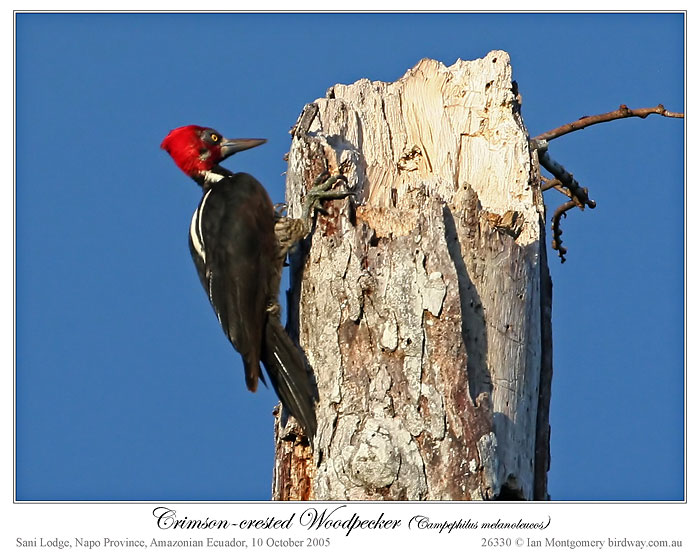
Crimson-crested Woodpecker (Campephilus melanoleucos) by Ian

Crimson-crested Woodpecker (Campephilus melanoleucos) by Ian

Ian’s Bird of the Week – Crimson-crested Woodpecker ~ by Ian Montgomery

Newsletter – 5/29/11

Those of you who have been on the list for a few years might remember from earlier posts that I’ve led a woodpecker-deprived existence, having lived first in Ireland and since then in Australia. Woody Woodpecker captured my imagination at an early age and I’ve been fascinated with woodpeckers ever since.

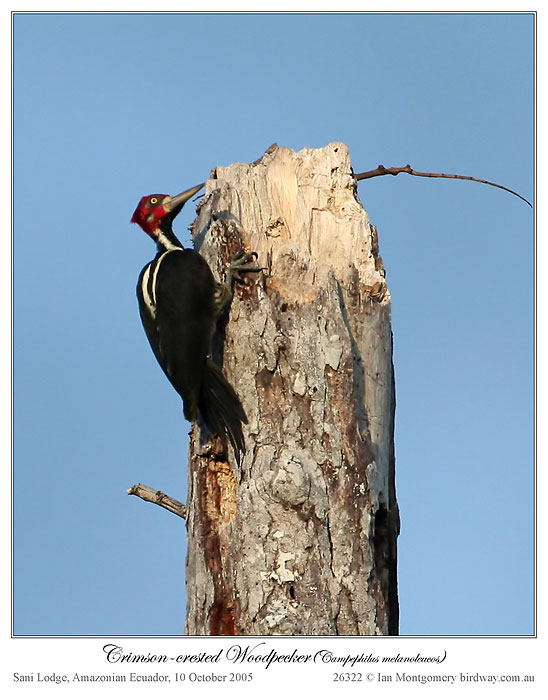
I was updating the woodpecker galleries on the website http://www.birdway.com.au/picidae/index.htm and this one made me laugh, so I though I’d share it with you. In the first photo it looks as if it’s staring in guilty shock at the tree and saying “Whoops! (or something stronger) Did I do that?” The second photo follows the same theme with a puzzled “Where did that tree go?” If you can think of better captions, please share them with me at ian@birdway.com.au and I’ll publish the best one next week.

Crimson-crested Woodpecker (Campephilus melanoleucos) by Ian

Crimson-crested Woodpecker (Campephilus melanoleucos) by Ian

The Crimson-crested Woodpecker (Campephilus melanoleucos) is 36cm/14in in length and a close relative of the larger (at least 48cm/19in) and legendary, maybe-extinct-maybe-not Ivory-billed Woodpecker of the southern USA (Campephilus principalis) about which there was so much excitement in 2004-5. The Crimson-crested is happily quite common with a wide range in northern South America. Campephilus incidentally means ‘grub loving’ as this group of woodpeckers finds the larvae of wood-boring beetles to their liking.

I photographed this Crimson-crested Woodpecker in 2005 from the dug-out canoe in the third photo, when staying at a lodge called Sani on the Rio Napo, a tributary of the Amazon, in eastern Ecuador. The lodge was on an oxbow lake away from the main river and the canoes, being very quiet, were ideal for bird watching though using a heavy (and expensive) 500mm lens in the canoe took some practice, not to mention recklessness.

Crimson-crested Woodpecker (Campephilus melanoleucos) by Ian Sani Canoe

Crimson-crested Woodpecker from Sani on the Rio Napo Canoe by Ian

Ireland happily is no longer a woodpecker-free zone as the Greater-spotted Woodpecker is in the process of colonising the country, after a big increase in the population in Britain, with successful breeding being report in Co. Down since 2005, Co. Wicklow since 2009 and Co. Wexford since 2010. See http://wlx.bright-server.com/do/ecco.py/view_item?listid=1&listcatid=1075&listitemid=8021&live=0 . We might have to wait a bit longer, though, for any Asian woodpeckers to come island-hopping across the Wallace line to Australia and eucalyptus mightn’t suit them.

I’ve started suppling photos of Australian birds to Guy Gibbon for a multimedia version of Pizzey and Knight for PCs and mobiles and I’ve also been given the task of sourcing photos that I can’t supply (both species and plumages). If you are interested, or know anyone who might be, I’d like to hear from you ian@birdway.com.au . Have a look at this News item on the website http://www.birdway.com.au/#aus_photos which has a link to the list of initially required species http://www.birdway.com.au/pdfs/wanted_species.pdf and links to similar publications by Guy covering British-Irish and Southern African birds.

Best wishes
Ian

Ian Montgomery, Birdway Pty Ltd,
454 Forestry Road, Bluewater, Qld 4818
Phone: 0411 602 737 +61-411 602 737
Preferred Email: ian@birdway.com.au
Website: http://birdway.com.au


Lee’s Addition:

Woody Woodpecker was also a favorite of mine. Here in the U. S., we have the Pileated Woodpecker (Dryocopus pileatus),  which seems to be quite similar to this Crimson-crested. Pileated adults are (40 to 49 centimetres (16 to 19 in) long; 250 to 350 grams (8.8 to 12 oz) mass) are mainly black with a red crest and a white line down the sides of the throat. That compares to the 36cm/14in of the Crimson-crested.  Apparently the Pileated is larger and in a different genus. There are 225 woodpeckers world-wide. The Piciformes Order has not only Woodpeckers – Picidae Family, but also eight other families.

The trees of the LORD are full of sap; the cedars of Lebanon, which he hath planted; Where the birds make their nests: as for the stork, the fir trees are her house. (Psalms 104:16-17 KJV)

*

Birds of the Bible – Birds of Samuel and Kings

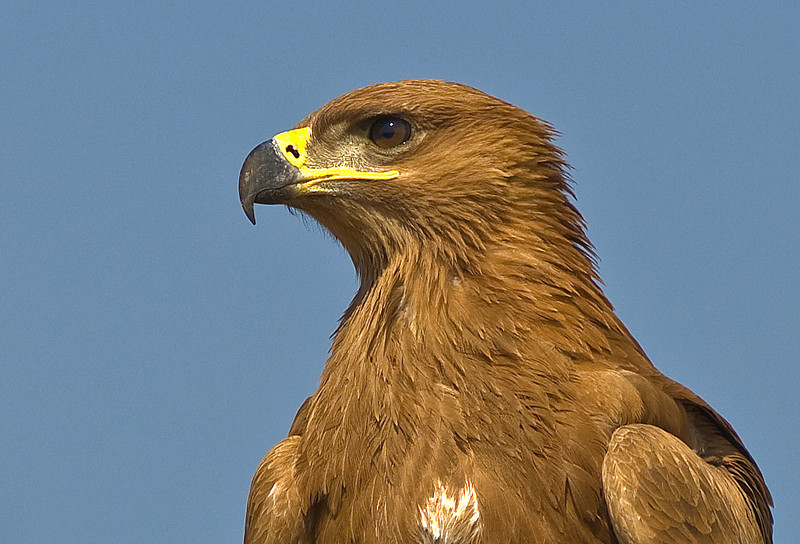
Tawny Eagle (Aquila rapax) by Africaddict

Tawny Eagle (Aquila rapax) by Africaddict

I have been reading through 1st and 2nd Samuel and 1st Kings lately in the English Standard Version (ESV). So far I have found seven references to “birds”, “birds of the air”, or “birds of the heavens.”

Five of the verses have to do with the birds coming to do something, especially to eat. I’ll save that for later. One verse is keeping the birds from eating and the other is totally unrelated to eating.

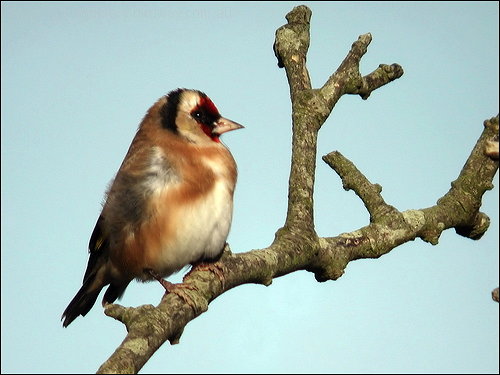
European Goldfinch (Carduelis carduelis) by Ian

European Goldfinch (Carduelis carduelis) by Ian

Let’s start with the easy one. In 1 Kings, Solomon was made king after his father, David, passed away. He asked the Lord for wisdom to know how to rule and do what was right. He was still a youngster. He was given wisdom that has surpassed any.

And God gave Solomon wisdom and understanding beyond measure, and breadth of mind like the sand on the seashore, so that Solomon’s wisdom surpassed the wisdom of all the people of the east and all the wisdom of Egypt. For he was wiser than all other men, wiser than Ethan the Ezrahite, and Heman, Calcol, and Darda, the sons of Mahol, and his fame was in all the surrounding nations. He also spoke 3,000 proverbs, and his songs were 1,005. He spoke of trees, from the cedar that is in Lebanon to the hyssop that grows out of the wall. He spoke also of beasts, and of birds, and of reptiles, and of fish. (1 Kings 4:29-33 ESV)

To save a war, seven sons were given to the Gibeonites, who hanged them. Then the mother of two of them, Rizpah, came and spread sackcloth over their remains and protected them from the birds of the air. That is told in 2 Samuel 21.

Then Rizpah the daughter of Aiah took sackcloth and spread it for herself on the rock, from the beginning of harvest until rain fell upon them from the heavens. And she did not allow the birds of the air to come upon them by day, or the beasts of the field by night. (2 Samuel 21:10 ESV)

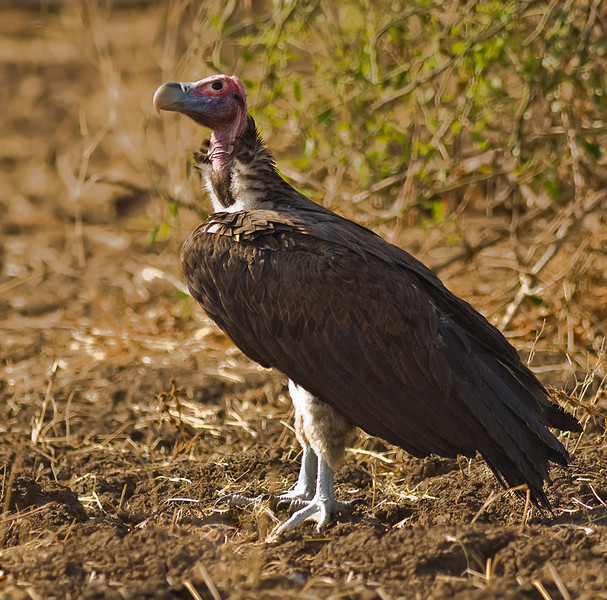
Lappet-faced Vulture (Torgos tracheliotus) by Africaddict

Lappet-faced Vulture (Torgos tracheliotus) by Africaddict

The next five incidents have to do with judgment and the birds coming to feed on the carcases of those who died.
Goliath, the giant Philistine threatened David with:

The Philistine said to David, “Come to me, and I will give your flesh to the birds of the air and to the beasts of the field.” (1 Samuel 17:44 ESV)

Then David told Goliath that the LORD would cause the Philistines to be delivered to David and the birds would be feasting on him and the other Philistines there.

This day the LORD will deliver you into my hand, and I will strike you down and cut off your head. And I will give the dead bodies of the host of the Philistines this day to the birds of the air and to the wild beasts of the earth, that all the earth may know that there is a God in Israel, (1 Samuel 17:46 ESV)

Keep reading in 2nd Samuel 17 and you will find out who the birds feasted on.

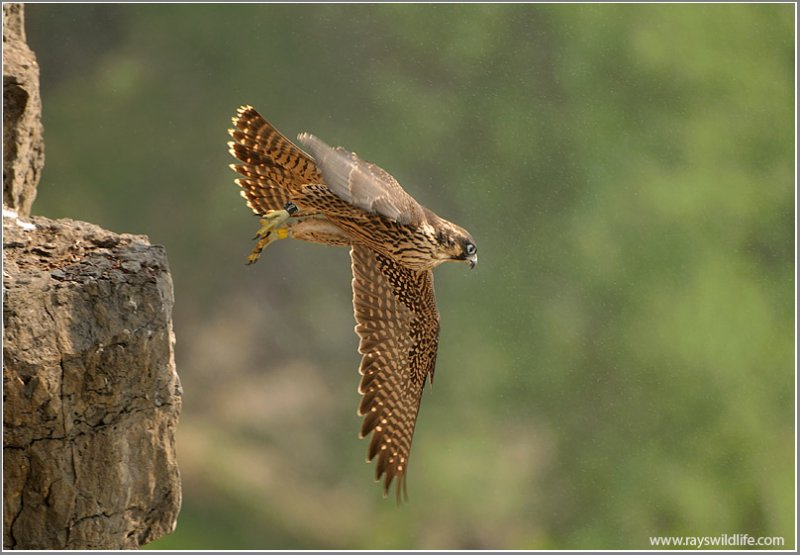
Peregrine Falcon Lift Off Into The Mist

Peregrine Falcon Lift Off Into The Mist

In 1 Kings 14:11, 1 Kings 16:4 and 1 Kings 21:24, three bad kings and their families were judged for the evil they did of not serving the LORD and causing their subjects to also fall into sin.
Jeroboam, Baasha, and Ahab all died and the birds of the heavens were invited to come and eat. Not a pretty picture, but God keeps His Word.

Anyone belonging to Jeroboam who dies in the city the dogs shall eat, and anyone who dies in the open country the birds of the heavens shall eat, for the LORD has spoken it. (1 Kings 14:11 ESV)
Anyone belonging to Baasha who dies in the city the dogs shall eat, and anyone of his who dies in the field the birds of the heavens shall eat. (1 Kings 16:4 ESV)
Anyone belonging to Ahab who dies in the city the dogs shall eat, and anyone of his who dies in the open country the birds of the heavens shall eat. (1 Kings 21:24 ESV)

Not knowing for certain which birds actually came and did the eating, my guess is that it would be those from the birds of prey families. Those birds are known to be carnivorous and would have arrived at the LORD’s will as prophesied.

Some of the birds of the large Order of Accipiitriformes – Raptors would have been involved. Those are the New World Vultures, Secretarybird, Ospreys, Kites, Hawks and Eagles. Then the Falcons and Caracaras of the Falconiformes Order possibly would have arrived. Owls from the Strigiformes Order might also have come.

But if you will not do so, behold, you have sinned against the LORD, and be sure your sin will find you out. (Numbers 32:23 ESV)

Wordless Birds

*

Observations from an Outsider ~ by Stephen Simpson

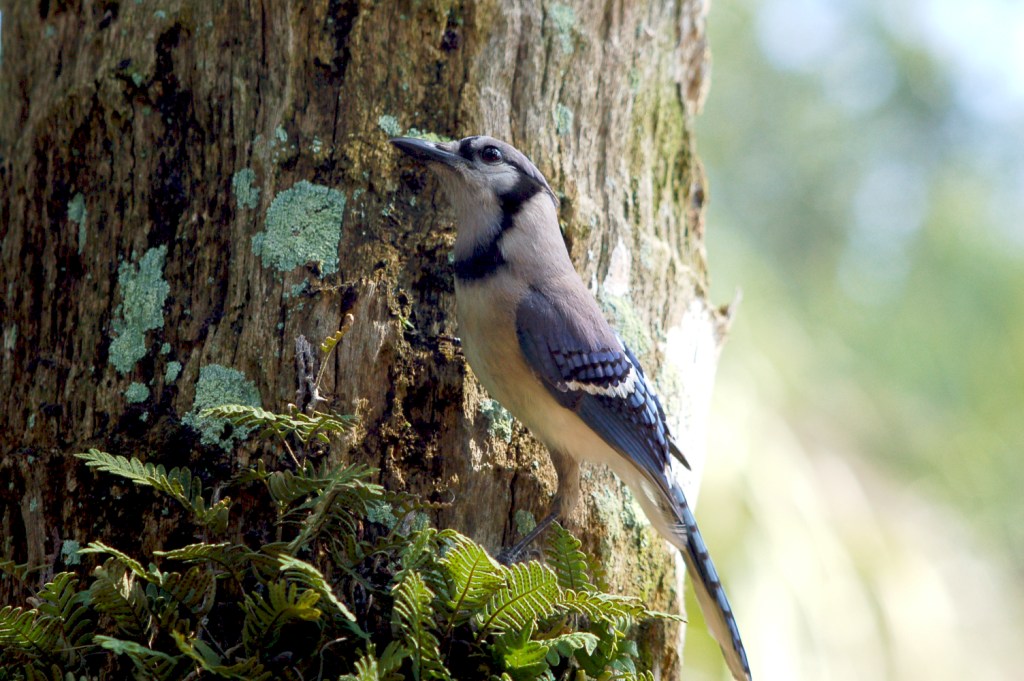
Blue Jay (Cyanocitta cristata) at Bok Tower By Dan'sPix

Blue Jay (Cyanocitta cristata) at Bok Tower By Dan’sPix

Observations from an Outsider

I am an outsider.  I do not consider myself to be an avid birdwatcher.  I am an ignorant birdwatcher.  I like to look at birds, but most of the time, I have absolutely no idea what I’m looking at.  My ability to identify birds does not extend much past Blue Jays and Bald Eagles.

That being said, I have learned much from Lee.  Through her writing, my understanding of birds has grown and deepened.  She has broadened my ‘birding skills.’  I have come to better appreciate the wide variety of birds that God has created.

When Lee asked me to write an article for this blog, I was stumped.  What can I contribute to a birdwatching blog?  I finally decided to write to people like me – outsiders.  So, if you are like me – an ignorant birdwatcher – then this post is for you.

Mallard Mom and Baby at Lake Hollingsworth

Here are some observations from the outside.

Be Still and know that I am God (Psalm 46:10)

  1. You and I need to Stop, Look, and Listen more.  We need to slow down and pay more attention.  It is so easy to go through life and totally miss the ‘birds.’  It is so easy to race from one activity to the next.  Let us take time to stop, close our eyes, and simply listen to the birds.  Let us take time to stand still and observe the rich diversity of birds all around us.
  2. You and I need to recognize that it is all about God.  God needs to be recognized more.  Every bird we see should direct our thoughts to God.  When you see a dove, think of the peace of God.  When you watch a Bald Eagle soar through the sky, think of the majesty and grandeur of God.  When you see a mother duck shelter and protect her babies, think of God how He shelters and protects His children.  Fortunately, we have Lee’s blog as a great resource to help us recognize God.
  3. You and I need to admit that God is not boring.  As we begin to recognize God more, we must admit that He is not dry or stale.  His creativity is infinite.  Which one of us could have dreamed up ‘sword-billed hummingbirds’ or ‘birds that drink seawater’ or ‘kakapos?’  Imagine, if the God of the universe put this much creativity into the birds of the air, how much more creativity must He have put into you and me.  We are of far more value to Him than the birds.  We bear His image.  God not only exquisitely designed the birds; He also designed each one of us.  Our God is not boring!  He is infinitely interesting!
Look at the birds of the air: they neither sow nor reap nor gather into barns, and yet your heavenly Father feeds them. Are you not of more value than they? (Matthew 6:26 ESV)
Sword-billed Hummingbird (Ensifera ensifera) by Robert Scanlon

Sword-billed Hummingbird (Ensifera ensifera) by Robert Scanlon


Lee’s Addition:

This blog owes very much to Stephen, our Assistant to the Pastor. When I was trying to find an outlet for my desire to use my Birds of the Bible lessons, it was Stephen who suggested that I write an article each Friday on our church blog. I said yes, but not knowing exactly what a “blog” was, I started one of my own, to learn how to lay out the articles for the “Fountain.” What you are reading, has been from that small beginning. Praise the Lord for letting Stephen make that suggestion.

Here are links to the first two articles on the Fountain in February 2008:
Birds of the Bible – Introduction and The Birds of the Bible ~ Eagles

*

Birdwatching at Lowry Park Zoo – May 2011

Great Argus (Argusianus argus argus) (Great Malay Argus P) by Lee at LPZ

Great Argus (Argusianus argus argus) (Great Malay Argus Pheasant) by Lee at LPZ

Dan and I were able check out the birds again at the Lowry Park Zoo in Tampa, FL last Friday. We went to a few of the aviaries we haven’t been in for awhile. We went to the Sulawesi Aviary and saw the Magpie Goose, Masked Lapwing, Great Malay Argus Pheasant , Victorian Crowned Pigeon (SSP), Mandarin Duck, Sulawesi Tarictic (Temminck’s) Hornbill, Demoiselle Crane, Great Malay Argus, Javan Pond Heron and the (Green-naped) Pheasant Pigeon, with the Bar-headed Goose just outside.

Sulawesi Hornbill (Penelopides exarhatus) by Lee LPZ

Sulawesi Hornbill (Penelopides exarhatus) by Lee LPZ

From there we stopped by Lorikeet Landing to see many Lorikeets being feed by visitors. There the Green-naped, Swainson’s, Weber’s and Rainbow Lorikeets carry on with lots of noisy calls (all of these are subspecies of the Rainbow).

Lorikeet being feed by youngster at Lowry Pk Zoo

Lorikeet being feed by youngster at Lowry Pk Zoo

They also have Dusky Lory, Violet-crested Turaco, and Green-winged Teals.

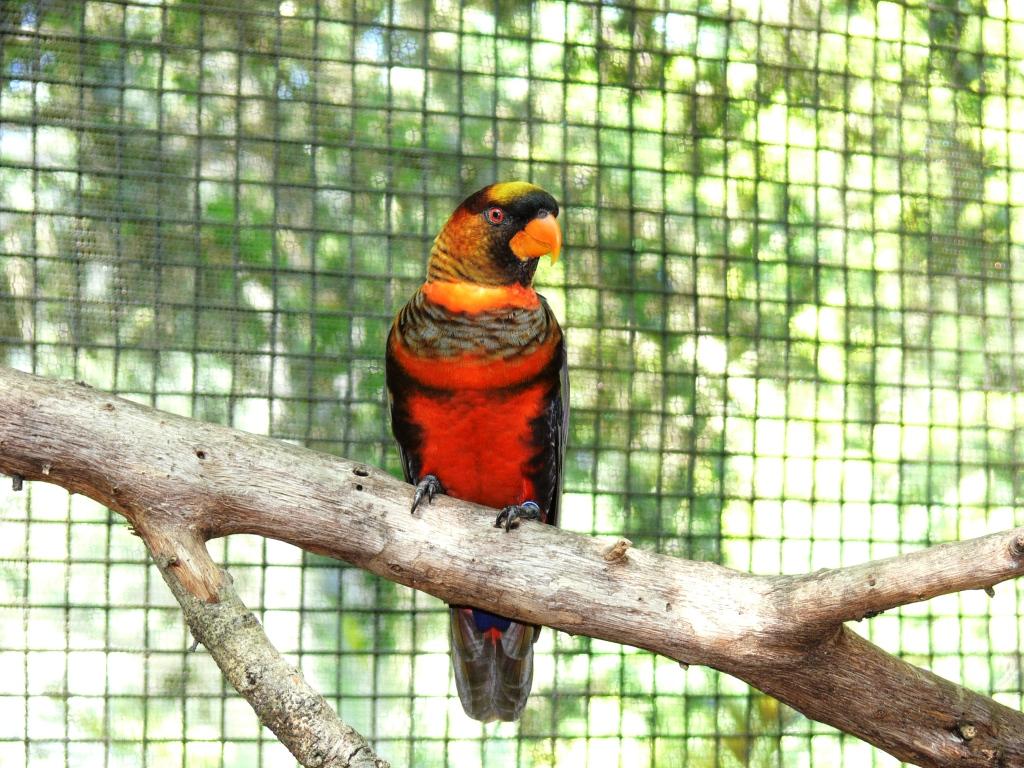
Dusky Lory (Pseudeos fuscata) by Lee at LPZoo

Dusky Lory (Pseudeos fuscata) by Lee at LPZoo

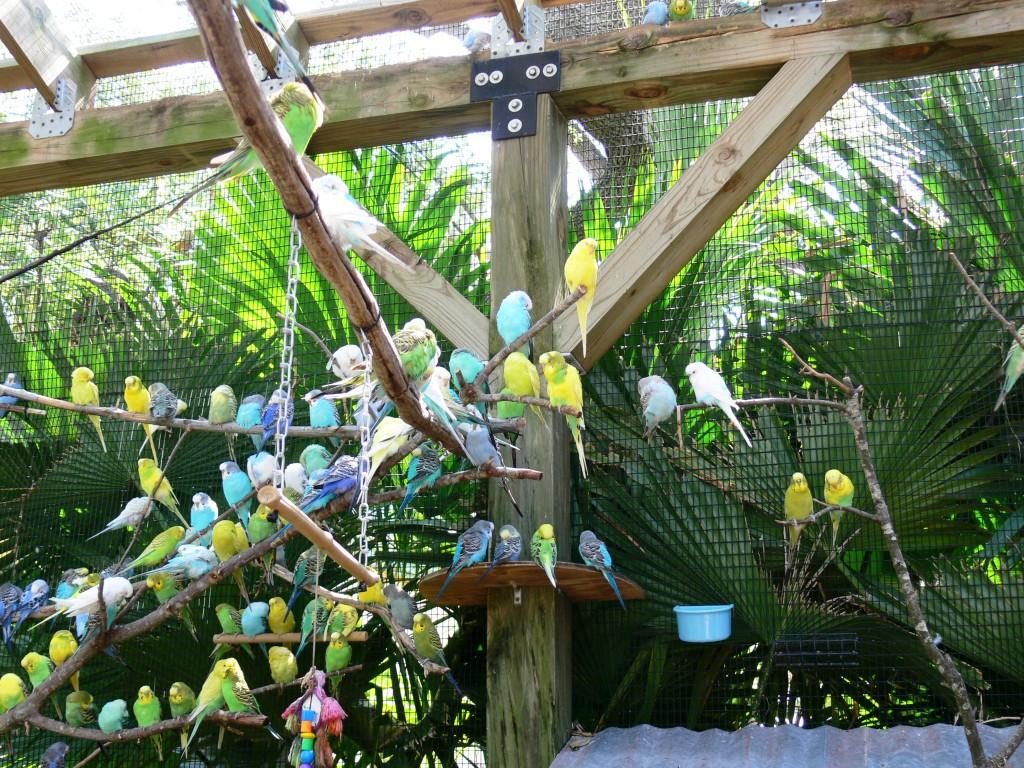
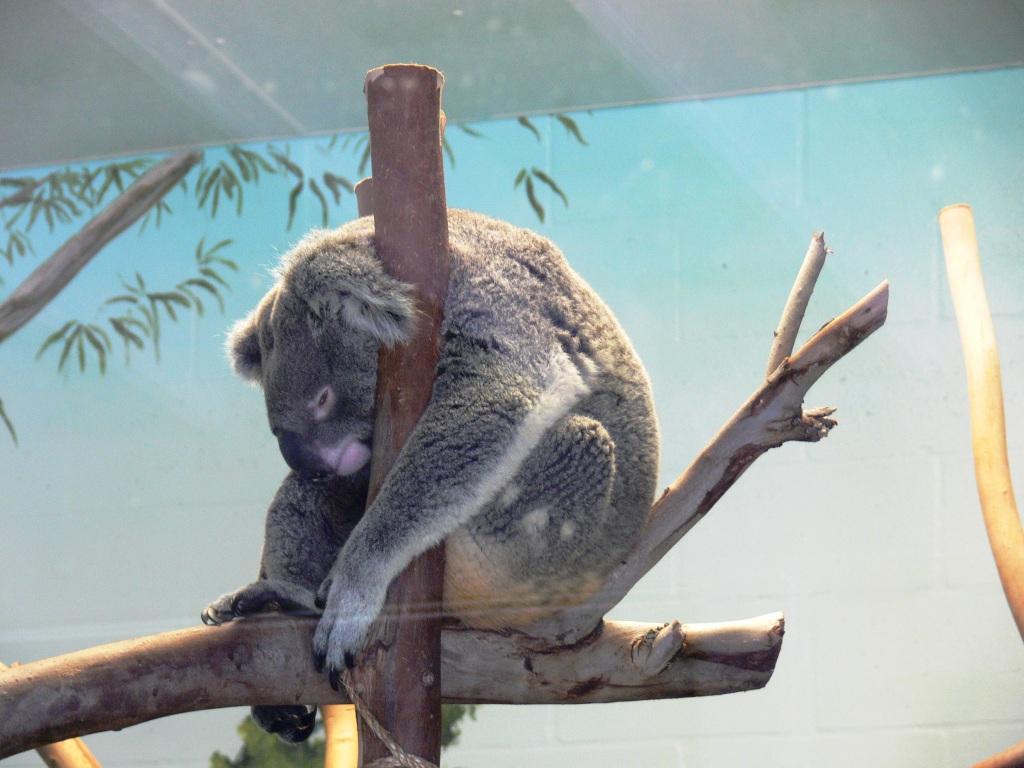
The Wallaroo Station (Australian) greets you with the Palm Cockatoo, Silky, Australorp and Buff Orphington Chickens. Then just inside you can view the sleepy Koala (whoops, that not a bird, but it was in a tree) and the Emu. The Malayan Flying Fox exhibit had those bats, plus the Magpie Goose, Rosy Starlings, Long-billed Corella (new for me), and Red-tailed Black Cockatoo. The Bali Myna was busy singing and showing off for its mate and then we entered the Budgerigar Aviary. Wow! They were everywhere.

Budgerigar (Melopsittacus undulatus) by Lee LPZ

Budgerigar (Melopsittacus undulatus) by Lee LPZ

We saw more, but will save that for another article. It was enjoyable as usual as we watched the Lord’s Creative Hand through these fantastic birds.

The works of the LORD are great, sought out of all them that have pleasure therein. His work is honourable and glorious: and his righteousness endureth for ever. (Psalms 111:2-3 KJV)

I have also been updating some more of the photos for:
Life List of All Birds We Have Seen

Koala by Lee LPZ

Koala by Lee LPZ

*

Birds in Hymns – Awake, Our Souls; Away, Our Fears

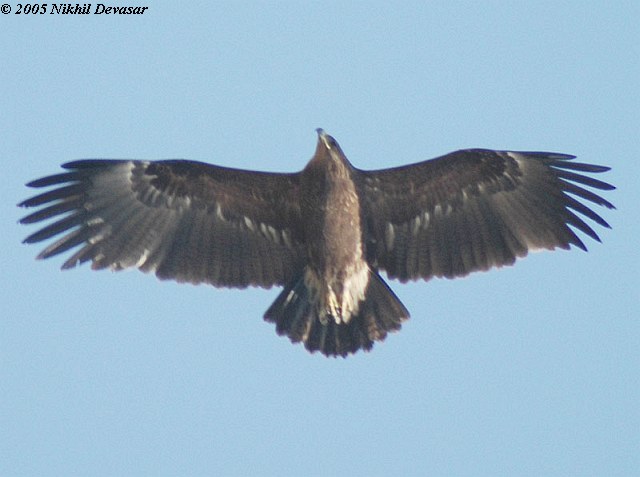
Greater Spotted Eagle (Aquila clanga) by Nikhil

Greater Spotted Eagle (Aquila clanga) by Nikhil

Based on:

But they that wait upon the LORD shall renew their strength; they shall mount up with wings as eagles; they shall run, and not be weary; and they shall walk, and not faint. (Isaiah 40:31 KJV)

Words by Isaac Watts,
Found in Hymns and Spir­it­u­al Songs, Book I, 1707, #48.
Born 1674 in South­amp­ton, Eng­land.- Died 1748 in Stoke New­ing­ton, Eng­land

Music: Trell by Low­ell Ma­son and Car­mi­na Sac­ra, 1844
Al­ter­nate tunes:
St. Pe­ters­burg, at­trib­ut­ed to Dmi­tri S. Bort­ni­an­sky, 1825
Samson, ar­ranged from George F. Han­del (1685-1759)

Awake, Our Souls; Away, Our Fears

Awake, our souls; away, our fears,
Let every trembling thought be gone;
Awake, and run the heavenly race,
And put a cheerful courage on.

True, ’tis a strait and thorny road,
And mortal spirits tire and faint;
But they forget the mighty God,
That feeds the strength of every saint.

Bald Eagle (Haliaeetus leucocephalus)  by AestheticPhotos

Bald Eagle (Haliaeetus leucocephalus) by AestheticPhotos

Thee, mighty God! whose matchless power
Is ever new, and ever young;
And firm endures, while endless years
Their everlasting circles run.

From Thee, the overflowing spring,
Our souls shall drink a fresh supply;
While such as trust their native strength
Shall melt away, and droop, and die.

Swift as an eagle cuts the air,
We’ll mount aloft to Thine abode;
On wings of love our souls shall fly,
Nor tire amidst the heav’nly road.

*

More Birds in Hymns

*

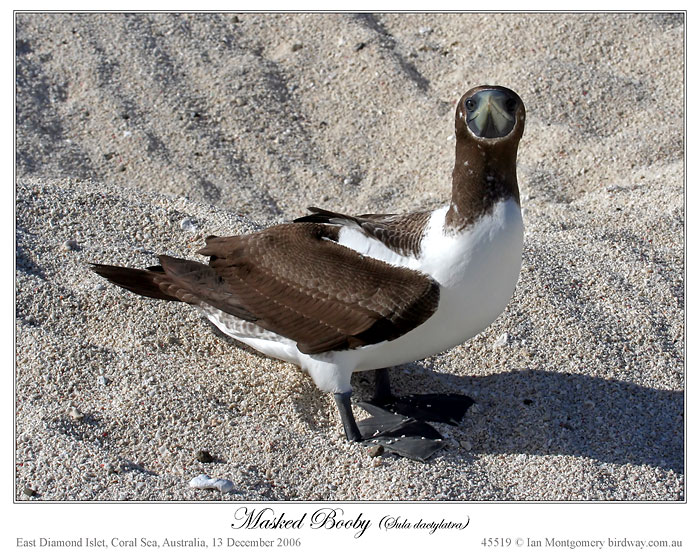
Ian’s Bird of the Week – Masked Booby

Masked Booby (Sula dactylatra) by Ian

Masked Booby (Sula dactylatra) by Ian

Ian’s Bird of the Week – Masked Booby ~ by Ian Montgomery

Newsletter – 5/20/11

We got a good view of a female Lesser Frigatebird at Lucinda on Wednesday when we did our regular wader count so I considered this species for bird of the week, forgetting that it had featured in March. So here is another spectacular seabird instead: the Masked Booby.

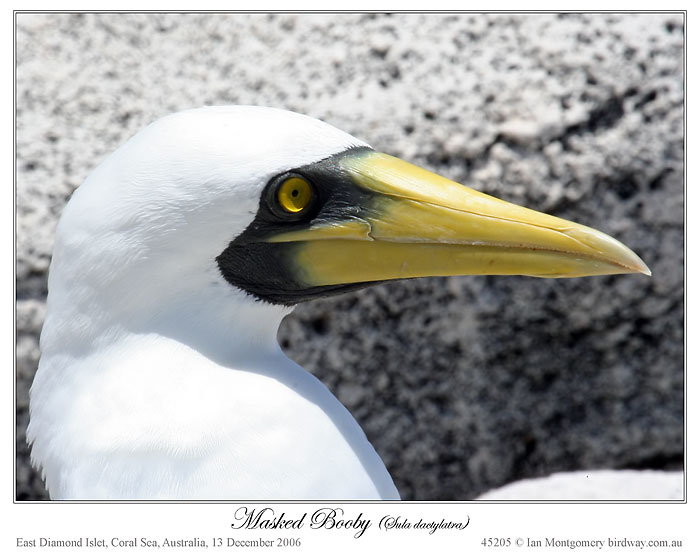
Masked Booby (Sula dactylatra) by Ian

Masked Booby (Sula dactylatra) by Ian

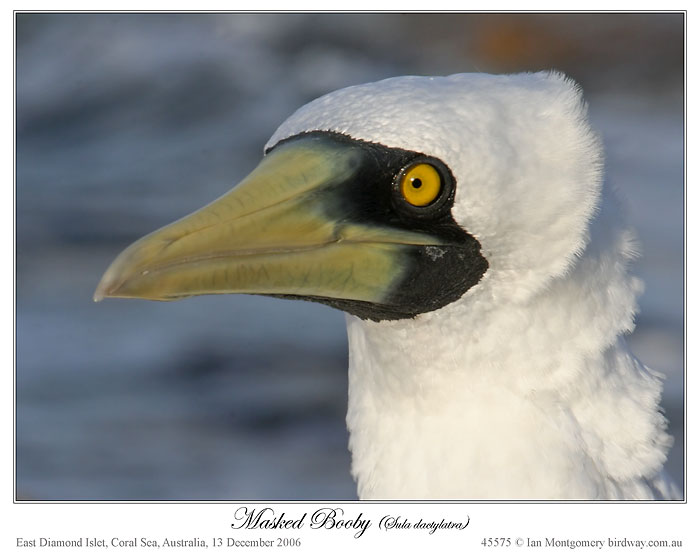
The first photo shows a portrait of a male bird, distinguishable from the female by its yellow bill. That of the female, second photo, has a greenish tinge to it. As you can see from these photos, Boobies are very approachable and the name comes from the Spanish ‘bobo’ meaning clown or fool as sailors found the birds easy to catch.

Masked Booby (Sula dactylatra) by Ian

Masked Booby (Sula dactylatra) by Ian

The difference between the sexes is subtle though the female is larger and they are easier to tell apart when seen together, like the pair in the third photo on a beach. Boobies and Gannets are very social and have sophisticated behaviours for display, territorial disputes and fishing so the ‘bobo’ label was a bit hasty.

Masked Booby (Sula dactylatra) by Ian

Masked Booby (Sula dactylatra) by Ian

All these photos were taken at East Diamond Islet, a remote cay on the eastern edge of the Barrier Reef in the Coral Sea Islands Territory, within Australia’s territorial boundaries but outside Queensland. This cay is typical of Masked Booby colonies, far offshore in tropical or sub-tropical waters, and the birds fish in deep water and are not normally seen close to the coast. The range of the Masked Booby is right around the globe and in Australasia there are colonies in northern Western Australia, northeastern Queensland, Lord Howe and Norfolk Islands and the New Zealand Kermadec Islands. The birds at the last three sites have black rather than yellow eyes and belong to a different race. Another race in the eastern Pacific with orange bills has recently been split off as a separate species the Nazca Booby.

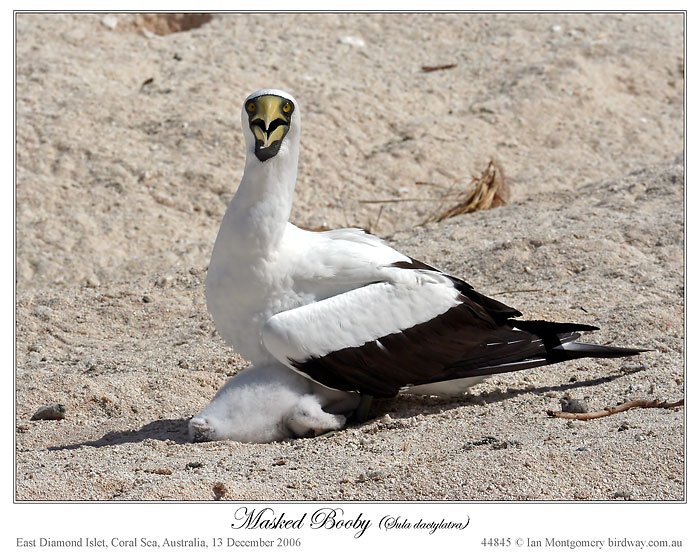
Masked Booby (Sula dactylatra) by Ian

Masked Booby (Sula dactylatra) by Ian

Masked Boobies nest both on rocky cliffs and flat areas and the female in the fourth photo is sheltering a nestling and simultaneously expressing a verbal protest at being photographed. They usually lay two eggs, but the second is only an insurance policy and the first nestling to hatch will kill its sibling if it also hatches. Juvenile birds, fifth photo, look quite similar to the closely related Brown Booby but are distinguishable by having a complete white collar which in front forms a white rather than brown upper breast.

Masked Booby (Sula dactylatra) by Ian

Masked Booby (Sula dactylatra) by Ian

The sixth photo is of a male in flight and shows the black tail that distinguishes it from the white phase of the Red-footed Booby. Like all the gannets and other boobies, the Masked feeds by spectacular plunge-dives for fish, all members of the family have air sacs off the bronchi to absorb the impact – the original airbags. The Masked is the largest of the boobies (to 86cm/34in with a wing-span of 1.7m/5.5ft) and its maximum dive has been estimated at 100m/330ft though it’s smaller than the gannets. Gannets can reach 10m/33ft depth just from the dive and then swim down to 20-25m and usually take the target fish on the way back up.

Links:
Wednesday’s female Lesser Frigatebird
Nazca Booby
Brown Booby
Red-footed Booby

Here are a couple of points from earlier postings. Last week I had an email from Brett who reported the northern race of the Eastern Yellow Robin at St George’s Basin, 200km south of Sydney and well south of the documented range to the Hunter Valley. He – brett@brettdaviswebsitedesign.com.au – would be interested to hear from others who have recorded it south of its supposed range. A month ago (Yellow White-eye) I inquired about a plant with large fruits and pink flowers. The plant in question is calotrope (Calotropis procera) – thank you to the respondents – an introduced weed, but popular with native birds such as this Red-headed Honeyeater in Broome.

Best wishes,
Ian


Ian Montgomery, Birdway Pty Ltd,
454 Forestry Road, Bluewater, Qld 4818
Phone: 0411 602 737 +61-411 602 737
Preferred Email: ian@birdway.com.au
Website: http://birdway.com.au


Lee’s Addition:

The Sulidae – Gannets, Boobies Family has 10 species. The three Gannets are the Northern, Cape, and Australian. The seven Boobies are the Blue-footed and Red-footed, Peruvian, Nazca, Brown and the Masked Booby which Ian just wrote about. This family is part of the Suliformes Order which also includes the Frigatebirds, Cormorants, shags and the Anhingas, darters families.

Talking about the young one and the nest of the ground reminds me of:

If you come across a bird’s nest in any tree or on the ground, with young ones or eggs and the mother sitting on the young or on the eggs, you shall not take the mother with the young. (Deuteronomy 22:6 ESV)

Formed By Him – Birds of Peru and Chile – II

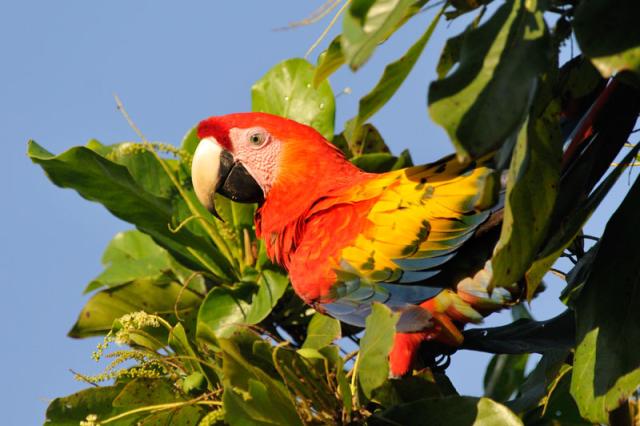
Scarlet Macaw (Ara macao) Reinier Munguia

Scarlet Macaw (Ara macao) Reinier Munguia

This is a continuation of Formed By Him – Birds of Peru and Chile – I

Since there are so many birds that could be seen by our team in Peru and Chile, I have saved two large families for Part II. The Psittacidae Family which has the Parrots, Macaws, Parakeets, Parrotlets and the Amazons. There are 53 species in Peru and 5 in Chile.

*

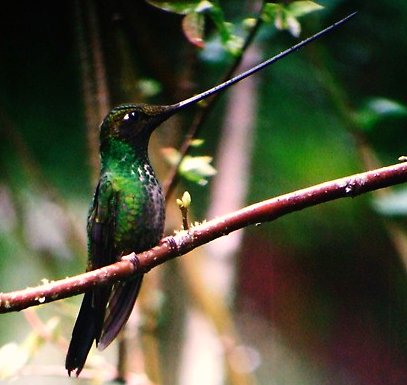
Sword-billed Hummingbird (Ensifera ensifera)©WikiC

Sword-billed Hummingbird (Ensifera ensifera)©WikiC

We did an article about the Sword-billed Hummingbird and maybe they will get to see one of them.

The Trochillidae Family which has the Hummingbirds, Sicklebills, Hermits, Lancebills, Sabrewings, Jacobin, Violetears, Mangos, Topaz, Coquettes, Thorntails, Sapphires, Woodnymphs, Goldenthroat, Emerald, Plumeleteer, Piedtails, Brilliants, Coronet, Sunbeams, Velvetbreast, Inca, Starfrontlets, Sapphirewing, Sunangel, Pufflegs, Whitetip, Racket-tail, Comets, Mountaineer, Metaltail, Thornbills, Avocetbill, Fairy, Spatuletail, Sheartail and Woodstar. All of these are in the Hummingbird family. There are 123 species in Peru and 9 in Chile.

The two country’s birds are combined in the slideshow.

*

This slideshow requires JavaScript.

*

These two countries abound in the Creative Hand of the Lord, especially when the birds of the air are observed.

They have lyre and harp, tambourine and flute and wine at their feasts, but they do not regard the deeds of the LORD, or see the work of his hands. (Isaiah 5:12 ESV)
that they may see and know, may consider and understand together, that the hand of the LORD has done this, the Holy One of Israel has created it. (Isaiah 41:20 ESV)

*