When I Consider – Wednesdays – Intro

Bald Eagle – San Diego Zoo

When I Consider – Wednesdays will be reposts/updates to a series of articles that were posted back in the early days of this blog.

A Closer Look at the Evidence by Richard & Tina Kleiss is a devotional book that has bite size information about incredible evidence about creation.

Here is a part of the review of the book written by the Richard & Tina Kleis.

We have never seen such a unique and fascinating devotional book. It is one of a very few that we have used that tempts us to read on ahead! A Closer Look at the Evidence presents straightforward evidence, primarily scientific, for the existence of our Creator.

This book is organized into twenty-six different subject areas and draws from over fifty expert sources. Each of the 400+ pages highlights knowledge from a Biblical perspective. Each day’s devotion is a full page of concise, well-researched, factual information with reference material noted if you desire more specifics.

The authors, Rich and Tina Kleiss, former public school science teachers, discovered that scientific evidence overwhelmingly supports creation. But evolution continues to be presented as fact in the media and textbooks, even as the evidence for creation is being systematically excluded.

By daily using and discussing A Closer Look at the Evidence, your family should not only learn the credible reasons for your belief in the Creator but also be equipped to share this truth with others. Each page ends with a related Bible verse…..

magnify_2748cDan and I used it daily after our regular devotions. I have been wanting to share these articles for some time and have decided to do so in a series called, “When I Consider!” A quote from the book’s Dedication has encouraged me decide to do this.

God’s desire is that the knowledge of what He has done through both the cross and creation is for everyone. We must not keep this knowledge to ourselves. The evidence that He is our Creator is so overwhelming and encouraging that it is desperately needs to be shared in the world today. A Closer Look at the Evidence is designed to be an affordable resource to both reinforce our individual faith and facilitate sharing the reasons for this faith. Consider praying about how God could use you to utilize the truths found in these pages.

The book is available at (Christianbook.com)

Here is the first in the “When I Consider!” Series:

This was the first in the series called, “When I Consider! Please see the above article, “A Closer Look at the Evidence – Kleiss“, by Richard and Tina Kleiss, for an explanation of this new series. Not only will I use information from the Kleiss’ book, but other articles also. Since our main blog is about Bird’s, this seems like a good starting place.

“Evidence From Biology”

The eagle’s diving speed can exceed 100 miles per hour. At this speed, the eagle’s eyesight must be perfect in order to know exactly when to pull out of a dive. Its eyes are designed to spot a rabbit or fish up to one mile away. The eagle also has remarkably designed wings, each covered by over 12,000 feathers. Aircraft designers are still trying to copy this engineering marvel.
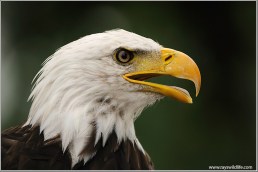
Besides the ability to climb to 10,000 feet withing minutes, the parent eagle also assists its young in flight. As it flies alongside the eaglet, whirlpools of air formed by its primary feathers provide the eaglet with additional lift.

In speaking of His protective care over the nation of Israel, God states, ‘..I bare you on eagle’s wings…’ (Exodus 19:4 KJV). The Hebrew word for ‘bare’ is nacah, and its primary rood means ‘to lift.’ This is exactly what the parent eagle does to help its young in flight.

The precise selection and meaning of words used in the Bible is a testimony to the accuracy and precision of the remarkable book.

Character Sketches, Vol.III, p171-174″

The above quote is from January 28, “A Closer Look at the Evidence,” by Richard and Tina Kleiss

This series will be based on:

Psalms 8:3-9 NKJV
“When I consider Your heavens, the work of Your fingers, The moon and the stars, which You have ordained, What is man that You are mindful of him, And the son of man that You visit him? For You have made him a little lower than the angels, And You have crowned him with glory and honor. You have made him to have dominion over the works of Your hands; You have put all things under his feet, All sheep and oxen– Even the beasts of the field, The birds of the air, And the fish of the sea That pass through the paths of the seas. O LORD, our Lord, How excellent is Your name in all the earth!
 

Sunday Inspiration – Flamingos and Tropicbirds II

Sunday Inspiration – Flamingos and Tropicbirds was posted in 2017. This is a repost.

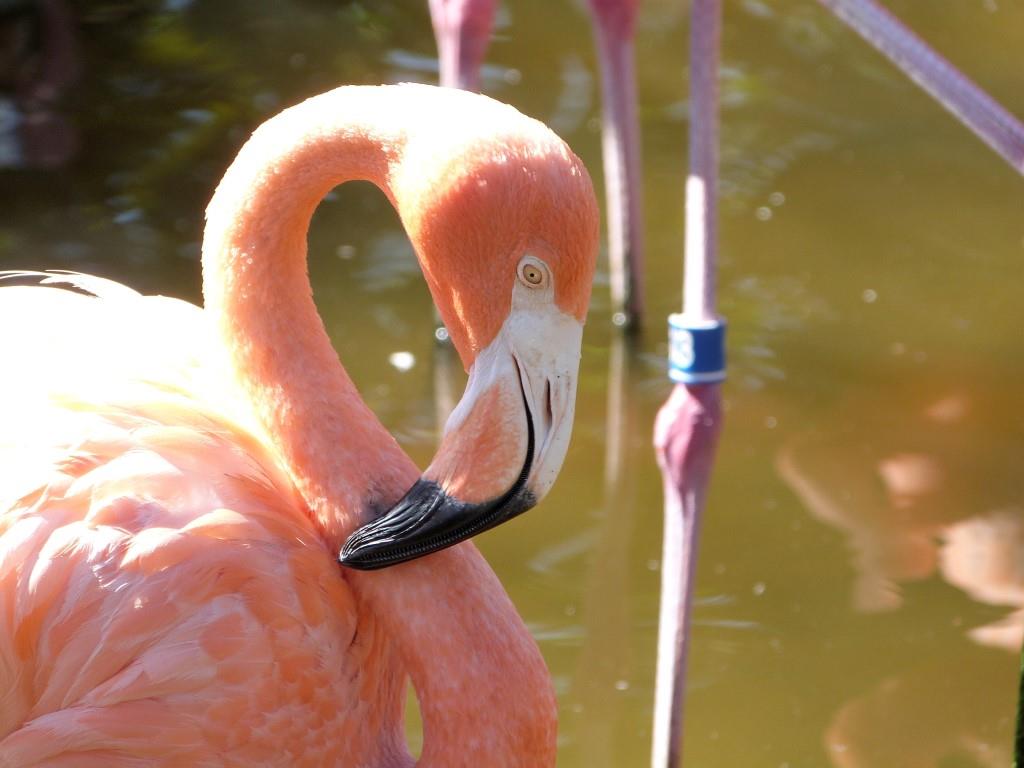
American Flamingo Beak at Gatorland by Lee

American Flamingo Beak at Gatorland by Lee

“But now is made manifest, and by the scriptures of the prophets, according to the commandment of the everlasting God, made known to all nations for the obedience of faith:” (Romans 16:26 KJV)

As we continue through the taxonomic order of birds, we have come to two Orders that are small. The Phoenicopteriformes Order is made up of one family, the Flamingos. Our other Order is the Phaethontiformes, which has the Tropicbird family. There are only six birds in the first family and three in the other.

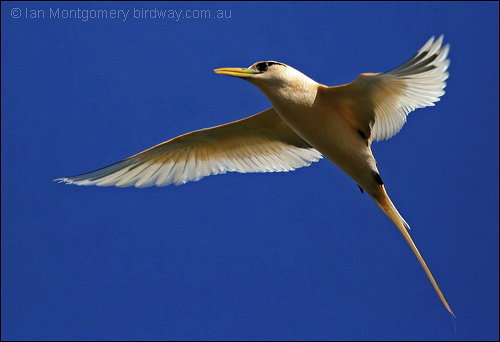
White-tailed Tropicbird (Phaethon lepturus) by Ian

White-tailed Tropicbird (Phaethon lepturus) by Ian

So, let’s go find out what the Lord Created these birds to appear like, and find out a little about them.

Flamingos are a type of wading bird in the genus Phoenicopterus (from Greek φοινικόπτερος meaning “purple wing”), the only genus in the family Phoenicopteridae. There are four flamingo species in the Americas and two species in the Old World.

Chilean Flamingo (Phoenicopterus chilensis) ©Wiki

Flamingos often stand on one leg, the other tucked beneath the body. The reason for this behavior is not fully understood. Recent research indicates that standing on one leg may allow the birds to conserve more body heat, given that they spend a significant amount of time wading in cold water. However, the behaviour also takes place in warm water. As well as standing in the water, flamingos may stamp their webbed feet in the mud to stir up food from the bottom. (Wikipedia with editing)

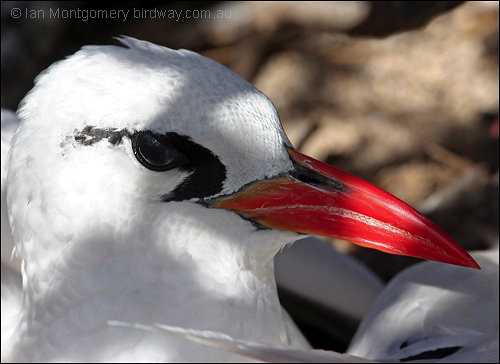
Red-tailed Tropicbird (Phaethon rubricauda) by Ian

Red-tailed Tropicbird (Phaethon rubricauda) by Ian

Tropicbirds are a family, Phaethontidae, of tropical pelagic seabirds now classified in their own order Phaethontiformes. Their relationship to other living birds is unclear, and they appear to have no close relatives. There are three species in one genus, Phaethon. They have predominantly white plumage with elongated tail feathers and small feeble legs and feet.

Tropicbirds plumage is predominantly white, with elongated central tail feathers. The three species have different combinations of black markings on the face, back, and wings. Their bills are large, powerful and slightly decurved. Their heads are large and their necks are short and thick. They have totipalmate feet (that is, all four toes are connected by a web). The legs of a tropicbird are located far back on their body, making walking impossible so that they can only move on land by pushing themselves forward with their feet. (Wikipedia with editing)

This slideshow requires JavaScript.

“Hast thou not known? hast thou not heard, that the everlasting God, the LORD, the Creator of the ends of the earth, fainteth not, neither is weary? there is no searching of his understanding.” (Isaiah 40:28 KJV)

“You Are the Everlasting God” ~ 3 Plus 1 Quartet – Faith Baptist Church

*

4 Things God Wants You to Know

Heaven’s New Jerusalem and Birds – Chrysolite II

(This is a repost of Heaven’s New Jerusalem and Birds – Chrysolite. The series originally appeared in 2019. (With a little dusting and updating they will all be reposted in the coming days. Stay tuned.)

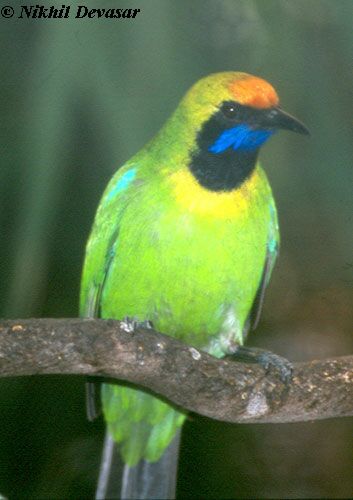
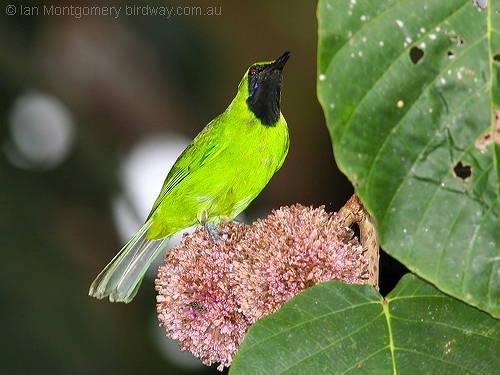
Golden-fronted Leafbird (Chloropsis aurifrons) by Nikhil Devasar

Golden-fronted Leafbird (Chloropsis aurifrons) by Nikhil Devasar

“The foundations of the wall of the city were adorned with all kinds of precious stones: the first foundation was jasper, …. the fifth sardonyx, the sixth sardius, the seventh chrysolite, the eighth beryl, the ninth topaz, the tenth chrysoprase, the eleventh jacinth, and the twelfth amethyst.” (Revelation 21:19a-20 NKJV)

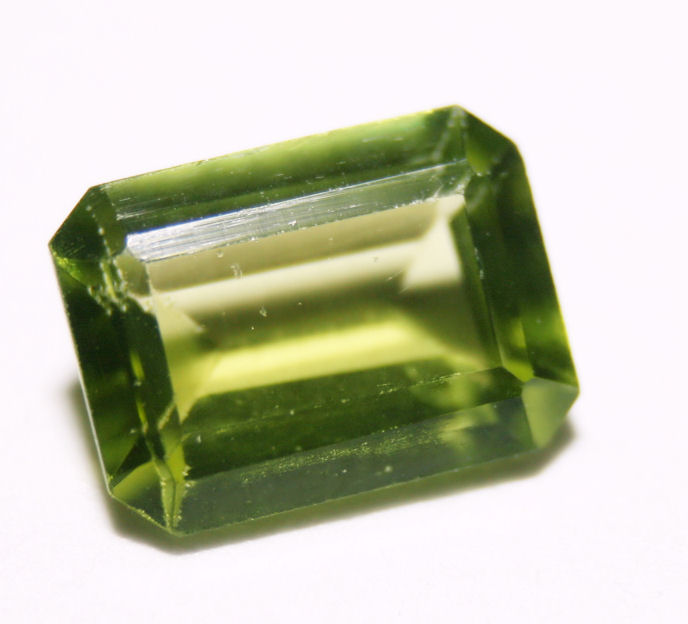
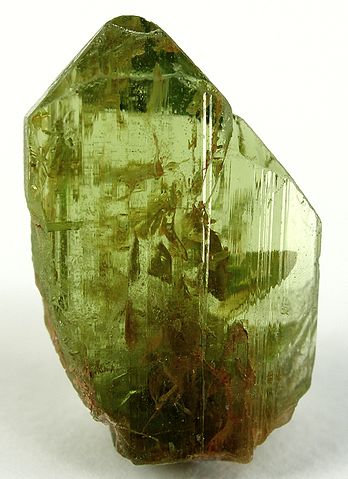
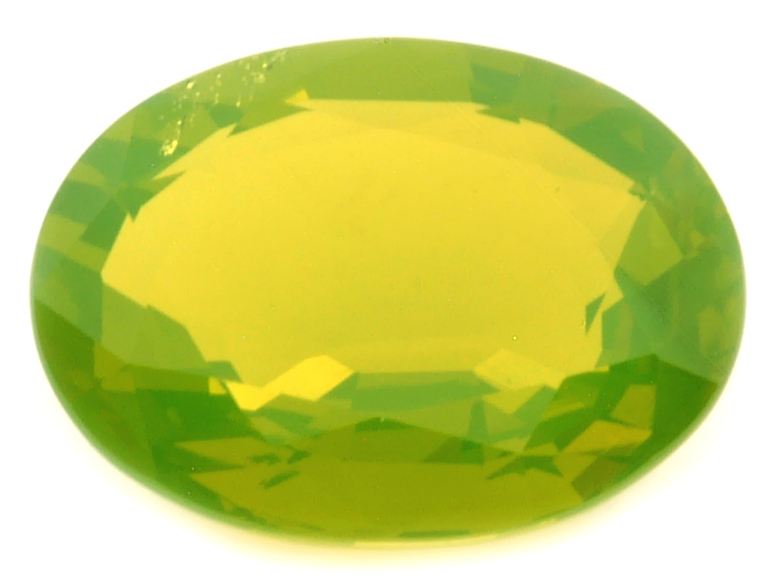
Olive Green Chrysolite ©WikiC

Chrysolite Forsterite-Olivine ©WikiC

Chrysolite is only mentioned one time in Scripture, here in Revelation 21:20.

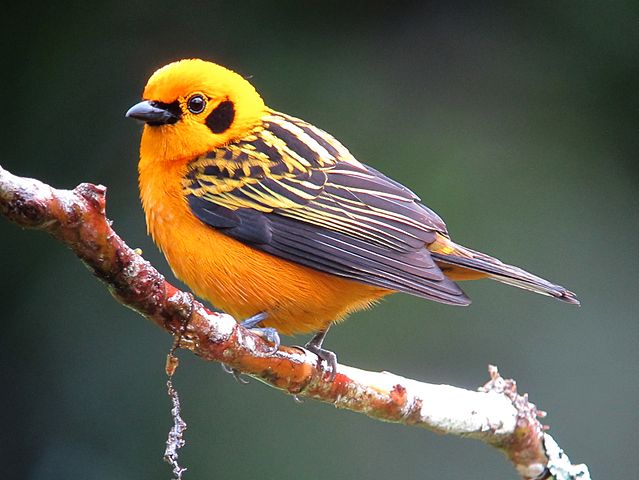
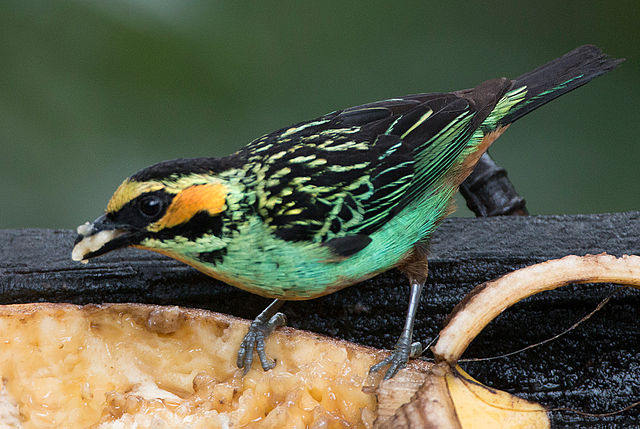
Golden Tanager (Tangara arthus) ©WikiC

Chrysolite – (“gold stone“.) The garniture of the seventh foundation of New Jerusalem. The modern topaz. [Fausset Bible Dictionary]

Chrysolite – Chrysolite. One of the precious stones in the foundation of the heavenly Jerusalem. Rev_21:20. It has been already stated, (see Beryl.), that the chrysolite of the ancients is identical with the modern oriental topaz, or the tarhish of the Hebrew Bible. [Smith Bible Dictionary]

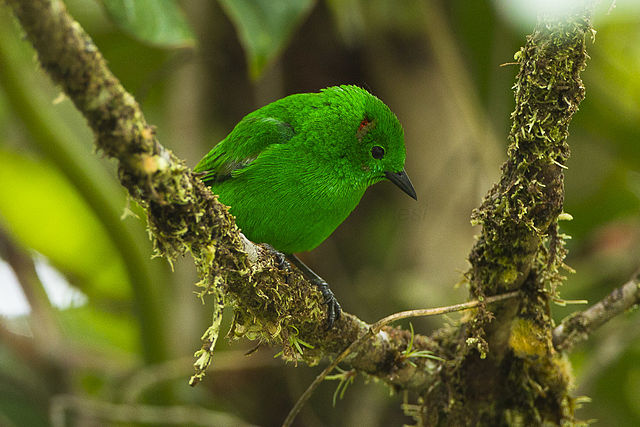
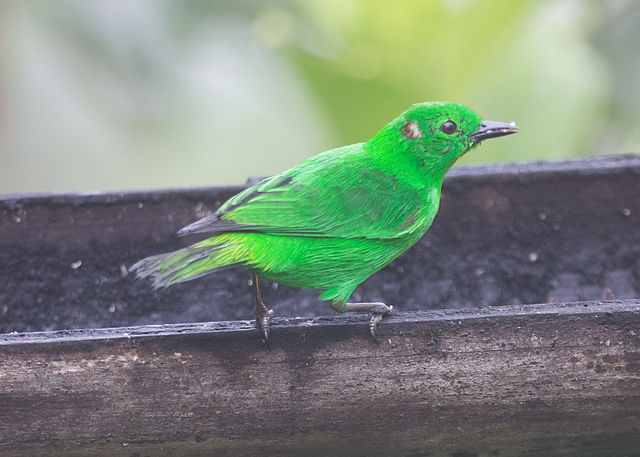
Glistening-green Tanager (Chlorochrysa phoenicotis) ©WikiC

Chrysolite – CHRYSOLITE, n. A mineral, called by Hauy and Brongniart, peridote and by Jameson, prismatic chrysolite. Its prevailing color is some shade of green. It is harder than glass, but less hard than quartz; often transparent, sometimes only translucent. It occurs sometimes in crystals, sometimes in small amorphous masses or grains, and sometimes in rolled pieces. [Webster Dict 1828]

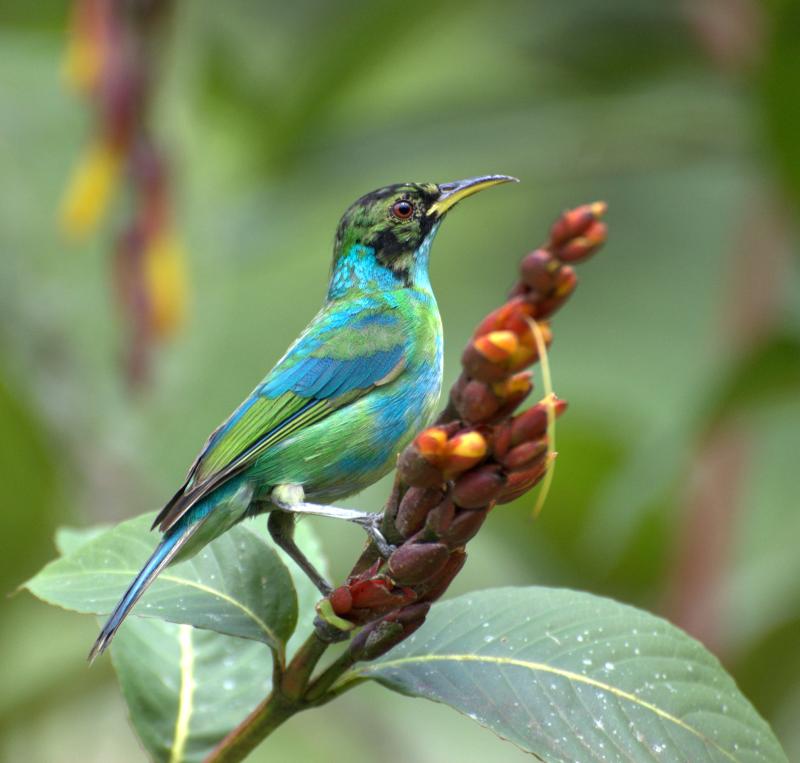
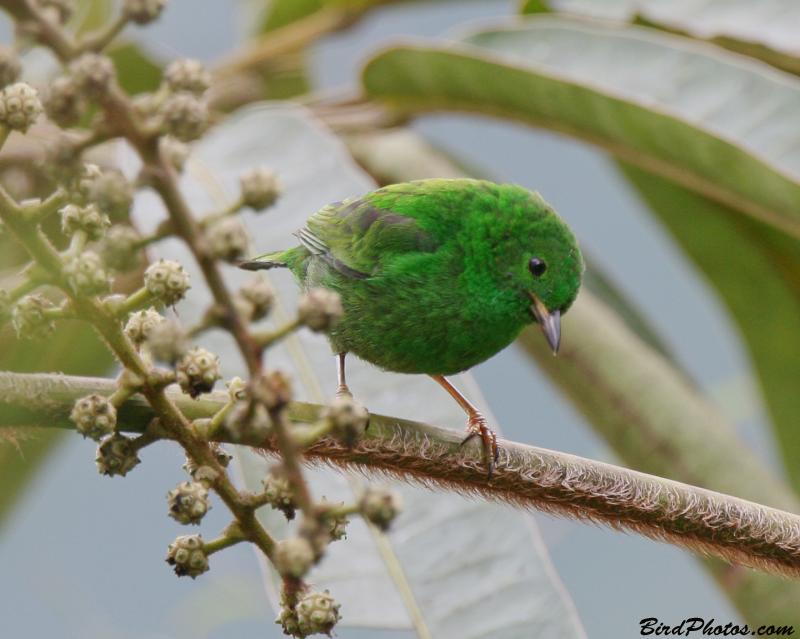
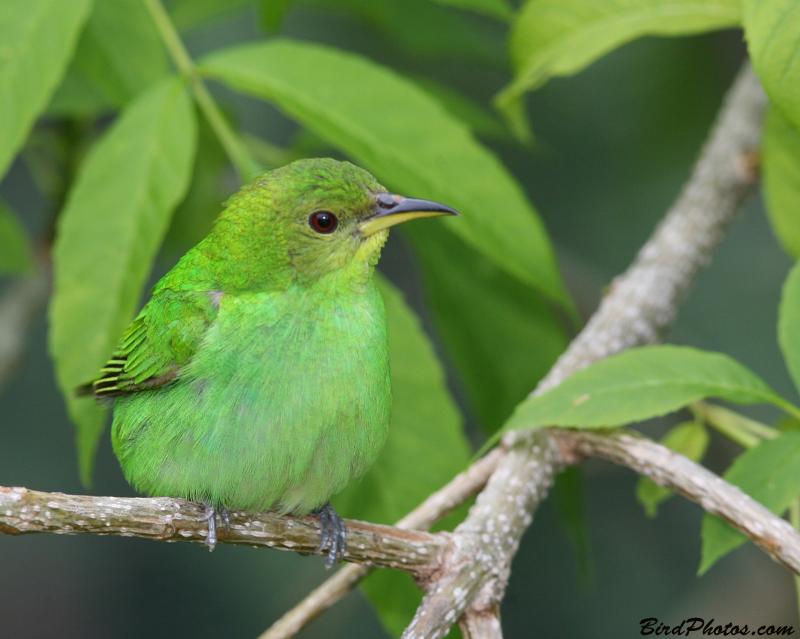
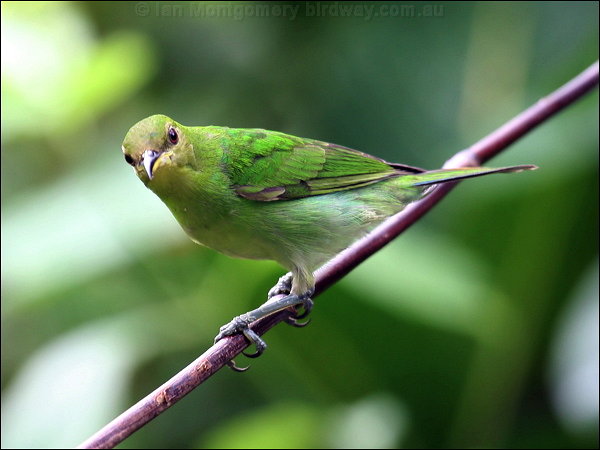
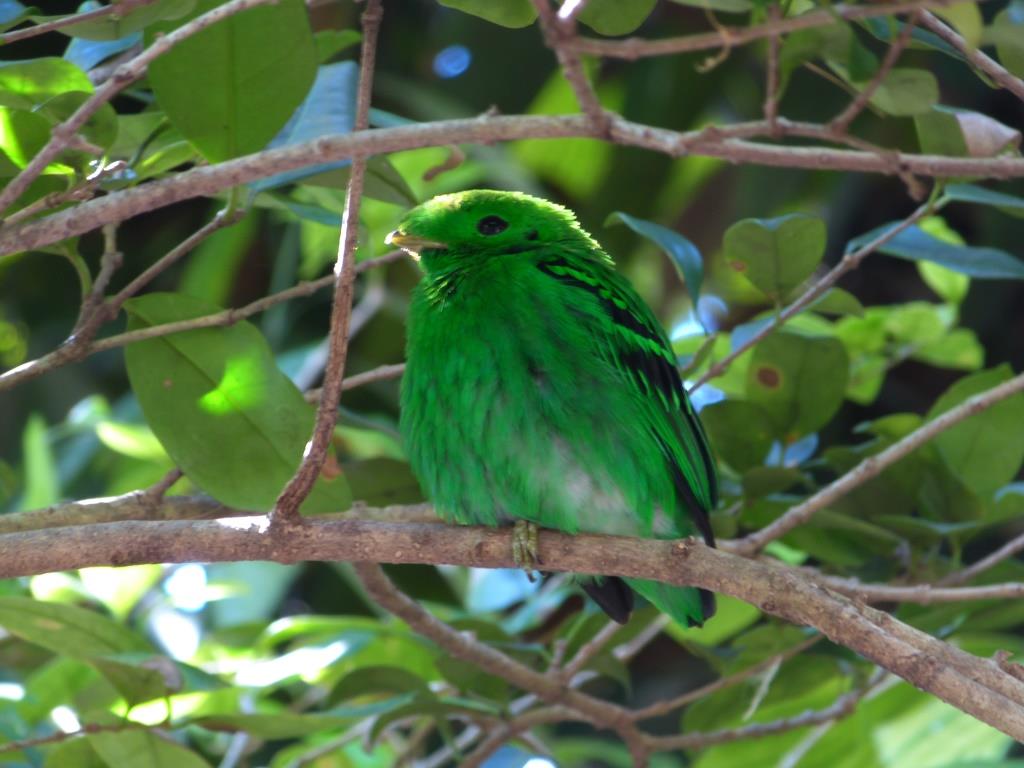
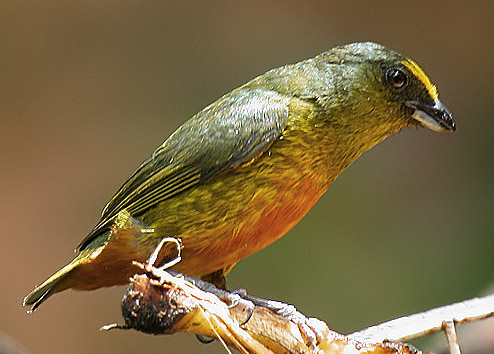
Green Honeycreeper (Chlorophanes spiza) Male Immature ©BirdPhotos.com

CHRYSOLITE, n. A mineral, called by Hauy and Brongniart, peridote and by Jameson, prismatic chrysolite. Its prevailing color is some shade of green. It is harder than glass, but less hard than quartz; often transparent, sometimes only translucent. It occurs sometimes in crystals, sometimes in small amorphous masses or grains, and sometimes in rolled pieces. [J. Vernon McGee]

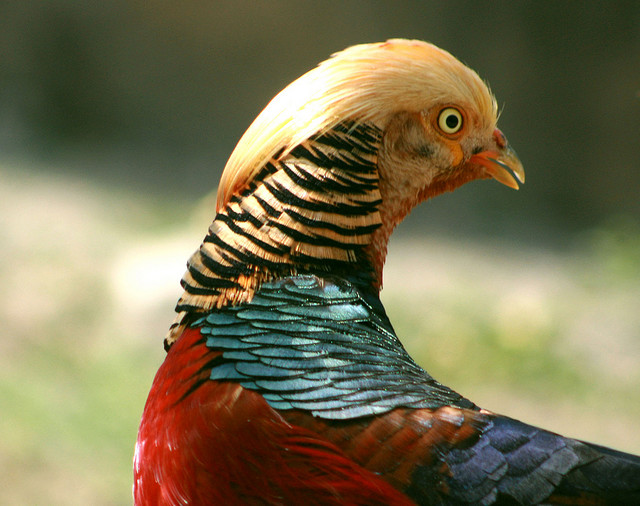
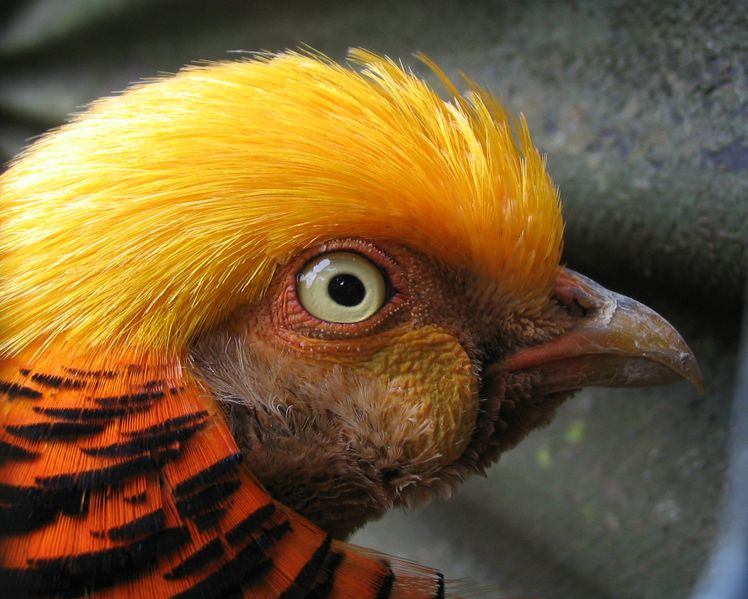
Golden Pheasant (Chrysolophus pictus) Male ©© NotMicroButSoft

Golden Pheasant (Chrysolophus pictus) Male ©© NotMicroButSoft

The seventh was chrysolite, a stone highly esteemed among the ancients, of a colour that was golden yellow. [Popular New Testament]

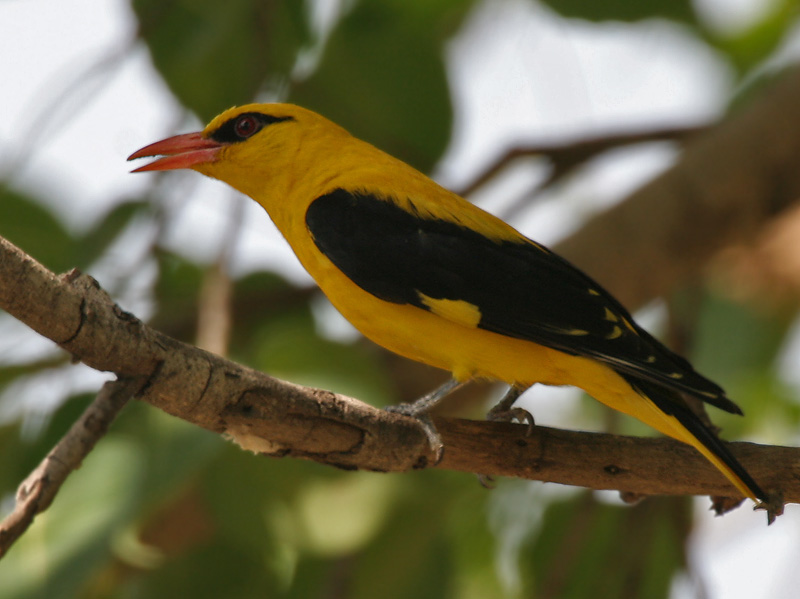
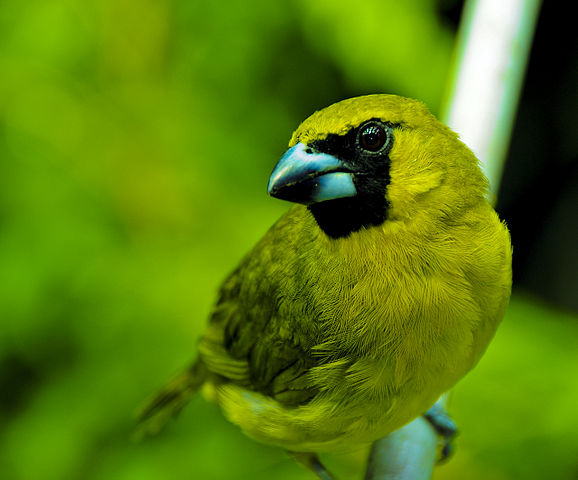
Looks like this time, the golden yellow, or Green birds, or a blend of the two colors will provides us with some of the beauty that will shine from the seventh foundational stone.

Articles in this Series so far:

What will you do with Jesus?

Heaven’s New Jerusalem and Birds – Emerald II

(This is a repost of Heaven’s New Jerusalem and Birds – Emerald. The series originally appeared in 2019. (With a little dusting and updating they will all be reposted in the coming days. Stay tuned.)

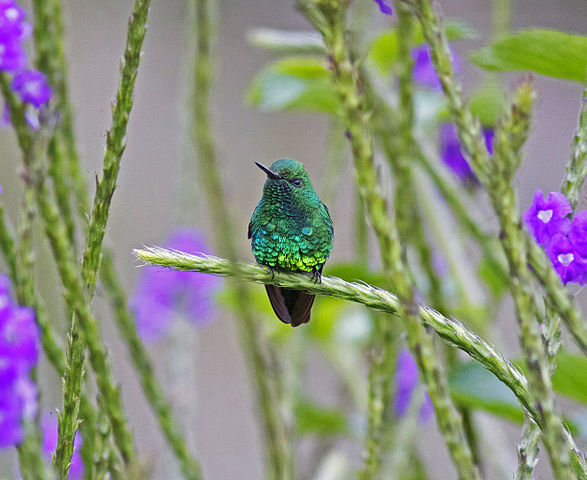
Garden Emerald (Chlorostilbon assimilis) ©WikiC

“And the foundations of the wall of the city were garnished with all manner of precious stones. The first foundation was jasper; the second, sapphire; the third, a chalcedony; the fourth, an emerald;” (Revelation 21:19 KJV)

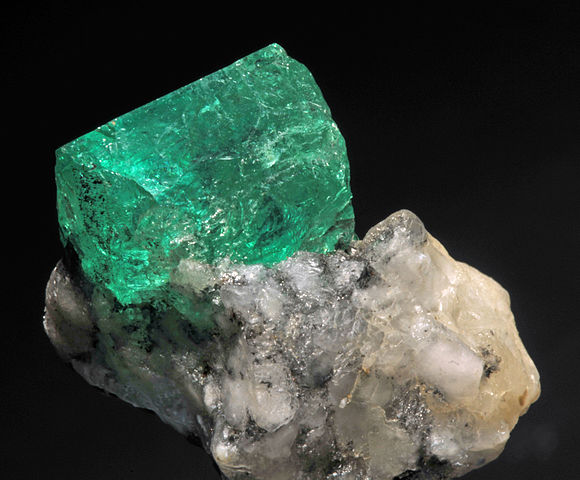
Emerald from (Muzo Mine Boyaca Colombie) ©WikiC

You know what? Checking through previous post about the Emerald stone, the article Avian and Attributes – Emerald explains this verse very well. It is being copied here again.

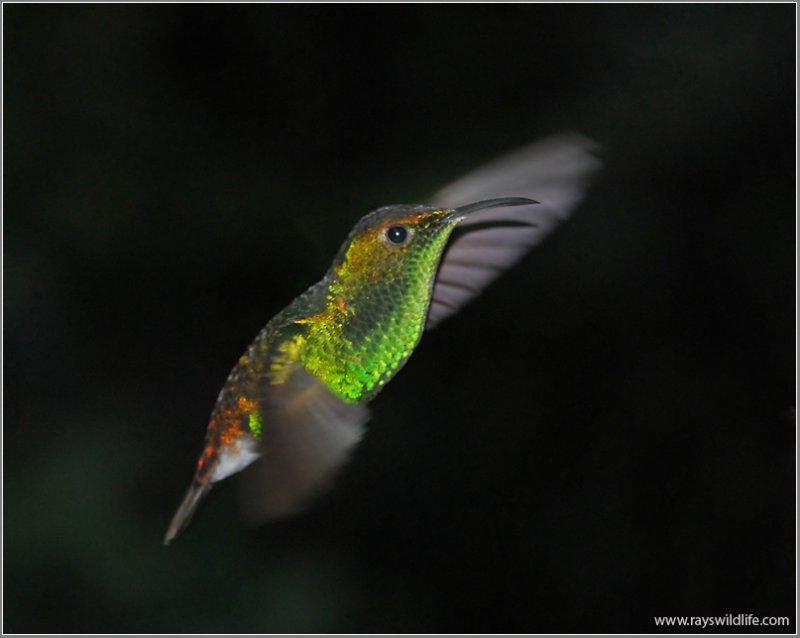
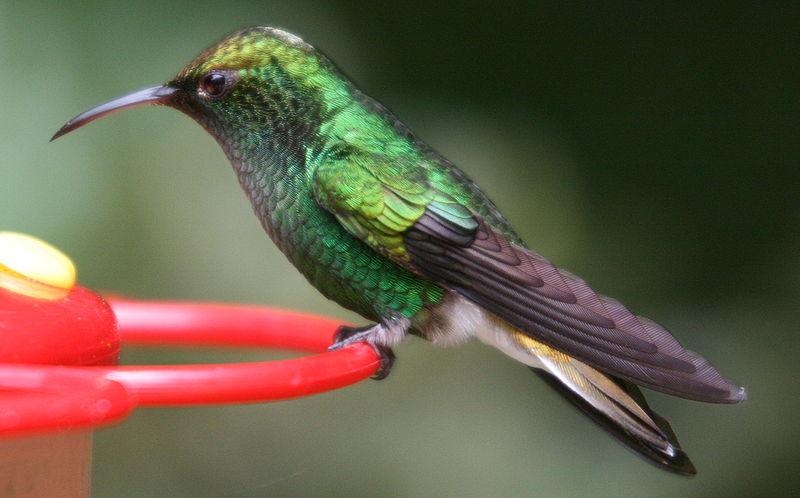
Coppery-headed Emerald by Ray

Coppery-headed Emerald by Ray

“And the foundations of the wall of the city were garnished with all manner of precious stones. The first foundation was jasper; the second, sapphire; the third, a chalcedony; the fourth, an emerald;” (Revelation 21:19 KJV)

“And he that sat was to look upon like a jasper and a sardine stone: and there was a rainbow round about the throne, in sight like unto an emerald.” (Revelation 4:3 KJV)


Avian and Attributes – Definition Name

EM’ERALD, n. [L. smaragdus.] A mineral and a precious stone, whose colors are a pure, lively green, varying to a pale, yellowish, bluish, or grass green. It is always crystallized, and almost always appears in regular, hexahedral prisms, more or less perfect, and sometimes slightly modified by truncations on the edges, or on the solid angles. It is a little harder than quartz, becomes electric by friction, is often transparent, sometimes only translucent, and before the blowpipe is fusible into a whitish enamel or glass. The finest emeralds have been found in Peru.
The subspecies of emerald are the precious emerald and the beryl. [Webster]

Emerald
Exodus 39:11 (c) This green stone represents praise, worship and adoration which begins now and lasts throughout eternity. Judah which means “praise” had his name graven on the emerald stone on the breastplate of the high priest.

Rev. 4:3 (c) This complete rainbow was given this color to typify the eternal character of GOD’s grace and the everlasting nature of GOD’s covenant of mercy. It was “green” to signify eternal praise. [Wilson’s Dictionary of Bible Types]


Emerald Tanager (Tangara florida) ©WikiC

Emerald Birds

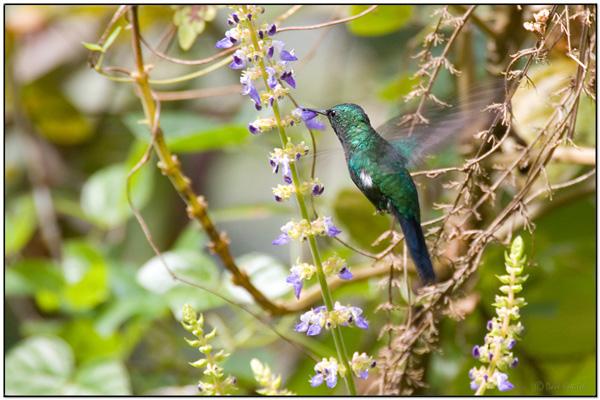
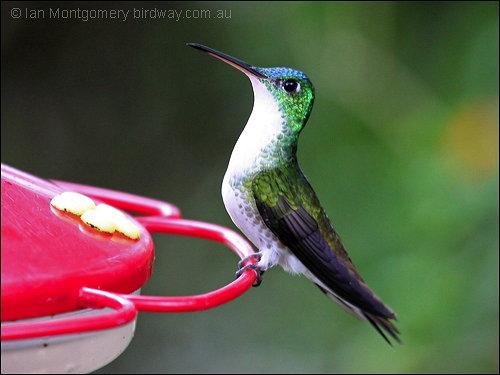
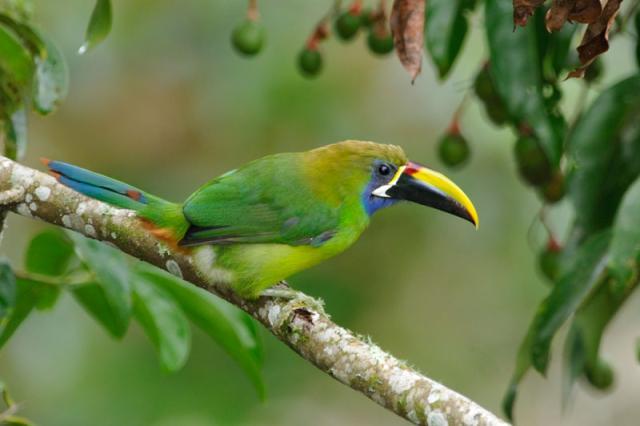
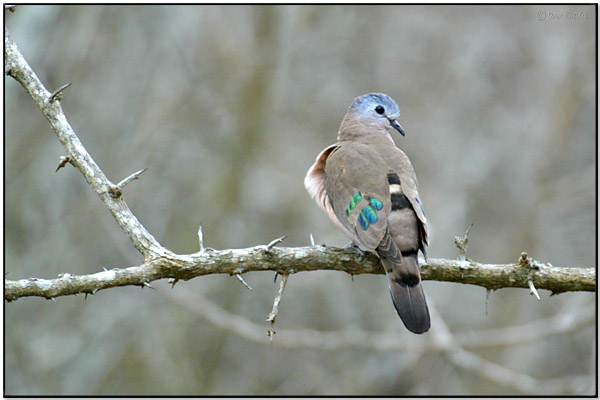
There are six birds that have a first name of Emerald: Emerald Starling, Emerald Tanager, Emerald Toucanet, Emerald-bellied Puffleg, Emerald-chinned Hummingbird, Emerald-spotted Wood Dove. There are also Hummingbird family members that are Emeralds.

“Happy is he that hath the God of Jacob for his help, whose hope is in the LORD his God: Which made heaven, and earth, the sea, and all that therein is: which keepeth truth for ever:” (Psalms 146:5-6 KJV)


*** Articles in this Series so far:

What will you do with Jesus?

Heaven’s New Jerusalem and Birds – Jacinth II

(This is a repost of Heaven’s New Jerusalem and Birds – Topaz. The series originally appeared in 2019. (With a little dusting and updating they will all be reposted in the coming days. Stay tuned.)

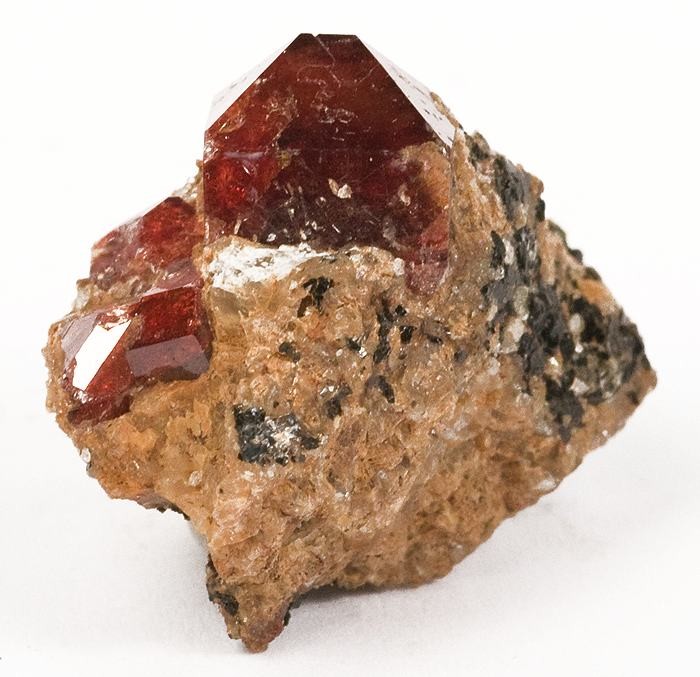
Jacinth ©WikiC

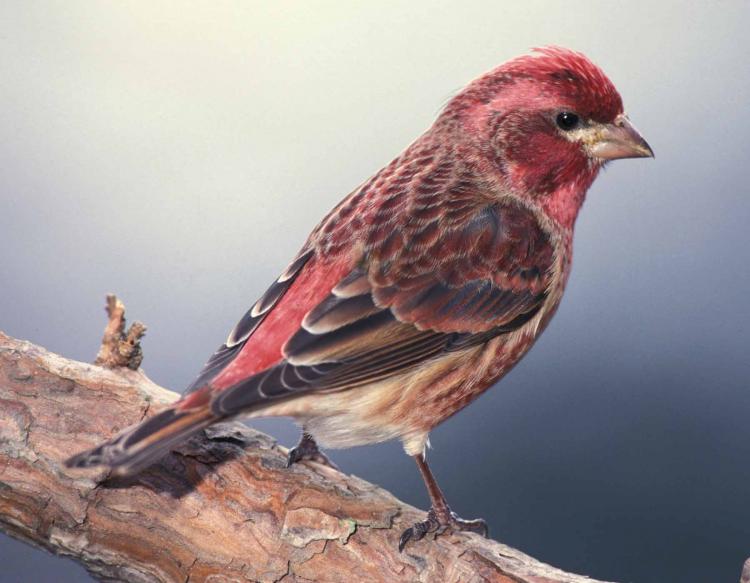
Purple Finch-male.photo-MoDept Conservation

“The foundations of the wall of the city were adorned with all kinds of precious stones: the first foundation was jasper, …. the fifth sardonyx, the sixth sardius, the seventh chrysolite, the eighth beryl, the ninth topaz, the tenth chrysoprase, the eleventh jacinth, and the twelfth amethyst.” (Revelation 21:19a-20 NKJV)


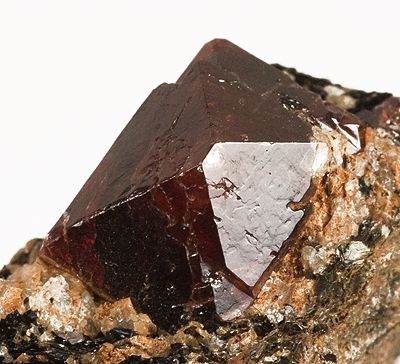
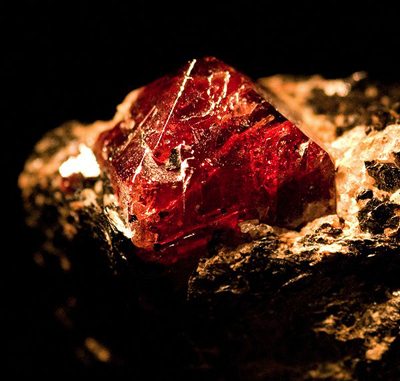
Jacinth from Pakistan ©WikiC

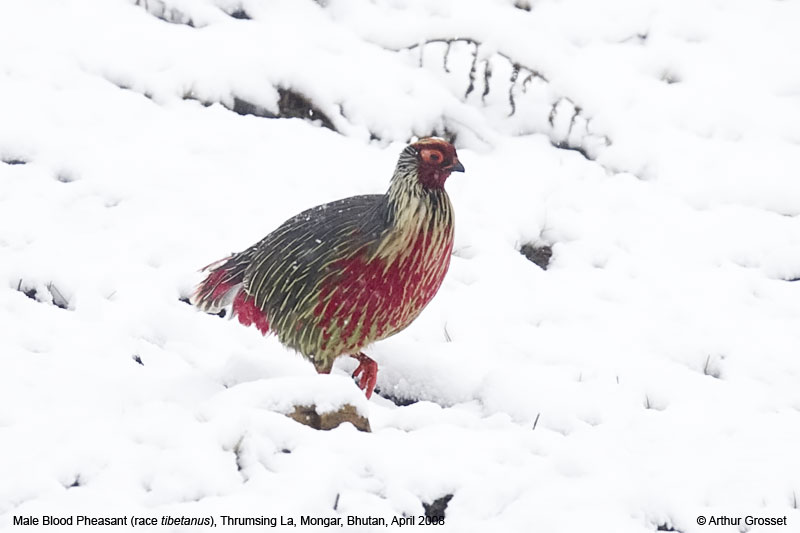
Blood Pheasant (Ithaginis cruentus) ©Arthur Grosset

Blood Pheasant (Ithaginis cruentus) ©Arthur Grosset

Jacinth. Today this stone is a transparent zircon, usually red or reddish-brown. The one John saw was blue or shining violet in color. [NKJV MacArthur Study Bible]

Jacinth from Pakistan ©WikiC

Red Pileated Finch (Coryphospingus cucullatus) ©WikiC

Jacinth – The word υακινθος, signifies hyacinth, and this, as a colour, is a deep purple. In Rev_9:17the horsemen had breastplates of fire, jacinth, and brimstone, which seem to imply flashes of coloured light. In Rev_21:20 the jacinth garnishes the eleventh foundation of the heavenly Jerusalem. It is supposed by some to be the same as the ligure. The Greek word occurs in the LXX in Ex 25:4 26:1 , &c., but is translated ‘blue.’ [Concise Bible Dictionary]

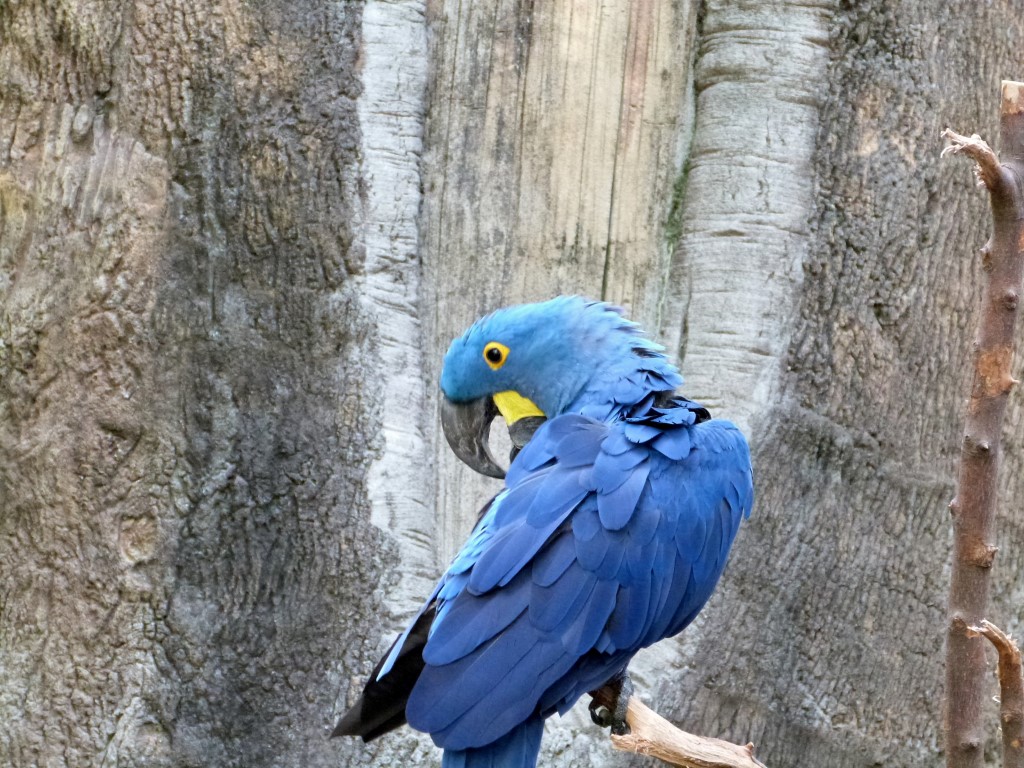
Hyacinth Macaw (Anodorhynchus hyacinthinus) Cincinnati Zoo 9-5-13 by Lee

Hyacinth Macaw (Anodorhynchus hyacinthinus) by Lee

Jacinth. A precious stone, forming one of the foundations of the walls of the new Jerusalem. Rev_21:20. Called hyacinth, in the Revised Version. This is simply a different English rendering of the same Greek original. It is probably identical with the lighure of Exo_28:19.
The jacinth or hyacinth is a red variety of zircon, which is found in square prisms of a white, gray, red, reddish-brown, yellow or pale-green color. The expression in Rev_9:17, “of jacinth,” is descriptive simply of a dark-purple color. [Smith Bible Dictionary]

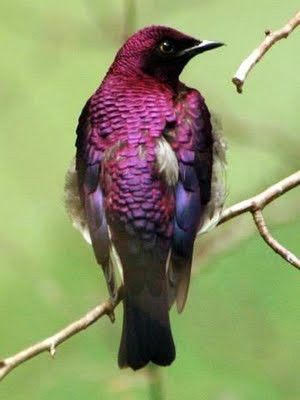
Purple Glossy Starling of Tanzania aka Purple Starling

Jacinth Properly a flower of a reddish blue or deep purple (hyacinth), and hence a precious stone of that colour… (Rev_21:20). [Easton Bible Dictionary]

Reddish Egret in a rural Pondshore at Summer Rekefest

Jacinth (Gr.: huakinthi)—its color is violet. It is the color of the hyacinth. Pliny gives the color as violet. [J. Vernon McGee]

Other Articles In This Series:

Wages or a Gift?


Heaven’s New Jerusalem and Birds – Beryl II

(This is a repost of Heaven’s New Jerusalem and Birds – Beryl. The series originally appeared in 2019. (With a little dusting and updating they will all be reposted in the coming days. Stay tuned.)

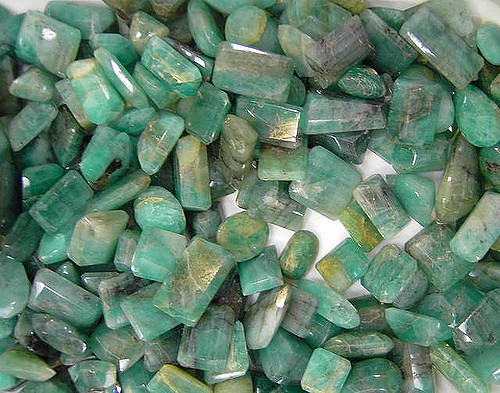
Rough Cut Beryl ©Flickr Amanda

“The foundations of the wall of the city were adorned with all kinds of precious stones: the first foundation was jasper, …. the fifth sardonyx, the sixth sardius, the seventh chrysolite, the eighth beryl, the ninth topaz, the tenth chrysoprase, the eleventh jacinth, and the twelfth amethyst.” (Revelation 21:19a-20 NKJV)

Three Colors of Beryl ©WikiC

BER’YL,n. [L.beryllus; Eng.brilliant.]
A mineral, considered by Cleaveland as a subspecies of Emerald. Its prevailing color is green of various shades,but always pale. Its crystals are usually longer and larger than those of the precious emerald, and its structure more distinctly foliated. It is harder than the apatite,with which it has been confounded; harder and less heavy than the pycnite. The best beryls are found in Brazil, in Siberia and Ceylon, and in Dauria, on the frontiers of China. They are found in many parts of the United States. [Webster Dictionary 1828]

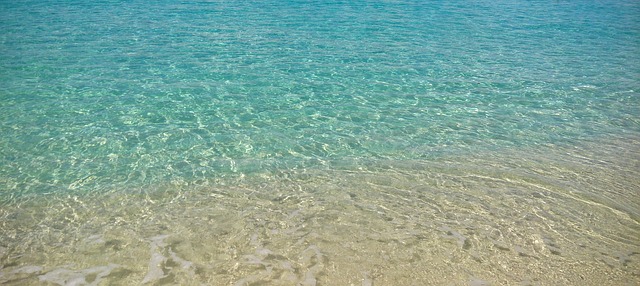
Water Summer Beach Sea Blue/green Ocean Nature ©Max Pixel

Beryl – berullos (G969), “beryl,” is a precious stone of a sea-green color, Rev_21:20 (cf. Exo_28:20). [Vine’s]

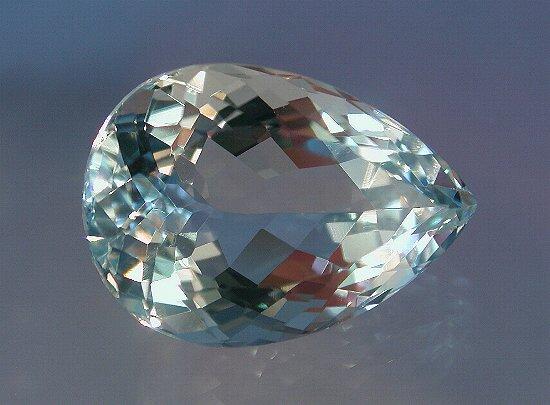
Faceted aquamarine ©WikiC

Beryl is a mineral of great hardness, and, when transparent, of much beauty. …probably the mineral now called beryl, which is identical with the emerald except in color, being a light green or bluish-green. [Smith’s Bible Dictionary]

Beryl ©WikiC

beryl — of a sea-green color. [Jamieson-Fausset-Brown]

I believe that most of these references are in agreement that the color is a light green, leaning toward “sea-green.” So, let’s see what birds we can find of that sort of color.

There are actually two birds with Beryl in their first names:

The Berylline Hummingbird (Amazilia beryllina),

Berylline Hummingbird (Amazilia beryllina) ©WikiC

Berylline Hummingbird (Amazilia beryllina) ©WikiC

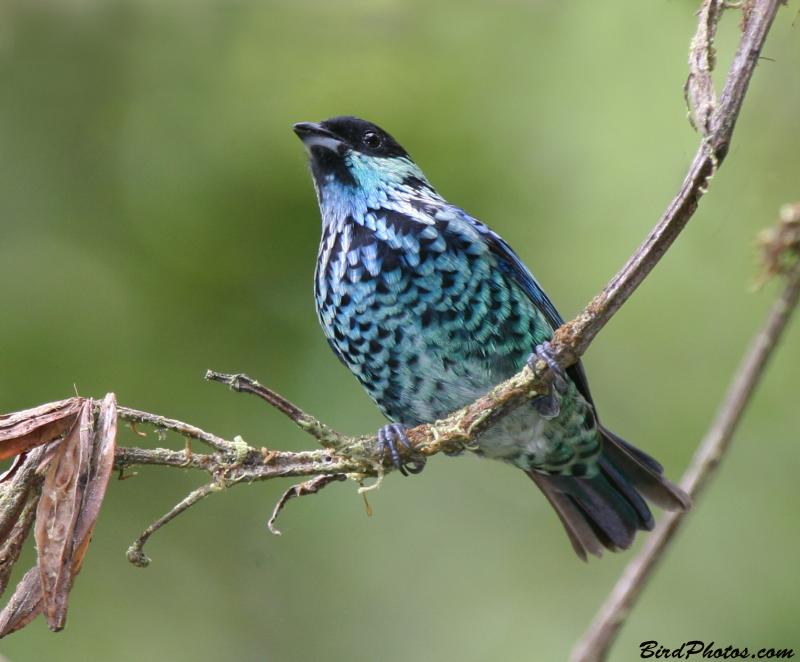
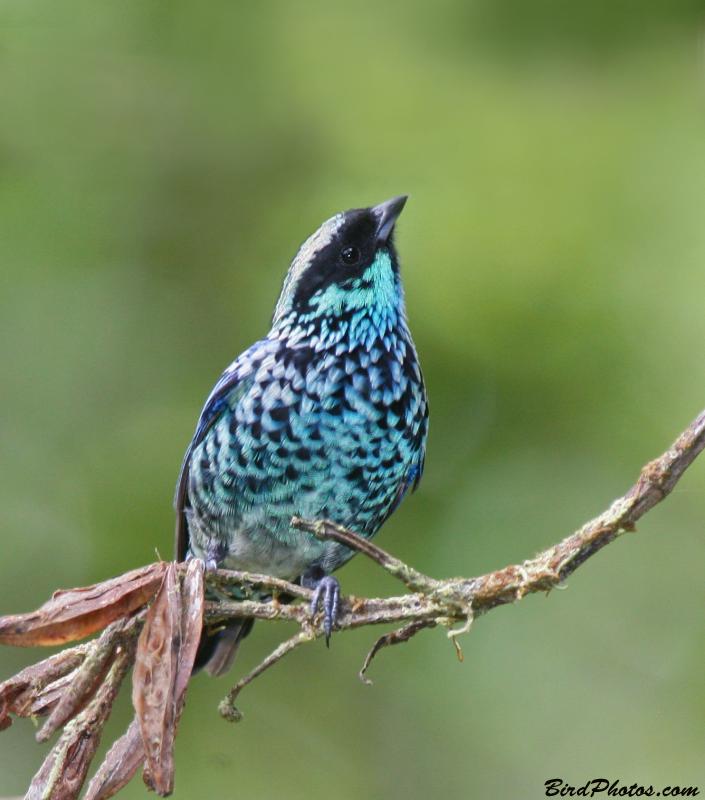
And the Beryl-spangled Tanager.

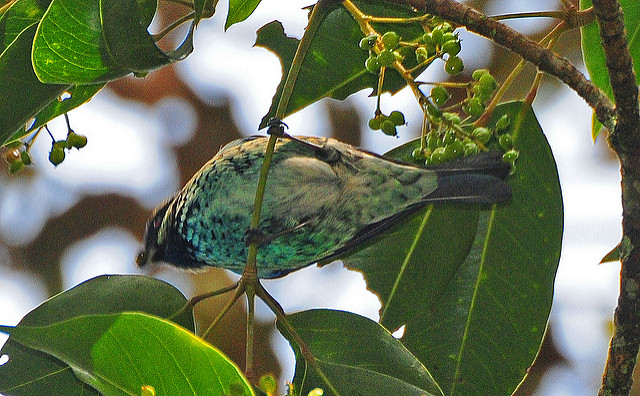
Beryl-spangled Tanager (Tangara nigroviridis cyanescens) ©BirdPhotos.com

Beryl-spangled Tanager (Tangara nigroviridis cyanescens) ©BirdPhotos.com

Or another shot from below the bird:

Beryl-spangled Tanager (Tangara nigroviridis) ©Flickr Oldenettel

Also, there is one bird that has beryl… in its scientific name. Now this one matches what I take a sea-green. Do you agree?

Sri Lanka Hanging Parrot (Loriculus beryllinus) ©WikiC

Articles in this Series so far:

Wordless Birds – With Hummingbirds


Heaven’s New Jerusalem and Birds – Sardonyx II

This is a repost of Heaven’s New Jerusalem and Birds – Sardonyx. The series originally appeared in 2019. (With a little dusting and updating they will all be reposted in the coming days. Stay tuned.)

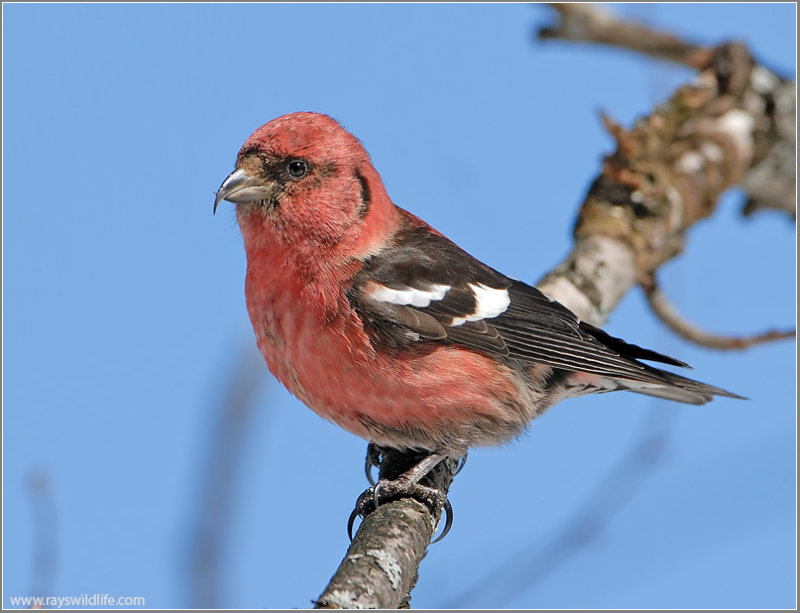
Two-barred Crossbill (Loxia leucoptera)(White-winged) by Raymond Barlow

Two-barred Crossbill (Loxia leucoptera)(White-winged) by Raymond Barlow

“The foundations of the wall of the city were adorned with all kinds of precious stones: the first foundation was jasper, …. the fifth sardonyx, the sixth sardius, the seventh chrysolite, the eighth beryl, the ninth topaz, the tenth chrysoprase, the eleventh jacinth, and the twelfth amethyst.” (Revelation 21:19a-20 NKJV)

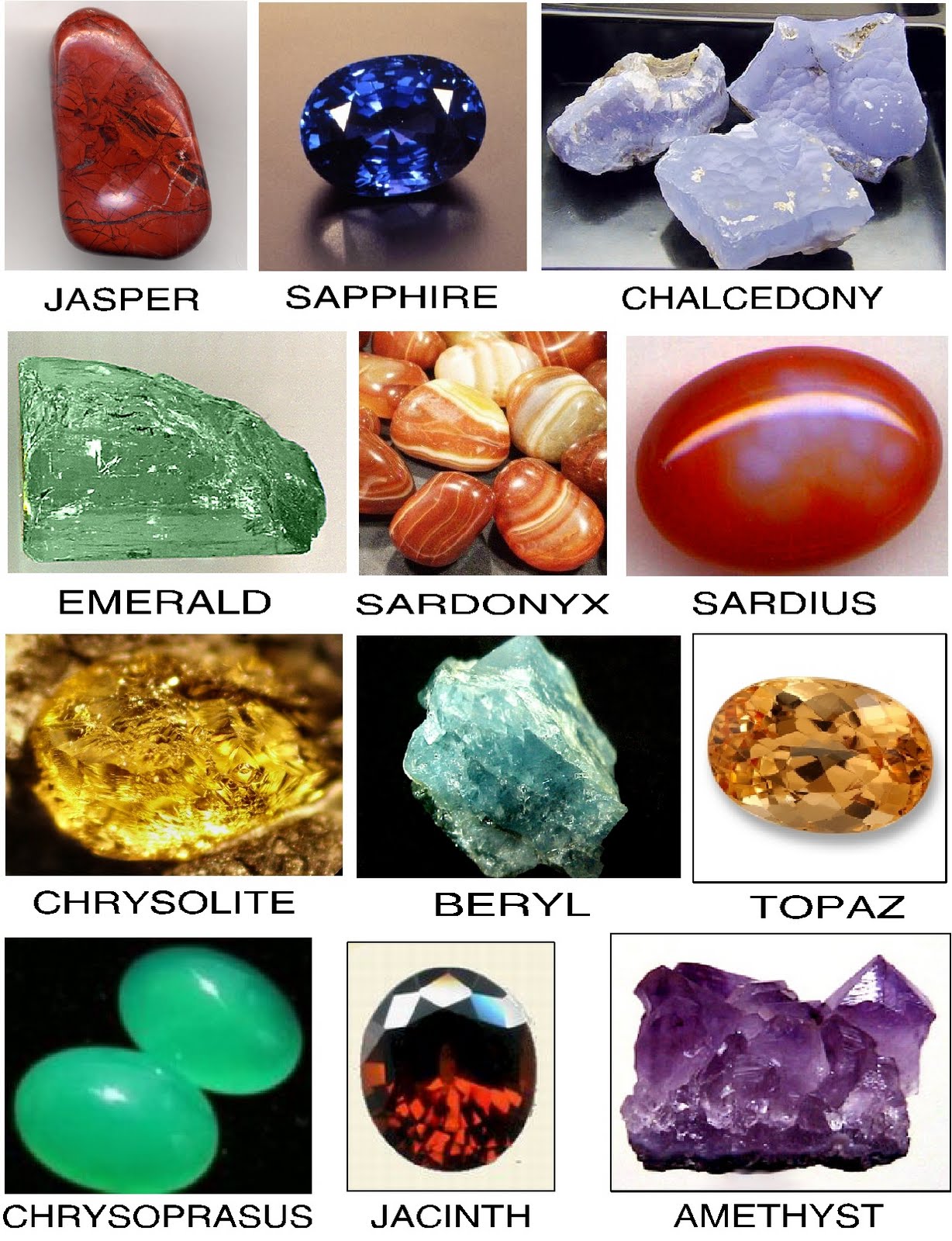
While searching for material on these foundation stones, this article caught my attention. It appears that Cindy had the same questions as we are trying to figure out. I believe her blog is inactive, but this is still posted. Precious Jewels by Cindy. She had this chart with 12 stones of the foundations.

12 Jewels Foundation New Jerusalem ©Sundayswithcindy

“Pretty impressive, isn’t it? Actually, it will exceed far beyond what our human minds can even conceive when we try to imagine the beauty and magnificence of that holy city. I Corinthians 2:9 tells us, “But as it is written, Eye hath not seen, nor ear heard, neither have entered into the heart of man, the things which God hath prepared for them that love him.”
*
My curiosity was up, though, when it came to those precious gemstones. What were their colors? How would they look all sandwiched together? I knew I could not begin to imagine the scope of its beauty, but at least I wanted to get some glimpse of what it might appear to be. I mean, we can try to imagine the pearly gates, and even the streets of pure gold although the Bible says the pure gold will be like transparent glass, but the foundation of all those beautifully colored jewels? Ahh—how lovely to have the world at our fingertips via the Internet! In a matter of seconds, my curiosity about the precious gemstones of the foundation was satisfied!” [Bolding added]
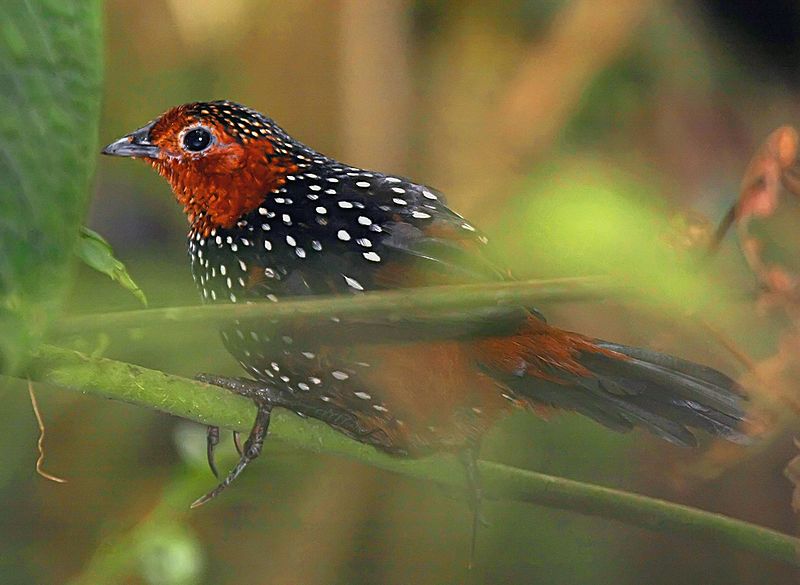
Ocellated Tapaculo (Acropternis orthonyx) ©WikiC

Through the rest of her article, she discovered what I am finding. Names of those stones are not the same today. So, if these birds aren’t a perfect match, please forgive us.
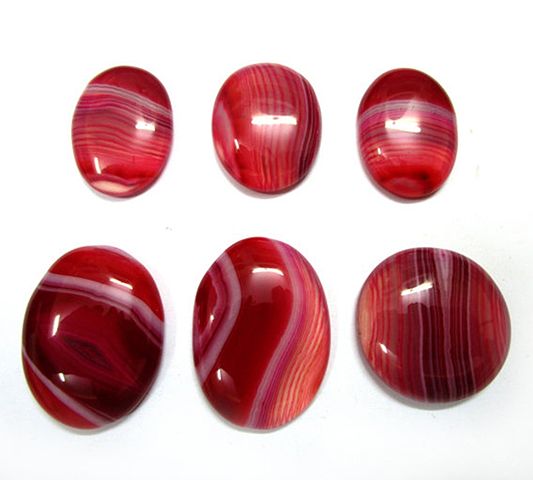
There are no birds with the name of “sardonyx” in it, but the two tones of red seems interesting enough to try to find some birds like that.  All the translations I searched have either Sardonyx or just Onyx. [There are a few birds with ONYX in their scientific name[

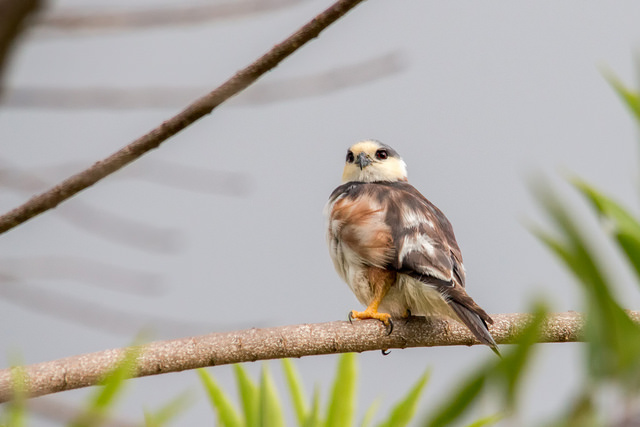
Pearl Kite (Gampsonyx swainsonii) ©Flickr Fernando Flores

Here are what some of the study Bibles and commentaries say:
NKJV MacArthur Study Bible – “ sardonyx. A variety of chalcedony with parallel layers of red and white”
KJ Study Bible Notes – ” sardonyx is red and white”
Jamieson-Fausset-Brown – “sardonyx — a gem having the redness of the cornelian, and the whiteness of the onyx.”
IBS – “Sardonyx – White stone with red layers.
John Gill – “The fifth, sardonyx,…. Which is partly of the sardian, and partly of the onyx stone, which resembles a man’s nail, from whence it has its name; it is reddish, bordering on white; it may be thought to answer to the onyx in the breastplate, on which was written the name of Joseph.”

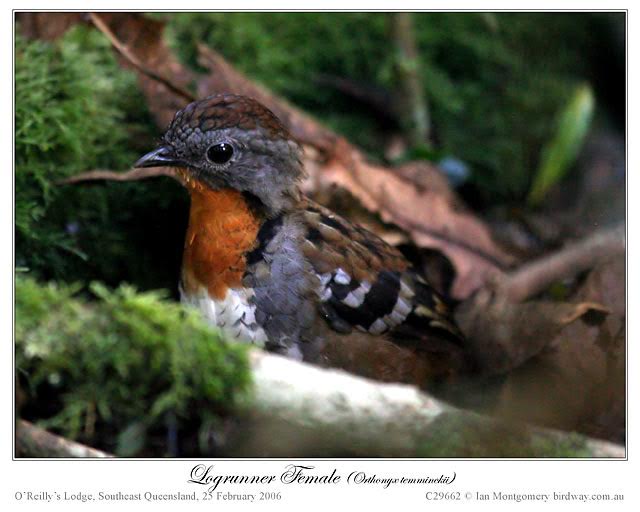
Australian Logrunner (Orthonyx temminckii) by Ian

So with all of these, looks like there must be some reddish and white birds around somewhere. Let’s see what we can find:

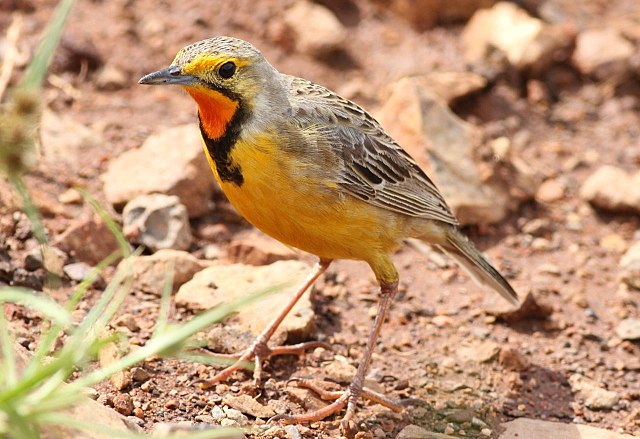
Cape Longclaw (Macronyx capensis) ©WikiC

I still haven’t found what I was hoping to find. This next bird is getting closer.

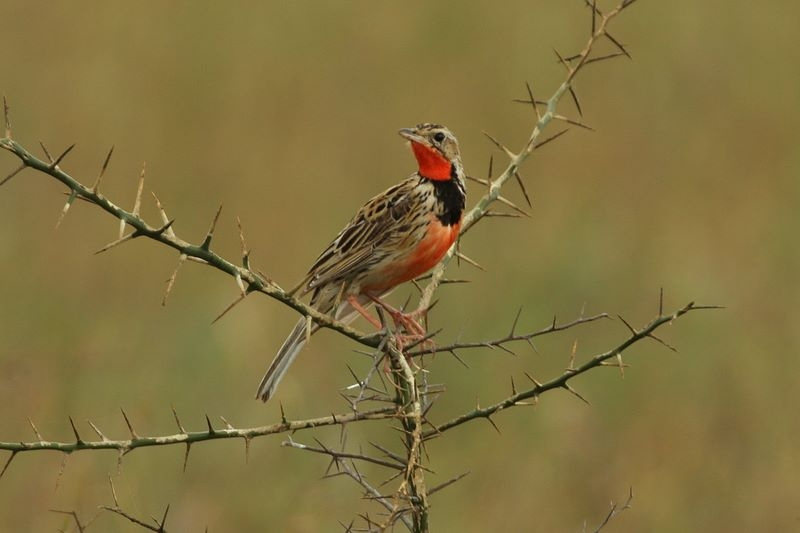
Rosy-throated Longclaw (Macronyx ameliae) ©WikiC

But this is the color of most sardonyx they show on the internet:

Red onyx – Handicraft ©WikiC

Have you seen any birds like that? Let me see what we have already shown here on the blog.

Red-throated Twinspot (Hypargos niveoguttatus) ©WikiC

None of these absolutely match our Sardonyx stone, but are they amazing Avian Wonders from their creator?

*** Articles in this Series so far:

Is There a God?

Heaven’s New Jerusalem and Birds – Chalcedony II

This is a repost of Heaven’s New Jerusalem and Birds – Chalcedony. The series originally appeared in 2019. (With a little dusting and updating they will all be reposted in the coming days. Stay tuned.)

Chalcedony (Variety Agate) Quartz ©WikiC

“And the foundations of the wall of the city were garnished with all manner of precious stones. The first foundation was jasper; the second, sapphire; the third, a chalcedony; the fourth, an emerald;” (Revelation 21:19 KJV)

The Chalcedony stone in the foundation of the New Jerusalem is really a challenge. I have consulted the internet and my Bible programs, e-Sword and Bible Gateway. Also searched the Latin or scientific terms for names even close to “Chalcedony.” Most to no avail as far as finding birds that have chalcedony or a derivative in their names.

As you will see from the quotes below, most seem to mention white (and milky), gray (grey), blue, or a pearly color. Let me see. Out of over 10,000 birds, surely, I can find a few to share with you.

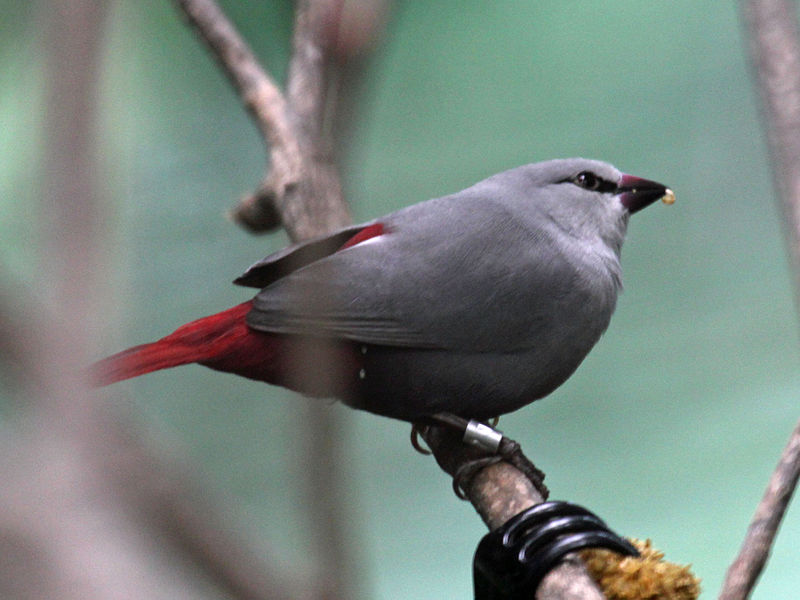
Lavender Waxbill (Estrilda caerulescens) ©WikiC

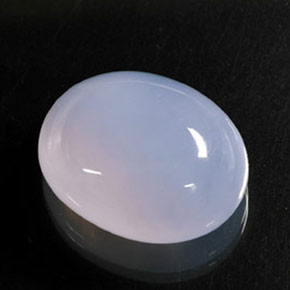
Lavendar Blue Chalcedony ©Mineral_net

THE GEMSTONE CHALCEDONY
“Chalcedony is the form of Quartz that is compact and microcrystalline. It occurs in many different forms, colors, and patterns, and many varieties have been used as gemstones since antiquity. In the gemstone trade, the term Chalcedony is often used specifically to describe the white, gray, or blue translucent type of Chalcedony, but its technical term includes all additional varieties.” [Minerals.net]

Chalcedony
“Rev_21:19. With it the third foundation of the wall of New Jerusalem is adorned. An agate-like quartz in modern mineralogy, of pearly luster and transparent, found in the Travascus mine in Cornwall. Cups, plates, knife handles, etc. are formed of it in India. Pliny makes it resemble turquoise; others make it of a light brown. The chalcedony of Theophrastus is called from Chalcedon in ancient Thrace, and was the copper emerald obtained from the mines there.” [Fausset’s Bible Dictionary, emphasis mine]

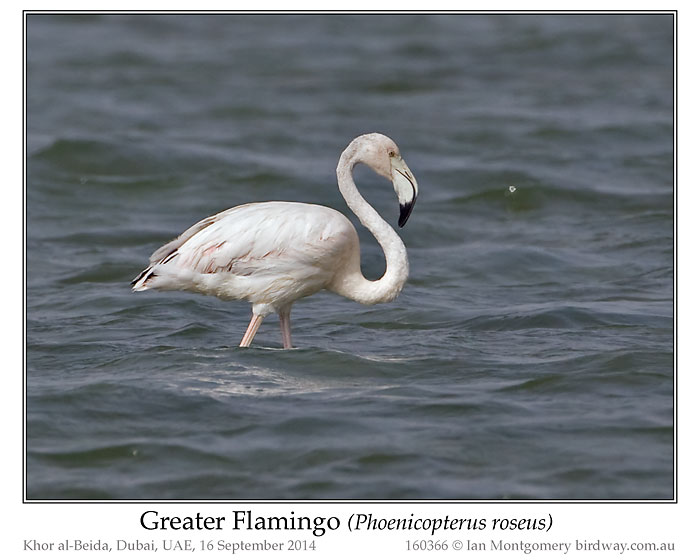
Greater Flamingo (Phoenicopterus roseus) by Ian

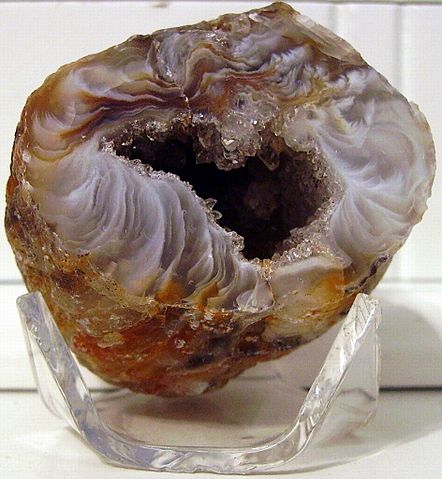
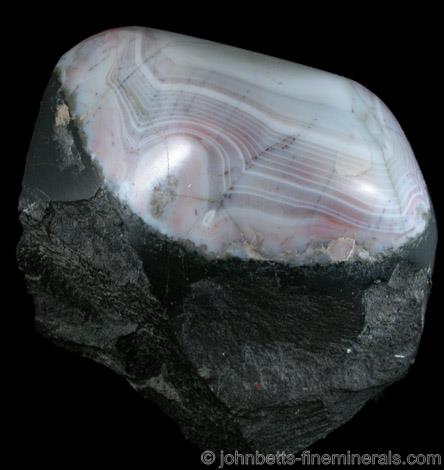
Polished Agate Portion ©Mineral.net

“Chalcedony. Chalcedony occurs only in Rev_21:19. The name is applied, in modern mineralogy, to one of the varieties of agate. It is generally translucent and exhibits a great variety of colors. So named because, it was found near the ancient Chalcedon, near Constantinople.” [Smith’s Bible Dictionary]

chalkedon (G5472), the name of a gem, including several varieties, one of which resembles a cornelian, is “supposed to denote a green silicate of copper found in the mines near Chalcedon” (Swete, on the Apocalypse), Rev_21:19.” [Vine’s]

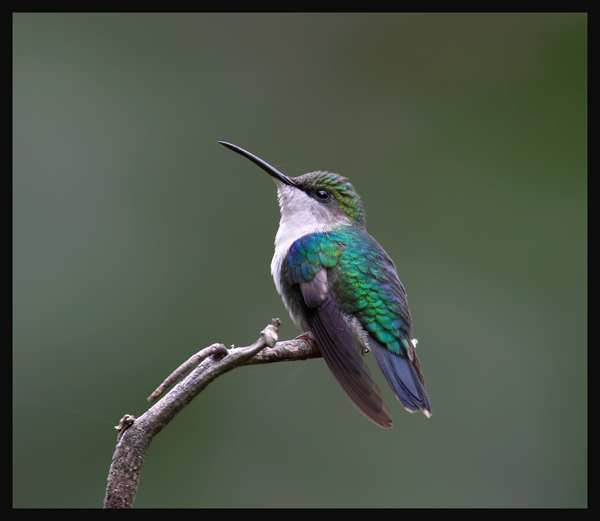
Crowned Woodnymph (Thalurania colombica) by RScanlon

Crowned Woodnymph (Thalurania colombica) by RScanlon

Chalcedony moss agate gem Mineral.net

“CHALCEDONY, n. A subspecies of quartz, a mineral called also white agate, resembling milk diluted with water, and more or less clouded or opake, with veins, circles and spots. It is used in jewelry.
The varieties of chalcedony are common chalcedony, heliotrope, chrysoprase, plasma, onyx, sard and sardonyx.” [Webster’s Dictionary 1828]

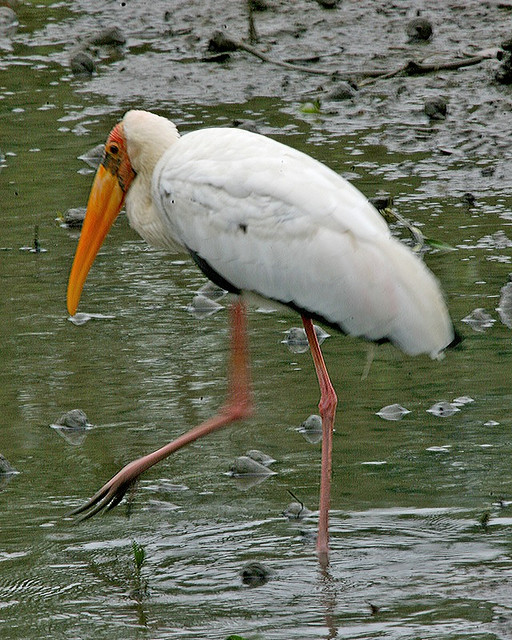
Milky Stork (Mycteria cinerea) ©©LipKee

Milky Stork (Mycteria cinerea) ©©LipKee

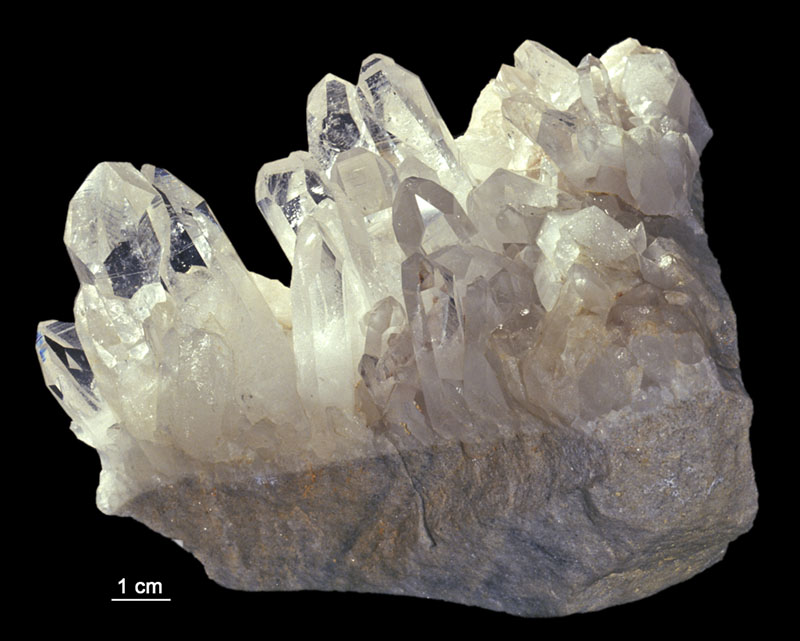
Quartz Article_Figure Milky Quartz ©IUBloomingtion

THE GEMSTONE CHALCEDONY
“Chalcedony is the form of Quartz that is compact and microcrystalline. It occurs in many different forms, colors, and patterns, and many varieties have been used as gemstones since antiquity. In the gemstone trade, the term Chalcedony is often used specifically to describe the white, gray, or blue translucent type of Chalcedony, but its technical term includes all additional varieties.” [Minerals.net]

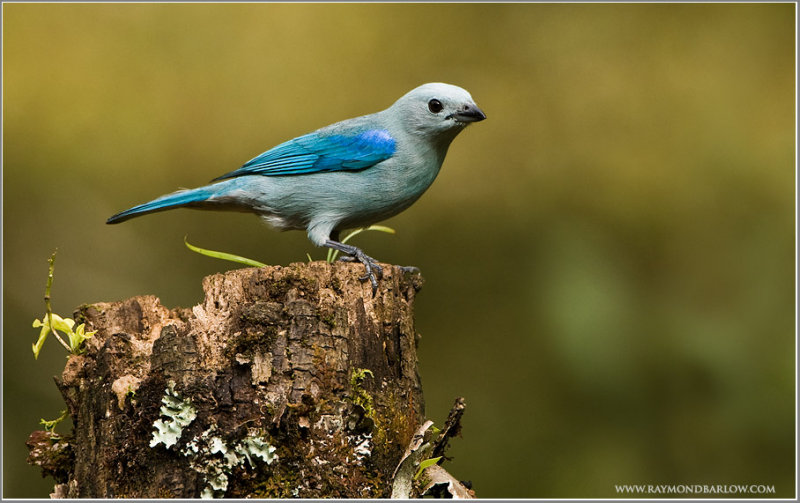
Blue-grey Tanager (Thraupis episcopus) by Raymond Barlow

Blue-grey Tanager (Thraupis episcopus) by Raymond Barlow

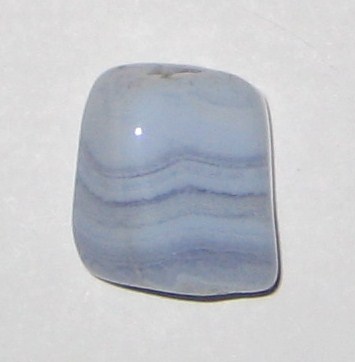
Agate – Blue Lace – Chalcedony – Nambia ©Stephanie Clifford

Chalcedony has a waxy luster and may be semitransparent or translucent. It can assume a wide range of colors, but those most commonly seen are white to gray, grayish-blue or a shade of brown ranging from pale to nearly black. The color of chalcedony sold commercially is often enhanced by dyeing or heating.” [Wikipedia – Chalcedony]

Whatever that third layer is going to look like, it will be spectacular!!!

“The first foundation was jasper; the second, sapphire; the third, a chalcedony; the fourth, an emerald;” (Revelation 21:19b KJV)


*** Articles in this Reposted Series so far:

Wordless Birds – With Hummingbirds

Heaven’s New Jerusalem and Birds – Sapphire II

This is a repost of Heaven’s New Jerusalem and Birds – Sapphire. This series originally appeared in 2019. (With a little dusting and updating they will all be reposted in the coming days. Stay tuned.)

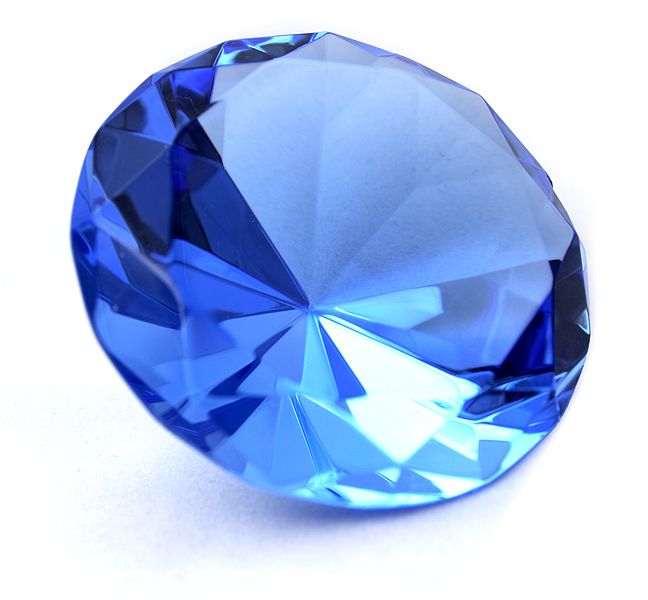
Sapphire Gem ©WikiC

“And the foundations of the wall of the city were garnished with all manner of precious stones. The first foundation was jasper; the second, sapphire; the third, a chalcedony; the fourth, an emerald;” (Revelation 21:19 KJV)

For now, the first stone – “Jasper,” is being skipped. I am still researching what is the color or colors of the Jasper stone. Some have it all over the color spectrum. Also, there is no bird with the name “Jasper” in it. (Heaven’s New Jerusalem and Birds – Jasper II)

The Sapphire is beautiful and is typically blue but varies. Sapphire is also the stone used to represent those born in September. Yeah, my birth month. “Sapphire is the birthstone for September and the gem of the 45th anniversary. A sapphire jubilee occurs after 65 years.” [Wikipedia]

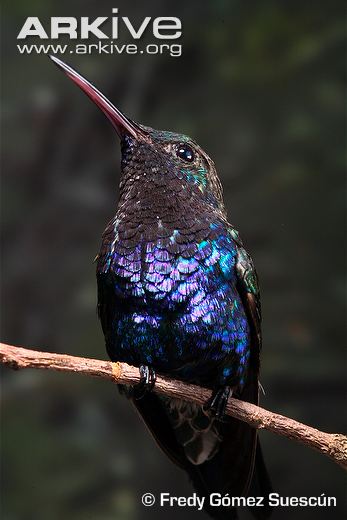
Sapphire-bellied-hummingbird-perched-on-branch ©ARKive

A rare variety of natural sapphire, known as color-change sapphire, exhibits different colors in different light. Color change sapphires are blue in outdoor light and purple under incandescent indoor light, or green to gray-green in daylight and pink to reddish-violet in incandescent light. Color change sapphires come from a variety of locations, including Thailand and Tanzania. The color-change effect is caused by the interaction of the sapphire, which absorbs specific wavelengths of light, and the light-source, whose spectral output varies depending upon the illuminant. Transition-metal impurities in the sapphire, such as chromium and vanadium, are responsible for the color change. [Wikipedia]

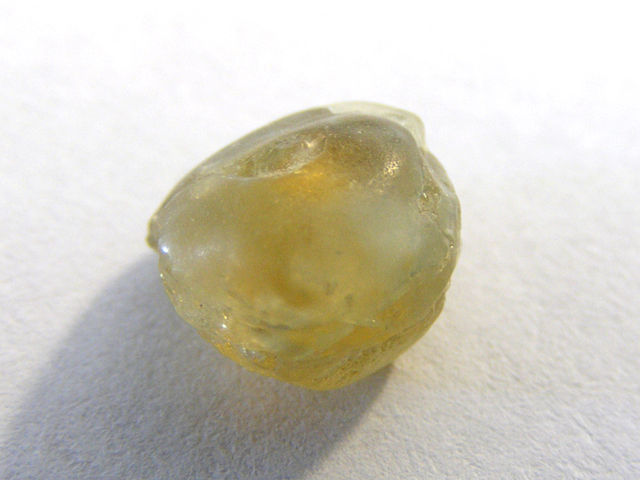
Uncut Yellow Sapphire ©Wikipedia

The sapphire is mentioned in nine verses in the King James version of the Bible.

“And they saw the God of Israel: and there was under his feet as it were a paved work of a sapphire stone, and as it were the body of heaven in his clearness.” (Exodus 24:10 KJV)

Sapphire Flycatcher (Ficedula sapphira) ©WikiC

“And the second row shall be an emerald, a sapphire, and a diamond.” [The breastplate of judgment] (Exodus 28:18 and 39:11 KJV)

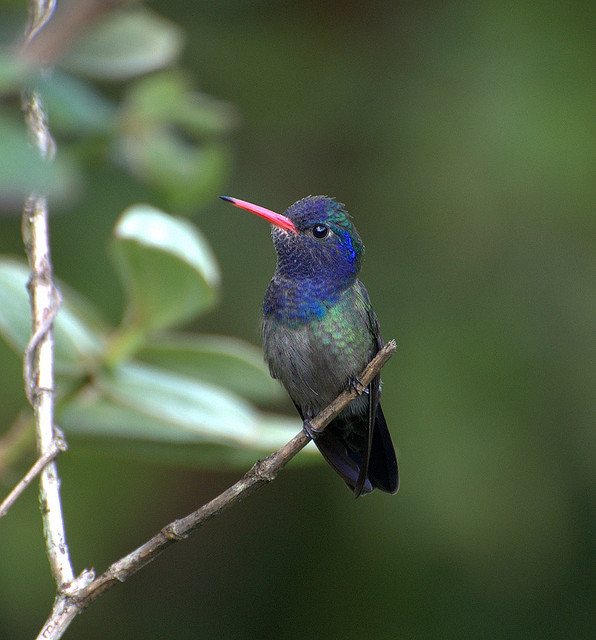
White-chinned Sapphire (Hylocharis cyanus) by Dario Sanches

“But where shall wisdom be found? and where is the place of understanding? Man knoweth not the price thereof; neither is it found in the land of the living. The depth saith, It is not in me: and the sea saith, It is not with me. It cannot be gotten for gold, neither shall silver be weighed for the price thereof. It cannot be valued with the gold of Ophir, with the precious onyx, or the sapphire.” (Job 28:12-16 KJV)
Unchanged:

Sapphire-spangled Emerald (Amazilia lactea) by Dario Sanches

“And above the firmament that was over their heads was the likeness of a throne, as the appearance of a sapphire stone: and upon the likeness of the throne was the likeness as the appearance of a man above upon it.” (Ezekiel 1:26 KJV)

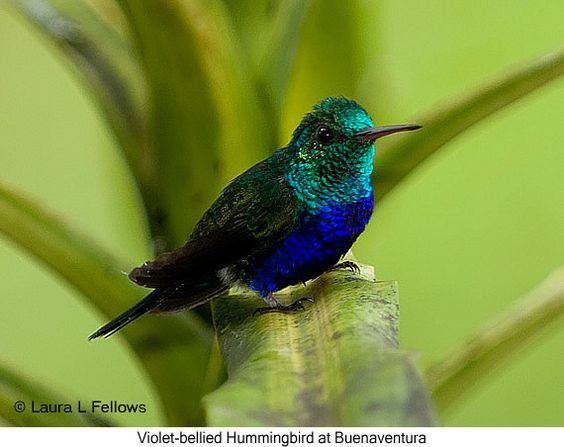
Sapphire-bellied Hummingbird ©LauraLFel

“Then I looked, and, behold, in the firmament that was above the head of the cherubims there appeared over them as it were a sapphire stone, as the appearance of the likeness of a throne.” (Ezekiel 10:1 KJV)

Blue-chinned Sapphire (Chlorestes notata) ©WikiC

“Thou hast been in Eden the garden of God; every precious stone was thy covering, the sardius, topaz, and the diamond, the beryl, the onyx, and the jasper, the sapphire, the emerald, and the carbuncle, and gold: the workmanship of thy tabrets and of thy pipes was prepared in thee in the day that thou wast created.” (Ezekiel 28:13 KJV)

Sapphire-vented Puffleg (Eriocnemis luciani) by Michael Woodruff

Sapphire-vented Puffleg (Eriocnemis luciani) by Michael Woodruff

I trust you enjoyed seeing some of the birds with Sapphire in their name as the various verses about sapphires were given.

Previous Blogs that used Verses with Sapphires in them:

*** Articles in this Repost Series II so far:

Wordless Birds – With Hummingbirds

Heaven’s New Jerusalem and Birds – Jasper II

This is a repost of Heaven’s New Jerusalem and Birds – Jasper. This series originally appeared in 2019. (With a little dusting and updating they will all be reposted in the coming days. Stay tuned.)

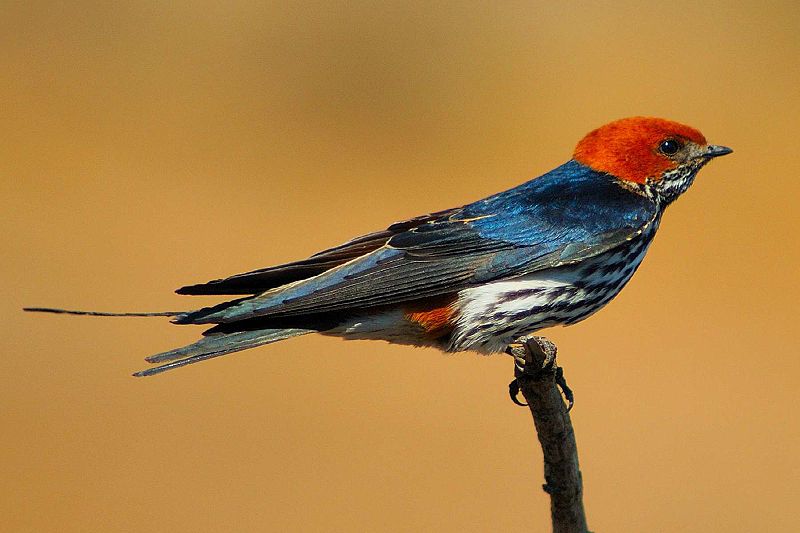
Lesser Striped Swallow (Cecropis abyssinica) ©WikiC

Lesser Striped Swallow (Cecropis abyssinica) ©WikiC

“And the foundations of the wall of the city were garnished with all manner of precious stones. The first foundation was jasper; the second, sapphire; the third, a chalcedony; the fourth, an emerald;” (KJV)

Hit a problem already. No Jasper named birds; first or last name. Now what? Most all the translations of Revelation 21:19 say that the first foundation was jasper or similar.

Tan and Cream Jasper – ©MineralNet

Here are a few exceptions from Bible Gateway’s list of versions:
the first foundation stone was diamond – CJB (Complete Jewish Bible)
“The first foundation was gray quartz” – GW, NOG (God’s Word & Names of God)
“The first stone was red jasper” – WE (Worldwide English)

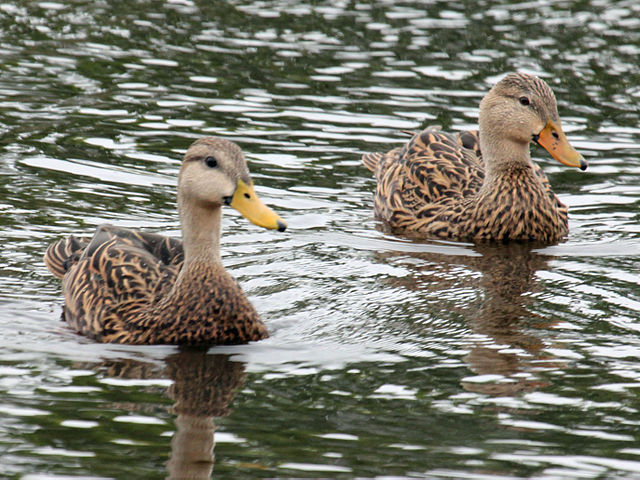
Mottled Duck (Anas fulvigula) Male and Female ©WikiC

From my e-Sword Program, here are more different translations:

(clVulgate)  Et fundamenta muri civitatis omni lapide pretioso ornata. Fundamentum primum, jaspis: secundum, sapphirus: tertium, calcedonius: quartum, smaragdus:

Vulgate fundamentum primum iaspis

KJV+ uses jasper; G2393

Translit+ uses iaspis G2393

G2393 is iaspiv iaspis

Rev_4:3 Rev_21:11 Rev_21:18-19

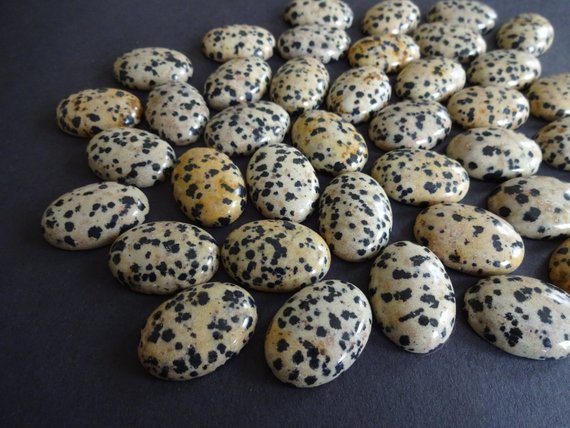
Spotted Jasper

Great Spotted Woodpecker (Dendrocopos major) ©WikiC

Looking at the Dictionaries, these clues from them:

Thayer gives G2393 this:

ἴασπις
iaspis
Thayer Definition:
1) jasper, a precious stone of various colours (for some are purple, others blue, others green, and others the colour of brass)
Part of Speech: noun feminine

NASEC [New American Exhaustive Commentary]

G2393
ἴασπις
iaspis; of Semitic or.; jasper (a translucent stone): – jasper (4).

Strong LXX

G2393
ἴασπις
iaspis
ee’-as-pis
Probably of foreign origin (see [H3471]); “jasper”, a gem: – jasper.

H3471
ישׁפה
yâshphêh
yaw-shef-ay’
From an unused root meaning to polish; a gem supposed to be jasper (from the resemblance in name): – jasper.

The best clues from all of these seems to be from Thayer and NASEC. “It appears to be: a translucent stone”, and “a precious stone of various colours (for some are purple, others blue, others green, and others the colour of brass).” That could describe thousands of birds.

“Having the glory of God: and her light was like unto a stone most precious, even like a jasper stone, clear as crystal;” (Revelation 21:11 KJV)

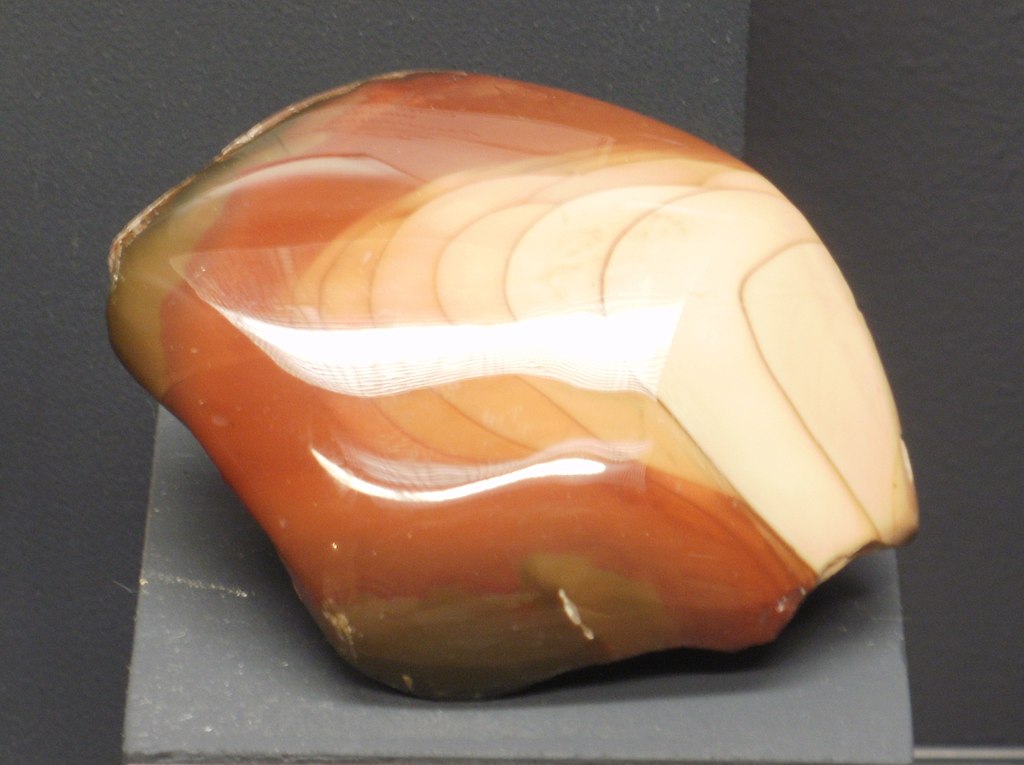
Kaleidoscope Jasper from Oregon ©WikiC

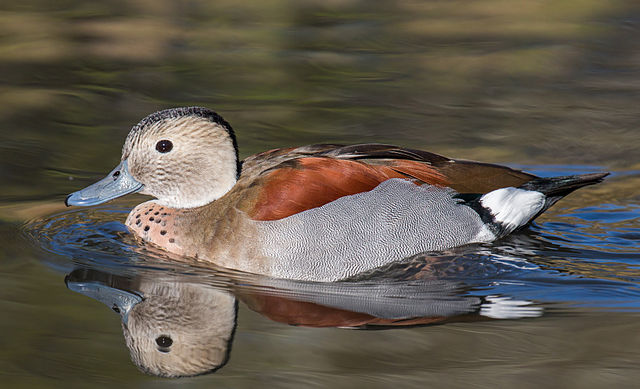
Ringed Teal (Callonetta leucophrys) ©WikiC

Which birds do I show? See the Dilemma? Could use just about any multicolored bird.

Looking on the internet, I found this: “THE GEMSTONE JASPER – Jasper is an opaque variety of Chalcedony, and is usually associated with brown, yellow, or reddish colors, but may be used to describe other opaque colors of Chalcedony such as dark or mottled green, orange, and black. Jasper is almost always multicolored, with unique color patterns and habits.

Bruneau Jasper Stone ©WikiC

The appeal of Jasper is its interesting color patterns and formations. Though it can be a solid color, it is most often mottled, spotted, ringed, or striped. Each Jasper has a unique color or pattern, lending this gemstone much variety. Jasper is an ancient gemstone, and is mentioned in the bible and other classical sources. Though fairly common and affordable today, Jasper in antiquity was regarded as a valuable stone. “[Minerals Net]

That quote makes one think of how we are to the Lord. We are often “mottled, spotted, ringed, or striped.” We are in need of the Savior because we are sinners, but each of us are valuable to the Lord. He gave His life for us on the cross. “For God so loved the world, that he gave his only begotten Son, that whosoever believeth in him should not perish, but have everlasting life. For God sent not his Son into the world to condemn the world; but that the world through him might be saved. He that believeth on him is not condemned: but he that believeth not is condemned already, because he hath not believed in the name of the only begotten Son of God. And this is the condemnation, that light is come into the world, and men loved darkness rather than light, because their deeds were evil.” (John 3:16-19 KJV)

*** Articles in this Repost Series 2024 so far:

  1. Heaven’s New Jerusalem and Birds – Introduction II
  2. Heaven’s New Jerusalem and Birds – Foundation Stones II

Previous Post About Precious Stones

Wordless Birds

Heaven’s New Jerusalem and Birds – Foundation Stones II

This is a repost of the original that appeared on (February 22, 2019)

Precious Stone

“O LORD, our Lord, How majestic is Your name in all the earth!” (Psalms 8:9 NASB)

Before matching the bird’s colors to the Foundation Stones, here are some facts and photos to help us understand the colors of the twelve foundations, if that is possible with our human minds. If the stones are this beautiful now, what will they be like in heaven?

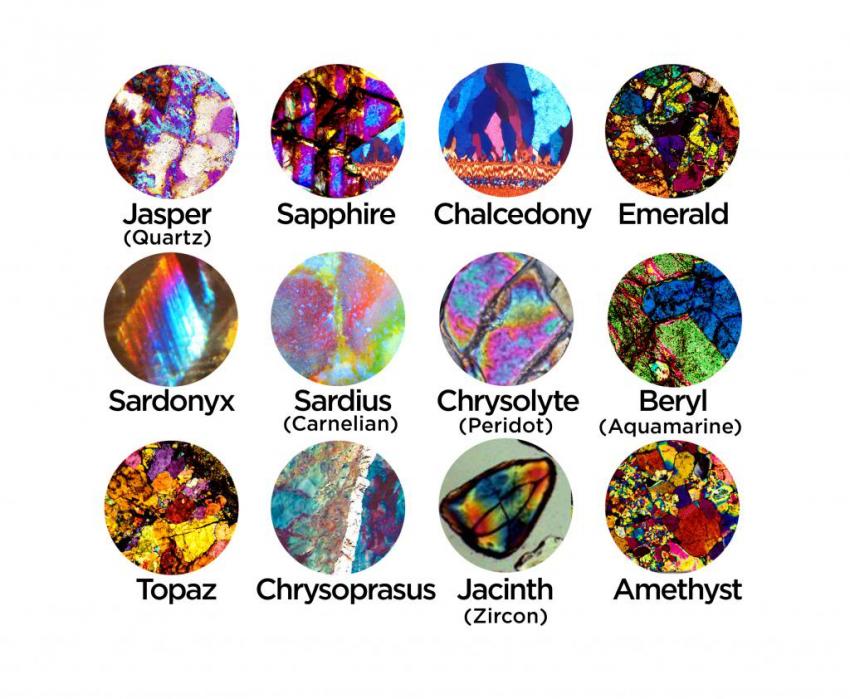
Very interesting article about The 12 Foundation Stones in New Jerusalem gives fact about these gems. “In the past century, it has been discovered that gems can be classified as either anisotropic or isotropic, and only recently have scientists discovered cross polarized light, which can be used to identify whether a gem is anisotropic or isotropic. When viewed in crossed-polarised light (similar to “pure” light), anisotropic stones produce a colourful array- reflecting all the colours of the rainbow, whereas isotropic stones lose all of their colour and appear black.”

There are some words in there that are new to me, like, anisotropic or isotropic, cross polarized light. Yet the next paragraph, is really informative:

“It’s interesting that, in Revelation chapter 21, there are 12 gems mentioned to be inlaid for decoration of the New Jerusalem, and ALL of these 12 gems are anisotropic gems, i.e., gems that can show colourful patterns under pure light…

Twelve Stones of Revelation 21 from Christian Evidence

We normally think of the colors of these stones as:

New Jerusalem Gemstones

It will be worth your time to read the article, especially, “What are the odds? The 12 Foundation Stones in New Jerusalem,

Here is a video showing the colors of these stones. [music can be muted]

“And the building of the wall of it was of jasper: and the city was pure gold, like unto clear glass. And the foundations of the wall of the city were garnished with all manner of precious stones. The first foundation was jasper; the second, sapphire; the third, a chalcedony; the fourth, an emerald; The fifth, sardonyx; the sixth, sardius; the seventh, chrysolite; the eighth, beryl; the ninth, a topaz; the tenth, a chrysoprasus; the eleventh, a jacinth; the twelfth, an amethyst.” (Revelation 21:18-20 KJV)

I am aware that the seven colors of the rainbow are not necessarily the order of the foundation, but this article is also worth reading:

The Colors of the Rainbow


Birds Of The Bible II – Introduction

The Birds of the Bible are why Lee’s Birdwatching Adventures Plus was started. Now, 16 years later, do you or I remember what was posted?

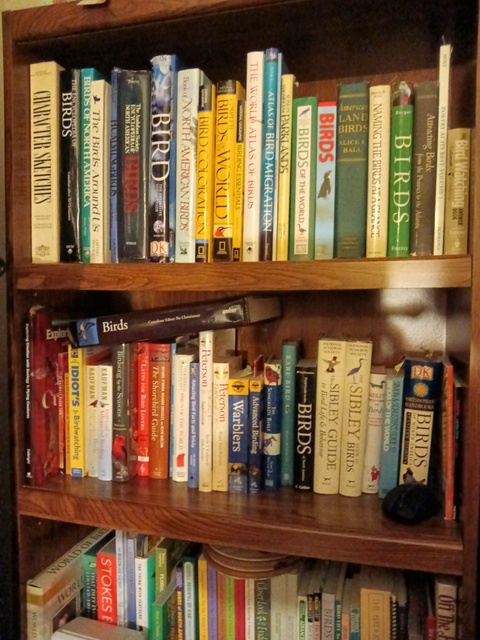
When we started this, we may have had one or two birdwatching books. Today, my bookshelves, at least three of them. have these books waiting on me to find new and interesting bird facts. I wonder what amazing information could be gleaned about God’s Creative Handiwork at work on the birds? Huh??

Bird Books in Library

We now have additional writers that would also be willing to contribute more articles. (I will invite them to join in this.)

When was the first bird created? (Genesis 1:20)

What day was that? (Genesis 1:23)

Who named the first birds? (Genesis 2:19)

What were the names of first bird species listed in the Bible? (Genesis 8:7, 8)

Did birds come from dinosaurs?

Do you know? Want to find out more? Leave me a comment. Stay tuned!

Birds of the Bible

Looking Back – Blog Anniversaries, and Why It Began

Good News