***

WASH ME
***
“Wash me throughly from mine iniquity, and cleanse me from my sin.” (Psalms 51:2 KJV)
Saffron Finch Zoo Miami by Dan
*
*
“Wash me throughly from mine iniquity, and cleanse me from my sin.” (Psalms 51:2 KJV)
Saffron Finch Zoo Miami by Dan
*
*
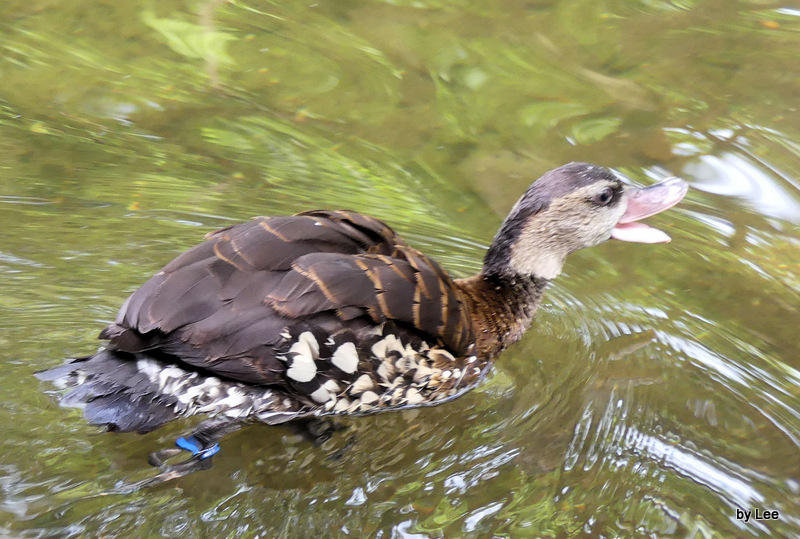
“That he might present it to himself a glorious church, not having spot, or wrinkle, or any such thing; but that it should be holy and without blemish.” (Ephesians 5:27)
Spotted Whistling Duck (Dendrocygna guttata) by Lee at Zoo Miami
We were at Zoo Miami last week and I was able to take this photo.
*
*
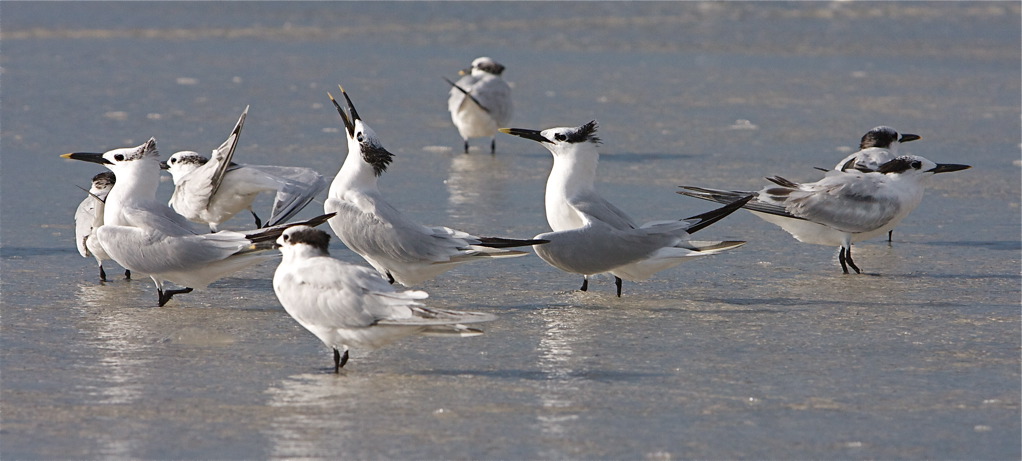
“The pastures are clothed with flocks; The valleys also are covered with grain; They shout for joy, they also sing.” (Psalms 65:13)
Sandwich Tern Singing (calling) By Mike Bader
*
*
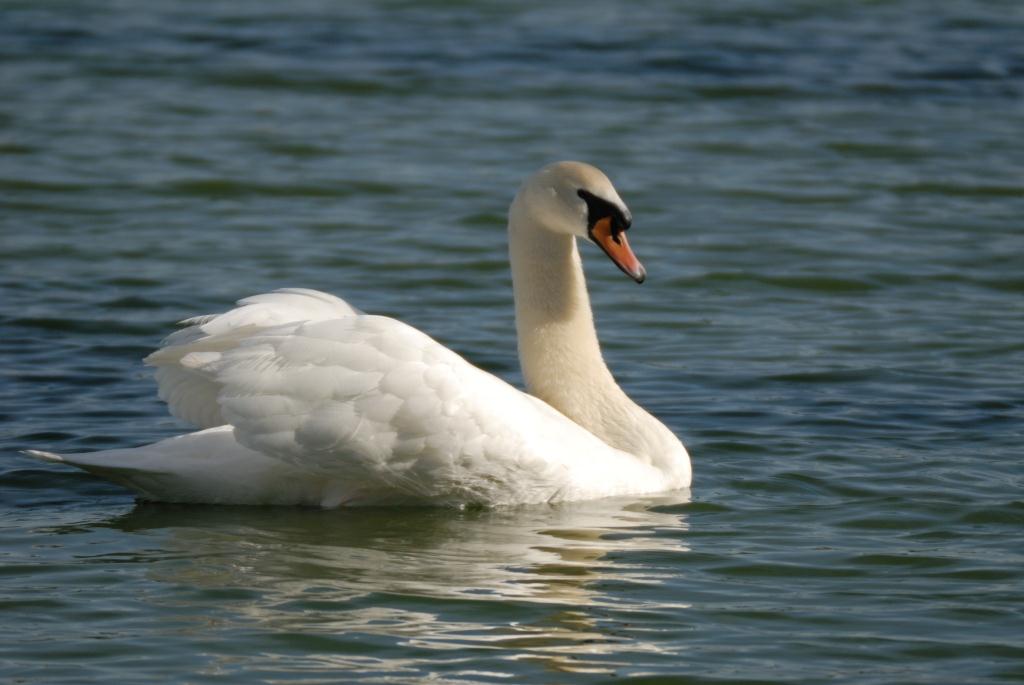
Mute Swan (Cygnus olor) by Dan
“And the swan, and the pelican, and the gier eagle,” (Leviticus 11:18)
As we continue in the Anatidae Family of Ducks, Geese and Swans, this week we will introduce you to four genera. The Branta, the Anser, and the Coscorba genera are made up of Geese. The Cygnus genus are Swans.
Anserinae is a subfamily of swans and geese (three to seven extant genera with 25–30 living species, mainly cool temperate Northern Hemisphere, but also some Southern Hemisphere species, with the swans in one genus, and the geese in three genera. Some other species are sometimes placed herein, but seem somewhat more distinct.
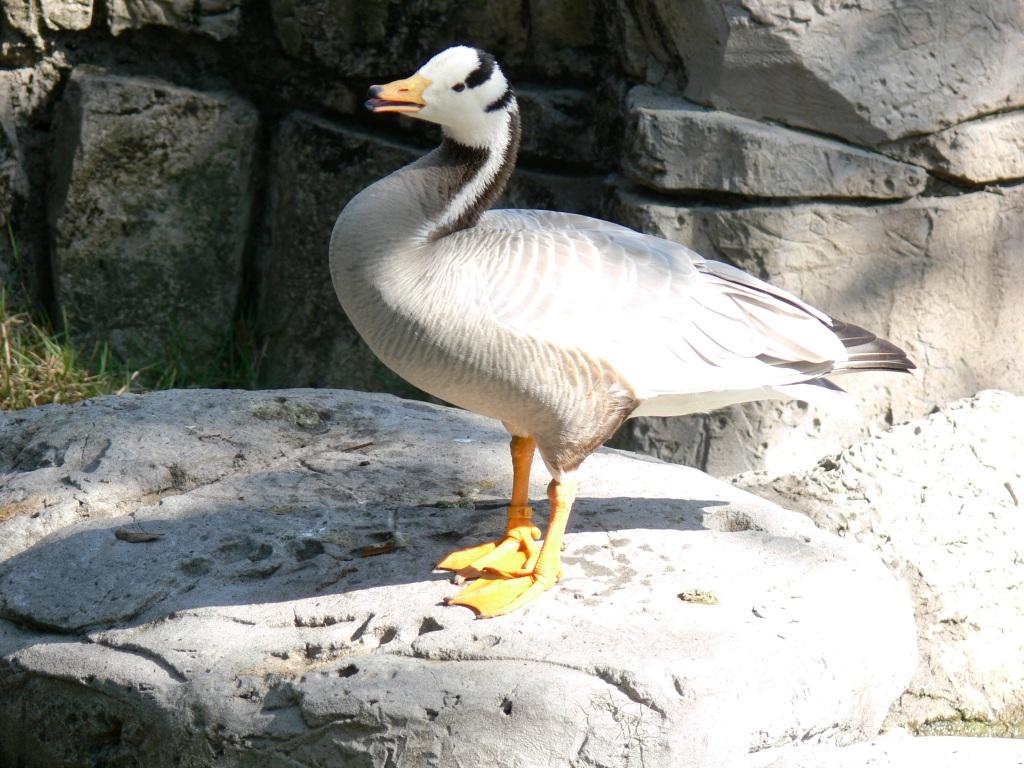
Bar-headed Goose (Anser indicus) Lowry Park Zoo by Lee
This blog follows the I.O.C. list of birds and below are the birds in their listing:
There are also links to articles here written about these different birds.
Bar-headed Goose (Anser indicus) – See Dr. Jim’s Article
Emperor Goose (Anser canagicus – was Chen)
Ross’s Goose (Anser rossii – was Chen)
Snow Goose (Anser caerulescens – was Chen)
Greylag Goose (Anser anser) – See Article
Swan Goose (Anser cygnoides)
Taiga Bean Goose (Anser fabalis)
Pink-footed Goose (Anser brachyrhynchus) – See Article
Tundra Bean Goose (Anser serrirostris)
Greater White-fronted Goose (Anser albifrons) – See Article
Lesser White-fronted Goose (Anser erythropus) – See Article
Coscoroba Swan (Coscoroba coscoroba) – See Lee’s Article
Black Swan (Cygnus atratus) – See Article & Dr. Jim’s Article
Black-necked Swan (Cygnus melancoryphus) – Ian’s Article
Mute Swan (Cygnus olor) – See Article
Trumpeter Swan (Cygnus buccinator) – See Dr. Jim’s Article
Tundra Swan (Cygnus columbianus) – See Article
Whooper Swan (Cygnus cygnus) – See Article
“For which cause we faint not; but though our outward man perish, yet the inward man is renewed day by day. For our light affliction, which is but for a moment, worketh for us a far more exceeding and eternal weight of glory; While we look not at the things which are seen, but at the things which are not seen: for the things which are seen are temporal; but the things which are not seen are eternal.” (2 Corinthians 4:16-18)
“Moment By Moment” ~ Faith Baptist Orchestra
*
Sunday Inspiration – Whistling, White-backed Ducks and Geese
ANSERIFORMES Order
Anatidae – Ducks, Geese & Swans Family
*
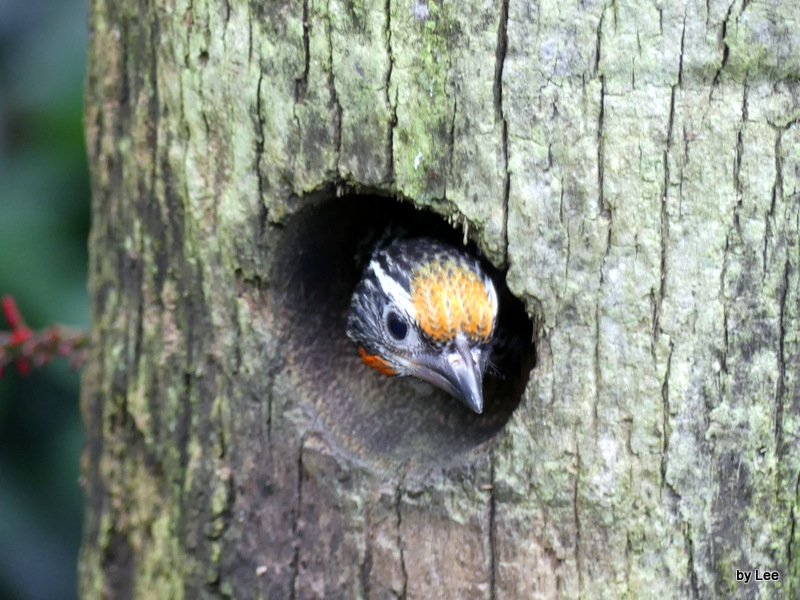
“So we are always confident, knowing that while we are at home in the body we are absent from the Lord.” (2 Corinthians 5:6)
Black Spotted Barbet (Capito niger) Juvenile at Zoo Miami by Lee 10-2016
*
*

“Behold, the Assyrian was a cedar in Lebanon with fair branches, and with a shadowing shroud, and of an high stature; and his top was among the thick boughs.” (Ezekiel 31:3)
Sarus Crane (Grus antigone) by Lee at Wings of Asia – Standing at a height of up to 1.8 m (5 ft 11 in).
*
*

“It is like a grain of mustard seed, which a man took, and cast into his garden; and it grew, and waxed a great tree; and the fowls of the air lodged in the branches of it.” (Luke 13:19 KJV)
Greater Yellownape (Chrysophlegma flavinucha) female Zoo Miami by Dan
*
*
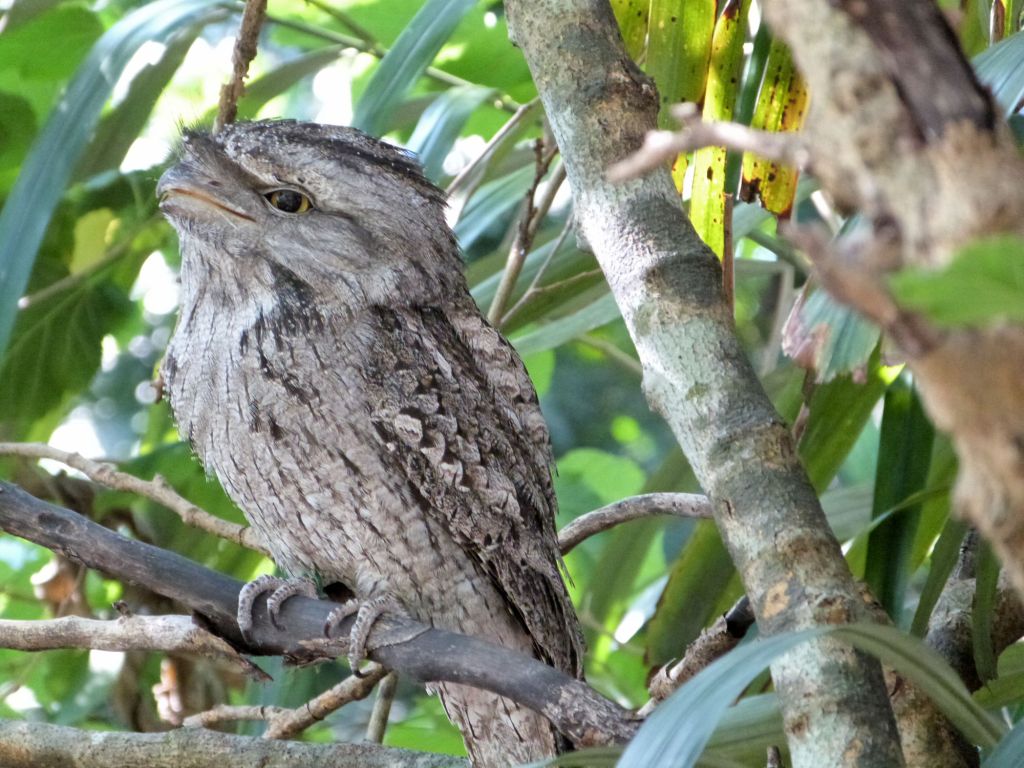
“But we speak the wisdom of God in a mystery, even the hidden wisdom, which God ordained before the world unto our glory:” (1 Corinthians 2:7 KJV)
Tawny Frogmouth (Podargus strigoides) at Wings of Asia by Lee
*
*
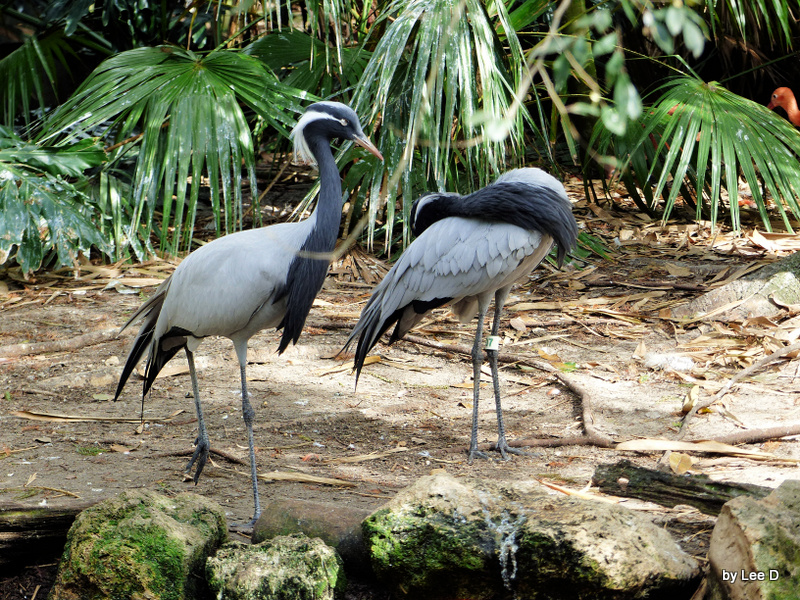
“Yea, the stork in the heaven knoweth her appointed times; and the turtle and the crane and the swallow observe the time of their coming; but my people know not the judgment of the LORD.” (Jeremiah 8:7 KJV)
Demoiselle Crane Lowry Park Zoo by Lee
*
*

“Who redeemeth thy life from destruction; who crowneth thee with lovingkindness and tender mercies;” (Psalms 103:4 KJV)
Victoria Crowned Pigeon (Goura victoria) by Lee at Zoo Miami
*
*
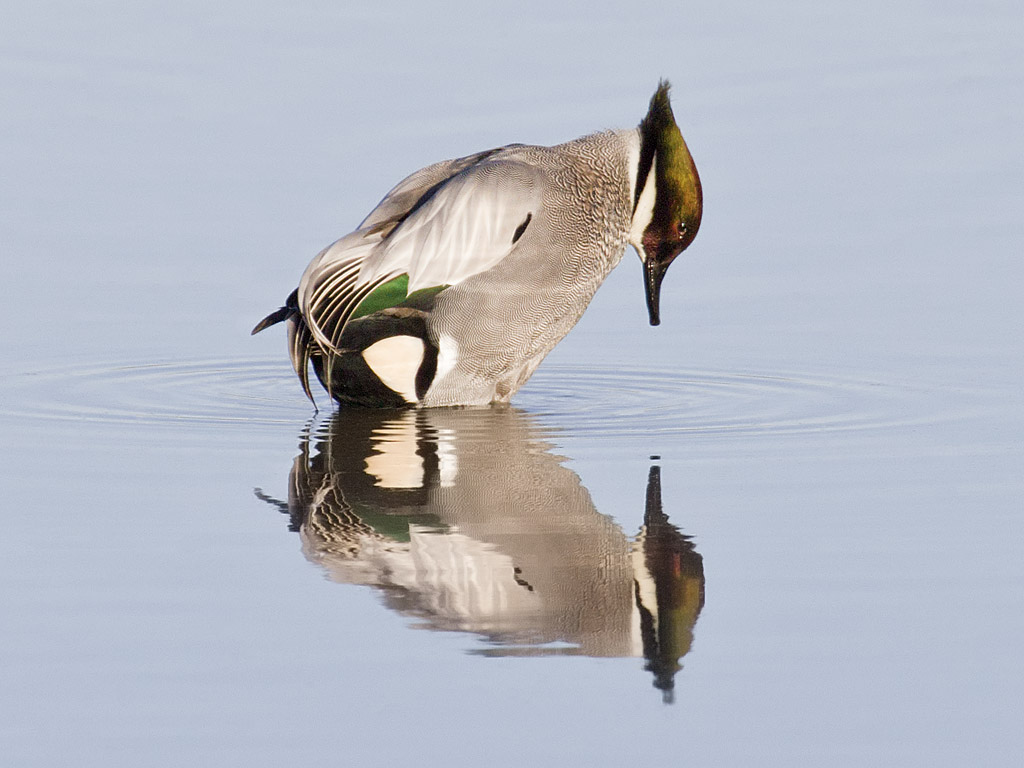
“As in water face answereth to face, so the heart of man to man.” (Proverbs 27:19 KJV)
Falcated Duck (Anas falcata) ©WikiC
*
*

Black-bellied Whistling Duck (Dendrocygna autumnalis) at Palm Beach Zoo by Lee
“And the swan, and the pelican, and the gier-eagle,” (Leviticus 11:18)
I have always enjoyed trying to whistle and today we lead off our latest Family, the Anatidae, in the Answeriformes Order. The Anatidae family has ducks, geese, swans, and a few others that add up to 173 species. The Whistling Ducks do make a whistling sound, which I notice more when they are flying. We have the Black-bellied Whistling Ducks here locally. In fact, some hang out at the pond in our housing area.

Black-bellied Whistling Duck (Dendrocygna autumnalis) by Lee at Palm Beach Zoo
Audio of a Black-bellied Whistling Duck from xeno-canto.
The Anatidae are the biological family of birds that includes ducks, geese, and swans. The family has a cosmopolitan distribution, occurring on all the world’s continents. These birds are adapted for swimming, floating on the water surface, and in some cases diving in at least shallow water. (The magpie goose is no longer considered to be part of the Anatidae, but is placed in its own family
They are generally herbivorous, and are monogamous breeders. A number of species undertake annual migrations. A few species have been domesticated for agriculture, and many others are hunted for food and recreation. Five species have become extinct since 1600, and many more are threatened with extinction.
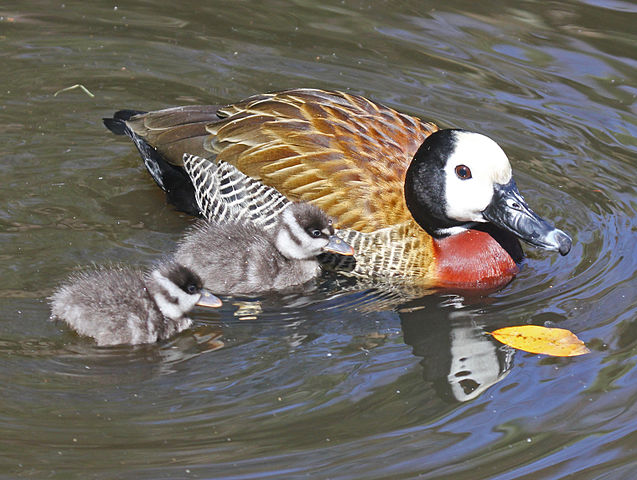
White-faced Whistling Duck (Dendrocygna viduata) ©WikiC
Whistling ducks are found in the tropics and subtropics. As their name implies, they have distinctive whistling calls. The whistling ducks have long legs and necks, and are very gregarious, flying to and from night-time roosts in large flocks. Both sexes have the same plumage, and all have a hunched appearance and black underwings in flight.

White-backed Duck (Thalassornis leuconotus) ©WikiC
The white-backed duck (Thalassornis leuconotus) is a waterbird of the family Anatidae. It is distinct from all other ducks, but most closely related to the whistling ducks in the subfamily Dendrocygninae, though also showing some similarities to the stiff-tailed ducks in the subfamily Oxyurinae. It is the only member of the genus Thalassornis.
These birds are well adapted for diving. On occasions they have been observed to stay under water for up to half a minute. They search especially for the bulbs of waterlilies. From danger, they also escape preferentially by diving; hence, the namesake white back is hardly visible in life. (Information from Wikipedia)
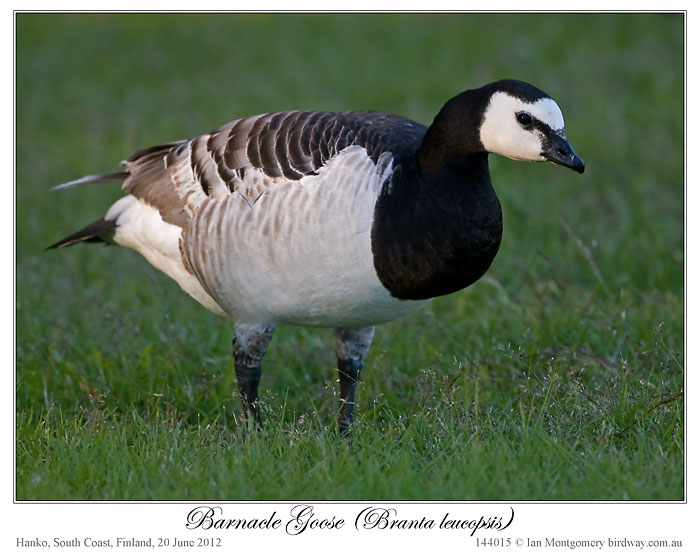
Barnacle Goose (Branta leucopsis) by Ian
The black geese of the genus Branta are waterfowl belonging to the true geese and swans subfamily Anserinae. They occur in the northern coastal regions of the Palearctic and all over North America, migrating to more southernly coasts in winter, and as resident birds in the Hawaiian Islands. Alone in the Southern Hemisphere, a self-sustaining feral population derived from introduced Canada geese is also found in New Zealand.
The scientific name Branta is a Latinised form of Old Norse Brandgás, “burnt (black) goose). The black geese derive their vernacular name for the prominent areas of black coloration found in all species. They can be distinguished from all other true geese by their legs and feet, which are black or very dark grey. Furthermore, they have black bills and large areas of black on the head and neck, with white (ochre in one species) markings that can be used to tell apart most species.[note 1] As with most geese, their undertail and uppertail coverts are white. They are also on average smaller than other geese, though some very large taxa are known, which rival the swan goose and the black-necked swan in size.
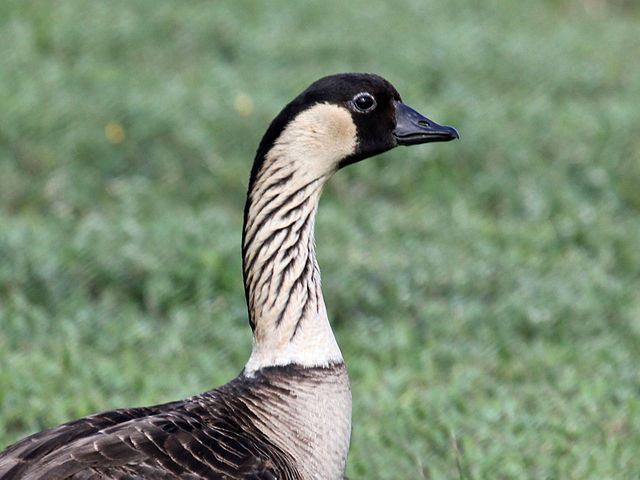
Nene (Branta sandvicensis) ©WikiC
The Nene (Branta sandvicensis), also known as nēnē and Hawaiian goose, is a species of goose endemic to the Hawaiian Islands. The official bird of the state of Hawaiʻi, the nene is exclusively found in the wild on the islands of Oahu, Maui, Kauaʻi, Molokai, and Hawaiʻi. The Hawaiian name nēnē comes from its soft call. The species name sandvicensis refers to the Sandwich Islands, an old name for the Hawaiian Islands. (Above information from Wikipedia)
The first two photos show how the different zoos call the same bird by different names. This is why the scientific name is very important. Also, Dan and I have been fortunate to have seen most of these birds either in the wild or in zoos. It is always a joy to watch the Lord’s Creations in person.
I made me pools of water, to water therewith the wood that bringeth forth trees: (Ecclesiastes 2:6)
In those pools of water, most likely you will find one of these.
“I’d Rather Have Jesus” ~ by Faith Baptist Orchestra*
*
ANSERIFORMES Order
Anatidae – Ducks, Geese & Swans Family
*
 Lee's Birdwatching Adventures Plus