Lee’s Five-Word Friday – Wonders Which You Have Done

***

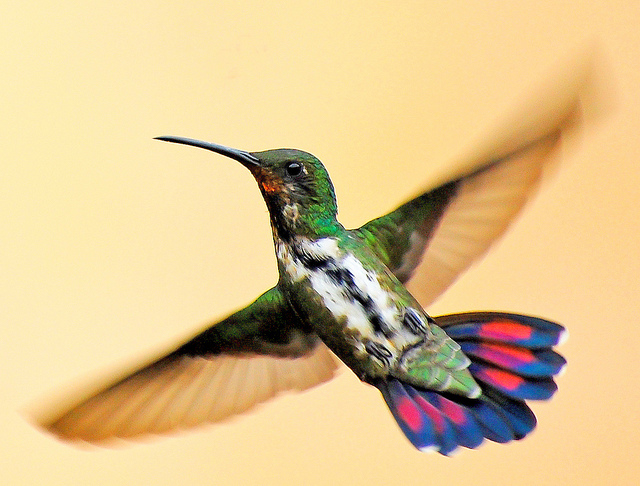
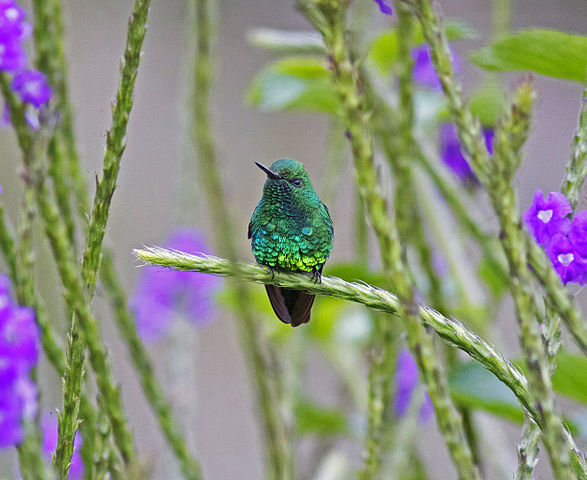
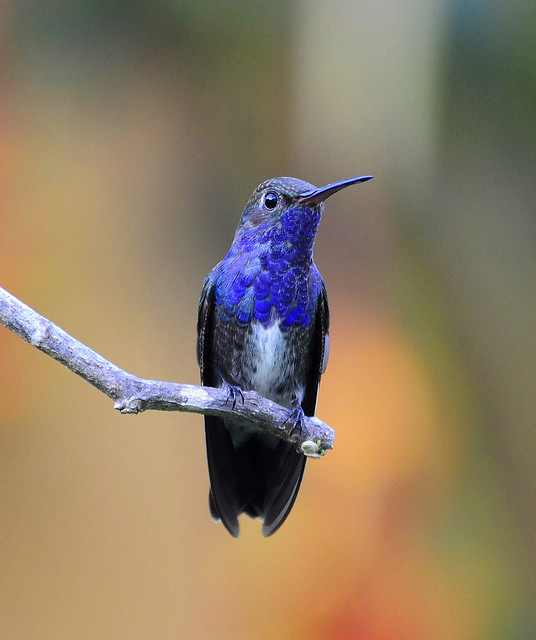
Green-breasted Mango (Anthracothorax prevostii) by Judd Patterson

Green-breasted Mango (Anthracothorax prevostii) by Judd Patterson


Wonders Which You Have Done

***


Many, O LORD my God, are the wonders which You have done, And Your thoughts toward us; There is none to compare with You. If I would declare and speak of them, They would be too numerous to count.
(Psalms 40:5 NASB)

Green-breasted Mango (Anthracothorax prevostii) by Judd Patterson

*

Sandra’s New Kooky Challenge

(This is a repost of Lee’s Five-Word Friday – 1/29/16)

*

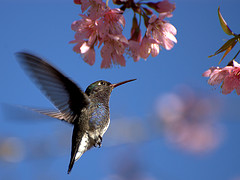
New material.  Here is another member on the Mango family. I still say “What wonders which You have done.”

Black-throated Mango (Anthracothorax nigricollis) by Dario Sanches

Black-throated Mango (Anthracothorax nigricollis) by Dario Sanches

What will you do with Jesus?

Four Word Thursday – His Mouth Was Opened

***

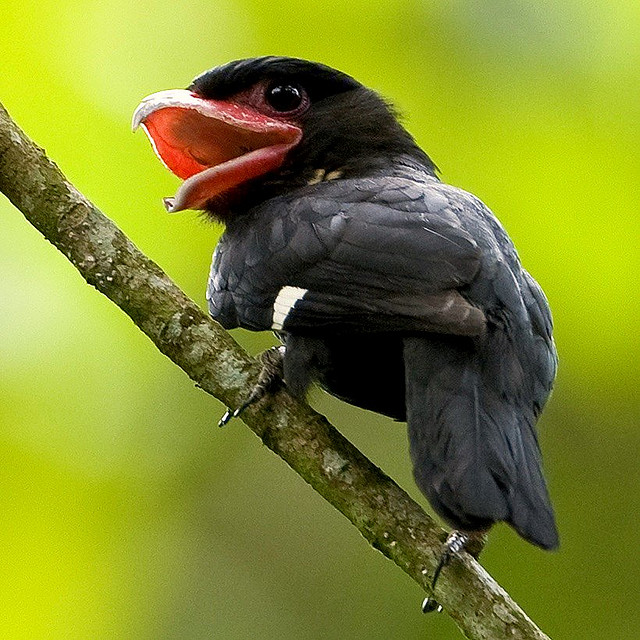
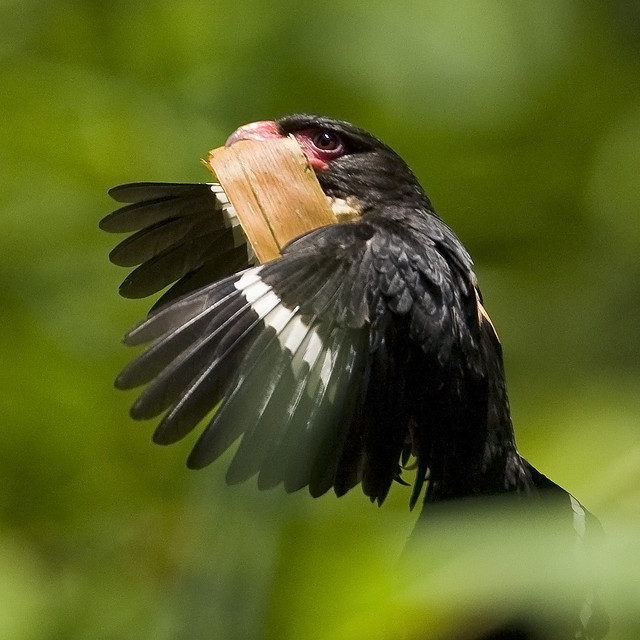
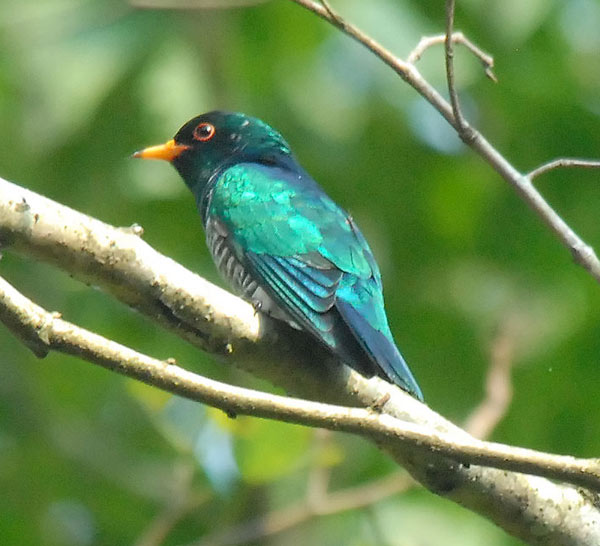
Dusky Broadbill (Corydon sumatranus) ©©Mike

HIS MOUTH WAS OPENED

***


“And his mouth was opened immediately, and his tongue loosed, and he spake, and praised God.
(Luke 1:64 KJV)

Dusky Broadbill (Corydon sumatranus) ©©Mike

(Repost of Lee’s Four Word Thursday – 11/17/16)

*

Additional Photos 2024

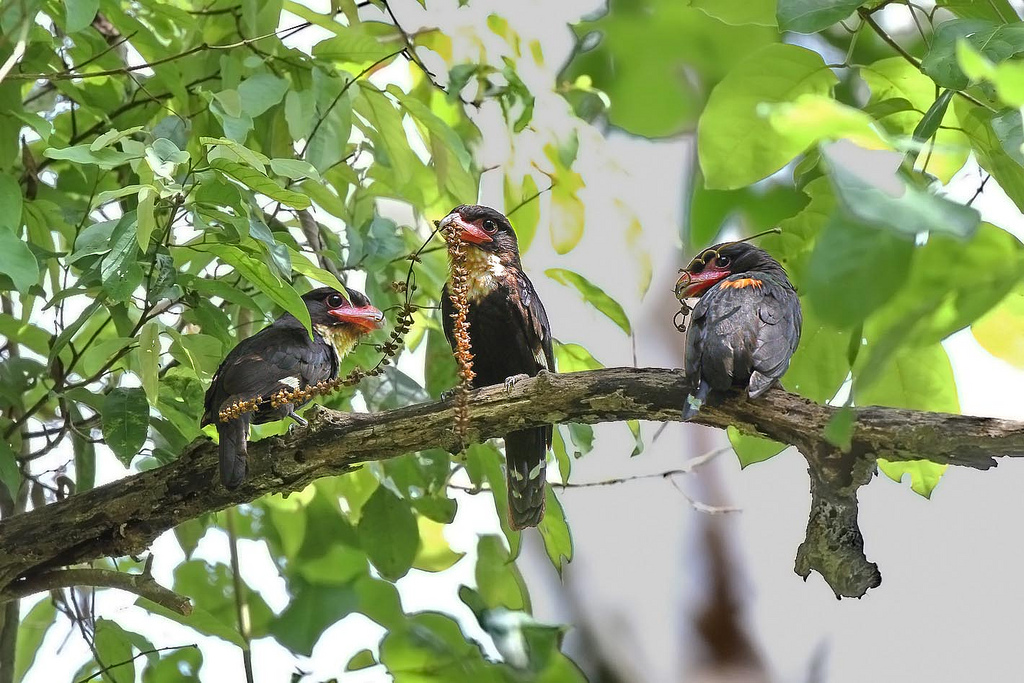
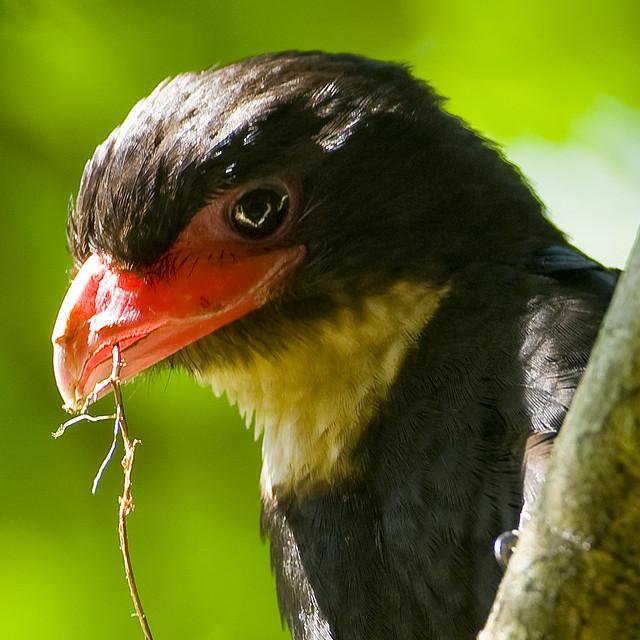
Dusky Broadbill (Corydon sumatranus) ©©Flikr HHaka

Dusky Broadbill (Corydon sumatranus) ©WikiC Mike

Dusky Broadbill (Corydon sumatranus) ©WikiC

Dusky Broadbill (Corydon sumatranus) ©WikiC

More Daily Devotionals

Wordless Bird – Green-tail Sunbird

*

Lee’s Two-Word Tuesday – Birds Fly

***

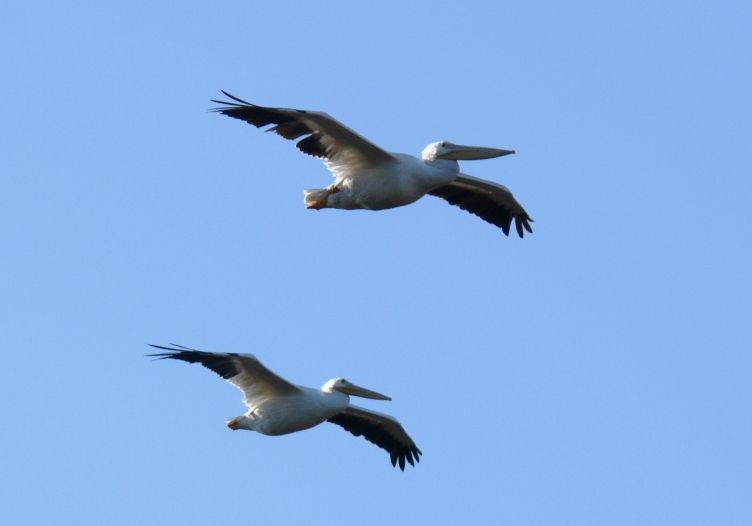
American White Pelican (Pelecanus erythrorhynchos) by Lee


Birds Fly

***


Then God said, “Let the waters abound with an abundance of living creatures, and let birds fly above the earth across the face of the firmament of the heavens.” (Genesis 1:20 NKJV)

American White Pelican (Pelecanus erythrorhynchos) by Lee at Circle B Bar Reserve

(This is a repost of Two Word Tuesday -1/26/16)

*

Sandra’s New Kooky Challenge

*

Sunday Inspiration – Frigatebirds, Gannets and the Booby II

Blue-footed Booby (Sula nebouxii) by Ian

Blue-footed Booby (Sula nebouxii) by Ian

“He will not suffer thy foot to be moved: he that keepeth thee will not slumber.” (Psalms 121:3 KJV)

We are introducing you to the Suliformes Order which has four families. The first two families are fairly small, so we will cover them today.

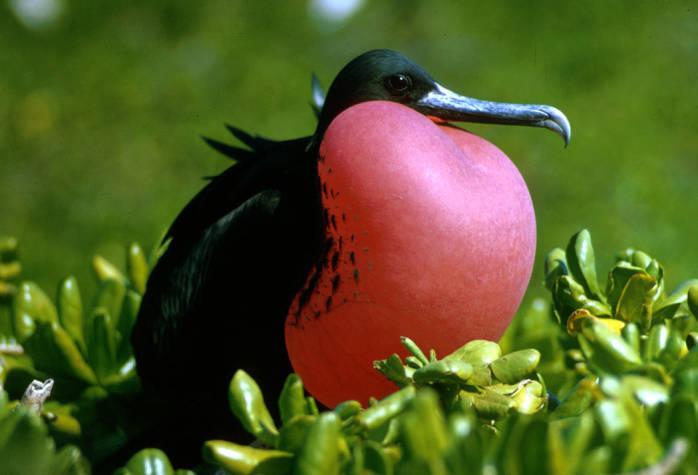
Magnificent Frigatebird (Fregata magnificens) ©USFWS

The Frigatebirds belong to the Fregatidae Family and only have one genus, the Fregata. There are five species, the Ascension, Christmas, Magnificent, Great, and the Lesser Frigatebirds.

Frigatebirds (also listed as “frigate bird”, “frigate-bird”, “frigate”, frigate-petrel”) are found across all tropical and subtropical oceans. The five extant species are classified in a single genus, Fregata. All have predominantly black plumage, long, deeply forked tails and long hooked bills. Females have white underbellies and males have a distinctive red gular pouch, which they inflate during the breeding season to attract females. Their wings are long and pointed and can span up to 2.3 metres (7.5 ft), the largest wing area to body weight ratio of any bird.

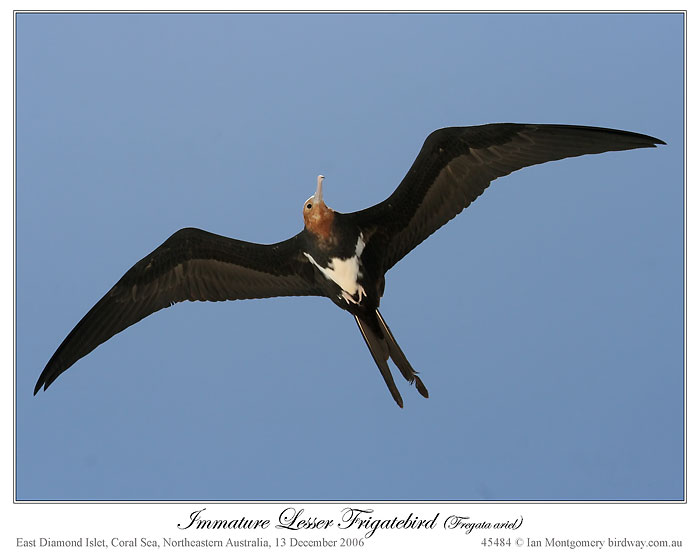
Lesser Frigatebird (Fregata ariel) imm. by Ian

Lesser Frigatebird (Fregata ariel) immature by Ian

Able to soar for weeks on wind currents, frigatebirds spend most of the day in flight hunting for food, and roost on trees or cliffs at night. Their main prey are fish and squid, caught when chased to the water surface by large predators such as tuna. Frigatebirds are referred to as kleptoparasites as they occasionally rob other seabirds for food, and are known to snatch seabird chicks from the nest. Seasonally monogamous, frigatebirds nest colonially. A rough nest is constructed in low trees or on the ground on remote islands. A single egg is laid each breeding season. The duration of parental care is among the longest of any bird species; frigatebirds are only able to breed every other year.

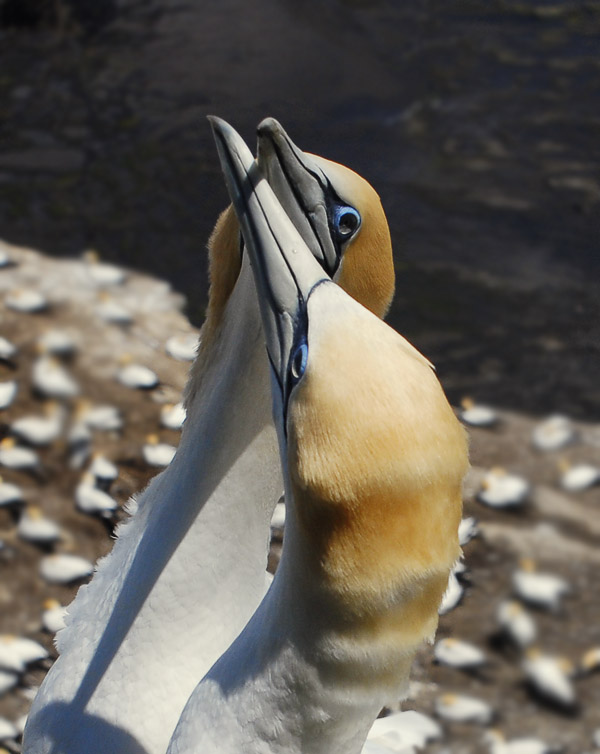
Northern Gannet (Morus bassanus) by W Kwong

Northern Gannet (Morus bassanus) by W Kwong

The Gannets and Boobies make up the Sulidae Family. The bird family Sulidae comprises the gannets and boobies. Collectively called sulids, they are medium-large coastal seabirds that plunge-dive for fish and similar prey. However, Sula (true boobies) and Morus (gannets) can be readily distinguished by morphological and behavioral and DNA sequence characters. Abbott’s booby (PapaIt appears to be a distinct and ancient lineage, maybe closer to the gannets than to the true boobies. There are 10 species. The Morus genus has three species, the Northern, Cape and Australasian Gannets.

Abbott's Booby (Papasula abbotti) by Ian

Abbott’s Booby (Papasula abbotti) by Ian

The Papasula genus consists of only the Abbott’s Booby.

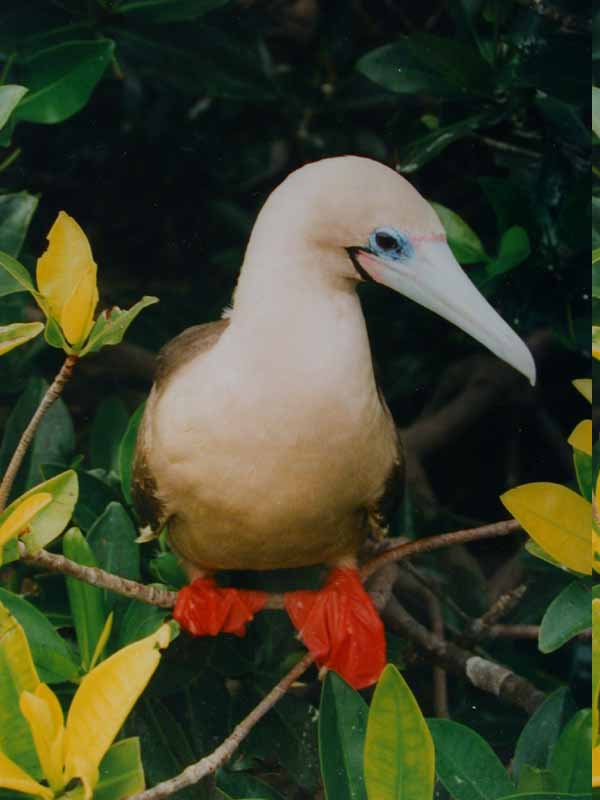
Red-footed Booby (Sula sula) by Bob-Nan

Red-footed Booby (Sula sula) by Bob-Nan

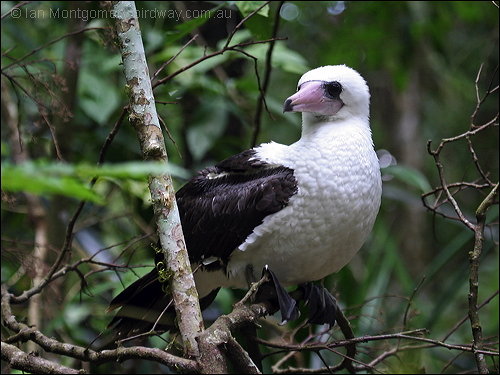
The rest of the Boobies are in the Sula genus.  They are the Blue-footed Booby [a favorite], Peruvian Booby, Masked Booby, Nazca Booby, Red-footed Booby [another favorite], and the Brown Booby. [Wikipedia, with editing]


This slideshow requires JavaScript.

“Hold up my goings in thy paths, that my footsteps slip not.” (Psalms 17:5 KJV)


“My Faith Still Holds” ~ Faith Baptist Church Orchestra
*

(Sunday Inspiration – Frigatebirds, Gannets and the Booby was originally posted in 2017)

More Sunday Inspirations

Assurance: The Certainty of Salvation
*

Wednesday’s When I Consider – Sistine Chapel Ceiling and God’s Creation

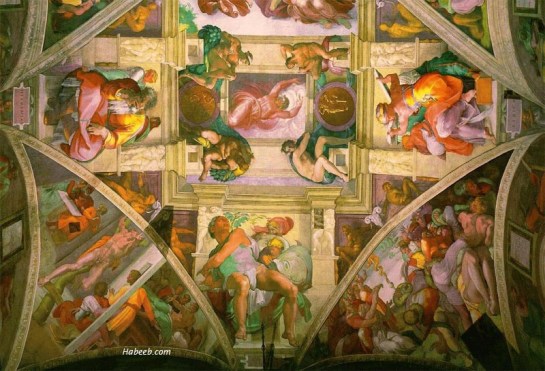
Sistine Chapel Ceiling

When I Consider – Wednesdays – Sistine Chapel Ceiling and God’s Creation

(Sistine Chapel Ceiling and God’s Creation – Reposted and Updated)

“Imagine that you are the child of the famous painter, Michelangelo. You grew up watching your father paint the ceiling of the Sistine Chapel. Each stroke of the brush revealed his love, creative genius, and masterful perfection.”

Later in life, you visit the Chapel and see a tour guide giving his talk about how the painting came about. They are standing there in “awe under the grandeur of the artistic work” and then hears the guide boldly say words to this effect. “The ceiling occurred by naturalistic processes over countless years as water leaked through the roof and stained the plaster. The people are told by their expert guide that what appears as an intentionally designed work of beauty is strictly a chance occurrence.”

“Would you not, as Michelangelo’s child, rise up in righteous indignation at the telling of such a flagrant lie? If the guide said that you father had used the random procedure of dripping water through the plaster to create the masterpiece, would that lie have been any more palatable?”

He telleth the number of the stars; He calleth them all by their names. (Psalm 26:7)

He telleth the number of the stars; He calleth them all by their names. (Psalm 26:7)

“The modern “tour guides” of our world are evolutionists who would have us believe that all of the purpose, eloquent design, and astronomical complexity of life just happened as chance naturalistic processes (such as mutations) formed life over billions of years. Liberal theologians would have us believe that God used such a process to make things.”

As Christians that believe the Word of God as truth, we should “boldly proclaim the truth so that more people may come to know the true Master Artist and come to trust His written revelation to mankind (the Bible)”

The LORD by wisdom hath founded the earth; by understanding hath he established the heavens. (Proverbs 3:19)

Who knoweth not in all these that the hand of the LORD hath wrought this? (Job 12:9)
Earth from NASA
By his spirit he hath garnished the heavens; (Job 26:13)

That I may publish with the voice of thanksgiving, and tell of all thy wondrous works. (Psalms 26:7)

That they might set their hope in God, and not forget the works of God, but keep his commandments: (Psalms 78:7)

*Quotes from “Evidence from Common Sense March 22,” in “A Closer Look at the Evidence,” by Richard & Tina Kleiss, (Bryce Gaudian, The Great Works Catalog, p22)

Lee’s Two Word Tuesday – Cabot’s Tragopan

***

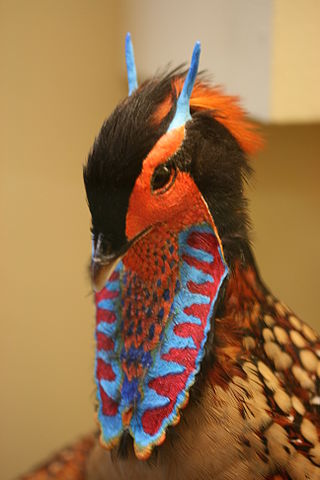
Cabot's Tragopan (Tragopan caboti) Head Feathers ©WikiC

OUTWARD APPEARANCE

***


“But the LORD said unto Samuel, Look not on his countenance, or on the height of his stature; because I have refused him: for the LORD seeth not as man seeth; for man looketh on the outward appearance, but the LORD looketh on the heart.” (1 Samuel 16:7 KJV)

Cabot’s Tragopan (Tragopan caboti) Head Feathers ©WikiC

(This is an updated Tickle Me Tuesday from 2017) Enjoy this add video.

Cabot’s Tragopan Displaying

*

More Daily Devotionals

*

ABC’s Of The Gospel

Friday Friends – Dorothy (Dottie) Malcolm

On Fridays, we would like to “re-introduce” you to some of our Guest Writers who have blessed us with many interesting articles over the years.

My friend Dorothy Malcolm, or Dottie, as we all call her at church, has written several posts about birds. She loved to watch them in her yard and on her many plants. Dottie is now residing in a nursing facility, but she is still enjoying the birds that come by.

Here are Dottie’s first two articles (updated a bit)

The Joy of Awareness – by Dot Malcolm (01/02/2012)
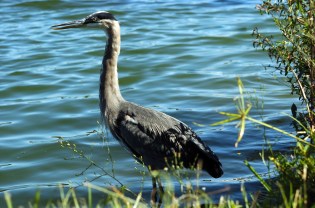
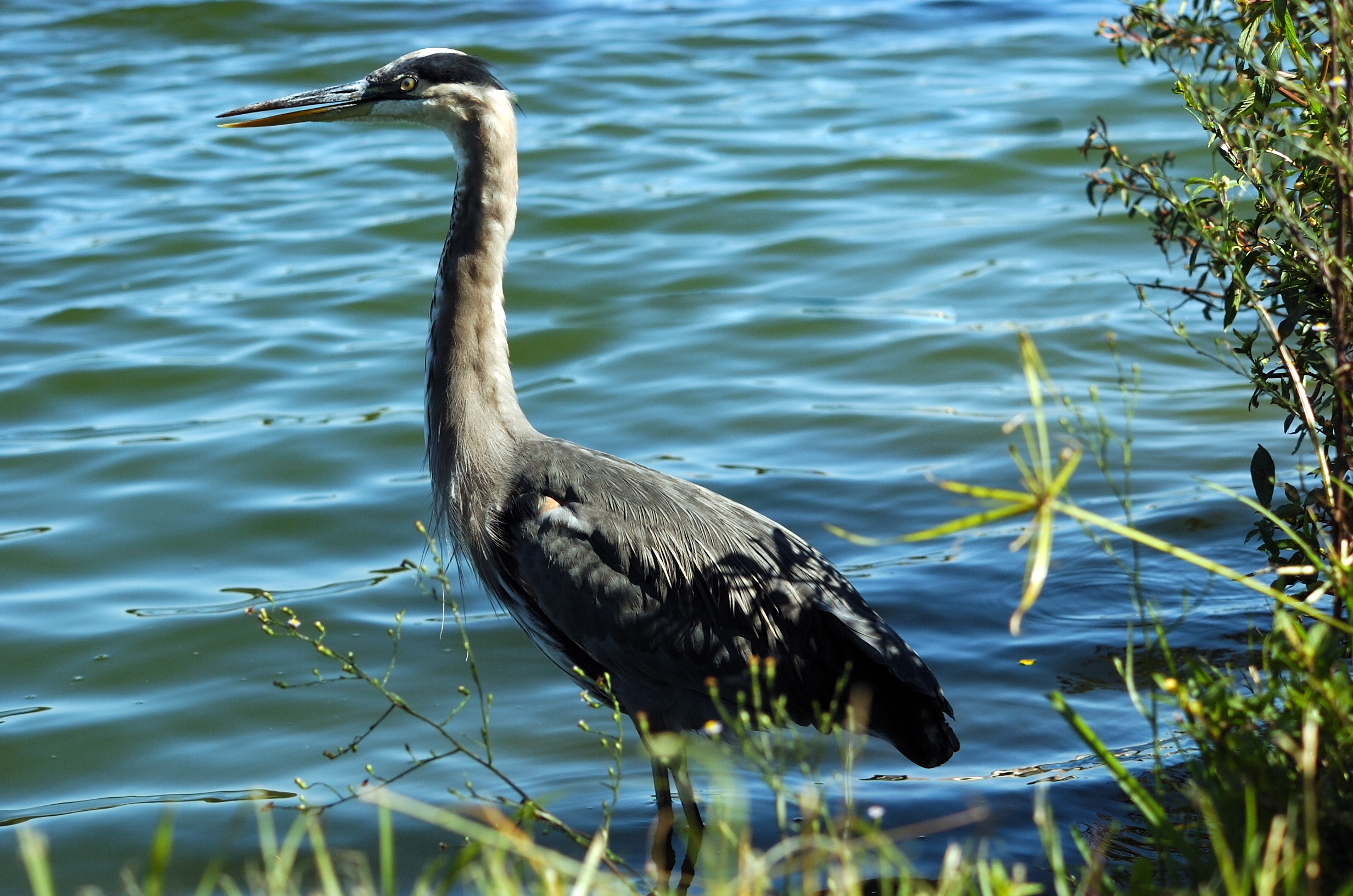
Great Blue Heron (Ardea herodias) by Dan at Lake Morton

Great Blue Heron (Ardea herodias) by Dan at Lake Morton

Since I was a child there has been an awareness of God’s creation and great enjoyment in it. At the age of 11 or 12 years, I saved my allowance and bought a book on Birds of America. It was really special to see a Heron fly over the farm headed for a swampy area.

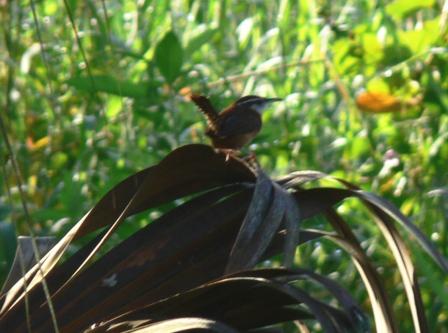
My grandparents lived a short walking distance from us, and I liked going to her house. Her kitchen always smelled of toast. Also special was looking out the south kitchen window to see the wrens flying in and out of their houses which hung at eye level.
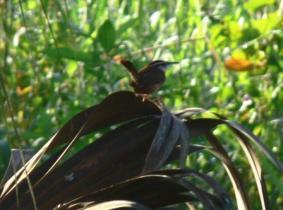
Carolina Wren (Thryothorus ludovicianus) by Lee at Circle B

Carolina Wren (Thryothorus ludovicianus) by Lee at Circle B

I no longer live in the north, but in the south and am now a grandma. Birds, butterflies and gardens are still high on my list of favorite things. Even tho’ the seasonal changes are not as evident as in the north, still I look forward to my special feathered friends coming and going.
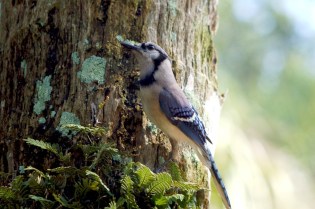
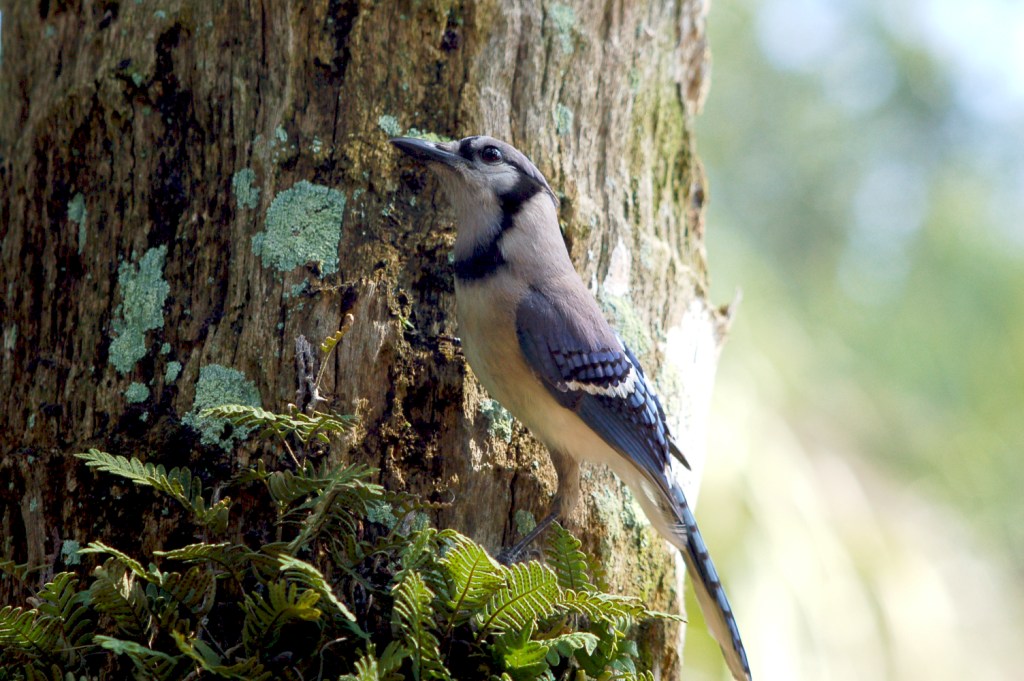
Blue Jay (Cyanocitta cristata) at Bok Tower By Dan'sPix

Blue Jay (Cyanocitta cristata) at Bok Tower By Dan’sPix

The Blue Jays are always present, and they let me know before I see it, when the neighborhood Red-shouldered Hawk is around. They “Yell” enough to discourage even me if their frenzy of cries and wild flying were directed at me!
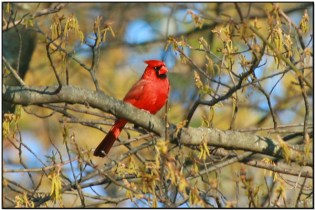
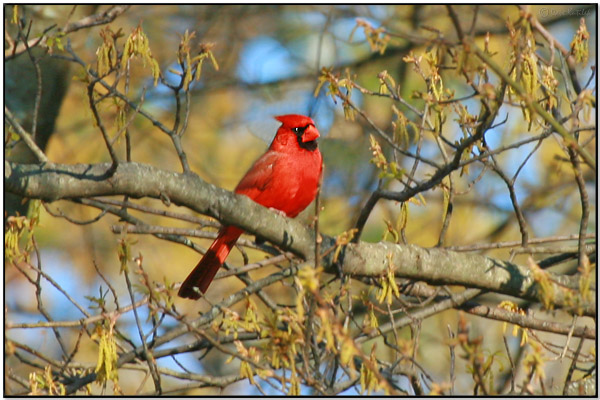
Northern Cardinal (Cardinalis cardinalis) by Daves BirdingPix

Northern Cardinal (Cardinalis cardinalis) by Daves BirdingPix

A pair of Cardinals come about the beginning of November and I hear them before I see them. Also in the winter months small chirpy birds can be heard which makes me look out the window for them. Today, I’m sitting on the patio swing having put out a cushion for myself and my sweet doggy companion, Ruby. When not claiming her seat, she stays busy with squirrel patrol.
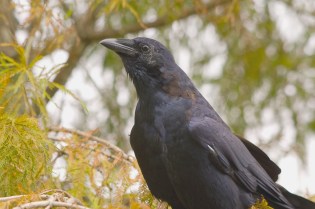
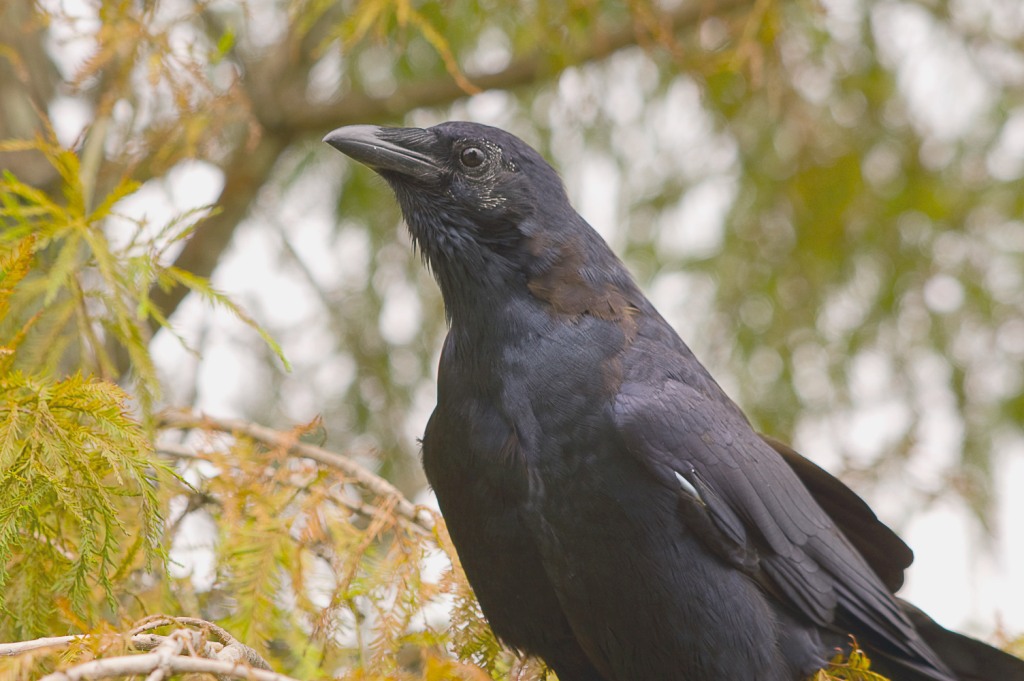
Fish Crow (Corvus ossifragus) at Lake Morton By Dan'sPix

Fish Crow (Corvus ossifragus) at Lake Morton By Dan’sPix

While working on the coming Sunday School lesson, I heard them – Crows. Some people find them irritating, but not me. Looking up I see black flying bodies against a blue sky dotted with white-dumpling clouds.
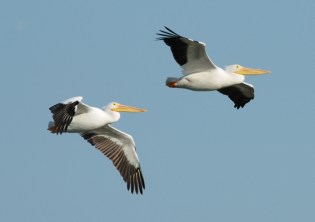
White Pelicans in Flight - Circle B Bar by Dan

White Pelicans in Flight – Circle B Bar

There are also the usual Vultures beautifully soaring overhead, and a single Pelican, and four unidentifiable ducks.
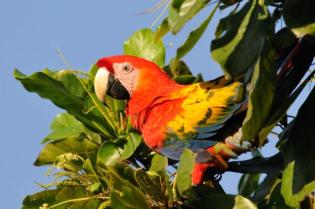
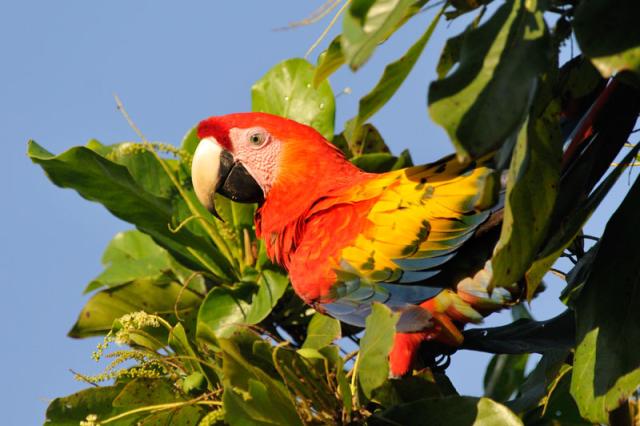
Scarlet Macaw (Ara macao) Reinier Munguia

Scarlet Macaw (Ara macao) Reinier Munguia

I should also mention of the neighbors Macaw (very noisy) who only makes me smile when he talks or laughs. They also have chickens that are very pleasant to listen to.
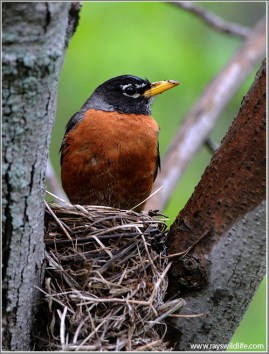
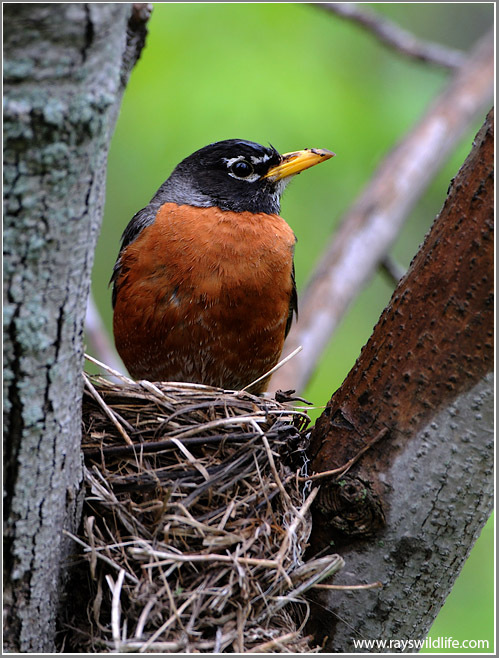
American Robin (Turdus migratorius) in nest by Ray

American Robin (Turdus migratorius) in nest by Ray

Admittedly the best will be if the Robins return. In the 5th grade our teacher had all of us draw a picture of a Robin. She then hung them around the room above the blackboards. Oh, Robins, please come back. Remember I promised not to mention your bad manners to anyone. I will gladly welcome you and you can be noisy, toss leaves, eat all the worms you want and anything else that suits you fancy.

Dot Malcolm, 12/30/11

Then God saw everything that He had made, and indeed it was very good. So the evening and the morning were the sixth day. (Genesis 1:31 NKJV)

Thanks, Dottie, for another interesting article. What a delight to read your love and awareness of birds. When the Robins come back, we will expect another article. You kept me busy finding photos for your many birds. Keep it up.

Dorothy is a charter member of our church, Faith Baptist, and a great friend.

******

I Just Happened ~ by Dorothy Belle Malcolm (07/21/2012)
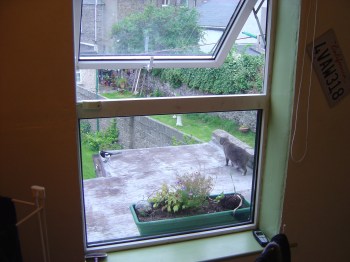
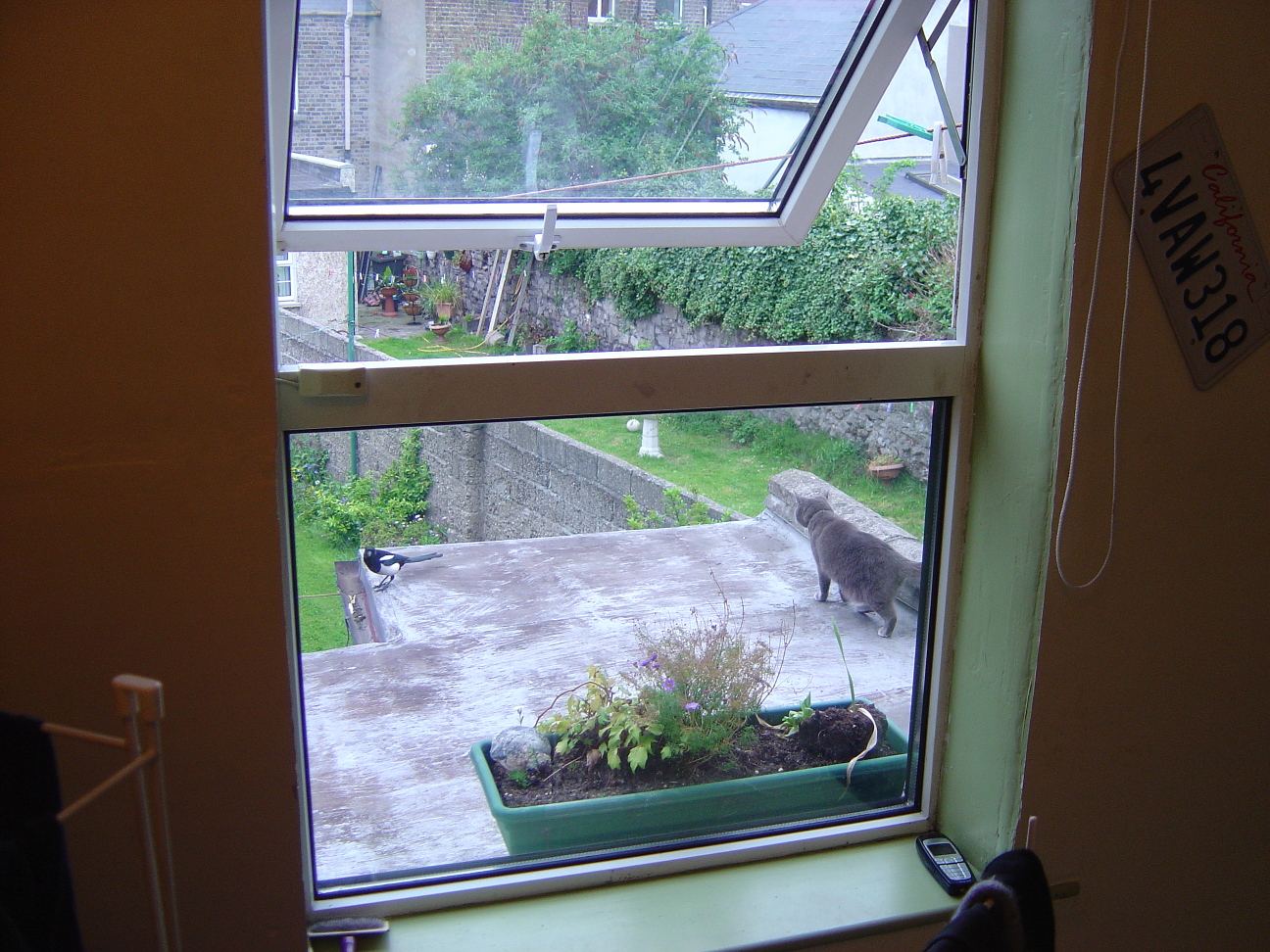
Outside A Window ©©jmason

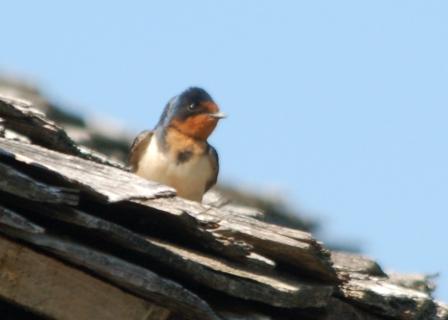
How many times have I said either out loud or to myself – “I just happened.” That seems to say it all for me when certain things occur. For instance, this spring I just happened to be looking out the family room window and saw the most beautiful bird. The colors were bright blue, red, and orange. In less than a minute it was gone. I had never seen one like it all the 30 plus years in Florida. Looking it up in a bird book the colors were described as blue-black, cinnamon belly and a reddish-brown chin. Well, yes, better than I described it. It was a Barn Swallow which I have not seen again.
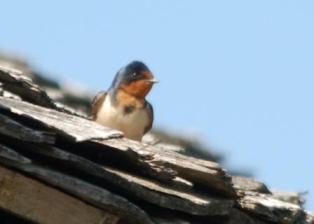
Barn Swallow in Cades Cove by Dan

Barn Swallow in Cades Cove by Dan

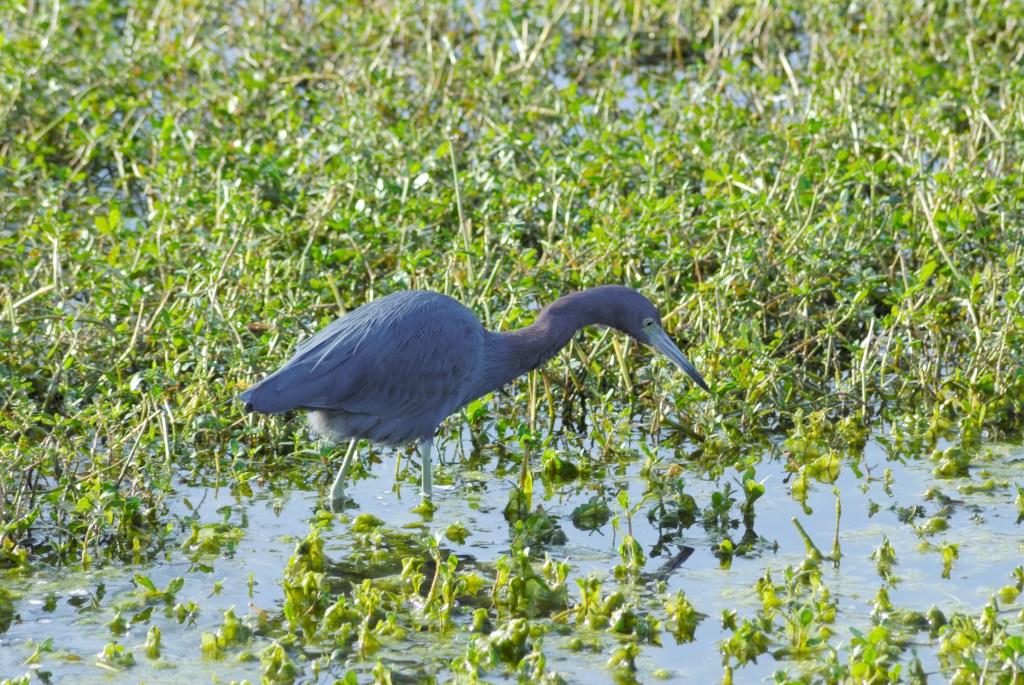
Also, I had a first time visit from a non-breeding adult Little Blue Heron. Of course, it was a result of “I just happened” to be looking out the same window and also had to look it up in a book.
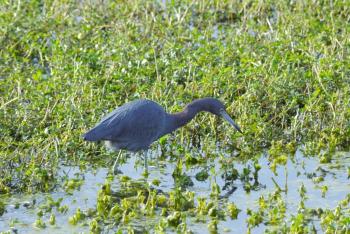
Little Blue Heron at Lake Howard, Winter Haven, FL

Now that I think about it, maybe this particular window is proving to be a real winner for the “just happen” events. Come to think further about it, I recall seeing a pair of Orioles once.

The only thing is none of these birds have ever been seen by me again. Oh well, as long as I have the window, the book and the “I just happened,” perhaps ……

You will show me the path of life; In Your presence is fullness of joy; At Your right hand are pleasures forevermore. (Psalms 16:11 NKJV)

*

Stay tuned! We will show more of her post, Lord willing.

Guest Writers

Good News
 

Lee’s Four-Word Thursday – 9/5/2024

***

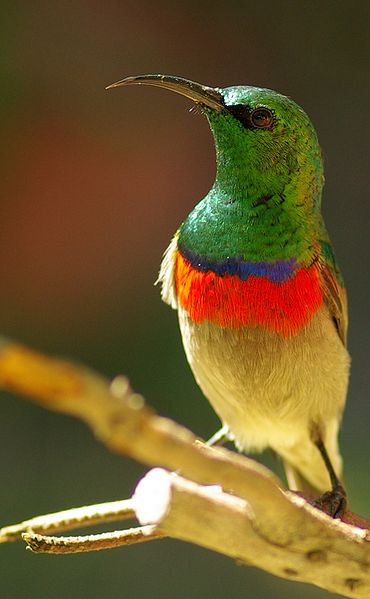
Southern Double-collared Sunbird (Cinnyris chalybeus) ©WikiC

Southern Double-collared Sunbird (Cinnyris chalybeus) ©WikiC

HEAVENLY FATHER FEEDS THEM

***


Look at the birds of the air, for they neither sow nor reap nor gather into barns; yet your heavenly Father feeds them. Are you not of more value than they?
(Matthew 6:26 NKJV)

*

(Repost of article from Januarywith updated photo)

Sandra’s New Kooky Challenge

*

When I Consider – Wednesdays – Intro

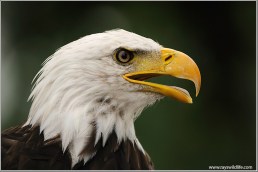
Bald Eagle – San Diego Zoo

When I Consider – Wednesdays will be reposts/updates to a series of articles that were posted back in the early days of this blog.

A Closer Look at the Evidence by Richard & Tina Kleiss is a devotional book that has bite size information about incredible evidence about creation.

Here is a part of the review of the book written by the Richard & Tina Kleis.

We have never seen such a unique and fascinating devotional book. It is one of a very few that we have used that tempts us to read on ahead! A Closer Look at the Evidence presents straightforward evidence, primarily scientific, for the existence of our Creator.

This book is organized into twenty-six different subject areas and draws from over fifty expert sources. Each of the 400+ pages highlights knowledge from a Biblical perspective. Each day’s devotion is a full page of concise, well-researched, factual information with reference material noted if you desire more specifics.

The authors, Rich and Tina Kleiss, former public school science teachers, discovered that scientific evidence overwhelmingly supports creation. But evolution continues to be presented as fact in the media and textbooks, even as the evidence for creation is being systematically excluded.

By daily using and discussing A Closer Look at the Evidence, your family should not only learn the credible reasons for your belief in the Creator but also be equipped to share this truth with others. Each page ends with a related Bible verse…..

magnify_2748cDan and I used it daily after our regular devotions. I have been wanting to share these articles for some time and have decided to do so in a series called, “When I Consider!” A quote from the book’s Dedication has encouraged me decide to do this.

God’s desire is that the knowledge of what He has done through both the cross and creation is for everyone. We must not keep this knowledge to ourselves. The evidence that He is our Creator is so overwhelming and encouraging that it is desperately needs to be shared in the world today. A Closer Look at the Evidence is designed to be an affordable resource to both reinforce our individual faith and facilitate sharing the reasons for this faith. Consider praying about how God could use you to utilize the truths found in these pages.

The book is available at (Christianbook.com)

Here is the first in the “When I Consider!” Series:

This was the first in the series called, “When I Consider! Please see the above article, “A Closer Look at the Evidence – Kleiss“, by Richard and Tina Kleiss, for an explanation of this new series. Not only will I use information from the Kleiss’ book, but other articles also. Since our main blog is about Bird’s, this seems like a good starting place.

“Evidence From Biology”

The eagle’s diving speed can exceed 100 miles per hour. At this speed, the eagle’s eyesight must be perfect in order to know exactly when to pull out of a dive. Its eyes are designed to spot a rabbit or fish up to one mile away. The eagle also has remarkably designed wings, each covered by over 12,000 feathers. Aircraft designers are still trying to copy this engineering marvel.

Besides the ability to climb to 10,000 feet withing minutes, the parent eagle also assists its young in flight. As it flies alongside the eaglet, whirlpools of air formed by its primary feathers provide the eaglet with additional lift.

In speaking of His protective care over the nation of Israel, God states, ‘..I bare you on eagle’s wings…’ (Exodus 19:4 KJV). The Hebrew word for ‘bare’ is nacah, and its primary rood means ‘to lift.’ This is exactly what the parent eagle does to help its young in flight.

The precise selection and meaning of words used in the Bible is a testimony to the accuracy and precision of the remarkable book.

Character Sketches, Vol.III, p171-174″

The above quote is from January 28, “A Closer Look at the Evidence,” by Richard and Tina Kleiss

This series will be based on:

Psalms 8:3-9 NKJV
“When I consider Your heavens, the work of Your fingers, The moon and the stars, which You have ordained, What is man that You are mindful of him, And the son of man that You visit him? For You have made him a little lower than the angels, And You have crowned him with glory and honor. You have made him to have dominion over the works of Your hands; You have put all things under his feet, All sheep and oxen– Even the beasts of the field, The birds of the air, And the fish of the sea That pass through the paths of the seas. O LORD, our Lord, How excellent is Your name in all the earth!


Sunday Inspiration – Flamingos and Tropicbirds II

Sunday Inspiration – Flamingos and Tropicbirds was posted in 2017. This is a repost.

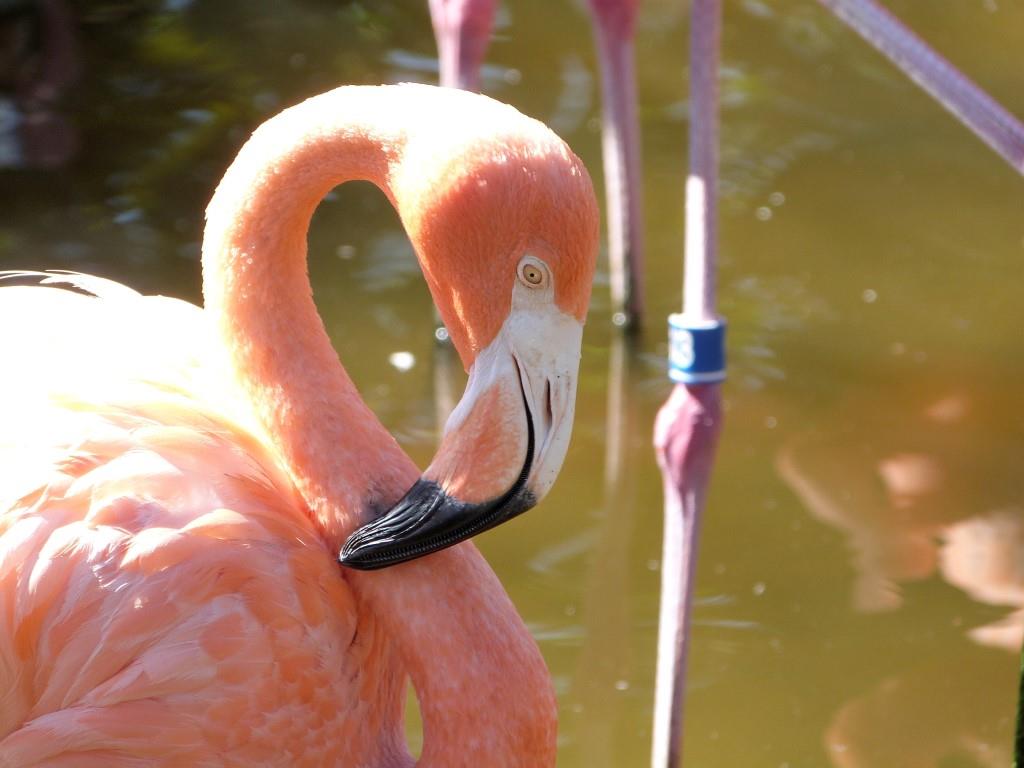
American Flamingo Beak at Gatorland by Lee

American Flamingo Beak at Gatorland by Lee

“But now is made manifest, and by the scriptures of the prophets, according to the commandment of the everlasting God, made known to all nations for the obedience of faith:” (Romans 16:26 KJV)

As we continue through the taxonomic order of birds, we have come to two Orders that are small. The Phoenicopteriformes Order is made up of one family, the Flamingos. Our other Order is the Phaethontiformes, which has the Tropicbird family. There are only six birds in the first family and three in the other.

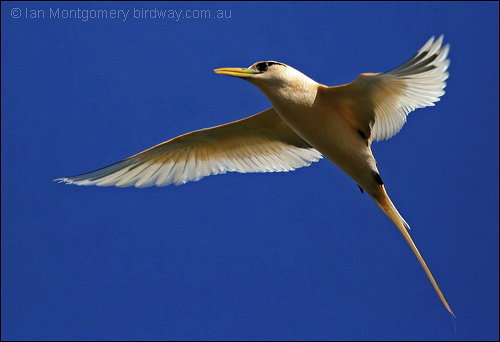
White-tailed Tropicbird (Phaethon lepturus) by Ian

White-tailed Tropicbird (Phaethon lepturus) by Ian

So, let’s go find out what the Lord Created these birds to appear like, and find out a little about them.

Flamingos are a type of wading bird in the genus Phoenicopterus (from Greek φοινικόπτερος meaning “purple wing”), the only genus in the family Phoenicopteridae. There are four flamingo species in the Americas and two species in the Old World.

Chilean Flamingo (Phoenicopterus chilensis) ©Wiki

Flamingos often stand on one leg, the other tucked beneath the body. The reason for this behavior is not fully understood. Recent research indicates that standing on one leg may allow the birds to conserve more body heat, given that they spend a significant amount of time wading in cold water. However, the behaviour also takes place in warm water. As well as standing in the water, flamingos may stamp their webbed feet in the mud to stir up food from the bottom. (Wikipedia with editing)

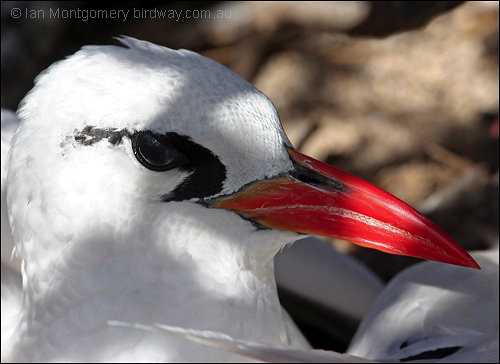
Red-tailed Tropicbird (Phaethon rubricauda) by Ian

Red-tailed Tropicbird (Phaethon rubricauda) by Ian

Tropicbirds are a family, Phaethontidae, of tropical pelagic seabirds now classified in their own order Phaethontiformes. Their relationship to other living birds is unclear, and they appear to have no close relatives. There are three species in one genus, Phaethon. They have predominantly white plumage with elongated tail feathers and small feeble legs and feet.

Tropicbirds plumage is predominantly white, with elongated central tail feathers. The three species have different combinations of black markings on the face, back, and wings. Their bills are large, powerful and slightly decurved. Their heads are large and their necks are short and thick. They have totipalmate feet (that is, all four toes are connected by a web). The legs of a tropicbird are located far back on their body, making walking impossible so that they can only move on land by pushing themselves forward with their feet. (Wikipedia with editing)

This slideshow requires JavaScript.

“Hast thou not known? hast thou not heard, that the everlasting God, the LORD, the Creator of the ends of the earth, fainteth not, neither is weary? there is no searching of his understanding.” (Isaiah 40:28 KJV)

“You Are the Everlasting God” ~ 3 Plus 1 Quartet – Faith Baptist Church

*

4 Things God Wants You to Know

Heaven’s New Jerusalem and Birds – Amethyst II

(This is a repost of Heaven’s New Jerusalem and Birds – Amethyst. The series originally appeared in 2019. With a little dusting and updating they will all be reposted in the coming days. Stay tuned.)

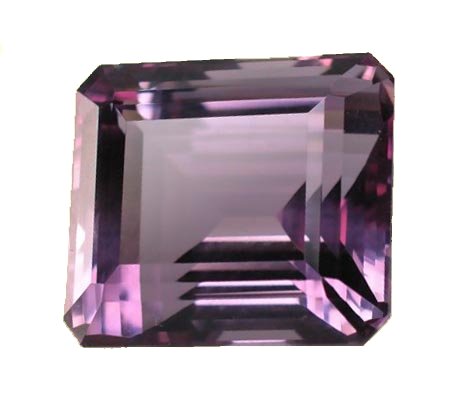
Amethyst cut ©WikiC

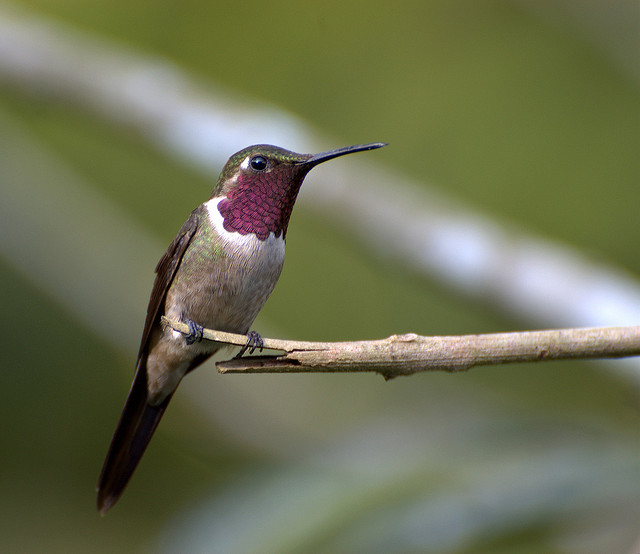
Amethyst Woodstar (Calliphlox amethystina) by Dario Sanches male

Amethyst Woodstar (Calliphlox amethystina) by Dario Sanches male

“The foundations of the wall of the city were adorned with all kinds of precious stones: the first foundation was jasper, …. the fifth sardonyx, the sixth sardius, the seventh chrysolite, the eighth beryl, the ninth topaz, the tenth chrysoprase, the eleventh jacinth, and the twelfth amethyst.” (Revelation 21:19a-20 NKJV)

We have finally arrived at the last of the precious stones that will makeup the twelve foundations of New Jerusalem. I trust you have enjoyed finding out about these stones and birds that are similar in color or name. There have been many close matches and some where I missed trying to figure out what to use. Yet, you still had a chance to meet some beautiful and interesting birds from our Creator.

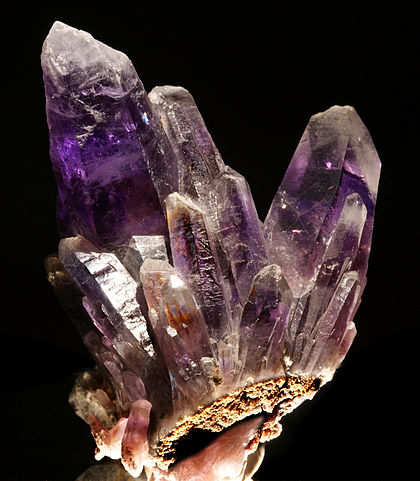
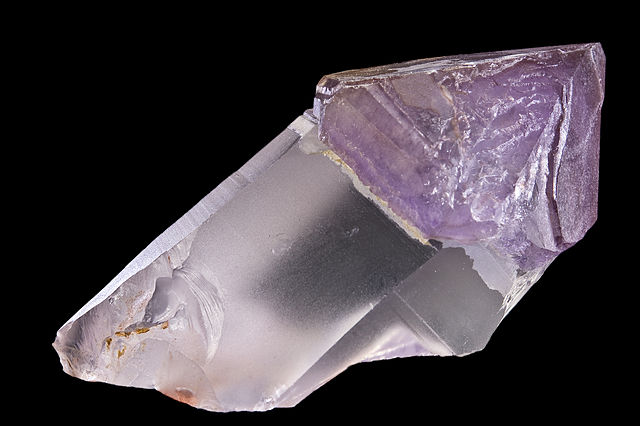
Amethyst ©WikiC

Amethyst. A clear quartz crystal that ranges in color from a faint purple tint to an intense purple. [NKJV MacArthur Study Bible]

Amethyst ©WikiC

Amethyst It is a pale-blue crystallized quartz, varying to a dark purple blue. It is found in Persia and India, also in different parts of Europe. [Easton Bible Dictionary]

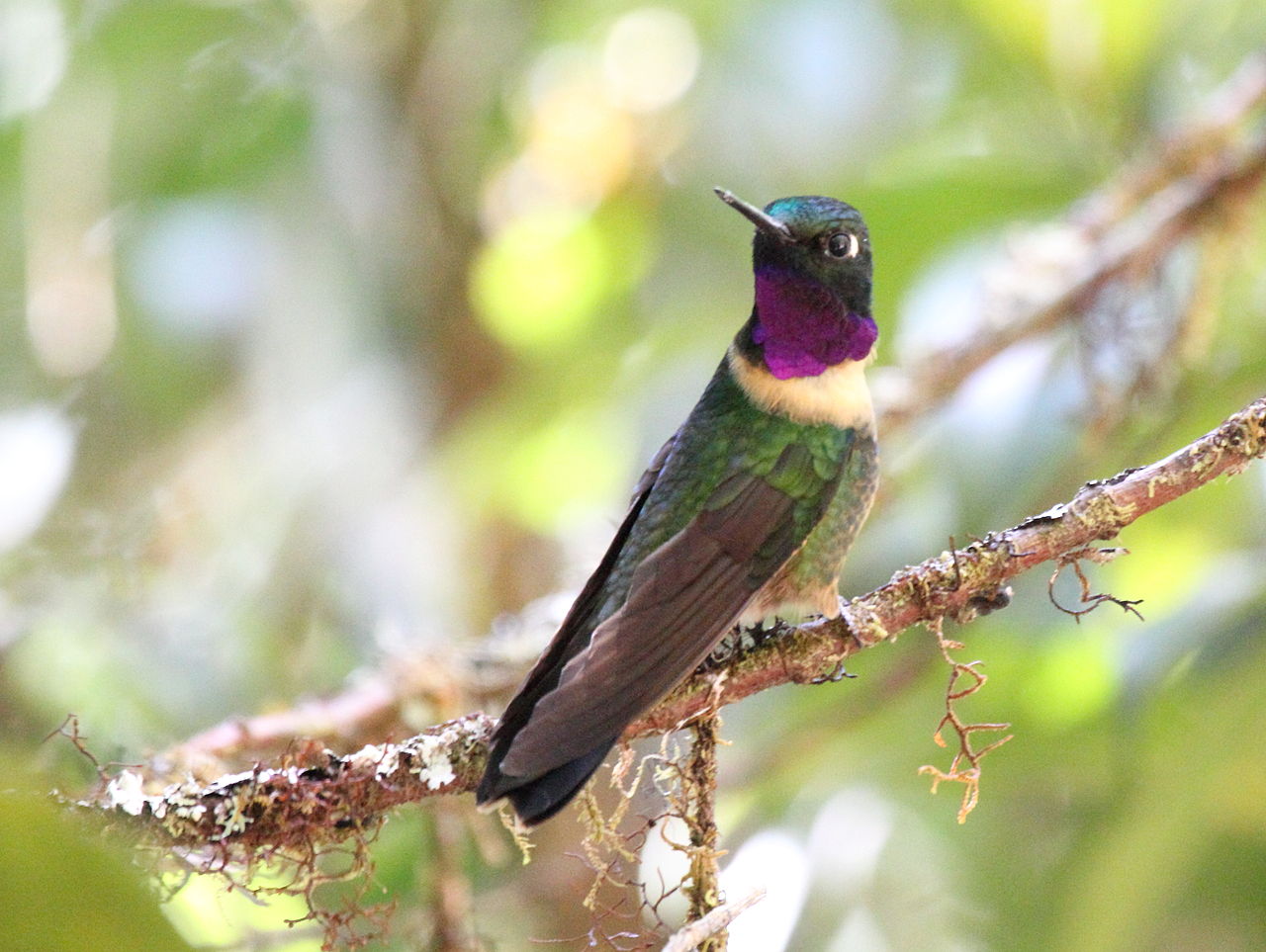
Amethyst-throated Sunangel (Heliangelus_amethysticollis) ©WikiC

Amethyst. (Hebrew, achlamah). A subspecies of quartz of a bluish-violet color. Mention is made of this precious stone, which formed the third in the third row of the high priestly breastplate, in Exo_28:19; Exo_39:12. It occurs also in Rev_21:20.

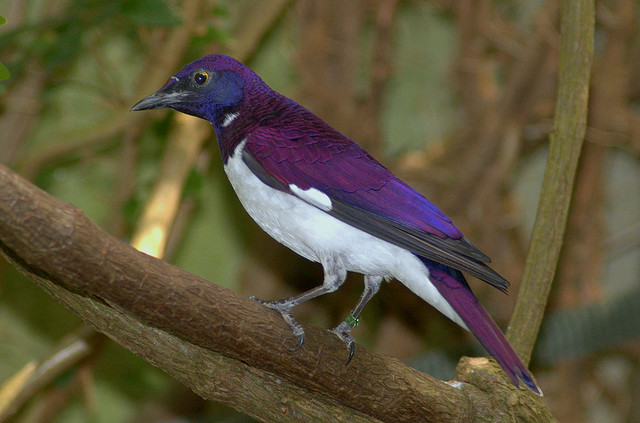
Violet-backed Starling (Cinnyricinclus leucogaster)-(Amethyst) ©©

Amethyst (Gr.: amethustos)—its color is purple. Although the International Standard Bible Encyclopedia lists it as a ruby, Robertson gives the color as purple. [J. Vernon McGee]

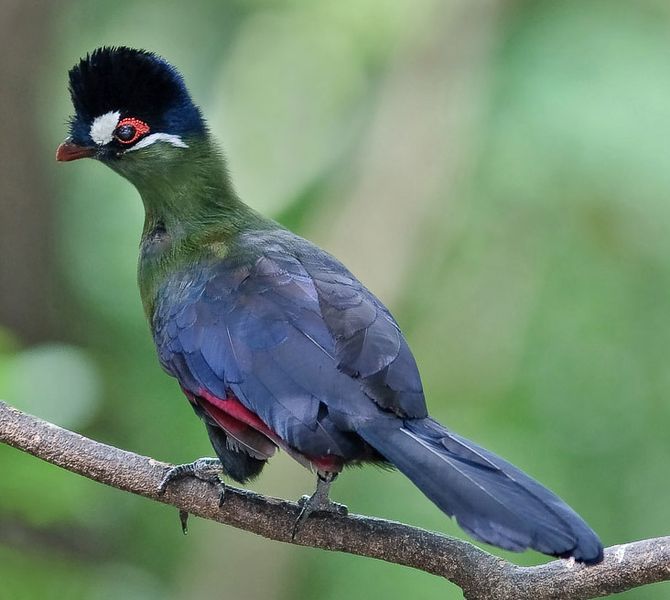
Hartlaub's Turaco (Tauraco hartlaubi) ©WikiC

Hartlaub’s Turaco (Tauraco hartlaubi) ©WikiC

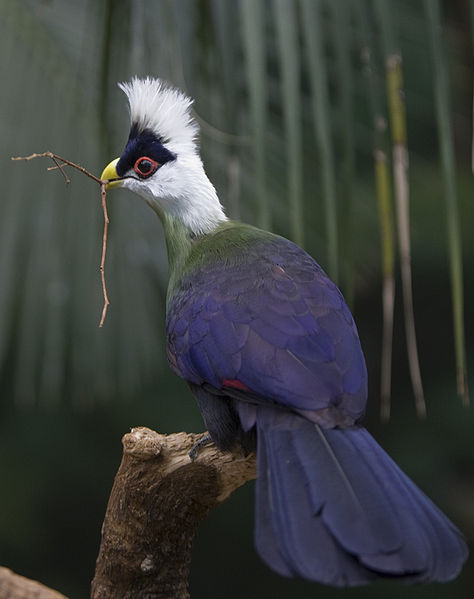
White-crested Turaco (Tauraco leucolophus) ©WikiC

Other Articles In This Series:

Good News Tracts
Heaven’s New Jerusalem and Birds – Emerald II

(This is a repost of Heaven’s New Jerusalem and Birds – Emerald. The series originally appeared in 2019. (With a little dusting and updating they will all be reposted in the coming days. Stay tuned.)

Garden Emerald (Chlorostilbon assimilis) ©WikiC

“And the foundations of the wall of the city were garnished with all manner of precious stones. The first foundation was jasper; the second, sapphire; the third, a chalcedony; the fourth, an emerald;” (Revelation 21:19 KJV)

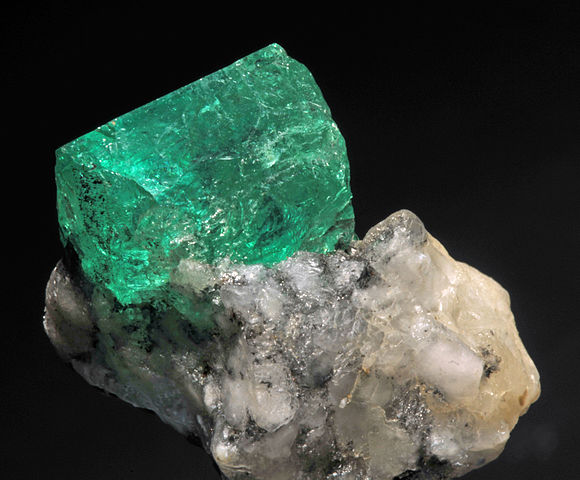
Emerald from (Muzo Mine Boyaca Colombie) ©WikiC

You know what? Checking through previous post about the Emerald stone, the article Avian and Attributes – Emerald explains this verse very well. It is being copied here again.

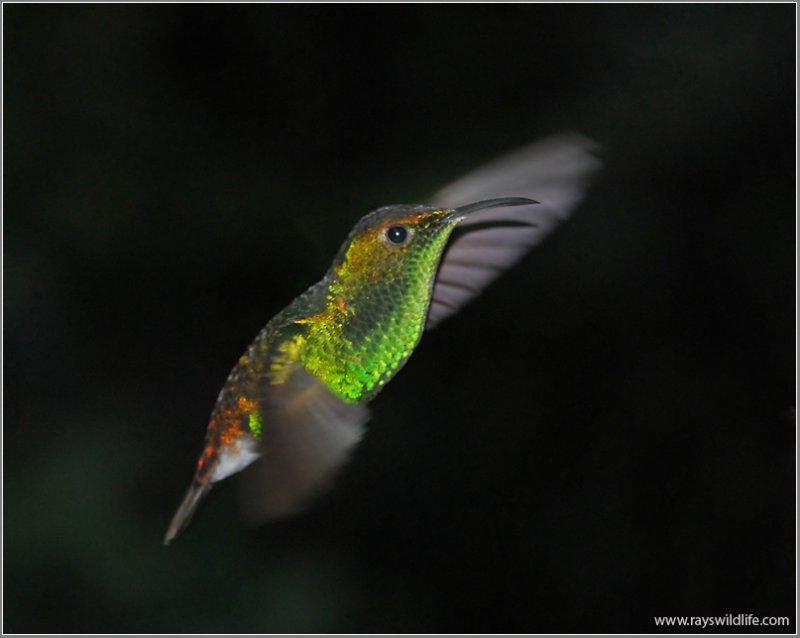
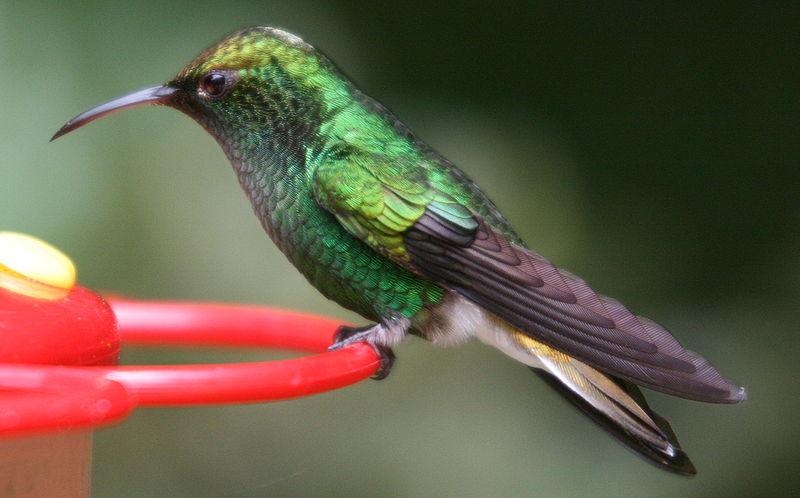
Coppery-headed Emerald by Ray

Coppery-headed Emerald by Ray

“And the foundations of the wall of the city were garnished with all manner of precious stones. The first foundation was jasper; the second, sapphire; the third, a chalcedony; the fourth, an emerald;” (Revelation 21:19 KJV)

“And he that sat was to look upon like a jasper and a sardine stone: and there was a rainbow round about the throne, in sight like unto an emerald.” (Revelation 4:3 KJV)


Avian and Attributes – Definition Name

EM’ERALD, n. [L. smaragdus.] A mineral and a precious stone, whose colors are a pure, lively green, varying to a pale, yellowish, bluish, or grass green. It is always crystallized, and almost always appears in regular, hexahedral prisms, more or less perfect, and sometimes slightly modified by truncations on the edges, or on the solid angles. It is a little harder than quartz, becomes electric by friction, is often transparent, sometimes only translucent, and before the blowpipe is fusible into a whitish enamel or glass. The finest emeralds have been found in Peru.
The subspecies of emerald are the precious emerald and the beryl. [Webster]

Emerald
Exodus 39:11 (c) This green stone represents praise, worship and adoration which begins now and lasts throughout eternity. Judah which means “praise” had his name graven on the emerald stone on the breastplate of the high priest.

Rev. 4:3 (c) This complete rainbow was given this color to typify the eternal character of GOD’s grace and the everlasting nature of GOD’s covenant of mercy. It was “green” to signify eternal praise. [Wilson’s Dictionary of Bible Types]


Emerald Tanager (Tangara florida) ©WikiC

Emerald Birds

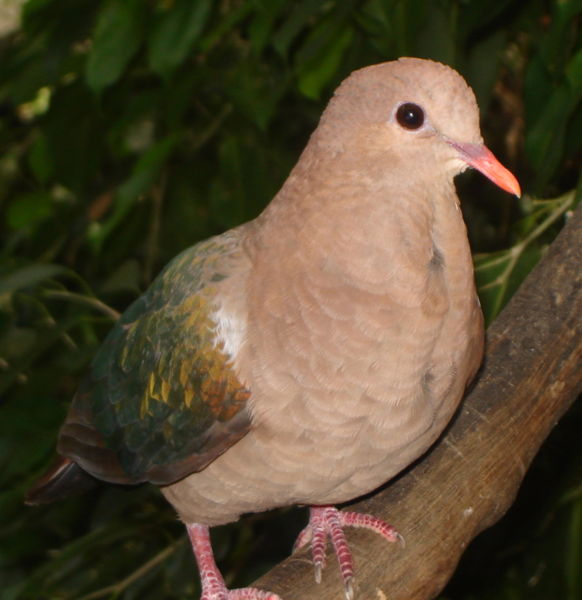
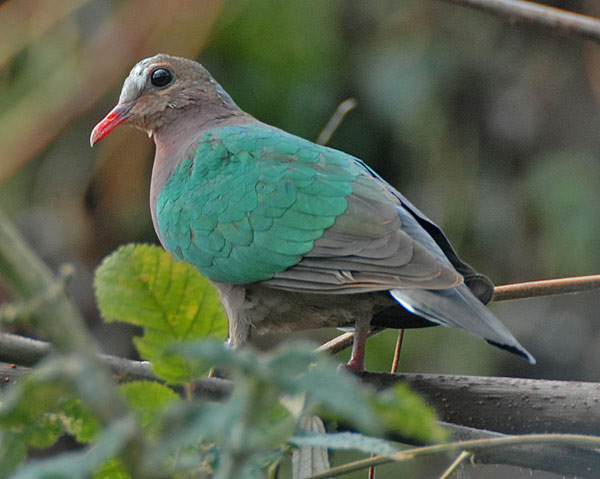
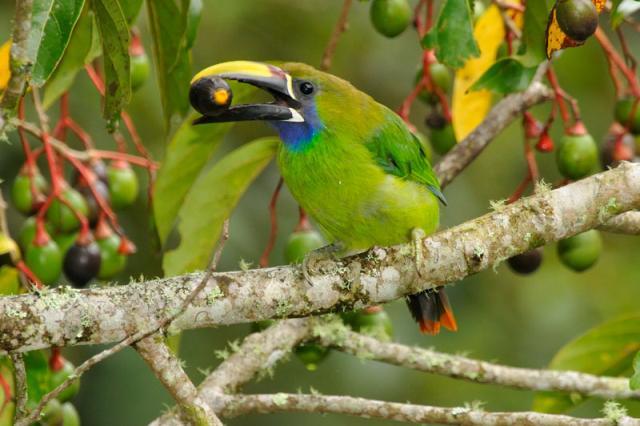
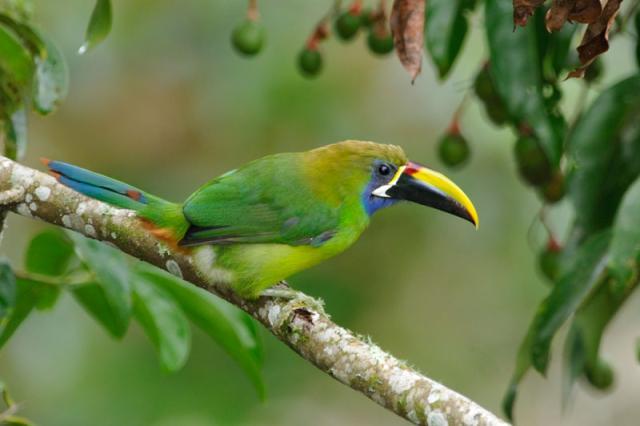
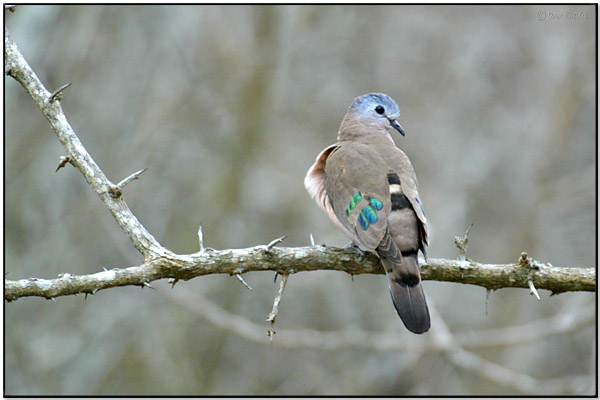
There are six birds that have a first name of Emerald: Emerald Starling, Emerald Tanager, Emerald Toucanet, Emerald-bellied Puffleg, Emerald-chinned Hummingbird, Emerald-spotted Wood Dove. There are also Hummingbird family members that are Emeralds.

“Happy is he that hath the God of Jacob for his help, whose hope is in the LORD his God: Which made heaven, and earth, the sea, and all that therein is: which keepeth truth for ever:” (Psalms 146:5-6 KJV)


*** Articles in this Series so far:

What will you do with Jesus?