“And he arose, and came to his father. But when he was yet a great way off, his father saw him, and had compassion, and ran, and fell on his neck, and kissed him.” (Luk 15:20 KJV)
“I know all the fowls of the mountains: and the wild beasts of the field are mine.” (Psam 50:11 KJV)
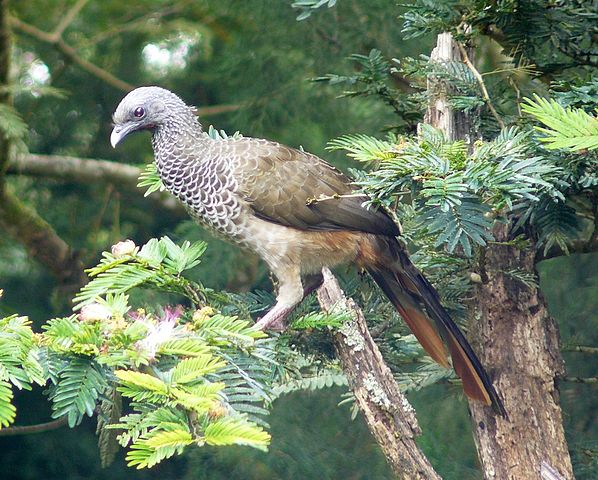
Chachalacas are a part of the Cracidae family. There are 55 species in this family and these 16 Chachalacas are in the Ortalis genus. It makes for a good division for this family, plus, I have been having computer problems for over a week. So, we will go with these noisy little avian wonders from the Lord’s hand. You may notice that they are not really “handsome” or “colorful,” yet, they are just as special to their Creator as the more fancy birds.
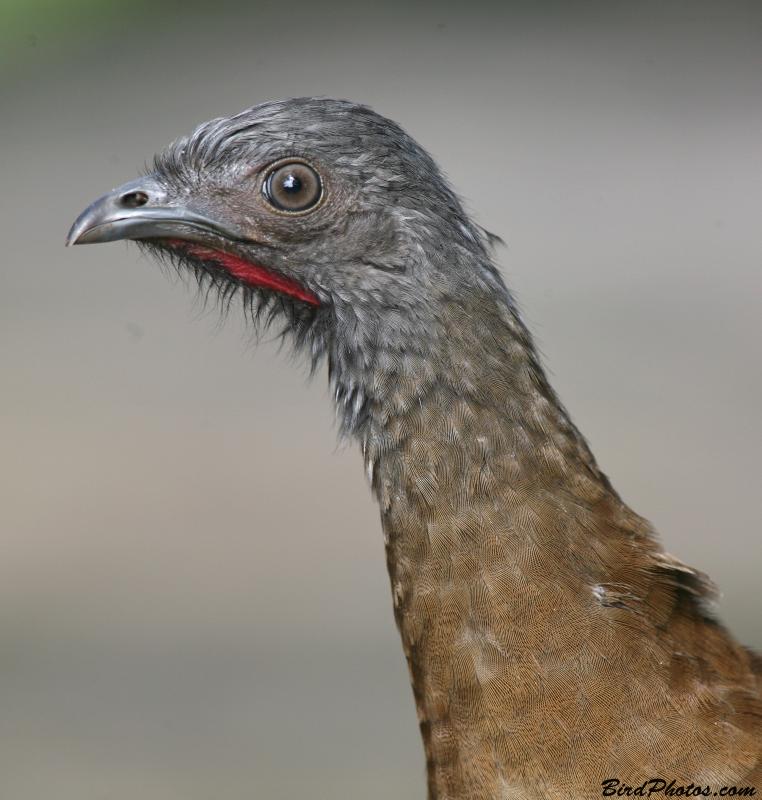
Rufous-vented Chachalaca (Ortalis ruficauda) by Kent Nickel
Chachalacas are mainly brown galliform birds from the genus Ortalis. These birds are found in wooded habitats in far southern United States (Texas), Mexico, and Central and South America. They are social, can be very noisy and often remain fairly common even near humans, as their relatively small size makes them less desirable to hunters than their larger relatives. They somewhat resemble the guans, and the two have commonly been placed in a subfamily together, though the chachalacas are probably closer to the curassows.
The generic name is derived from the Greek word όρταλις, meaning “pullet” or “domestic hen.” The common name is an onomatopoeia for the four-noted cackle of the plain chachalaca (O. vetula). (Information from Wikipedia)
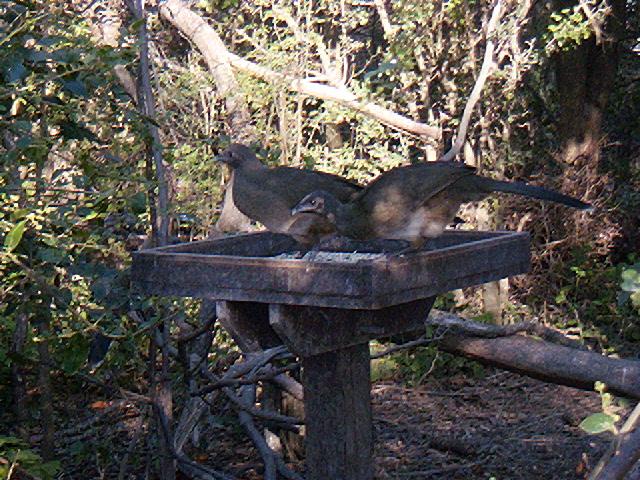
Plain Chachalaca at Santa Ana NWR, 2002 [Old camera]
We were fortunate to see our first Chachalaca at the Santa Ana NWR in South Texas back in 2002. They just barely come over into the U.S.
This slideshow requires JavaScript.
After that noisy Chachalaca thought you might like a little quieter song.
*And my people shall dwell in a peaceable habitation, and in sure dwellings, and in quiet resting places;” (Isa 32:18 KJV)
“Quiet Rest* and “Sweet Hour of Prayer” ~ by Kathy Lisby – Nell Reese acc”.
“And my hand hath found as a nest the riches of the people: and as one gathereth eggs that are left, have I gathered all the earth; and there was none that moved the wing, or opened the mouth, or peeped.” (Isaiah 10:14 KJV)
“Bring forth with thee every living thing that is with thee, of all flesh, both of fowl, and of cattle, and of every creeping thing that creepeth upon the earth; that they may breed abundantly in the earth, and be fruitful, and multiply upon the earth.” (Genesis 8:17 KJV)
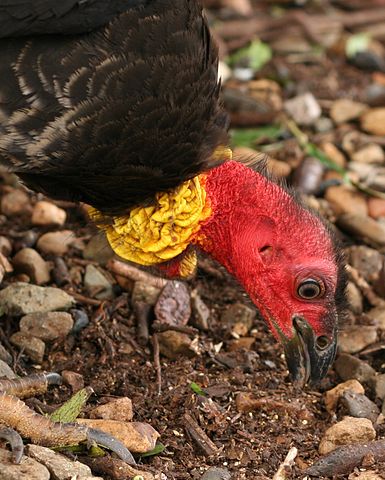
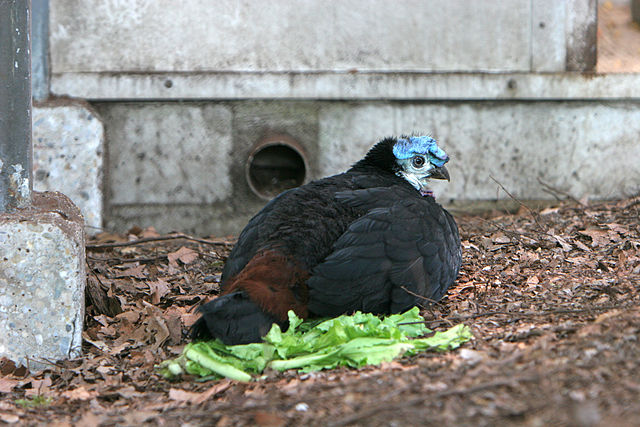
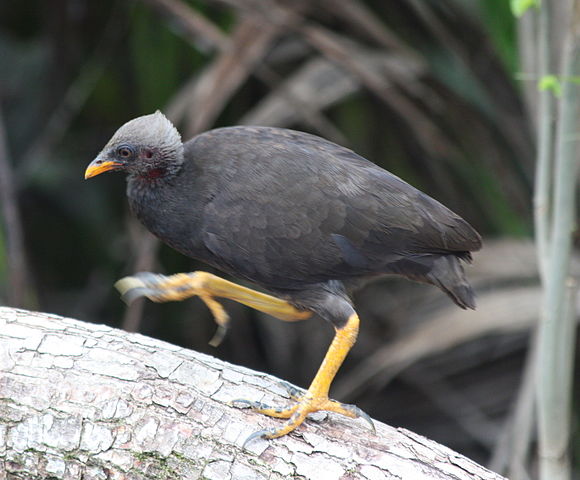
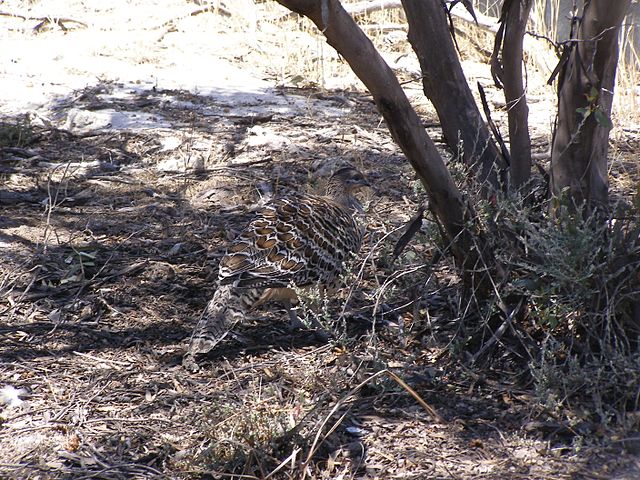
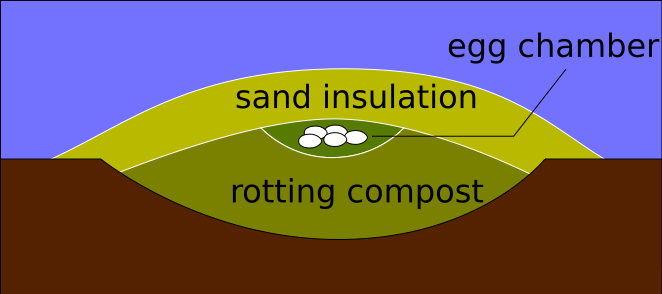
This week we start introducing you to the five families in the Megapodiidae Order. The first family in taxonomic listings is the Megapodiidaes. There are 21 species in this family of “medium-sized to large terrestrial birds with large legs and feet with sharp claws. They range from 28 to 70 cm. The largest members of the clade are the species of Alectura and Talegalla. The smallest are the Micronesian scrubfowl (Megapodius laperouse) and the Moluccan scrubfowl (Eulipoa wallacei). They have small heads, short beaks, and rounded and large wings. Their flying abilities vary within the clade. They present the hallux at the same level of the other toes just like the species of the clade Cracidae. The other Galliformes have their halluces raised above the level of the front toes.”
“The megapodes, also known as incubator birds or mound-builders, are stocky, medium-large chicken-like birds with small heads and large feet in the family Megapodiidae. Their name literally means “large foot” (Greek: mega = large, poda = foot), and is a reference to the heavy legs and feet typical of these terrestrial birds. All are browsers, and all but the malleefowl occupy wooded habitats. Most are brown or black colored. Megapodes are superprecocial, hatching from their eggs in the most mature condition of any birds. They hatch with open eyes, bodily coordination and strength, full wing feathers and downy body feathers, and are able to run, pursue prey, and, in some species, fly on the same day they hatch.”
The family consist of 6 Brushturkeys, the Malleefowl, Maleo, 10 Megapodes and 3 Scrubfowls.
*
This slideshow requires JavaScript.
“Saying, We give thee thanks, O Lord God Almighty, which art, and wast, and art to come; because thou hast taken to thee thy great power, and hast reigned.” (Revelation 11:17 KJV)
“The law of truth was in his mouth, and iniquity was not found in his lips: he walked with me in peace and equity, and did turn many away from iniquity.” (Malachi 2:6 KJV)
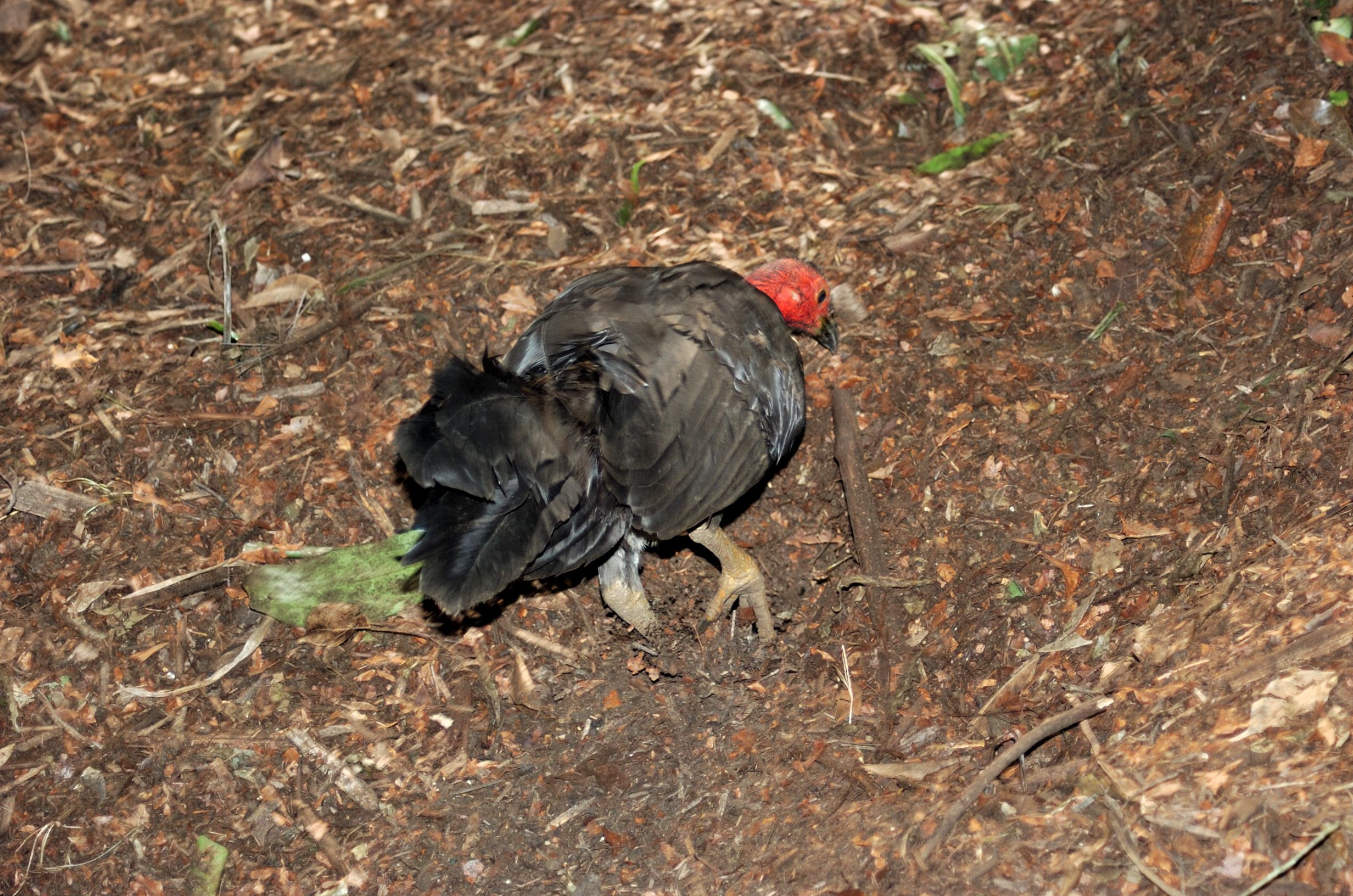
Australian Brushturkey (Alectura lathami) at NA by Dan




 Lee's Birdwatching Adventures Plus