Ian’s Bird of the Week – Pale-headed Rosella

Pale-headed Rosella (Platycercus adscitus) by Ian

Pale-headed Rosella (Platycercus adscitus) by Ian

Ian’s Bird of the Week – Pale-headed Rosella ~ by Ian Montgomery

Newsletter – 8/24/14

The bird of the week is the Pale-headed Rosella, which I’ll get to in a second, but this is a Special Edition as Where to Find Birds in Northern Queensland is at last being published. That is to say, it has been published on Google Play but not yet on the Apple iBook store. That will take a little longer as there are bureaucratic obstacles to be over come. These involve registering Birdway Pty Ltd with the US Inland Revenue and then Apple confirming the registration with the IRS. The first part was easy but the second seems harder as it takes a while for the registration to soak through and finally emerge in the IRS online databases. Anyway, I’ll let you know, loudly, when that happens. In the meantime, you can find it on Google at https://play.google.com/store/books/details?id=CblRBAAAQBAJ.
Where To Find Birds in Northern Queensland by Ian

Where To Find Birds in Northern Queensland

End of commercial!

The Pale-headed Rosella, is the widespread and familiar Rosella of Queensland, though it range does extend as far as northern New South Wales. There, and in southeastern Queensland, its range overlaps with the closely related Eastern Rosella and they sometimes interbreed.

The ones in the first two photos were taken outside my house. The first bird is feeding on the seeds of weeds, plenty of those here, and the second is feeding on the fruit of wild passionfruit, another weed, also called stinking passionfruit (Passiflora foetida) as the foliage emits a strong odour when crushed. They’re lovely birds, rather unobtrusive though their soft twittering calls reveal their presence, and I’ll always get pleasure from seeing them. They’re usually in pairs of family parties. The plumage is variable: the bird in the first photo has a much intense blue breast than the second one, but the field guides are tight-lipped about whether the plumage of the sexes differs.

Pale-headed Rosella (Platycercus adscitus) by Ian

Pale-headed Rosella (Platycercus adscitus) by Ian

They’re more forthcoming about the plumage of juveniles, as these often show traces of red or darker feathers on the head, like the one coming down for a drink in the third photo.
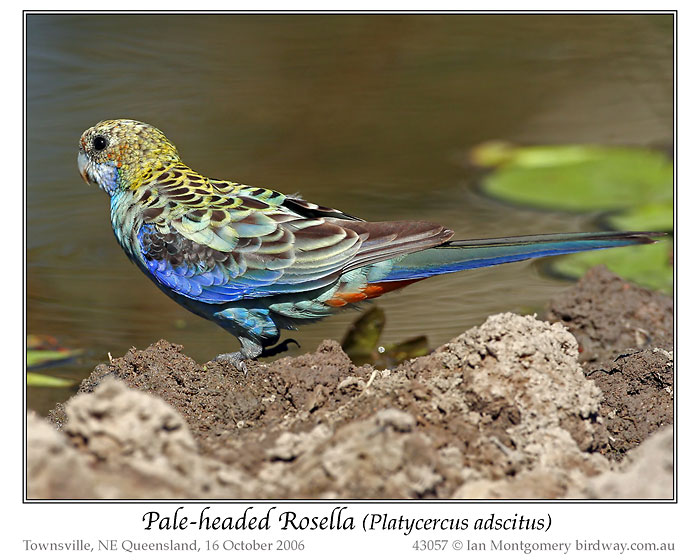
Pale-headed Rosella (Platycercus adscitus) by Ian

Pale-headed Rosella (Platycercus adscitus) by Ian

There are two races of the Pale-headed Rosella, a northern paler one on Cape York and south to about Cairns, and a southern darker one south of Townsville with a 300km/200mile band of intergrading between Cairns and Townsville. Originally these were described as two different species, the northern one being the Blue-cheeked Rosella, Platycercus adscitus, the southern one the Pale-headed Rosella, P. palliceps. When they were lumped together, the earlier name adscitus took priority, so the northern race is the nominate one and the southern darker one is race palliceps – unfortunately, given that it is the more intensely coloured. Adscitus means ‘approved’ or ‘accepted’, though exactly what was approved or accepted, I don’t know.

Pale-headed Rosella (Platycercus adscitus) by Ian

Pale-headed Rosella (Platycercus adscitus) by Ian

The Townsville birds in the first three photos belong to palliceps. The two, photographed together at Lake Eacham southwest of Cairns, are much closer the nominate race. The yellow is much paler overall, particularly on the back and the upper breast is mainly pale yellow, rather than blue, but there is a blue patch on the lower cheek. The bird in the fifth photo has clear traces of red on the forehead and is a juvenile; the one in the fourth photo has pinkish traces and may be a young bird too.
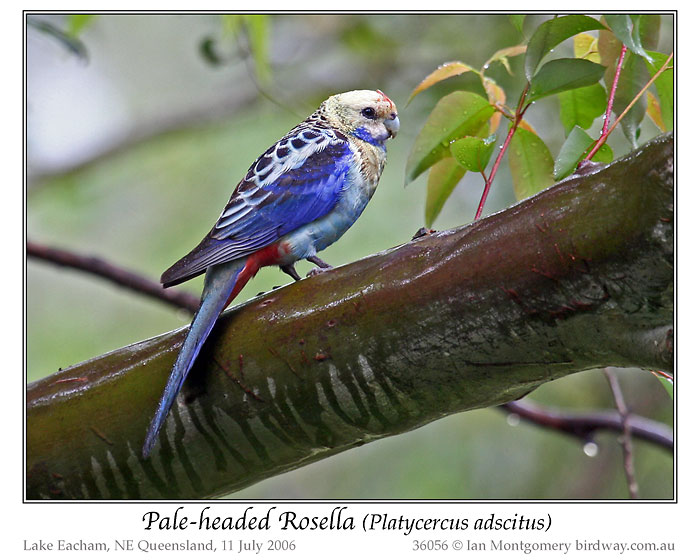
Pale-headed Rosella (Platycercus adscitus) by Ian

Pale-headed Rosella (Platycercus adscitus) by Ian

The taxonomy of Rosellas in general has been controversial and is still unsettled. Some authorities maintain that the Pale-headed, the Eastern Rosella and the Northern Rosella all belong to a single species even though they look quite different. Whatever, they’re lovely birds, and the good news is that the Pale-headed Rosella has benefitted from European settlement and the clearing of dense forests – they prefer more open areas.

Links:
Pale-headed Rosella 
Eastern Rosella 
Northern Rosella 

Greetings
Ian

**************************************************
Ian Montgomery, Birdway Pty Ltd,
454 Forestry Road, Bluewater, Qld 4818
Tel 0411 602 737 ian@birdway.com.au
Bird Photos http://www.birdway.com.au/
Recorder Society http://www.nqrs.org.au


Lee’s Addition:

Oh that my words were now written! oh that they were printed in a book! (Job 19:23 KJV)

I have fought a good fight, I have finished my course, I have kept the faith: (2 Timothy 4:7 KJV)

Glad they finally have their book published. I know that Ian has been working on this for some time. It is always a great feeling when a project is completed.

Also, the Pale-headed Rosella is a beautiful bird. Another great creation from their Creator. I especially like that first photo.

Rosellas are members of the Psittacidae – Parrots Family. You can see Ian’s photos of this family by clicking here.

See:

*

Sunday Inspiration – Batis and Wattle-eye

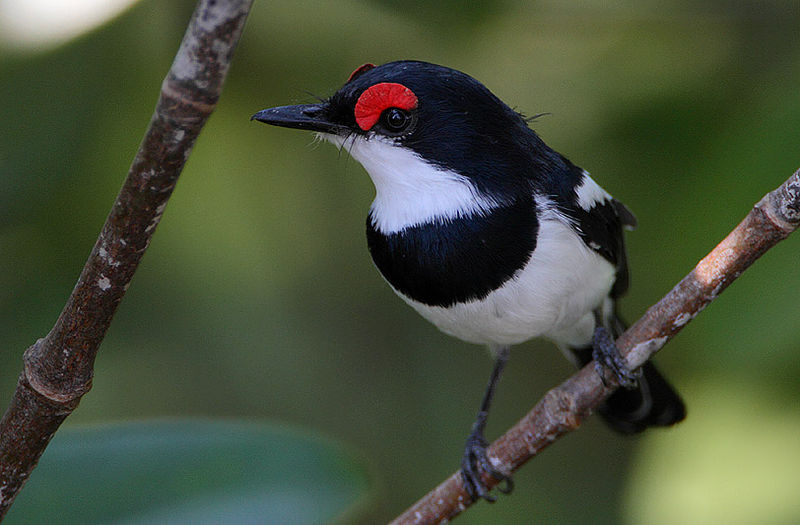
Brown-throated Wattle-eye (Platysteira cyanea) ©WikiC

Brown-throated Wattle-eye (Platysteira cyanea) Male ©WikiC


Behold, the eye of the LORD is upon them that fear him, upon them that hope in his mercy; (Psalms 33:18 KJV)

Open thou mine eyes, that I may behold wondrous things out of thy law. (Psalms 119:18 KJV)

The eyes of the LORD are in every place, beholding the evil and the good. (Proverbs 15:3 KJV)

Lift up your eyes on high, and behold who hath created these things, that bringeth out their host by number: he calleth them all by names by the greatness of his might, for that he is strong in power; not one faileth. (Isaiah 40:26 KJV)

The Platysteiridae Family has these neat little Wattle-eyes and Batis, plus two Shrike-flycatchers and a Shrike. The family has a total of 33 species. I spotted these while working on the update and decided to share them. Their eyes are what draws your attention to them. They are cute little birds that show again the Creator’s variety.

The Platysteiridae are small to medium sized passerines. They have short legs and an upright stance while perched. The tail length is variable, with the Dyaphorophyia wattle-eyes and batises having short tails and the Platysteria wattle-eyes and shrike-flycatchers possessing longish tails. The bill is flat and hooked at the end, and generally wide with well-developed rictal bristles. With the exception of a few batises the plumage of the family is sexually dimorphic. Overall the family has white undersides and dark, speckled upperparts, with many species sporting a band across the chest. A few wattle-eyes depart from this pattern and possess brightly coloured plumage. The plumage on the back of some genera are erectile, giving the family the alternative name of puffback flycatchers. The iris of the batises and the black-and-white shrike-flycatcher is brightly coloured and used in communication, becoming more brightly coloured when the adults are excited. In the wattle-eyes the supra-orbital wattles above the eyes, which give them their name, are used for communication. In addition the family is highly vocal, giving a range of whistles, harsh calls and duets. (Wikipedia)


This slideshow requires JavaScript.

“There Shall Be Showers of Blessing”. Hymn – at Faith Baptist Church

*

Platysteiridae – Wattle-eyes, Batises

Sunday Inspiration

Birds of the World – Families

4 Things God Wants You to Know

*

Dusky’s and In Love With Words

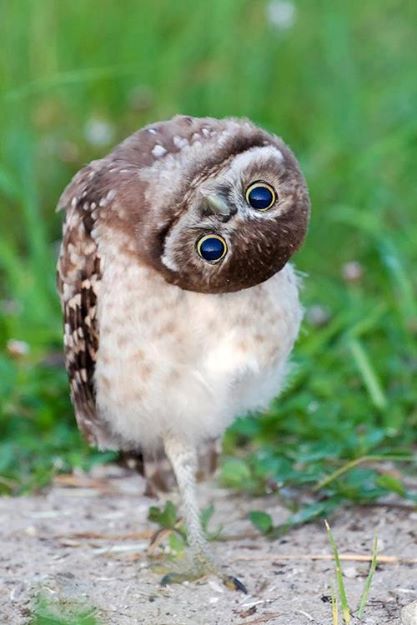
Burrowing Owl from Dusky's Wonders

Burrowing Owl from Dusky’s Wonders

And thou shalt love the Lord thy God with all thy heart, and with all thy soul, and with all thy mind, and with all thy strength: this is the first commandment. And the second is like, namely this, Thou shalt love thy neighbour as thyself. There is none other commandment greater than these. (Mark 12:30-31 KJV)

Wanted to share with you two blogs I follow.

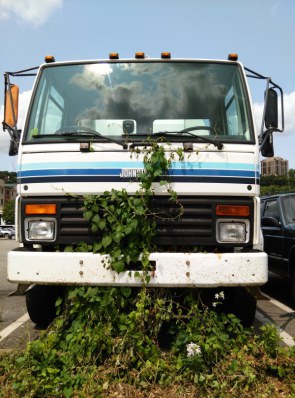
Sandra Conner’s, In Love With Words, had a neat post about a truck that  was crying. It is worth reading.

In Love With Words - Crying Truck and Virginia Creeper

In Love With Words – Crying Truck and Virginia Creeper

Virginia Creeper wasn’t beautiful and was generally considered a nuisance wherever she grew. But she had a kind heart, and when she heard sobbing out by the alley, she crawled over to investigate. She found Barney, the discarded garbage truck, soaking the ground with his tears……..

FRIDAY FICTIONEERS – 8/22/14 — ‘LOVE GROWS ON YOU’

I love it! Hope you do also.

*

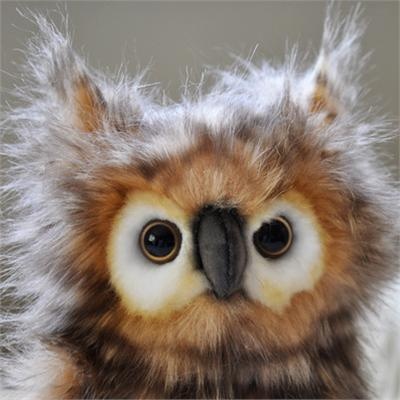
Owl from Dusky's Wonders

Owl from Dusky’s Wonders

Also Dusky’s Wonders released a new set of neat bird photos again today. Check those out.

I am still working on the IOC Version 4.3 Update. All the pages are completed and now I am working on the Indexes. Majority of the work is done. Stay tuned.

Birds of the World

*

Bible Birds – Peacocks Page Updated

Indian Peafowl (Pavocristatus) by Nikhil Devasar

Indian Peafowl (Pavocristatus) by Nikhil Devasar

Gavest thou the goodly wings unto the peacocks? or wings and feathers unto the ostrich?  (Job 39:13)

Peacocks belong to the  Phasianidae – Pheasants, Fowl & Allies Family.

Click to See the updated page with a Slideshow and the article

*

Sunday Inspiration – Smiling

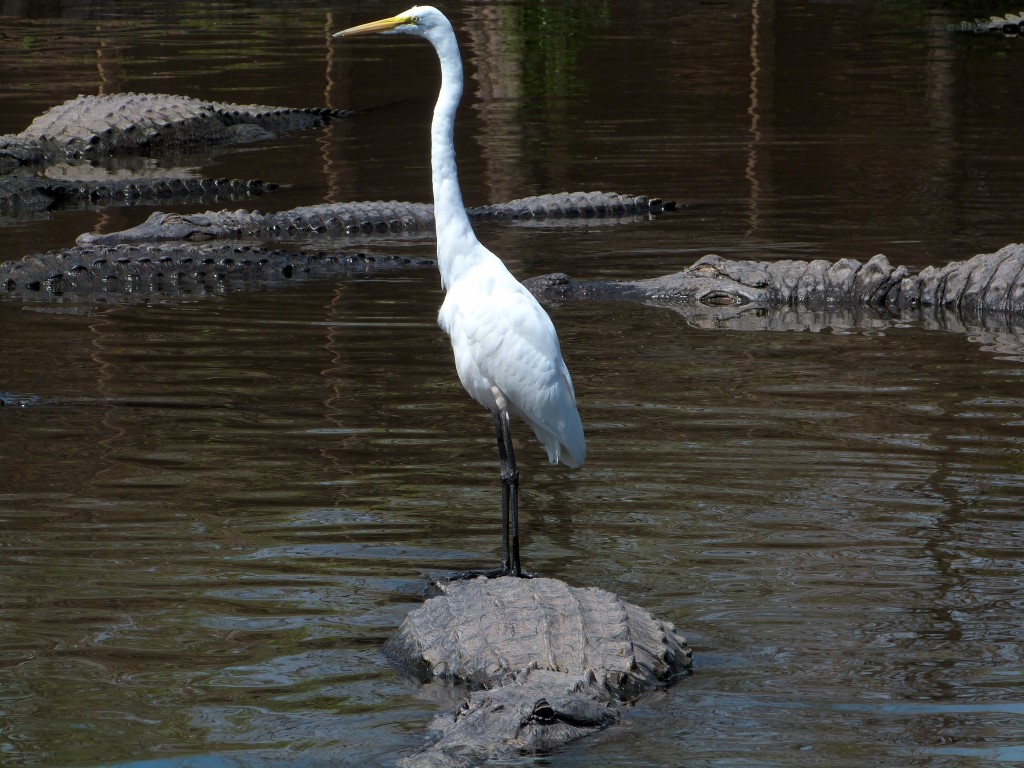
Gators at Gatorland - Great Egrets catching a ride

Gators at Gatorland – Great Egrets catching a ride

The LORD looks from heaven; He sees all the sons of men; (Psa 33:13)

The LORD looks down from heaven upon the children of men, To see if there are any who understand, who seek God. (Psa 14:2 NKJV)

Today’s Inspiration is just a collection of photos that have been used before. Most are on the lighter side. Some to make you smile, others just to help us enjoy the Lord’s critters. I especially enjoy the three ladies singing “Smile On Me Gracious Lord.”

I trust we all want the Lord to smile on us. Knowing the Lord as your personal Savior and accepting Him will definitely put a smile on His Face.

This slideshow requires JavaScript.

“Smile On Me Gracious Lord” – Special by Amy, Dakota and Christina

*

More Sunday Inspirations

Wordless Birds

*

(WordPress is having a problem at this time and adding new photos is too frustrating to bother with.)

*

Ian’s Bird of the Week – Masked Woodswallow

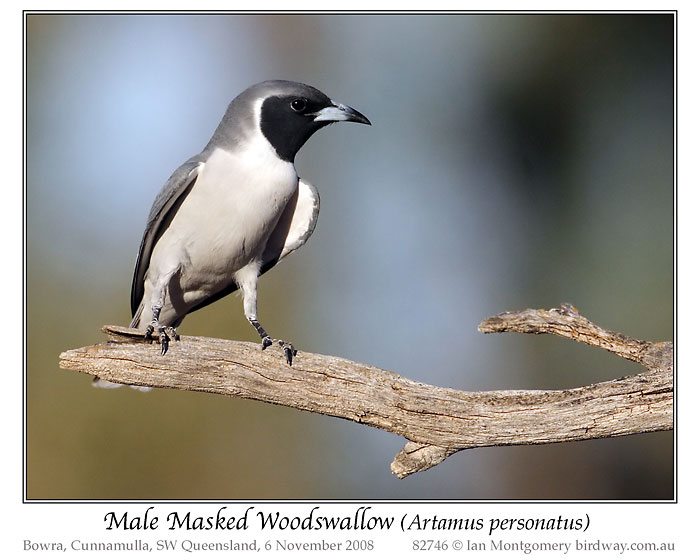
Masked Woodswallow (Artamus personatus) by Ian

Ian’s Bird of the Week – Masked Woodswallow ~ by Ian Montgomery

Newsletter – 8/14/14

When I was taking location photos along the inland route to Paluma several weeks ago, I came across a mixed flock of a couple of hundred Masked and White-browed Woodswallows. The White-browed featured as bird of the week in 2005, but the Masked hasn’t so here it is. The males in particular, first photo, are very elegant with a sharply defined, very black mask, soft grey back, almost white underparts and a white crescent between the mask and the back of the head.

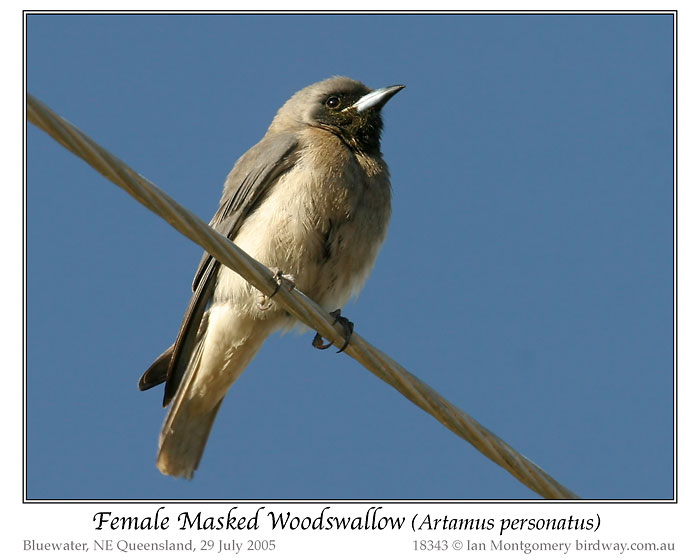
The females, second photo, are similar to the males with less contrasting plumage, only a subtle crescent, and a buff wash to the upper breast. The yellow specks on the mask and breast of this female are pollen – these primarily insectivorous birds also feed on nectar, particularly in northern Australia in winter.

Masked Woodswallow (Artamus personatus) by Ian
The female in the second photo and the juvenile in the third photo were in a mixed flock of Masked and White-browed that spent a week or so feeding on the locally common Fern-leaved Grevillea near where I live in 2005. The juveniles are similar to the females, but with browner plumage with pale spots and streaks.

Masked Woodswallow (Artamus personatus) by Ian

The ‘swallow’ part of the name comes from their buoyant, gliding flight and not because they are related to real swallows (family Hirundinidae). Rather, they are related to the Australian Magpie, Butcherbirds and Currawongs, usually combined in the one family, the Artamidae. There is an obvious similarity to the Magpie and Butcherbirds in their general form and bi-coloured bills and they are also quite aggressive, Woodswallows being quick to mob raptors in flight. The ‘personatus’ part of the scientific name comes from the Latin persona, meaning mask, a derivation that amused me when I though of show business ‘personalities’.

The White-browed and Masked Woodswallows are very closely related species, even though their respective plumages are quite distinct. They are both very nomadic and occur throughout mainland Australia, though not Tasmania. They often occur together in large mixed flocks. In eastern Australia, the White-browed predominates; in Western Australia, the Masked is more numerous and may occur alone. The two species will even nest together in small mixed colonies and occasionally interbreed.

Links:
Artamidae
Masked Woodswallow
White-browed Woodswallow

Greetings
Ian

**************************************************
Ian Montgomery, Birdway Pty Ltd,
454 Forestry Road, Bluewater, Qld 4818
Tel 0411 602 737 ian@birdway.com.au
Bird Photos http://www.birdway.com.au/
Recorder Society http://www.nqrs.org.au


Lee’s Addition:

“Even the stork in the heavens Knows her appointed times; And the turtledove, the swift, and the swallow Observe the time of their coming. But My people do not know the judgment of the LORD. (Jeremiah 8:7 NKJV)

What a neat looking bird. I especially like the clean line around his “mask”. We have seen Woodswallows in a zoo, but not this kind and not in the wild. That last photo is a super photo. Thanks, Ian, for sharing with us.

Swallows and Woodswallows are in two different families. Woodswallows are in the Artamidae – Woodswallows Family while the Hirundinidae Family has the Swallows and Martins.

Here is a photo of  White-breasted Woodswallows that we saw at Zoo Miami:

White-breasted Woodswallow (Artamus leucorynchus amydrus) by Lee ZM

White-breasted Woodswallow (Artamus leucorynchus amydrus) by Lee ZM

*

Birds of the Bible – Peacocks in South Carolina

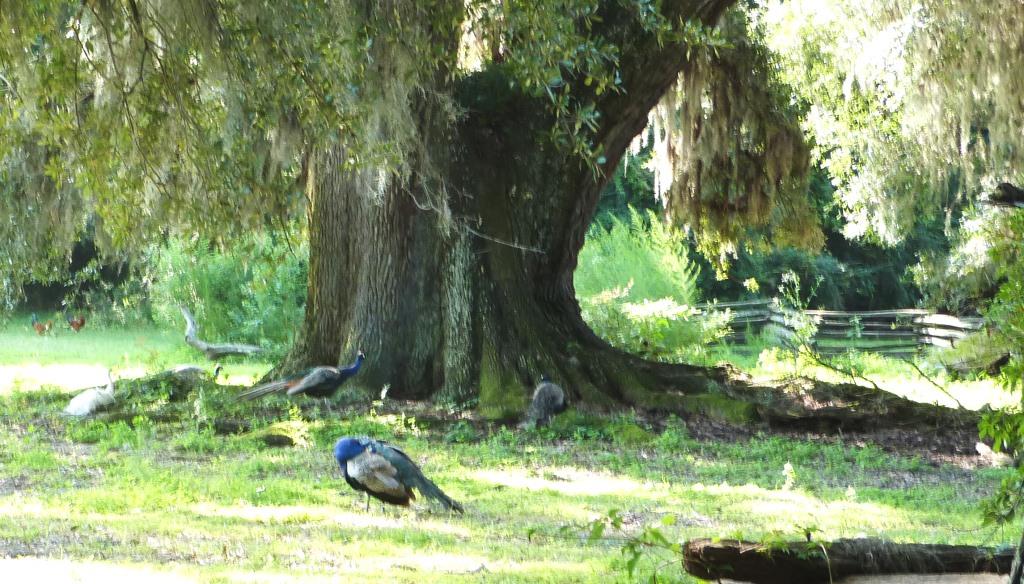
Peacocks at entrance to Magnolia Plantation

Peacocks at entrance to Magnolia Plantation


For the king had at sea a navy of Tharshish with the navy of Hiram: once in three years came the navy of Tharshish, bringing gold, and silver, ivory, and apes, and peacocks. (1 Kings 10:22)

We have just arrived home from a shortened vacation due to a health issue. We got as far as Charleston, S. C. before turning around and drifting back home.

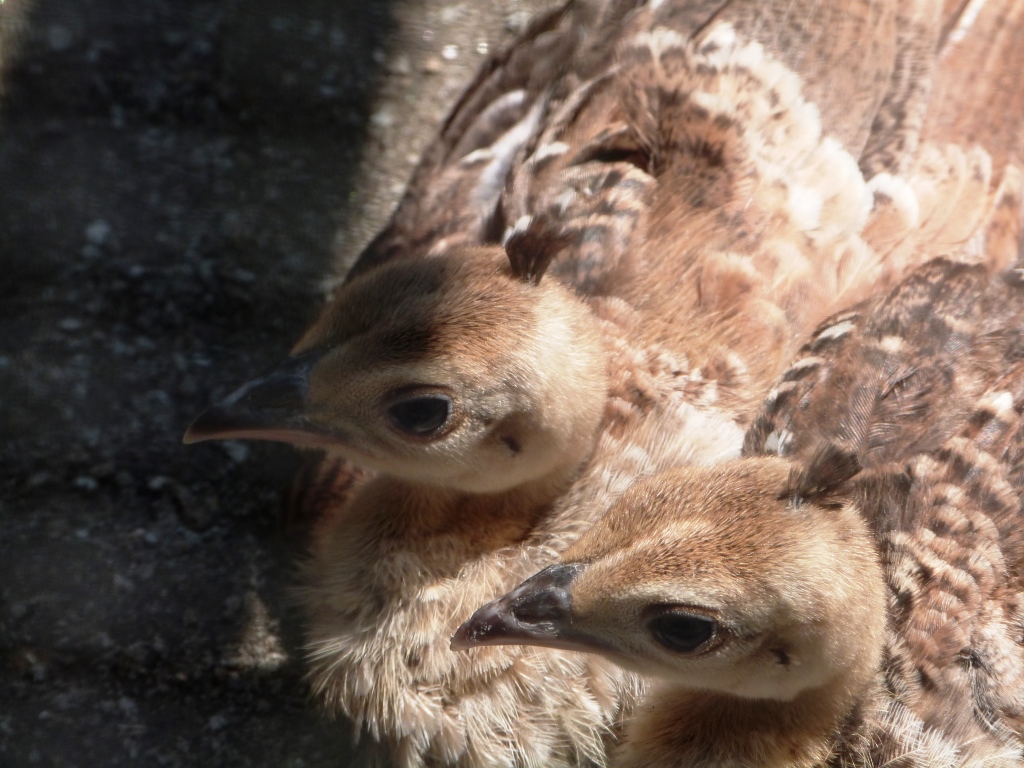
We were able to visit a few places, the Magnolia Plantation, for one, in Charleston. We were greeted at the entrance by at least 6 or 7 Peacocks. Also at the Petting Zoo, they had two female Peafowl with very young peachicks. As far as I could tell, these were Indian Peafowl (Pavo cristatus). Peacocks are actually Peafowl and belong to the Pheasant & Allies Phasianidae Family.

I have never seen peachicks before and thought it cute that they have the little tufts on their heads that will eventually grow those top feathers.

Peachicks at Magnolia Gardens by Lee

Peachicks at Magnolia Gardens by Lee

“First, the “Peacocks” are the males. The females are called “Peahens” and their chicks are called “Peachicks.”  Collectively the birds are called Peafowl. They all belong to the Phasianidae – Pheasants, Fowl & Allies Family.” (From Birds of the Bible – Peacocks II


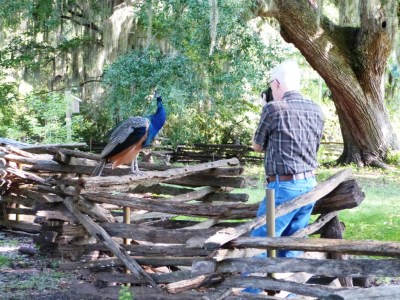
Dan photographing one of the Peacocks

Dan photographing one of the Peacocks

To find out more about Peacocks (Peafowl):

*

PS. Sorry about the quickly edited photos. I’ve had the blog on “auto-pilot” for over a week, but ran out of pre-scheduled blogs.

*

Sunday Inspiration – Sunbirds

Crimson Sunbird (Aethopyga siparaja) by Peter Ericsson

Crimson Sunbird (Aethopyga siparaja) by Peter Ericsson

For the LORD God is a sun and shield; The LORD will give grace and glory; No good thing will He withhold From those who walk uprightly. (Psalms 84:11 NKJV)

From the rising of the sun to its going down The LORD’s name is to be praised. (Psalms 113:3 NKJV)

Sunbirds are another of the beautifully created birds from the Lord’s Hand. They are members of the Nectariniidae – Sunbirds family. This family has 143 members including the Sunbirds and Spiderhunters.

These are very small passerine birds. Most sunbirds feed largely on nectar, but also take insects and spiders, especially when feeding young. Flower tubes that bar access to nectar because of their shape, are simply punctured at the base near the nectaries. Fruit is also part of the diet of some species. Their flight is fast and direct on their short wings.

The family is distributed throughout Africa, the Indian Subcontinent, Southeast Asia and just reaches northern Australia.

This slideshow requires JavaScript.

*

“Temporary Home” – Flute played by Courtney Love (artist Carrie Underwood)

*

If you would like to see the words to this song:

Little boy, six years old
A little too used to being alone
Another new mom and dad
Another school, another house that’ll never be a home

When people ask him how he likes this place
He looks up and says with a smile upon his face

“This is my temporary home, it’s not where I belong
Windows and rooms that I’m passing through
This is just a stop on the way to where I’m going
I’m not afraid because I know this is my temporary home”
Hmmmm………
Young mom on her own
She needs a little help, got nowhere to go
She’s looking for a job, looking for a way out
‘Cause a halfway house will never be a home

At night she whispers to her baby girl
“Someday we’ll find our place here in this world”

“This is our temporary home, it’s not where we belong
Windows and rooms that we’re passing through
This is just a stop on the way to where we’re going
I’m not afraid because I know this is our temporary home”
Hmmmm………
Old man, hospital bed
The room is filled with people he loves
And he whispers “Don’t cry for me, I’ll see you all someday”
He looks up and says “I can see God’s face”

“This is my temporary home, it’s not where I belong
Windows and rooms that I’m passing through
This was just a stop on the way to where I’m going
I’m not afraid because I know this was my temporary home”
This is our temporary home
This is our temporary home.

(Published – FAIR USE)

Blessed be the God and Father of our Lord Jesus Christ, who according to His abundant mercy has begotten us again to a living hope through the resurrection of Jesus Christ from the dead, to an inheritance incorruptible and undefiled and that does not fade away, reserved in heaven for you, who are kept by the power of God through faith for salvation ready to be revealed in the last time. (1 Peter 1:3-5 NKJV)

More

Sunday Inspiration

Nectariniidae – Sunbirds Family

Sunbird – Wikipedia

*

Universe: Life Anywhere Else?

Golden Eagle (Aquila chrysaetos) Flying ©WikiC

Golden Eagle (Aquila chrysaetos) Flying ©WikiC

Universe: Life Anywhere Else?

Golden Eagle ©PD

Golden Eagle ©PD

Hi again! This is Golden Eagle flying in to talk about some more important info for this journey of life! Last time we talked about the fact that the God of Creation, the Lord Jesus Christ, created birds on day number five. In fact, we have seven days each and every week. Where does that come from? In my previous flights I have come to realize that the moon goes around the Earth in a few days and we get a month. The Earth goes around the sun in 365 and a quarter days and we get a year. But, in all of my flying, I did not realize where the week came from. And then it dawned on me, the 7-day week comes from the fact that God created everything in a 7-day week. You guys know that seven on a roll of the dice is a LUCKY number. Did you know that in the biggest atoms there are seven electron shells and no more. I have flown over six continents; however, all together there are seven continents on the Earth. There are seven colors in the rainbow. The last book of the Bible, Revelation, is full of the number 7! It seems like seven is a number that represents completeness. Well, enough of the number seven. The point is, boys and girls, the Bible is packed full of very interesting and useful information for our journey of life.

Black Vulture Tree by Lee Myakka SP

Black Vulture Tree by Lee Myakka SP

I don’t like vultures very much. Whenever I fly over central Florida, I see black vultures and turkey vultures. I have heard some birders call turkey vultures – TVs. When you see a vulture soaring around with wings on a warm thermal in the Summer-time and you see mostly black with a little gray at the end of the wings, that’s a black vulture. Vultures have a keen sense of smell. If an animal dies, they can smell their next dinner meal. God has created them for a very specific purpose. They are God’s clean-up crew. They also help lower the spread of disease and bacteria! Usually people feed birds. Did you know that at least one time in history birds fed people?

Northern Raven (Corvus corax) by Kent Nickell

Northern Raven (Corvus corax) by Kent Nickell

Elijah, the prophet of God, was experiencing a drought in the land of Israel. And God told Elijah to “get thee hence, and turn thee eastward, and hide thyself by the brook Cherith, that is before Jordan. And it shall be, that thou shalt drink of the brook; and I have commanded the RAVENS TO FEED THEE there.” (I Kings 17: 3-4) “And the ravens brought him bread and flesh in the morning, and bread and flesh in the evening…” (I Kings 17: 6)

*

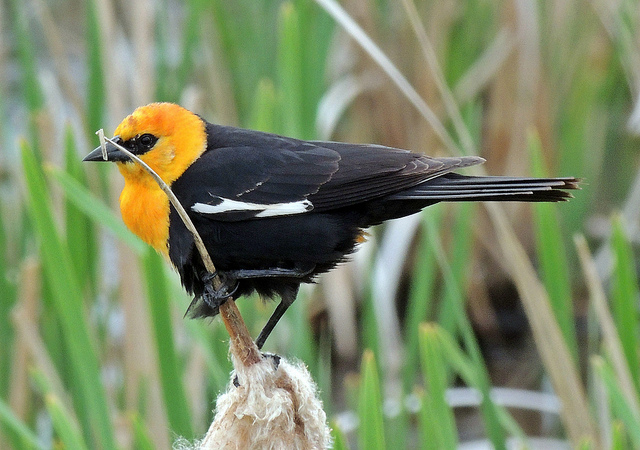
Yellow-headed and Red-winged Blackbirds: Living on the Inside or the Outside?

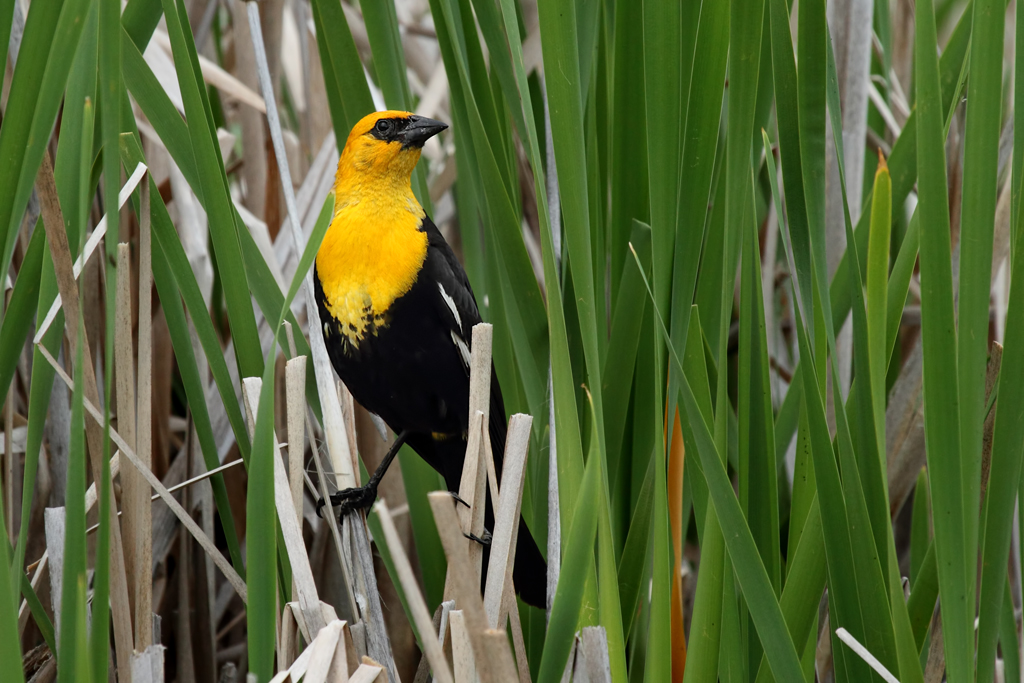
Yellow-headed Blackbird (Xanthocephalus xanthocephalus) ©WikiC Alan Vernon

Yellow-headed Blackbird (Xanthocephalus xanthocephalus) ©WikiC Alan Vernon

Draw nigh to God and He will draw nigh to you. (James 4:8)

Luzon Bleeding-heart by Dan

Orni-Theology

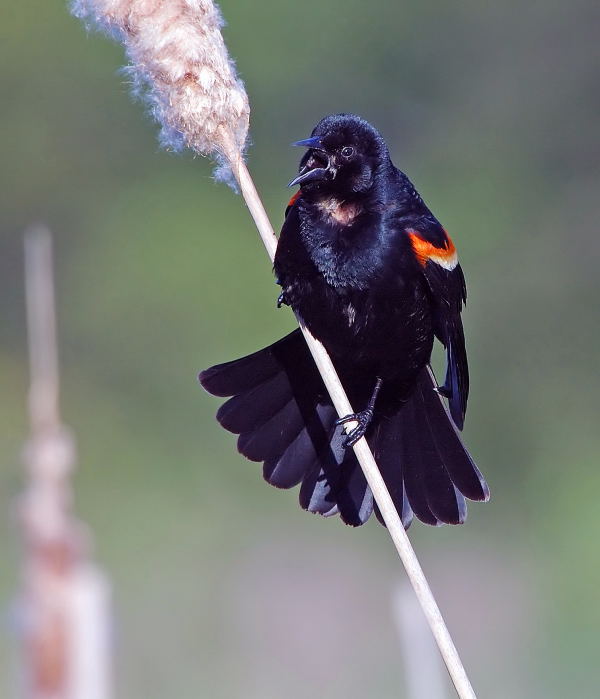
The Visitor Center at Jackson Hole, Wyoming (“Jackson Hole & Greater Yellowstone Visitor Center”), is a good place to go to for information on Grand Teton National Park, which borders the more-famous Yellowstone National Park.  Yet for bird-lovers, the visitor’s center itself is an attraction, in summer, because the marshy ponded area next to the building hosts a congregation of blackbirds, both Red-winged Blackbirds (Agelaius phoeniceus) and Yellow-headed Blackbirds (Xanthocephalus xanthocephalus).

If you are helping city kids to see these passerine icterids, tell them to “look for the tall corny-dogs growing in the wild” (cattails – Typha species, tall-stemmed wetland plants topped by a sausage-shaped flowering “spike”), around the pond.

As in many other lacustrine marshlands, red-winged blackbirds are often found perched among the cattails that grow as emergents among the wavy shoreline of pond.  For a redwing this is “prime real estate”, until the yellow-heads move in. How so?  In cattail dominated marsh-ponds, if both yellow-heads and red-wings are both present, the innermost places of the cattail “ring” are routinely occupied by the yellow-headed blackbirds, leaving the “outer” cattail positions (i.e., slightly farther away from the pond-water) for the redwings.

Why?  I have no idea why, but others have notice this. [E.g., see W. Braun’s observations in Blackbirds In Cattail Marshes , saying “The YHBs [yellow-headed blackbirds] clearly are the rulers of the cattails. They often, but not always, nest in the same marsh as the Red-winged Blackbird and the Common Grackles. The larger Yellow-headed Blackbird is dominant to the Red-winged Blackbird and displaces the smaller blackbird from the prime nesting spots.”]

Red-winged and Yellow-headed Blackbirds on Cattails ©Orcawatcher.com

Red-winged and Yellow-headed Blackbirds on Cattails ©Orcawatcher.com

Photo credit Orcawatcher.Com

But it reminds me of the dramatic difference between the apostle Peter and the Pharisee Nicodemus.  Peter was (almost) always close to Christ, and often so, but Nicodemus mostly kept his distance from Christ, at least publicly.

Far from being infallible, Peter is infamous for his cowardice that was indicted by a rooster crowing thrice (Luke 22:54-61).  Peter is also remembered for getting distracted, and becoming fearful, and sinking into the Sea of Galilee, after having miraculously walked on water for only a few steps (Matthew 14:24-33).  But Peter was wise enough to immediately cry out “Lord, save me!”  (And Jesus did.)  At least Peter did some walking on water (at Christ’s command, of course), which is a lot better than the other disciples who just stayed in the boat, as mere spectators, wonderfully how Jesus was enabling Peter to walk on water.

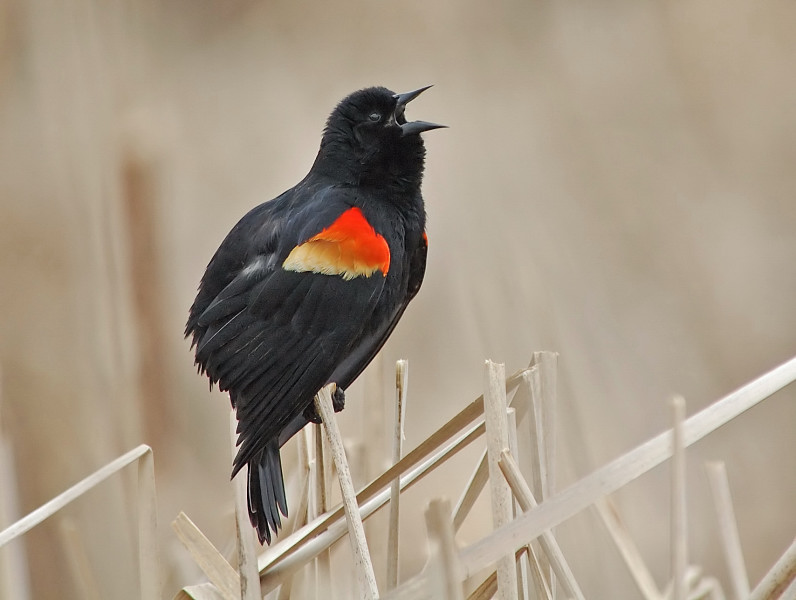
Red-winged Blackbird (Agelaius phoeniceus) by Ray

Red-winged Blackbird (Agelaius phoeniceus) by Ray

Likewise, Peter had the courage to step up and speak up – to call Jesus “the Christ, the Son of the living God” – a deed that the Lord Jesus commended Peter  — and God the Father —  for doing (Matthew 16:15-17).  And Peter did what he could to defend Jesus, in the Garden of Gethsemane, as Jesus was being arrested – Peter used a sword to chop off one man’s ear (Luke 22:49-51; John 18:10-11)!  (But unlike the Orcadian Viking known to history as Thorfinn Skull-splitter, Peter missed most of his victim’s head.)  It’s the thought that counts, right?

Yellow-hooded Blackbird (Chrysomus icterocephalus) ©Flickr Bob

Yellow-hooded Blackbird (Chrysomus icterocephalus) ©Flickr Bob

So you really have to love Peter.  (Jesus certainly did!)  Peter was one of the “inner” circle of three  –  just James, John, and Peter  — who were invited to witness the Lord Jesus Christ being glorified upon the Mount of Transfiguration (Matthew 17:1-8).  What an unforgettable privilege that was (2nd Peter 1:16-18)!  Jesus later invited the same “inner circle” of three to pray for Him in the Garden of Gethsemane (Matthew 26:37-38).  With all his faults, Peter was a truly privileged member of Christ’s “inner circle”.

But Peter’s privileges are not so high that we should feel sorry for Nicodemus.  Not at all!

Red-winged Blackbird (Agelaius phoeniceus) by Ray

What a privilege it was for Nicodemus to be the first listener to hear, what we now read in, John’s third chapter (John 3:1-9), including the everlastingly famous promise of John 3:16, spoken by Jesus Himself!  Later Nicodemus took a modest stand for Jesus (John 7:50-52), and in time Nicodemus had an official role in Christ’s burial (John 19:39-40) three days before Jesus rose triumphantly from the grave!

Even so, if one had the choice, why visit Christ, in secret, keeping a distance from Him in public, when the opportunity to belong to His “inner circle” is available?

Am I more like Peter or Nicodemus?  Maybe that question will come to mind next time you see a group of “inner circle” yellow-headed blackbirds, perching on cattails, as the “outer circle” of cattails hosts the red-winged blackbirds. And, if you like the idea of being in the Lord’s “inner circle”, you might sing this as a prayer:  “Just a closer walk with Thee…”

James J. S. Johnson, with his family, has repeatedly visited Wyoming’s Jackson Hole Visitor Center, in summer, to admire the yellow-headed and red-winged blackbirds that congregate on and among the pond-ringed cattails there. (And a very special thank-you to Lee for teaching me how to edit the typos in this blog.)

*

Sunday Inspiration – Hawks

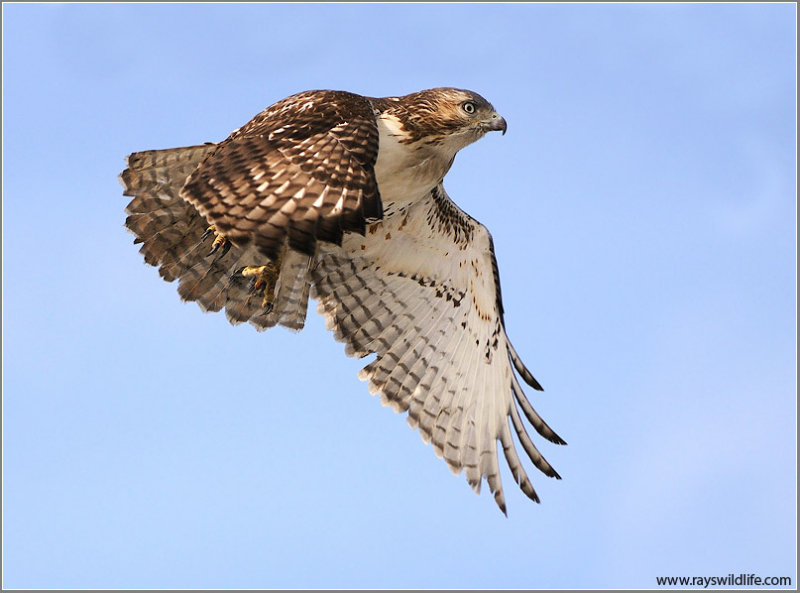
Red-tailed Hawk (Buteo jamaicensis) by Raymond Barlow

Red-tailed Hawk (Buteo jamaicensis) by Raymond Barlow

Does the hawk fly by your wisdom, And spread its wings toward the south? (Job 39:26 NKJV)

Hawks are members of the Accipitridae Family which includes the Hawks, Kites, Eagles, Vultures, plus Buzzards and other Birds of Prey. There are 256 species in the family. There are 3 or 4 references to hawks and their kinds in the Bible. Therefore they are also a Bird of the Bird.

Even though they catch live animals and are considered a bird of prey, they are beautiful creations from our Creator. Until the curse they would have been vegetarian like all the rest of creation. Unfortunately, sin entered, and now some look down on hawks, but even in that, the Lord provided for them to have the capability to catch prey as they do today.

Enjoy viewing these beautiful birds from their creator, the Lord Jesus Christ.
*

This slideshow requires JavaScript.

Does the hawk fly by your wisdom, And spread its wings toward the south? (Job 39:26 NKJV)

“I Will Pilot Thee” ~ by Dr. Richard Gregory

*

Sunday Inspirations

Birds of the Bible

Accipitridae – Kites, Hawks & Eagles Family

Hope for Hard Times

*

Ian’s Bird of the Week – Australian King Parrot

Ian’s Bird of the Week – Australian King Parrot ~ Ian Montgomery

Newsletter – 7-31-14

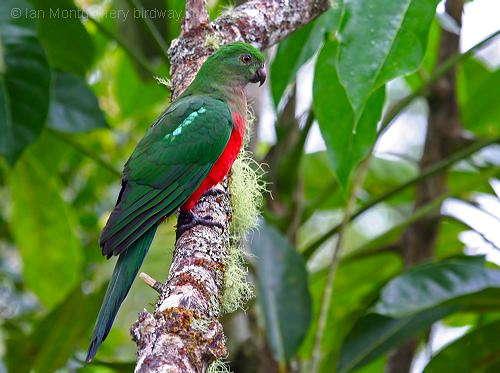
Mea culpa again for the long delay since the last bird of the week. The good news is that, apart from dotting a few i’s, my current obsession Where to Find Birds in Northern Queensland is finished, so with luck you may get more frequent BotWs in the future. Here is an attractive and surprising omission from the BotW series, the Australian King Parrot. It’s one of the most spectacular Australian parrots and deserves the ‘King’ moniker. The French call it la Perruche royale.

King Parrot by Ian

King Parrot by Ian


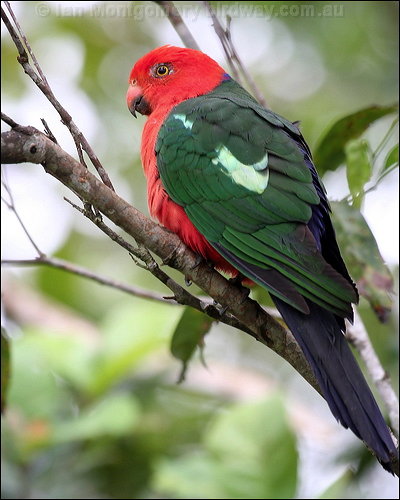
It’s quite common along the eastern seaboard of Australia, with a preference for fairly dense coastal and highland forests including rainforest. That can make it hard to see but it’s quite vocal and the whistling call of the males is a very characteristic sound of eastern forest. It responds readily to being fed and can get quite tame. The one in the first photo was taken at O’Reilly’s in Lamington National Park, where the birds will perch on arms and shoulders and pose happily for photos. The males are distinguished from the females by the brilliant scarlet of the breast extending onto the head and having a conspicuou peppermint green blaze on the wings.


Australian King Parrot (Alisterus scapularis) Male by Ian

Australian King Parrot (Alisterus scapularis) Male by Ian

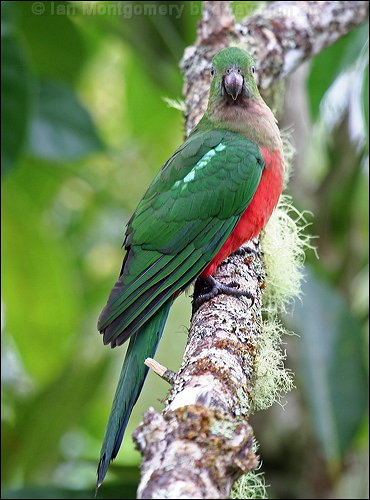
The females are gorgeous too with scarlet lower breast and belly, green heads and pinkish necks. The one in the second photo was busy exploring hollows in trees, but it was hard to imagine that she was contemplating nesting in May. Both sexes have blue backs, third photo, but this is usually hidden by the folded wings. The wing blaze may be missing or inconspicuous in females.


Australian King Parrot (Alisterus scapularis) Female WikiC

Australian King Parrot (Alisterus scapularis) Female WikiC

It’s usually just called the King Parrot in Australia and I used to wonder vaguely about the ‘Australian’ qualification. The reason for it is that is a Papuan one in New Guinea and a Moluccan one in western New Guinea and the islands of eastern Indonesia. Both these are rather similar to the Australian one, but smaller and differ mainly in the colour or lack of the blaze on the wings, and the amount of blue in the plumage.

Australian King Parrot (Alisterus scapularis) Male Closeup by Ian

Australian King Parrot (Alisterus scapularis) Male Closeup by Ian


There are two races of the Australian species. The larger nominate race occurs along most of the east coast, while the smaller race minor (obviously) occurs in northeastern Queensland. The literature doesn’t say much about minor except that it’s smaller, and there’s disagreement in the field guides about how far south it occurs: choose between Cardwell, Townsville and Mackay. I suspect Townsville is correct as there a big gap between the Paluma Range population and the Eungella/Clark Range one near Mackay. Anyway, the male in photo 4 and the female in photo 5 were photographed on the Atherton Tableland and are certainly minor.

Australian King Parrot (Alisterus scapularis) by Ian

Australian King Parrot (Alisterus scapularis) by Ian

It seemed to me from the photos that I took there that the northern males had brighter and more extensive blue hind collars and the females had brighter wing-blazes than southern birds. My sample size was small, but it might be an interesting project to check out whether these differences are consistent and to establish the exact geographical ranges of the subspecies. In northeastern Queensland it is mainly a highland species, with some movement to the lowlands in winter and I have seen them very occasionally near where I live.

Links:
Australian King-Parrot (I should have put hyphens in the photo captions)
Red-winged Parrot

Anyway, back to dotting i’s. The next stage in the book is to check out publishing via Apple iBooks, Google Play, etc. That’s something I know nothing about, so it will be interesting to find out how it’s done.

Greetings

Ian
**************************************************
Ian Montgomery, Birdway Pty Ltd,
454 Forestry Road, Bluewater, Qld 4818
Tel 0411 602 737 ian@birdway.com.au
Bird Photos http://www.birdway.com.au/
Recorder Society http://www.nqrs.org.au


Lee’s Addition:

Now unto the King eternal, immortal, invisible, the only wise God, be honour and glory for ever and ever. Amen. (1 Timothy 1:17 KJV)

What beautifully created Parrots! They are just fantastic. Also, I was beginning to worry about Ian. It has been over a month since his last newsletter, Plum-headed Finches.

These parrots are members of the Psittacidae – Parrots Family. There are approximately 365 members, depending on whose list. The greatest diversity of parrots is in South America and Australasia.

Checkout all of Ian’s Parrot photos (around 50 species)

King Parrot at Wikipedia

Psittacidae – Parrots Family

*