“And these things, brethren, I have in a figure transferred to myself and to Apollos for your sakes; that ye might learn in us not to think of men above that which is written, that no one of you be puffed up for one against another.” (1 Corinthians 4:6 KJV)
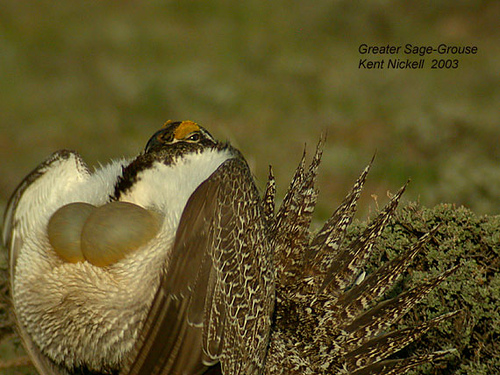
Sage Grouse (Centrocercus urophasianus) by Kent Nickel
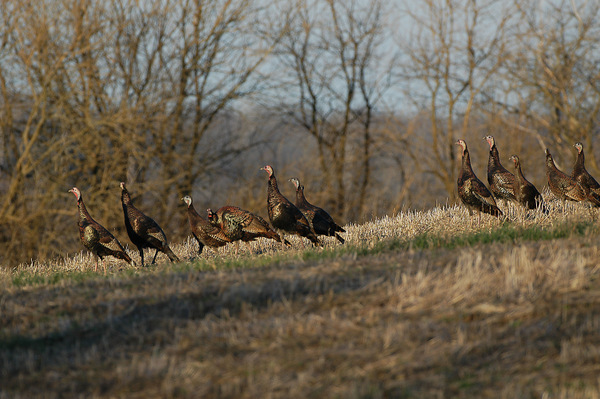
Wild Turkey (Meleagris gallopavo) by Daves BirdingPix
“But of all clean fowls ye may eat.” (Deuteronomy 14:20 KJV)
The Phasianidae Family has 183 species and is the last family in the Galliformes Order. This will take several Sunday Inspirations to cover all of these interesting birds. In Scripture, they are considered “clean fowl” and may be eaten. Here in America, many Wild Turkeys have found themselves the center of attraction on Thanksgiving Day.
Thankfully, Reginald, our Turkey Commander, and his group have avoided this result. Reginald, Turkey Commander. See the rest of Emma’s Stories of Reginald and others.
Part I begins with the first twenty one (21) members of the Phasianidae clan in ten (10) genera. There are 2 Turkeys, 12 Grouse, 2 Capercaillies, 2 Prairie Chickens and 3 Ptarmigans.
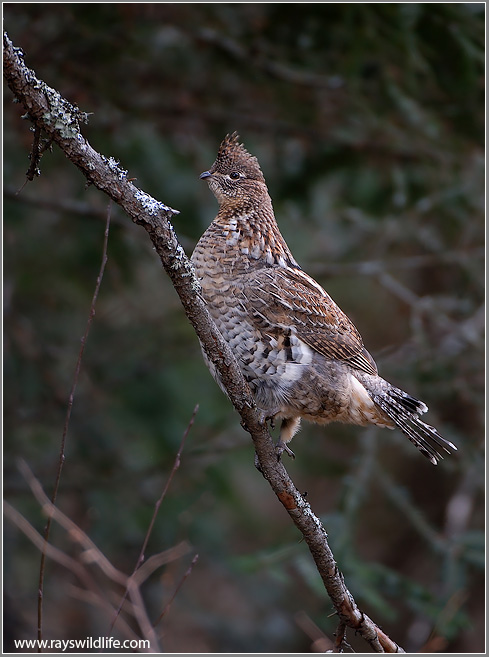
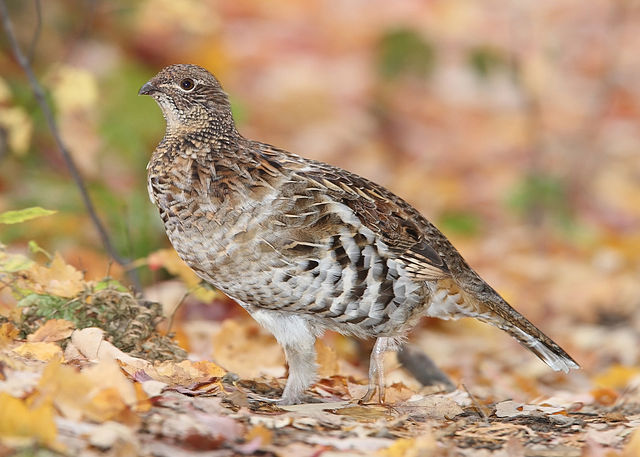
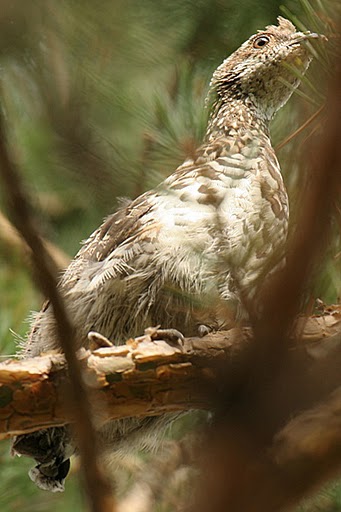
Ruffed Grouse (Bonasa umbellus) by Raymond Barlow
The Phasianidae are a family of heavy, ground-living birds which includes pheasants, partridges, junglefowl, chickens, Old World quail, and peafowl. The family includes many of the most popular gamebirds. The family is a large one, and is occasionally broken up into two subfamilies, the Phasianinae, and the Perdicinae. Sometimes, additional families and birds are treated as part of this family. For example, the American Ornithologists’ Union includes Tetraonidae (grouse), Numididae (guineafowl), and Meleagrididae (turkeys) as subfamilies in Phasianidae.
The first genus, Meleagris, has the Wild Turkey and the Ocellated Turkey. The Ocellated Turkey (Meleagris ocellata) is a species of turkey residing primarily in the Yucatán Peninsula. A relative of the Wild Turkey (Meleagris gallopavo), it was sometimes previously treated in a genus of its own (Agriocharis), but the differences between the two turkeys are currently considered too small to justify generic segregation. They relatively large birds.
The Ruffed Grouse (Bonasa umbellus) is a medium-sized grouse occurring in forests from the Appalachian Mountains across Canada to Alaska. It is non-migratory. It is the only species in the genus Bonasa. The ruffed grouse is sometimes incorrectly referred to as a “partridge”, and is a bird of open areas rather than woodlands. The ruffed grouse is the state bird of Pennsylvania, United States.
Tetrastes is a genus of birds in the grouse subfamily. It contains the following species: Hazel grouse (Tetrastes bonasia) and Chinese grouse(Tetrastes sewerzowi). Both species live in forests with at least some conifers in cool regions of the Northern Hemisphere.
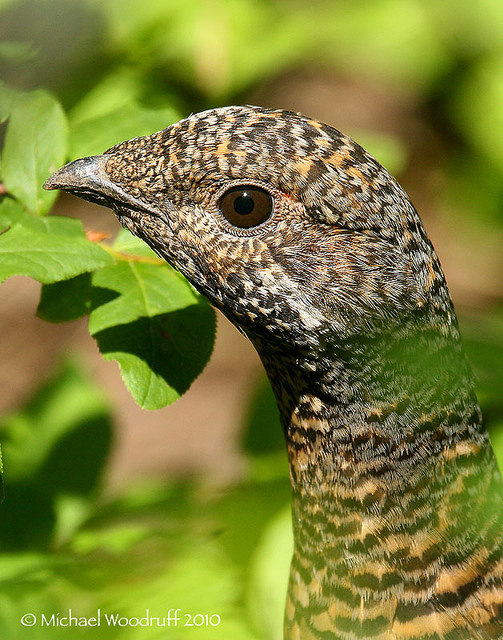
Spruce Grouse (Falcipennis canadensis) by Michael Woodruff
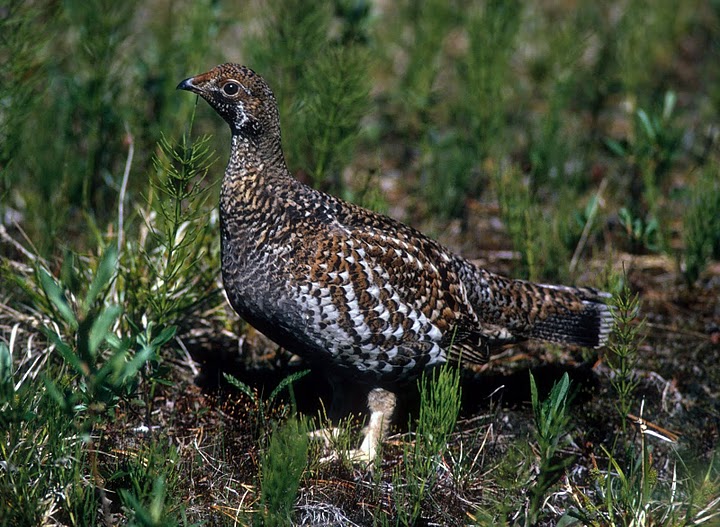
Falcipennis is a genus of birds in the grouse family that comprises two very similar species: Siberian grouse (Falcipennis falcipennis) and Spruce grouse (Falcipennis canadensis)
Both inhabit northern coniferous forests and live on conifer needles during the winter. Both have breeding systems with dispersed male territories, intermediate between the leks of some grouse and the monogamy of others.
The Western Capercaillie (Tetrao urogallus), also known as the wood grouse, heather cock, or just capercaillie /ˌkæpərˈkeɪli/, is the largest member of the grouse family. The species shows extreme sexual dimorphism, with the male twice the size of the female. Found across Eurasia, this ground-living forest bird is renowned for its mating display. The Black-billed Capercaillie (Tetrao urogalloides), which is just a bit smaller, is a sedentary species which breeds in the Larch taiga forests of eastern Russia as well as parts of northern Mongolia and China.
The next two, Black Grouse (Lyrurus tetrix) and Caucasian Grouse (Lyrurus mlokosiewiczi) recently split from the Tetrix above.
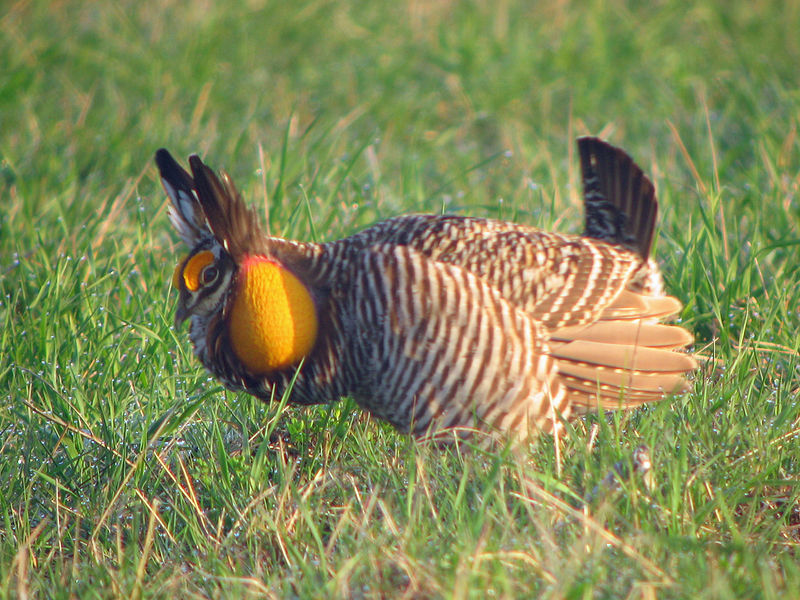
Sage Grouse (Centrocercus urophasianus) by Kent Nickel
The sage-grouse are the two species in the bird genus Centrocercus, the Sage and the Gunnison, (which is about a third smaller in size, with much thicker plumes behind the head; it also has a less elaborate courtship dance.)They are the largest grouse from temperate North America. The Sage Grouse, adult male has a yellow patch over each eye, is grayish on top with a white breast, and has a dark brown throat and a black belly; two yellowish sacs on the neck are inflated during courtship display. The adult female is mottled gray-brown with a light brown throat and dark belly. Gunnison Grouse adults have a long, pointed tail and legs with feathers to the toes. Each spring, the both species of males congregate on leks and perform a “strutting display”. Groups of females observe these displays and select the most attractive males with which to mate.
The genus Dendragapus contains two closely related species of grouse that have often been treated as a single variable taxon (blue grouse). The two species are the dusky grouse (Dendragapus obscurus) and the sooty grouse (Dendragapus fuliginosus). In addition, the spruce grouse and Siberian grouse have been considered part of this genus
Tympanuchus is a small genus of birds in the grouse family. They are commonly referred to as prairie chickens. The genus contains three species: Sharp-tailed grous,Greater prairie-chicken, and Lesser prairie-chicken. All three are among the smaller grouse, from 40 to 43 cm (16 to 17 in) in length. They are found in North America in different types of prairies. In courtship display on leks, males make hooting sounds and dance with the head extended straight forward, the tail up, and colorful neck sacks inflated.
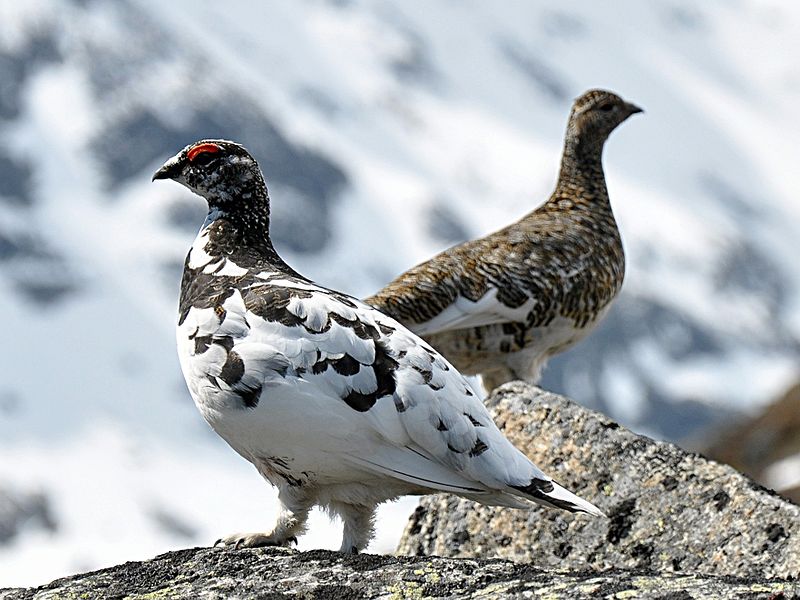
Lagopus is a small genus of birds in the grouse subfamily, commonly known as ptarmigans. The genus contains three living species with numerous described subspecies, all living in tundra or cold upland areas. The three species are all sedentary specialists of cold regions. Willow ptarmigan is a circumpolar boreal forest species, white-tailed ptarmigan is a North American alpine bird, and rock ptarmigan breeds in both Arctic and mountain habitats across Eurasia and North America. All, with the exception of the red grouse, have a white winter plumage that helps them blend into the snowy background. Even their remiges are white, while these feathers are black in almost all birds. The Lagopus grouse apparently found it easier to escape predators by not being seen than by flying away.
(Wikipedia with editing)
This slideshow requires JavaScript.
“Let the heaven and earth praise him, the seas, and every thing that moveth therein.” (Psalms 69:34 KJV)
“And he said unto them, Come ye yourselves apart into a desert place, and rest a while: for there were many coming and going, and they had no leisure so much as to eat.” (Mark 6:31 KJV)
Eurasian Hoopoe (Upupa epops) by William Kwong
Looking at his head, you wonder which way he’s going. :0)
“And it came to pass, that at even the quails came up, and covered the camp: and in the morning the dew lay round about the host.” (Exodus 16:13 KJV)
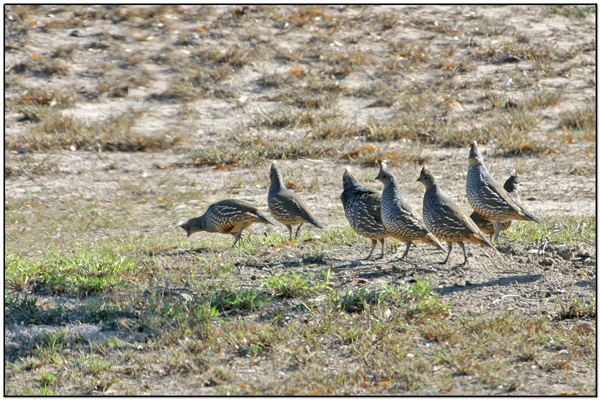
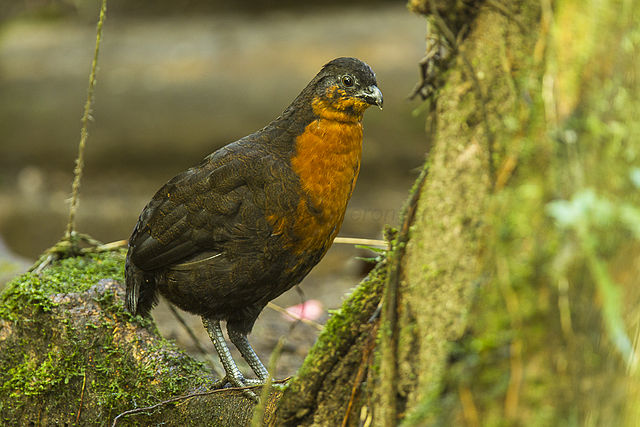
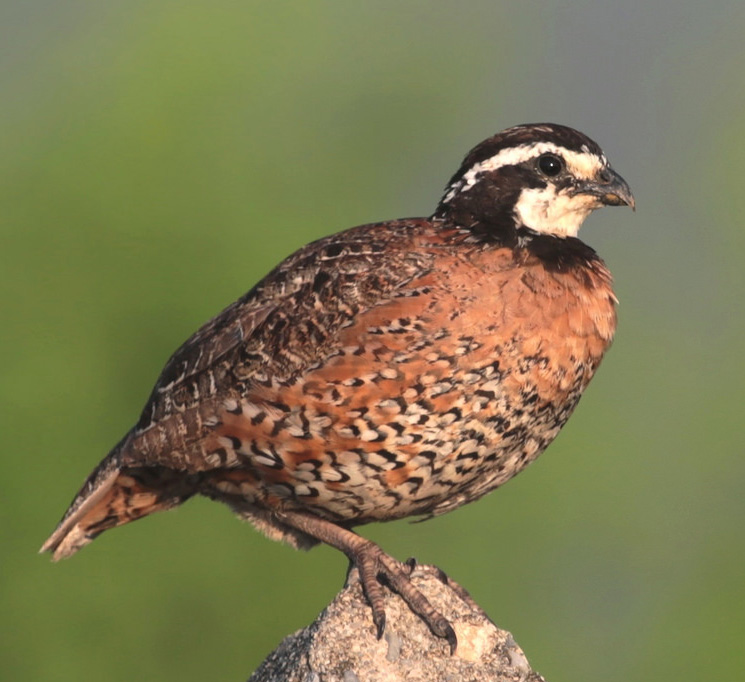
The Odontophoridae is made up of the New World Quail. This includes 2 Partridges, 3 Wood Partridges, 10 Quails, 4 Bobwhites, and 15 Wood Quail. [and a Partridge in a pear tree! Oops! Wrong article. :0) ]
These are not the Old World Quails that rained down on the Israelites.
“The New World quails or Odontophoridae are small birds only distantly related to the Old World quail, but named for their similar appearance and habits. The American species are in their own family Odontophoridae, whereas Old World quail are in the pheasant family Phasianidae. The family ranges from Canada through to southern Brazil, and two species, the California quail and the bobwhite quail, have been successfully introduced to New Zealand. The stone partridge and Nahan’s partridge, both found in Africa, seem to belong to the family. Species are found across a variety of habitats from tropical rainforest to deserts, although few species are capable of surviving at very low temperatures. Thirty-four species are placed in ten genera.” (Wikipedia)
New World quail are generally short-winged, -necked and -tailed (although the genus Dendrortyx is long-tailed). The bills are short, slightly curved and serrated. The legs are short and powerful, and lack the spurs of many Old World galliformes. Although they are capable of short bursts of strong flight New World quails prefer to walk, and will run from danger (or hide), taking off explosively only as a last resort. Plumage varies from dull to spectacular, and many species have ornamental crests or plumes on the head. There is moderate sexual dichromism in plumage, with males having brighter plumage.
The New World quails are shy diurnal birds and generally live on the ground; even the tree quails which roost in high trees generally feed mainly on the ground. They are generalists with regards to their diet, taking insects, seeds, vegetation and tubers. Desert species in particular consume a lot of seeds.
Northern bobwhite and California quail are popular gamebirds, with many taken by hunters, but these species have also had their ranges increased to meet hunting demand and are not threatened. They are also artificially stocked. Some species are threatened by human activity, such as the bearded tree quail of Mexico, which is threatened by habitat loss and illegal hunting.
This slideshow requires JavaScript.
“The people asked, and he brought quails, and satisfied them with the bread of heaven.” (Psalms 105:40 KJV)








 Lee's Birdwatching Adventures Plus