***

AT REST
***
“I Nebuchadnezzar was at rest in mine house, and flourishing in my palace:” (Daniel 4:4 KJV)
Skimmers – Gulls – Terns resting at the shore MacDill by Lee
*
*
“I Nebuchadnezzar was at rest in mine house, and flourishing in my palace:” (Daniel 4:4 KJV)
Skimmers – Gulls – Terns resting at the shore MacDill by Lee
*
*
“I therefore, the prisoner of the Lord, beseech you that ye walk worthy of the vocation wherewith ye are called,” (Ephesians 4:1)
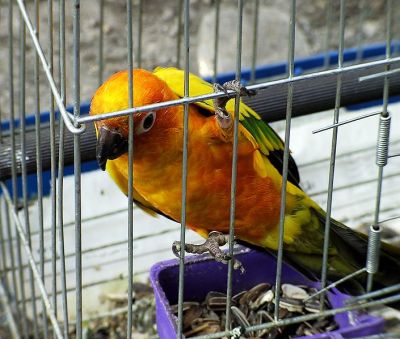
Sun Parakeet (Aratinga solstitialis) In a Cage – Pet ©WikiC
*
*

“And there will be a tabernacle for shade in the daytime from the heat, for a place of refuge, and for a shelter from storm and rain.” (Isaiah 4:6 NKJV)
Gila Woodpecker (Melanerpes uropygialis) Desert Museum-Tucson
*
*

Chestnut-headed Tanager (Pyrrhocoma ruficeps) ©WikiC
“For ye shall go out with joy, and be led forth with peace: the mountains and the hills shall break forth before you into singing, and all the trees of the field shall clap their hands.” (Isaiah 55:12 KJV)
Our journey through the Song Bird Order, known as the Passeriformes Order, has been ongoing for many Sundays. There are 131 Families within this Order, and we are now down to three families to go. The Traupidae Family which we are starting today, has 375 species. Guess what? We will not be covering them all today. The last four Sundays was used to show you the Emberizidae family of 181 species. I trust you enjoyed having that family split up into “bite-size” articles. The same will be true with this family of beautiful Tanagers and allies created by their Creator.
If you are fairly new to seeing these Sunday Inspirations, the slide shows have the birds arranged in taxonomy order. So, there really is a reason for the way they are presented in the slides.
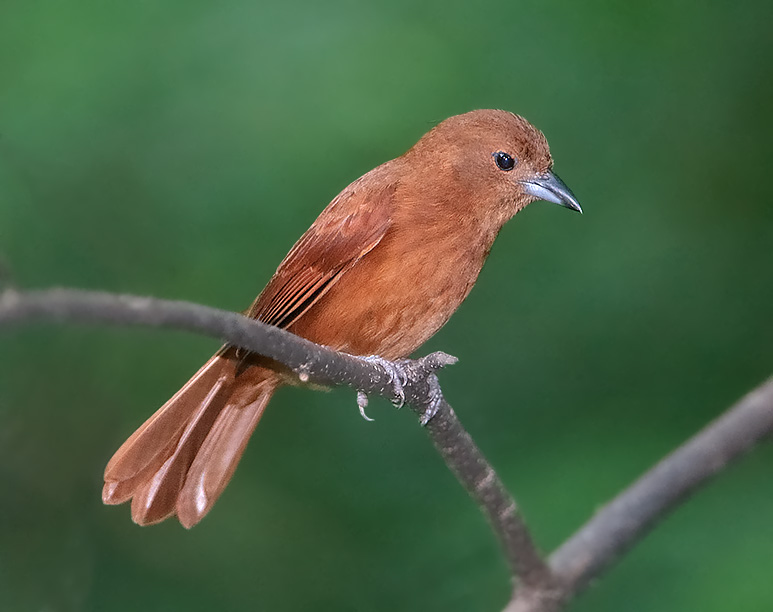
White-lined Tanager (Tachyphonus rufus) Female ©WikiC
“The family has an American distribution. The Thraupidae are the second-largest family of birds and represent about 4% of all avian species and 12% of the Neotropical birds. Traditionally, about 240 species of tanagers were described, but the taxonomic treatment of this family’s members is currently in a state of flux.” (Wikipedia)

Red-crested Cardinal (Paroaria coronata) ©WikiC
“Tanagers are small to medium-sized birds. The shortest-bodied species, the white-eared conebill, is 9 cm (3.5 in) long and weighs 7 grams, barely smaller than the short-billed honeycreeper. The longest, the magpie tanager is 28 cm (11 in) and weighs 76 grams (0.168 pounds). The heaviest is the white-capped tanager which weighs 114 grams (0.251 pounds) and measures about 24 cm (9.4 in). Both sexes are usually the same size and weight. Tanagers are often brightly colored, but some species are black and white. Birds in their first year are often duller or a different color altogether. Males are typically more brightly colored than females. Most tanagers have short, rounded wings. The shape of the bill seems to be linked to the species’ foraging habits.”(Wikipedia)
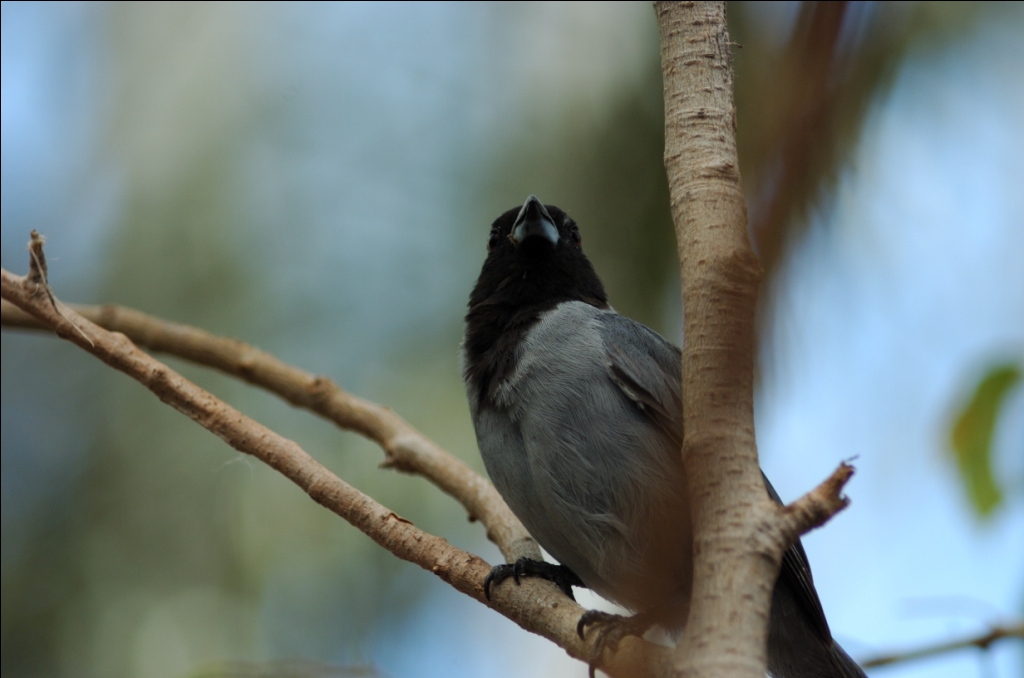
Black-faced Tanager (Schistochlamys melanopis) at National Aviary by Dan
The Brown Tanager (Orchesticus abeillei) starts us off, followed by six Cardinals in the Paroaria genus. Various Tanagers from Schistochlamys, Cissopis, Conothraupis, Lamprospiza, Compsothraupis, Sericossypha, Nemosia, Creurgops, Mitrospingus and Orthogonys. (22 birds)
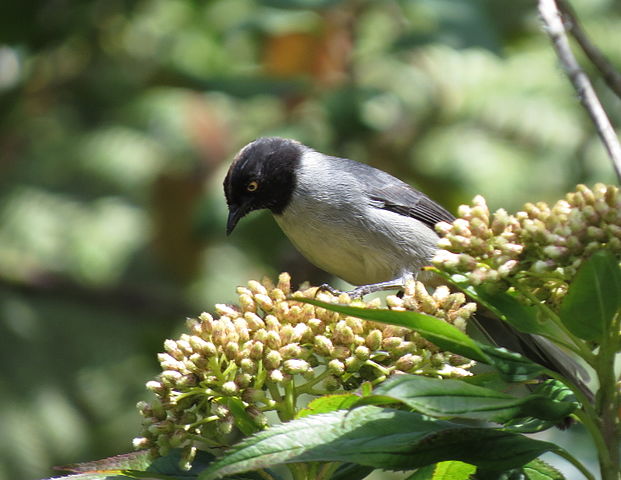
Black-headed Hemispingus (Hemispingus verticalis) ©WikiC
Next will be 15 Hemispingus, all in the Hemispingus genus. Hemispingus is a genus of warbler-like tanagers. They are found in highland forest in South America, especially in the Andes.

Fulvous-headed Tanager (Thlypopsis fulviceps) ©WikiC
We will conclude with 20 or so more Tanagers from eight various genera. As you watch the slide show, you will see how the Lord enjoyed giving a great variety of color and patterns for these avian singers.
“Let them praise the name of the LORD: for he commanded, and they were created.” (Psalms 148:5 KJV)
Deck thyself now with majesty and excellency; and array thyself with glory and beauty. (Job 40:10 KJV)
“My Jesus I Love Thee” ~ Faith Baptist Orchestra
*
Traupidae Family – Tanagers and Allies
Family: Building a Home God’s Way
*
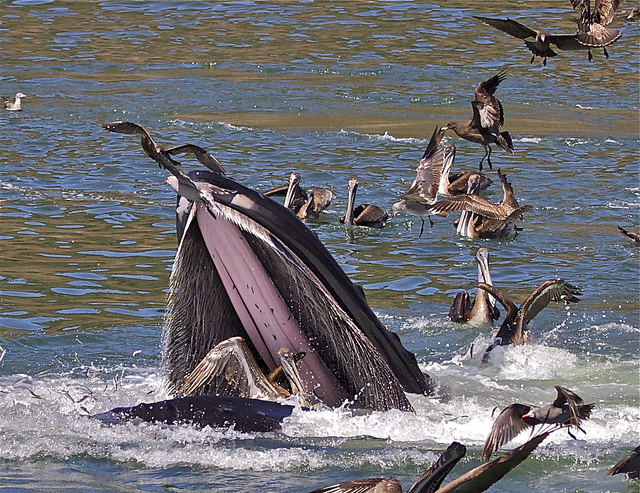
“Now the LORD had prepared a great fish to swallow up Jonah. And Jonah was in the belly of the fish three days and three nights.” (Jonah 1:17 KJV)
Brown Pelican (Pelecanus occidentalis) Yes Pelican Made It Out ©Flickr Teddy Llovet
*
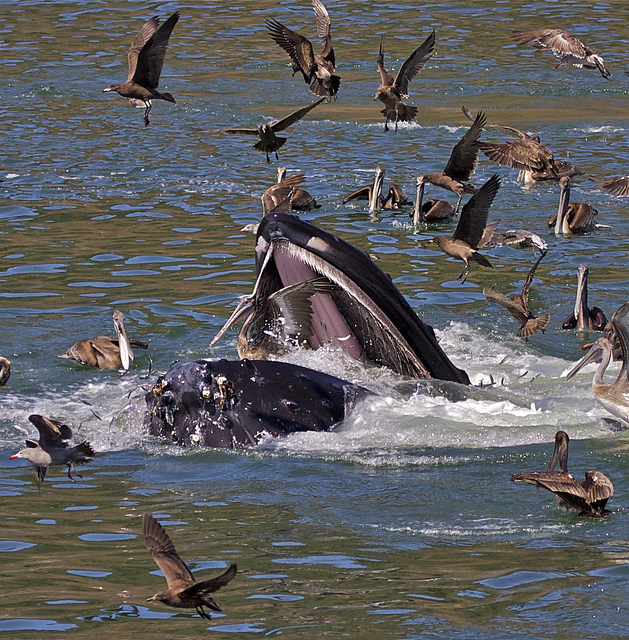
Brown Pelican (Pelecanus occidentalis) Yes Pelican Made It Out ©Flickr Teddy Llovet
*

“If thine enemy be hungry, give him bread to eat; and if he be thirsty, give him water to drink:” (Proverbs 25:21 KJV)
Costa’s Hummingbird in Arizona by Lee
*
*
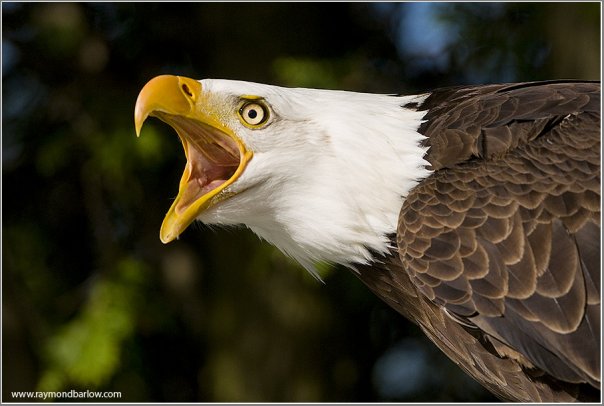
“Then they cried unto the LORD in their trouble, and he delivered them out of their distresses.” (Psalms 107:6 KJV)
Bald Eagle (Haliaeetus leucocephalus) by Ray Barlow
*
*
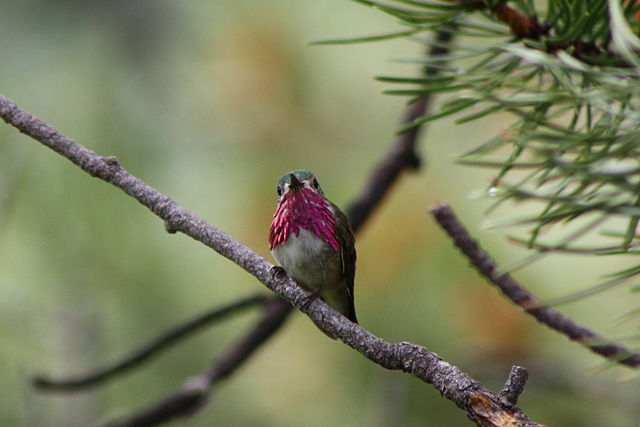
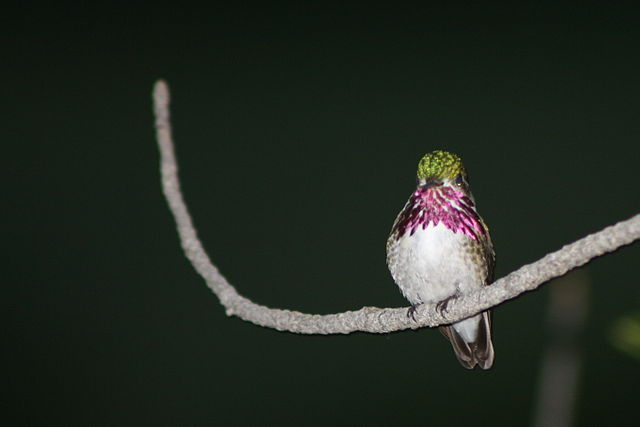
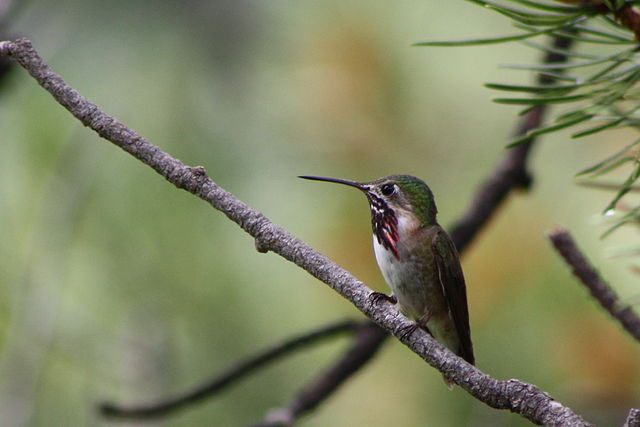
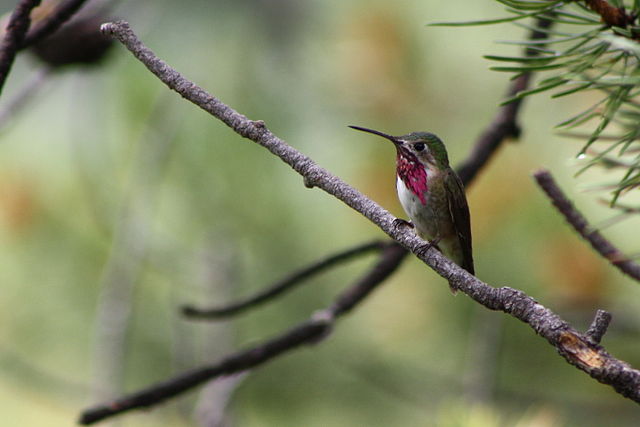
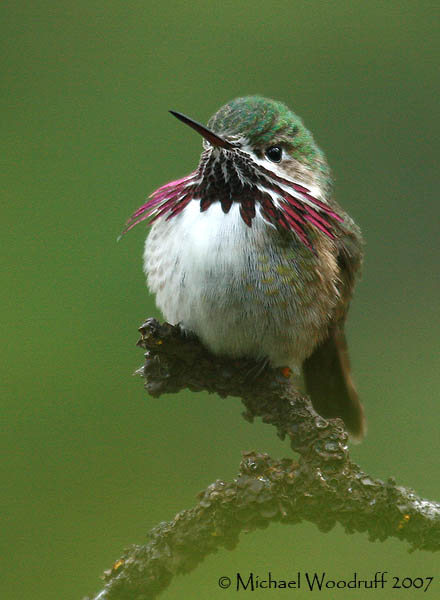
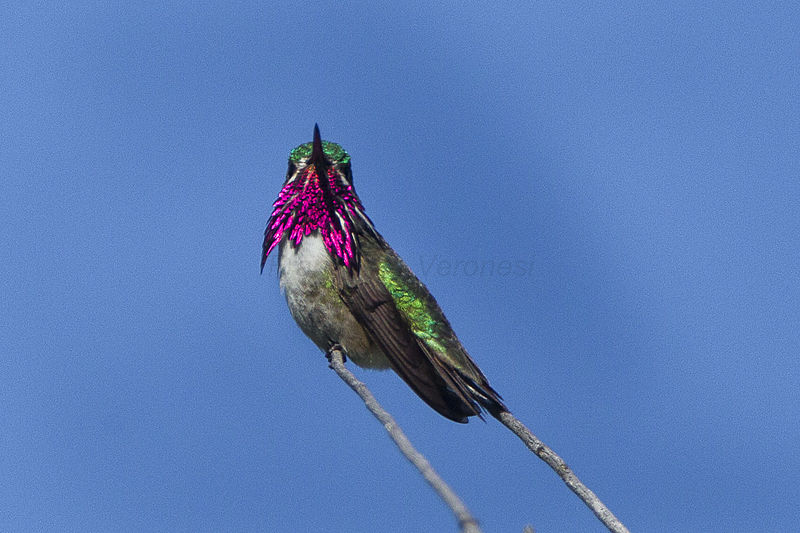
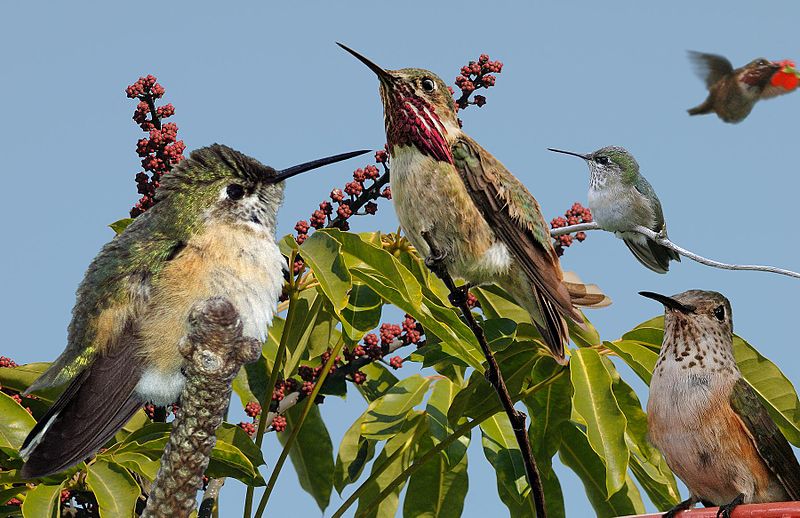
Calliope Hummingbird (Stellula calliope) Full Gorget ©WikiC
“He will bless them that fear the LORD, both small and great.” (Psalms 115:13 KJV)
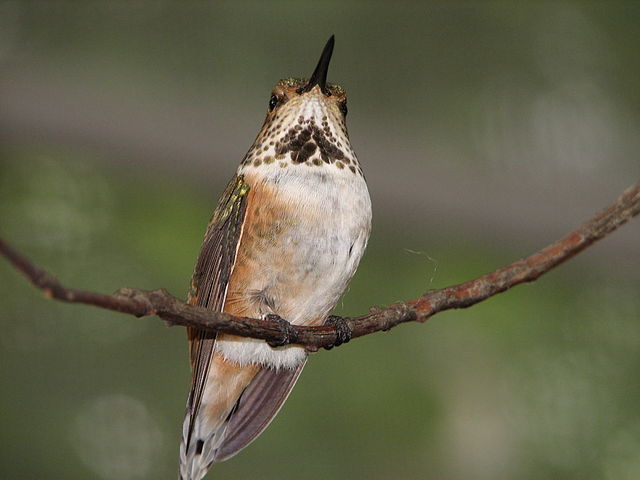
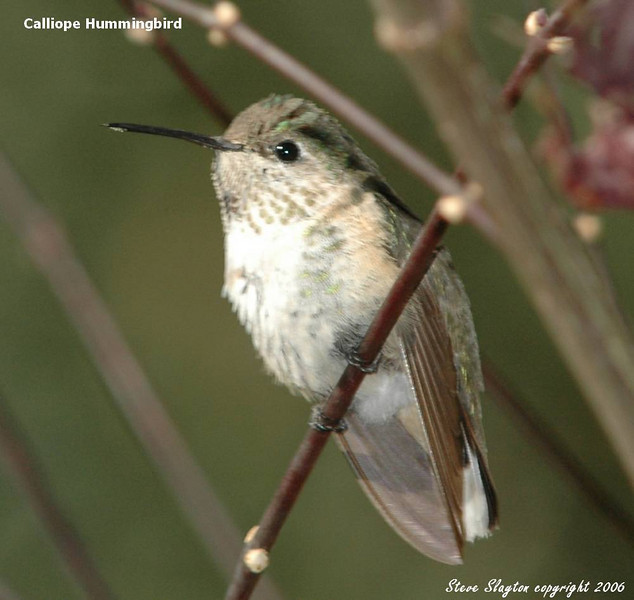
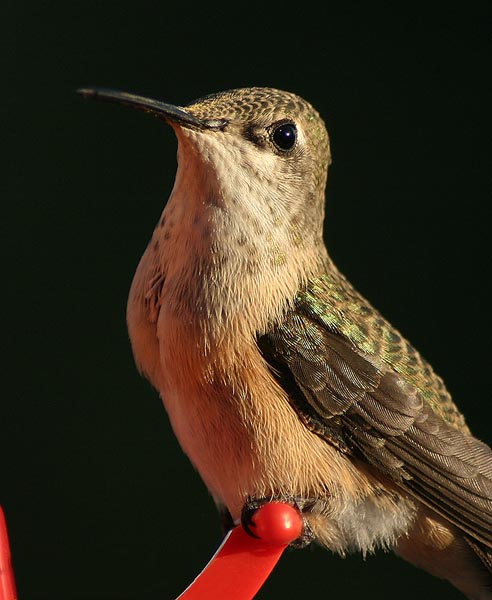
Just finished reading an article in this month’s Bird Watcher’s Digest the “Calliope Hummingbird: Tiny Muse”, (July/August ’16). They are so tiny,
“a mere 2.75 to 3 inches in lenght and weighing less than a penny — and it is also the smallest long-distant avian migrant in the world. Some travel up to 5,600 miles anually.”
Can you image something that small flying that far?
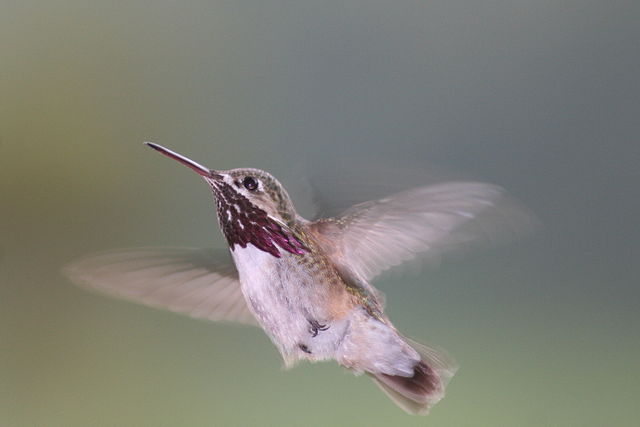
Calliope Hummingbird (Stellula calliope) ©Wiki
Thought you might like to see another one of the Lord’s amazing avian wonders.
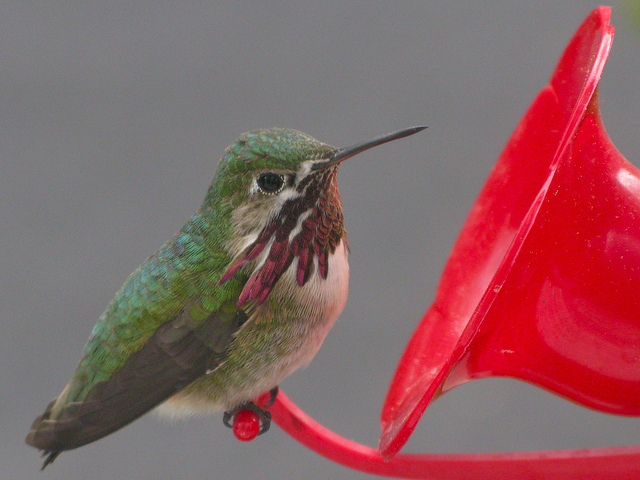
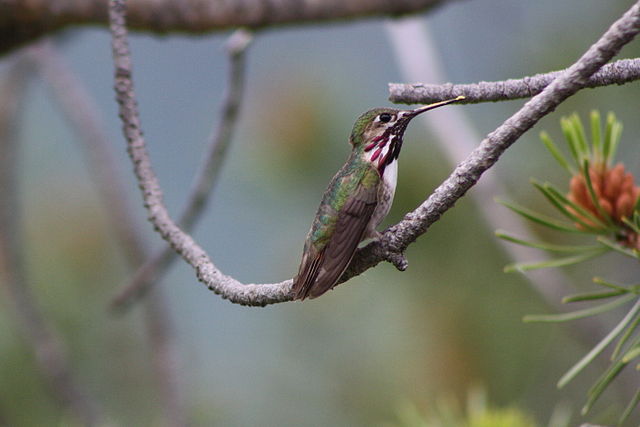
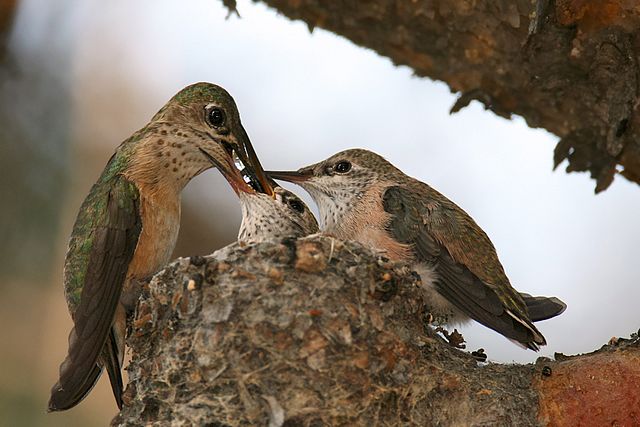
“This is the smallest breeding bird found in Canada and the United States. The only smaller species ever found in the U.S. is the bumblebee hummingbird, an accidental vagrant from Mexico. An adult calliope hummingbird can measure 7–10 cm (2.8–3.9 in) in length, span 11 cm (4.3 in) across the wings and weigh 2 to 3 g (0.071 to 0.106 oz). These birds have glossy green on the back and crown with white underparts. Their bill and tail are relatively short. The adult male has wine-red streaks on the throat, green flanks and a dark tail. Females and immatures have a pinkish wash on the flanks, dark streaks on the throat and a dark tail with white tips. The only similar birds are the rufous hummingbird and the Allen’s hummingbird, but these birds are larger with more distinct and contrasting rufous markings on tail and flanks, and longer central tail feathers.” (Wikipedia)
“And a voice came out of the throne, saying, Praise our God, all ye his servants, and ye that fear him, both small and great.” (Revelation 19:5 KJV)



*
Trochilidae – Hummingbirds Family
Calliope Hummingbird – All About Birds
Calliope Hummingbird – What Bird
Calliope Hummingbird – Bird Web
Calliope Hummingbird – Audubon
Calliope Hummingbird – Wikipedia
“And the Philistines took the ark of God, and brought it from Ebenezer unto Ashdod.” (1st Samuel 5:1)
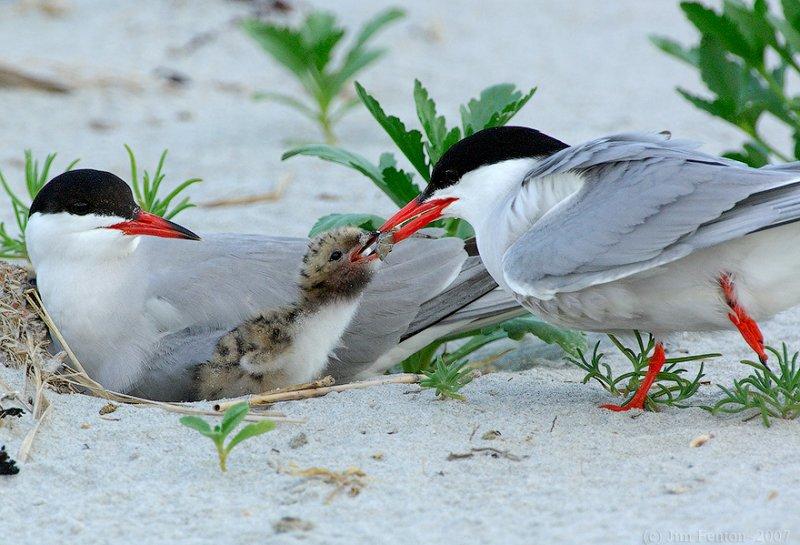
Common Tern (Sterna hirundo) by J Fenton
*
*

“Deliver me, O LORD, from mine enemies: I flee unto thee to hide me.” (Psalms 143:9 KJV)
Common Potoo (Nyctibius griseus) ©WikiC
*
*

Newsletter – 6/11/16
I met my sister Gilian in Vienna where we spent a couple of days before going by boat along the Danube to Bratislava, just across the border with Slovakia. We arranged to spend three days with birding guides with my targets being to photograph raptors, owls and woodpecker. We went on the first day to this large European Bee-eater colony just outside Bratislava.
The colony was in a sandy cliff at a site near Devin Castle which sits in a strategic location at the confluence of the Danube and Morava Rivers, both of which form the border between Austria and Slovakia. I was able to sit at the edge of the cliff and photograph both birds perched in the shrubs below me and flying to and from their burrows in the cliff. European Bee-eaters are vocal and make a soft trilling call similar to their close Australian relatives, the Rainbow Bee-eater and it was very pleasant watching and listening to them.
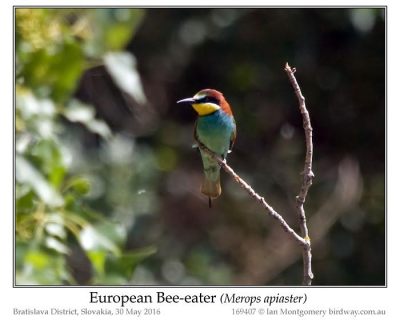
“European” is a bit of a mis-nomer as they are migrants from sub-Saharan Africa and breed across the warmer parts of Eurasia from North Africa, through Europe to central Asia. Since the nineteenth century some have stayed behind to breed in South Africa, which they do in the southern summer and then move farther north in Africa in the southern autumn at the same time as their Eurasian counterparts are moving north to breed in the northern hemisphere. South African populations have declined in recent years so this situation may not last.
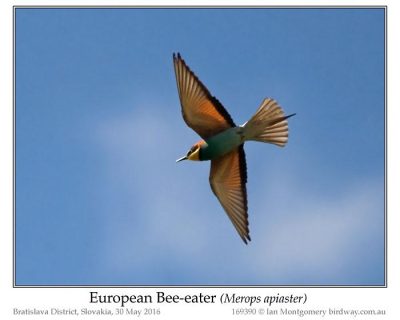
Bees do make up a large part of their diet, though they will eat many other insects as well. After catching a bee, a bee-eater will take it back to a perch where it bangs the head of the unfortunate insect on the branch and then rubs its tail on the branch to get rid of the sting. If you look carefully at the photo below you will see that a lucky bee has just used up one of its nine lives, that is if they have that many like cats.

The photo below shows both the bee-eater colony and in the distance Devin Castle on a 200m/600ft high rock. There are bee-eater burrows both in the bank on the left and in the bottom right of the photo.

Devin Castle has a very interesting history and you can read about it here Devín Castle. The same site is an important one for fossils as well and our birding guide showed us some rocks that had mollusc fossils in it that looked like scallops.
I’m on a Dublin bus at the moment going to visit my niece. Thanks to the miracles of modern communication and the Irish SIM card in my mobile I can send this to you from my laptop.
Greetings
Ian
**************************************************
Ian Montgomery, Birdway Pty Ltd,
454 Forestry Road, Bluewater, Qld 4818
Tel 0411 602 737 ian@birdway.com.au
Check the latest website updates:
http://www.birdway.com.au/#updates
Lee’s Addition:
“Now for the house of my God I have prepared with all my might: gold for things to be made of gold, silver for things of silver, bronze for things of bronze, iron for things of iron, wood for things of wood, onyx stones, stones to be set, glistening stones of various colors, all kinds of precious stones, and marble slabs in abundance.” (1 Chronicles 29:2 NKJV) (emphasis mine)
I love those beautiful Bee-eaters and this European is just a colorful as the rest of them. I am glad that when the Lord created these avian beauties, He chose to give them such beautiful colors. Oh, what heaven must look like!
Thanks again, Ian, for sharing some more beautiful birds with us. Safe travels and great birding.
*
*
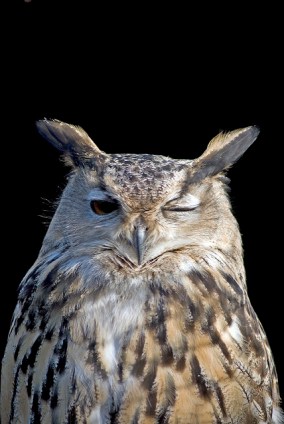
“Let not them that are mine enemies wrongfully rejoice over me: neither let them wink with the eye that hate me without a cause.” (Psalm 35:19)
Owl Winking ©Flickr Darren D
*
*
 Lee's Birdwatching Adventures Plus