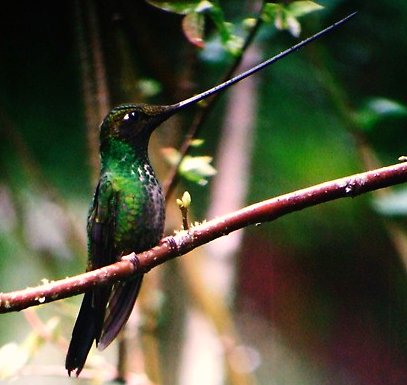
Birds of the Bible – Kite

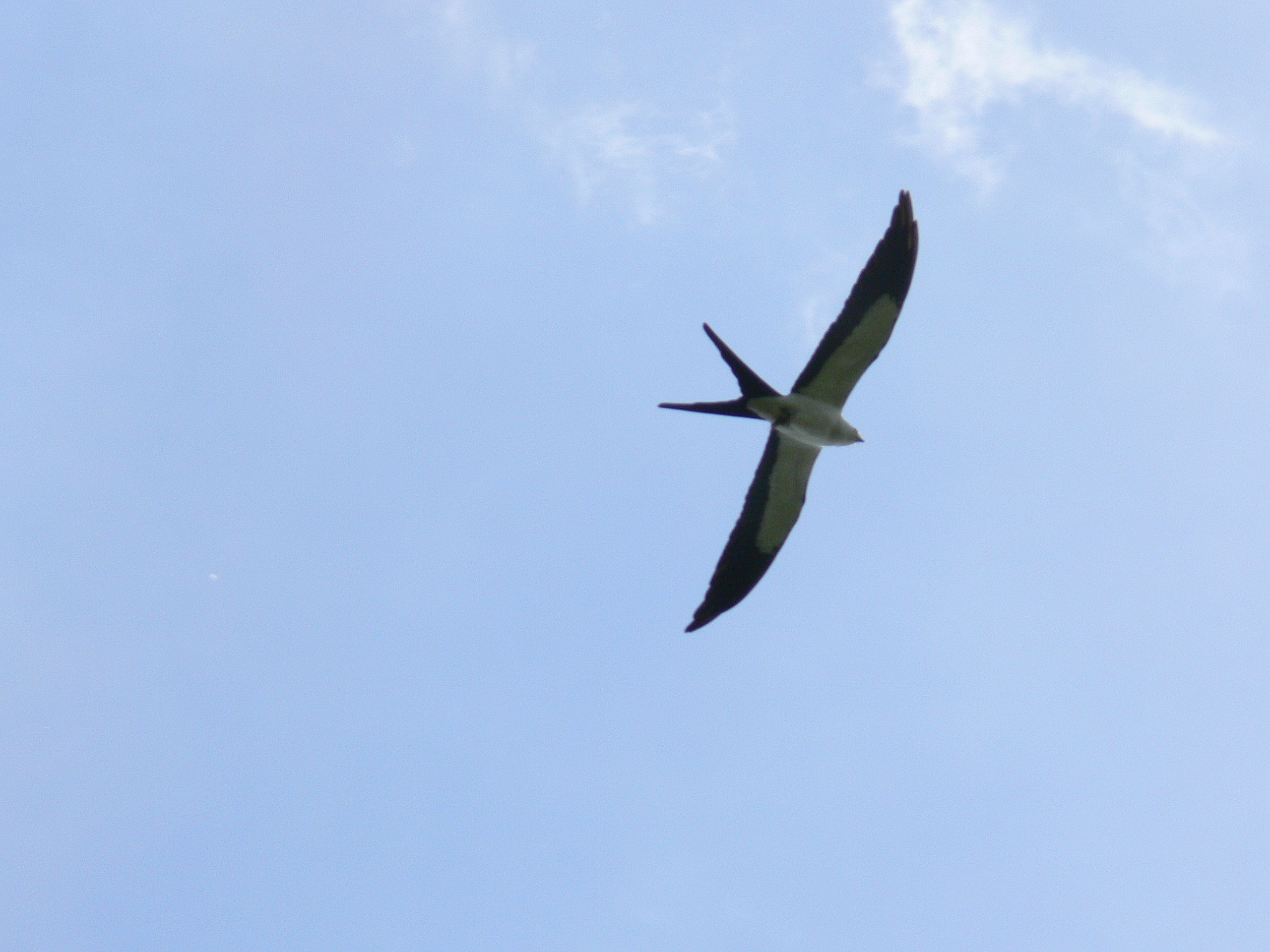
Swallow-tailed Kite - the one bird I got a photo of as it flew overhead

Swallow-tailed Kite – the one bird I got a photo of as it flew overhead

Today while Dan and I were out talking with our neighbor, a Swallow-tailed Kite flew over us several times and we all watched it disappear off in the distance. I have noticed several of them in the area lately. They are a pretty bird and I enjoy watching them fly. That tail forked out makes for a neat appearance.

Previously the Birds of the Bible – Glede and Kite article was written when this blog was first starting up. In fact, it was before we moved the blog here to WordPress and was published in the Blogspot(Blogger) format. I was exploring whether the Bible was calling it the Kite or the Glede.

Red Kite (Milvus milvus) by Ian

Red Kite (Milvus milvus) by Ian

This time, let’s look at what the versions of the Scriptures say about the Kite.

Most of the verses about the Kite are found in Leviticus 11:14 and Deuteronomy 14:13, which are in the list of the unclean birds that the Israelites were not to eat. And most of them call the bird a Kite.

Leviticus 11:14 – Here are the verses from the compare mode of e-Sword.
(ASV) and the kite, and the falcon after its kind,
(BBE) And the kite and the falcon, and birds of that sort;
(Brenton) And the vulture, and the kite, and the like to it;
(Darby) and the falcon, and the kite, after its kind;
(DRB) And the kite, and the vulture, according to their kind.
(ERV) kites, all kinds of falcons,
(ESV) the kite, the falcon of any kind,
(GW) kites, all types of buzzards,
(JPS) and the kite, and the falcon after its kinds;
(KJV) And the vulture, and the kite after his kind;
(KJV-1611) And the Uulture, and the Kite, after his kinde:
(LITV) and the kite, and the falcon, according to its kind;
(MKJV) and the kite, and the falcon, according to its kind;
(NAS77) and the kite and the falcon in its kind,
(NASB) and the kite and the falcon in its kind,
(NKJV) the kite, and the falcon after its kind;
(RV) and the kite, and the falcon after its kind;
(Webster) And the vultur, and the kite after his kind;
(YLT) and the vulture, and the kite after its kind,
Here they are called Red Kites
(ISV) red kite, falcon of any kind,
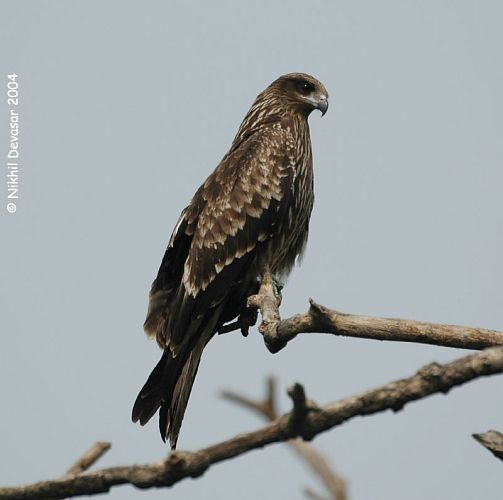
Black Kite (Milvus migrans) by Nikhil Devasar

Black Kite (Milvus migrans) by Nikhil Devasar

Deuteronomy 14:13 has some differences in the use of Kite, Glede, and Red or Black Kite.
Kite:
(ASV) and the glede, and the falcon, and the kite after its kind,
(BBE) The falcon and the kite, and birds of that sort;
(Brenton) and the vulture, and the kite and the like to it,
(Darby) and the falcon, and the kite, and the black kite after its kind;
(DRB) The ringtail, and the vulture, and the kite according to their kind:
(ERV) red kites, falcons, any kind of kite,
(ESV) the kite, the falcon of any kind;
(GW) buzzards, all types of kites,
(ISV) buzzard, any kind of kite,
(JPS) and the glede, and the falcon, and the kite after its kinds;
(KJV) And the glede, and the kite, and the vulture after his kind,
(KJV-1611) And the glede, and the kite, and the vulture after his kinde,
(KJVA) And the glede, and the kite, and the vulture after his kind,
(LITV) and the hawk, and falcons, and the kite by its kinds,
(MKJV) and the hawk, and the falcon, and the vulture after its kind,
(NAS77) and the red kite, the falcon, and the kite in their kinds,
(NASB) and the red kite, the falcon, and the kite in their kinds,
(NKJV) the red kite, the falcon, and the kite after their kinds;
(RV) and the glede, and the falcon, and the kite after its kind;
(Webster) And the glede, and the kite, and the vultur after his kind,
(YLT) and the glede, and the kite, and the vulture after its kind,

Deut 14:12  (CEV) But don’t eat the meat of any of the following birds: eagles, vultures, falcons, kites, ravens, ostriches, owls, sea gulls, hawks, pelicans, ospreys, cormorants, storks, herons, and hoopoes. You must not eat bats.

Did you notice reading down those verses that the Glede is not mentioned at all in the Leviticus 11:14 list? I even checked the verses before and after and it is not mentioned in them either. Hum!

Black-shouldered Kite (Elanus axillaris) by Nikhil

Black-shouldered Kite (Elanus axillaris) by Nikhil

There are a few other verses with “Kite” mentioned in the Bible:

Jeremiah 8:7   The kite in the air hath known her time: the turtle, and the swallow, and the stork have observed the time of their coming: but my people have not known the judgment of the Lord. (DRB-1899 Douay-Rheims)

Zechariah 5:9 And I lifted up my eyes and looked: and behold there came out two women, and wind was in their wings, and they had wings like the wings of a kite: and they lifted up the vessel between the earth and the heaven. (DRB-1899 Douay-Rheims)

Job 28:7 A path–not known it hath a ravenous fowl, Nor scorched it hath an eye of the kite, (YLT 1898 Young’s Literal Translation)

Video of American Swallow-tailed Kite by Keith Blomerley. [Broken Link] It shows a Kite in the air.

There are three versions that use “kite” in Isaiah 34:15

There shall the arrowsnake make her nest, and lay, and hatch, and gather under her shadow: yea, there shall the kites be gathered, every one with her mate. (RV Revised Version)
There shall the arrowsnake make her nest, and lay, and hatch, and brood under her shadow; yea, there shall the kites be gathered, every one with her mate. (JPS Jewish Publication Society Bible)
There shall the dart-snake make her nest, and lay, and hatch, and gather under her shade; yea, there shall the kites be gathered, every one with her mate. (ASV American Standard Version)
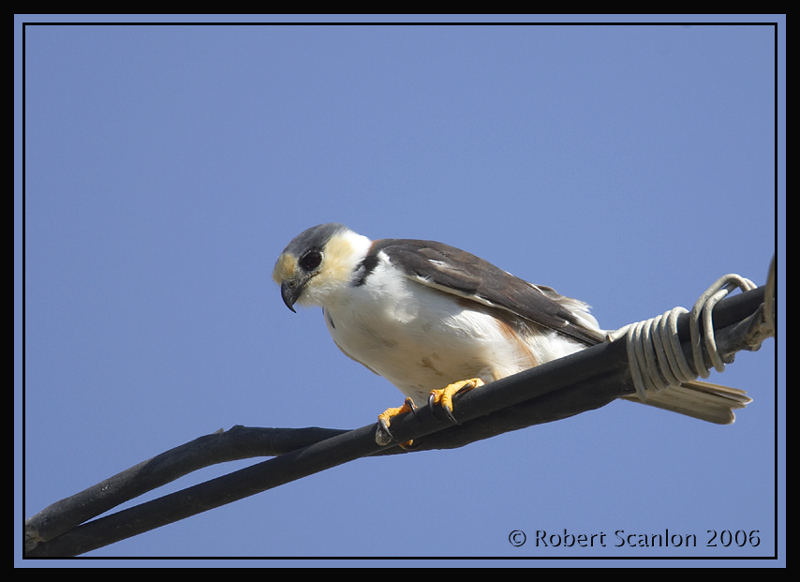
Pearl Kite (Gampsonyx swainsonii) by Robert Scanlon

Pearl Kite (Gampsonyx swainsonii) by Robert Scanlon

So what is a Kite? They are in the Accipitridae Family of the Accipitriformes Order. Being in the Accipitridae family means they are a bird of prey or raptors

Here is some of what Wikipedia has to say: “The Accipitridae, one of the two major families within the order Accipitriformes (the diurnal birds of prey), are a family of small to large birds with strongly hooked bills and variable morphology based on diet. They feed on a range of prey items from insects to medium-sized mammals, with a number feeding on carrion and a few feeding on fruit. The Accipitridae have a cosmopolitan distribution, being found on all the world’s continents (except Antarctica) and a number of oceanic island groups. Some species are migratory. Many well-known birds, such as hawks, eagles, kites, harriers and Old World vultures are included in this group.”
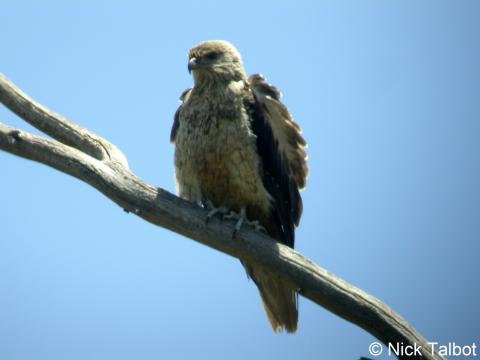
Whistling Kite (Haliastur sphenurus) by Nick Talbot

Whistling Kite (Haliastur sphenurus) by Nick Talbot

“The Black-winged Kite breeds at different times of the year across its range. Although nesting has been noted throughout the year in India, they appear not to breed in April and May. Courtship is noisy and involves chases. The nest is a loose platform of twigs in which 3 or 4 eggs are laid. The female spends more effort in the construction of the nest than the male. The eggs are pale creamy with spots of deep red. Both parents incubate but when the chicks hatch, the male spends more time on foraging for food. Females initially feed the young, sometimes hunting close to the nest but will also receive food from the male. After fledging the young birds continue to be dependent for food on the male parent for about 80 days, initially transferring food at perch and later in the air.

The prey include grasshoppers, crickets and other large insects, lizards and rodents. Injured birds, small snakes and frogs have also been recorded. The slow hunting flight is like a harrier, but it will hover like a Kestrel. It has on rare occasions been known to hunt prey in flight. Favourite perches are used for hunting and for feeding but large prey may sometimes be handled on the ground. In southern Africa, they appear to favour roadside verges for foraging and are sometimes killed by collisions with vehicles.

These birds roost communally with groups of 15 to 35 (larger numbers in Europe) converging at a large leafy tree. They are extremely silent and the calls recorded include a high-pitched squeal or a soft whistle. They call a lot mainly during the breeding season.”

(Top photo from a previous birdwatching adventure)

See others:

Glede and Kite

Birds of the Bible

Wordless Birds

*

Formed By Him – Bowerbirds

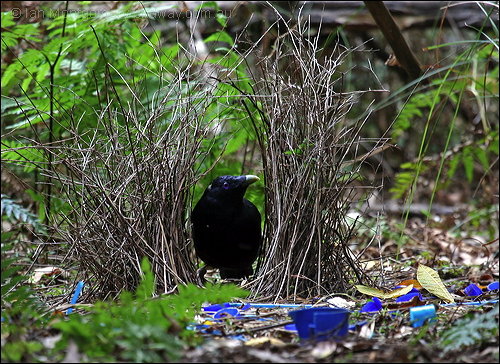
Satin Bowerbird (Ptilonorhynchus violaceus) in bower by Ian

Satin Bowerbird (Ptilonorhynchus violaceus) in bower by Ian

An interesting article from News to Note – Sept 18, 2010 issue talks about the Bowerbird and it’s ability to use special optical effects. The article is discussing Physorg.com’s information on the elaborate bowers the bird makes.

“Bowerbird males are well known for making elaborate constructions, lavished with decorative objects, to impress and attract their mates. Now, researchers reporting online on September 9 in Current Biology have identified a completely new dimension to these showy structures in great bowerbirds. The birds create a staged scene, only visible from the point of view of their female audience, by placing pebbles, bones, and shells around their courts in a very special way that can make objects (or a bowerbird male) appear larger or smaller than they really are.” (Physorg.com)

The scientist are trying to figure out about this aesthetically appealing ability. They noticed that the bird places articles from smaller to larger as the bower is approached. When they rearranged the articles, the Bowerbird changed them back. He is trying to give an allusion they think.

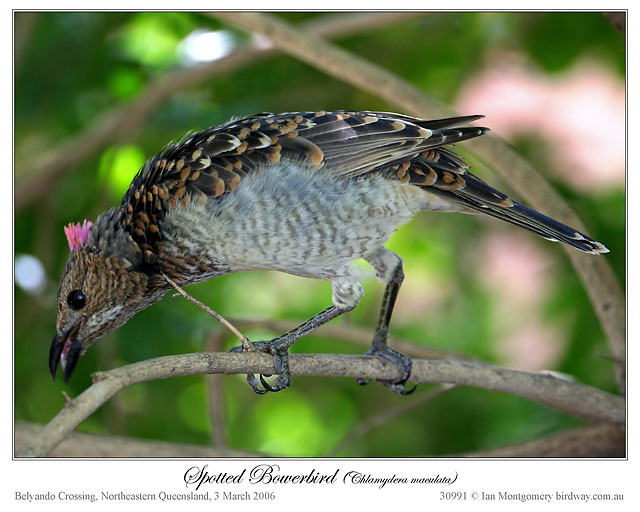
Spotted Bowerbird (Chlamydera maculata) by Ian

Spotted Bowerbird (Chlamydera maculata) by Ian

News to Note concludes with this:

“Evolutionists often seek to find natural explanations for distinct human aspects like aesthetics, moral consciousness, and self-consciousness. The bowerbirds’ apparent art appreciation seems to allow the most genetically fit to survive according to biologist Gerry Borgia of the University of Maryland. But do male bowerbirds intellectually conceive the idea of the optical illusion, and do female bowerbirds intentionally judge the design as artistic?

Rather than an intellectual intention towards art, the great bowerbird instinctively builds remarkable structures, and the female instinctively responds to the optical effect, as programmed by the Creator. Only man, created in the image of God, has a true aesthetic sense. When appreciating the beauty and design of creatures like the bowerbird, the wise aesthetic judge praises the Creator of both art and beauty.”

The two articles are interesting and of course, the one from Answers in Genesis, News to Note – Sept 18, 2010, issue gives the creationist view of this.

From another article:

” the male bower bird, an accomplished avian architect that has long fascinated scientists with its remarkably complex courting behavior. Instead of using just showy plumes or a romantic melody to attract a mate, the pigeon-sized bower bird constructs an elaborate structure — a bower — on the forest floor from twigs, leaves, and moss. It then decorates the bower with colorful baubles, from feathers and pebbles to berries and shells.”

“The bowers aren’t nests for raising kids; they are bachelor pads designed to attract and seduce one or more mates. When a female arrives to inspect the bower, the male struts and sings. He hopes to convince her to enter the bower, where mating takes place….they are of special interest to scientists seeking to understand how such complex traits evolve and function.”

Golden Bowerbird (Prionodura newtoniana) at bower by Ian

Golden Bowerbird (Prionodura newtoniana) at bower by Ian

“Each builds its own shape of bower and prefers a different decorating scheme. A few, for instance, surround their bowers with carefully planted lawns of moss. Others have been known to steal shiny coins, spoons, bits of aluminum foil — even a glass eye — in an effort to create the perfect romantic mood. Some, like the iridescent blue Satin bower bird, the star of Bower Bird Blues, even “paint” the walls of their structures with chewed berries or charcoal. For the male Satin, which builds a U-shaped bower from parallel walls of twigs, the favored color is blue. To decorate its “avenue,” as scientists call it, he collects blue feathers, berries, shells, and flowers. While some of these decorations are found in the forest, others are stolen from the bowers of other males; young males, in particular, are prone to this petty thievery. However obtained, the precious knickknacks are then scattered around the bower. The male then waits, passing time by constantly fine-tuning his structure and rearranging the decorations. (from Nature)

And God blessed them, saying, “Be fruitful and multiply, and fill the waters in the seas, and let birds multiply on the earth.” (Genesis 1:22 NKJV)

That verse answers it for me. God created them with that “complex trait.”


Information about the Bowerbird:

They are in the Ptilonorhynchidae – Bowerbirds Family of the Passeriformes Order. There are 21 species in the family in 9 different genus. There are 3 Catbirds and an Piopio included in the family.

Bowerbirds and catbirds make up the bird family Ptilonorhynchidae. These are medium-sized passerines, ranging from the Golden Bowerbird (22 cm and 70 grams) to the Great Bowerbird (40 cm and 230 grams). Their diet consists mainly of fruit but may also include insects (fed to young), flowers, nectar and leaves in some species.

The bowerbirds have an Austro-Papuan distribution, with ten species endemic to New Guinea, eight endemic to Australia and two found in both. Although their distribution is centered around the tropical regions of New Guinea and northern Australia, some species extend into central, western and southeastern Australia. They occupy a range of different habitats, including rainforest, eucalyptus and acacia forest, and shrublands.

Bowerbirds are most known for their unique courtship behaviour, where males build a structure and decorate it with sticks and brightly coloured objects in an attempt to attract a mate.

The catbirds are monogamous and raise chicks with their mate, but all other bowerbirds are polygymous, with the female building the nest and raising the young alone. These latter species are commonly sexually dimorphic, with the female being more drab in color. Female bowerbirds build a nest by laying soft materials, such as leaves, ferns, and vine tendrils, on top of a loose foundation of sticks. They lay one or two eggs, which hatch after 19 to 24 days, depending on the species.

The most notable characteristic of bowerbirds is their extraordinarily complex courtship and mating behaviour, where males build a bower to attract mates. There are two main types of bowers. One clade of bowerbirds build so-called maypole bowers that are constructed by placing sticks around a sapling; in some species these bowers have a hut-like roof. The other major bowerbuilding clade builds an avenue type bower made of two walls of vertically placed sticks. In and around the bower the male places a variety of brightly colored objects he has collected. These objects — usually different among each species — may include hundreds of shells, leaves, flowers, feathers, stones, berries, and even discarded plastic items, coins, nails, rifle shells, or pieces of glass. The males spend hours arranging this collection. Bowers within a species share a general form but do show significant variation, and the collection of objects reflects the biases of males of each species and its ability to procure items from the habitat, often stealing them from neighboring bowers. Several studies of different species have shown that colors of decorations males use on their bowers match the preferences of females.

In addition, many species of bowerbird are superb vocal mimics. Macgregor’s Bowerbird, for example, has been observed imitating pigs, waterfalls, and human chatter. Satin bowerbirds commonly mimic other local species as part of their courtship display. (Wikipedia)

(Information from various Internet sources.)
________
Articles here on the Blog about Bowerbirds:

Golden Bowerbird by A.J.Mithra
Ian’s Bird of the Week:
Tooth-billed Bowerbird
Spotted Bowerbird
Golden Bowerbird

More Formed By Him articles


Family#126 – Ptilonorhynchidae
*

Birds in Hymns – O Give Thanks To Him Who Made

Black-headed Heron (Ardea melanocephala) by Lee Lowry Pk Zoo

Black-headed Heron (Ardea melanocephala) by Lee Lowry Pk Zoo

Based on:

All things were made by him; and without him was not any thing made that was made. (John 1:3 KJV)

Words by ~ Jo­si­ah Con­der (1789-1855), in The Con­gre­ga­tion­al Hymn Book, 1836.
Music ~ “Dix” ~by~  Con­rad Koch­er, Stim­men aus dem Reiche Gott­es, 1838

O Give Thanks To Him Who Made

O give thanks to Him Who made
Morning light and evening shade;
Source and Giver of all good,
Nightly sleep and daily food;
Quickener of our wearied powers,
Guard of our unconscious hours.

O give thanks to nature’s King,
Who made every breathing thing;
His, our warm and sentient frame,
His, the mind’s immortal flame.
O how close the ties that bind
Spirits to the Eternal Mind!

O give thanks with heart and lip,
For we are His workmanship;
And all creatures are His care:
Not a bird that cleaves the air
Falls unnoticed
; but who can
Speak the Father’s love to man?

O give thanks to Him Who came
In a mortal, suffering frame—
Temple of the Deity—
Came for rebel man to die;
In the path Himself hath trod
Leading back His saints to God.

Most information from The Cyber Hymnal

See more Birds in Hymns

*

The Ornithologist and the Cuckoo – by Graham1281

Graham1281 has a YouTube Channel with over 200 of his accordion songs. He is from Inverness, U. K. and has given permission to use his music for backgrounds of our videos here. I came across this video while looking through his channel and decided to share it. Hope you enjoy.

“A wonderfully catchy tune written by Freeland Barbour for his friend Bobby Tulloch. Medicinecrow requested this tune and I was more than happy to oblige. The tune has fair Isle connections and so do I. My late stepfather ( George Eunson ) was born and lived a few of his childhood years there and also spent part of his early life in Lerwick. I too worked in Lerwick for 3 years myself and loved it.
The pictures are all of the birds around the Fair Isle. Hope you enjoy this and please keepthe requests coming. I’ve never enjoyed my playing so much for years.” (Graham Wilson)

And God said, “Let the waters swarm with swarms of living creatures, and let birds fly above the earth across the expanse of the heavens.” (Genesis 1:20 ESV)

Here is another of his bird related videos – The Cuckoo Waltz

*

Interesting Things – World War I Hero – Cher Ami

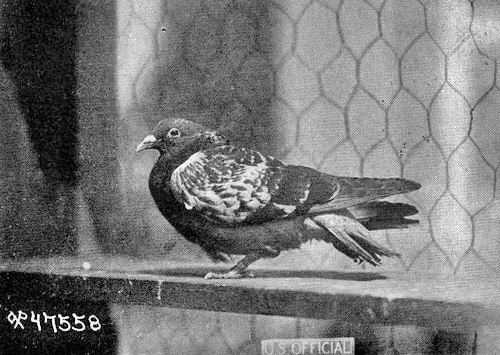
Cher Ami - Homing Pigeon Hero

Cher Ami – Homing Pigeon Hero

Cher Ami – WW1 Hero

While researching for a hero for an article on our church blog, I tried to find out about my father, who was in WW1. Being as he died when I was four years old, it is hard to find out a lot of details. All I knew is that he was in the trenches where they were poisoned with mustard gas and that it took years, but he died as a result of that gassing. Talking to my family, I also found out that he was at the Meuse-Argonne Offensive (Argonne Forrest) in which 117,000 of our American troops gave their lives and that he was in a company that had few survivors. Also found that he had fought hand-to-hand with bayonets. But the actual details are still a mystery. So, my dad and all of our men that fought in WW1 are my heros.

What I did find is a hero of the avian kind. His name was Cher Ami (French for “dear friend”, in the masculine) and he was a homing pigeon which had been donated by the pigeon fanciers of Britain for use by the U.S. Army Signal Corps in France during World War I and had been trained by American pigeoneers. He helped save the Lost Battalion of the 77th Division in the battle of the Argonne, October 1918.

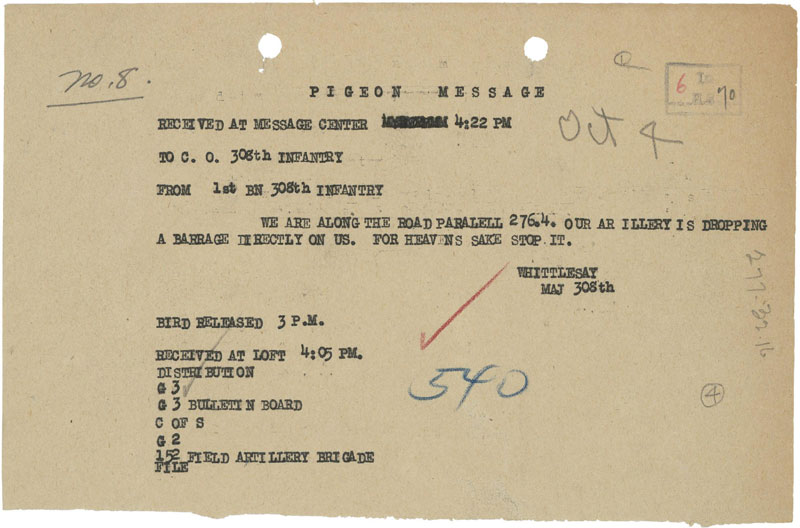
On October 3, 1918, Charles Whittlesey and more than 500 men were trapped in a small depression on the side of the hill behind enemy lines without food or ammunition. They were also beginning to receive friendly fire from allied troops who did not know their location. Surrounded by the Germans, many were killed and wounded in the first day and by the second day, only a little more than 200 men were still alive. Whittlesey dispatched messages by pigeon. The pigeon carrying the first message (“Many wounded. We cannot evacuate.”) was shot down. A second bird was sent with the message, “Men are suffering. Can support be sent?” That pigeon also was shot down. Only one homing pigeon was left: ‘Cher Ami’. He was dispatched with a note in a canister on his left leg,

We are along the road parallel to 276.4. Our own artillery is dropping a barrage directly on us. For heaven’s sake, stop it!

Actual Message Sent

Actual Message Sent

As Cher Ami tried to fly back home, the Germans saw him rising out of the brush and opened fire and for several minutes, bullets zipped through the air all around him.The men of the Lost Battalion saw Cher Ami tragically shot down, but miraculously, he was airborne again soon. He managed to arrive back at his loft at division headquarters 25 miles to the rear in just 25 minutes, helping to save the lives of the 194 survivors. In this last mission, Cher Ami had delivered the message despite having been shot through the breast, blinded in one eye, covered in blood and with a leg hanging only by a tendon.

Cher Ami had become the hero of the 77th Infantry Division, so army medics worked long and hard to save his life. They were unable to save his leg, so they carved a small wooden one for him. When he recovered enough to travel, the little one-legged hero was put on a boat to the United States, with General John J. Pershing personally seeing Cher Ami off as he departed France.

Upon return to America, Cher Ami became the mascot of the Department of Service. The pigeon was awarded the Croix de Guerre Medal with a palm Oak Leaf Cluster for his heroic service in delivering 12 important messages in Verdun. He died at Fort Monmouth, New Jersey, on June 13, 1919 from the wounds he received in battle and was later inducted into the Racing Pigeon Hall of Fame in 1931. He also received a gold medal from the Organized Bodies of American Racing Pigeon Fanciers in recognition of his extraordinary service during World War I.

Cher Ami - WWI Homing Pigeon Hero

Cher Ami – WWI Homing Pigeon Hero – WikiC

Cher Ami was as well known as any human World War I heroes. Cher Ami was later mounted by a taxidermist and donated to the Smithsonian where he is enshrined in the Smithsonian Institution, and is currently on display with Sergeant Stubby in the National Museum of American History’s “Price of Freedom” exhibit.

Who are these who fly like a cloud, And like doves to their roosts? (Isa 60:8)

Pigeons and Doves are in the Columbidae Family of the Columbiformes Order.

(Wikipedia and other internet sources)

*

Formed By Him – Feathered Language Master

Marsh Warbler (Acrocephalus palustris) WikiC

Marsh Warbler (Acrocephalus palustris) WikiC

Come and see the works of God; He is awesome in His doing toward the sons of men. (Psa 66:5)

When I Consider!

Formed By Him

“It is common for world travelers to learn at least a few words of other languages as they visit different cultures and meet different people. Not only is the marsh warbler a champion world traveler, he is also a champion linguist.
The Marsh Warbler is a small brown bird that spends only two months out of the year in its central European breeding grounds. It spends most of the year in Zambia. The warbler travels to its winter grounds in Africa on a route that takes it through the Middle East and the Arabian Peninsula, across the Red Sea and into northeast Africa. Despite the distance warblers travel, they frequently return to the same bushes year after year.

The new generation of warblers is still quite young when they begin their 4,500-mile trip to Africa. These young warblers learn not only the calls of the various birds in Africa but also the calls of birds along the way. Warblers have been heard to imitate more than 210 species. One warbler once imitated 76 different species in 35 minutes. The following year, when the warblers return to Europe, the offer realistic mimics of other birds for only the first three or four days before they return to their own calls. This means that at the right time of year, walking through the English or German countryside, you might hear very convincing sounds from the African countryside.

The Marsh Warbler is a special tribute to our Creator’s inventive creativty as it celebrates in song the marvelous variety He fashioned in the bird kingdom.

Prayer: Dear Lord, as the Marsh Warbler praises You in its special way for the wonderful variety You have created in the bird kingdom, help me praise You for Your forgiveness in a special way before the world. Amen.”

From “Feathered Language Master“, Letting God Create Your Day, Vol. 2, p.118 Copyright from Creation Moments, 2011.

Marsh Warbler (Acrocephalus palustris) WikiC

Marsh Warbler (Acrocephalus palustris) WikiC

The Marsh Warbler, Acrocephalus palustris, is an Old World warbler currently classified in the family Acrocephalidae. It breeds in temperate Europe and western Asia and winters mainly in south east Africa. It is notable for incorporating striking imitations of a wide variety of other birds into its song.

The Marsh Warbler breeds in a variety of mostly damp habitats, but in Africa winters mainly in dry, well-vegetated areas. It is common over much of its breeding range and expanding its distribution in some areas. However in Britain it is now virtually extinct as a breeding bird. This insectivorous warbler can be easily confused with several close relatives, but the imitative song of the male is highly distinctive. The male’s distinctive song is useful for identification, as no other member of the genus mimics other birds to any significant extent. The Marsh Warbler also tends to avoid the stands of pure reed which are the Reed Warblers’ favoured habitat.

Marsh Warbler (Acrocephalus palustris) WikiC

Marsh Warbler (Acrocephalus palustris) WikiC

Song

The Marsh Warbler is best known for the highly imitative song uttered by males, and very occasionally by females. Each male Marsh Warbler incorporates imitations of a wide range of other birds into its song. Other passerines are most commonly imitated, but the calls of other kinds of bird such as waders, hornbills and pigeons have been noted too. On average, each male bird incorporates imitations of 75 other species into its song, with rather more African than northern species mimicked. All learning seems to take place in the summer the bird is hatched in Europe or Asia, and in its first winter in Africa. The calls of birds heard in subsequent years are not added to the warbler’s repertoire. Females may utter a simple, non-imitative song, and a range of other calls are also known. (Wikipedia)

Songs of a Marsh Warbler by Stuart Fisher – xeno-canto.org

They are in the Acrocephalidae – Reed warblers and allies Family of the Passeriformes Order. Various Internet sources.

What an interesting little bird that the Lord has formed through His creation. What a fantastic Creator and Saviour we have who cares so much for Marsh Warbler and for us.

All things were made through Him, and without Him nothing was made that was made. (John 1:3)

Wordless Birds

More Formed By Him Articles

*

Birds in Hymns – When I Survey The Wondrous Cross

Green-billed Toucan (Ramphastos dicolorus) by Dario Sanches

Green-billed Toucan (Ramphastos dicolorus) by Dario Sanches

Based on:

But God forbid that I should glory, save in the cross of our Lord Jesus Christ, by whom the world is crucified unto me, and I unto the world. (Galatians 6:14 KJV)

Words by  Isaac Watts, 1707. Charles Wes­ley reportedly said he would give up all his other hymns to have written this one.
Music is Hamburg, by Lowell Mason, 1824;

Al­ter­nate tune: Rockingham (Miller), Edward Miller, 1790

When I Survey The Wondrous Cross

When I survey the wondrous cross
On which the Prince of glory died,
My richest gain I count but loss,
And pour contempt on all my pride.

Forbid it, Lord, that I should boast,
Save in the death of Christ my God!
All the vain things that charm me most,
I sacrifice them to His blood.

See from His head, His hands, His feet,
Sorrow and love flow mingled down!
Did e’er such love and sorrow meet,
Or thorns compose so rich a crown?

His dying crimson, like a robe,
Spreads o’er His body on the tree;
Then I am dead to all the globe,
And all the globe is dead to me.

Were the whole realm of nature mine,,
That were a present far too small;
Love so amazing, so divine,
Demands my soul, my life, my all.

To Christ, who won for sinners grace
By bitter grief and anguish sore,
Be praise from all the ransomed race
Forever and forevermore.


This hymn was used even though a bird is not mentioned specifically. The verse with “Were the whole realm of nature mine,” always reminds me of all the birds and other critters that God created. To me, it belongs in with the Birds in Hymns section. Also, the message of the whole hymn tells of the Savior’s love and death on the cross for our salvation.

The Gospel Message

*

Birds of the Bible – Dove’s Dung

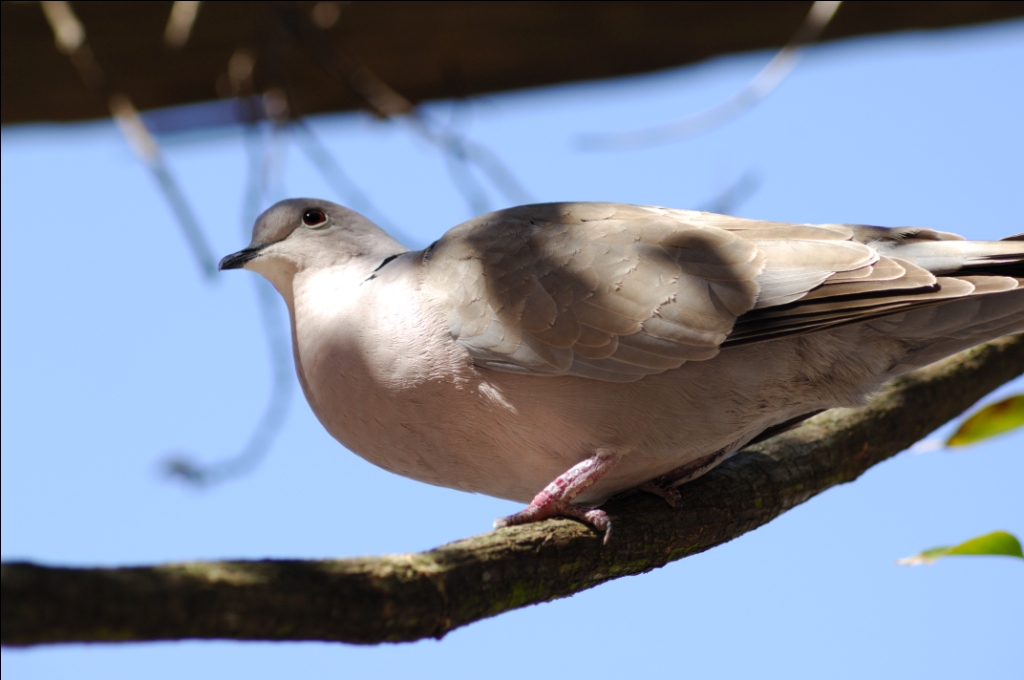
Eurasian Collared Dove (Streptopelia decaocto) by Dan

Eurasian Collared Dove (Streptopelia decaocto) by Dan

Now here is an interesting verse found in 2 Kings 6:25:

And there was a great famine in Samaria, as they besieged it, until a donkey’s head was sold for eighty shekels of silver, and the fourth part of a kab of dove’s dung for five shekels of silver. (2Ki 6:25)

First let’s find out what caused this event in the first place. Israel was being besieged and it was causing a very severe famine. Food was extremely scarce and the people were paying exorbitant prices for small amounts of anything edible.

Why were they under siege?

Afterward Ben-hadad king of Syria mustered his entire army and went up and besieged Samaria. (2Ki 6:24)

They were surrounded by the Syrian army and there was very little to eat. They may have been there for sometime or the inhabitants of Samaria were caught by surprise and didn’t have time to lay up supplies. Then again, if you read the verses just prior, 2 Kings 6:8-23, another reason for the lack of food may be given. The Samaritans had fed the Syrian raiders before sending them back home. Most commentators say that there was at least a year between that event and when this one happens.

What ever the cause, the people were so hungry that they were paying 80 shekels of silver for a donkey’s head. Several things about this:

  • Donkeys were very prized animals and well treated.
  • The head has very little meat on it.
  • “The head was the worst part of the animal.” (JFB)
  • They were on the “do not eat” list.
  • “A vast price, especially for that which had on it so little meat, and that unwholesome and unclean.” (Wesley)
Doves in Israel

Doves in Israel ©©

Now for the next food on their menu – “Dove’s dung.” Looking at the different versions of Scripture, here are some of the ways this is translated:

  • small measure of doves’ droppings was five shekels of silver – BBE
  • one-fourth of a kab of dove droppings for five shekels of silver – NKJV
  • fourth part of a (cab or kab) of dove’s dung at five pieces of silver – ASV Brenton ESV JPS KJV LITV NASB RV WEBSTER
  • small bowl of pigeon droppings cost about two ounces of silver – CEV
  • fourth part of a cab of dove’s dung five silver-pieces – Darby
  • fourth part of a cabe of pigeons’ dung, for five pieces of silver – DRB
  • forth of the cab of dovesdung at five silverlings – YLT
  • one pint of dove’s dung sold for five pieces of silver – ERV
  • one quarter of a unit of dove’s dung cost five silver coins – ISV
  • half a pound of dove’s dung cost five pieces of silver – GNB
  • two pounds of silver and a half-pint of dove manure for two ounces of silver – GW

One thing they all agree on is that it was either a Dove or a Pigeon, which are both in the same family and their names are changed back and forth even today. Most agree it was a forth of something. The cab or kab according to the commentaries is described as:

A kab – A measure containing twenty – four eggs. and a kab was the usual measure of all sorts of grains and fruits of that sort. (Wesley)
Cab – This measure is not mentioned elsewhere in Scripture. According to the rabbinical writers it was the smallest of all the dry measures in use among the Jews, being the sixth part of a seah, which was the third part of an ephah. If it was about equal to two of our quarts, the “fourth part of a cab” would be about a pint. (Barnes)

Nicobar Pigeon at Lower Park Zoo by Dan

Nicobar Pigeon at Lower Park Zoo by Dan

Up to now, we know that it was expensive for a small amount. What keeps the commentators of differing opinions is what the “Dove’s Dung” really was. Many say that it was a pulse or pease made from a pea or bean and that it had the color or texture of a dove’s droppings. Others say it was from the actual droppings and that (this is yuk) they picked through it for edible parts. (For an interesting study, load the e-Sword program – it’s free – and after loading the Bibles, dictionaries and commentaries, do a study of 2 Kings 6:25)

“dove’s dung: This probably denotes, as Bochart, Scheuchzer, and others suppose, a kind of pulse, or vetches, which the Arabs still call pigeon’s dung. “They never,” says Dr. Shaw (Travels, p. 140), “constitute a dish by themselves, but are strewed singly as a garnish over cuscasowe, pillowe, and other dishes. They are besides in the greatest repute after they are parched in pans and ovens; then assuming the name leblebby;” and he thinks they were so called from being pointed at one end, and acquiring an ash colour in parching.

Dove’s dung – Most commentators understand by this expression a sort of pulse which is called “dove’s dung,” or “sparrow’s dung” in Arabic. But it is possible that the actual excrement of pigeons is meant. The records of sieges show that both animal and human excrement have been used as food – under circumstances of extreme necessity.” (Barnes)

I am inclined to think that it could have actually been the real droppings.  The reason for that is what is mentioned after verse 25. Two ladies had agreed to eat their sons. See 2 Kings 6:26-29.

Now as the king of Israel was passing by on the wall, a woman cried out to him, saying,

“Help, my lord, O king!” And he said, “If the LORD will not help you, how shall I help you? From the threshing floor, or from the winepress?” And the king asked her, “What is your trouble?” She answered, “This woman said to me, ‘Give your son, that we may eat him today, and we will eat my son tomorrow.’ So we boiled my son and ate him. And on the next day I said to her, ‘Give your son, that we may eat him.’ But she has hidden her son.”  (2Ki 6:26-29)

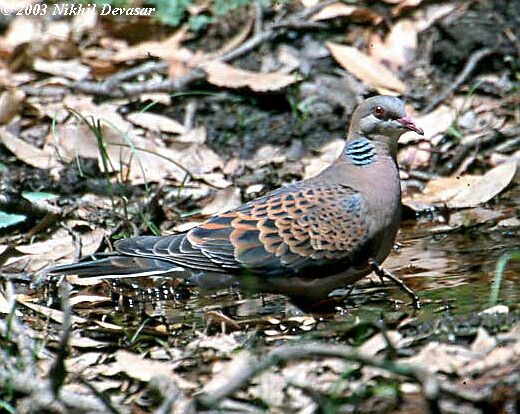
Oriental Turtle Dove (Streptopelia orientalis) by Nikhil Devasar

Oriental Turtle Dove (Streptopelia orientalis) by Nikhil Devasar

Another thought, were there any doves left that hadn’t been eaten?

I’ll end with a quote from the Wesley commentary. “Learn to value plenty, and to be thankful for it; see how contemptible money is, when, in time of famine, it is so freely parted with for anything that is eatable.”

See also:

Birds of the Bible – Doves and Pigeons
Birds of the Bible
Columbidae – Pigeons, Doves

Interesting articles from the Internet:

http://www.godfire.net/diet.html
From Heart to Heart
Dove’s Dung – Wikipedia
Plants of the Bible – Dove’s Dove

*

Birds of the Bible – Birds of Samuel and Kings

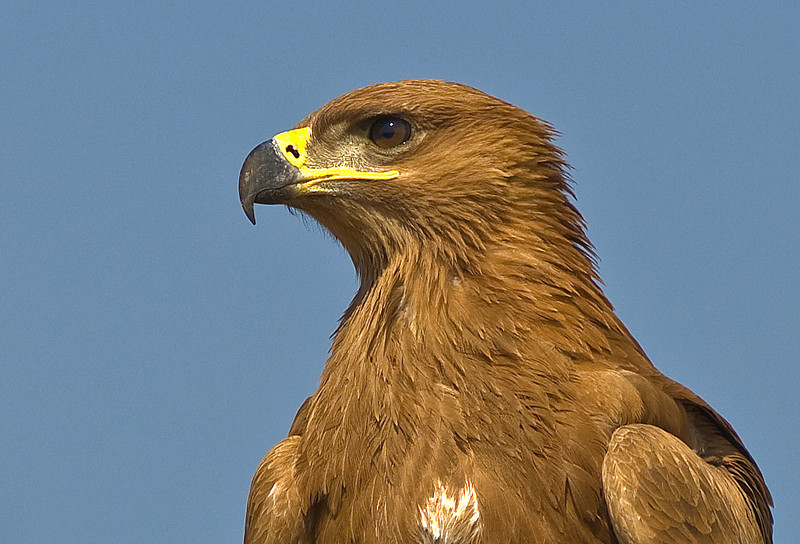
Tawny Eagle (Aquila rapax) by Africaddict

Tawny Eagle (Aquila rapax) by Africaddict

I have been reading through 1st and 2nd Samuel and 1st Kings lately in the English Standard Version (ESV). So far I have found seven references to “birds”, “birds of the air”, or “birds of the heavens.”

Five of the verses have to do with the birds coming to do something, especially to eat. I’ll save that for later. One verse is keeping the birds from eating and the other is totally unrelated to eating.

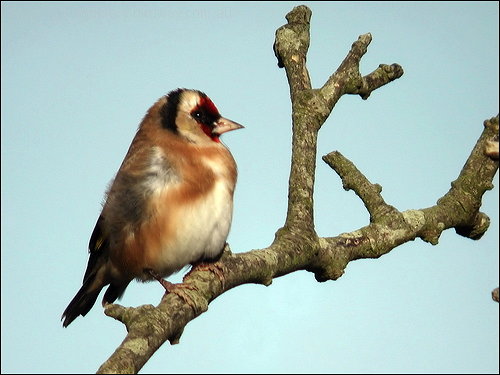
European Goldfinch (Carduelis carduelis) by Ian

European Goldfinch (Carduelis carduelis) by Ian

Let’s start with the easy one. In 1 Kings, Solomon was made king after his father, David, passed away. He asked the Lord for wisdom to know how to rule and do what was right. He was still a youngster. He was given wisdom that has surpassed any.

And God gave Solomon wisdom and understanding beyond measure, and breadth of mind like the sand on the seashore, so that Solomon’s wisdom surpassed the wisdom of all the people of the east and all the wisdom of Egypt. For he was wiser than all other men, wiser than Ethan the Ezrahite, and Heman, Calcol, and Darda, the sons of Mahol, and his fame was in all the surrounding nations. He also spoke 3,000 proverbs, and his songs were 1,005. He spoke of trees, from the cedar that is in Lebanon to the hyssop that grows out of the wall. He spoke also of beasts, and of birds, and of reptiles, and of fish. (1 Kings 4:29-33 ESV)

To save a war, seven sons were given to the Gibeonites, who hanged them. Then the mother of two of them, Rizpah, came and spread sackcloth over their remains and protected them from the birds of the air. That is told in 2 Samuel 21.

Then Rizpah the daughter of Aiah took sackcloth and spread it for herself on the rock, from the beginning of harvest until rain fell upon them from the heavens. And she did not allow the birds of the air to come upon them by day, or the beasts of the field by night. (2 Samuel 21:10 ESV)

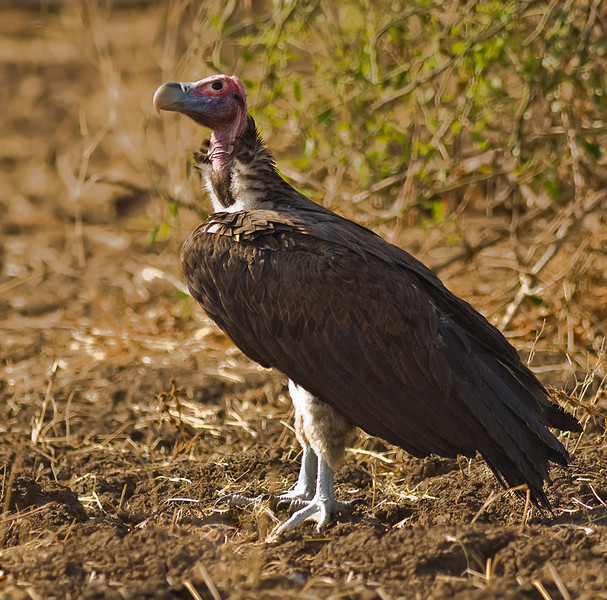
Lappet-faced Vulture (Torgos tracheliotus) by Africaddict

Lappet-faced Vulture (Torgos tracheliotus) by Africaddict

The next five incidents have to do with judgment and the birds coming to feed on the carcases of those who died.
Goliath, the giant Philistine threatened David with:

The Philistine said to David, “Come to me, and I will give your flesh to the birds of the air and to the beasts of the field.” (1 Samuel 17:44 ESV)

Then David told Goliath that the LORD would cause the Philistines to be delivered to David and the birds would be feasting on him and the other Philistines there.

This day the LORD will deliver you into my hand, and I will strike you down and cut off your head. And I will give the dead bodies of the host of the Philistines this day to the birds of the air and to the wild beasts of the earth, that all the earth may know that there is a God in Israel, (1 Samuel 17:46 ESV)

Keep reading in 2nd Samuel 17 and you will find out who the birds feasted on.

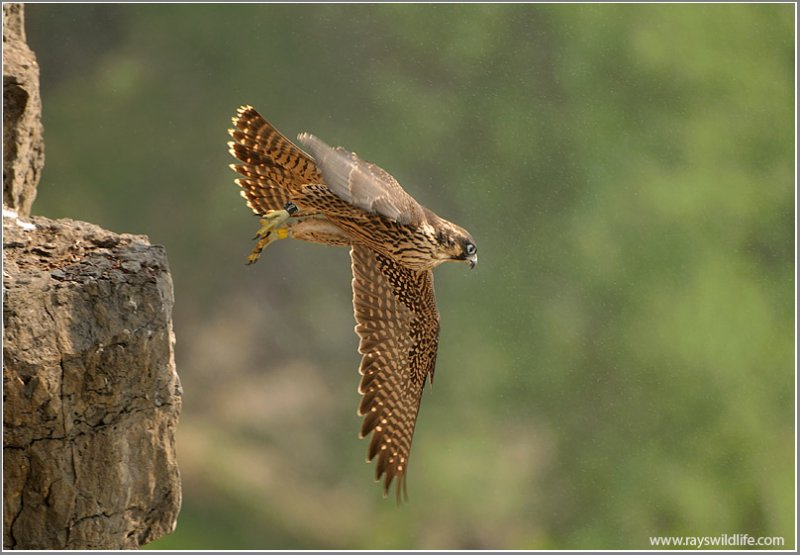
Peregrine Falcon Lift Off Into The Mist

Peregrine Falcon Lift Off Into The Mist

In 1 Kings 14:11, 1 Kings 16:4 and 1 Kings 21:24, three bad kings and their families were judged for the evil they did of not serving the LORD and causing their subjects to also fall into sin.
Jeroboam, Baasha, and Ahab all died and the birds of the heavens were invited to come and eat. Not a pretty picture, but God keeps His Word.

Anyone belonging to Jeroboam who dies in the city the dogs shall eat, and anyone who dies in the open country the birds of the heavens shall eat, for the LORD has spoken it. (1 Kings 14:11 ESV)
Anyone belonging to Baasha who dies in the city the dogs shall eat, and anyone of his who dies in the field the birds of the heavens shall eat. (1 Kings 16:4 ESV)
Anyone belonging to Ahab who dies in the city the dogs shall eat, and anyone of his who dies in the open country the birds of the heavens shall eat. (1 Kings 21:24 ESV)

Not knowing for certain which birds actually came and did the eating, my guess is that it would be those from the birds of prey families. Those birds are known to be carnivorous and would have arrived at the LORD’s will as prophesied.

Some of the birds of the large Order of Accipiitriformes – Raptors would have been involved. Those are the New World Vultures, Secretarybird, Ospreys, Kites, Hawks and Eagles. Then the Falcons and Caracaras of the Falconiformes Order possibly would have arrived. Owls from the Strigiformes Order might also have come.

But if you will not do so, behold, you have sinned against the LORD, and be sure your sin will find you out. (Numbers 32:23 ESV)

Wordless Birds

*

Birdwatching at Lowry Park Zoo – May 2011

Great Argus (Argusianus argus argus) (Great Malay Argus P) by Lee at LPZ

Great Argus (Argusianus argus argus) (Great Malay Argus Pheasant) by Lee at LPZ

Dan and I were able check out the birds again at the Lowry Park Zoo in Tampa, FL last Friday. We went to a few of the aviaries we haven’t been in for awhile. We went to the Sulawesi Aviary and saw the Magpie Goose, Masked Lapwing, Great Malay Argus Pheasant , Victorian Crowned Pigeon (SSP), Mandarin Duck, Sulawesi Tarictic (Temminck’s) Hornbill, Demoiselle Crane, Great Malay Argus, Javan Pond Heron and the (Green-naped) Pheasant Pigeon, with the Bar-headed Goose just outside.

Sulawesi Hornbill (Penelopides exarhatus) by Lee LPZ

Sulawesi Hornbill (Penelopides exarhatus) by Lee LPZ

From there we stopped by Lorikeet Landing to see many Lorikeets being feed by visitors. There the Green-naped, Swainson’s, Weber’s and Rainbow Lorikeets carry on with lots of noisy calls (all of these are subspecies of the Rainbow).

Lorikeet being feed by youngster at Lowry Pk Zoo

Lorikeet being feed by youngster at Lowry Pk Zoo

They also have Dusky Lory, Violet-crested Turaco, and Green-winged Teals.

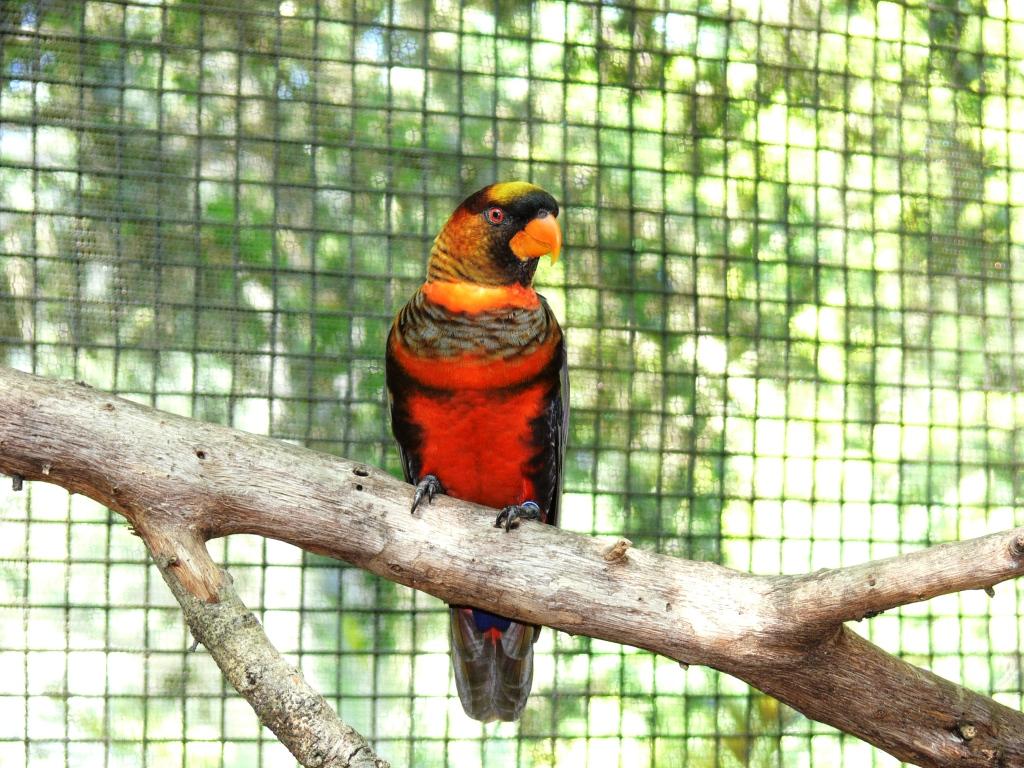
Dusky Lory (Pseudeos fuscata) by Lee at LPZoo

Dusky Lory (Pseudeos fuscata) by Lee at LPZoo

The Wallaroo Station (Australian) greets you with the Palm Cockatoo, Silky, Australorp and Buff Orphington Chickens. Then just inside you can view the sleepy Koala (whoops, that not a bird, but it was in a tree) and the Emu. The Malayan Flying Fox exhibit had those bats, plus the Magpie Goose, Rosy Starlings, Long-billed Corella (new for me), and Red-tailed Black Cockatoo. The Bali Myna was busy singing and showing off for its mate and then we entered the Budgerigar Aviary. Wow! They were everywhere.

Budgerigar (Melopsittacus undulatus) by Lee LPZ

Budgerigar (Melopsittacus undulatus) by Lee LPZ

We saw more, but will save that for another article. It was enjoyable as usual as we watched the Lord’s Creative Hand through these fantastic birds.

The works of the LORD are great, sought out of all them that have pleasure therein. His work is honourable and glorious: and his righteousness endureth for ever. (Psalms 111:2-3 KJV)

I have also been updating some more of the photos for:
Life List of All Birds We Have Seen

Koala by Lee LPZ

Koala by Lee LPZ

*

Birds in Hymns – Awake, Our Souls; Away, Our Fears

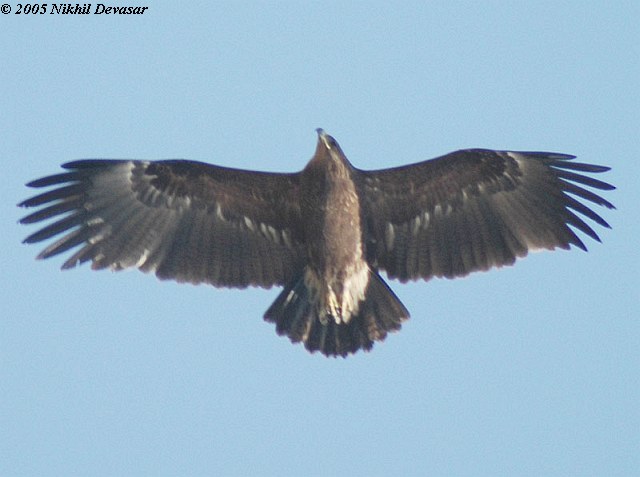
Greater Spotted Eagle (Aquila clanga) by Nikhil

Greater Spotted Eagle (Aquila clanga) by Nikhil

Based on:

But they that wait upon the LORD shall renew their strength; they shall mount up with wings as eagles; they shall run, and not be weary; and they shall walk, and not faint. (Isaiah 40:31 KJV)

Words by Isaac Watts,
Found in Hymns and Spir­it­u­al Songs, Book I, 1707, #48.
Born 1674 in South­amp­ton, Eng­land.- Died 1748 in Stoke New­ing­ton, Eng­land

Music: Trell by Low­ell Ma­son and Car­mi­na Sac­ra, 1844
Al­ter­nate tunes:
St. Pe­ters­burg, at­trib­ut­ed to Dmi­tri S. Bort­ni­an­sky, 1825
Samson, ar­ranged from George F. Han­del (1685-1759)

Awake, Our Souls; Away, Our Fears

Awake, our souls; away, our fears,
Let every trembling thought be gone;
Awake, and run the heavenly race,
And put a cheerful courage on.

True, ’tis a strait and thorny road,
And mortal spirits tire and faint;
But they forget the mighty God,
That feeds the strength of every saint.

Bald Eagle (Haliaeetus leucocephalus)  by AestheticPhotos

Bald Eagle (Haliaeetus leucocephalus) by AestheticPhotos

Thee, mighty God! whose matchless power
Is ever new, and ever young;
And firm endures, while endless years
Their everlasting circles run.

From Thee, the overflowing spring,
Our souls shall drink a fresh supply;
While such as trust their native strength
Shall melt away, and droop, and die.

Swift as an eagle cuts the air,
We’ll mount aloft to Thine abode;
On wings of love our souls shall fly,
Nor tire amidst the heav’nly road.

*

More Birds in Hymns

*

Formed By Him – Birds of Peru and Chile – II

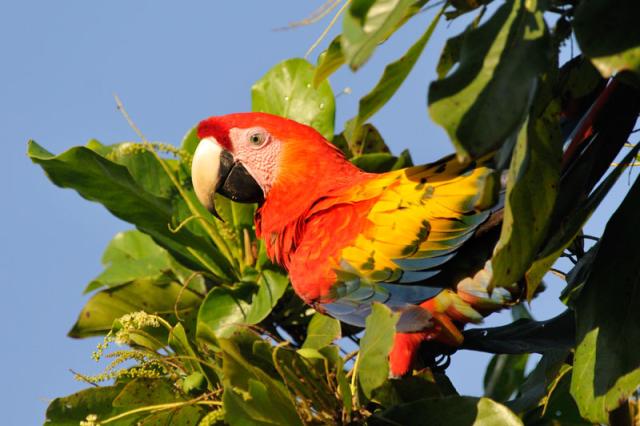
Scarlet Macaw (Ara macao) Reinier Munguia

Scarlet Macaw (Ara macao) Reinier Munguia

This is a continuation of Formed By Him – Birds of Peru and Chile – I

Since there are so many birds that could be seen by our team in Peru and Chile, I have saved two large families for Part II. The Psittacidae Family which has the Parrots, Macaws, Parakeets, Parrotlets and the Amazons. There are 53 species in Peru and 5 in Chile.

*

Sword-billed Hummingbird (Ensifera ensifera)©WikiC

Sword-billed Hummingbird (Ensifera ensifera)©WikiC

We did an article about the Sword-billed Hummingbird and maybe they will get to see one of them.

The Trochillidae Family which has the Hummingbirds, Sicklebills, Hermits, Lancebills, Sabrewings, Jacobin, Violetears, Mangos, Topaz, Coquettes, Thorntails, Sapphires, Woodnymphs, Goldenthroat, Emerald, Plumeleteer, Piedtails, Brilliants, Coronet, Sunbeams, Velvetbreast, Inca, Starfrontlets, Sapphirewing, Sunangel, Pufflegs, Whitetip, Racket-tail, Comets, Mountaineer, Metaltail, Thornbills, Avocetbill, Fairy, Spatuletail, Sheartail and Woodstar. All of these are in the Hummingbird family. There are 123 species in Peru and 9 in Chile.

The two country’s birds are combined in the slideshow.

*

This slideshow requires JavaScript.

*

These two countries abound in the Creative Hand of the Lord, especially when the birds of the air are observed.

They have lyre and harp, tambourine and flute and wine at their feasts, but they do not regard the deeds of the LORD, or see the work of his hands. (Isaiah 5:12 ESV)
that they may see and know, may consider and understand together, that the hand of the LORD has done this, the Holy One of Israel has created it. (Isaiah 41:20 ESV)

*