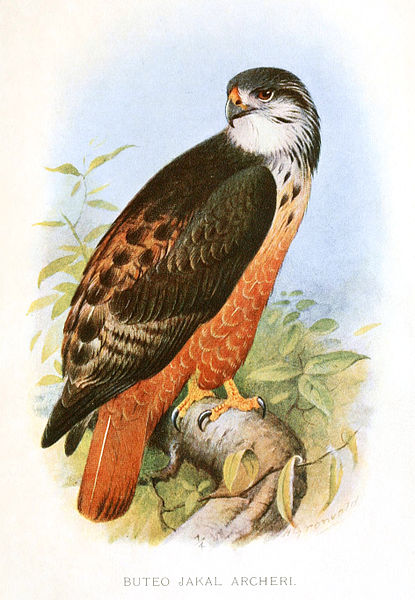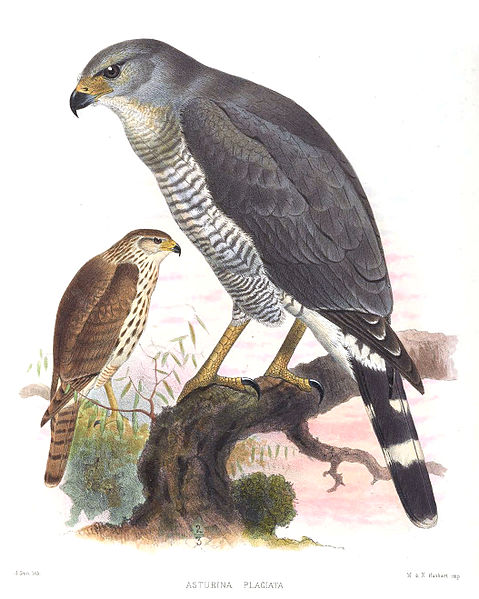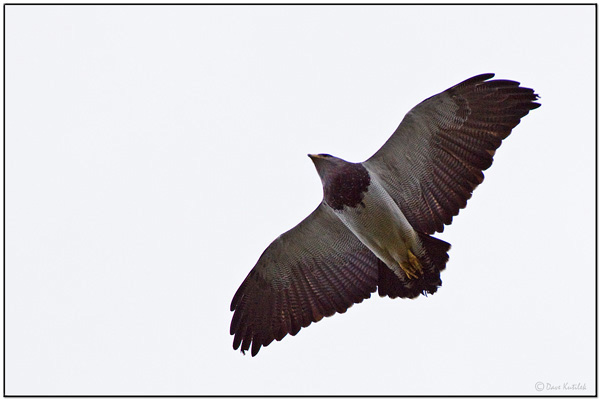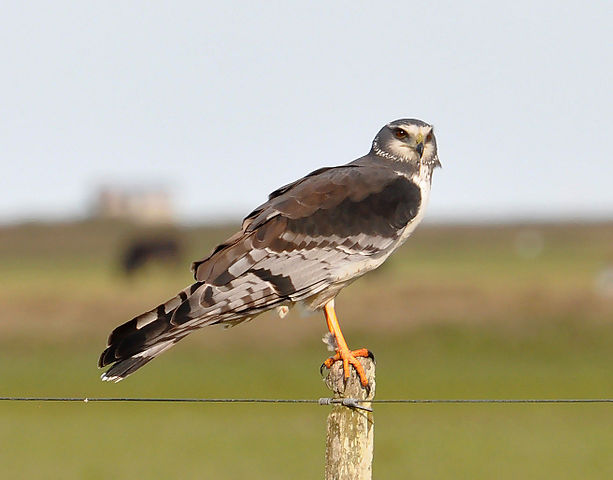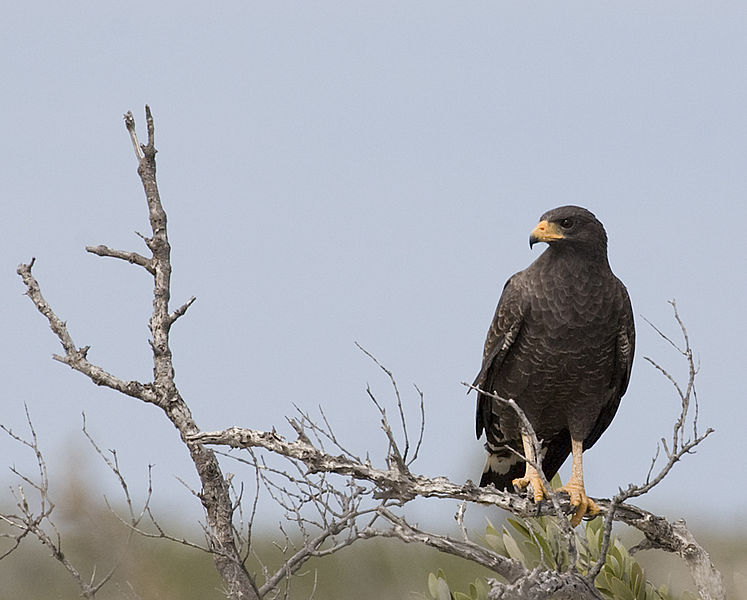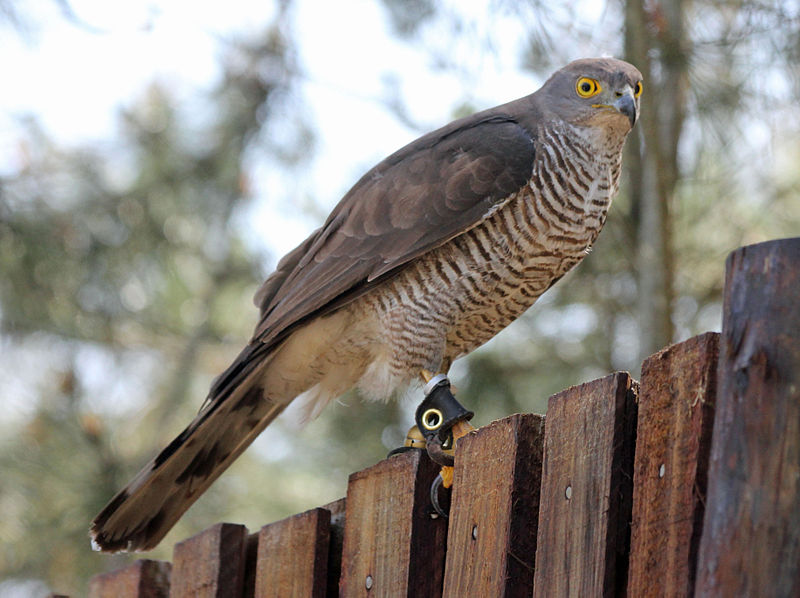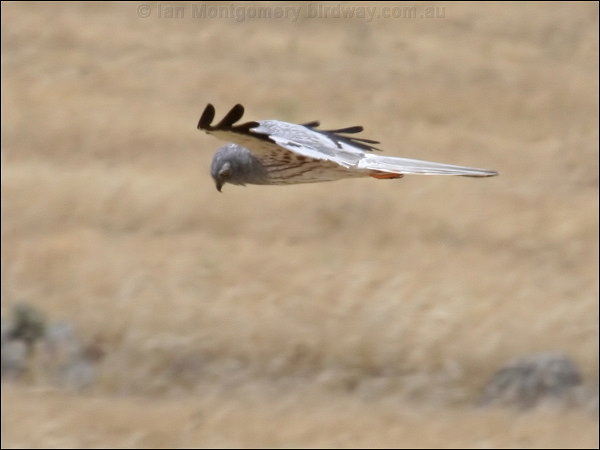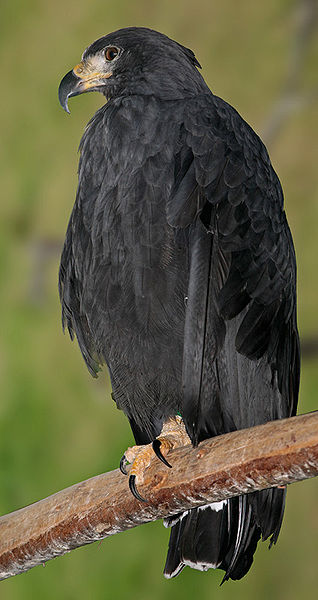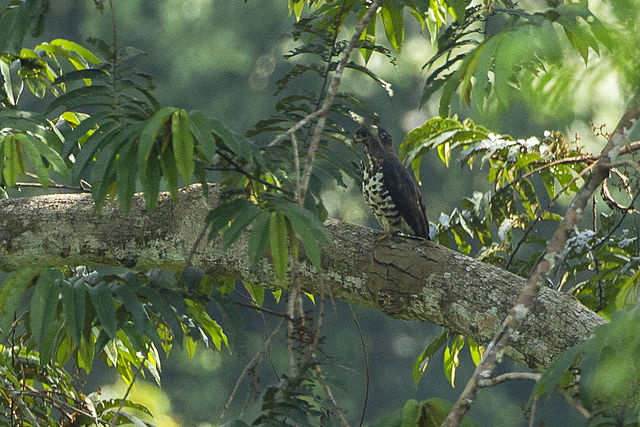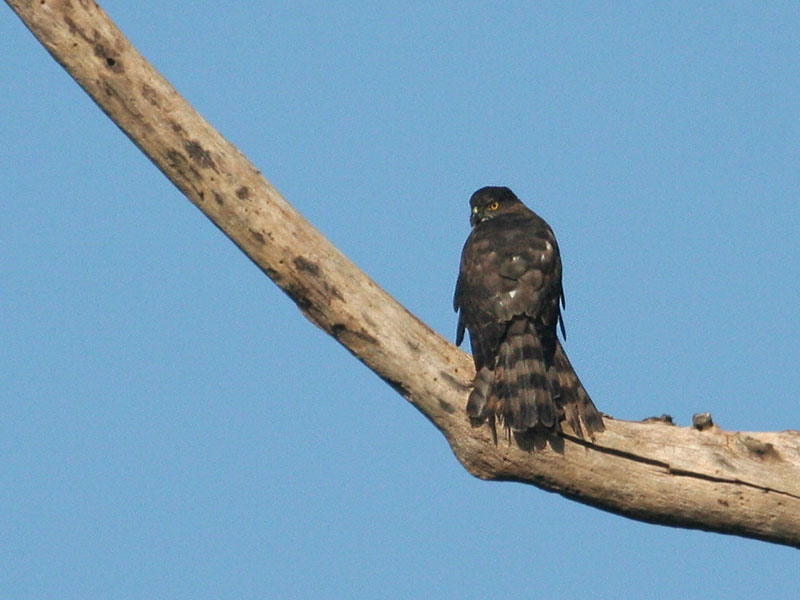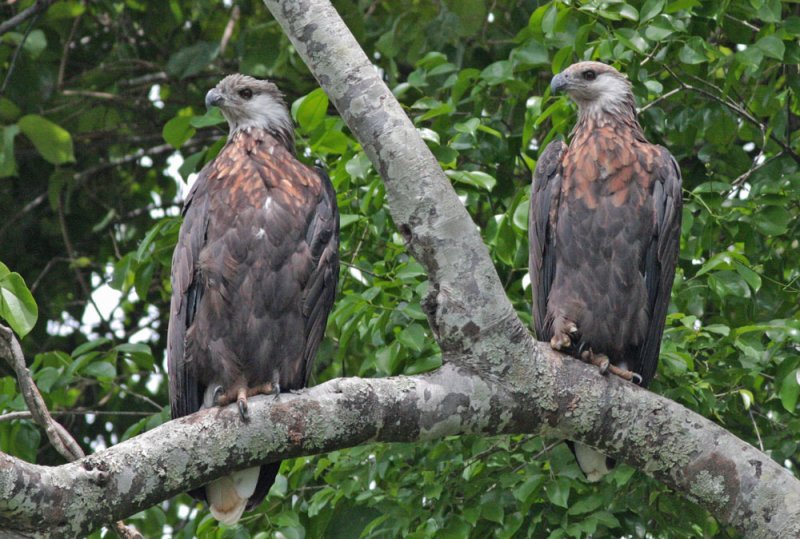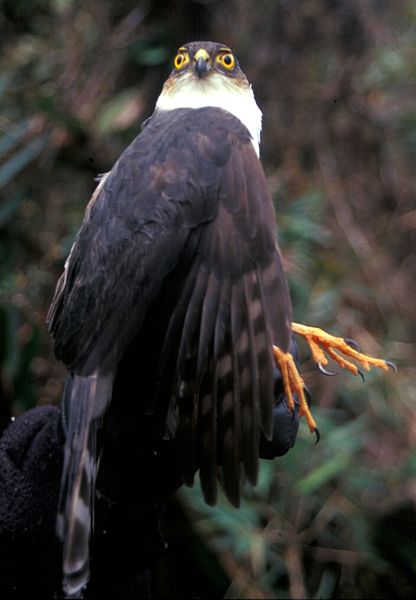
The Eagles and Allies Have Landed

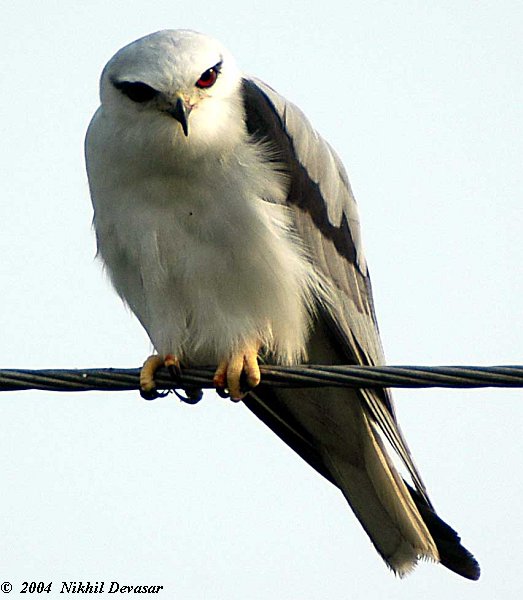
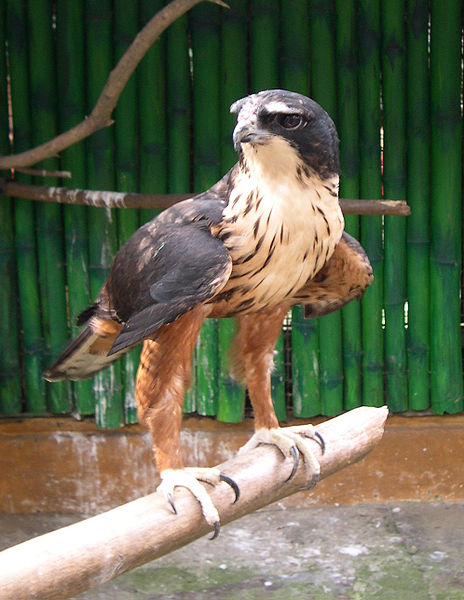
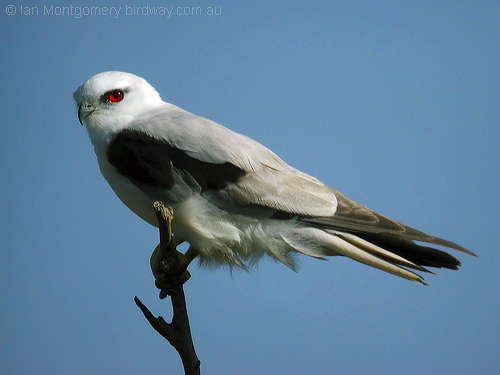
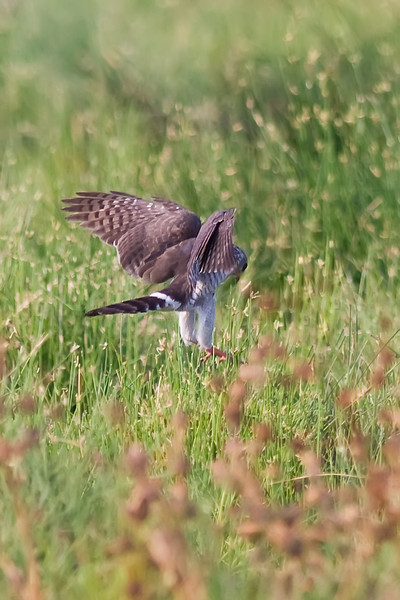
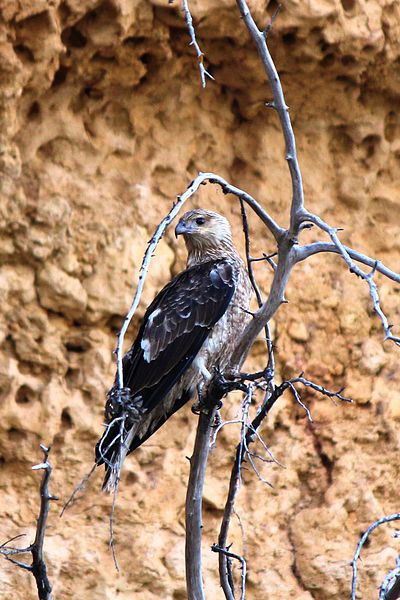
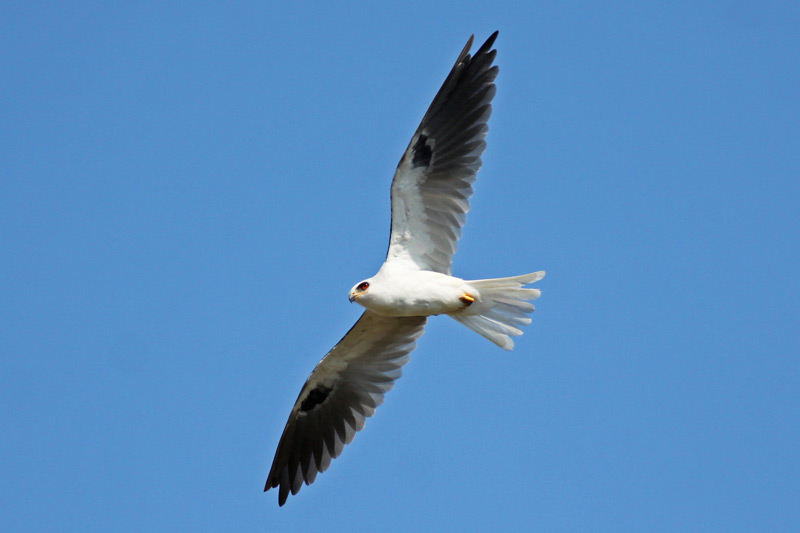
White-tailed Kite (Elanus leucurus) by Margaret Sloan

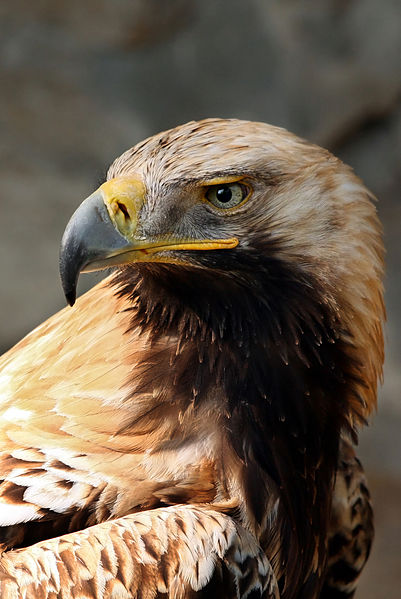
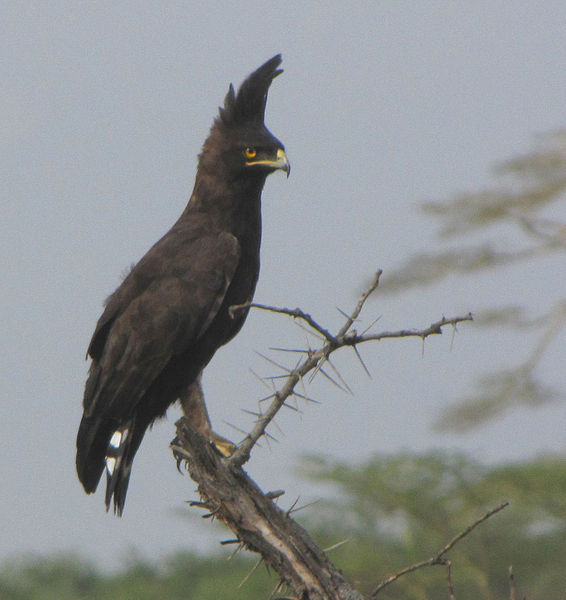
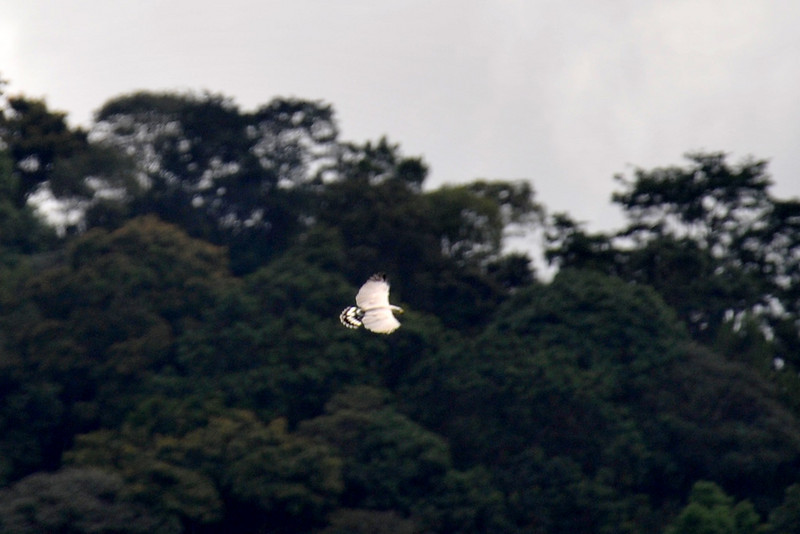
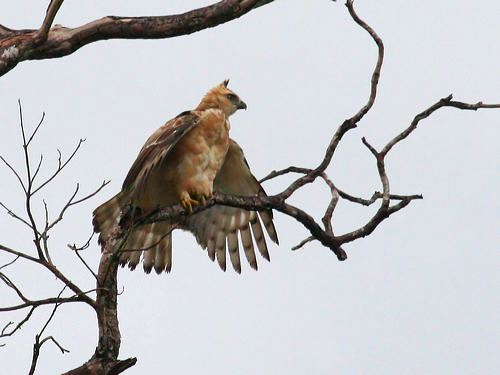
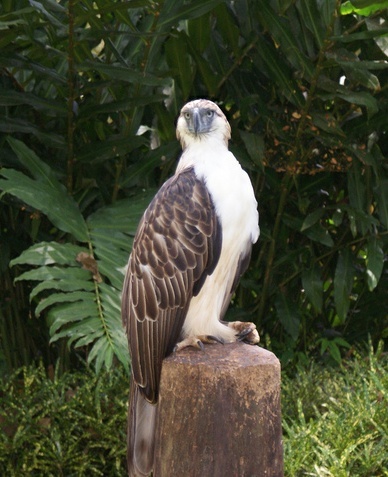
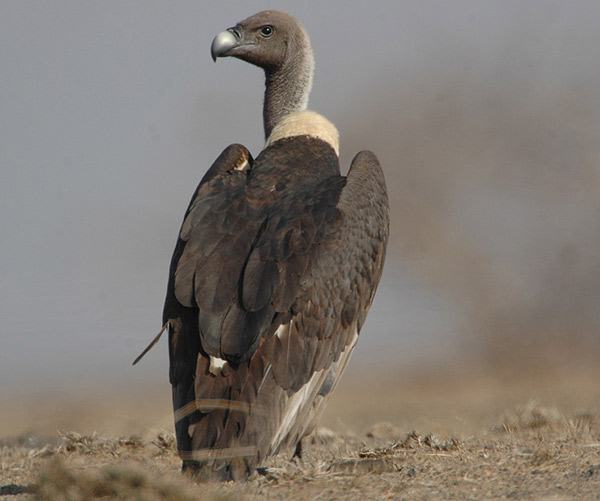
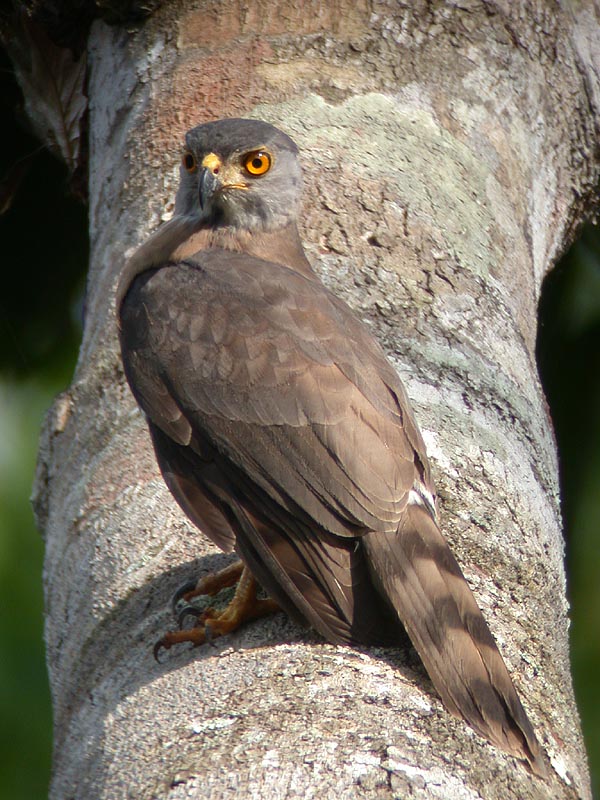
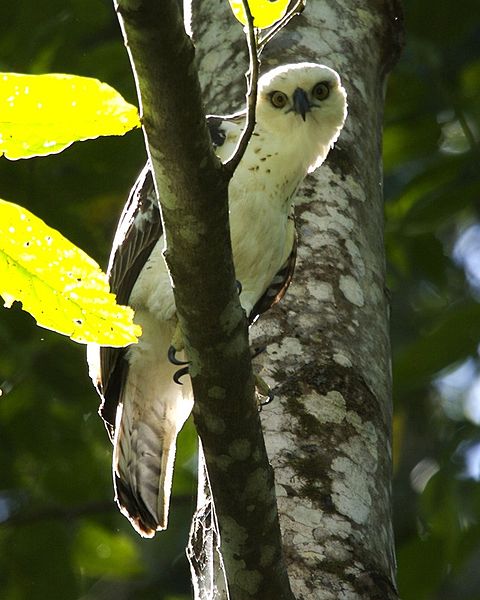
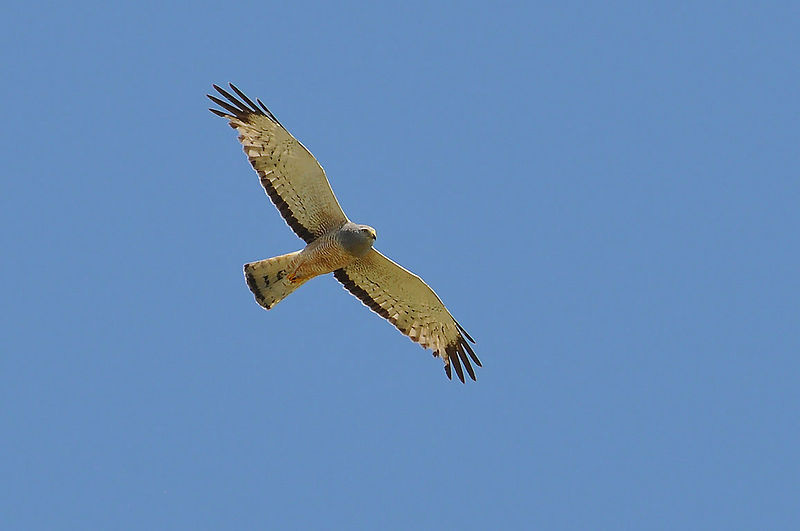
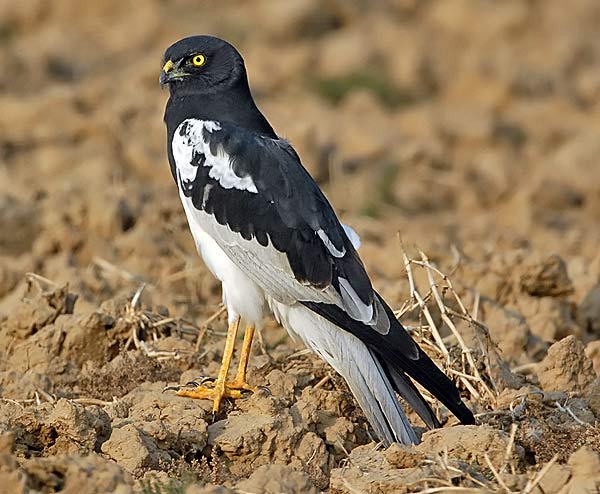
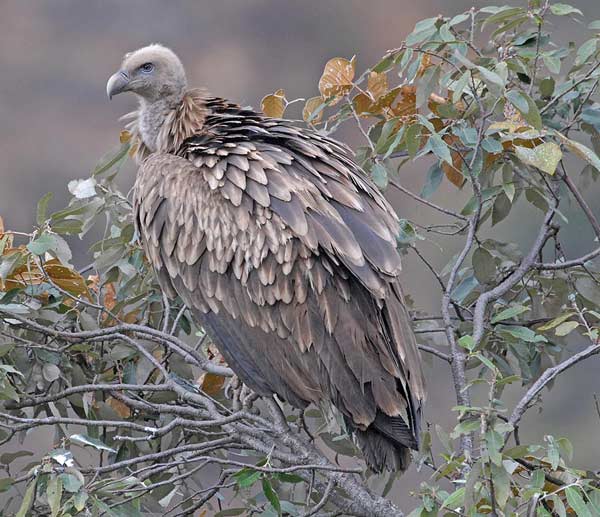
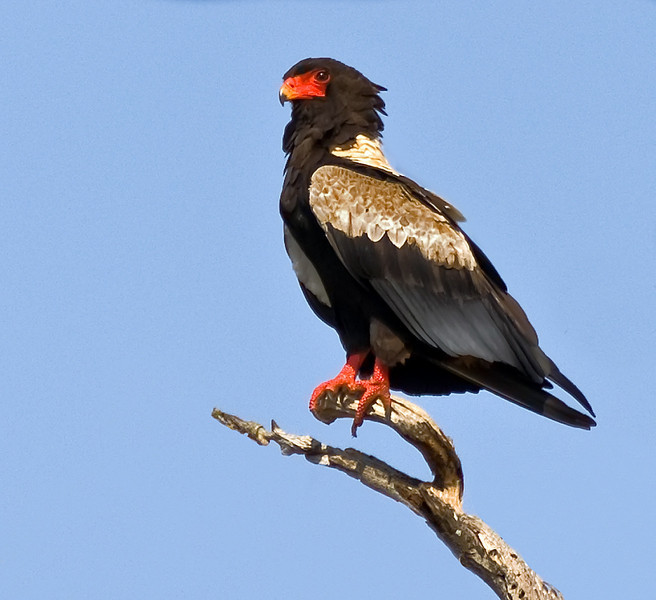
Finally, the Eagles and Allies have arrived and landed back on their Family Page. The Accipitridae – Kites, Hawks and Eagles family album has been giving me a fit. As you know from the last two post, An Apology, Plus Much Work At Hand and Rounding Up Those Eagles and Allies, I have been trying to fix 111 broken links on the page that lists the whole Accipitridae family.

WordPress is a great Blogging provider, yet, there are times a blogger feels like pulling their feathers (hair) out. After searching the forums and the internet for possible answers, there doesn’t seem to be a clear answer as to how 111 photos disappeared from the Media area. Many were downloaded back in 2011 through 2016, and have been working fine.

Life is like this at times. Problems arise out of nowhere, yet, how we handle them, is a test of our character. Thankfully, we have the Lord to lean on when we need wisdom. “The fear of the LORD is the beginning of knowledge: but fools despise wisdom and instruction.” (Proverbs 1:7 KJV)

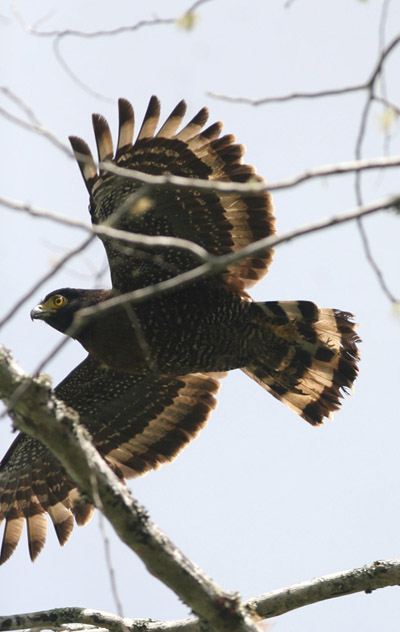
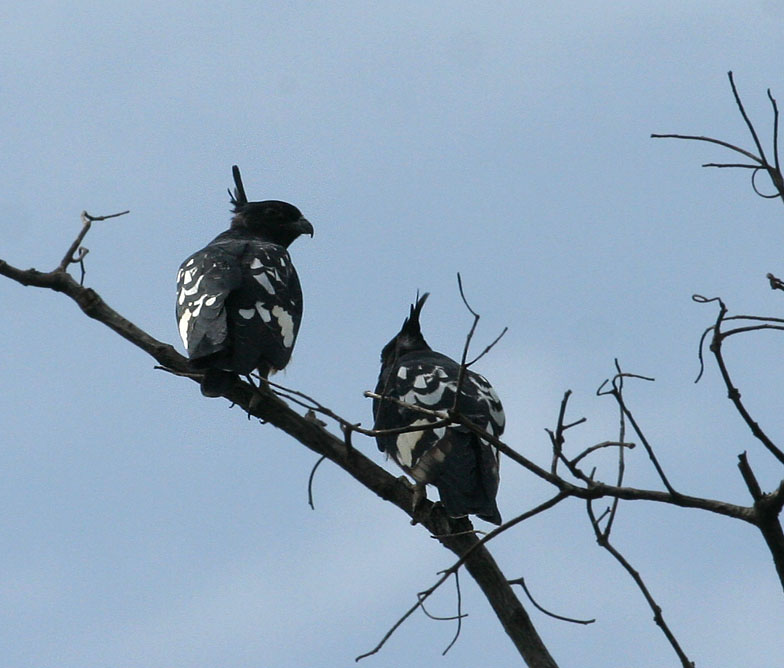
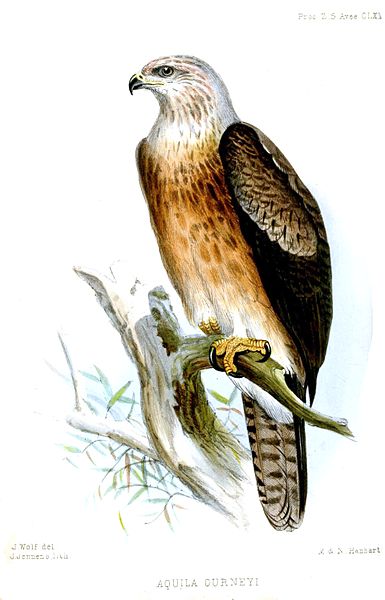
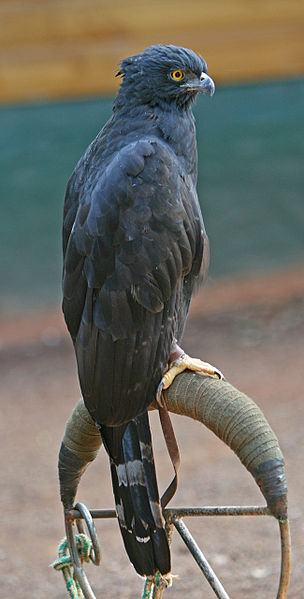
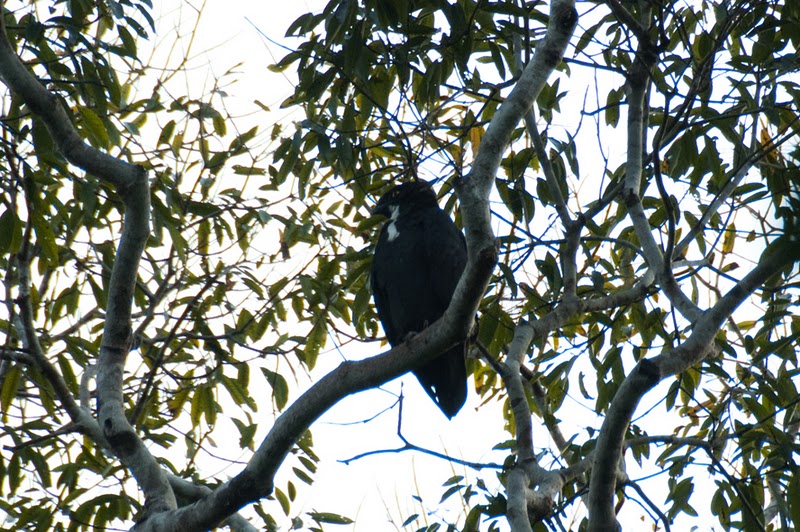
Black Eagle (Ictinaetus malayensis) ©WikiC

Not so sure my “faith” is being tested, but the following verses are always a comfort when I am faced with challenges. Also, maybe, I am being challenged to review and rework parts of Lee’s Birdwatching Adventures. It is coming upon 10 years old after the New Year, and often items need to be repaired and painted. Even the birds go through a renewing of their feathers. Praying for the Lord’s wisdom on this issue.

“Knowing this, that the trying of your faith worketh patience. But let patience have her perfect work, that ye may be perfect and entire, wanting nothing. If any of you lack wisdom, let him ask of God, that giveth to all men liberally, and upbraideth not; and it shall be given him.” (James 1:3-5 KJV)

What else is there to show you today, but some of the rest of the birds that returned. Thankfully, most of the Family pages do not have such enormous clans of relatives.

Rounding Up Those Eagles and Allies

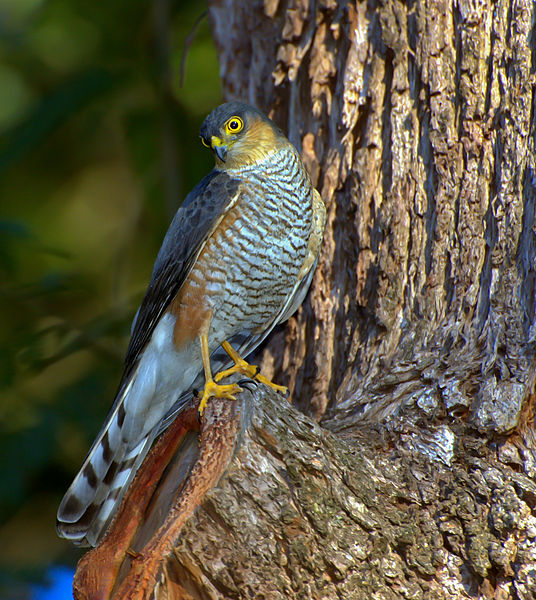
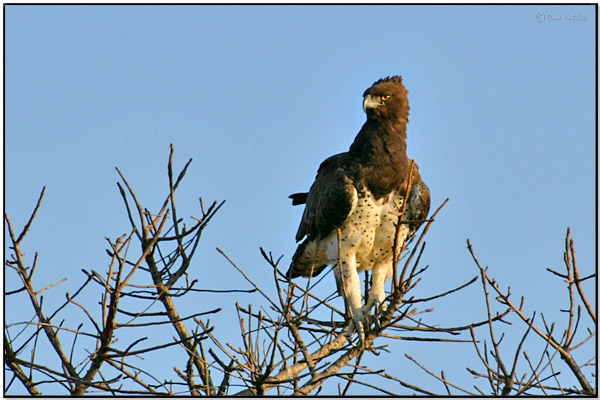
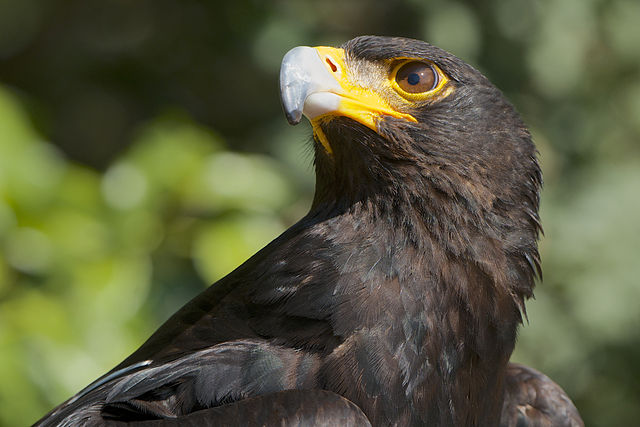
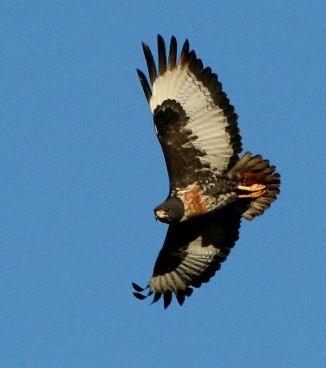
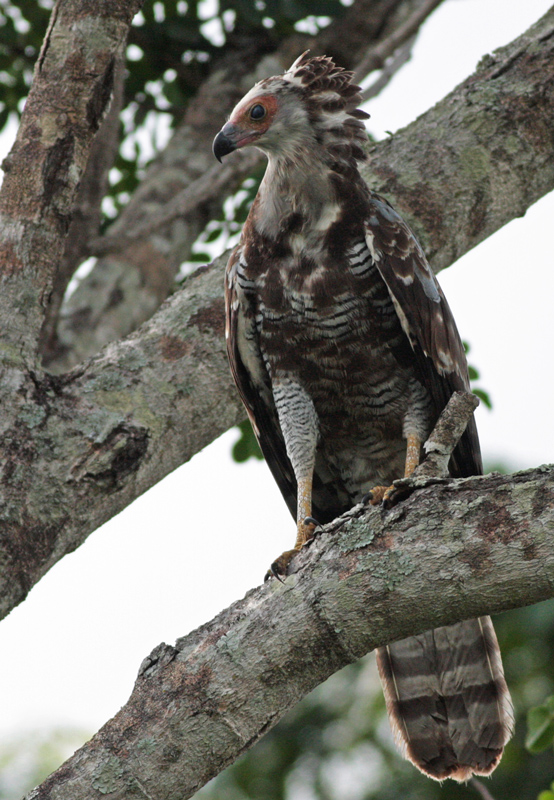
Verreaux’s Eagle (Aquila verreauxii) ©WikiC

“For thus saith the LORD; Behold, he shall fly as an eagle, and shall spread his wings….” (Jeremiah 48:40 KJV)

Yesterday, you were informed of 111 broken links on the Accipitridae – Kites, Hawks & Eagles page. Today there was a little bit of time to start rounding up those flying rascals. Now, there are only 60 birds still soaring around. Trust that they can be corralled soon.

In Lakeland, Florida, they round up the Swans on Lake Morton this time of the year. They are in the process of doing again now. See Lake Morton Swan Roundup – 2016. That is what I feel like I am doing with these broken links. So far some of the problems have been my fault, some have been photos moved around on other sites, etc. Stay tuned, I’m on the trail of these Accipitridae beauties.

“Doth the hawk fly by thy wisdom, and stretch her wings toward the south?” (Job 39:26 KJV)

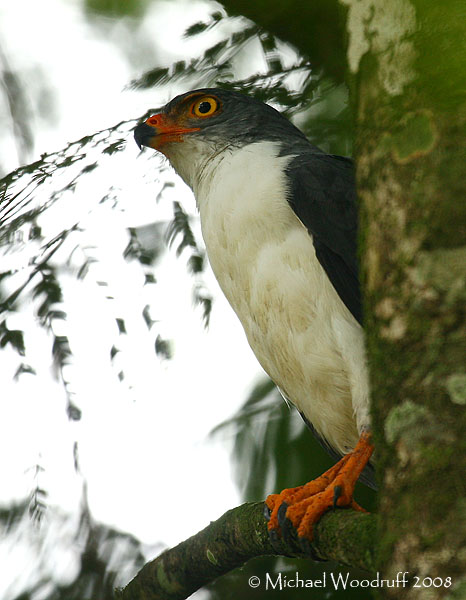
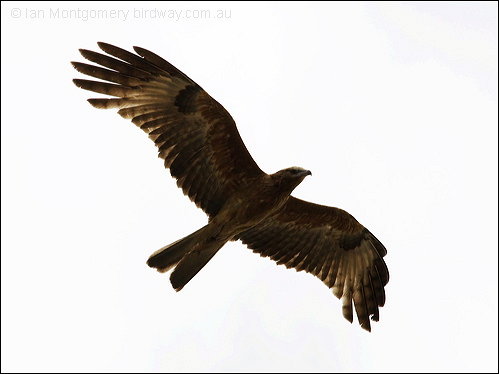
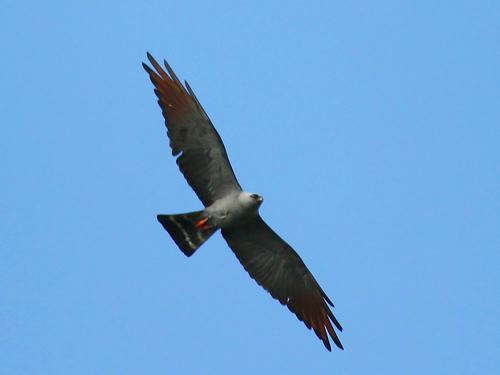
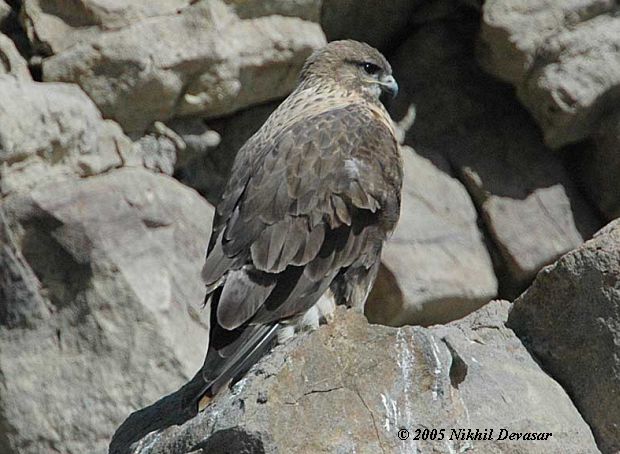
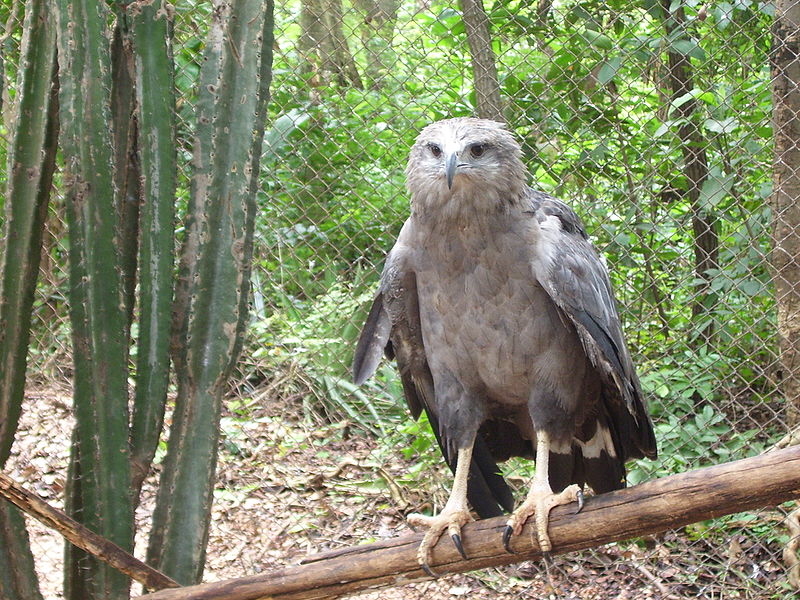
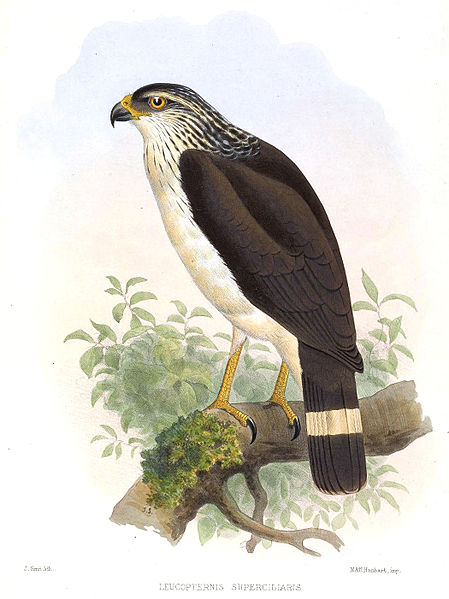
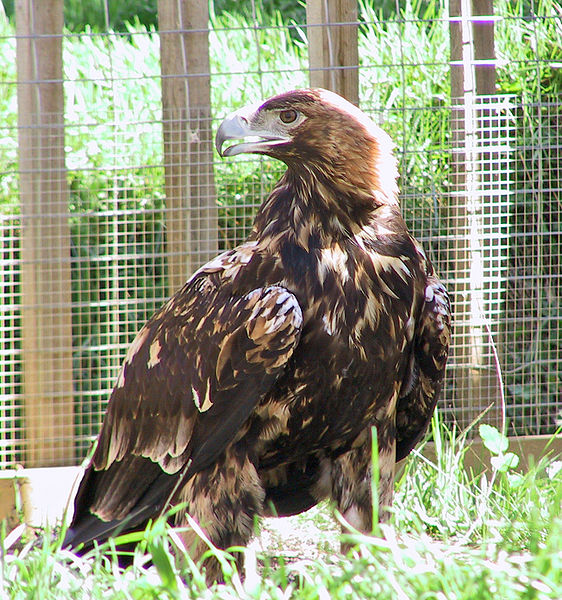
I’ll be happy when these birds quit stretching their wings and stay in the media cache of this blog. Here are some of the ones that have returned to help fix their links:

An Apology, Plus Much Work At Hand

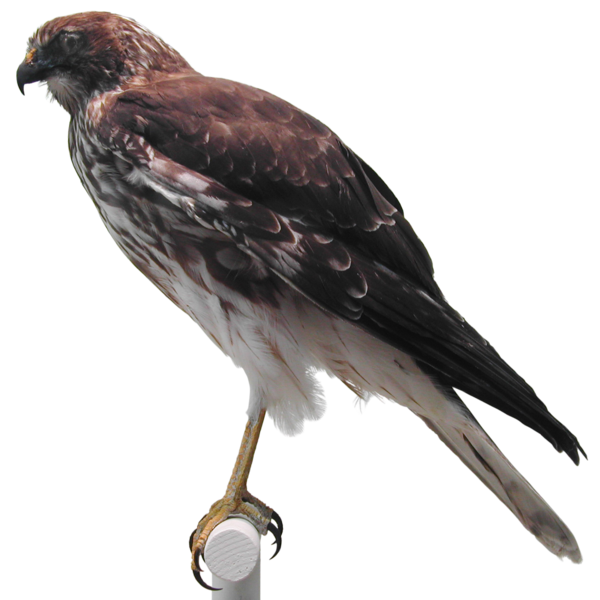
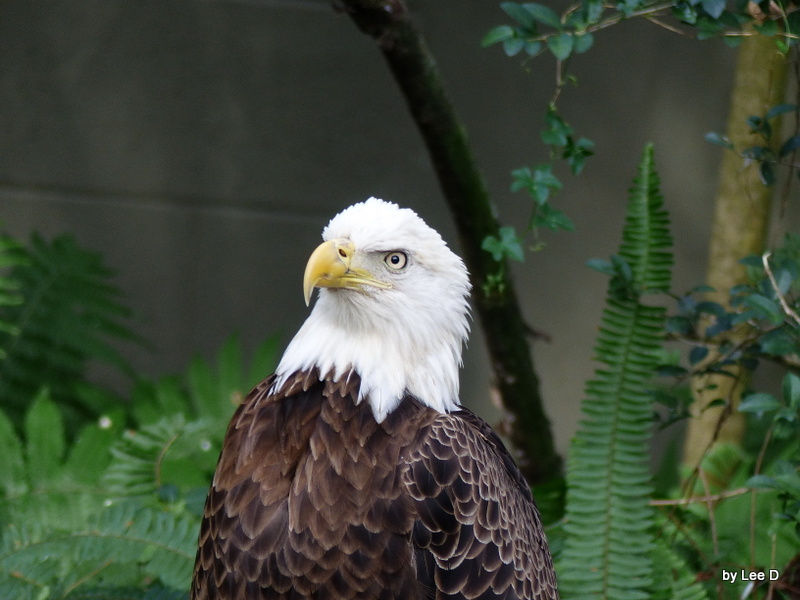
Bald Eagle Lowry Park Zoo 12-31-15 by Lee

An apology to those of our readers who have encountered a “404 Page Not Found” error. For some reason, there are many broken links on this Blog. I have been noticing them lately, especially links to photos. Yikes!! There are hundreds of them. There is no clue as to where they flew off to. Most of them are links to bird photos. The birds must have just flown the coop. :)  [Maybe Hurricane Irma blew them away.]

“And out of the ground the LORD God formed every beast of the field, and every fowl of the air; and brought them unto Adam to see what he would call them: and whatsoever Adam called every living creature, that was the name thereof.” (Genesis 2:19 KJV)

Actually, this is going to take much time working behind the scenes to replace the photos, once the broken “links” are discovered. There is a program online to scan your pages for missing links. As many of you know, we have tried to find a photo of all the living birds the Lord created. With over 10,600 birds, it has been a challenge finding these photos so that readers can click the links to see that particular bird.

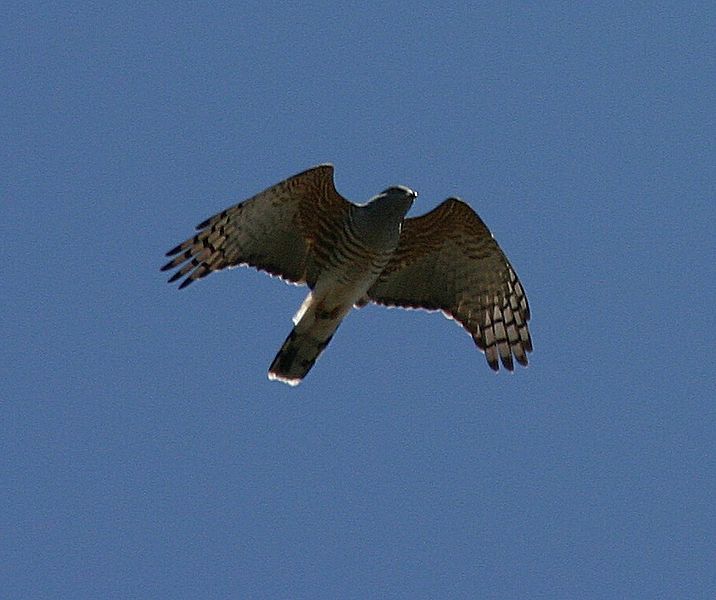
Bald Eagle (Haliaeetus leucocephalus) Flying by Aesthetic Photos

Bald Eagle (Haliaeetus leucocephalus) Flying by Aesthetic Photos

That program scanned just the Accipitridae – Kites, Hawks and Eagles page and found 111 broken links. There are 256 birds in that Family. It will take hours just to fix THAT page. Pray that not every Family of birds are missing photos. Many other pages link to the same bird. The task is daunting, but, Lord Willing, the photo links can be repaired in a reasonable time period.

“Knowing this, that the trying of your faith worketh patience. But let patience have her perfect work, that ye may be perfect and entire, wanting nothing. If any of you lack wisdom, let him ask of God, that giveth to all men liberally, and upbraideth not; and it shall be given him. But let him ask in faith, nothing wavering. For he that wavereth is like a wave of the sea driven with the wind and tossed.” (James 1:3-6 KJV)

*** If you encounter a “404 Page Not Found” or another type of problem, please either leave a comment on that page or post, or contact me at Lee@Leesbird.com to leave a note.***

Your help will be greatly appreciated.

P.S. As of last week, the Master of Christian Education [M.CEd.] degree I have been working on was finally finished!!! Yeah!! Not bad for a 74-year-old. :) The Lord is Gracious! The degree was taken online from the School of Biblical Apologetics – Institute for Creation Research. I highly recommend considering taking courses from I.C.R. More about this in another post. [I only mentioned finishing because I’ll have more time to work on these broken links.]

Stay Tuned!!

Avian And Attributes – Zoologist

Avian And Attributes – Zoologist

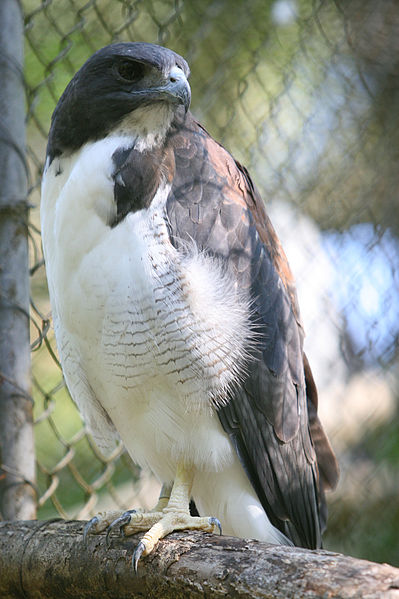
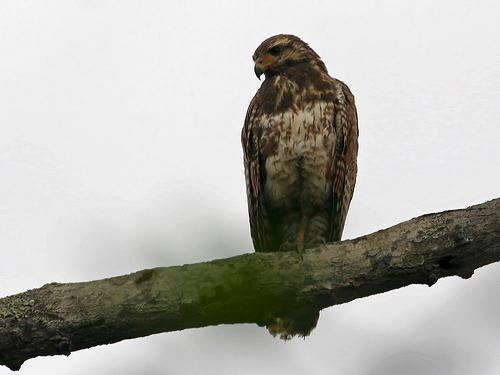
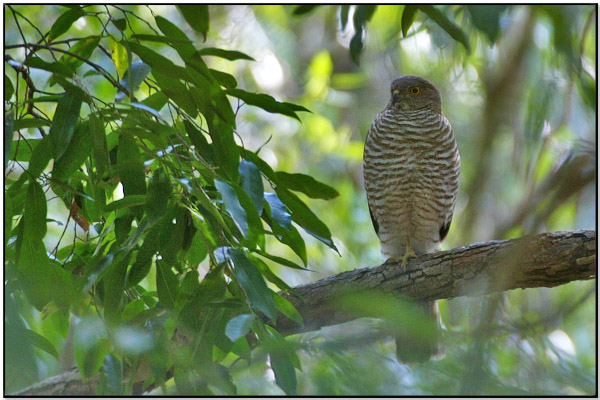
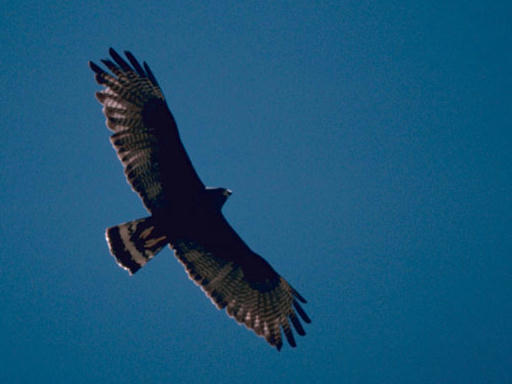
Zone-tailed Hawk (Buteo albonotatus) ©WikiC
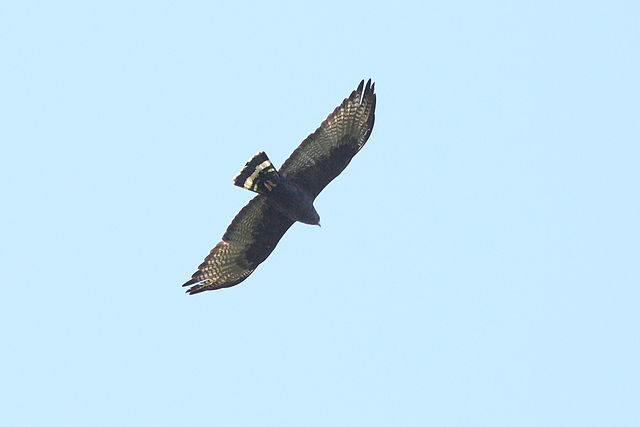
Zone-tailed Hawk (Buteo albonotatus) ©WikiC
“In the beginning was the Word, and the Word was with God, and the Word was God. The same was in the beginning with God. All things were made by him; and without him was not any thing made that was made.” (John 1:1-3 KJV)


Avian and Attributes – Zoologist

Zoologist
ZOOLOGIST, n. [from zoology.] One who is well versed in the natural history of animals, or who describes animals.

[Webster’s Dictionary of American English (1828)]

The Lord Jesus Christ, the Creator of all that is in the world, truly was the first Zoologist. The Lord was definitely well versed in the animals, especially the birds. He knows every part of them and has an understanding of every function that He created in them. Most of all, He cares about each of them, as He does us. [Lee]

“Are not two sparrows sold for a farthing? and one of them shall not fall on the ground without your Father.” (Matthew 10:29 KJV)


Zone-tailed Hawk (Buteo albonotatus) ©WikiC
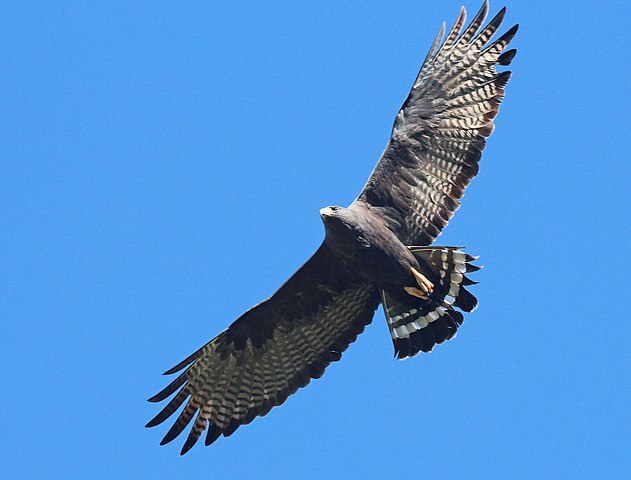
Zone-tailed Hawk

The Zone-tailed Hawk (Buteo albonotatus) is a medium-sized hawk of warm, dry parts of the Americas. It is somewhat similar in plumage and flight style to a common scavenger, the turkey vulture, and may benefit from being able to blend into groups of vultures. It feeds on small vertebrates of all kinds (other than fish), including various small mammals and birds.

Zone-tailed hawks range from parts of southern Arizona, New Mexico, and western Texas almost throughout inland Mexico and the central portions of Central America down into eastern Colombia, Ecuador and, more sporadically, into Peru, southern Brazil, Paraguay, Bolivia, and northern Argentina.

Zone-tailed hawks can adapt to various habitats across their broad range, including both closed and open ones and wet and dry ones. Often, the largest numbers are found in rocky areas with access to water. They often reside in coniferous or pine-oak forests as well as timbered canyonland, hilly riverine woods, dry open boscage and scrub, humid forests and overgrown marshes. They may forage over ranches and even semi-desert, but always need at least scattered tree thickets for nesting. They may be distributed in elevation from sea-level to 3,000 m (9,800 ft), though are mainly found below 1,500 m (4,900 ft) in the north and below 500 m (1,600 ft) in the southern reaches of the breeding range.

Zone-tailed Hawk (Buteo albonotatus) ©WikiC


*** This is the second time through some alphabetical Attributes of God. First time through I tried to use the last name of a bird alphabetically, and then this second time through, the first name of the bird was used. We trust you enjoyed this series. For now, another plan is in the works. Stay Tuned!!***

More Avian and Attributes

Birds whose first name starts with “Z”

Good News

*
[Definitions from Webster’s Dictionary of American English (1828), unless noted. Bird info from Wikipedia plus.]

Avian And Attributes – Yoke

Avian And Attributes – Yoke

Yellow-crowned Bishop (Euplectes afer) ©WikiC

“Come unto me, all ye that labour and are heavy laden, and I will give you rest. Take my yoke upon you, and learn of me; for I am meek and lowly in heart: and ye shall find rest unto your souls. For my yoke is easy, and my burden is light.” (Matthew 11:28-30 KJV)


Avian and Attributes – Yoke

YOKE, n. [G., L., Gr.]
1. A piece of timber, hollowed or made curving near each end, and fitted with bows for receiving the necks of oxen; by which means two are connected for drawing. From a ring or hook in the bow, a chain extends to the thing to be drawn, or to the yoke of another pair of oxen behind.
2. A mark of servitude; slavery; bondage.
Our country sinks beneath the yoke.
3. A chain; a link; a bond of connection; as the yoke of marriage.
4. A couple; a pair; as a yoke of oxen.
5. Service.
My yoke is easy. Mat 11.

YOKE, v.t.
1. To put a yoke on; to join in a yoke; as, to yoke oxen, or a pair of oxen.
2. To couple; to join with another.
[Edited]


Yellow-crowned Bishop (Euplectes afer) Breeding Male ©WikiC

Yellow-crowned Bishop (Euplectes afer)

The yellow-crowned bishop (Euplectes afer) is a species of passerine bird in the family Ploceidae native to Africa south of the Sahara.[2] It is highly sexually dimorphic in its breeding season, during which the male adopts a distinctive yellow and black plumage, contrasting with the female’s predominantly brown coloration. Three subspecies are recognised.

Yellow-crowned Bishop (Euplectes afer) ©Flickr Ian White

The yellow-crowned bishop is native to the African countries of: Angola, Benin, Botswana, Burkina Faso, Cameroon, Central African Republic, Chad, Republic of the Congo, Democratic Republic of the Congo, Ivory Coast, Ethiopia, Gabon, Gambia, Ghana, Guinea, Guinea-Bissau, Kenya, Lesotho, Liberia, Mali, Mauritania, Mozambique, Namibia, Niger, Nigeria, Senegal, Sierra Leone, South Africa, Sudan, Tanzania, Togo, Uganda, Zambia, and Zimbabwe. It has been introduced in the following countries: Jamaica, Japan, Portugal, Spain, Puerto Rico, and Venezuela.[1][6] It prefers habitats such as grasslands, vleis, and pans. It likes wheat and sorghum fields, and weedy vegetation along wetlands.

Yellow-crowned Bishop (Euplectes afer) Breeding Male ©WikiC

The yellow-crowned bishop eats insects, grain, and seeds. It lives in flocks with both males and females. In non-breeding seasons the flocks may contain weavers and sparrows. The call is a “high-pitched, rasping, buzzing swizzling, somewhat insect-like: zzzzzzz, zzit, zzit, zzzz”.


More Avian and Attributes

Birds whose first name starts with “Y”

Good News

*
[Definitions from Webster’s Dictionary of American English (1828), unless noted. Bird info from Wikipedia plus.]

Blue-gray Tanagers And Your Teenager


Blue-gray Tanager (Tangara azulada) ©Colombia Wildlife – Oswaldo Cortes

“For thou art my hope, O Lord GOD: thou art my trust from my youth.” (Psalms 71:5 KJV)

While watching this video of the Blue-gray Tanager youngster, my thoughts went to those of you who have teenagers. Many tell me that they, the teenagers, are difficult to fill up. Enjoy the video knowing that you are not alone in God’s Creation. Even the birds have to deal with filling up their offspring. :0)

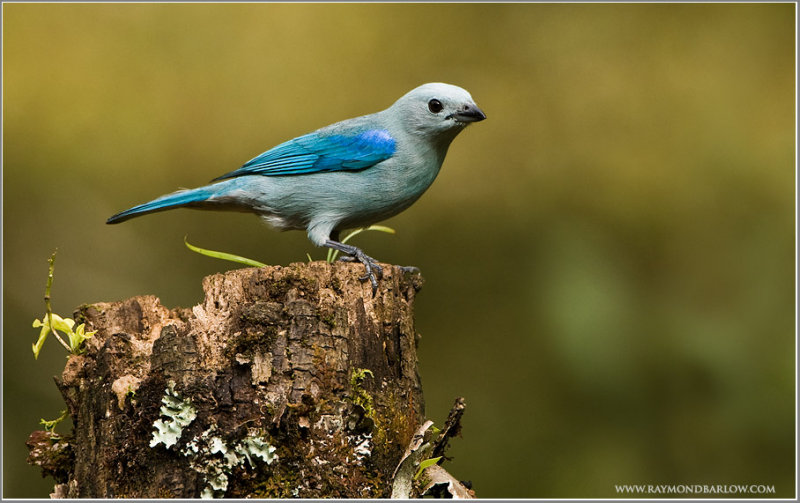
Blue-gray Tanagers (Thraupis episcopus) are members of the Thraupidae Family. The tanager is a medium-sized South American songbird whose song is a squeaky twittering, interspersed with tseee and tsuup call notes. Its range is from Mexico south to northeast Bolivia and northern Brazil, all of the Amazon Basin, except the very south. It has been introduced to Lima (Peru). On Trinidad and Tobago, this bird is called blue jean.

Blue-grey Tanager (Thraupis episcopus) Reinier Munguia

The Blue-gray Tanager is 16–18 cm (6.3–7.1 in) long and weighs 30–40 g (1.1–1.4 oz). Adults have a light bluish head and underparts, with darker blue upperparts and a shoulder patch colored a different hue of blue. The bill is short and quite thick. Sexes are similar, but the immature is much duller in plumage.

The breeding habitat is open woodland, cultivated areas and gardens. The Blue-gray Tanager lives mainly on fruit, but will also take some nectar and insects. This is a common, restless, noisy and confiding species, usually found in pairs, but sometimes small groups. It thrives around human habitation, and will take some cultivated fruit like papayas (Carica papaya).

(Information from Wikipedia)

Blue-grey Tanager (Thraupis episcopus) by Raymond Barlow

Blue-gray Tanager (Thraupis episcopus) by Raymond Barlow

“O God, thou hast taught me from my youth: and hitherto have I declared thy wondrous works.” (Psalms 71:17 KJV)

Thraupidae – Tanagers and Allies Family


Avian And Attributes – (X) Excellence

Avian And Attributes – (X) Excellence

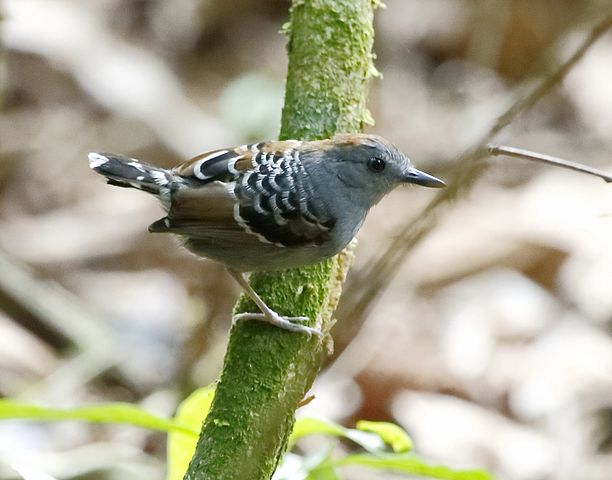
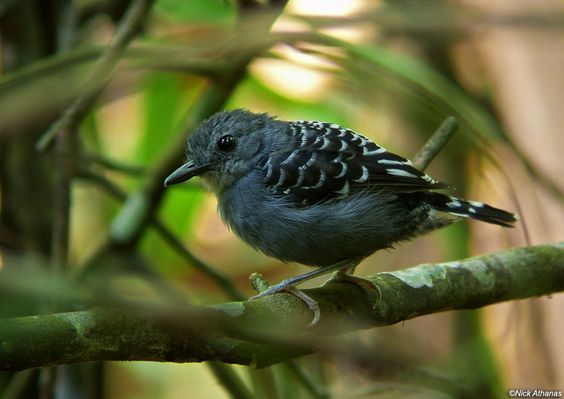
Xingu Scale-back Antbird (Willisornis vidua) young male ©WikiC

“It shall blossom abundantly and rejoice, Even with joy and singing. The glory of Lebanon shall be given to it, The excellence of Carmel and Sharon. They shall see the glory of the LORD, The excellency of our God.” (Isaiah 35:2 NKJV)


Avian and Attributes – (X) Excellence

EX’CELLENCE
EXCELLENCY, n. [L. excellentia.] The state of possessing food qualities in an unusual or eminent degree; the state of excelling in any thing.

1. An valuabale quality; any thing highly laudable, meritorious or virtuous, in persons, or valuable and esteemed, in things. Purity of heart, uprightness of mind, sincerity, virtue, piety, are excellencies of character; symmetry of parts, strength and beauty are excellencies of body; an accurate knowledge of an art is an excellence in the artisan; soundness and durability are excellencies in timber; fertility, in land; elegance, in writing. In short, whatever contributes to exalt man, or to render him esteemed and happy, or to bless society, is in him an excellence.

2. Dignity; high rank in the scale of beings. Angels are beings of more excellence than men; men are beings of more excellence than brutes.

3. A title of honor formerly given to kings and emperors, now given to embassadors, governors, and other persons, below the rank of kings, but elevated above the common classes of men.

…”O LORD, our Lord, How excellent is Your name in all the earth, Who have set Your glory above the heavens!” (Psalms 8:1 NKJV)


Xingu Scale-back Antbird(Willisornis vidua) ©Pinterest – Antpitta Com

Xingu Scale-backed Antbird

The Xingu Scale-backed Antbird or Xingu Antbird (Willisornis vidua), is a species of antbird from the south-eastern Amazon in Brazil. Until 2011, it was usually included as a subspecies of the scale-backed antbird. Its English name refers to the Xingu River. In addition to the nominate subspecies, it includes the subspecies W. v. nigrigula.

It is distributed in the central south and east of the Brazilian Amazon, from the eastern end of Amazonas to the east to Maranhão and south to the north of Mato Grosso . This species is fairly common in their habitat natural, the understory of humid forests of terra firme up to 1350  m. of altitude. 

(Thamnophilidae – Antbirds Family) (Xingu Antbird) – Wikipedia and Spanish Wiki


More Avian and Attributes

Birds whose first name starts with “X”

Good News

*
[Definitions from Webster’s Dictionary of American English (1828), unless noted. Bird info from Wikipedia plus.]

Avian And Attributes – Willing

Avian And Attributes – Willing

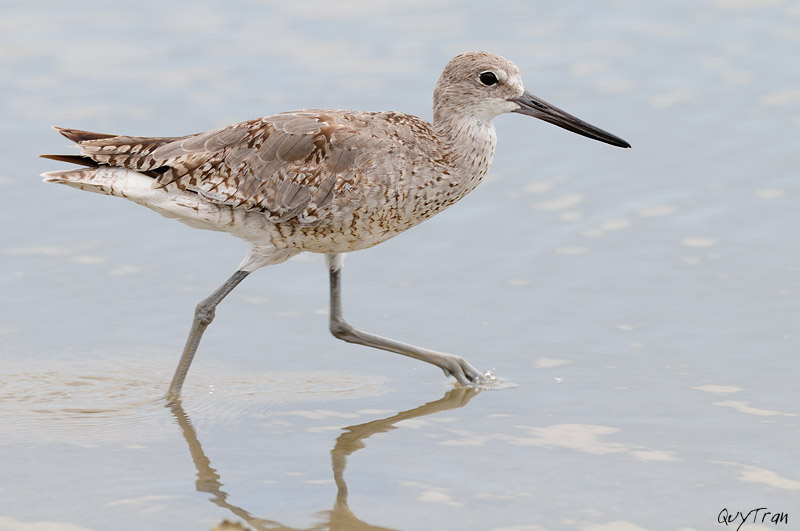
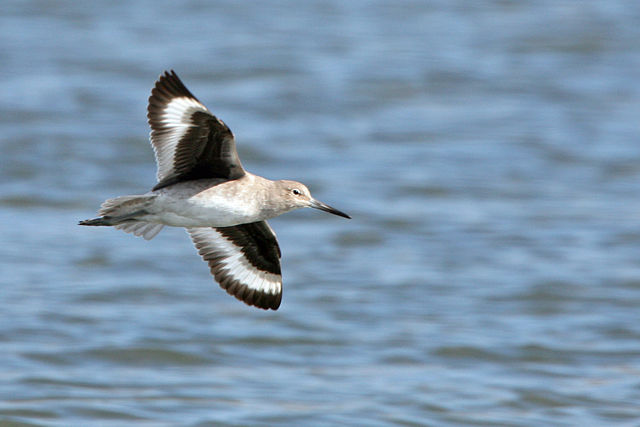
Willet (Tringa semipalmata) by Quy Tran

“Wherein God, willing more abundantly to shew unto the heirs of promise the immutability of his counsel, confirmed it by an oath:” (Hebrews 6:17 KJV)

The Lord is not slack concerning his promise, as some men count slackness; but is longsuffering to us-ward, not willing that any should perish, but that all should come to repentance.
(2 Peter 3:9 KJV)


Avian and Attributes – Willing

WILLING, ppr.
1. Determining; resolving; desiring.
2. Disposing of by will.
WILLING, a.

1. Free to do or grant; having the mind inclined; disposed; not averse. Let every man give, who is able and willing.
2. Pleased; desirous.
Felix, willing to show the Jews a pleasure. Acts 24.
3. Ready; prompt.
He stoopd with weary wings and willing feet.
4. Chosen; received of choice or without reluctance; as, to be held in willing chains.
5. Spontaneous.
6. Consenting.


Eastern Willet by Jim Fenton

Willet (Tringa semipalmata)

The Willet (Tringa semipalmata), formerly in the monotypic genus Catoptrophorus as Catoptrophorus semipalmatus, is a large shorebird in the sandpiper family. It is a relatively large and robust member sandpiper, and is the largest of the species called “shanks” in the genus Tringa. Its closest relative is the lesser yellowlegs, a much smaller bird with a very different appearance apart from the fine, clear, and dense pattern of the neck, which both species show in breeding plumage. It breeds in North America and the West Indies and winters in southern North America, Central America, the West Indies and South America.

The Willet’s name is onomatopoeic and refers to it loud peircing “pill-will-willet” territorial song., which is higherpicjed and repeated at a faster rate in Eastern willets than in Western birds. Other calls include a predator response call given by breeding birds which is a repeated, staccato “kleep“, while non breeding birds alarms include a high, pitched anxious “kip-kip=viek” call and a “kreei” call. They also have a distinctive call when crossing another willet’s territory and this “klay-dir” call is also used as a contact call when willets are migrating

Willet (Tringa semipalmata) ©WikiC

(Scolopacidae – Sandpipers, Snipes Family) (Willet – Wikipedia)


More Avian and Attributes

Birds whose first name starts with “W”

Good News

*
[Definitions from Webster’s Dictionary of American English (1828), unless noted. Bird info from Wikipedia plus.]

Avian And Attributes – (No) Variableness

Avian And Attributes – (No) Variableness

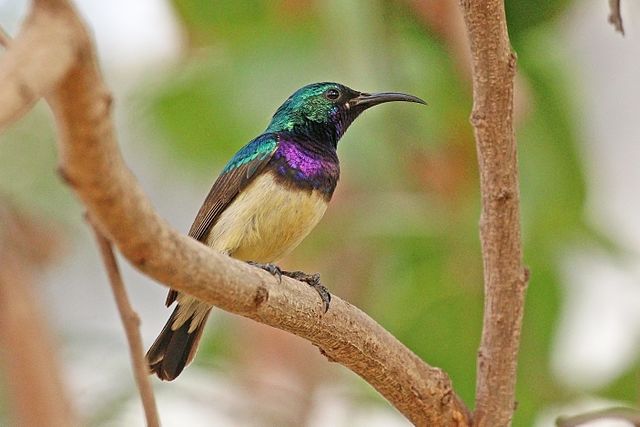
Variable Sunbird (Cinnyris venustus) Male ©WikiC

“Every good gift and every perfect gift is from above, and cometh down from the Father of lights, with whom is no variableness, neither shadow of turning.” (James 1:17 KJV)


Avian and Attributes – (No) Variableness

VA’RIABLENESS, n.
1. Susceptibility of change; liableness or aptness to alter; changeableness; as the variableness of the weather.
2. Inconstancy; fickleness; unsteadiness; levity; as the variableness of human passions.


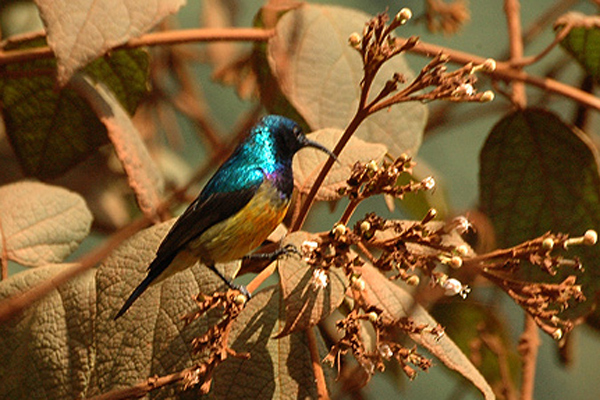
Variable Sunbird (Cinnyris venustus) by TomTarrant

Variable Sunbird

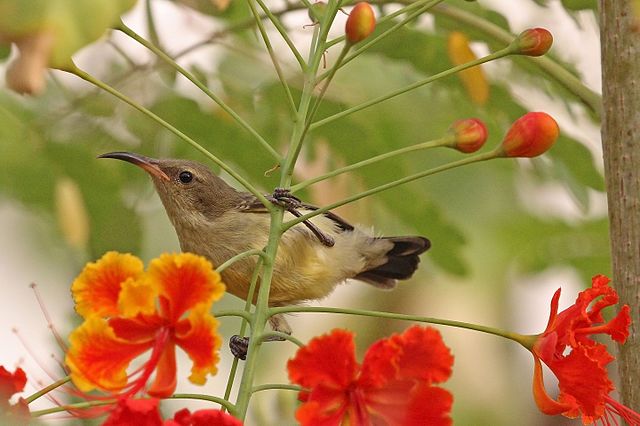
The Variable Sunbird (or yellow-bellied sunbird), Cinnyris venustus (formerly Nectarinia venusta), is a sunbird. The sunbirds are a group of small Old World passerine birds which feed largely on nectar, although they will also take insects, especially when feeding young. Flight is fast and direct on their short wings. Most species can take nectar by hovering like a hummingbird, but usually perch to feed most of the time.

The variable sunbird is a fairly common resident breeder in equatorial Africa. Two eggs are laid in a suspended nest in a tree. This species is found in open woodland and cultivation.

Variable sunbirds are small, only 10 cm long. They have medium-length thin down-curved bills and brush-tipped tubular tongues, both adaptations to their nectar feeding from their Creator.

Variable Sunbird (Cinnyris venustus) Female ©WikiC

(Variable Sunbird – Wikipedia, with editing) (Nectariniidae – Sunbirds Family)


More Avian and Attributes

Birds whose first name starts with “V”

Good News

*
[Definitions from Webster’s Dictionary of American English (1828), unless noted. Bird info from Wikipedia plus.]

Avian And Attributes – Unreprovable

Avian And Attributes – Unreprovable

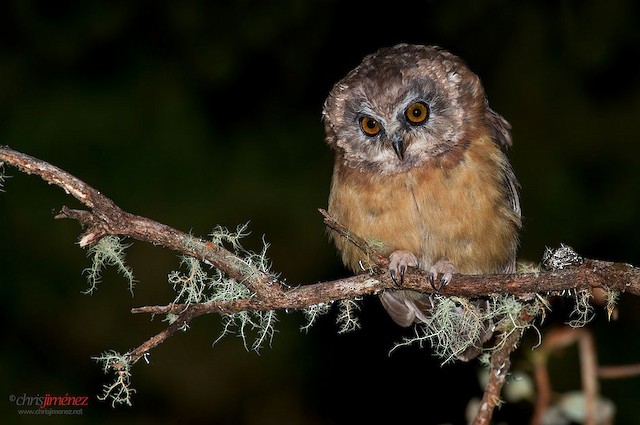
Unspotted Saw-whet Owl (Aegolius ridgwayi) ©WikiC

“And you, that were sometime alienated and enemies in your mind by wicked works, yet now hath he reconciled In the body of his flesh through death, to present you holy and unblameable and unreproveable in his sight:” (Colossians 1:21-22 KJV)


Avian and Attributes – Unreproveable

Unreproveable
Col_1:22 (a) This word has a very interesting meaning for the Christian. It means that there will be no final examinations at the end of the journey. Our Lord JESUS is so effective in His work in the soul that the person is completely prepared in this life for the entrance into GOD’s presence. The Christian does not get an examination, when he dies, to see where he is going. That point is settled the moment JESUS CHRIST becomes the Lord and the Saviour of the believer.


Unspotted Saw-whet Owl (Aegolius ridgwayi) Juvenile ©Chris Jimenez – Macaulay Library

Unspotted Saw-whet Owl

The unspotted saw-whet owl (Aegolius ridgwayi) is a small owl. It is a resident breeder in the highlands of Central America from southern Mexico south to western Panama, mainly above 2500 m. it has occasionally been considered conspecific with the northern saw-whet owl.

This nocturnal bird breeds in open mountain forests, in both the cloud forest and the higher oak woodland, laying its eggs in a tree hole. It takes rodents, shrews and other small mammals as its main prey, but will also feed on birds, bats and insects.

The unspotted saw-whet owl is a small, dumpy, short-tailed and broad-winged owl, 18 cm long and weighing 80 g. It is dark brown above with white markings on the wings. The underparts are unstreaked buff, becoming darker on the upper chest and facial disc. The head is large, with yellow eyes and a white-edged facial disc. The flight is fluttery and agile.

The voice of the unspotted saw-whet owl is a series of rhythmic toots. Reports of this owl at lower altitudes are invariably due to the extremely similar call of an Anotheca tree frog.

The scientific species name is for the American ornithologist Robert Ridgway.

Unspotted Saw-whet Owl (Aegolius ridgwayi) ©Knut Eisermann – Macaulay Library

(Strigidae – Owls Family) (Unspotted Saw-whet Owl – Wikipedia)

Extra

Unspotted
Jam_1:27 (b) This is a picture of the defilement which the Christian may encounter during his day’s duties as he mingles and mixes in a world filled with sin. The Lord would have us guard our lives daily lest we be contaminated by the evils that surround us.

“Pure religion and undefiled before God and the Father is this, To visit the fatherless and widows in their affliction, and to keep himself unspotted from the world.” (James 1:27 KJV)


More Avian and Attributes

Birds whose first name starts with “U”

Good News

*
[Definitions from Webster’s Dictionary of American English (1828), unless noted. Bird info from Wikipedia plus.]

Avian And Attributes – Three (in One)

Avian And Attributes – Three (in One)

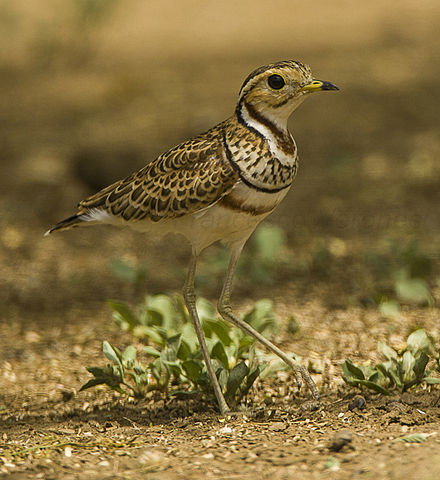
Three-banded Courser (Rhinoptilus cinctus) ©WikiC

“This is he that came by water and blood, even Jesus Christ; not by water only, but by water and blood. And it is the Spirit that beareth witness, because the Spirit is truth. For there are three that bear record in heaven, the Father, the Word, and the Holy Ghost: and these three are one.” (1 John 5:6-7 KJV)


Avian and Attributes – Three (in One)

Three [From Wilson’s Dictionary of Bible Types]
(c) The threes of the Bible represent triads of completeness.

Sometimes it is a triad of good, and sometimes of evil.

– the Trinity of Heaven is the Father, the Son and the Holy Spirit.
– the trinity of evil is the devil, the antichrist and the false prophet.
– the trinity of blessing is grace, mercy and peace.
– the trinity of wickedness is the world, the flesh and the devil.

It is interesting to note that the books of first and second Thessalonians are built largely around three-fold statements.

Chapter 1:3, “The work of faith, and labor of love, and patience of hope.”
Chapter 1:5, “in word . . . in power, and in the Holy Spirit.”
Chapter 1:9, 10, “ye turned . . . to serve . . . and to wait.”
Chapter 2:10, “Holily, justly and unblameably.”


Three-banded Courser (Rhinoptilus cinctus) ©WikiC

Tree-banded Courser

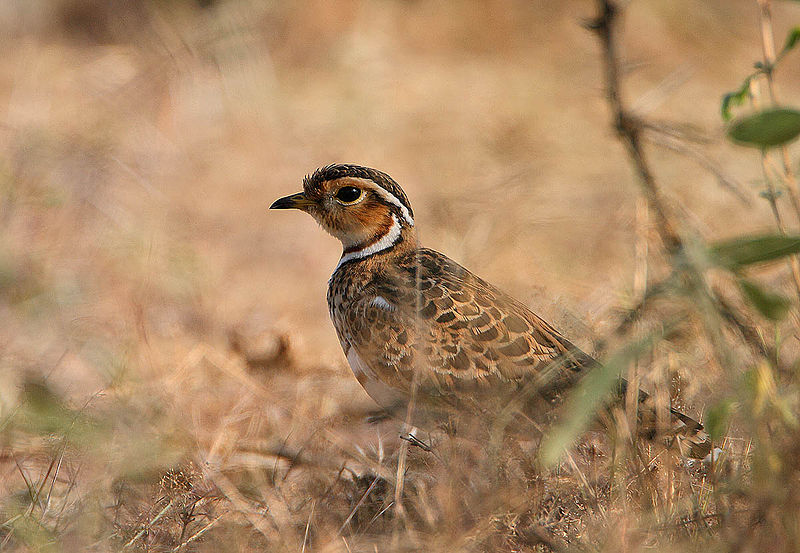
The Tree-banded Courser (Rhinoptilus cinctus) is a species of bird in the Glareolidae family. It is found in Angola, Botswana, Ethiopia, Kenya, Namibia, Rwanda, Somalia, South Africa, South Sudan, Tanzania, Uganda, Zambia, and Zimbabwe.

Three-banded Courser (Rhinoptilus cinctus) F-L * M-R ©WikiC

(Three-banded Courser – Wikipedia) (Charadriidae – Plovers Family)


More Avian and Attributes

Birds whose first name starts with “T”

Good News

*
[Definitions from Webster’s Dictionary of American English (1828), unless noted. Bird info from Wikipedia plus.]

Birds Taking A Sabbath Rest? – from Creation Moments

DO BIRDS TAKE A SABBATH REST? from Creation Moments

Re-posted from Creation Moments

“And God blessed the seventh day, and sanctified it: because that in it he had rested from all his work which God created and made.” Genesis 2:3

Myles Willard is an avid bird watcher, award-winning nature photographer and long-time friend of Creation Moments. Myles has given us hundreds of breathtaking nature photos, one of which accompanies the printed transcript of today’s program at the Creation Moments website.

The reason I’m telling you about him today is because of an unexpected discovery he made while looking out the window of his home in Michigan. Each fall he meticulously tracks and logs the number of migrating warblers that stop by for a rest in the big cedar tree in his yard. After tracking the activity of over 1,500 warblers for 18 years, he was surprised to see a statistically significant dip in the number of birds stopping by that occurred on every seventh day!

Did these migrating birds have a built-in instinct that somehow made them follow the biblical principle of a Sabbath rest? We are not saying, of course, that the warblers were knowingly obeying God’s fourth commandment. However, if God worked for six days and then rested on the seventh, why would it be hard to believe that God gave these birds a cycle of six days of work followed by a seventh day of rest?

According to the account given in the book Inspired Evidence: Only One Reality, “It would seem that Myles Willard, science teacher, nature photographer and bird watcher, has found and documented such a pattern.”

Prayer:
Oh Lord, thank You for doing all the work necessary for our salvation so we can rest securely in the knowledge that – by grace through faith – we can have eternal life! Amen.
Notes:
Myles Willard, The Rest Is History, monograph, 2008. Cited in Inspired Evidence: Only One Reality by Julie Von Vett and Bruce Malone, April 29 (Search for the Truth Publications, 2012). Photo: One of Myles Willard’s superb photos. Used with permission.

©Creation Moments 2017 – Used with permission

See:

More Interesting Things from Creation Moments

*