Bible Birds – Heron’s Introduction

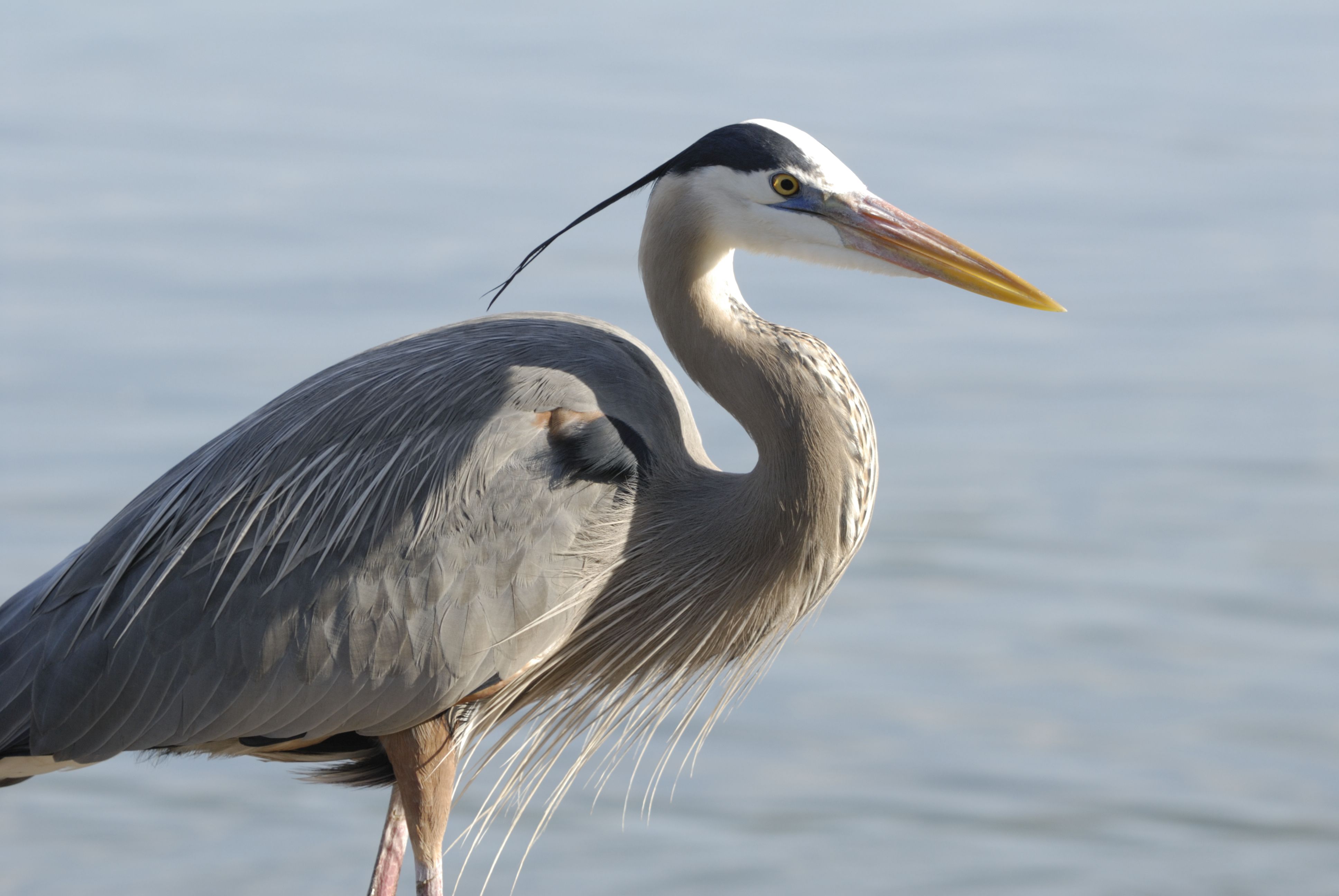
Great Blue Heron by Dan

Great Blue Heron by Dan

Bible Birds – Heron’s Introduction

And the stork, the heron after her kind, and the lapwing, and the bat. (Leviticus 11:19)

Herons belong to the Family of Herons, Bitterns and Egrets called Ardeidae. There are 72 different types of Bitterns and Egrets, but most the species are the Herons. When the Bible says “after her kind” they are referring to that whole family of birds.

The herons are long-legged freshwater and coastal birds in the family Ardeidae, (some are called “egrets” or “bitterns” instead of “heron”). Within Ardeidae, all members of the genera Botaurus and Ixobrychus are referred to as “bitterns”, and Zigzag Heron or Zigzag Bittern. However, egrets are not a separate group from the herons, and tend to be named differently because they are mainly white and/or have decorative plumes. Although egrets have the same build as the larger herons, they tend to be smaller.

Although herons look like birds in some other families, such as the storks, ibises, spoonbills and cranes, they differ from these in flying with their necks retracted, not outstretched.
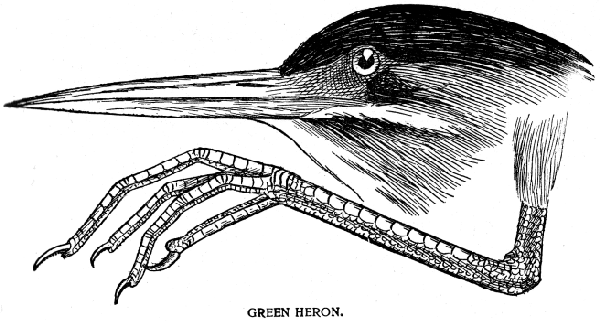
Green Heron - From Color Key

Green Heron – From Color Key

HERONS, EGRETS, AND BITTERNS. Ardeidæ.

Bill usually straight and sharply pointed; lores naked; head feathered; tarsus with transverse scales; middle toe-nail pectinate or with a comblike edge. (From Color Key to North American Birds, by Frank M. Chapman)

The herons are medium to large sized birds with long legs and necks. The smallest species is usually considered the Little Bittern, which can measure under 12 in (30 cm) in length, although all the species in the Ixobrychus genus are small and many broadly overlap in size. The largest species of heron is the Goliath Heron, which stand up to 60 in (152 cm) tall. The necks are able to kink in an s-shape, due to the modified shape of the sixth vertebrae. The neck is able to retract and extend, and is retracted during flight, unlike most other long-necked birds. The neck is longer in the day herons than the night herons and bitterns. The legs are long and strong and in almost every species are unfeathered. In flight the legs and feet are held backward. The feet of herons have long thin toes, with three forward pointing ones and one going backward.

Tricolored Heron Immature Lake Morton 8-3-12

Tricolored Heron Immature Lake Morton 8-3-12

The bill is generally long and harpoon like. It can vary from extremely fine, as in the Agami Heron, to thick as in the Grey Heron. The most atypical bill is owned by the Boat-billed Heron

Boat-billed Heron (Cochlearius cochlearius) Lowry Park Zoo 9-15-12

Boat-billed Heron (Cochlearius cochlearius) Lowry Park Zoo 9-15-12

which has a broad thick bill. The bill, as well as other bare parts of the body, is usually yellow, black or brown coloured, although this colour can vary during the breeding season. The wings are broad and long, with 10-11 primaries primaries feathers (the Boat-billed Heron has only nine), 15-20 secondaries and 12 rectrices (10 in the bitterns). The feathers of the herons are soft and the plumage is usually blue, black, brown, grey or white, and can often be strikingly complex.

the stork, the heron of any kind; the hoopoe and the bat. (Deuteronomy 14:18 ESV)

The Herons listed in Leviticus 11 and Deuteronomy 14 were on a list of birds that were not to be eaten.
*

More Bible Birds

Bible Birds – Herons

Wordless Birds
*

Colorful Gapes…

Yellow Gape of a Starling Fledgeling ©WikiC

Yellow Gape of a Starling Fledgeling ©WikiC

Colorful Gapes…   ~ by a j mithra

Orni-Theology

Orni-Theology

Hey Kids,
Welcome to the colorful world of Bird.
I know you guys and gals love birds
and that too colorful birds..
But, I wonder how many really know
why God gave colorful gapes for chicks?
May be some of you would love to know the reason, right?
Here we go… Check this out..

Merlin (Falco columbarius) chick in nest ©USFWS

Merlin (Falco columbarius) chick with Red Gape ©USFWS

The mother bird understands
whether her chicks need food or not
from the colors of their gapes.
Similarly, the chick recognises its mother in this way
and understands that the food has arrived.
As seen in these examples in nature,
living beings need to know the meaning of colors
in order to survive.
They also need to possess proper systems of perception..
As kids you too should know the meaning of colors..
Whenever you see RED,
think of the blood that Jesus shed for you and me
on the cross of Calvary..
Whenever you see WHITE,
Think of the Holy Spirit who is willing
to intercede for us..
Whenever you see YELLOW,
think of the golden lanes of heaven,
where you and I would walk with our Lord Jesus…
When you see ORANGE,
think of the eternal fire in hell,
that would consume all sinner..

Though ye have lien among the pots, yet shall ye be as the wings of a dove covered with silver, and her feathers with yellow gold (Psalm 68:13)

Yours in YESHUA,
a j mithra

*

More Birdwatching Terms

More Orni-Theology

*

Bible Birds – Ravens I

Australian Raven (Corvus coronoides) by Ian

Australian Raven (Corvus coronoides) by Ian

And it came to pass at the end of forty days, that Noah opened the window of the ark which he had made: And he sent forth a raven, which went forth to and fro, until the waters were dried up from off the earth.
(Genesis 8:6-7 KJV)

Did you know that is the first bird in the Bible that we are told its name. In Genesis 1 and 2 we are told that the LORD created the birds or fowls, but we don’t know what their names were. Adam gave them names in Genesis 1, but their names are not mentioned.

Ravens are in 11 verses in the Bible (KJV). We will be telling you about them.

The Raven is the largest bird in the Passerine order (Perching and songbirds), able to grow up to 27.1 inches (69 cm) in length. Males are not much different from the females, though the female might be a bit smaller. Both genders are known for their iridescent (shiny)  black feathers covering their bodies, with a bluish hint in the light. Ravens are distinguished from other birds in the Corvus Genus (such as the crows) by their wedge-like tail, large beak, hackles (shaggy neck feathers), and their tendency to soar in flight.

Northern Raven (Corvus corax) ©CreationWikiC

Northern Raven (Corvus corax) ©CreationWikiC

Did you know that the Ravens fed a prophet? God told them to feed him and they obeyed. I Kings 17 tells us about it. We tell you about it in another article.

How about Ravens not building barns? Luke 12:24

The Lord used the Ravens to do errands for Him. Do you do the errands your parents ask you to do?

Children, obey your parents in all things, for this is well pleasing to the Lord. (Colossians 3:20 NKJV)

See:

Bible Birds – Raven

Bible Birds

Ravens – CreationWiki

*

Bible Birds – Swan I

Bible Birds – Swan I

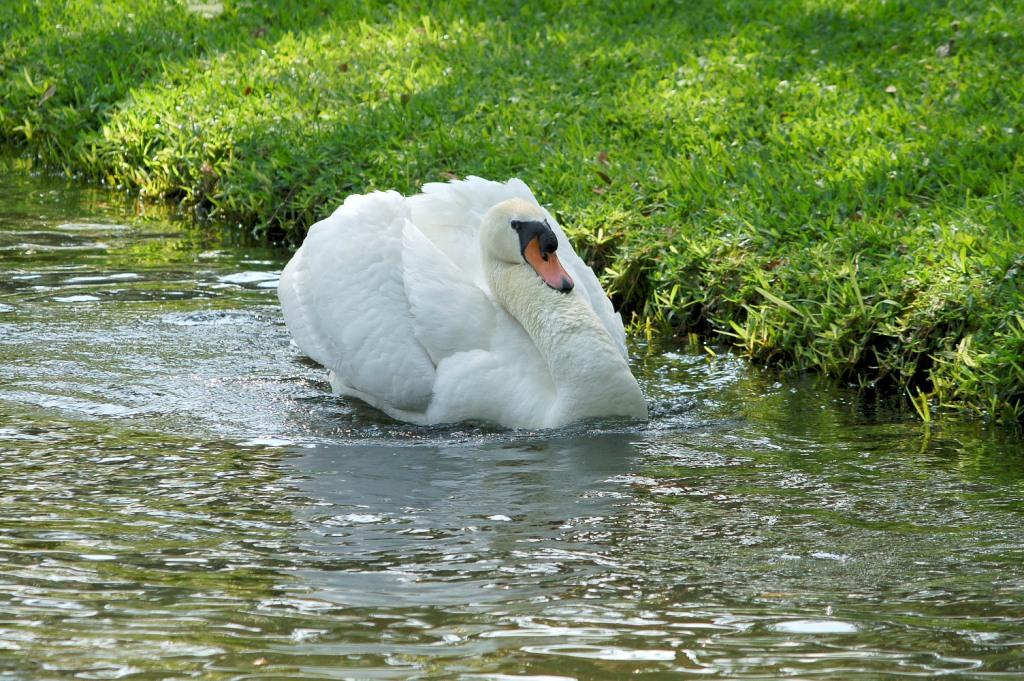
Mute Swan (Cygnus olor)II at Bok Tower By Dan'sPix

Mute Swan (Cygnus olor)II at Bok Tower By Dan’sPix

Swans are birds of the family Anatidae, which also includes geese and ducks. Swans usually mate for life. The number of eggs in each clutch ranges from three to eight.In North America we have at least four swans: Mute (60”), Trumpeter (60”), Tundra (52”), and Whooper (60”). There is also a Black Swan of Australia and a Black-necked Swan in South America. Swans are large, long-necked waterbirds that have a short duck-like bill and short legs. Many are seen on ponds, lakes, reservoirs and coastal bays. The Mute Swans are semi-domesticated. The Tundra Swan is sometime split into two species, Bewick’s and Whistling Swans.

Mute Swan (Cygnus olor) at Bok Sanctuary By Dan’sPix

The Swan is listed in Leviticus and Deuteronomy in the list of “unclean” birds.

And the swan, and the pelican, and the gier-eagle, (Leviticus 11:18 KJV)
The little owl, and the great owl, and the swan, (Deuteronomy 14:16 KJV)

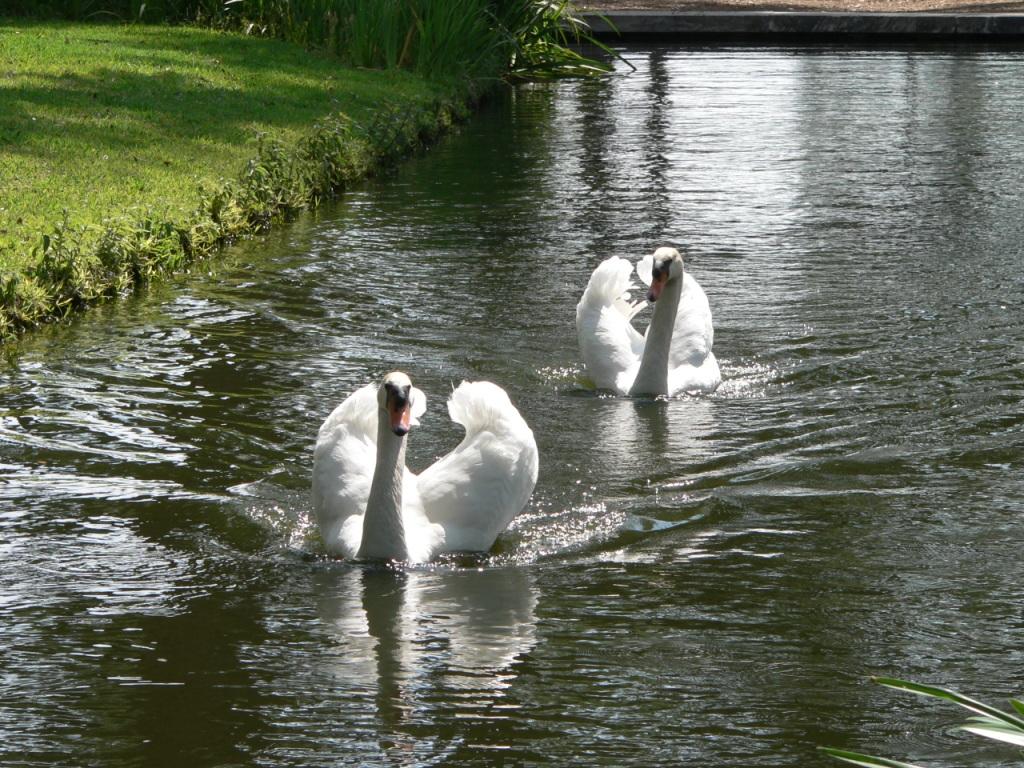
Swans at BokTower

Swans at Bok Tower by Dan

Mute Swan pictures (click on for larger view) taken at Bok Sanctuary in Lake Wales. They were irritated because the worker was mowing the grass beside the water and they kept following him back and forth. They had their wings arched back in frustration, but we thought they were beautiful like what I think “angel’s wings” might look like.

*

More about the Swans:

Bible Birds – Swans

Birds of the Bible – Swans

*


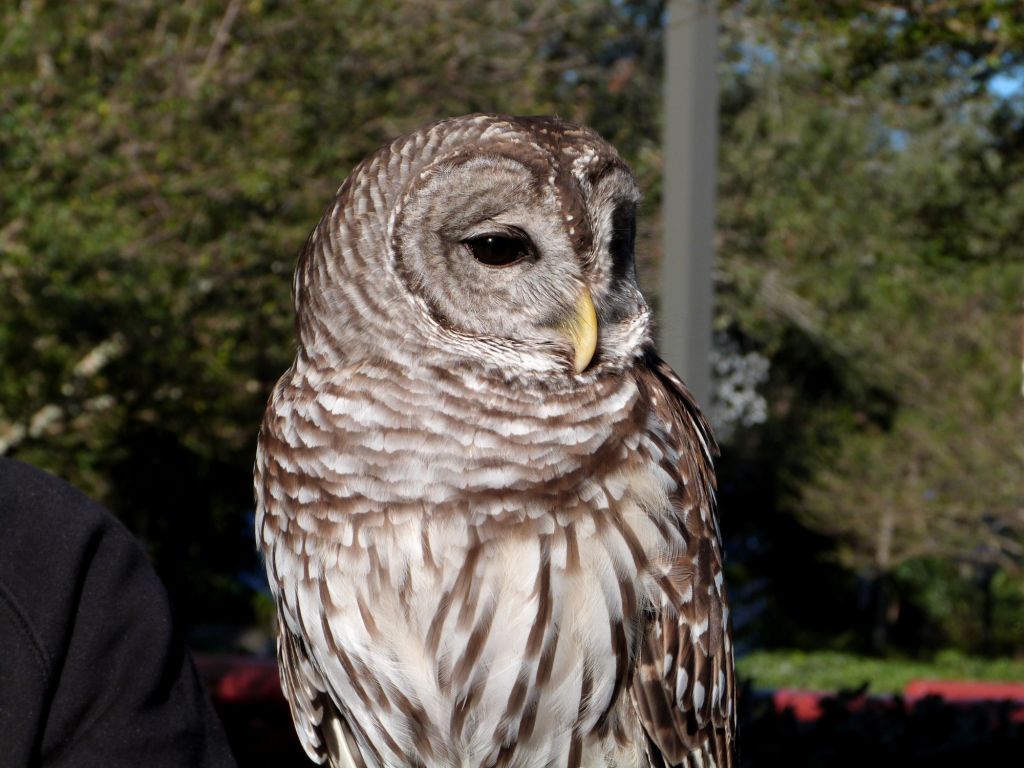
Barred Owl at Lowry Park Zoo Today

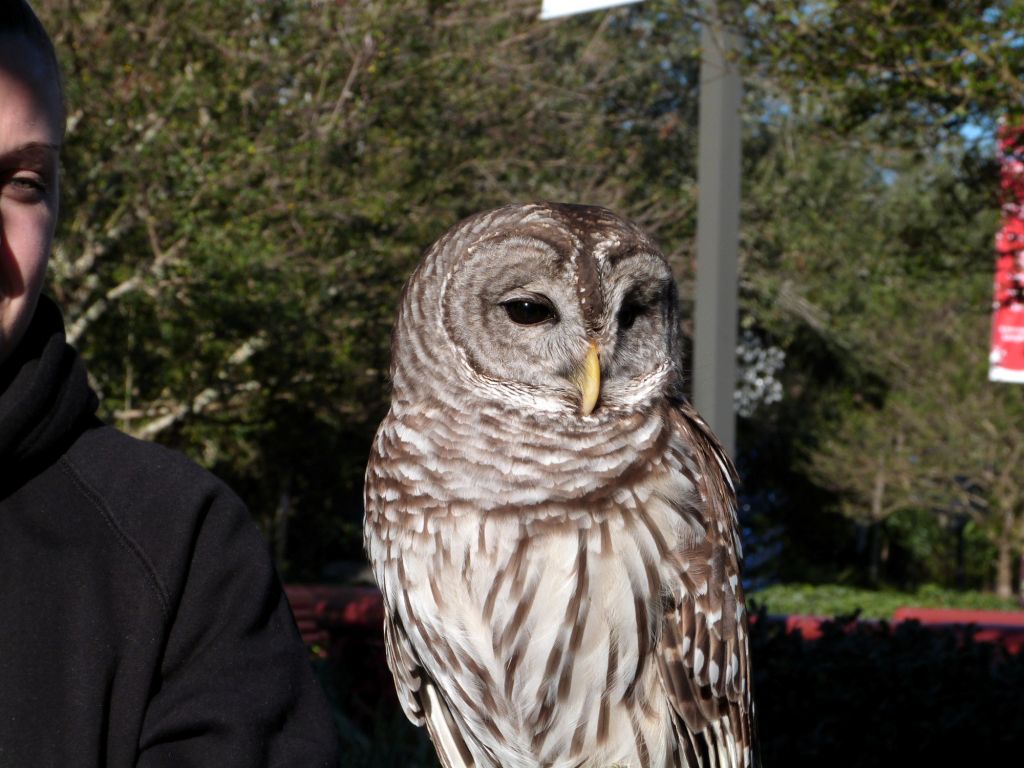
Northern Barred Owl (Strix varia) LPZ by Dan 2014

Northern Barred Owl (Strix varia) LPZ by Dan 2014

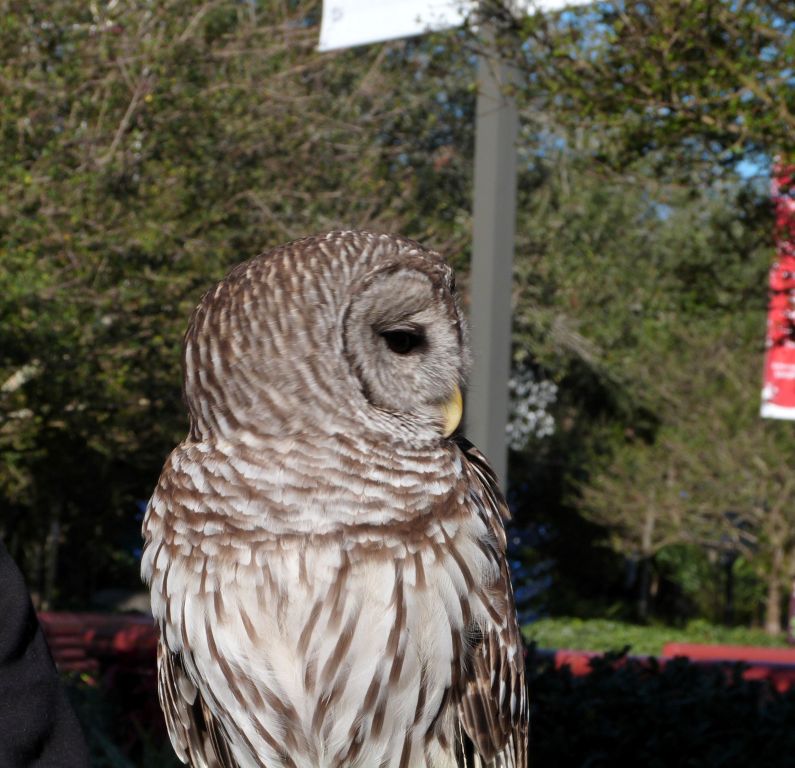
Northern Barred Owl (Strix varia) LPZ by Lee

Northern Barred Owl (Strix varia) LPZ by Lee

And thorns shall come up in her palaces, nettles and brambles in the fortresses thereof: and it shall be an habitation of dragons, and a court for owls. (Isaiah 34:13 KJV)

Dan and I went over to the Lowry Park Zoo/Zoo Tampa in Tampa again today. I was wanting to check out my Christmas present of a new camera. Enjoying learning to use it and retaking a lot of photos of birds to compare the old ones with the new ones on this camera. (It is still a point-and-shoot, but it has an improved “program mode.” Dan is our good photographer.)

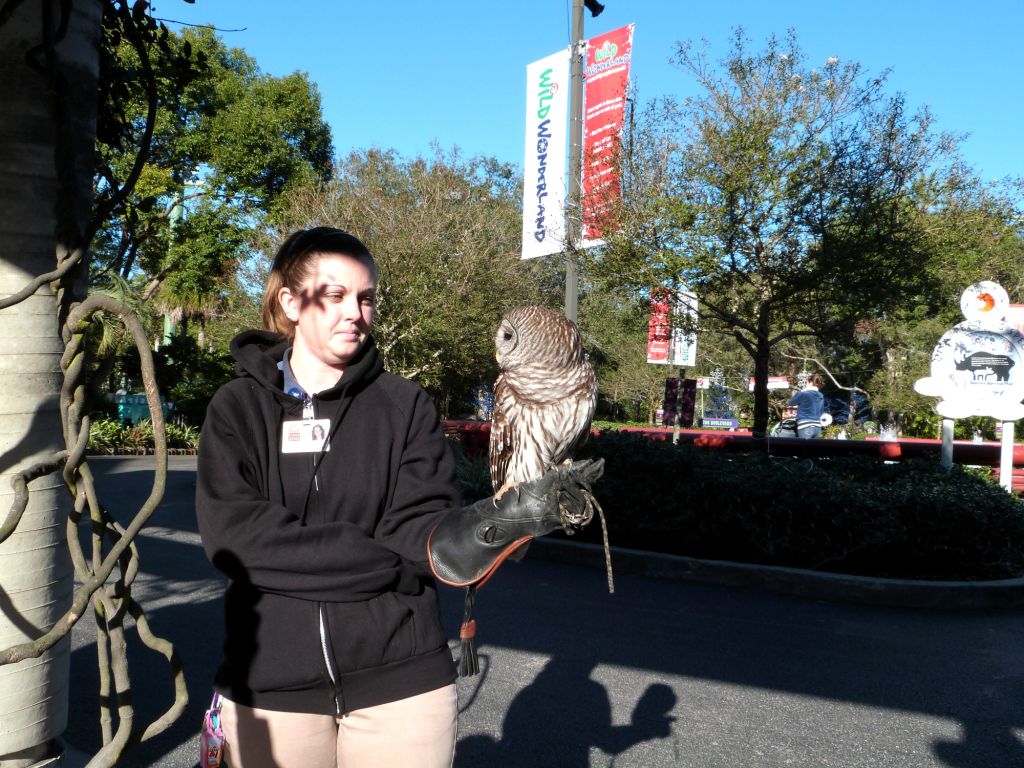
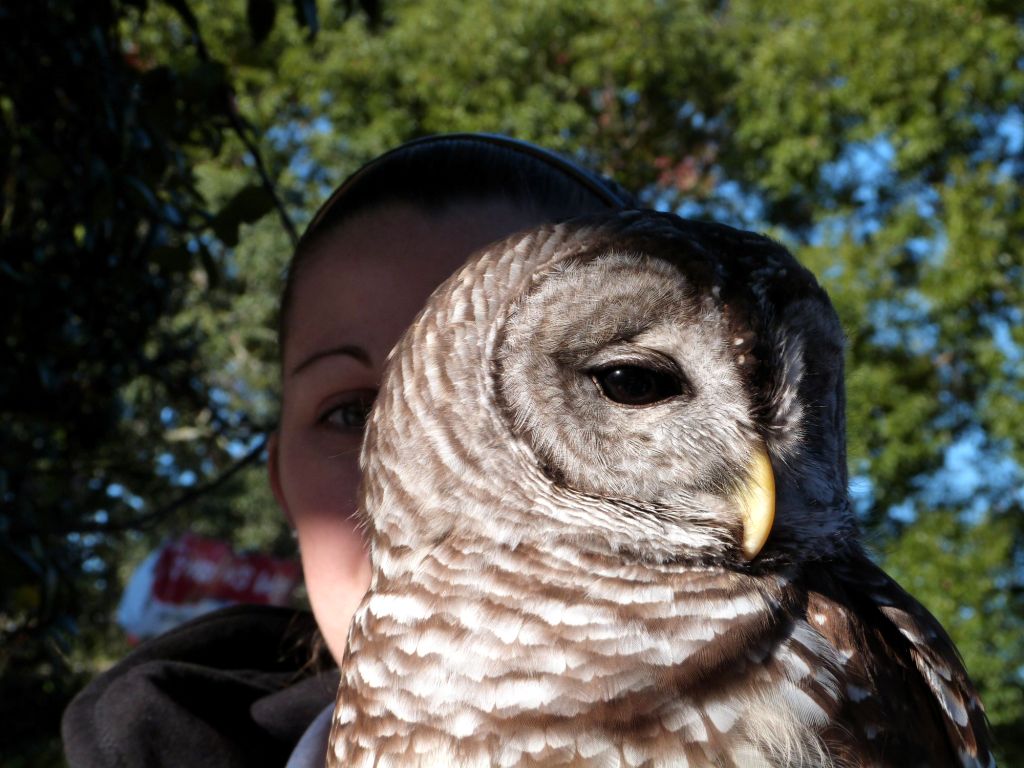
But when we entered the zoo, we were met by one of the zookeepers holding a beautiful Barred Owl. We had not encountered this Owl in our previous trips. While sharing some of the photos, I thought you might like to learn a little about them.

Northern Barred Owl (Strix varia) LPZ by Lee

Northern Barred Owl (Strix varia) LPZ by Lee

Facts from the U.S. Geological Service

Identification Tips:

  • Length: 17 inches Wingspan: 44 inches
  • Sexes similar
  • Rather large owl
  • Dark eyes and yellow bill
  • Back brown, mottled with pale spots and dark bars
  • Underparts pale with long, brown streaks
  • Chest pale with brown barring
  • Face pale with dark concentric rings surrounding eye

Similar species:

The Spotted Owl is most similar, but can be separated with attention to its barred, not streaked, underpart coloration. Short-eared Owl is similar in size, but is not barred on the chest nor is as heavily streaked below, does not share the concentric rings in the facial disks, has yellow eyes and a dark bill, and is found in quite different habitat. Great Gray Owl is superficially similar, but much larger, gray rather than brown below, and has differently patterned underparts.”

Northern Barred Owl (Strix varia) LPZ by Lee

Northern Barred Owl (Strix varia) LPZ by Lee

“The Barred Owl (Strix varia) is a large typical owl native to North America. It goes by many other names, including Eight HooterRain OwlWood Owl, and Striped Owl, but is probably best known as the Hoot Owl based on its call.

The usual call is a series of eight accented hoots ending in oo-aw, with a downward pitch at the end. The most common mnemonic device for remembering the call is “Who cooks for you, who cooks for you all.” It is noisy in most seasons. When agitated, this species will make a buzzy, rasping hiss. While calls are most common at night, the birds do call during the day as well.” (Wikipedia)

(From xeno-canto.org)

Northern Barred Owl (Strix varia) LPZ by Lee

Northern Barred Owl (Strix varia) LPZoo by Lee

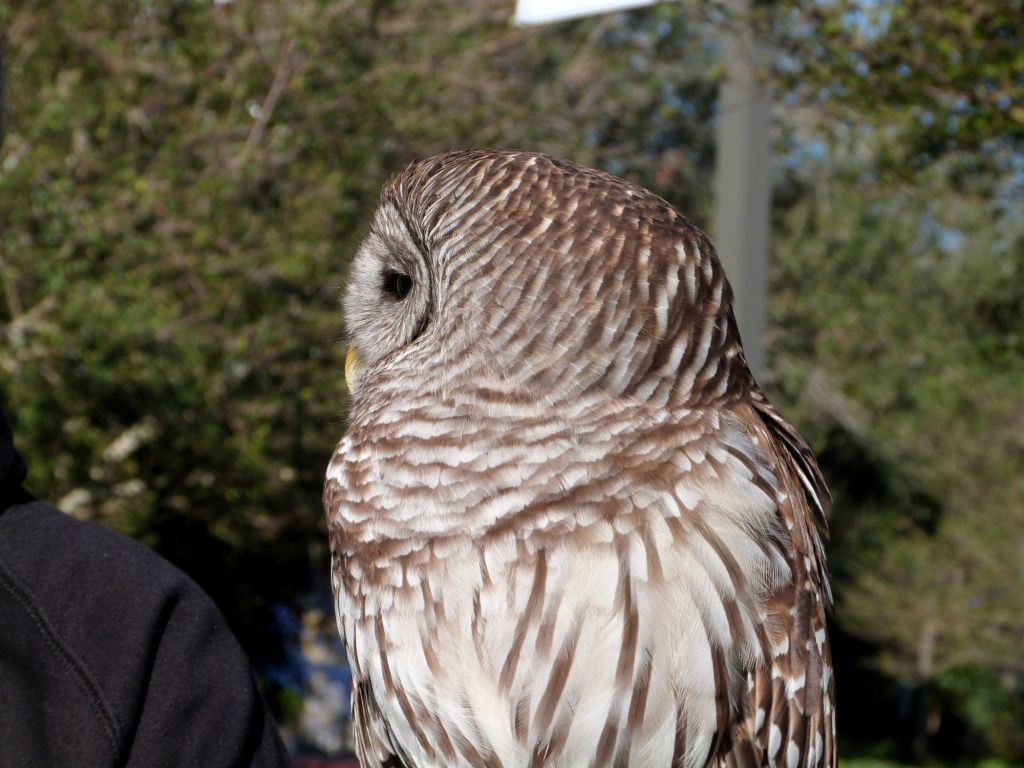
Looking the other way. No, they cannot turn their heads all the way around. Notice also that this owl does not have ear tufts like some owls.

Northern Barred Owl (Strix varia) LPZ by Lee - Side of head

Northern Barred Owl (Strix varia) LPZ by Lee – Side of head

“Breeding habitats are dense woods across Canada, the eastern United States, and south to Mexico; in recent years it has spread to the western United States. Recent studies show suburban neighborhoods can be ideal habitat for barred owls. Using transmitters, scientists found that populations increased faster in the suburban settings than in old growth forest. The main danger to owls in suburban settings is from cars. The increased offspring offset the death rate due to impacts from cars and disease.”

The Barred Owl’s nest is often in a tree cavity, often ones created by pileated woodpeckers; it may also take over an old nesting site made previously by a red-shouldered hawk, cooper’s hawk, crow, or squirrel. It is a permanent resident, but may wander after the nesting season. If a nest site has proved suitable in the past they will often reuse it as the birds are non-migratory. In the United States, eggs are laid from early-January in southern Florida to mid-April in northern Maine, and consist of 2 to 4 eggs per clutch. Eggs are brooded by the female with hatching taking place approximately 4 weeks later. Young owls fledge four to five weeks after hatching. These owls have few predators, but young, unwary owls may be taken by cats. The most significant predator of Barred Owls is the Great Horned Owl. The Barred Owl has been known to live up to 10 years in the wild and 23 years in captivity.” (Wikipedia)

Northern Barred Owl (Strix varia) LPZ by Lee

Northern Barred Owl (Strix varia) LPZ by Lee

“Owl” is mentioned 8 times in the King James Bible and “Owls” is mentioned 6 times. So that makes our friend here a “Bird of the Bible” and of course a “Bird of the World.” Owls are another of the Lord’s great creations.

It was a great birdwatching day at the Zoo. Cool, but the sun was bright and no clouds. I had some other great finds today, but will save them for later.

References to check out:

*

Birds of the Bible – Bird Egg Facts

Common Ostrich (Struthio camelus) by Bob-Nan

Common Ostrich (Struthio camelus) by Bob-Nan

Eggs

Gavest thou the goodly wings unto the peacocks? or wings and feathers unto the ostrich? Which leaveth her eggs in the earth, and warmeth them in dust, And forgetteth that the foot may crush them, or that the wild beast may break them. (Job 39:13-15 KJV)

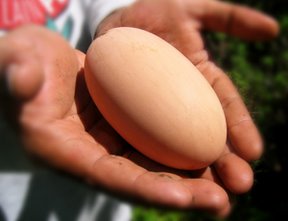
The largest bird egg is from the Ostrich Sturthio camelus. The egg measures 15 – 20 cm long, 10 – 15 cm in diameter and weighs 1 – 1.78 kg.
Largest egg ~ Ostrich  ~ measuring 17.8 by 14 cm (7 by 4.5 in)
Smallest egg laid relative to body weight ~ Ostrich egg ~ at 1.5%

Ostrich Egg ©WikiC

Ostrich Egg ©WikiC

An ostrich egg needs to be boiled for 2 hours to get a hard-boiled egg.

Can that which is unsavoury be eaten without salt? or is there any taste in the white of an egg? (Job 6:6 KJV)

Thinking

Largest Egg – living ~ Ostrich
Largest Egg – ever ~ Elephant Bird Aepyornis maximus From Madagascar 39cm/15.4in long = 12 litres/2.6 gallons, 220 chicken eggs, egg weighed 27 pounds.

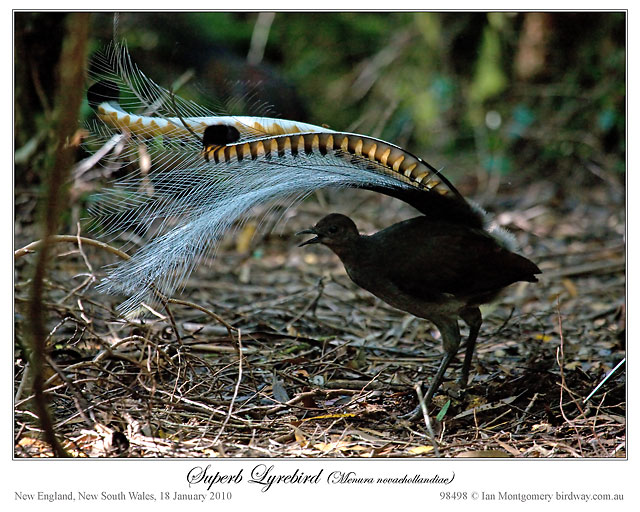
Superb Lyrebird (Menura novaehollandiae) by Ian

Superb Lyrebird (Menura novaehollandiae) by Ian

Largest egg laid by a passerine ~ 5 7 g (2 oz) by Australian Lyrebirds
Largest egg laid relative to body weight ~ Little Spotted Kiwi at 26%

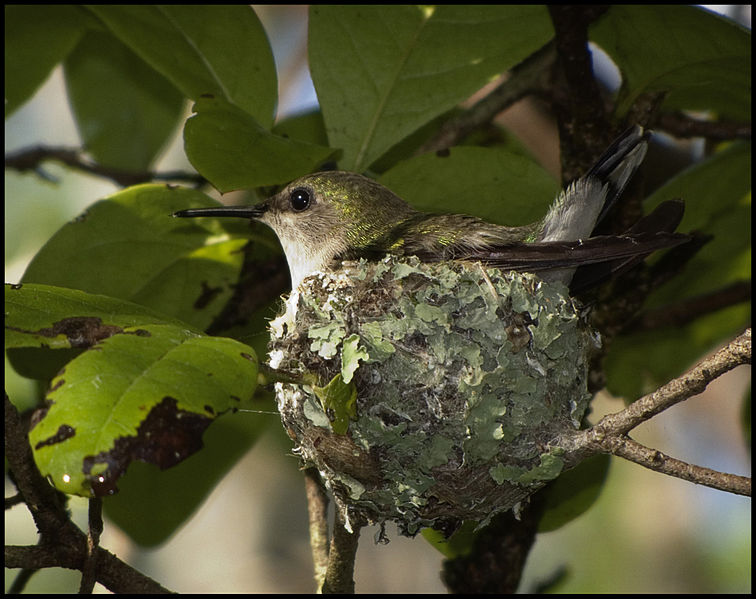
Vervain Hummingbird (Mellisuga minima) ©WikiC

Vervain Hummingbird (Mellisuga minima) ©WikiC

Smallest known egg ~ the Vervain Hummingbird Mellisuga minima of Jamacia and nearby islets. The egg is barely the size of a pea and measures less than 10 mm in length and weighs 0.356 g.
You could put 4700 bee hummingbird eggs inside one ostrich egg. The Bee Hummingbird egg is the size of a small pea and weighs .02 ounces. World’s Smallest Bird
Smallest egg ~ West Indian Vervain Hummingbird ~ at 10 mm (0.39 in) in length and 0.375 g (0.0132 oz)
Smallest Egg – living ~ Vervain Hummingbird Mellisuga minima ~ the size of pea

Or if he shall ask an egg, will he offer him a scorpion? If ye then, being evil, know how to give good gifts unto your children: how much more shall your heavenly Father give the Holy Spirit to them that ask him? (Luke 11:12-13 KJV)

Shape

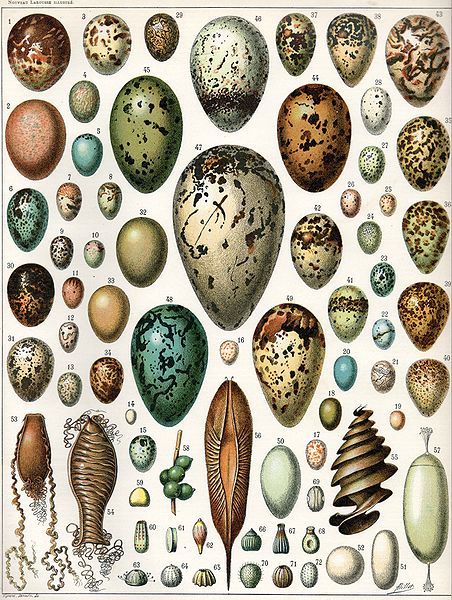
Different Eggs- Birds and Others - from Wikipedia

Different Eggs- Birds and Others – from Wikipedia

The majority of avian eggs match the shape of chicken eggs, but there are some exceptions.

  • Budgies, for instance, tend to lay very round eggs.
  • Fast-flying, stream-lined birds like swifts and swallows lay long, elliptical eggs.
  • Owls tend to lay very spherical eggs.
  • Roundest eggs ~ Owls, Tinamous

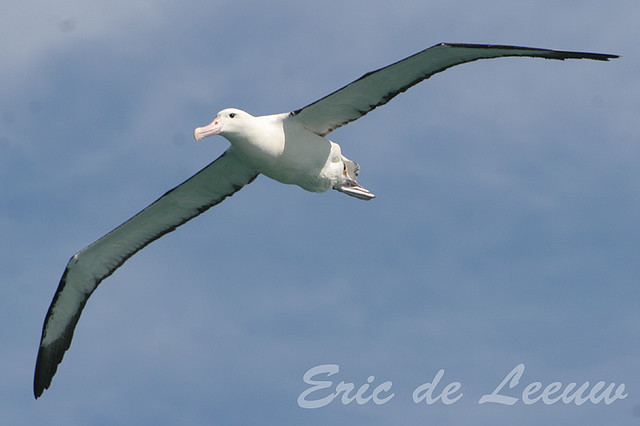
Northern Royal Albatross (Diomedea sanfordi) ©©Flickr

Northern Royal Albatross (Diomedea sanfordi) ©©Flickr

The Royal Albatross’ eggs take 79 days to hatch.
Precocial birds like chickens, ostriches, ducks, and seagulls hatch ready to move around. They come from eggs with bigger yolks than altricial birds like owls, woodpeckers, and most small songbirds that need a lot of care from parents in order to survive.

Maleo (Macrocephalon maleo) egg ©©Wong Dermayu

Maleo (Macrocephalon maleo) egg ©©Wong Dermayu

Longest interval between eggs laid ~ Maleo ~ at 1012 day intervals

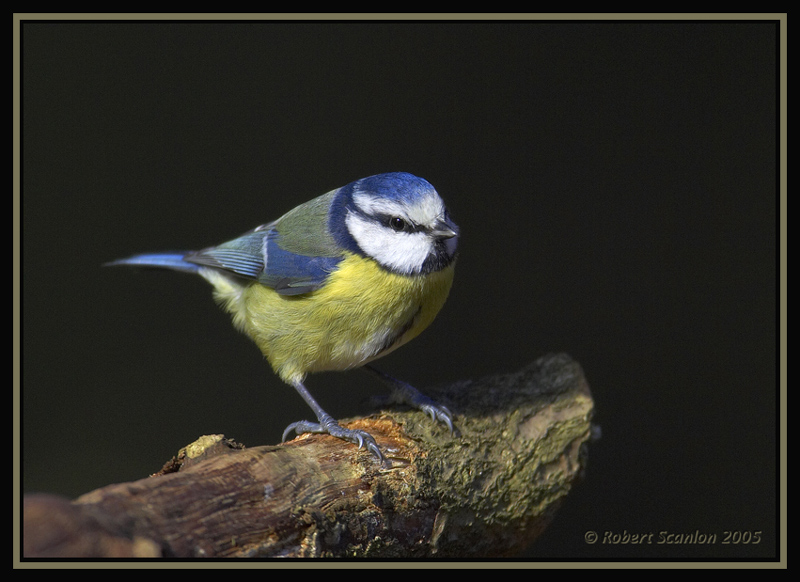
Eurasian Blue Tit (Cyanistes caeruleus) by Robert Scanlon by Robert Scanlon

Eurasian Blue Tit (Cyanistes caeruleus) by Robert Scanlon by Robert Scanlon

Largest clutch laid by a nidicolous species ~ 19 eggs laid by a European Blue Tit
Largest clutch laid by a nidifugous species ~ 28 by a Bobwhite Quail
Largest average clutch size ~ 15-19 by a Gray Partridge
Smallest clutch size ~ 1 egg laid every 2 years by Albatrosses

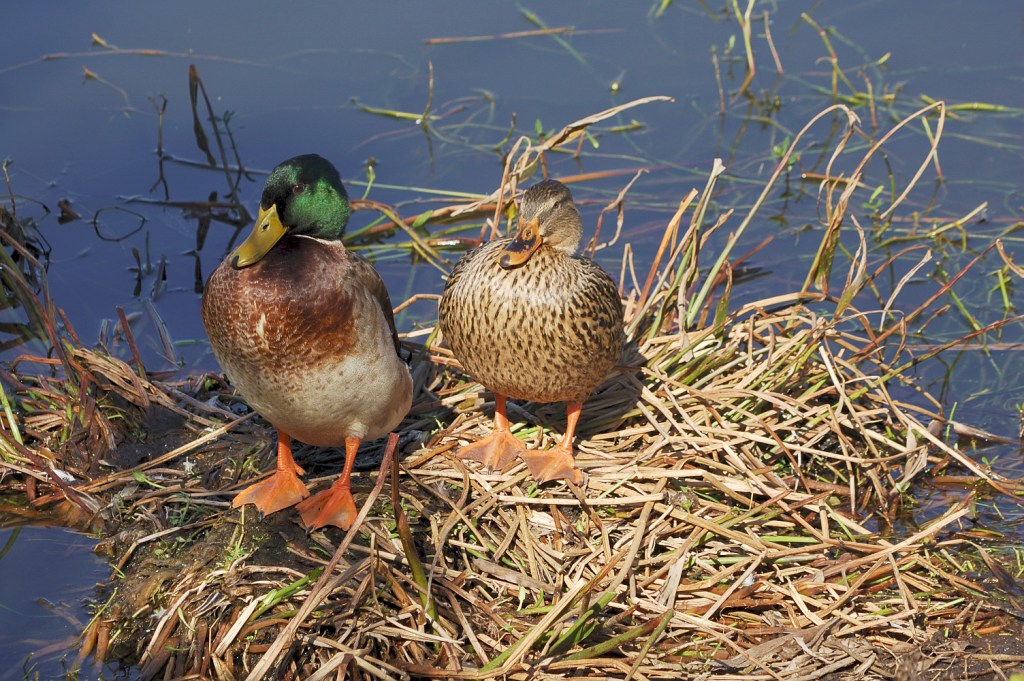
Mallard (Anas platyrhynchos) By Dan'sPix

Mallard (Anas platyrhynchos) By Dan’sPix at Lake Hollingsworth

Greatest number of eggs laid consecutively ~ 146 by a Mallard
Most valuable bird ~ 8 billion domestic chickens ~ produce 562 billion eggs annually
Highest price paid for an egg ~ 1,000 British pounds for an egg of extinct Aepyornis maximus

And my hand hath found as a nest the riches of the people: and as one gathereth eggs that are left, have I gathered all the earth; and there was none that moved the wing, or opened the mouth, or peeped. (Isaiah 10:14 KJV)

Shell

Bird eggshells are diverse. For example:

  • Cormorant eggs are rough and chalky
  • Tinamou eggs are shiny
  • Duck eggs are oily and waterproof
  • Cassowary eggs are heavily pitted

Tiny pores in bird eggshells allow the embryo to breathe. The domestic hen’s egg has around 7500 pores.

The most yolks ever found in a single chicken’s egg is nine.

Nests

Mallee Fowl Mound ©©

Largest individual nest ~ Mallee Fowl Australia Leipoa ocellata ~ builds a mound 5 m (16.5ft) high and 11 metres (36ft) wide. A mound this size means the bird moved 250 cubic metres of vegetation and 300 tons of soil.
Smallest nest ~

  • many seabirds do not make a nest at all, nest on ground or
  • in case of Fairy Tern on a branch of a tree
  • The prize goes to the Hummingbirds for their thimble sized (1cm squared) nests.

The largest nest was built by a pair of Bald Eagles Haliaeetus leucocephalus was 2.9 m wide and 6 m deep.

Rhinoceros Auklet (Cerorhinca monocerata) ©WikiC

Rhinoceros Auklet (Cerorhinca monocerata) ©WikiC

The Rhinoceros Auklet Cerorhinca monocerata which measures 35 cm and nests on islands in the North Pacific excavates a burrow of 2 – 3 m in length. Burrows up to 6 m are not uncommon and 8 m burrows have also been found.

The only species of parrot that builds a nest is the Quaker Parrot. The Quakers link their nests together to form structures akin to “bird condominiums”. These nests can reach weights greater than 200 lbs.

Largest recorded nesting bird colony: 136 million Passenger Pigeon nesting in an area in Wisconsin covering 1,942 sq km (750 sq mi)

Isn’t it amazing how the Lord created each bird’s egg to help it survive and for it to do His command to:

And God blessed them, saying, “Be fruitful and multiply, and fill the waters in the seas, and let birds multiply on the earth.” (Genesis 1:22 NKJV)

(Various internet resources used and Wikipedia)

See Also:

Formed By Him – Bird Eggs
Macrocephalon Maleo – The Mute Missionary…
When I Consider – Guillemot
Egg And Nest Identification
Bird Eggs Photo Search
Hummingbird Nest & Eggs

*

Birds of the Bible – Names of Birds II

White-tailed Hawk (Buteo albicaudatus) by Daves BirdingPix

White-tailed Hawk (Buteo albicaudatus) by Daves BirdingPix

In the first Names of Birds, I covered the English names of birds. This time the scientific names are going to be looked at, especially the second one. (The first part of the scientific name is the bird’s genus or group) “Birds normally have a scientific name and a common name. The scientific name is usually Latin-bases and is agreed upon by biologists across the world. The common name will vary by region, culture, and language.” (birding.com) No matter what the bird is called in different countries or by different ornithology groups, the scientific name refers to one specific bird. Birds do migrate many miles and spend time in many countries. This naming system helps keep from having the same bird counted numerous times in lists.

As I have worked with the list of the Birds of the World, I have observed similarities in the naming of the birds. For instance, “alba” is the second part of all of these birds–Western Great Egret, White Cockatoo, Sanderling, White Tern, White Wagtail, African Spoonbill, Phoenix Petrel, Western Barn Owl. Could you figure out what color they all are?

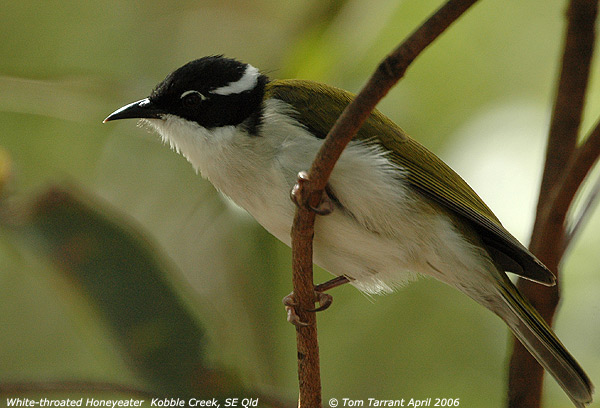
White-throated Honeyeater (Melithreptus albogularis) by Tom Tarrant

White-throated Honeyeater (Melithreptus albogularis) by Tom Tarrant

How about “albicauda“–White-tailed Shrike-Tyrant, White-tailed Blue Flycatcher, White-tailed Lark, White-tailed Hawk? Or “albogularis“–White-throated Jacamar, Rufous-banded Honeyeater, White-throated Pewee, White-throated Canary, White-throated Laughingthrush, White-throated Screech Owl, White-throated Honeyeater, White-throated Francolin, White-throated Caracara, White-throated Treerunner, White-spotted Fantail, White-throated Seedeater, White-throated Kingbird, White-chested White-eye? That last group was not all “white-throated,” in name, but they have white throats.

We know that Adam named the birds and other critters as the Scripture tells us:

Out of the ground the LORD God formed every beast of the field and every bird of the air, and brought them to Adam to see what he would call them. And whatever Adam called each living creature, that was its name. So Adam gave names to all cattle, to the birds of the air, and to every beast of the field. But for Adam there was not found a helper comparable to him. (Genesis 2:19-20 NKJV)

Blue-throated Bee-eater (Merops viridis) by Ray

Blue-throated Bee-eater (Merops viridis) by Ray

Did Adam use scientific names? I doubt it. Adam didn’t have to go though all this. Today the ornithologist (those who study birds) use this method of naming along with a common name in whatever language they speak.

Thought you might find it interesting to see some of the species’ second scientific names:
Colors:
albus/alba, white; cf albino, ater/atra, matt black, brachy-, short (Greek), brunne-, brown, caeruleus, blue, canus, grey, chloro-, green or yellow (Greek), cinerea-, grey or ash-coloured; cf cinders, crocus, cyan, blue, erythro-, red (Greek), flava, yellow, fuscus/fusca, dusky, guttatus, speckled or spotted, haema-, blood-red (Greek); cf haemoglobin, leuco-, white (Greek), lineatus, lined or striped, livia, blue-grey, longi-, long, luteus/lutea, yellow, major, greater, mega-, great (Greek), melas, black (Greek); cf melanistic, minor, lesser, niger/nigra, glossy black; cf negro, punctatus, spotted; cf punctuation, pusilla, tiny, rosea, rosy, ruber, red, rufus/rufa, red, striatus/striata, striped, versicolor, many-collored, varied, viridis, green, albogularis – White-throated
Countries:
abyssinicus, africana, americana, angolensis, antarctica,
Characteristics:
cauda, tail, –cephalus, head (Greek), –ceps, capped, headed, cilla, tail, collis, neck,  cristatus, crested, dactyl, finger or toe (Greek), frons, front, i.e. forehead, –gularis, throat, –ops, eye, –opsis, face, ptera, wing (Greek), –rhynchos, bill (Greek), –rostris, bill, torquatus, collared

Names are important and have meaning. Christ was named long before He was born. It was foretold.

Now all this was done, that it might be fulfilled which was spoken of the Lord by the prophet, saying, Behold, a virgin shall be with child, and shall bring forth a son, and they shall call his name Emmanuel, which being interpreted is, God with us. (Matthew 1:22-23 KJV)
After this manner therefore pray ye: Our Father which art in heaven, Hallowed be thy name.  (Matthew 6:9 KJV)
And in his name shall the Gentiles trust. (Matthew 12:21 KJV)
And Jesus came and spake unto them, saying, All power is given unto me in heaven and in earth. Go ye therefore, and teach all nations, baptizing them in the name of the Father, and of the Son, and of the Holy Ghost: Teaching them to observe all things whatsoever I have commanded you: and, lo, I am with you alway, even unto the end of the world. Amen.
(Matthew 28:18-20 KJV)

(Some information from Scientific bird names explained)

Birds of the Bible – Names of Birds

Out of the ground the LORD God formed every beast of the field and every bird of the air, and brought them to Adam to see what he would call them. And whatever Adam called each living creature, that was its name. So Adam gave names to all cattle, to the birds of the air, and to every beast of the field… (Genesis 2:19-20a NKJV)

Common Kingfisher by Phil Kwong

It would be nice to know which birds Adam named and what he named them. Today, the birds we see around the world are variations from those original bird kinds. The names that they now have are different, but, if Adam were to name the birds living today, do you think he might use these current names on the birds?

Below are some bird names that have caught my attention and you can almost visualize something about them:

A  – Amazon, Antbird, Antpitta, Antshrike, Antvireo, Antwren, Apostlebird, Awlbill
B  – Babbler, Bamboowren, Barbtail, Barbthroat, Bare-eye, Barwing, Baywing, Bee-eater, Bellbird, Berryeater, Berrypecker, Bird-of-paradise, Bishop, Blackbird, Blackcap, Blackeye, Black-headed, Blackstart, Blackthroat, Bleeding-heart, Bluebill, Bluewing, Bluebird, Bluebonnet, Bluetail, Bluethroat, Boatbill, Bowerbird, Brilliant, Bristlebill, Bristlebird, Broadbill, Bronzewing, Brushrunner, Bushbird, Bush-hen

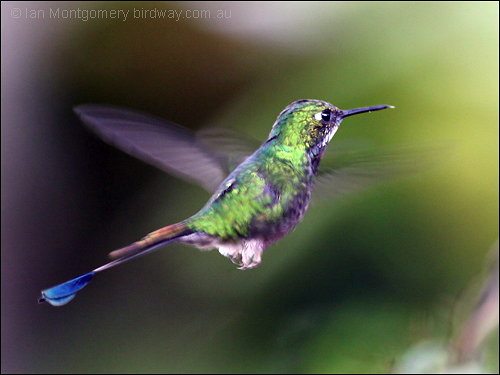
Booted Racket-tail (Ocreatus underwoodii) by Ian

Booted Racket-tail (Ocreatus underwoodii) by Ian

C  – Canvasback, Cardinal, Catbird, Chat, Chatterer, Cicadabird, Comet, Conebill, Cowbird, Creeper, Crestentchest, Crimsonwing, Crossbill, Cuckoo
D  – Darkeye, Darter, Dipper, Dollarbird, Dove
E  – Earthcreeper, Emerald
F  – Fairy, Fairy-bluebird, Fairywren, Fantail, Fieldwren, Figbird, Finfoot, Fireback, Firecrest, Firecrown, Fire-eye, Firefinch, Firetail, Firethroat, Flamecrest, Flatbill, Flicker, Flowerpecker, Flowerpiecer, Flufftail, Flycatcher, Foliage-gleaner, Forktail, Friarbird, Frigatebird, Frogmouth, Fruitcrow, Fruiteater, Fruithunter
G  – Gnatcatcher, Gnatwren, Go-away-bird, Goldcrest, Goldenback, Goldeneye, Goldenthroat, Goldfinch, Grassbird, Grassquit, Grasswren, Greytail, Groundcreeper, Groundpecker, Guineafowl

Carmine BeeEater by Marc at Africaddict

Carmine BeeEater (Merops nubicus or nubicoides) by Marc at Africaddict

H  – Hardhead, Helmetcrest, Helmetshrike, Hermit, Hillstar, Hobby, Honeybird, Honeycreeper, Honeyeater, Honeyguide, Hookbill, Hornbill, Hummingbird
J  – Jewel-babbler, Jewelfront, Junglefowl
K  – Kingbird, Kingfisher, Kite, Knot,
L  – Laughingthrush, Leafbird, Leaftosser, Longbill, Longclaw, Longtail, Lovebird
M  – Marshbird, Metaltail, Mockingbird, Monarch, Morepork, Mountaingem, Mourner, Mousebird, Mudnester
N  – Needletail, Nighthawk, Nunbird, Nutcracker, Nuthatch
O  – Oilbird, Openbill, Ovenbird, Oxpecker, Oystercatcher
P  – Palmchat, Palmcreeper, Pewee, Pilotbird, Pintail, Prickletail, Puffback, Puffbird, Puffleg
R  – Racket-tail, Rail, Razorbill, Recurvebill, Redhead, Redwing, Rockfinch, Rockfowl, Rockjumper, Rockrunner, Rockwarbler, Rockwren, Roller, Rushbird
S  – Sabrewing, Saddleback, Sanderling, Sandgrouse, Sandpiper, Sapphire, Sapphirewing, Sapsucker, Screamer, Screech, Scrubbird, Scrubfowl, Scrubtit, Scrubwren, Secretarybird, Seedcracker, Seedeater, Sheathbill, Shieldbill, Shoebill, Shortwing, Shoveler, Sicklebill, Silktail, Silverbird, Skimmer, Snowcock, Snowfinch, Softtail, Solitaire, Spadebill, Spatuletail, Spiderhunter, Spinebill, Spinetail, Spoonbill, Standardwing, Starfrontlet, Starthroat, Stilt, Stichbird, Straightbill, Streamcreeper, Streamertail, Stubtail, Sugarbird, Sunangel, Sunbeam, Sunbird, Sunbittern, Sungem, Surfbird, Swift
T  – Tailorbird, Tattler, Thicketbird, Thick-knee, Thistletail, Thornbill, Tinkerbird, Trainbearer, Treecreeper, Treehunter, Treepie, Treerunner, Treeswift, Trembler, Triller, Tropicbird, Trumpeter, Tuftedcheek, Tyrant
U  – Umbrellabird
V  – Violetear, Visorbearer
W  – Wagtail, Wallcreeper, Warbler, Waxbill, Waxwing, Weaver, Weebill, Wheatear, Whipbird, Whistler, White-eye, Whiteface, Whitethroat, Whitetip, Widowbird, Winter, Wiretail, Woodcock, Woodcreeper, Woodhen, Woodhaunter, Woodpecker, Woodstar
Y  – Yellowbrow, Yellowhammer, Yellowlegs, Yellowthroat

The slide show has just some of the Passerines (Song Birds) whose names might have been easy. I’ll save the non-Passerines for later. Tried not to use too many colors because that is also for other blogs.

*

This slideshow requires JavaScript.

*


See Also:
Bird Name Challenges
Variation within Created Kinds
Species and Kinds
Explaining Diversity within Created Kinds

*