Ian’s Bird of the Moment – Gentoo Penguin

As I’ve finally published Volume 2 of the ebook Diary of a Bird Photographer, please bear with me as I begin with a commercial. It is a compilation of the more than 240 Bird of the Week/Moment episodes sent out in the period 2010 to 2018. As these episodes grew in contents over the years, the ebook ended up as a hefty tome of 130,000 words and more than a thousand photos,with the fixed format pdf version running to more than 1,100 pages.

Like its popular predecessor Volume 1 it is designed for ease of use with many internal links, external links to relevant websites particularly additional photos on the Birdway website, and a comprehensive alphabetical index to bird species. Volume 2 contains a new taxonomic index in case for browsing the episodes by members of particular families such as Barn Owls or Honeyeaters. Read more about it by clicking on the image below or its caption to take you to page on the Birdway website.

Diary of a Bird Photographer, Vol 2 by Ian Montgomery

Diary of a Bird Photographer Volume 2

When I retired and wrapped up the Birdway company, I could no longer sell ebooks through the Apple or Google book stores and I started selling them by gettiing intending buyers to contact me for bank account details. This was inconvenient for everyone concerned – particularly for payments in other than Australian dollars – so I have now started selling them through the Payhip website. Payhip takes payment by credit card or PayPal so you can pay and download the books immediately. The new Diary Volume 2 is priced at six Australian dollars. You can visit the Payhip Birdway Store by clicking on the image or caption below.
Ian’s Birding Ebook

The Birdway eBook Store on Payhip

The cover photo of me on the ship the Spirit of Enderby on the trip to the Sub-Antarctic Islands in 2011 brings back great recollections of a memorable voyage, the highlight of which for many of us was the visit to Macquarie Island and its four species of penguins. Two of these, King Penguin and Royal Penguin feature as birds of the week in Volume 2, but here is one, the Gentoo Penguin, which hasn’t been honoured in these pages with its fifteen minutes of fame, to quote Andy Warhol.

Gentoo Penguin (Pygoscelis papua) by Ian

On the morning of our day on the island, the King and Royal Penguins provide us with endless amusement on the main beach on the sheltered eastern size of the island, number 3 on the Google Earth screen capture below. At lunch time we went to the Research Station, number 1, at lunchtime to meet the personnel and we find the Gentoos in reasonable numbers in their preferred breeding habitat, the tussocky grass just south of the station.
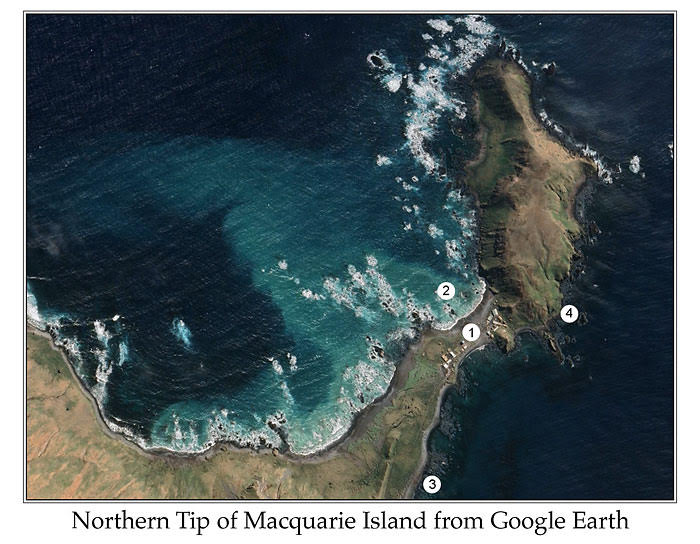
Northern Tip of Macuarie Island from Google Earth by Ian

Gentoos look to me quite small and dumpy in illustrations and photos, but they are fairly large, with a length up to 80cm/32in and weighting between 4.5-8.5kg/10-19lbs. Unlike the curious King and Royal Penguins they don’t take much notice of us and stand or lie around looking rather bored. Adult Gentoos, first two Gentoo photos, have a white eye ring, a white patch over each eye and a white line joining the two patches across the top of the head. Their plumage is blackish and the bill and legs are brightly coloured, red or orange.
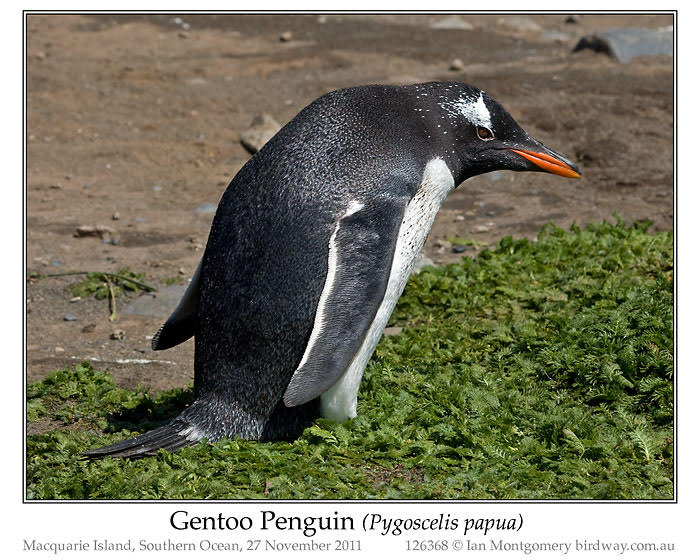
Gentoo Penguin (Pygoscelis papua) by Ian

Most of the Gentoos have finished breeding bur their are still a few juveniles in the breeding area, like this rather woolly individual on the left below below. Unlike other Penguin species, Gentoos will relay if the first clutch is lost, so maybe this has happened here. Gentoos are unusual in that the parents continue feeding the young for up to two months after they have fledged.
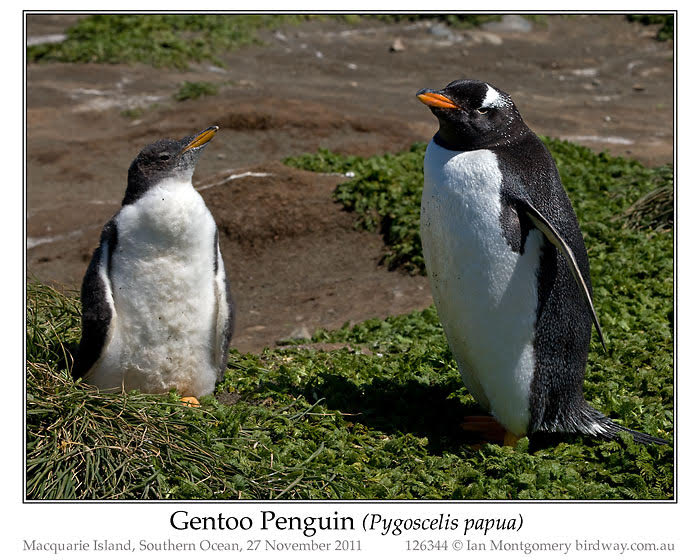
Gentoo Penguin (Pygoscelis papua) by Ian

Unlike the Royal and King Penuins on the sheltered eastern beach, the non-breeding Gentoos show a preference for the exposed beach on the western side of the island. The beach in this photo faces northwest and is shown and number 2 in the Google Earth image above. This beach is also popular with the Macquarie (Imperial) Shags which are busy ferrying seaweed as building material for nests on a rocky headland. The thick-skinned Elephant Seals are also at home on this beach and you can see their prostrate forms in the photo below.
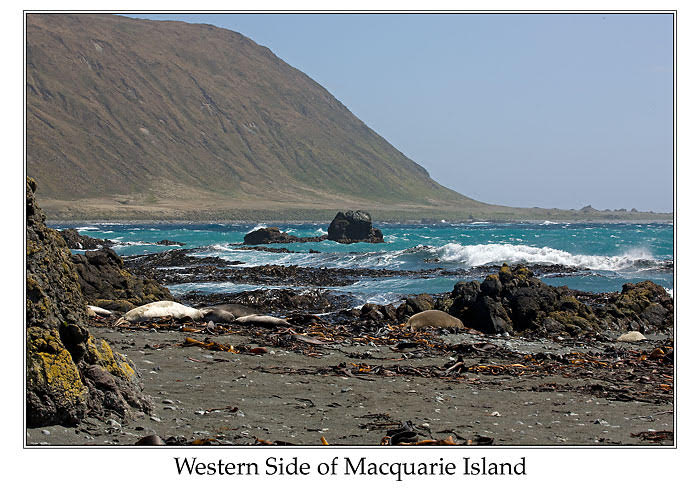
Western Side of Macuarie Island by Ian

Immature Gentoos are to be seen wandering around on this beach either full of the joys of Spring (next photo) or pretending to be Elephant Seas (following photo). You can see that their plumage is browner than that of the adults, the white supra-orbital patches and eye-rings are incompletely developed and their bills and feet are less brightly coloured. Gentoos take two years to reach sexual maturity but I suppose, given their proximity to the nesting colony, that these ones are older juveniles from the current breeding.
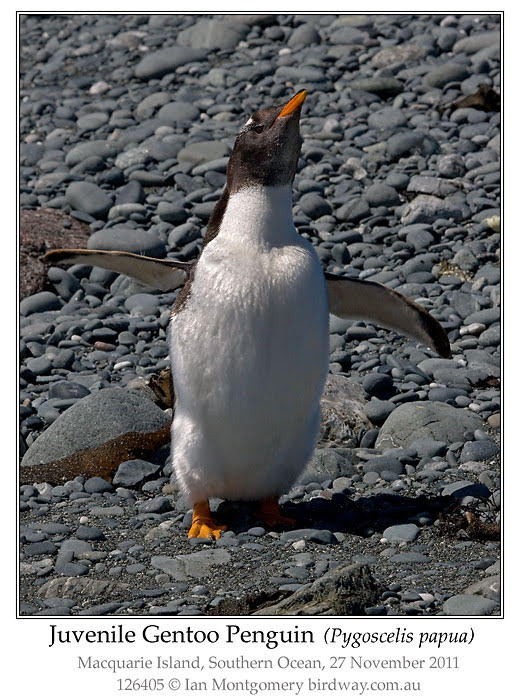
Gentoo Penguin (Pygoscelis papua) Juvenile by Ian

The Gentoo is the most northerly of the three species in the genus Pygoscelis and its circumpolar range is mainly north of Antarctica, breeding on Sub-Antarctic islands in the southern Indian and Atlantic Oceans. The only place it breeds on Antarctica itself is on the Antarctic Peninsula south of South America. The other two members of the genus, the Chinstrap and Adelie Penguins, have more southerly ranges particularly the Adelie. The specific name papua, odd for a Sub-Antartic species, does in fact refer to the natives of New Guinea as J.R. Forster, who named it in 1781, as he thought erroneously that they had curly feathers.

Gentoo Penguin (Pygoscelis papua) Juvenile by Ian

The fourth species of Penguin on Macquarie is the Southern Rockhopper Rockhoppers indeed, they are not to be found on the easily accessible part of the island where we spend the day. In the afternoon we return to the ship in the Zodiacs and do a detour via the rocky headland shown as number 4 on the Google Earth image to have a look at them.

I’ve been leading a fairly sedentary existence since my last visit to Europe three years ago. Editing Volume 2 of the Diary has given me itchy feet, so a visit to South America this coming October is being planned.

Greetings

Ian Montgomery


“All flesh is not the same flesh: but there is one kind of flesh of men, another flesh of beasts, another of fishes, and another of birds.: (1 Corinthians 15:39 KJV)

They may swim in the sea, but those Gentoo Penguins are still birds.

Thanks again, Ian, for another Bird of the Moment. They are always a welcome surprise when they arrive. Glad you were able to complete your second volume of the Bird Photographer Diary. We have produced many of those Bird of the Week articles here over the years. We have been enjoying your adventures around the world as you seek our Avian Wonders.

See Ian’s Birds of the Week

*
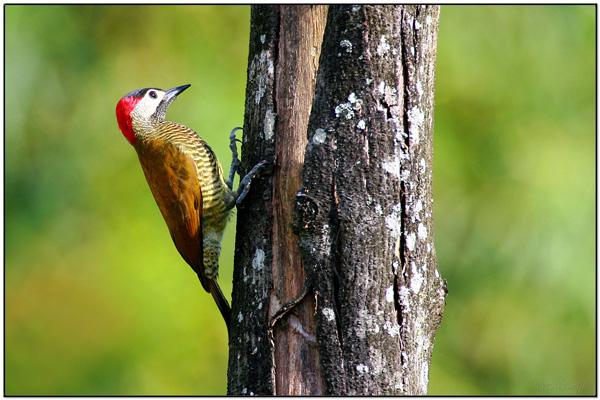
Heaven’s New Jerusalem and Birds – Chrysolite

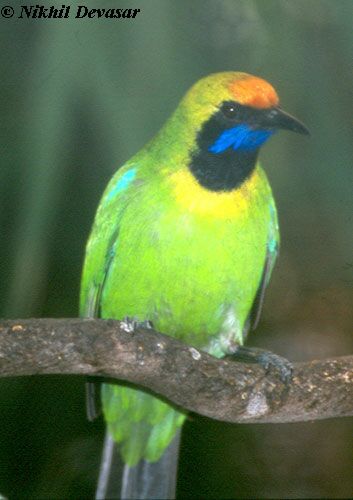
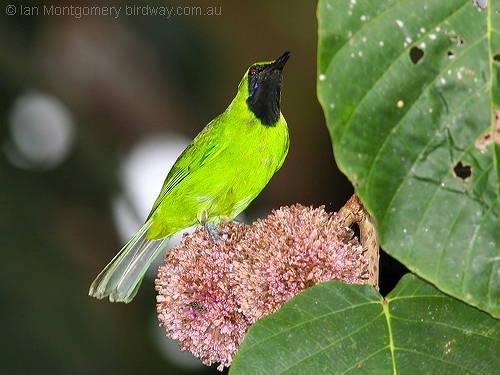
Golden-fronted Leafbird (Chloropsis aurifrons) by Nikhil Devasar

Golden-fronted Leafbird (Chloropsis aurifrons) by Nikhil Devasar

“The foundations of the wall of the city were adorned with all kinds of precious stones: the first foundation was jasper, …. the fifth sardonyx, the sixth sardius, the seventh chrysolite, the eighth beryl, the ninth topaz, the tenth chrysoprase, the eleventh jacinth, and the twelfth amethyst.” (Revelation 21:19a-20 NKJV)

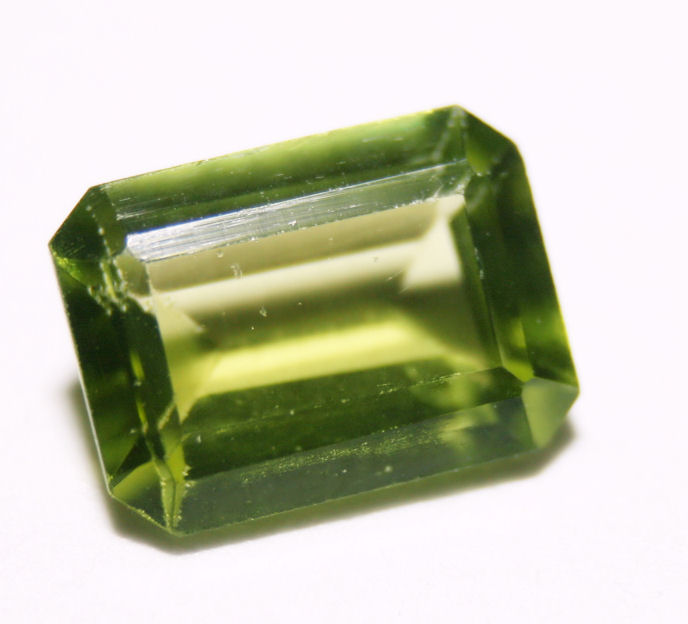
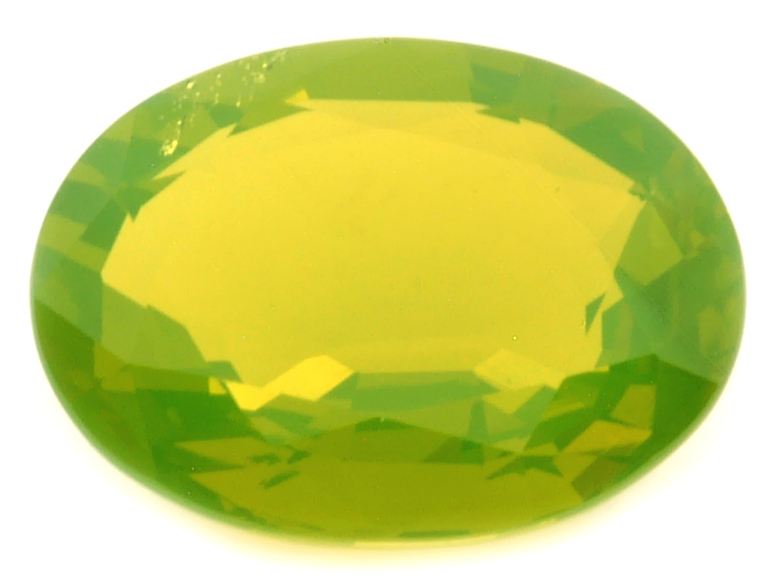
Olive Green Chrysolite ©WikiC

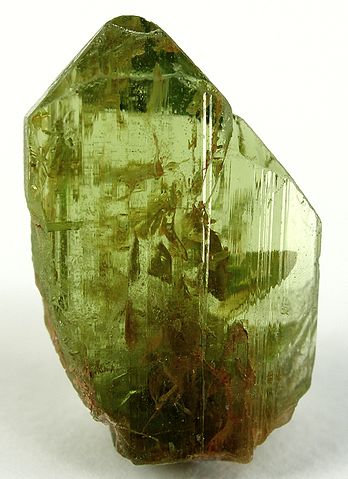
Chrysolite Forsterite-Olivine ©WikiC

Chrysolite is only mentioned one time in Scripture, here in Revelation 21:20.

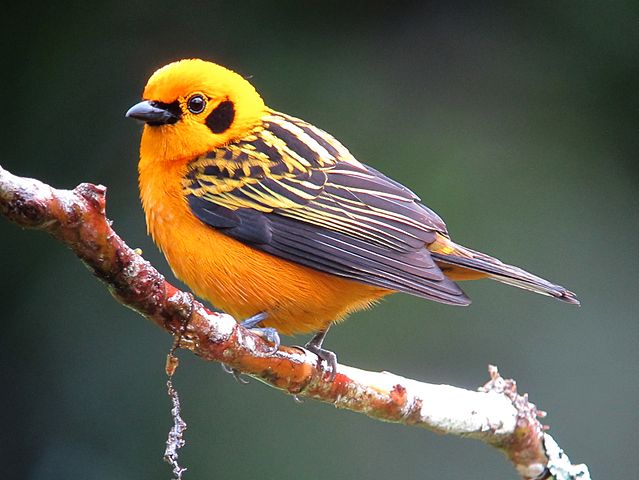
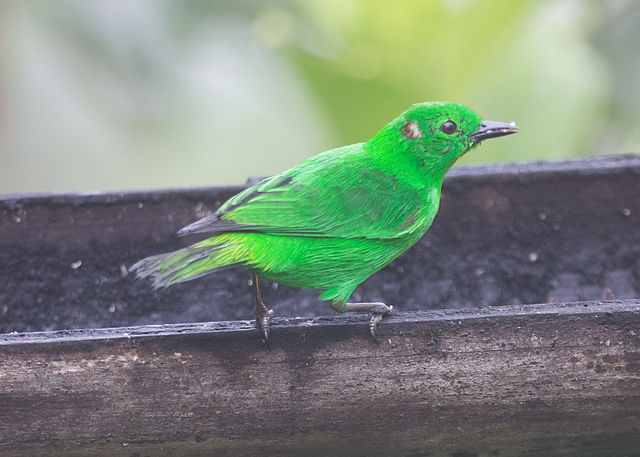
Golden Tanager (Tangara arthus) ©WikiC

Chrysolite – (“gold stone“.) The garniture of the seventh foundation of New Jerusalem. The modern topaz. [Fausset Bible Dictionary]

Chrysolite – Chrysolite. One of the precious stones in the foundation of the heavenly Jerusalem. Rev_21:20. It has been already stated, (see Beryl.), that the chrysolite of the ancients is identical with the modern oriental topaz, or the tarhish of the Hebrew Bible. [Smith Bible Dictionary]

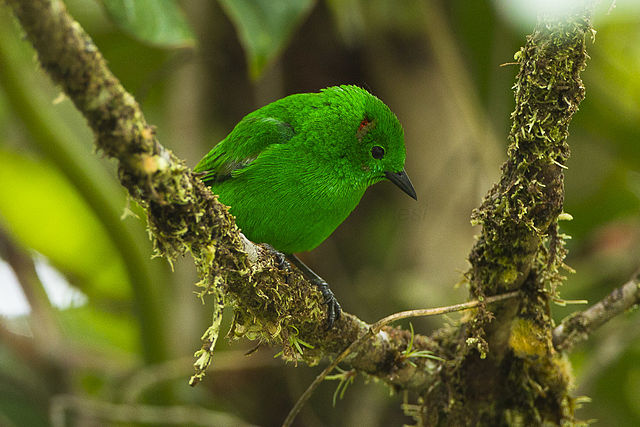
Glistening-green Tanager (Chlorochrysa phoenicotis) ©WikiC

Chrysolite – CHRYSOLITE, n. A mineral, called by Hauy and Brongniart, peridote and by Jameson, prismatic chrysolite. Its prevailing color is some shade of green. It is harder than glass, but less hard than quartz; often transparent, sometimes only translucent. It occurs sometimes in crystals, sometimes in small amorphous masses or grains, and sometimes in rolled pieces. [Webster Dict 1828]

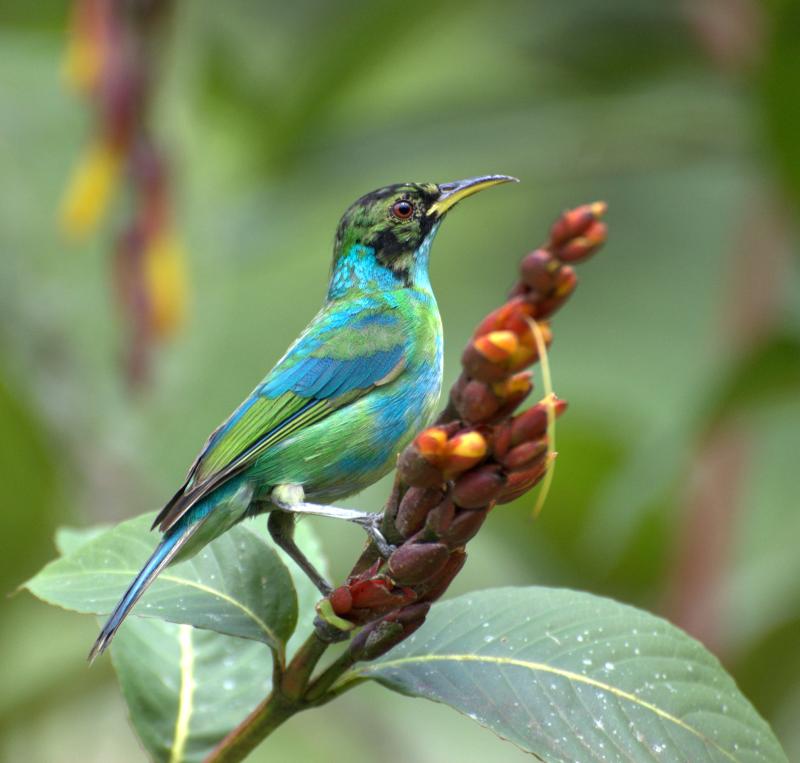
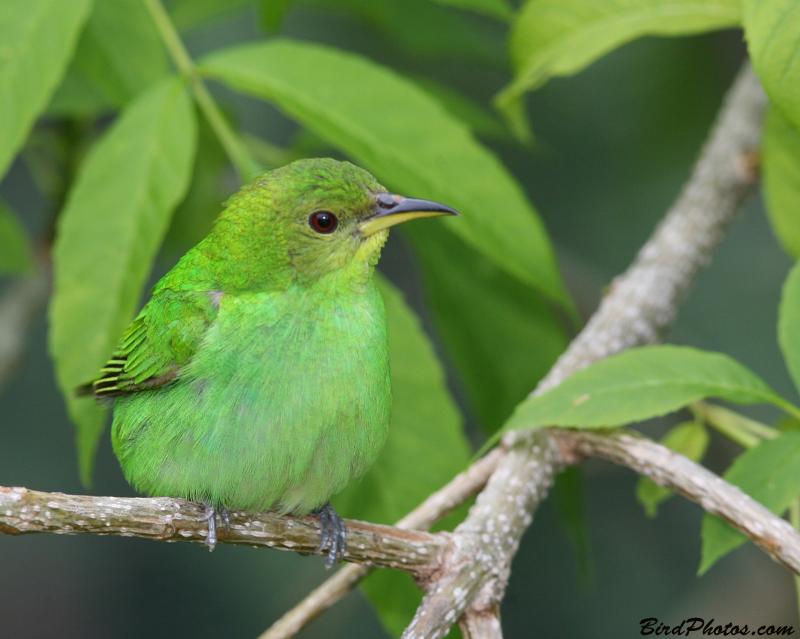
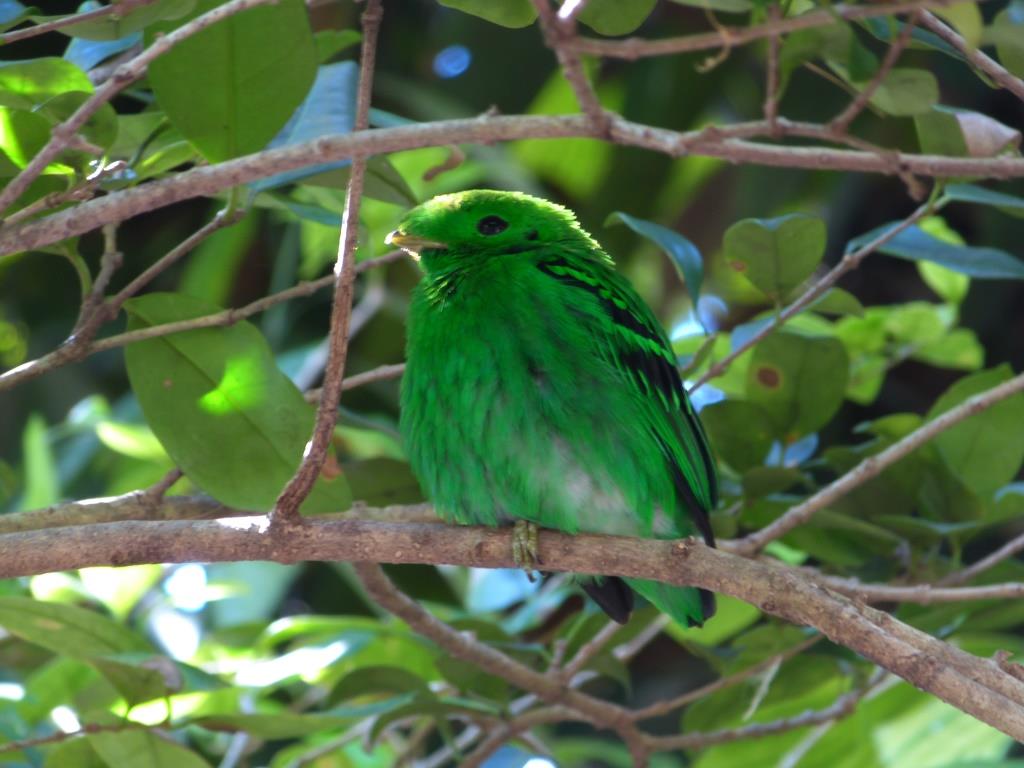
Green Honeycreeper (Chlorophanes spiza) Male Immature ©BirdPhotos.com

CHRYSOLITE, n. A mineral, called by Hauy and Brongniart, peridote and by Jameson, prismatic chrysolite. Its prevailing color is some shade of green. It is harder than glass, but less hard than quartz; often transparent, sometimes only translucent. It occurs sometimes in crystals, sometimes in small amorphous masses or grains, and sometimes in rolled pieces. [J. Vernon McGee]

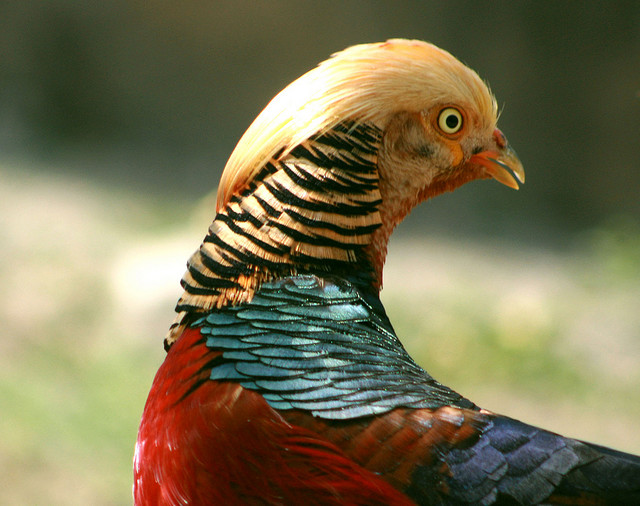
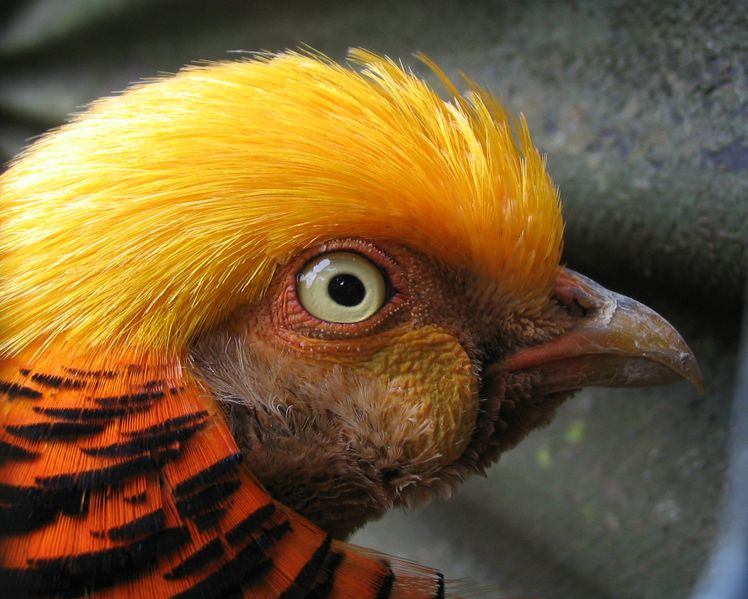
Golden Pheasant (Chrysolophus pictus) Male ©© NotMicroButSoft

Golden Pheasant (Chrysolophus pictus) Male ©© NotMicroButSoft

The seventh was chrysolite, a stone highly esteemed among the ancients, of a colour that was golden yellow. [Popular New Testament]

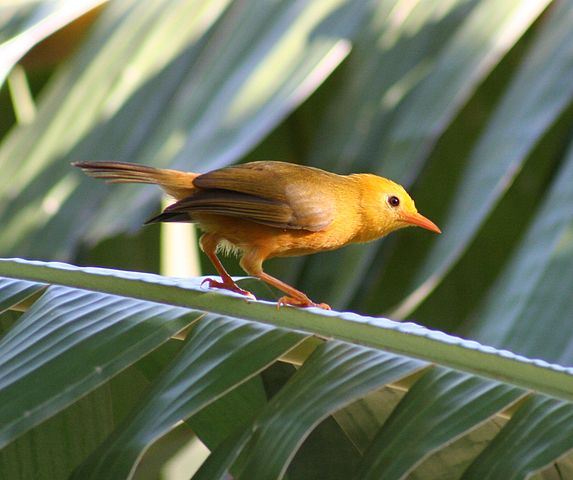
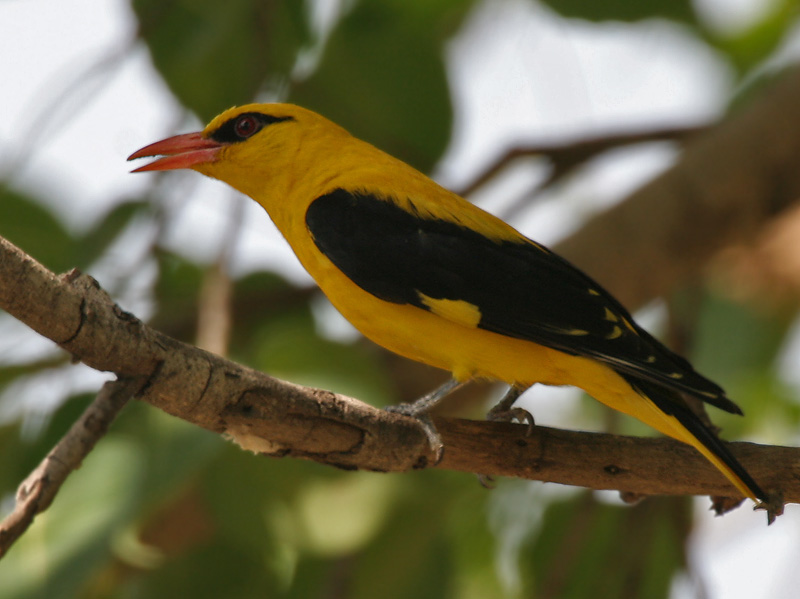
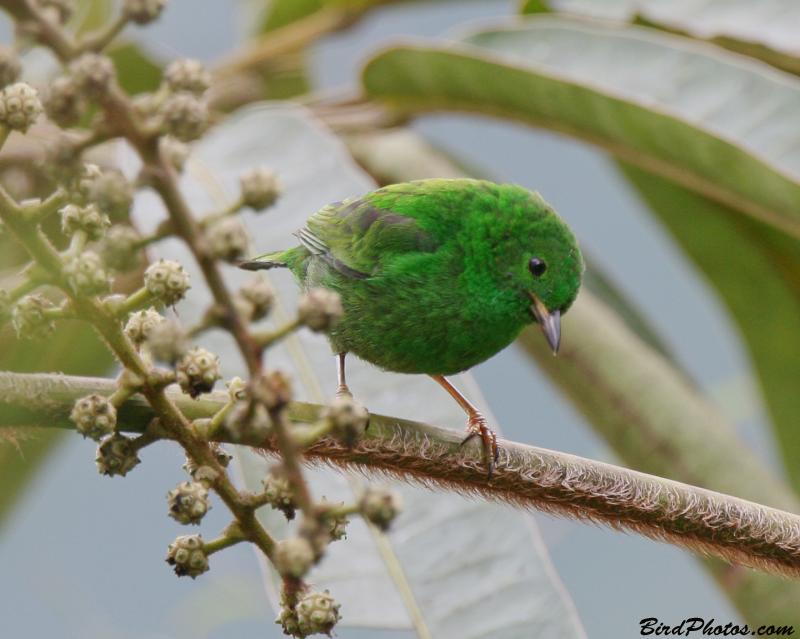
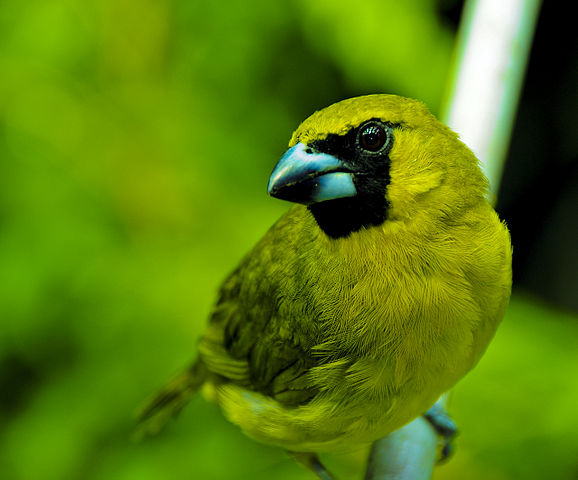
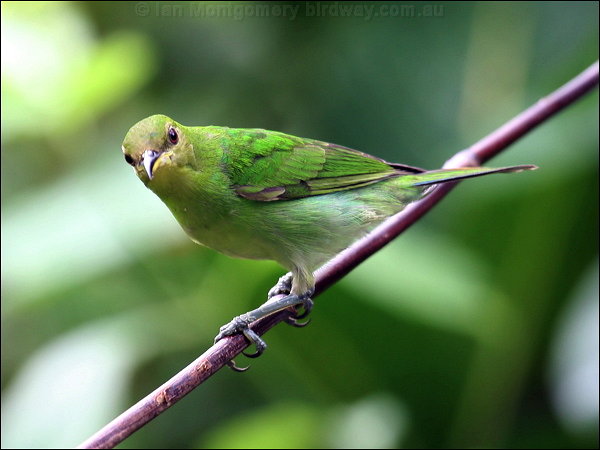
Looks like this time, the golden yellow, or Green birds, or a blend of the two colors will provides us with some of the beauty that will shine from the seventh foundational stone.

Articles in this Series so far:

What will you do with Jesus?

Heaven’s New Jerusalem and Birds – Sardius

Sardius Stone ©Pinterest

“The foundations of the wall of the city were adorned with all kinds of precious stones: the first foundation was jasper, …. the fifth sardonyx, the sixth sardius, the seventh chrysolite, the eighth beryl, the ninth topaz, the tenth chrysoprase, the eleventh jacinth, and the twelfth amethyst.” (Revelation 21:19a-20 NKJV)

Cornelian Stones ©Etsy

What color is this Sardius stone, the sixth foundation layer for the New Jerusalem?

Sardius (n.) A precious stone, probably a carnelian, one of which was set in Aaron’s breastplate. [Webster Dict. 113

“The sixth, sardius; the same with the sardine stone, Rev_4:3 of a blood colour, and what is commonly called a cornelian: it is found in Sardinia, from whence it has its name, and in Bohemia and Silesia, though those of Babylon are the best. This was Reuben’s stone.” [John Gill’s Exposition]

Two polished pebbles of carnelian_sard ©WikiC

Sardius – Sardius. (red). (Hebrew, odem). The stone which occupied the first place in the first row of the high priest’s breastplate. Exo_28:27. The sard, which is probably the stone denoted by odem, is a superior variety of agate, sometimes called camelian, and has long been a favorite stone for the engraver’s art. Sardis differ in color: there is a bright-red variety, and, perhaps, the Hebrew, odem, from a root means “to be red,” points to this kind.” [Smith’s Bible Dictionary]

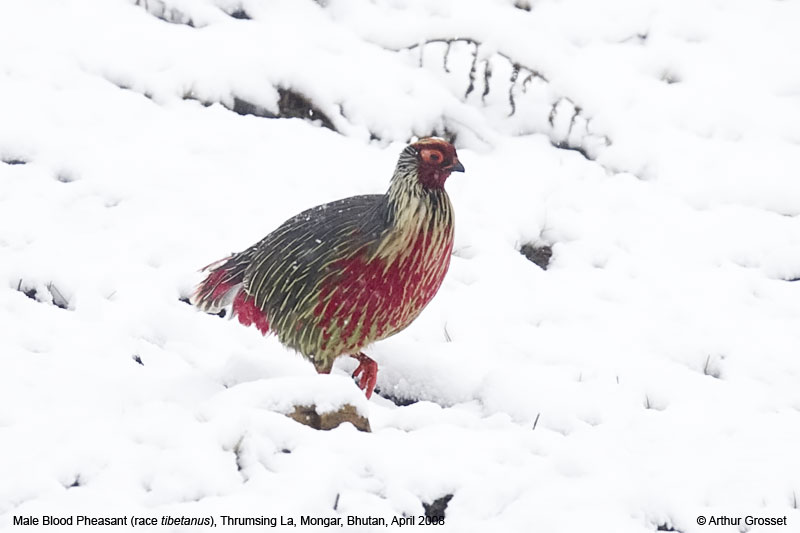
“6. Sardius (Gr.: sardios)—its color is fiery red. Pliny says that it is the red stone from Sardis. Swete says that it is fiery red.” [J. Vernon McGee]

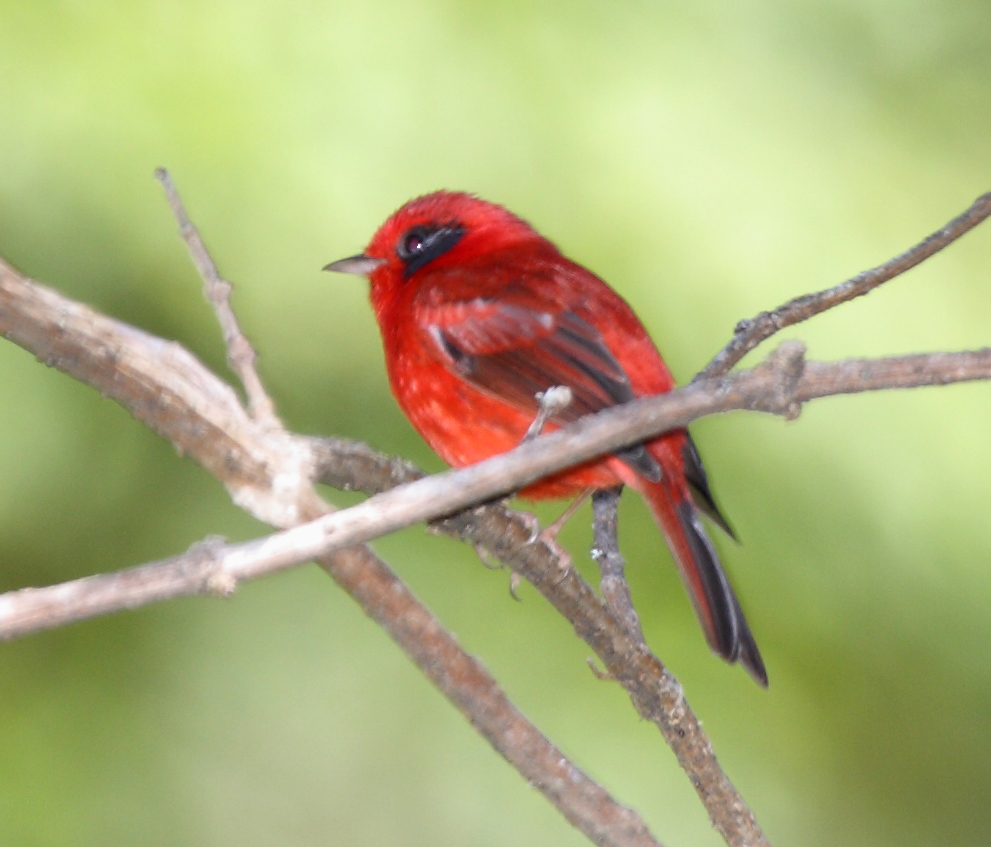
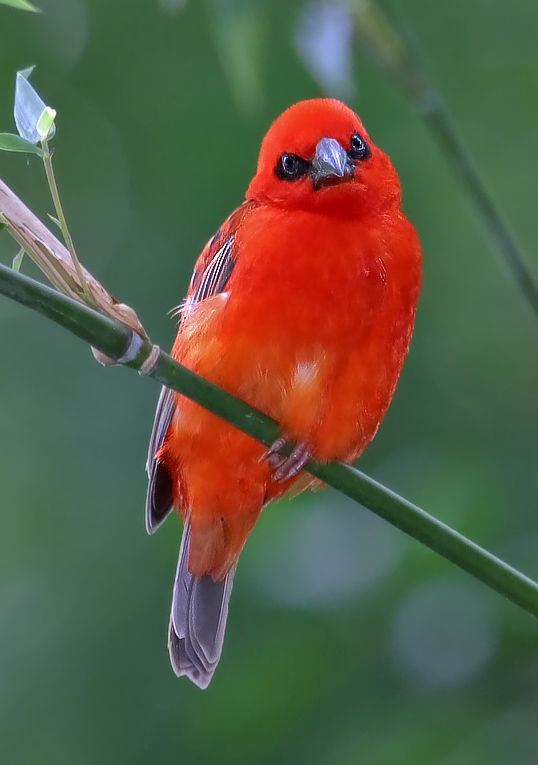
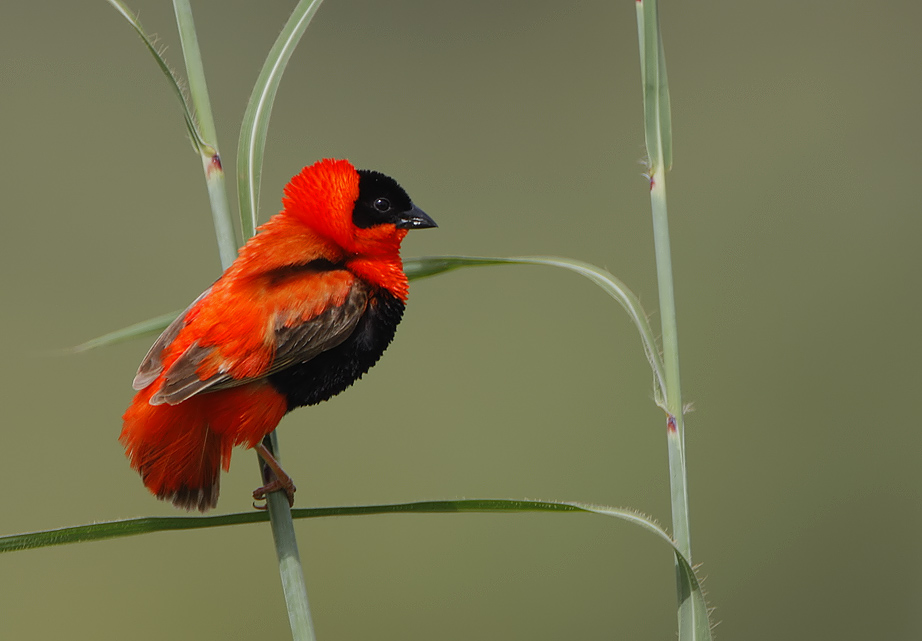
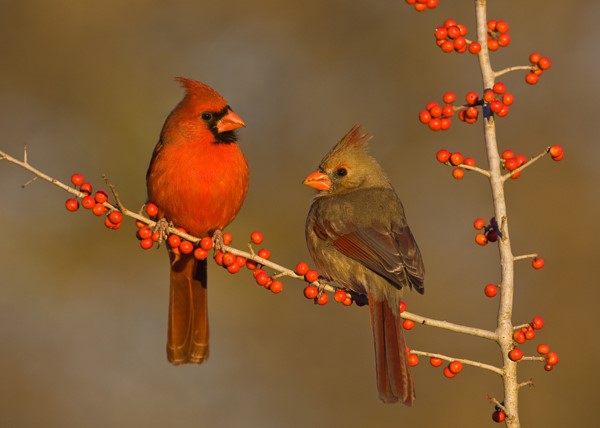
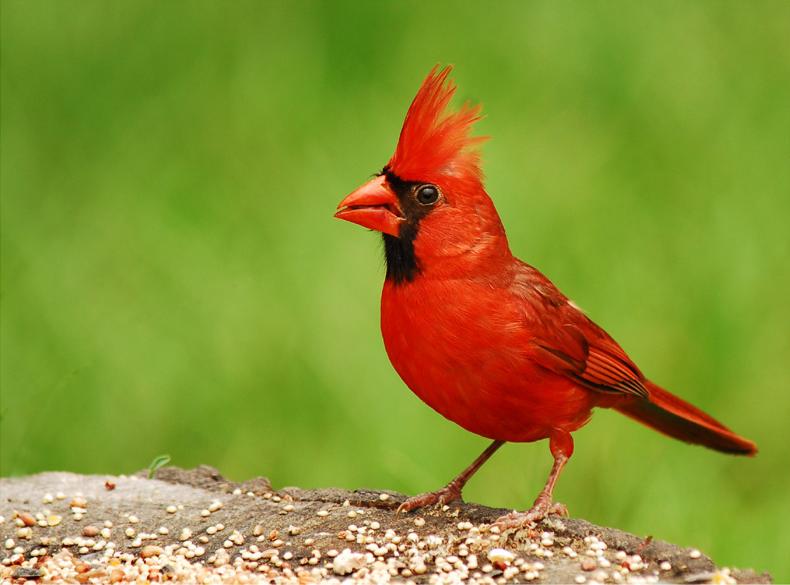
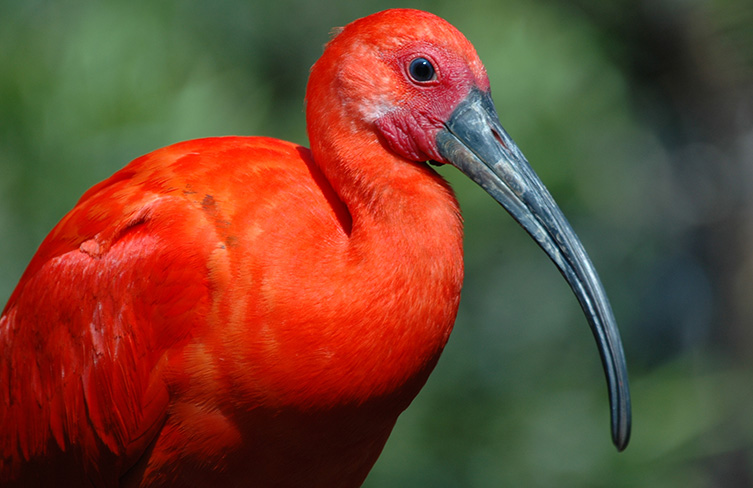
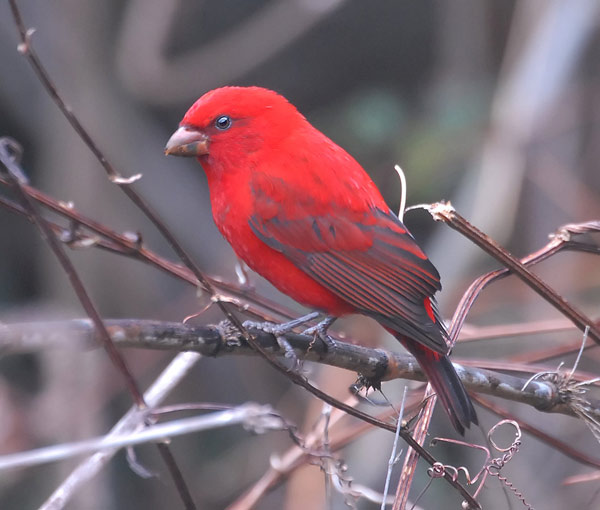
Those four Commentary and Dictionary definitions are all much saying the same; Red, Blood Red, or Fiery Red.  Before I start finding photos of birds, many are already on my mind. Especially the Northern Cardinal:

Northern Cardinal (Cardinalis cardinalis) - WikiC

Northern Cardinal (Cardinalis cardinalis) ©WikiC

This should be easy finding photos to match the color of this sixth foundation. Of course, what we’ll see in heaven, will exceed these beyond anything we can imagine!!!


10 Stunning Red Colored Birds

Articles in this Series so far:

What will you do with Jesus?

Heaven’s New Jerusalem and Birds – Sardonyx


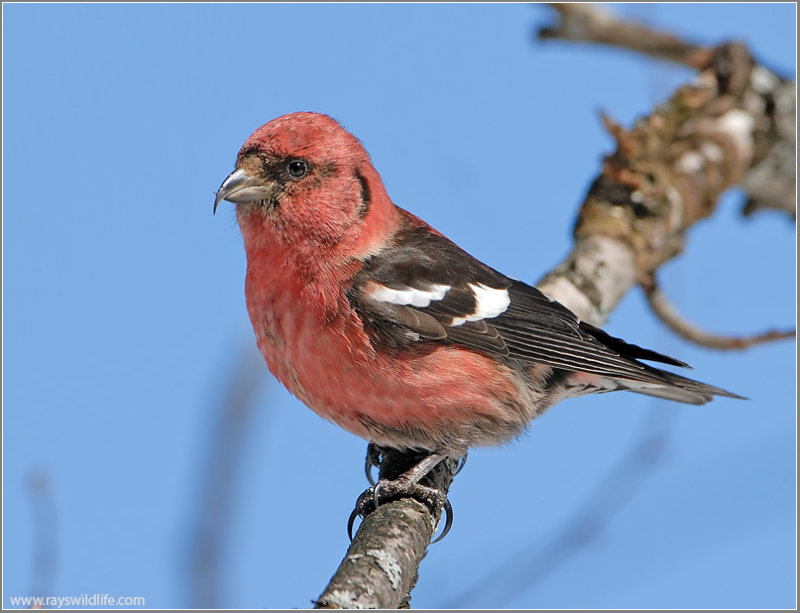
Two-barred Crossbill (Loxia leucoptera)(White-winged) by Raymond Barlow

Two-barred Crossbill (Loxia leucoptera)(White-winged) by Raymond Barlow

“The foundations of the wall of the city were adorned with all kinds of precious stones: the first foundation was jasper, …. the fifth sardonyx, the sixth sardius, the seventh chrysolite, the eighth beryl, the ninth topaz, the tenth chrysoprase, the eleventh jacinth, and the twelfth amethyst.” (Revelation 21:19a-20 NKJV)

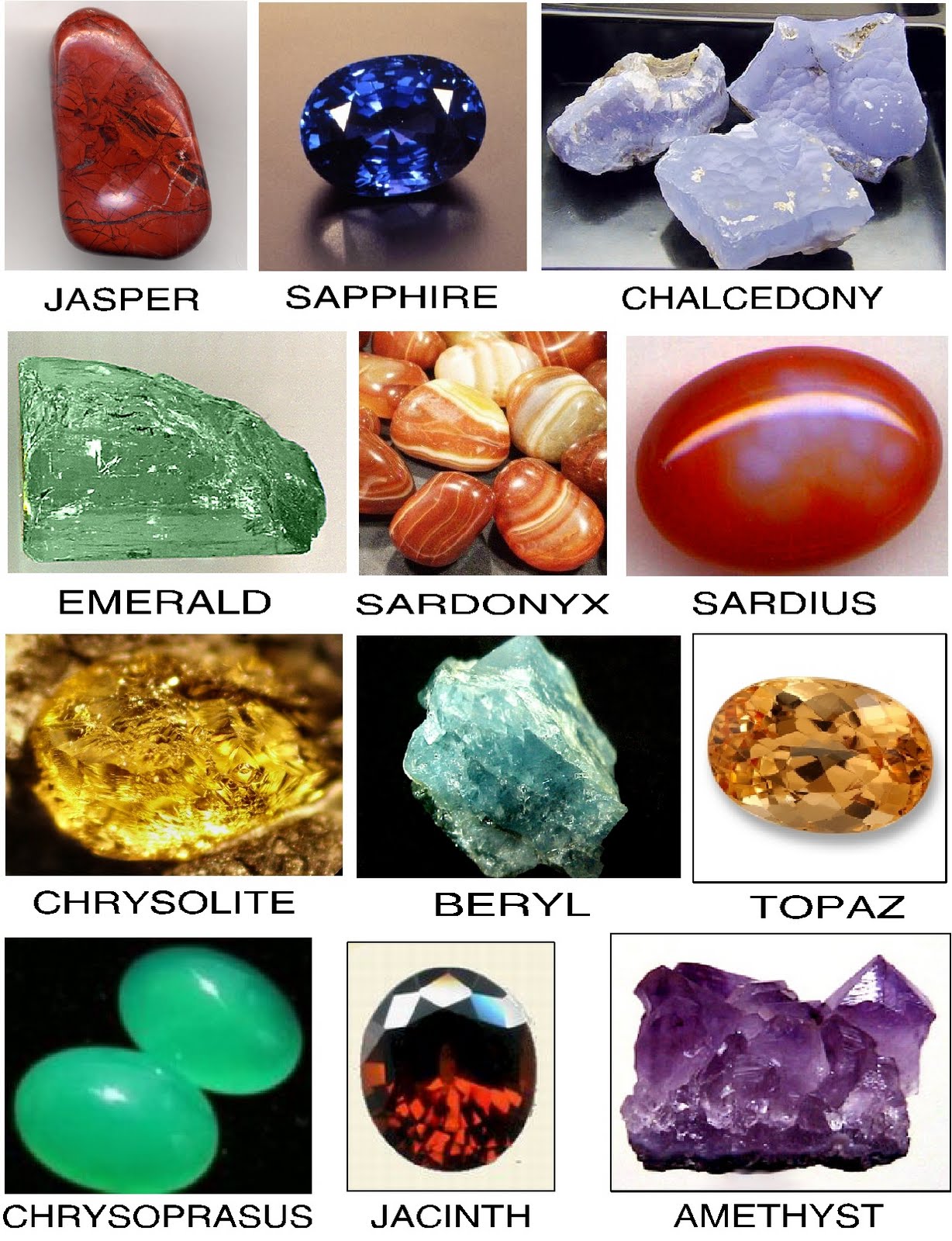
While searching for material on these foundation stones, this article caught my attention. It appears that Cindy had the same questions as we are trying to figure out. I believe her blog is inactive, but this is still posted. Precious Jewels by Cindy. She had this chart with 12 stones of the foundations.

12 Jewels Foundation New Jerusalem ©Sundayswithcindy

“Pretty impressive, isn’t it? Actually, it will exceed far beyond what our human minds can even conceive when we try to imagine the beauty and magnificence of that holy city. I Corinthians 2:9 tells us, “But as it is written, Eye hath not seen, nor ear heard, neither have entered into the heart of man, the things which God hath prepared for them that love him.”
*
My curiosity was up, though, when it came to those precious gemstones. What were their colors? How would they look all sandwiched together? I knew I could not begin to imagine the scope of its beauty, but at least I wanted to get some glimpse of what it might appear to be. I mean, we can try to imagine the pearly gates, and even the streets of pure gold although the Bible says the pure gold will be like transparent glass, but the foundation of all those beautifully colored jewels? Ahh—how lovely to have the world at our fingertips via the Internet! In a matter of seconds, my curiosity about the precious gemstones of the foundation was satisfied!” [Bolding added]

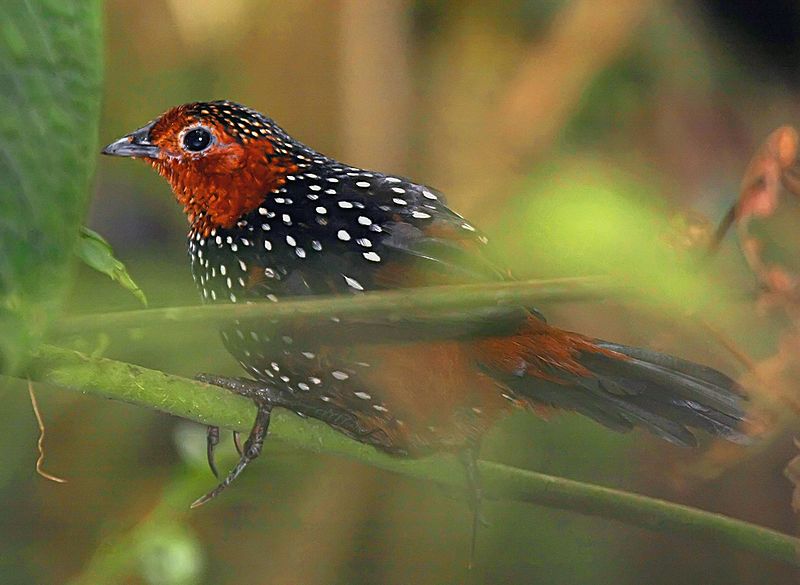
Ocellated Tapaculo (Acropternis orthonyx) ©WikiC

Through the rest of her article, she discovered what I am finding. Names of those stones are not the same today. So, if these birds aren’t a perfect match, please forgive us.
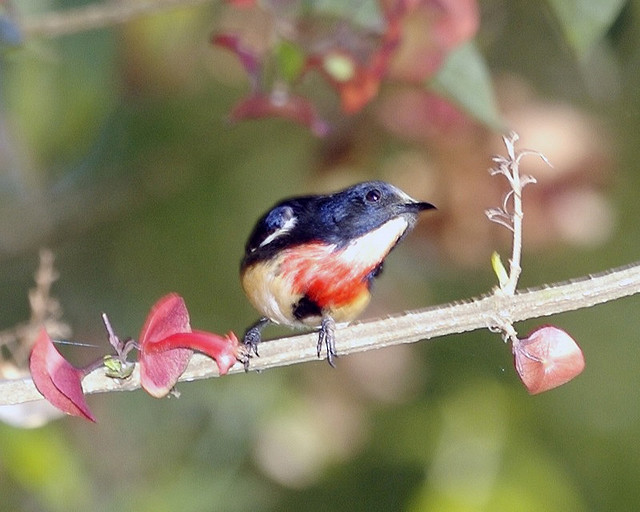
There are no birds with the name of “sardonyx” in it, but the two tones of red seems interesting enough to try to find some birds like that.  All the translations I searched have either Sardonyx or just Onyx. [There are a few birds with ONYX in their scientific name[

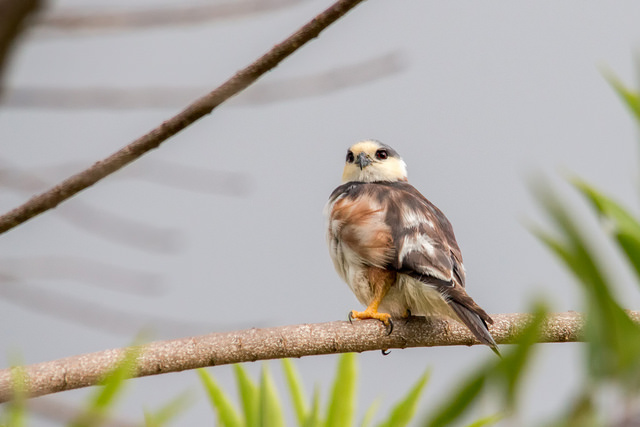
Pearl Kite (Gampsonyx swainsonii) ©Flickr Fernando Flores

Here are what some of the study Bibles and commentaries say:
NKJV MacArthur Study Bible – “ sardonyx. A variety of chalcedony with parallel layers of red and white”
KJ Study Bible Notes – ” sardonyx is red and white”
Jamieson-Fausset-Brown – “sardonyx — a gem having the redness of the cornelian, and the whiteness of the onyx.”
IBS – “Sardonyx – White stone with red layers.
John Gill – “The fifth, sardonyx,…. Which is partly of the sardian, and partly of the onyx stone, which resembles a man’s nail, from whence it has its name; it is reddish, bordering on white; it may be thought to answer to the onyx in the breastplate, on which was written the name of Joseph.”

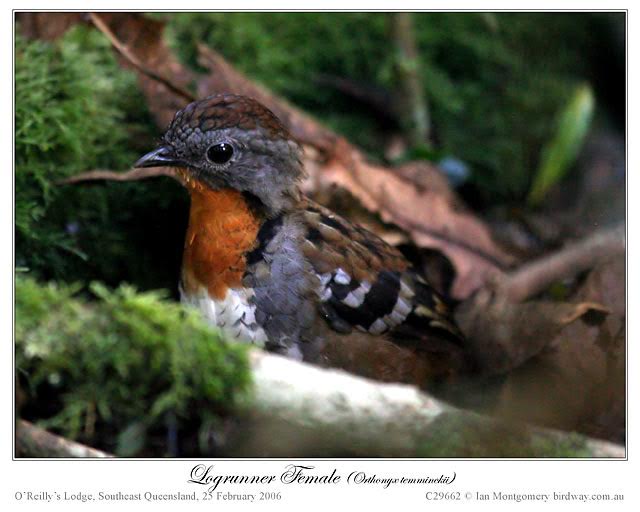
Australian Logrunner (Orthonyx temminckii) by Ian

So with all of these, looks like there must be some reddish and white birds around somewhere. Let’s see what we can find:

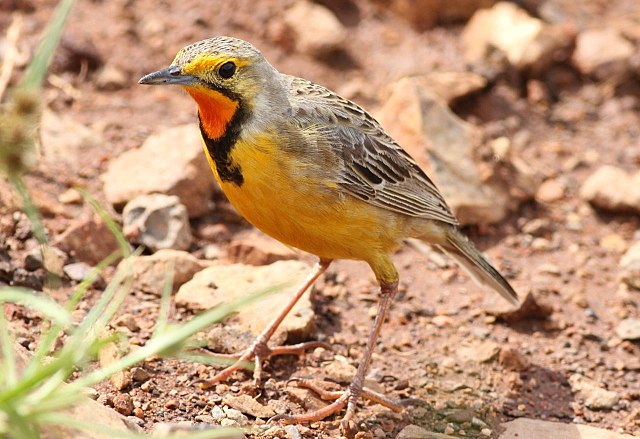
Cape Longclaw (Macronyx capensis) ©WikiC

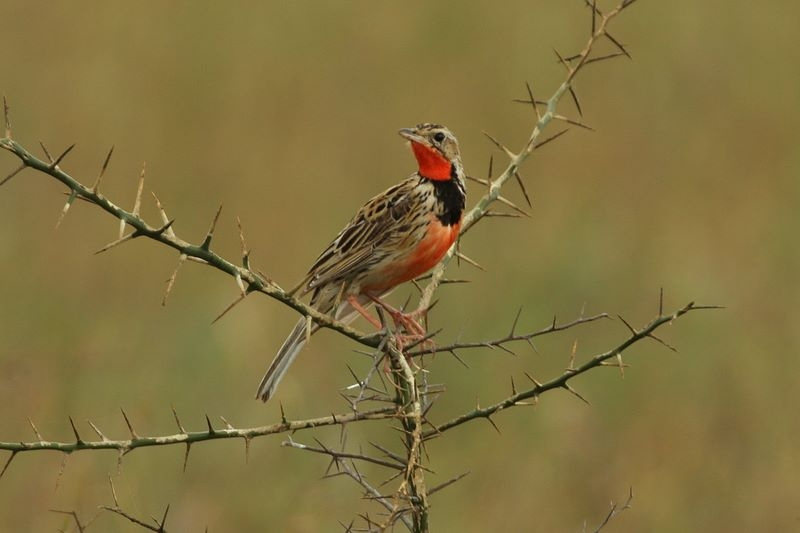
I still haven’t found what I was hoping to find. This next bird is getting closer.

Rosy-throated Longclaw (Macronyx ameliae) ©WikiC

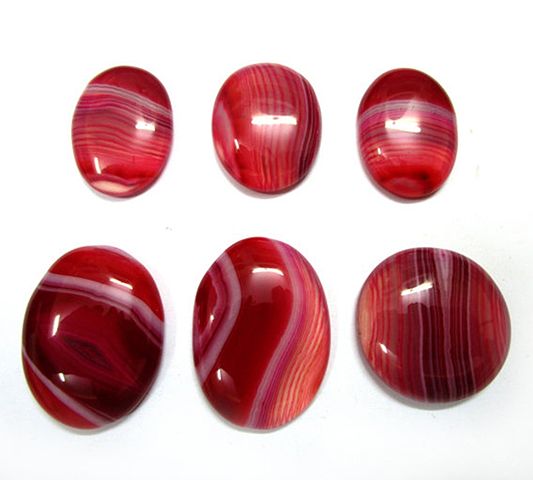
But this is the color of most sardonyx they show on the internet:

Red onyx – Handicraft ©WikiC

Have you seen any birds like that? Let me see what we have already shown here on the blog.

Red-throated Twinspot (Hypargos niveoguttatus) ©WikiC

None of these absolutely match our Sardonyx stone, but are they amazing Avian Wonders from their creator?

*** Articles in this Series so far:

Is There a God?

Heaven’s New Jerusalem and Birds – Emerald

Garden Emerald (Chlorostilbon assimilis) ©WikiC

“And the foundations of the wall of the city were garnished with all manner of precious stones. The first foundation was jasper; the second, sapphire; the third, a chalcedony; the fourth, an emerald;” (Revelation 21:19 KJV)

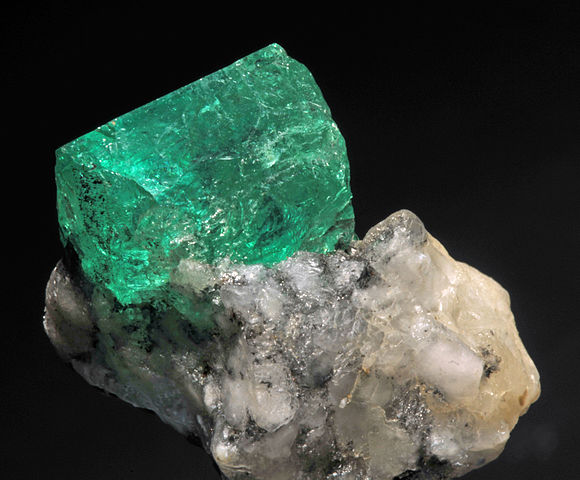
Emerald from (Muzo Mine Boyaca Colombie) ©WikiC

You know what? Checking through previous post about the Emerald stone, the article Avian and Attributes – Emerald explains this verse very well. It is being copied here again.

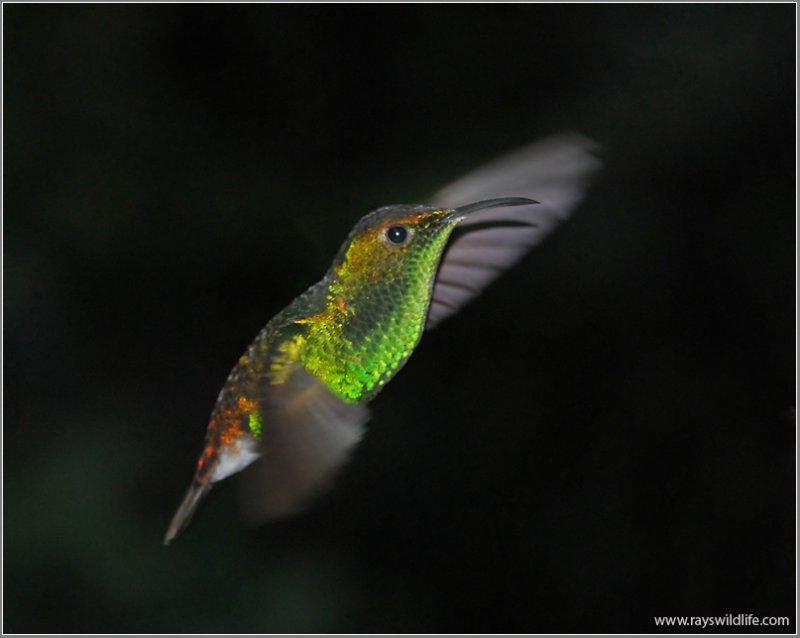
Coppery-headed Emerald by Ray

Coppery-headed Emerald by Ray

“And the foundations of the wall of the city were garnished with all manner of precious stones. The first foundation was jasper; the second, sapphire; the third, a chalcedony; the fourth, an emerald;” (Revelation 21:19 KJV)

“And he that sat was to look upon like a jasper and a sardine stone: and there was a rainbow round about the throne, in sight like unto an emerald.” (Revelation 4:3 KJV)


Avian and Attributes – Definition Name

EM’ERALD, n. [L. smaragdus.] A mineral and a precious stone, whose colors are a pure, lively green, varying to a pale, yellowish, bluish, or grass green. It is always crystallized, and almost always appears in regular, hexahedral prisms, more or less perfect, and sometimes slightly modified by truncations on the edges, or on the solid angles. It is a little harder than quartz, becomes electric by friction, is often transparent, sometimes only translucent, and before the blowpipe is fusible into a whitish enamel or glass. The finest emeralds have been found in Peru.
The subspecies of emerald are the precious emerald and the beryl. [Webster]

Emerald
Exodus 39:11 (c) This green stone represents praise, worship and adoration which begins now and lasts throughout eternity. Judah which means “praise” had his name graven on the emerald stone on the breastplate of the high priest.

Rev. 4:3 (c) This complete rainbow was given this color to typify the eternal character of GOD’s grace and the everlasting nature of GOD’s covenant of mercy. It was “green” to signify eternal praise. [Wilson’s Dictionary of Bible Types]


Emerald Tanager (Tangara florida) ©WikiC

Emerald Birds

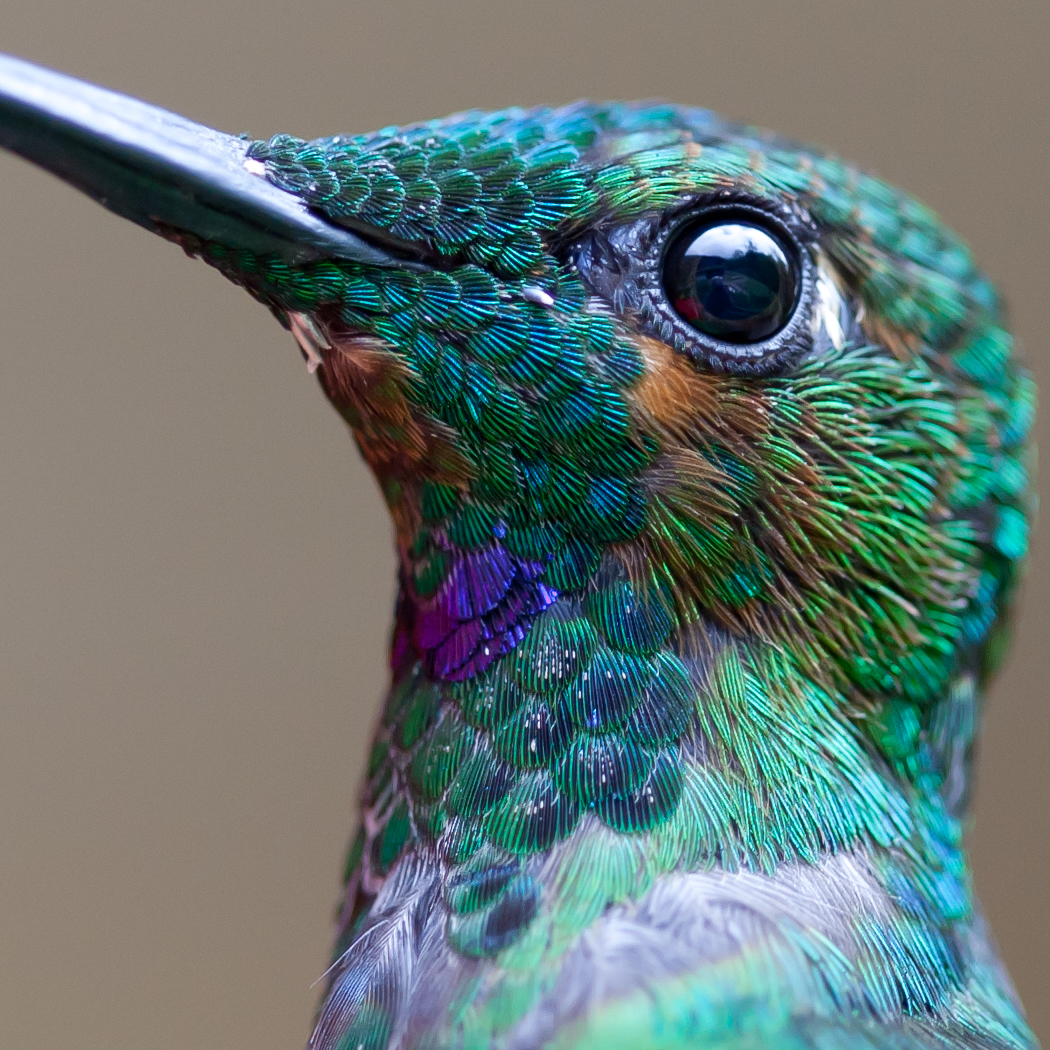
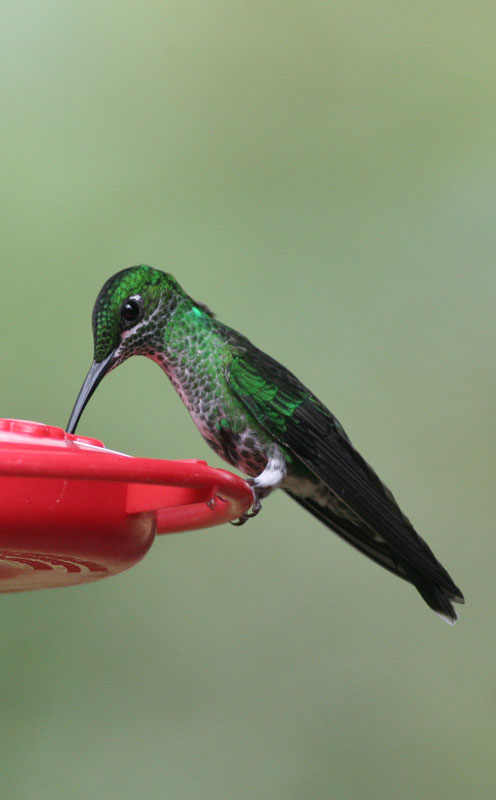
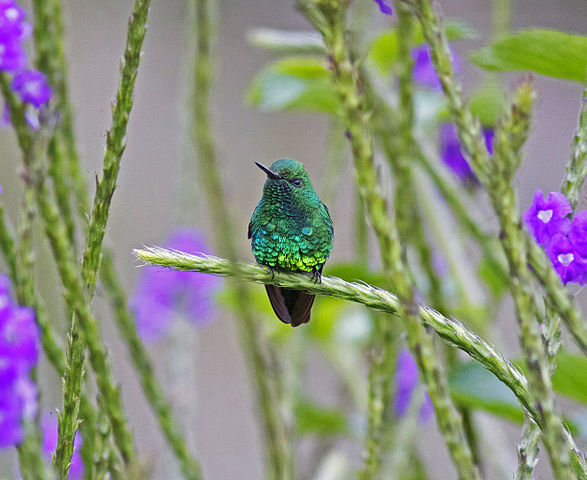
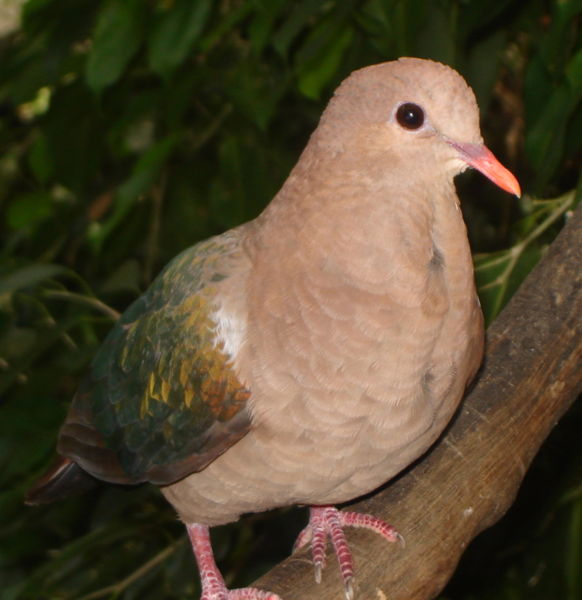
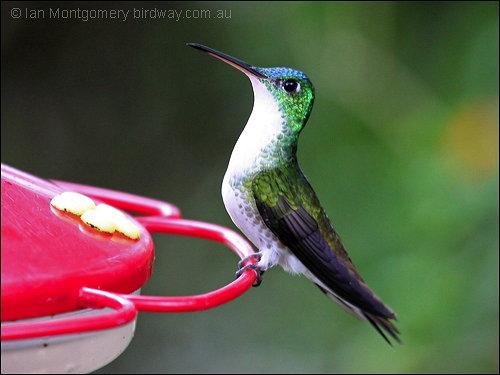
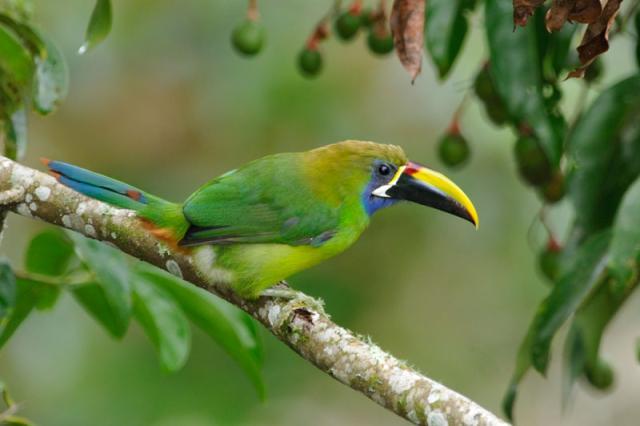
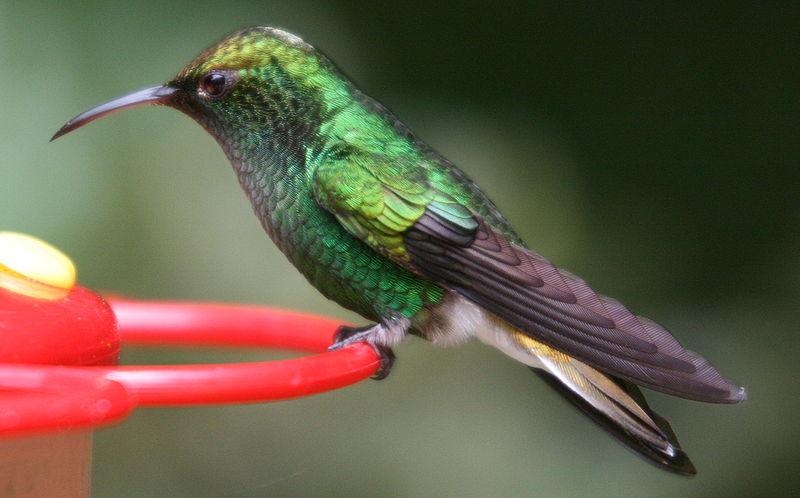
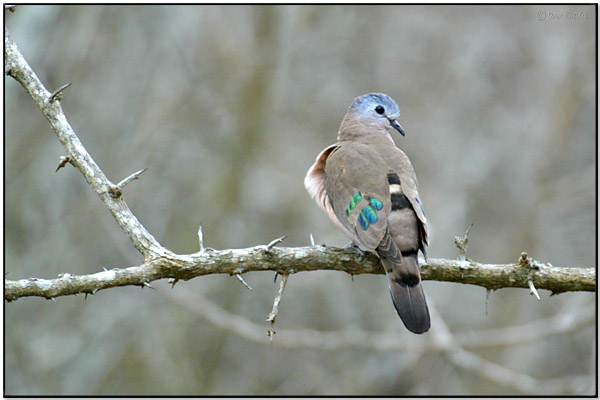
There are six birds that have a first name of Emerald: Emerald Starling, Emerald Tanager, Emerald Toucanet, Emerald-bellied Puffleg, Emerald-chinned Hummingbird, Emerald-spotted Wood Dove. There are also Hummingbird family members that are Emeralds.

“Happy is he that hath the God of Jacob for his help, whose hope is in the LORD his God: Which made heaven, and earth, the sea, and all that therein is: which keepeth truth for ever:” (Psalms 146:5-6 KJV)


*
[Definitions from Webster’s Dictionary of American English (1828), unless noted. Bird info from Wikipedia plus.]


*** Articles in this Series so far:

Other Articles about Emerald Birds:

Avian And Attributes – Emerald

Lee’s Two Word Tuesday – 6/13/17

What will you do with Jesus?

Heaven’s New Jerusalem and Birds – Chalcedony

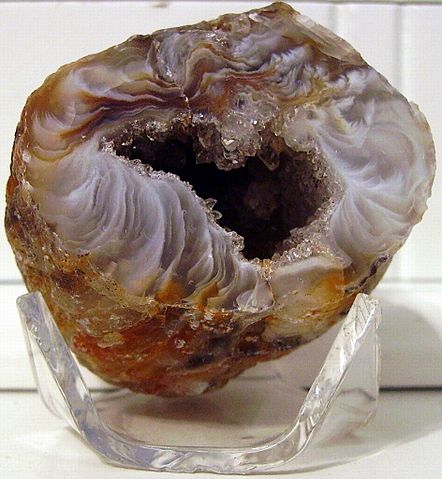
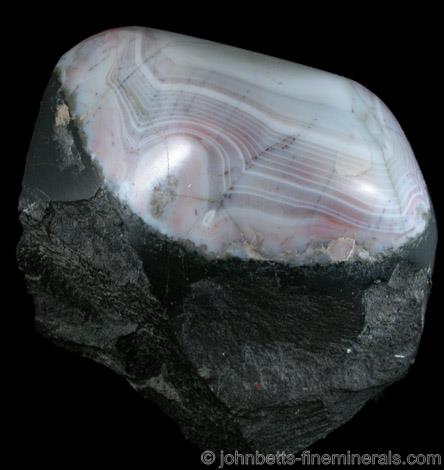
Chalcedony (Variety Agate) Quartz ©WikiC

“And the foundations of the wall of the city were garnished with all manner of precious stones. The first foundation was jasper; the second, sapphire; the third, a chalcedony; the fourth, an emerald;” (Revelation 21:19 KJV)

The Chalcedony stone in the foundation of the New Jerusalem is really a challenge. I have consulted the internet and my Bible programs, e-Sword and Bible Gateway. Also searched the Latin or scientific terms for names even close to “Chalcedony.” Most to no avail as far as finding birds that have chalcedony or a derivative in their names.

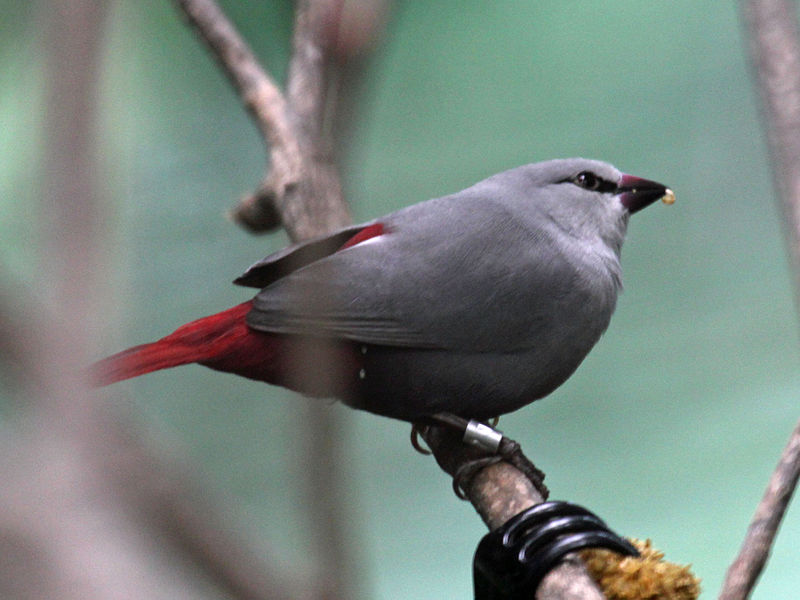
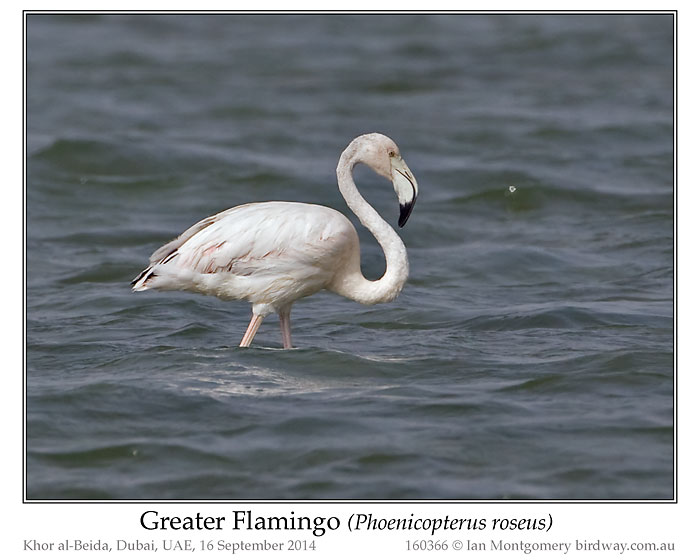
As you will see from the quotes below, most seem to mention white (and milky), gray (grey), blue, or a pearly color. Let me see. Out of over 10,000 birds, surely I can find a few to share with you.

Lavender Waxbill (Estrilda caerulescens) ©WikiC

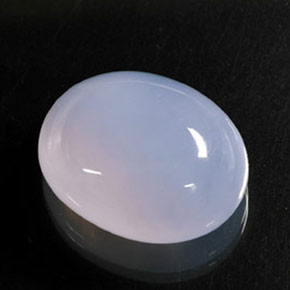
Lavendar Blue Chalcedony ©Mineral_net

THE GEMSTONE CHALCEDONY
“Chalcedony is the form of Quartz that is compact and microcrystalline. It occurs in many different forms, colors, and patterns, and many varieties have been used as gemstones since antiquity. In the gemstone trade, the term Chalcedony is often used specifically to describe the white, gray, or blue translucent type of Chalcedony, but its technical term includes all additional varieties.” [Minerals.net]

Chalcedony
“Rev_21:19. With it the third foundation of the wall of New Jerusalem is adorned. An agate-like quartz in modern mineralogy, of pearly luster and transparent, found in the Travascus mine in Cornwall. Cups, plates, knife handles, etc. are formed of it in India. Pliny makes it resemble turquoise; others make it of a light brown. The chalcedony of Theophrastus is called from Chalcedon in ancient Thrace, and was the copper emerald obtained from the mines there.” [Fausset’s Bible Dictionary, emphasis mine]

Greater Flamingo (Phoenicopterus roseus) by Ian

Polished Agate Portion ©Mineral.net

“Chalcedony. Chalcedony occurs only in Rev_21:19. The name is applied, in modern mineralogy, to one of the varieties of agate. It is generally translucent and exhibits a great variety of colors. So named because, it was found near the ancient Chalcedon, near Constantinople.” [Smith’s Bible Dictionary]

chalkedon (G5472), the name of a gem, including several varieties, one of which resembles a cornelian, is “supposed to denote a green silicate of copper found in the mines near Chalcedon” (Swete, on the Apocalypse), Rev_21:19.” [Vine’s]

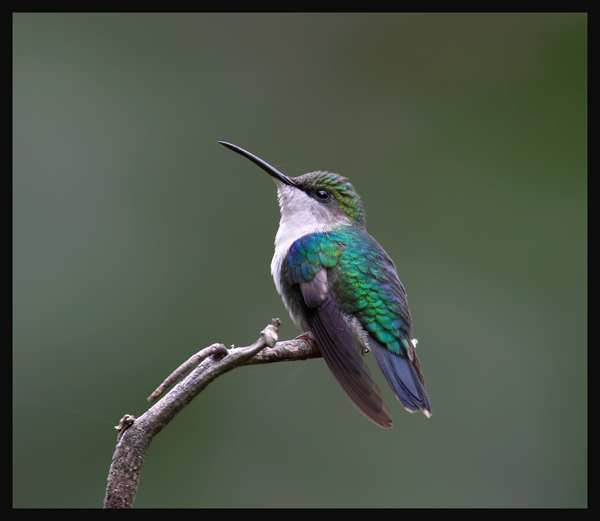
Crowned Woodnymph (Thalurania colombica) by RScanlon

Crowned Woodnymph (Thalurania colombica) by RScanlon

Chalcedony moss agate gem Mineral.net

“CHALCEDONY, n. A subspecies of quartz, a mineral called also white agate, resembling milk diluted with water, and more or less clouded or opake, with veins, circles and spots. It is used in jewelry.
The varieties of chalcedony are common chalcedony, heliotrope, chrysoprase, plasma, onyx, sard and sardonyx.” [Webster’s Dictionary 1828]

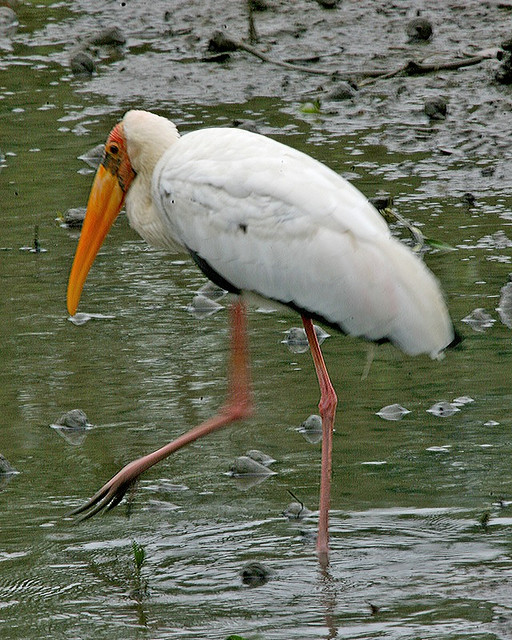
Milky Stork (Mycteria cinerea) ©©LipKee

Milky Stork (Mycteria cinerea) ©©LipKee

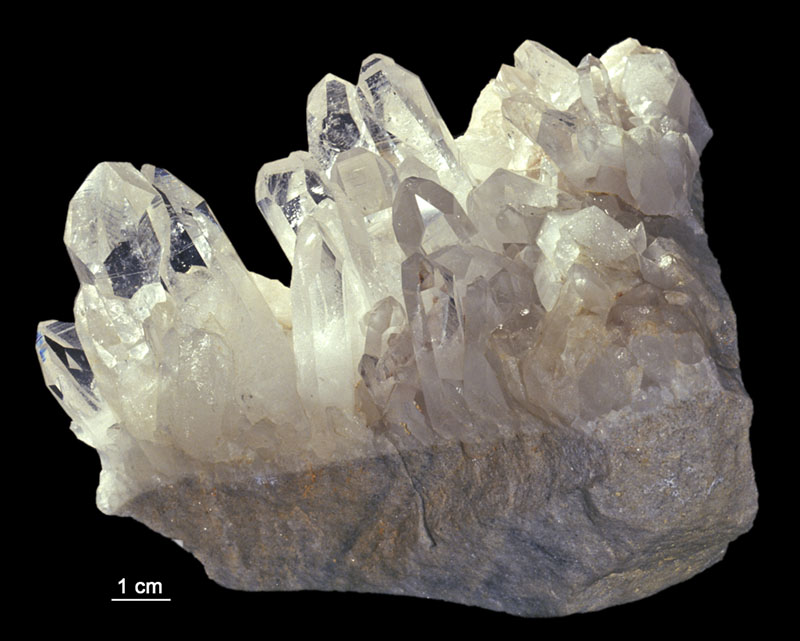
Quartz Article_Figure Milky Quartz ©IUBloomingtion

THE GEMSTONE CHALCEDONY
“Chalcedony is the form of Quartz that is compact and microcrystalline. It occurs in many different forms, colors, and patterns, and many varieties have been used as gemstones since antiquity. In the gemstone trade, the term Chalcedony is often used specifically to describe the white, gray, or blue translucent type of Chalcedony, but its technical term includes all additional varieties.” [Minerals.net]

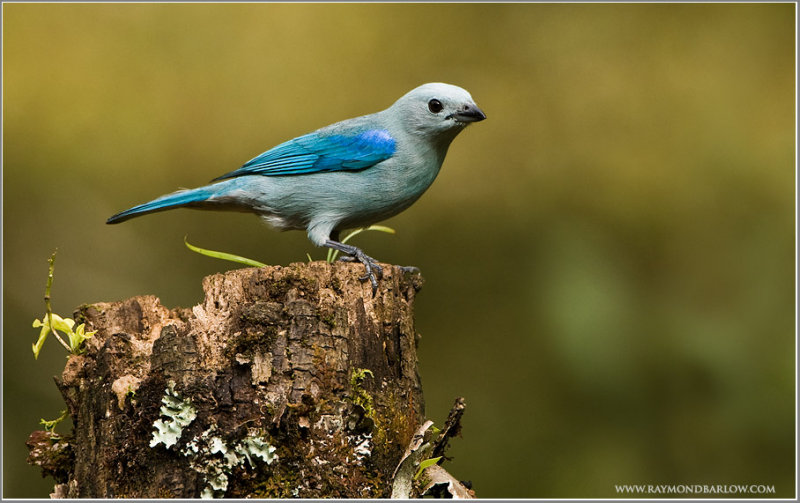
Blue-grey Tanager (Thraupis episcopus) by Raymond Barlow

Blue-grey Tanager (Thraupis episcopus) by Raymond Barlow

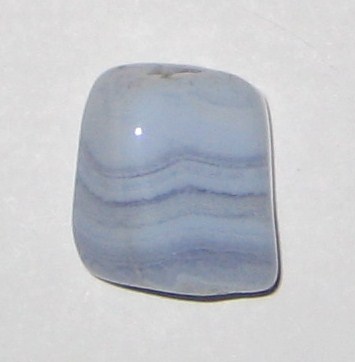
Agate – Blue Lace – Chalcedony – Nambia ©Stephanie Clifford

Chalcedony has a waxy luster, and may be semitransparent or translucent. It can assume a wide range of colors, but those most commonly seen are white to gray, grayish-blue or a shade of brown ranging from pale to nearly black. The color of chalcedony sold commercially is often enhanced by dyeing or heating.” [Wikipedia – Chalcedony]

Whatever that third layer is going to look like, it will be spectacular!!!

“The first foundation was jasper; the second, sapphire; the third, a chalcedony; the fourth, an emerald;” (Revelation 21:19b KJV)


*** Articles in this Series so far:

Wordless Birds – With Hummingbirds


Luzon Water Redstart

“I know all the birds of the mountains, And the wild beasts of the field are Mine.” (Psalms 50:11 NKJV)

Myra, a follower, now a friend, from the Philippines, shared this video of a Luzon Water Redstart. Her daughters journeyed up Mt. Pulag a few weeks ago. They spotted the Redstart and captured it with their phone’s camera. Myra always ask them to “bird watch for me.” And now, Myra is sharing that video with us. Thanks, Myra, and your two daughters.

“The Luzon water redstart (Phoenicurus bicolor) is a species of bird in the family Muscicapidae. It is endemic to the Philippines. Its natural habitats are subtropical or tropical moist lowland forest, subtropical or tropical moist montane forest, and rivers. It is threatened by habitat loss.

This species was formerly placed in the genus Rhyacornis but was moved to Phoenicurus based on the results of a molecular phylogenetic study published in 2010.” [Wikipedia]

Luzon Water Redstart (Phoenicurus bicolor) ©Myra

I have to admit, I chuckled when I saw how the video ended. How many times have we watched a bird, only to have it disappear into the bushes or leaves. BUT! At least it was spotted.

Here is an interesting article with two videos about this little avian wonder from our Lord. Luzon Water Redstart, Take 2

Happy Birdwatching!!

Where Is This Island From? – Creation Moments

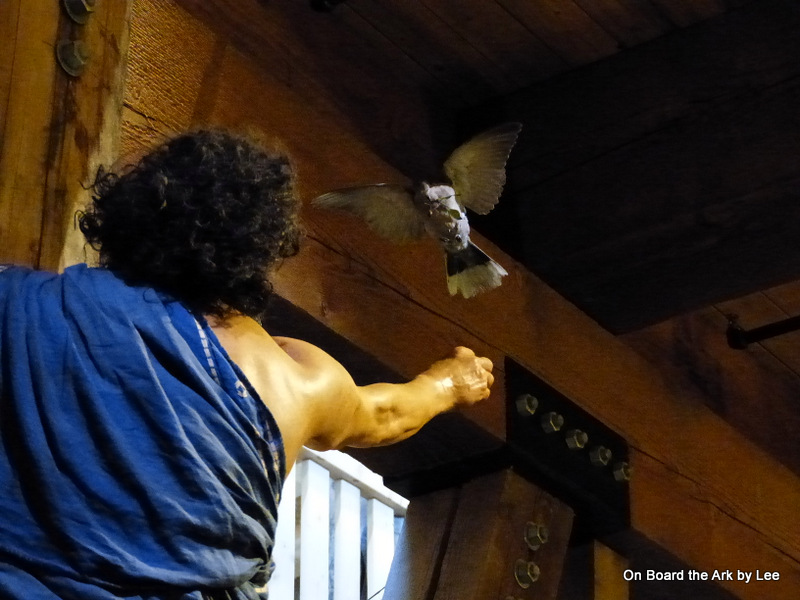
Noah taking the Dove back on board the ark with Olive Branch by Lee at the Ark Encounter

Genesis 8:11

“And the dove came in to him in the evening; and, lo, in her mouth was an olive leaf pluckt off: so Noah knew that the waters were abated from off the earth.”

In November 1963, an undersea volcano close to Iceland began to erupt. Emerging lava caused the sea to boil and steam. Gradually, the volcano began to appear above the waves. The eruption continued for three and a half years, causing a new island to emerge, one square mile in area and elevations of 560 feet above the surf. Of course, in the half century since the birth of this new island, erosion has reduced it somewhat – to a mere 506 feet above the sea and an area of only 0.54 square miles.
When the volcano had cooled, scientists flocked to the area to study what was likely to happen to this new piece of real estate. Biologists were particularly interested in how long it would take for life to colonize this bleak new rocky island. Only a few scientists are allowed to land on Surtsey. Most visitors only see the island from the windows of a plane.

Mosses were seen by 1967 and lichens by 1970. These two types of plants now cover much of the island. In 1998, a small willow bush had been observed to have grown. Limited animal life – such as gulls, puffins and seals – have set up home there. The bird guano is of particular use in fertilizing the soil for further plant growth. Insects, spiders and beetles can also now be found.

Surtsey has provided a living laboratory of how colonization of barren real estate can take place. Such recolonization could readily have happened worldwide after the Genesis Flood.  

Prayer: Your grace and power, Lord, are seen – even in the outworking of natural processes – in places like Surtsey and Mount St Helens. Thank you for Your amazing power. Amen.

Ref: Encyclopaedia Britannica, < https://www.britannica.com/place/Surtsey >, accessed 5/31/2018. Image: Surtsey appears, Public Domain


Lee’s Additions:

Here are more facts, articles and YouTubes about Surtsey.

Creation Magazine had these articles, Surtsey, the young island that looks old, and Surtsey Still Surprises. They produced this YouTube from that last article.

Also, Frank Sherwin from the Institute for Creation Research wrote Surtsey, Young Earth Labratory

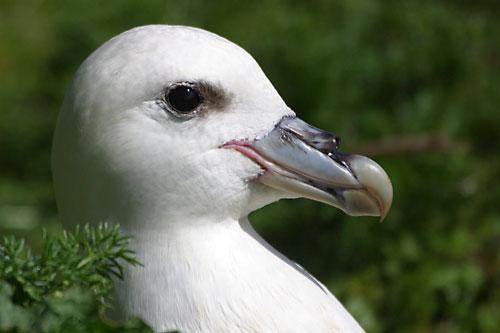
Northern Fulmar (Fulmarus glacialis) ©AGrosset

I found this quote from Surtsey Still Surprises article:

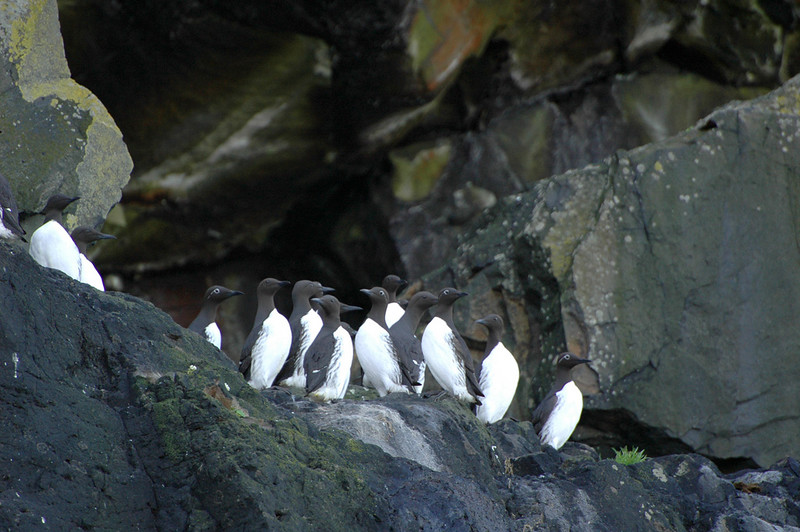
Birds began nesting on Surtsey in 1970, producing chicks just three years after the lava stopped flowing. These early residents were seabirds such as fulmars and black guillemots, building nests of pebbles, and keeping to the cliffs. But in the summer of 1985, a pair of lesser black-backed gulls arrived and constructed a nest of plant materials on the lava flats. They returned the following year with others, and there is now a permanent gull colony of more than 300 pairs.

Black Guillemot (Cepphus grylle) by Bob-Nan

Black Guillemot (Cepphus grylle) by Bob-Nan

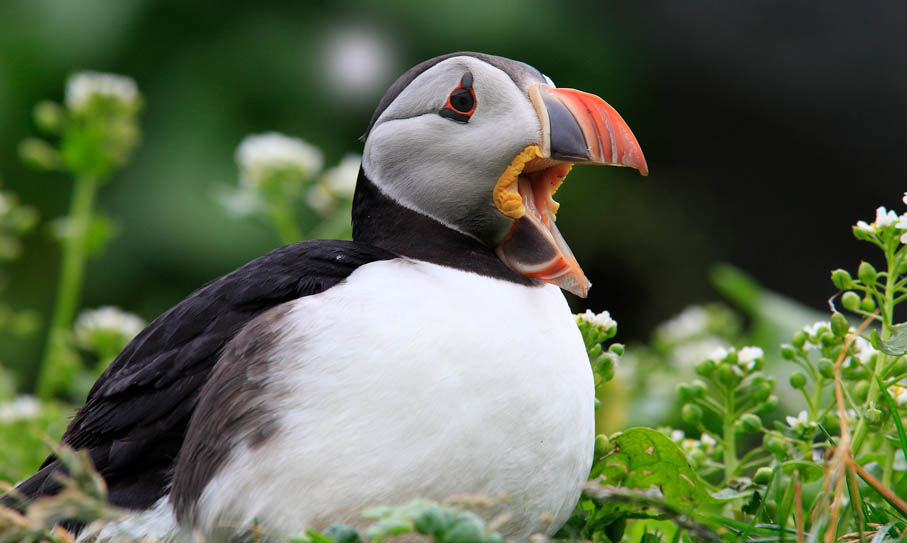
The birds have contributed to Surtsey’s ‘greening’. Snow buntings brought the seeds of bog rosemary from Britain in their gizzards. Combined with bird excreta, seeds grow rapidly—there is now a ‘bright green oasis’ spreading from the gull colony. Geese now graze the island’s vegetation. The cycle continues. The plants support insects which attract birds that bring more plants. Recent arrivals include willow bushes and puffins (see right). According to the Icelandic Institute of Natural History, ‘we now have a fully functioning ecosystem on Surtsey.’” [Bolding mine]

Atlantic Puffin with open mouth ©Lunde

And all of this did not take millions of years.

“For, lo, he that formeth the mountains, and createth the wind, and declareth unto man what is his thought, that maketh the morning darkness, and treadeth upon the high places of the earth, The LORD, The God of hosts, is his name.” (Amos 4:13 KJV)

“Ah Lord GOD! behold, thou hast made the heaven and the earth by thy great power and stretched out arm, and there is nothing too hard for thee:” (Jeremiah 32:17 KJV)

Heaven’s New Jerusalem and Birds – Jasper

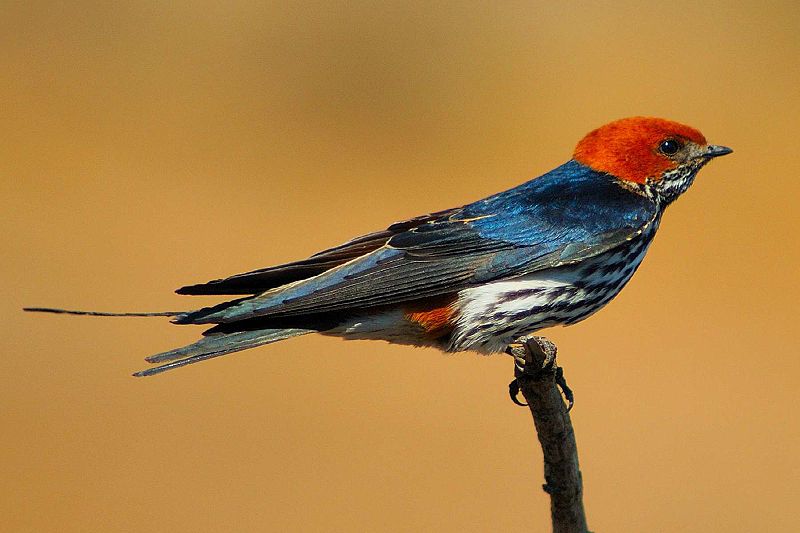
Lesser Striped Swallow (Cecropis abyssinica) ©WikiC

Lesser Striped Swallow (Cecropis abyssinica) ©WikiC

“And the foundations of the wall of the city were garnished with all manner of precious stones. The first foundation was jasper; the second, sapphire; the third, a chalcedony; the fourth, an emerald;” (KJV)

Hit a problem already. No Jasper named birds; first or last name. Now what? Most all the translations of Revelation 21:19 say that the first foundation was jasper or similar.

Tan and Cream Jasper – ©MineralNet

Here are a few exceptions from Bible Gateway’s list of versions:
the first foundation stone was diamond – CJB (Complete Jewish Bible)
“The first foundation was gray quartz” – GW, NOG (God’s Word & Names of God)
“The first stone was red jasper” – WE (Worldwide English)

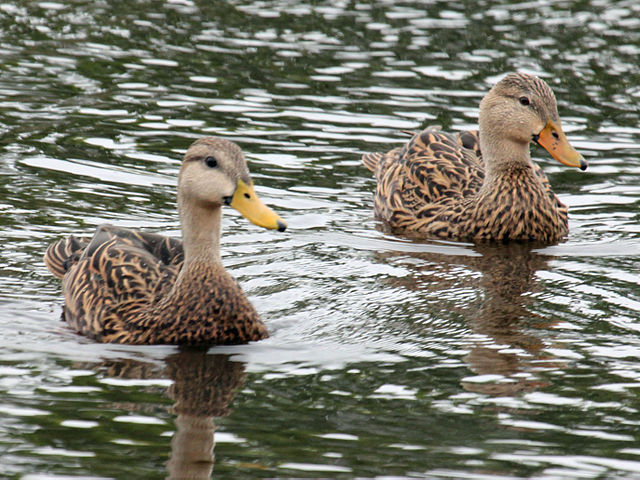
Mottled Duck (Anas fulvigula) Male and Female ©WikiC

From my e-Sword Program, here are more different translations:

(clVulgate)  Et fundamenta muri civitatis omni lapide pretioso ornata. Fundamentum primum, jaspis: secundum, sapphirus: tertium, calcedonius: quartum, smaragdus:

Vulgate fundamentum primum iaspis

KJV+ uses jasper; G2393

Translit+ uses iaspis G2393

G2393 is iaspiv iaspis

Rev_4:3 Rev_21:11 Rev_21:18-19

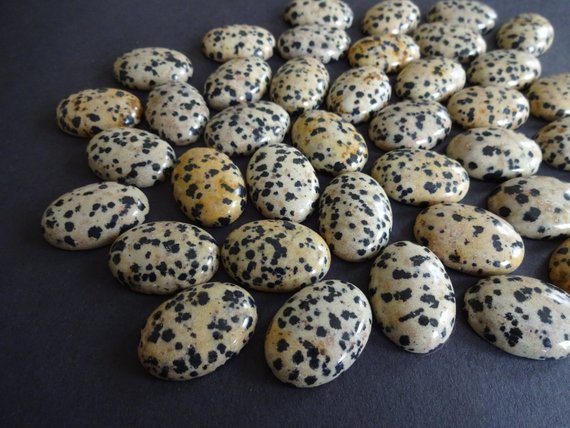
Spotted Jasper

Great Spotted Woodpecker (Dendrocopos major) ©WikiC

Looking at the Dictionaries, these clues from them:

Thayer gives G2393 this:

ἴασπις
iaspis
Thayer Definition:
1) jasper, a precious stone of various colours (for some are purple, others blue, others green, and others the colour of brass)
Part of Speech: noun feminine

NASEC [New American Exhaustive Commentary]

G2393
ἴασπις
iaspis; of Semitic or.; jasper (a translucent stone): – jasper (4).

Strong LXX

G2393
ἴασπις
iaspis
ee’-as-pis
Probably of foreign origin (see [H3471]); “jasper”, a gem: – jasper.

H3471
ישׁפה
yâshphêh
yaw-shef-ay’
From an unused root meaning to polish; a gem supposed to be jasper (from the resemblance in name): – jasper.

The best clues from all of these seems to be from Thayer and NASEC. “It appears to be: a translucent stone”, and “a precious stone of various colours (for some are purple, others blue, others green, and others the colour of brass).” That could describe thousands of birds.

“Having the glory of God: and her light was like unto a stone most precious, even like a jasper stone, clear as crystal;” (Revelation 21:11 KJV)

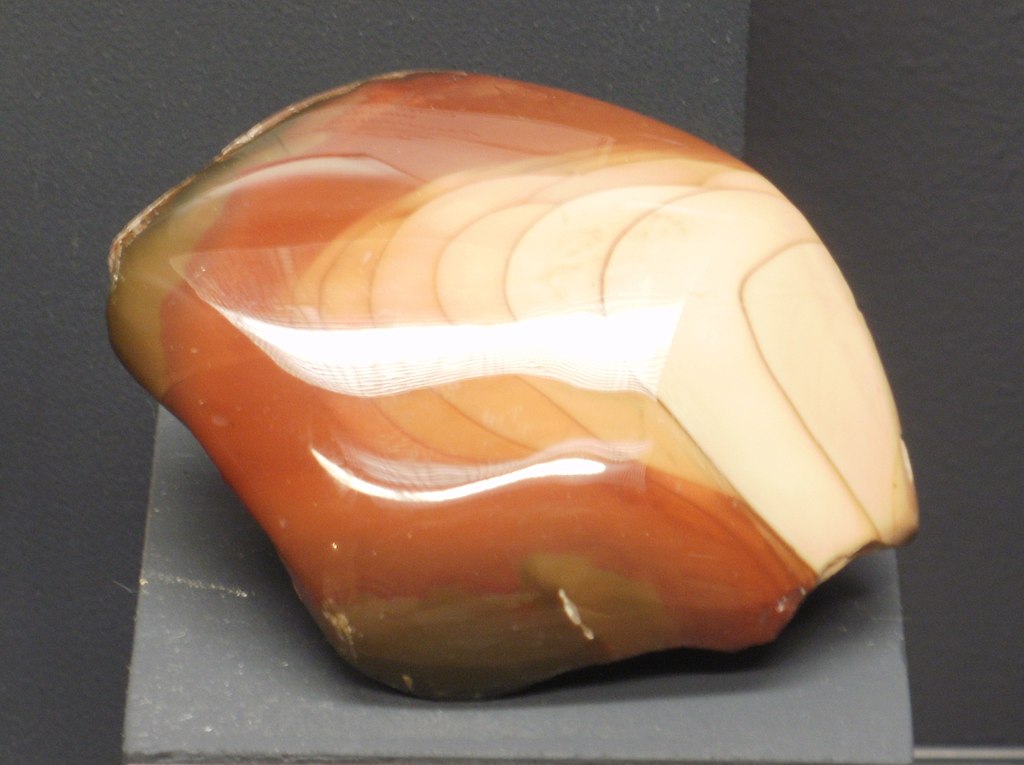
Kaleidoscope Jasper from Oregon ©WikiC

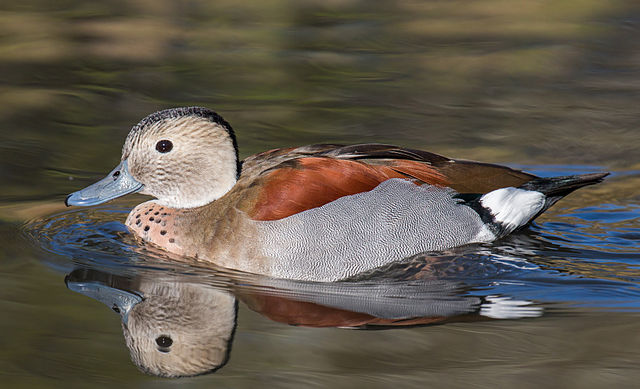
Ringed Teal (Callonetta leucophrys) ©WikiC

Which birds do I show? See the Dilemma? Could use just about any multicolored bird.

Looking on the internet, I found this: “THE GEMSTONE JASPER – Jasper is an opaque variety of Chalcedony, and is usually associated with brown, yellow, or reddish colors, but may be used to describe other opaque colors of Chalcedony such as dark or mottled green, orange, and black. Jasper is almost always multicolored, with unique color patterns and habits.

Bruneau Jasper Stone ©WikiC

The appeal of Jasper is its interesting color patterns and formations. Though it can be a solid color, it is most often mottled, spotted, ringed, or striped. Each Jasper has a unique color or pattern, lending this gemstone much variety. Jasper is an ancient gemstone, and is mentioned in the bible and other classical sources. Though fairly common and affordable today, Jasper in antiquity was regarded as a valuable stone. “[Minerals Net]

That quote makes one think of how we are to the Lord. We are often “mottled, spotted, ringed, or striped.” We are in need of the Savior because we are sinners, but each of us are valuable to the Lord. He gave His life for us on the cross. “For God so loved the world, that he gave his only begotten Son, that whosoever believeth in him should not perish, but have everlasting life. For God sent not his Son into the world to condemn the world; but that the world through him might be saved. He that believeth on him is not condemned: but he that believeth not is condemned already, because he hath not believed in the name of the only begotten Son of God. And this is the condemnation, that light is come into the world, and men loved darkness rather than light, because their deeds were evil.” (John 3:16-19 KJV)

*** Articles in this Series so far:

Eleventh Anniversary of Blogging About Birds – Part III

Firey-throated and Volcano Hummingbird ©Raymond Barlow

I trust the last two posts have been informative and a blessing. Eleventh Anniversary and Eleventh Anniversary II. It still amazes me how the Lord would choose to use us in even a small way. If you have followed Lee’s Birdwatching Adventures very long, you know I believe that all these beautiful birds are a gift from the Lord’s Creative hand. They did not evolve from some blob or a dinosaur. The Bible has given us too many proofs of this, unless you have chosen not to believe His Word. I have no problem believing the following verses:

“And God created great whales, and every living creature that moveth, which the waters brought forth abundantly, after their kind, and every winged fowl after his kind: and God saw that it was good. And God blessed them, saying, Be fruitful, and multiply, and fill the waters in the seas, and let fowl multiply in the earth. And the evening and the morning were the fifth day.” (Genesis 1:21-23 KJV)

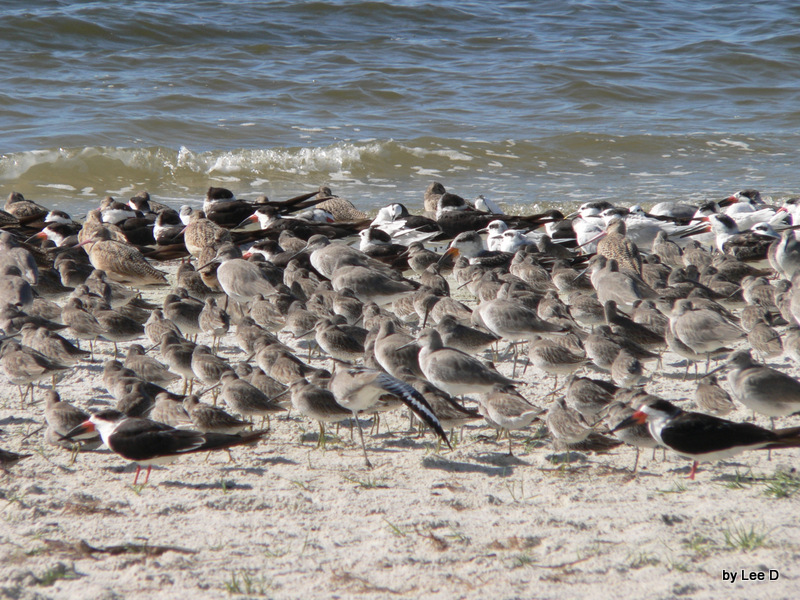
Watching Birds at MacDill AFB Shore

Nor believing that Adam named those first critters, including the birds:

“Out of the ground the LORD God formed every beast of the field and every bird of the air, and brought them to Adam to see what he would call them. And whatever Adam called each living creature, that was its name. So Adam gave names to all cattle, to the birds of the air, and to every beast of the field. But for Adam there was not found a helper comparable to him.” (Genesis 2:19-20 NKJV)

Of course today, the I.O.C. gets together with many ornithologist from around the world to name birds. Adam didn’t need a committee at that time. He was the only human present. Eve came after the naming. [They, IOC, have increased their numbers by over 400 newly named birds since the Birds of the World section was added.]

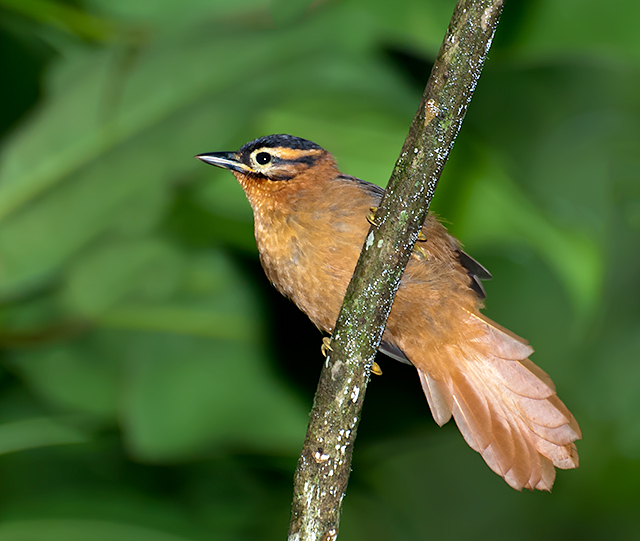
Black-capped Foliage-gleaner (Philydor atricapillus) by Dario Sanches

Black-capped Foliage-gleaner (Philydor atricapillus) by Dario Sanches

Back to the reviewing of the past eleven years. From the beginning, the Lord’s Word about the birds has been the main part as I tried to find the various birds mentioned in the Bible. From there is has grown in various ways, but always, God’s Words are mentioned. Almost all of our writers, that thankfully add to this blog, believe that these fantastic birds are from God’s Hand.

The Seventh Anniversary in 2015 revealed that there had been 1.3 million visits and there were over 1,100 followers. Wow! By then Golden Eagle, Dr. James J. S. Johnson and Emma Foster were writing articles. Enough to have their own page in the menu [left side].

Must have skipped the 8th and 9th anniversaries, but much was going on. The Birds of the Bible for Kids blog was being re-fired up and most of the articles were move back over to there.

Dust Storm in Texas in 1935 ©WikiC

The Tenth anniversary had me Really Kicking Up A Dust Storm, sometime during those years, somehow, this site was hacked. Many of the photos used in post were GONE. The “pipe dream” of having a photo of every bird in the world blew up. This really involved much work to fix all the broken links that caused. Now in the Birds of the World, the list of the birds are there, but with some photos at the end of the page. [This was the only way to fix hundreds of broken links.]

If you have a blog or are thinking about starting one, they are enjoyable, but there can be issues that can “spoil the vines. “Take us the foxes, the little foxes, that spoil the vines: for our vines have tender grapes.” (Song of Solomon 2:15 KJV) Do we throw in the towel, or do we continue? So far, we have continued. Else we wouldn’t be celebrating 11 years of blogging.

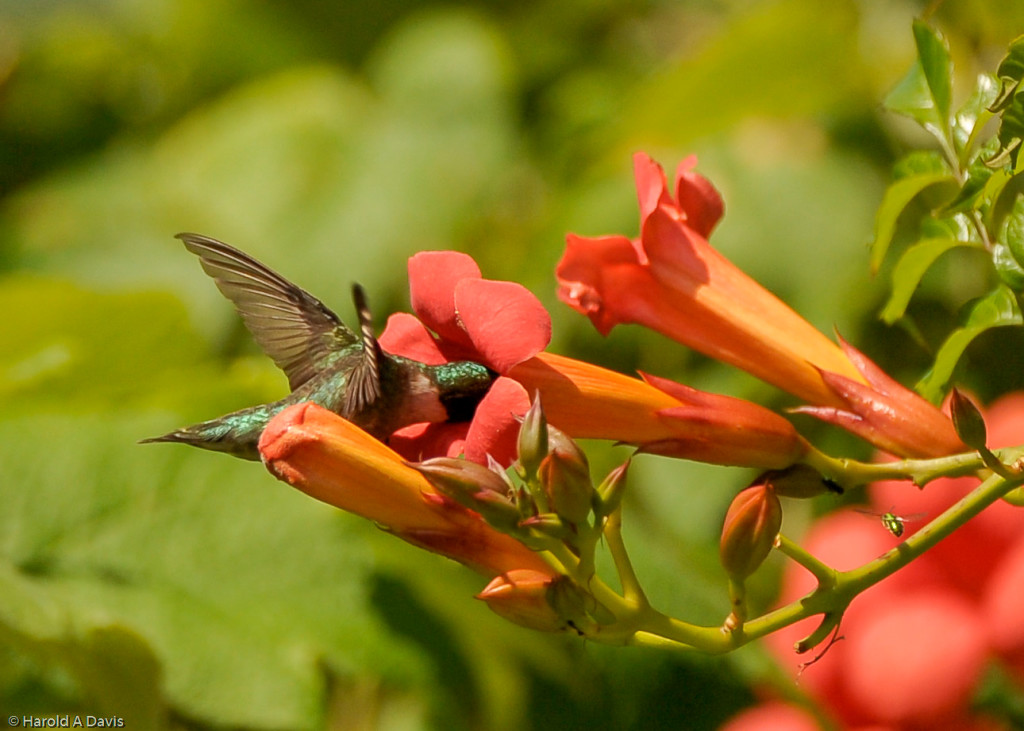
Hummingbird at Trumpet Vine ©Harold A Davis

The Lord has been very gracious. We have made many friends over the years because of this blog. I feel like I know some of you personally, even though we probably won’t meet until we arrive in heaven. Thanks for all the friendships that have developed over these many years. The Lord truly has been blessing.

Tomorrow, I hope to add at least one more post to this anniversary remembrances.

Wordless Birds – With Hummingbirds


Extreme Cold For Zoo Birds

House Finch in Snow ©WikiC

“But now ask the beasts, and they will teach you; And the birds of the air, and they will tell you;” (Job 12:7 NKJV)

The last few days, the northern states of the United States and Canada have been experiencing extreme cold temperatures. Watching the news today, our Manatees, here in Florida, are heading in to the warmer waterways. But how about the birds?

Checking articles about how the Zoos protect their avian wonders during this severe cold snap, there were several interesting things that are being done to protect the birds.

In Chicago, they actually closed the “Lincoln Park Zoo …closed at 3 p.m. on Tuesday and was to remain shut on Wednesday, when temperatures are expected to reach a daytime high of around 14 degrees below zero. Brookfield Zoo planed to close its doors Wednesday and Thursday.” [edited to make it past tense, written Jan 28, 2019]

“To ensure the safety of our animals and staff, the zoo will only have a skeleton crew on site who will provide basic core functions, including animal care and to check on the facilities,” said Stuart Strahl, president and CEO of the Chicago Zoological Society, which manages Brookfield Zoo, in a statement.

That zoo has closed just three other times in its 85-year history: Feb. 2, 2011, due to a snowstorm; and Sept. 14, 2018 and April 18, 2013, because of significant flooding.”

“Lincoln Park Zoo spokesperson Jillian Braun said the zoo has closed just one other time due to extreme weather in recent memory. ”

Chicago Zoos to Close in Anticipation of Extreme Cold

Swallows Keeping Warm in Cold and Snow ©WTTW

Another article by the same source “Shiver, Fluff and Cuddle: How Birds Keep Warm in the Winter

Even the Penguins in Canada aren’t too sure about this cold weather. See:

These Zoo Penguins Are Clearly Not Enjoying Canada’s Cold Winter

“The Calgary Zoo in Alberta had to bring its penguins inside after the weather dropped to -25 degrees below zero Celsius.

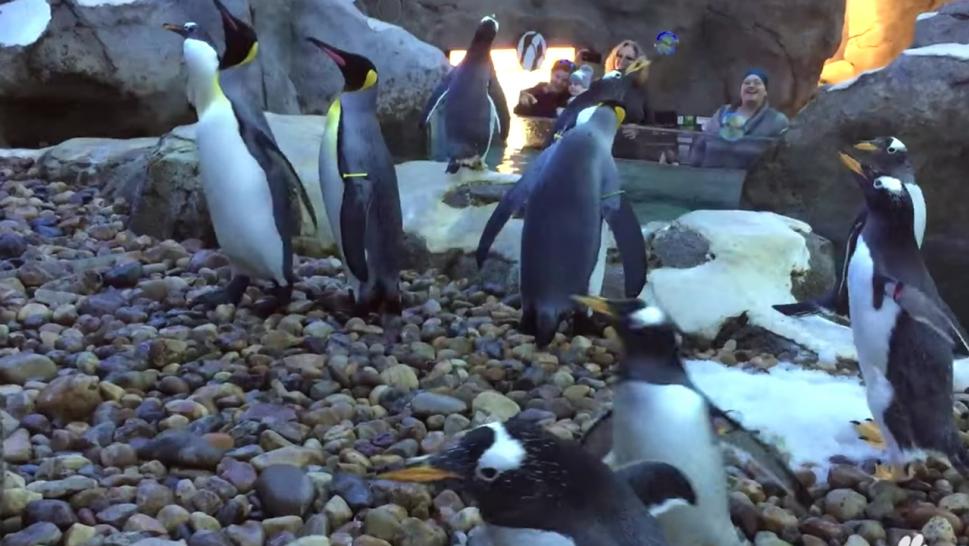
Calgary Zoo – Gentoo Penguins ©Inside Edition

The zoo’s 51 Gentoo penguins, Humboldt penguins, king penguins and rockhopper penguins, are usually brought in at some point every year.

“The keepers are able to call the penguins in and they have an instinct to want to be indoors when it gets that cold as well. We do this every winter when the temperature plummets to where it was a few days ago,” a zoo official told InsideEdition.com. “They are cold weather birds, but the temperatures were colder than they prefer.”

Another Zoo, Saskatoon zoo works to keep animals safe in extreme cold weather, says, “The species that might be tropical or from regions that never see minus temperatures have to come inside at the beginning of the winter season.”

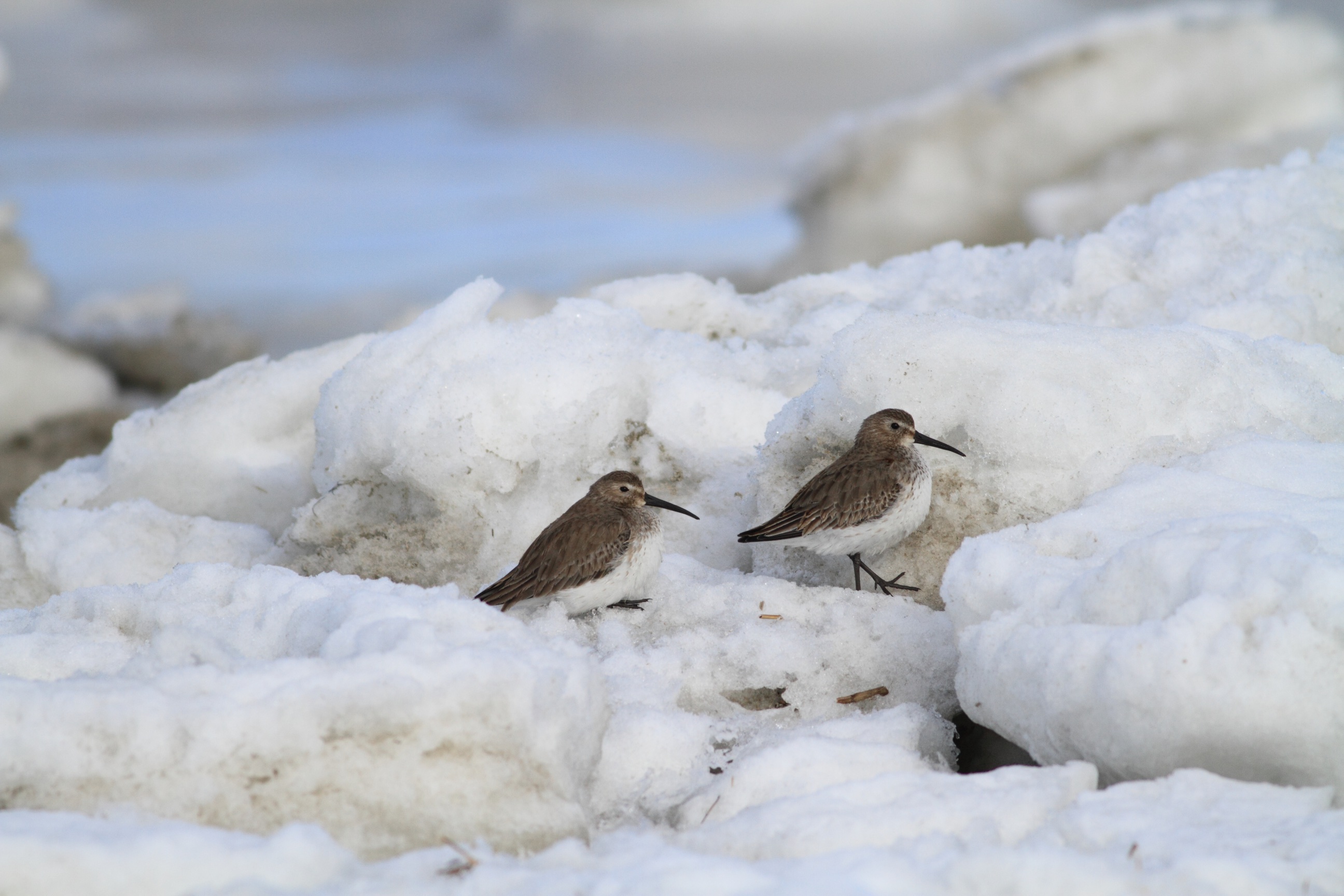
Dunlins in Snow

The St. Louis Zoo in Missouri says, “On one of the coldest days in over 20 years, employees at the St. Louis Zoo are busy making sure animals are being cared for and protected from the dangerously cold weather….

“A lot of times you’ll see those animals adapted to cold weather actually being more active in the cooler weather than you would in the summer heat,” Anne Tieber, curator of birds. In the historic buildings that house the birds, monkeys, and reptiles, zookeepers keep the temperature around 70 degrees, with a little of humidly for the tropical plants and some animals.”

“One surprisingly warm place the zoo is the Penguin and Puffin Coast, the building is kept at a balmy 45 degrees year-round.  So, right now it seems incredibly warm to the 7 degrees outside but flips to feeling cold in the summer.”

Enjoy these articles, plus a few more that tell how the wild birds also survive these extreme cold days and nights.

Chicago Zoos to Close in Anticipation of Extreme Cold

Shiver, Fluff and Cuddle: How Birds Keep Warm in the Winter

These Zoo Penguins Are Clearly Not Enjoying Canada’s Cold Winter

Saskatoon zoo works to keep animals safe in extreme cold weather

St. Louis Zoo in Missouri

More:

COLD-WEATHER SKILLS OF FEATHERED FRIENDS – Zoo Atlanta

Keeping Warm in Winter is for the Birds

Do Animals Hate the Bitter Cold?

How Does Extreme Winter Weather Affect Wildlife?

How Canada’s zoos protect their animals from the bitter cold

Wordless Birds


Woodcocks: Devouring Worms, Dwelling in Wet Woods

EURASIAN WOODCOCK: Forest Fowl that Look Like Wading Shorebirds

Dr. James J. S. Johnson

eurasianwoodcock-eire-postage

Thou makest darkness, and it is night, wherein all the beasts of the forest do creep forth.   (Psalm 104:20)

Earthworms, known in some places as “night crawlers”, are a favorite meal for woodland Woodcocks, such as the Eurasian Woodcock.

woodcock-slurping-earthworm.wikipedia

Woodcock eating Earthworm (Wikipedia)

The Eurasian Woodcock (Scolopax rusticola, like the American Woodcock (its American cousin, Scolopax minor), is not a flashy or flamboyant bird, like a Peacock, Turquoise-browed Motmot, or Lilac-breasted Roller.  Rather, the Eurasian Woodcock prudently prefers to keep a low “behind-the-scenes” profile.

eurasianwoodcock.iucn-glynsellors

Called “Waldschnepfe” (“wood snipe”) in German, this bird loves “wet woods” and other moist areas dominated by trees, unlike similar-looking wading shorebirds (like sandpipers and phalaropes).  With its woodland-blending cryptic camouflage plumage, it is easily by-passed by busy woodland hikers in mixed hardwood-evergreen forests — and, more importantly, by potential predators.  Its hidden-in-plain-view plumage mixes a mottled mosaic of greys and brown, with wavy bars and patches of reddish-brown russet, buff-beige, and dark-chocolate browns, woven in here and there.

A reedy whistle and a grunt as a dark shape hastens through the gloaming is all that most of us normally see of a woodcock. Males [perform courtship display flights] around dawn and dusk throughout the breeding season … [and females sometimes join males, in open areas near woodland edges, after responsive flights.]

The rest of their lives, however, are conducted in the obscurity of night, usually in deep cover where they can feast undisturbed on earthworms and other invertebrates.  Even if you were to chance upon an incubating female during the day, the bird’s camouflage amongst leaf litter is so effective that you would most likely walk past by unawares.

[Quoting Niall Benvie, SCOTLAND’S WILDLIFE (National Trust of Scotland: Aurum Press, 2004), page 56, with emphasis added.]

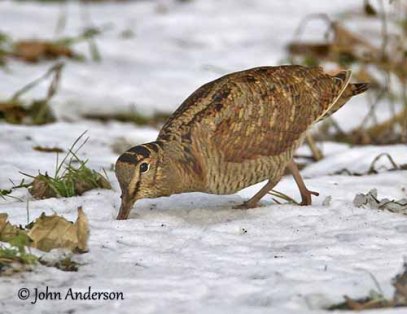
eurasianwoodcock-probing-snow-ouiseauxbirds.com-johnanderson

Guided by its far-back-and-high-set eyes (which have 360O monocular vision), its long thin bill, like that of sandpipers and snipes and phalaropes(its water-wading cousins), is used for probing and picking edible material from or under wet surfaces, such as wet sands, muddy meadows, and moist thicket soil.  And the Woodcock’s bill is routinely successful at frequently finding food, mostly earthworms but also bugs (and their grub-formed larvae), snails, and seeds.

The Woodcock is a hidden yet hungry hunter!

Woodcock also love damp forests where they can use their sensitive, almost rubber-like bill to probe the soft ground for earthworms, for which they have a voracious appetite —  research with captive birds has shown that they can eat their own body weight (about 300 grams) in earthworms each day[!].  It is therefore likely that very dry summers, such as that of 2003, have a negative impact on the [Woodcock] population.

[Quoting Niall Benvie, SCOTLAND’S WILDLIFE (National Trust of Scotland: Aurum Press, 2004), page 56.]

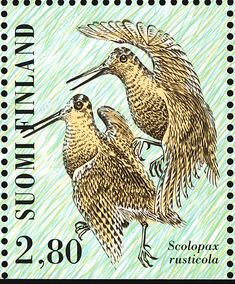
eurasianwoodcock-finland-postage

Eurasian Woodcocks are migratory birds, with about 9/10 of them breeding in the cool wet woodlands of Scandinavia, Finland, and Russia, later migrating to overwinter in milder regions all over Europe (as far as the Mediterranean Sea, and sometimes even farther southward) and the Indian Subcontinent.

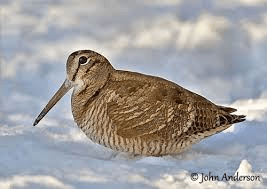
eurasianwoodcock-snow-ouiseauxbirds.com-johnanderson

However, some Woodcocks are year-round residents of some of Europe’s mild-climate countries, such as the British Isles, and in southern (and western) Europe, as well as in some of the mild-climate islands of the Atlantic Ocean, including Britain’s Channel Islands and Spain’s Canary Islands, as well as Portugal’s Azores and Madeira.

eurasianwoodcock-portugueseazores-postage

Because the Eurasian Woodcock’s migratory range — and, to a smaller extent, its year-round residential range, — is so far-reaching, it is no surprise that many countries have honored the worm-devouring, woods-dwelling Woodcock with postage stamps.

eurasianwoodcock-yugoslavia-postage

eurasianwoodcock-alderney-postage

eurasianwoodcock-eire-postage

eurasianwoodcock-belgium-postage

eurasianwoodcock-malta-postage

eurasianwoodcock-portugalazores-postage

eurasianwoodcock-bulgaria-postage

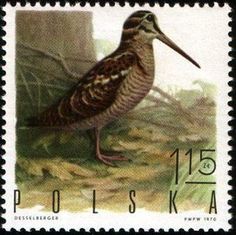
eurasianwoodcock-poland-postageeurasianwoodcock-german-postage

eurasianwoodcock-bulgaria-thin-postage