Heaven’s New Jerusalem and Birds – Chrysolite II

(This is a repost of Heaven’s New Jerusalem and Birds – Chrysolite. The series originally appeared in 2019. (With a little dusting and updating they will all be reposted in the coming days. Stay tuned.)
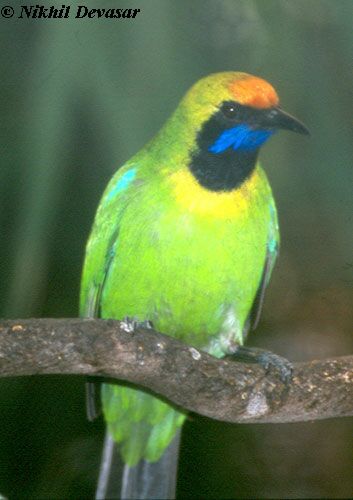
Golden-fronted Leafbird (Chloropsis aurifrons) by Nikhil Devasar

Golden-fronted Leafbird (Chloropsis aurifrons) by Nikhil Devasar

“The foundations of the wall of the city were adorned with all kinds of precious stones: the first foundation was jasper, …. the fifth sardonyx, the sixth sardius, the seventh chrysolite, the eighth beryl, the ninth topaz, the tenth chrysoprase, the eleventh jacinth, and the twelfth amethyst.” (Revelation 21:19a-20 NKJV)
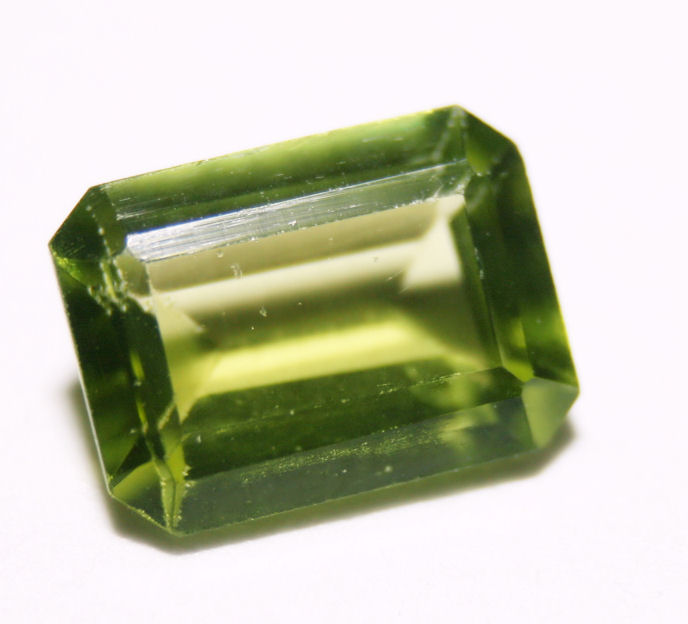
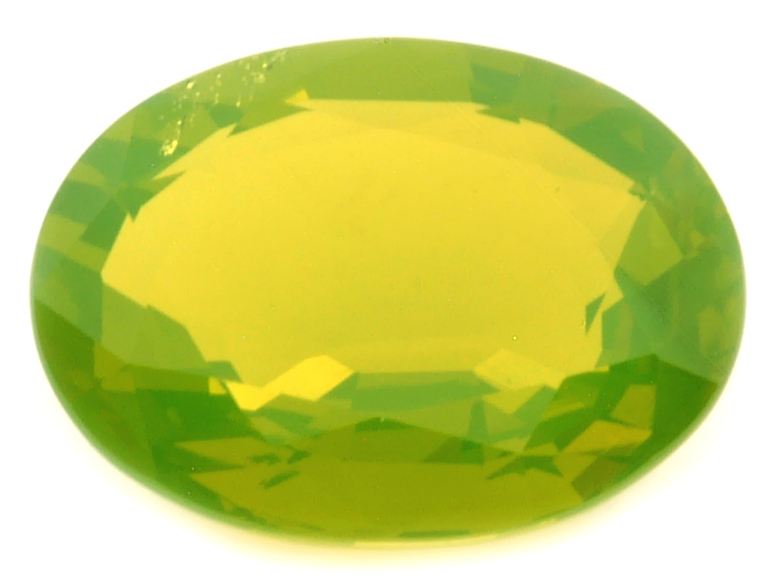
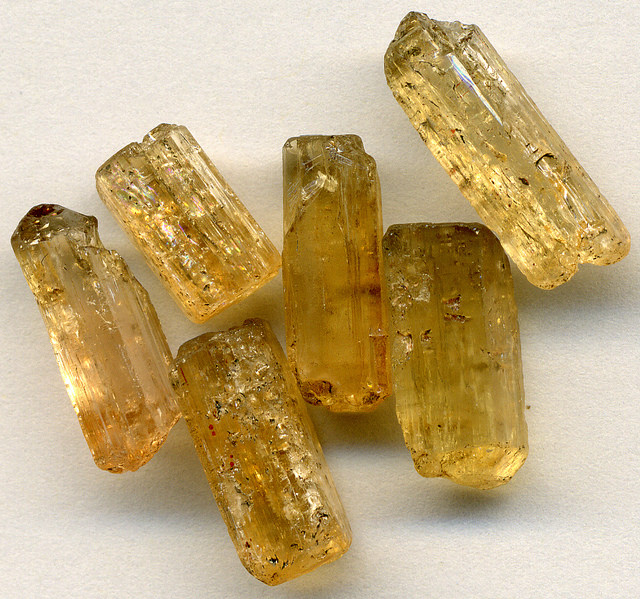
Olive Green Chrysolite ©WikiC
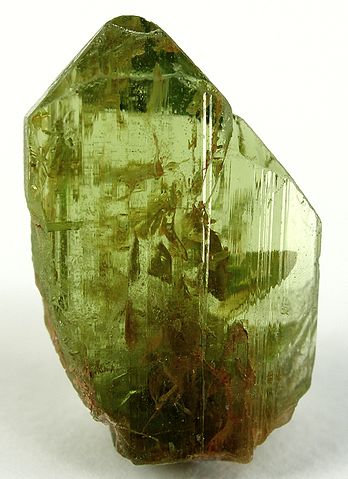
Chrysolite Forsterite-Olivine ©WikiC

Chrysolite is only mentioned one time in Scripture, here in Revelation 21:20.
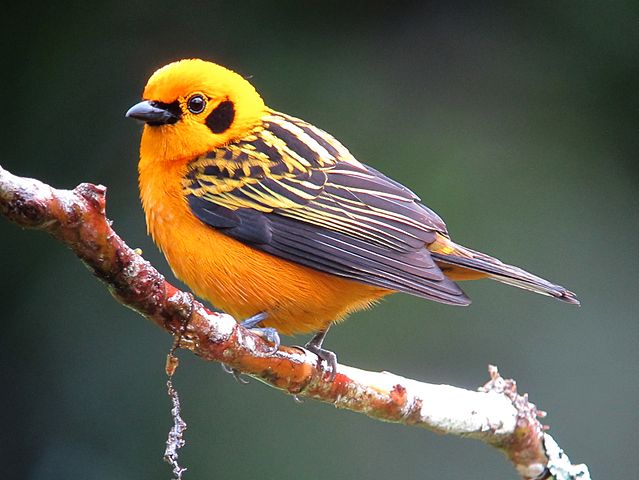
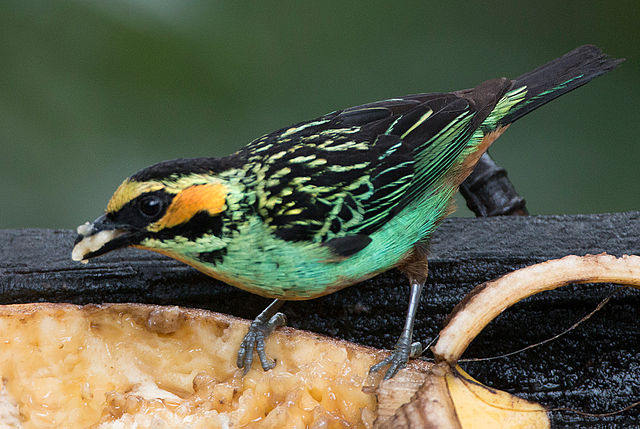
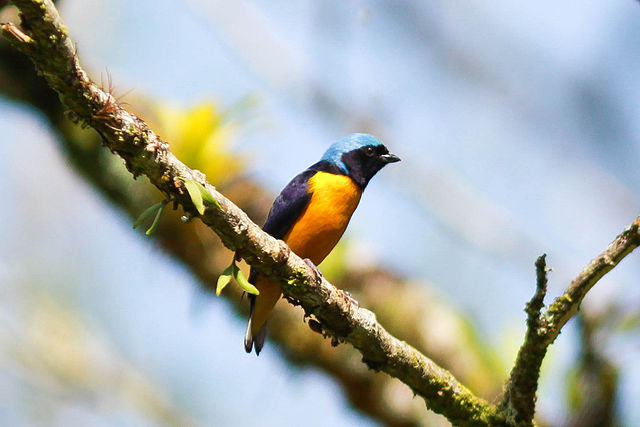
Golden Tanager (Tangara arthus) ©WikiC

Chrysolite – (“gold stone“.) The garniture of the seventh foundation of New Jerusalem. The modern topaz. [Fausset Bible Dictionary]

Chrysolite – Chrysolite. One of the precious stones in the foundation of the heavenly Jerusalem. Rev_21:20. It has been already stated, (see Beryl.), that the chrysolite of the ancients is identical with the modern oriental topaz, or the tarhish of the Hebrew Bible. [Smith Bible Dictionary]
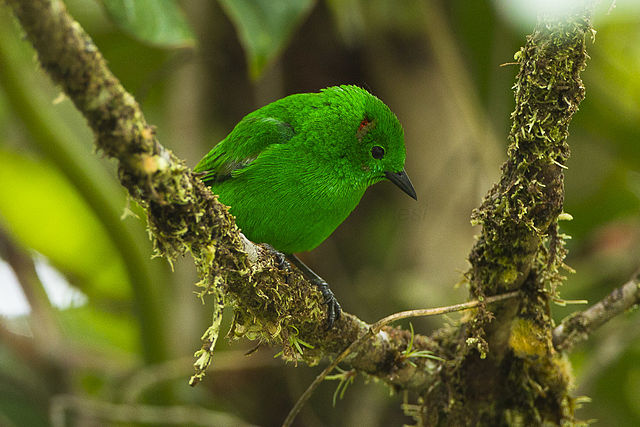
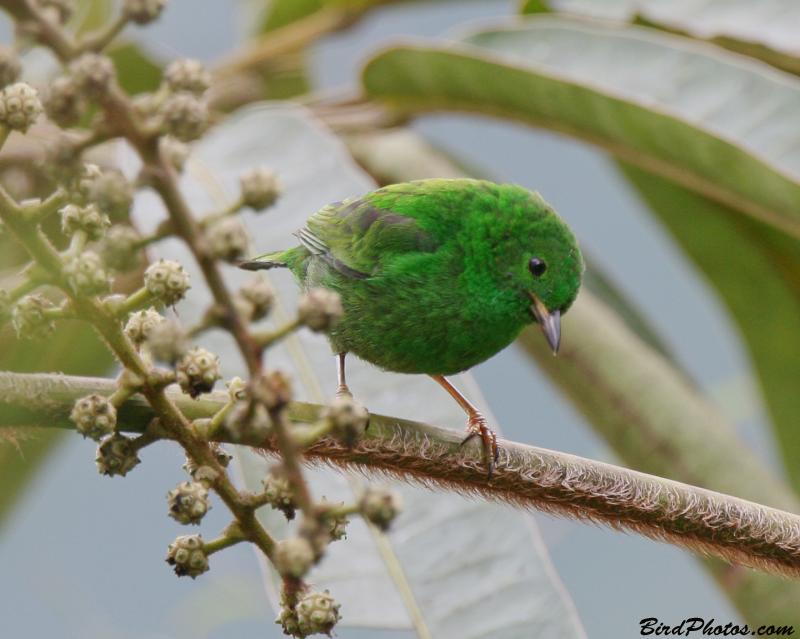
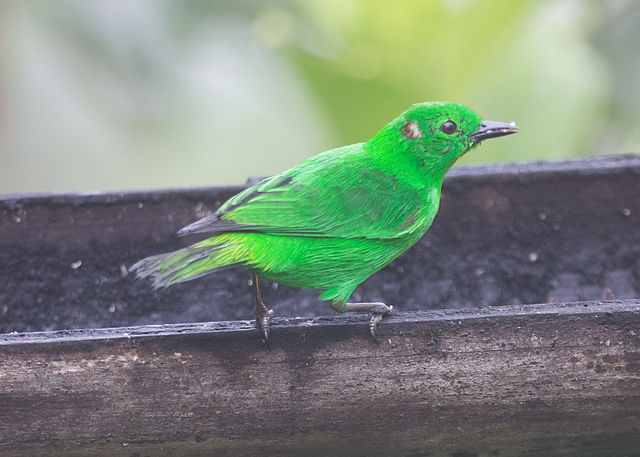
Glistening-green Tanager (Chlorochrysa phoenicotis) ©WikiC

Chrysolite – CHRYSOLITE, n. A mineral, called by Hauy and Brongniart, peridote and by Jameson, prismatic chrysolite. Its prevailing color is some shade of green. It is harder than glass, but less hard than quartz; often transparent, sometimes only translucent. It occurs sometimes in crystals, sometimes in small amorphous masses or grains, and sometimes in rolled pieces. [Webster Dict 1828]
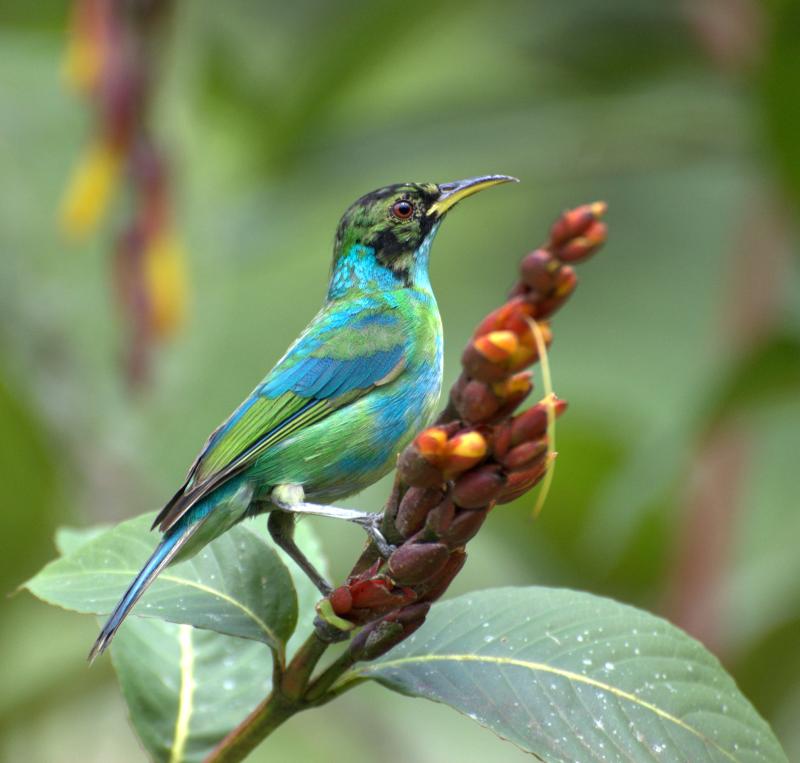
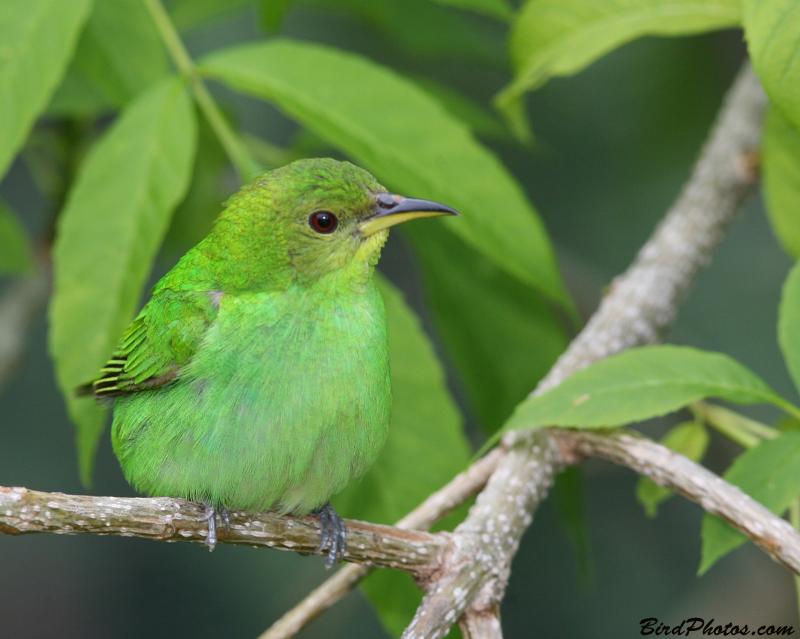
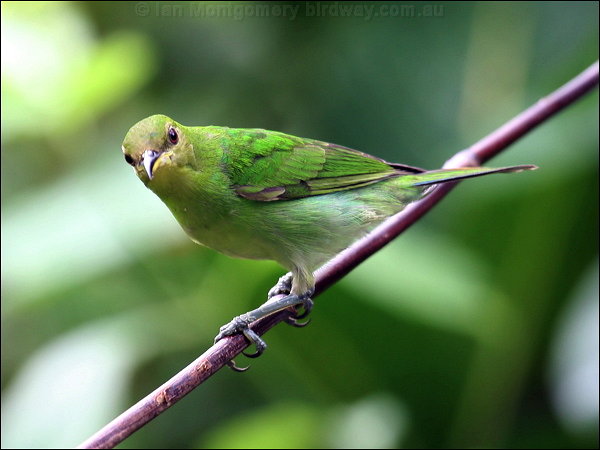
Green Honeycreeper (Chlorophanes spiza) Male Immature ©BirdPhotos.com

CHRYSOLITE, n. A mineral, called by Hauy and Brongniart, peridote and by Jameson, prismatic chrysolite. Its prevailing color is some shade of green. It is harder than glass, but less hard than quartz; often transparent, sometimes only translucent. It occurs sometimes in crystals, sometimes in small amorphous masses or grains, and sometimes in rolled pieces. [J. Vernon McGee]
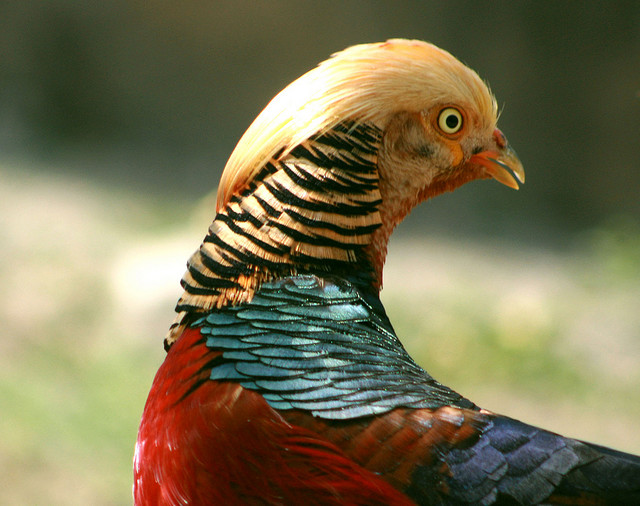
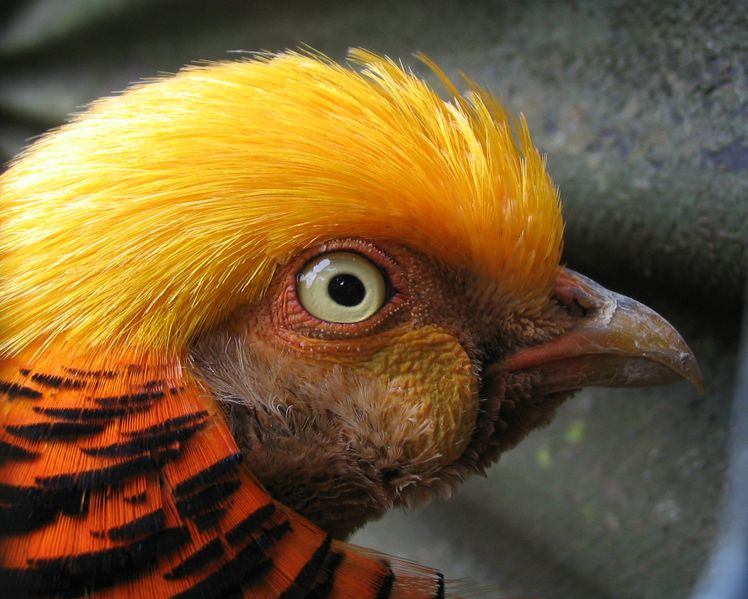
Golden Pheasant (Chrysolophus pictus) Male ©© NotMicroButSoft

Golden Pheasant (Chrysolophus pictus) Male ©© NotMicroButSoft

The seventh was chrysolite, a stone highly esteemed among the ancients, of a colour that was golden yellow. [Popular New Testament]

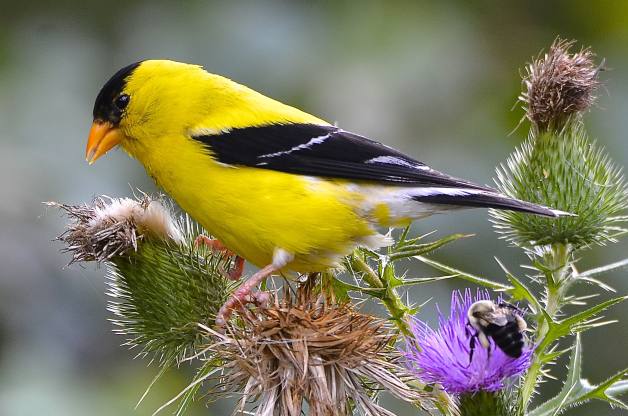
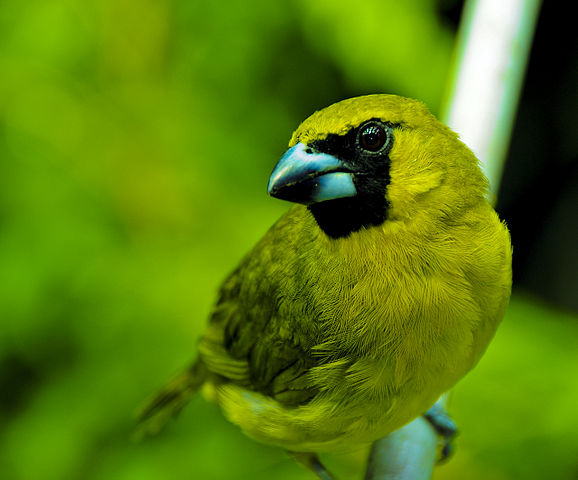
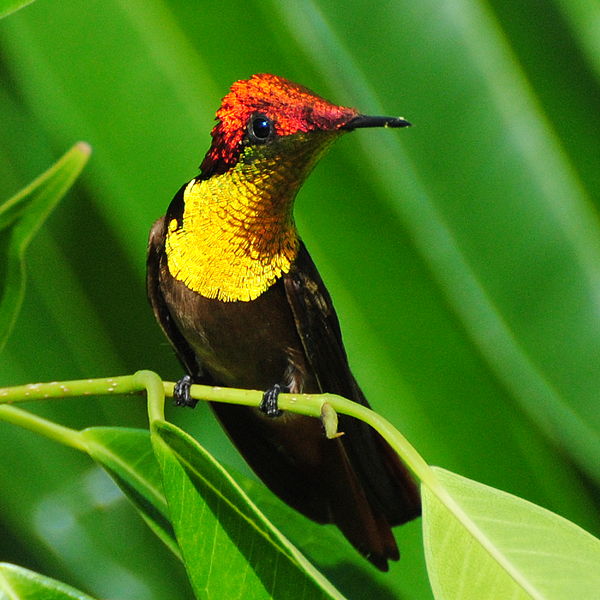
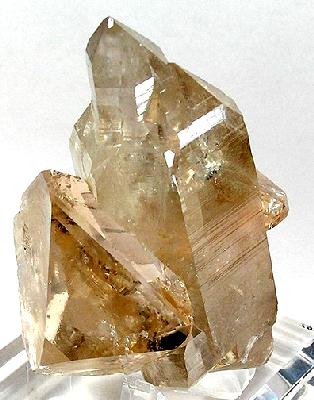
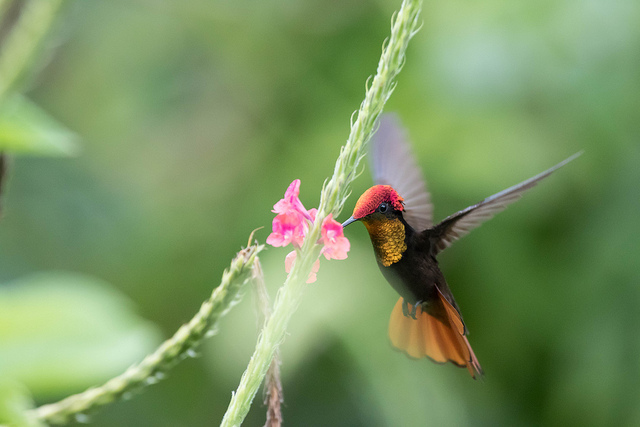
Looks like this time, the golden yellow, or Green birds, or a blend of the two colors will provides us with some of the beauty that will shine from the seventh foundational stone.

Articles in this Series so far:

What will you do with Jesus?

Heaven’s New Jerusalem and Birds – Emerald II
(This is a repost of Heaven’s New Jerusalem and Birds – Emerald. The series originally appeared in 2019. (With a little dusting and updating they will all be reposted in the coming days. Stay tuned.)

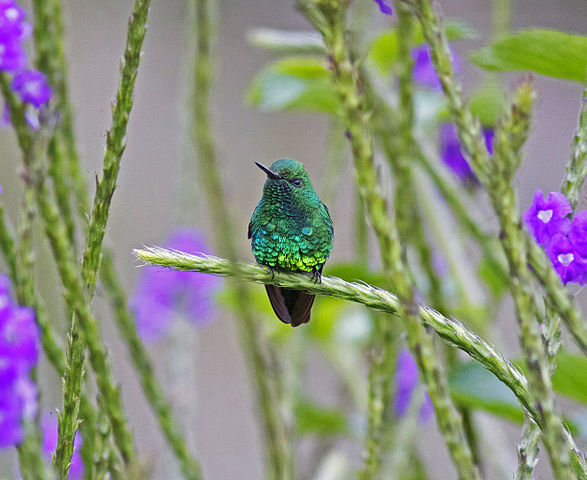
Garden Emerald (Chlorostilbon assimilis) ©WikiC

“And the foundations of the wall of the city were garnished with all manner of precious stones. The first foundation was jasper; the second, sapphire; the third, a chalcedony; the fourth, an emerald;” (Revelation 21:19 KJV)

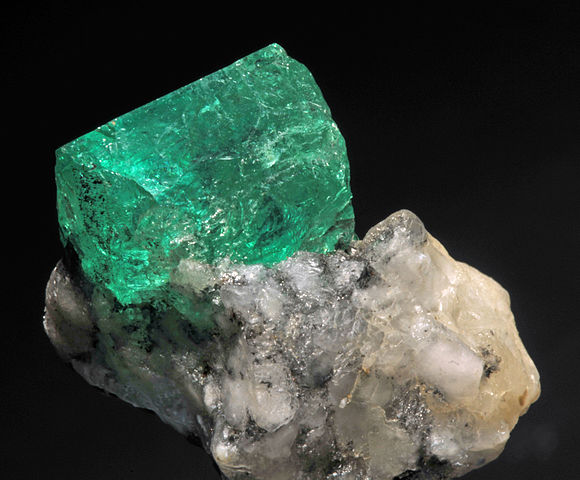
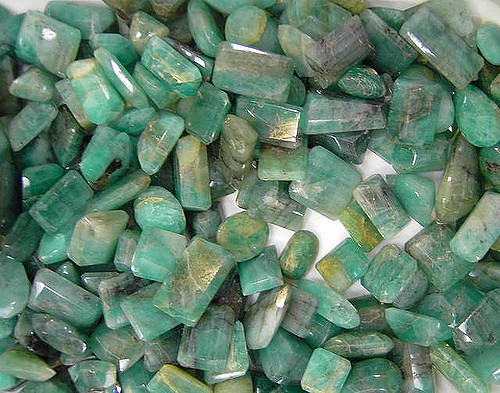
Emerald from (Muzo Mine Boyaca Colombie) ©WikiC

You know what? Checking through previous post about the Emerald stone, the article Avian and Attributes – Emerald explains this verse very well. It is being copied here again.

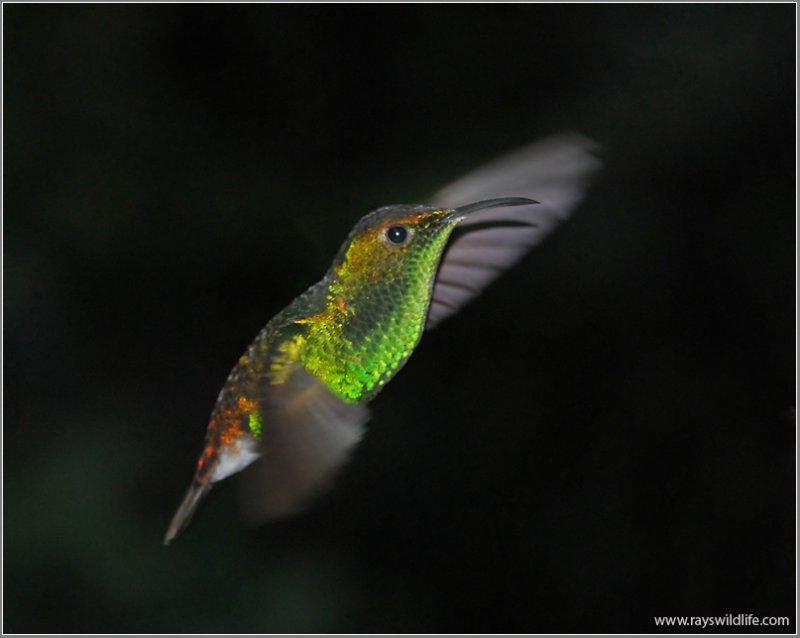
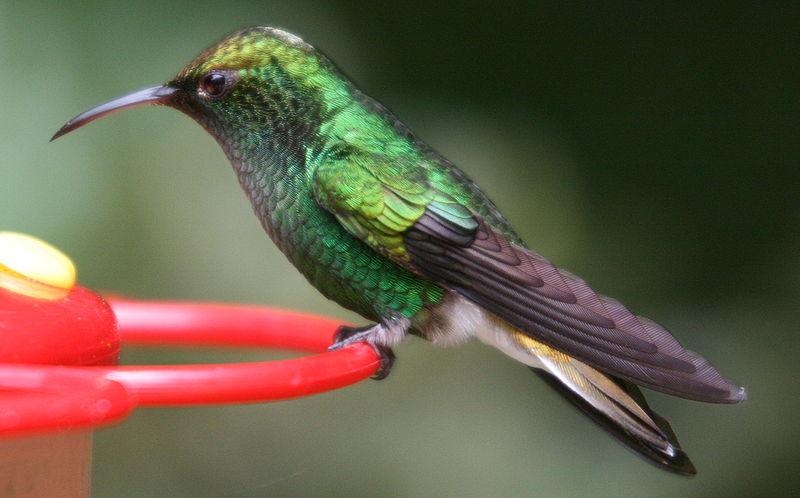
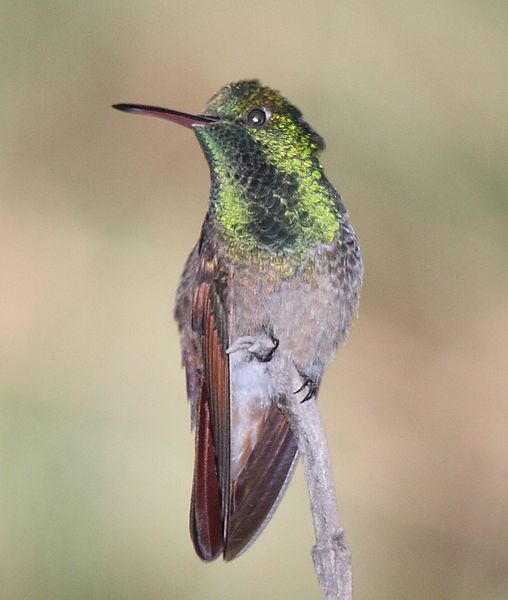
Coppery-headed Emerald by Ray

Coppery-headed Emerald by Ray

“And the foundations of the wall of the city were garnished with all manner of precious stones. The first foundation was jasper; the second, sapphire; the third, a chalcedony; the fourth, an emerald;” (Revelation 21:19 KJV)

“And he that sat was to look upon like a jasper and a sardine stone: and there was a rainbow round about the throne, in sight like unto an emerald.” (Revelation 4:3 KJV)


Avian and Attributes – Definition Name

EM’ERALD, n. [L. smaragdus.] A mineral and a precious stone, whose colors are a pure, lively green, varying to a pale, yellowish, bluish, or grass green. It is always crystallized, and almost always appears in regular, hexahedral prisms, more or less perfect, and sometimes slightly modified by truncations on the edges, or on the solid angles. It is a little harder than quartz, becomes electric by friction, is often transparent, sometimes only translucent, and before the blowpipe is fusible into a whitish enamel or glass. The finest emeralds have been found in Peru.
The subspecies of emerald are the precious emerald and the beryl. [Webster]

Emerald
Exodus 39:11 (c) This green stone represents praise, worship and adoration which begins now and lasts throughout eternity. Judah which means “praise” had his name graven on the emerald stone on the breastplate of the high priest.

Rev. 4:3 (c) This complete rainbow was given this color to typify the eternal character of GOD’s grace and the everlasting nature of GOD’s covenant of mercy. It was “green” to signify eternal praise. [Wilson’s Dictionary of Bible Types]


Emerald Tanager (Tangara florida) ©WikiC

Emerald Birds

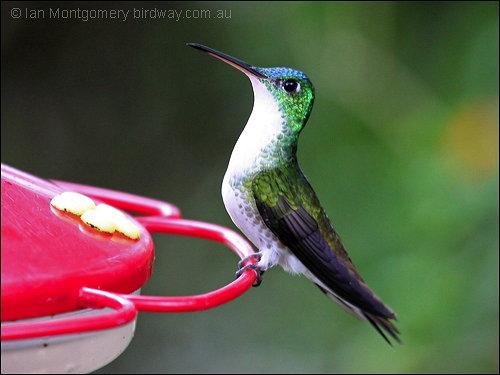
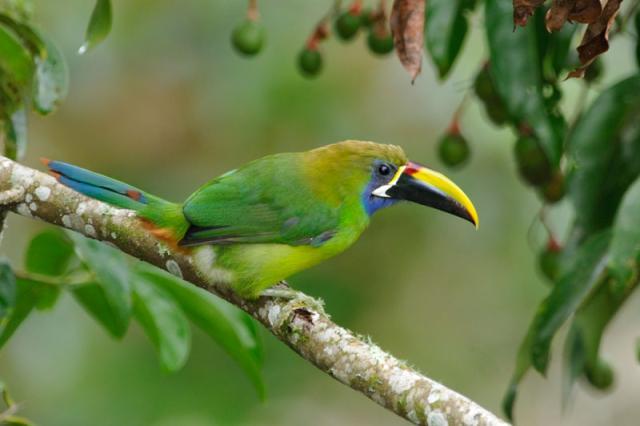
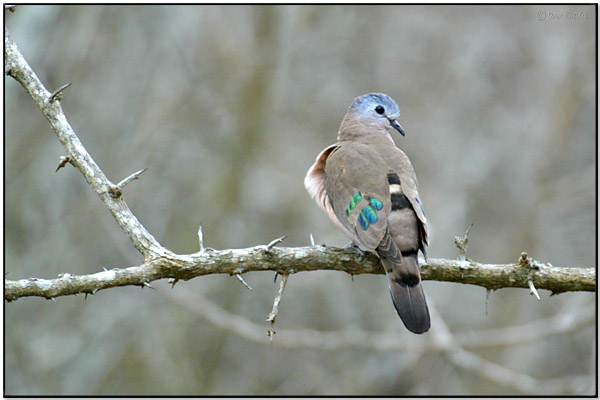
There are six birds that have a first name of Emerald: Emerald Starling, Emerald Tanager, Emerald Toucanet, Emerald-bellied Puffleg, Emerald-chinned Hummingbird, Emerald-spotted Wood Dove. There are also Hummingbird family members that are Emeralds.

“Happy is he that hath the God of Jacob for his help, whose hope is in the LORD his God: Which made heaven, and earth, the sea, and all that therein is: which keepeth truth for ever:” (Psalms 146:5-6 KJV)


*** Articles in this Series so far:

What will you do with Jesus?

Heaven’s New Jerusalem and Birds – Jacinth II
(This is a repost of Heaven’s New Jerusalem and Birds – Topaz. The series originally appeared in 2019. (With a little dusting and updating they will all be reposted in the coming days. Stay tuned.)

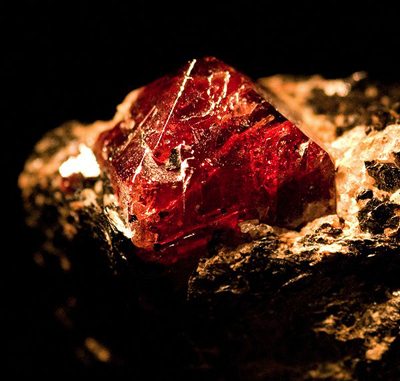
Jacinth ©WikiC

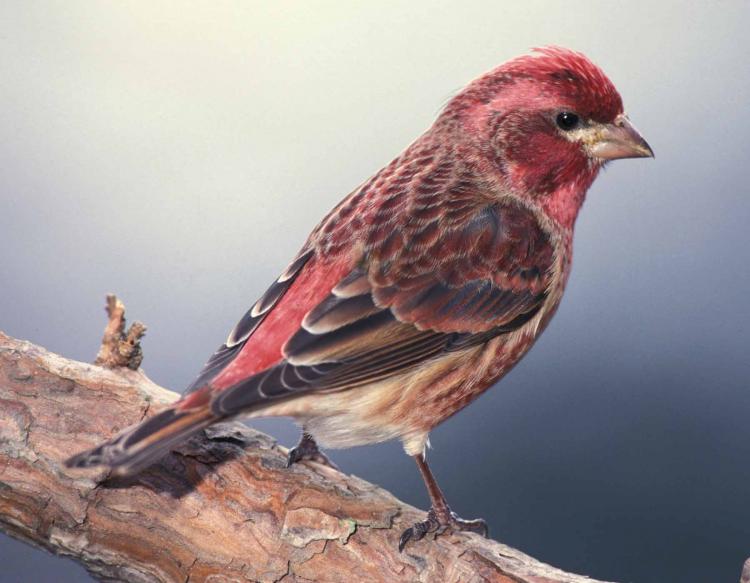
Purple Finch-male.photo-MoDept Conservation

“The foundations of the wall of the city were adorned with all kinds of precious stones: the first foundation was jasper, …. the fifth sardonyx, the sixth sardius, the seventh chrysolite, the eighth beryl, the ninth topaz, the tenth chrysoprase, the eleventh jacinth, and the twelfth amethyst.” (Revelation 21:19a-20 NKJV)


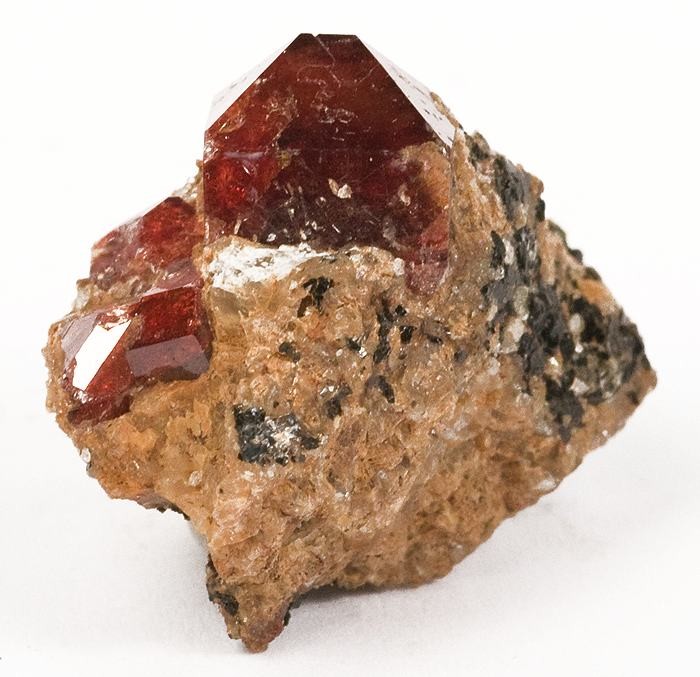
Jacinth from Pakistan ©WikiC

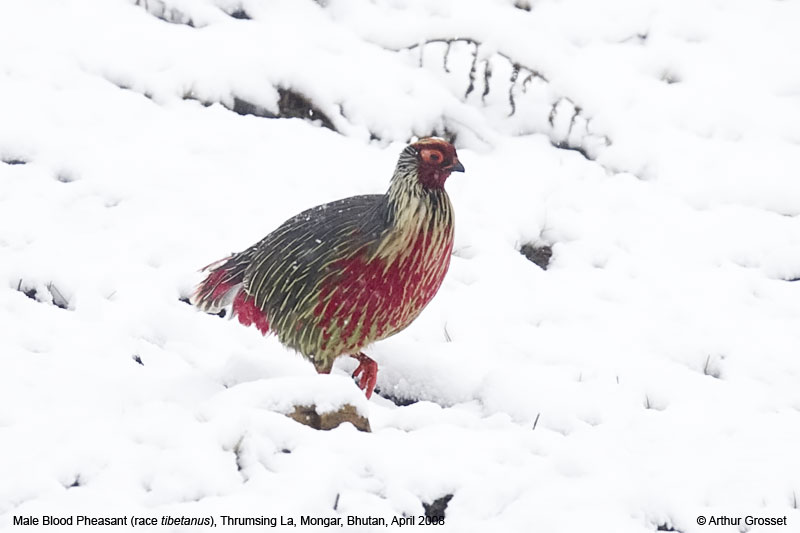
Blood Pheasant (Ithaginis cruentus) ©Arthur Grosset

Blood Pheasant (Ithaginis cruentus) ©Arthur Grosset

Jacinth. Today this stone is a transparent zircon, usually red or reddish-brown. The one John saw was blue or shining violet in color. [NKJV MacArthur Study Bible]

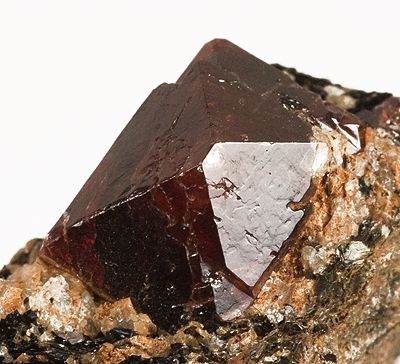
Jacinth from Pakistan ©WikiC

Red Pileated Finch (Coryphospingus cucullatus) ©WikiC

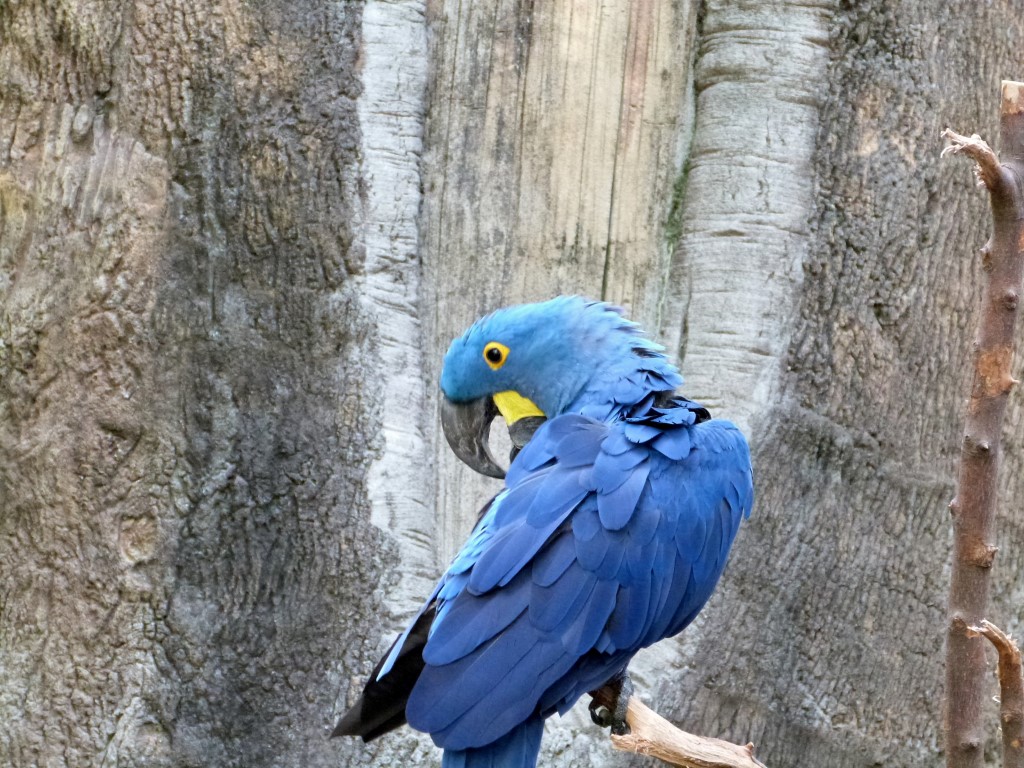
Jacinth – The word υακινθος, signifies hyacinth, and this, as a colour, is a deep purple. In Rev_9:17the horsemen had breastplates of fire, jacinth, and brimstone, which seem to imply flashes of coloured light. In Rev_21:20 the jacinth garnishes the eleventh foundation of the heavenly Jerusalem. It is supposed by some to be the same as the ligure. The Greek word occurs in the LXX in Ex 25:4 26:1 , &c., but is translated ‘blue.’ [Concise Bible Dictionary]

Hyacinth Macaw (Anodorhynchus hyacinthinus) Cincinnati Zoo 9-5-13 by Lee

Hyacinth Macaw (Anodorhynchus hyacinthinus) by Lee

Jacinth. A precious stone, forming one of the foundations of the walls of the new Jerusalem. Rev_21:20. Called hyacinth, in the Revised Version. This is simply a different English rendering of the same Greek original. It is probably identical with the lighure of Exo_28:19.
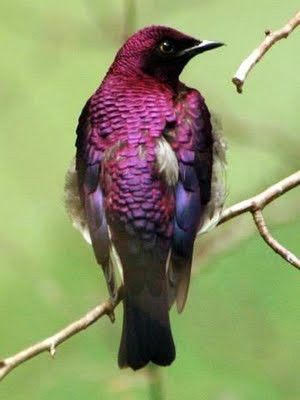
The jacinth or hyacinth is a red variety of zircon, which is found in square prisms of a white, gray, red, reddish-brown, yellow or pale-green color. The expression in Rev_9:17, “of jacinth,” is descriptive simply of a dark-purple color. [Smith Bible Dictionary]

Purple Glossy Starling of Tanzania aka Purple Starling

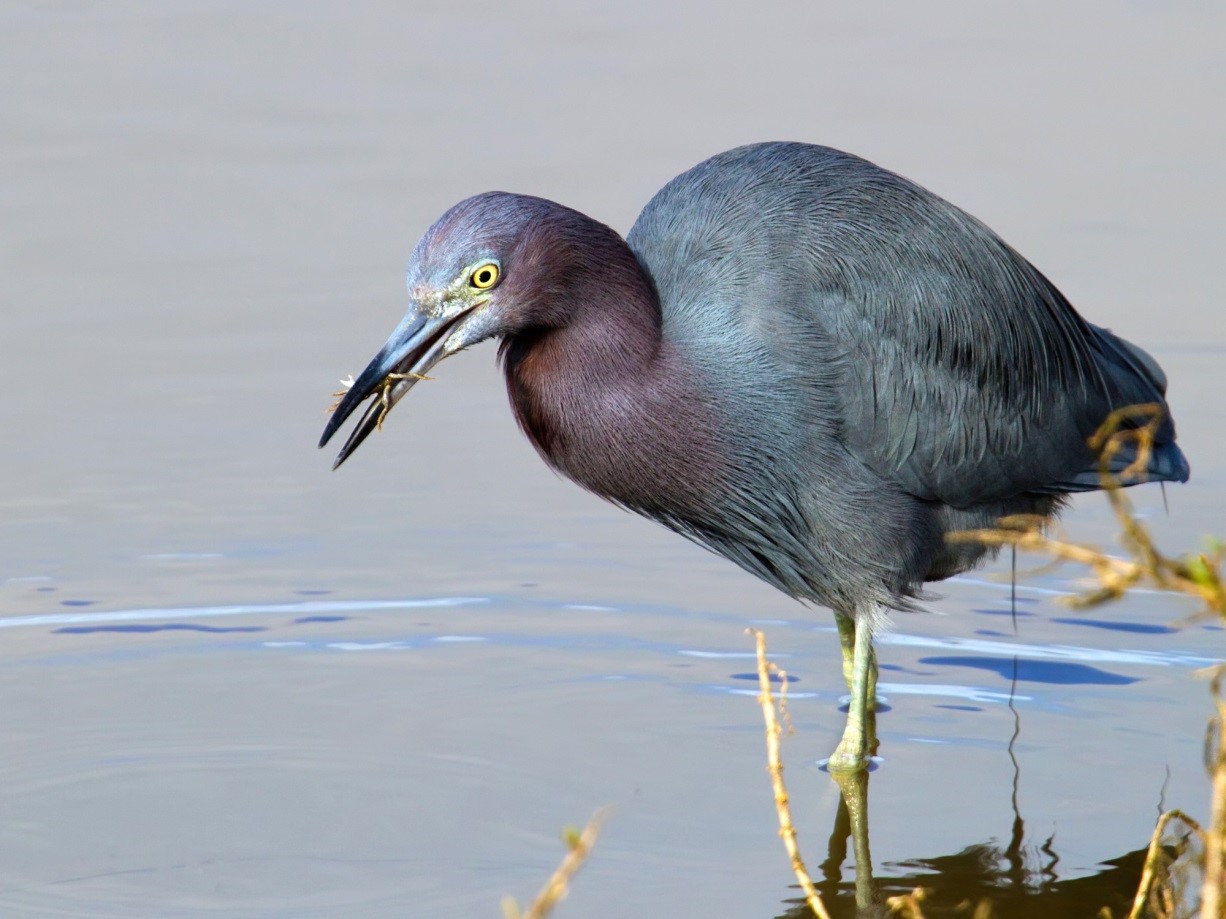
Jacinth Properly a flower of a reddish blue or deep purple (hyacinth), and hence a precious stone of that colour… (Rev_21:20). [Easton Bible Dictionary]

Reddish Egret in a rural Pondshore at Summer Rekefest

Jacinth (Gr.: huakinthi)—its color is violet. It is the color of the hyacinth. Pliny gives the color as violet. [J. Vernon McGee]

Other Articles In This Series:

Wages or a Gift?


Heaven’s New Jerusalem and Birds – Topaz II
(This is a repost of Heaven’s New Jerusalem and Birds – Topaz. The series originally appeared in 2019. (With a little dusting and updating they will all be reposted in the coming days. Stay tuned.)

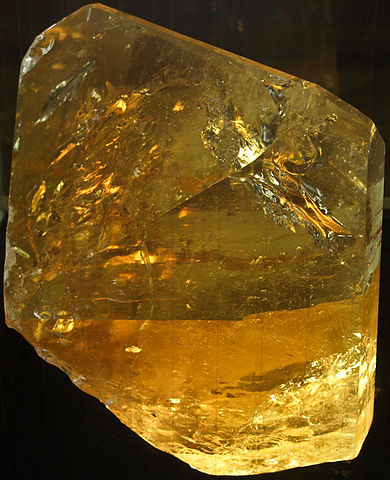
Topaz ©Flickr James St John

Ruby-topaz Hummingbird (Chrysolampis mosquitus) ©WikiC

“The foundations of the wall of the city were adorned with all kinds of precious stones: the first foundation was jasper, …. the fifth sardonyx, the sixth sardius, the seventh chrysolite, the eighth beryl, the ninth topaz, the tenth chrysoprase, the eleventh jacinth, and the twelfth amethyst.” (Revelation 21:19a-20 NKJV)

Topaz is a bit more common than Sardonyx, Sardius, and Chrysolite. Plus, there are birds with Topaz in their names. So this ninth stone of the foundation of the New Jerusalem should be easier to discover. Topaz is mentioned in five verse in the Bible: Exodus 28,17, 39:10; Job 28:19 [topaz of Ethiopia], Ezekiel 28:13, and our verse above – Revelation 21:20.

Quartz-Topaz-gem ©WikiC

Topaz – TO’PAZ, n. [Gr.] A mineral, said to be so called from Topazos, a small isle in the Arabic gulf, where the Romans obtained a stone which they called by this name, but which is the chrysolite of the moderns. The topaz is of a yellowish color. It sometimes occurs in masses, but more generally crystallized in rectangular octahedrons. Topaz is valued as a gem or precious stone, and is used in jewelry. It consists of silex, fluoric acid and alumin, in the following proportions; alumin 57 parts, silex 34, and fluoric acid 7 or 8.
Of topaz there are three subspecies, common topaz, shorlite and physalite. [Webster Dictionary 1828]

Ruby-topaz Hummingbird (Chrysolampis mosquitus) Reflection ©Flickr Budgora

Topaz – topazion (G5116) is mentioned in Rev_21:20, as the ninth of the foundation stones of the wall of the heavenly Jerusalem; the stone is of a yellow color (though there are topazes of other colors) and is almost as hard as the diamond. It has the power of double refraction, and when heated or rubbed becomes electric. [Vines New Testament]

Fiery Topaz (Topaza pyra) ©WikiC

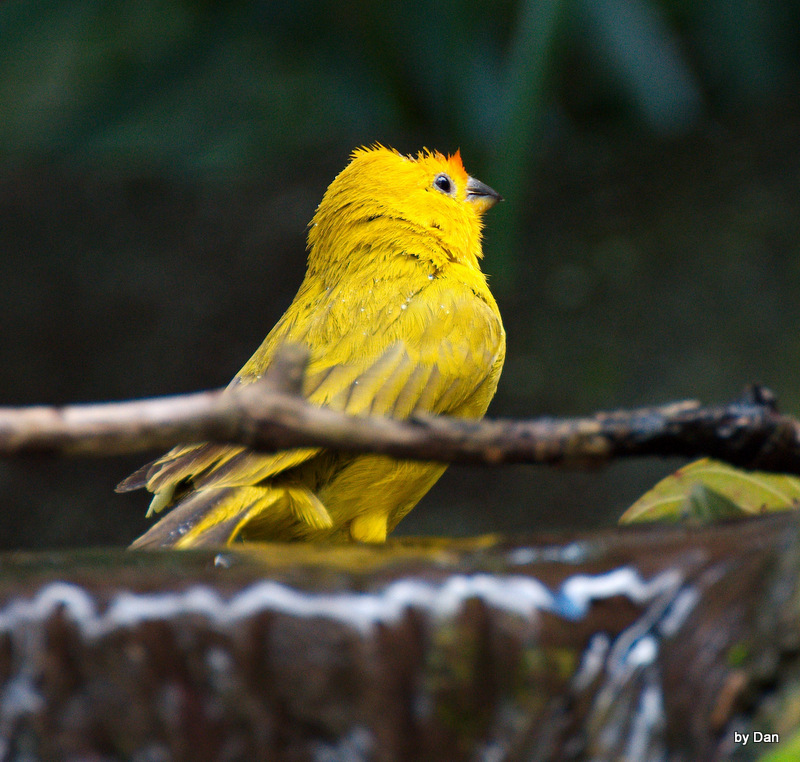
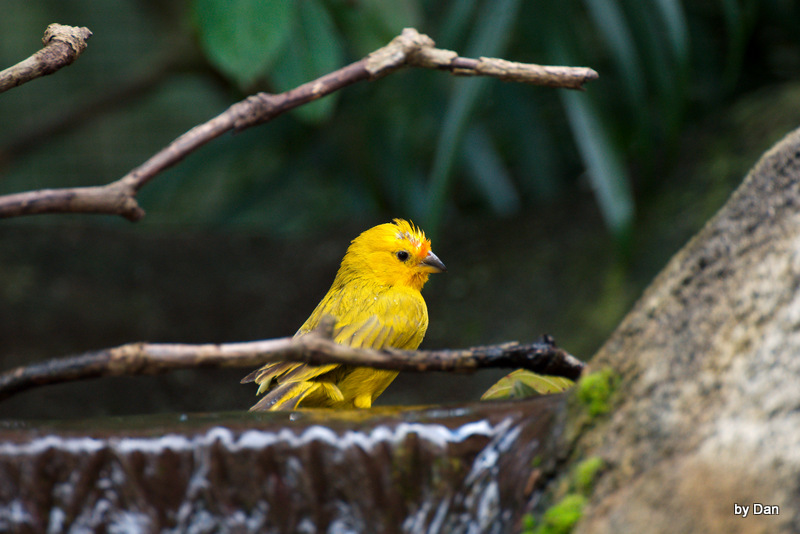
Saffron Finch Zoo Miami by Dan (Cropped by Lee)

Topaz From Brazil-©NaturhistorischesMuseum-WikiC

Saffron Finch Zoo Miami by Dan

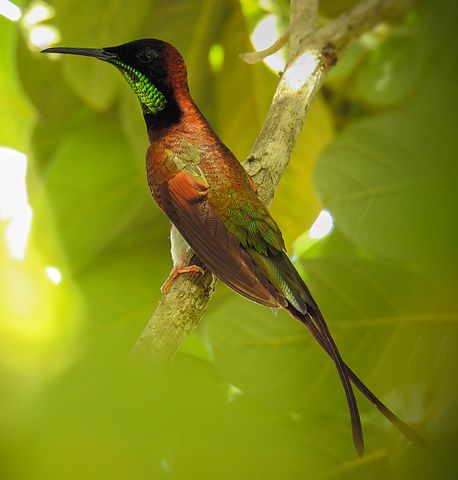
Ruby-Topaz Hummingbird (Chrysolampis mosquitus) male ©WikiC

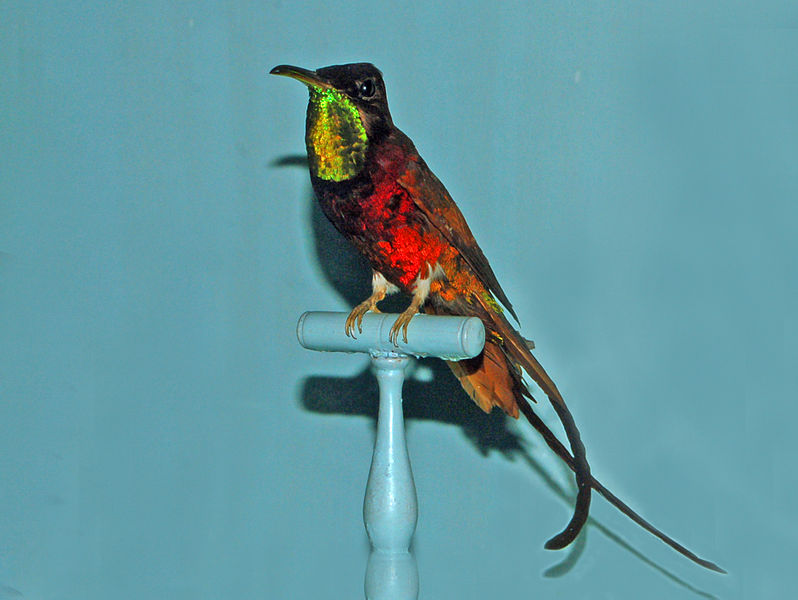
Crimson Topaz (Topaza pella) ©WikiC

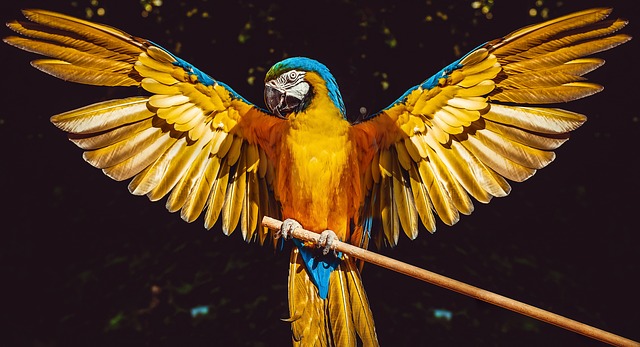
Bird-Wings-Wing-Colored-Ara-Parrot-©Maxpixel

Other Articles In This Series:

What will you do with Jesus?

Heaven’s New Jerusalem and Birds – Beryl II

(This is a repost of Heaven’s New Jerusalem and Birds – Beryl. The series originally appeared in 2019. (With a little dusting and updating they will all be reposted in the coming days. Stay tuned.)

Rough Cut Beryl ©Flickr Amanda

“The foundations of the wall of the city were adorned with all kinds of precious stones: the first foundation was jasper, …. the fifth sardonyx, the sixth sardius, the seventh chrysolite, the eighth beryl, the ninth topaz, the tenth chrysoprase, the eleventh jacinth, and the twelfth amethyst.” (Revelation 21:19a-20 NKJV)

Three Colors of Beryl ©WikiC

BER’YL,n. [L.beryllus; Eng.brilliant.]
A mineral, considered by Cleaveland as a subspecies of Emerald. Its prevailing color is green of various shades,but always pale. Its crystals are usually longer and larger than those of the precious emerald, and its structure more distinctly foliated. It is harder than the apatite,with which it has been confounded; harder and less heavy than the pycnite. The best beryls are found in Brazil, in Siberia and Ceylon, and in Dauria, on the frontiers of China. They are found in many parts of the United States. [Webster Dictionary 1828]

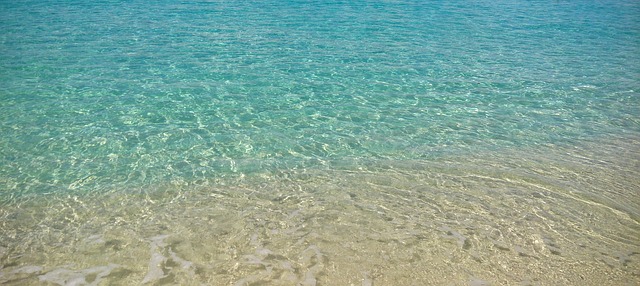
Water Summer Beach Sea Blue/green Ocean Nature ©Max Pixel

Beryl – berullos (G969), “beryl,” is a precious stone of a sea-green color, Rev_21:20 (cf. Exo_28:20). [Vine’s]

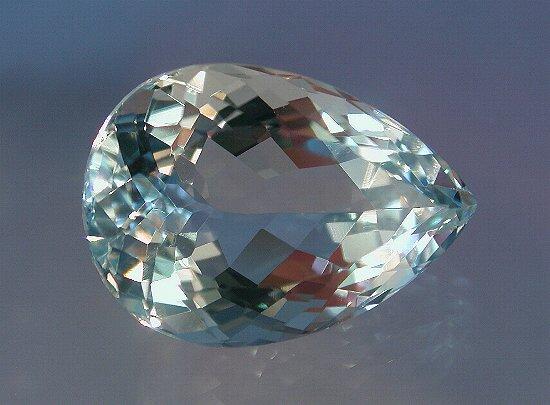
Faceted aquamarine ©WikiC

Beryl is a mineral of great hardness, and, when transparent, of much beauty. …probably the mineral now called beryl, which is identical with the emerald except in color, being a light green or bluish-green. [Smith’s Bible Dictionary]

Beryl ©WikiC

beryl — of a sea-green color. [Jamieson-Fausset-Brown]

I believe that most of these references are in agreement that the color is a light green, leaning toward “sea-green.” So, let’s see what birds we can find of that sort of color.

There are actually two birds with Beryl in their first names:

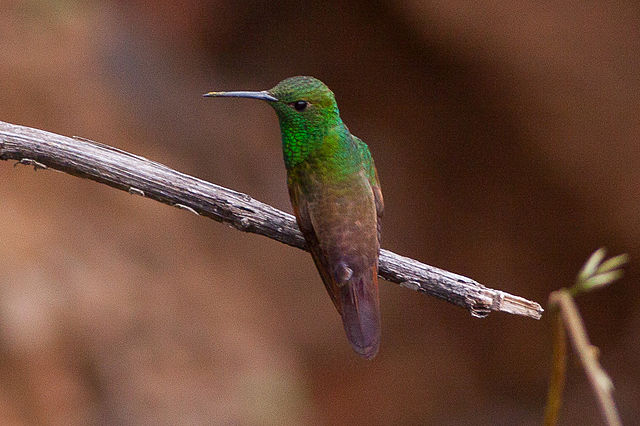
The Berylline Hummingbird (Amazilia beryllina),

Berylline Hummingbird (Amazilia beryllina) ©WikiC

Berylline Hummingbird (Amazilia beryllina) ©WikiC

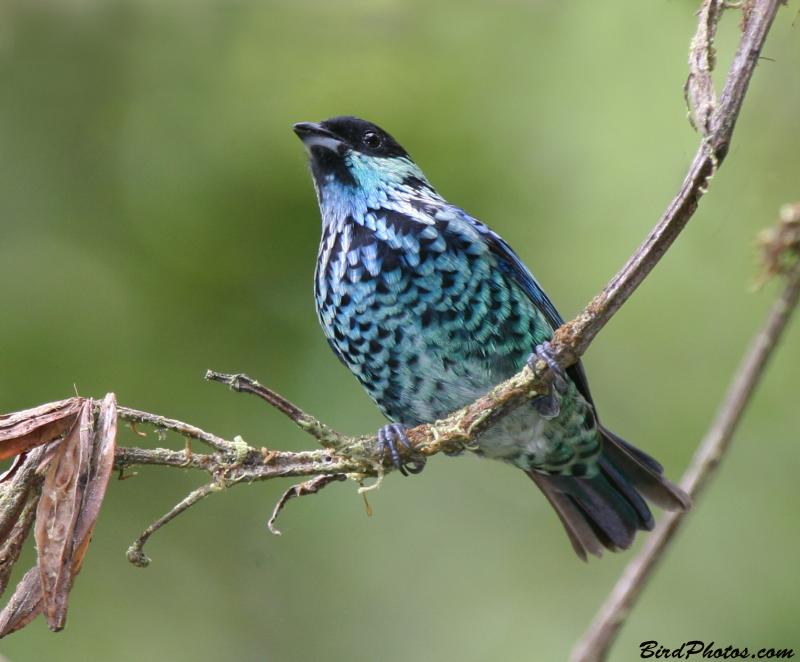
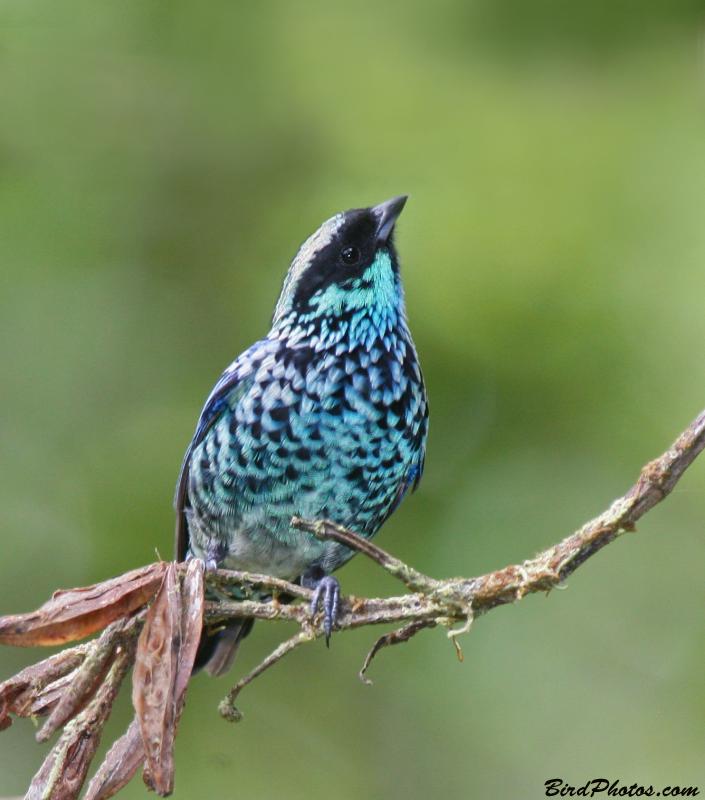
And the Beryl-spangled Tanager.

Beryl-spangled Tanager (Tangara nigroviridis cyanescens) ©BirdPhotos.com

Beryl-spangled Tanager (Tangara nigroviridis cyanescens) ©BirdPhotos.com

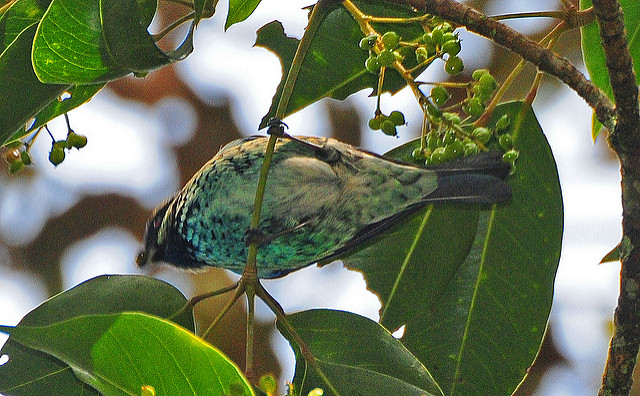
Or another shot from below the bird:

Beryl-spangled Tanager (Tangara nigroviridis) ©Flickr Oldenettel

Also, there is one bird that has beryl… in its scientific name. Now this one matches what I take a sea-green. Do you agree?

Sri Lanka Hanging Parrot (Loriculus beryllinus) ©WikiC

Articles in this Series so far:

Wordless Birds – With Hummingbirds


Heaven’s New Jerusalem and Birds – Sardius II

(This is a repost of Heaven’s New Jerusalem and Birds – Sardius. The series originally appeared in 2019. (With a little dusting and updating they will all be reposted in the coming days. Stay tuned.)

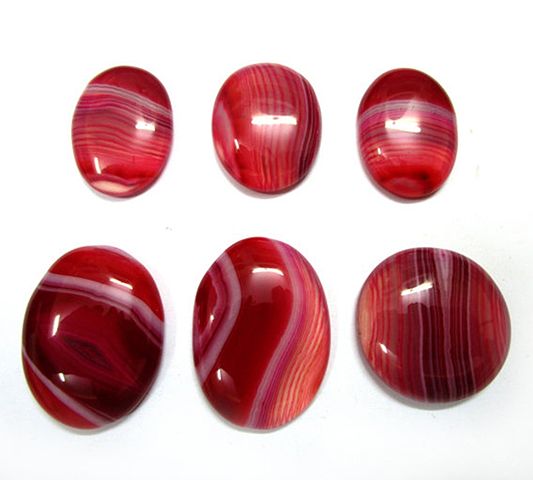
Sardius Stone ©Pinterest

“The foundations of the wall of the city were adorned with all kinds of precious stones: the first foundation was jasper, …. the fifth sardonyx, the sixth sardius, the seventh chrysolite, the eighth beryl, the ninth topaz, the tenth chrysoprase, the eleventh jacinth, and the twelfth amethyst.” (Revelation 21:19a-20 NKJV)

Cornelian Stones ©Etsy

What color is this Sardius stone, the sixth foundation layer for the New Jerusalem?

Sardius (n.) A precious stone, probably a carnelian, one of which was set in Aaron’s breastplate. [Webster Dict. 113

“The sixth, sardius; the same with the sardine stone, Rev_4:3 of a blood colour, and what is commonly called a cornelian: it is found in Sardinia, from whence it has its name, and in Bohemia and Silesia, though those of Babylon are the best. This was Reuben’s stone.” [John Gill’s Exposition]

Two polished pebbles of carnelian_sard ©WikiC

Sardius – Sardius. (red). (Hebrew, odem). The stone which occupied the first place in the first row of the high priest’s breastplate. Exo_28:27. The sard, which is probably the stone denoted by odem, is a superior variety of agate, sometimes called camelian, and has long been a favorite stone for the engraver’s art. Sardis differ in color: there is a bright-red variety, and, perhaps, the Hebrew, odem, from a root means “to be red,” points to this kind.” [Smith’s Bible Dictionary]

“6. Sardius (Gr.: sardios)—its color is fiery red. Pliny says that it is the red stone from Sardis. Swete says that it is fiery red.” [J. Vernon McGee]

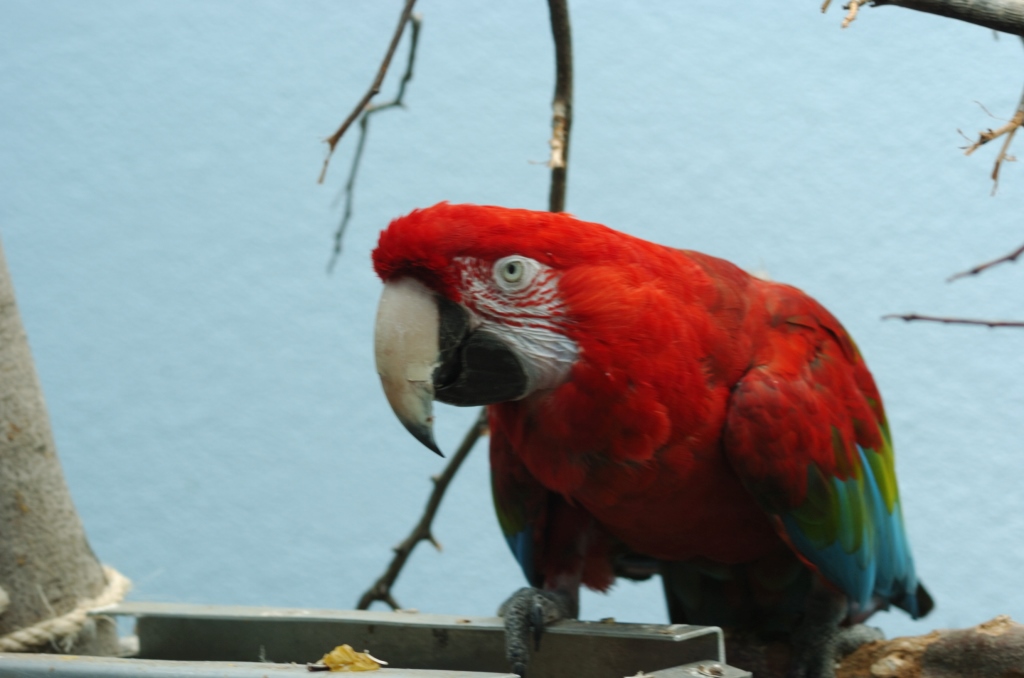
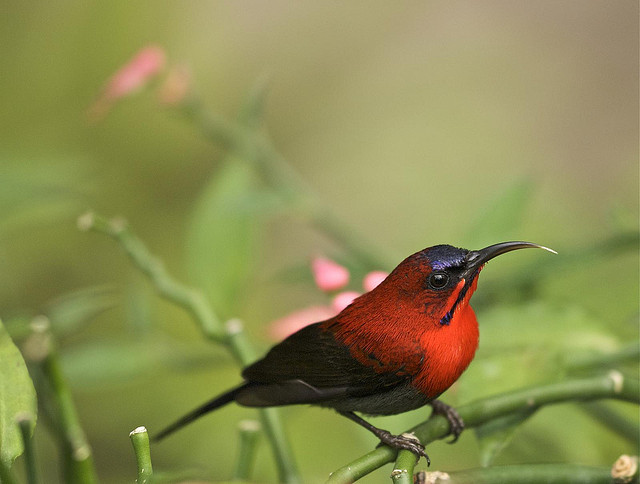
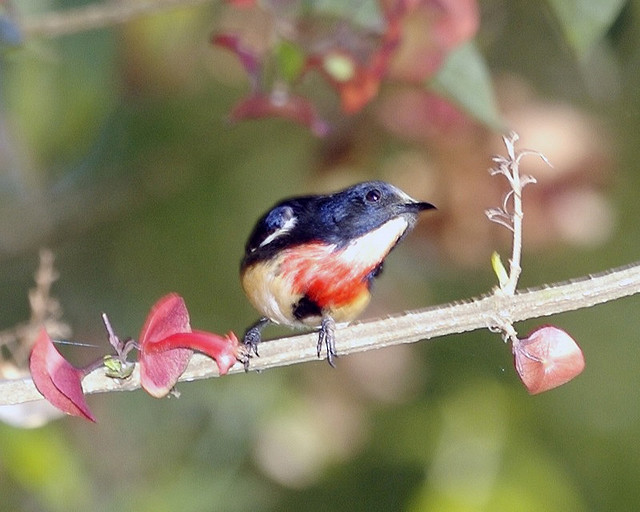
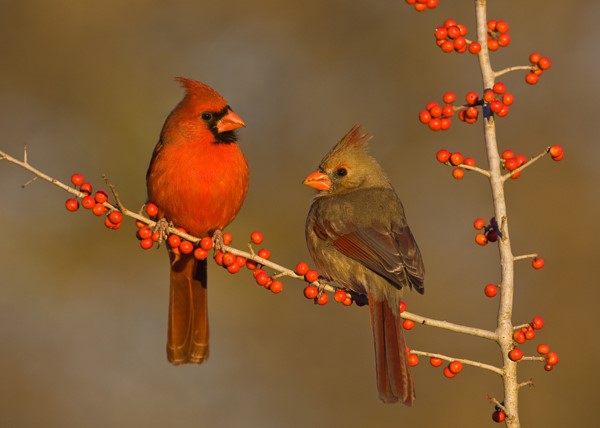
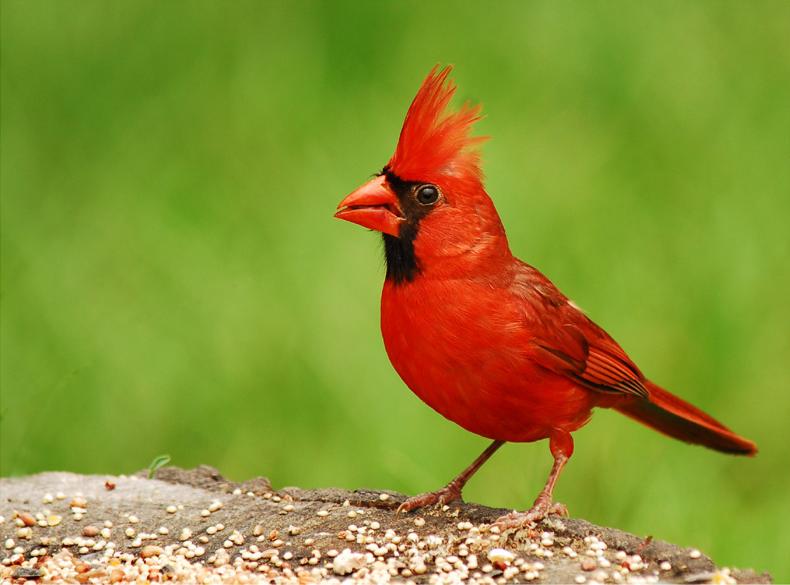
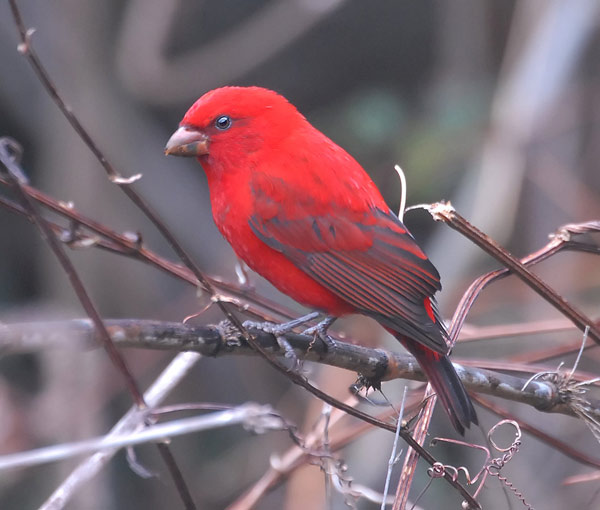
Those four Commentary and Dictionary definitions are all much saying the same; Red, Blood Red, or Fiery Red.  Before I start finding photos of birds, many are already on my mind. Especially the Northern Cardinal:

Northern Cardinal (Cardinalis cardinalis) - WikiC

Northern Cardinal (Cardinalis cardinalis) ©WikiC

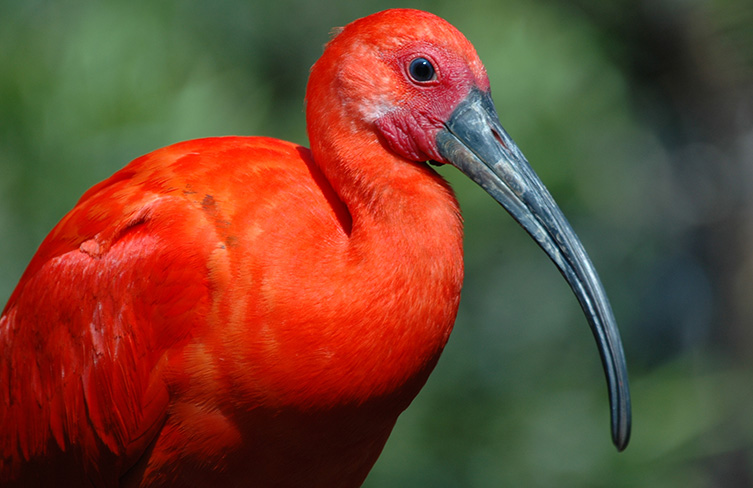
This should be easy finding photos to match the color of this sixth foundation. Of course, what we’ll see in heaven, will exceed these beyond anything we can imagine!!!


10 Stunning Red Colored Birds

Articles in this Series so far:

What will you do with Jesus?

Heaven’s New Jerusalem and Birds – Sardonyx II

This is a repost of Heaven’s New Jerusalem and Birds – Sardonyx. The series originally appeared in 2019. (With a little dusting and updating they will all be reposted in the coming days. Stay tuned.)

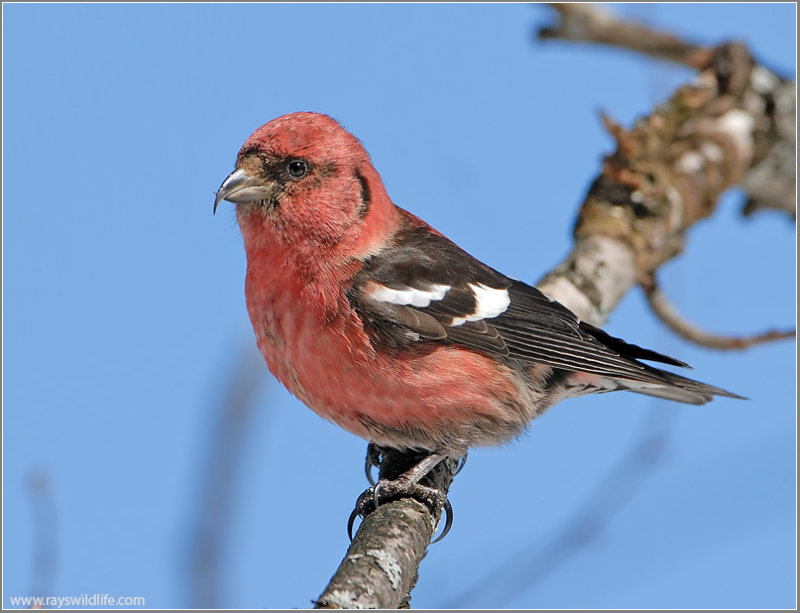
Two-barred Crossbill (Loxia leucoptera)(White-winged) by Raymond Barlow

Two-barred Crossbill (Loxia leucoptera)(White-winged) by Raymond Barlow

“The foundations of the wall of the city were adorned with all kinds of precious stones: the first foundation was jasper, …. the fifth sardonyx, the sixth sardius, the seventh chrysolite, the eighth beryl, the ninth topaz, the tenth chrysoprase, the eleventh jacinth, and the twelfth amethyst.” (Revelation 21:19a-20 NKJV)

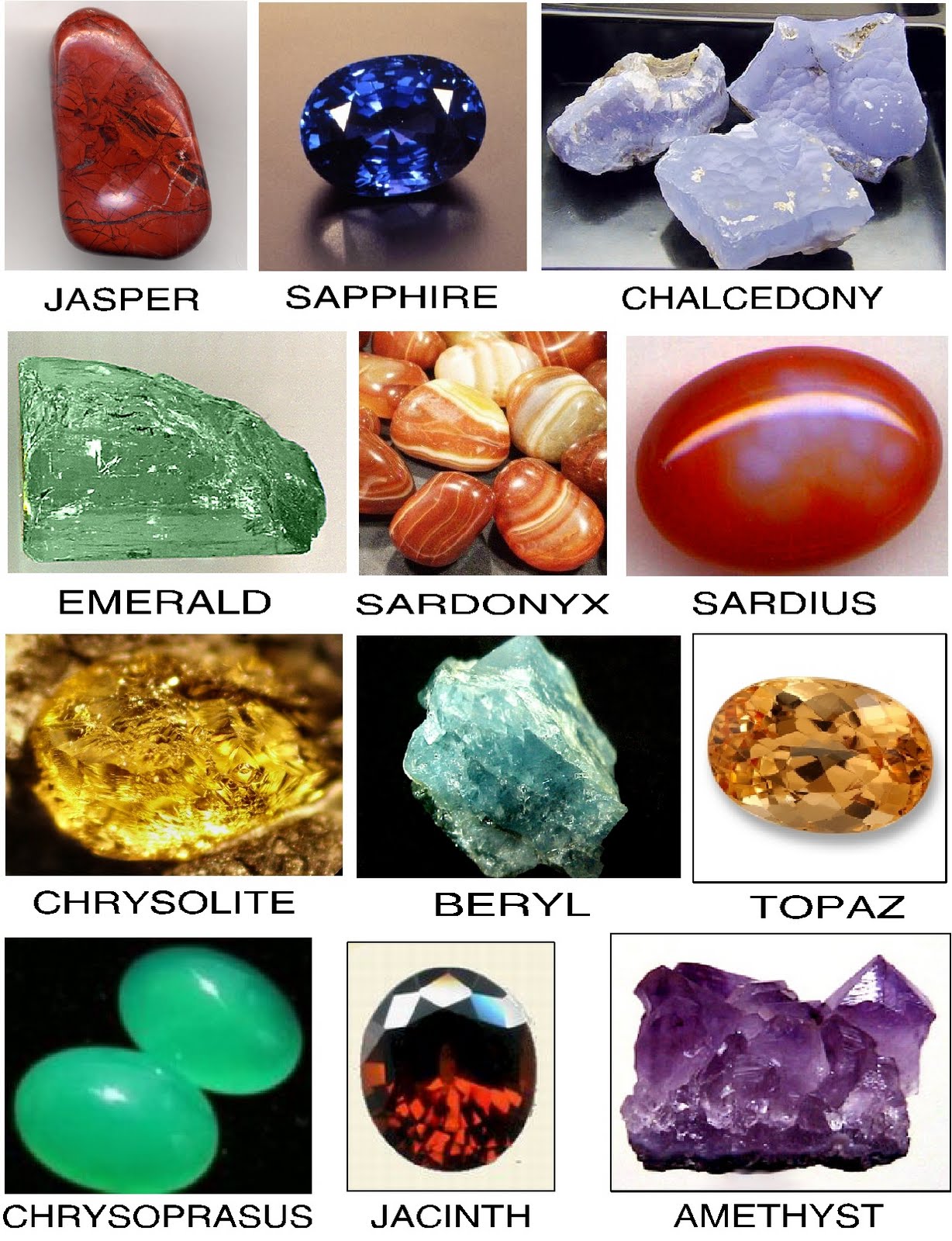
While searching for material on these foundation stones, this article caught my attention. It appears that Cindy had the same questions as we are trying to figure out. I believe her blog is inactive, but this is still posted. Precious Jewels by Cindy. She had this chart with 12 stones of the foundations.

12 Jewels Foundation New Jerusalem ©Sundayswithcindy

“Pretty impressive, isn’t it? Actually, it will exceed far beyond what our human minds can even conceive when we try to imagine the beauty and magnificence of that holy city. I Corinthians 2:9 tells us, “But as it is written, Eye hath not seen, nor ear heard, neither have entered into the heart of man, the things which God hath prepared for them that love him.”
*
My curiosity was up, though, when it came to those precious gemstones. What were their colors? How would they look all sandwiched together? I knew I could not begin to imagine the scope of its beauty, but at least I wanted to get some glimpse of what it might appear to be. I mean, we can try to imagine the pearly gates, and even the streets of pure gold although the Bible says the pure gold will be like transparent glass, but the foundation of all those beautifully colored jewels? Ahh—how lovely to have the world at our fingertips via the Internet! In a matter of seconds, my curiosity about the precious gemstones of the foundation was satisfied!” [Bolding added]

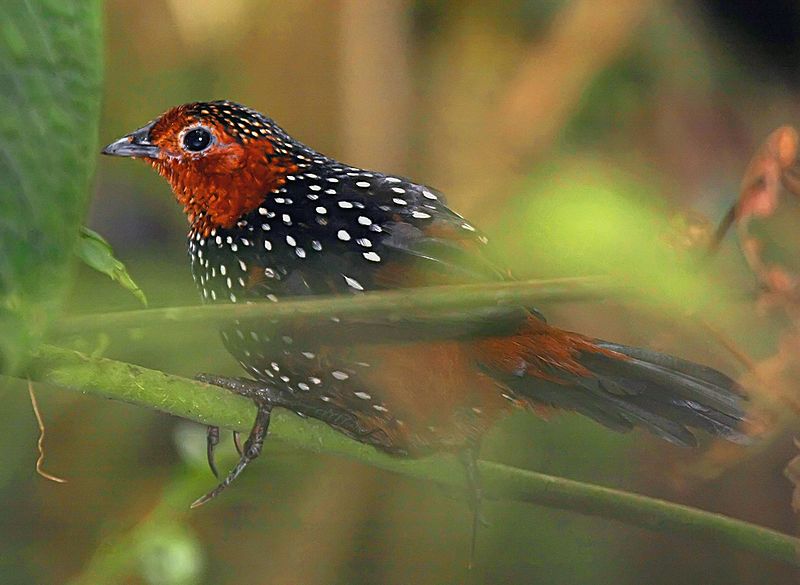
Ocellated Tapaculo (Acropternis orthonyx) ©WikiC

Through the rest of her article, she discovered what I am finding. Names of those stones are not the same today. So, if these birds aren’t a perfect match, please forgive us.
There are no birds with the name of “sardonyx” in it, but the two tones of red seems interesting enough to try to find some birds like that.  All the translations I searched have either Sardonyx or just Onyx. [There are a few birds with ONYX in their scientific name[

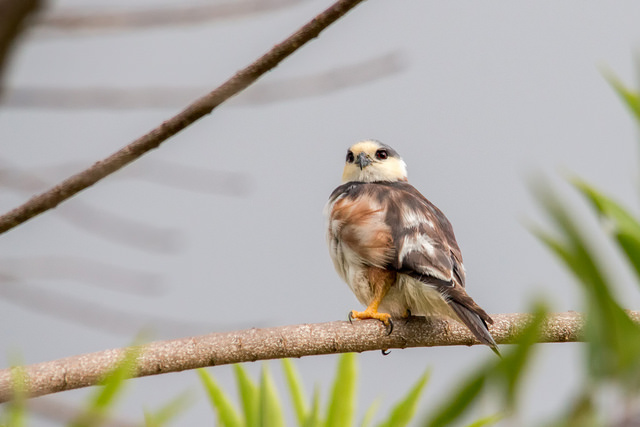
Pearl Kite (Gampsonyx swainsonii) ©Flickr Fernando Flores

Here are what some of the study Bibles and commentaries say:
NKJV MacArthur Study Bible – “ sardonyx. A variety of chalcedony with parallel layers of red and white”
KJ Study Bible Notes – ” sardonyx is red and white”
Jamieson-Fausset-Brown – “sardonyx — a gem having the redness of the cornelian, and the whiteness of the onyx.”
IBS – “Sardonyx – White stone with red layers.
John Gill – “The fifth, sardonyx,…. Which is partly of the sardian, and partly of the onyx stone, which resembles a man’s nail, from whence it has its name; it is reddish, bordering on white; it may be thought to answer to the onyx in the breastplate, on which was written the name of Joseph.”

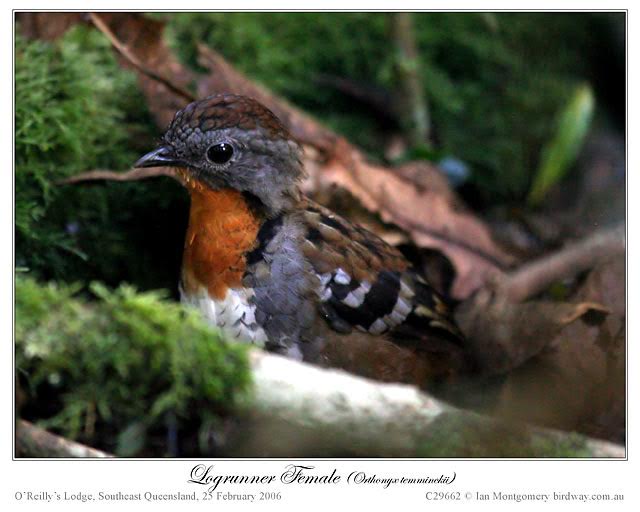
Australian Logrunner (Orthonyx temminckii) by Ian

So with all of these, looks like there must be some reddish and white birds around somewhere. Let’s see what we can find:

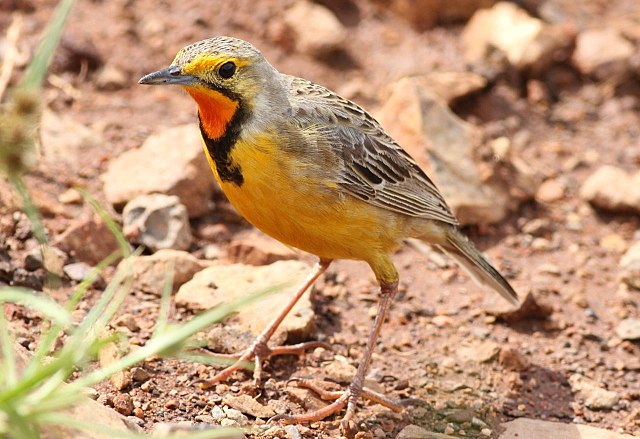
Cape Longclaw (Macronyx capensis) ©WikiC

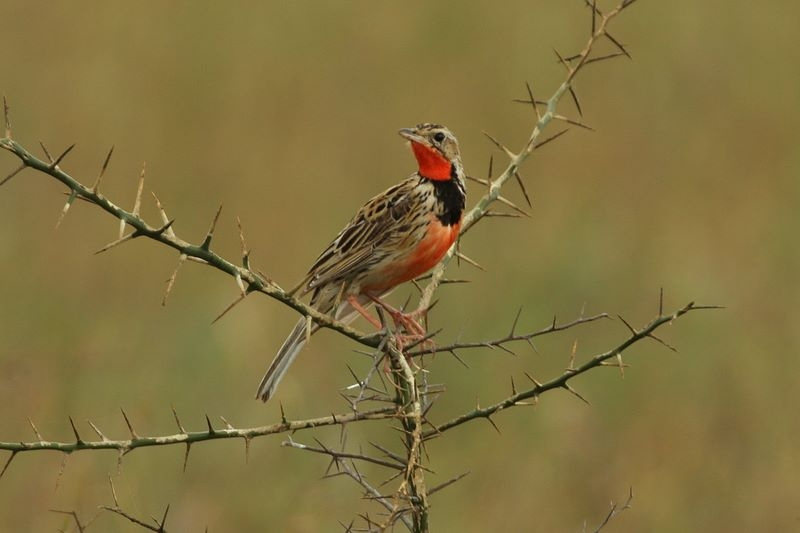
I still haven’t found what I was hoping to find. This next bird is getting closer.

Rosy-throated Longclaw (Macronyx ameliae) ©WikiC

But this is the color of most sardonyx they show on the internet:

Red onyx – Handicraft ©WikiC

Have you seen any birds like that? Let me see what we have already shown here on the blog.

Red-throated Twinspot (Hypargos niveoguttatus) ©WikiC

None of these absolutely match our Sardonyx stone, but are they amazing Avian Wonders from their creator?

*** Articles in this Series so far:

Is There a God?

Birds of Grand Canyon, Part 1: Introduction

Dr. James J. S. Johnson

Birds of Grand Canyon, Part 1: Introduction

 Who hath divided a watercourse for the overflowing of waters, or a way for the lightning of thunder? To cause it to rain on the earth, where no man is, on the wilderness, wherein there is no man?  To satisfy the desolate and waste ground, and to cause the bud of the tender herb to spring forth? (Job 38:25-27)

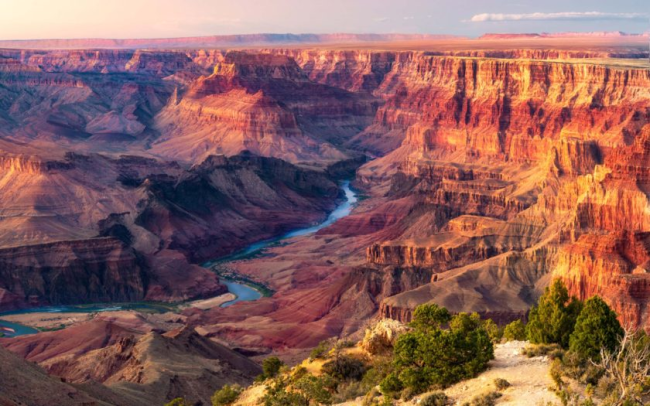
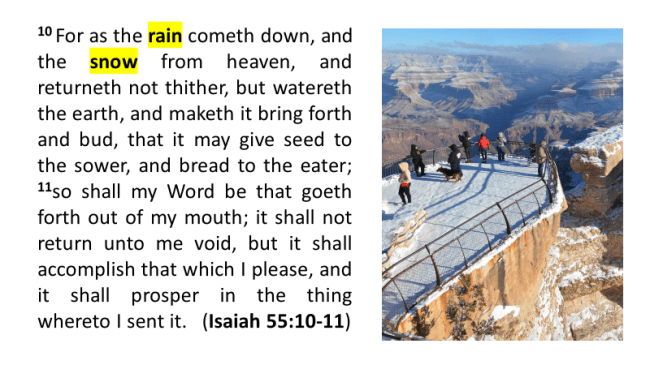
Welcome to the wonderful world of Grand Canyon wildlife!  Inside the Grand Canyon, and atop its ledge-like rims, live many creatures that God has fitted to flourish in that extreme habitat — including many precious birds!  Much of Grand Canyon is hot and dry, so many of its animals need to be designed and equipped for desert life, in order to thrive there generation after generation, season after season (Genesis 8:22).  However, atop the rims it can get quite cold in winter, with freezing temperatures, frigid winds, and snowfall – so not all of Grand Canyon’s wildlife are desert denizens.

[JJSJ’s ASIDE: this summer I’m privileged to participate in a GRAND CANYON EXPEDITION (September 3rd-7th, A.D.2024 — https://landmarkevents.org/gc5/ ), hosted by LANDMARK EVENTS ( http://www.LandmarkEvents.org ), God willing, river-rafting on a scenic stretch of the Colorado River, inside the inner gorge of the Grand Canyon, giving special attention to the wildlife that God provides for in that unique and astonishingly interesting habitat. The best Christ-honoring vacation/tour/adventure opportunities, that I can imagine (based on years of personal experiences), are those hosted by Landmark Events — check them out, early, to plan your next vacation/adventure, in America or beyond.]

So, some of Grand Canyon’s birds are not stereotypical “desert birds”, though many that live below are.

And, as the patriarch Job learned many centuries ago, God caringly provides for creatures that live in “wastelands” not dominated by humans — in extreme deserts, unattractive habitats for humans — God has provided for the physiological and metabolic nutrition needs of such desert denizens, including birds of such xeric and torrid lands, such as much of Grand Canyon (especially its Inner Gorge).

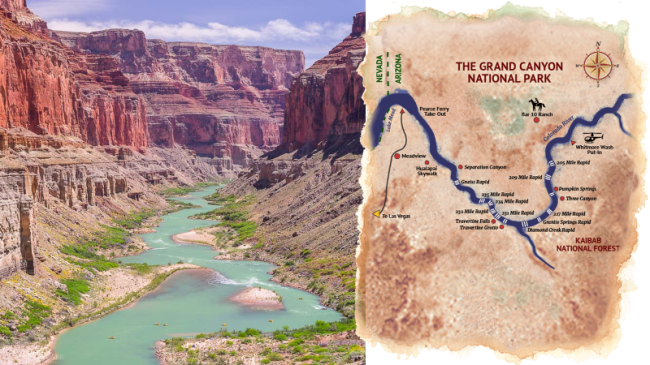
GRAND CANYON, showing COLORADO RIVER (Wallpapers13.com photo credit)

So, what kinds of birds call Grand Canyon “home”, or, at least, treat that canyon as a temporary home according to seasonal migration journeys?

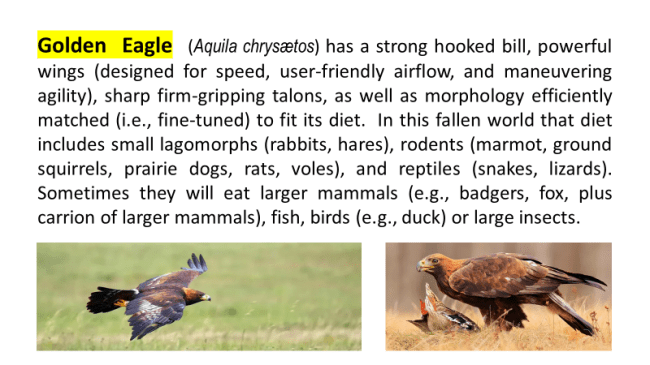
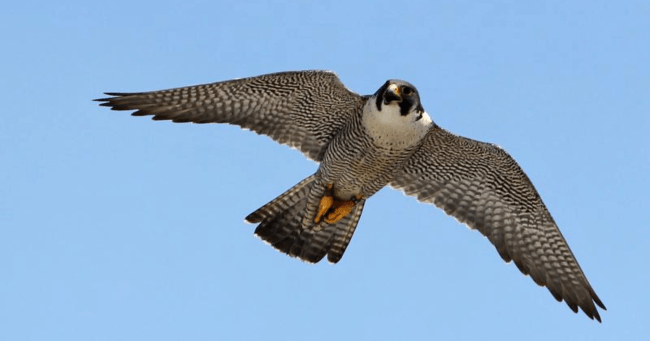
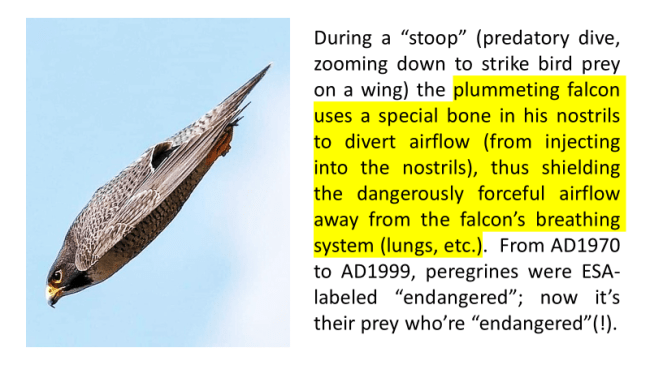
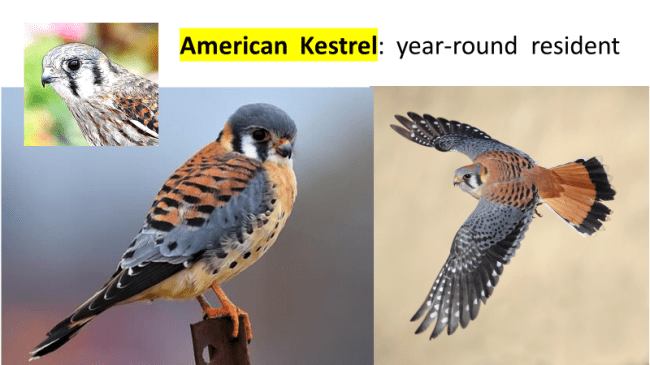
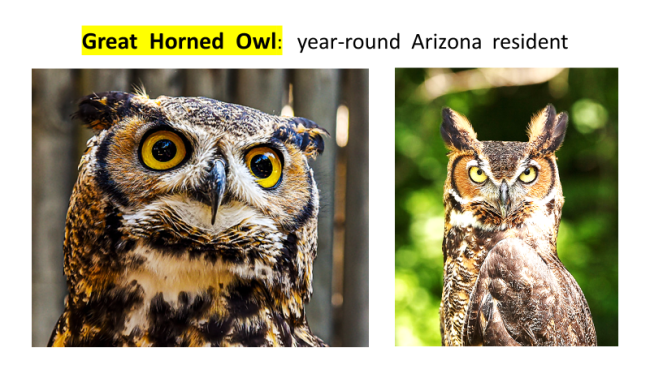
Grand Canyon has many large birds of prey, such as eagles (Golden Eagles and wintering Bald Eagles), hawks (Red-tailed Hawk, Sharp-shinned Hawk, Goshawk), falcons (Peregrine Falcon, American Kestrel), and owls (Great Horned Owl, Northern Pygmy Owl, Mexican Spotted Owl).  

PEREGRINE FALCON flying (Indianapolis Star photo credit)

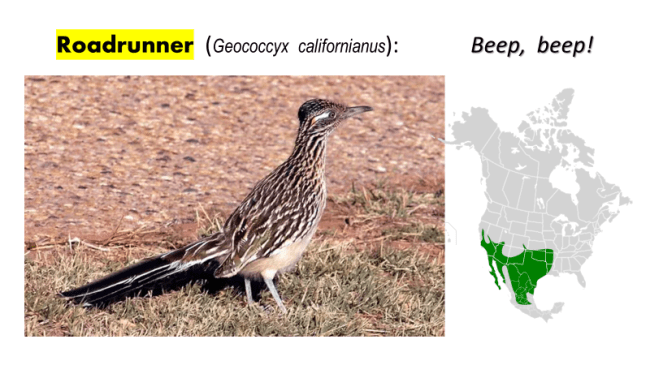
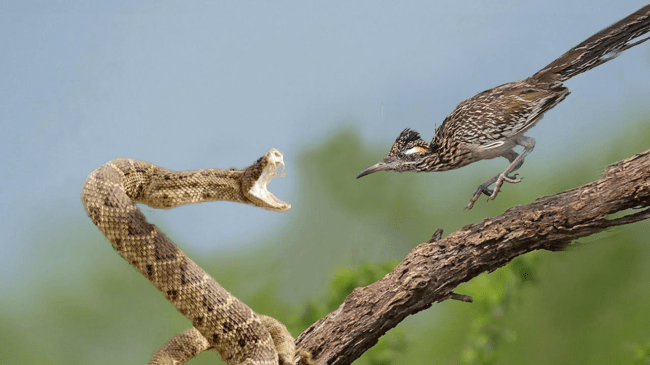
Although not classified as a “bird of prey”, the Roadrunner is proficient at killing and eating frogs, lizards, and even snakes! 

ROADRUNNER preparing to kill RATTLESNAKE
(Pinterest / Snake Channel YouTube photo credit)

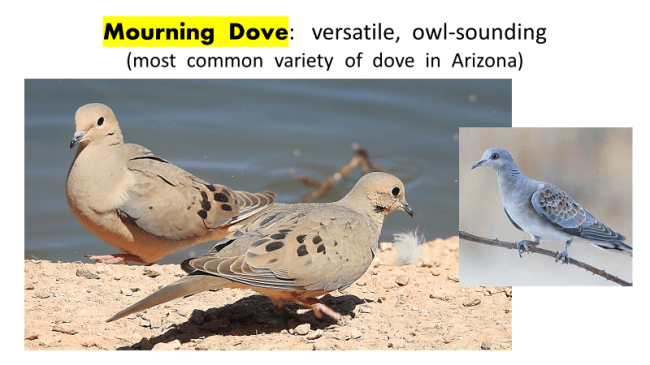
Some owl-sounding birds are actually Mourning Doves (Hoooo! Hoooo! Hoooo!), so they “bluff” at being predators of rodents (who actually threaten their eggs). 

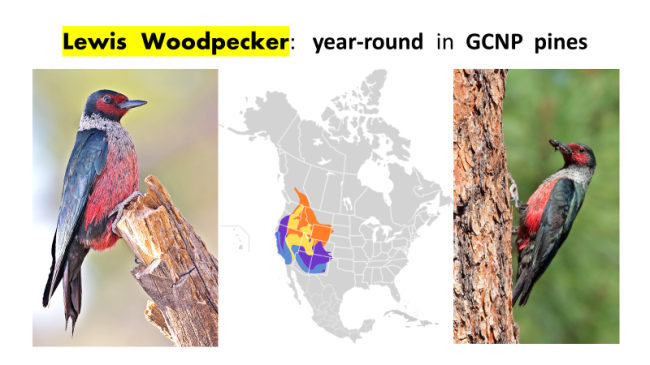
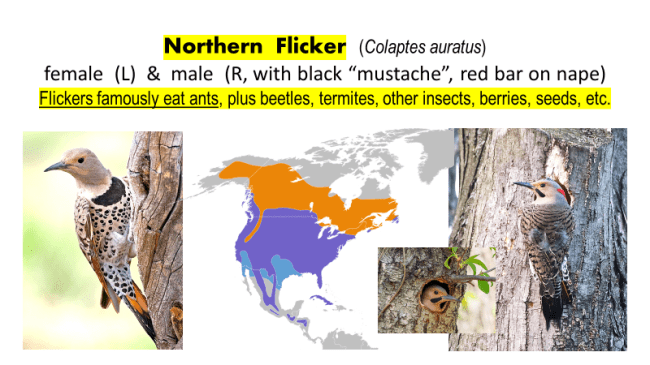
Grand Canyon’s rims and interiors have trees, so woodpeckers are to be expected. Resident woodpeckers include Lewis Woodpecker, Hairy Woodpecker, and Northern Flicker

(Many other birds love to dwell in evergreen trees, such as pinyon pines or ponderosa pines. (Even wild Blue Peafowl are found in the Grand Canyon’s conifers.)

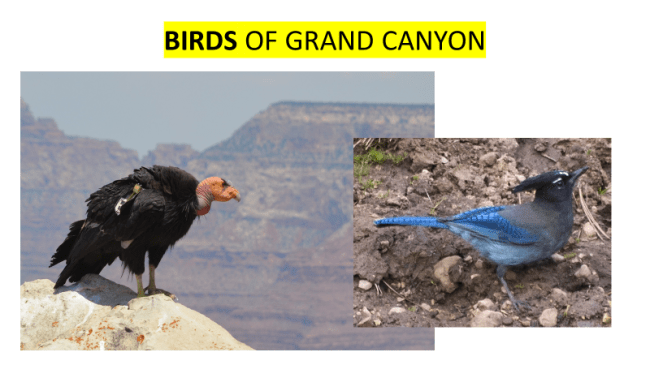
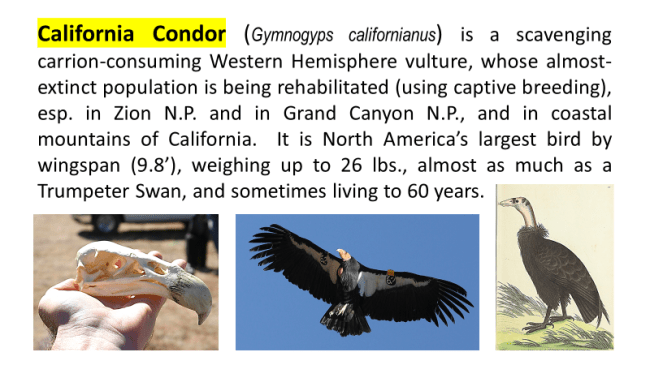
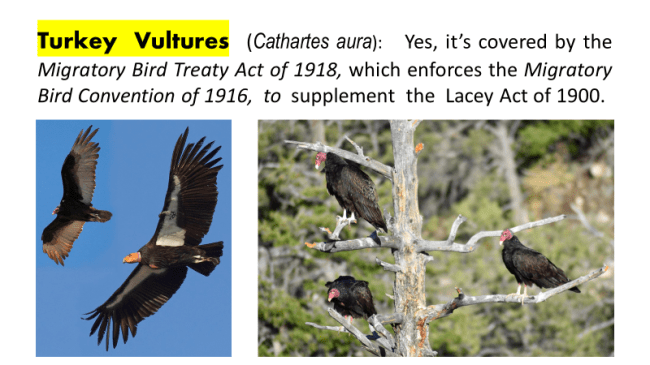
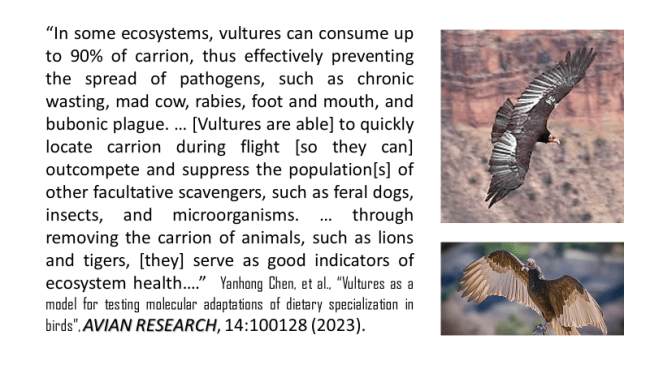
Scavenger birds of the canyon include the California Condor and Turkey Vulture, both serving as garbage pickup birds.

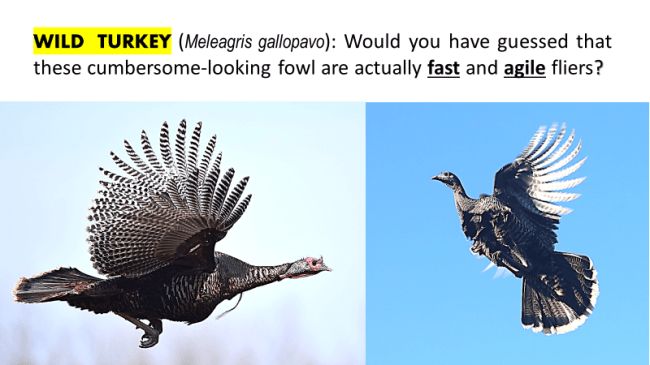
Galliformes (i.e., chicken-like ground-fowl) include Wild Turkey. 

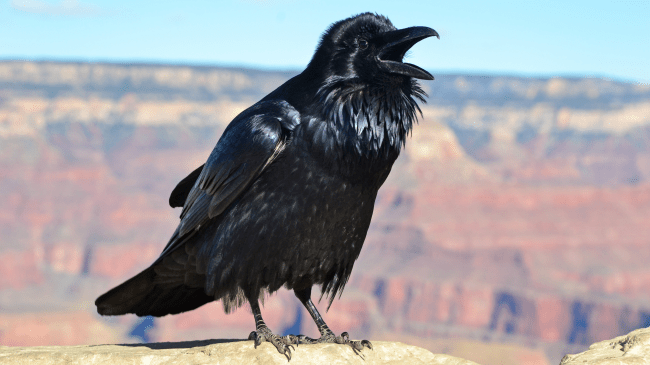
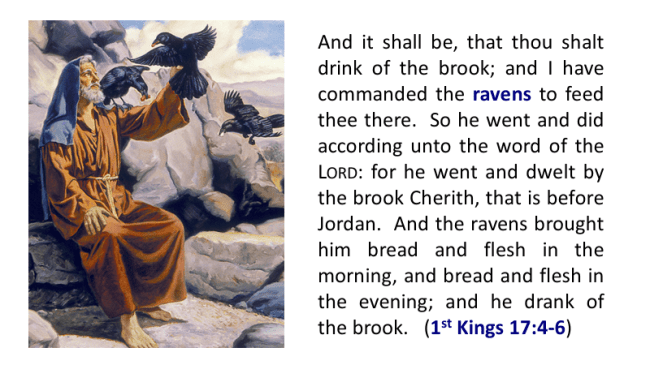
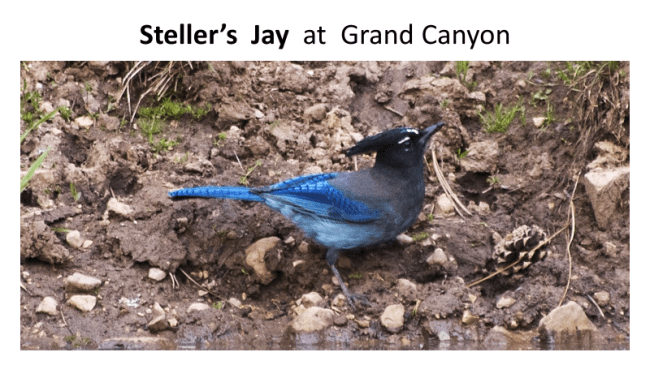
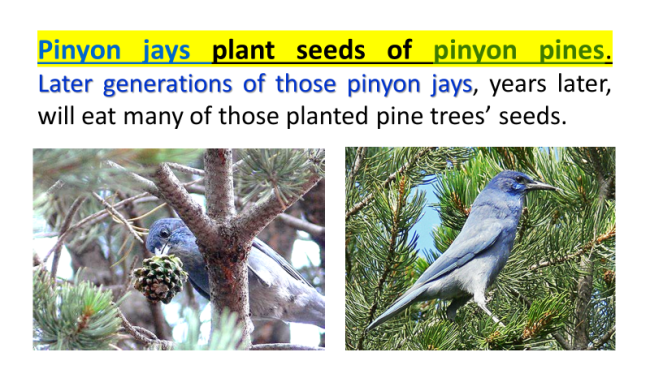
Corvids include Common Raven, Steller’s Jay, Pinyon Jay, Scrub Jay, etc. 

RAVEN at GRAND CANYON
(National Park Service photo credit)
STELLER’S JAY (National Park Service photo credit)

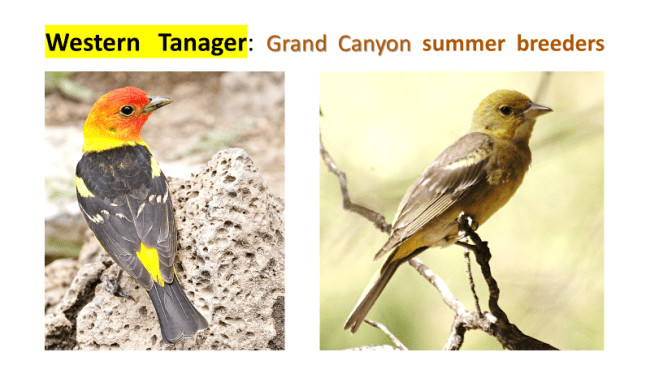
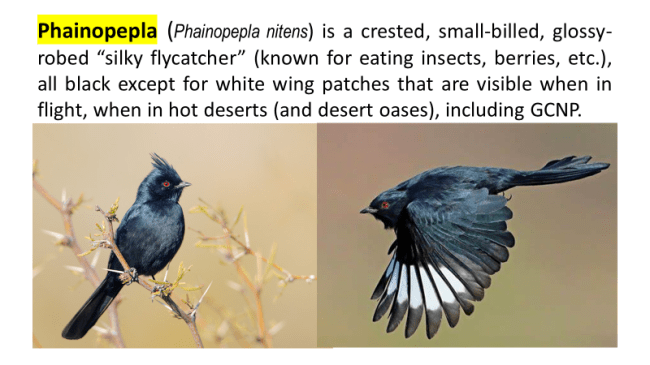
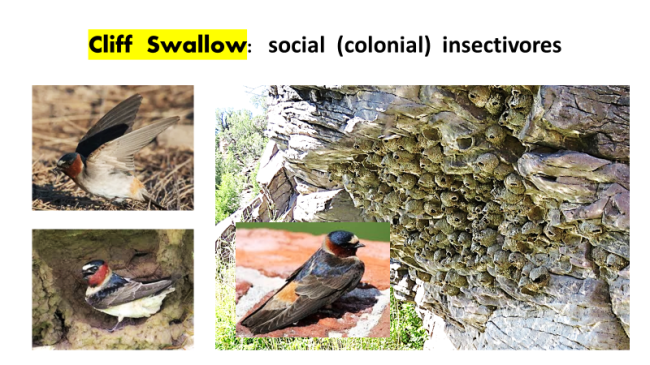
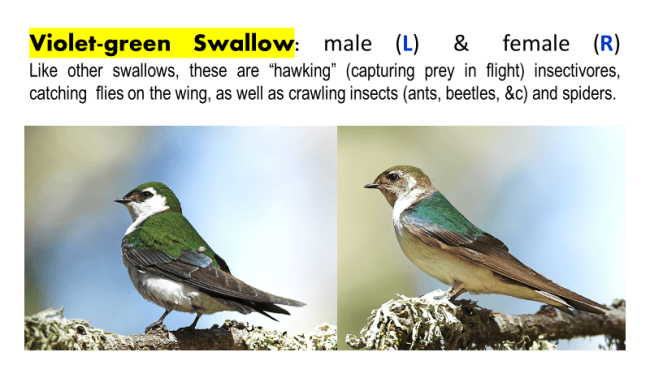
Other perching birds include Phainopepla, Dark-eyed Junco, European Starling, Western Tanager, Scott’s Oriole, Canyon Wren, Rock Wren, Mountain Chickadee, Common Grackle, Violet-green Swallow, Cliff Swallow, Brown Creeper, Western Bluebird, hummingbirds, etc.

PHAINOPEPLA
(perching: AnimalSpot.net photo credit
flying: eBird photo credit)

In short, Grand Canyon illustrate4s avian biodiversity — some specific examples of which will be, hopefully, inspected in future blogposts of this series.

There is so much more! This is just an introduction, D.v. —  meanwhile, welcome to the wonderful world of Grand Canyon’s avian wildlife!

What’s Its Name? – “cristatus”

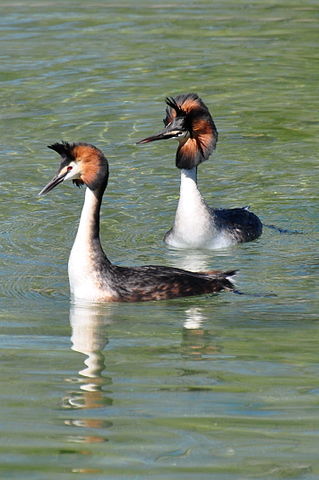
Great Crested Grebe (Podiceps cristatus) With partner ©WikiC

“And Haman answered the king, “For the man whom the king delights to honor, let a royal robe be brought which the king has worn, and a horse on which the king has ridden, which has a royal crest placed on its head.” (Esther 6:7-8 NKJV)

There are various Latin/scientific names for the “Crested” birds. The birds featured here use the term “christus” and we may check out more Crested birds in another article. Most are really gorgeous when the display that crest. What a Creator! Enjoy!

Great Crested Grebe (Podiceps cristatus) with young ©WikiC

Great Crested Grebe (Podiceps cristatus)

Indian Peafowl (Pavo cristatus) at Cincinnati Zoo by Lee

Indian Peafowl (Pavo cristatus)

Crested Hornero (Furnarius cristatus) ©©Flickr KarinaDiarte

Crested Hornero (Furnarius cristatus) ©©Flickr KarinaDiarte

Crested Hornero (Furnarius cristatus)

Flame-crested Tanager (Tachyphonus cristatus) by Dario Sanches

Flame-crested Tanager (Loriotus cristatus) by Dario Sanches

Flame-crested Tanager (Loriotus cristatus)

Australian Owlet-nightjar (Aegotheles cristatus) by Ian

Australian Owlet-nightjar (Aegotheles cristatus) by Ian

Australian Owlet-nightjar (Aegotheles cristatus)

Silvery-cheeked Antshrike (Sakesphorus cristatus) by A Grosset

Silvery-cheeked Antshrike (Sakesphorus cristatus) by A Grosset

Silvery-cheeked Antshrike (Sakesphoroides cristatus)

Here are the rest of these beautiful Avian Wonders “Crested” cristatus birds. They are in the order that the Birds of the World site lists them when you enter “crisstatus”:

Antillean Crested Hummingbird (Sakesphorus cristatus)

Crested Bobwhite (Colinus cristatus)

Antillean Crested Hummingbird (Orthorhyncus cristatus)

Malachite Kingfisher (Corythornis cristatus)

Sharpbill (Oxyruncus cristatus)

Chirruping Wedgebill (Psophodes cristatus)

Piping Bellbird (Ornorectes cristatus)

Brown Shrike (Lanius cristatus)

Crested Tit (Lophophanes cristatus)

There are more Crested birds, but they use different Scientific/Latin names such as “cristata“, and “cristatellus

Crested Lark (Galerida cristata) by Nikhil Devasar

We will take a look at them in another post, like the Crested Lark. Stay tuned!

WOW!!! WHAT A CREATOR!!

Formed By Him

Good News

What’s Its Name? – “elegans”

??? (Platycercus elegans) ©WikiC

In this post let’s investigate the name of “elegans.” Before I reveal what that means, let’s look at a few birds with “elegans” in its Scientific/Latin name.

elegans

??? (Malurus elegans) male-breeding ©WikiC

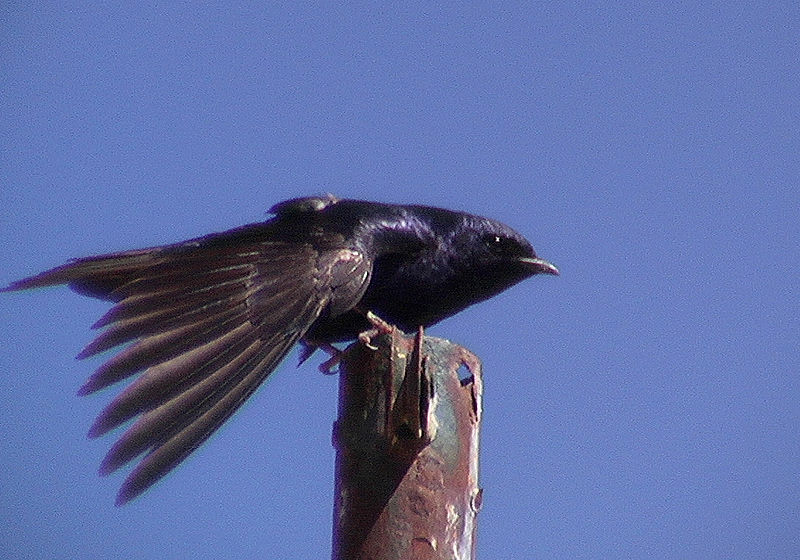
??? (Progne elegans) ©WikiC

??? (Emberiza elegans) ©WikiC

Elegant Crested Tinamou (Eudromia elegans) Cloud Forest at Zoo Miami by Lee

??? (Eudromia elegans) Cloud Forest at Zoo Miami by Lee

Buff-spotted Flufftail (Sarothrura elegans) ©©kibuyu

??? (Sarothrura elegans) ©©kibuyu

??? (Rallus elegans) Viera Wetlands 12-26-17 by Lee

That’s enough to give a view of some of the “elegans.” Just looking at the variety, I have no clue as to what “elegans” means. :)

This photo by Ian gives the whole birds name. Maybe it means “Elegant”?

"Yellow" Crimson Rosella (Platycercus elegans flaveolus) by Ian 4

“Yellow” Crimson Rosella (Platycercus elegans flaveolus) by Ian

Here are links to the birds above in order presented:

Crimson Rosella (Platycercus elegans)

Red-winged Fairywren (Malurus elegans)

Elegant Crested-Tinamou (Eudromia elegans)

Southern Martin (Progne elegans)

Yellow-throated Bunting (Emberiza elegans)

Elegant Crested-Tinamou (Eudromia elegans)

Buff-spotted Flufftail  (Sarothrura elegans)

King Rail (Rallus elegans)

After seeing all these beautiful Avian Wonders from the Lord, whatever the term means, I’m voting for ELEGANT!!!

“And God blessed them, saying, ‘Be fruitful and multiply, and fill the waters in the seas, and let birds multiply on the earth.’ ” (Genesis 1:22 NKJV)

Elegant Tern by Ian Montgomery

Elegant Tern by Ian Montgomery

Here are the rest of the “elegans” at Birds of the World – at Cornell Lab:

Brush Bronzewing (Phaps elegans)

Elegant Tern (Thalasseus elegans)

Subantarctic Shearwater (Puffinus elegans)

Ryukyu Scops-Owl (Otus elegans)

Elegant Trogon (Trogon elegans)

Chestnut Woodpecker Celeus elegans

Brazilian Laniisoma (Laniisoma elegans elegans) Pinterest

Brazilian Laniisoma (Laniisoma elegans elegans) Pinterest

Elegant Parrot (Neophema elegans)

Elegant Pitta (Pitta elegans)

Elegant Crescentchest (Melanopareia elegans)

Elegant Woodcreeper (Xiphorhynchus elegans)

Brazilian Laniisoma (Laniisoma elegans)

Elegant Tit (Periparus elegans)

WOW!!! WHAT A CREATOR!!

Formed By Him

Good News

What’s It’s Name? – “Coronata”

Blue-crowned Manakin (Lepidothrix coronata) ©WikiC

“For You meet him with the blessings of goodness; You set a crown of pure gold upon his head.” (Psalms 21:3 NKJV)

Coronata is our Scientific/Latin word today. When I saw this name for birds, without looking up the word, I thought it had to have something to with a coronation, a king, or maybe a crown.

Crested Treeswift (Hemiprocne coronata)

Crested treeswift (Hemiprocne  coronata) Male and Female Photographs by Shantanu Kuveskar – Wikipedia

Blue-capped Manakin (Lepidothrix coronata)

Blue-crowned Manakin (Lepidothrix coronata) ©WikiC

Wrenthrush (Zeledonia coronata)

Wrenthrush (Zeledonia coronata) – Anthony Batista (Wikipedia)

Yellow-rumped Warbler (Setophaga coronata)

Myrtle (Yellow-rumped) Warbler (Setophaga coronata) breeding ©WikiC

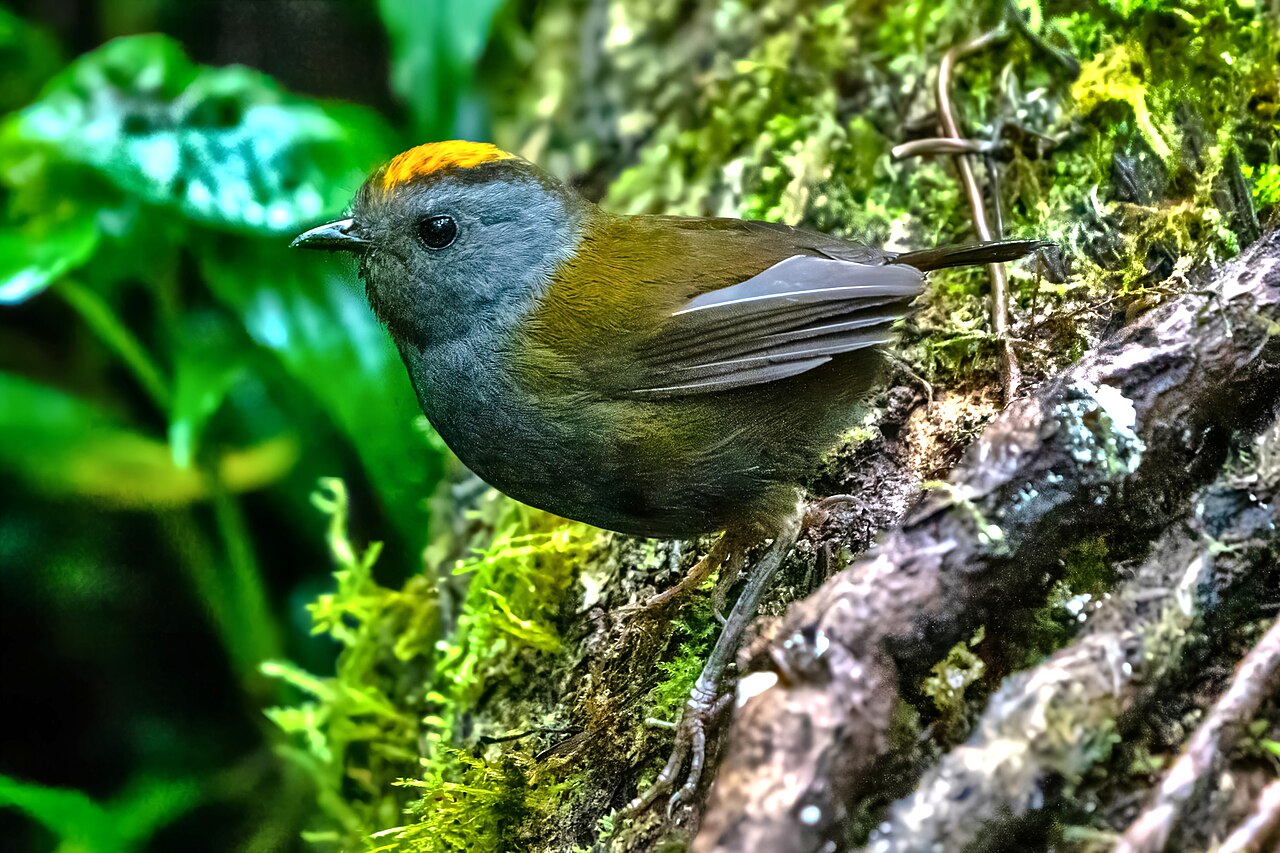
Russet-crowned Warbler (Myiothlypis cornata)

Russet-crowned Warbler (Myiothlypis cornata)

Yellow-rumped Warbler (Setophaga coronata)

Myrtle Warbler (Setophaga coronata) by Anthony747

Myrtle Warbler (Setophaga coronata) by Anthony747

This Myrtle Warbler seems to have the “crown” a little misplaced. Just an observation :)

I trust you are enjoying the Avian Wonders from the Lord from their Scientific/Latin names. We are just beginning. There are so many varieties of words that I doubt we will ever discover/introduce all of them. Also, the naming of birds keep changing from time to time. See The I.O.C World Bird List 14.1

Previous articles that have mentioned some of the birds:

Wages Or A Gift?

What’s His Name? – “Varius”

As we start the new series about the bird’s Scientific/Latin names, a verse came to mind about His name. Of course, that is referring to God, but I like the “What is His name” part. So, for now (unless some suggest a different one) that will be the name of these articles.

Who has ascended into heaven, or descended? Who has gathered the wind in His fists? Who has bound the waters in a garment? Who has established all the ends of the earth? What is His name, and what is His Son’s name, If you know?” (Proverbs 30:4 NKJV)

Varius means

If you go to Birds of the World – Species and the type the Scientific/Latin name, a list of those birds will show. “The specific epithet varius is the Latin word meaning “various”, “diverse” or “variegated” (Wikipedia)”. Here is the list of birds from “Birds of the World – with “varius.

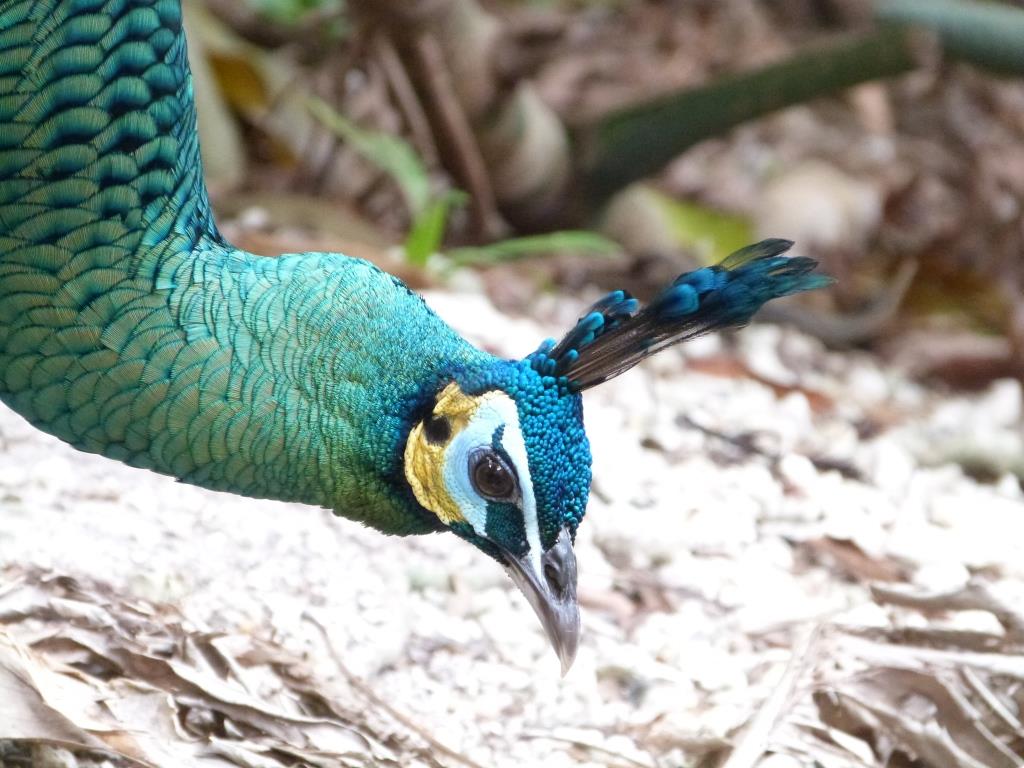
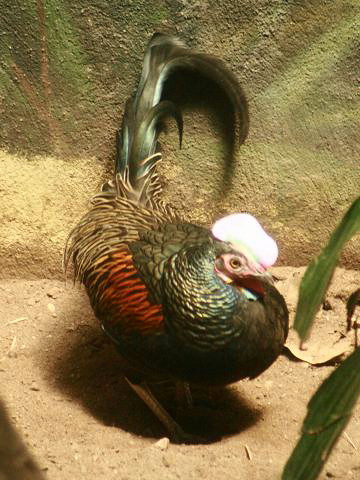
Green Junglefowl – Gallus varius
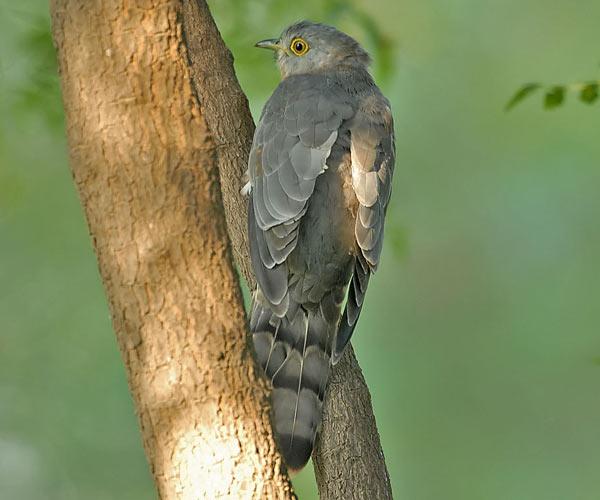
Common Hawk-Cuckoo – Hierococcyx varius
Painted Buttonquail – Turnix varius
Pied Cormorant – Phalacrocorax varius
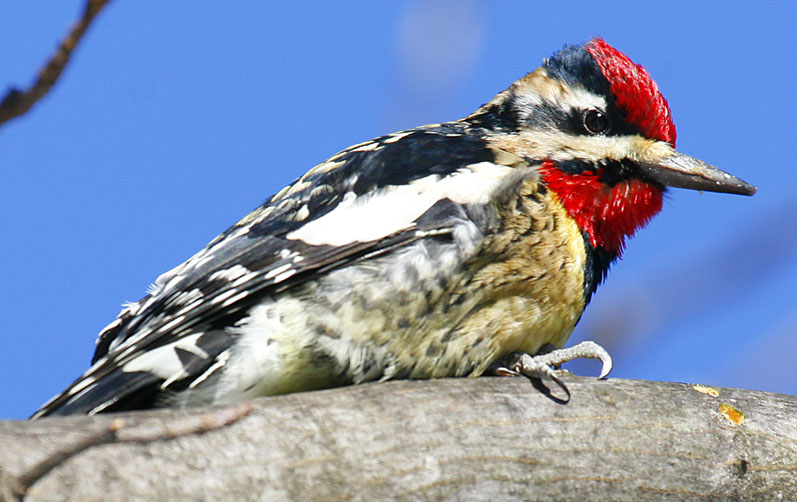
Yellow-bellied Sapsucker – Sphyrapicus varius
Mulga Parrot – Psephotellus varius
Variegated Flycatcher – Empidonomus varius
Varied Tit – Sittiparus varius
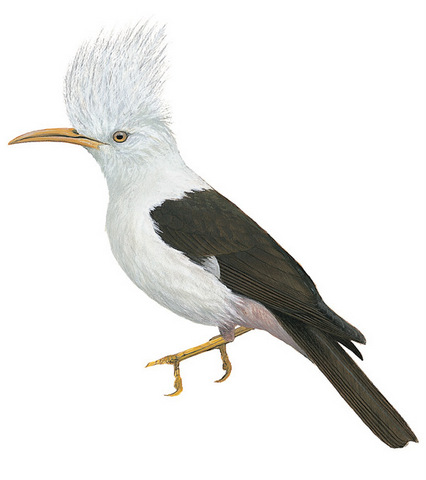
Reunion Starling – Fregilupus varius

Green Junglefowl (Gallus varius) ©WikiC

Green Junglefowl (Gallus varius) ©WikiC

Common Hawk-Cuckoo (Hierococcyx varius) by Nikhil

Painted Buttonquail (Turnix varius) by Ian

Painted Buttonquail (Turnix varius) by Ian

Australian Pied Cormorant (Phalacrocorax varius) by Ian

Yellow-bellied Sapsucker (Sphyrapicus varius) ©WikiC

Yellow-bellied Sapsucker (Sphyrapicus varius) ©WikiC

Mulga Parrot (Psephotus varius) by Ian

Mulga Parrot (Psephotellus varius) by Ian

Variegated Flycatcher (Empidonomus varius) from Audubon

Varied Tit (Sittiparus varius) by Shanghai Birding

Reunion Starling – (Fregilupus varius) Planet of Birds

A short clip of a Painted Buttonquail

A few previous articles mentioning some of these birds:

Ian’s Irregular Bird – Painted Birds

Yellow-bellied Sapsucker – Chief Corner Stone’s Keystone

Siamese Fireback by Dan

Stay tuned as we investigate some more of these Scientic/Latin names.

Good News