From The Deepest Wilderness, To The Most Crowded Cities

From the deepest wilderness, to the most crowded cities

The great thing about enjoying birds is that you can experience that joy just about anywhere you go! Even if we’re shut indoors at a meeting or conference, we can simply pick the seat next to the window and find our avian friends.

In his chapter in the book Good Birders Still Don’t Wear White, author and birder Noah Strycker wrote, “The beauty of birds is that they are everywhere, from the deepest wilderness to the most crowded inner cities.”

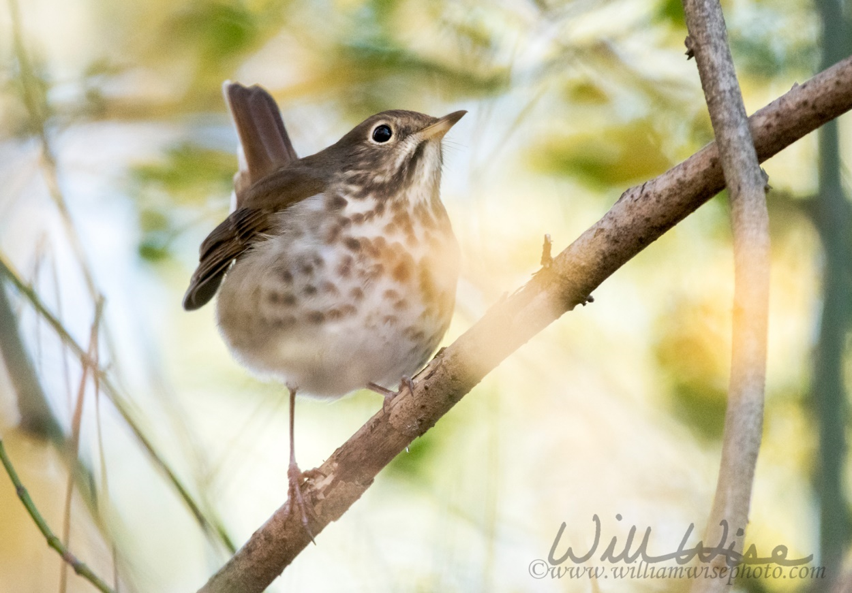
I usually find the Hermit Thrush in one of the more deeply wooded areas of my regular birding routes. Walton County, GA. November 2018 by William Wise.

And the great thing about being a Christian is that we can engage with our Creator anywhere we are! Whether we are admiring His handiwork on a nature hike, lifting up His name in organized worship, or slipping into a closet during a stressful day at work to call upon His name, our God is ever-present.

In the book of Psalms, David wrote, “If I go up to heaven, you are there; if I go down to the grave, you are there. If I ride the wings of the morning, if I dwell by the farthest oceans, even there your hand will guide me, and your strength will support me.” Psalm 139:8-10

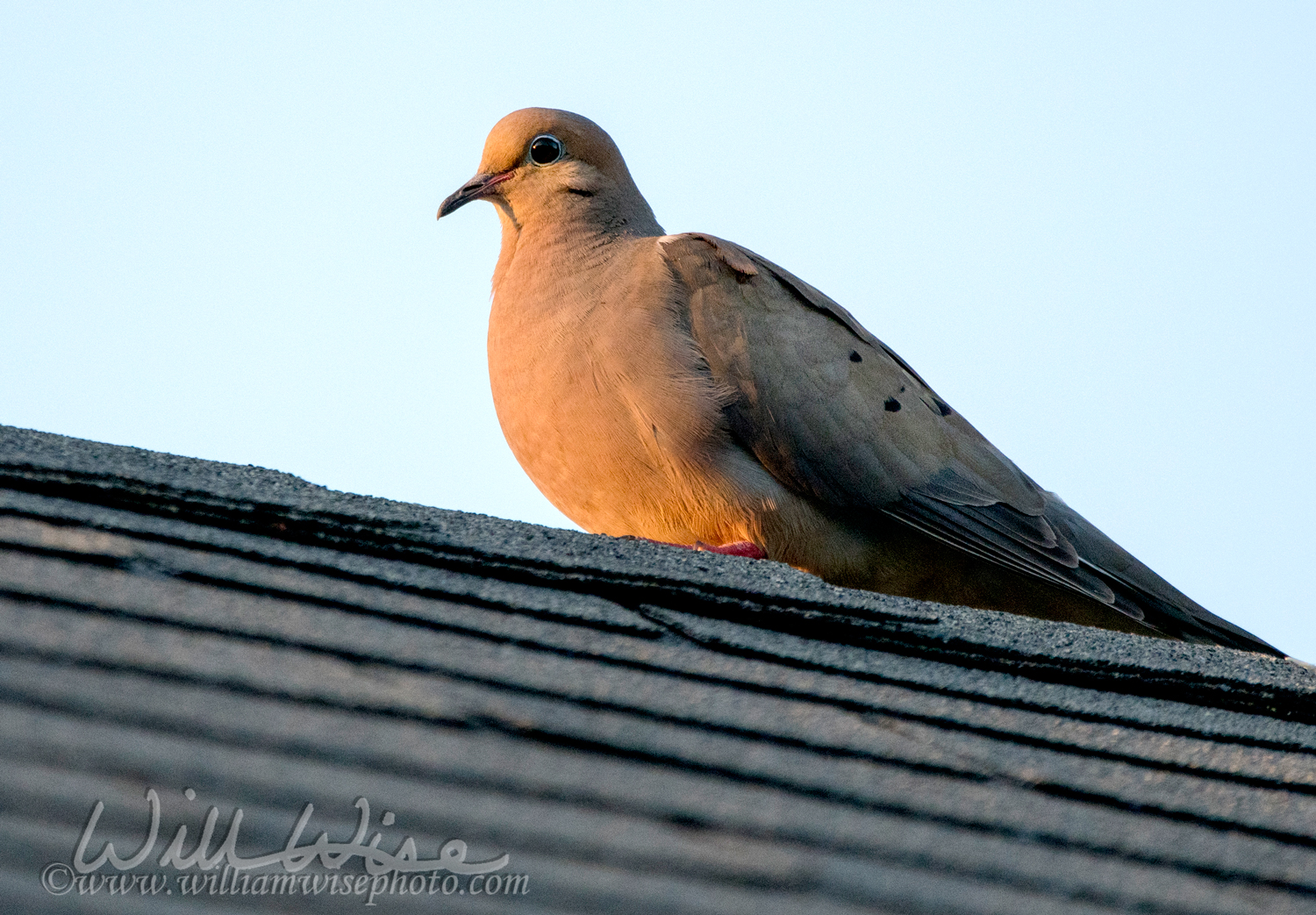
Mourning Dove on roof top, Athens, Georgia USA

Just like the birds, “from the deepest wilderness, to the most crowded cities”, our God is there!

William Wise Photo Nature Notes is a wildlife, birding and nature photography blog documenting the beauty, design and wonder of God’s creation. — “What a wildly wonderful world, God! You made it all, with Wisdom at Your side, made earth overflow with your wonderful creations.” Psalms 104 The Message


Hi, I’m wildlife photographer and nature writer William Wise. I was saved under a campus ministry while studying wildlife biology at the University of Georgia. My love of the outdoors quickly turned into a love for the Creator and His works. I’m currently an animal shelter director and live in Athens, Georgia with my wife and two teenage daughters, who are all also actively involved in ministry. Creation Speaks is my teaching ministry that glorifies our Creator and teaches the truth of creation. I am also a guest author at Lee’s Birdwatching Adventures and The Creation Club. — “What a wildly wonderful world, God! You made it all, with Wisdom at Your side, made earth overflow with your wonderful creations.” Psalms 104, The Message.

Birds of the Bible – Better Than The Birds

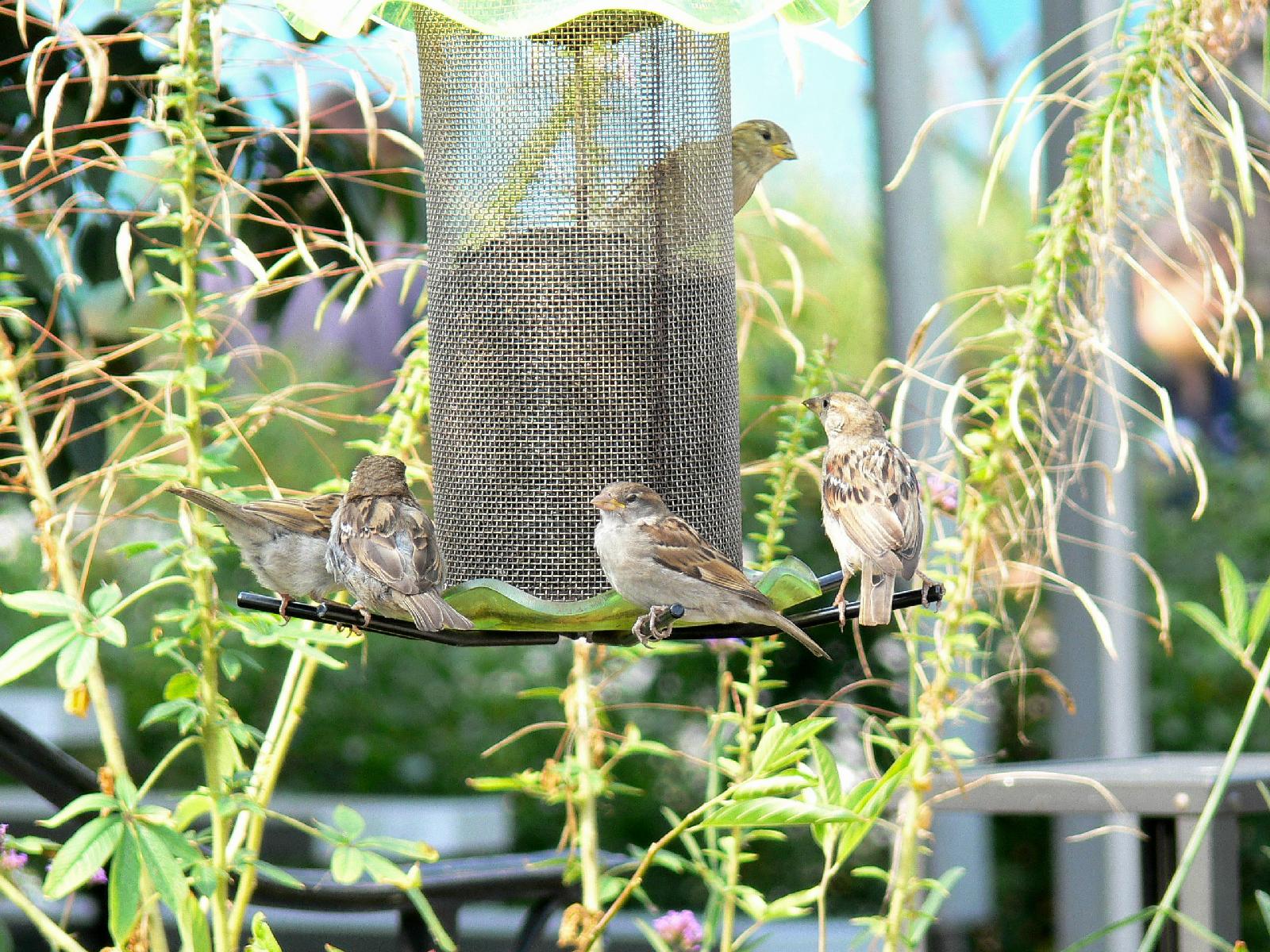
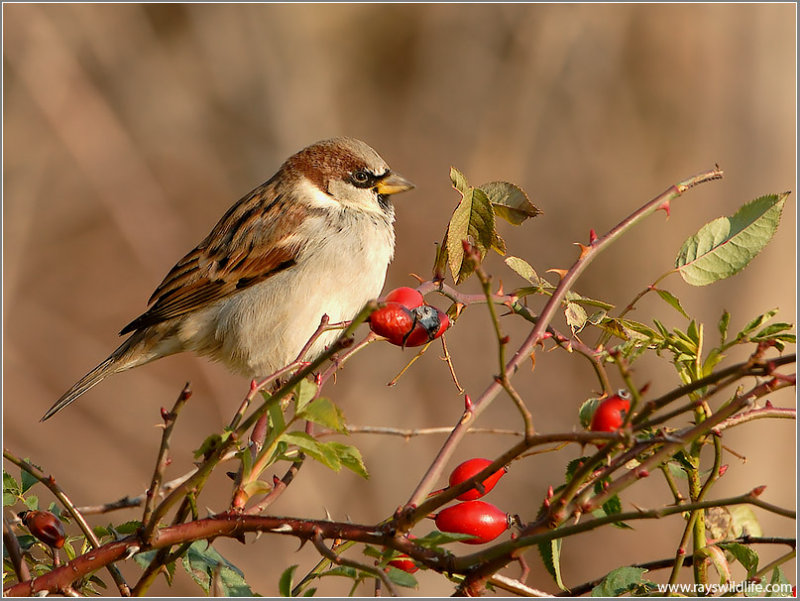
House Sparrow by Ray

In 2013, the Birds of the Bible – Worry and Sparrows articles were posted for part I and II. It’s 2020 now, and I’d like to repost these, plus add III and IV, which were never posted. They were overlooked by me. If your memory is like mine, you need a refresher. This time I will add the last 2 articles.


While listening to Wisdom For The Heart on BBN (Bible Broadcasting Network), I heard this message by Pastor Stephen Davey and wanted to share it. His message was “Better than the Birds” and of course it caught my attention. There are four parts, this is the introduction and part one.

Better than the Birds

Luke 12:6-31

I have read that a dense fog – so extensive that it covers seven city blocks a hundred feet deep is actually composed of no more than one glass of water; water, of course that’s divided into more than 60 billion droplets of water.i

Just a couple gallons of water can cripple an entire city.

In many ways, this perfectly illustrates the substance of worry. Just a little bit of it can spread and deepen and ultimately cripple the mind and the heart of even believers.

One author put it this way when he wrote, “Worry is a thin stream of fear that trickles through the mind, which, if encouraged, will cut a channel so wide that all other thoughts will be drained out.”ii

I find it extremely gracious of our Lord that whenever He addressed the subject of worry, and He did on several occasions, He went much further than simply saying, “You know better than that . . . worrying isn’t good for you . . . it’ll mess up your mind . . . isn’t right . . . stop worrying right now!”

Instead, Jesus graciously causes us to think through this vaporous substance of worry; He gives us several reasons to stop worrying and He even condescends in His patience to give us illustrations – effectively – giving us principles to teach us why we really don’t ever need to worry.

And several of His key principles are the form of questions.

Let me invite you to Luke chapter 12 where Jesus asks some profound questions.

He’s teaching His disciples – this chapter in Luke corresponds to His sermon in Matthew’s Gospel.

Now if you’ve ever read His sermon, you’ll notice that He goes from one subject to the next – almost randomly touching on a series of different topics.

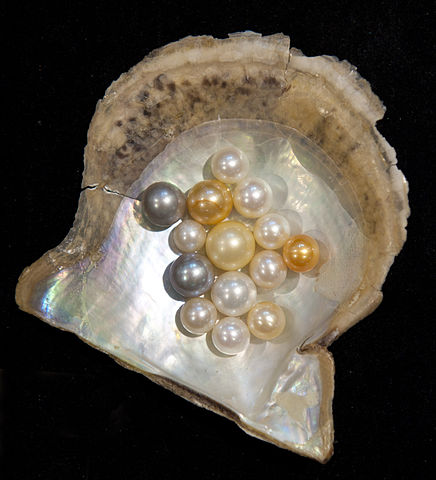
Jesus is actually employing a Jewish teaching style called Charaz – which means, stringing pearls.iii

In other words, Jesus will string pearls of wisdom on a number of subjects, like someone might string together a rare necklace of pearls.

And one of the pearls He adds to his string of pearls is this subject of worry.

Let me give you four principles in this regard as we work through His comments on overcoming worry.

The first principle to understand is that:

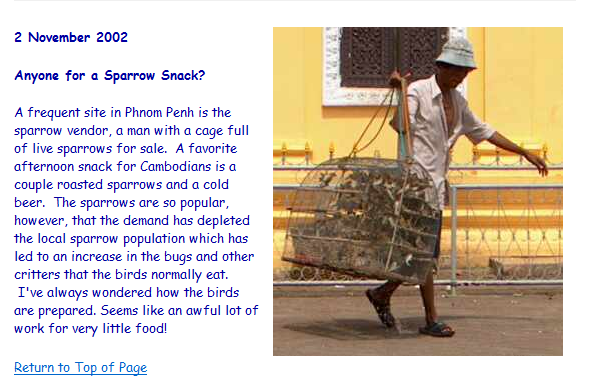
Anyone for a Sparrow Snack?

Anyone for a Sparrow Snack?

   1. Worry denies the gracious care of God

And He proves His point by asking two questions – notice His first question at verse 6. Are not five sparrows sold for two cents? Yet not one of them is forgotten before God.

Now if you compared this account with Matthews account, we’re told that 2 sparrows were sold for 1 penny.

The Greek term for this coin refers to a small brass coin worth about 1/10th of a day’s wage for a working laborer.

Which is a long way of saying, sparrows were the cheapest meat sold in the marketplace.iv

They were the food of the poorest of the poor. You barely got a mouthful of meat from a little sparrow.

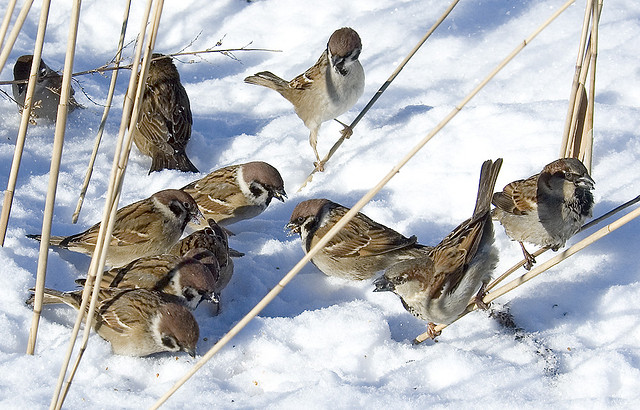
Sparrows in snow ©©Bing

Sparrows in snow ©©Bing

In fact, Matthew’s Gospel tells us that you can buy 2 sparrows for a penny and Luke here tells us that you can get 5 sparrows for 2 penny’s; how’s that add up?

Well, we know from history that during the days of Christ, sparrows were so abundant and so cheaply sold to the poor that if you bought 4, you got one thrown in for nothing.

And that’s what Luke alludes to here – are not five sparrows sold for two cents? Yet not one of them is forgotten before God.

Now watch this – Luke is effectively saying, even the free sparrow is not forgotten by God. Even the sparrow that got thrown in for nothing matters to God.

You want to know why you never need to worry? Because to God you are never lost in the crowd.v

Not only does God not lose track of even one sparrow – he doesn’t even lose track of one single hair from your head.

Notice further in verse 7. Indeed the very hairs of your head are all numbered.

I’ve read that the average person’s head holds more than 100,000 hairs. Some of us are down to a few hundred.vi

A few dozen . . .

Now some commentators don’t think Jesus is being serious here – that He’s just exaggerating to make a point.

I mean, come on . . . He counts the number of the hairs on our heads? That number changes daily. Surely God doesn’t bother with that kind of detail. Gary Hallquist – 60,000; Dr. Burggraff – 12 . . . hundred.

No, I think that’s exactly His point. The glory of God revealed here is that He actually does know!

Jesus is effectively asking us, “Look, do you really think you can slip out of your Heavenly Father’s care – that you can somehow slip out from underneath the radar of His divine omniscience? Do you think He’s forgotten about you or that your problems are too numerous to keep up with?

I mean if He can keep track of 100,000 hairs on somebody’s head of hair, do you think He’ll get frustrated with you coming to Him over and over again to give Him your worries?

Do you think He’s going to say, “Look, there’s only so much room on my ledger and you’ve already been here a dozen times today . . . I just can’t keep track.”

Listen, if God is actually such a gracious, omniscient God – that He doesn’t overlook a single sparrow – even the one that gets thrown in for free – He will never overlook you either.

Worry denies the gracious care of God

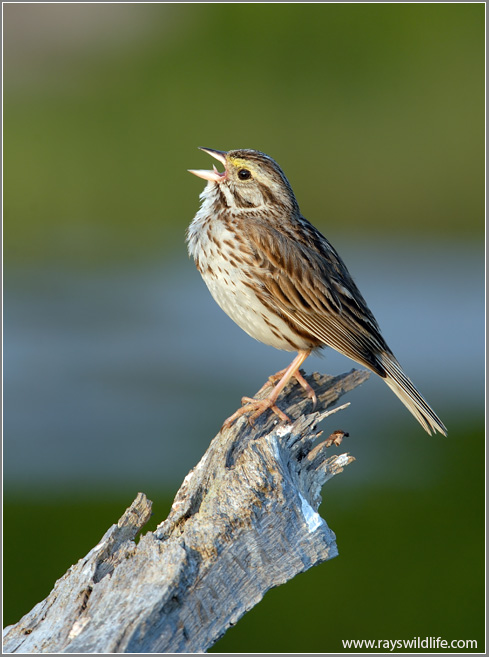
Savannah Sparrow singing by Ray

Savannah Sparrow singing by Ray

(Copied with permission from Wisdom for the Heart and Pastor Stephen Davey.)

i John MacArthur, Matthew 1-7 (Moody Publishers, 1985), p. 419
ii Ibid
iii William Barclay, The Gospel of Luke (Westminster, 1975), p. p. 160
iv Bruce B. Barton, Life Application Bible: Luke (Tyndale, 1997), p. 314
v Barclay, p. 161
vi MacArthur, p. 119


Lee’s Addition:

Are not five sparrows sold for two farthings, and not one of them is forgotten before God? But even the very hairs of your head are all numbered. Fear not therefore: ye are of more value than many sparrows. (Luke 12:6-7 KJV)

What a great encouragement not to worry. Thanks, Pastor Davey for a great message.

See:

*

Sometimes We Have A Blank Mind

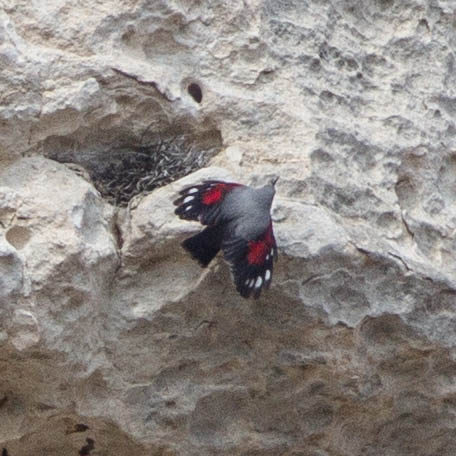
Wallcreeper (Tichodroma muraria) ©WikiC

My friendships that have developed with many bloggers in enjoyable. Over the years, many of us become friends even though we have never met personally. That has been one of the benefits of posting articles and reading those of others.

One of those friendships has been with Sandra Conner. She has a variety of topics she writes about on various blogs, plus she has authors several books.

From her “Frustration” post, she was at a blank as to what to write. So, she wrote her poem:

“I am a writer.
Yes, I am; I know I am.
So why is it that
I’m so often in this jam?

I start new novels;
Then, alas, the muse runs dry.
Three novels just sit,
And I have no idea why.

I am a writer.
I’ve said it o’er and o’er again.
“I am a writer!”
Pounding, pounding through my brain.

Since writing novels
Doesn’t seem to work just now,
I’ll write a poem.
They’re much prettier anyhow.

I replied with this:

Yep! I know a little bit about that.

I’m a blogger, but can’t seem to blog.
At times, mind is in a fog.
So here I sit on a log.
Wishing I could come up with a blog.

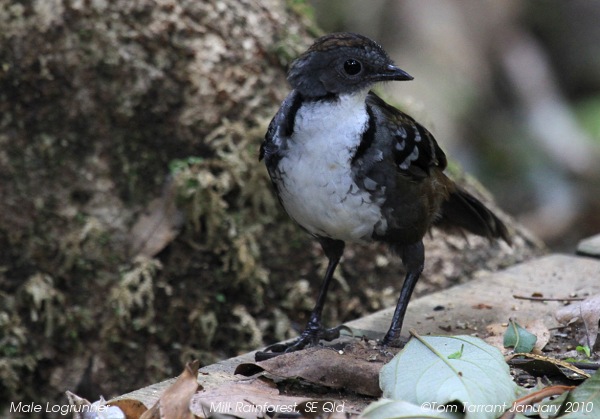
Australian Logrunner (Orthonyx temminckii) by Tom Tarrant

***

I think we all are at times confronted with not knowing what to do about something. Those of us who blog know about that. Even others hit blank walls about what to do about some issue.

Thankfully, God’s Word gives great answers for those times. One passage in particular helps us:

“If any of you lack wisdom, let him ask of God, that giveth to all men liberally, and upbraideth not; and it shall be given him. But let him ask in faith, nothing wavering. For he that wavereth is like a wave of the sea driven with the wind and tossed.” (James 1:5-6 KJV)

Rembrandt, Christ in the Storm on the Sea of Galilee (public domain)

Check out some of Sandra Connor’s Blogs:

Ahyoka Happiness

Sandra Conner’s Main Blog List her blogs, and about most of the things she is involved in.

I’m thankful that on this blog, there are other writers who seem to step in there with an article just when my mind is blank. Yeah! Thanks to Dr. Jim, William Wise, Emily, Golden Eagle, and all the others that have contributed here and on Birds of the Bible for Kids.


Peeking For Knowledge

Sharing this from my Birds of the Bible for Kids blog.

Now that you students have returned to school after the holidays, it’s time for more articles.

I said "no" Peeking - by Poplively

To be able to learn, we need to “peek” in our books and listen to our teachers so we can gain knowledge. Don’t be afraid to read and study.

“I applied my heart to know, To search and seek out wisdom and the reason of things, To know the wickedness of folly, Even of foolishness and madness.” (Ecclesiastes 7:25 NKJV)

In all your studying, don’t forget to “peek” into your Bible.

A wise man will hear and increase learning, And a man of understanding will attain wise counsel, To understand a proverb and an enigma, The words of the wise and their riddles. The fear of the LORD is the beginning of knowledge, But fools despise wisdom and instruction.
(Proverbs 1:5-7 NKJV)

Photo used:

I said “no” Peeking – by Poplively, Peek by Poplively

ABC’s of the Gospel

True From The Beginning

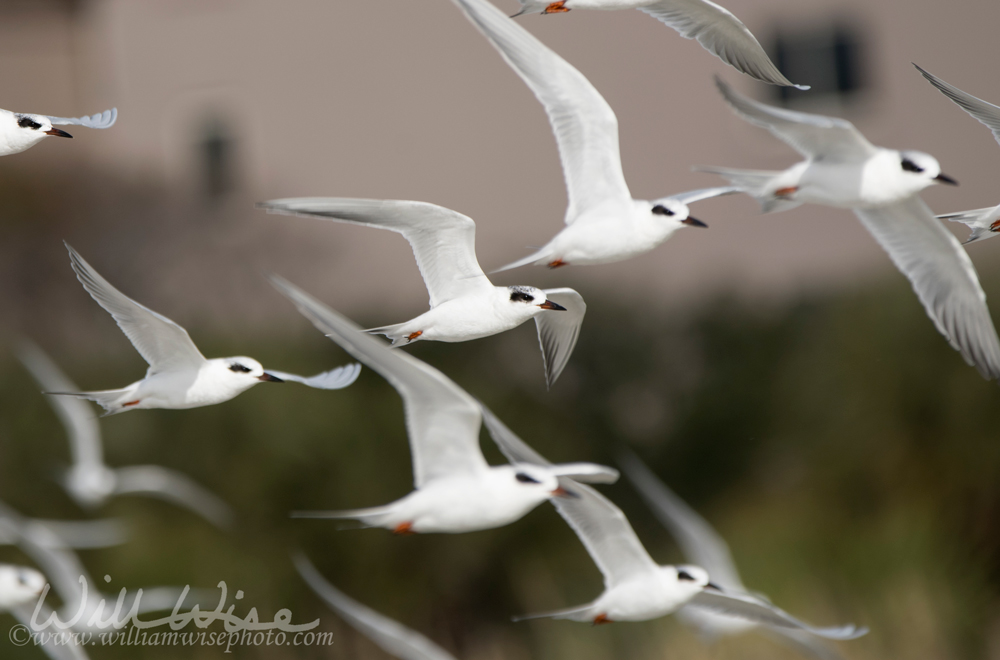
Forster’s Tern; Hilton Head Island, South Carolina, USA by WilliamWisePhotography

TRUE FROM THE BEGINNING

by William Wise

Psalm 119:160 “Thy word is true from the beginning…”  

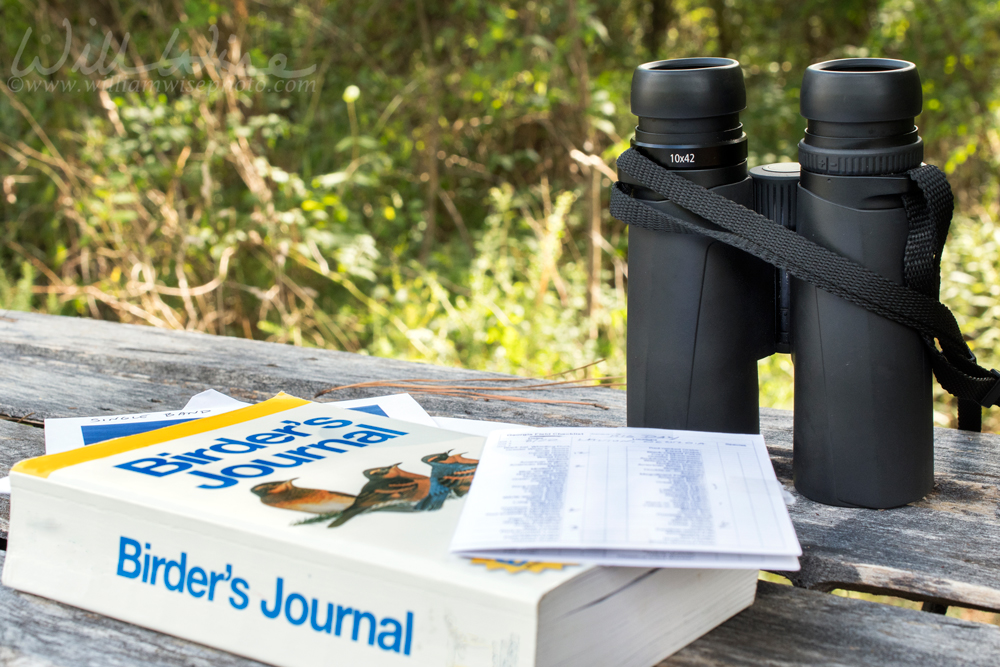
January 1 is an exciting day for us birders. Our year list begins again and the hunt is on to list even those common visitors that often only get a passing glance as the year wears on. The checklist is blank and all the birds are “new”. And with the start of the New Year, many Christians begin another yearly reading plan. The Bible reading checkboxes are empty and race is on!

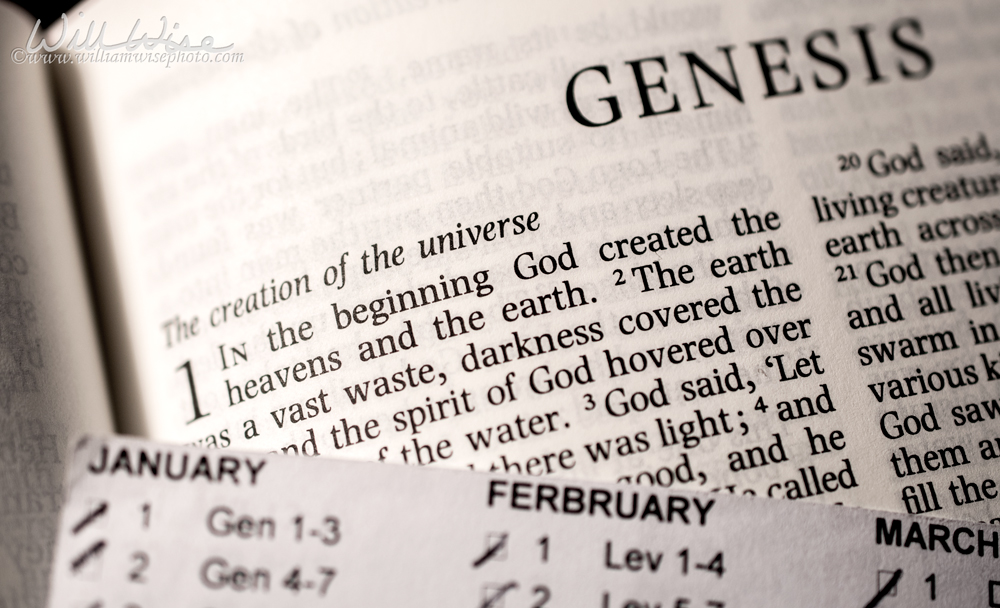
And where does that Bible reading plan typically start? At the beginning, with “In the beginning God created the heaven and the earth.” With evolutionary theory now firmly programmed into our society, I often wonder Christians’ reactions when they open to the first chapter of the Bible. Do you believe these words?

As Christians that believe in the accuracy and inerrancy of the Word of God, we must, I repeat, we must make an uncompromising stand that in the beginning, God created the universe in six days. The evolutionary bombardment is not only an attack on the doctrine of origin, but an attack on the entire Bible and every doctrine contained therein. If the first sentence is false, why go on with the rest of the book?

Bible Genesis 1 In the beginning by WilliamWisePhotography

Bible Genesis 1 “In the beginning”

In this New Year, let us commit to a fresh, solid stance on the truth of creation; a doctrine so important that God placed it first in the Bible! We must hold an unwavering commitment that “His word is true from the beginning.” For if the first sentence of the Bible is incorrect, what does that mean for every sentence after that?

William Wise Photo Nature Notes is a wildlife, birding and nature photography blog documenting the beauty, design and wonder of God’s creation. — “What a wildly wonderful world, God! You made it all, with Wisdom at Your side, made earth overflow with your wonderful creations.” Psalms 104 The Message

Photos by William Wise taken – December 23, 2019 – A flock of Forster`s Terns on Hilton Head Island Beach, South Carolina. Sterna forsteri breeds inland in North America and winters south to the Caribbean and northern Central America.

Lee’s Addition:

This is a few days past the new year, but this year is still new. Also, this message is appropriate for the whole year. I failed to see William’s email post sooner.

Good News

Chasing Gulls

CHA-Lai Flying Ring-billed Gull; Hilton Head Island, South Carolina, USA by William Wise Photo

Flying Ring-billed Gull; Hilton Head Island, South Carolina, USA by William Wise Photo

Chasing Gulls

by William Wise

It seems the favorite sport of every dog and child on the beach is to run wildly into a pack of gulls. I have to admit, it does look fun, and I probably did it too as a child. While visiting beach of Hilton Head Island, South Carolina this past Christmas, I marveled at the flight of the terns and gulls. Lifting off, taking to the air, circling around, diving and coming back to a landing to avoid the berserker kids and dogs. How do they do it?

From the beginning, as he marveled at the flight of birds, man began chasing the dream to fly. The first concerted efforts came as early as 1485, if not earlier, with Leonardo DaVinci’s Ornithoper blueprints. Although many efforts were made, it wasn’t until 1903 that flight was accomplished by humans. We may have large jumbo jets carrying people across the globe today, but it was a long, arduous process to get there.

If it was so difficult for man to learn to fly, how did birds catch on so quickly and gracefully learn to take to the air? The answer: they didn’t learn! The birds immediately burst forth in color and flight on Day 5 of creation! They were designed, equipped and enabled to fly from their very beginning. They got off to a flying start, so to speak!

CHA-Lai Ring-billed Gulls; Hilton Head Island, South Carolina, USA by William Wise Photo

Ring-billed Gulls; Hilton Head Island, South Carolina, USA by William Wise Photo

Does that sound like an impossible fairy tale? Well, consider this yarn: “Flight appears to have evolved separately four times in history: in insects, bats, birds and pterosaurs. These four groups of flying animals didn’t evolve from a single, flying ancestor. Instead, they all evolved the ability to fly from separate ancestors that couldn’t fly. This makes flight a case of convergent evolution.”

Did you catch that? The complexity of flight evolved separately on four different occasions? Since the probability of even a simple, 200 component, single-celled organism evolving is at least 1060 (a “one” followed by sixty “zeros”), flight evolving even once is basically an impossibility. But four times?

It takes less imagination and faith to marvel at the wonder of flight and know that an incredible Artist designed it in one swift stroke! “And out of the ground the Lord God formed every beast of the field, and every fowl of the air” (Genesis 2:19)


Lee’s Addition:

When I first introduced you to William Wise, it was because of his photography. Now, he is also willing to share articles/posts with us on a regular basis. Trust you will enjoy having him “on board” with the rest of us.

Stay tuned for great topics tying birds and creation together.
His Site:

William Wise Photography

His Posts Here:

Meet Another New Photographer – William Wise

Two Suppers – By William Wise

We Watch Birds, Yet We Too Are Being Watched!

We watch birds,  yet we too are being watched!

Dr. James J. S. Johnson

BAW-1stCorinthians4.9

This is a blog-site about birdwatching.  Yet don’t forget that we ourselves are being watched, so be on your best behavior!  (Consider 1st Corinthians 4:9, quoted above.)

Once I watched a hummingbird, displaying its marvelous metabolism, that busily slurped nectar from trumpet vines that grow upon my backyard’s fence.  The hovering, buzzing, flitting, iridescent-sparkling hummingbird was too busy to notice me!

Yet, come to think of it, there are times when I am so busy that I don’t notice others watching me — and sometimes (according to 1st Corinthians 4:9) even angels are watching.   All the more reason to be on my best behavior.

However, even if only God is watching, that’s the best reason for doing what is right, to honor Him  (1st Corinthians 10:31).

BAW-hummingbirds-are-watched

Meanwhile, enjoy watching the birds!  May God bless your new year:  the year of our Lord 2020.  This year is God’s gift  —  let’s walk through it reverently and appreciatively.

BAW-birds-are-fun-to-watch


Ian’s Bird of the Moment – Great Horned and Ferruginous Pygmy Owls

There weren’t any owls on our must-see lists for Brazil and Chile because we weren’t particularly expecting to see any. However, we ended up seeing two species at opposite ends of the size scale: the largest Brazilian owl, Great Horned Owl, and one of the smallest, the Ferruginous Pygmy Owl.

The Great Horned Owl – splendidly named the Grand-duc d’Amérique in French – is seriously big, with females, larger than males, being up to 60cm/24in in length, 1.5kg/53oz in weight, with a wing span of up to 1.5m/5ft. The Ferruginous Pygmy Owl, by comparison tiny with the (smaller) males being as short as 15cm/6in, as light as 46g/1.6oz with an average wing span of 38cm/15in.

STI-Strg Great Horned Owl by Ian

Great Horned Owls feed mainly on mammals but are versatile and will take birds from small passerines up to geese and Great Blue Herons. Ferruginous Pygmy Owls are also versatile, make up for their small size by being quite aggressive and taking anything from insects to birds much bigger than themselves.

STI-Strg Ferruginous Pygmy Owl (Glaucidium brasilianum) by Ian

Their versatile diets mean both species are very adaptable and have huge ranges in the Americas. The range of the Great Horned Owl extends from Alaska and northern Canada through Central and South America as far as northern Argentina, though it sizes restricts it to hunting in open areas and it avoids rainforests such as the Amazon Basin.

The Ferruginous Pygmy Owl ranges from southern Arizona through Central America and most of South America east of the Andes (including the Amazon Basin), also as far as northern Argentina. Both incidentally illustrate the taxonomic folly of using geographical areas in names, the specific name of one referring to the American state of Virginia, and the other to Brazil.

PEL-Pele Peruvian Pelican (Pelecanus thagus) by Ian

You probably know by now that I’m attracted to symbols, hence the owls. I couldn’t resist using avian symbols of wisdom as we celebrate the beginning of a new year and a new decade. The last decade seems to have been singularly lacking in wisdom in politics and leadership, and I hope for better in the twenties. At the same time we need to be optimistic and not lose our sense of fun, so I’m sharing the experience Trish and I enjoyed of watching Peruvian Pelicans on the coast of Chile – another lesson in names – apparently enjoying skimming over the waves in the late afternoon.

On the subject of wisdom, I read an article on the (Australian) ABC website today on whether the decade actually starts on the first of January 2020 or 2021. At the start of the millennium I was one of the pedants who felt it started in 2001, but I’ve shifted my ground. I like this quote from a comment on the article by Professor Hans Noel:

“Knowledge is knowing that there was no year 0 so technically the new decade begins Jan 1 2021, not 2020.

“Wisdom is knowing that we started this system in the middle, it’s socially constructed anyway, and it feels right to treat ‘1 to 10’ as a decade, so that’s what we do.”

The ABC Language researcher Tiger Webb had the final word:

“What’s often missing from this discussion is that all calendrical systems are abstractions of human arrogance in the face of an indifferent universe.”

So have a wisdom- and fun-filled 2020 and decade!

Ian


Lee’s Addition:

Well, now there is an interesting take on this new year.

I do know that according to the Bible, there was a year zero (0):

“For in six days the LORD made heaven and earth, the sea, and all that in them is, and rested the seventh day: wherefore the LORD blessed the sabbath day, and hallowed it.”
(Exodus 20:11 KJV)

That was when TIME as we know it began.

“Go to now, ye that say, To day or to morrow we will go into such a city, and continue there a year, and buy and sell, and get gain: Whereas ye know not what shall be on the morrow. For what is your life? It is even a vapour, that appeareth for a little time, and then vanisheth away. For that ye ought to say, If the Lord will, we shall live, and do this, or that.” (James 4:13-15 KJV)

Like Ian, Happy New Year.

Ian’s Bird of the Week – Moments

Birds Are Wonderful: Y and Z !

BIRDS  ARE  WONDERFUL  . . .  Y  and  Z !

Dr. James J. S. Johnson

Jesus said: “Therefore I say to you, do not worry about your life, what you will eat or what you will drink . . . Is not life more than food, and the body more than clothing? Look at the birds of the air, . . . your heavenly Father feeds them. Are you not of more value than they?”   (Matthew 6:25-26)

For ushering in the year of our Lord 2020,  below follows the ninth (and last) installment of alphabet-illustrating birds of the world, as part of this new series (“Birds Are Wonderful  —  and Some Are a Little Weird*).  The letter Y is illustrated by Yellow-headed Blackbird, Yucatan Jay, and Yellow-eyed Penguin.  The letter Z  illustrated by Zino’s Petrel, Zigzag Heron, and Zone-tailed Hawk. Since this series is not using the Norwegian alphabet, this is the end of this series!

“Y” BIRDS:   Yellow-headed Blackbird, Yucatan Jay, and Yellow-eyed Penguin.

BAW-Yellowhead-YucatanJayBAW-YelloweyedPenguin

“Z” BIRDS:  Zino’s Petrel, Zigzag Heron, and Zone-tailed Hawk.

BAW-ZinosPetrel-ZigzagHeronBAW-ZonetailedHawk

Birds are truly wonderful — and some, like the , are exquisitely beautiful, while others, like the are fascinatingly unusual, if not also a bit weird!  (That concludes this series; however, there are thousands of birds that could have been included, so this series only introduced the biodiversity of birds, D.v.)


* Quoting “Birds Are Wonderful, and Some Are a Little Weird”, © AD2019—AD 2020 James J. S. Johnson   [used here by permission].

BAW-Zino'sPetrel.Wikipedia

Zino’s Petrel (Wikipedia sketch)

Birds Are Wonderful: V, W, and X !

BIRDS  ARE  WONDERFUL  . . .  V,  W,  and  X !

Dr. James J. S. Johnson

Jesus said: “Therefore I say to you, do not worry about your life, what you will eat or what you will drink . . . Is not life more than food, and the body more than clothing? Look at the birds of the air, . . . your heavenly Father feeds them. Are you not of more value than they?”   (Matthew 6:25-26)

For ushering in this year of our Lord 2020,  below follows the eighth installment of alphabet-illustrating birds of the world, as part of this new series (“Birds Are Wonderful  —  and Some Are a Little Weird*).  The letter V is illustrated by Vasa Parrot, Vireos, and Vultures.  The letter W illustrated by Wood Duck, Waxwings, and Whinchat.  The letter X illustrated by Xavier’s Greenbul, Xingus Scale-backed Antbird, and Xantus’s Hummingbird.

“V” BIRDS:   Vasa Parrot, Vireos, and Vultures.

BAW-VasaParrot-Vireo

BAW-Vulture

“W” BIRDS:  Wood Duck, Waxwings, and Whinchat.

BAW-WoodDuck-WaxwingsBAW-Whinchat

“X” BIRDS:  Xavier’s Greenbul, Xingus Scale-backed Antbird, and Xantus’s Hummingbird.

BAW-XavierGreenbul-XingusScalebackedAntbirdBAW-XantusHummingbird

Birds are truly wonderful — some are gracefully beautiful, like  Xantus’s Hummingbird, — and some, like the Vultures, are fascinatingly unusual, if not also a little weird!  (Stay tuned for more, D.v.)


* Quoting from “Birds Are Wonderful, and Some Are a Little Weird”, (c) AD2019 James J. S. Johnson   [used here by permission].

Vulture-turkey.TexasHillCountry

Birds Are Wonderful: S, T, and U !

BIRDS  ARE  WONDERFUL  . . .  S,  T,  and  U !

Dr. James J. S. Johnson

Jesus said: “Therefore I say to you, do not worry about your life, what you will eat or what you will drink . . . Is not life more than food, and the body more than clothing? Look at the birds of the air, . . . your heavenly Father feeds them. Are you not of more value than they?”   (Matthew 6:25-26)

HAPPY NEW YEAR!!!

For ushering in the year of our Lord 2020,  below follows the seventh installment of alphabet-illustrating birds of the world, as part of this new series (“Birds Are Wonderful  —  and Some Are a Little Weird*).  The letter S is illustrated by Scissor-tailed Flycatcher, Stork, and Starling.  The letter T illustrated by Turkey, Trumpeter Swan, and Turnstone.  The letter U illustrated by Ural Owl, Udzungwa partridge, and Umbrellabird.

“S” BIRDS:   Scissor-tailed Flycatcher, Storks, and Starlings.

BAW-Scissortail-Stork

BAW-Starling

“T” BIRDS:  Turkey, Trumpeter Swan, and Turnstone.

BAW-Turkey-TrumpeterSwanBAW-Turnstone

“U” BIRDS:  Ural Owl, Udzungwa Partridge, and Umbrellabird.

BAW-UralOwl-UdzungwaPartridge

BAW-Umbrellabird

Birds are truly wonderful — some are gracefully beautiful, like the Scissor-tailed Flycatcher — and some, like the bizarre-displaying Umbrellabird, are fascinatingly unusual, if not also a little weird!  (Stay tuned for more, D.v.)


* Quoting from “Birds Are Wonderful, and Some Are a Little Weird”, (c) AD2019 James J. S. Johnson   [used here by permission].

Scissortail-in-flight.Cornell

Scissortail in flight (Cornell Lab photo)


Birdie’s Morning Song – McGuffey’s 2nd Grade Reader

Barn Swallow (Hirundo rustica) (juvenile) ©USFWS

McGuffey Readers were a series of graded primers for grade levels 1-6. They were widely used as textbooks in American schools from the mid-19th century to the mid-20th century, and are still used today in some private schools and in homeschooling.

LESSON XXXIV. (34)

dew’drops hop’ping la’zi est bends sung

pa’tience in stead’ dar’ling ought rest

slum’ber my self ‘ re ply’ miss lose

BIRDIE’S MORNING SONG.

1. Wake up, little darling, the birdies are out,
And here you are still in your nest!
The laziest birdie is hopping about;
You ought to be up with the rest.
Wake up, little darling, wake up!

Barn Swallow in Cades Cove by Dan

Barn Swallow in Cades Cove by Dan

2. Oh, see what you miss when you
slumber so long—
The dewdrops, the beautiful sky!
I can not sing half what you lose in my song;
And yet, not a word in reply.
Wake up, little darling, wake up!

Barn Swallow (juvenile)

3. I’ve sung myself quite out of patience with you,
While mother bends o’er your dear head;
Now birdie has done all that birdie can do:
Her kisses will wake you instead!
Wake up, little darling, wake up!
George Cooper.


“I will both lie down in peace, and sleep; For You alone, O LORD, make me dwell in safety.” (Psalms 4:8 NKJV)

McGuffey’s Reader for 2nd Grade:

ABC’s of the Gospel